28 Things Only Kids Who Shared a Bedroom Growing Up Will Understand
A shared bedroom is a compressed social environment — two or more people with different schedules, different tolerances for mess, different opinions about whether the window should be open, in approximately twelve square metres, every night, for years. It produces a specific set of experiences that aren’t quite like anything else in childhood, and that people who had their own rooms simply missed out on.
Those who shared know.
The Invisible Dividing Line Down the Middle of the Room

The line was not official. It was never written down, never measured, never formally agreed upon.
But it existed with the clarity of a national border. Your stuff was on your side, their stuff was on their side, and the consequences of crossing it were negotiated through a system of grievances that the rest of the household gradually learned to ignore.
The Absolute Authority of Whoever Got the Top Bunk
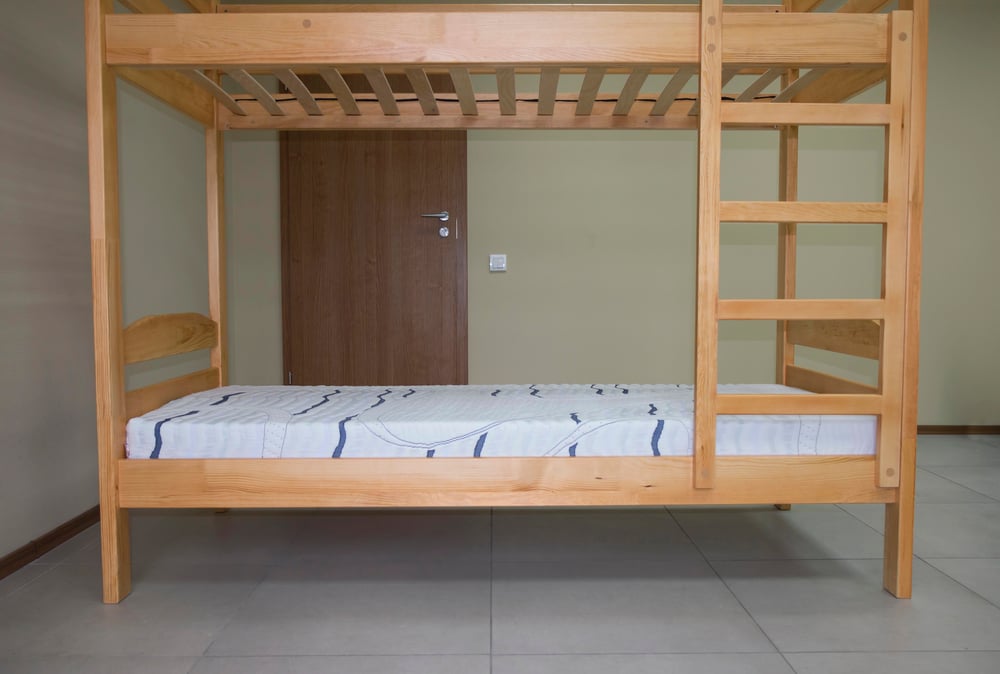
Top bunk carried status that was difficult to explain to anyone who hadn’t wanted it. You could see the whole room, the ceiling was closer, and the ladder was exclusively yours to control access to.
Whoever won the top bunk in the initial assignment rarely gave it up voluntarily. The original negotiation was treated as binding for the remainder of the sibling relationship.
Talking in the Dark After Lights Out
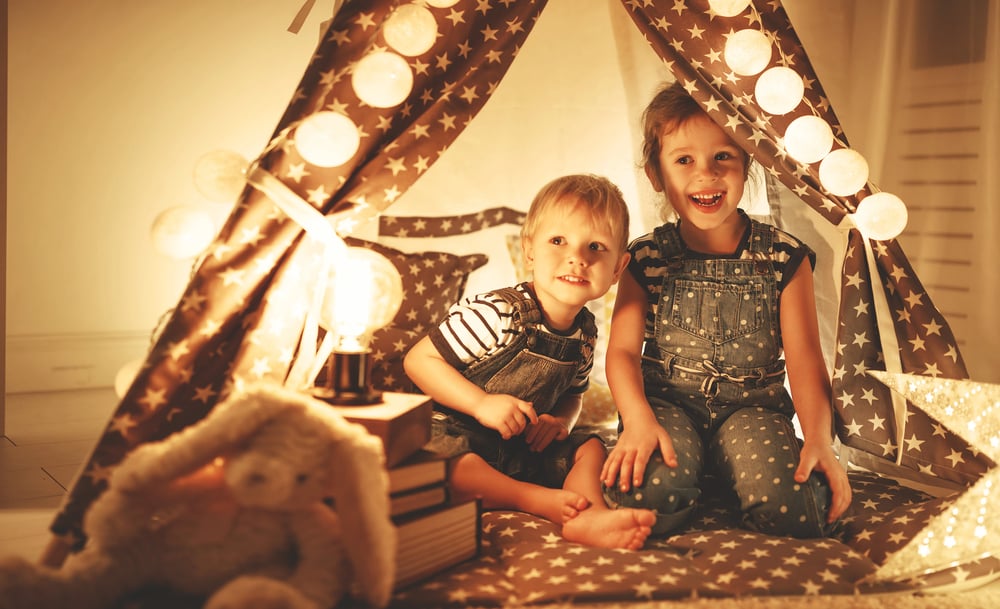
The lights went off and the conversation started. It was a different conversation than the one that happened during daylight — quieter, longer, sometimes more honest.
The dark removed the self-consciousness that came with being seen. You talked about things that didn’t come up at the dinner table, fell asleep mid-sentence, and nobody remembered who said what last.
Perfecting the Art of the Silent Alarm

Getting up for school at 6:30am when your sibling’s alarm wasn’t until 7:15 required a specific physical technique. You had to extract yourself from the covers without the mattress creaking, get dressed in the dark without turning the overhead light on, and open the door slowly enough that the hinge didn’t groan.
You developed skills in quiet movement that are genuinely useful. You learned them entirely under the pressure of not wanting to deal with a furious sibling at 6:31am.
The Breathing Sounds That Told You They Were Asleep

You learned the exact sound of your sibling sleeping. This included the specific rhythm and the slight change in the quality of their breathing when they crossed from awake to actually gone.
This information was useful for multiple reasons. It meant you could stop pretending to be asleep yourself, turn on a torch under the covers, or cautiously retrieve whatever they’d borrowed from your side without incident.
Arguing About the Temperature
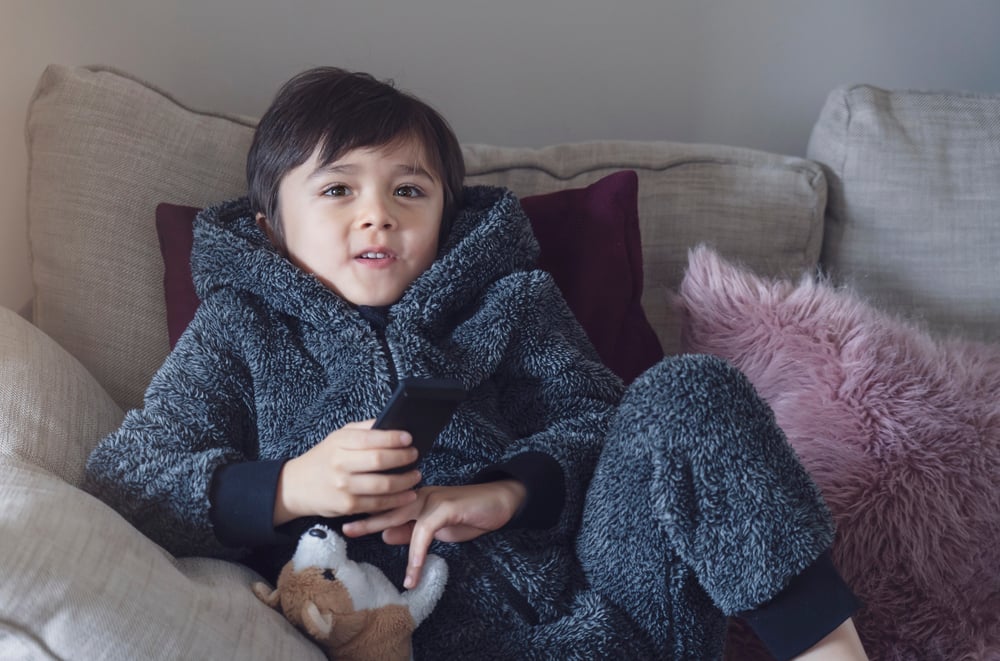
One of you was always too hot, while one was always too cold. The window was either open too much or not enough.
This debate ran across every season of the year without resolution. The correct temperature was a matter of personal biology, and personal biology is not a subject that yielded to negotiation between children.
Whispering a Full Conversation at Two in the Morning
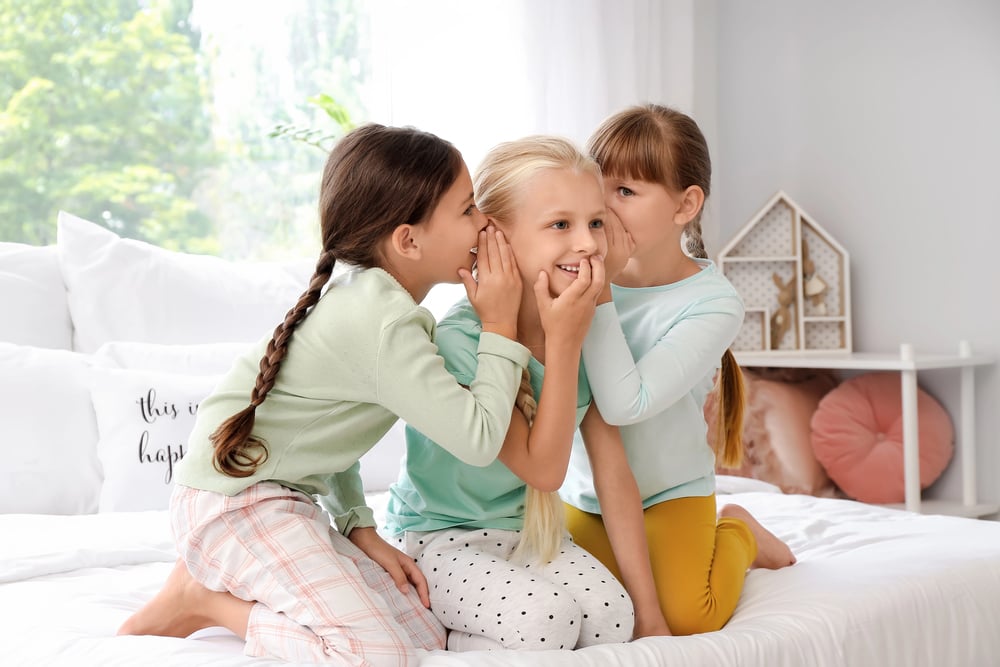
The whisper conversations had their own tone and their own subjects. They were conducted entirely under the radar of the household, which gave them a conspiratorial quality.
You discussed things you wouldn’t have discussed in daylight — fears, plans, observations about school, and assessments of people you both knew. The shared secrecy of those conversations produced a closeness that’s difficult to replicate in any other circumstance.
The Specific Horror of a Sibling Who Snored

If your sibling snored and you didn’t, you went to sleep before they did. This was a strict biological rule that could not be circumvented.
You learned to fall asleep quickly, learned to sleep through it, or lay awake in the dark cataloguing your grievances until morning. All three of these outcomes produced either life skills or a detailed knowledge of your own capacity for suffering.
Claiming the Better Dresser Drawer
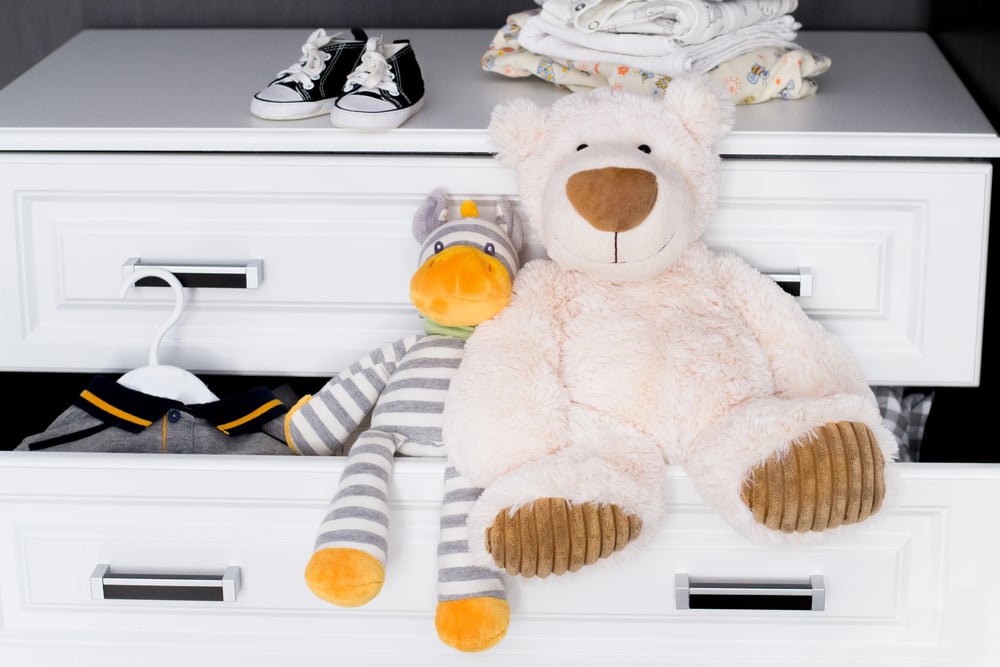
The dresser was shared, but the drawers were divided. Which drawers you got — top, middle, bottom — mattered in ways that were disproportionate to the practical difference.
Top drawers were more convenient, closer to eye level, and easier to search without bending. The distribution of drawers was a negotiation that parents were sometimes asked to mediate and that older siblings invariably won.
Knowing Their Entire Taste in Music Whether You Liked It or Not

Whatever your sibling listened to became your background. You absorbed their albums and their taste involuntarily.
You can probably still sing songs you never once chose to hear because they went into the room’s air several hundred times and into your memory without permission. Music in a shared room was always ambient, always someone else’s choice, and occasionally not as bad as you initially decided.
The Complicated Rules Around Having a Friend Over
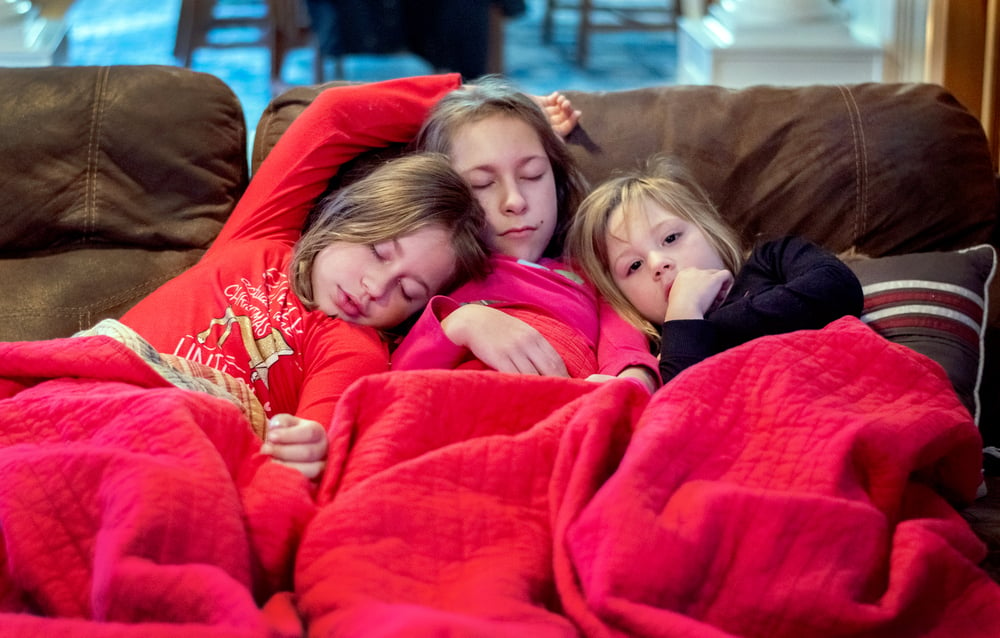
When you brought a friend to the room, the sibling had to be managed. You had to figure out if they were allowed in or allowed to stay.
The rules varied by household and by negotiation. Some siblings treated a friend’s presence as an opportunity to perform, others retreated entirely and waited it out, while a rare few attempted to join, which required separate management.
The Exact Moment You Wanted the Room to Yourself and Couldn’t Have It

There were times when you needed privacy in a way that couldn’t wait — when something had happened at school and you needed to process it alone, or when you’d had a fight with a parent and wanted a door to close between yourself and everyone else. The room was occupied, as it was always occupied.
You developed workarounds for this lack of space. You used the bathroom with the lock, the garden, or the corner of a hallway.
How Well You Could Read Their Mood From the Doorway

You learned to read the room at a glance. The position of their body on the bed, the way they’d arranged their things, whether they’d opened the curtain or left it closed — all of it told you what kind of evening was ahead.
You developed an accuracy from these details. It is a skill that people without siblings sometimes lack entirely.
The Book You Weren’t Supposed to Know About

Every shared room had one — the thing hidden under the mattress, behind the books on the shelf, or in the back of the wardrobe. You knew it was there, but you probably never said anything.
The knowledge was a private leverage you held and, in most cases, declined to use. The restraint was its own kind of friendship.
The Complex Economics of Borrowed Possessions

Your sibling borrowed your things, and you borrowed theirs. The system was informal and frequently disputed.
Items were returned in worse condition than they left, returned at a different time than was agreed, or not returned at all until required for a specific occasion. They were then rediscovered with the diplomatic neutrality of a United Nations observer.
Sharing the Same Mirror at the Same Time Every Morning
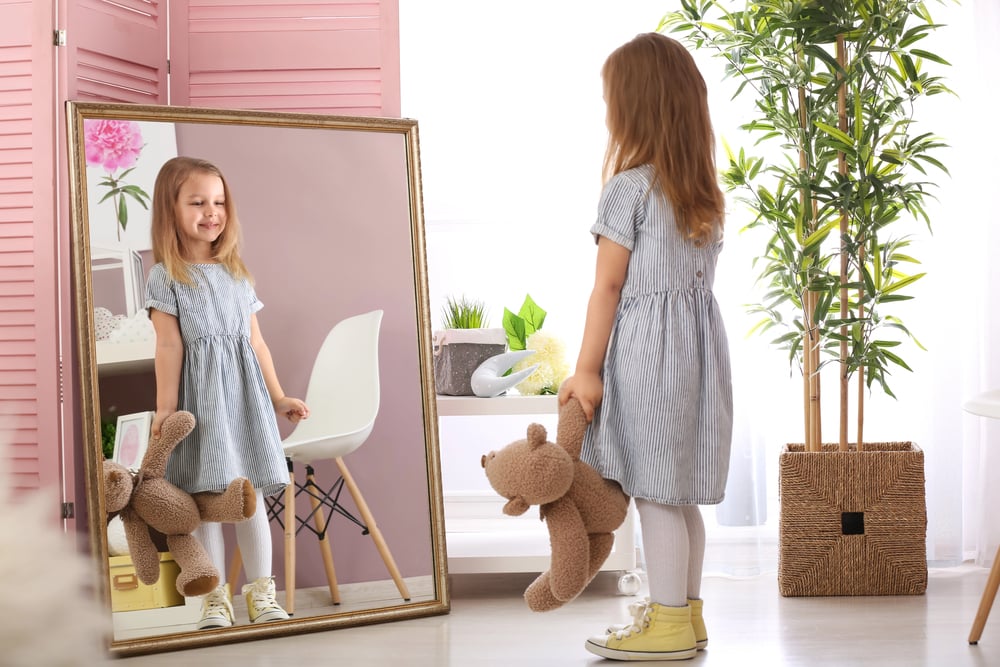
The mirror was a single resource in high demand at 7:45am. The negotiation over access was constant.
Someone always needed it for longer than was reasonable. You developed a schedule or you fought, and eventually the schedule emerged anyway from the accumulated outcomes of a hundred small fights.
The Phase Where You Decorated Your Side Differently
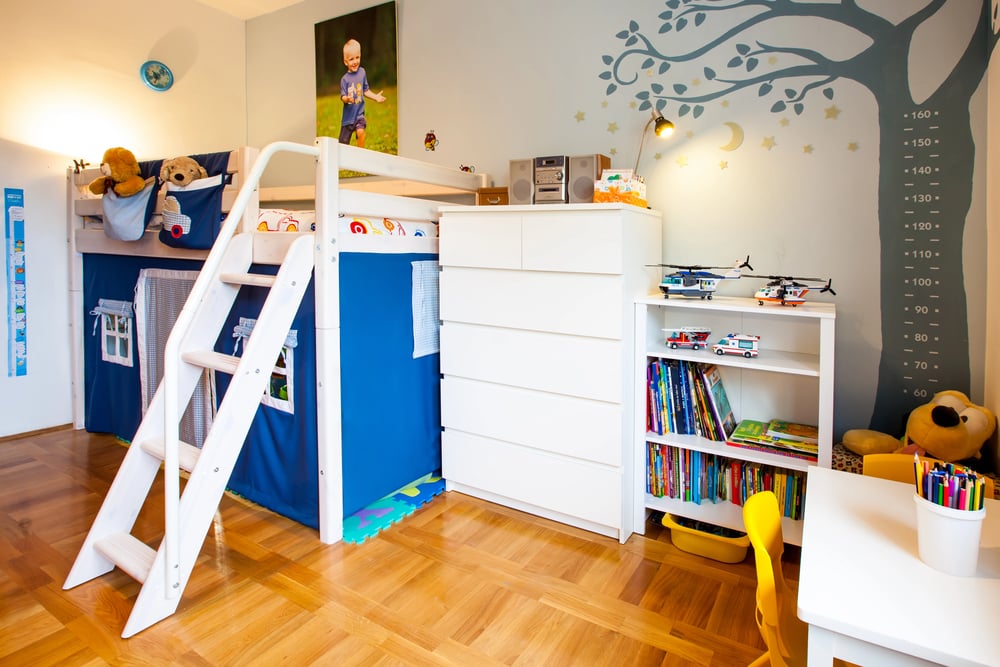
At some point you had opinions about your side of the room that were incompatible with your sibling’s opinions about theirs. You put up posters they didn’t choose, and they arranged things in a way that you found chaotic.
The room had two visual identities in close proximity. This was either an interesting aesthetic compromise or a standing argument depending on the day.
Getting in Trouble Together for Being Awake

“Go to sleep” was issued once, or possibly twice. After that, the light under the door was a risk you were both taking.
If a parent appeared in the doorway to investigate, the consequences were shared equally regardless of who had started the conversation. This produced either solidarity or immediate betrayal, depending on the sibling.
Learning the Art of Studying with Background Noise

Your sibling was present while you were trying to do homework. They were either equally studying or not studying at all, in which case the atmosphere was not conducive.
You learned to concentrate in imperfect conditions, maintain focus through interruption, and do your best work in a room that wasn’t designed for it. This skill applies to every open-plan office and crowded cafe you’ve worked in since.
The Shared Dressing Up Box or Toybox
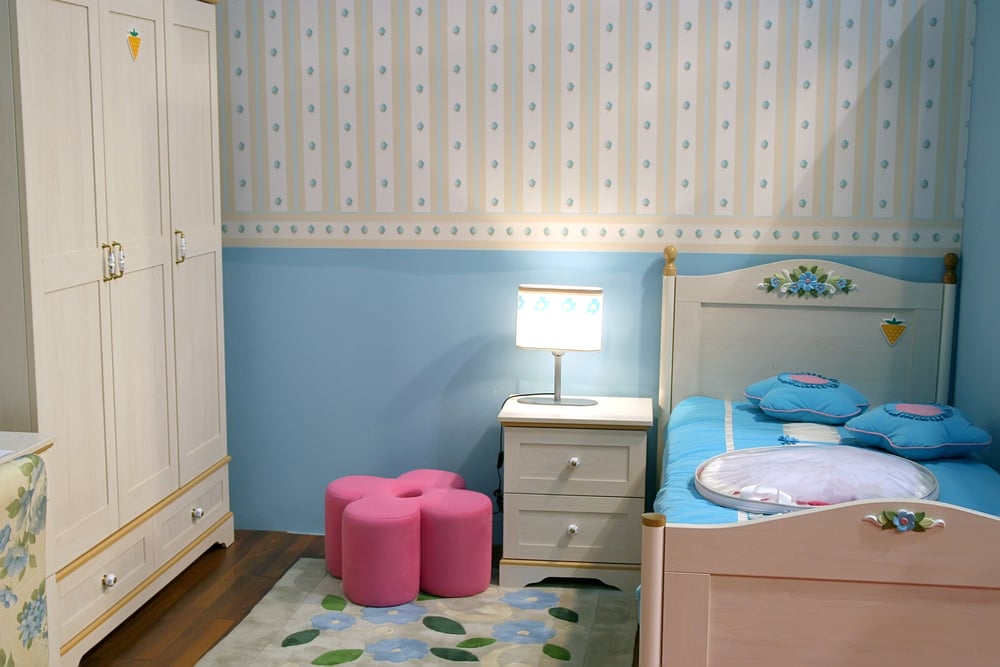
Some possessions were communal by default. The contents of the shared toybox were technically everyone’s, which made ownership disputes complex.
You developed an instinctive knowledge of which items had been yours before they became shared. You maintained a quiet private inventory of your original territory.
The Occasional Night Someone Was Really Scared

Nightmares, storms, or a fear of a particular noise the house made meant that sometimes one of you was genuinely frightened in the dark, and the other one had to decide what to do about it. Most siblings chose, in the moment, to stay awake and talk until things settled.
This is not something that gets mentioned in most accounts of sibling rivalry. However, it should be.
The Smell of Their Specific Sleep

Every person has a sleep smell — warm and particular, different from their awake smell. In a shared room you knew your sibling’s.
If you’re honest about it, you still do.
The Inevitable Comparison of Report Cards

Two children in one room brought home two sets of results. Parental reaction to one was audible to the other.
You learned your relative academic standing not from a single document, but from a sequence of overheard conversations and kitchen-table discussions. The comparison was never meant to be educational, but it was, regardless.
Discovering Something About Them You Weren’t Meant to Know

Proximity reveals things. A note left in a partially open drawer, a phone conversation not quite kept to a whisper, or an expression that crossed their face when they thought you were asleep all revealed something.
You held more knowledge about your sibling than they probably realised. This was because you spent eight hours a night in the same room for a decade.
The Secret Codes and Signals

Not all shared-room communication was spoken. A specific knock on the shared wall, a certain way of placing a book on a shared surface, or a signal meant “I need you to pretend you’re asleep now” or “cover for me when they ask why we’re still awake.”
The signals were developed without conscious design. They just emerged, like any language between people who spend enough time together.
The Night You Stayed Up Until Three AM for No Real Reason
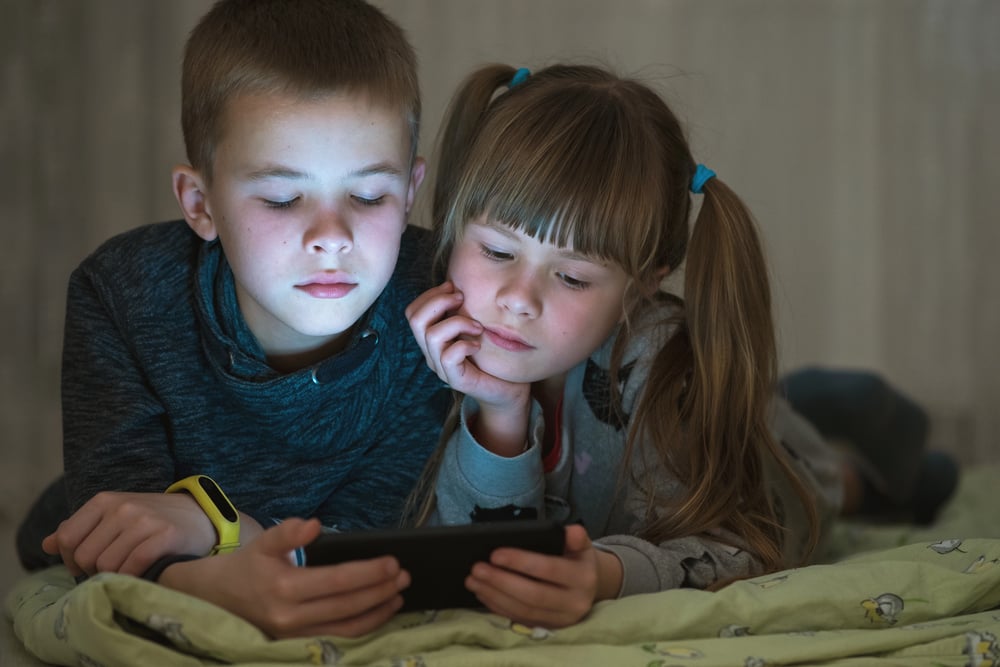
There were nights with no cause, no crisis, no excuse — just two children who found themselves awake at a time that was genuinely late and decided, without saying it explicitly, to stay up together. You talked about nothing important.
The hour was wrong for sleeping and wrong for doing anything useful. It was exactly right for being awake in a room with someone you trusted, in the dark, for no particular reason.
Growing Up, and the Room Getting Quieter

Siblings grow, and the conversation patterns change. The late-night talk after lights out happens less often, then rarely, then stops.
One of you leaves for school, or the family moves, or the room gets redistributed. The specific quality of that shared space — the particular social ecosystem of two people who shared a bedroom for years — is not replicated anywhere else.
Adults who once shared a room often have a different closeness with that sibling than with siblings they didn’t. Nobody needed a study to work that out.
What Shared Space Actually Teaches

A shared bedroom is, among other things, an early education in coexistence — the negotiation of space and resource and attention with someone whose needs are equally valid and whose presence is not optional. That is a harder curriculum than anything taught in school, and most people who shared a room graduated from it.
What they carry is the specific memory of another person in the dark, breathing, present, taking up space in a way that was sometimes infuriating and is now, from a distance, one of the more quietly significant things from childhood.
More from Go2Tutors!

- The Romanov Crown Jewels and Their Tragic Fate
- 13 Historical Mysteries That Science Still Can’t Solve
- Famous Hoaxes That Fooled the World for Years
- 15 Child Stars with Tragic Adult Lives
- 16 Famous Jewelry Pieces in History
Like Go2Tutors’s content? Follow us on MSN.



