15 Forgotten Heroines of Early Science
Long before women could officially attend universities or join scientific societies, brilliant minds were making groundbreaking discoveries in laboratories, observatories, and field sites around the world. Many of these pioneering scientists had their work credited to male colleagues or simply erased from historical records altogether.
Here’s a list of fifteen remarkable women whose contributions to early science deserve recognition and remembrance.
Hypatia of Alexandria
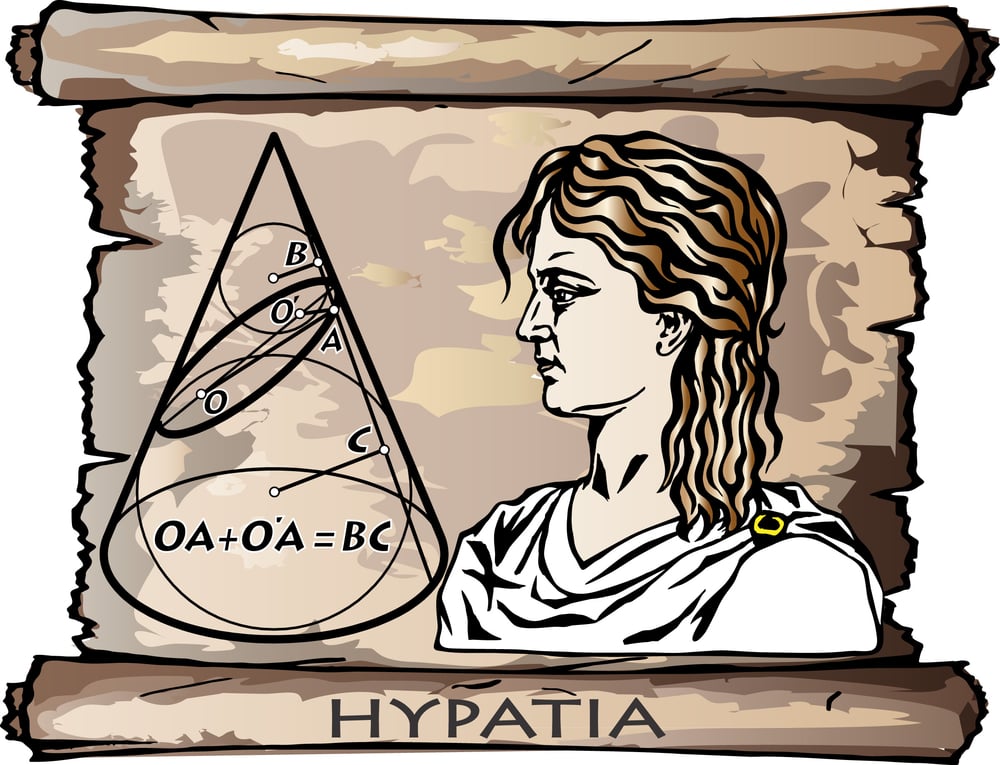
The first recorded female mathematician taught at Alexandria’s famous library around 400 CE. Students traveled from across the Roman Empire to hear her lectures on astronomy, mathematics, and philosophy.
Hypatia invented the astrolabe for ship navigation and improved the design of early hydrometers. She wrote commentaries on mathematical works that helped preserve ancient Greek knowledge through the Dark Ages. Religious extremists murdered her in 415 CE, viewing her learning as dangerous to their authority. Quite the career hazard for ancient intellectuals.
Hildegard of Bingen
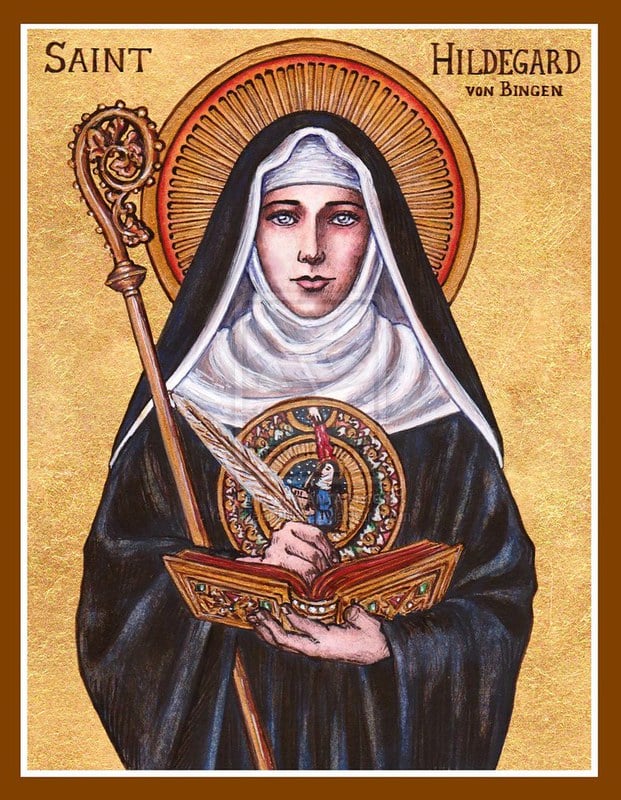
This 12th-century Benedictine abbess combined mystical visions with systematic observations of the natural world, creating some of medieval Europe’s most important scientific texts.
Her medical writings described over 200 plants and their healing properties. Hildegard also composed detailed anatomical studies and theories about human reproduction that wouldn’t be matched for centuries. She corresponded with emperors and popes, somehow managing to maintain both scientific credibility and religious authority in an age when women were expected to stay silent.
Trotula of Salerno
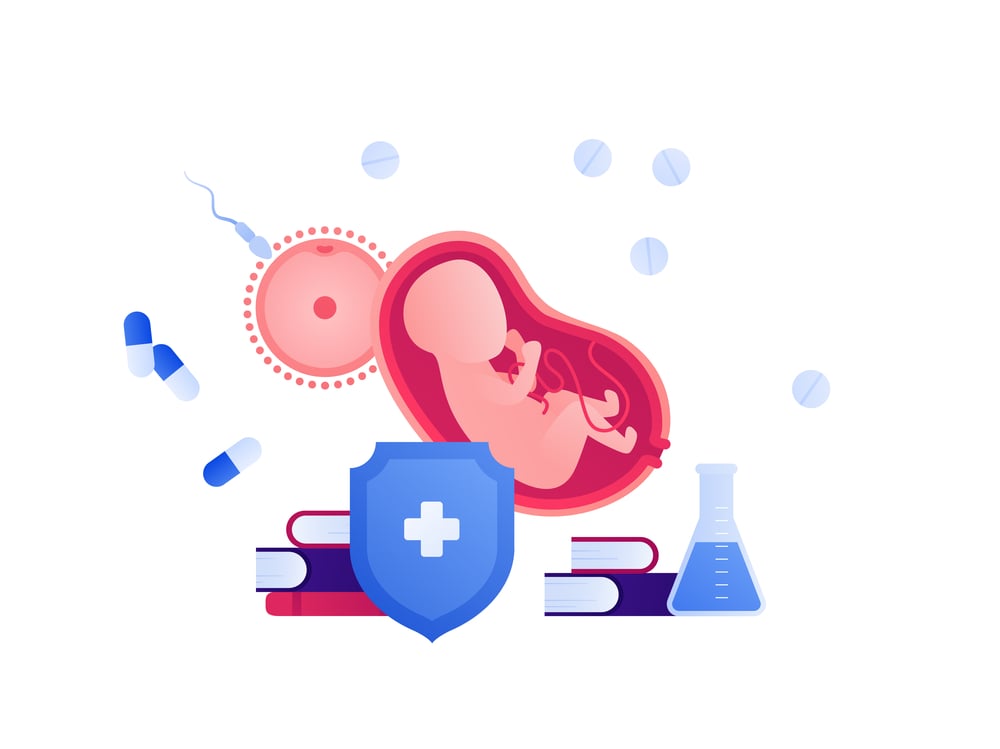
The medieval world’s leading authority on women’ s medicine practiced at Europe’s first medical school. Her textbooks were used for over 600 years, though many later editions credited her work to male authors.
Trotula wrote comprehensive guides to obstetrics, gynecology, and cosmetics. She advocated for pain relief during childbirth when most authorities considered suffering divinely ordained. Her surgical techniques were surprisingly advanced for the 11th century, and she understood infection control long before germ theory existed.
Maria Merian
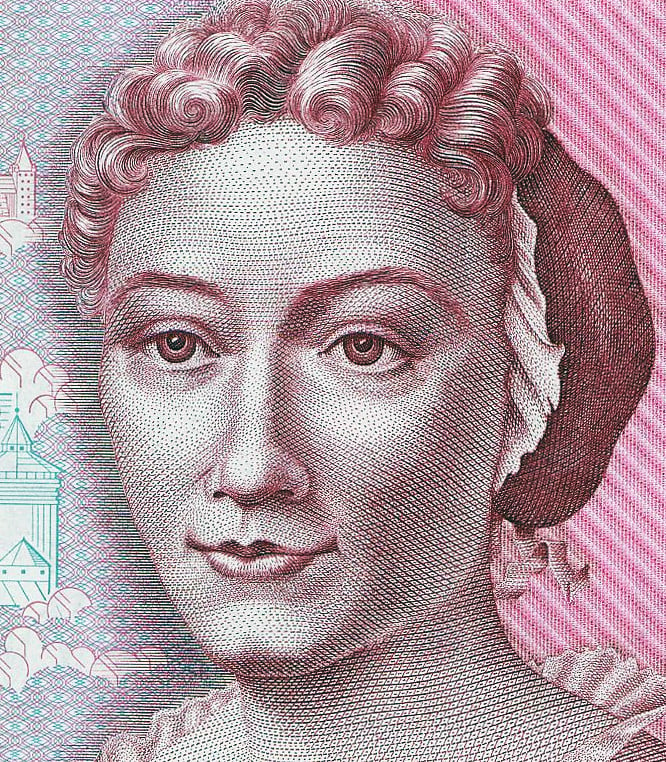
The 17th-century naturalist revolutionized the study of insects by observing their complete life cycles. She was the first scientist to document metamorphosis accurately, so previous researchers had thought caterpillars and butterflies were completely different species.
Merian traveled to Dutch Suriname at age 52 to study tropical insects, which was basically unheard of for European women at the time. Her detailed illustrations combined artistic beauty with scientific precision. She discovered that many insects had specific plant preferences, laying the groundwork for modern ecology.
Laura Bassi
Italy’s first female physics professor earned her doctorate in 1732 and spent four decades teaching at the University of Bologna.
Bassi conducted groundbreaking experiments with electricity and Newtonian physics. She corresponded with Voltaire and other leading intellectuals of the Enlightenment, though she had to fight constantly for laboratory access and fair pay. Her public scientific demonstrations drew crowds from across Europe. Even so, university officials limited her teaching to preserve the “dignity” of male professors.
Wang Zhenyi

The 18th-century Chinese scientist made major contributions to astronomy, mathematics, and poetry. She explained lunar eclipses using simple experiments with lamps, mirrors, and globes that anyone could understand.
Wang calculated the movements of celestial bodies and wrote extensively about trigonometry. Her work helped make complex scientific concepts accessible to ordinary people rather than just scholars. She died at 29, leaving behind mathematical treatises that influenced Chinese science for generations.
Caroline Herschel
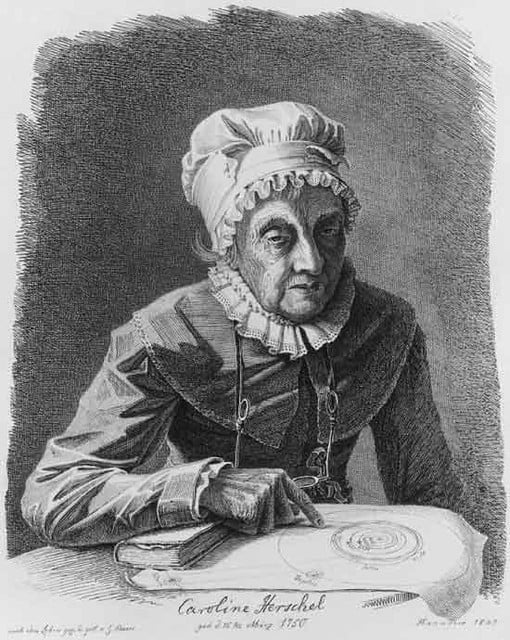
The first woman to discover a comet officially worked as her brother’s assistant but made independent discoveries that earned her international recognition.
Herschel discovered eight comets and compiled the most complete star catalog of her era. King George III granted her an annual salary, making her possibly the first professional female astronomer in history. She received honorary membership in scientific societies across Europe, though she always downplayed her achievements as mere assistance to her brother’s work.
Sophie Germain
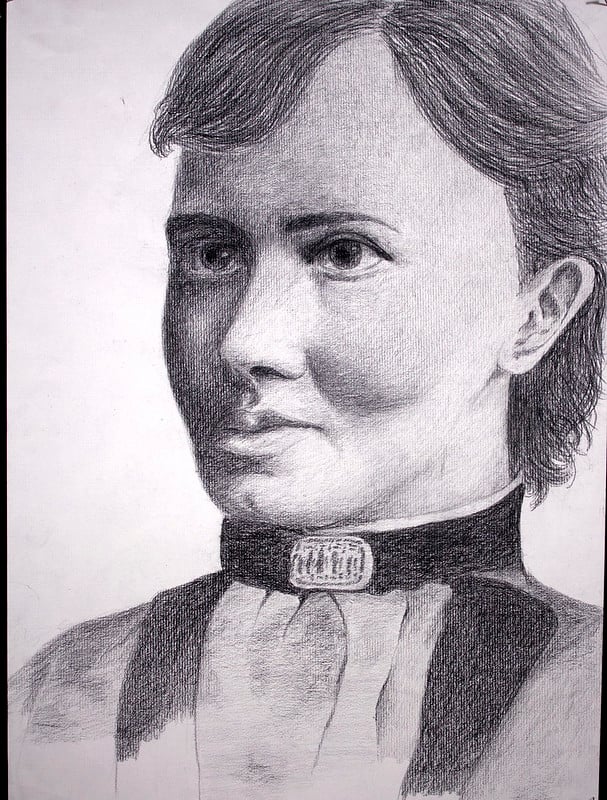
French mathematician Sophie Germain made fundamental contributions to number theory and mathematical physics while pretending to be a man in her correspondence with leading scientists.
Germain developed elastic theory equations that explained how surfaces respond to pressure. Her work on Fermat’s Last Theorem provided crucial insights that mathematicians built upon for centuries. She had to assume a male pseudonym because the École Polytechnique refused to admit women, even exceptionally brilliant ones.
Mary Anning
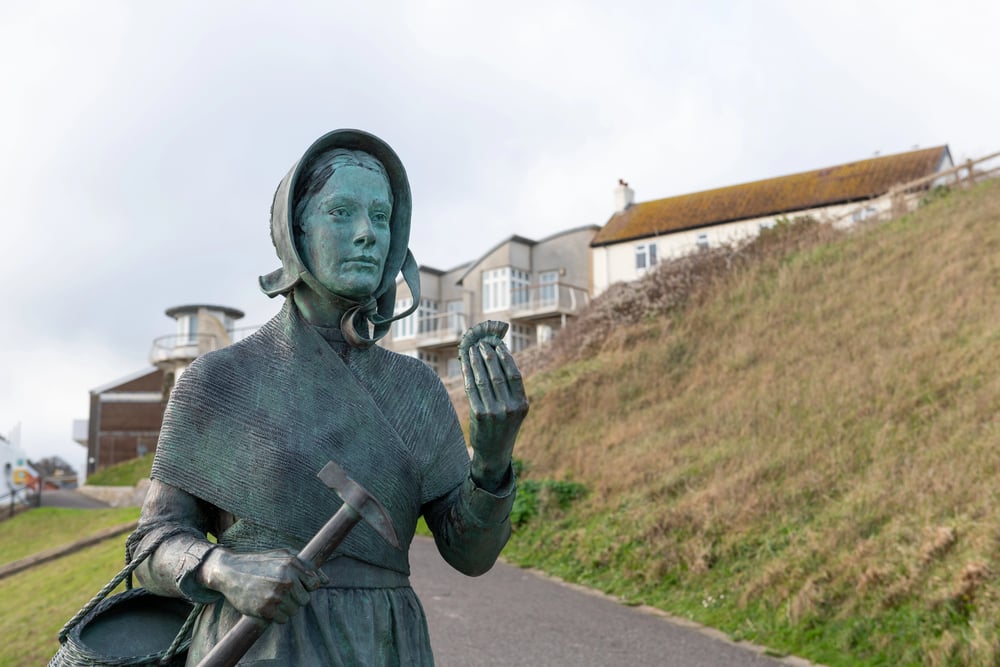
The fossil hunter from Lyme Regis discovered some of the most important dinosaur specimens in scientific history. She found her first complete ichthyosaur skeleton at age ten.
Anning’s discoveries revolutionized understanding of prehistoric life and geological time. She could identify fossils that trained geologists missed and understood ancient marine ecosystems better than university professors. Yet scientific papers rarely credited her contributions, referring instead to “a local collector” or simply omitting her name entirely.
Ada Lovelace
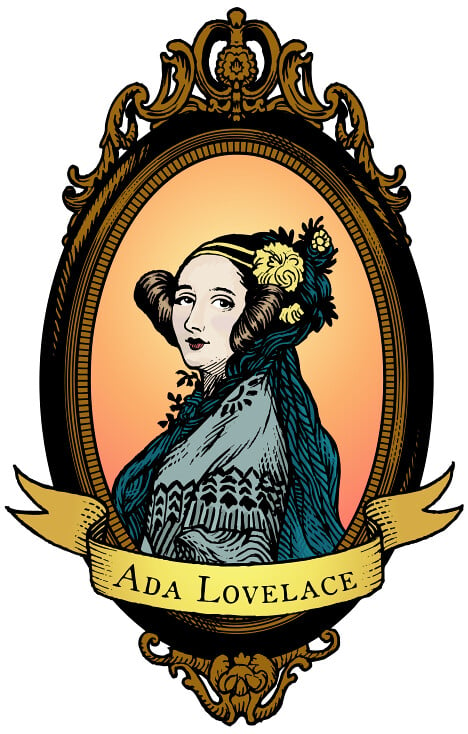
Lord Byron’s daughter created the first computer algorithm while working on Charles Babbage’s Analytical Engine. Her notes described how machines could manipulate symbols according to rules, not just crunch numbers.
Lovelace envisioned computers creating music and art decades before anyone built a working machine. She understood the theoretical potential of computing in ways that even Babbage didn’t fully grasp. Her mathematical insights laid groundwork for modern programming languages and artificial intelligence.
Lise Meitner
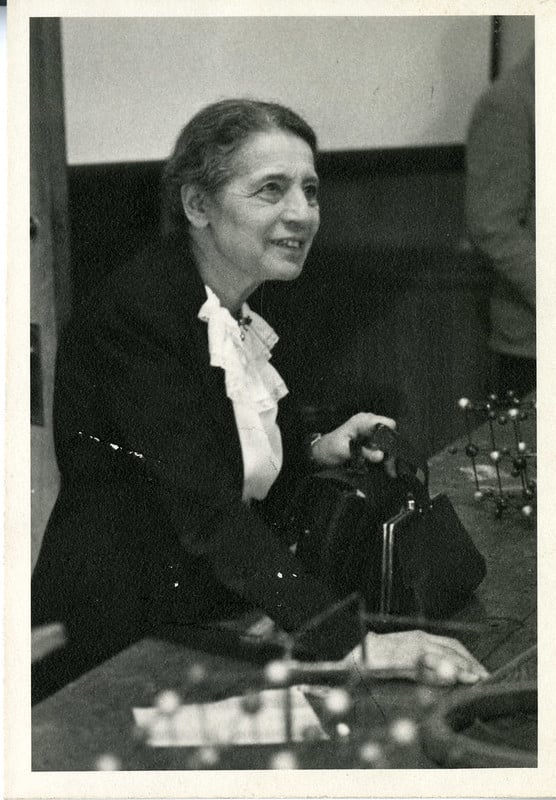
The Austrian physicist co-discovered nuclear fission but watched her male colleague Otto Hahn receive the Nobel Prize for their joint work.
Meitner’s theoretical framework explained how uranium atoms could split and release enormous energy. She calculated the mass-energy relationship that made atomic weapons possible, though she refused to work on the Manhattan Project. Her exclusion from the Nobel Prize remains one of science’s most glaring oversights.
Rosalind Franklin
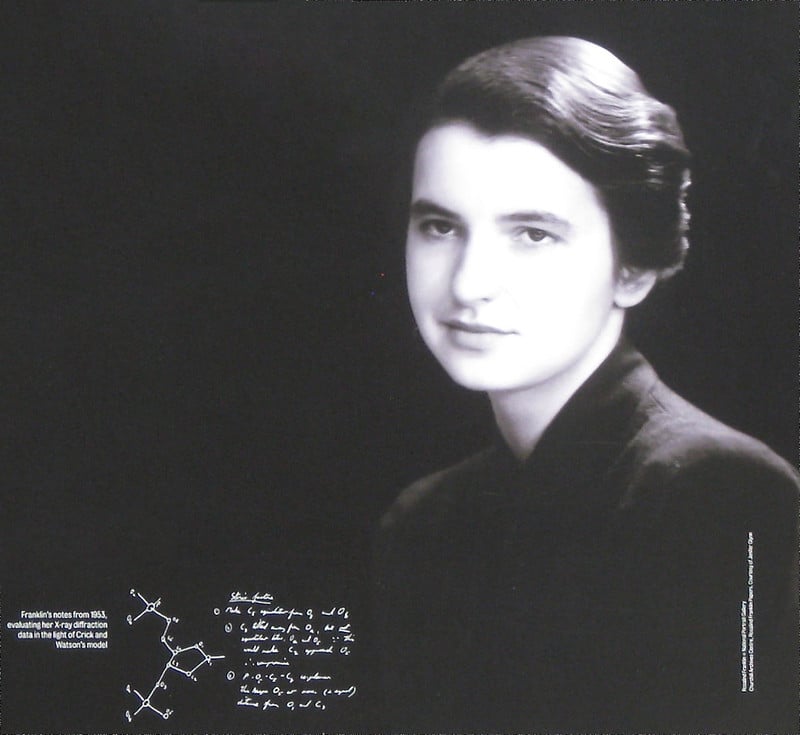
Franklin’s X-ray crystallography provided crucial evidence for DNA’s double helix structure. Her photographs revealed the spiral shape and dimensions that Watson and Crick needed for their model.
Her meticulous experimental work also advanced the understanding of RNA and virus structures. Franklin died of ovarian cancer at 37, possibly from radiation exposure during her research. Watson, Crick, and Wilkins shared the 1962 Nobel Prize for DNA structure without acknowledging her contributions:
- Photo 51 showed DNA’s helical structure clearly
- Her calculations determined the spacing between base pairs
- Her chemical analysis proved the sugar-phosphate backbone was external
Barbara McClintock
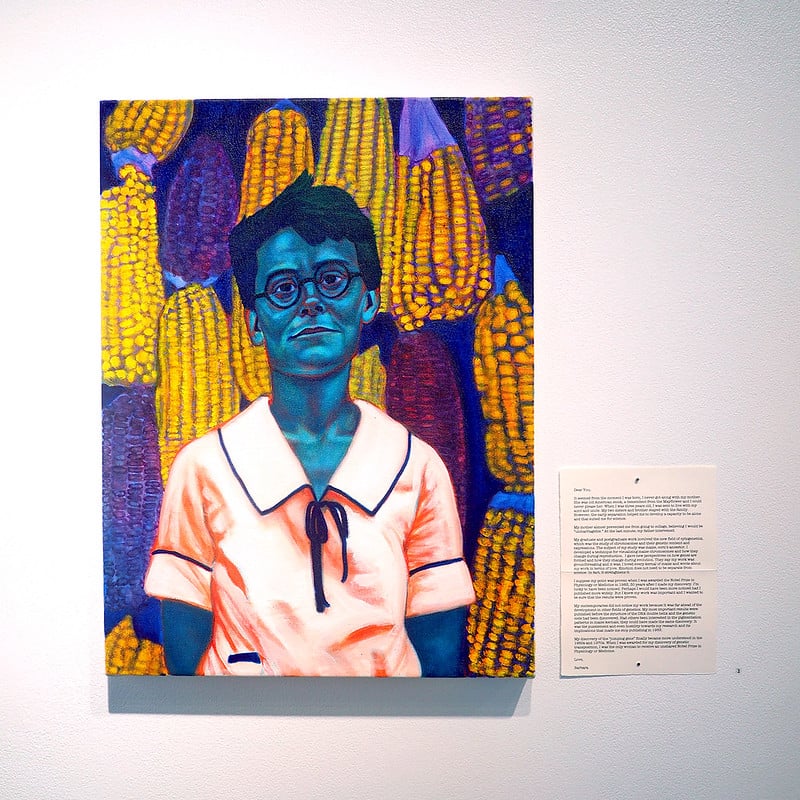
The geneticist discovered genetic transposition decades before the scientific community accepted her ideas. She found that genes could move within chromosomes and regulate other genes’ activity.
McClintock’s corn breeding experiments revealed inheritance patterns that contradicted established theories. Other scientists dismissed her work as impossible or irrelevant for nearly thirty years. She finally received recognition in the 1970s when molecular biology confirmed her discoveries, earning a Nobel Prize at age 81.
Dorothy Hodgkin
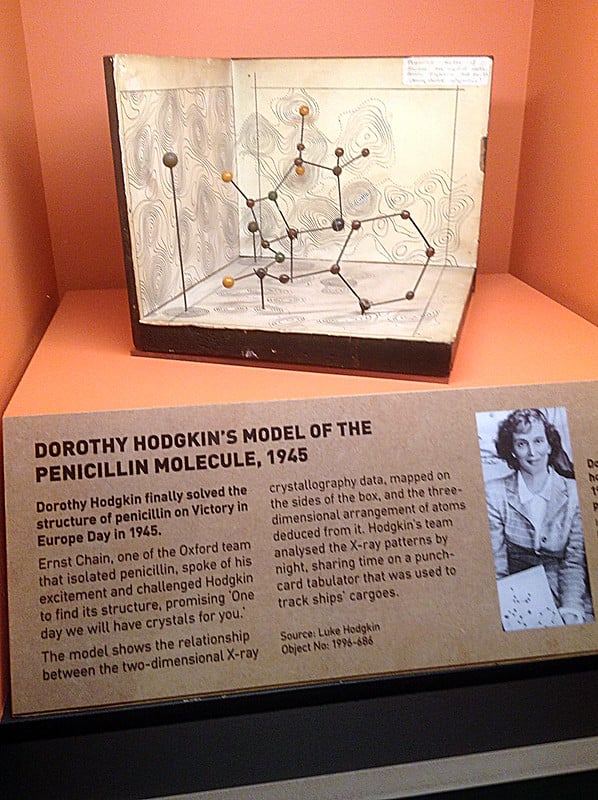
The British chemist used X-ray crystallography to determine the structures of important biological molecules. Her work revealed the molecular architecture of penicillin, vitamin B12, and insulin.
Hodgkin’s techniques helped pharmaceutical companies develop better drugs and understand how proteins fold. She became the first British woman to win a Nobel Prize in science, though arthritis made laboratory work increasingly difficult. Her students included Margaret Thatcher, who apparently learned more chemistry than politics from the experience.
Chien-Shiung Wu
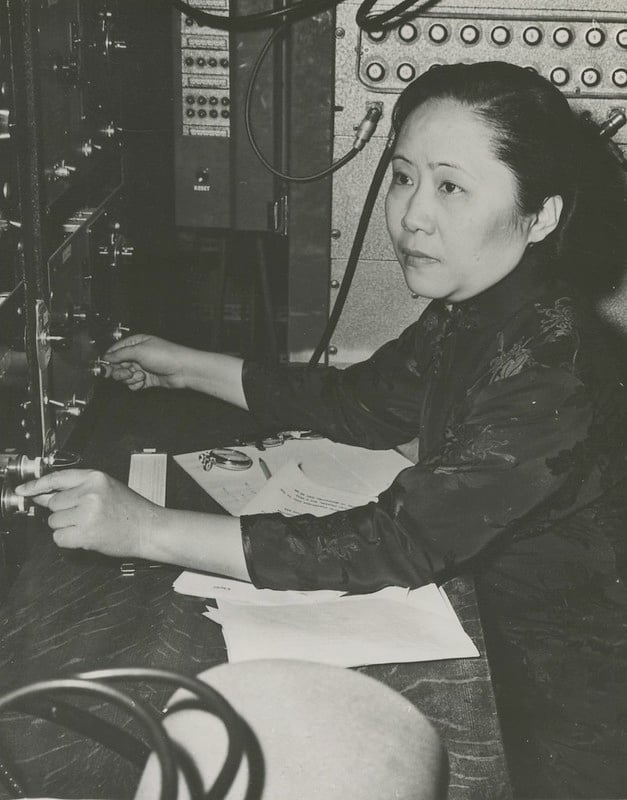
The Chinese-American physicist designed the experiment that proved parity violation in weak nuclear interactions. Her work overturned fundamental assumptions about particle physics symmetry.
Wu’s colleagues Tsung-Dao Lee and Chen-Ning Yang won the 1957 Nobel Prize for the theoretical prediction, while Wu’s experimental proof went unrecognized. She had worked through Christmas vacation to complete the delicate low-temperature measurements while her male colleagues attended conferences and gave interviews.
The Science Behind the Shadows

These women prove that curiosity and brilliance transcend the social limitations of any era. Their discoveries advanced human knowledge despite facing barriers that would have stopped less determined minds.
More from Go2Tutors!

- 16 Historical Figures Who Were Nothing Like You Think
- 12 Things Sold in the 80s That Are Now Illegal
- 15 VHS Tapes That Could Be Worth Thousands
- 17 Historical “What Ifs” That Would Have Changed Everything
- 18 TV Shows That Vanished Without a Finale
Like Go2Tutors’s content? Follow us on MSN.