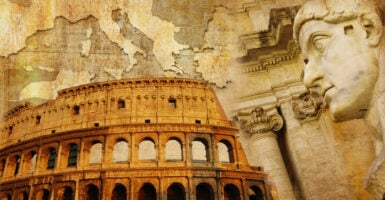
29 Inventions From Ancient Rome Still Around
Rome fell in the fifth century, yet a modern person can wake up under a Roman calendar, walk across a Roman bridge, and read a Roman alphabet on the way to work. The empire left behind far more than ruins and marble busts. It left habits, tools and ideas that quietly kept running.
Some of these were true Roman inventions. Others were borrowed, improved and spread so widely that Rome ended up owning the credit anyway. Either way, the list below is surprisingly hard to escape.
Concrete That Outlasted Its Makers
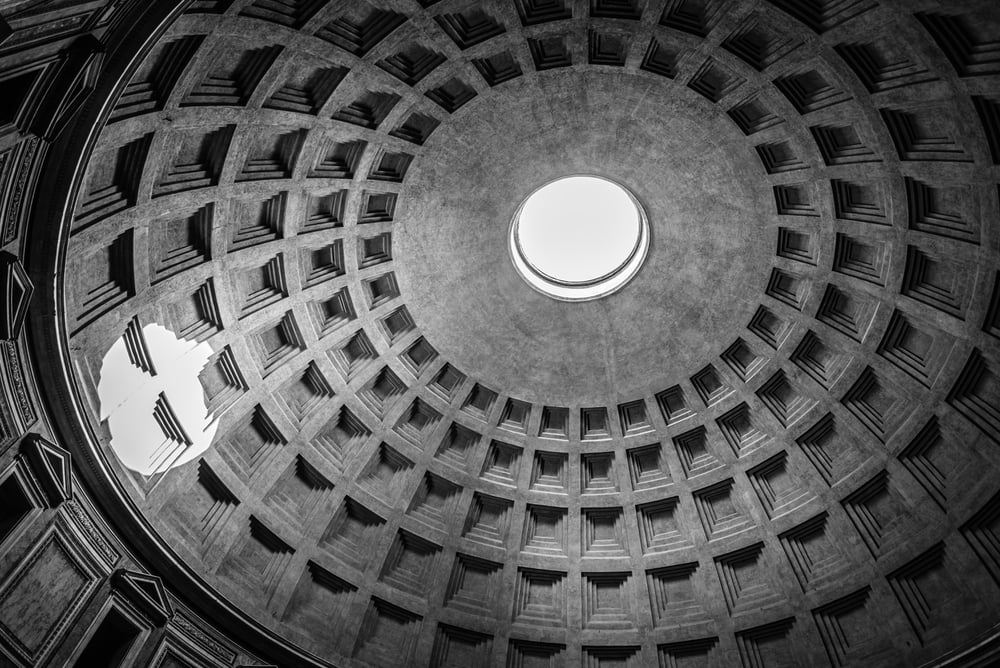
Roman builders mixed volcanic ash, lime and chunks of rock into a material that hardened even underwater and kept getting tougher with age. The Pantheon in Rome, finished under Hadrian around 126 AD, still wears a concrete dome about 142 feet across, which remains the largest unreinforced concrete dome in the world.
The builders used heavier stone near the base and lighter material toward the top, so the dome gets thinner and less heavy as it rises. Modern Portland cement came much later, and the Pantheon has outlasted nearly every structure built from it.
Aqueducts and the Art of the Gentle Slope
The Romans did not invent moving water over distance, but they perfected the gravity-fed channel on an enormous scale. The first, the Aqua Appia, dates to 312 BC and ran mostly underground.
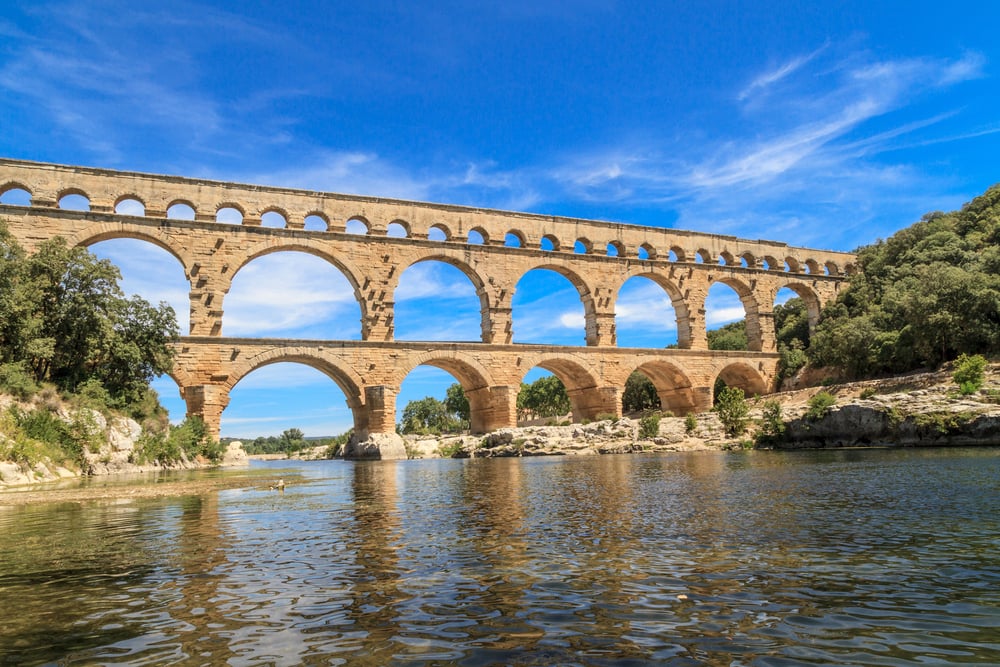
In southern France, the Pont du Gard rises in three tiers to nearly 160 feet and carried water to the city of Nîmes along a channel roughly 31 miles long. Municipal water systems today still depend on the same principle of a carefully measured, continuous downhill grade.
The Codex, or the Book With Pages
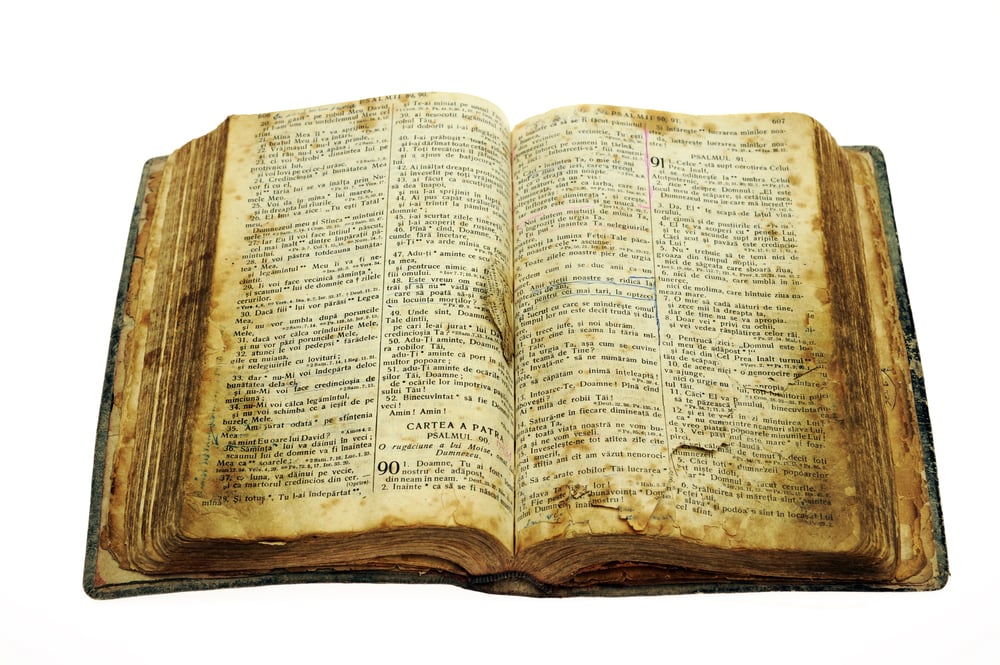
Before the codex, long texts lived on scrolls that had to be unrolled hand over hand. Roman writers adopted the codex, a stack of bound leaves, and the poet Martial in the first century AD advertised parchment codices as compact reading for travelers.
The format could be flipped open to any page, which scrolls could not match. Every paperback on a shelf descends from it.
The Acta Diurna and the Daily News
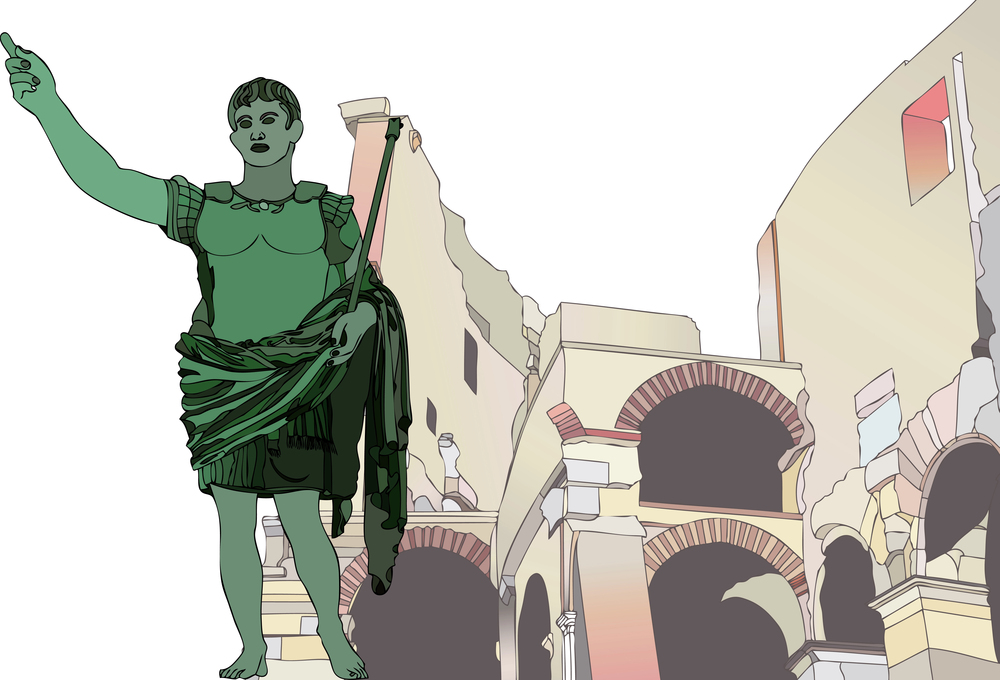
The Acta Diurna, or daily proceedings, were public notices posted in the Roman Forum and often credited to Julius Caesar in 59 BC. They announced official decisions, births, deaths and the results of trials, and copies could be sent out to the provinces.
Rome had no printing press, so the news was written out by hand and read by crowds standing in the street. It is widely treated as an early ancestor of the newspaper.
The Julian Calendar and Its Month Names
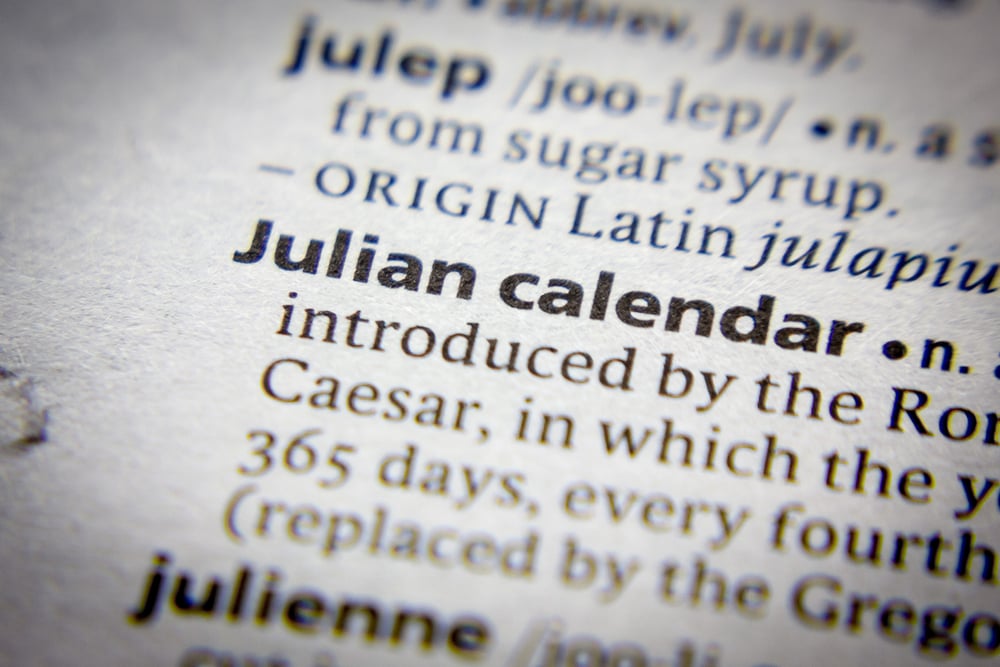
In 45 BC, Julius Caesar reformed Rome’s tangled calendar with the help of the Alexandrian astronomer Sosigenes. The result set the year at 365 days with an added leap day every fourth year.
Pope Gregory XIII adjusted the leap rules in 1582 and dropped ten days to correct accumulated drift, and some Orthodox churches still calculate holy days by the older Julian reckoning. The months of July and August were named for Julius Caesar and Augustus, which is why summer carries two Roman egos.
Roads Built in Layers
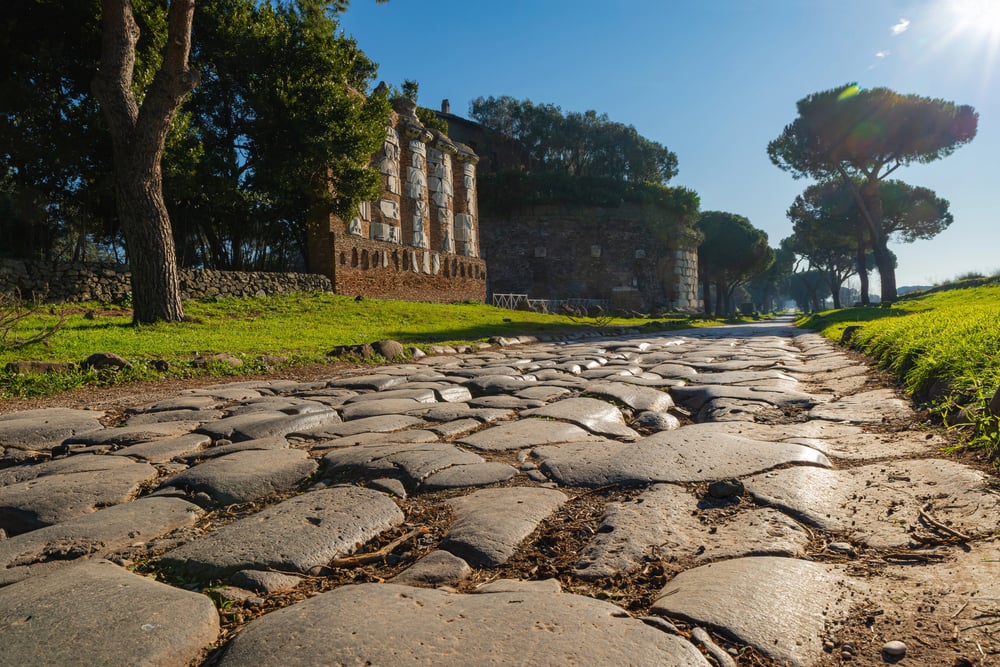
Roman engineers laid roads in stacked layers of stone, gravel and paving, with a curved surface so rain would run off. The Via Appia, begun in 312 BC, gained the nickname queen of long roads. Many Roman routes became modern highways, and Italy still has state roads that carry names such as Via Aurelia and Via Cassia.
Milestones along the way told travelers how far they were from Rome, an early version of the highway sign.
The Cloaca Maxima, Still Draining Rome
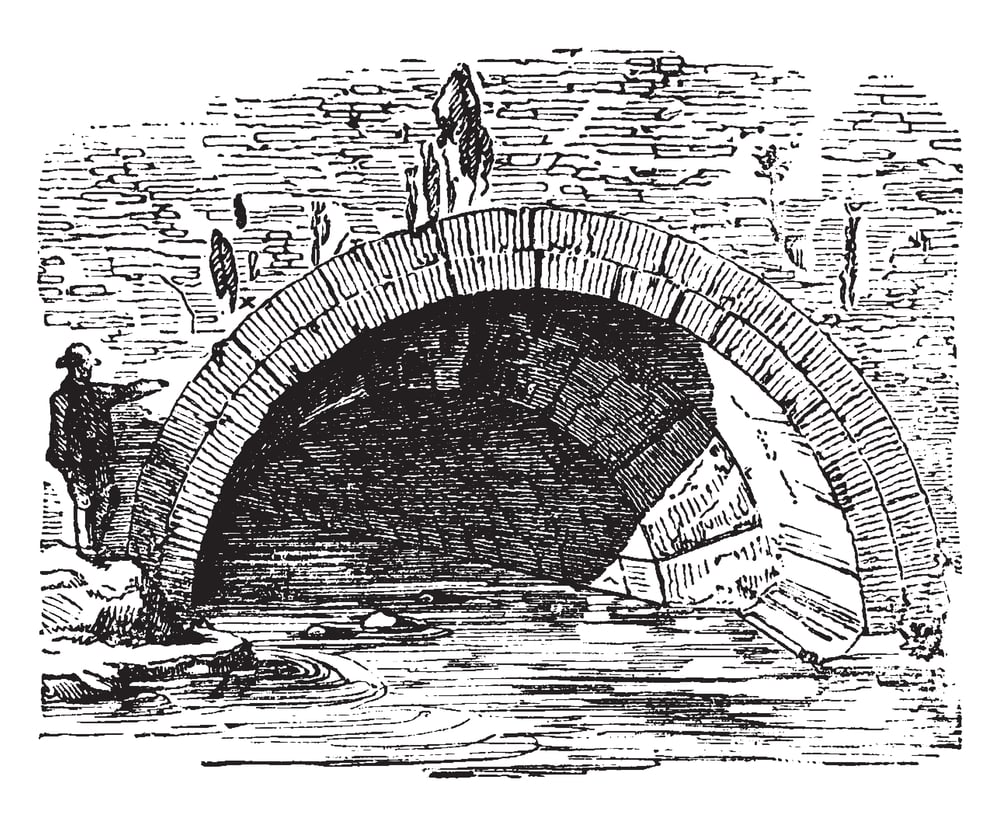
Tradition credits the Etruscan king Tarquinius Priscus with building the Cloaca Maxima in the sixth century BC to drain marshy ground around the Forum. Romans enlarged and covered it over the following centuries, and parts of it still carry water away beneath the modern city.
The Roman writer Pliny the Elder claimed that Agrippa once sailed a boat through its channel in 33 BC. The Romans even worshiped a goddess of the sewer, Cloacina, which says something about how seriously they took drainage.
Apartment Buildings Called Insulae
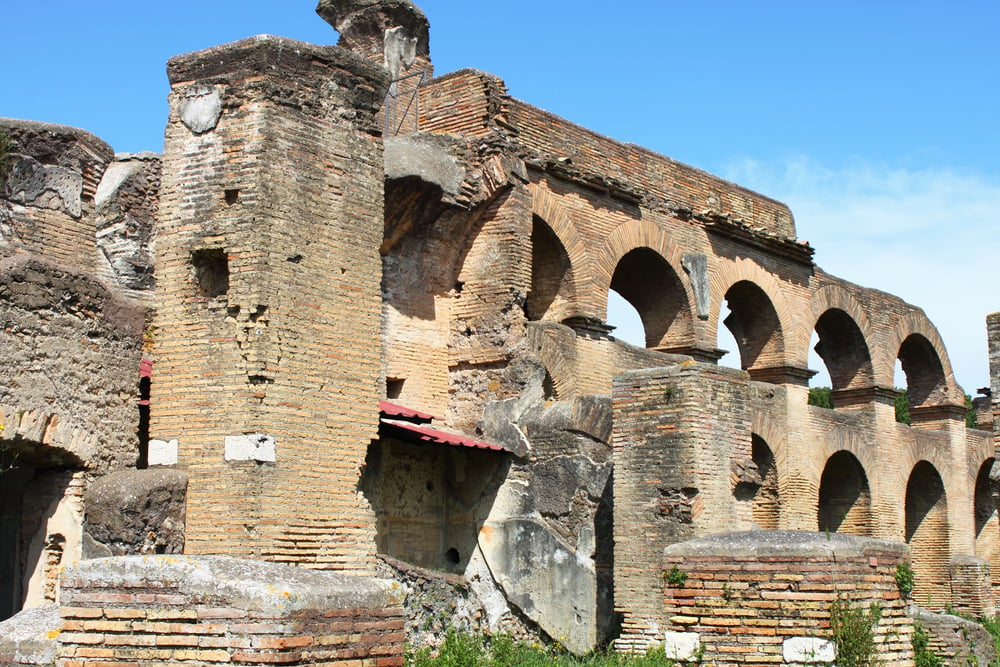
Rome’s poorer residents lived in multistory apartment blocks called insulae, often with shops on the ground floor and cramped rented rooms above. Concrete and brick made it possible to build them tall enough that Augustus set a height limit.
The remains of such blocks can still be walked through at Ostia, the old port city of Rome. The Romans did not invent the idea of renting out a room, but they turned vertical rental housing into a normal part of city life.
Underfloor Heating by Hypocaust
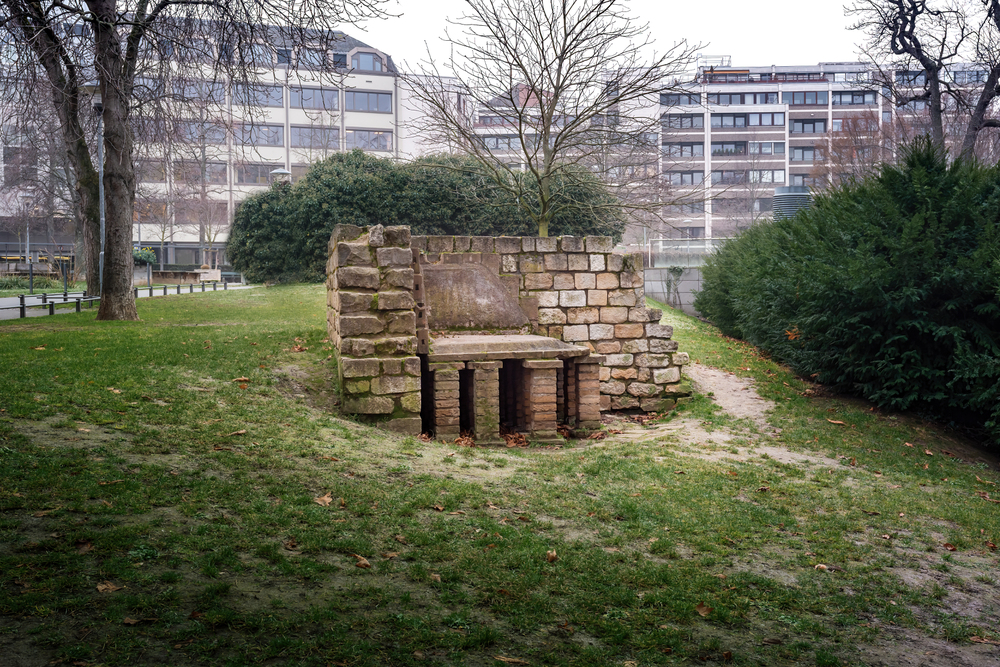
A hypocaust raised a floor on short stacks of tile pillars and sent hot air from a furnace through the space underneath. Pliny the Elder credits a businessman named Sergius Orata with the technique around 100 BC, reportedly for heated baths and fish ponds.
Roman builders later added hollow wall tiles so the warmth climbed the walls too. Radiant floor heating in modern homes works on the same basic idea of warming a room from below.
The Vigiles and the Fire Brigade
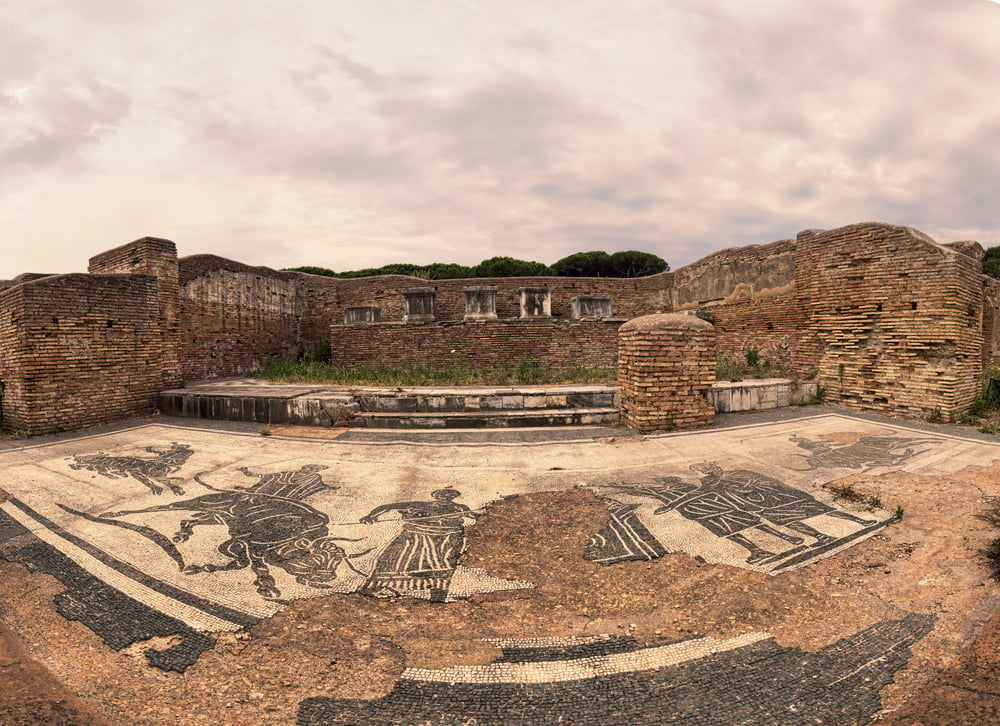
After a series of fires, Augustus created the vigiles in 6 AD as a force of seven cohorts, each responsible for two of the city’s fourteen districts. Members fought fires with bucket chains, hand pumps and blankets soaked in water, and they also patrolled the streets at night.
Barracks for the vigiles survive in Rome and at Ostia. A professional, organized fire service with a standing headquarters and shifts is a Roman idea that cities still follow.
The Twelve Tables and Written Law
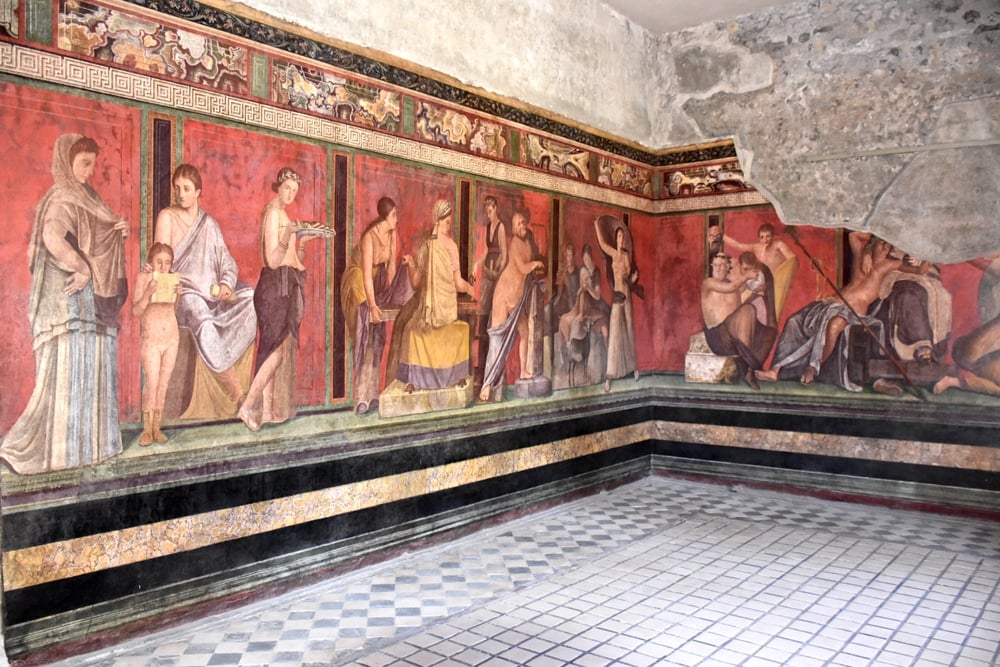
Around 451 to 450 BC, Rome set down its laws in writing as the Twelve Tables and displayed them in the Forum. Before that, only priests and aristocrats had known the rules that governed ordinary people.
The bronze originals were lost long ago, but the text survives through quotations by later writers. Putting law where anyone could read it is a principle courts and legislatures still rely on.
Justinian’s Code and the Burden of Proof
— Photo by Quasarphotos
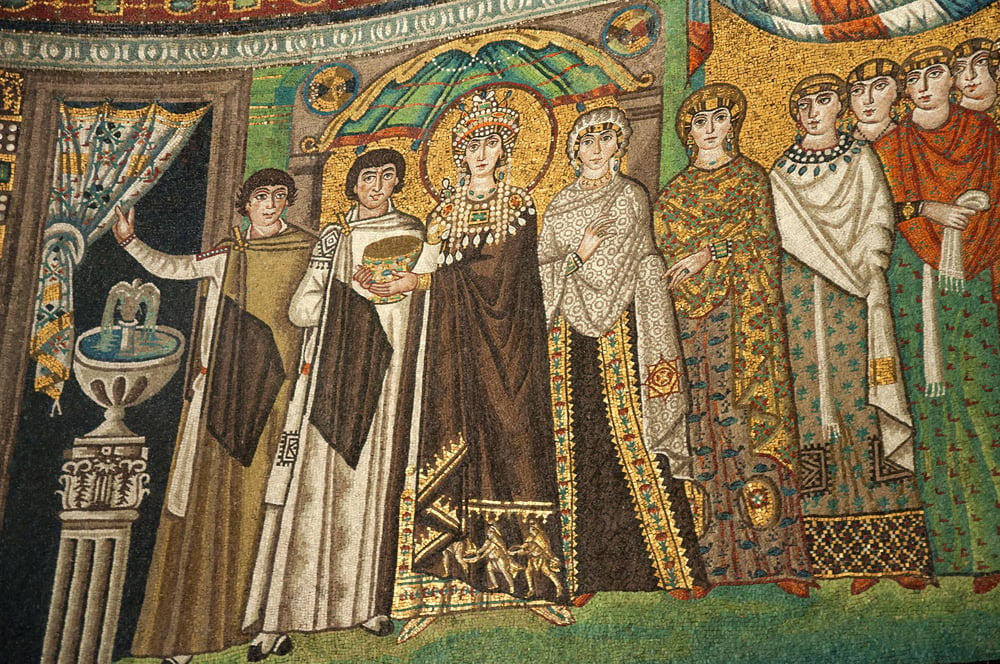
Between 529 and 534 AD, the Emperor Justinian had Roman legal writings gathered into the Corpus Juris Civilis. Its Digest preserves the rule, attributed to the jurist Paulus, that proof rests on the one who asserts and not on the one who denies.
The compilation became the foundation of the civil law tradition across continental Europe and later Latin America. Lawyers still use Latin phrases that came through it.
Pons Fabricius, the Bridge That Never Retired
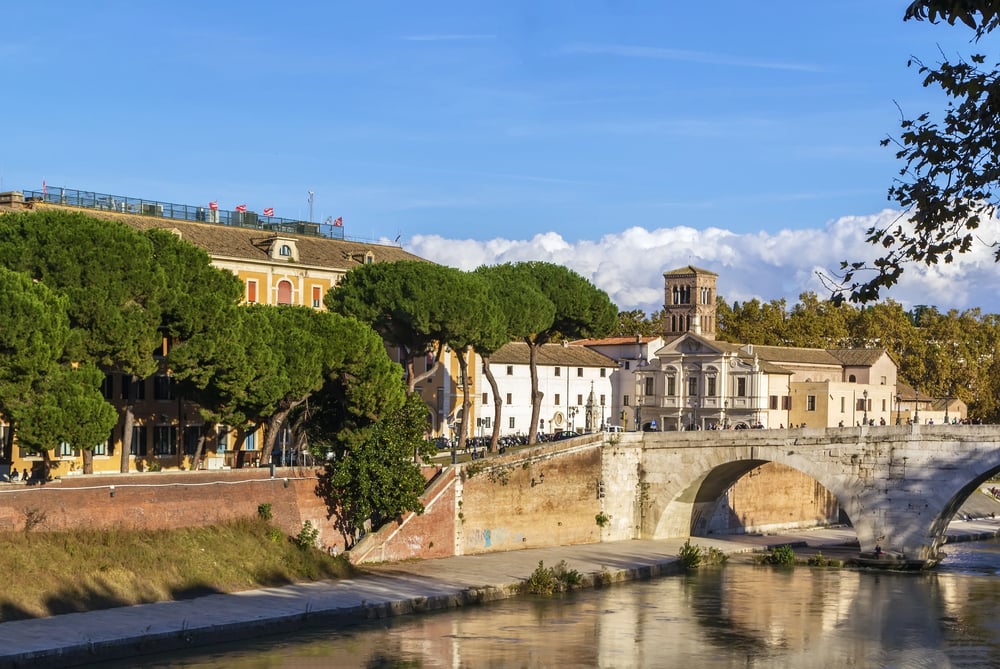
Lucius Fabricius built the Pons Fabricius in 62 BC to link the Tiber Island with the east bank of the river in Rome. Its two broad arches and the small opening in the middle pier let floodwater pass through.
It is the oldest bridge in Rome that remains in its original state, and pedestrians still use it. Roman bridge builders understood that a well-shaped arch spreads weight down into its supports, and the bridge has proven the point for over 2,000 years.
The Cursus Publicus Courier Service
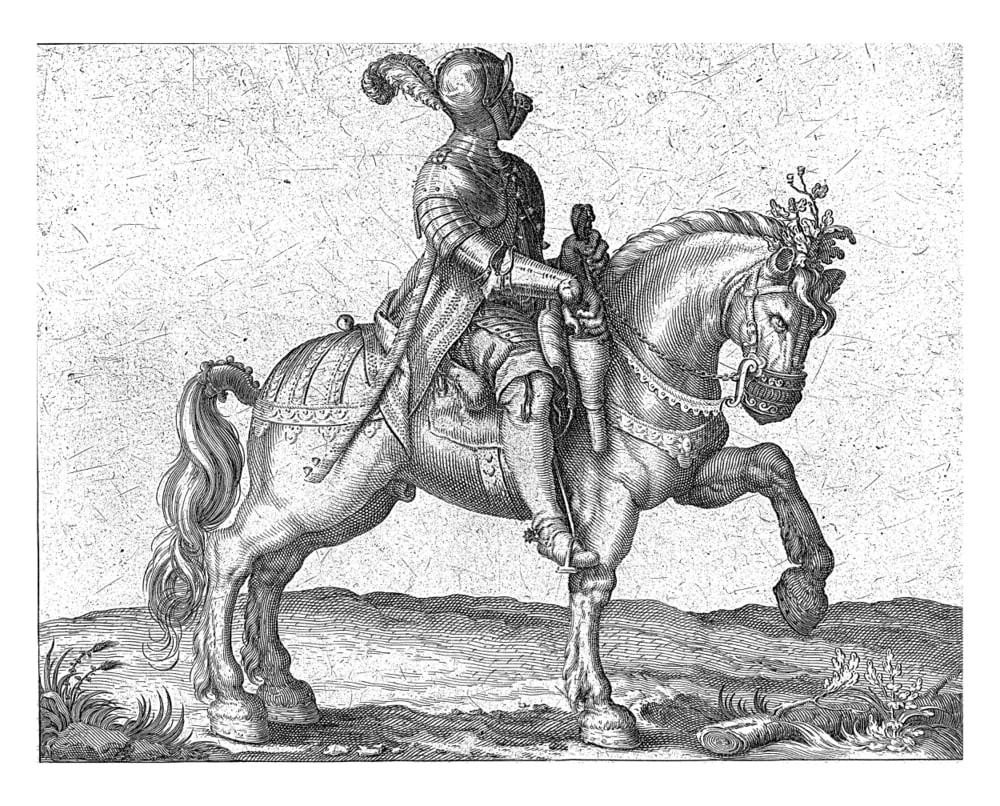
Augustus organized the cursus publicus, a state relay system that moved officials and messages along Roman roads. Stations for changing horses and resting travelers stood at regular intervals, roughly every dozen miles.
Only authorized travelers could use the system, which was run for the benefit of the government and not the public. Modern postal services still rely on the same logic of fixed stops and a network that never depends on one exhausted messenger.
The Amphitheater and Crowd Control
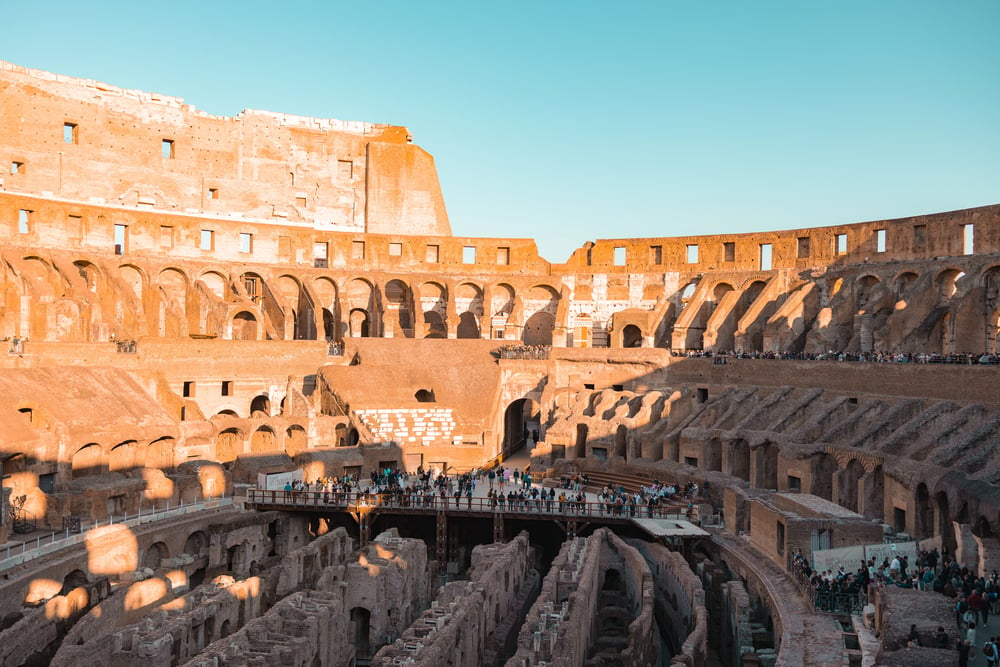
The Greeks built semicircular theaters, but Roman builders joined two together into the full oval amphitheater. The Colosseum, dedicated in 80 AD, could hold roughly 50,000 spectators, who found their seats through numbered entrances and passageways called vomitoria. The design let a crowd fill and empty a huge building with relative speed. Modern stadiums still use the same bowl shape, tiered seating and numbered gates.
Surgical Instruments That Look Familiar
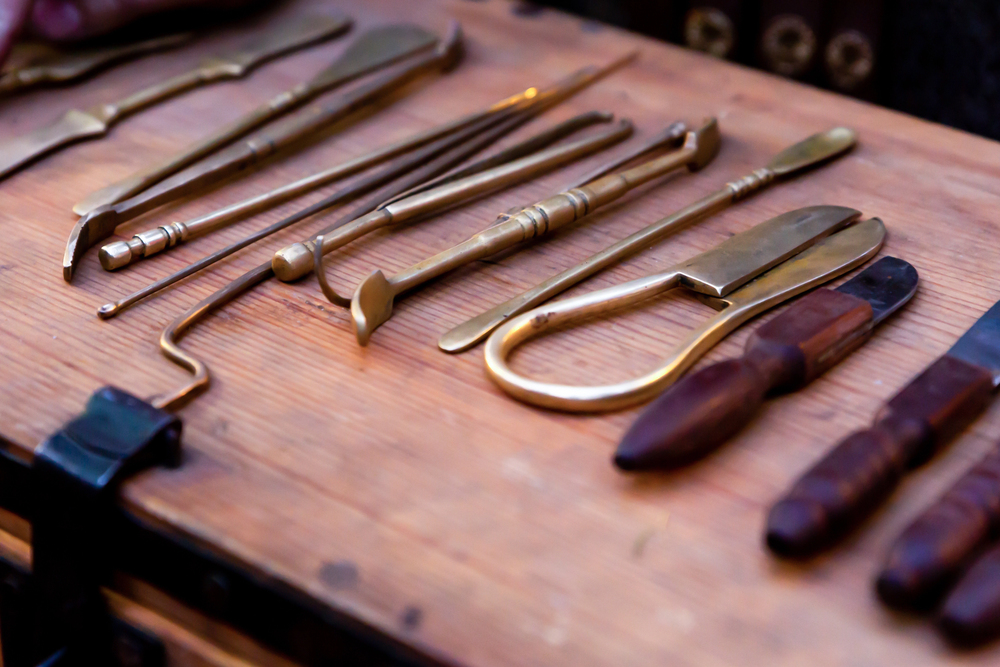
Roman doctors worked with scalpels, forceps, bone levers, catheters and probes, many made of bronze or iron. A house in Pompeii excavated in the 1700s, now known as the House of the Surgeon, held a large collection of such tools. Several of them closely resemble the instruments that appear in an operating room today.
Roman medicine had plenty of mistakes, but the shapes of its tools proved hard to improve.
Roman Numerals on the Clock Face
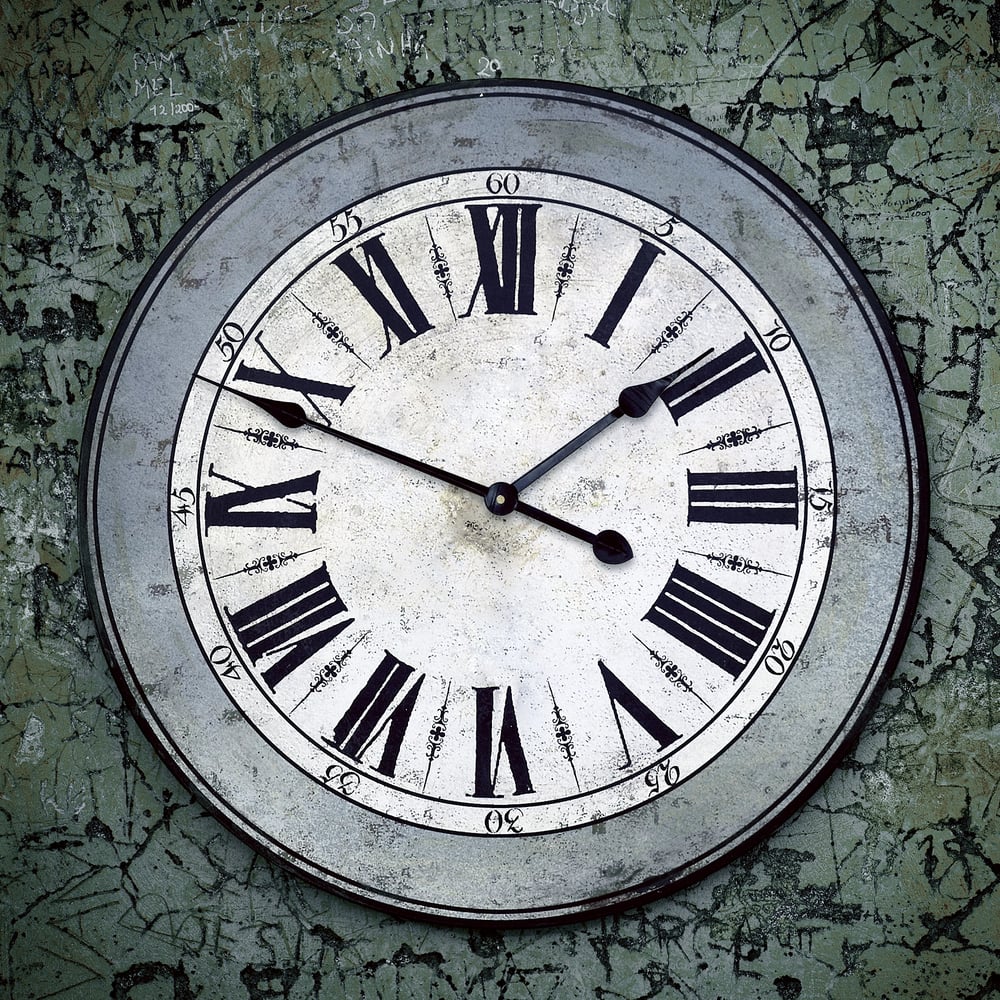
Roman numerals developed from tally marks and were used across the empire for everything from inscriptions to trade. At the Colosseum, entrance gates were marked with them, and some of the carved numbers can still be read.
Today they appear on clock faces, building cornerstones, movie copyright dates and Super Bowl titles. They are slow for arithmetic but remain good for looking dignified.
The Latin Alphabet
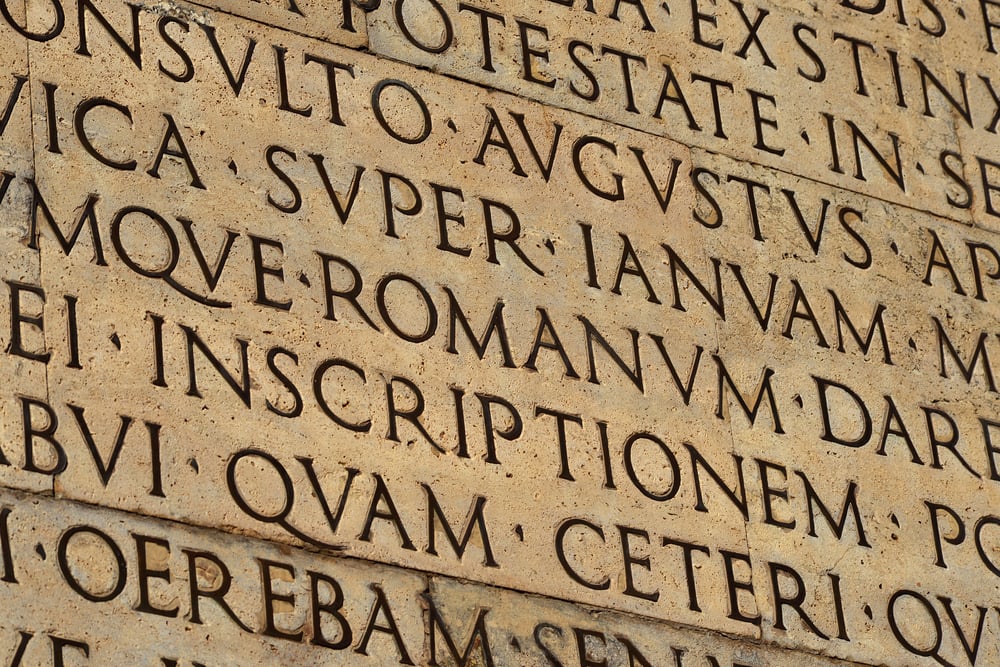
The Romans adapted their alphabet from the Etruscans, who had in turn adapted a Greek one. The classical Latin alphabet had 23 letters, and J, U and W were added much later.
It is the writing system used for English, and for Spanish, French, Italian, German and many other languages. This article is written in it.
A Seven-Day Week With a Day of Rest

Romans once ran their markets on an eight-day cycle, but by the early imperial period the seven-day week named for the planets had taken hold. In 321 AD, Emperor Constantine made the day of the sun a day of rest for city courts and workers.
Saturday still carries the name of the god Saturn in English. The rhythm of five workdays and a pause is Roman at its roots.
The Barbegal Mills
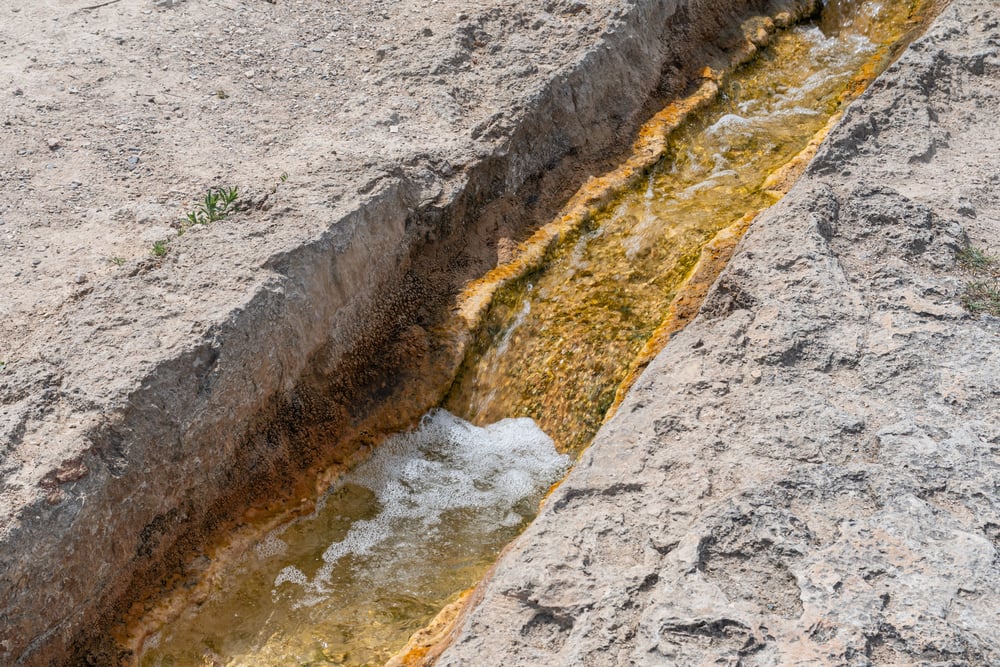
Near Arles in southern France, the Romans built a milling complex of sixteen water wheels arranged in two lines of eight down a hillside. It dates to the second century AD and is regarded as one of the largest concentrations of mechanical power in the ancient world.
Water from an aqueduct poured from one wheel to the next. The Romans did not invent the watermill, but they turned it into something close to a factory.
The Tower of Hercules Lighthouse
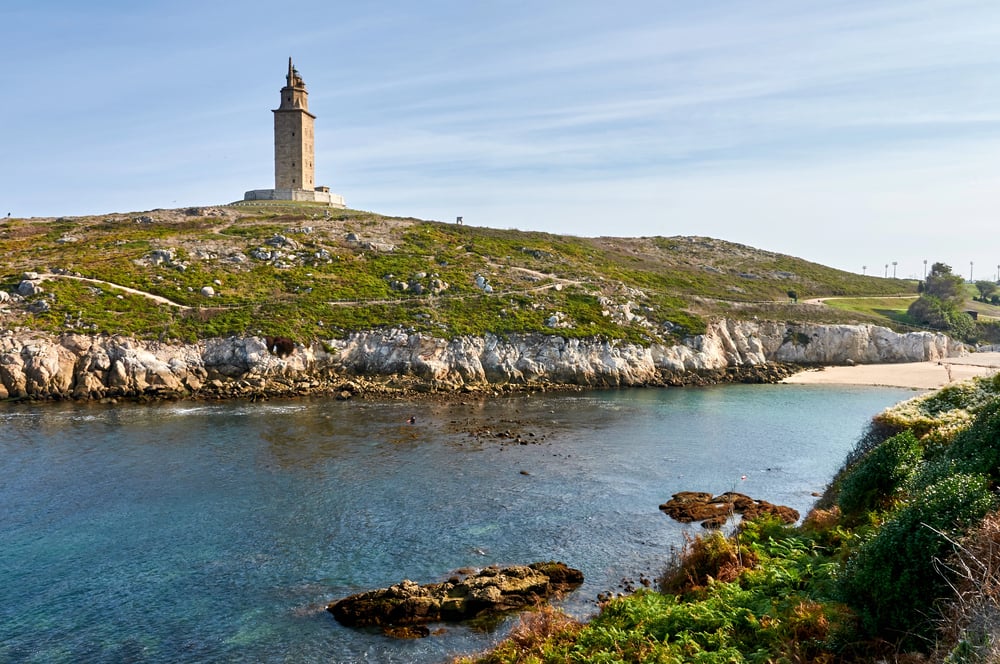
The Tower of Hercules in A Coruña, Spain, rises roughly 180 feet above the coast and dates to the Roman era, with an inscription at its base naming the architect Gaius Sevius Lupus. A renovation in 1790 gave the exterior a neoclassical shell.
It is regarded as the oldest lighthouse still in use and was added to the UNESCO World Heritage list in 2009. Ships off the Galician coast have been guided by it for nearly 2,000 years.
Raised Sidewalks and Stepping Stones
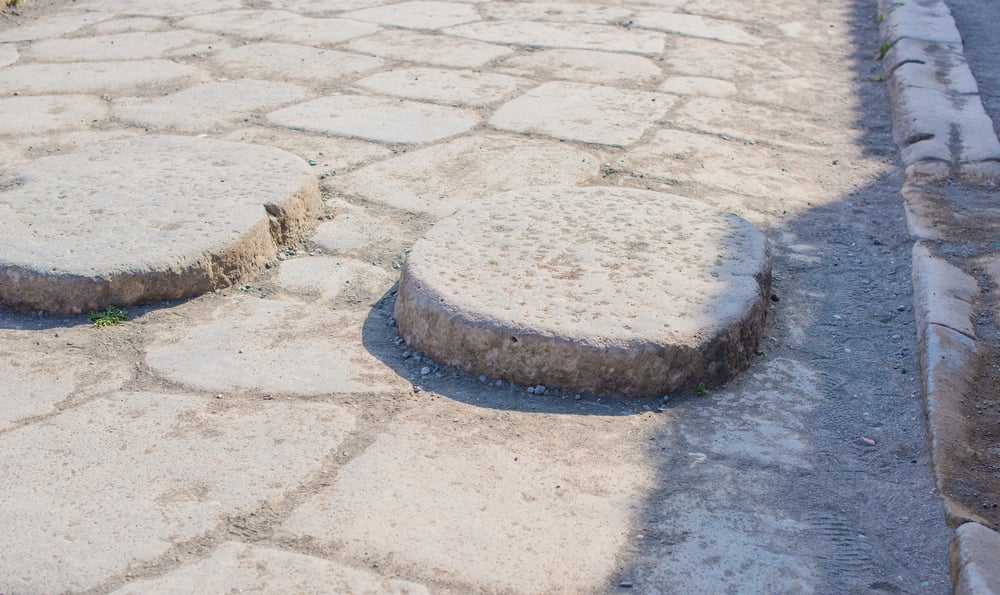
In Pompeii, streets were bordered by raised sidewalks that kept pedestrians out of water and waste running down the roadway. Large stepping stones crossed the street at intersections, spaced so cart wheels could pass between them.
Wear marks from wheels are still visible in the paving. The Romans did not pioneer the idea of walking, but they separated people from traffic in a way modern cities still try to copy.
Public Libraries
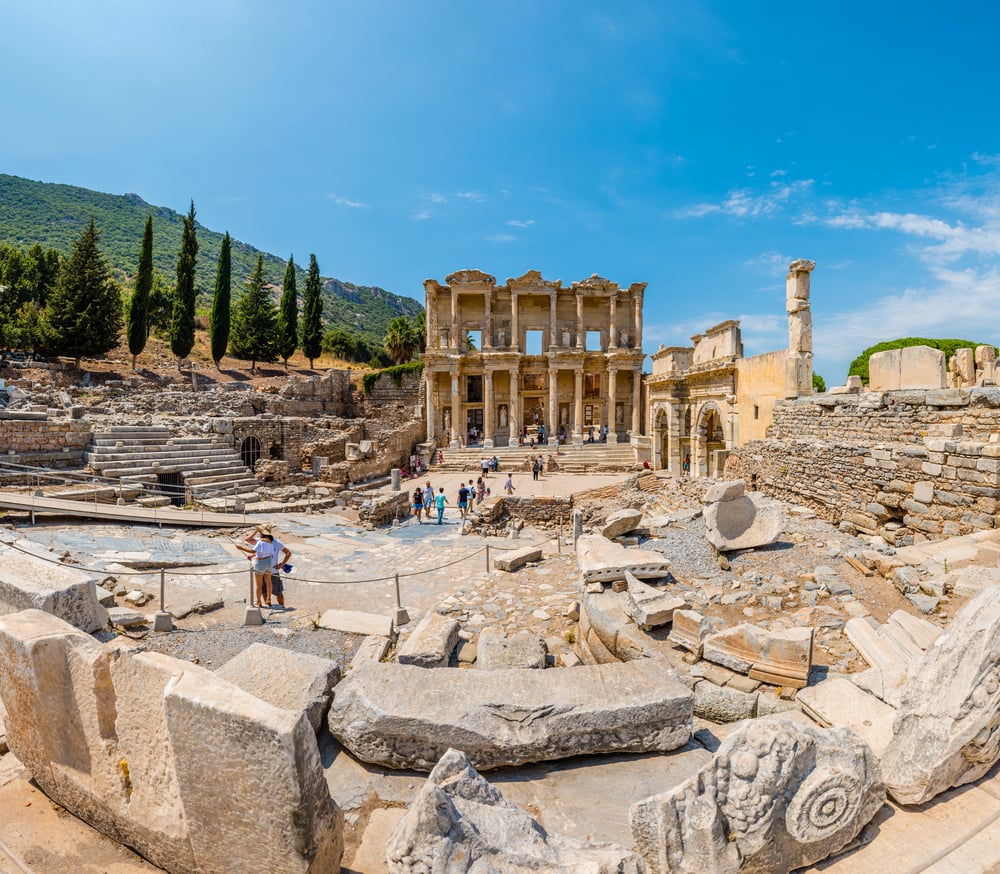
Asinius Pollio, a friend of Julius Caesar, is credited by the Roman writer Pliny the Elder with founding the first public library in Rome around 39 BC. Roman libraries were often arranged with separate halls for Greek and Latin works.
Emperors later built larger ones, including Trajan’s Library next to his forum. Making books available to any literate visitor, and not just the owner of a private collection, is an idea every town library has inherited.
Glass Windows and Blown Glass Vessels
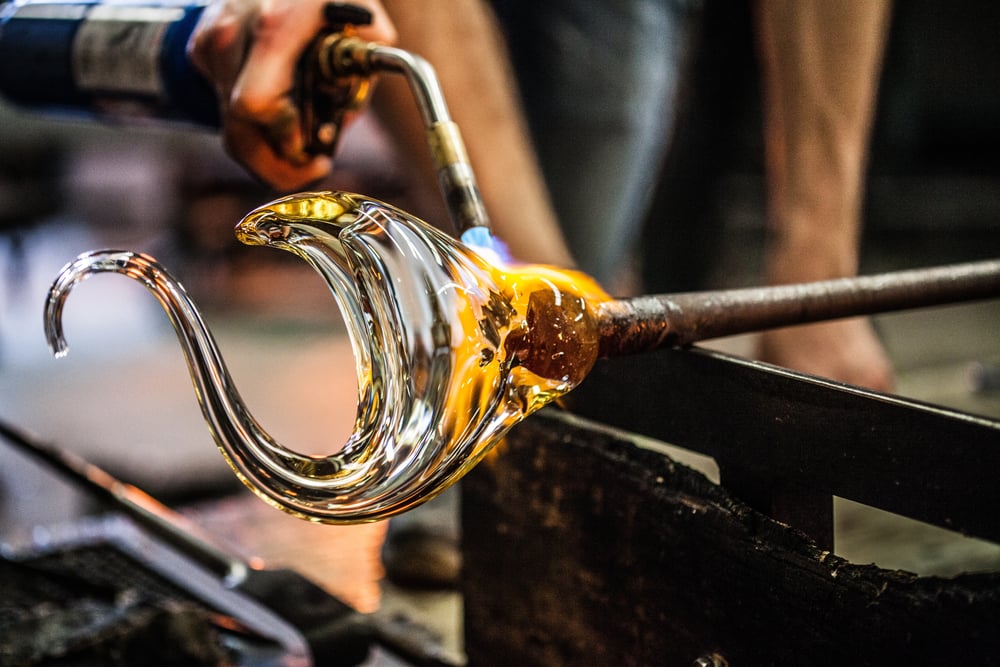
Glassblowing appeared in the eastern Mediterranean around the first century BC, and Roman workshops spread it across the empire. Blown glass made bottles, cups and jars cheap enough for ordinary households.
Glass windowpanes also appear in the excavated buildings of Pompeii and Herculaneum. Roman glassmakers did not invent glass, but they made it common.
The Alimenta and Support for Children

Under Emperor Nerva and then Trajan, the Roman state ran the alimenta, a program that lent money to Italian landowners and used the interest to support children’s food costs. A bronze inscription from Veleia, known as the Tabula Alimentaria, lists the loans and landholdings involved.
The program shows a government spending money on child welfare as a matter of policy. Modern food assistance and school meal programs follow a similar logic.
Triumphal Arches That Became Memorials
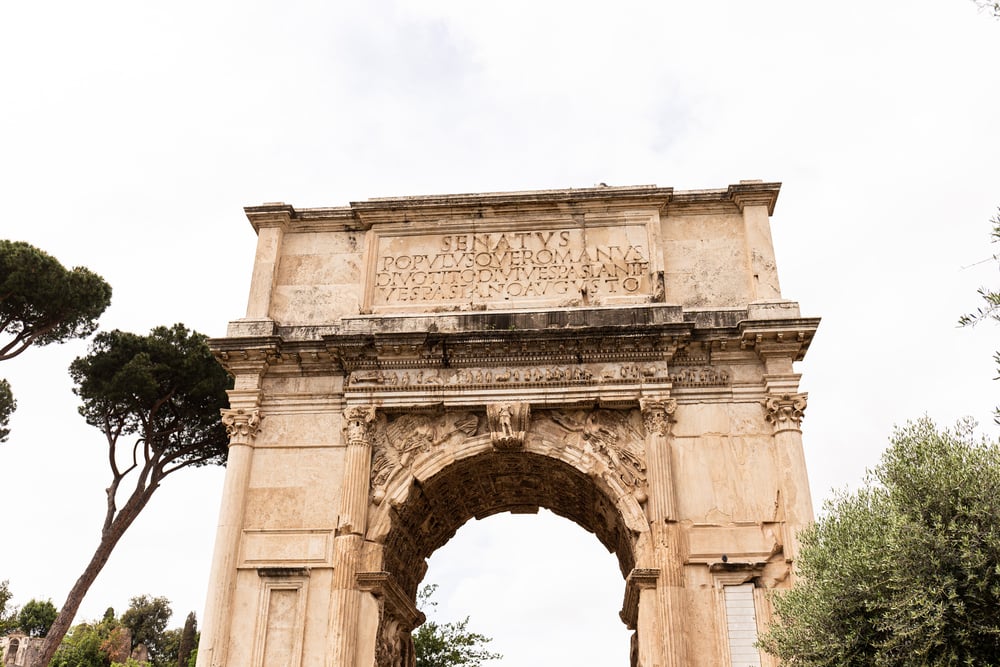
— Photo by IgorVetushko
Rome built freestanding arches to celebrate military victories, including the Arch of Titus from about 81 AD and the Arch of Constantine from about 315 AD. The form was echoed in Paris by the Arc de Triomphe, which Napoleon commissioned in 1806 and which was finished in 1836.
New York’s Washington Square Arch also owes a debt to Roman design. A simple arch topped with a monument still tells people that something important was achieved.
The Census

Rome held a census roughly every five years, with officials called censors counting citizens and recording their property. Tradition credits the early king Servius Tullius with introducing the practice, and the word census is Latin.
The count determined taxes, military service and voting rights. The United States Constitution calls for a count every ten years, and the practice itself is a Roman inheritance.
Citizenship for Nearly Everyone
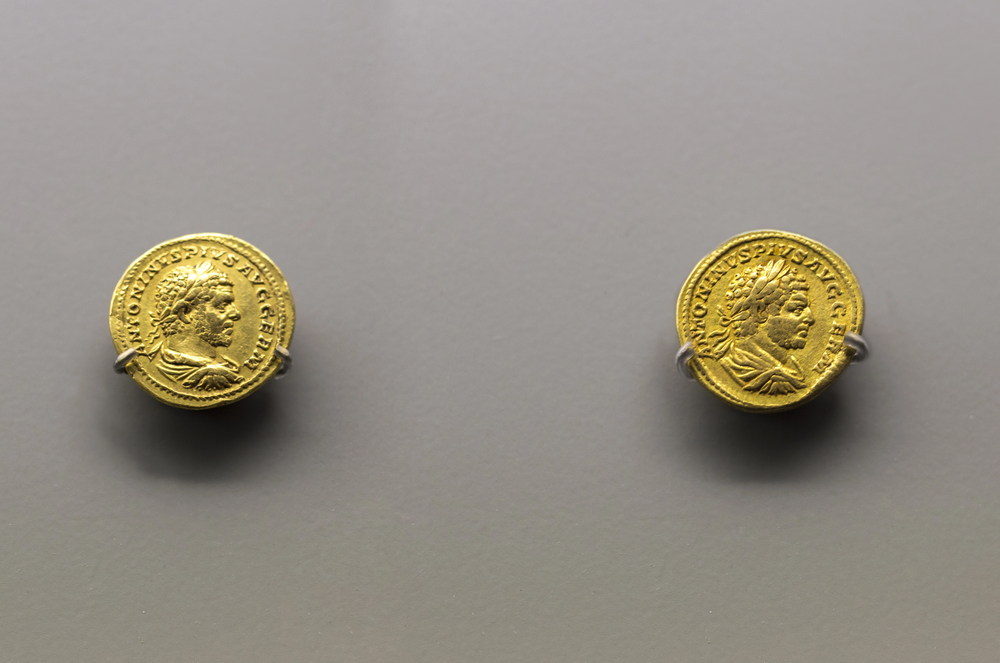
— Photo by WHPics
In 212 AD, Emperor Caracalla issued an edict granting Roman citizenship to nearly all free people in the empire. Rome had already used citizenship as a tool, offering it to allies, soldiers and conquered elites.
Caracalla’s edict turned a privilege into a common legal status across an enormous territory. The idea that a state belongs to a legal community of citizens, and not just to a single people, continues to shape modern nations.
The Thermopolium, Rome’s Fast Food Counter
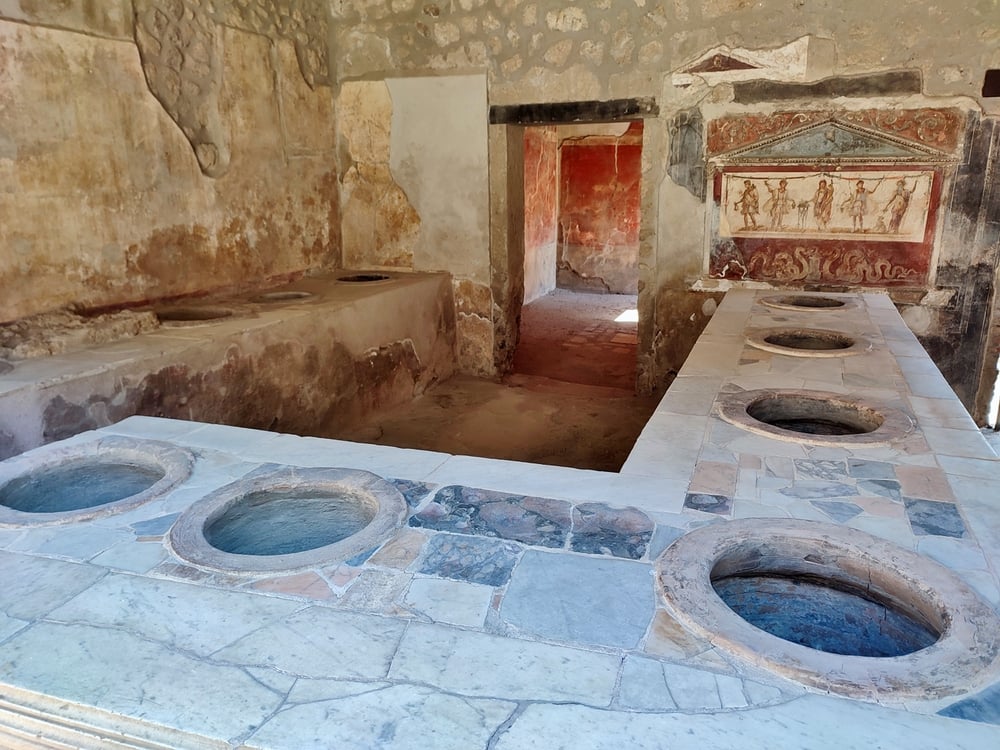
— Photo by Lucamato
Pompeii had many thermopolia, counter-style food shops with built-in jars sunk into a masonry bar from which hot food and drink were served. In 2020, archaeologists uncovered a particularly well-preserved one decorated with painted animals, including ducks and roosters.
Residue in its jars indicated duck, pork, goat, fish and snail. Customers ordered at a counter and ate on the go, just as people do now.
An Empire Hidden in Plain Sight
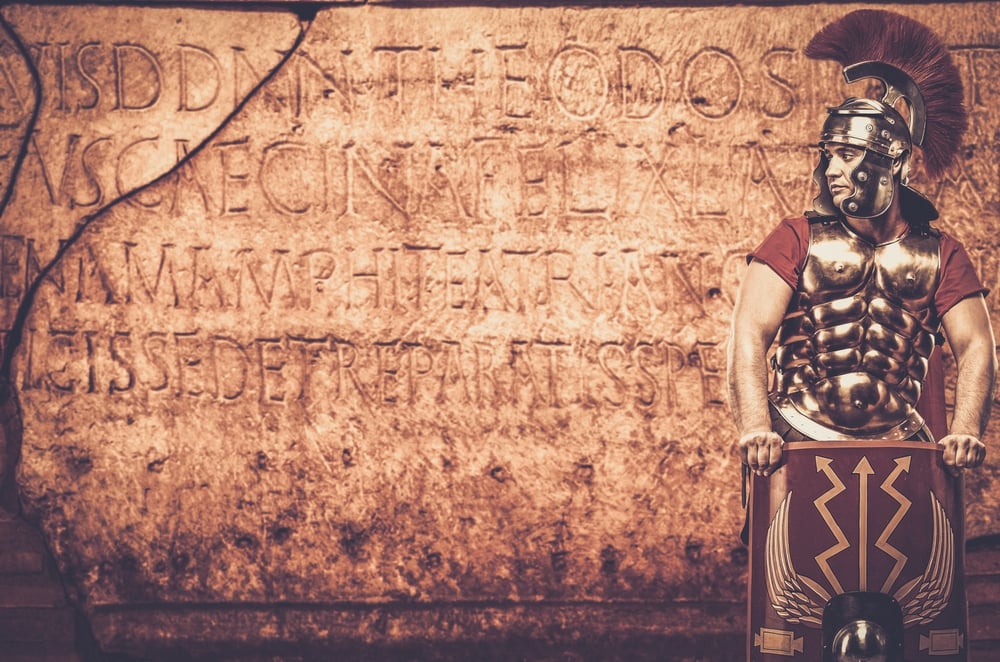
Walk through almost any modern city and the Roman fingerprints are everywhere, from the sidewalk underfoot to the courthouse where the accuser must prove the case. Much of this inheritance arrived indirectly, passed through medieval monks, Renaissance scholars and colonial administrators.
Rome rarely invented from nothing, but it was exceptionally good at making an idea work at scale. That talent for scale is the real legacy. Rome standardized, organized and wrote things down, so a practical idea could travel from Spain to Syria and survive the empire that spread it.
The oldest structures on this list still stand, and many of the habits behind them are still in daily use.
More from Go2Tutors!

- 27 Silver Dollars and Half Dollars Worth Keeping
- 28 Restaurant Menu Items Nobody Orders Anymore
- 17 Places Built in Seemingly Impossible Spots
- 27 Vintage Rings Worth More Than They Look
- 25 Restricted Sites Tourists Can’t Enter
Like Go2Tutors’s content? Follow us on MSN.