Major Brand Failures That Still Haunt Executives
Some decisions look fine on paper until they don’t. A focus group gives a green light.
A boardroom full of smart people nods along. Then the product ships, the campaign airs, or the press release goes out — and everything falls apart in real time.
The executives behind these failures didn’t set out to destroy what they’d built. Most were trying to grow, modernize, or stay relevant.
But the decisions they made became cautionary tales that business schools still teach today. These are the ones that left marks.
New Coke and the Taste of Regret
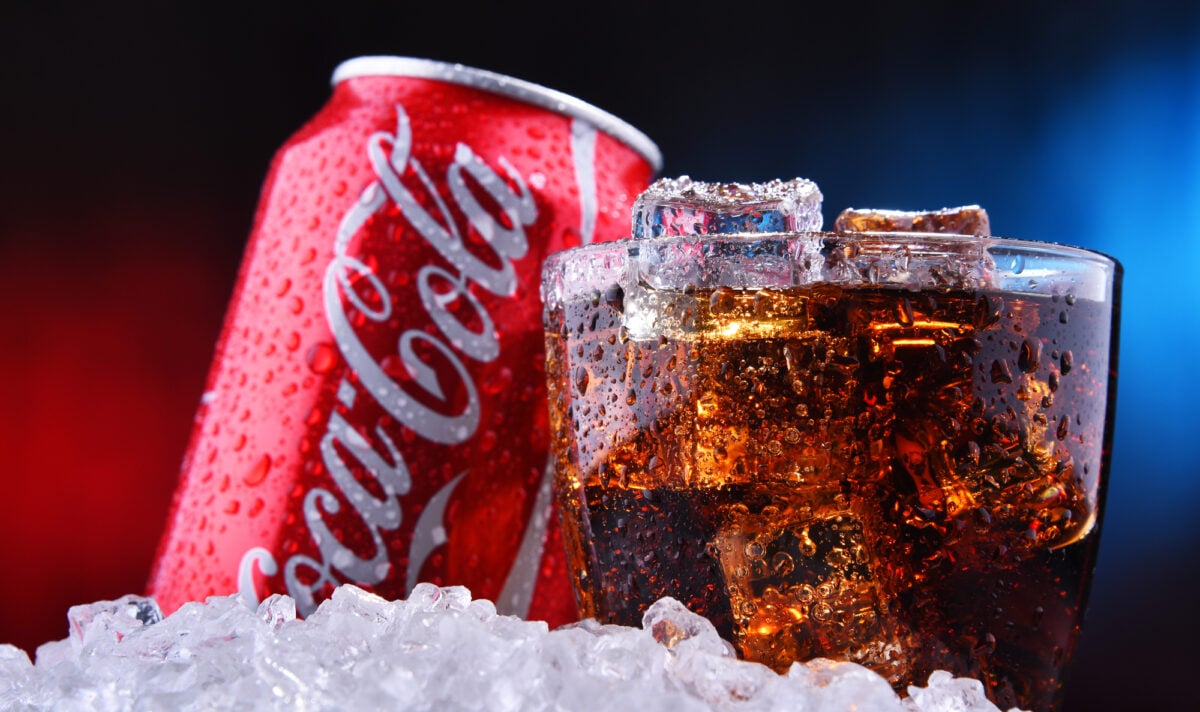
In 1985, Coca-Cola did something almost nobody thought possible — it made people furious by changing a soft drink recipe. The company had spent millions on taste tests showing consumers preferred the sweeter, reformulated flavor over both original Coke and Pepsi.
The data was solid. The logic was sound.
What the tests didn’t measure was attachment. People didn’t just drink Coke.
They had memories tied to it. Protest groups formed. Hotlines were flooded. Bottles of the original formula sold for hundreds of dollars on the black market.
Within 79 days, Coca-Cola brought back the original as “Coca-Cola Classic.” The strange part? Sales actually recovered.
Some analysts called it a masterstroke of reverse psychology. The executives involved have spent decades insisting it was a genuine mistake.
Kodak’s Long Goodbye
Here’s the painful part of the Kodak story: their engineers invented the digital camera in 1975. The company held the patent.
They had the technology before anyone else. But Kodak’s business ran on film.
Every digital photo taken was a roll of film not sold. So the technology sat, underdeveloped, while the company focused on protecting what it already had.
By the time digital photography became impossible to ignore, Kodak had lost the window to lead it.
The company filed for bankruptcy in 2012. The executives who made those calls in the 1980s and 1990s had long since retired, but their logic — protect the core business at all costs — became the textbook definition of what happens when a company can’t see past its own revenue stream.
Quibi: A Hundred Million Dollars of Wrong Timing
Jeffrey Katzenberg and Meg Whitman raised $1.75 billion to build a short-form video platform designed exclusively for phone screens. The content would only play on mobile devices, in portrait or landscape depending on how you held your phone.
Premium production, premium talent, premium price tag. Quibi launched in April 2020 — two weeks after much of the world locked down at home in front of large screens.
The entire pitch was built around commuters, lunch breaks, and people waiting in lines. That audience evaporated overnight.
The service shut down six months after launch. Katzenberg later said he blamed COVID-19. Critics said the product had fundamental problems that went beyond timing.
Either way, $1.75 billion disappeared faster than almost any media venture in history.
The Gap Logo That Lasted Six Days

In 2010, Gap quietly updated its logo after 20 years. Out went the classic navy box with white serif letters. In came a new design — a plain black font with a small blue gradient square hovering in the corner like an afterthought.
The internet noticed immediately. Within 24 hours, a parody Twitter account was generating fake Gap logos, and design blogs were running heated critiques.
Customers weren’t just indifferent — they were angry in the specific way people get when something familiar gets taken from them without warning. Gap reversed course in six days.
The design firm behind the new logo was never publicly named. The cost of the rebrand and the reversal was never disclosed, but estimates ran into the millions.
For a while, it became the go-to example of how not to change a logo.
BlackBerry and the Keyboard Nobody Asked to Keep
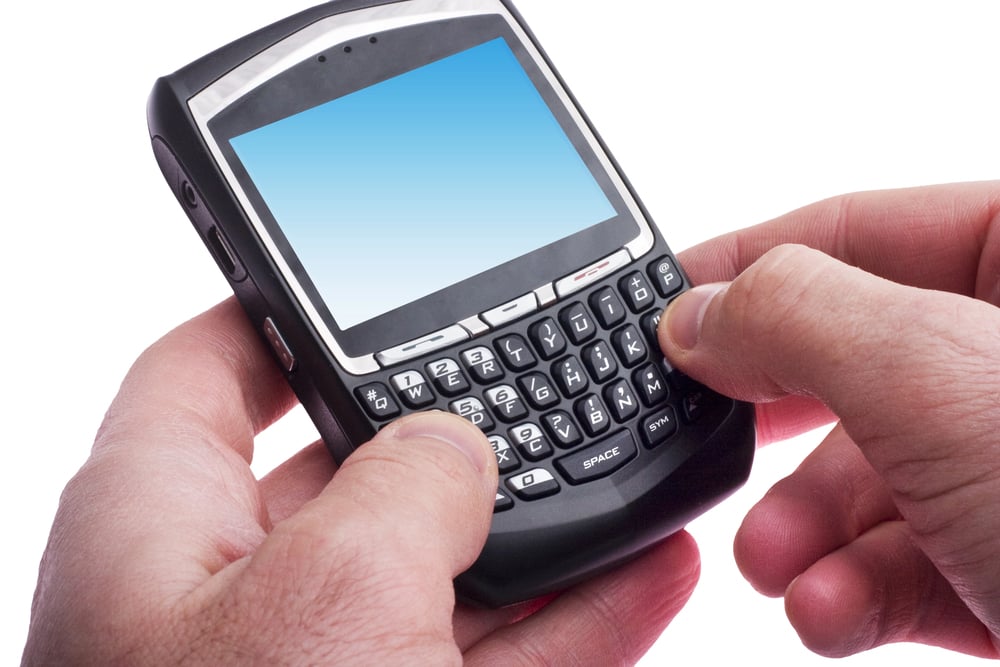
At its peak in 2009, BlackBerry held nearly half the U.S. smartphone market. Executives, government officials, and Wall Street traders swore by it.
The physical keyboard was a feature, not a limitation. Then Apple released the iPhone.
Then Android arrived. And BlackBerry’s leadership kept insisting their customers would never give up physical keyboards for glass screens.
They were partly right — plenty of users did love the keyboard. But not enough of them to matter.
By 2016, BlackBerry’s market share had collapsed to less than 1%. The company exited the hardware business entirely in 2022.
Former CEO Jim Balsillie has spoken publicly about the decisions made during that period — the confidence that enterprise customers would protect them, the belief that consumer preferences wouldn’t migrate to business users. It’s a case study in being right about a segment and wrong about a trend.
Fyre Festival and the Brand That Ate Itself
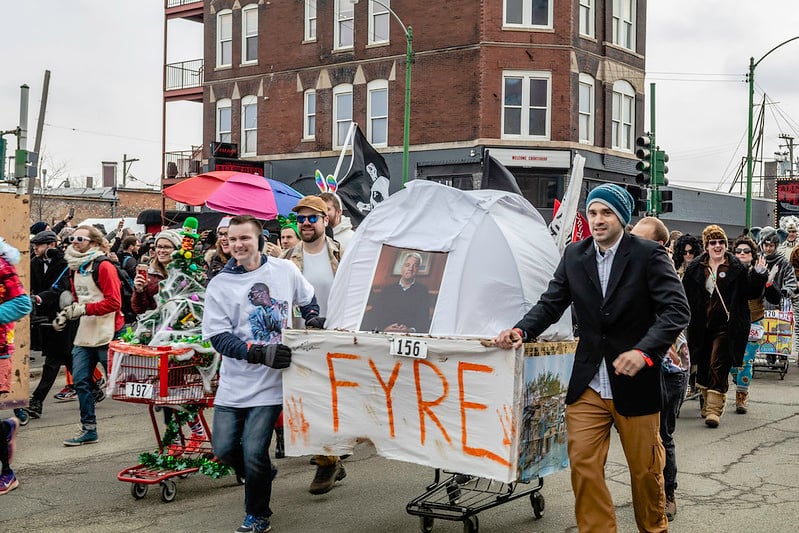
Billy McFarland built Fyre Festival on a promotional campaign that worked almost too well. Instagram influencers posted the same orange tile image on the same day.
Private jets. Supermodels.
A pristine Bahamian beach. Tickets sold for thousands of dollars.
What arrived on that beach in April 2017 was rain-soaked disaster relief tents, cheese sandwiches in styrofoam boxes, and no way off the island. The gap between the brand promise and the reality was so total that it became difficult to believe it wasn’t intentional.
McFarland went to prison for fraud. The festival became two Netflix documentaries, a Hulu documentary, and a permanent warning about influencer marketing and the danger of selling an experience before it exists.
Amazon Fire Phone: One Year and Gone
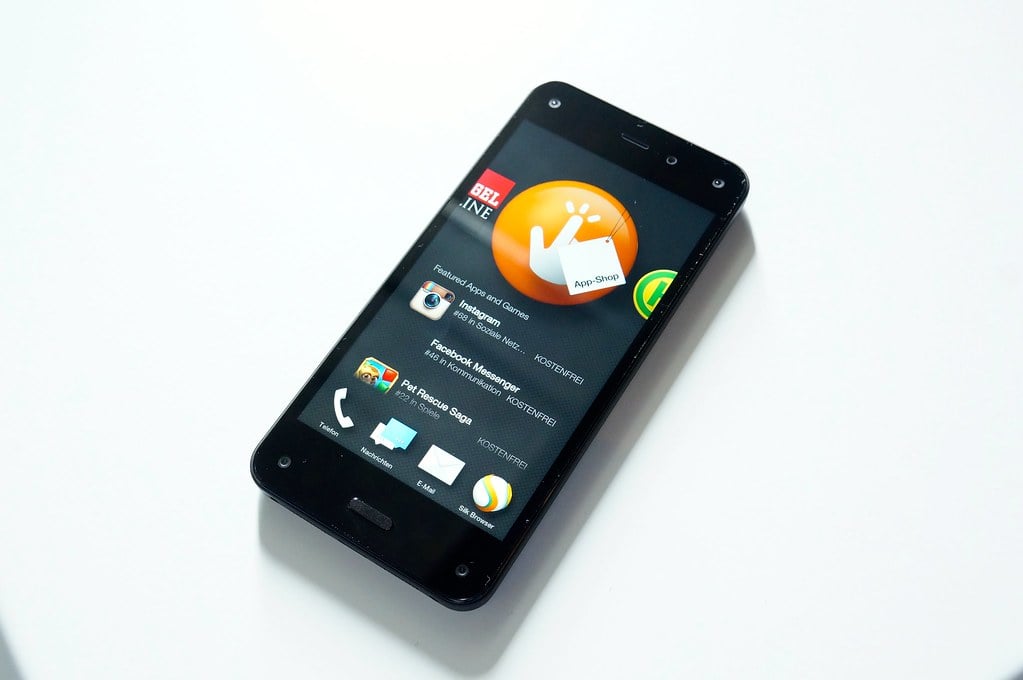
Amazon has a long list of products that worked — Kindle, Echo, Prime. The Fire Phone was not one of them.
Released in 2014, the device had a feature called Dynamic Perspective that used front-facing cameras to track your face and tilt the screen accordingly. It was technically impressive and practically useless.
The phone launched exclusively on AT&T, cost $199 with a contract (more than the iPhone and Galaxy at the time), and ran a version of Android stripped off the Google Play Store. Amazon took a $170 million write-down on unsold inventory less than a year after launch.
Jeff Bezos talked about failure publicly many times, usually to frame it as part of the learning process. The Fire Phone tends not to come up in those speeches.
Crystal Pepsi and the Clear Obsession
The early 1990s had a thing about clarity. Clear meant clean.
Clear meant pure. Clear meant better, somehow.
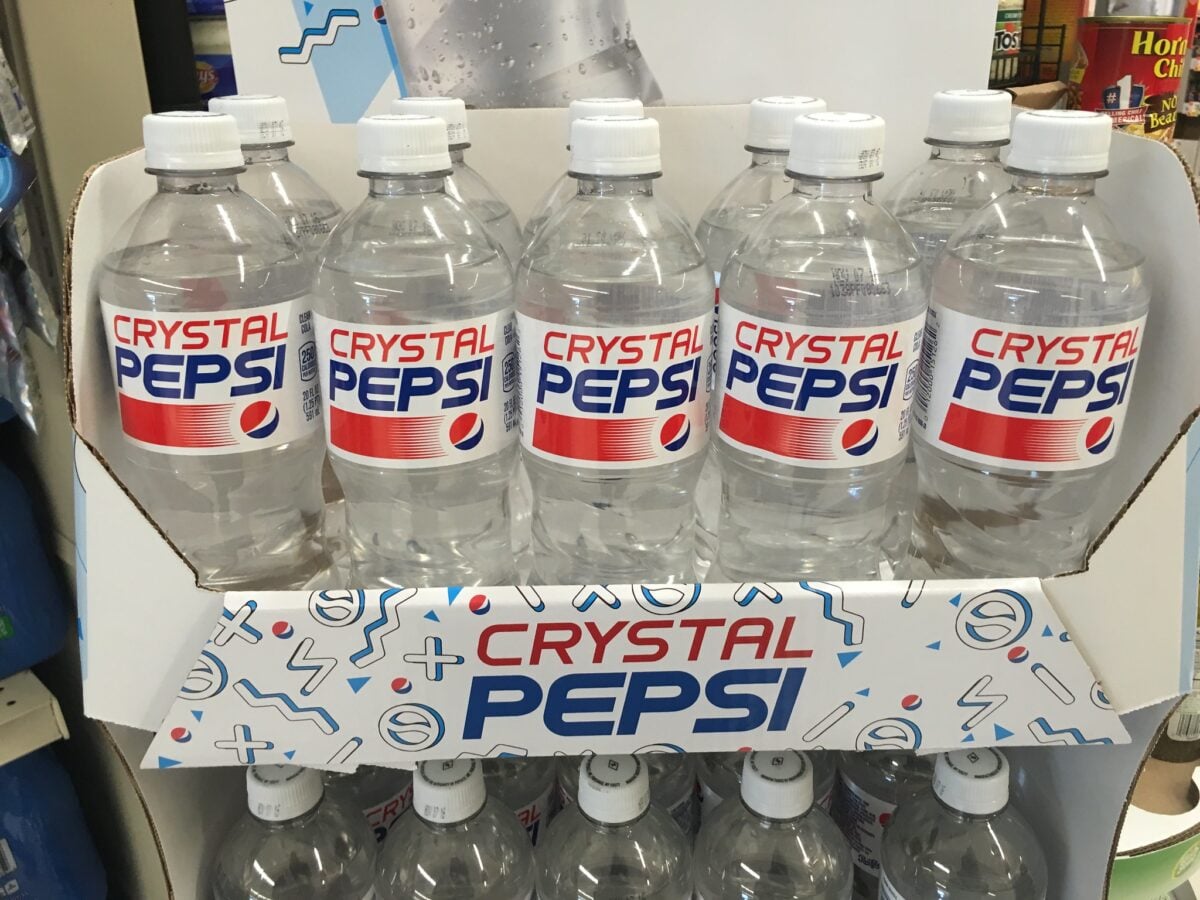
Pepsi leaned into it completely. Crystal Pepsi launched in 1992 as a caffeine-free, preservative-free, clear version of the cola.
The launch was massive. A Super Bowl ad.
National distribution. Early sales were strong enough that Coke rushed out a competing clear cola called Tab Clear specifically to undermine it.
Coke’s strategy worked. Tab Clear positioned itself as a diet product, dragging Crystal Pepsi into the same perception.
Within two years, Crystal Pepsi was gone. The product came back briefly in 2016 as a nostalgia item, which is its own kind of commentary on how far a brand can fall and still generate goodwill decades later.
Theranos: The Brand Built on a Lie

Elizabeth Holmes built a company worth $9 billion around a single claim — that Theranos technology could run hundreds of medical tests from a single finger-prick of blood. Investors believed it.
Partners believed it. Patients believed it.
The technology didn’t work. The company was running patient samples on conventional third-party machines while telling the world it was using proprietary devices.
The board, which included former secretaries of state and defense, never verified the core claims. Holmes was convicted of fraud in 2022.
The case became a referendum on Silicon Valley’s “fake it till you make it” culture — and a reminder that in healthcare, faking it has consequences that go beyond financial losses.
Juicero: A $400 Machine for Squeezing a Bag

One startup grabbed attention by selling a high-priced juicing device linked to the internet. Backed by firms like Google Ventures, it pulled in 120 million dollars.
Priced at four hundred bucks, the gadget relied on special packs filled with produce. Once slotted in, the appliance scanned a digital tag before squeezing out liquid.
Inside each pouch, ingredients met pressure only this box could deliver. By 2017, journalists at Bloomberg found that pressing the little juice bags by hand gave just as much liquid, almost as fast.
Turns out the gadget wasn’t adding any real value after all. Things fell apart fast.
Four months after the Bloomberg article appeared, operations stopped. What started as ambition ended up standing for something else entirely: gadgets chasing fake problems, backed by money from those who never bothered to wonder why.
Silence followed.
WeWork And The Habit Of High Valuations
Once upon a time, WeWork held a price tag of 47 billion dollars. Office rooms came in, then went out again – leased to workers needing short stays.
This setup actually worked on paper. Believing that number meant suspending disbelief just a little more than usual.
Adam Neumann started WeWork, calling it a tech business to get higher market value, even though its core work involved renting office spaces on long leases while serving customers month to month. By 2019, when the firm applied for public listing, documents showed heavy financial losses, odd leadership setups, plus details about a chief executive who owned the rights to the term “We” and later transferred them to the company in exchange for six million dollars.
Off the market went the IPO. Out walked Neumann.
Down to roughly $2.9 billion plummeted the valuation. Bankruptcy followed for WeWork by 2023.
The Kendall Jenner Pepsi Commercial
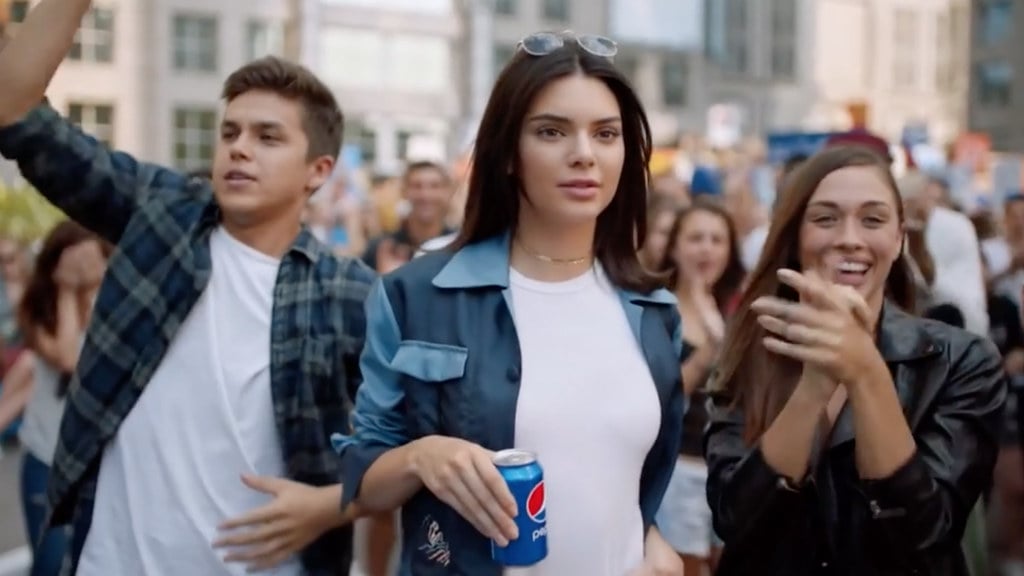
Pepsi shows up here two times – worth noticing. Not many brands do that.
A year after the last election cycle heated up online, a soda brand put out a commercial where a famous model leaves her photo session behind. She steps into a crowd holding signs, moving slowly through people who look serious.
A moment later she offers a soft drink to someone in uniform standing guard near barriers. Suddenly everyone smiles like something clicked right then.
This played on television just when cities across the country were debating streets, slogans, and who gets heard. Outrage hit fast, sharp.
People said it missed the point completely. Martin Luther King Jr.’s family spoke up right away.
On social media, Bernice shared a photo – her dad facing officers in formation. Her words beneath: “Wish he’d learned about Pepsi’s strength back then.”
Within a day, Pepsi took down the commercial and said sorry. Afterward, the person who directed it supposedly stopped doing ads for a while.
Maybe linking soda to peace and change wasn’t such a wild idea. How did they show it?
That was another story altogether.
MySpace Missed Chance with Early Facebook Offer

Once upon a time, MySpace ruled online hangouts long before Facebook showed up. Hitting high gear in 2006, it pulled in more people each month than Google did.
Back then, News Corp stepped in during 2005 and paid $580 million – seemed cheap at the moment. Back in 2004, Facebook reached out to MySpace wanting to buy them.
MySpace said no. Later, Facebook returned offering more money. Still, they refused. Their thinking ran along battlefield lines – never help a rival get stronger.
Myspace slipped through their fingers long before the price tag hit thirty five million. Choices piled up – ads here, ignored feedback there – and each one nudged users toward the exit.
Facebook wasn’t even in the picture when things started unraveling. It wasn’t losing a bidding war that mattered most.
What followed, slow and steady, chipped the foundation until almost nobody stayed.
The Ones That Hurt the Most

Most of these breakdowns have one thing in common – no hint of ego or lack of sense. Behind them stood individuals with years under their belts, some even sharp-minded, backed by groups fully bought into the mission.
While talent filled the room, confidence ran high, none saw it coming. Something connects them – mismatched numbers versus real desires.
Public claims drift far from private actions. Markets move fast; companies follow slow.
Those who led during those times hold on to memories in their own way. Open conversations?
For some, yes – each story is a lesson shaped by hindsight. Silence suits others better; words feel unnecessary.
Then there are the ones circling old choices again and again, searching for reasons that remain just out of reach. Far beyond their creators, choices linger like echoes.
Brands – what’s left – keep drifting forward.
More from Go2Tutors!

- The Romanov Crown Jewels and Their Tragic Fate
- 13 Historical Mysteries That Science Still Can’t Solve
- Famous Hoaxes That Fooled the World for Years
- 15 Child Stars with Tragic Adult Lives
- 16 Famous Jewelry Pieces in History
Like Go2Tutors’s content? Follow us on MSN.