Fall Childhood Memories Boomers Will Recognize
Before pumpkin spice had a marketing budget, autumn arrived with smells, sounds and rituals that many kids in the neighborhood shared. Nobody scheduled them.
They simply happened between the first cold morning and the last raked leaf.
For anyone who grew up in the 1950s, 1960s or early 1970s, these moments may still come back in sharp focus.
Orange Boxes for UNICEF
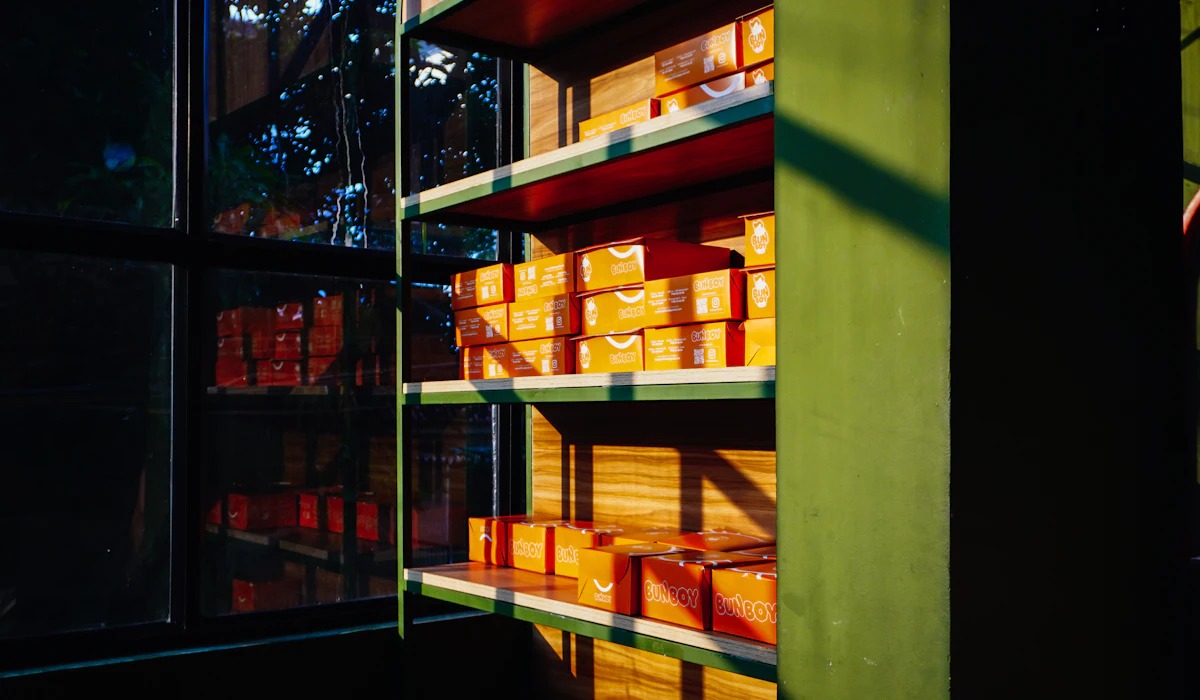
Trick-or-treaters in many neighborhoods carried a small orange cardboard box alongside the candy bag. Coins dropped into it went to UNICEF, a campaign that began in 1950 and turned a night of sugar into an early lesson in giving.
Plenty of kids rattled the box proudly while their pillowcases grew heavy.
A Date With the Great Pumpkin
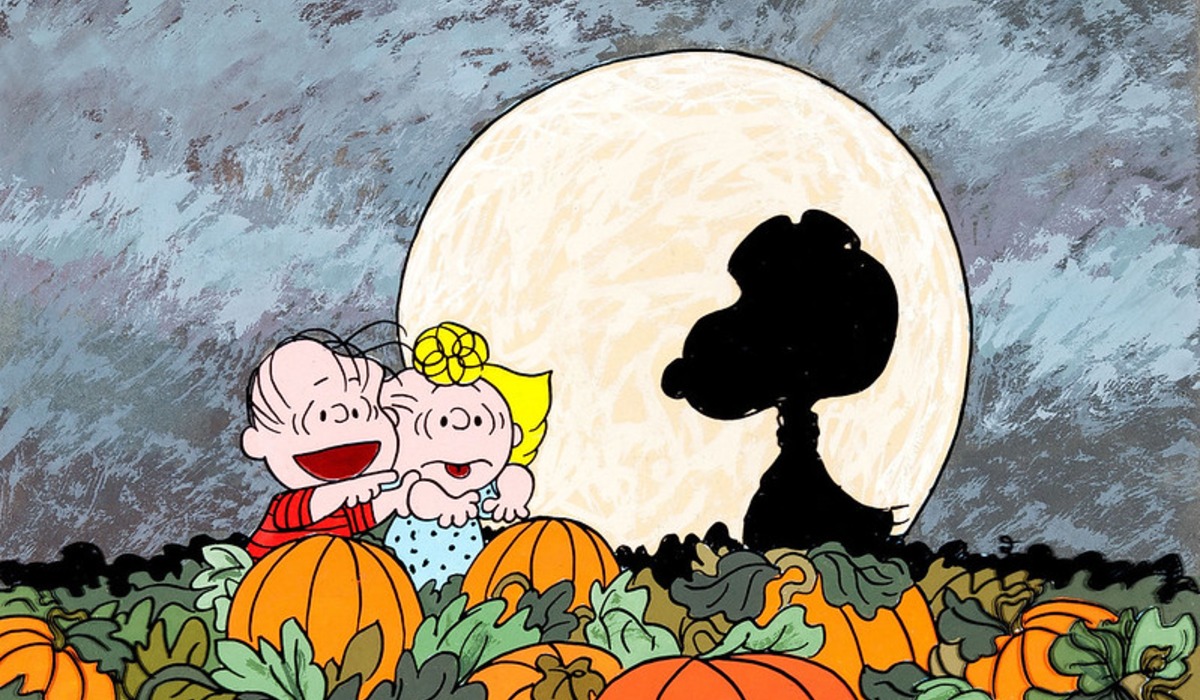
It’s the Great Pumpkin, Charlie Brown premiered on CBS on October 27, 1966, and families gathered around a single television to watch it. Linus waited all night in the pumpkin patch while everyone else collected candy.
The special became an annual television tradition for decades, although regular network broadcasts ended after 2019, apart from a PBS showing in 2021. It later moved primarily to streaming.
Falling Back an Hour
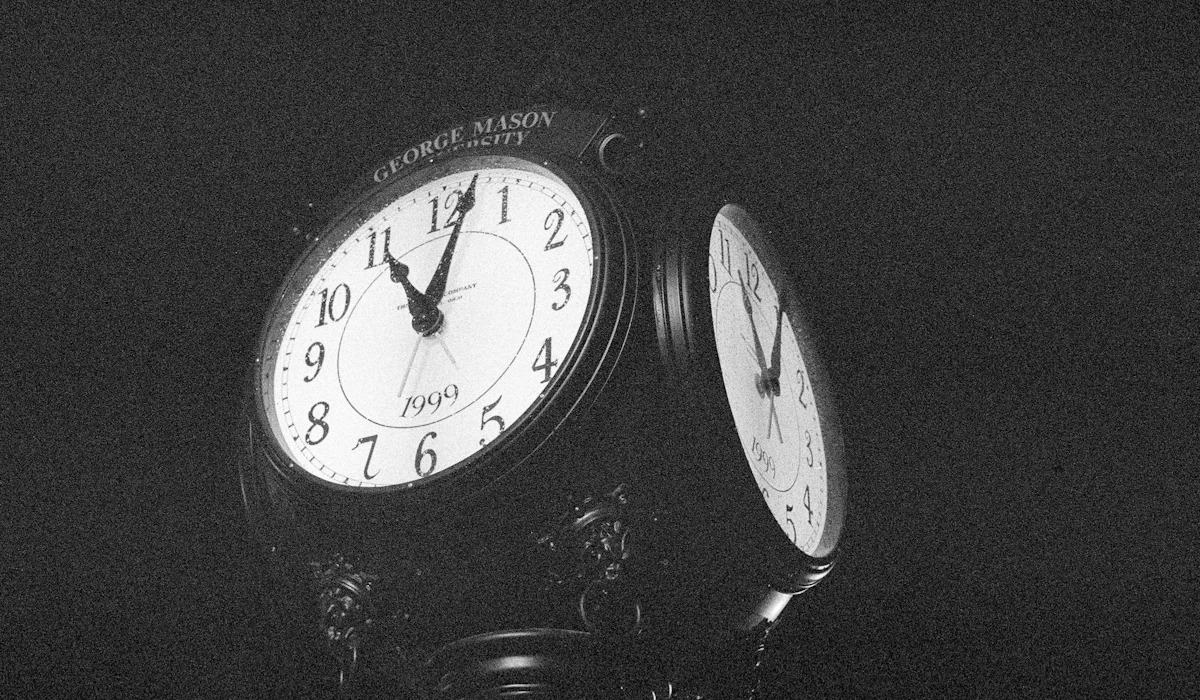
The Uniform Time Act of 1966 standardized the dates for daylight saving time in places that observed it, with the new rules taking effect in 1967. For many families, the end-of-October clock change became a familiar ritual.
Kids gained an extra hour of sleep on a Sunday morning and lost an evening to early darkness. The streetlights seemed to flicker on before supper had even been cleared.
The First World Series Night Game

Game 4 of the 1971 World Series, played on October 13, 1971, was the first Series game ever held at night, and the Pittsburgh Pirates won it 4-3. Until then, World Series games had been played during the day, so schoolkids sometimes relied on transistor radios to follow the action.
Prime-time viewing finally let the entire family watch together.
Duck and Cover
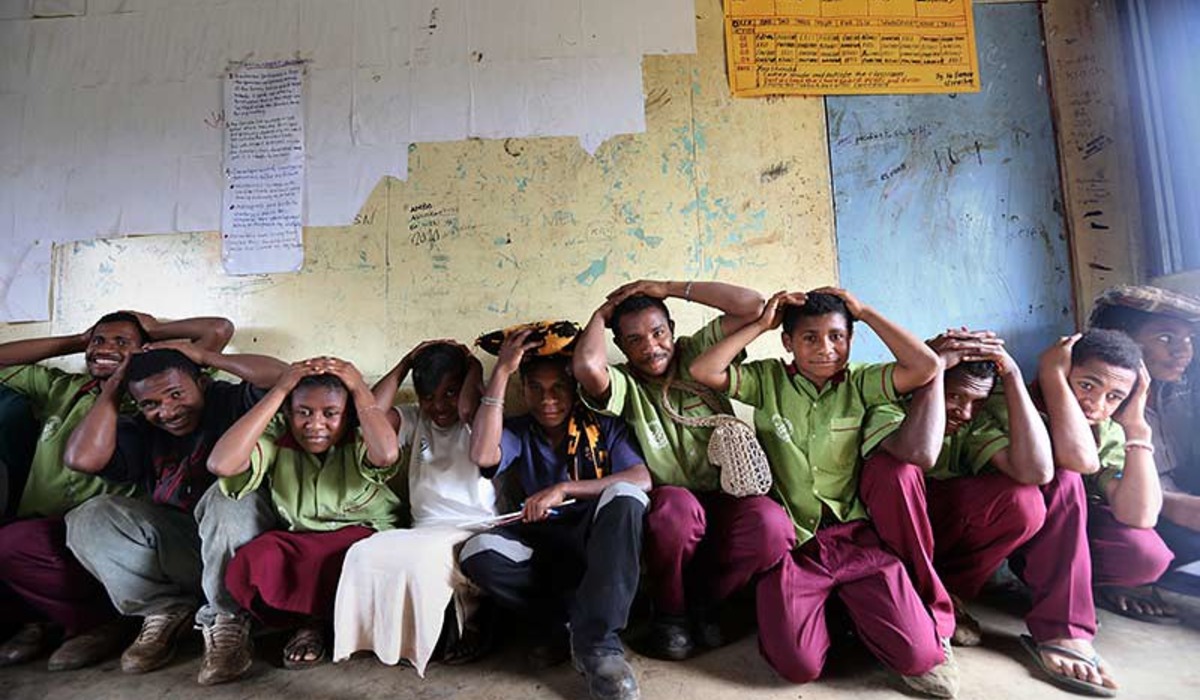
In October 1962, the Cuban Missile Crisis kept the country on edge for nearly two weeks. Schoolchildren already knew what to do, having watched Bert the Turtle in the 1951 film Duck and Cover.
Drills meant crouching under desks with hands clasped behind the neck, a ritual that felt strange even to the kids performing it.
Rubber-Smelling Plastic Masks
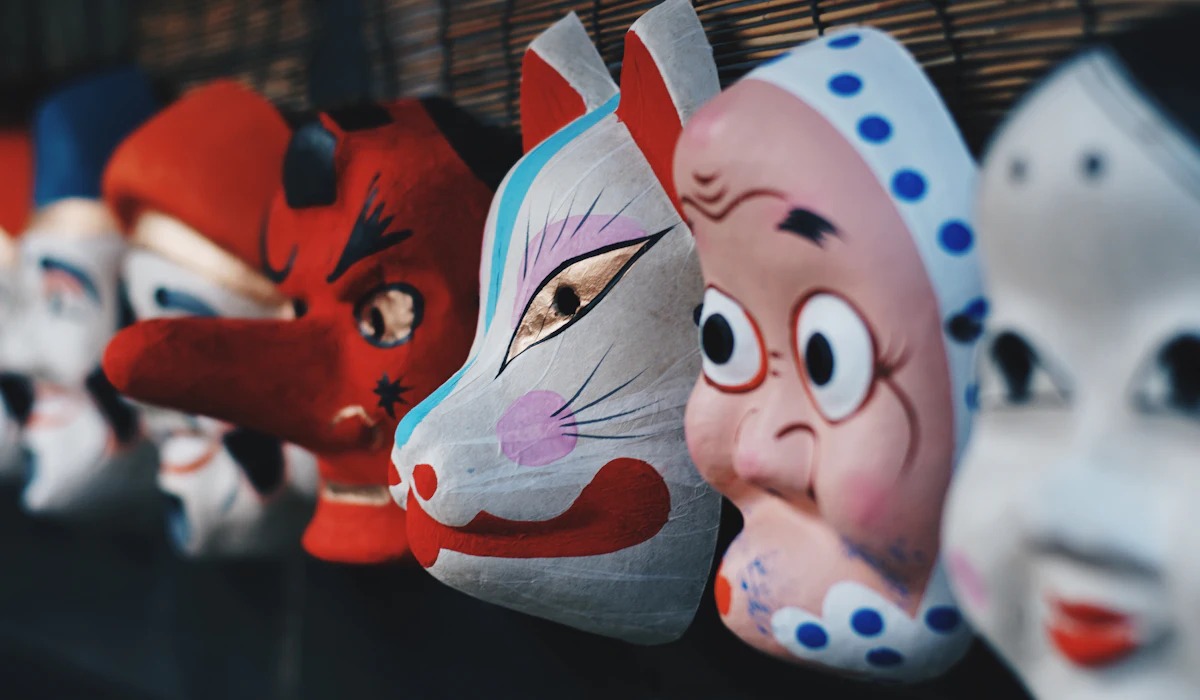
Store-bought costumes often arrived in a cardboard box with a cellophane window. Inside sat a thin plastic mask with tiny eye slits, a stretchy elastic band and a smock printed with a cartoon character’s name.
The mask fogged up after a block of walking, and many kids ended up wearing it on top of their heads like a hat.
Bobbing for Apples
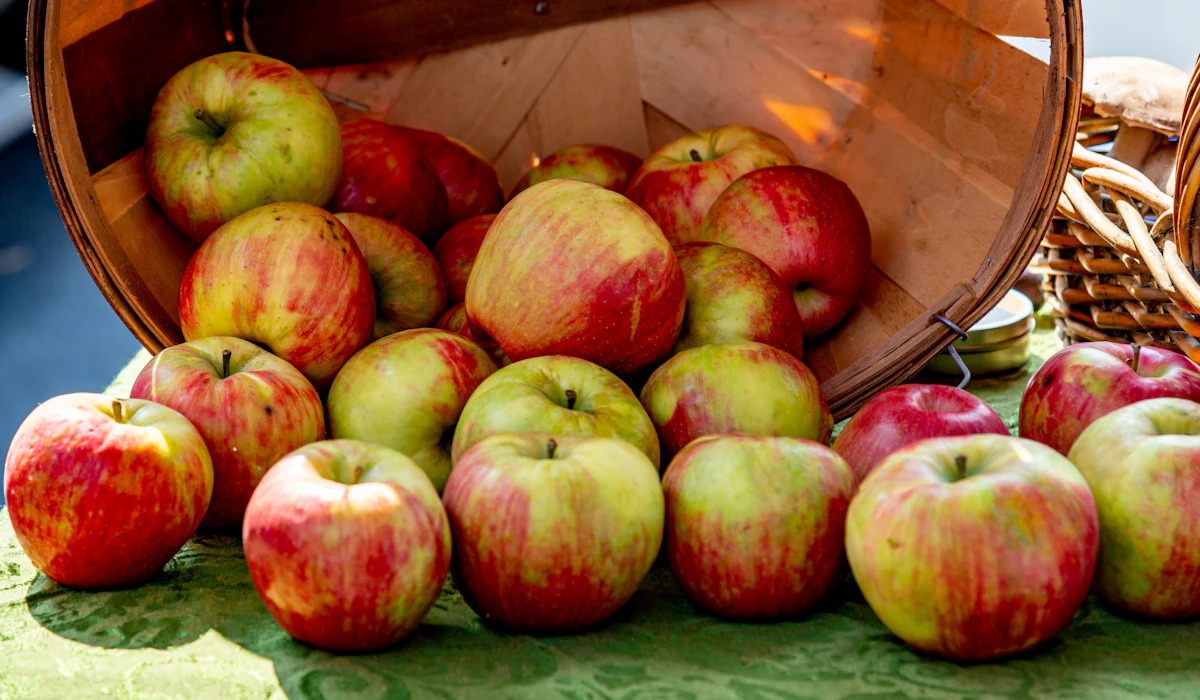
A tub of cold water, a few dozen apples and hands held behind the back made a party game that needed no batteries. The apples drifted away from every nose, and the winners surfaced soaked to the collar.
Parents kept towels stacked nearby and sometimes struggled to convince kids to share the tub.
Candy Corn and Wax Lips
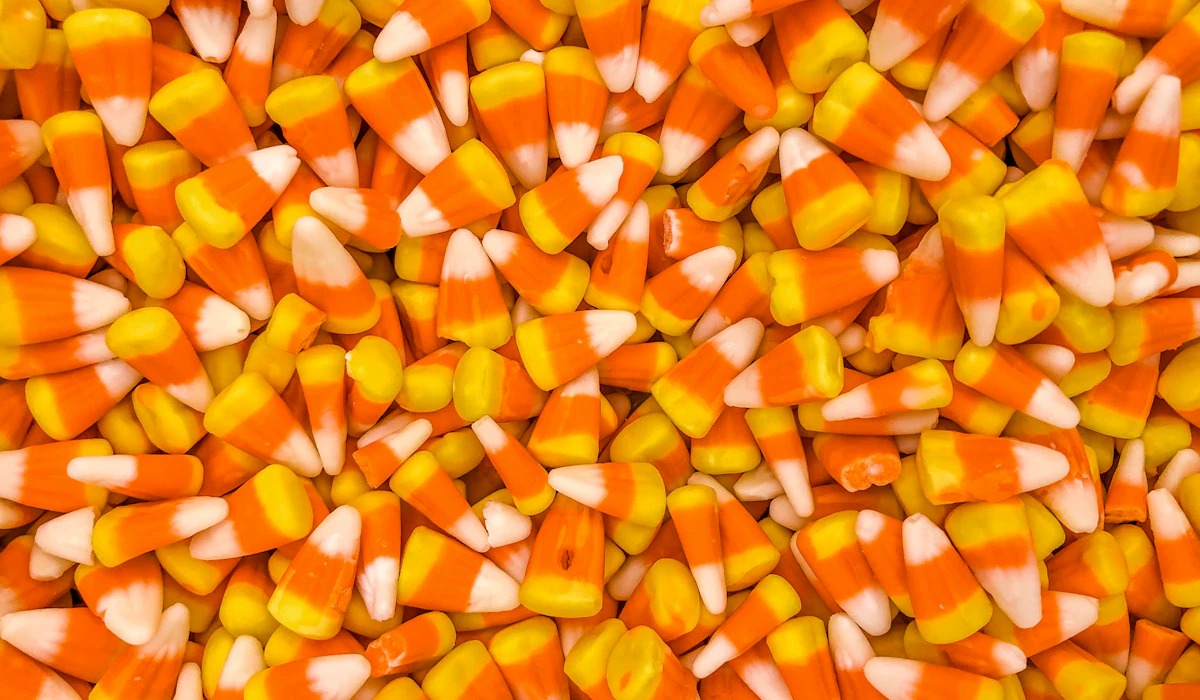
Candy corn dates to the 1880s, when it was marketed as a harvest-themed candy rather than exclusively as a Halloween treat. By the middle of the 20th century, it had become a familiar seasonal sweet.
Wax lips offered a few minutes of silliness before the novelty wore off. Both treats were more about the ritual than the taste.
Homecoming Floats Made of Tissue Paper
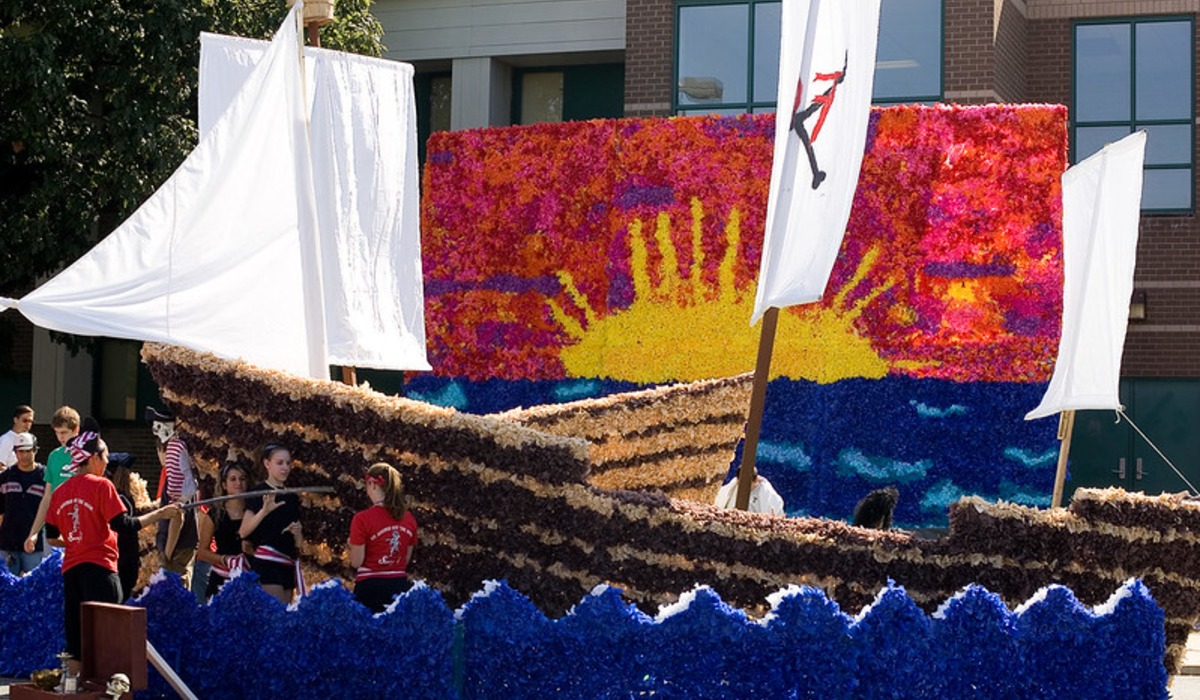
Students stuffed thousands of small squares of colored tissue paper into chicken wire to cover homecoming floats, a job known as pomping. Work stretched across a week of evenings in garages and parking lots.
One rainstorm the night before the parade could turn a masterpiece into a colorful puddle.
New Car Day
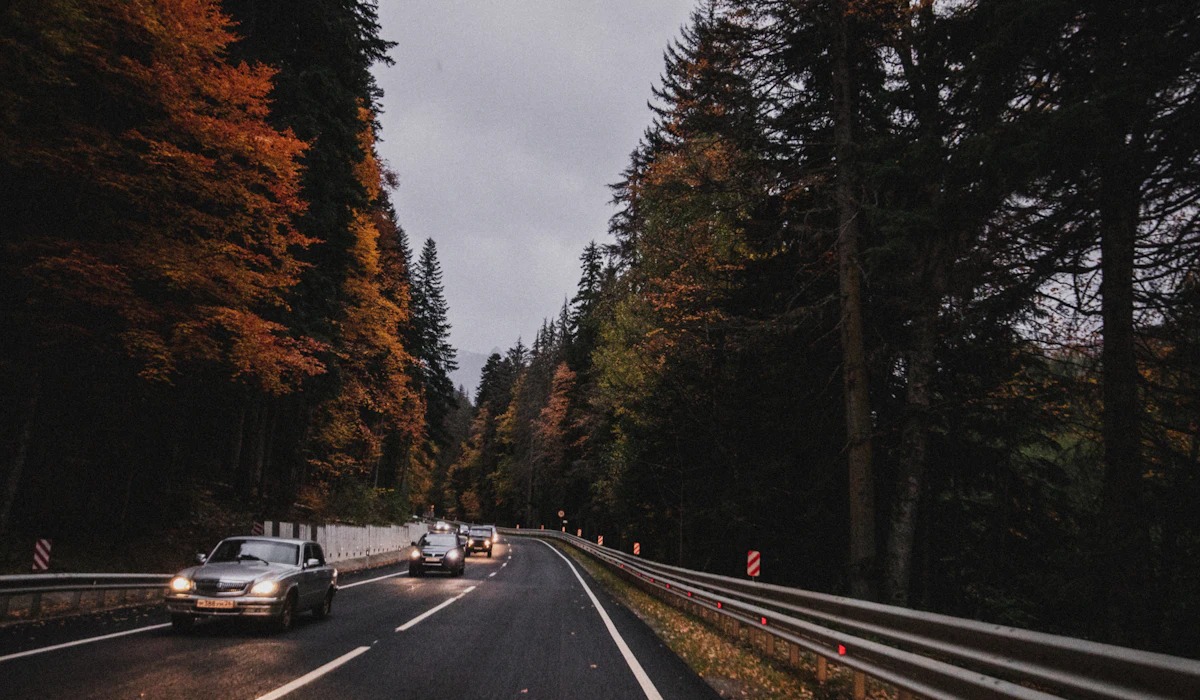
Each fall, dealers often covered showroom windows to hide the next model year until unveiling day. Families piled into the family sedan to press their faces against the glass and judge the new tail fins.
Trading in for the latest model was a neighborhood event, discussed over fences for weeks.
Saturday Morning Cartoons Return
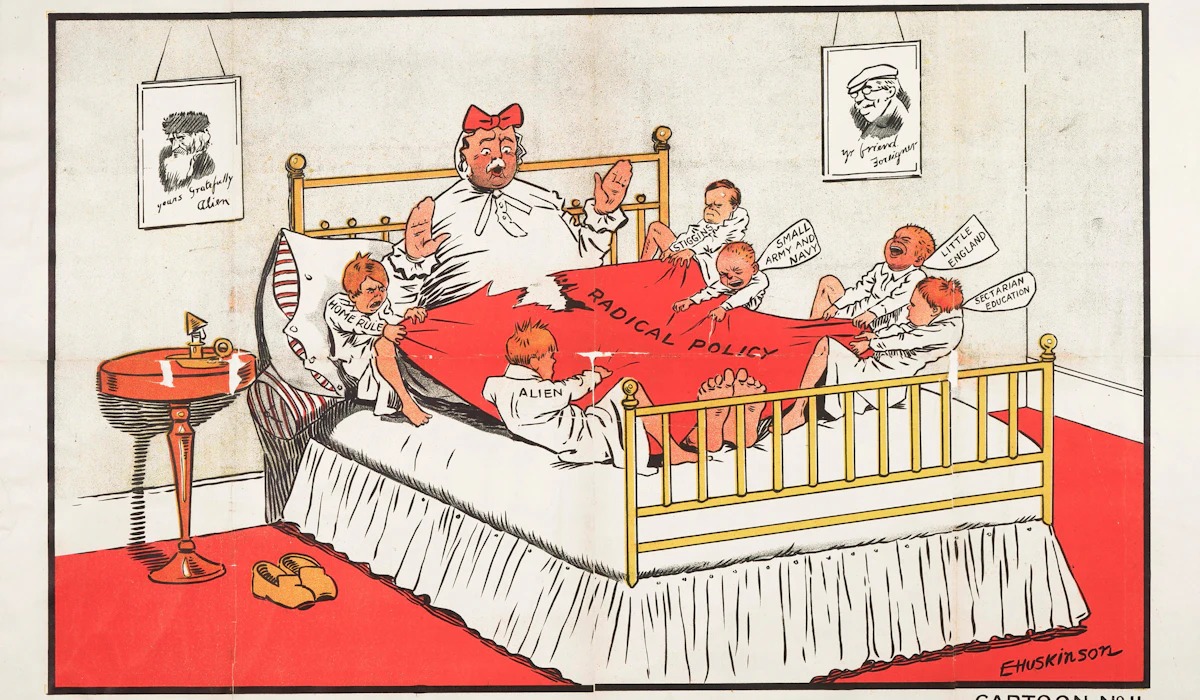
Networks debuted fresh cartoon lineups in September, and kids set alarms on Saturdays that they never managed on school days. Cereal commercials ran nearly as long as the shows.
Pajamas, a bowl on the lap and a television with rabbit-ear antennas made up the entire morning.
Raking Leaves Into a Mountain

Dad raked, and the kids dismantled the pile with a running jump. In many towns, burning the leaves at the curb was routine, and the sweet smoke hung over entire blocks until local rules restricted or ended the practice.
The memory of that smell outlasts the memory of most birthdays.
Pumpkin Faces and Roasted Seeds
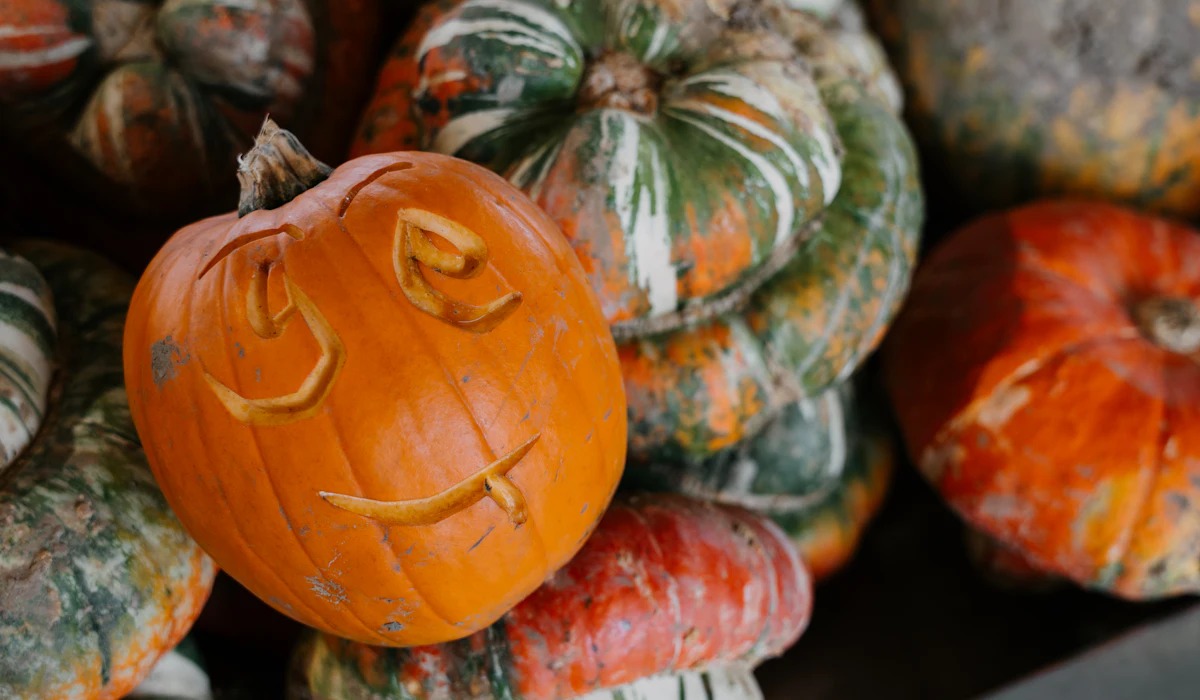
Newspaper covered the kitchen table, a butcher knife did the work, and a candle stub finished the job. The seeds were rinsed, salted and baked until crisp, then eaten warm straight from the pan.
Every family argued about whether the triangle eyes or the round ones looked better.
Cider and Doughnuts
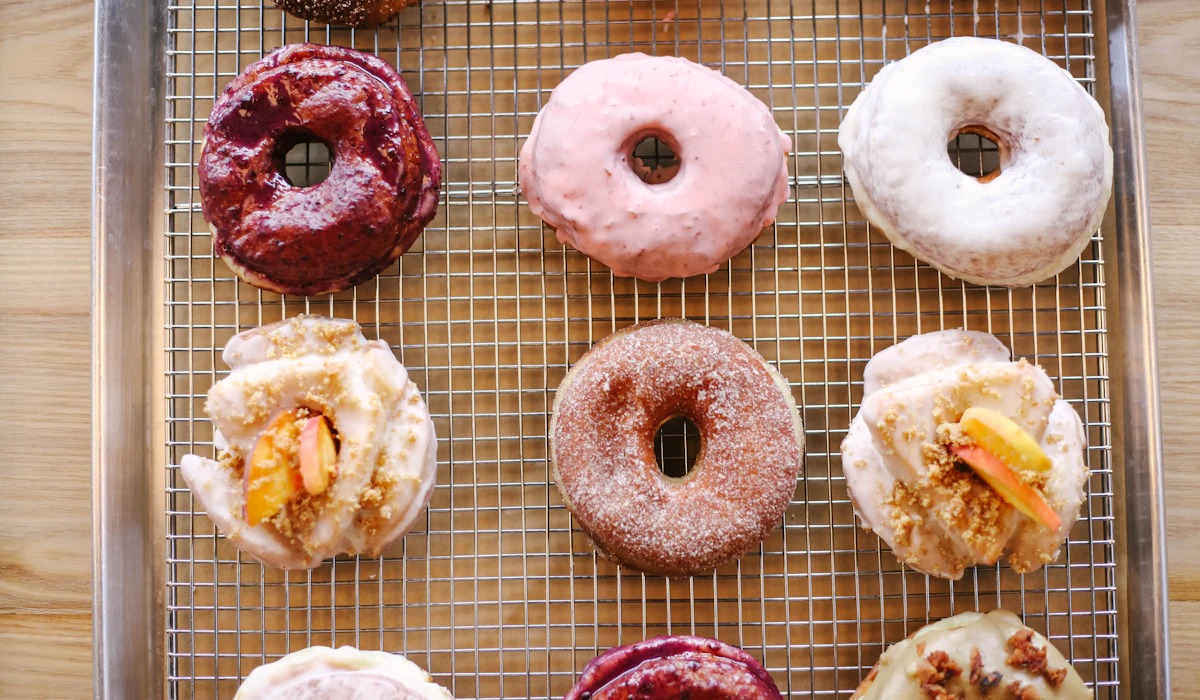
Farm stands sold jugs of unfiltered cider and warm cider doughnuts in paper bags with translucent grease spots. Fresh cider could taste sharp and fruity, but fizzing was not a reliable sign of freshness; it could indicate fermentation.
Nothing from a supermarket shelf has matched the combination since.
Friday Night Marching Bands
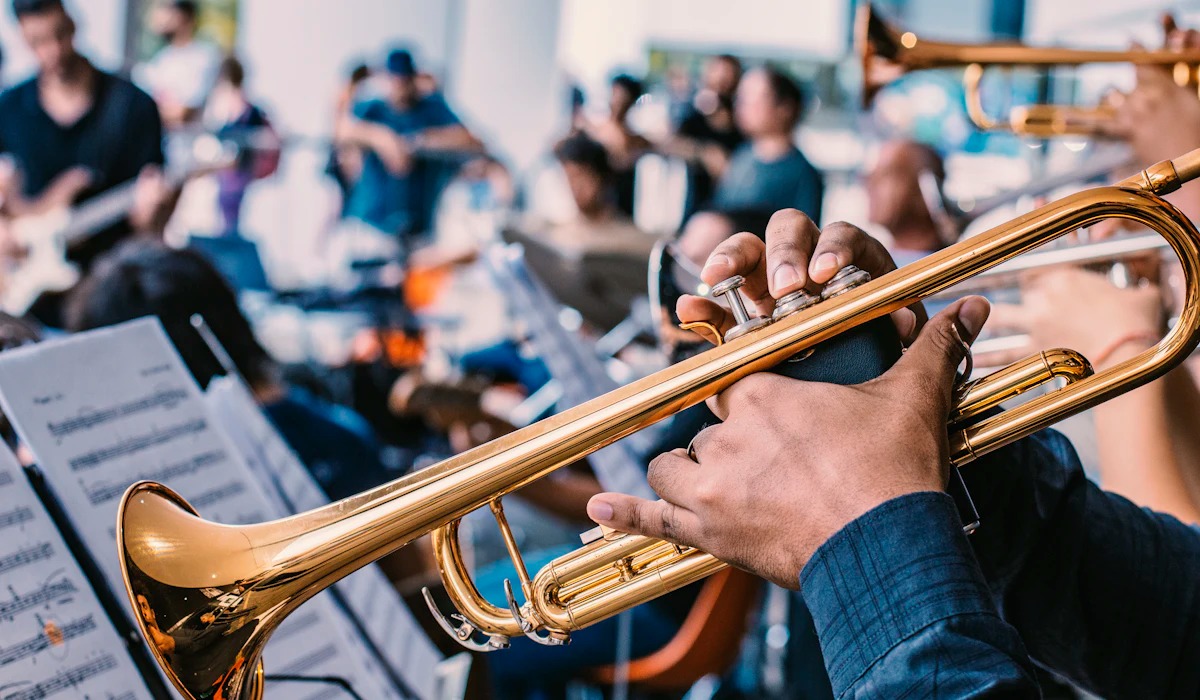
Halftime on Friday nights belonged to the marching band, with wool uniforms, plumed hats and a trombone section that cleared a path. Formations spelled out the school’s initials across the grass under the stadium lights.
For many kids, the band show was the real reason to buy a ticket.
Construction-Paper Hand Turkeys
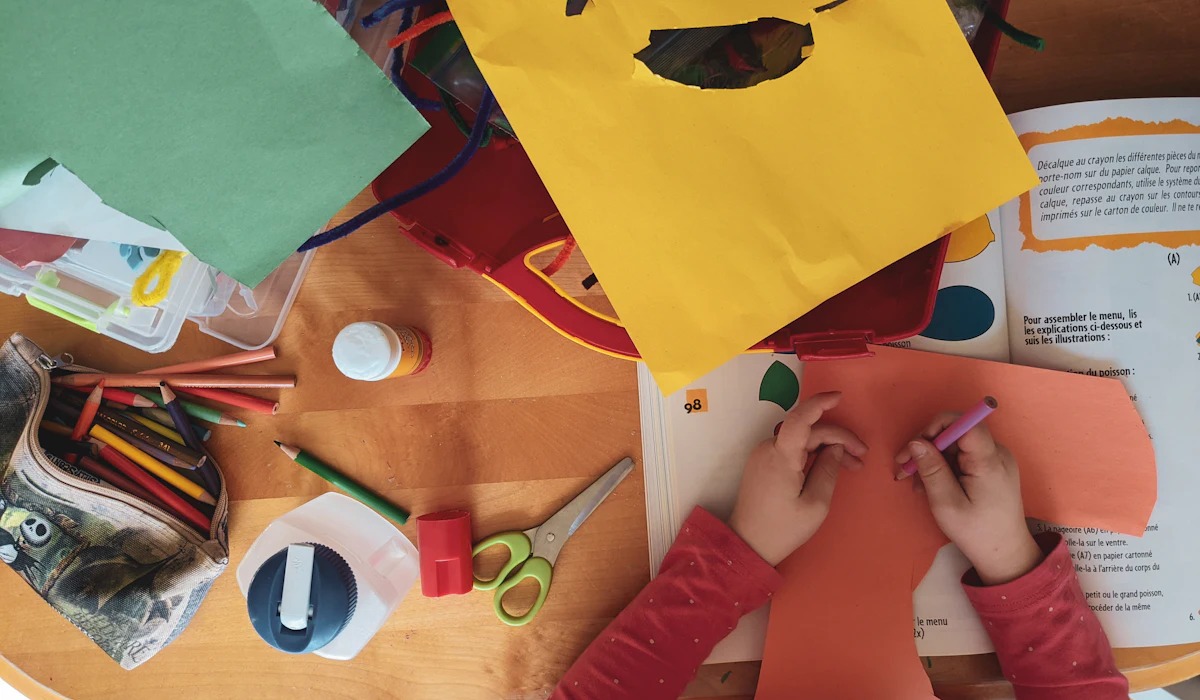
Every elementary student eventually traced a hand onto brown paper, then colored each finger into a feather. The thumb became the head, with a red wattle glued on for effect.
These turkeys landed on refrigerators in November and often stayed there until spring.
The Sears Wish Book
The Sears Christmas catalog landed in the mailbox in the fall, thick as a phone book. Sears had published a Christmas catalog since 1933 and officially adopted the name Wish Book in 1968.
Kids circled toys with a crayon and folded the corners of the best pages. Parents quietly learned what to buy by reading the circled items.
Home When the Streetlights Came On
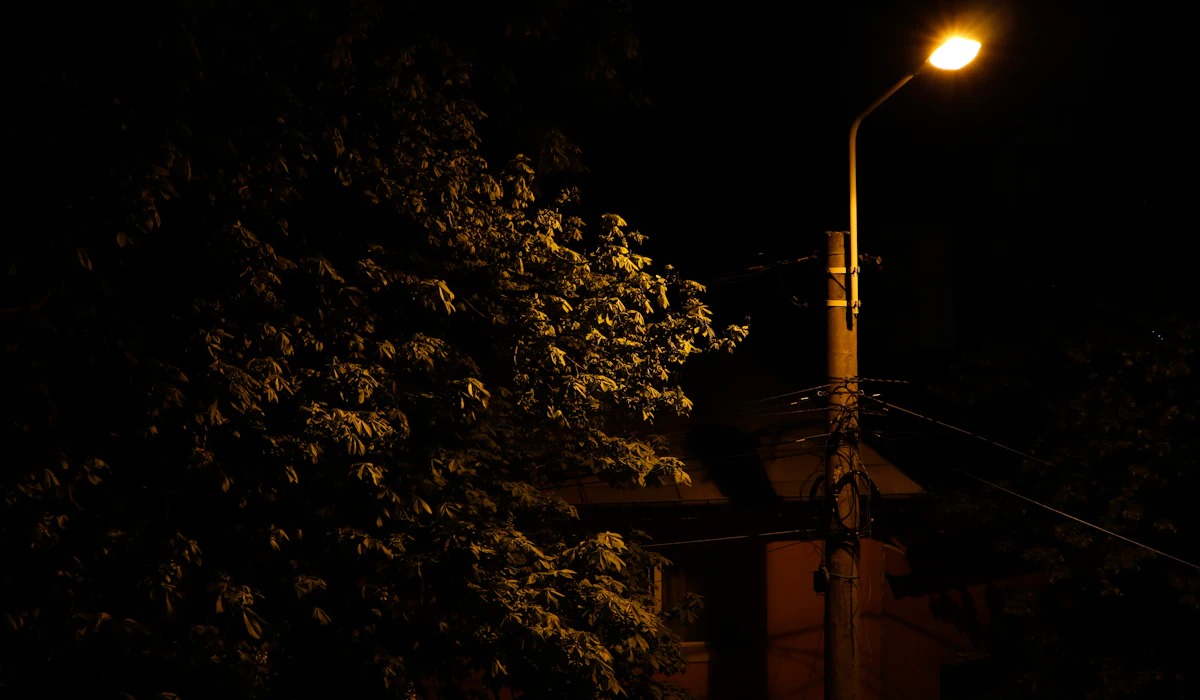
No one wore a watch, but everyone knew the rule: be home before the streetlights came on. Kids pushed the limit by running the last block while the lamps hummed to life.
The signal worked better than any alarm, and the porch light behind it meant supper was waiting.
What Autumn Kept for Them
These memories share a quality that is hard to reproduce now. They were communal, unrecorded and shaped by what neighbors, schools and a handful of television channels had in common.
Nobody curated an autumn then, because many people in a community shared the same seasonal routines.
That shared experience explains why a candy-corn bowl or a Charlie Brown special can still reach back across decades. The details were small, but they stitched a generation together with leaves, music and long evenings.
Autumn kept them close, and the feeling comes back whenever the first cold morning arrives.
MORE FROM GO2TUTORS!

- The Romanov Crown Jewels and Their Tragic Fate
- 13 Historical Mysteries That Science Still Can’t Solve
- Famous Hoaxes That Fooled the World for Years
- 15 Child Stars with Tragic Adult Lives
- 16 Famous Jewelry Pieces in History
Like Go2Tutors’s content? Follow us on MSN.


