29 Nintendo Cartridges Worth Big Money Today
Somewhere in an attic or a thrift store bin, a gray plastic rectangle is quietly worth more than the car parked outside. Nintendo cartridges from the late ’80s and ’90s have become one of the strangest corners of the collectibles market, where a dented label can cut a price in half and an unbroken factory seal can multiply it by a hundred.
The games below have each produced documented sales well above what anyone paid at retail. The numbers are only ever a snapshot, though.
Loose carts, complete-in-box copies and professionally graded sealed examples live in entirely different price universes, and the same title can sell for a few hundred dollars one week and six figures the next.
Nintendo World Championships 1990 Gray Cartridge
Nintendo built these for its 1990 traveling competition, then handed the cartridges to finalists instead of destroying them. Roughly 90 gray copies are believed to exist, each running timed segments of Super Mario Bros., Rad Racer and Tetris with a DIP switch on the board to set the countdown.
One sold on eBay for around $21,400 back in 2008, which seemed outrageous at the time and now looks like a bargain, with later examples reaching well into six figures. Prices depend heavily on condition and provenance, since many of these carts have handwritten labels and were never sold in a box to begin with.
Nintendo World Championships 1990 Gold Cartridge
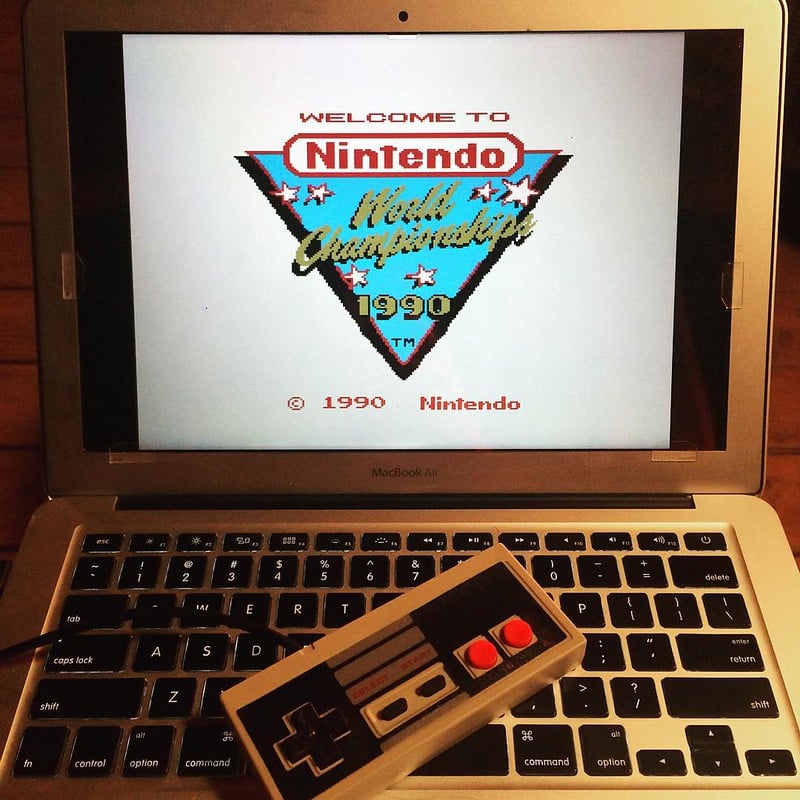
The gold version is the same game in a far rarer shell, awarded as a prize through a Nintendo Power magazine contest rather than at the tournament itself. Only 26 are thought to have been made, which places it near the top of any list of collectible video games.
A CGC-graded example sold through Goldin for $207,400, and others have changed hands privately for figures collectors describe as comparable or higher. Because none ever came with retail packaging, grading of the cartridge itself and its documented ownership history drive the value more than anything else.
Stadium Events
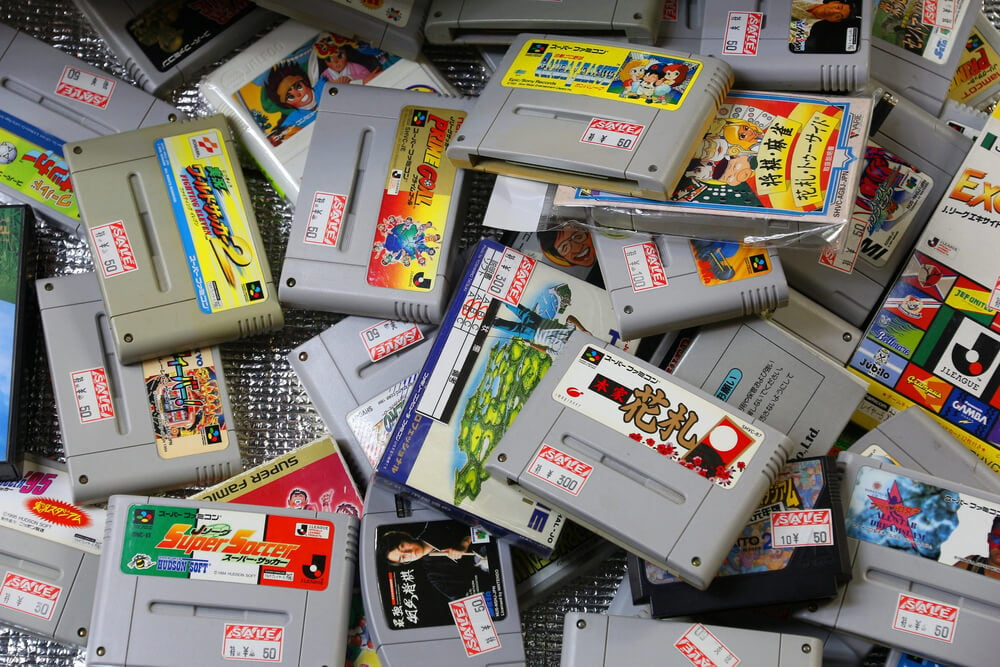
Bandai released this track-and-field title in 1987 for its Family Fun Fitness mat, and Nintendo quickly bought the rights, rebranded the mat as the Power Pad and pulled Stadium Events from shelves. The handful of copies that made it into homes before the recall became the most valuable retail NES game.
A sealed copy sold for roughly $42,000 in 2017, while loose cartridges have fetched four figures and complete boxed sets far more. Condition and completeness matter enormously here, because the box and manual are rarer than the cartridge and the game was later re-released under the World Class Track Meet name, which is nearly worthless by comparison.
Nintendo Campus Challenge 1991
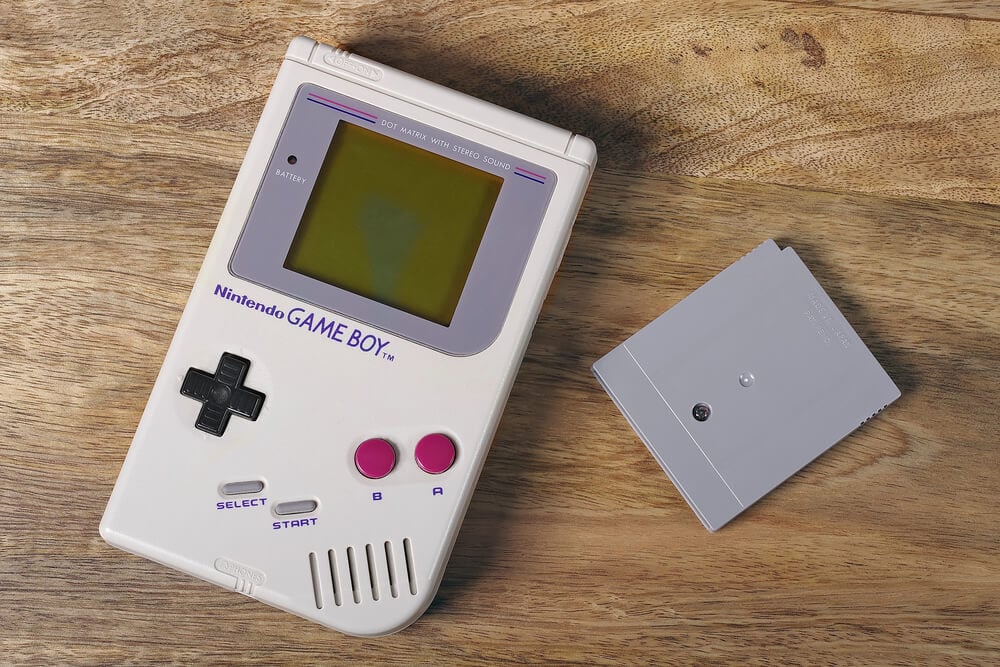
Nintendo ran a college tour in 1991 with a custom competition cartridge combining Super Mario Bros. 3, PinBot and Dr. Mario into a timed event. All of the carts were supposed to be destroyed afterward, but a single NES copy surfaced at a New York garage sale and sold in 2009 for about $20,100, a record at that time.
It remains a one-of-a-kind item in the NES format, so its value is whatever the next buyer decides it is. Grading and the chain of ownership documented since that 2009 sale are the only condition factors that really apply.
Super Mario Bros. Sealed Early Print
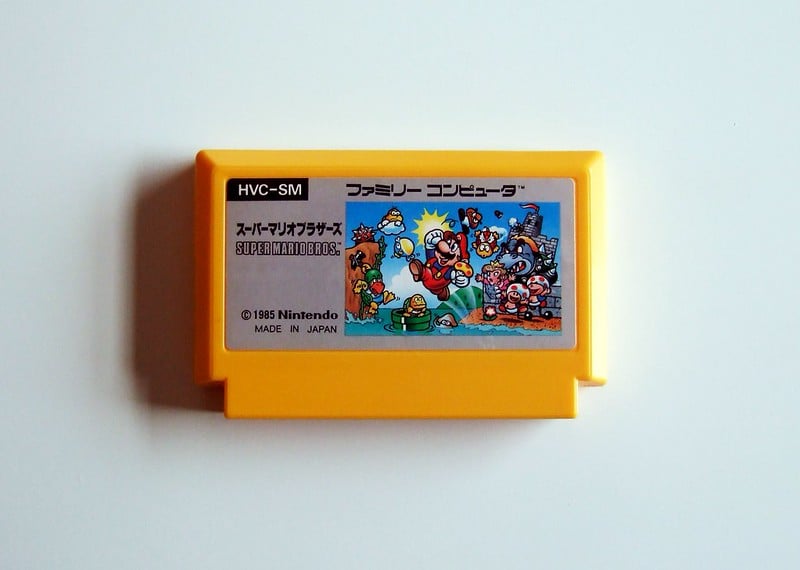
Loose copies of Super Mario Bros. are among the most common cartridges ever made and sell for a few dollars. Sealed early production runs are another matter entirely, because small details like the shrink-wrap style and copyright text identify copies from the first months of the console’s US launch.
In August 2021, a Wata-graded sealed copy sold for $2 million through the collectibles platform Rally, which at the time made it the most expensive video game ever sold. That sale remains an extreme outlier, and value here depends almost entirely on an intact seal, a high grade and the specific print variant.
Little Samson
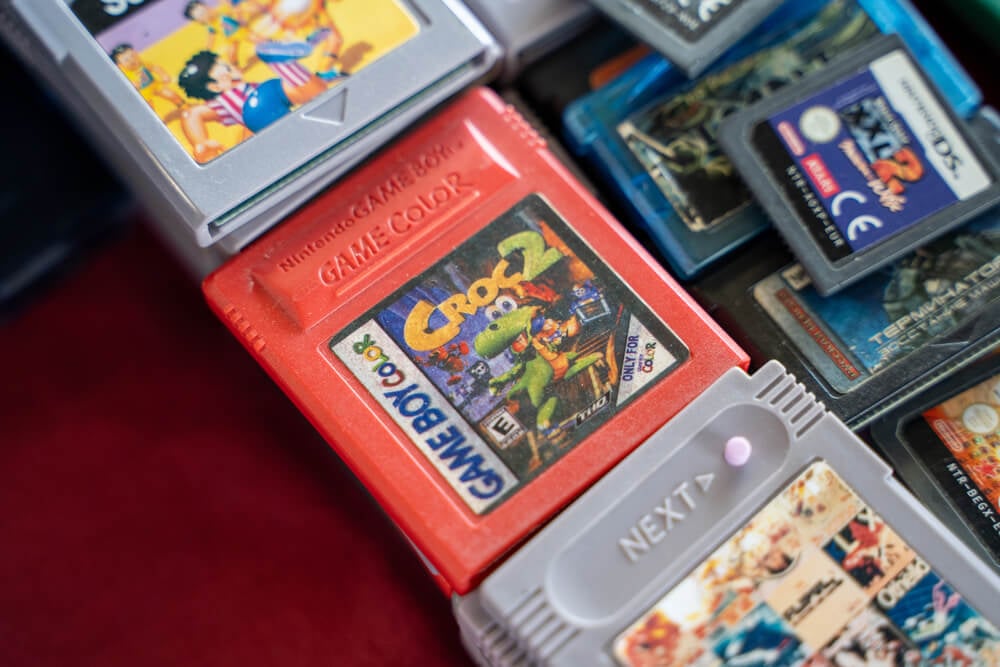
Taito published this 1992 platformer late in the NES life cycle, when most attention had already moved to the Super Nintendo, and the result was a tiny print run of a genuinely excellent game. Players swap between four characters, including a dragon and a golem, each with their own abilities.
Loose carts have sold for well over $1,000, and complete-in-box copies have commanded several thousand. Condition is a major factor since the label art is prone to scuffing, and the box is scarce enough that a clean one can be worth more than the game inside it.
The Flintstones: The Surprise at Dinosaur Peak
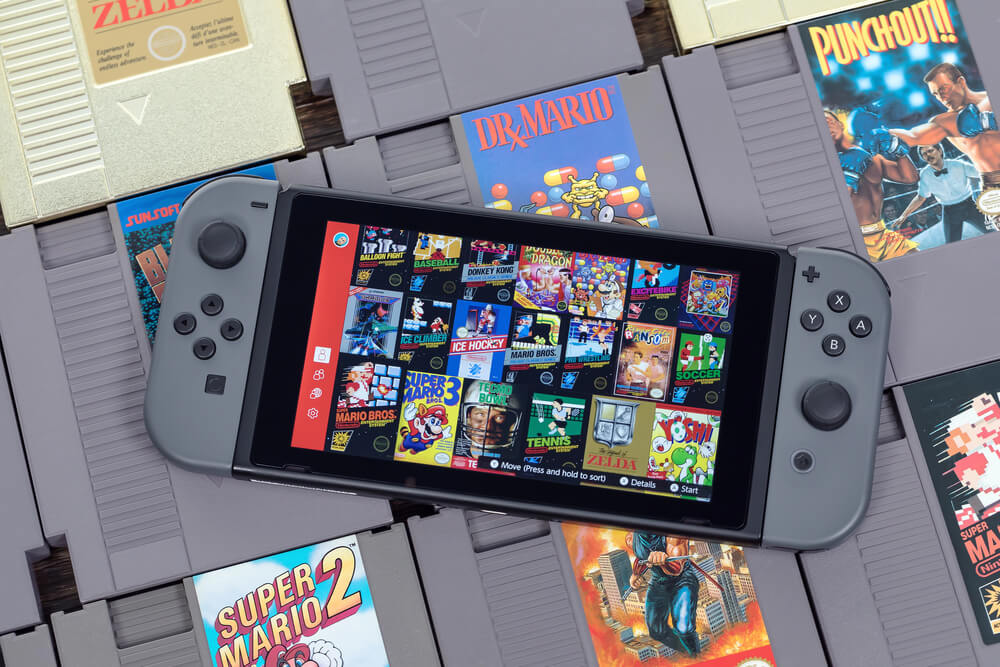
Taito released this sequel in 1994, so late that it reportedly went mostly to rental chains rather than retail shelves. That distribution quirk means most surviving copies were handled by hundreds of renters, and the few that stayed clean are prized.
Loose cartridges have sold in the $1,000 to $2,000 range, with boxed examples reaching multiples of that. A sticker-free label and an original box without rental shop markings separate a solid sale from a spectacular one.
Bonk’s Adventure

Bonk was the TurboGrafx-16 mascot, which makes his 1994 NES port an odd footnote, released by Hudson Soft on a system that was already being cleared out. Print numbers were tiny and demand from collectors has pushed the cart into four-figure territory loose, with complete copies selling for several thousand dollars.
The game itself is a faithful if slightly cramped conversion of the original caveman platformer. Value depends on label condition and whether the box and manual survived, since both are far harder to find than the cartridge.
Panic Restaurant
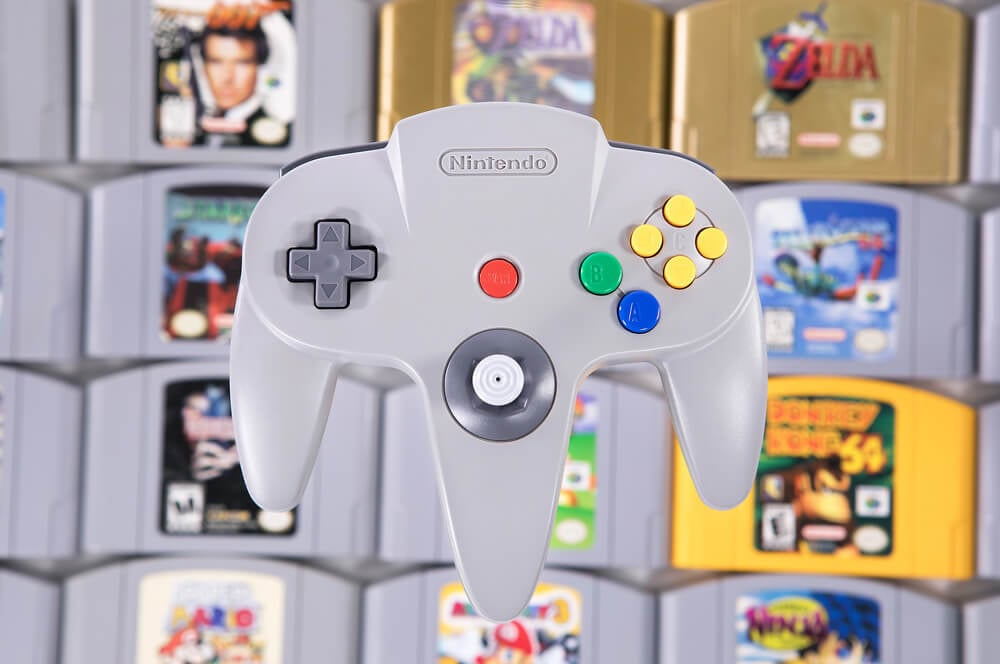
Taito again, this time with a 1992 platformer about a chef fighting possessed food with a frying pan. The game sold poorly, partly because its cover art looked like a children’s title and partly because it arrived as the NES was winding down.
Loose carts now sell for well over $500, and complete boxed copies have gone for several thousand dollars. Collectors pay close attention to the box, because Taito’s late NES packaging was thin and tears easily, and a graded sealed example can go for far more than any opened copy.
Power Blade 2
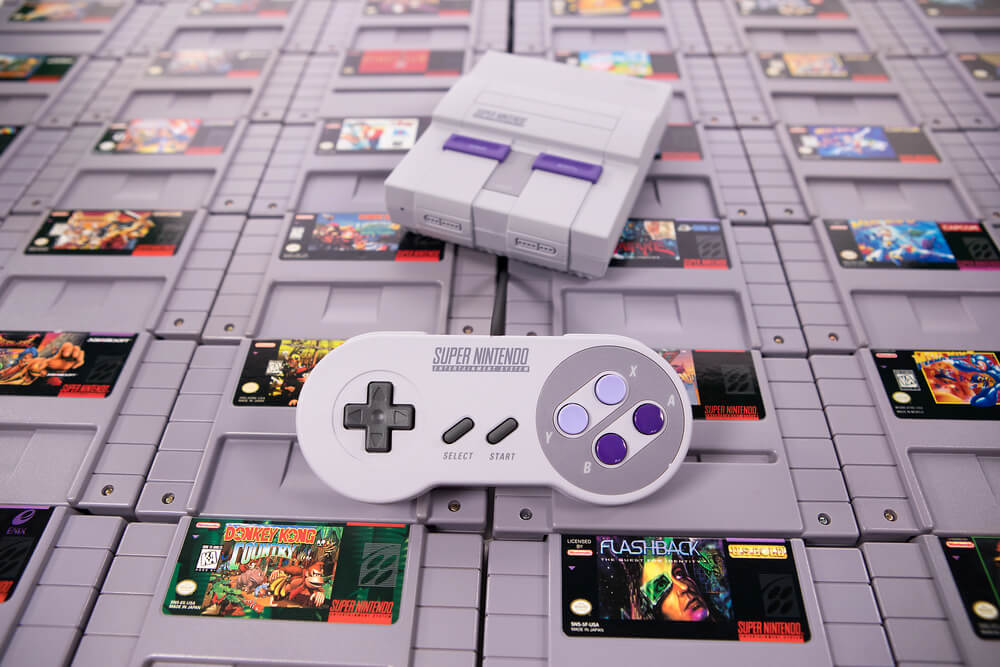
The 1992 sequel to Taito’s cyborg action game never got the marketing push of the original and saw a much smaller print run. It remains one of the most expensive licensed NES action games, with loose cartridges selling for $500 and up and boxed copies often clearing several thousand dollars.
The game features a selection of power suits, including one for underwater levels, and plays as a tighter, more deliberate take on the first game’s formula. Pricing depends on condition and completeness, and the box is the scarce piece.
Snow Brothers
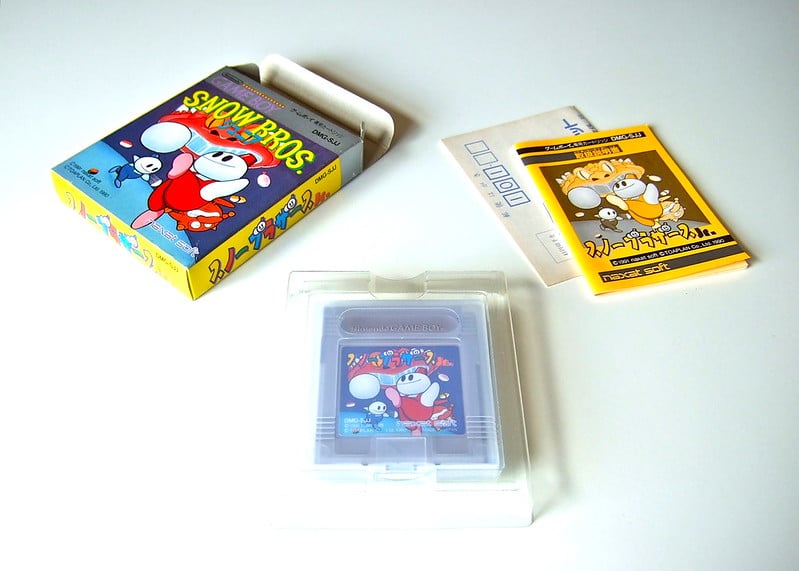
Capcom brought this Toaplan arcade game to the NES in 1991, a Bubble Bobble-style single-screen platformer about two snowmen encasing enemies in snow and rolling them away. It got a quiet release and modest sales, which translated into a scarce cartridge decades later.
Loose copies have sold in the high hundreds, and complete-in-box examples have reached several thousand dollars. Values vary sharply with condition, and the NES version is worth far more than its Game Boy counterpart, which confuses some sellers.
Cheetahmen II
Active Enterprises, the company behind the infamous Action 52, made this sequel but never released it. Around 1,500 cartridges were discovered in a warehouse in the mid-’90s and sold off, which is the only reason the game exists in any form.
The cartridges are notoriously buggy, and the game cannot be completed normally because later levels fail to load. Despite that, or because of it, copies have sold for $1,000 and more, with prices depending heavily on cartridge condition and whether the original Action 52-style packaging accompanies it.
Myriad 6-in-1
This unlicensed multicart is the rebranded version of the Caltron 6-in-1, reissued by Myriad Games in 1992 with a new sticker over the original label. The number of Myriad-labeled copies is believed to be tiny, far smaller than the already scarce Caltron run.
Loose Myriad cartridges have sold for several thousand dollars, well above the Caltron version of the same games. Collectors check carefully for intact Myriad stickers, since a peeled or replaced label removes most of the premium, and complete packaging is almost unheard of.
DuckTales 2
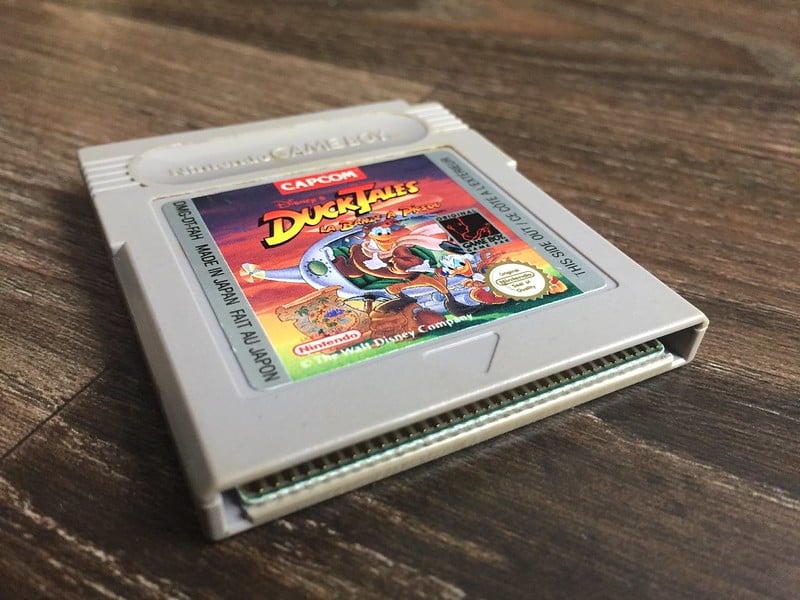
Capcom released this 1993 sequel in small numbers compared to the original DuckTales, which sold in the millions. The game is a refinement of the first, with Scrooge McDuck pogo-bouncing through new locations and upgrades to his cane.
Loose cartridges have sold in the hundreds, with complete-in-box copies commanding $1,000 and more. Condition matters, especially the label, and a sealed copy graded well can push far beyond what any opened example fetches.
Mr. Gimmick
Sunsoft’s 1992 platformer about a star-throwing green creature was released in Japan and Scandinavia only, never in North America. The PAL cartridge is the only way to own an officially licensed Western version, and it has become one of the most sought-after European NES releases.
Boxed PAL copies have sold for thousands of dollars, with loose carts also commanding four figures. The game uses a custom sound chip for an unusually rich soundtrack.
Values depend on condition, and the Scandinavian box and manual are extremely difficult to find intact.
Hagane: The Final Conflict
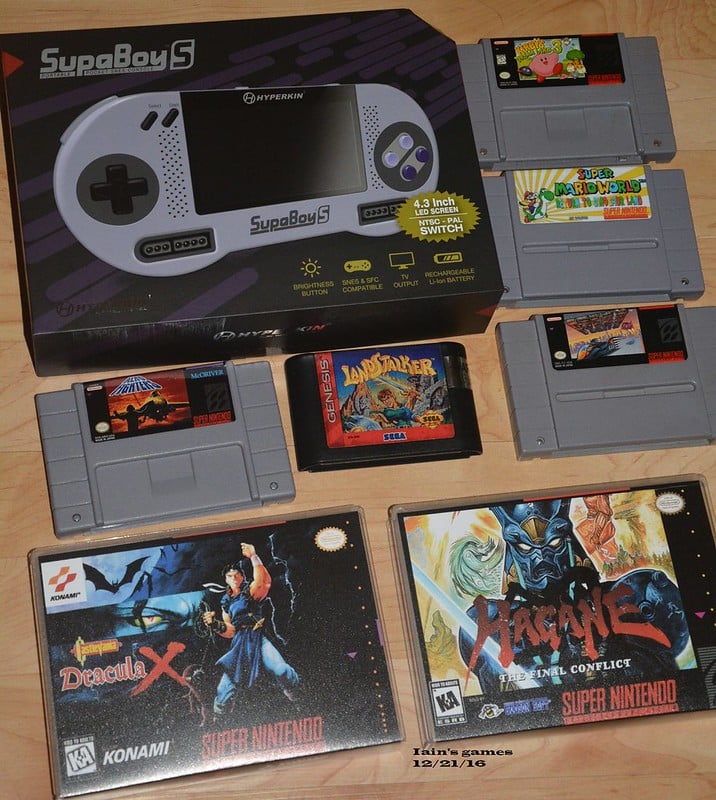
Hudson Soft’s 1994 ninja action game is often cited as a Blockbuster rental exclusive in the US, which explains why most copies show heavy wear. It is a demanding, acrobatic platformer with a cyborg ninja hero and an unforgiving difficulty curve.
Loose cartridges have sold for $500 and up, while complete copies have reached several thousand dollars. Clean examples without rental stickers or label damage command a strong premium, and graded sealed copies have sold for multiples of the boxed price.
Aero Fighters
Video System’s vertical shoot-’em-up came to the Super Nintendo in 1994 in a very small North American print run. Collectors have long debated the exact number, but the cartridge is scarce enough that loose copies have sold for more than $1,000 and complete sets for several thousand.
The game offers eight pilots from different countries, each with a distinct plane, and plays as a fast, chaotic arcade port. Condition and completeness drive the price, with the manual being especially hard to find.
EarthBound
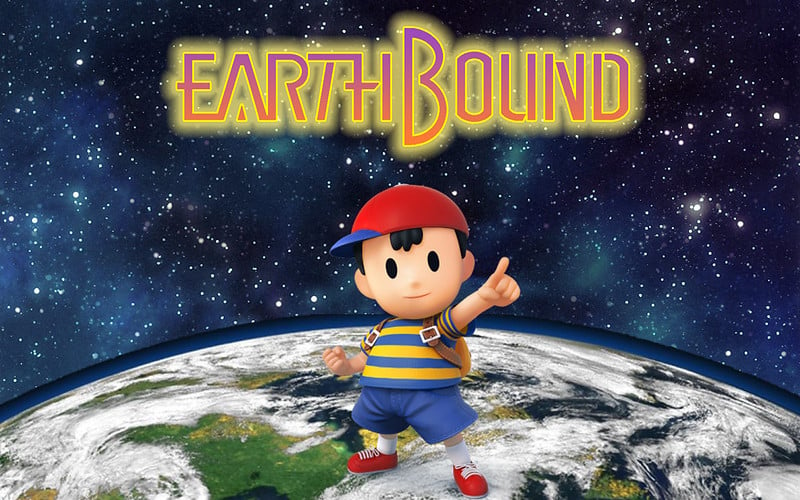
Nintendo’s quirky 1995 role-playing game shipped in an oversized box with a strategy guide and scratch-and-sniff cards, which makes complete copies both charming and difficult to find intact. Loose cartridges have sold for several hundred dollars, complete sets for well over $1,000 and sealed graded copies for tens of thousands.
The game’s “this game stinks” advertising campaign is often blamed for its poor initial sales. Condition, the presence of the guide and cards and professional grading all have enormous effects on what a given copy brings.
Chrono Trigger
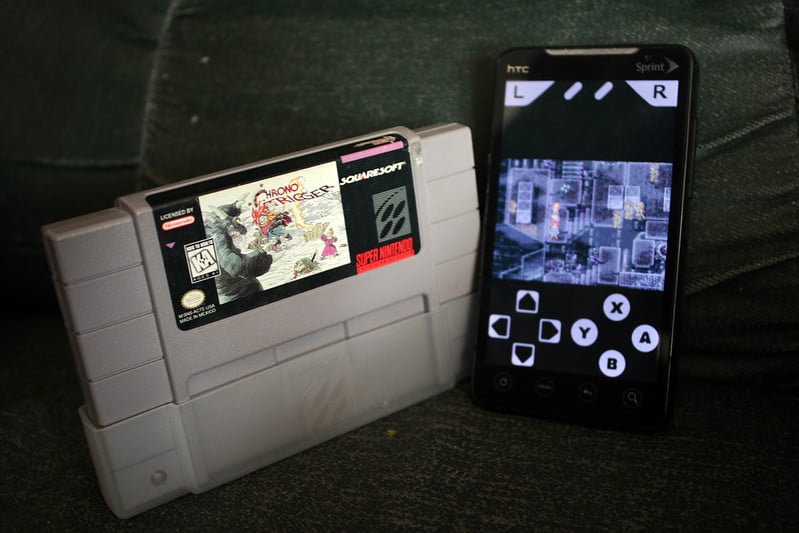
Square’s 1995 time-travel RPG sold reasonably well, so loose cartridges are not rare, but the sealed and graded market has made it one of the most valuable SNES titles. A cartridge alone has sold for a couple of hundred dollars, while complete copies with the fold-out map and poster fetch several hundred to over $1,000.
Sealed graded examples have sold for tens of thousands. The map and poster are commonly missing, so true completeness is the single biggest factor after the condition of the box.
ClayFighter: Sculptor’s Cut
Interplay produced this updated version of ClayFighter 63 1/3 in 1998 strictly as a Blockbuster rental exclusive, which means almost no copies ever came with a retail box or manual. It adds four characters that were absent from the standard release.
Loose cartridges have sold for several thousand dollars, and a rare complete copy sold publicly for $175,000. Because most surviving carts were rental stock, condition varies wildly, and any example with original packaging is in a class by itself.
Super Bowling
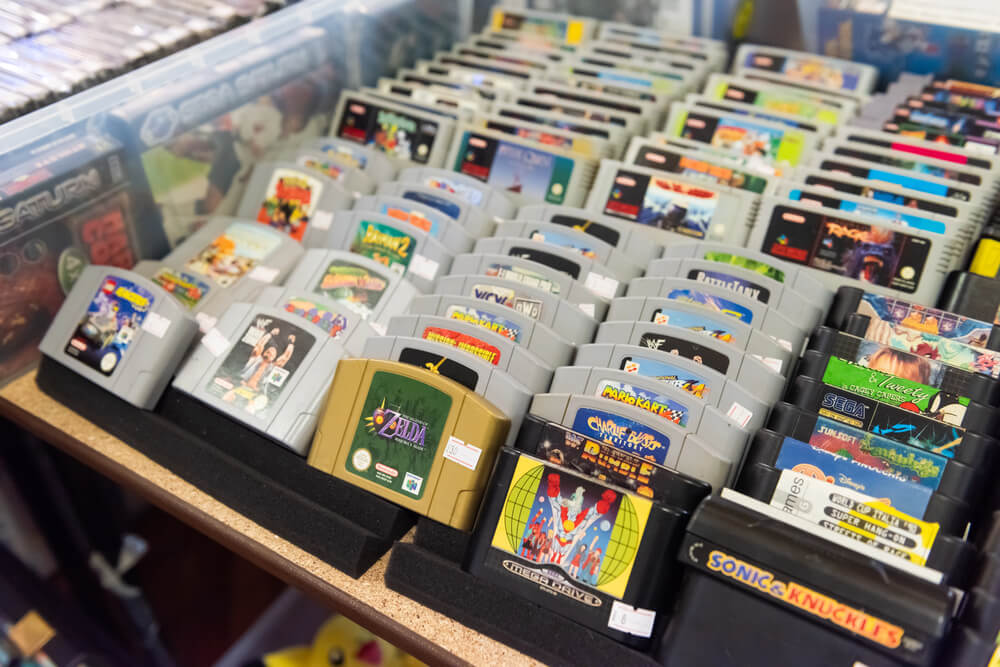
Athena’s 2001 Nintendo 64 bowling game, released in North America by American Softworks, slipped out with minimal fanfare and a very small print run. It is a straightforward sports title with a handful of modes and no particular hook, which is exactly why so few people bought it.
Loose copies have sold for well over $1,000 and complete sets for several thousand dollars. Collectors check carefully for reproduction labels, because the cart’s value has attracted fakes, and the original box is among the scarcest in the N64 library.
Yoshi’s Story International Version
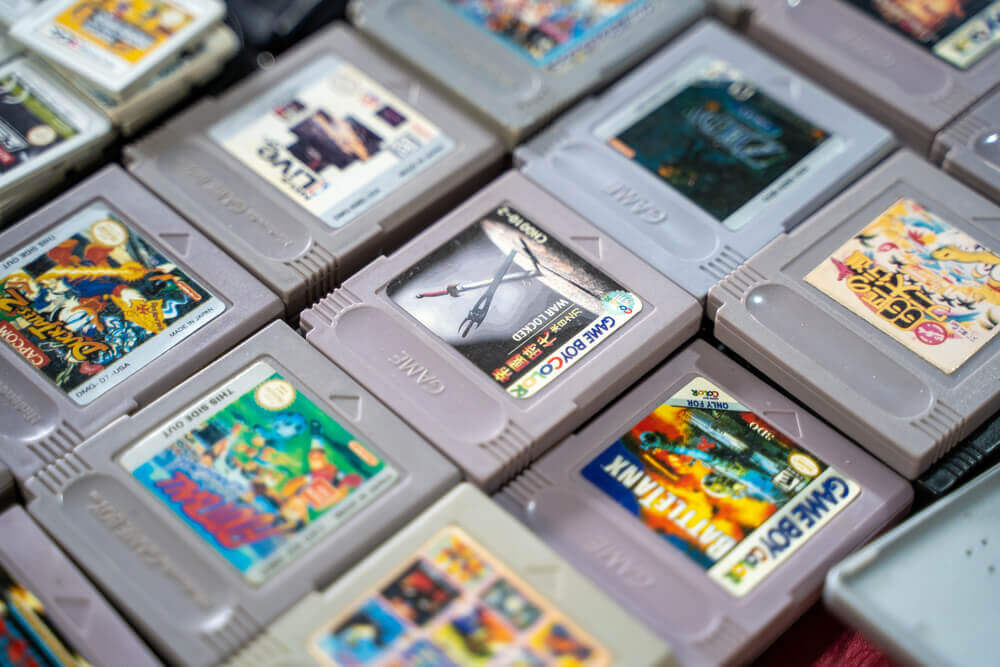
Nintendo produced an English-language version of Yoshi’s Story for Japanese retail kiosks and demo units, with a label marking it as the international edition. It was never sold to the public, and only a small number are believed to exist.
Copies that surface have sold for several thousand dollars, with authenticated examples reaching five figures. Because these were display units, label wear is common, and the ones in clean shape with verifiable origin command the highest prices.
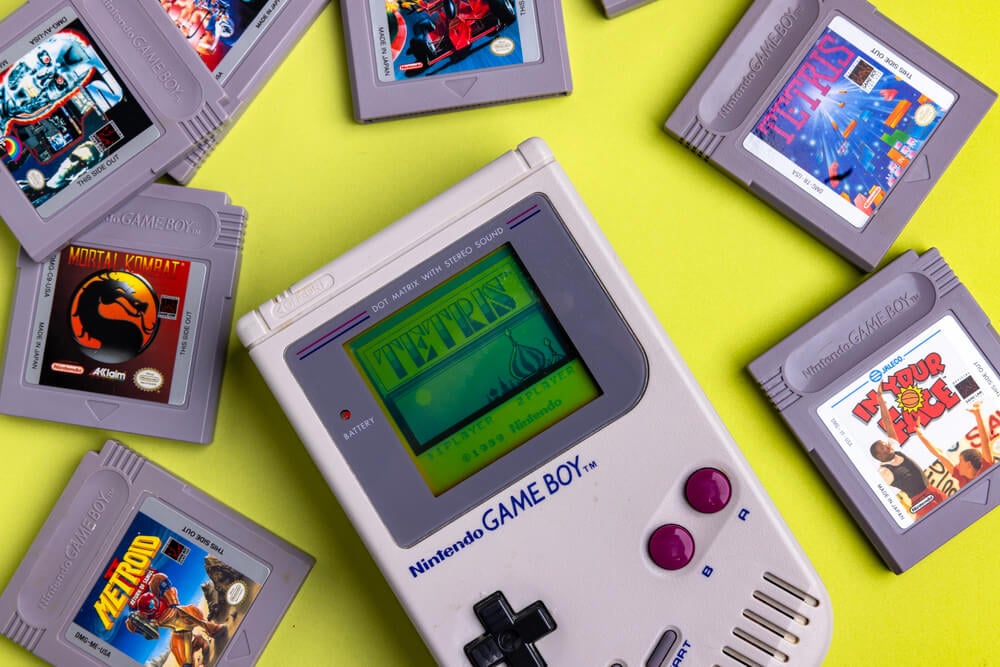
Jack Bros.
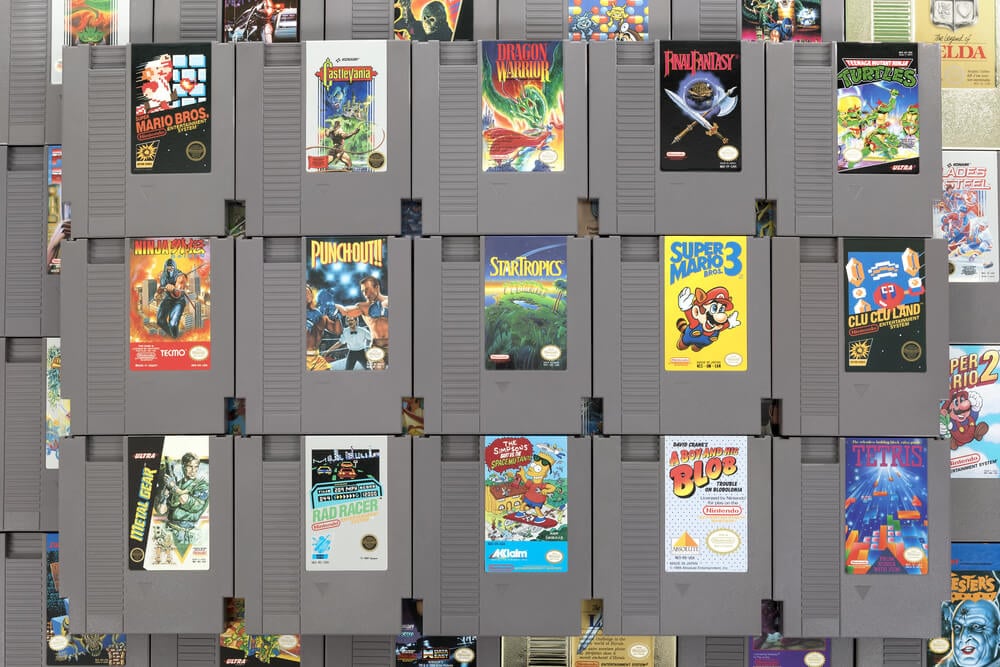
Atlus released this Virtual Boy top-down action game in 1995, and it is the only Shin Megami Tensei spinoff to appear on the system. The Virtual Boy sold poorly and was discontinued within months in the US, so most of its library is scarce, but Jack Bros. is among the hardest to find.
Loose cartridges have sold for several hundred dollars, and complete copies for $1,000 or more. Virtual Boy packaging is fragile, and the foam inserts tend to crumble, so a genuinely complete example in good shape is a serious find.
Amazing Tater
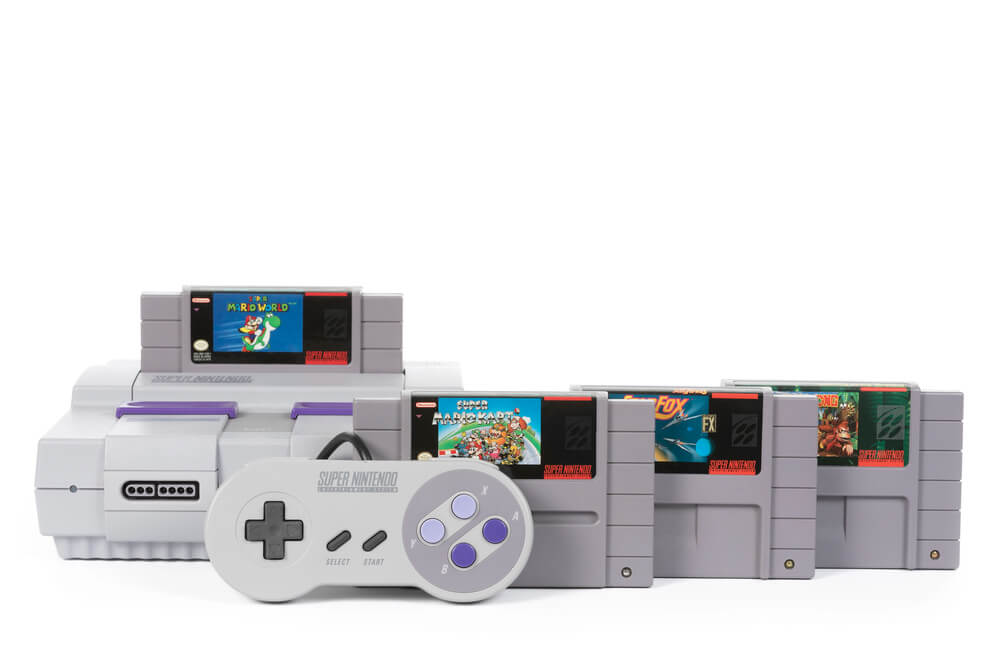
Atlus brought this puzzle game to the Game Boy in 1991 as a sequel to Kwirk, swapping the tomato hero for a potato. It received almost no promotion and sold poorly, which left it as one of the rarest licensed Game Boy cartridges.
Loose copies have sold for several hundred dollars, and complete boxed examples have reached $1,000 and beyond. The game itself is a solid block-pushing puzzler.
Game Boy boxes are flimsy cardboard, so a crisp box is often worth more than the cartridge inside.
Mega Man V
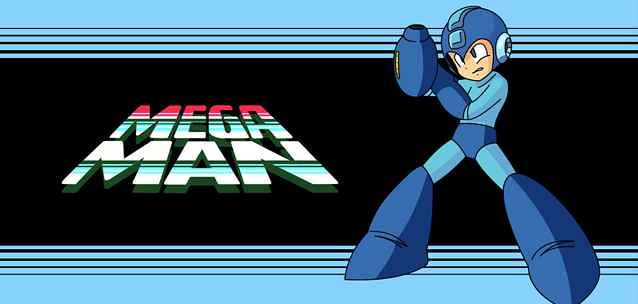
Capcom’s 1994 Game Boy entry is the only one of the handheld series with original robot masters, named after planets, and a new companion called Tango. It released late in the Game Boy’s black-and-white era and sold in small numbers.
Loose cartridges have sold for a few hundred dollars, and complete-in-box copies have regularly cleared $1,000. The Game Boy version is distinct from the SNES Mega Man games and is worth far more than any of them loose. Label condition and box integrity are the main drivers of price.
Shantae
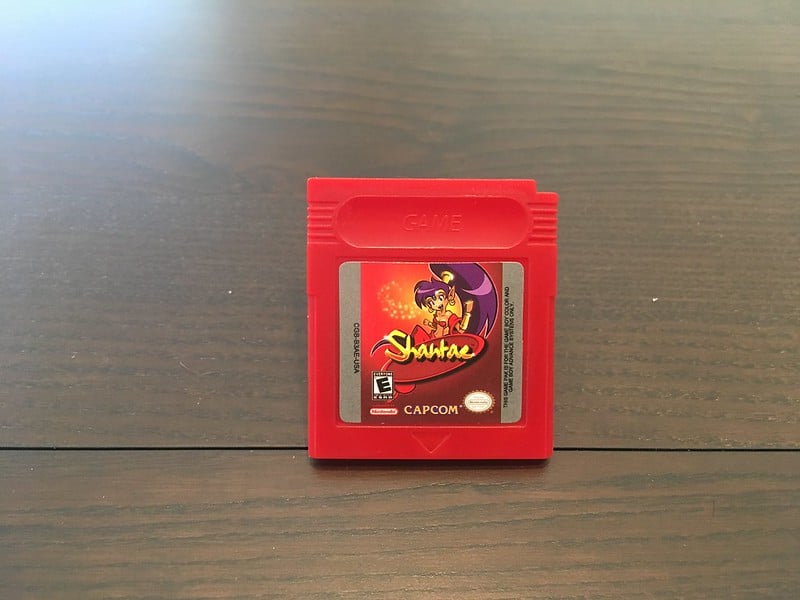
WayForward’s 2002 Game Boy Color debut for the genie heroine arrived after the Game Boy Advance had already launched, which meant few retailers stocked it. The cartridge includes enhancements when played on a Game Boy Advance, and its pixel art is widely admired.
Loose copies have sold for several hundred dollars, and complete boxed copies for $1,000 and above. Condition matters, and because the game was reprinted by Limited Run Games in 2020, buyers pay close attention to distinguishing the original Capcom-published cartridge from the reissue.
Pokémon Yellow Sealed
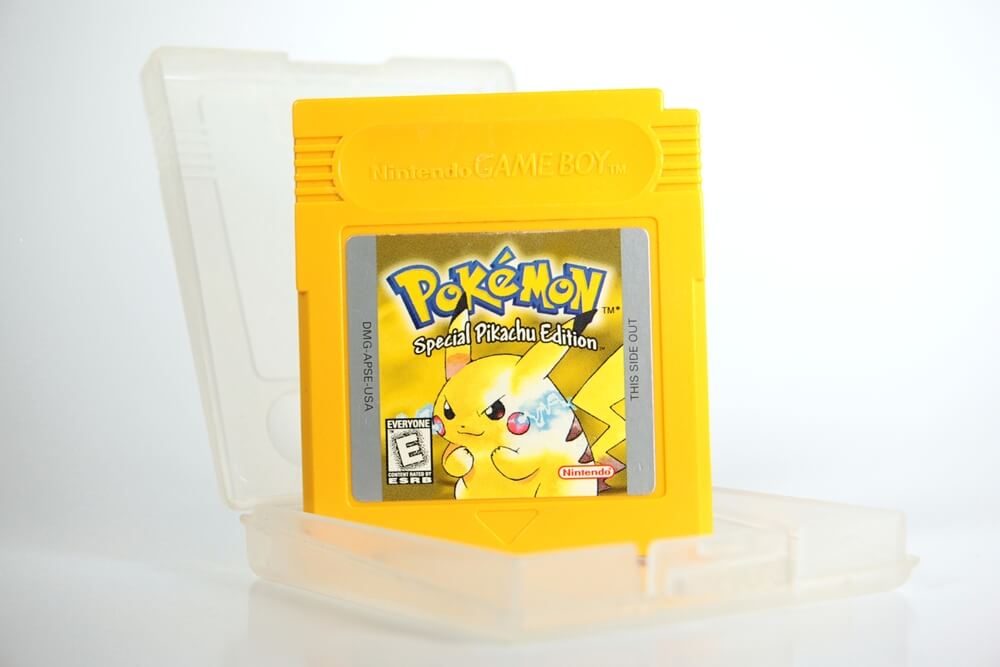
Opened copies of Pokémon Yellow are plentiful and sell for modest sums, but the 1999 release has become a centerpiece of the sealed, graded market. A sealed copy sold at auction for more than $80,000, and other high-grade examples have brought comparable prices.
The yellow cartridge and Pikachu box art are instantly recognizable, which drives demand well beyond the collector niche. Value depends almost entirely on the seal and grade, and an opened copy, however clean, sits in an entirely different price bracket.
Chip ‘n Dale Rescue Rangers 2
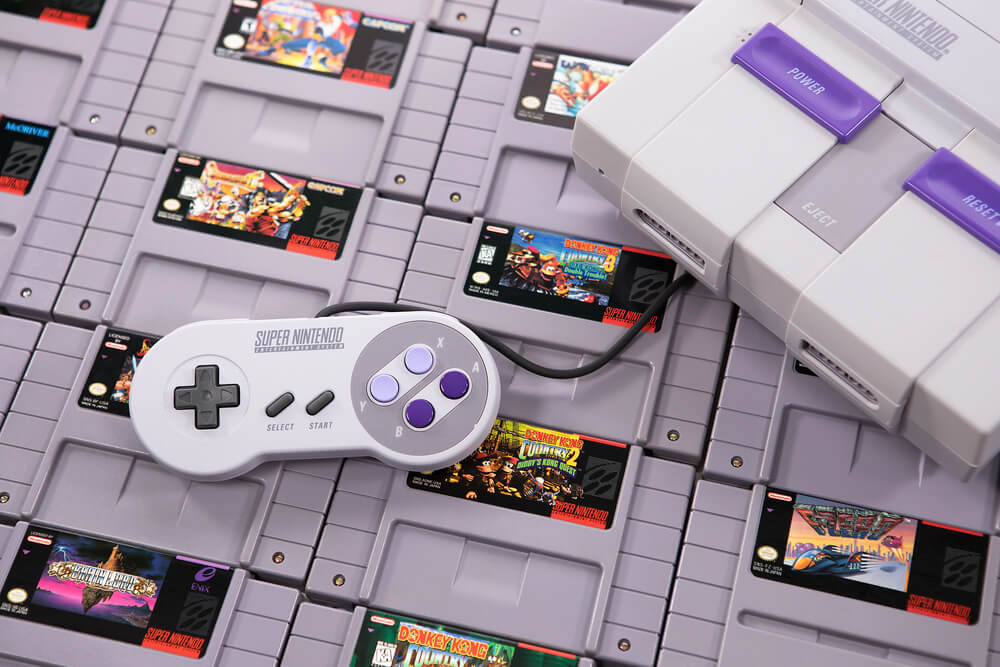
Capcom’s 1993 sequel to its Disney platformer shipped in far smaller quantities than the original, which had sold strongly in 1990. The game keeps the two-player cooperative play and adds new stages, including a train and a restaurant.
Loose cartridges have sold in the hundreds, with complete copies reaching $1,000 and more. As with many late Capcom NES releases, the box is the scarce component, and a sealed graded example can go for several times the boxed price.
Ninja Gaiden Trilogy
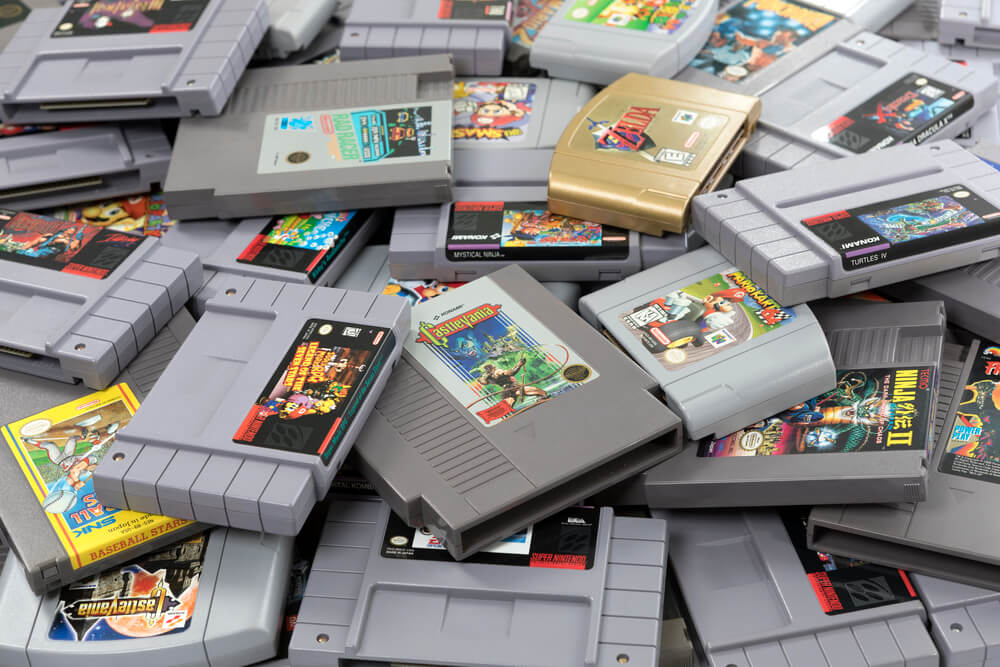
Tecmo’s 1995 compilation put all three NES Ninja Gaiden games on one SNES cartridge with updated graphics and passwords. It was released late in the console’s life in small numbers.
Loose copies have sold for several hundred dollars, and complete-in-box examples for $1,000 and beyond. Some collectors note the compilation removed certain cutscene effects and altered the difficulty, which does nothing to dampen demand.
Box condition and the presence of the manual separate ordinary sales from exceptional ones.
The Thin Line Between Junk and Treasure
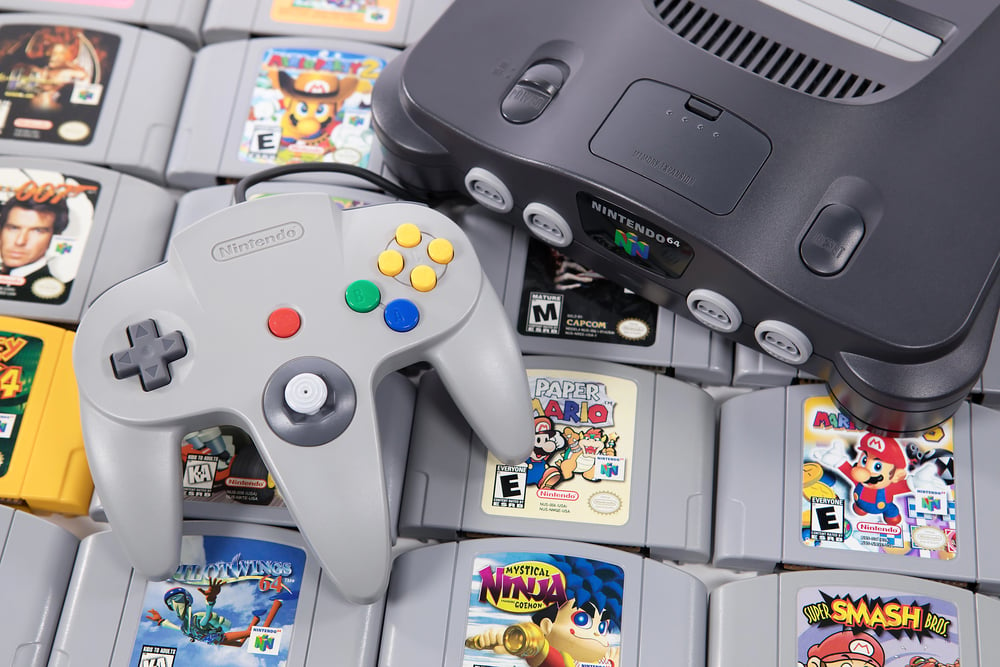
Most of these games were commercial disappointments when they were new. They sold poorly, got pulled from shelves, went to rental chains or were never sold at all, and that failure is precisely what makes them valuable now.
The market rewards whatever almost nobody bothered to keep.
That makes grading and completeness the real story behind every price above. A cartridge is only a cartridge, and the difference between a few hundred dollars and a down payment on a house is often a piece of cardboard, a factory seal and a label that was never peeled.
Anyone digging through an old collection should resist the urge to open anything until they know exactly what they are holding.
More from Go2Tutors!

- The Romanov Crown Jewels and Their Tragic Fate
- 13 Historical Mysteries That Science Still Can’t Solve
- Famous Hoaxes That Fooled the World for Years
- 15 Child Stars with Tragic Adult Lives
- 16 Famous Jewelry Pieces in History
Like Go2Tutors’s content? Follow us on MSN.