29 Old Bottles Dug Up Worth Money
Every old town has a dump, and every old dump has a story packed into the dirt. Bottle diggers probe privy pits and trash heaps with steel rods, hoping to hit glass that someone tossed out a century or two ago.
Most of what comes up is common and worth little. A few finds, though, can turn a muddy afternoon into a payday, and the difference often comes down to color, embossing, and a single flaw.
Condition, rarity, and careful cleaning decide nearly everything.
Hutchinson Soda Bottles With Their Wire Stoppers
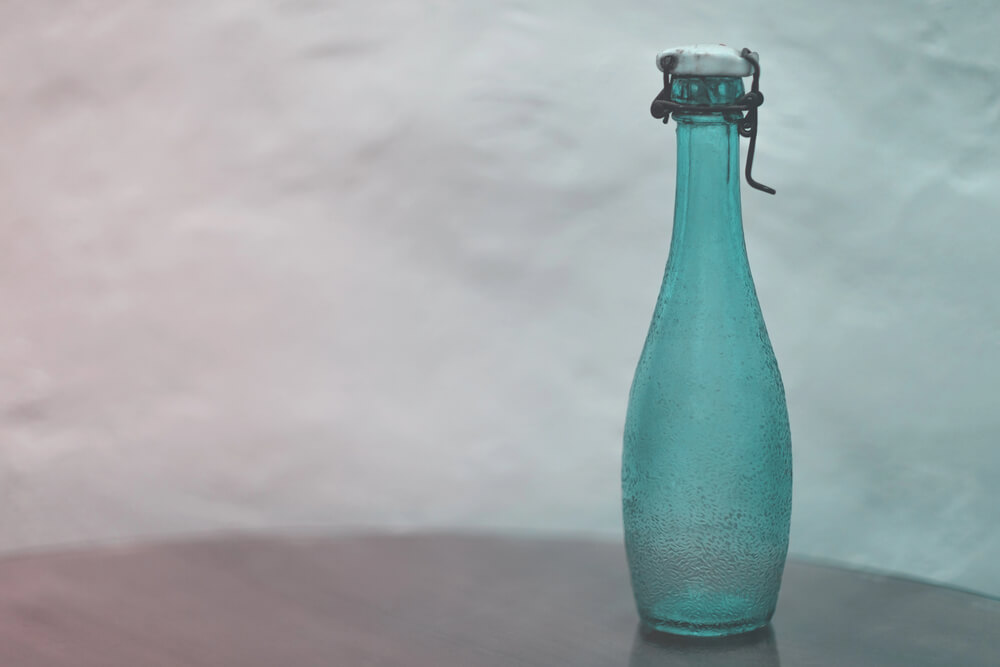
Charles Hutchinson patented his internal spring stopper in the nineteenth century, and it sealed soda bottles with a rubber disc on a wire loop. The bottle opened with a satisfying pop when the loop was pushed down, which gave the design its nickname.
Bottles embossed with a small town or a local bottler are the ones collectors chase, since short production runs mean fewer survivors. Value rises with an intact stopper and clean glass, and drops quickly with chips on the lip.
Open Pontil Medicine Bottles From the Early Nineteenth Century
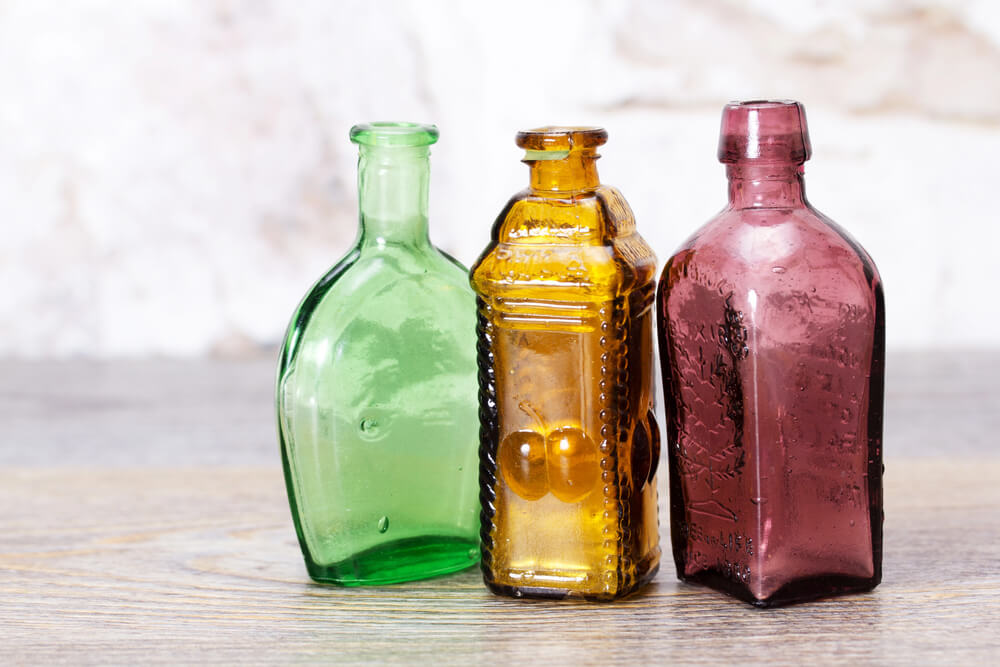
A rough scar on the base of a bottle shows where an iron rod, called a pontil, held the glass while a glassblower finished the lip. Open pontil medicine bottles come from the early to mid 1800s, before makers adopted snap cases and smooth bases.
Rare embossed names, unusual colors like deep green or cobalt, and crisp lettering command the most interest. Heavy staining or a cracked shoulder can erase most of the appeal, even on an early example.
Cobalt Blue Poison Bottles
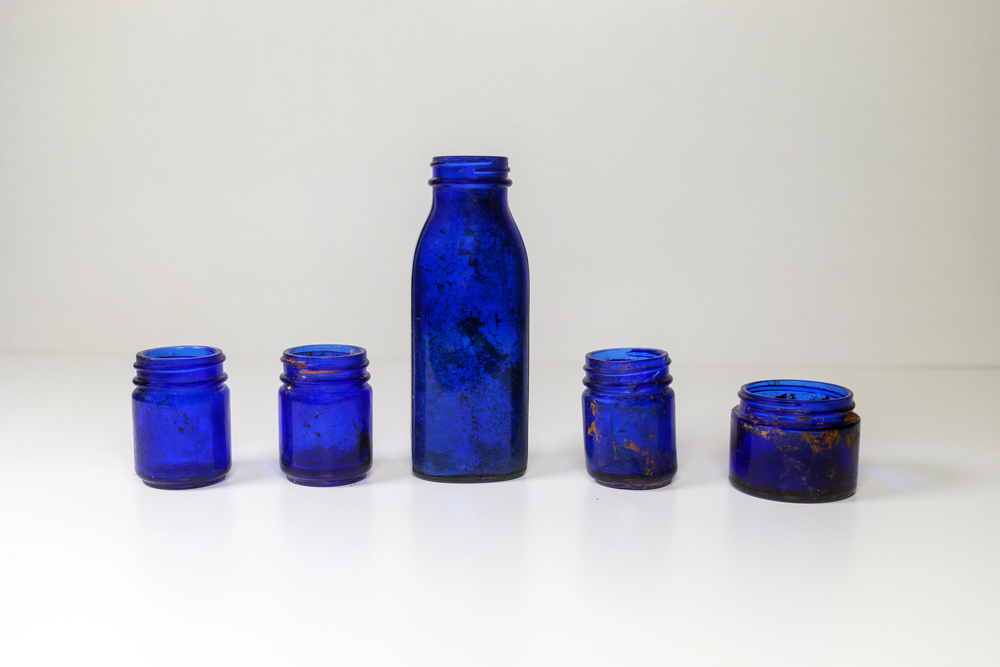
Pharmacists used strikingly colored and textured glass so that a person reaching for a bottle in the dark would feel the warning. Cobalt blue poison bottles often carry ribs, diamond patterns, or quilted sides for exactly that reason.
The color comes from cobalt oxide added to the glass batch, and deeper shades usually attract stronger bidding. Original labels and intact stoppers add value, while heavy scratches and etching from long burial subtract it.
Dr. Kilmer’s Swamp-Root Bottles From Binghamton
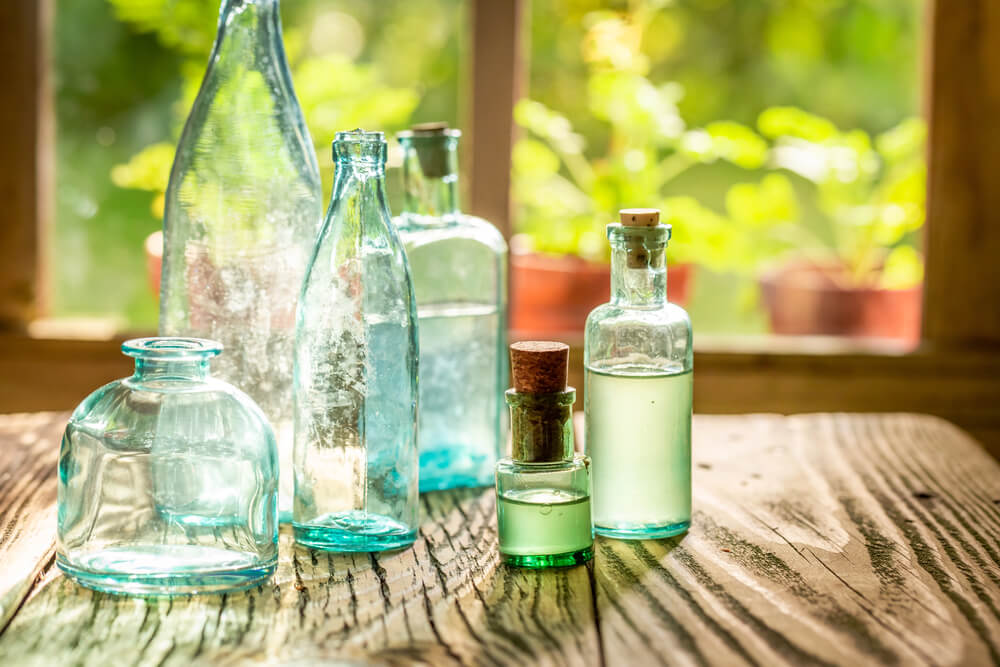
Dr. Kilmer and Company in Binghamton, New York, sold Swamp-Root as a cure for kidney and bladder complaints. Its bottles are among the most common patent medicine finds in the country, which makes condition the deciding factor.
Examples with strong embossing, original contents, or an intact label bring far more than a stained survivor from a privy. Because so many survive, only the cleanest and most unusual variations tend to excite serious buyers.
Drake’s Plantation Bitters in the Log Cabin Shape
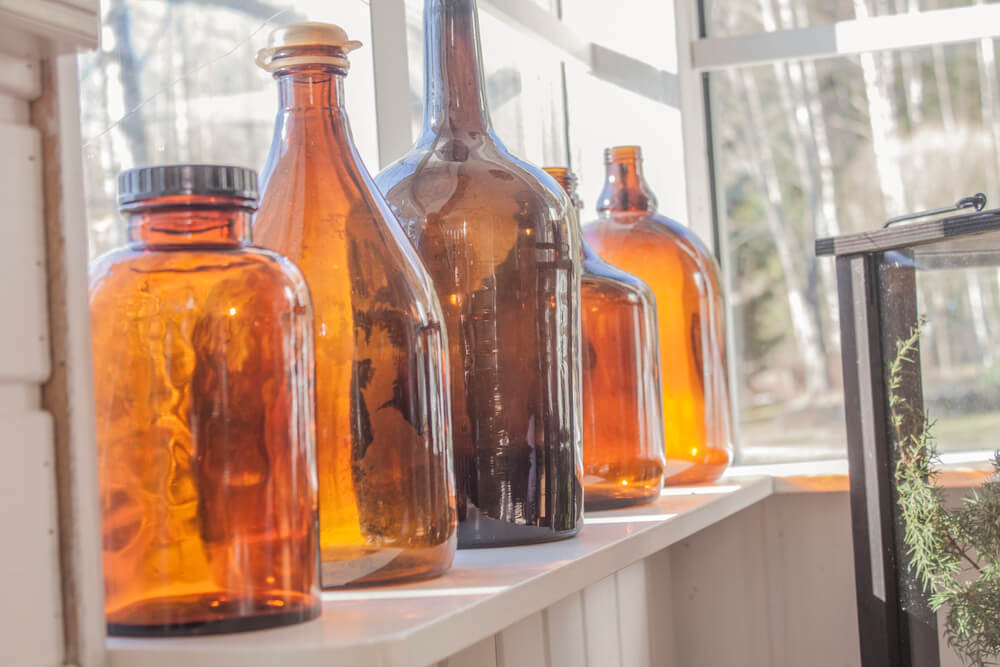
P. H. Drake and Company of New York sold Plantation Bitters in a bottle shaped like a log cabin. The roof and corner joints are molded in detail, and the glass appears in amber, green, and rarer shades.
Value depends on color, a sound roof, and the absence of damage along the many sharp molded edges.
Historical Flasks With Eagles and Portraits
Early American glasshouses molded flasks with eagles, Washington portraits, and patriotic scenes during the first half of the 1800s. Each design has a catalog identification, and glasshouse initials on the reverse can point to the exact factory.
Aqua flasks are common, while olive, amber, and brilliant colors command much more. Cracks, dull surfaces, and weak embossing all cut value sharply, no matter how famous the design.
Mason’s Patent Fruit Jars With the Famous Date
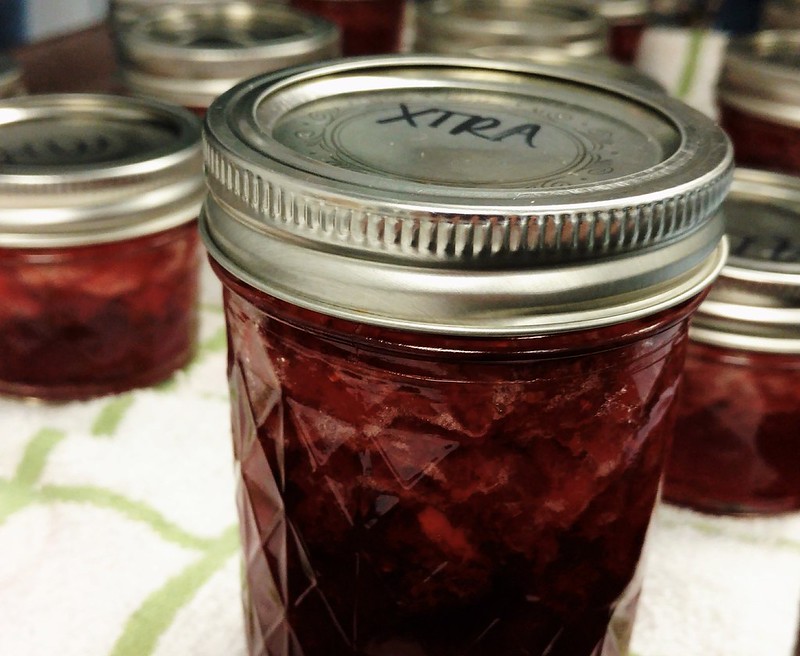
John Landis Mason patented his screw-thread jar in the nineteenth century, and the patent date appears embossed on countless jars made for decades afterward. The date marks the patent and not the year of manufacture, which surprises many new diggers.
Most are aqua and fairly common, but amber, cobalt, and other offbeat shades stand out. A jar with a mismatched or cracked lid, or a chipped threaded rim, loses much of its appeal.
Wax Sealer Fruit Jars
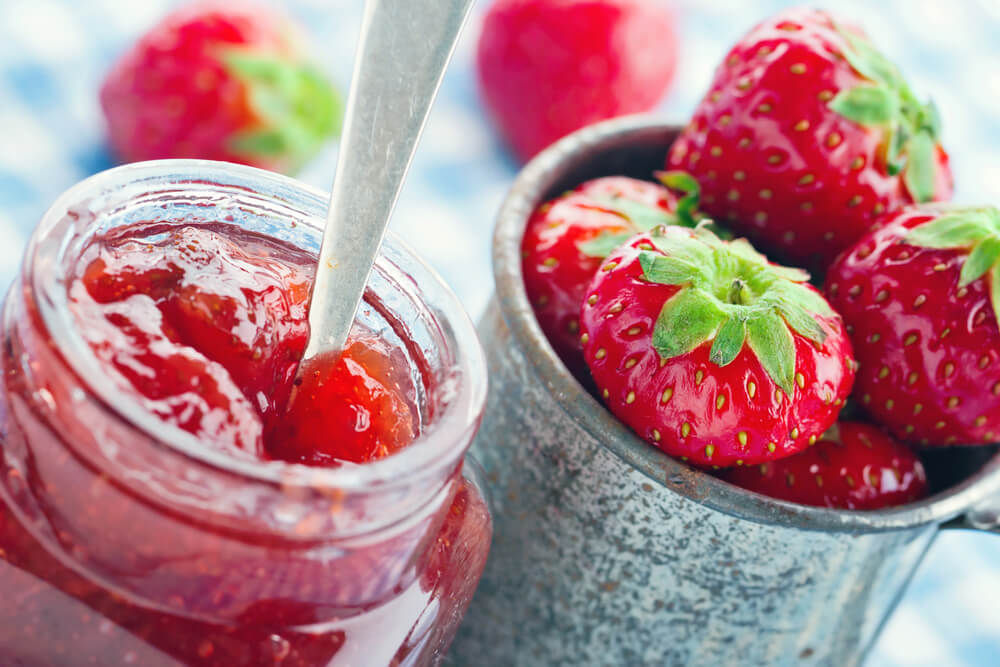
Before screw lids and clamps became standard, home canners sealed jars by pouring melted wax into a groove around the opening and pressing on a tin lid. Wax sealers were made through the middle and late 1800s, and the groove around the neck makes them easy to recognize.
Names like Cohansey or Arthur on the glass help identify the maker. Original lids and strong color matter, and chips along the sealing groove are the most common deal breakers.
Lightning-Style Fruit Jars With Wire Bails
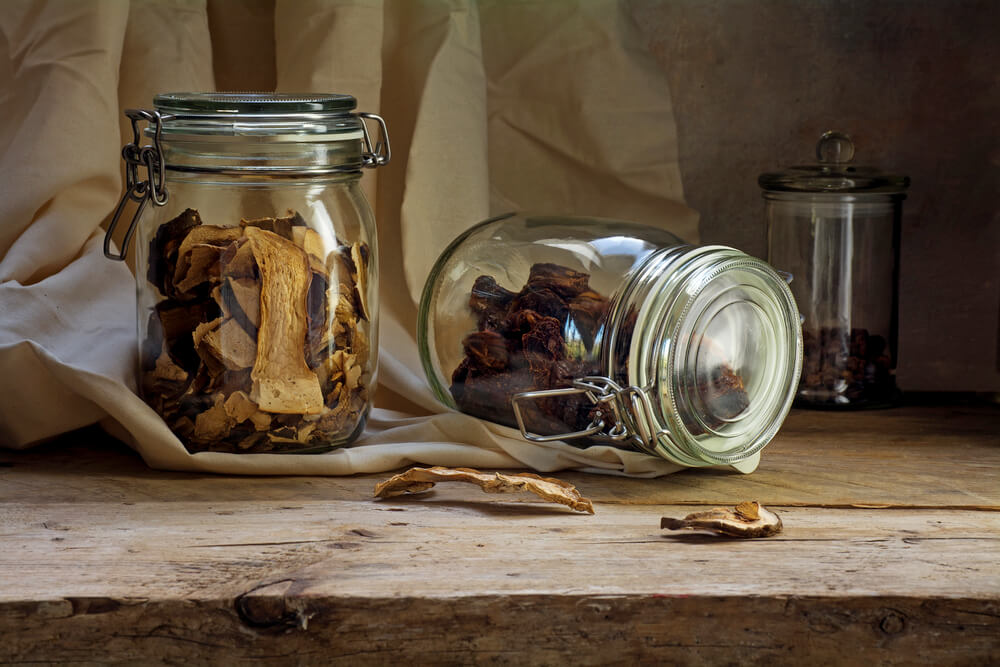
Lightning jars use a glass lid held down by a wire bail that clamps over the top, giving the jar a tidy, mechanical look. Several makers produced them, and the name Putnam is one of the best known among collectors.
The jars turn up in aqua, clear, and a few rarer colors that bring more money. A missing wire, a cracked lid, or a chewed rim can leave a jar worth only a fraction of a complete one.
Applied-Lip Beer Bottles
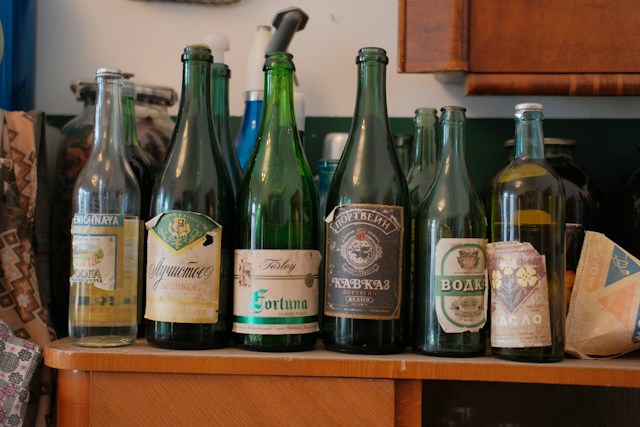
Before automatic machines took over in the early 1900s, a glassblower added a ring of hot glass to the neck of each bottle and shaped it by hand. That hand-finished ring is called an applied lip, and it often shows tool marks and slight unevenness.
Embossed beer bottles from small breweries are the prize, particularly those from towns that lost their brewery long ago. Value tracks the rarity of the brewery and the condition of the glass, since haze and chips are hard to repair.
Blob-Top Soda Bottles
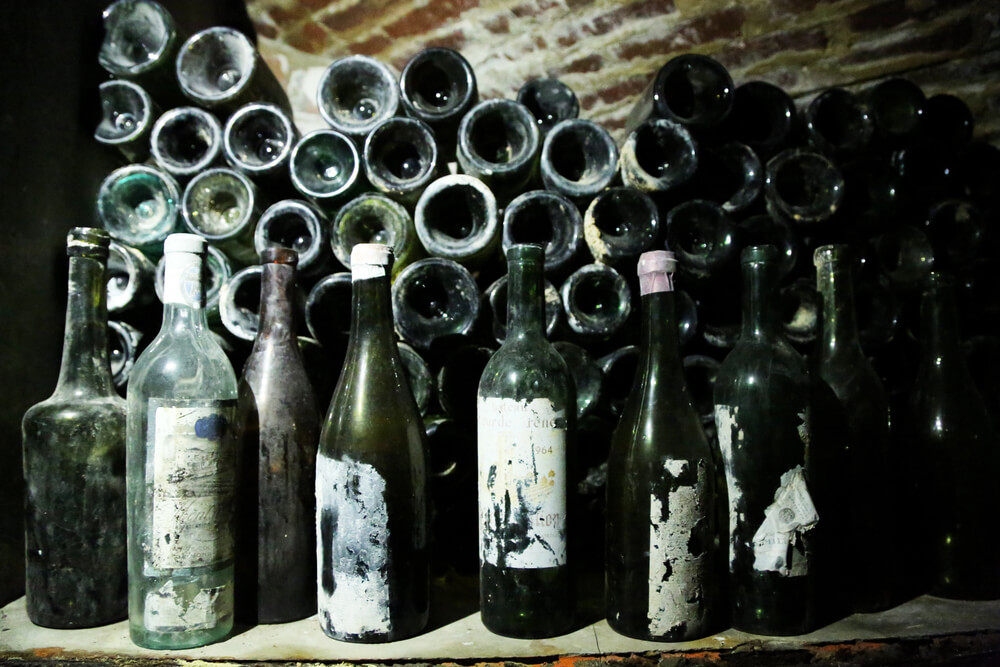
Blob-top bottles have a thick, rounded ring of glass at the mouth that held a wired cork against fizzing pressure. Bottlers across the 1800s used them for sodas, ginger beer, and mineral waters, and the shapes include squat, torpedo, and tall cylinders. Embossed names, bold colors like cobalt or green, and rare towns are what separate a prize from a bargain-bin bottle. Stained interiors and chipped blobs reduce value, while a smooth, crisp example stays desirable.
Umbrella and Cone Ink Bottles
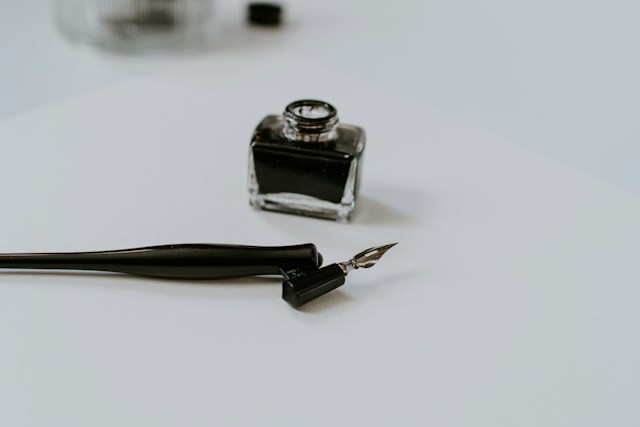
Ink bottles come in odd shapes, and the cone and eight-sided umbrella forms are especially popular with collectors. The wide base kept a desk bottle from tipping over while a pen dipped inside.
Some inks carry embossed names of makers like Carter, and cobalt or amber examples are rarer than aqua. A crisp lip, strong color, and no cracks matter more than age, because even a rare ink can be spoiled by a chip.
Warner’s Safe Cure Bottles From Rochester
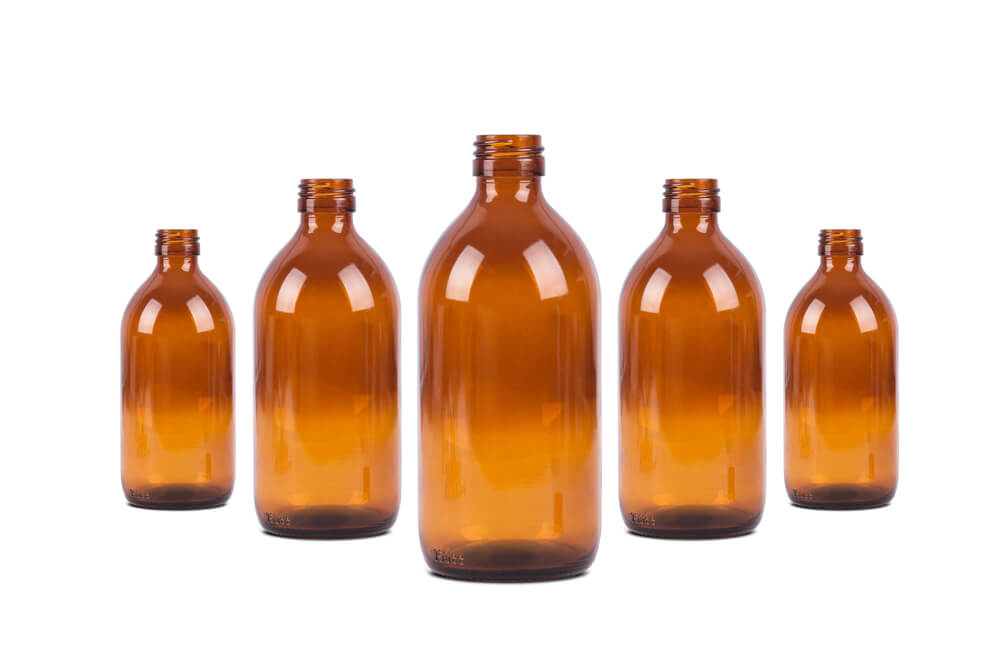
H. H. Warner of Rochester, New York, sold Warner’s Safe Cure as a remedy for kidney trouble, and the bottles carry a large embossed safe on the glass. The company advertised heavily, so the amber bottles are widely found, while unusual sizes and rare marks are scarce.
Even well-known bottles can lose value when staining, scratches, or a damaged lip appear.
Cream-Top Milk Bottles
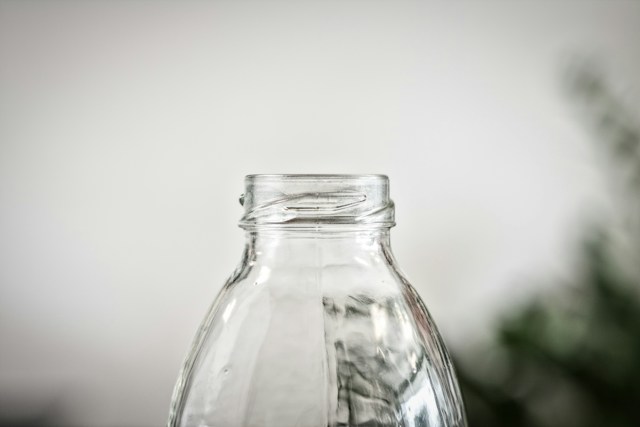
Early dairy bottles were made with a bulge in the neck so cream could rise and be poured off before the rest of the milk. The shape made sense in an age before homogenization changed how milk behaved.
Collectors look for embossed dairy names, especially from tiny local farms that vanished long ago. A bottle with a crisp name, an unchipped lip, and no staining sells better than a worn example of the same dairy.
Slogan Milk Bottles From the War Years
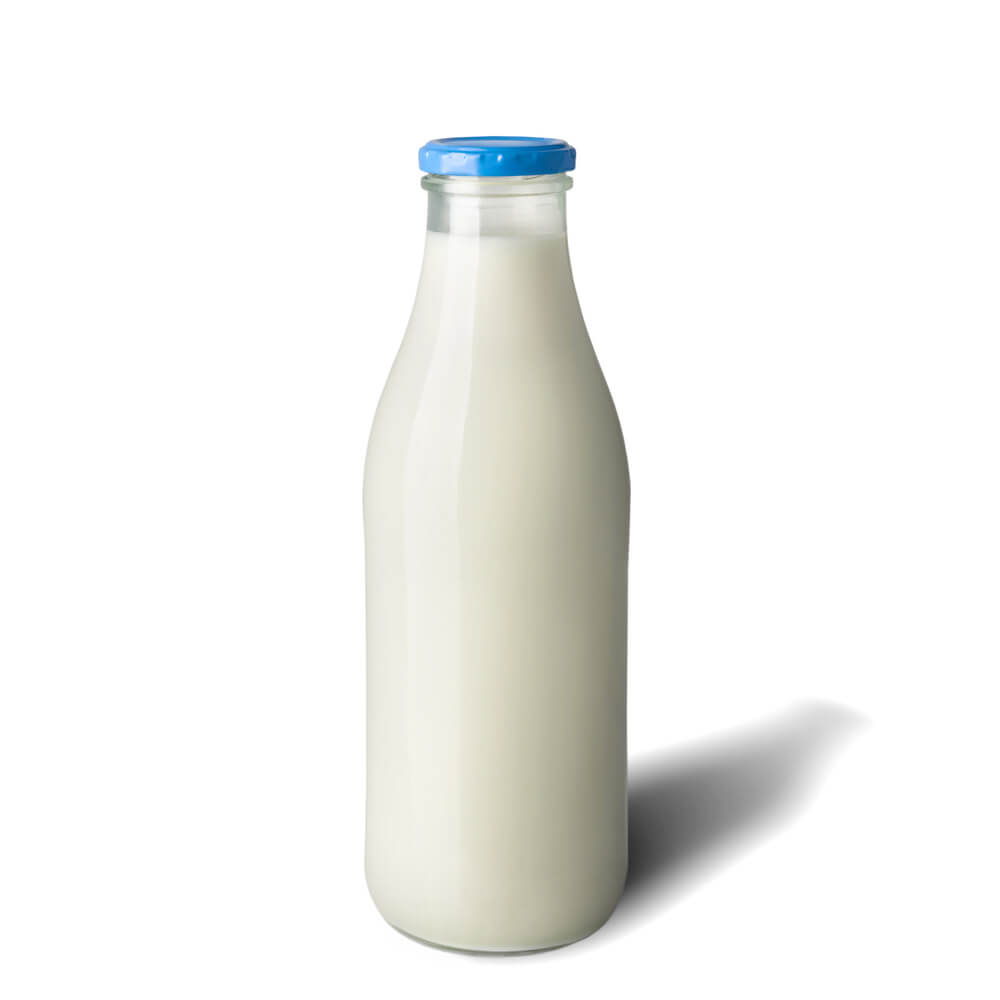
During World War II, dairies printed patriotic messages on milk bottles in baked-on colors, urging customers to buy bonds or conserve resources. The painted lettering is the main attraction, so a bottle with bright, unrubbed paint is worth considerably more than a faded one.
Bottles from small dairies are tougher to find than those from big cities. Dishwasher scrubbing and years of burial can strip the paint entirely, which leaves only an ordinary milk bottle.
Pumpkinseed Flasks
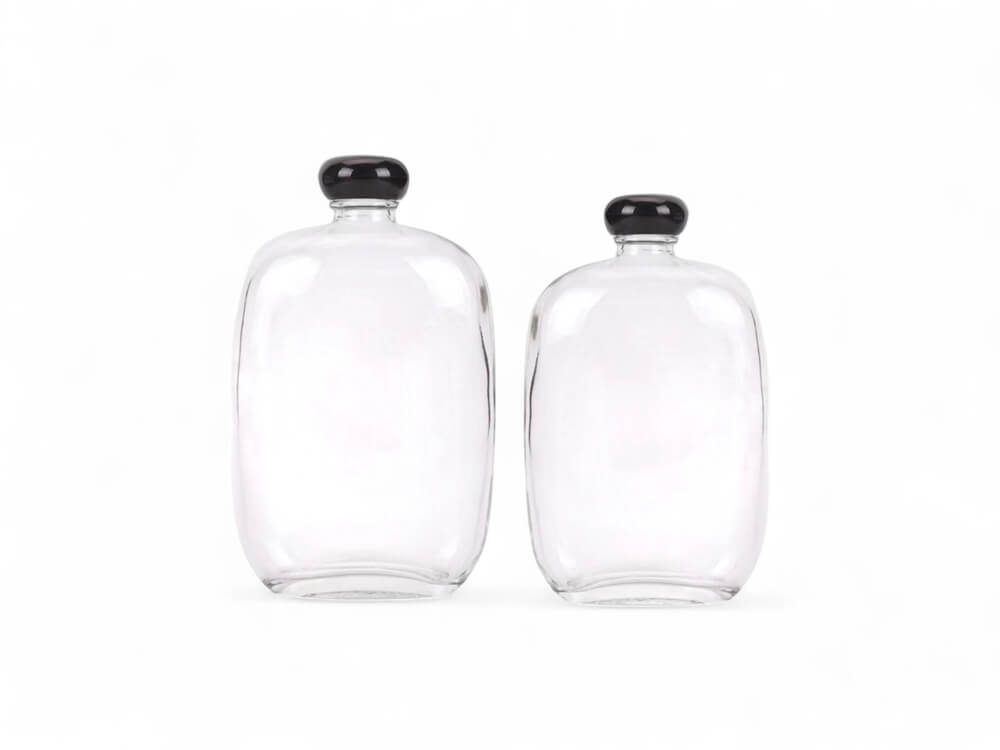
Small, round, flat flasks shaped like a pumpkin seed were blown by mouth in the early 1800s and slipped easily into a coat pocket. Many are plain, with no embossing, so color and form carry the value.
A flask in amber, olive, or an unusual shade will bring far more than a clear or aqua one. Scratches on the sides and chips on the lip are the usual penalties for a bottle that spent a century underground.
Saratoga-Type Mineral Water Bottles
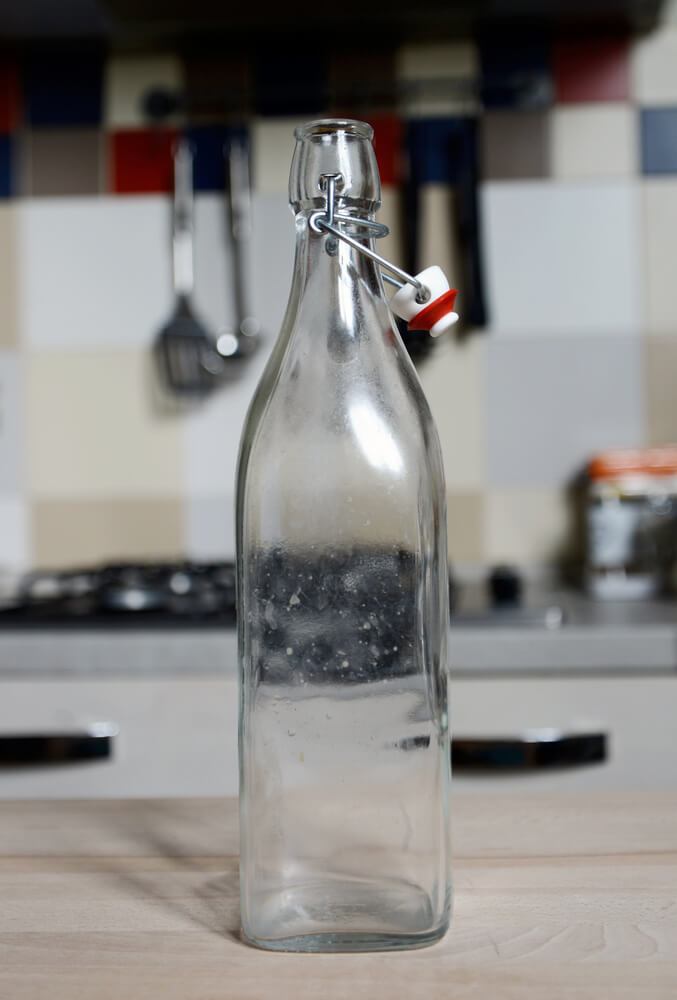
Mineral water from the springs at Saratoga Springs, New York, was shipped in heavy bottles, and the style was imitated widely. Congress Spring and Empire Spring bottles are embossed with the spring name, and the glass is usually deep green or amber.
These heavy bottles survived in good numbers because they were built to hold carbonated water under pressure. Strong color and clean embossing matter most, and a flaw in the lip can push a prized bottle into the average bin.
Straight-Sided Coca-Cola Bottles With City Names
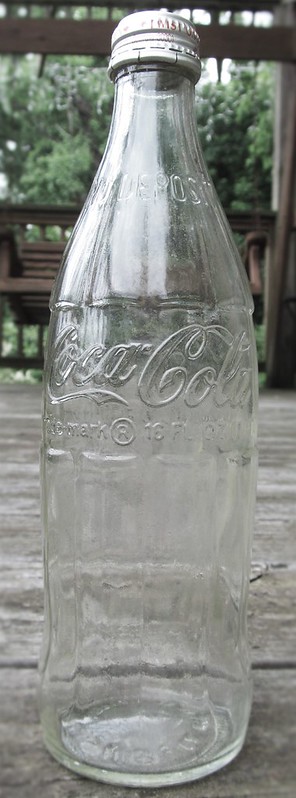
Before Coca-Cola adopted its contour bottle, bottlers around the country used straight-sided bottles embossed with their town and state on the base. Each city mark is a small piece of local history, so bottlers in tiny towns with short operating years are the hardest to find.
The older straight-sided bottles come in aqua and amber. Value rests on rarity of the town, embossing quality, and a clean, unchipped lip.
Contour Coca-Cola Bottles With the Early Patent Date
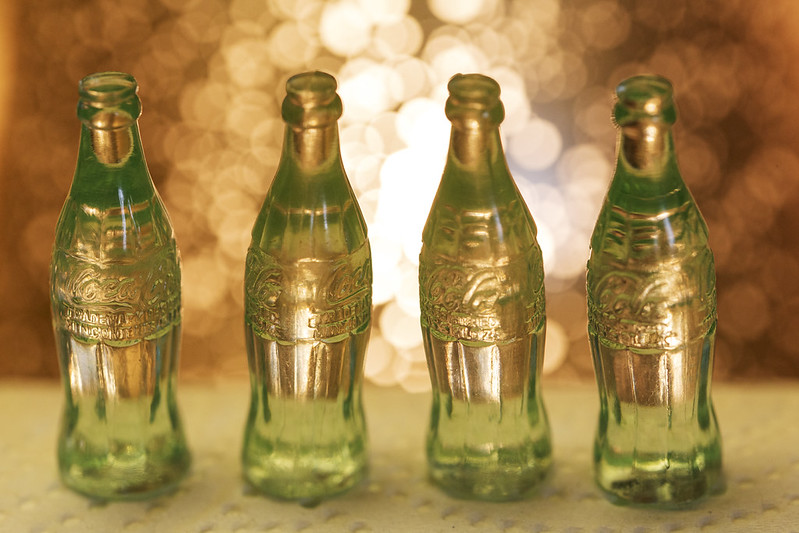
The curved Coca-Cola bottle was designed at the Root Glass Company in Terre Haute, Indiana. Bottles from the early years of production carry a patent date on the glass.
Collectors check city names on the base and the quality of the glass, since each plant added its own marks. Value depends on color, base markings, and condition, and a smooth, unstained bottle is far easier to sell.
Coffin-Shaped Poison Bottles
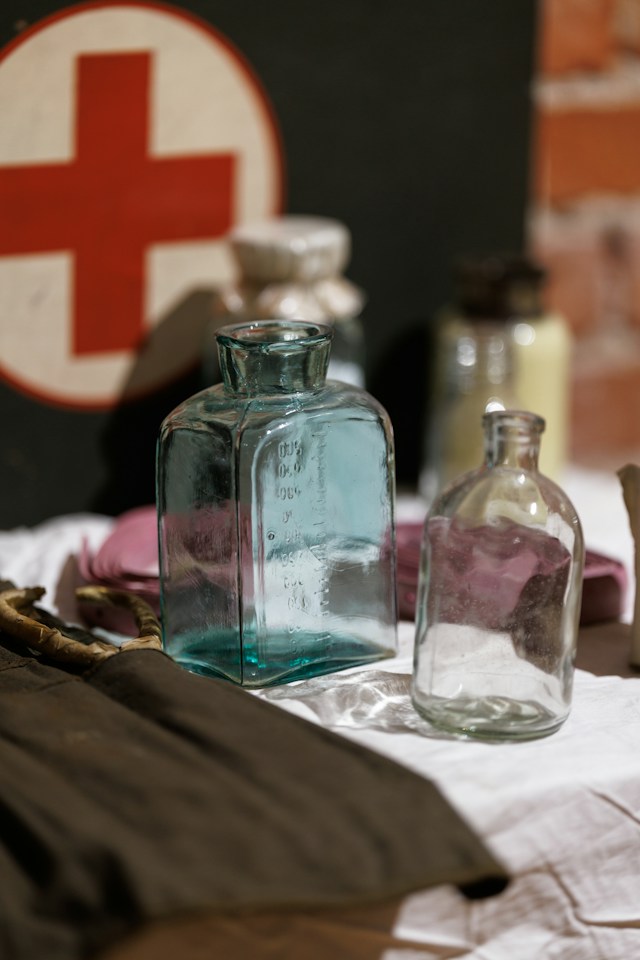
Some poison bottles were made in the shape of a tiny coffin, leaving no doubt about the danger inside. The bottles are narrow and flat with a pointed foot, and they come in cobalt, amber, and green.
Tall tales about their use outnumber documented facts, but the grim shape is undeniably memorable. A bottle with intact embossing and no damage to the narrow lip has the best chance of attracting strong bids.
Bromo-Seltzer Bottles in Cobalt Blue
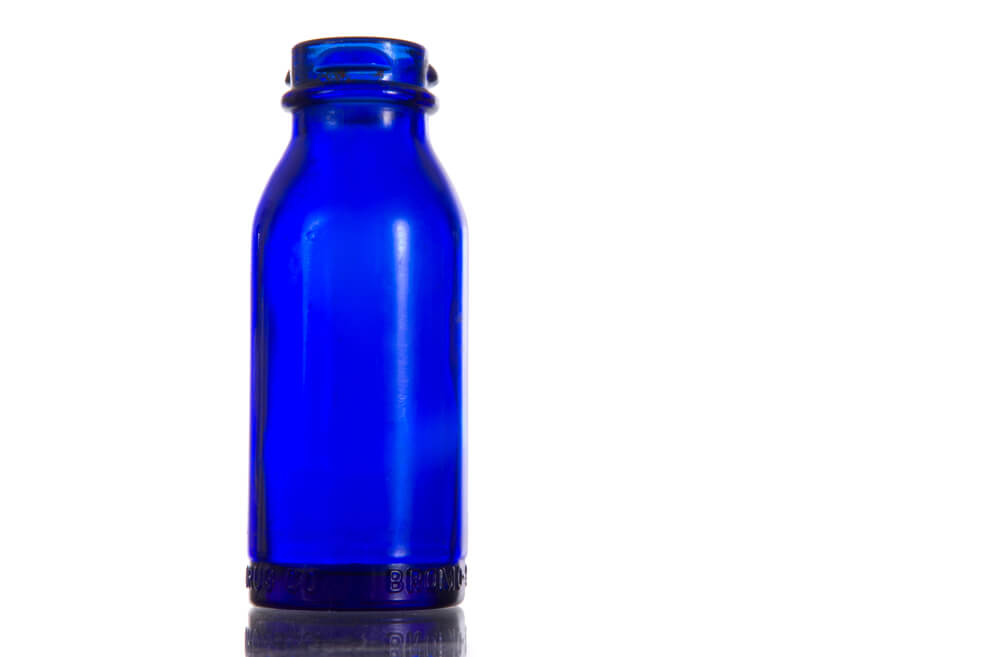
Emerson Drug Company of Baltimore sold Bromo-Seltzer in deep cobalt bottles, and the company even built a famous tower in the city topped with a giant bottle. The bottles were produced in huge numbers, so finding one is easy and finding a premium one is not.
Sizes vary, and unusual embossing or a rare label can lift value above that of a typical specimen. Cleaning matters, because heavy staining or scratching drags down even a rich cobalt color.
Painted Barber Bottles
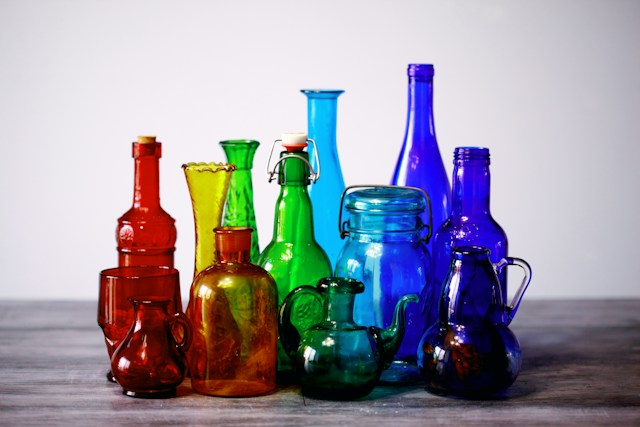
Barbershops once displayed colorful bottles holding tonics, hair oil, and bay rum, and many were decorated with enameled flowers, scenes, and gold trim. Milk glass, cranberry, and opalescent examples are the most sought after.
The painted decoration is fragile, and burial in damp soil often destroys it. A bottle with bright, intact paint and its original stopper is worth far more than a faded one.
Harden Star Hand Fire Grenades
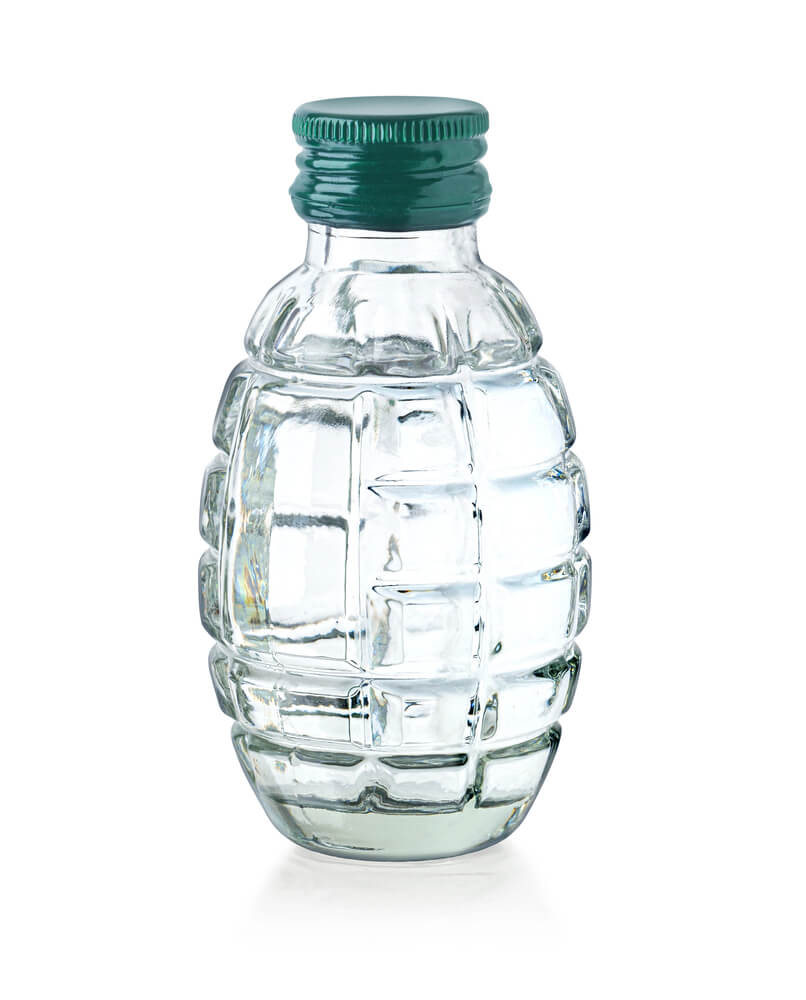
Late 1800s fire grenades were glass globes filled with liquid and tossed at flames to extinguish them. Harden Hand Fire Grenades were made in blue and other colors, and the bottles were sold for use in factories and homes.
They survive best when never thrown, which makes intact examples with their original contents uncommon. Intact liquid, strong color, and a sound surface drive value, and any crack renders a grenade much less appealing.
Codd-Neck Bottles With Trapped Marbles
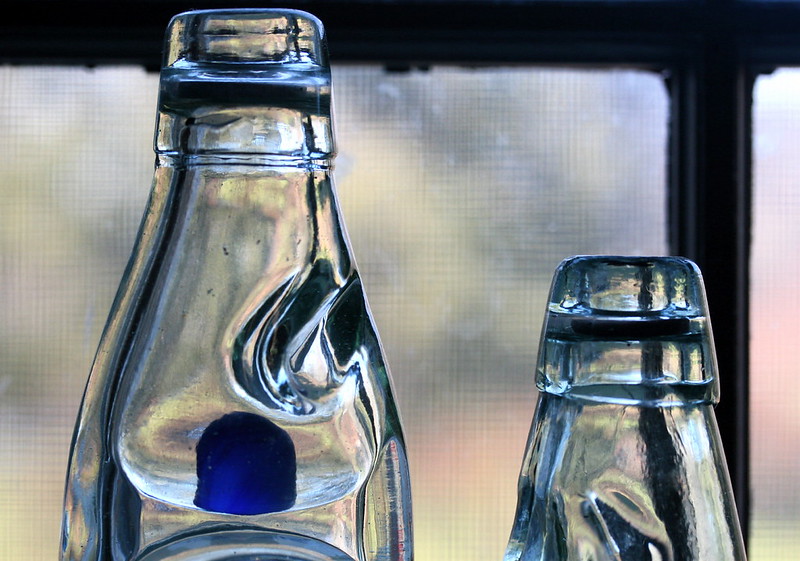
Hiram Codd patented his bottle design in England, and it traps a glass marble in the neck to seal carbonated drinks. Internal gas pressure pushes the marble against a rubber ring, and pressing it down released the fizz.
Children famously smashed bottles just to get the marble, so intact ones are surprisingly uncommon. Value depends on the maker, color, and the condition of the neck, where chips happen easily.
Hostetter’s Stomach Bitters From Pittsburgh
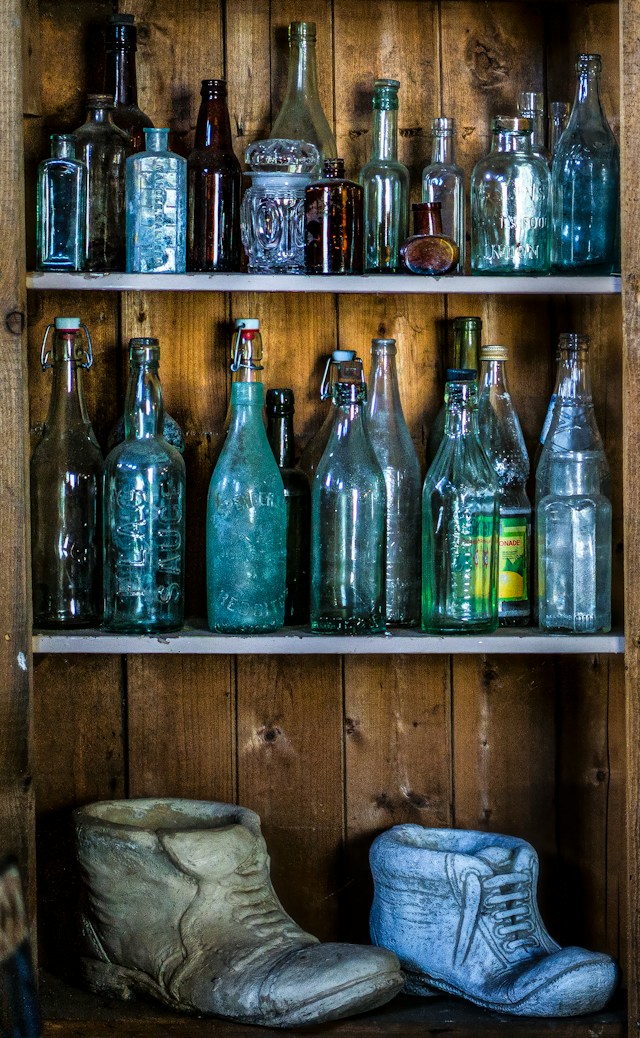
Hostetter’s Celebrated Stomach Bitters was sold from Pittsburgh in square amber bottles that were among the best-selling bitters of the 1800s. Their wide distribution means plenty survive, so collectors hunt for unusual shades, early embossing variations, and clean glass.
Mild flaws are tolerated on older examples, but heavy cloudiness and chips are not. A bottle in a rarer color or with an early mark stands far above the typical amber example.
Dr. Townsend’s Sarsaparilla From Albany
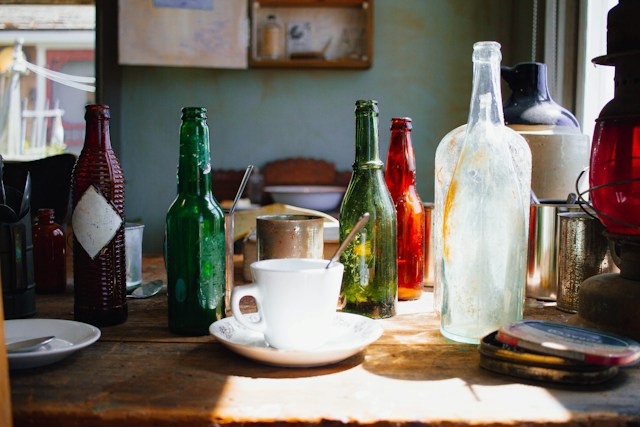
Dr. Townsend’s Sarsaparilla was sold in bottles from Albany, New York, and the earliest examples have embossed lettering and unusual colors. The tall bottles are found in teal, aqua, and amber, and the best colors draw the most attention.
Sarsaparilla was marketed as a blood purifier, one of countless tonics of its type. Value is shaped by color, crispness of the lettering, and any damage near the lip.
Cathedral Pickle Bottles
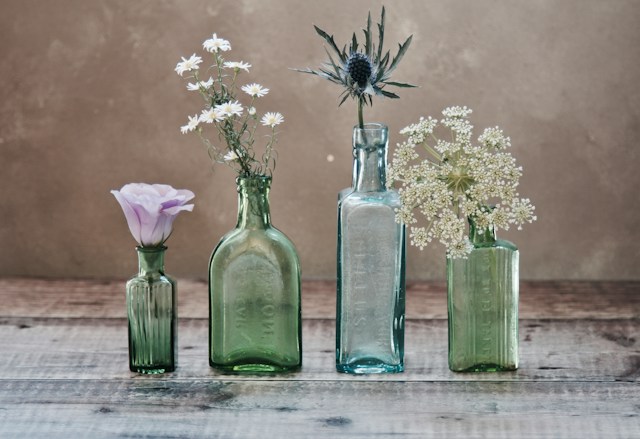
Cathedral pickle bottles have pointed Gothic arch panels on their sides, which gave pickles a dignified presentation on a grocer’s shelf. They were popular in the mid 1800s, and the best examples have deep aqua or green glass and wide mouths.
Their size and fragile shape mean many broke in the ground. A complete bottle with sharp panels and no cracks is a standout find.
Dutch Case Gin Bottles
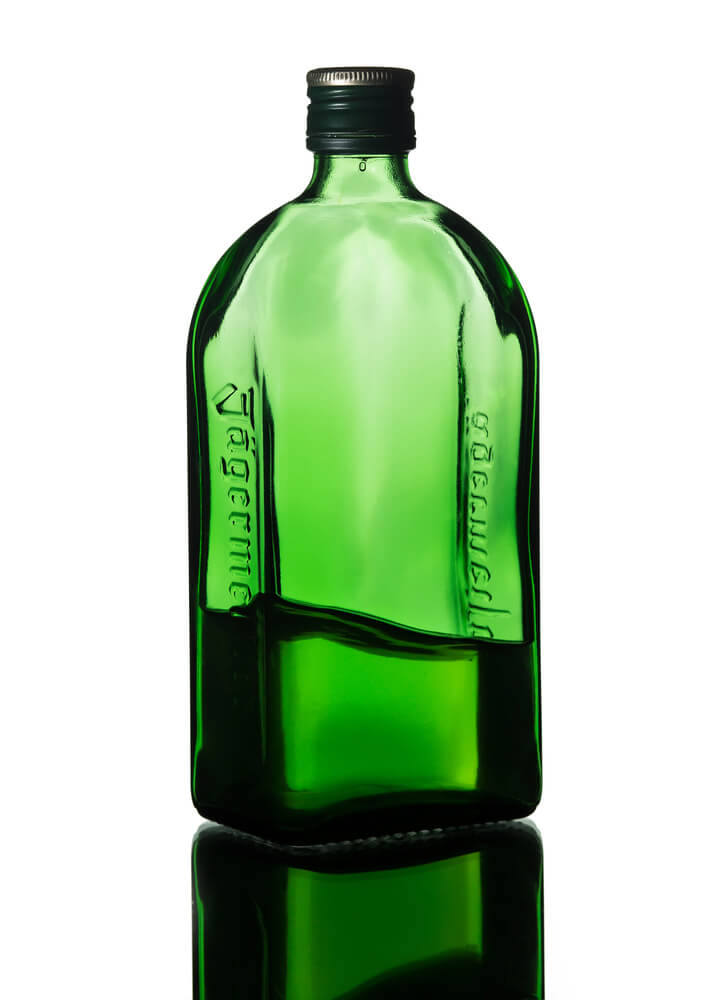
Case gin bottles are square and tapered so they could be packed tightly into wooden cases for shipping. Dutch makers produced them for export, and the olive and dark green glass was often free-blown with a rough pontil scar.
Diggers find them in old ports, tavern sites, and shipwreck-related dumps. Age, color, and condition drive value, and even a very early bottle loses interest if the glass is badly etched.
Black Glass Wine and Ale Bottles
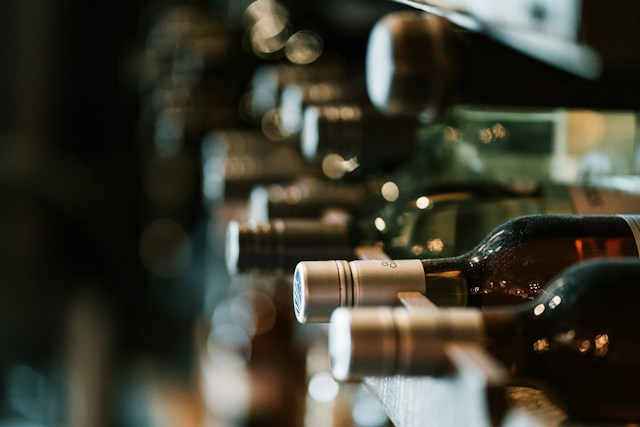
Eighteenth-century wine and ale bottles were made from glass so dark olive-green that it appears black until held to a strong light. Their shapes changed over time, from squat onion forms to taller cylinders, and the changes help date them.
Colonial and early American sites are where diggers most often find them. Seals, rare shapes, and clean glass bring the highest interest, while cracks and weathering reduce the price.
What the Dirt Remembers
A buried bottle is a small time capsule, and its worth comes from how well it kept the details of its day. Embossing, odd colors, and handmade flaws all tell a story about who made it and who drank from it.
Money follows scarcity, but scarcity alone is not enough.
Condition, honest cleaning, and patience make the difference between a trophy and a curiosity. A careful digger learns to read a dump the way a historian reads a page, and the bottles that survive are usually the ones nobody expected to matter.
The best finds reward the people who treat them with respect.
More from Go2Tutors!

- The Romanov Crown Jewels and Their Tragic Fate
- 13 Historical Mysteries That Science Still Can’t Solve
- Famous Hoaxes That Fooled the World for Years
- 15 Child Stars with Tragic Adult Lives
- 16 Famous Jewelry Pieces in History
Like Go2Tutors’s content? Follow us on MSN.