15 Unusual Ways Eggs Are Prepared in Asia
Across Asia, the humble egg transforms into something extraordinary through techniques that have been perfected over centuries. While most of us stick to scrambled or fried, Asian cuisines have developed preparation methods that might surprise, delight, or even challenge your taste buds.
From eggs aged for months to embryos steamed in their shells, these culinary traditions showcase the incredible creativity and ingenuity found throughout Asian kitchens. Here is a list of 15 unusual ways eggs are prepared across Asia.
Century Eggs
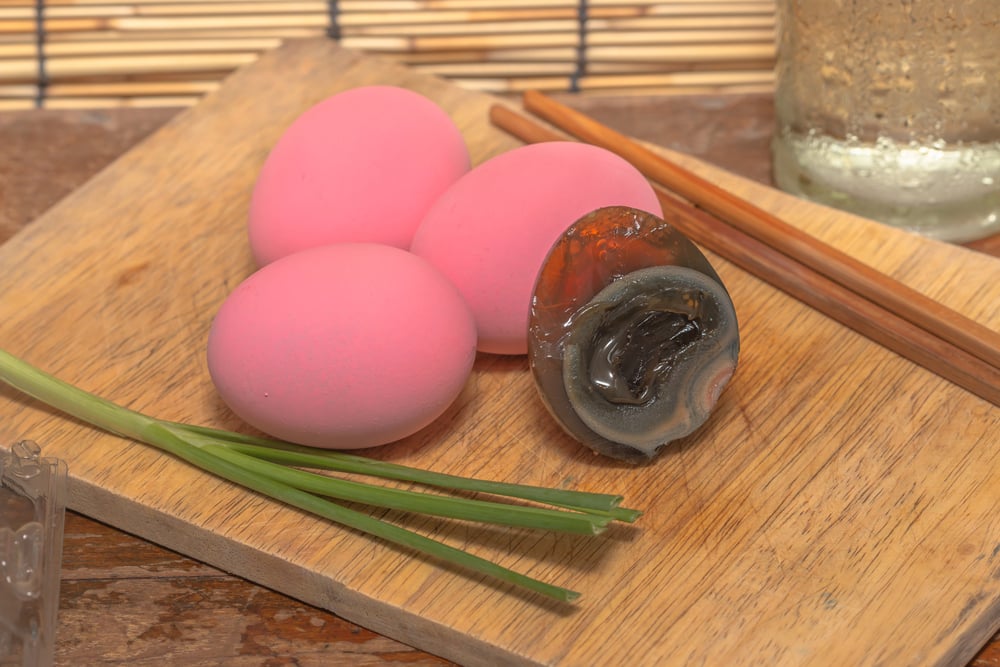
Century eggs are preserved for weeks or months in a mixture of clay, salt, wood ash, and quicklime, turning the egg white dark brown or black with a gelatinous texture while the yolk becomes dark green. Despite their intimidating appearance, they taste salty and creamy with rich umami flavors.
In central China, they’re sliced and drizzled with black vinegar, while Cantonese cuisine wraps chunks with pickled ginger as street food.
Balut
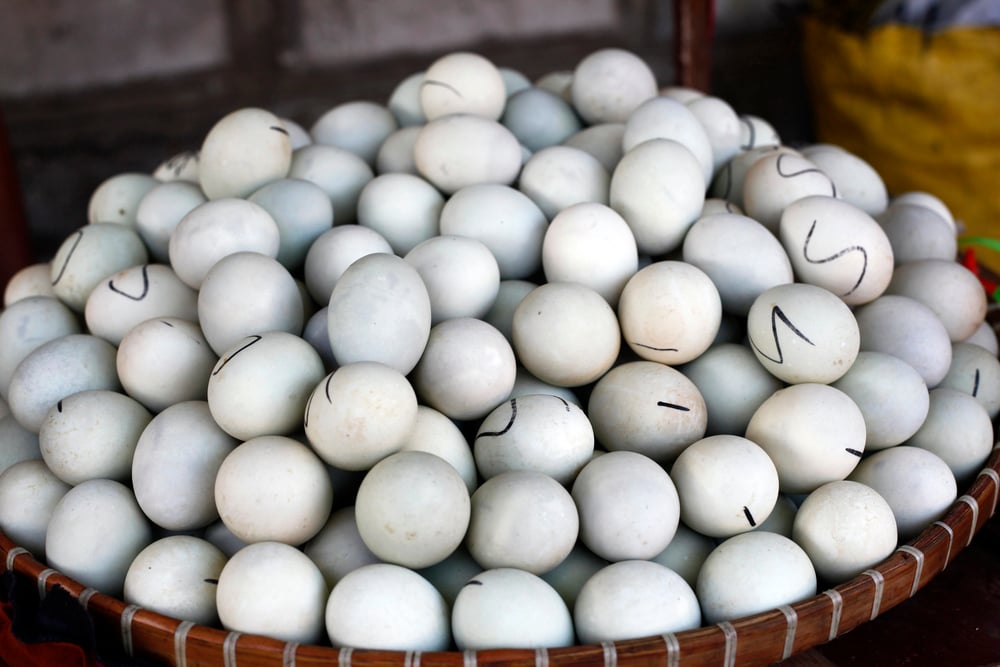
Balut is a fertilized duck egg incubated for 14 to 21 days, then steamed and eaten directly from the shell. This Filipino delicacy is particularly popular as street food throughout Southeast Asia.
It’s consumed by cracking one end, sipping the broth, and seasoning with vinegar or salt. The perfect balut is incubated for 17 to 18 days while the embryo is still wrapped in a whitish covering.
Like Go2Tutors’s content? Follow us on MSN.
Tea Eggs

Tea eggs are hard-boiled eggs with cracked shells that steep in spiced tea mixture, creating a marbled effect when peeled. The traditional preparation uses black tea, soy sauce, and Chinese five-spice powder containing cinnamon, star anise, fennel seeds, cloves, and Sichuan pepper.
The cracking method is crucial – smaller cracks produce more intricate marbling patterns.
Onsen Tamago
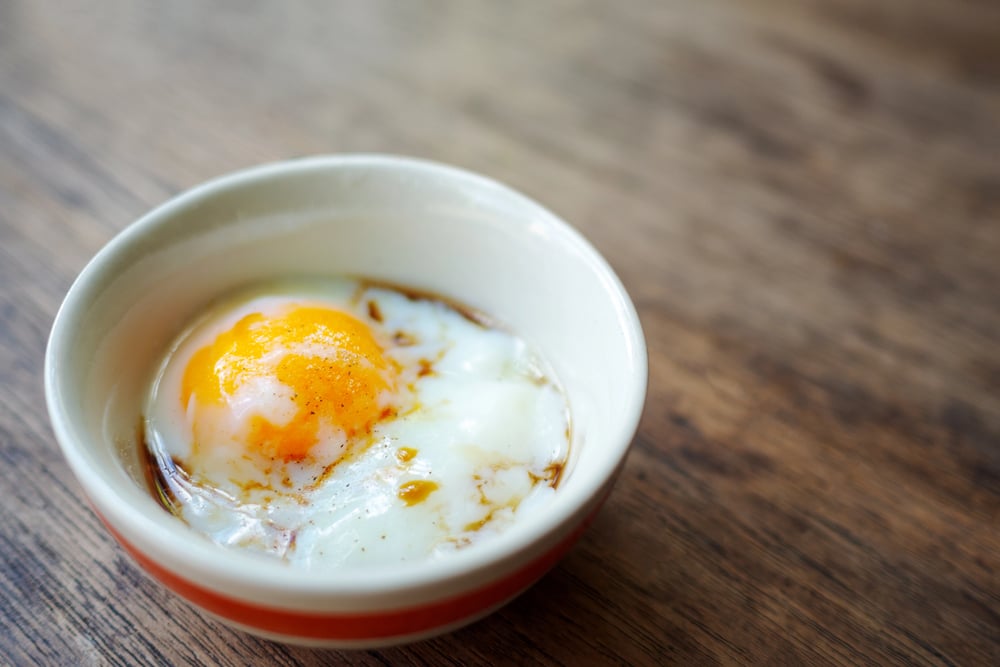
Onsen tamago means ‘hot spring egg’ and involves slow-cooking eggs at 149-154°F for 30 minutes, mimicking Japan’s volcanic hot spring temperatures. This technique creates silky, creamy egg whites that are softer than the custard-like yolk – the opposite of typical soft-boiled eggs.
The result is an egg with firm yolk center and runny whites, often served with dashi broth.
Chawanmushi

Chawanmushi is a Japanese steamed egg custard made with a 3:1 ratio of dashi stock to egg, steamed in small cups and filled with ingredients like chicken, shrimp, mushrooms, and kamaboko fish cake. The texture is incredibly smooth and silky, almost like savory flan.
The dish translates to ‘teacup steamed egg custard’ and is often served as an appetizer.
Like Go2Tutors’s content? Follow us on MSN.
Tamagoyaki
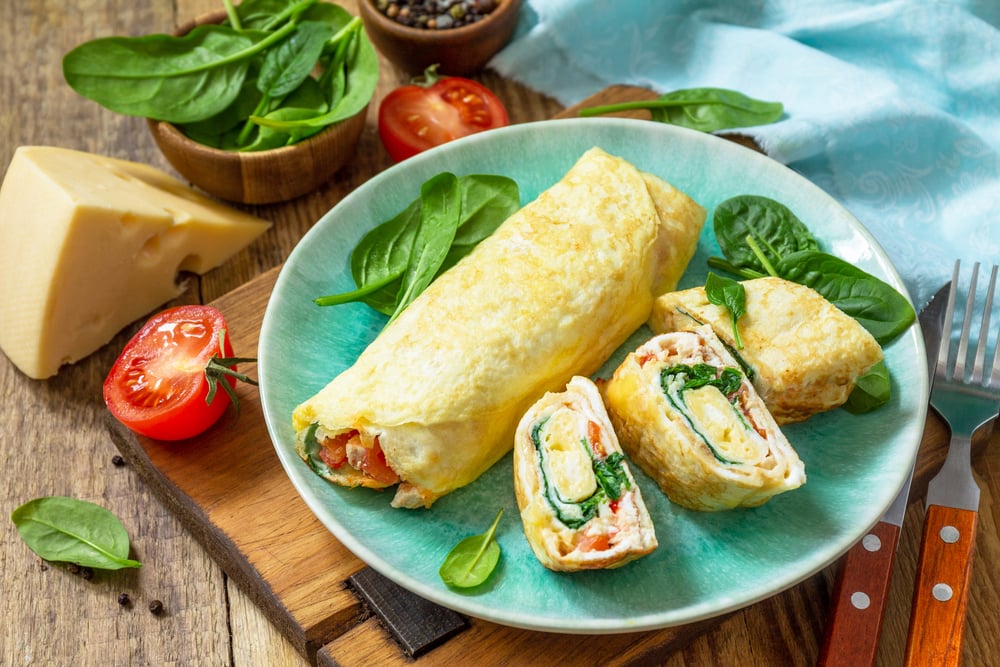
Tamagoyaki is a Japanese rolled omelet made by repeatedly rolling thin layers of cooked eggs, seasoned with mirin and sugar for sweetness. Unlike the similar Korean rolled omelet which leans savory, tamagoyaki draws sweet flavors from seasonings and keeps focus on the pure egg flavor.
The technique requires practice to achieve the characteristic layered appearance.
Gyeran Mari

Gyeran mari is a Korean rolled omelette made with beaten eggs mixed with finely diced vegetables like scallions and carrots, then progressively fried and rolled. Unlike its Japanese counterpart, this version incorporates vegetables directly into the egg mixture before cooking.
It’s hugely popular as a lunch box item and served as a side dish for any meal.
Tamago Kake Gohan
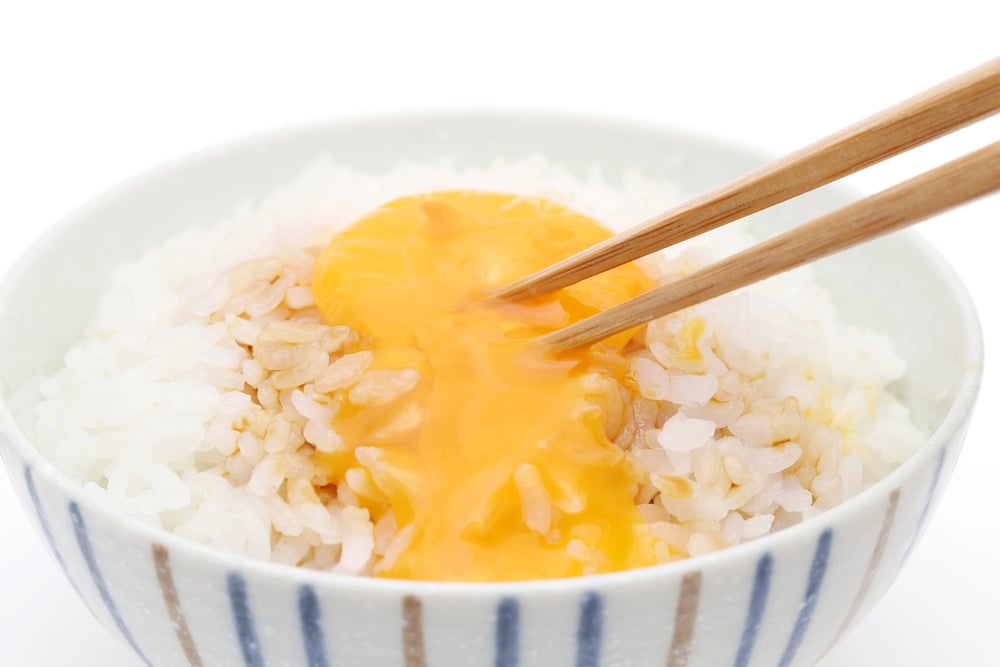
Tamago kake gohan consists of cooked Japanese rice topped with raw egg and soy sauce, sometimes called the ‘soul food of the Japanese’. This simple preparation is enabled by Japan’s exceptionally high egg hygiene standards.
The hot rice partially cooks the egg while creating a creamy, comforting texture that’s become a breakfast staple.
Like Go2Tutors’s content? Follow us on MSN.
Korean Marinated Eggs

Mayak gyeran are Korean marinated eggs with gooey, soft yolks inside while marinated in a savory, spicy, and sweet sauce. The eggs are soft-boiled for exactly six minutes to achieve the perfect consistency, then marinated in a mixture containing soy sauce, garlic, and Korean peppers.
They’re typically served as a side dish with rice.
Salted Duck Eggs

Salted duck eggs are preserved using salt brine solution and can be eaten with plain rice or used to make creamy golden sauces. This preservation method is common throughout China, Singapore, and the Philippines.
The salt curing process takes several weeks and results in a firm white and rich, orange yolk that’s prized for its intense flavor.
Chinese Braised Eggs
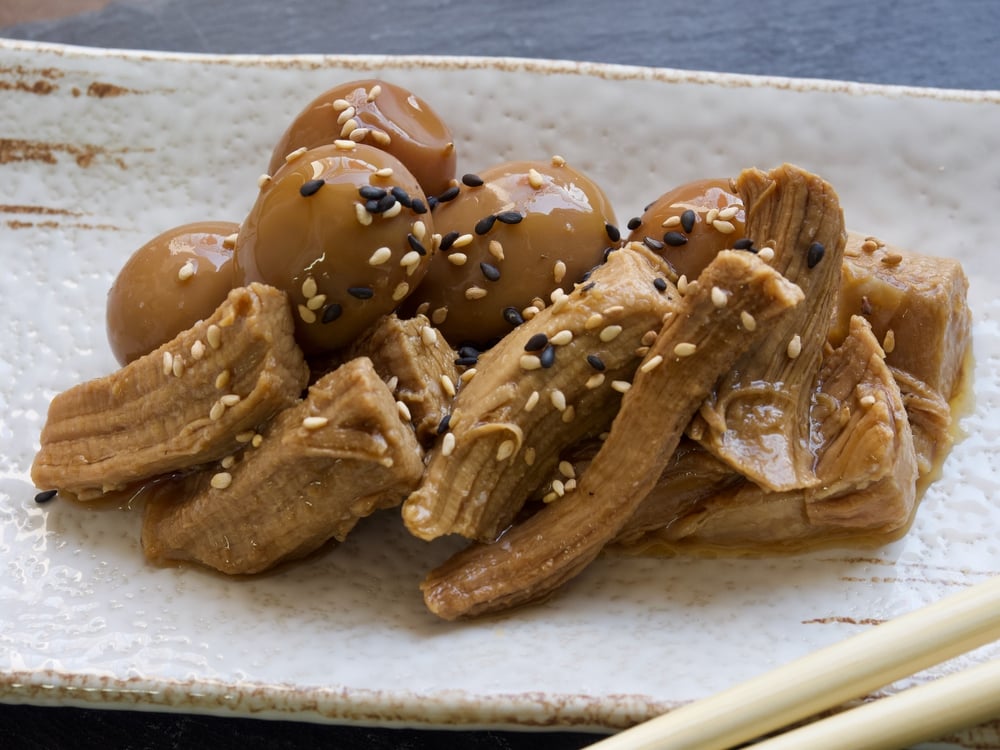
Chinese braised eggs are simmered in soy sauce, spices, and aromatics, creating a make-ahead dish that can last almost a week in the refrigerator. The eggs absorb the braising liquid’s flavors deeply, developing a rich brown color and complex taste.
They’re often served as comfort food with white rice or congee.
Like Go2Tutors’s content? Follow us on MSN.
Hot Vit Lon
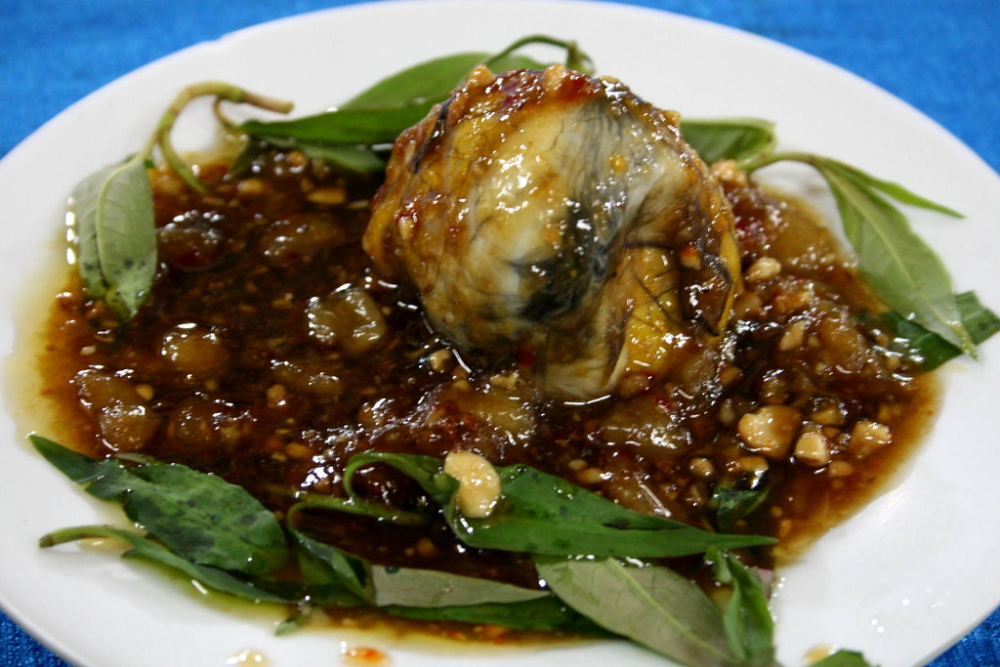
This Vietnamese version of balut features duck embryos that are typically incubated for a shorter period than Filipino balut. In Vietnam, a similar food preparation is called hot vit lon, and it’s commonly found as street food in Ho Chi Minh City.
In Ho Chi Minh City, balut can be found where vendors operate on motorbikes in alleys, serving it steamed with salt, chili, and pepper.
Egg Dumplings
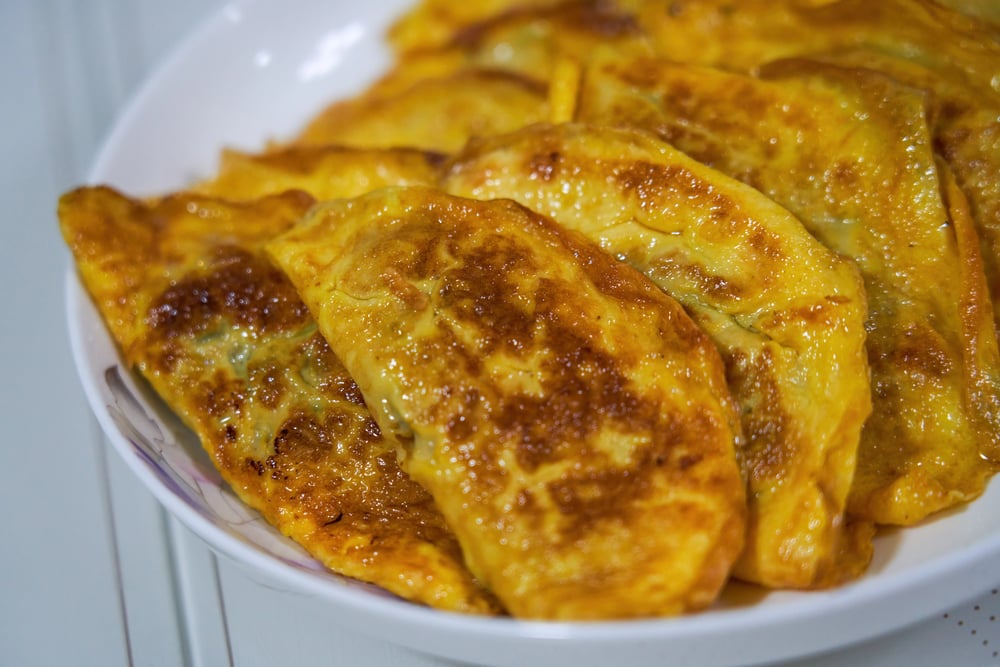
Egg dumplings feature eggs making the filling richer, with popular combinations including leek and egg or egg and shrimp. These dumplings wrap seasoned egg mixture in thin dough wrappers, creating a protein-rich filling that’s both satisfying and flavorful.
The eggs bind other ingredients while providing a creamy texture that contrasts with the dumpling skin.
Chinese Steamed Eggs

This creamy cooking method produces the most smooth, creamy, and decadent eggs, served with minced pork, seafood, or sautéed mushrooms. The technique involves beating eggs with warm stock or water, then steaming until silky smooth.
The result has a custard-like consistency that’s more delicate than Western scrambled eggs.
Like Go2Tutors’s content? Follow us on MSN.
Iron Eggs

These Taiwanese specialty eggs are repeatedly braised and air-dried, creating a chewy, concentrated flavor that’s become a popular snack. The process involves multiple cycles of simmering in soy sauce and spices, followed by drying periods that concentrate the flavors and create an almost jerky-like texture.
They’re often sold as street snacks or travel provisions.
A Culinary Heritage Worth Exploring

These unusual egg preparations represent centuries of culinary innovation driven by necessity, creativity, and cultural exchange across Asia. What began as preservation methods or ways to extend shelf life evolved into beloved comfort foods and delicacies that define regional cuisines.
Each technique reflects the unique ingredients, climate, and cultural preferences of its origin, creating a rich tapestry of flavors that continues to surprise and delight food lovers worldwide.
More from Go2Tutors!

- 16 Historical Figures Who Were Nothing Like You Think
- 12 Things Sold in the 80s That Are Now Illegal
- 15 VHS Tapes That Could Be Worth Thousands
- 17 Historical “What Ifs” That Would Have Changed Everything
- 18 TV Shows That Vanished Without a Finale
Like Go2Tutors’s content? Follow us on MSN.



