Treasure Ships That Sunk With Empires
The ocean floor holds more than shipwrecks. It holds the weight of collapsed ambitions, the remnants of overextended powers, and fortunes that never made it home.
When empires sent their treasure ships across the world, they were often betting everything on a single voyage. Sometimes the bet failed spectacularly.
These weren’t just accidents. The ships that went down often took pieces of the empire with them—funding for wars that couldn’t be fought, debts that couldn’t be repaid, confidence that couldn’t be restored.
A single storm could change the course of history.
The Spanish Treasure Fleet of 1715
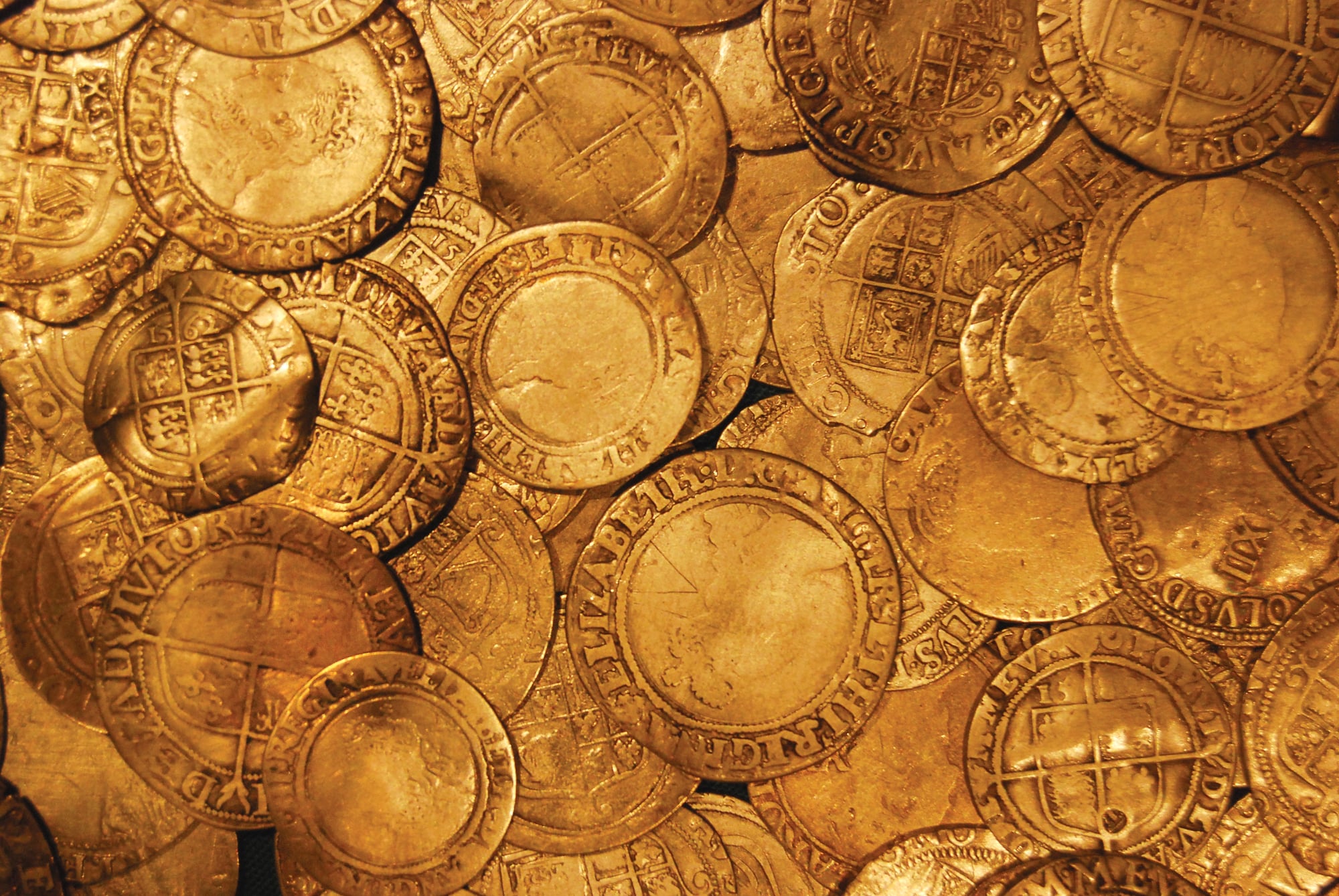
Eleven ships left Havana in July 1715, loaded with gold and silver from the New World. Spain needed this money desperately.
Wars in Europe had drained the treasury, and the king was counting on this particular fleet to keep the empire afloat. A hurricane hit off the coast of Florida.
Ten of the eleven ships sank. Over a thousand people died.
The treasure—worth hundreds of millions in today’s money—scattered across the seafloor. Spain sent salvage crews immediately, but they only recovered a fraction of the cargo.
The loss hit at exactly the wrong moment. Spain was already struggling to maintain its grip on its colonies and its status in Europe.
This disaster accelerated a decline that had been building for decades.
Nuestra Señora de Atocha
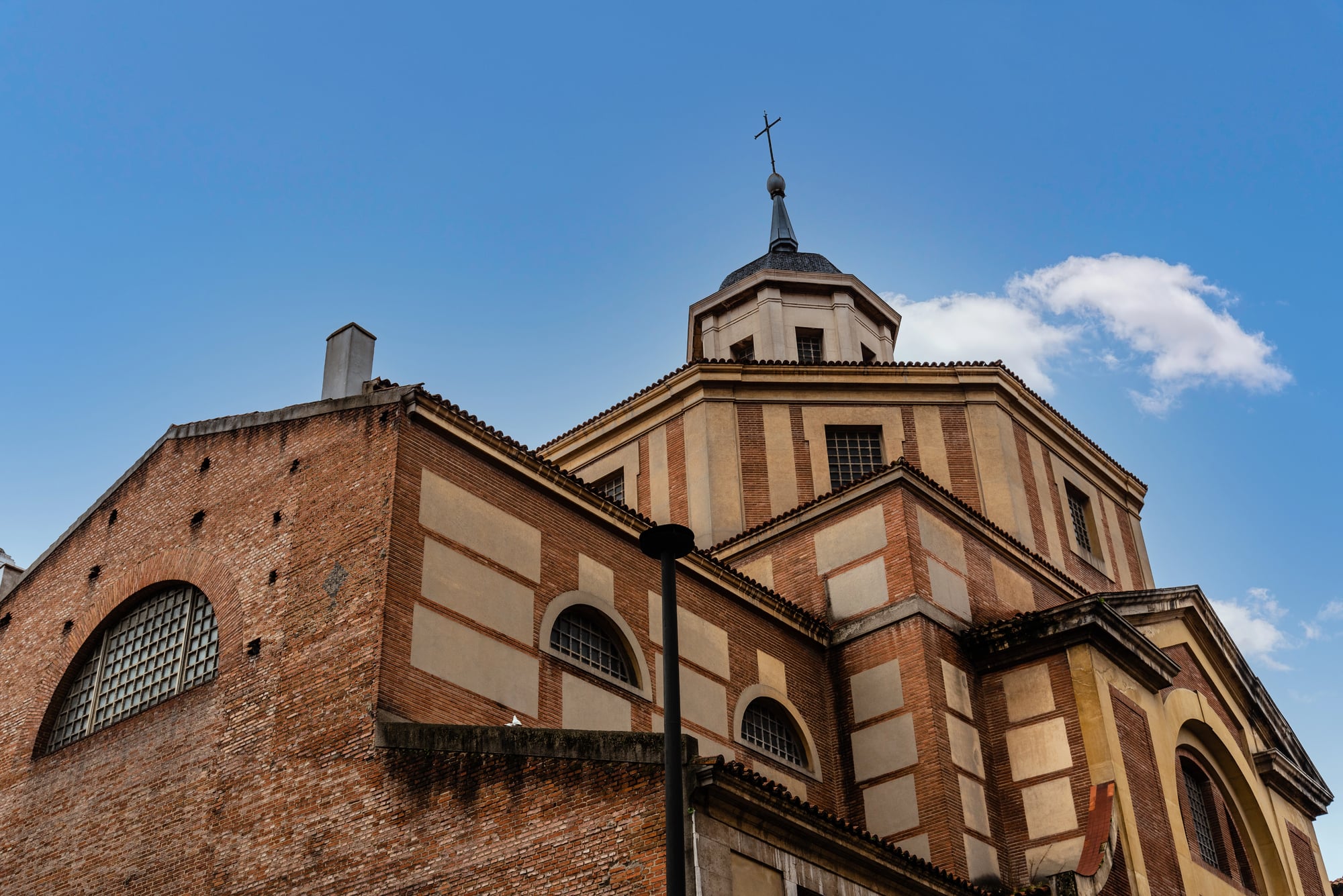
The Atocha went down in 1622, part of another Spanish fleet caught in a hurricane near the Florida Keys. It carried emeralds, gold coins, silver bars, and jewelry meant for the Spanish crown.
The ship sank in 55 feet of water, but storms buried it under sand and coral. Spain tried to salvage it.
They spent years searching, but the exact location remained a mystery. The treasure stayed hidden for over three centuries.
When treasure hunter Mel Fisher finally found it in 1985, the haul was worth around $450 million. But for Spain in 1622, that loss represented military payrolls, debt payments, and the ability to defend shipping routes.
Without those funds, other ships became more vulnerable. The cycle fed itself.
The Anglo-Dutch Wars and the Merchant Fleet
England and the Netherlands fought four wars in the 1600s, mostly over trade routes and shipping dominance. Both sides depended heavily on merchant ships that doubled as treasure carriers—bringing back spices, textiles, and precious metals from colonies in Asia.
In 1667, during the Second Anglo-Dutch War, the Dutch launched a daring raid up the Medway River. They burned English ships, captured others, and dealt a blow to English naval prestige.
But the real damage came from all the merchant vessels that never made it home during these wars. Each sunken ship meant lost revenue, lost goods, and lost confidence in the trading companies that backed these voyages.
The English East India Company and the Dutch VOC both hemorrhaged money. Wars meant higher insurance rates, more dangerous routes, and fewer investors willing to take risks.
The power balance shifted back and forth, but both empires weakened themselves fighting over scraps. The constant maritime warfare drained resources that might have been used to develop infrastructure or defend against rising powers elsewhere.
The Manila Galleons
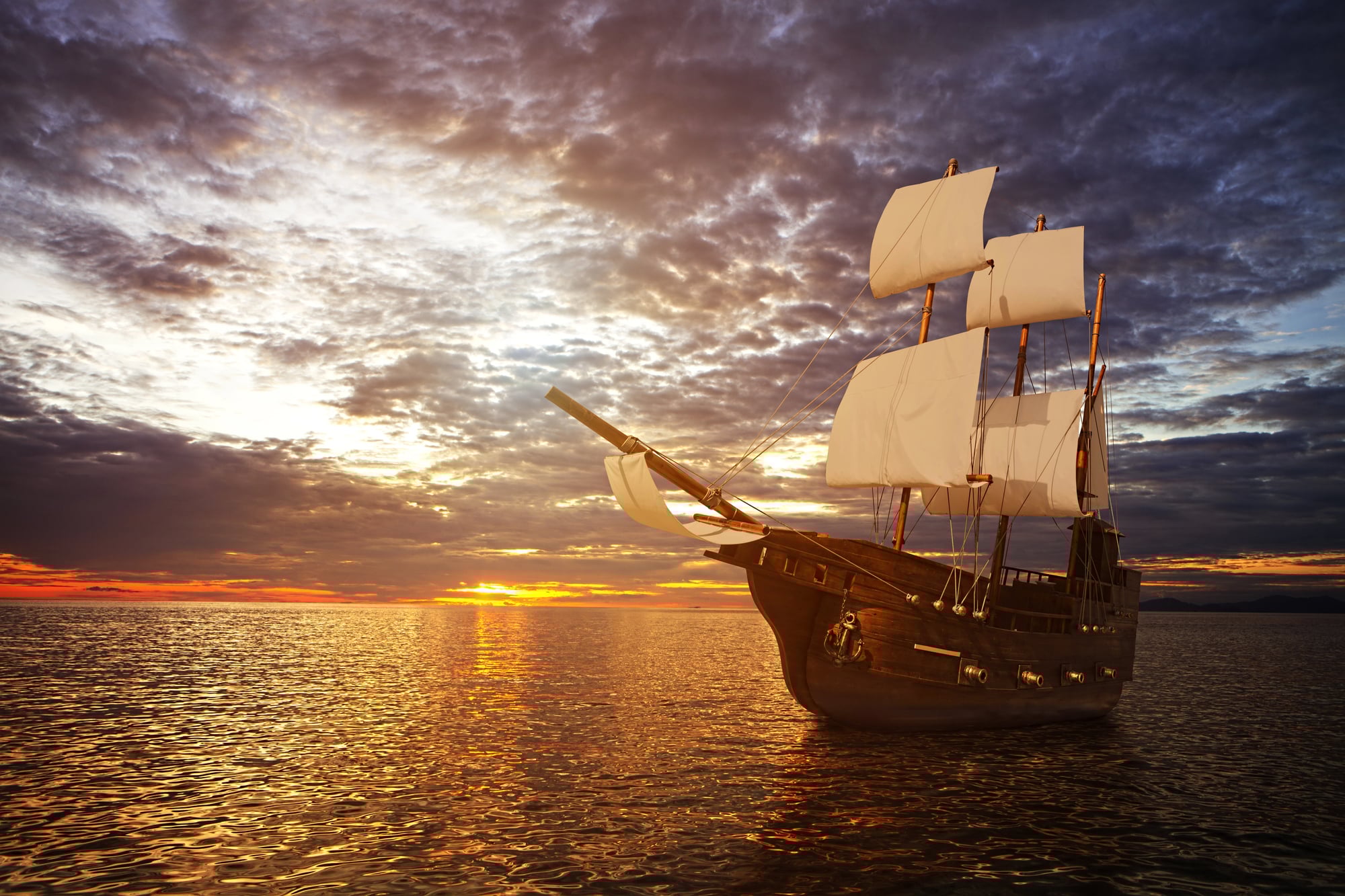
For 250 years, Spanish galleons made an annual trip between Manila and Acapulco, carrying Asian goods to the Americas and silver back to Asia. This trade route was Spain’s lifeline to its Pacific colonies.
The galleons were massive, slow, and vulnerable. Pirates hunted them.
Storms caught them. Navigation errors drove them onto reefs.
Over the centuries, only four to six major wrecks were recorded, though the impact of each loss was significant. Each loss mattered.
The Manila trade was one of Spain’s few profitable operations in the Pacific. When a galleon sank, it meant a year without income from that route.
Colonies went without supplies. Soldiers went without pay.
Local economies collapsed. The cumulative effect of these losses, combined with attacks by Dutch and English privateers, gradually made the Pacific trade route unsustainable.
By the time Mexico gained independence in 1821, Spain had already lost much of its Pacific influence.
HMS Victory (1744)
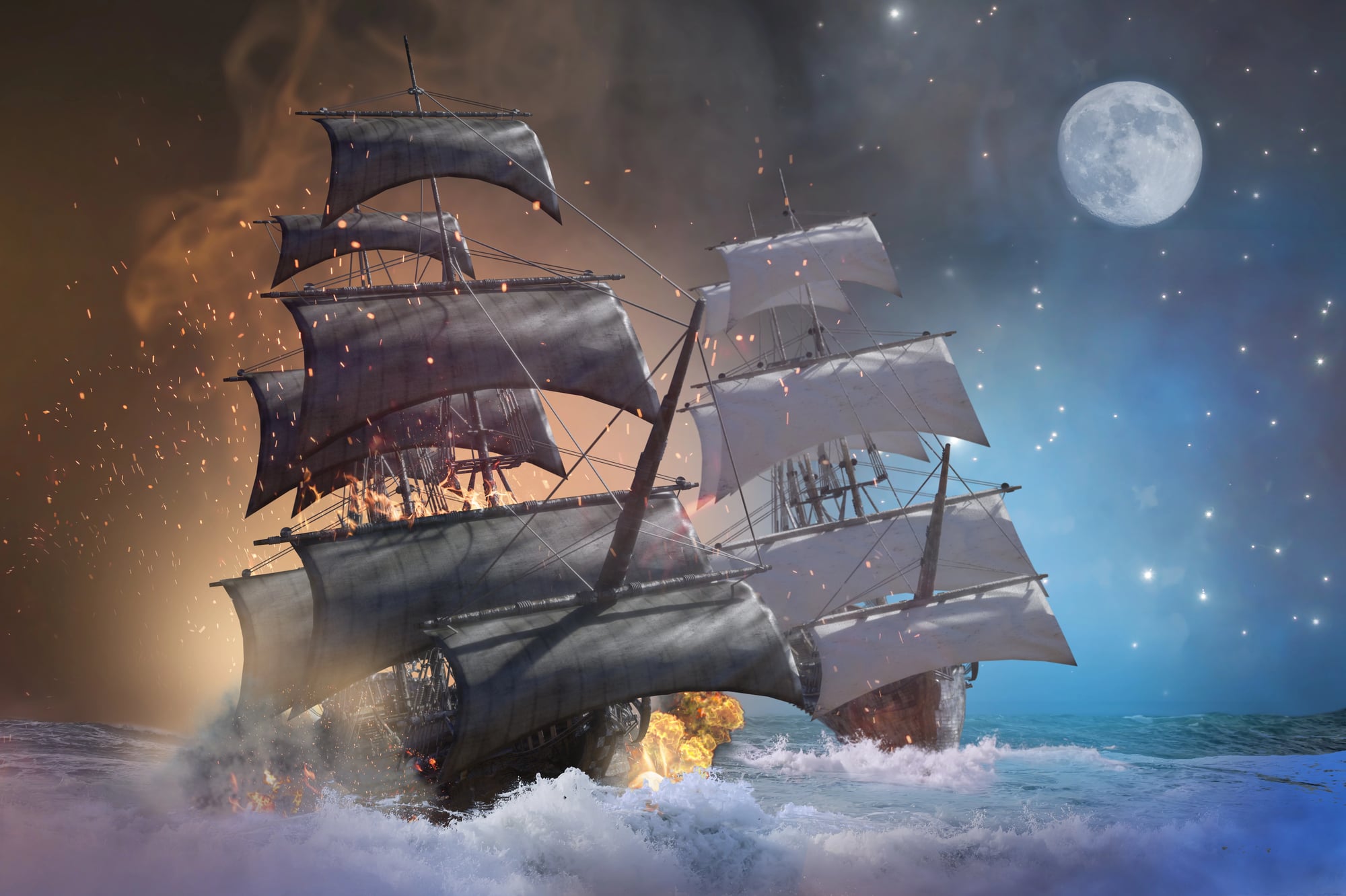
Not the famous Victory from Trafalgar—this was an earlier ship, wrecked in 1744 in the English Channel during a storm. It went down during the War of Austrian Succession.
The ship sank with over a thousand crew members. The British Navy spent weeks searching but found nothing.
The loss of the ship and crew was a significant blow to naval operations during the ongoing European conflict. Modern salvage operations have recovered some of the cargo, but the legal battles over ownership have been fierce.
For 18th-century Britain, though, the immediate impact was felt in delayed payments, unpaid soldiers, and weakened negotiating positions in ongoing conflicts.
The Portuguese Carracks
Portugal built some of the largest ships of the 1500s—carracks that carried spices from India and treasure from Brazil. These ships were floating warehouses, heavily armed but still vulnerable.
Between 1500 and 1650, dozens of Portuguese carracks sank on the route between Lisbon and Asia. Each loss was catastrophic.
The Portuguese Empire ran on thin margins. They didn’t have Spain’s American silver or England’s growing industrial base.
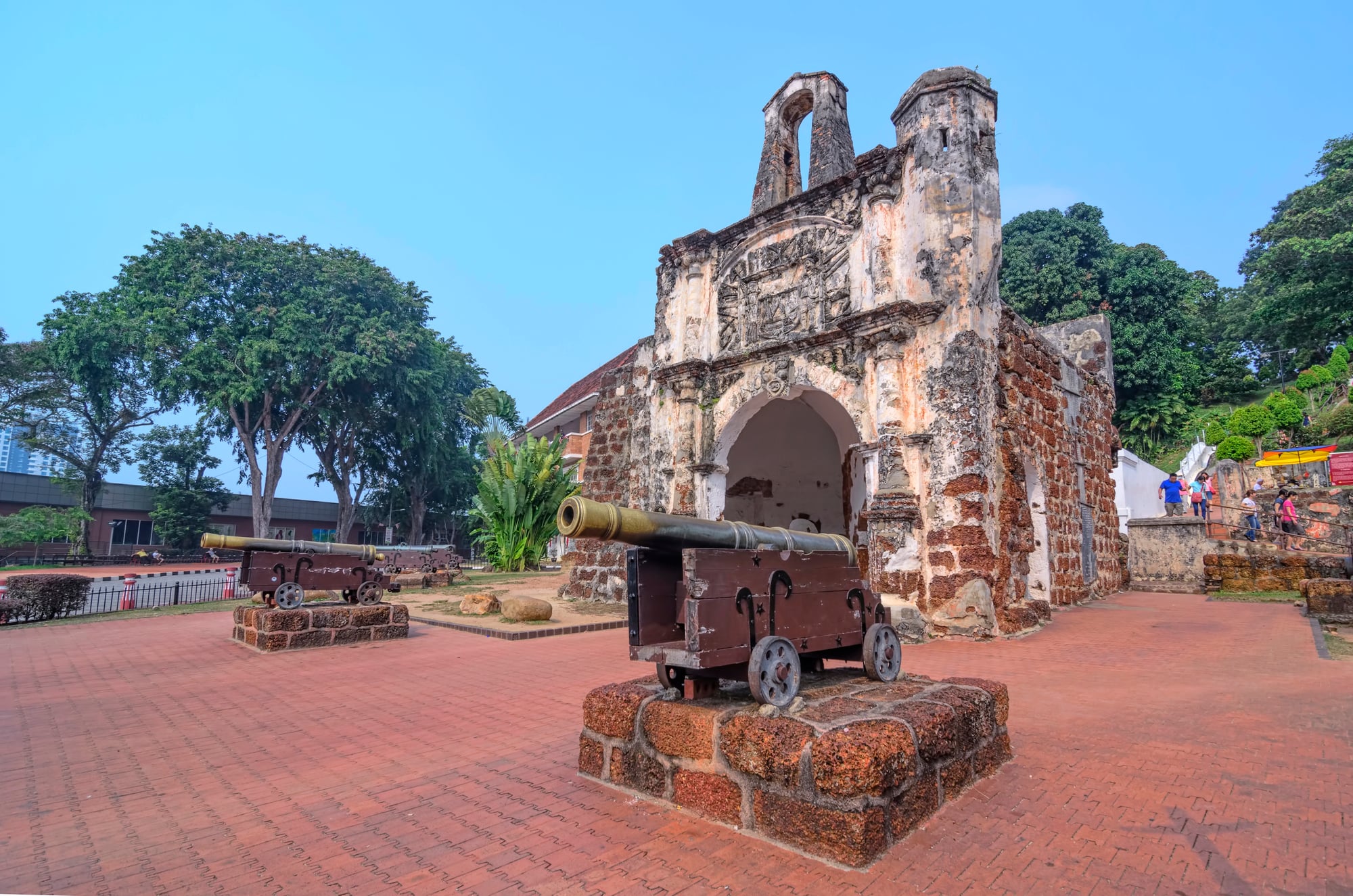
They needed every voyage to succeed. Ships like the Flor de la Mar, which sank in 1511 with a massive treasure from the conquest of Malacca, represented not just lost wealth but lost momentum.
Portugal was trying to establish a trade empire across Asia, and they needed continuous success to maintain credibility and fund the next expedition. As losses mounted, Portuguese dominance in Asia weakened.
Dutch and English traders moved in. By the mid-1600s, Portugal had lost most of its Asian holdings except for a few strategic ports.
The Chinese Treasure Fleets
Admiral Zheng He led seven massive naval expeditions between 1405 and 1433, showcasing Chinese power across the Indian Ocean. These weren’t treasure ships in the traditional sense—they were diplomatic missions backed by military force.
After Zheng He’s death, China turned inward. The costs of these expeditions, combined with the practical difficulties of maintaining such a far-flung maritime presence, convinced Chinese leadership to abandon ocean-going exploration.
This decision had profound consequences. China’s withdrawal from the seas left a vacuum that European powers filled.
The Ming Dynasty focused on internal threats and land borders, giving up maritime dominance just as it was becoming the key to global power.
The Russian Baltic Fleet of 1904
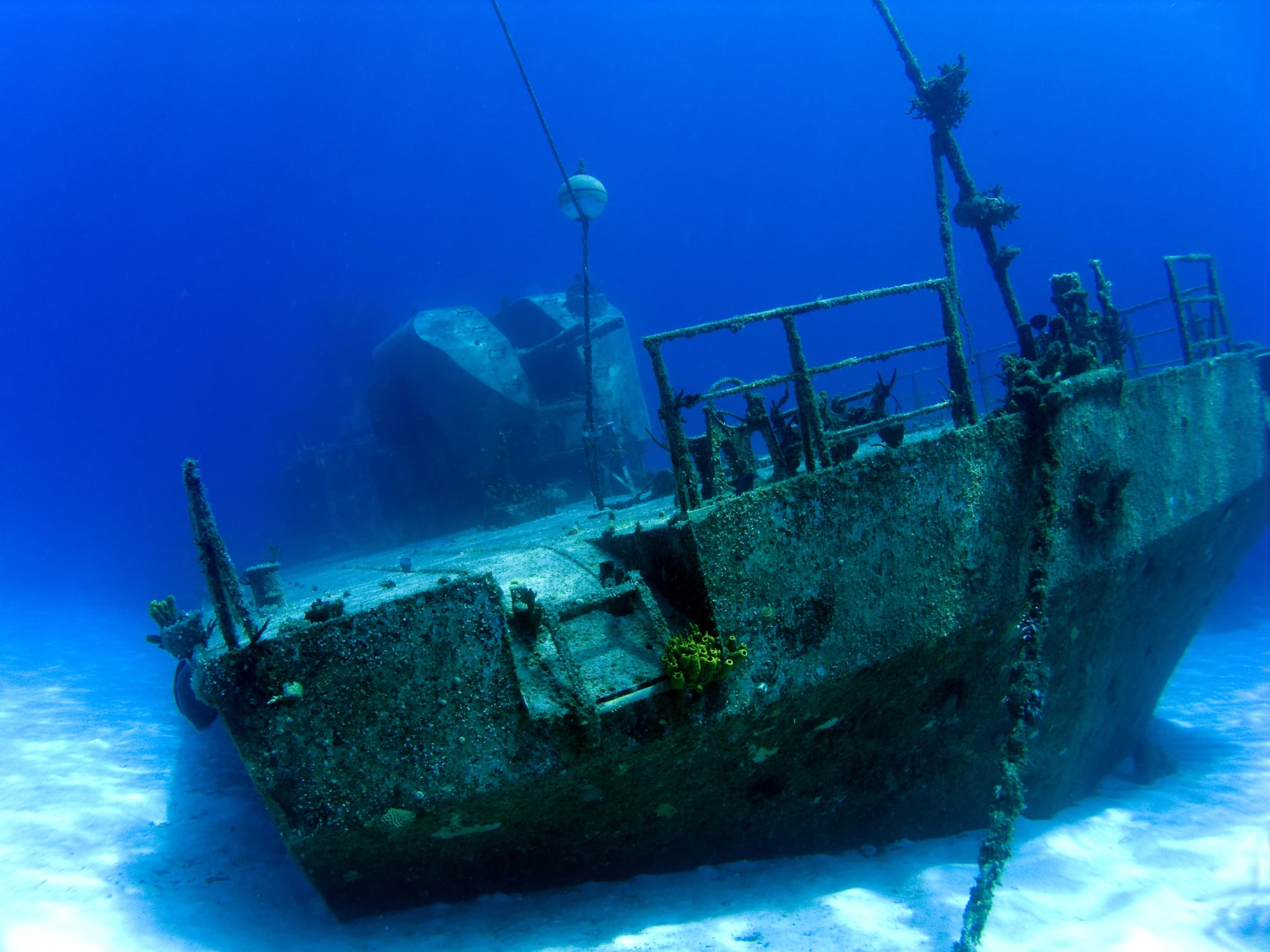
During the Russo-Japanese War, Russia sent its Baltic Fleet on an eight-month journey around the world to fight Japan. The fleet was poorly maintained, badly organized, and essentially obsolete.
At the Battle of Tsushima in 1905, the Japanese navy destroyed most of the Russian fleet in a single day. Twenty-one Russian ships sank or were captured.
Over 4,000 Russian sailors died. The ships carried supplies, ammunition, and the hopes of an empire trying to prove it still mattered on the world stage.
The catastrophic defeat shocked Russia and contributed to the 1905 Revolution. It showed that Imperial Russia couldn’t compete militarily with modern industrial powers.
The sunken ships in the Tsushima Strait represented more than a naval defeat. They marked the beginning of the end for the Romanov dynasty.
The German High Seas Fleet at Scapa Flow
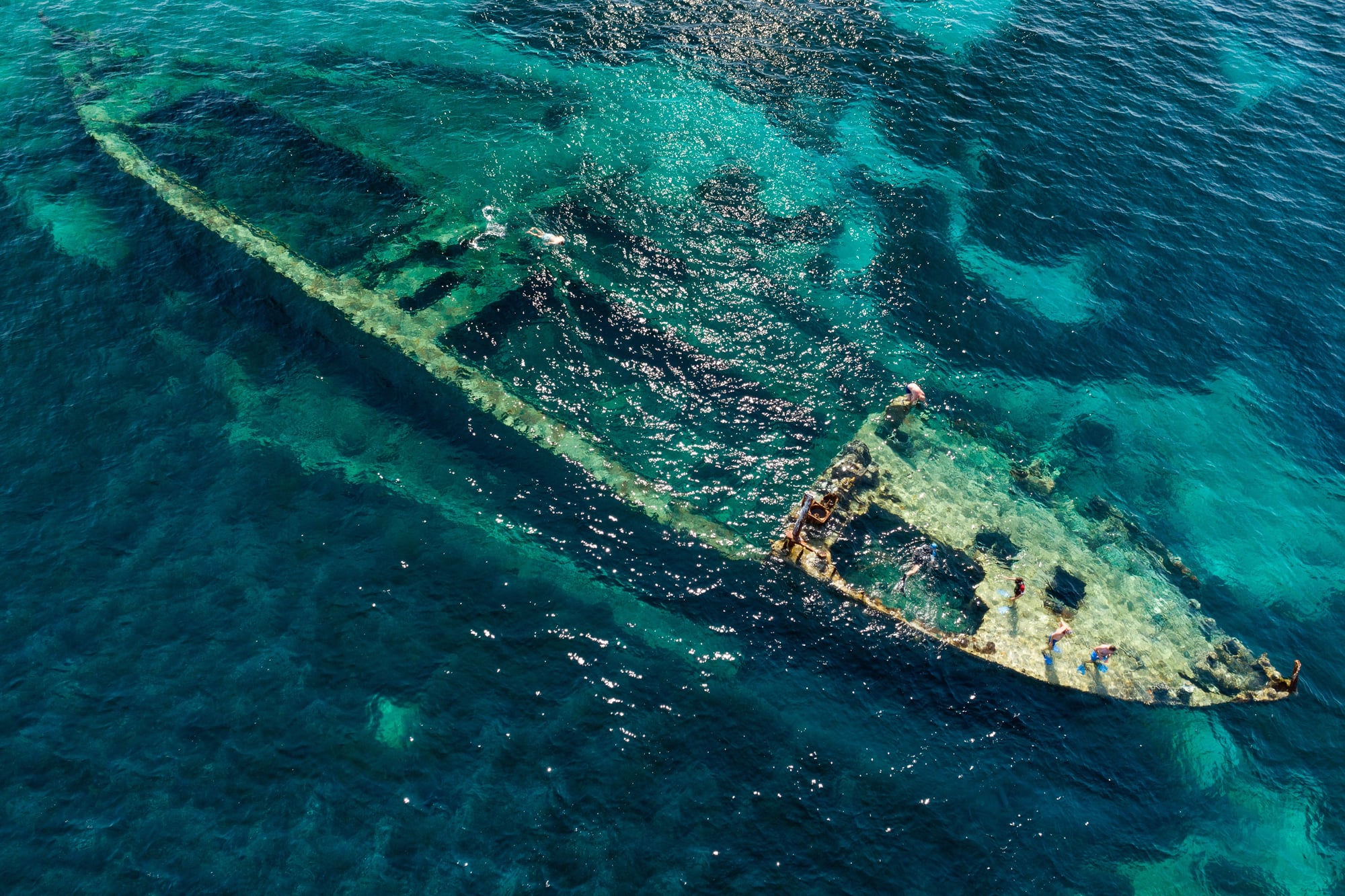
After World War I, the German Imperial Navy was interned at Scapa Flow in Scotland while the Treaty of Versailles was negotiated. In June 1919, the German commander ordered his entire fleet scuttled rather than let it be divided among the Allies.
Fifty-two ships sank in a single day. The German Navy, second only to Britain’s Royal Navy before the war, destroyed itself.
This act of defiance accomplished nothing strategically. Germany had already lost the war.
The empire had already collapsed. But the symbolism was powerful—a final gesture from a military force that would never sail again.
Most of these ships weren’t treasure ships in the traditional sense, but they represented Germany’s investment in naval power, its attempts to challenge British dominance, and its ultimate failure to sustain that challenge.
The French Fleets of the Napoleonic Wars
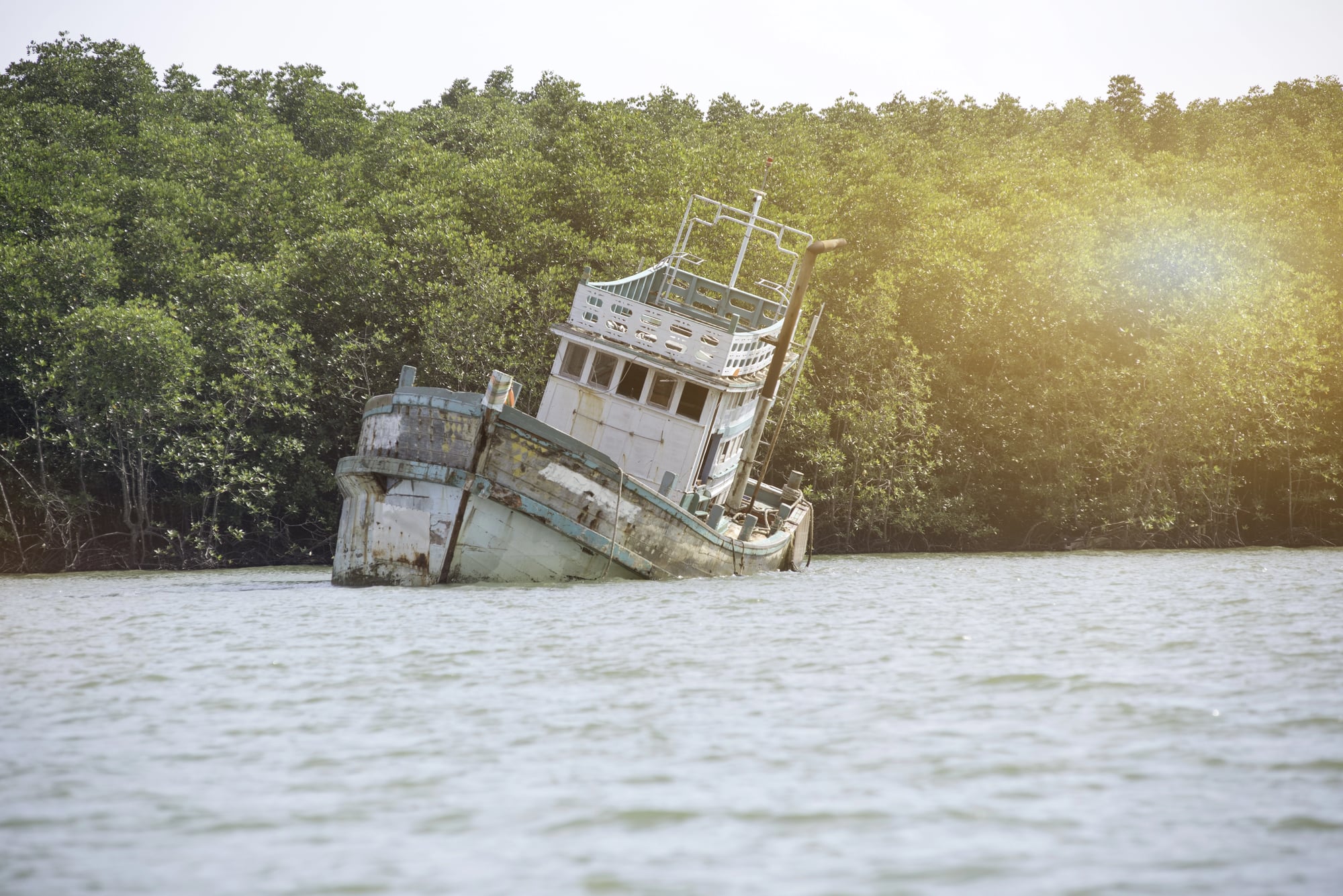
Britain and France fought for control of the seas throughout the Napoleonic period. French naval power never recovered from its losses at Trafalgar in 1805, but France kept building ships and sending them out, hoping to break the British blockade.
Many of these ships never made it far. British squadrons hunted them down.
Storms caught them. Poorly maintained vessels simply fell apart at sea.
Each loss weakened Napoleon’s ability to supply his armies, trade with allies, or threaten British interests. The cumulative effect of these maritime losses—combined with the disastrous Russian campaign—left France isolated and unable to sustain its continental empire.
The ships that went down carried not just cargo but France’s ability to project power beyond its borders.
The Dutch East Indiamen
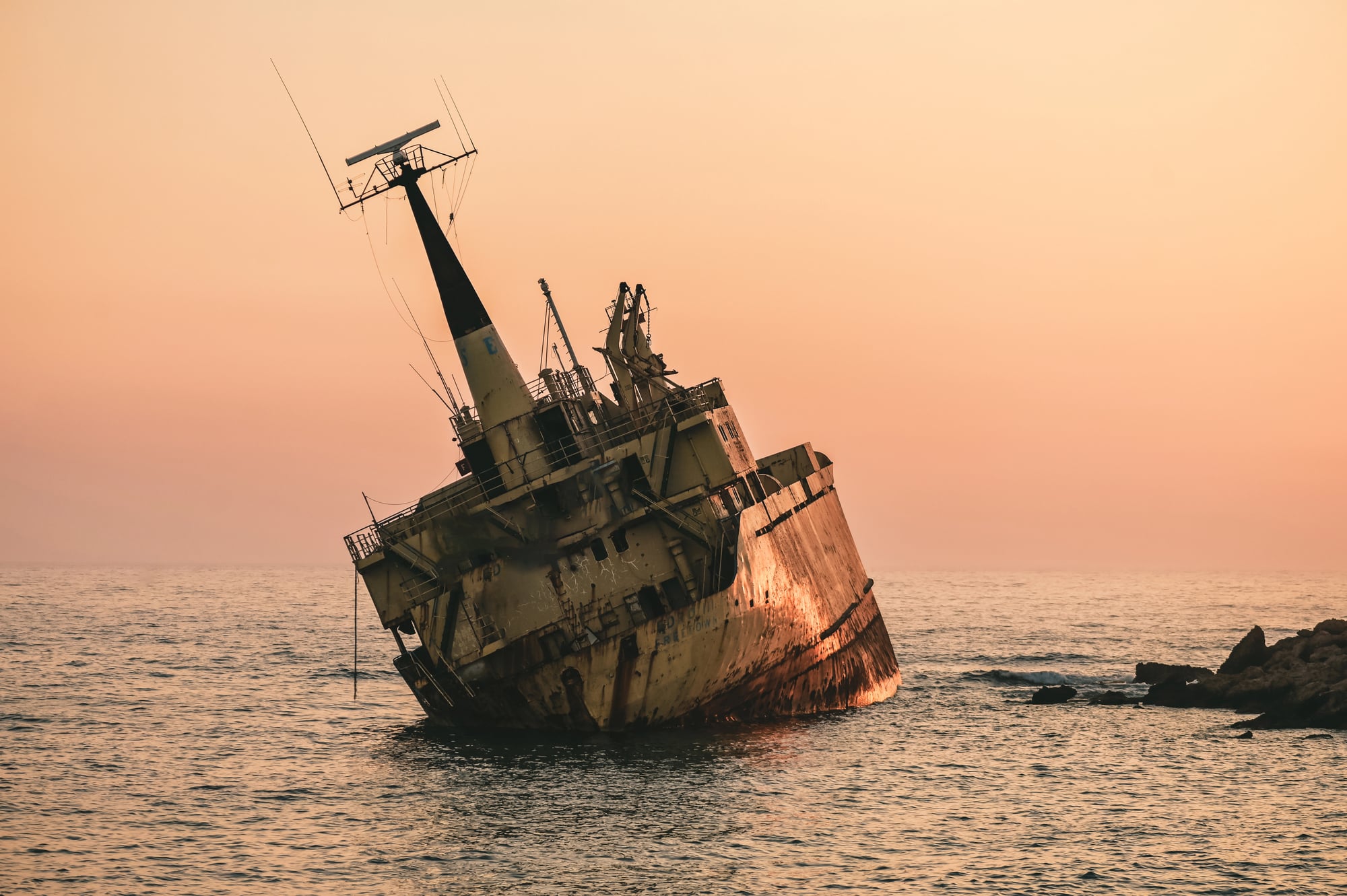
The Dutch East India Company (VOC) operated for nearly 200 years, sending ships to Asia and back. These East Indiamen carried spices, porcelain, silk, and treasure in both directions.
Around 250 of these ships were lost over the centuries. Some hit reefs in the Indonesian archipelago.
Others went down in storms off the Cape of Good Hope. Pirates and enemy navies captured or destroyed many more.
Each ship that failed to return represented a massive financial loss, not just to the VOC but to the Dutch economy as a whole. The company borrowed heavily to finance its operations, and it needed a high success rate to service its debts.
By the late 1700s, the accumulated losses, combined with corruption and competition from other European powers, pushed the VOC toward bankruptcy. When it finally collapsed in 1799, it took a significant portion of Dutch economic power with it.
The Ottoman Treasure Galleys
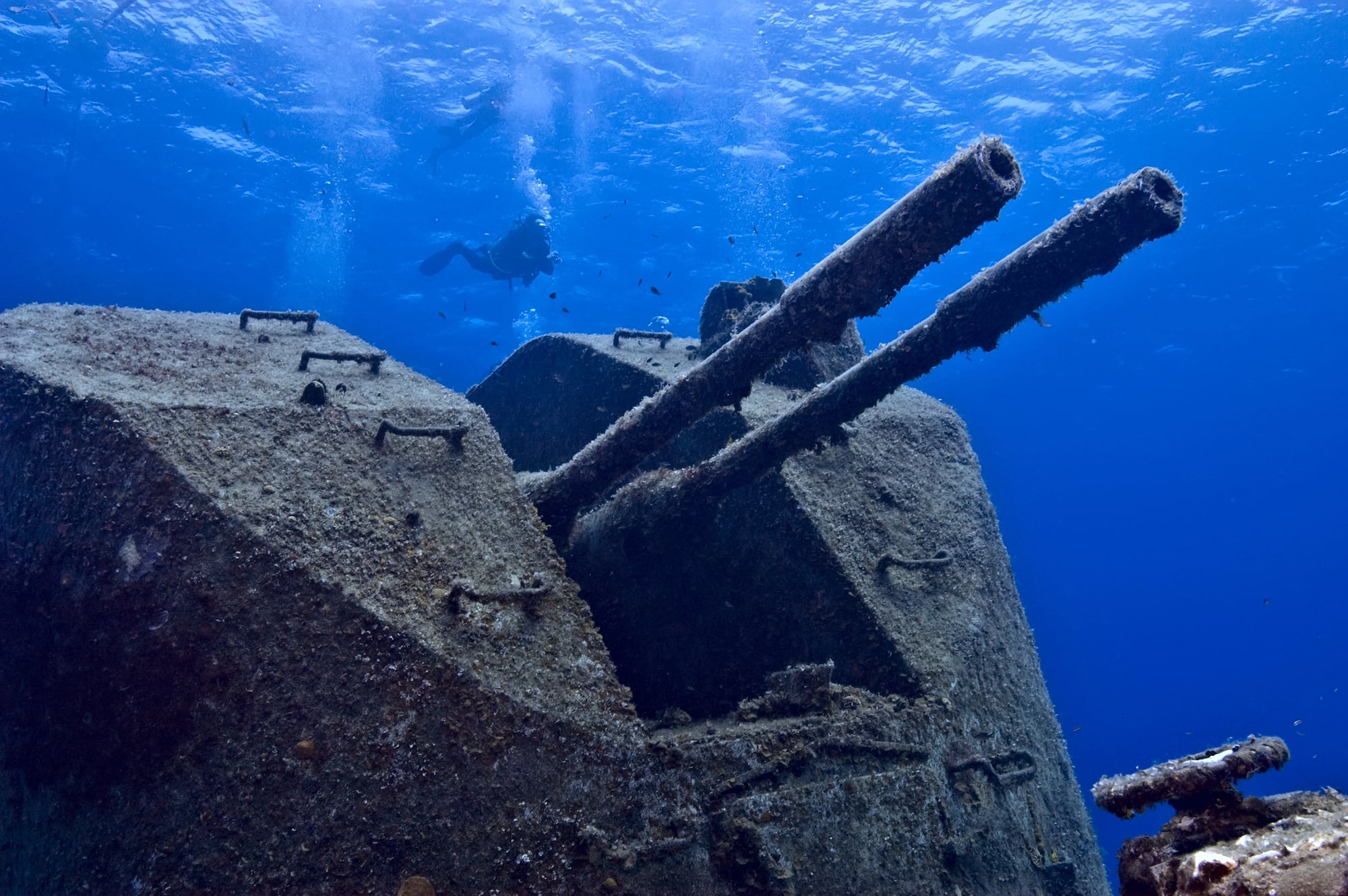
The Ottoman Empire relied on control of the Mediterranean for both trade and military power. Ottoman galleys carried tribute from North African provinces, trade goods from the Levant, and supplies for armies fighting in Europe.
When these ships sank—whether from storms, naval battles with Venice or Spain, or simple accidents—the losses rippled through the empire. Provinces went without payment.
Soldiers went without equipment. Trade networks broke down.
The Battle of Lepanto in 1571 destroyed much of the Ottoman fleet in a single afternoon. The Ottomans rebuilt, but the psychological impact lingered.
They were no longer the undisputed masters of the Mediterranean. Over the following centuries, as European naval technology improved and Ottoman shipbuilding stagnated, more ships were lost in increasingly unequal naval encounters.
Each defeat made the next one more likely.
The Confederate Blockade Runners

During the American Civil War, the Confederacy depended on blockade runners to bring in supplies from Europe and ship out cotton to fund the war effort. These ships ran the Union naval blockade, trying to reach Southern ports.
Between 500 and 600 of these ships were captured or sunk. Each loss meant less revenue for the Confederate government, fewer weapons for Confederate armies, and less hope that foreign powers would intervene.
The economics were brutal. The Confederacy needed cotton exports to buy weapons and supplies, but they couldn’t get the cotton through the blockade.
As more ships were lost, insurance rates skyrocketed, making each voyage more expensive and less profitable. By 1864, the blockade had become so effective that the Southern economy was strangled.
The ships at the bottom of harbors like Charleston and Wilmington represented the Confederacy’s failed attempt to sustain itself through maritime trade.
The Japanese Empire’s Supply Lines
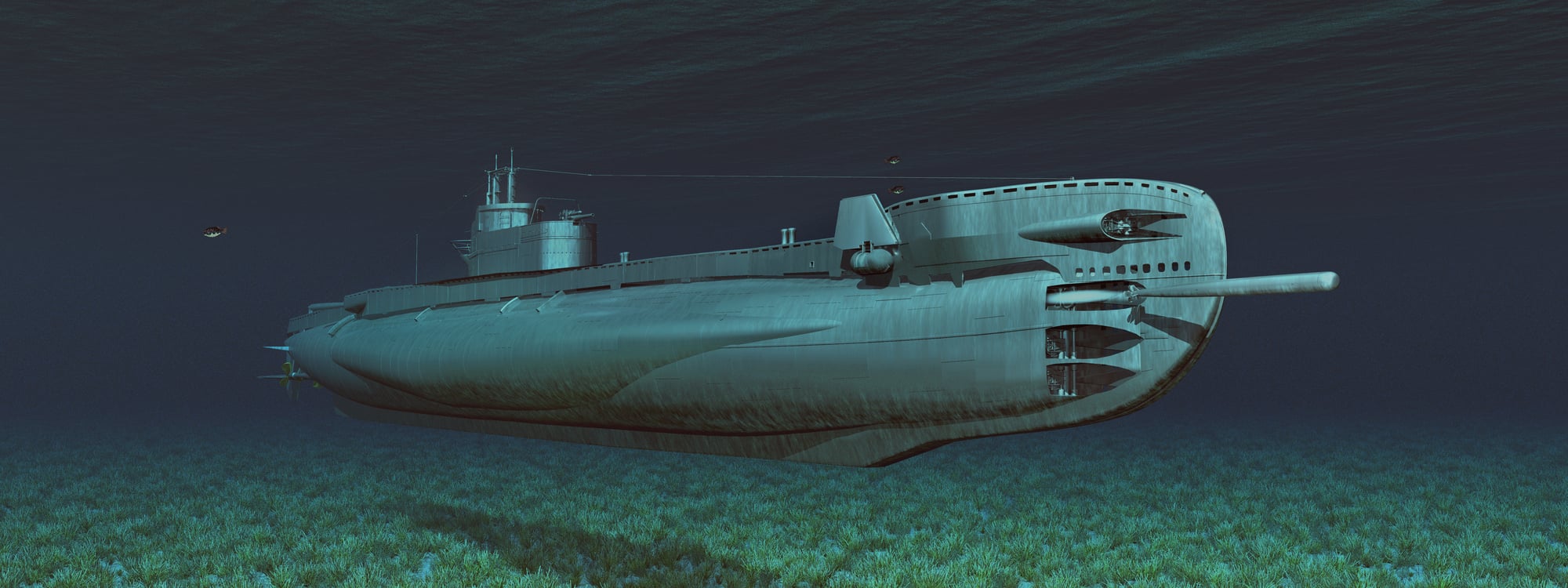
During World War II, Japan conquered a vast empire across the Pacific and Southeast Asia. Holding this empire required constant shipping—oil from the East Indies, food from occupied territories, troops and supplies to garrison islands.
American submarines and aircraft decimated Japanese merchant shipping. Approximately 8.9 million tons of Japanese shipping went to the bottom during the war.
By 1945, Japan’s merchant fleet was essentially destroyed. These weren’t treasure ships, but they carried the resources Japan needed to continue fighting.
Every tanker that went down meant less fuel for aircraft and ships. Every transport that sank meant troops went without supplies or reinforcements.
The destruction of Japan’s merchant marine didn’t just hurt the war effort. It guaranteed that even if Japan somehow avoided invasion, the home islands would starve.
The empire collapsed in part because it couldn’t feed itself without the ships that now littered the Pacific floor.
When Ships Carry More Than Treasure
A sunken treasure ship is never just about the gold and silver that went down with it. Each represents a calculation that didn’t work out, a route that became too dangerous, an empire that stretched too far or held on too long.
The ocean bottom is littered with these miscalculations. Every empire that relied on maritime trade eventually learned that you can’t control the sea, just borrow it temporarily.
Storms don’t care about geopolitics. Reefs don’t respect flags.
And treasure is only valuable if it reaches shore. These wrecks mark where empires bet everything and lose.
The cargo matters less than what its loss meant at that particular moment in that particular place. Sometimes it was the final blow to an already weakened power.
Sometimes it was just one more weight added to a burden that eventually became too heavy to carry. The ships are still down there, most of them.
Reminders that no empire is permanent, and no voyage is guaranteed to reach port.
More from Go2Tutors!

- The Romanov Crown Jewels and Their Tragic Fate
- 13 Historical Mysteries That Science Still Can’t Solve
- Famous Hoaxes That Fooled the World for Years
- 15 Child Stars with Tragic Adult Lives
- 16 Famous Jewelry Pieces in History
Like Go2Tutors’s content? Follow us on MSN.