29 Sounds From Growing Up That Immediately Take People Back the Moment They Hear Them
Memory has strange architecture. You can spend an afternoon trying to recall something — a name, a face, a specific summer — and nothing comes.
Then a sound occurs, unexpected and unasked for, and the whole thing arrives at once. Not a fragment, not an impression, but the actual texture of being a different age in a specific place.
Sounds are not polite about this. They don’t wait for the right moment. They arrive through a car window or a hardware store and the past is just suddenly there, complete.
The Dial-Up Modem Connecting
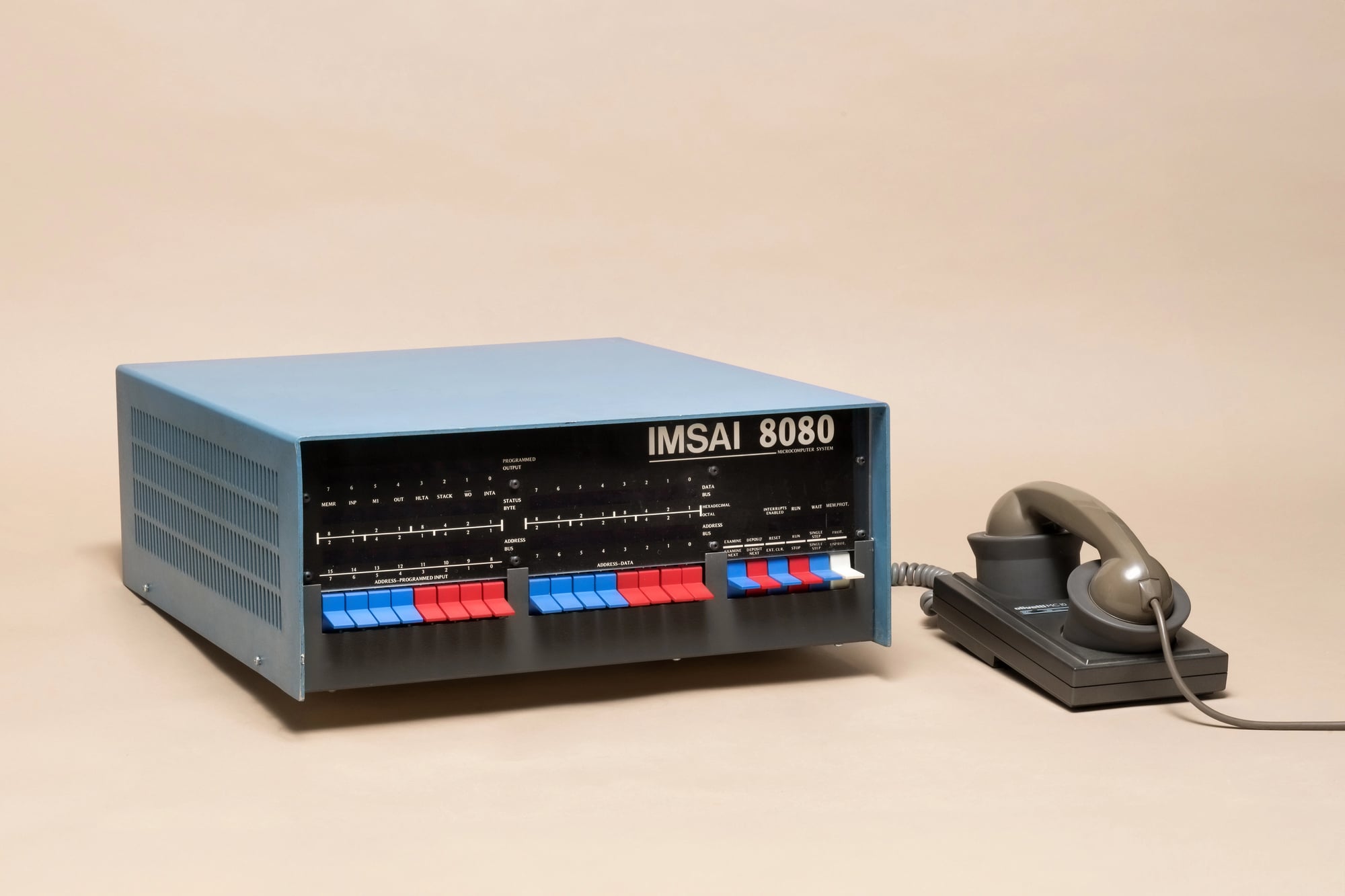
The sequence was always the same: the hiss, the screech, the series of tones that rose and fell like a very electronic conversation negotiating its terms. Then, if everything went right, the silence that meant you were in.
Anyone who grew up in the 1990s and heard that sound regularly can still describe it in physical detail. Nobody who heard it regularly misses the part where it failed.
The Ice Cream Truck’s Jingle

The truck announced itself from a block away, which gave you exactly enough time to find someone with money or to sprint toward a parent with a request that didn’t have time for full sentences. The jingle varied by neighborhood, by truck, by summer — but the signal function was always the same: something good was approaching and you had a narrow window.
A TV Switching Off the Old Way
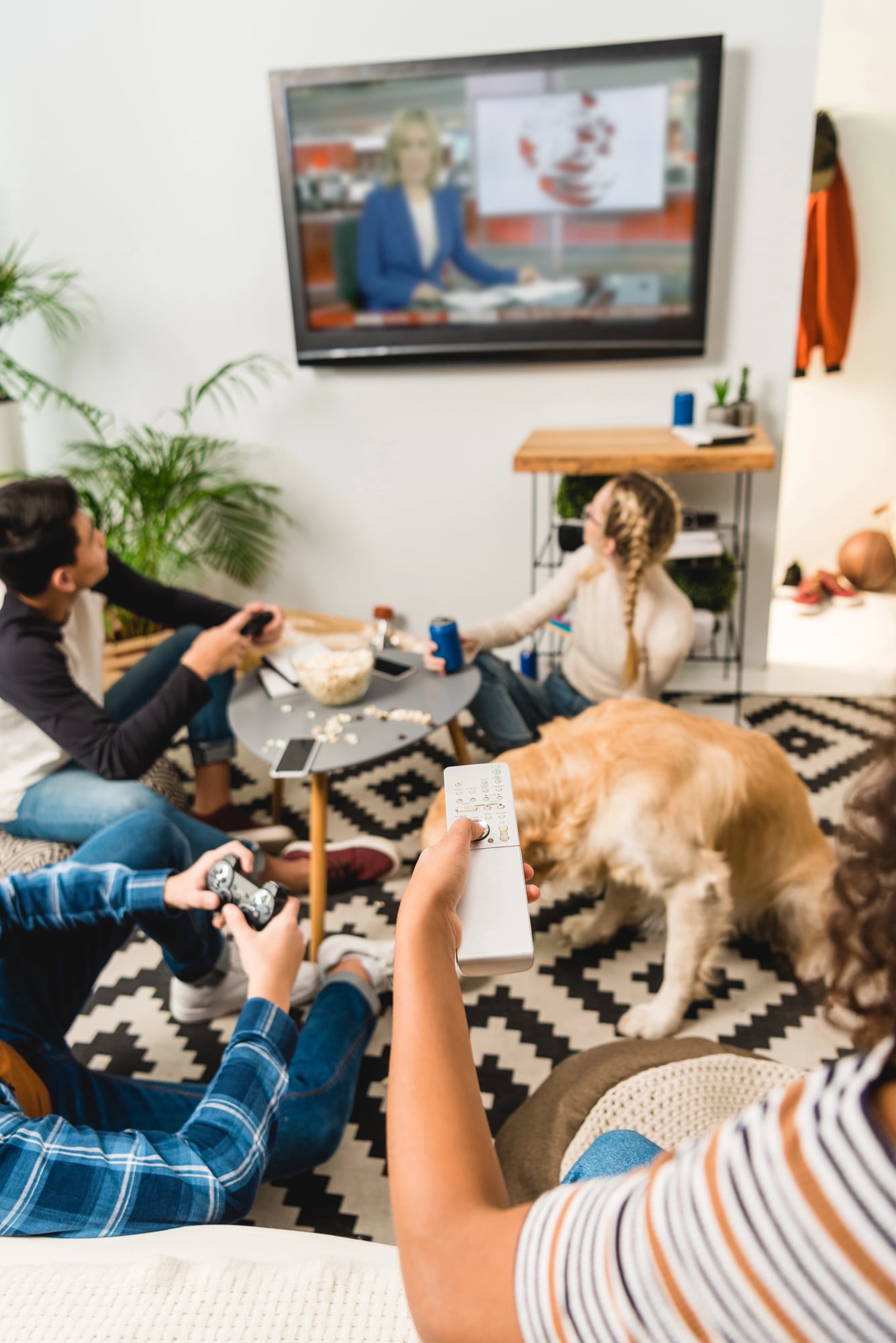
The cathode-ray television, when turned off, made a sound that was partly mechanical and partly the last emission of a picture that had been there a moment ago. A small, high pop, and then the static hiss that faded out over a second or two.
Analog television turning off was a full-stop that digital screens don’t provide. It sounded like something ending.
Saturday Morning Cartoons’ Opening Theme Songs
They ran at the start of each show, compressed and bright, doing the job of signaling that whatever came before was over and the thing you wanted was starting. The specific melody depended on the era and the show, but the function was identical across all of them: attention, anticipation, readiness.
The VCR Rewinding
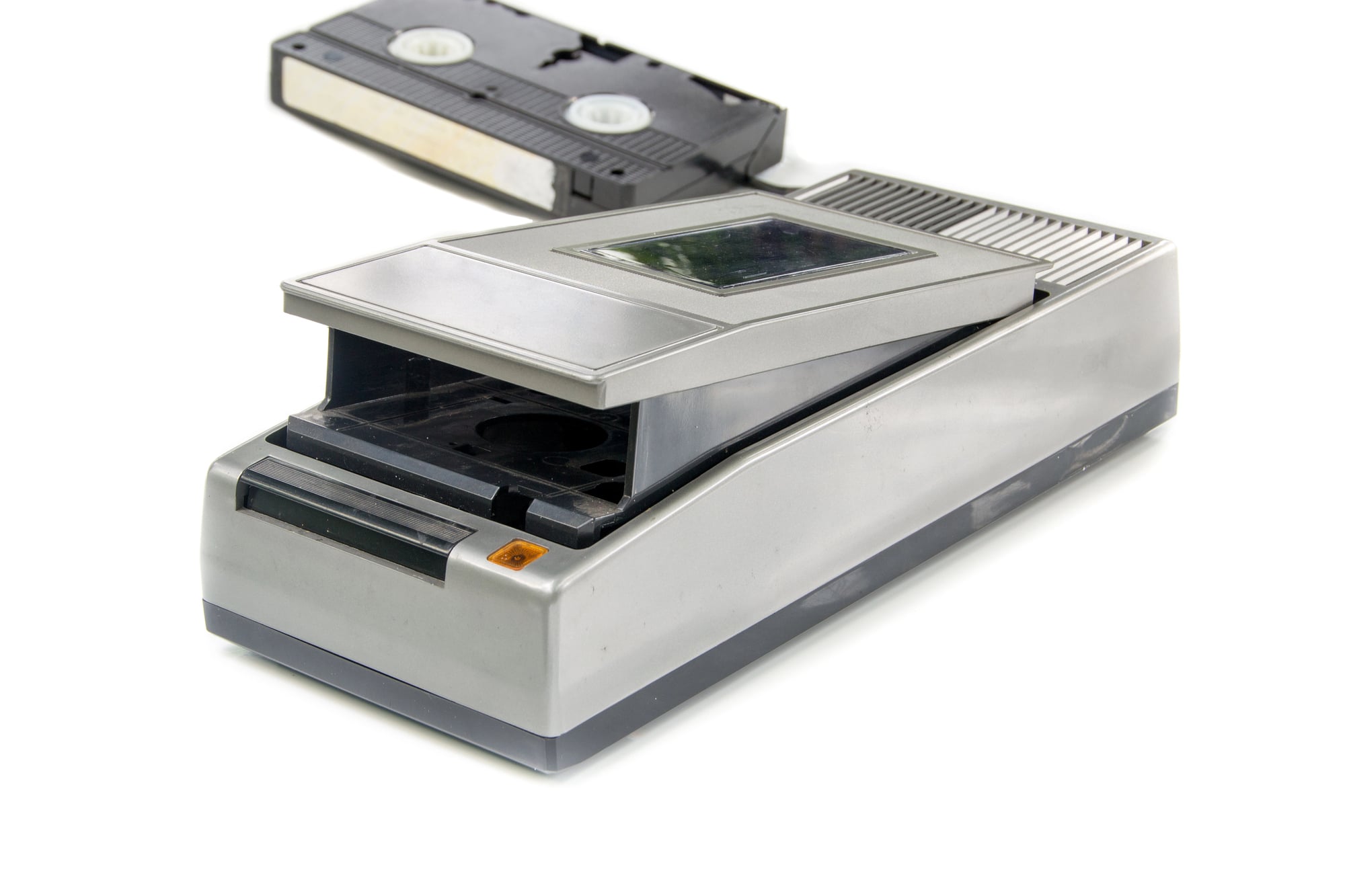
A sustained mechanical whirring that meant someone was thoughtful enough to rewind before you, or that you were the one doing it because the rental place required it. The pitch of the whirring changed as the tape completed, descending toward the click of the end.
“Be kind, rewind” was a genuine social contract with a physical sound attached to it.
A Rotary Phone Dialing
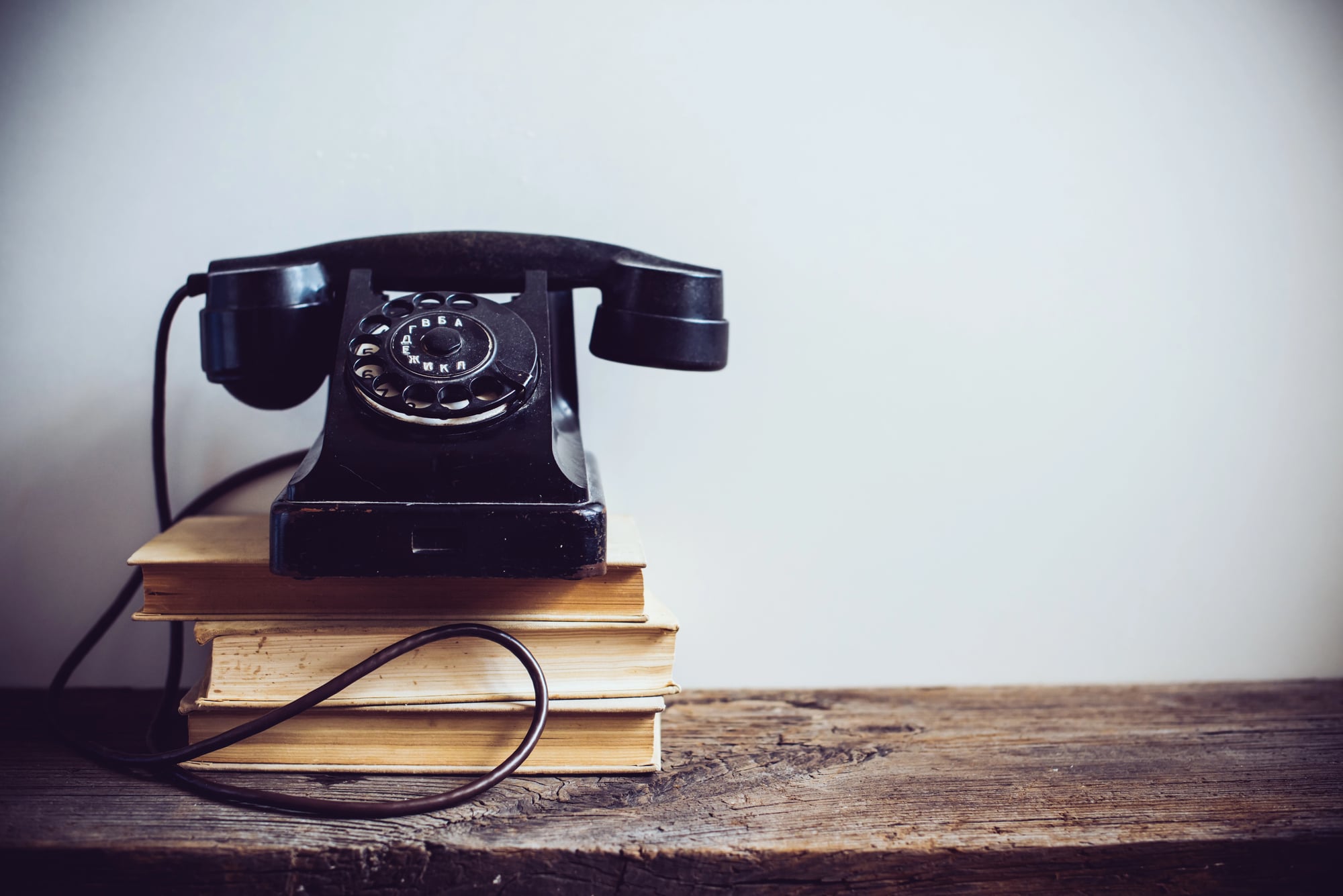
The mechanical resistance of the dial, the clicking of each number as the finger hole rotated back, the wait while the last digit completed its full arc before you could start the next one. Dialing a number with several nines in it took genuine patience.
Nobody who grew up with a rotary phone was surprised to learn that faster options became popular.
Nintendo Cartridge Being Blown Into
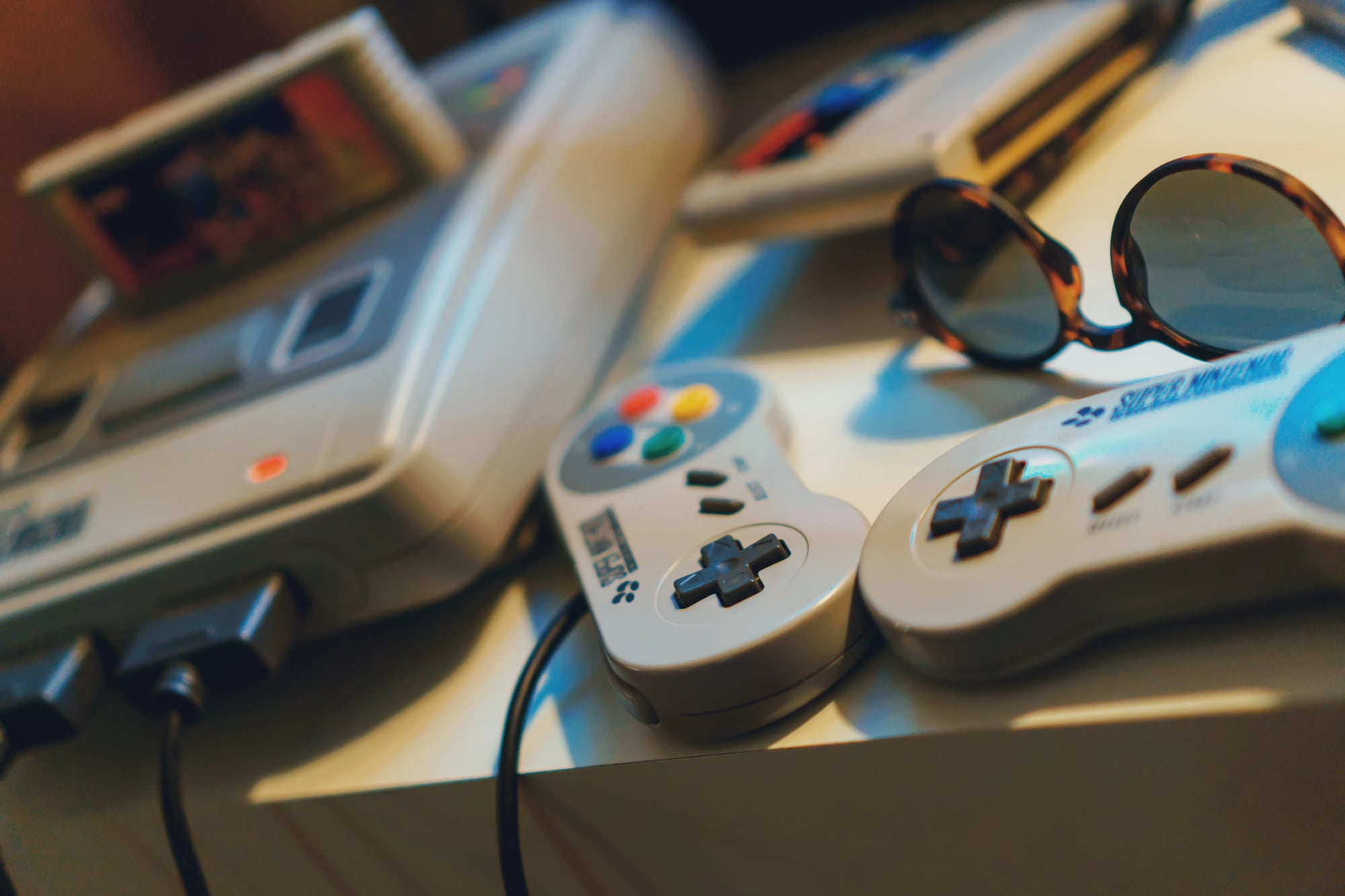
The logic of it was probably wrong — the breath introducing moisture wasn’t the solution the engineers would have recommended — but every child who played the original Nintendo system did it, and the sound of the breath and the reinsertion and the tentative power-on was a ritual so universal it felt like an instruction that came with the machine.
The School Bell
Not the electronic tone, but the mechanical bell in older schools, the one that rang with the authority of something physical rather than something programmed. It meant that everything currently happening was over and something else was beginning.
In certain buildings, you could feel the vibration of it if you were standing near the ceiling mechanism.
Film Projector Starting Up
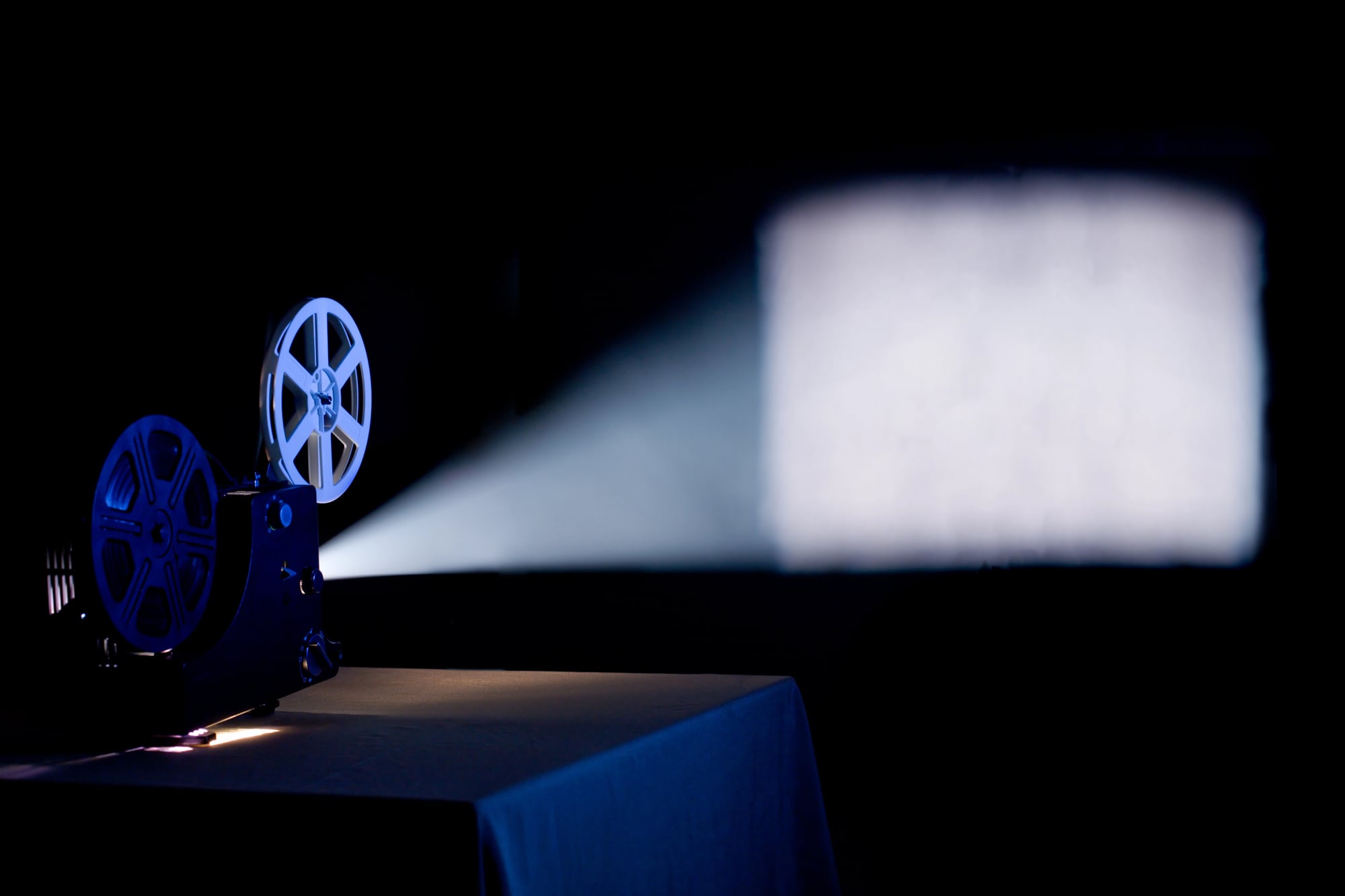
The clatter of the sprockets engaging, the mechanical hum, the brightening of the beam through dust. A film projector being started in a darkened classroom meant the lesson had given way to something else — a documentary, a safety video, occasionally an actual film — and the sound of it warming up produced a change in the room’s atmosphere that no announcement could replicate.
A Cassette Tape Being Fast-Forwarded
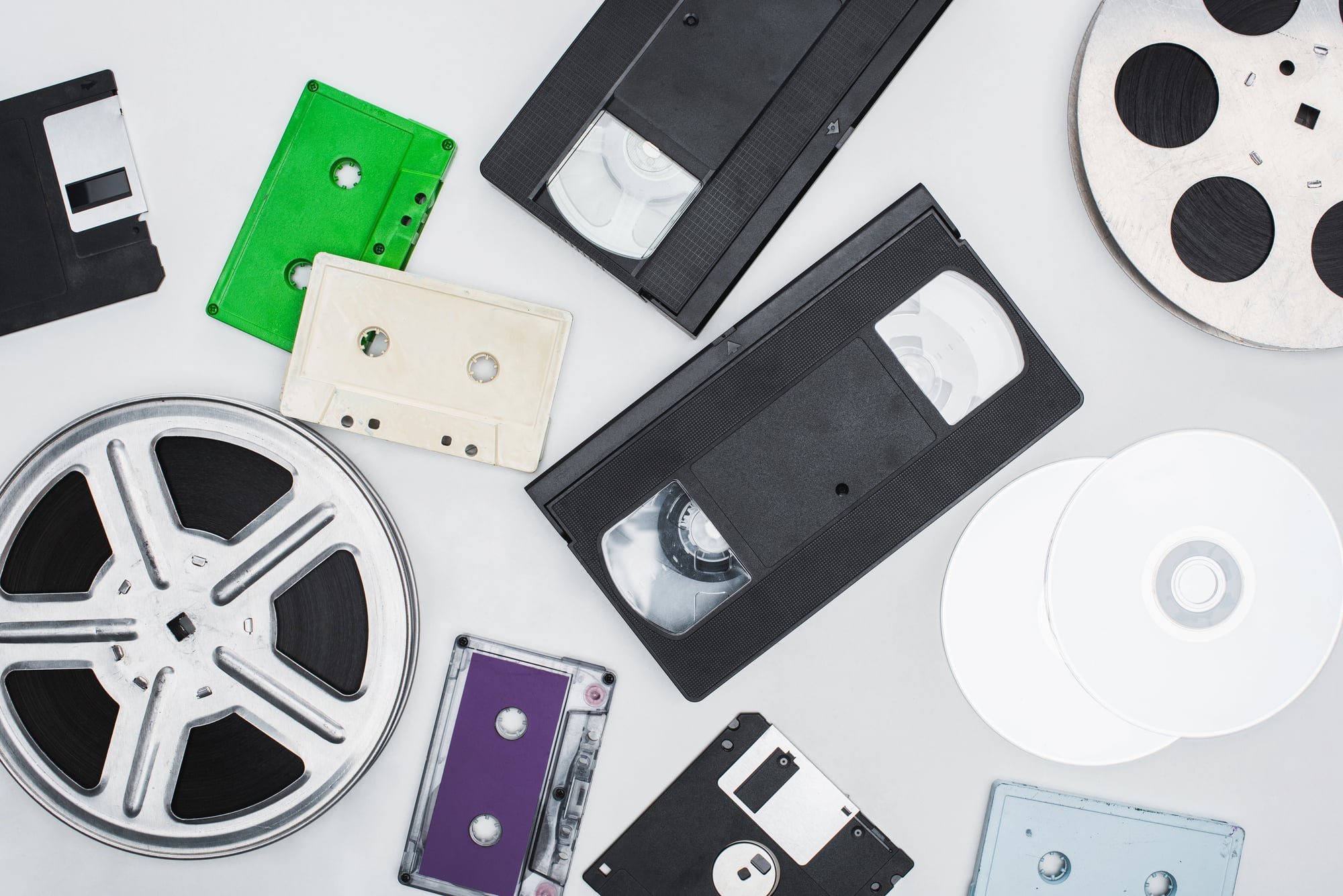
The flutter of the tape against the heads in fast-forward mode, slightly higher pitched than rewind, and the guesswork of knowing when to stop without counters that actually told you where you were. You overshot.
You rewound slightly. You listened for a second to check. It was imprecise in a way that made finding the right part of any tape a minor achievement.
The Snap of a Polaroid Camera
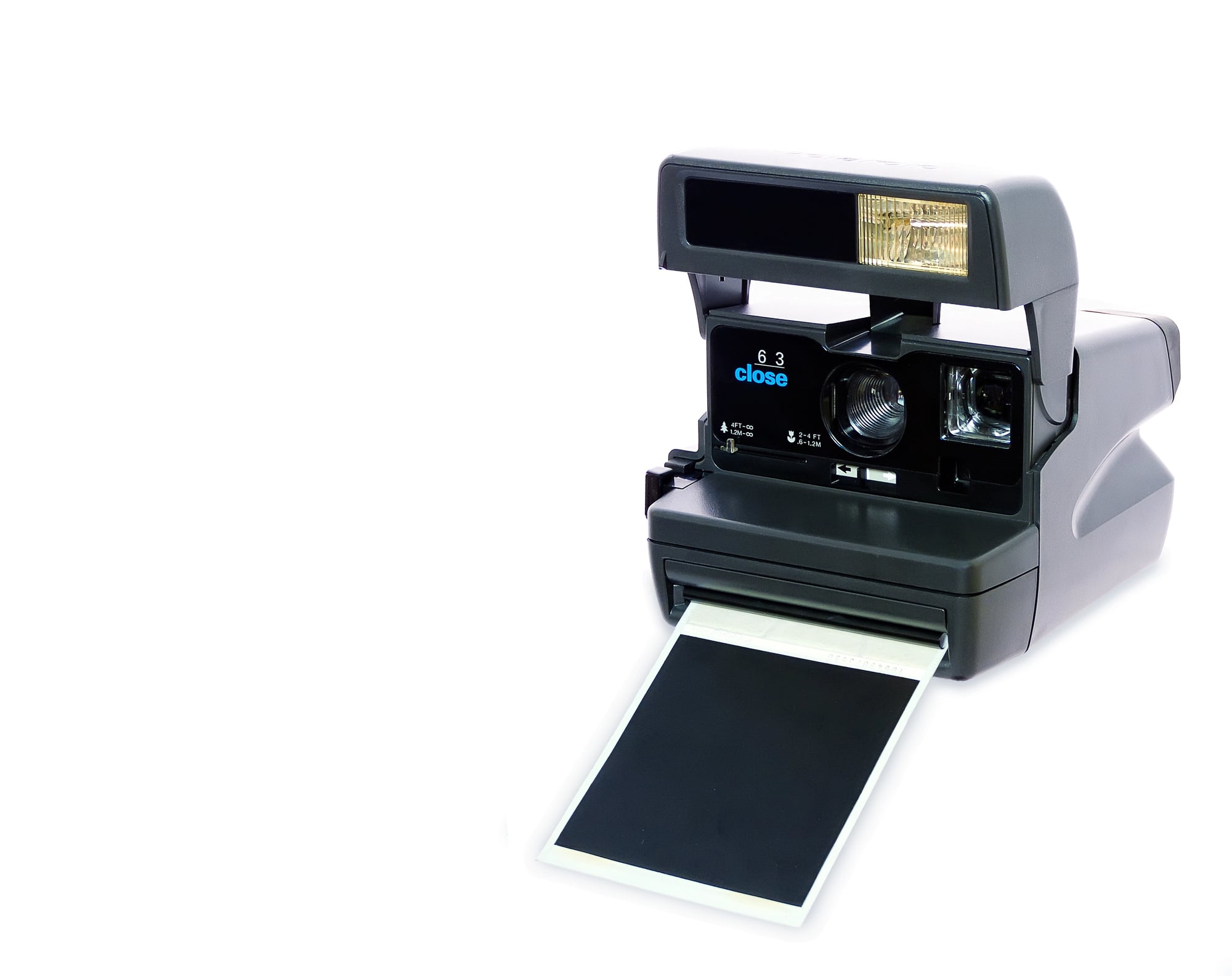
The click of the shutter, the mechanical whir of the ejection mechanism, and then the photograph sliding out into your hand — white, blank, beginning its slow emergence. Shaking it was technically ineffective and everyone did it anyway.
The Polaroid sound was the sound of something being captured and made permanent.
Sneakers Squeaking on a Gym Floor

The gymnasium’s particular smell and the sound of rubber soles against sealed wood flooring. Every school gym had it.
The sound changed depending on how many people were moving, what direction they were moving in, whether it had recently been buffed. During dodgeball, the squeaking was continuous and cacophonous.
During the few moments between activities, a single squeak crossed the room in total clarity.
A Parent’s Car in the Driveway

The specific sound of the car you’d been waiting for — the particular engine note, the crunch of gravel or the scrape of an uneven driveway, the way the sound changed when the engine was cut. When that particular car arrived, you knew before anyone appeared at the door.
The sound was a parent made audible.
The Lunch Tray Being Set Down
Hard plastic on a laminate cafeteria table, surrounded by the noise of two hundred other people doing the same thing. The lunch tray had its own sonic register — a particular impact that meant the meal had been collected and the next twenty minutes were yours to navigate the specific social geography of who sat where.
Velcro Being Torn Open
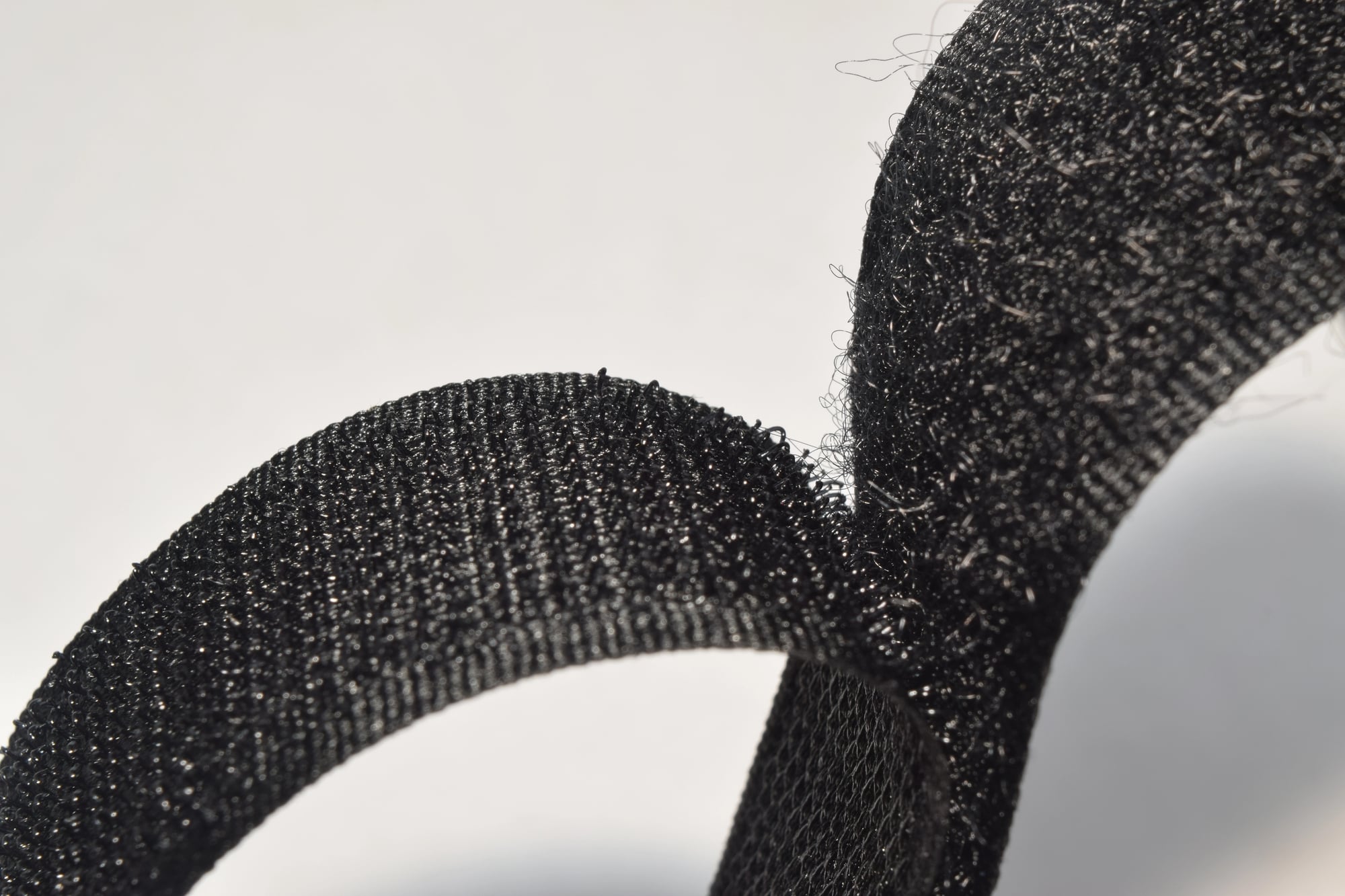
The Trapper Keeper made this sound every time it was opened or closed. Velcro shoes made it when you put them on.
By the late 1990s, Velcro had colonized enough children’s products that the sound was a constant of elementary school, and the specific sound of it coming from your own desk announced that you were about to do something.
A Lawn Mower Starting Up on a Saturday Morning

The first lawn mower of Saturday morning was the neighborhood’s way of announcing that the weekend had officially begun and adults were doing adult things, which meant children could do the opposite.
The Slide Carousel Clicking
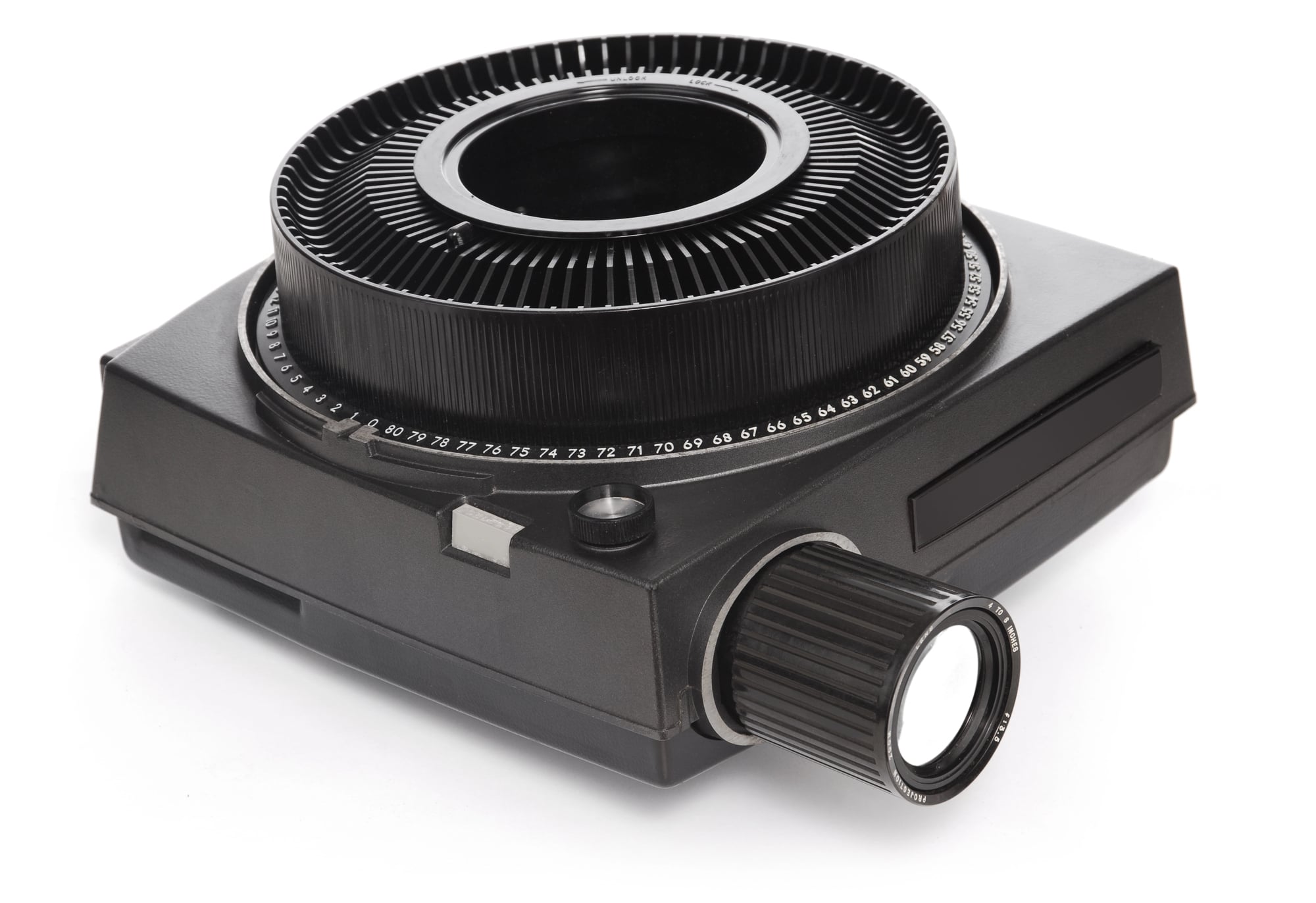
If a parent or teacher used a slide projector, each click of the carousel advancing was a beat in the presentation. The clunk of the next slide dropping into place, the brief darkness, then the next image illuminated.
Slide projectors have almost entirely vanished from daily life, but anyone who sat through a family vacation recap on a carousel projector can still hear the sequence perfectly.
Wind-Up Alarm Clocks Ticking
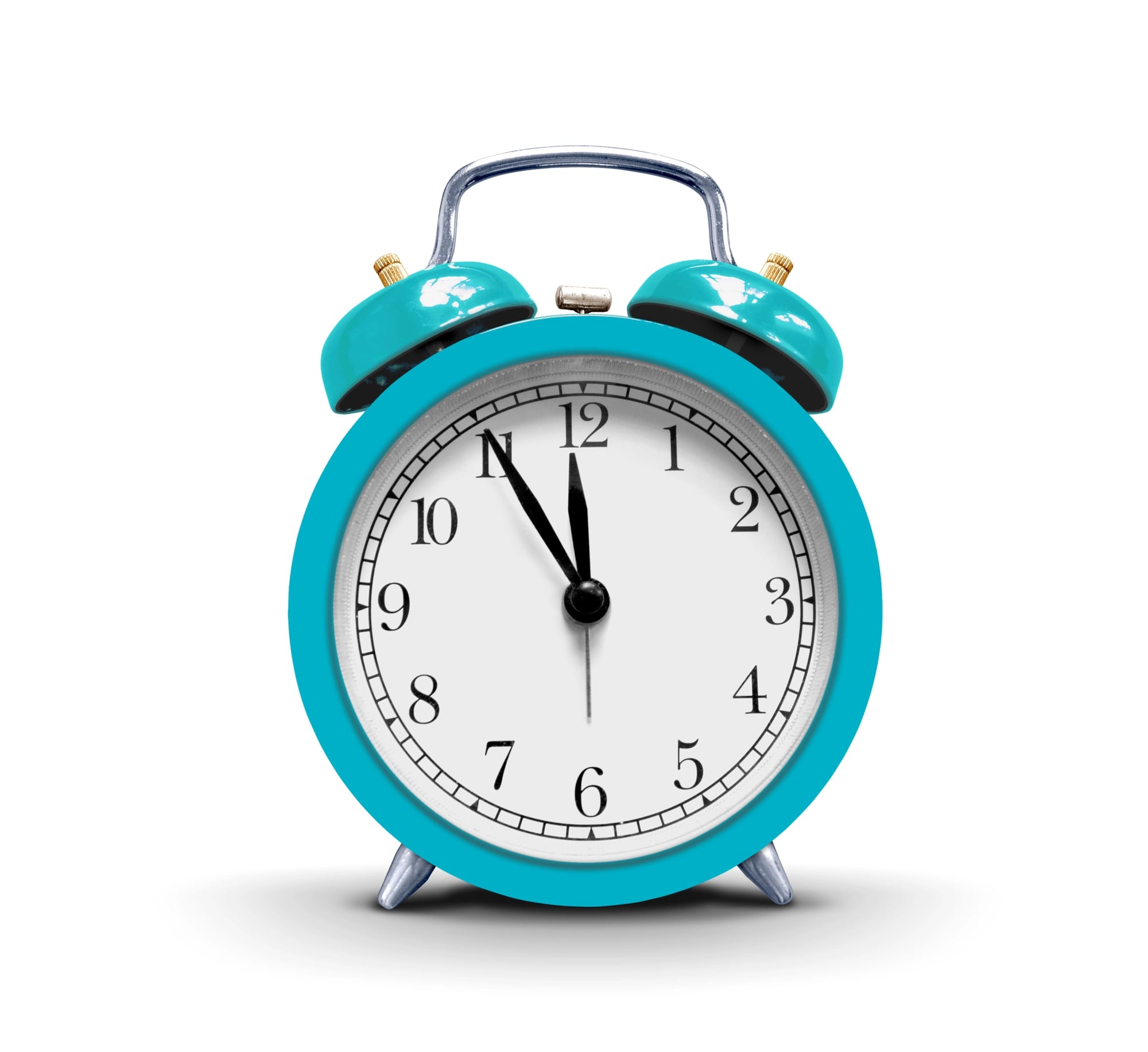
The mechanical wind-up alarm clock ticked with a rhythm that was audible across a quiet room. At night it was especially present — a metronomic presence on the bedside table that became the sound of lying awake waiting for sleep.
When it went off in the morning, it was not a beep but a genuine alarm: two bells on top of the clock, struck alternately, the loudest thing in the room.
The Sound of a Skipping Record
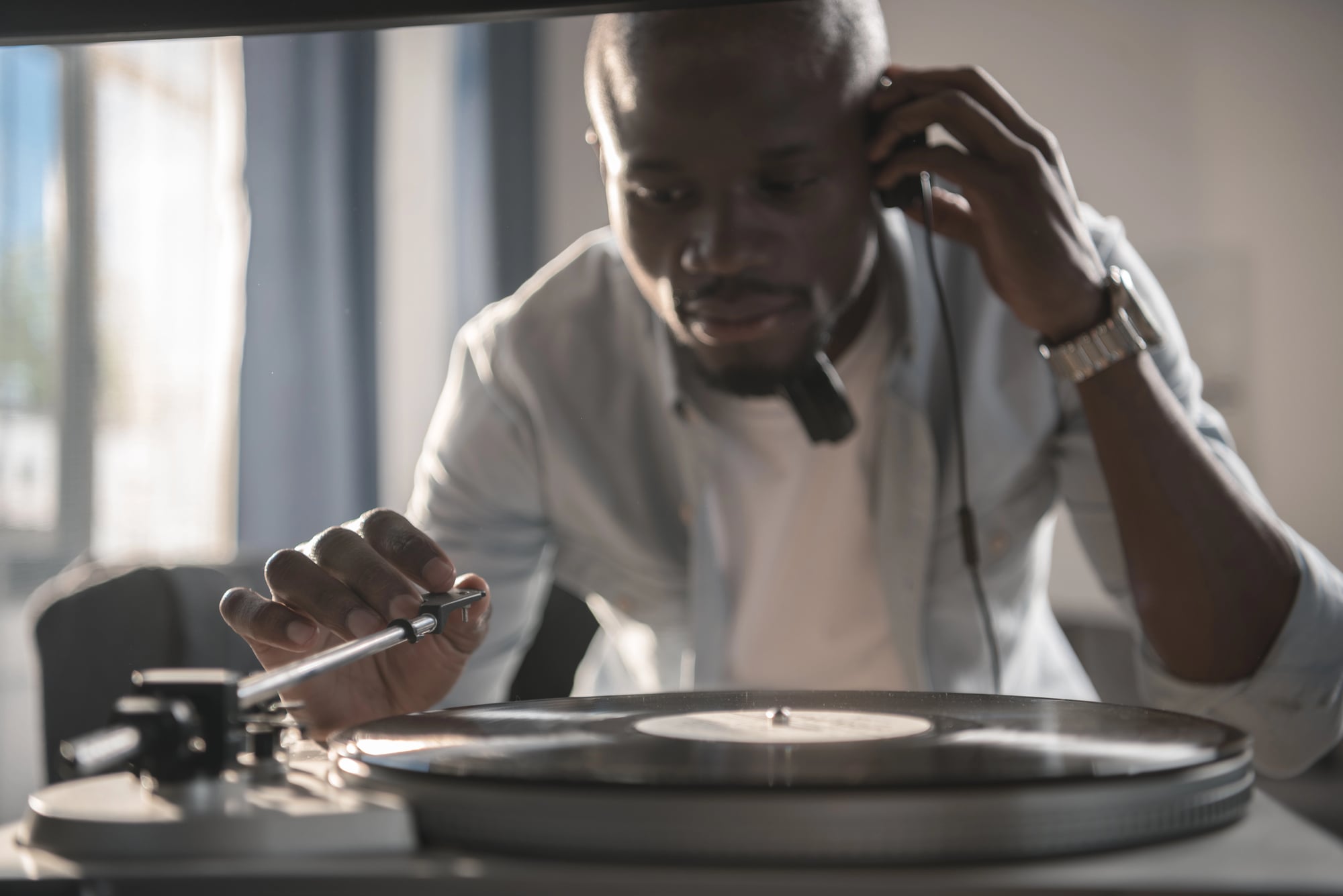
Vinyl records skip when scratched or damaged, repeating the same fraction of a second in a loop until someone lifts the needle. Most children discovered this on a parent’s record or on something played at school.
The locked groove made a sound that was simultaneously musical and mechanical, the song trapped in a small circle of its own groove.
The Answering Machine Picking Up
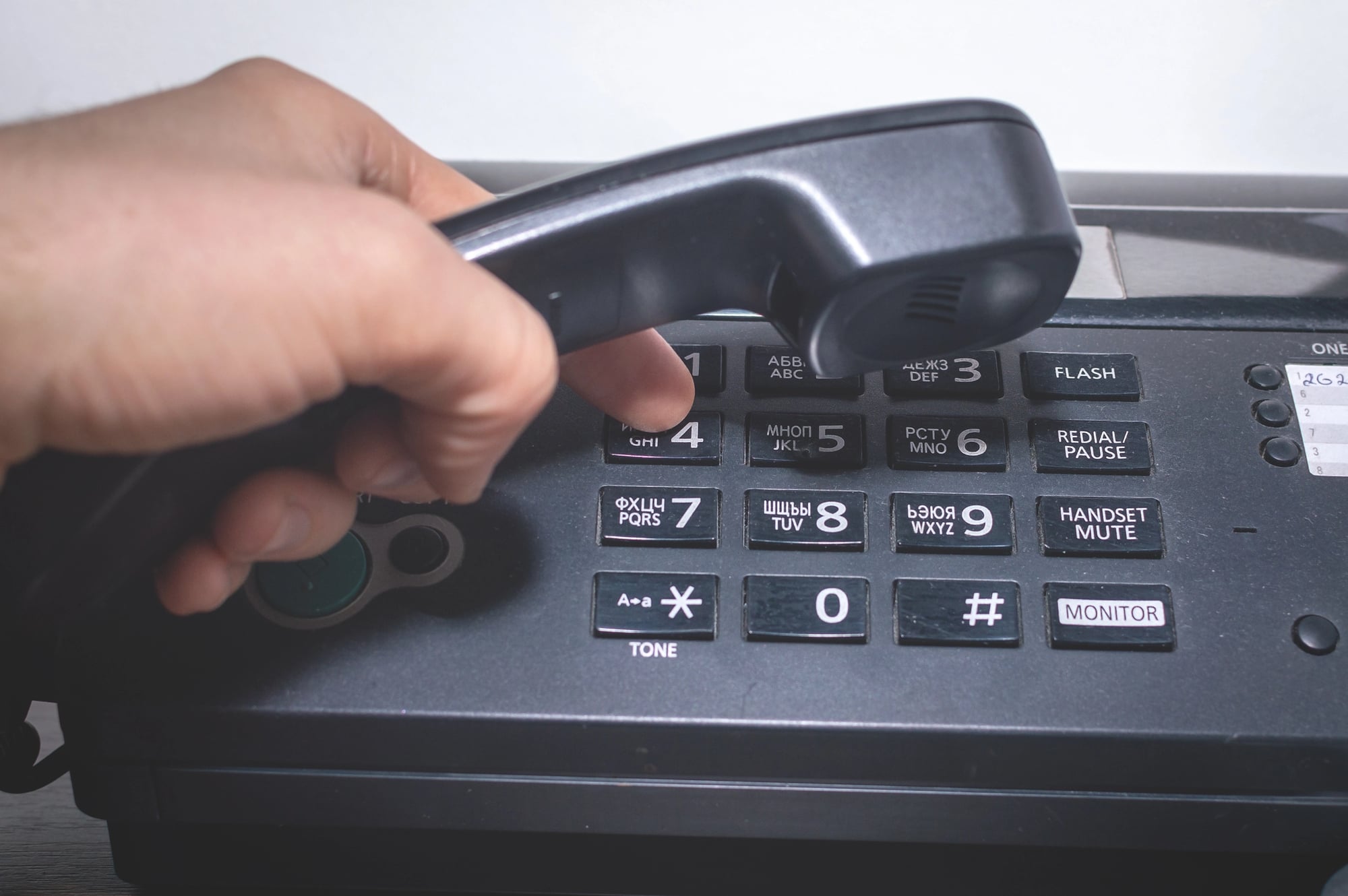
The click of the answering machine engaging, the outgoing message in a voice you’d heard hundreds of times, then the beep and the wait to see whether whoever was calling would speak or hang up. After the beep, before the voice or the click, there was a moment that was entirely suspended — neither message nor silence.
Some people left messages. Others hung up in that moment, which was its own kind of information.
A Sprinkler Running on a Summer Day

The specific rhythm of a rotary sprinkler — the burst, the pause, the burst again — and the way it changed when you ran through it. In suburbs where summers were hot enough, the sound of a neighbor’s sprinkler from the sidewalk was an invitation and a relief simultaneously.
The Crack of a Ball on a Wooden Bat
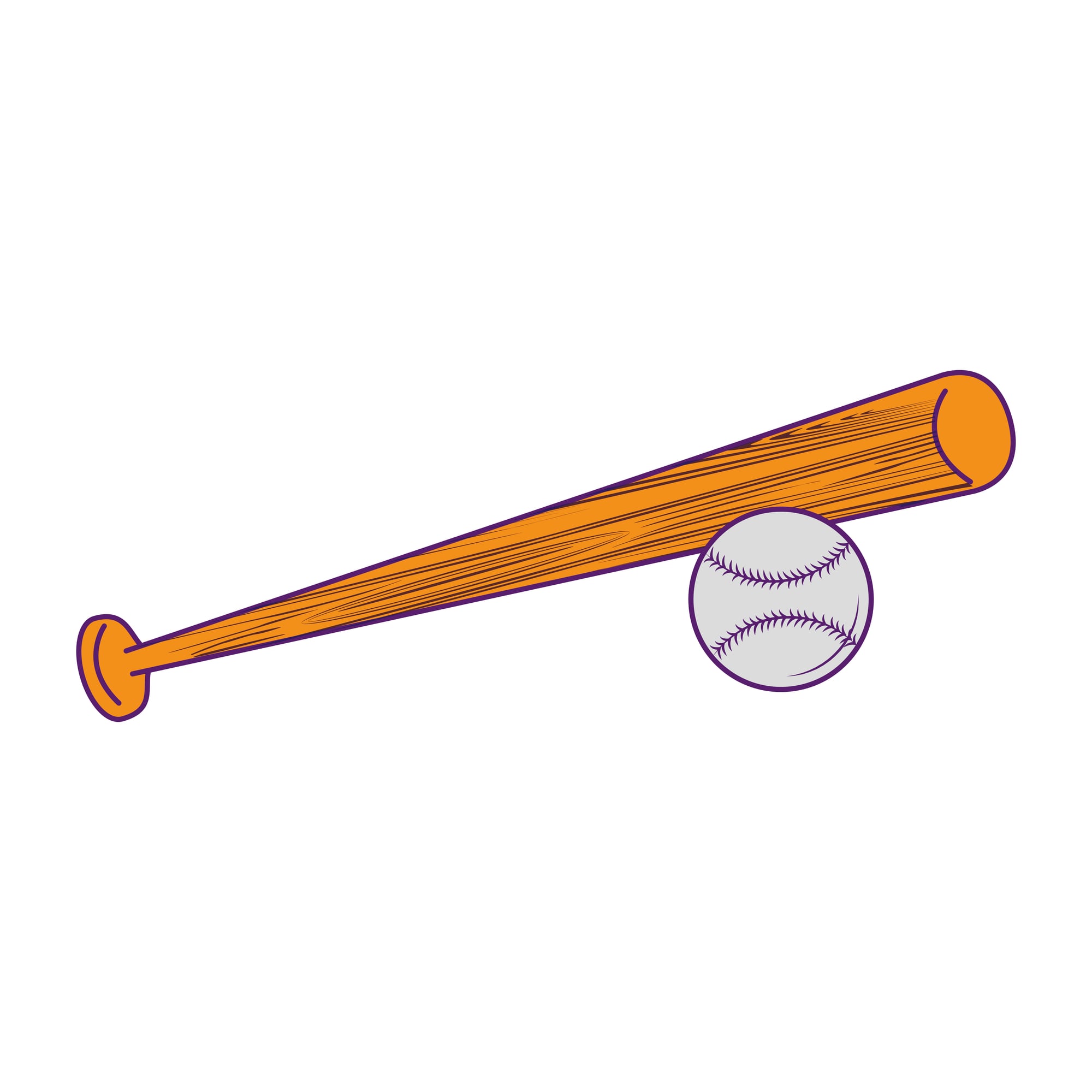
Street cricket or backyard baseball, depending on where you grew up, produced the sound of a wooden bat making contact with a ball and sending it somewhere — the neighbor’s yard, the fence, the gap between two parked cars that was technically the boundary. That sound was immediate and satisfying in a way that aluminum bats approximate but don’t replicate.
An Encyclopedia’s Pages

Reference books had their own sound — the weight of them when opened, the particular paper that felt slightly different from notebook paper, the way pages turned with a friction that loose-leaf paper didn’t have. Looking something up in an encyclopedia before computers was an investment of attention and physical effort, and the sound of its pages was part of the transaction.
The Sound Before a Storm

A specific hush, then the change in air pressure, then the first drops on pavement or leaves or a window. A storm arriving in childhood had qualities it no longer has: it could stop a game, end a day, make the inside of a house feel genuinely sheltered.
The few seconds between the first low thunder and the first real rain were a sound sequence that had no equivalent.
A Popcorn Maker Running
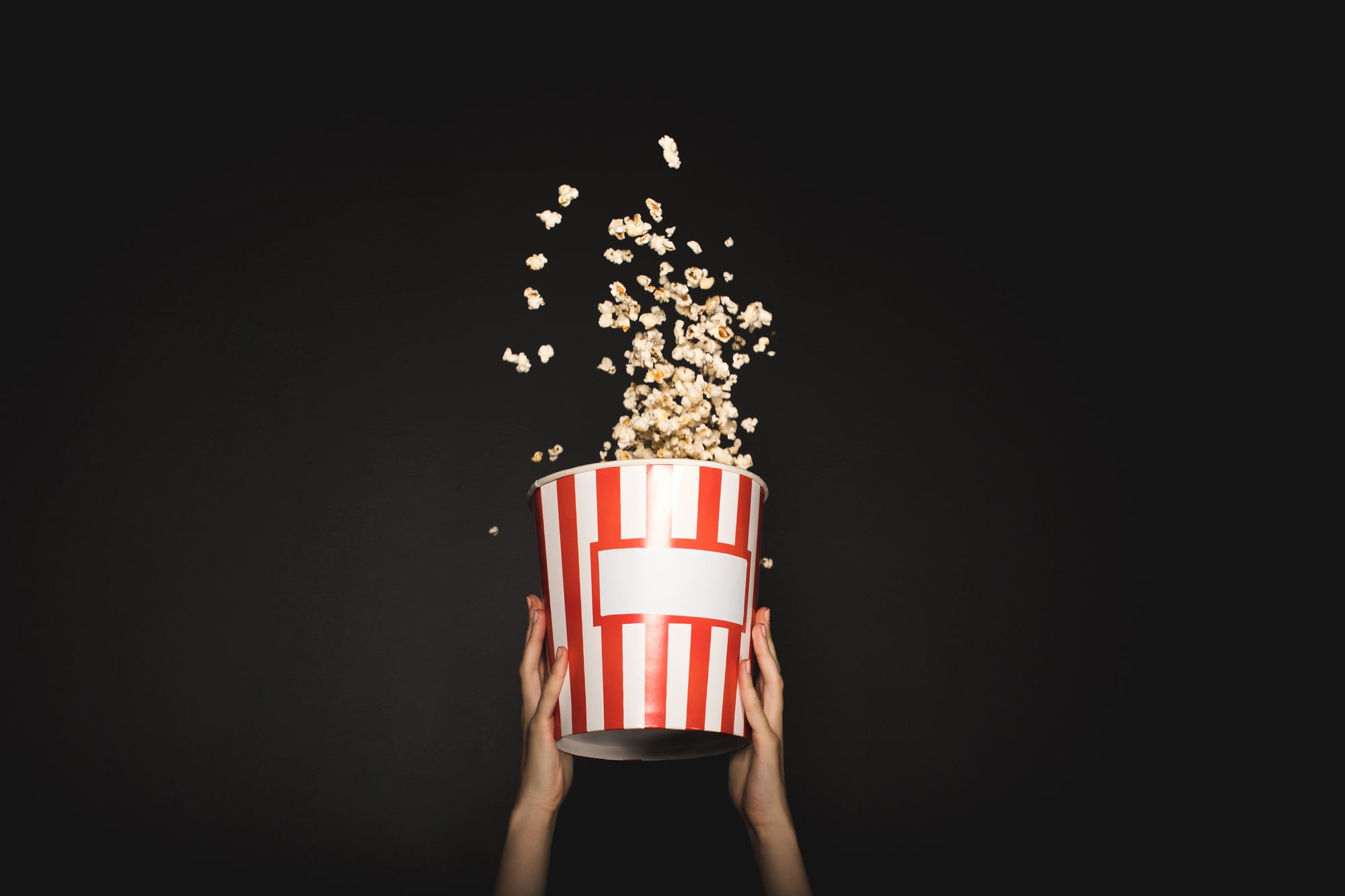
The tabletop air-popcorn maker or the pot-on-the-stove method: the soft initial pops, then the quickening, then the full rattle of continuous popping that meant it was almost time. This sound preceded a movie watched on television or a rental put in the VCR, and its arrival in the kitchen was the audio announcement that whatever was happening next was going to require sitting still for a while.
Roller Skate Wheels on Concrete
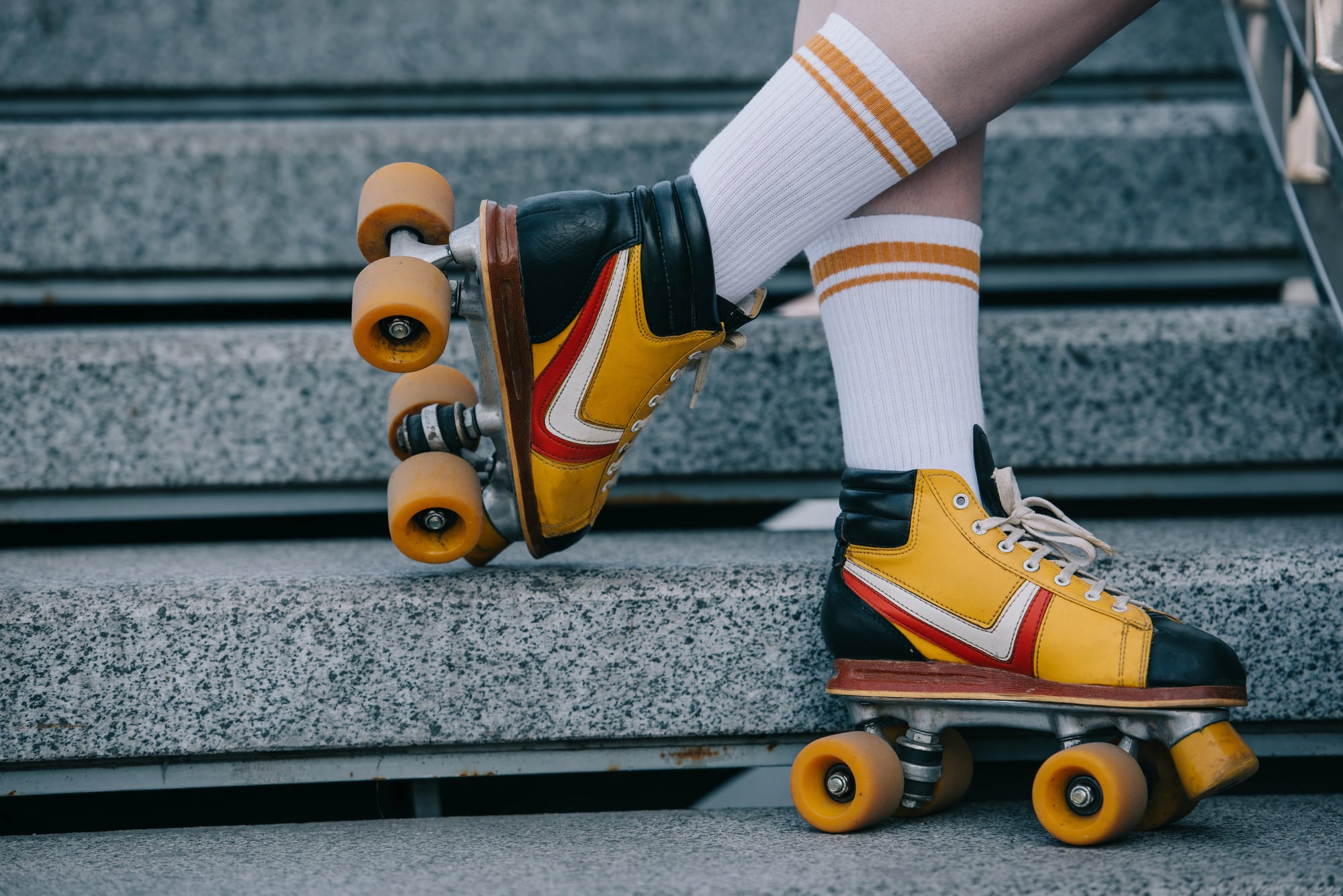
The particular rattle of polyurethane wheels on an uneven sidewalk or driveway — not the smooth hum of an indoor rink but the bump-and-roll of outdoor skating, which was more chaotic and more satisfying and frequently faster than it was safe to be.
The Sound of a Screen Door
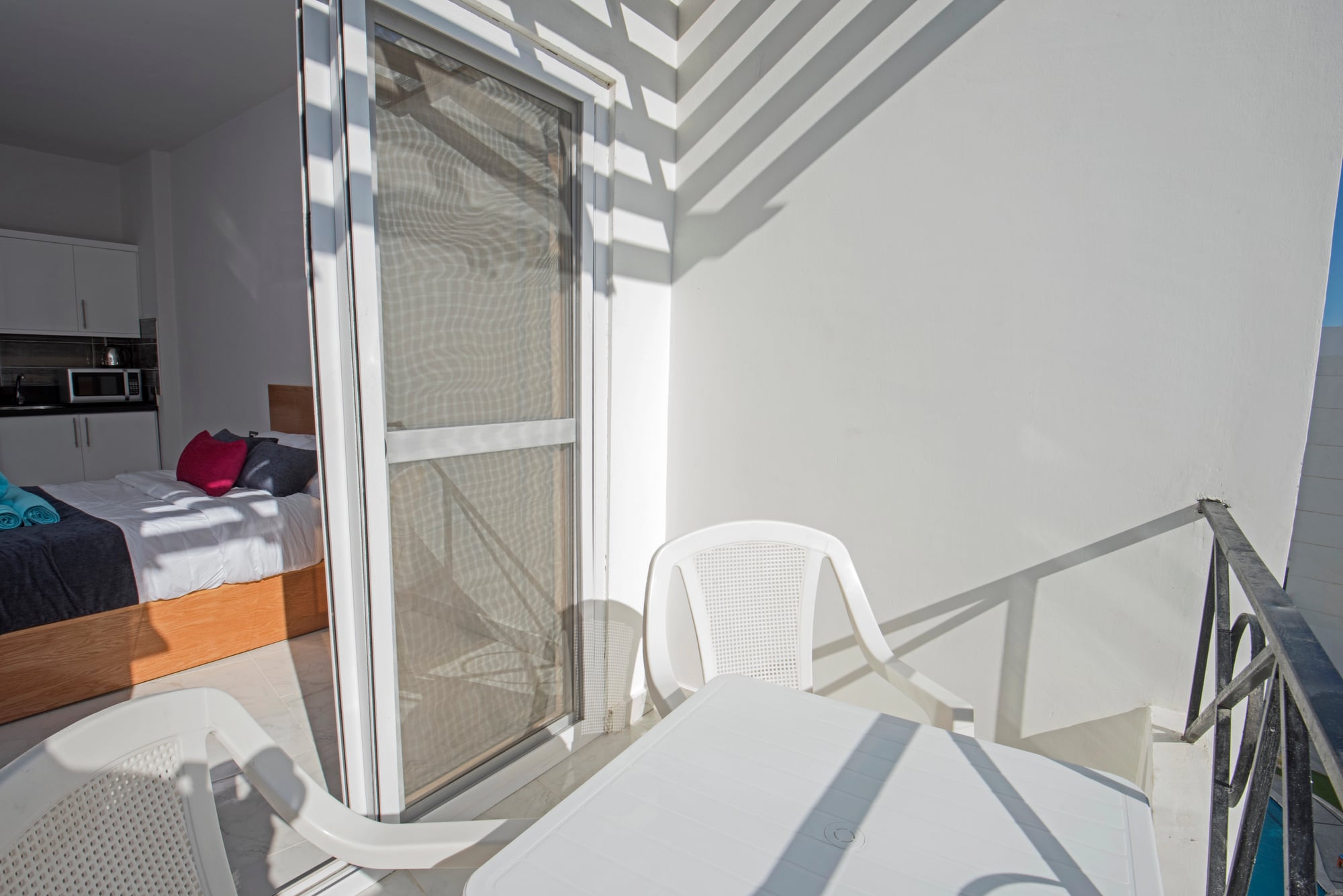
The spring tension of a screen door pulling it closed, the bang of it shutting, and the secondary rattle of the frame settling. Every house with a screen door closed it the same way, and the sound meant someone had just left or just arrived.
In summer, when the screen door was the door in constant use, you heard it forty times a day and it was the sound of a house that was lived in.
A Typewriter in Use
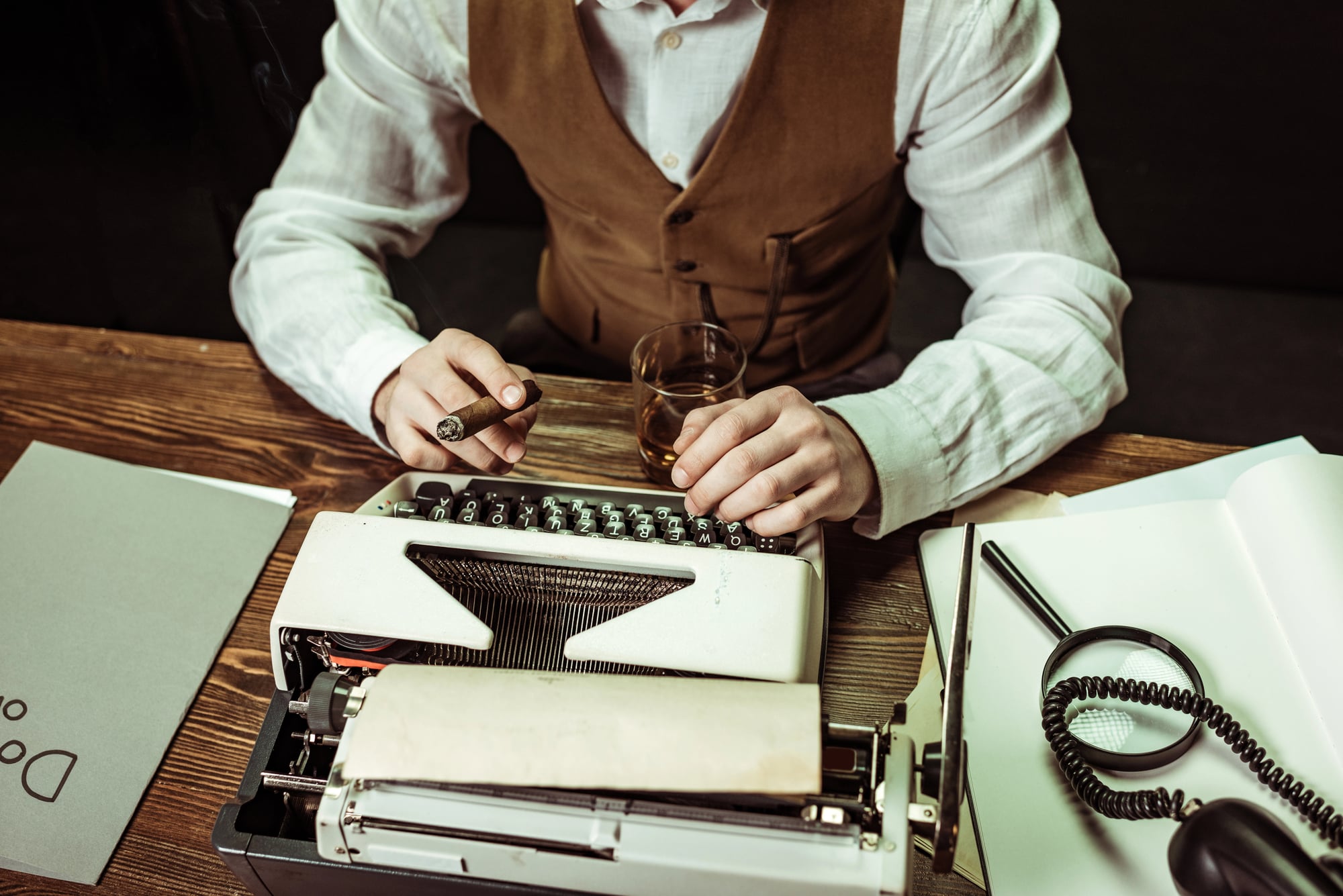
If a parent typed — at a desk, in a home office, late at night — the sound carried through the house. The clatter of mechanical keys, the ding of the bell at the end of a line, the thwack of the carriage return lever, then the brief silence before the next line began.
It sounded like concentration, like something important being made, like adult work happening at a distance.
The Sound of Returning Home

Not a single sound but a combination: the unlock of the front door, the particular creak of the hinges, the acoustics of your specific entry hall, and whatever ambient noise the house contained — television, kitchen, a parent calling from somewhere inside. This combination was so specific to one place that encountering any part of it now — a door hinge with the same creak, a floor with the same give — doesn’t so much remind you of home as briefly make you believe you’re there.
More from Go2Tutors!

- The Romanov Crown Jewels and Their Tragic Fate
- 13 Historical Mysteries That Science Still Can’t Solve
- Famous Hoaxes That Fooled the World for Years
- 15 Child Stars with Tragic Adult Lives
- 16 Famous Jewelry Pieces in History
Like Go2Tutors’s content? Follow us on MSN.