30 Kitchen Items From Grandma’s House Worth Keeping
Most of what sat in an old kitchen cabinet was made to be used, not saved. That is exactly why so much of it is worth money now: the pieces that survived decades of daily service were built from materials and by companies that stopped making anything like them years ago.
Before donating a box of mismatched kitchenware, it pays to check what is actually in it.
Pyrex Butterprint Mixing Bowls
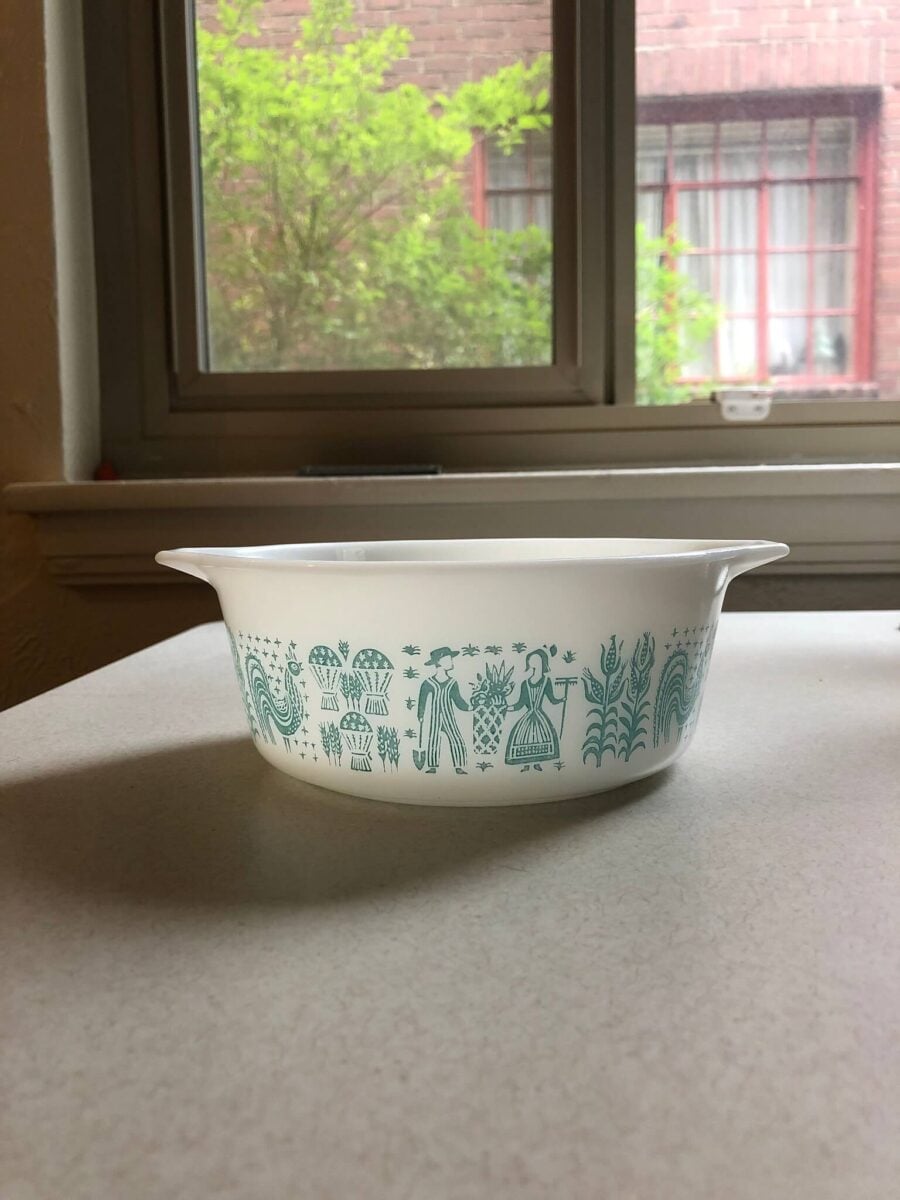
Corning’s Pyrex division ran the Butterprint pattern, a stylized Amish couple and corn motif, from 1957 into the mid-1960s in a nesting set of four bowl sizes. The turquoise-on-white colorway is the one collectors chase hardest, and a complete four-bowl set in good condition regularly brings well over $150, with rare colorways like pink or the reversed white-on-turquoise commanding multiples of that.
Chips on the rim or heavy interior staining knock the price down fast, so condition drives nearly all of the value here.
Fire-King Jadeite Mixing Bowls
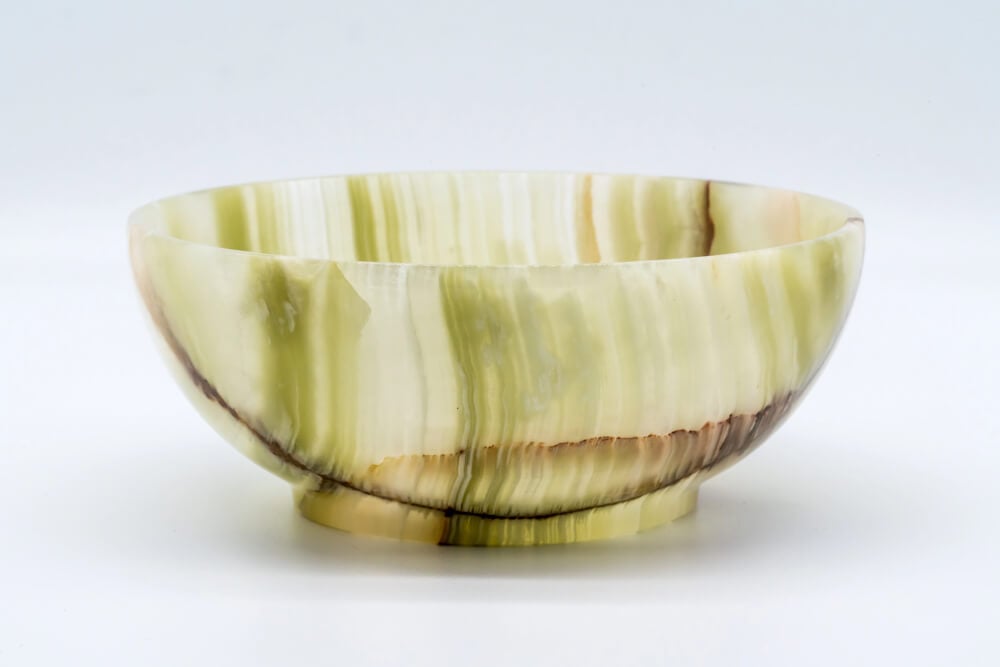
Anchor Hocking’s Fire-King line produced an opaque green milk glass called Jadeite from the 1940s through the 1970s, originally sold cheap through restaurant supply and five-and-dime stores. Martha Stewart’s public enthusiasm for the color in the 1990s sent secondary prices climbing, and a Jadeite mixing bowl in the harder-to-find Jane Ray ribbed pattern can sell for $40 to $100 depending on size.
Reproduction Jadeite has been made since the early 2000s, so a magnifying glass check for the original mold marks on the base is worth doing before assuming a piece is old stock.
Griswold Cast Iron Skillets
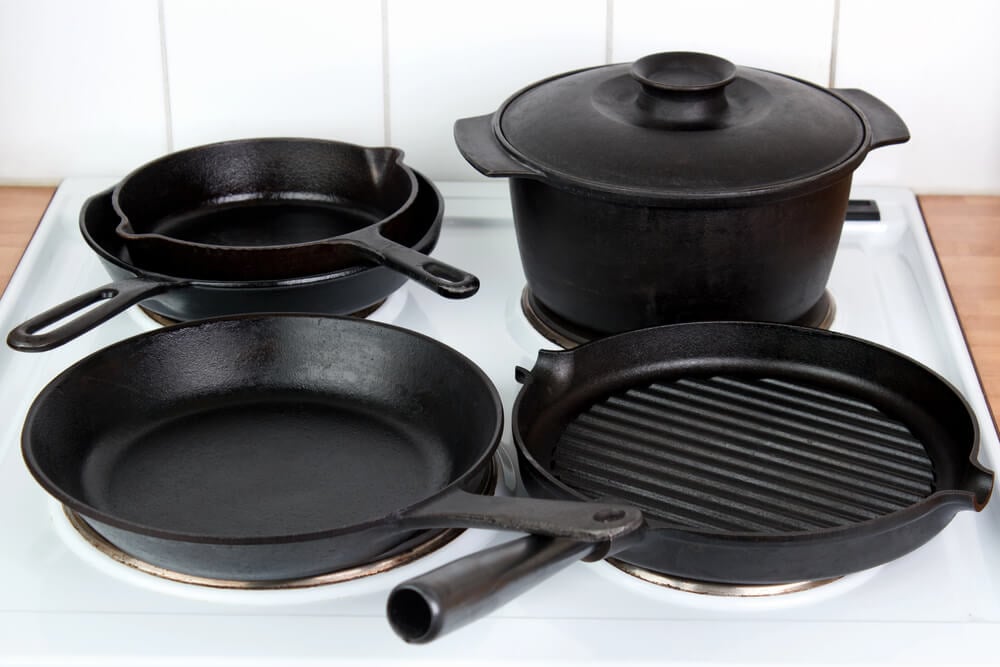
Griswold Manufacturing of Erie, Pennsylvania made cast iron cookware from the 1860s until 1957, and the company’s earlier “Erie” and slant-logo skillets are the ones serious cooks and collectors both want. A clean, unpitted Griswold skillet in a common size might bring $30 to $60, but rare sizes and the earliest logo variants have sold at auction for four figures.
The giveaway that separates a Griswold from a modern reproduction is the smooth, machined cooking surface, since Griswold ground its pans flat in a way most later cast iron makers skipped.
Fiesta Dinnerware in Original Colors
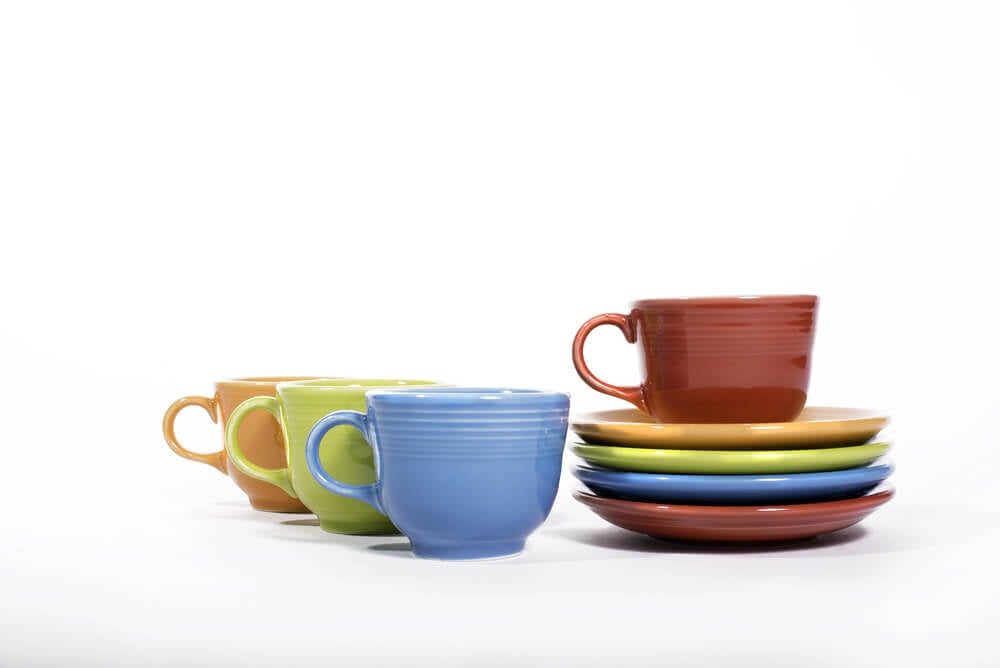
Homer Laughlin introduced Fiesta in 1936 in five original glazes, and the line’s radioactive-red glaze, made with uranium oxide until wartime restrictions halted production, is the piece nearly every dealer asks about first. A single vintage red Fiesta dinner plate can sell for $50 to $80, and rarer forms in discontinued colors like original ivory or turquoise creamers command more.
The line has been in continuous production since a 1986 relaunch, so matching the glaze color and the maker’s mark on the base to a pre-1943 color chart is the only reliable way to date a piece.
Copper Jell-O Molds
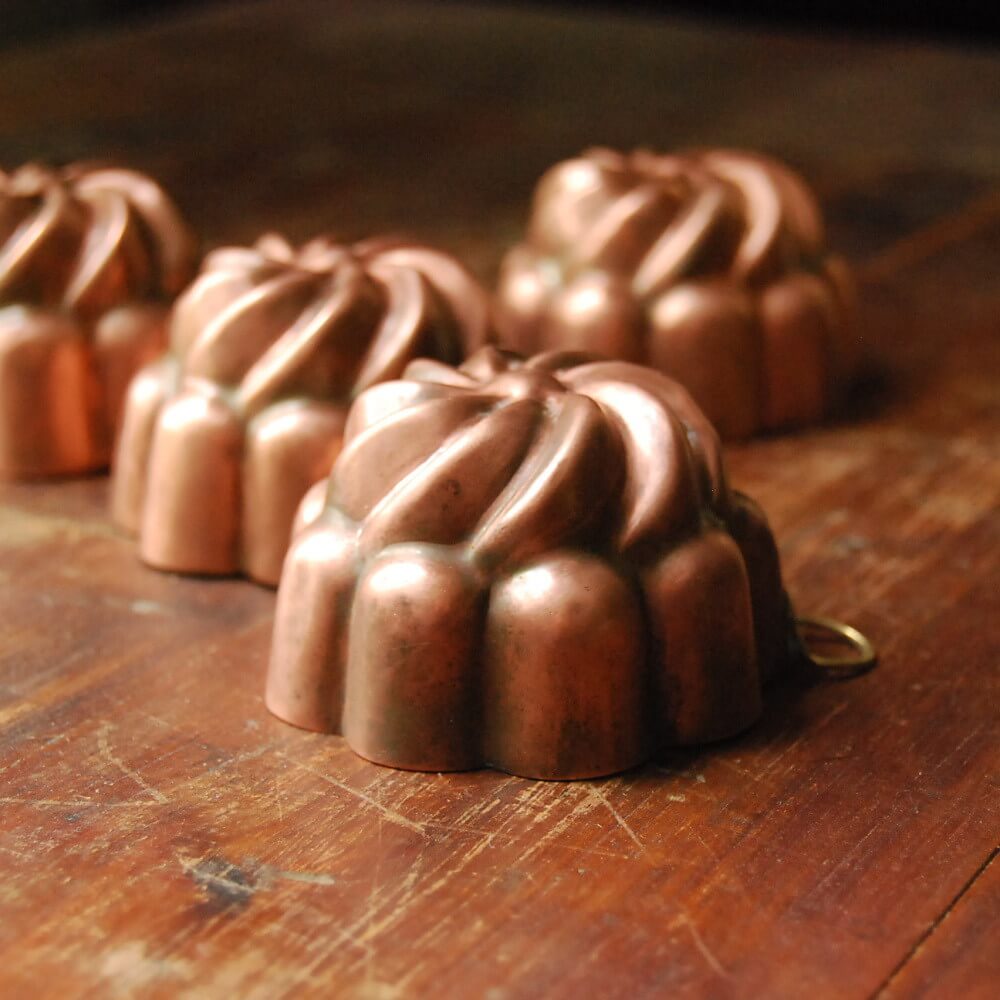
Decorative copper and tin molds shaped like fish, rabbits, or fluted rings were standard kitchen equipment from the Victorian era through the mid-20th century, first for aspics and later for gelatin desserts. Solid copper examples with a visible maker’s stamp, rather than the thinner tin-washed versions mass produced later, are what pull real money, often $40 to $150 depending on size and detail.
A dented or heavily worn tin lining inside a copper mold is normal wear and does not hurt the value much, since the exterior detail is what buyers are paying for.
Hall China Refrigerator Dishes
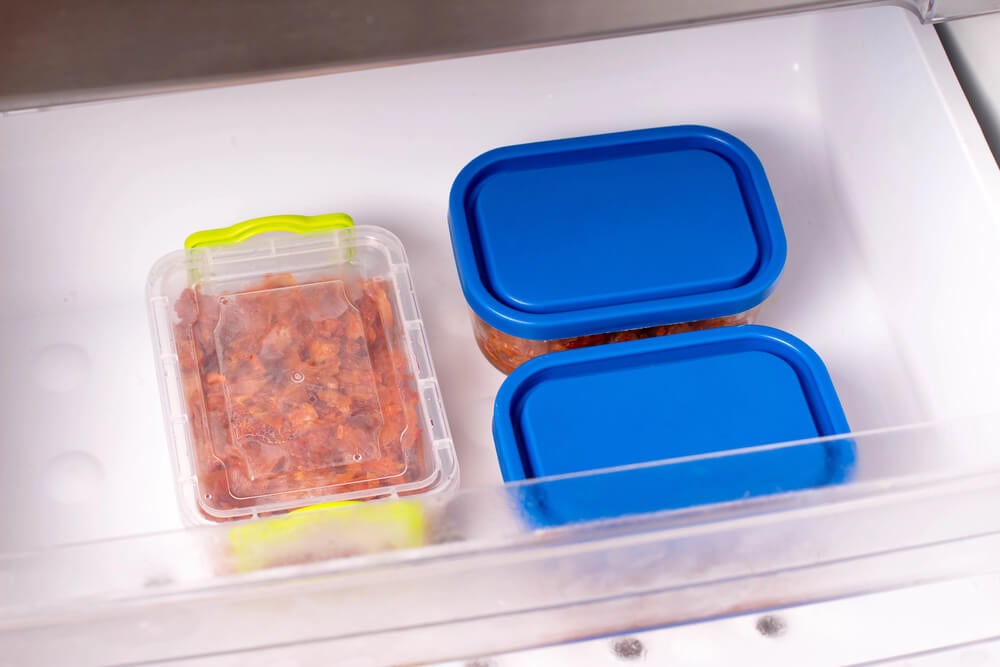
Hall China of East Liverpool, Ohio made a line of stackable refrigerator storage dishes for General Electric and Hotpoint appliance promotions launched in the 1930s, sold in colors like Chinese Red and Delphinium Blue. Complete stacking sets with their original lids are scarce because the lids chipped or went missing decades ago, so a full matched set can bring several times what a single loose piece does.
Hall’s factory backstamp on the underside is the quickest way to confirm authenticity against unmarked imitators from the same era.
Pink Depression Glass
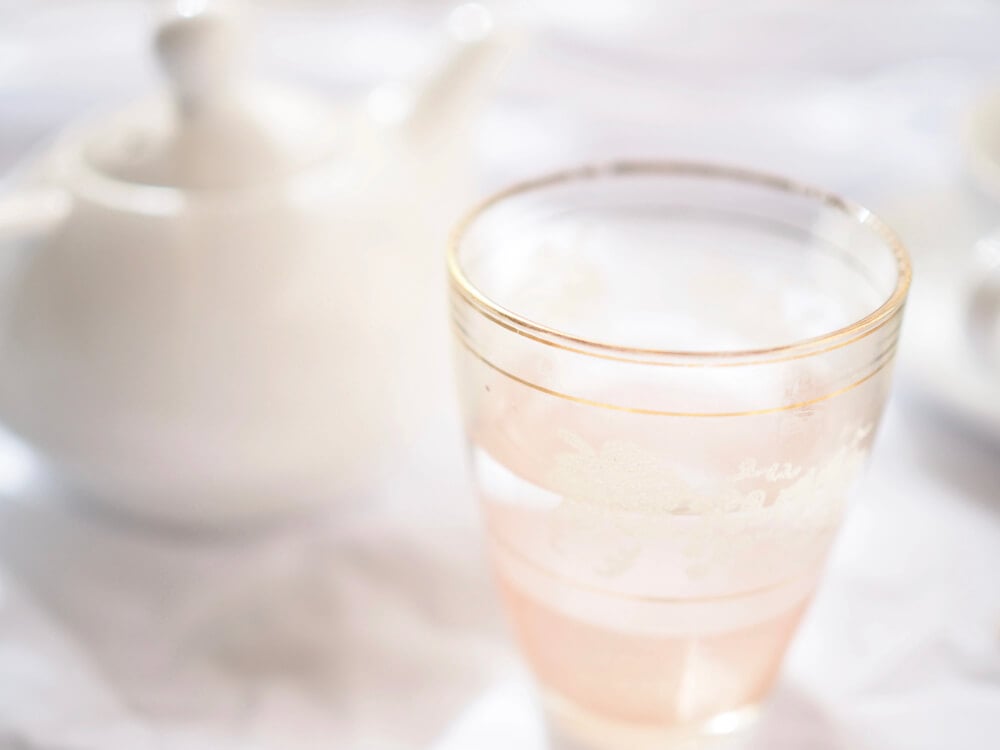
Glassmakers including Jeannette, Hocking, and Federal pressed inexpensive glassware in pastel colors through the 1920s and 1930s, some of it literally given away free inside boxes of oatmeal or at movie theaters as a promotion. Pink is the most collected color today, and patterns like Cameo and Mayfair in pink can bring $20 to $75 per piece for common forms, climbing steeply for rarer shapes like footed tumblers or covered dishes.
Reproductions from the 1970s onward exist for the most popular patterns, and a slightly different shade of pink or a heavier weight than the originals is usually the tell.
McCoy Cookie Jars
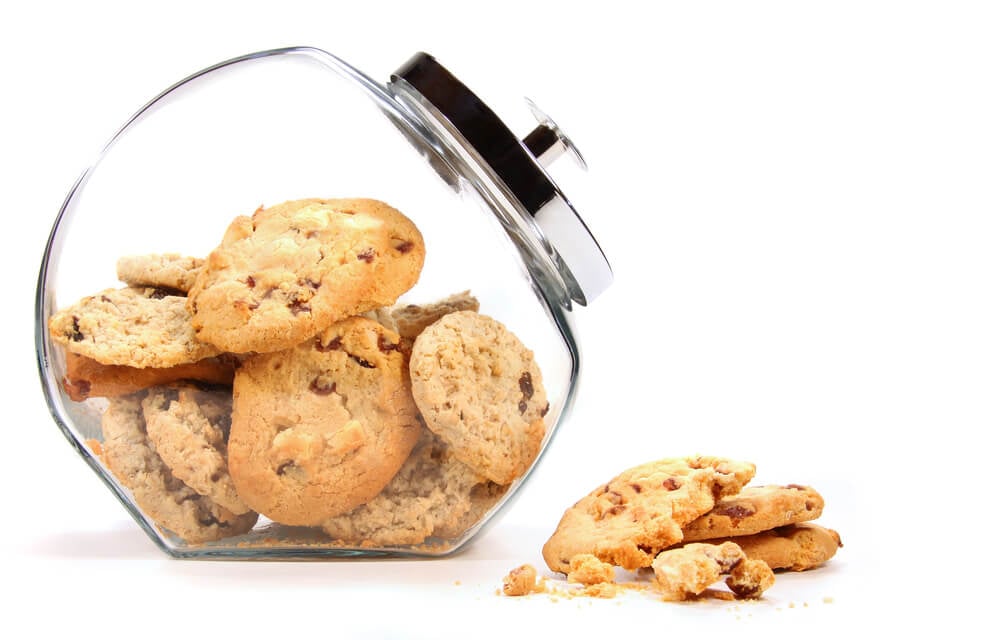
The Nelson McCoy Sanitary Stoneware Company of Roseville, Ohio produced figural cookie jars from the 1940s through the 1980s, shaped as everything from a grinning pig to a covered wagon. Early, well-detailed figural jars in undamaged condition can sell for $50 to $200, with the scarcest designs going higher, while common later shapes bring far less.
A hairline crack across the lid, invisible until the jar is held up to light, is one of the most common condition problems and one of the biggest price killers.
Wagner Ware Cast Iron
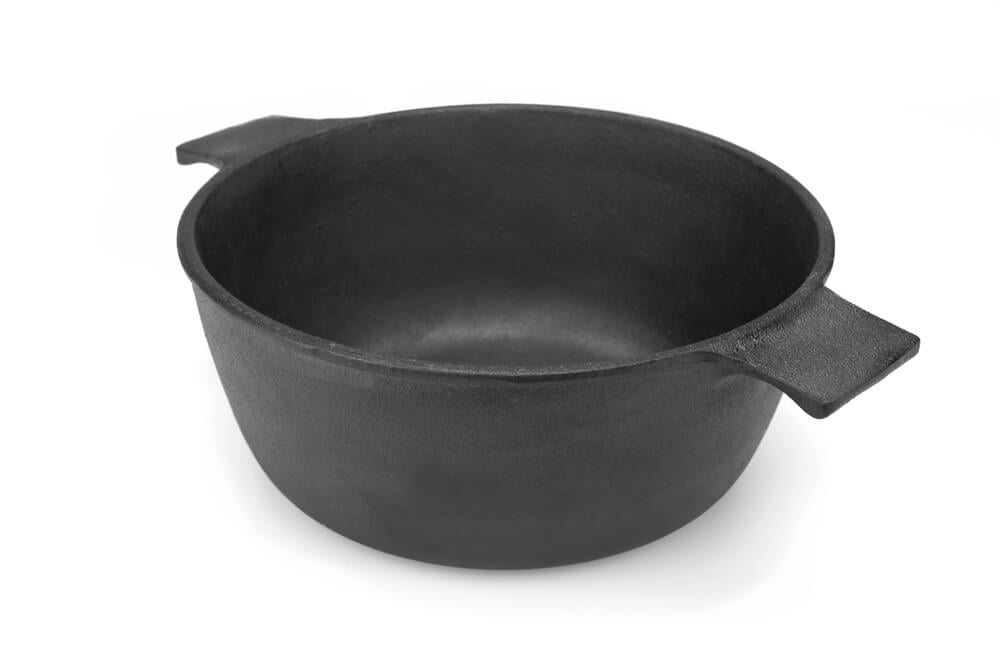
Wagner Manufacturing Company, a Griswold competitor based in Sidney, Ohio, made cast iron skillets and Dutch ovens from the 1890s into the mid-20th century under the Wagner Ware name. Wagner pieces are generally more affordable than comparable Griswold pieces, often selling for $20 to $50 for a clean common skillet, which makes them a more accessible entry point for new cast iron collectors.
The raised “Wagner Ware Sidney -O- ” marking on the base, with the size number cast into the handle, is the standard way to confirm an original.
Pyrex Cinderella Nesting Bowls
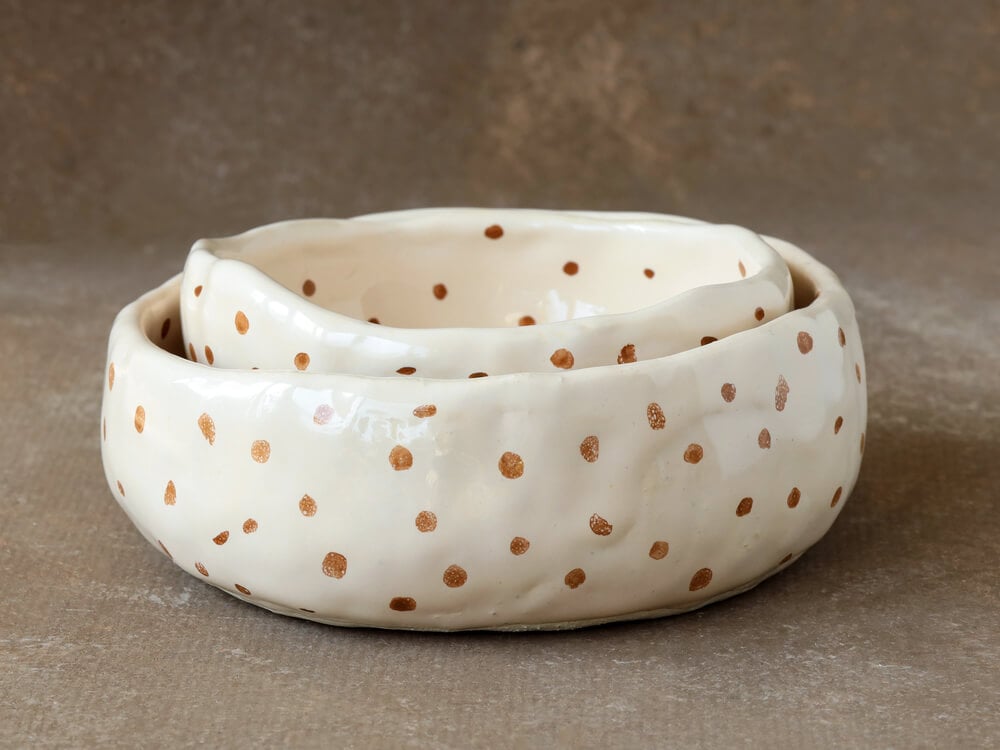
Pyrex’s Cinderella shape, introduced in the late 1950s, added pour spouts and small handles to the classic nesting mixing bowl and came in solid colors as well as printed patterns. A four-piece Cinderella set in a desirable pattern like Gooseberry or Snowflake can sell for $75 to $200, with the smallest bowl in a set often the hardest to find since it saw the heaviest daily use.
Sun-fading, which dulls the printed pattern’s color on one side of the bowl, is a common and largely unfixable condition issue worth checking for.
Glass Rolling Pins
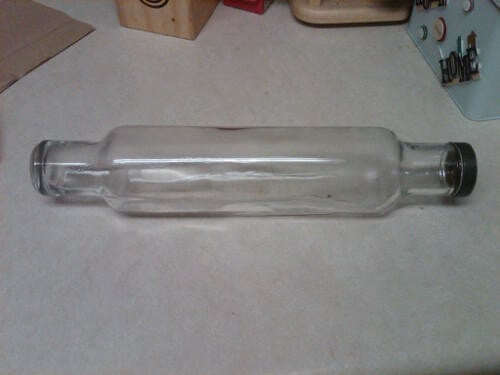
Blown glass rolling pins, some meant to be filled with ice water to keep dough cool, were popular kitchen and mantel pieces from the 19th century through the early 20th. Colored examples in cobalt blue or cranberry glass, especially those with hand-painted or hand-blown detail, can bring $50 to $150, while plain clear examples sell for much less.
A pontil mark, the rough scar left on the glass where it was broken from the blowpipe, is a strong sign of genuine hand-blown age rather than later machine production.
Tin Nutmeg Graters
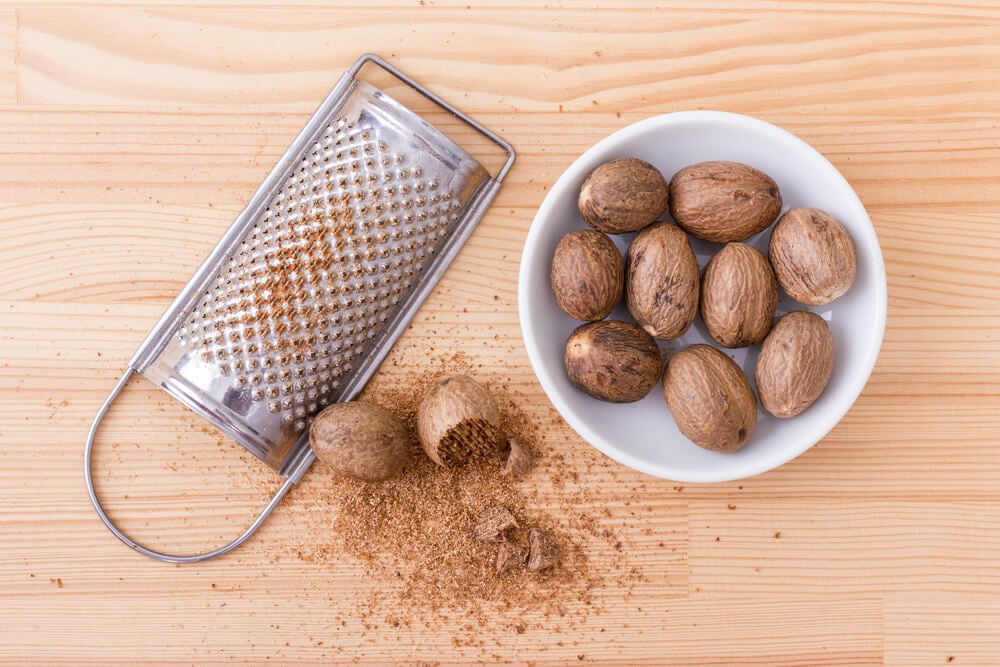
Small tin nutmeg graters with a hinged storage compartment for the intact spice were common on kitchen tables through the 19th century, before pre-ground nutmeg became standard. Examples with original paint or japanning intact, and a maker’s stamp from a company like the Edward Katzinger Company, can sell for $30 to $80.
Rust pitting on the grating surface is expected and rarely disqualifying, since the tool was made to get wet and see hard daily use.
Farberware Percolator Coffee Pots
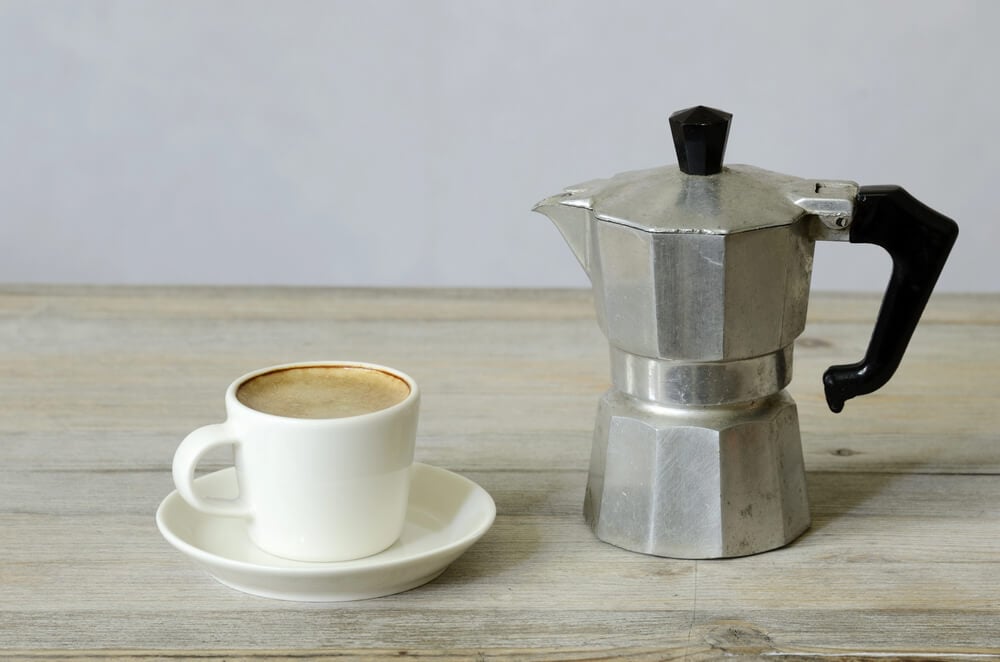
Farberware’s electric percolators, with their distinctive dome tops and wood-look handles, were a fixture of American kitchen counters from the 1950s through the 1970s. Working examples with an intact cord and no dents in the aluminum body typically sell for $25 to $60, and the value drops sharply once the percolator can no longer be safely plugged in.
Collectors of mid-century small appliances tend to prize the ones still in their original box with the paper instruction insert.
Small Dasher Butter Churns
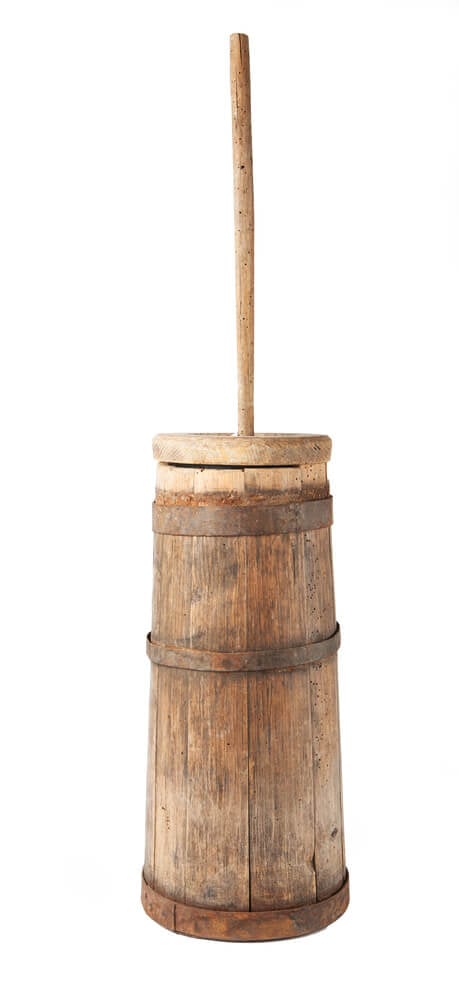
Tabletop and small floor-standing butter churns with a wooden dasher, used on farms into the early 20th century for home butter production, show up regularly in estate sales still holding their original stoneware crock. A complete churn with its wooden lid, dasher, and crock intact can sell for $75 to $250 depending on maker and size, since it is far more common to find the crock alone with the wooden parts long since discarded or rotted.
The Dazey company’s glass-jar churns from the 1920s are a separate and generally more affordable category, often selling for $20 to $50.
Graniteware Basins and Colanders
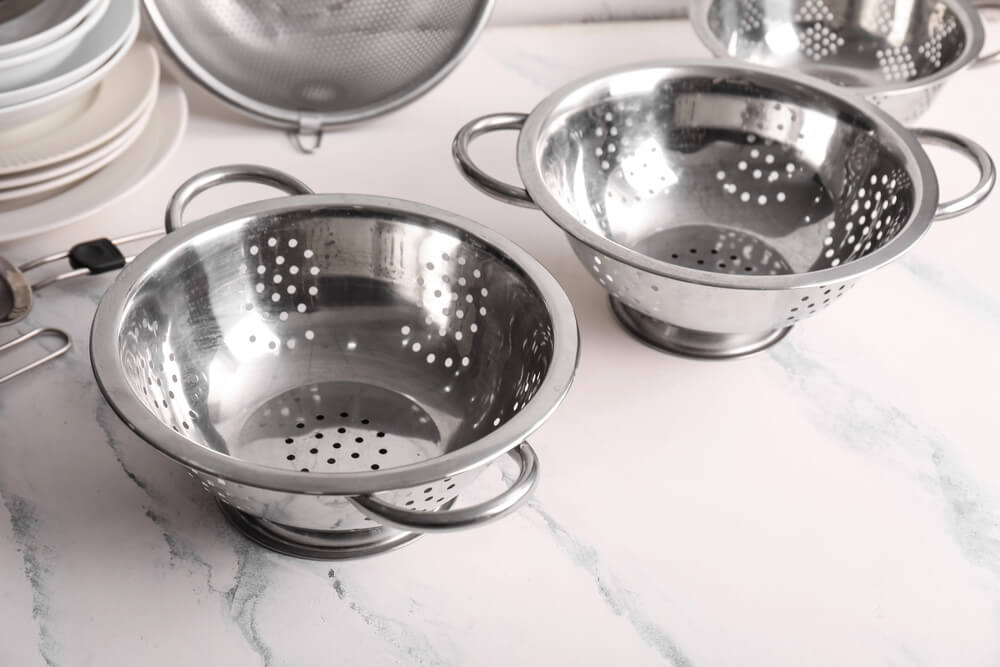
Enamel-coated steel cookware known as graniteware, mottled blue-and-white or gray, was the budget cookware of choice from the 1870s through the mid-20th century. Large basins and colanders in the mottled blue swirl pattern, especially with minimal chipping to the enamel, can sell for $30 to $90, while heavily chipped pieces with exposed rusting metal underneath sell for very little.
Rarer colors like red-and-white or brown-and-white swirl graniteware command a real premium over the common blue.
Vintage Tupperware Cake Carriers
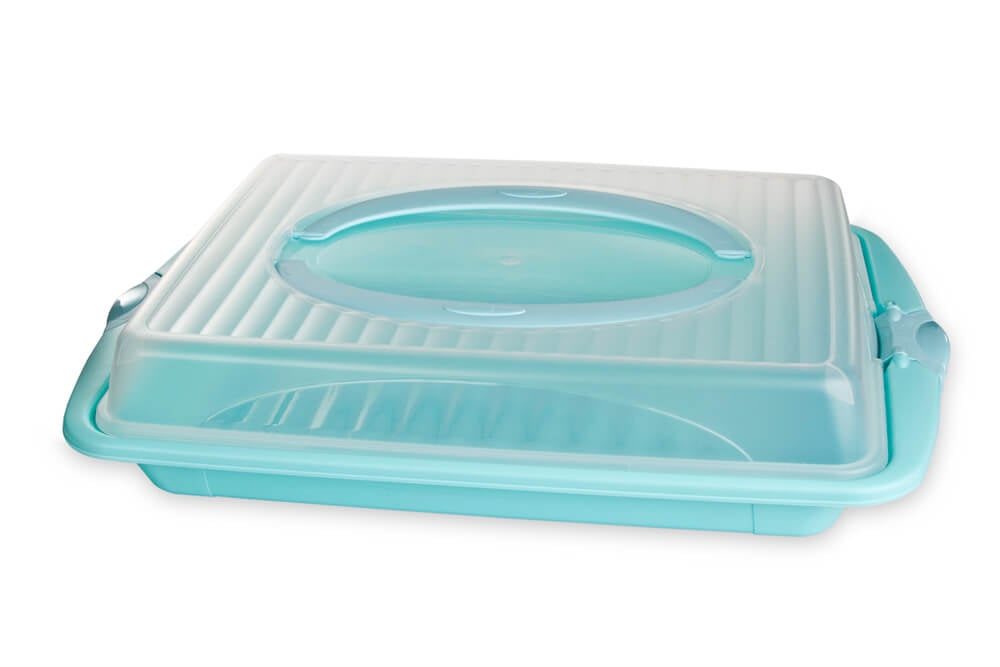
Tupperware’s domed cake carrier, with its signature burping seal lid, has been in production since the 1960s, but the earliest pastel-colored examples from that decade are what collectors specifically look for over later harvest-gold and almond versions. A vintage pastel carrier in undamaged condition, lid seal still working, can sell for $20 to $50, a modest but real premium over what a current-production carrier would cost new.
Cracking around the lid’s seal ring is the most common defect and largely kills resale value.
Shawnee Novelty Salt and Pepper Shakers
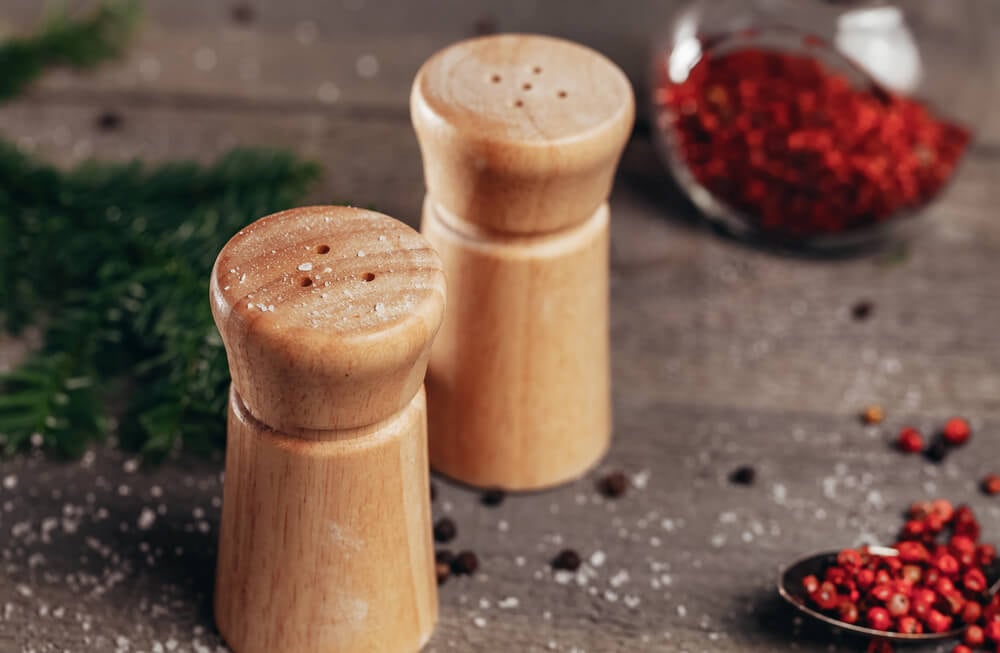
Shawnee Pottery of Zanesville, Ohio produced figural salt and pepper shaker sets from the 1930s through the 1960s, including its well-known Puss ‘n Boots and Winnie the pig lines. Complete pairs with no chips to the delicate ears, tails, or other extremities are worth considerably more than singles, often $30 to $80 for a matched set in a popular design.
Gold trim that has not worn away from handling is another detail that pushes a set toward the higher end of that range.
Hand-Crank Tin Flour Sifters
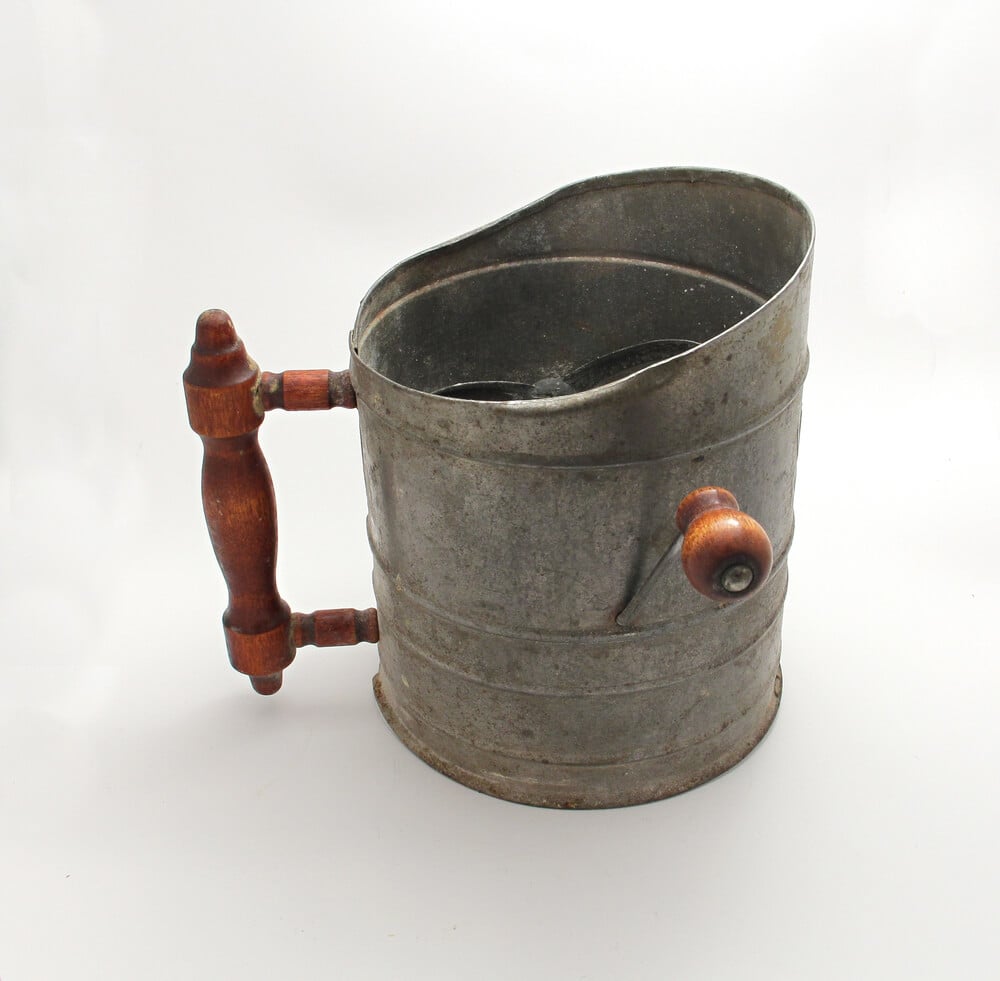
Rotary hand-crank flour sifters with a tin body and wire mesh screen were standard baking equipment before pre-sifted flour became common, made by companies like Bromwell’s and Foley from the early 1900s onward. Working examples with legible original lithographed advertising or measurement markings can sell for $15 to $40, with functionality of the crank mechanism mattering more to buyers than pure display condition.
Rust through the mesh screen is the most common flaw and usually the deciding factor in price.
Corningware Cornflower Casserole Dishes
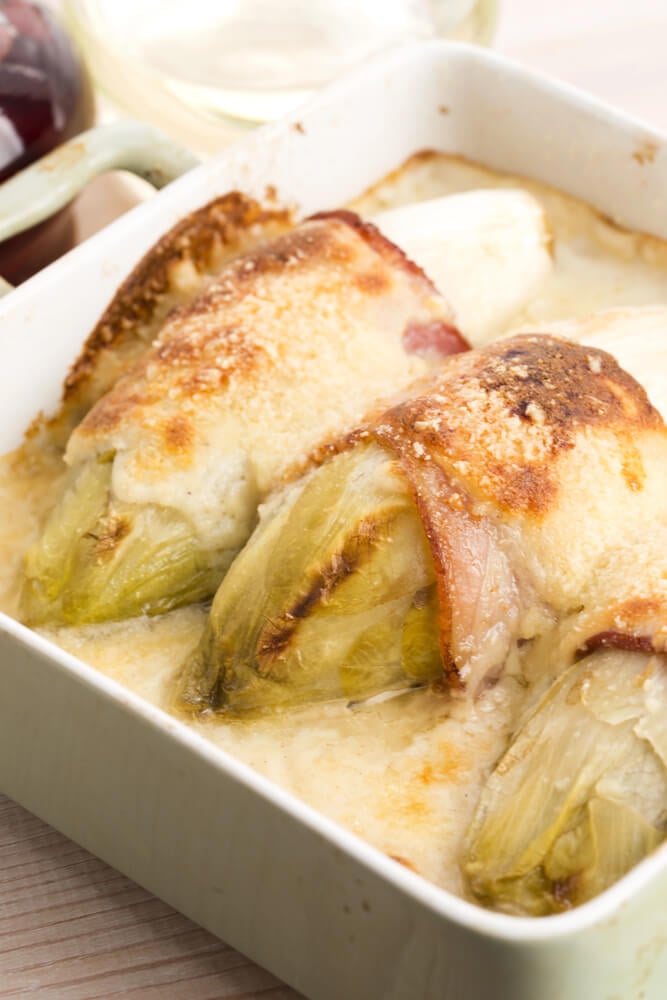
Corning introduced its blue Cornflower pattern on white Pyroceram casserole dishes in 1958, and the line stayed in production for decades, making early examples identifiable mainly by subtle differences in the flower’s paint application and the dish’s backstamp. A complete casserole with its matching lid in undamaged condition typically sells for $20 to $50, with rarer forms like the covered skillet or the percolator coffee pot in the same pattern bringing considerably more.
The pattern’s long production run means quantity keeps common pieces affordable even as demand stays steady.
Dover Egg Beaters
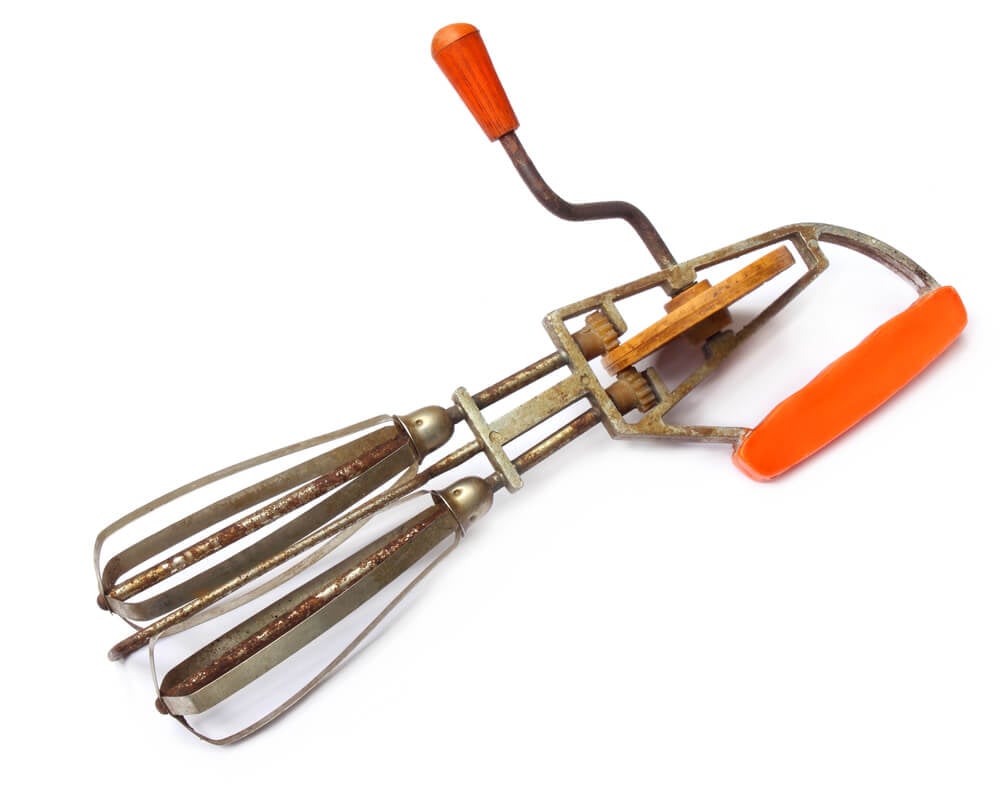
The Dover Manufacturing Company’s rotary egg beater, patented in 1884, became the template that nearly every hand-crank egg beater afterward copied, and original Dover-branded examples with intact wooden handles are still findable at estate sales. A clean, fully functional example with legible patent markings can sell for $15 to $35, more for the earliest patent-date variants.
Rust freezing the gears solid is the most common issue and one that is often fixable with a little oil and patience.
Metal Bread Boxes

Enameled steel bread boxes with rolltop or hinged lids, often in cheerful colors with painted lettering, were a countertop staple from the 1930s through the 1960s. Examples with crisp, unfaded paint and no rust-through, particularly in less common colors like red or turquoise rather than the ubiquitous white, can sell for $40 to $90.
A working rolltop mechanism, since the metal slats often jam or come loose with age, adds meaningfully to what a buyer will pay.
Matching Tin Canister Sets
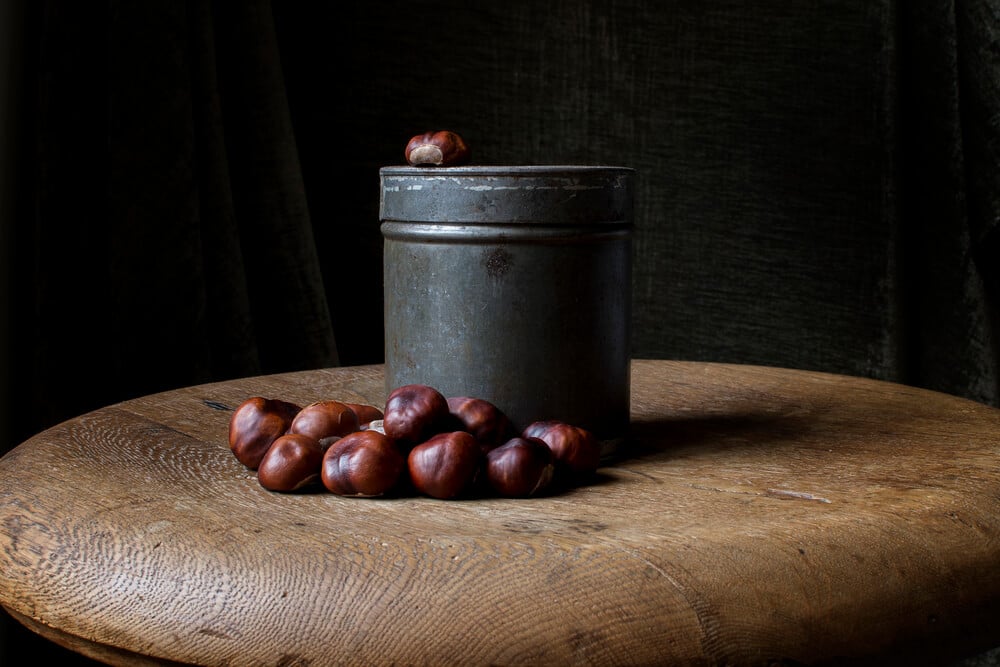
Four-piece canister sets for flour, sugar, coffee, and tea, made in matching lithographed tin with graduated sizes, were sold as complete sets from the 1930s through the 1950s by companies like Ransburg and Empeco. A full matching set in bright, unfaded condition can sell for $40 to $120, well above what the individual canisters would bring separately, since sets this complete are increasingly hard to find intact.
Dents to the lids, which affects how well they seal, matter more to buyers than minor scuffs to the tin body.
Zeroll Ice Cream Scoops
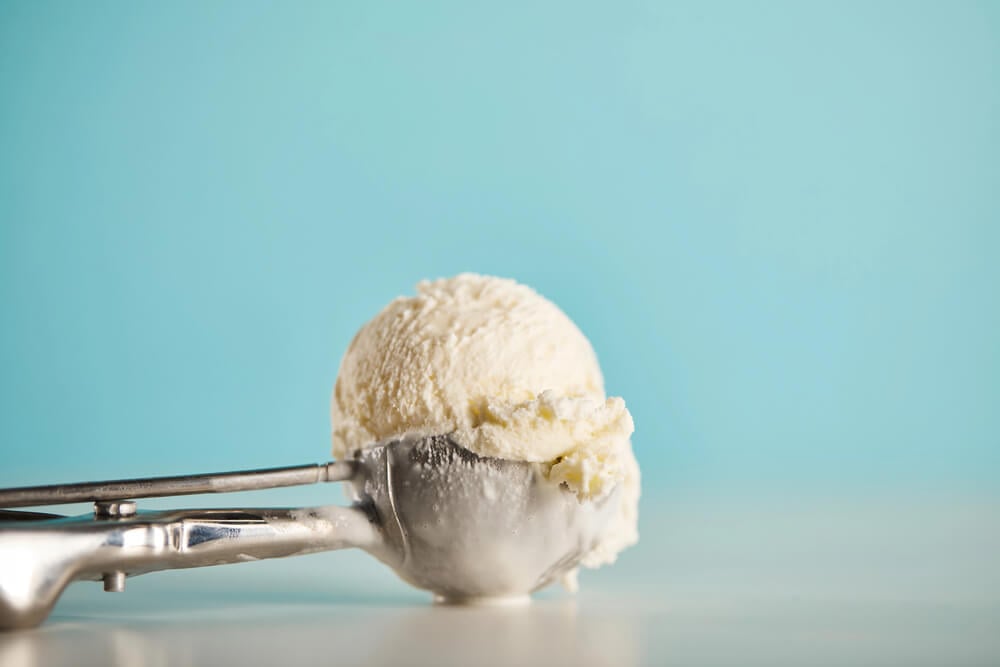
The Zeroll Company’s aluminum ice cream scoop, patented in the 1930s, uses a fluid-filled handle that transfers hand heat to the scoop head, a design still manufactured today in nearly unchanged form. Early examples with the original orange-tipped handle and legible stamped markings can sell for $20 to $45, a modest premium over a new one, mostly driven by nostalgia rather than scarcity.
Because the design never really stopped being made, condition and completeness matter more here than rarity.
Cast Iron Hand-Crank Meat Grinders
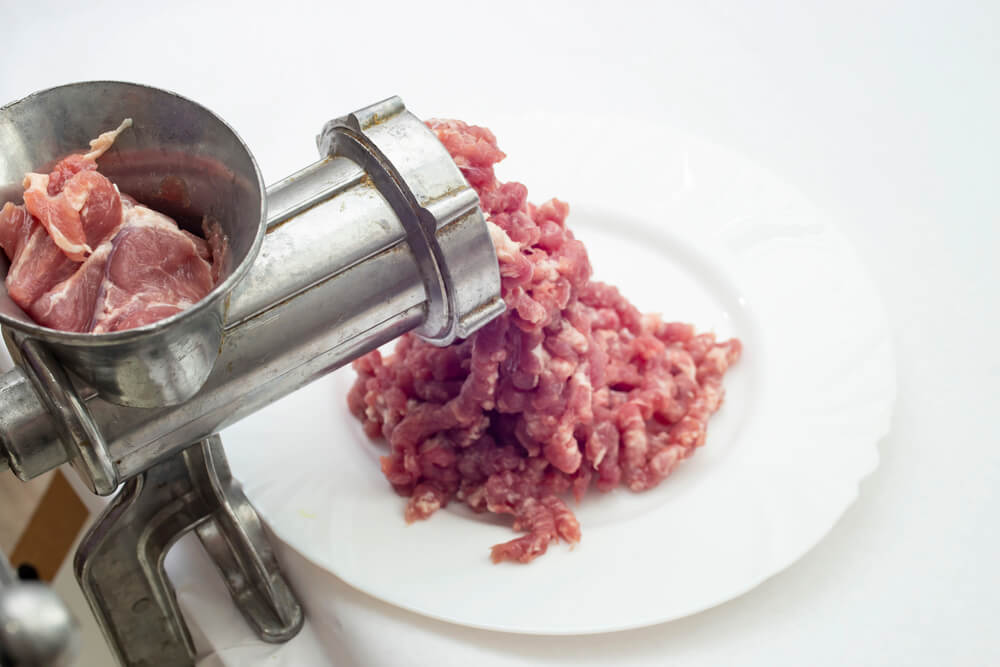
Countertop meat grinders that clamp to the table edge and grind via a hand crank were standard equipment in kitchens that processed their own meat, made by companies including Universal and Enterprise from the late 1800s through the mid-20th century. A complete grinder with all its interchangeable grinding plates and the original clamp can sell for $30 to $75, while examples missing plates sell for considerably less since the plates are hard to replace individually.
Surface rust on the cast iron body is cosmetic and cleans up easily, but a cracked housing is a dealbreaker.
Cast Iron Stovetop Waffle Irons
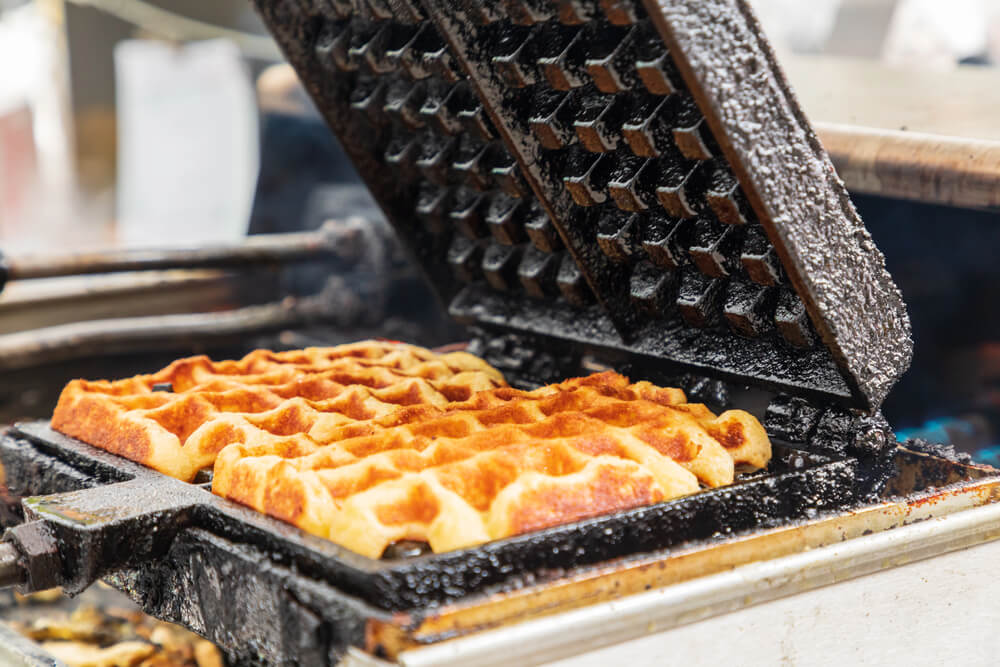
Before electric waffle irons became standard, cast iron waffle irons designed to sit directly on a wood or gas stovetop were common, hinged so the two patterned halves could be flipped to cook both sides. Griswold and Wagner both made stovetop waffle irons, and a complete example with a matching, undamaged handle can sell for $50 to $120, since handles frequently broke or were replaced with mismatched parts over the decades.
A deep, crisp waffle pattern with minimal pitting is what separates a display-quality piece from one only good for parts.
Glass Citrus Reamers
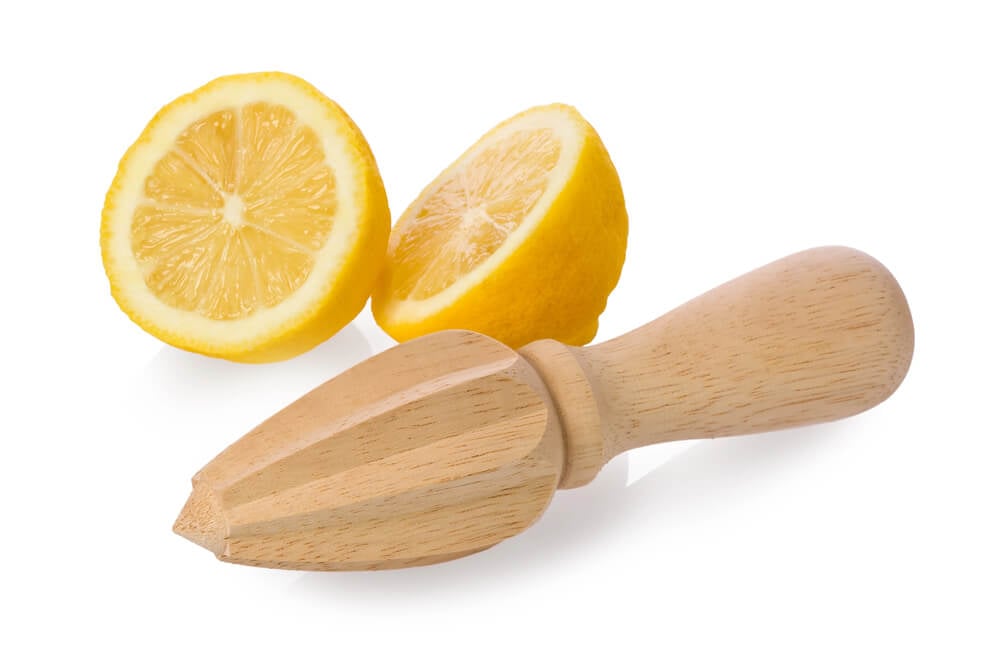
Pressed glass juicers, known as reamers, were made in huge variety of colors and shapes from the 1920s through the 1940s by companies including Hazel-Atlas and McKee. Reamers in less common colors like cobalt blue or a rare shade of green can sell for well over $100, while the common clear and pale green examples typically bring $10 to $30.
Figural reamers shaped like a character or animal, rather than a plain bowl form, are consistently among the most sought after by specialist collectors.
Wall-Mounted Wooden Spice Racks
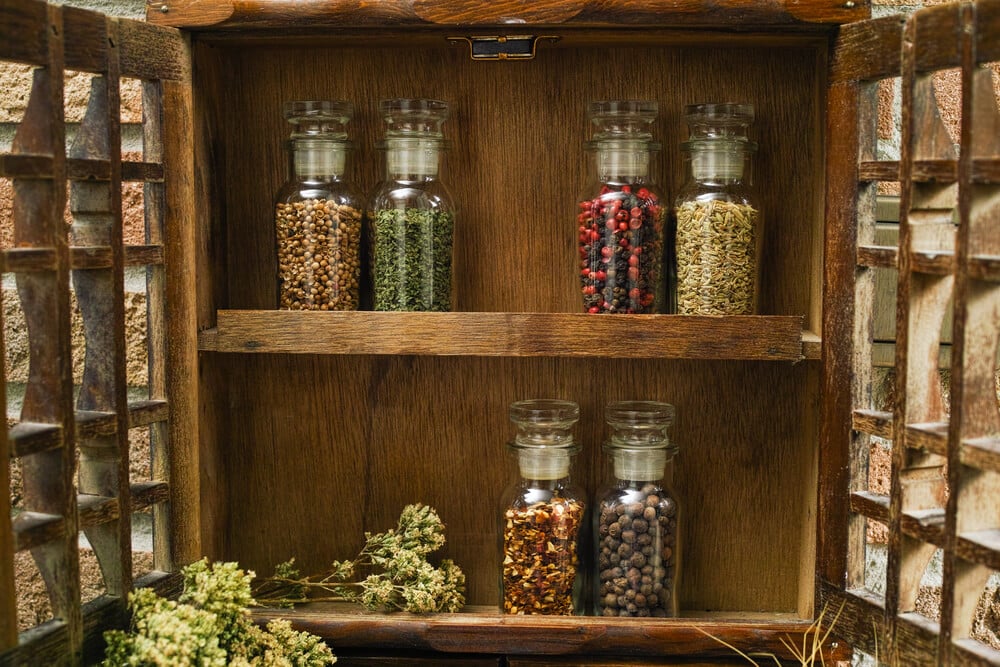
Hanging wooden spice racks with small matching glass jars, often sold as complete units through mail-order catalogs from the 1940s through the 1960s, are worth considerably more with their full set of jars than as an empty rack alone. A complete set with original paper spice labels intact can sell for $30 to $70, with the paper labels themselves being the fragile part most often lost or damaged over time.
Painted racks in good condition, rather than ones stripped down to bare wood, tend to hold value better with collectors who want the full period look.
Novelty Printed Cotton Aprons
Cotton kitchen aprons printed with novelty patterns, holiday themes, or advertising logos were commonly sewn at home or sold cheaply from the 1940s through the 1960s. Examples in unfaded, unstained condition with their original rickrack trim intact can sell for $15 to $45, with advertising-branded aprons for recognizable food and appliance companies often bringing the highest prices among collectors of kitchen textiles.
Because fabric this old rarely survives without at least some fading, a vivid, well-preserved example stands out immediately to buyers browsing a booth.
Tin Recipe Boxes

Small hinged tin boxes designed to hold handwritten and clipped recipe cards were a common giveaway item from spice and food companies from the 1930s through the 1960s, often decorated with a kitchen scene or floral motif. A box that still contains its original owner’s handwritten recipe cards can sell for considerably more than an empty one, since buyers value the personal history as much as the tin itself.
Rust along the hinge, which can eventually cause the lid to detach, is the main condition issue to check before buying.
Figural Ceramic Pie Birds

Small ceramic figures, often shaped like a bird with an open beak, were inserted into pie crusts before baking to vent steam and prevent the filling from boiling over, a practice popular in British and American kitchens from the 1930s through the 1950s. Early hand-painted examples, particularly figural designs beyond the standard bird shape like a chef or a rooster, can sell for $30 to $90, while plain modern reproductions sell for a fraction of that.
A glossy, hand-applied glaze with visible brushstroke variation is the clearest sign of an older, more valuable piece.
What a Full Cupboard Actually Holds
None of these thirty categories were ever meant to last this long. They were priced as ordinary tools for ordinary work, and the fact that so many survived intact says more about how well they were built than about any intention to preserve them.
That gap between original purpose and current value is most of what collecting kitchenware actually is. A cupboard cleared out in an afternoon can hold real money, but only for the pieces that kept their maker’s marks, their matching lids, and their honest wear.
The rest, worn past recognition or missing the parts that made them complete sets, is simply what a kitchen looks like after decades of being used exactly as intended.
More from Go2Tutors!

- The Romanov Crown Jewels and Their Tragic Fate
- 13 Historical Mysteries That Science Still Can’t Solve
- Famous Hoaxes That Fooled the World for Years
- 15 Child Stars with Tragic Adult Lives
- 16 Famous Jewelry Pieces in History
Like Go2Tutors’s content? Follow us on MSN.