29 Vintage Holiday Postcards Beyond Christmas Scenes
Christmas gets the credit, but it never had the postcard rack to itself. In the early 1900s, nearly every date on the calendar could be turned into a penny greeting, from Arbor Day to Labor Day, and publishers on both sides of the Atlantic raced to print them.
The results range from sweet to baffling to faintly menacing. Some of these cards honored holidays that barely exist today, and others captured customs that would otherwise have vanished without a trace.
Ellen Clapsaddle’s Valentine Children
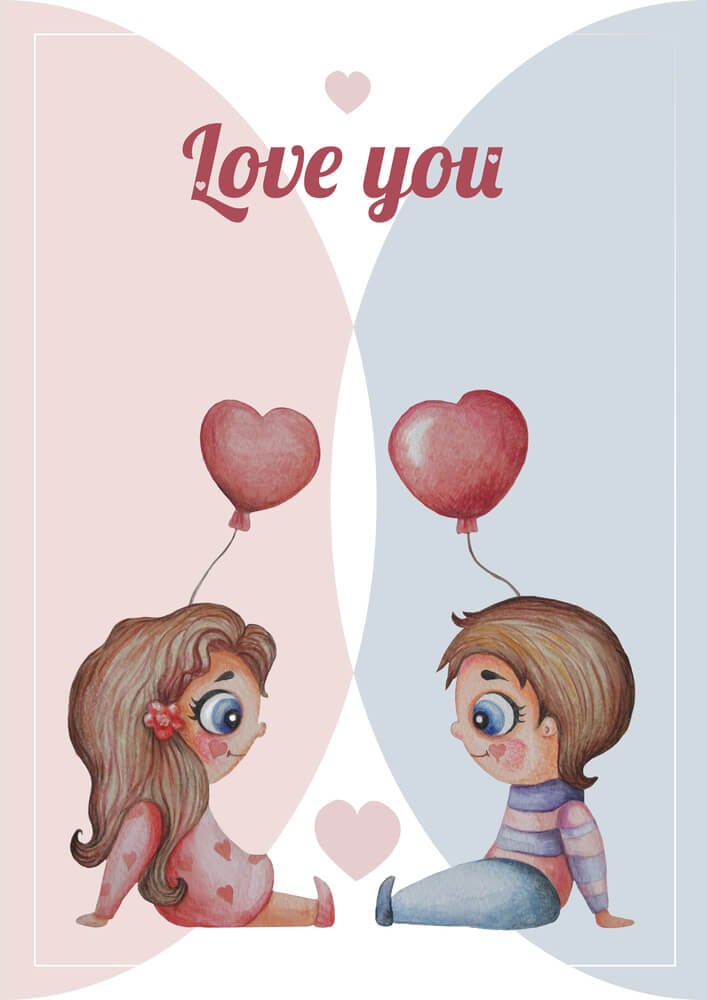
Ellen Clapsaddle, born in South Windham, Connecticut, in 1865, became one of the most recognizable names in American postcard art. Her round-cheeked children, often paired with cupids and hearts, appeared on valentines produced for International Art Publishing Company and printed in Germany.
She is credited with thousands of designs across nearly every holiday, which makes her Valentine’s Day work a good entry point for new collectors. Value depends heavily on condition, and a crisp, unwritten example will always outrank a faded one with a message scrawled across the front.
Winsch Halloween Cards from the Early 1910s
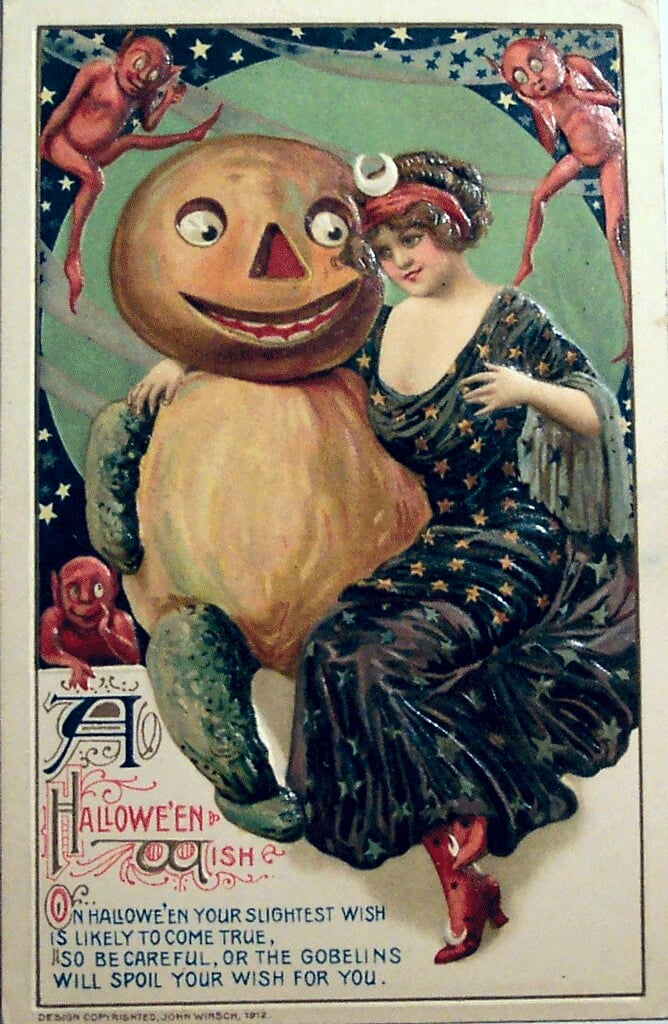
John Winsch published some of the most sought-after Halloween postcards ever made, dated by copyright lines in the early 1910s. Many were designed by Samuel L. Schmucker, whose glowing jack-o’-lanterns and costumed young women became the look collectors associate with the holiday.
Halloween cards of this period were rarely frightening, since they leaned toward parties, romance, and playful mischief. Because Winsch cards are so popular among collectors, prices swing widely, and condition matters more than almost any other factor.
Raphael Tuck and Sons and the Cards Lost to the Blitz
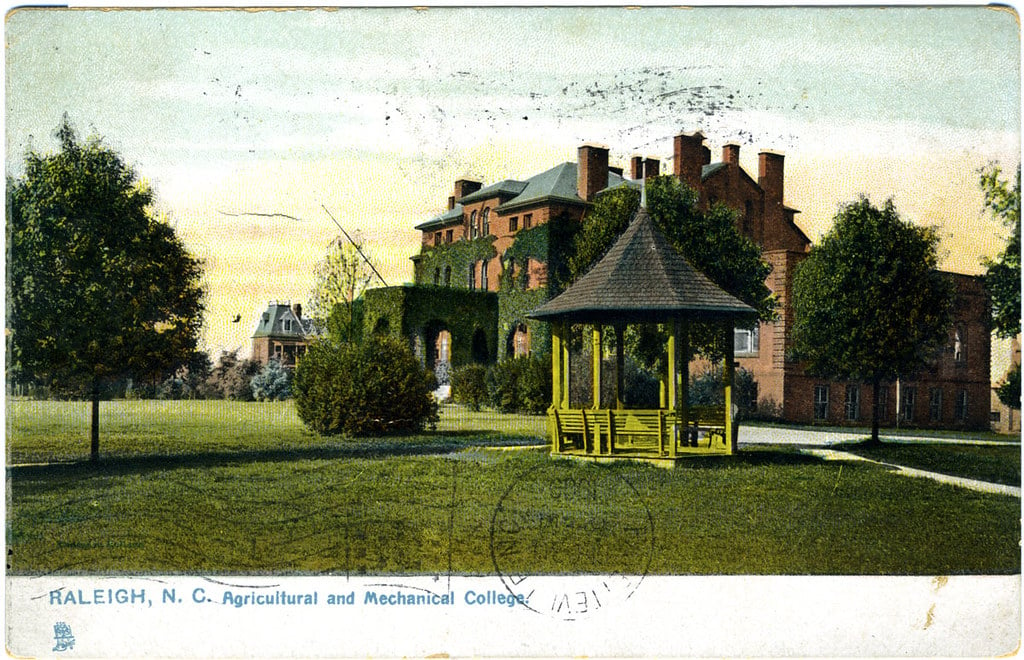
Raphael Tuck founded his London firm in 1866, and the company began publishing postcards in 1894, later branding its best series as Oilette cards. Easter, Valentine’s Day, and many other occasions received the Tuck treatment, usually with printing quality that outclassed cheaper competitors.
In December 1940, an air raid destroyed the company’s London premises and much of its archive. The Newberry Library in Chicago now holds the Leonard A. Lauder collection of Tuck postcards, which preserves a large share of what the firm produced.
Whitney Made Valentines from Worcester
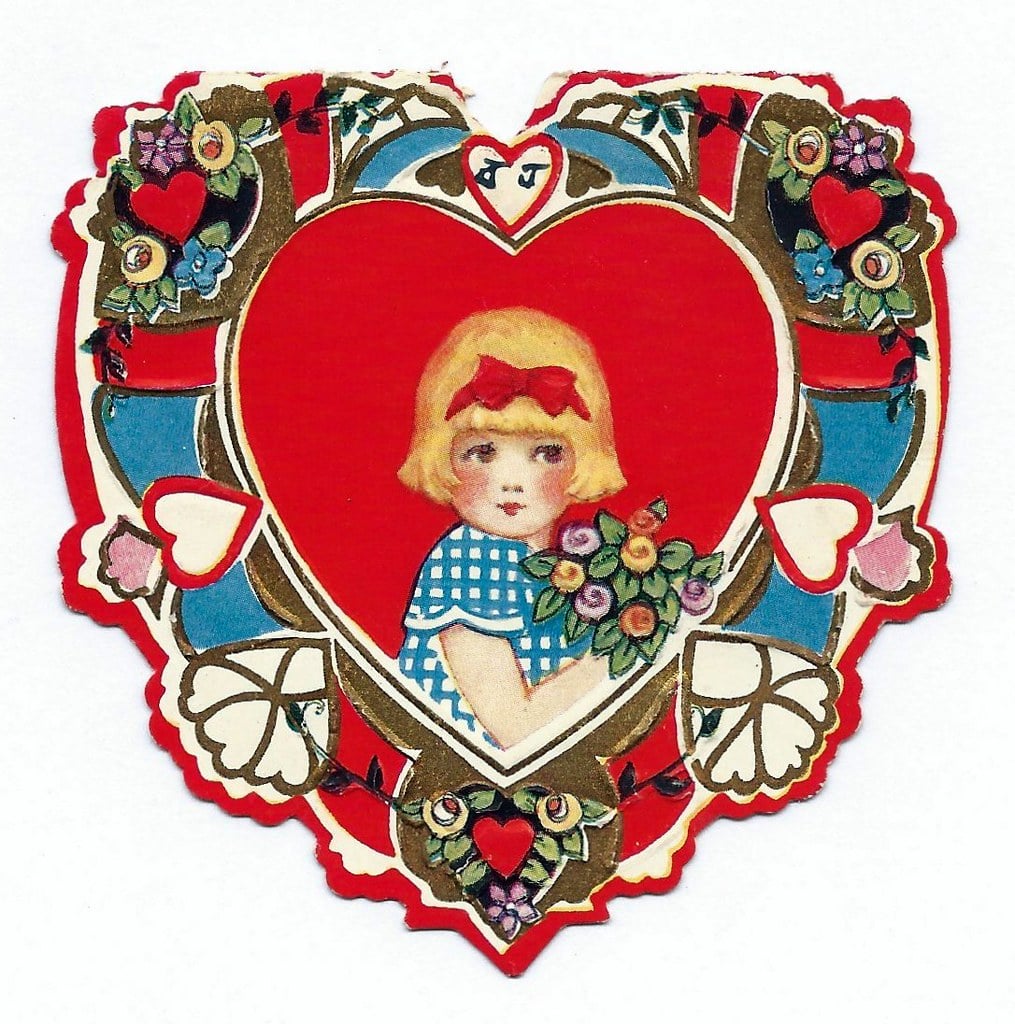
The George C. Whitney Company of Worcester, Massachusetts, stamped its cards with the words Whitney Made, and the phrase became a mark of American valentine production. Whitney acquired the business of Esther Howland, the Worcester woman often called the mother of the American valentine, in 1881.
The company carried that heritage into the postcard era, issuing seasonal cards that sat alongside its elaborate paper valentines. Collectors prize the imprint, but a card’s price still depends heavily on condition and rarity.
Embossed Easter Chicks from German Printers

Easter postcards of the early 1900s favored fluffy chicks, hatching eggs, and rabbits, frequently pressed into raised relief so the animals seemed to pop from the paper. Much of this embossed work came from German printers, and marks such as PFB on the back point to Paul Finkenrath of Berlin.
The embossing made the cards fragile, so surviving examples with sharp, unflattened detail are harder to find than the sheer volume printed would suggest. Condition drives value more than subject here, and a pristine chick can fetch far more than a worn one.
Thanksgiving Turkeys with Human Faces
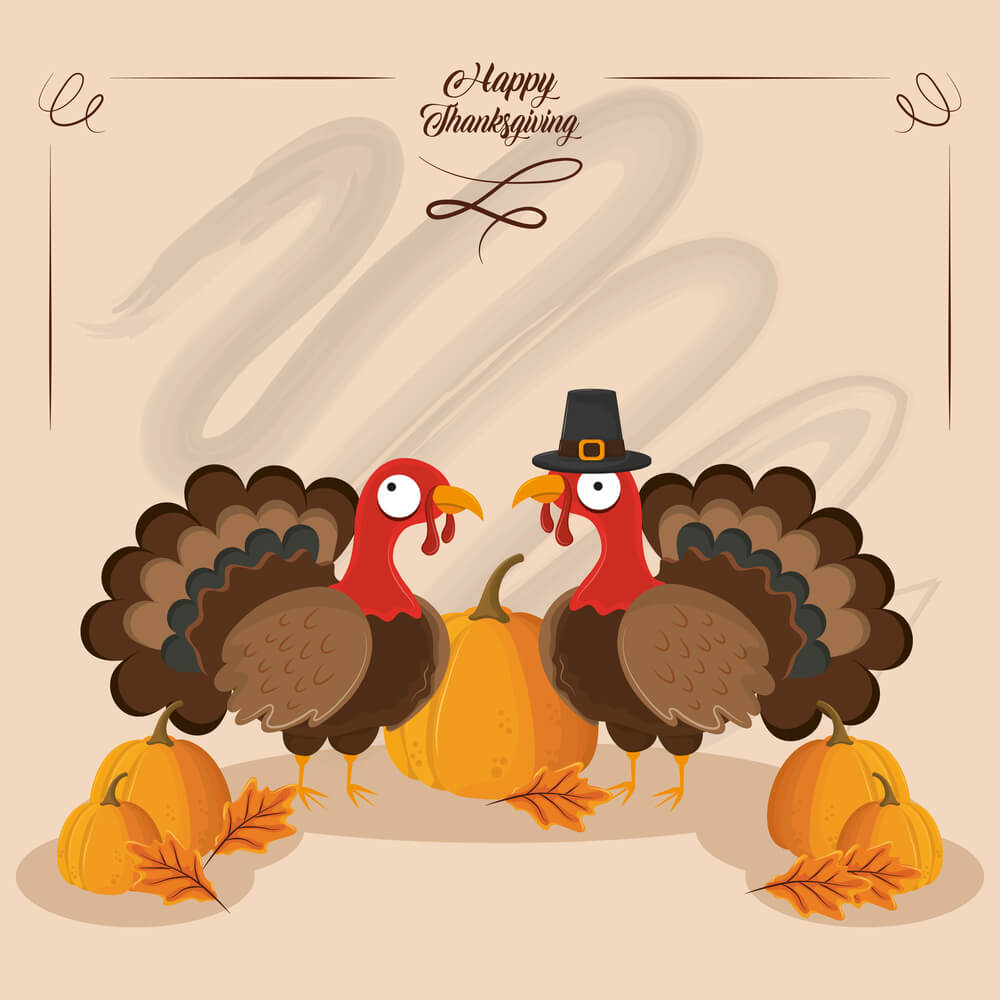
President Lincoln proclaimed a national Thanksgiving in 1863 after years of lobbying by the writer Sarah Josepha Hale, and postcard publishers eventually filled the holiday with turkeys. Many of those birds were given human expressions, and some seem to know exactly what the dinner table has in store for them.
Modern commentators have called the genre bizarre, and the label fits cards where a turkey eyes an ax with open dread. The holiday itself was not fixed to the fourth Thursday of November until Congress acted in 1941.
Father Time and Baby New Year

New Year postcards leaned on a cast of allegorical figures, led by an old man with a scythe and hourglass handing the calendar to an infant. Clocks showing minutes before midnight, horseshoes, and four-leaf clovers also crowded the cards as symbols of luck.
The old year was usually drawn as tired and bearded, which gave artists an easy joke about passing time. Dated examples are especially useful to collectors, since the year printed on the card or in the postmark pins down when it traveled.
Rosh Hashanah Greetings Printed in Germany

Jewish New Year postcards, bearing the greeting Shana Tova, circulated widely in the early twentieth century among families spread across Europe and beyond. The National Library of Israel holds an example printed in Germany in 1904, showing how far the format had spread by then.
Designs ranged from synagogue scenes to fashionable couples, often with Hebrew lettering framing the image. These cards document a communication habit that otherwise left little trace, which is why museums and archives collect them.
Fourth of July Fireworks and Safe and Sane Warnings
Independence Day postcards celebrated the adoption of the Declaration of Independence on July 4, 1776, with flags, eagles, and plenty of fireworks. Children lighting firecrackers appeared on cards at the same time reformers were pushing a Safe and Sane Fourth to cut the injuries that noisy celebrations caused.
The imagery therefore carried a quiet contradiction, glorifying the very explosions that campaigners wanted to tame. Patriotic cards from this period were printed in great numbers, so condition and artist signature separate the ordinary from the desirable.
Labor Day, the Postcard That Faded Away
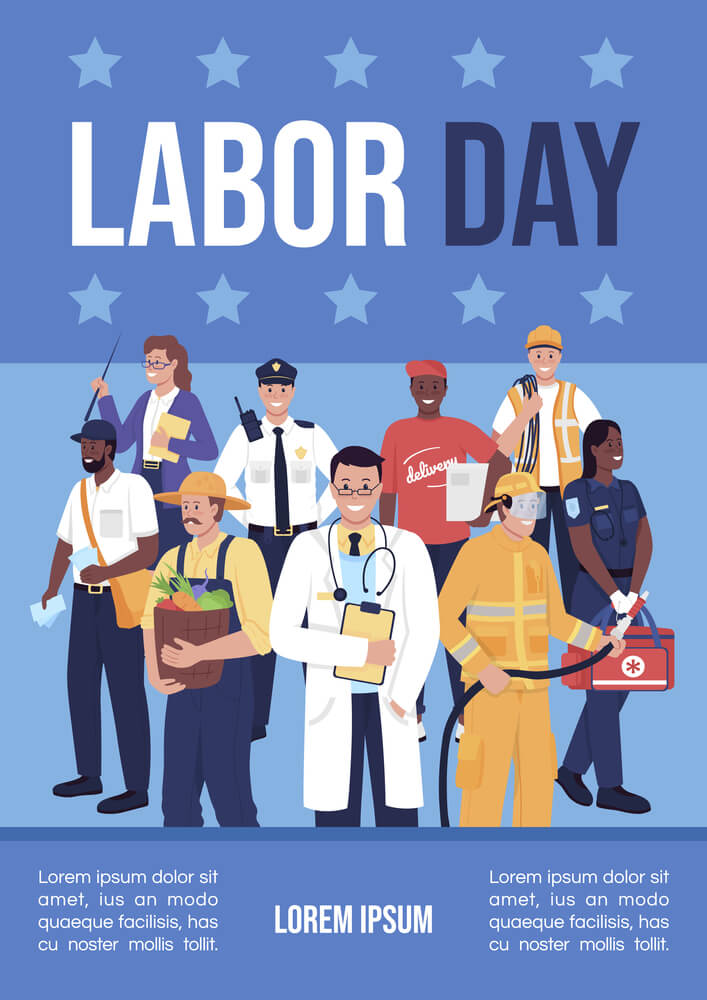
Congress made Labor Day a federal holiday in 1894, and President Grover Cleveland signed the bill that June. Postcards for the occasion were printed, but they remain much scarcer than cards for holidays like Easter or Halloween.
Writers on collectibles have noted that the Labor Day postcard faded away alongside the holiday’s early parades and speeches. That scarcity makes surviving examples a minor treat, though the market for them is thin and condition remains the deciding factor.
St. Patrick’s Day Shamrocks and Harps
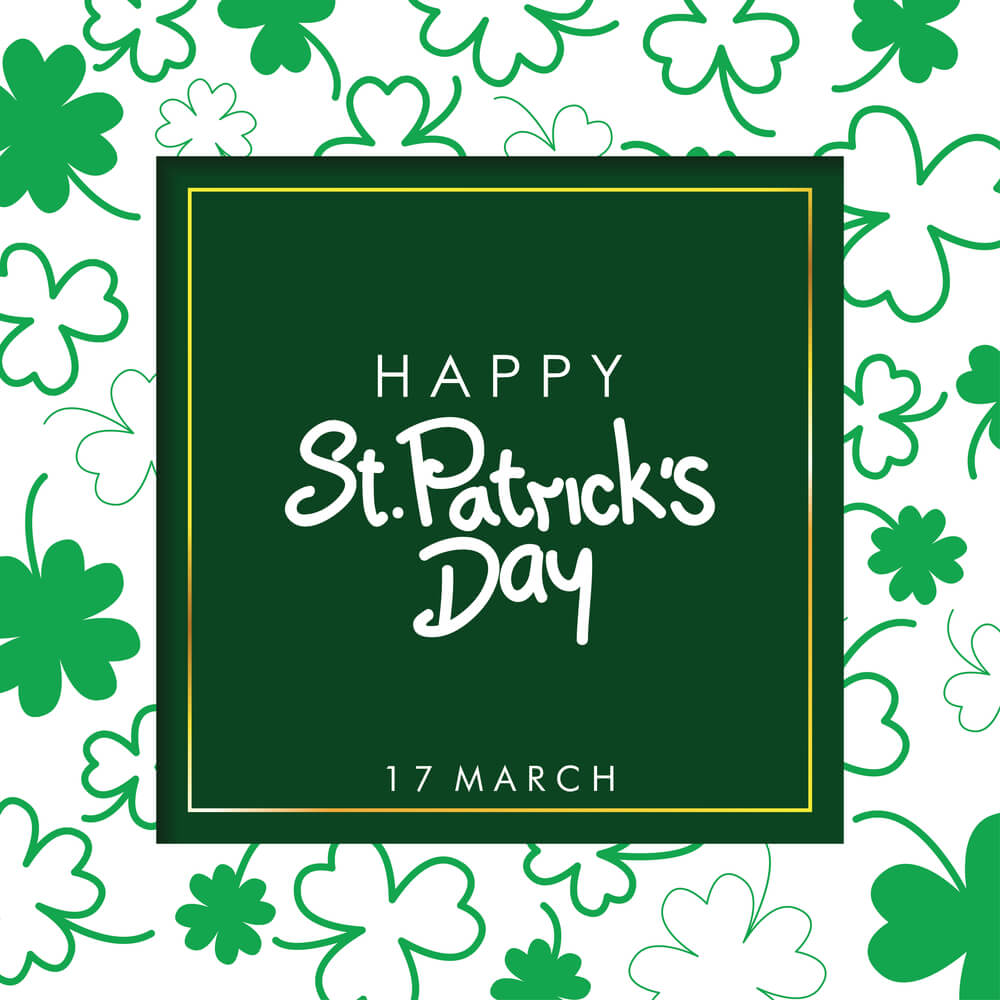
St. Patrick’s Day cards observed March 17 with shamrocks, Irish harps, and rosy-cheeked children in green. The shamrock earned its place through the legend that Saint Patrick used the three-leaf plant to explain the Trinity.
Publishers often paired Irish symbols with sentimental verses, aiming at immigrant families who wanted to mark the day from a distance. Embossed and gilt-trimmed versions bring more at auction than flat prints, provided the surface is still clean.
May Day Baskets and Maypoles

May Day postcards pictured children dancing around ribbon-wrapped poles and carrying baskets of spring flowers. In many American towns, the custom involved leaving a small basket on a neighbor’s doorstep, knocking, and running away before being caught.
Cards showing the ritual hint at a holiday that once felt as ordinary as a birthday. The tradition has largely faded from daily life, which gives the postcards extra weight as records of how people celebrated.
Arbor Day and the Million Trees of Nebraska
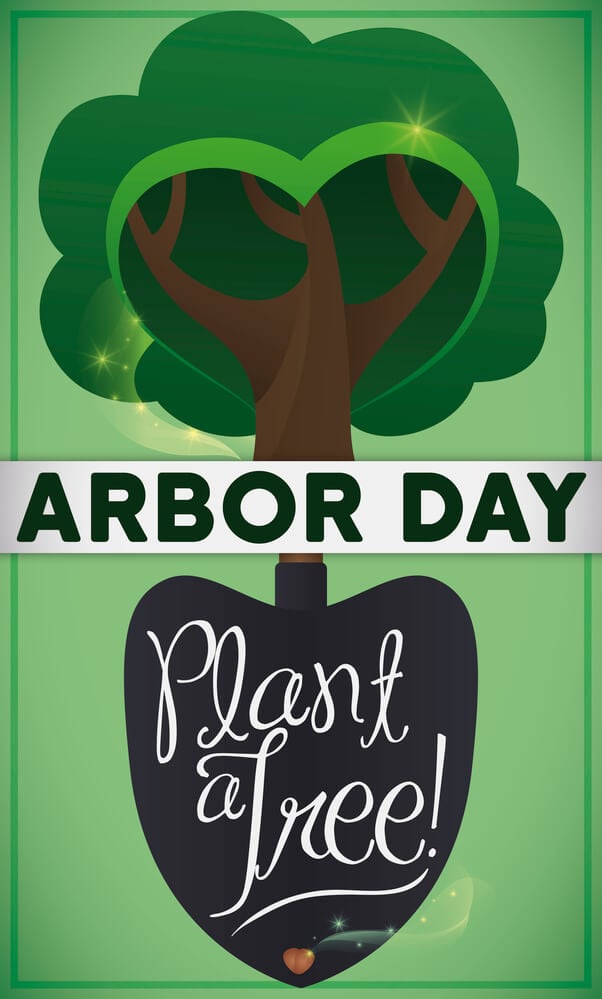
Arbor Day began in Nebraska on April 10, 1872, thanks to the newspaper editor J. Sterling Morton, and an estimated million trees were planted that first year. The observance spread across the country, with schoolchildren planting saplings and posing beside them.
Postcards from the postcard craze show young trees, spades, and cheerful verses about growth. The cards turn a tree-planting campaign into a surprisingly gentle genre, and clean examples remain inexpensive compared with other holidays.
Washington’s Birthday and the Cherry Tree
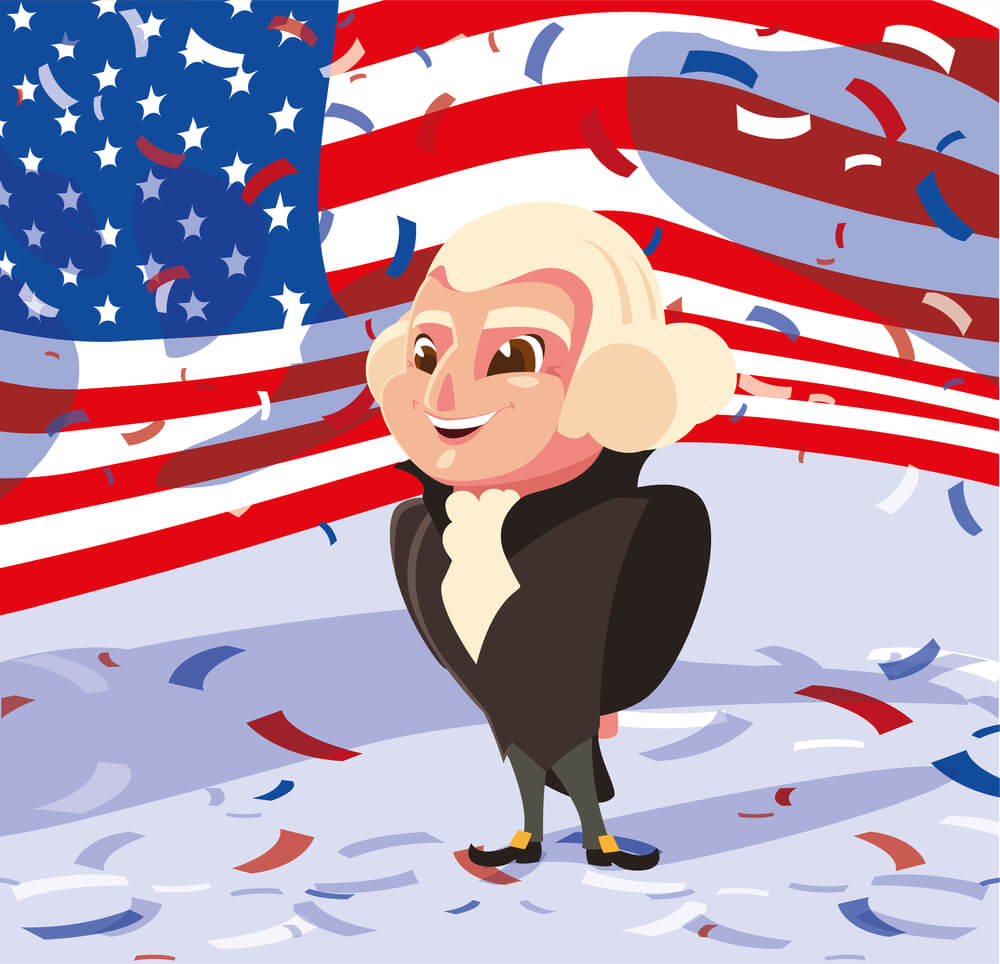
George Washington was born on February 22, 1732, and the date was a national holiday long before Presidents’ Day arrived. Postcards for the occasion leaned on hatchets and cherries, referring to a tale of a boy who confessed to chopping down a tree.
That story was added by biographer Mason Locke Weems in an 1806 edition of his book about Washington, long after the man himself had died. The invented anecdote proved far more durable than the facts around it, and it filled postcard racks for decades.
Lincoln’s Birthday and the Centennial Year
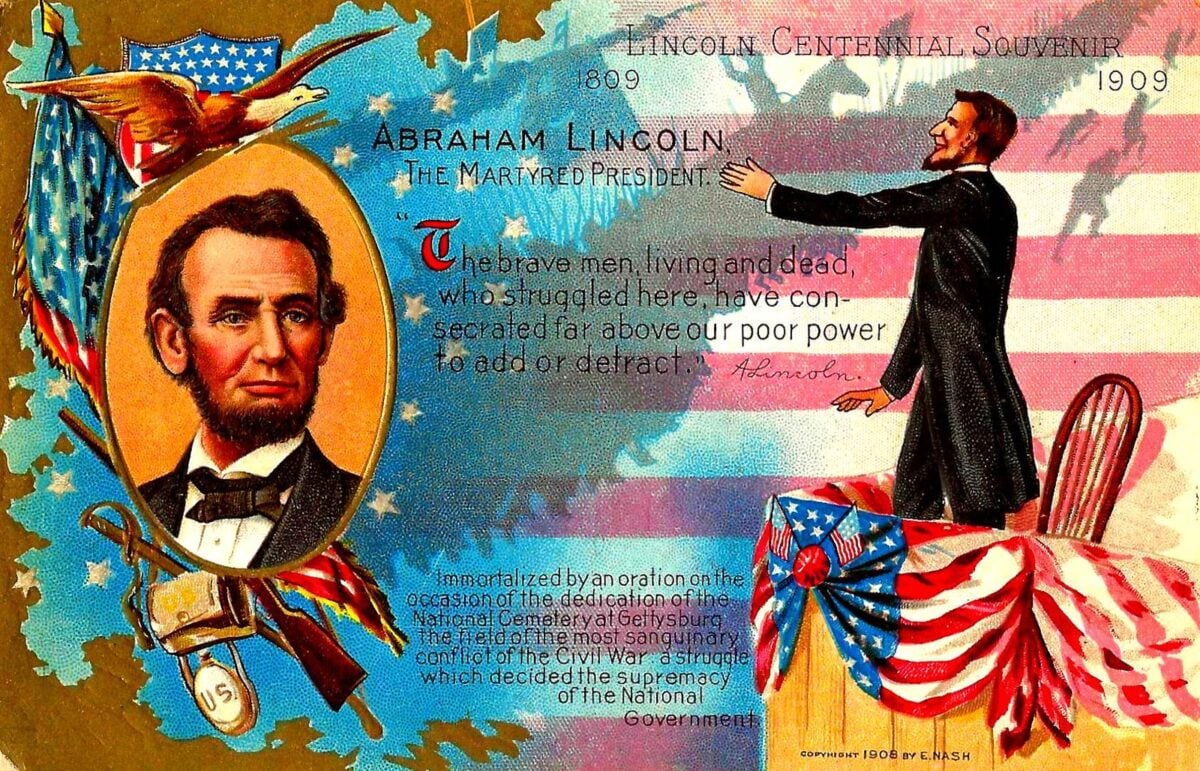
Abraham Lincoln was born on February 12, 1809, which made 1909 a major centennial year across the country. That same year the U.S. Mint introduced the Lincoln cent, and postcard publishers rushed out portraits, log cabins, and patriotic borders.
Cards often paired Lincoln with Washington, since their birthdays fall ten days apart. Centennial cards were made in volume, so condition and unusual artwork matter far more than the occasion alone.
Decoration Day Before It Became Memorial Day
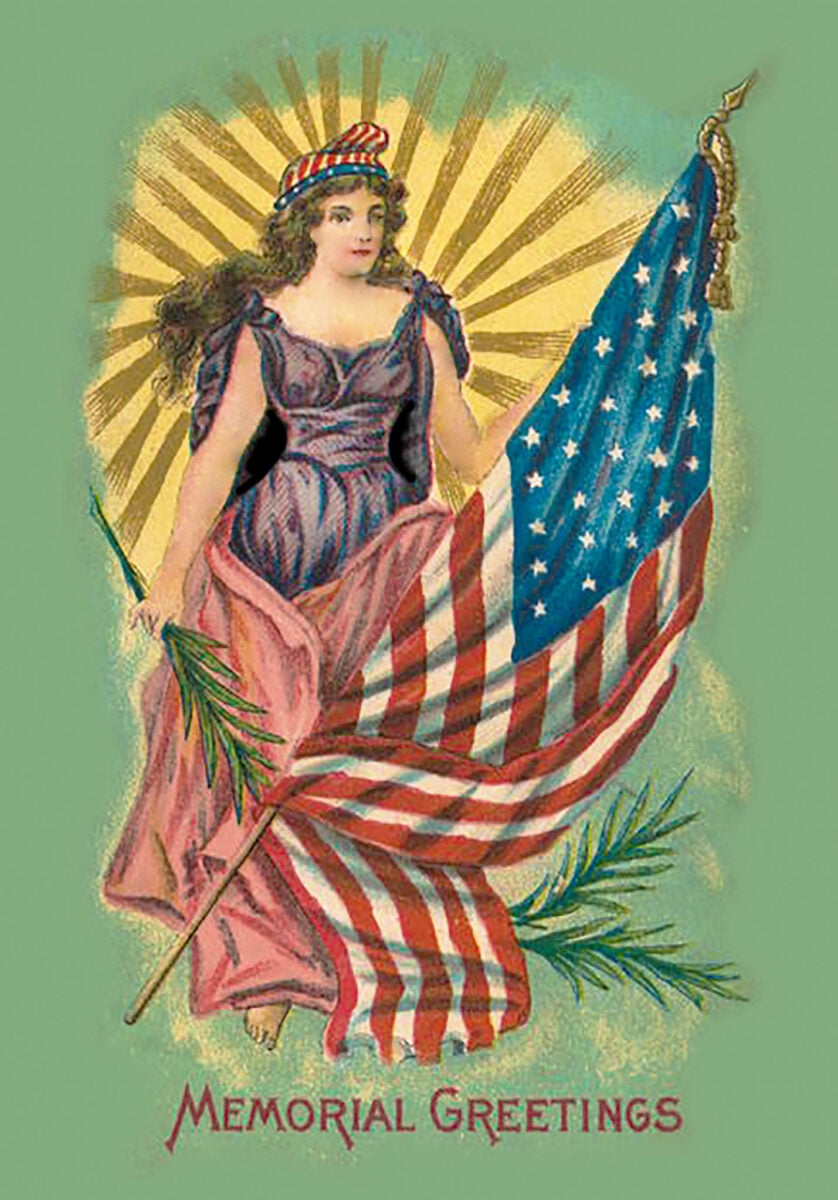
General John A. Logan called for a day to decorate soldiers’ graves, and the first observance took place on May 30, 1868. For generations it was known as Decoration Day, and the name appears on postcards showing flags, wreaths, and veterans in uniform.
Congress did not formalize the name Memorial Day in federal law until 1967. Old cards therefore capture a holiday under its original name, which is why they appeal to historians as much as to collectors.
Flag Day on June 14
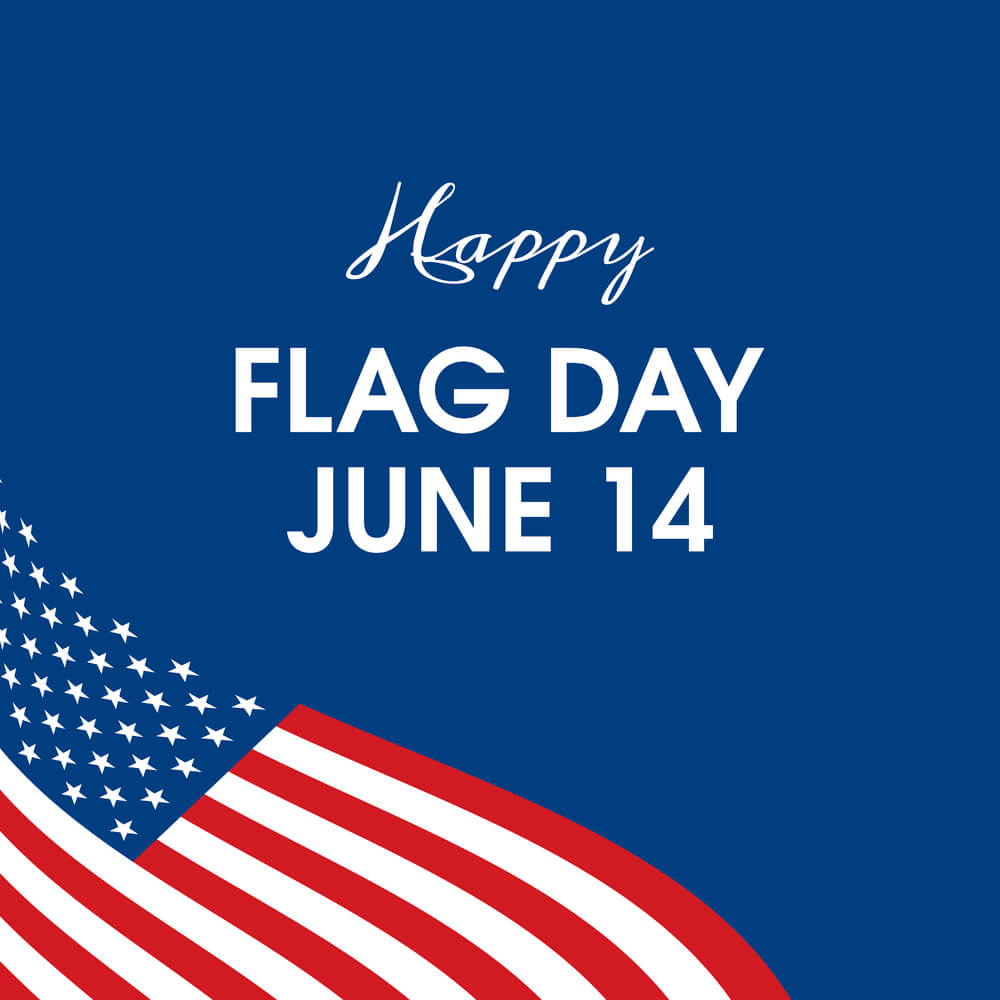
Flag Day recalls the adoption of the national flag on June 14, 1777, and postcards for the date show banners, stars, and stripes in saturated color. President Woodrow Wilson proclaimed a national observance in 1916, and Congress made the day official in 1949.
Postcards from earlier decades were produced by local enthusiasm rather than federal mandate. The holiday never became a day off, which perhaps explains why the cards are less famous than their Fourth of July cousins.
Mother’s Day, Before the Greeting Card Machine
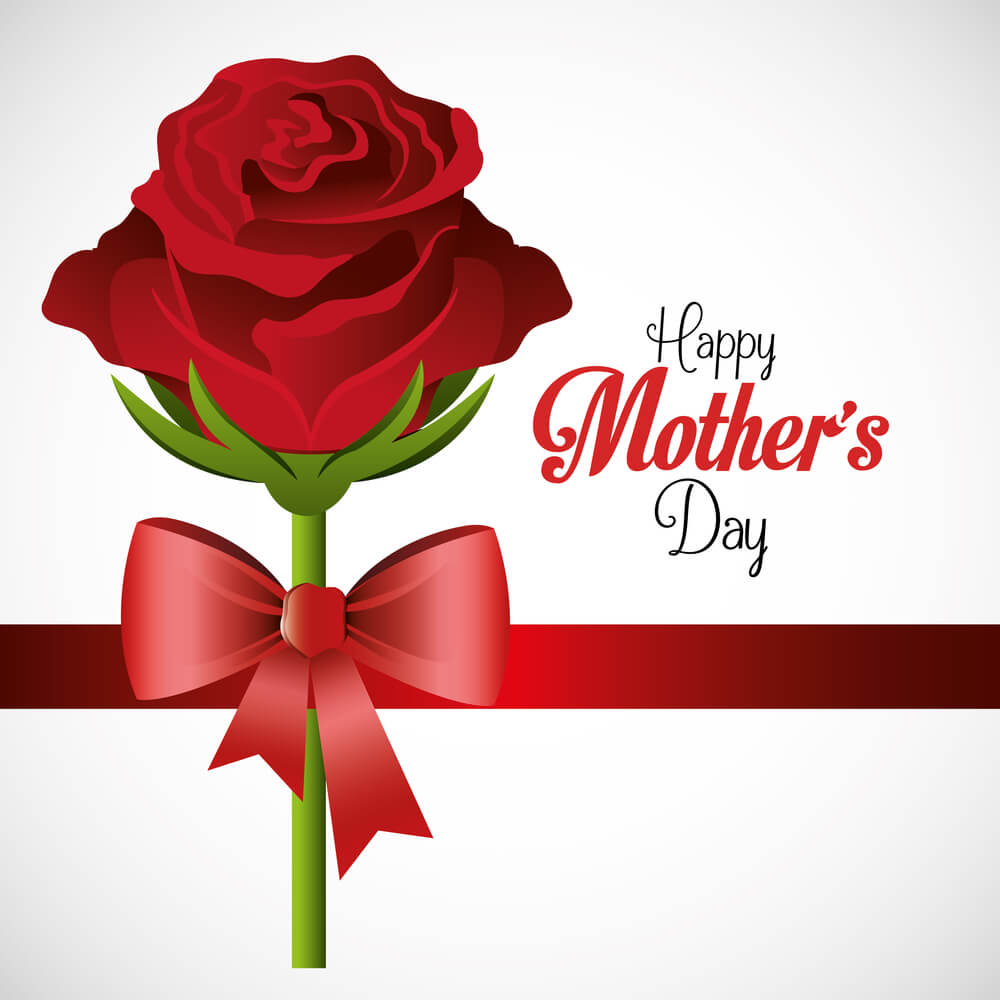
Anna Jarvis organized the first Mother’s Day observances on May 10, 1908, in Grafton, West Virginia, and Philadelphia, and President Wilson made it official in 1914. Postcards soon followed, with carnations, portraits, and verses about devotion.
Jarvis later turned against the commercial side of the holiday, including mass-produced cards, and spent years campaigning against it. Her objection adds a sour footnote to every sentimental Mother’s Day postcard that survives.
French Fish for April Fools’ Day
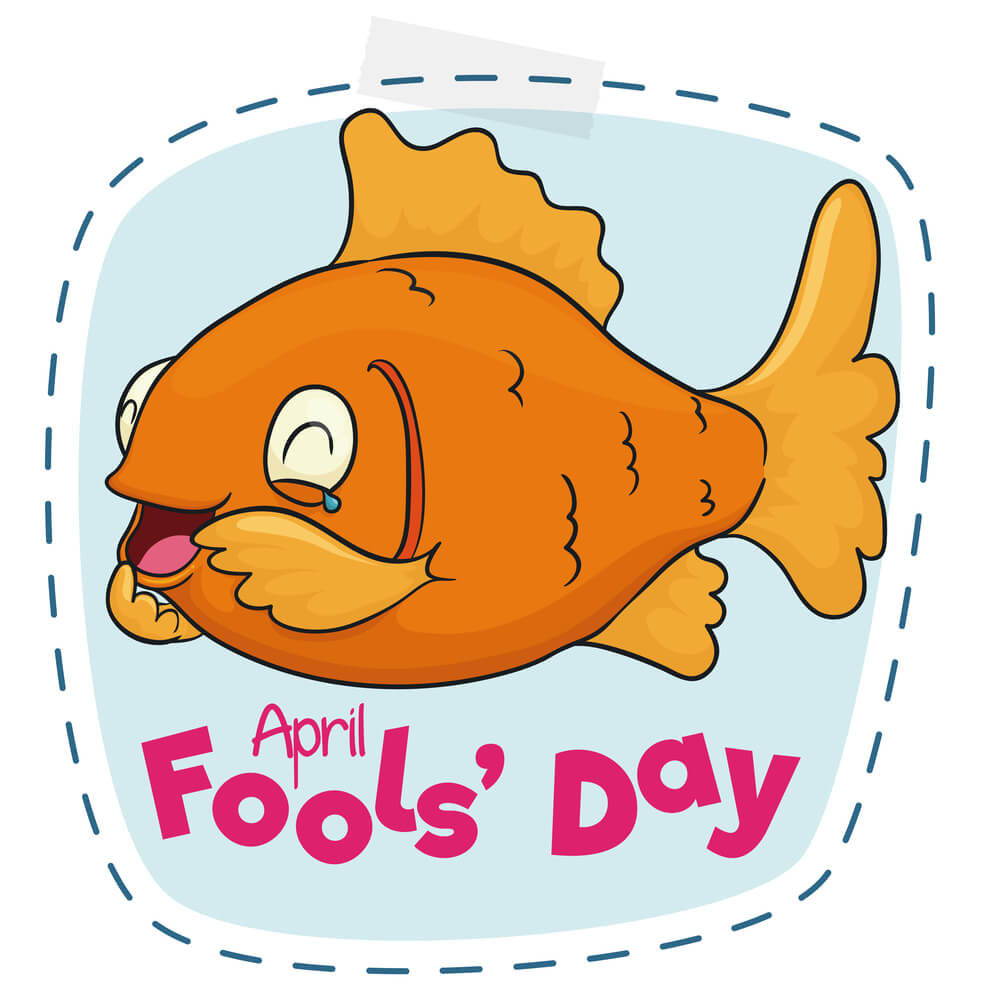
In France, April 1 is Poisson d’Avril, and the custom of secretly attaching a paper fish to someone’s back inspired generations of postcards. Cards showed fish with ribbons, smiling children holding them, and couples exchanging teasing messages.
The tradition gave French publishers a holiday that English-speaking markets lacked in the same form. Many of these postcards are brightly colored and charmingly strange, and they remain affordable for collectors despite their foreign flavor.
Leap Year Postcards and the Women Who Proposed

Tradition held that women could propose marriage on February 29, and postcards of the early 1900s turned the custom into a running joke. The Henry Ford museum holds a 1908 Leap Year card in which a woman pleads to fly away with her darling, which shows how enthusiastically publishers mocked pursuit and flight.
Artists drew women chasing reluctant men with nets, lassos, and sheer determination. The cards poked fun at courtship rules while quietly admitting how rigid courtship was the rest of the time.
Mardi Gras in New Orleans
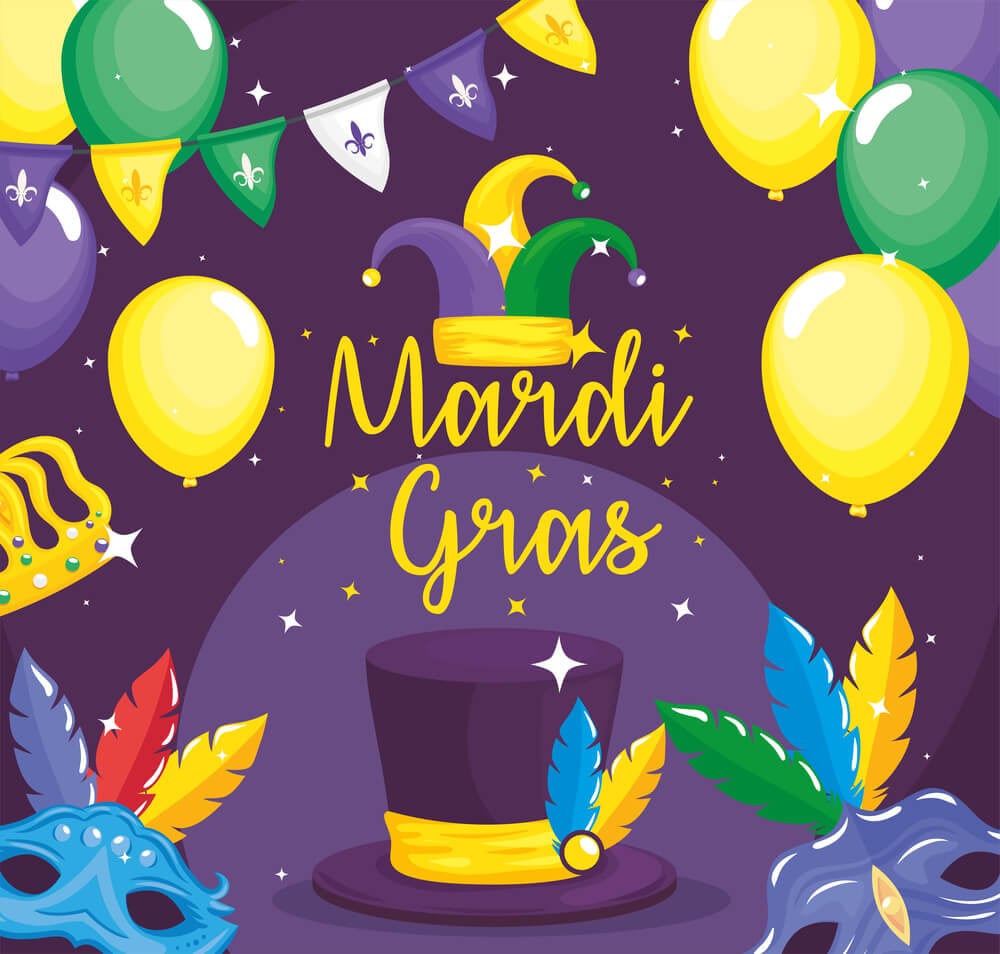
Rex, the King of Carnival, first paraded through New Orleans in 1872, and the city’s Mardi Gras produced a steady supply of postcards for visitors. Cards showed floats, masked riders, and crowds packed along the parade routes.
The purple, green, and gold associated with the festival were chosen in 1892, which is why vintage views show a palette that changed over time. Early cards give a record of costumes and parade themes that modern photographs cannot replace.
Columbus Day and the 400th Anniversary
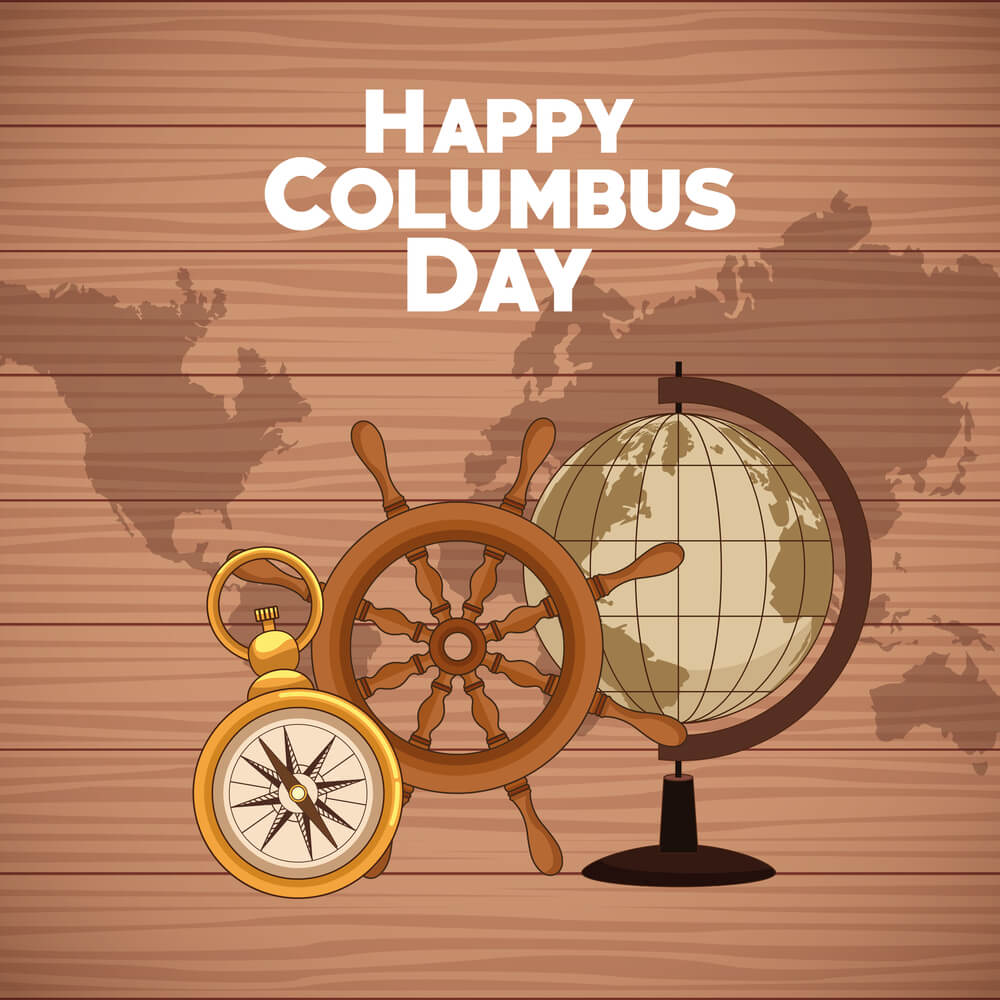
President Benjamin Harrison urged national observance in 1892 to mark the four hundredth anniversary of Columbus’s 1492 voyage. Postcards followed in later years with ships, portraits, and flags, often crowned with patriotic mottos.
The holiday only became an annual federal observance after a proclamation in 1937. Its postcards now read as snapshots of a time when the explorer’s reputation was uncontested, which is part of their interest today.
Armistice Day After the Guns Went Silent
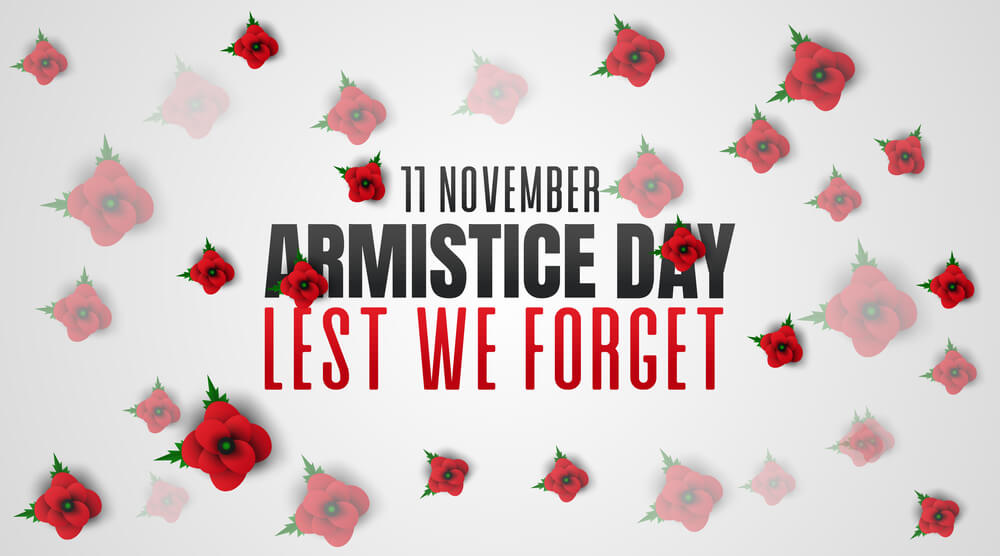
Fighting in the First World War ended on November 11, 1918, at the eleventh hour, and the date became Armistice Day. Postcards of the era carried poppies, flags, and messages of peace, many of them printed in the months after the war.
The holiday was renamed Veterans Day in 1954 to honor those who served in all American wars. Cards labeled Armistice mark a specific moment of relief, and collectors often seek them out for that reason.
Real Photo Halloween Parties

Kodak introduced the 3A Folding Pocket Camera in 1903, which produced postcard-sized negatives that could be printed directly onto card stock. Families and clubs used the format to photograph their own Halloween parties, posing in costumes and masks.
Unlike printed cards, each of these images is unique, with handwritten names and dates on the back. The results offer a glimpse of everyday celebrations that commercial artists never drew.
Hold-to-Light New Year Cards

Hold-to-light postcards were die-cut and backed with colored tissue so that windows and lanterns glowed when the card was held up to a lamp. German printers made many of them in the early 1900s, and New Year designs used the trick to show candlelit rooms and midnight clocks.
The tissue is fragile, and a tear or stain can ruin the effect entirely. Value depends heavily on condition, since an intact glowing example is far more appealing than a damaged one.
Linen Holiday Cards from Curt Teich
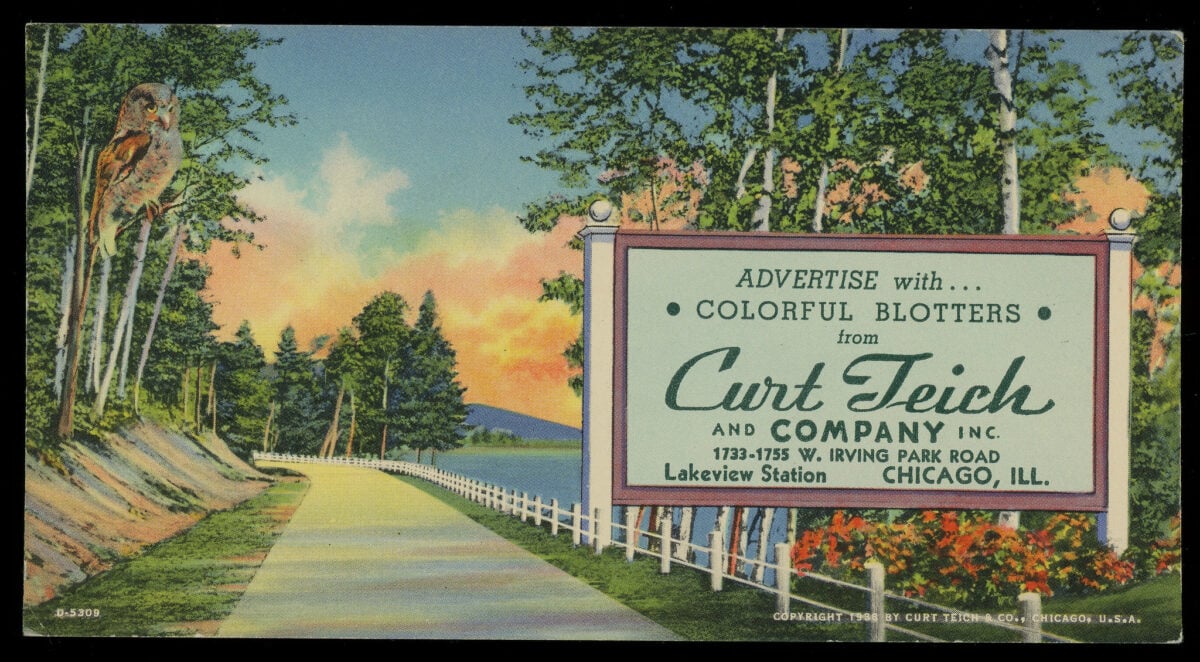
Curt Teich and Company of Chicago became the leading name in linen postcards, whose textured paper imitated cloth and came into use around 1931. The company used its Art-Colortone process to print vivid, flat colors that suited holiday themes and tourist scenes alike.
Linen cards date from roughly 1930 to 1945, a period that followed the white border era and preceded modern chrome cards. They are typically less expensive than earlier embossed holiday cards, but condition still influences price.
Frohe Pfingsten from German Printers
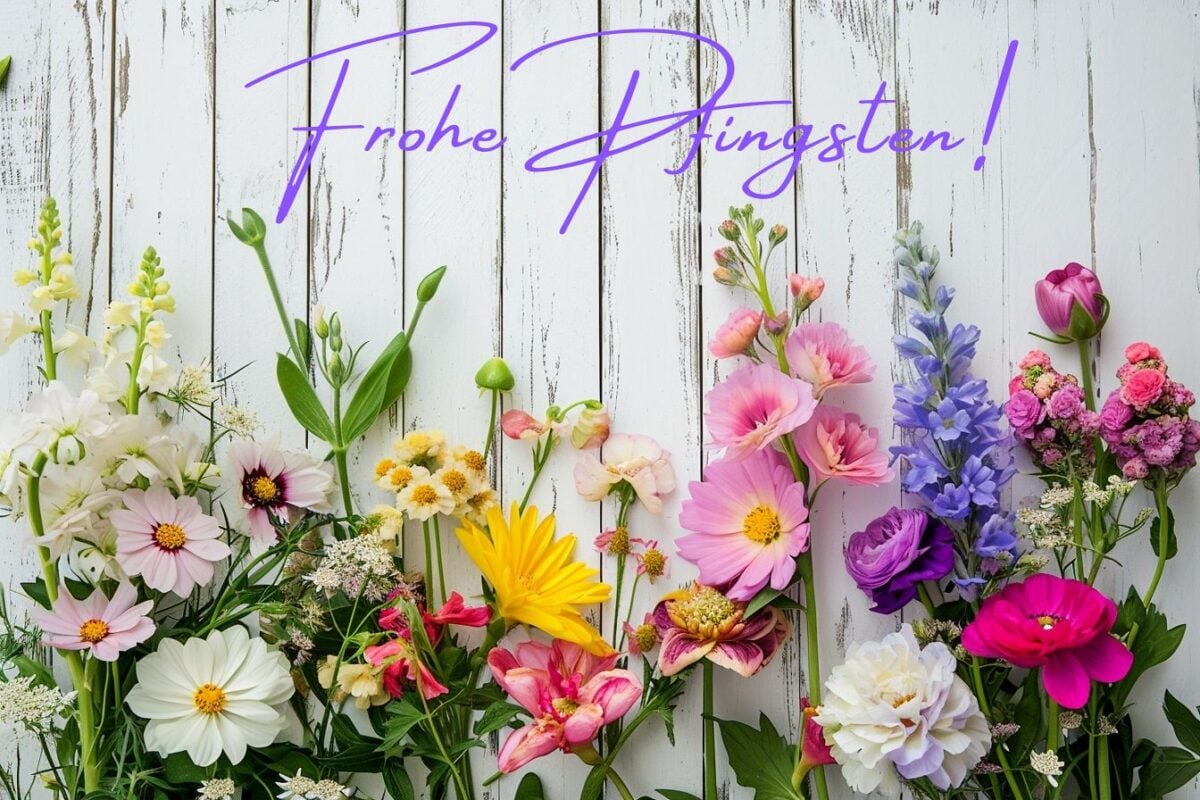
Pentecost, called Pfingsten in German, arrives seven weeks after Easter and generated its own postcards with the greeting Frohe Pfingsten. Designs show birch branches, a traditional decoration for doors and homes around the holiday, along with flowers and doves.
The holiday never gained much commercial attention in the United States, so these cards belong to a quieter corner of collecting. Prices rise and fall with the condition of the card.
Vinegar Valentines Go Postcard
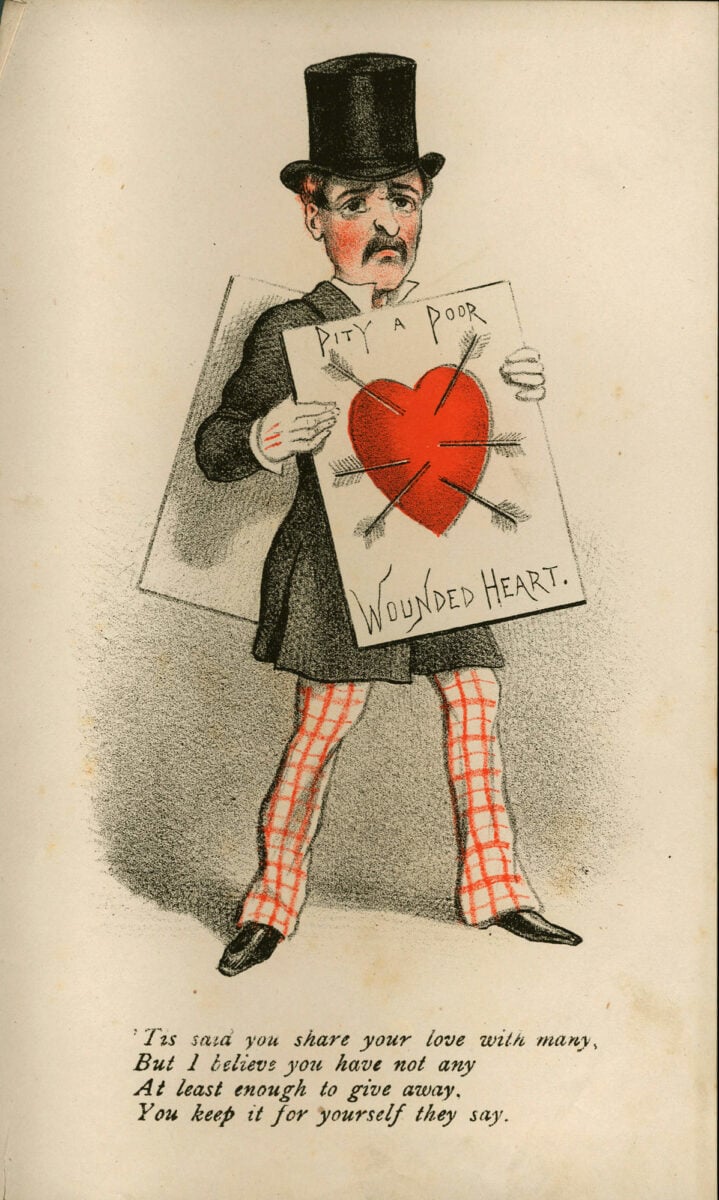
Vinegar valentines were insulting greetings sent anonymously, a custom that thrived long before the postcard craze and survived into it. Comic postcards carried on the tradition with rude verses and unflattering caricatures of bachelors, flirts, and gossips.
The cruelty was the point, and recipients sometimes had to pay postage due, which added injury to insult. Collectors enjoy them for their honesty, and examples in good condition sell better than worn ones.
The White House Easter Egg Roll
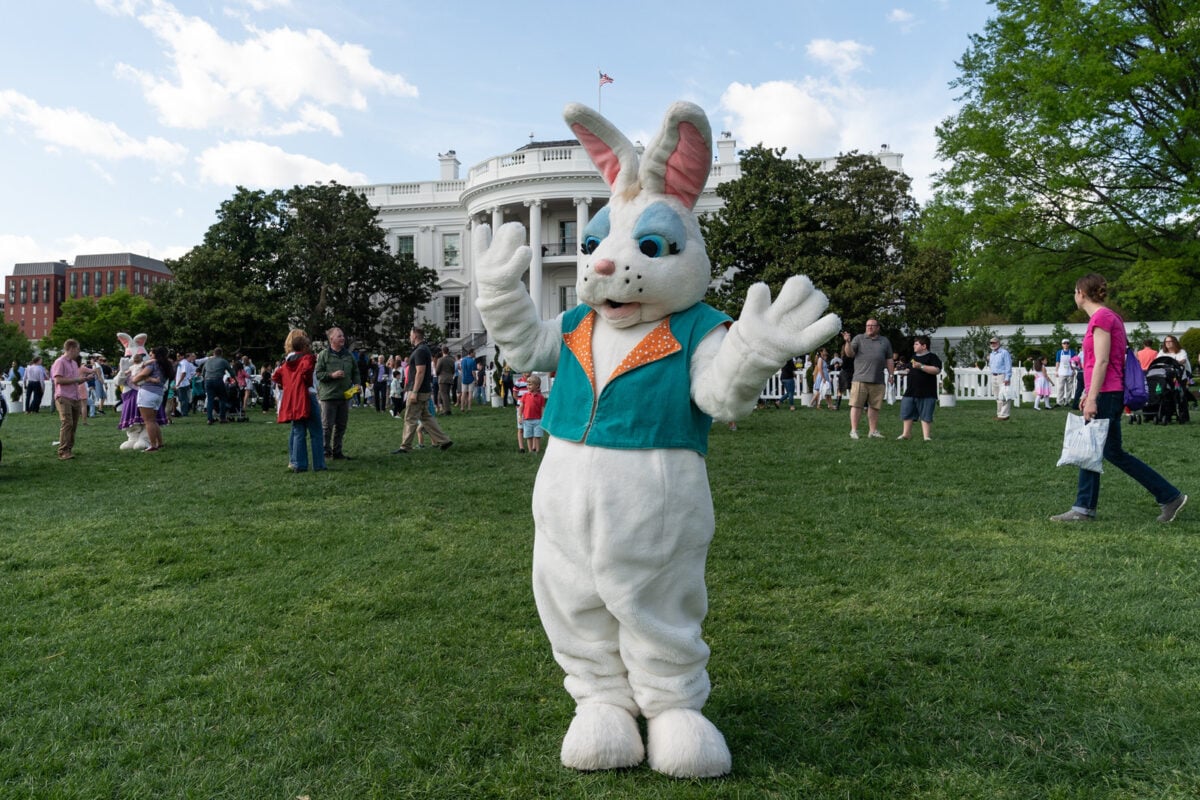
The White House Easter Egg Roll dates to 1878, when President Rutherford B. Hayes opened the lawn to children after Congress barred rolling eggs on the Capitol grounds. Postcards of the era show children rolling eggs across lawns in their Sunday best, often with a basket and a bonnet in the frame.
The event gave Easter a distinctly American civic ritual that complemented the religious holiday. Cards depicting egg rolling are charming additions to any Easter assortment, and condition affects their value significantly.
Why the Calendar Was Never Enough

Looking across these cards, the pattern is hard to miss. Publishers did not wait for a holiday to become important before printing a greeting for it, which is why Flag Day, Arbor Day, and Leap Year all earned racks of their own.
A date with any hook at all, whether a custom, a birthday, or a joke, could be sold for a penny. The result is an unplanned archive of how people lived through the year.
Fish on backs, baskets on doorsteps, and turkeys with worried faces survive on postcards when official records say nothing about them. The cards that mattered least to their makers have often become the most informative.
More from Go2Tutors!

- 27 Silver Dollars and Half Dollars Worth Keeping
- 28 Restaurant Menu Items Nobody Orders Anymore
- 17 Places Built in Seemingly Impossible Spots
- 27 Vintage Rings Worth More Than They Look
- 25 Restricted Sites Tourists Can’t Enter
Like Go2Tutors’s content? Follow us on MSN.