Family Restaurant Chains Kids Loved in the ’80s
A dinner out in the 1980s was rarely about the food, at least from the back seat. It was about the paper placemat, the token in the pocket, the giant statue by the door and the slim hope that the server would announce a birthday that was not actually happening.
Plenty of these places are gone now, and several survive only as a single stubborn location or a name on an overseas menu. For a generation of kids, though, each one had a specific smell, sound and dessert attached to it.
Chuck E. Cheese and the Pizza Time Rat
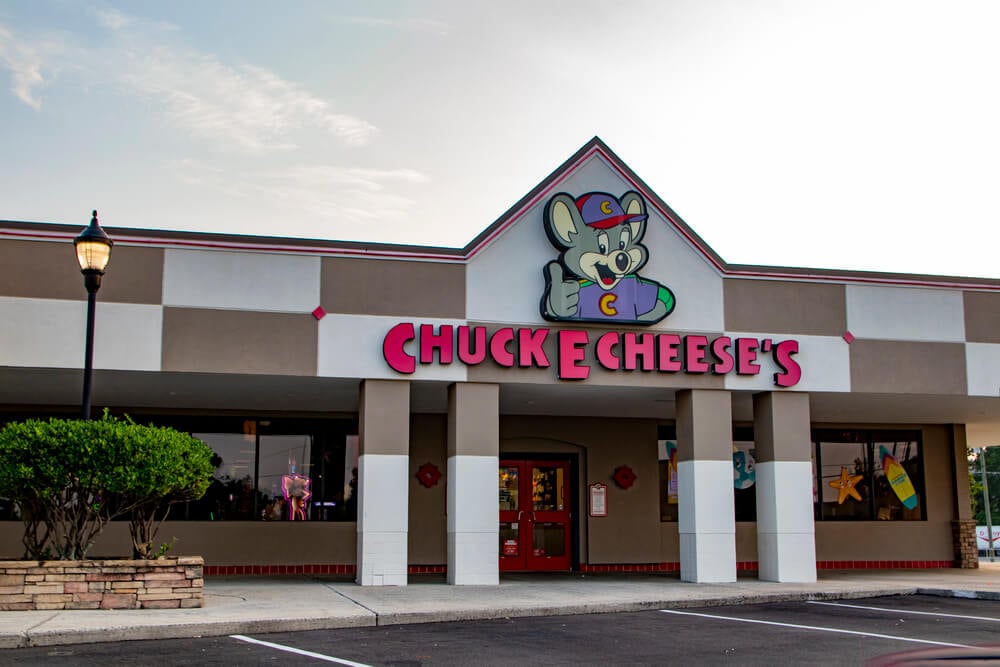
Nolan Bushnell, the co-founder of Atari, opened the first Pizza Time restaurant in San Jose, California, in 1977 with a simple idea about families. Parents would buy pizza, and kids would feed tokens into arcade cabinets while robotic characters sang on a stage.
The mascot, a rat in a bowler hat, reportedly began life as a costume Bushnell believed was a coyote. The chain expanded fast, then hit trouble during the video game crash and filed for bankruptcy in 1984.
A competitor bought it that same year, and the name eventually shrank to Chuck E. Cheese, which is still where countless children celebrate turning seven.
ShowBiz Pizza Place and the Rock-afire Explosion
ShowBiz Pizza Place opened in Kansas City in 1980 and quickly became the main rival to Chuck E. Cheese’s. Its stage show, the Rock-afire Explosion, was built by Aaron Fechter’s Florida company Creative Engineering and featured Billy Bob, a guitar-playing bear, alongside a gorilla keyboardist named Fatz.
The animatronic band was surprisingly elaborate, with scripted shows synced to tape. After ShowBiz merged with its rival in 1984, the band was gradually phased out in favor of Chuck E. and friends.
Decades later, collectors and online fans still restore surviving units and program them to perform modern pop songs.
Pizza Hut and the Book It Program
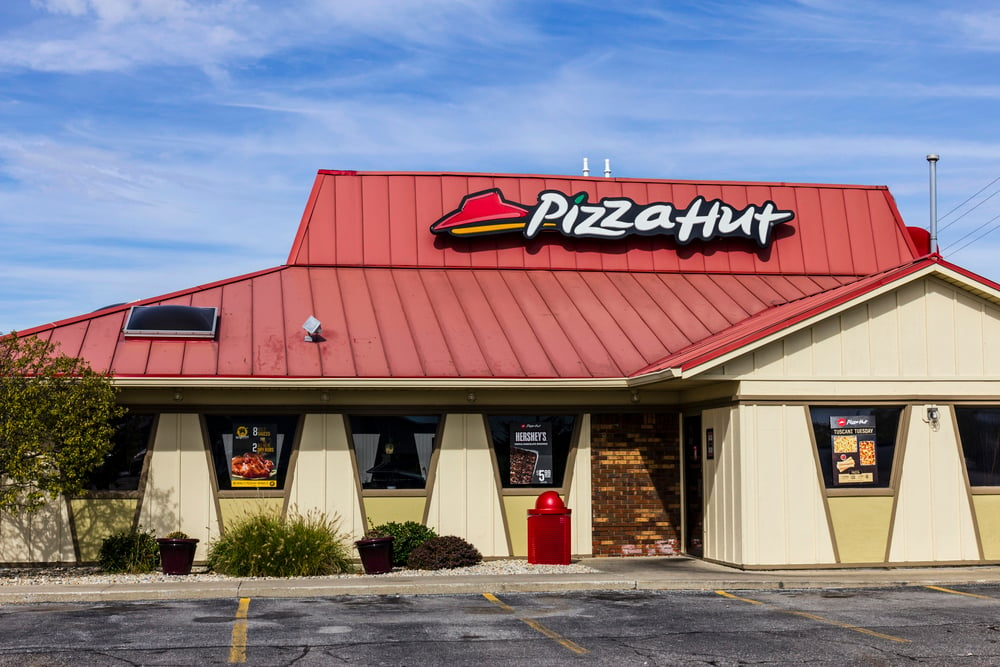
The red-roofed Pizza Hut was a reward destination long before it was a delivery app. In 1984, the chain launched Book It, a reading incentive program that gave elementary school students certificates for free Personal Pan Pizzas when they hit monthly reading goals.
Kids collected stars on a button, and teachers kept track of the progress. The dining rooms themselves added to the appeal, with red plastic cups, tabletop arcade machines in some locations and pitchers of soda.
Book It is still running decades later, which means some parents now watch their own kids earn the same pizza.
Farrell’s Ice Cream Parlour
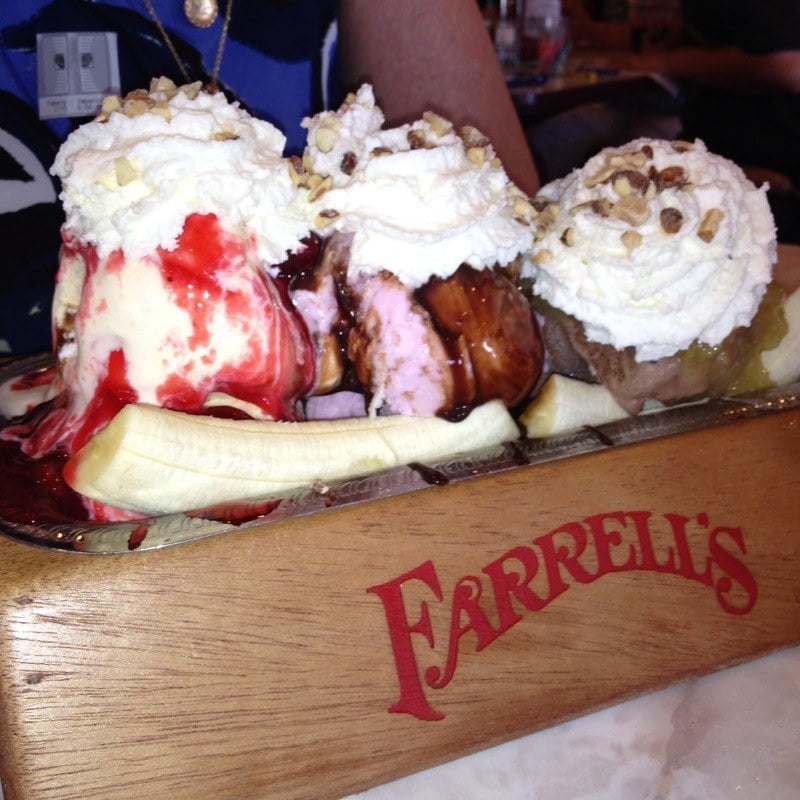
Bob Farrell and Ken McCarthy opened the first Farrell’s in Portland, Oregon, in 1963, styled after a turn-of-the-century ice cream parlor with striped vests and straw hats. The showpiece was the Zoo, an enormous sundae that employees rushed through the dining room on a stretcher while sirens wailed.
Birthdays came with drums, singing and a free sundae, so a Farrell’s was rarely a quiet place to eat. Marriott bought the chain in 1972, and it later shrank dramatically during the 1980s. A handful of revived locations opened in California in the 2000s and 2010s, still serving the Zoo.
Friendly’s and the Fribble
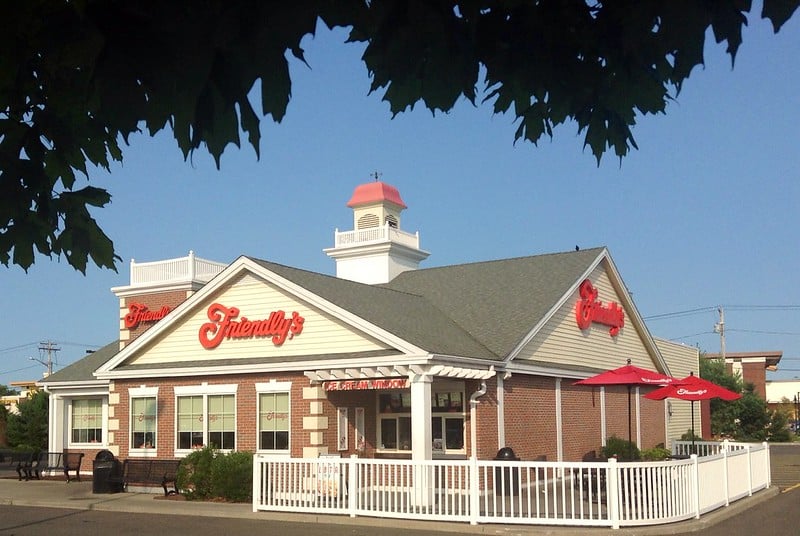
Brothers Curtis and Prestley Blake opened Friendly Ice Cream in Springfield, Massachusetts, in 1935, in the middle of the Great Depression. They sold double-dip ice cream cones for a nickel, which was a bold bet at the time.
The chain grew across the Northeast and became the place for clam strips, grilled cheese and, above all, the Fribble, a thick shake served too dense for a straw to handle on the first try. Kids’ menus came with sundaes shaped like clowns, using a cone as the hat.
Howard Johnson’s Under the Orange Roof
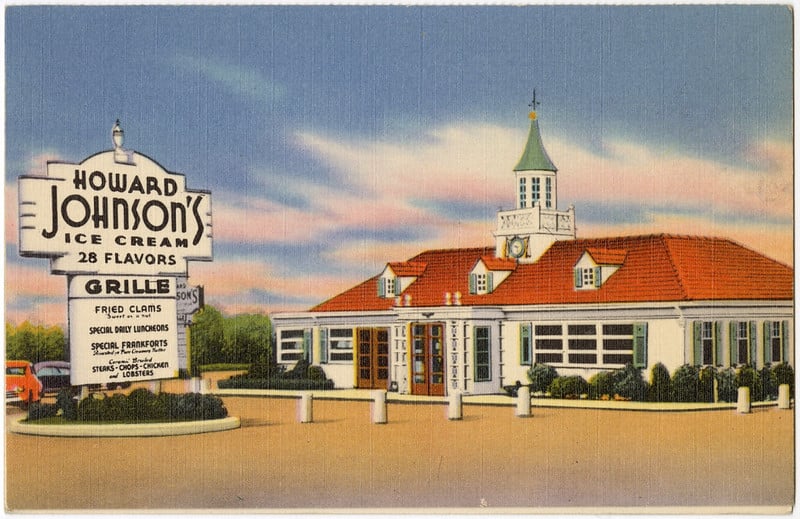
Howard Johnson’s was once among the biggest restaurant chains in the country, and its bright orange roofs were easy to spot from any highway. The menu promoted 28 flavors of ice cream, a number that sounded enormous to any child in the back seat.
Fried clam strips, frankforts on buttered rolls and the Simple Simon and the Pieman logo filled out the experience. The chain declined steadily in the 1980s and 1990s as franchisees converted or closed.
By the late 2010s, a single restaurant in Lake George, New York, was all that remained, and it later shut its doors as well.
Big Boy and Its Checkered Overalls
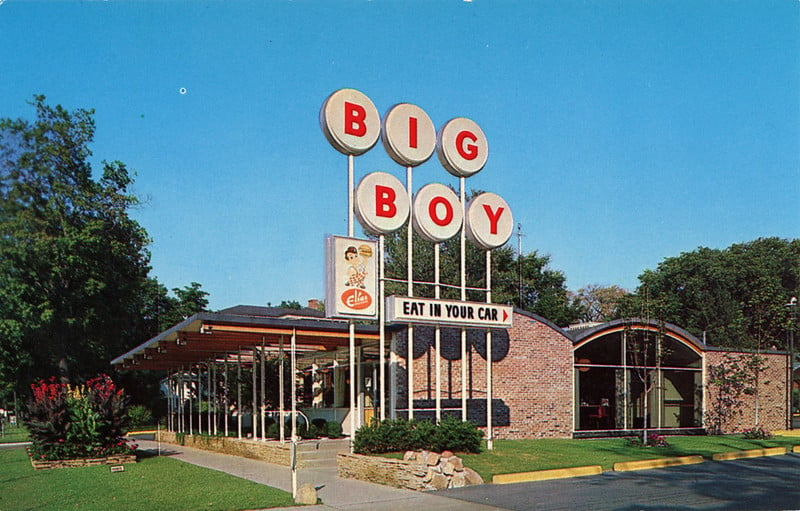
Bob Wian launched his Glendale, California, stand in the 1930s and created a double-decker hamburger that became the Big Boy. The chubby mascot in checkered overalls followed, along with roadside statues that still turn up in parking lots and at auctions.
Regional franchisees such as Frisch’s, Shoney’s and Elias Brothers ran the restaurants under different names, which confused anyone who moved across state lines. Kids got free copies of Adventures of the Big Boy, a comic book handed out at the register for decades.
Many diners remember the comics more clearly than any sandwich they ordered.
Sizzler and the Salad Bar Era
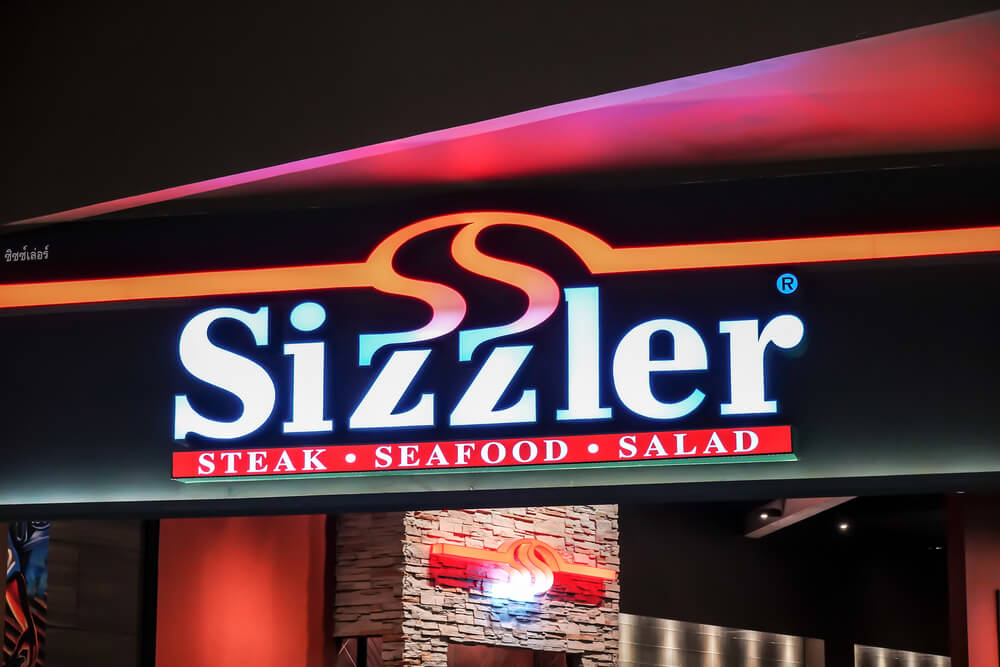
Del and Helen Johnson opened the first Sizzler Family Steak House in Culver City, California, in 1958, with the goal of serving affordable steak dinners. By the 1980s, the chain was famous less for its steak than for its long salad bar, which later expanded into a buffet with tacos, pasta and soft-serve.
Kids appreciated a dining format with almost no waiting and complete control over the dessert section. Adults appreciated the price.
Sizzler shrank considerably after the 1990s and went through bankruptcy in 2020, though a number of locations remain in California and overseas.
Ponderosa and Bonanza Steakhouses
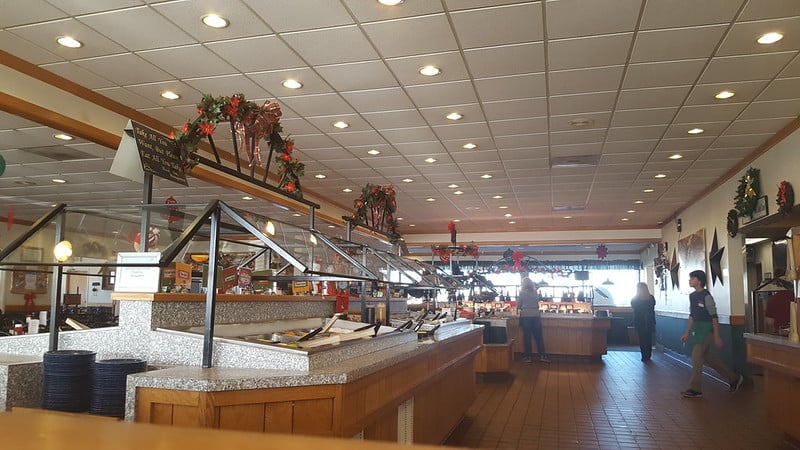
Ponderosa and Bonanza were separate chains in the 1960s, both named with a wink at the hit television Western Bonanza. Ponderosa opened in Kokomo, Indiana, in 1965, and Bonanza came first, with early ties to the actor who played Hoss Cartwright.
Both used a cafeteria line where diners ordered at a counter, slid trays along metal rails and picked up their steaks at the end. For kids, the draw was the dessert bar and the free refills.
The two brands eventually merged under one owner, and only a handful of locations survive today, most of them in the Midwest and Northeast.
Denny’s and the Grand Slam
Denny’s built its reputation on never closing, which made it the reliable late-night stop after a long drive or a school event. The Grand Slam breakfast arrived in 1977 and, by most accounts, was introduced in Atlanta with a name borrowed from Hank Aaron’s sport.
The chain also delivered one of the stranger stories of the decade. According to company lore, when Denny’s decided to close for Christmas in 1988, a number of restaurants discovered they had never had locks installed because they had been open around the clock since opening day.
Kids mostly remember the pancakes and the crayons.
IHOP Under the Blue Roof
The International House of Pancakes opened in Toluca Lake, California, in 1958, and its steep blue roofs became one of the more recognizable shapes along American roads. Every table carried a caddy of four syrups, usually including boysenberry, which many children tasted for the first time there.
The menu leaned into theatrics with stacks of pancakes, whipped cream faces and the promise of breakfast at dinnertime. The chain shortened its public name to IHOP in 1973.
Later attempts to rebrand, including a brief 2018 stunt calling it IHOb, only confirmed that customers mainly showed up for pancakes.
Chi-Chi’s and Fried Ice Cream
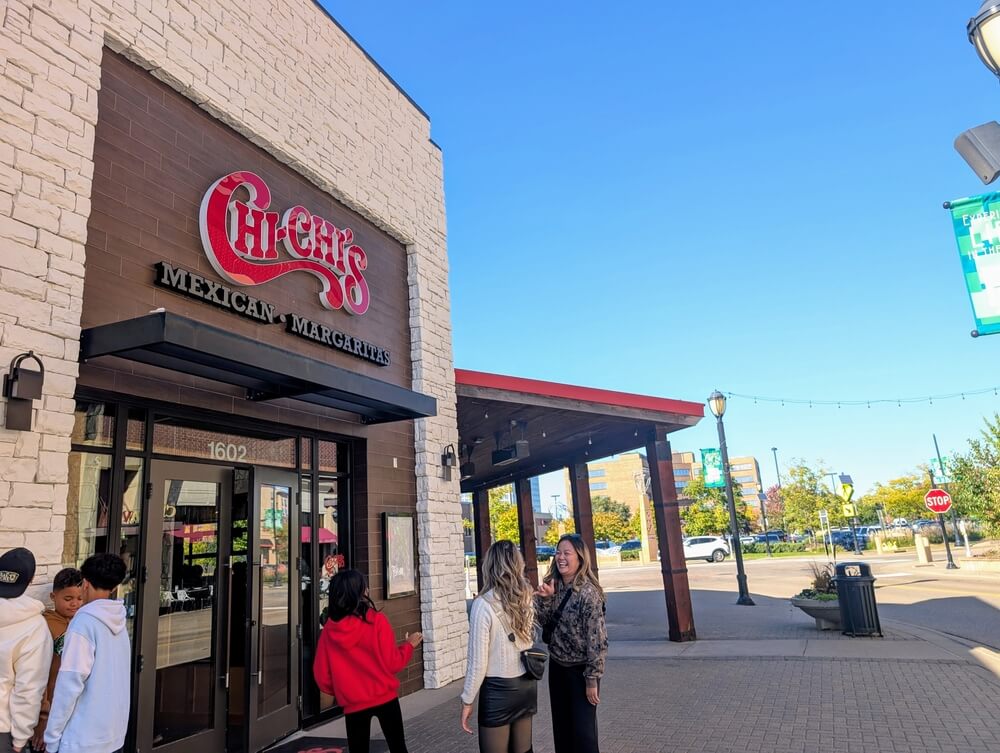
Marno McDermott and Max McGee, a former Green Bay Packers player, opened the first Chi-Chi’s in Richfield, Minnesota, in 1975. The chain helped introduce Tex-Mex to suburban families across the Midwest and became famous for sizzling fajitas, oversized margaritas for adults and fried ice cream for kids.
The dessert, a scoop coated in crunchy cereal and briefly fried, felt like a magic trick at the end of a meal. In 2003, a hepatitis A outbreak traced to green onions at a Chi-Chi’s near Pittsburgh sickened hundreds of people.
The US restaurants closed in 2004, though the name lives on in grocery aisles.
Long John Silver’s and the Crumbs
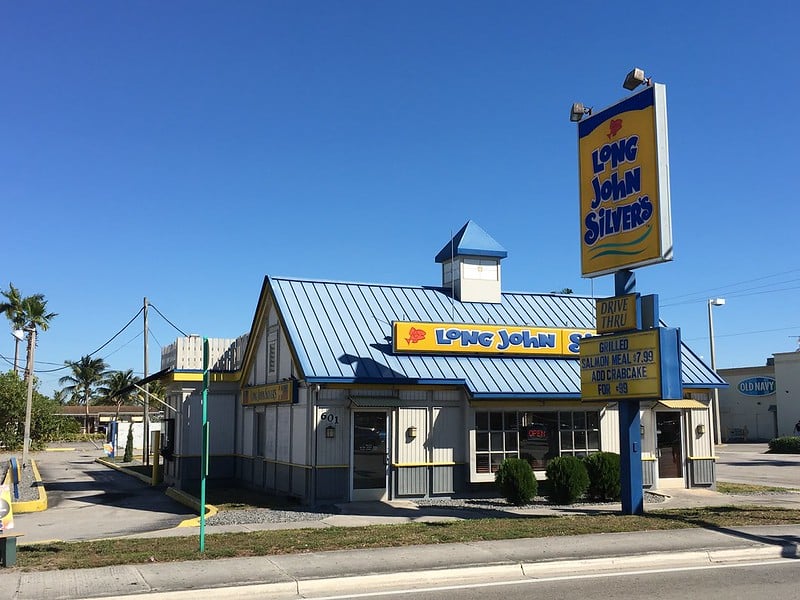
Long John Silver’s opened in Lexington, Kentucky, in 1969, borrowing its name from the pirate in Robert Louis Stevenson’s Treasure Island. The early buildings looked like Cape Cod fishing shacks, complete with nautical rope and lanterns, which made a fried fish dinner feel like a minor adventure.
Kids fought over the crumbs, the crispy bits of batter that fell off the fish in the fryer and were scattered over the plate on request. Hush puppies and coleslaw rounded out the meal. The chain still operates hundreds of locations, and fans still ask for extra crumbs by name.
Roy Rogers and the Fixin’s Bar
Marriott launched Roy Rogers Restaurants in 1968, licensing the name of the singing cowboy for a chain of roast beef and fried chicken stands. The signature feature was the Fixin’s bar, where customers dressed their own sandwiches with lettuce, tomato, pickles and sauces.
For kids, the bar was a rare chance to control the toppings. The Roy Rogers drink, a mix of cola and grenadine with a cherry, was a popular order as well.
Hardee’s bought the chain in 1990 and converted many locations, but a smaller version of Roy Rogers survives in the Mid-Atlantic today.
Ground Round and the Peanut Shells
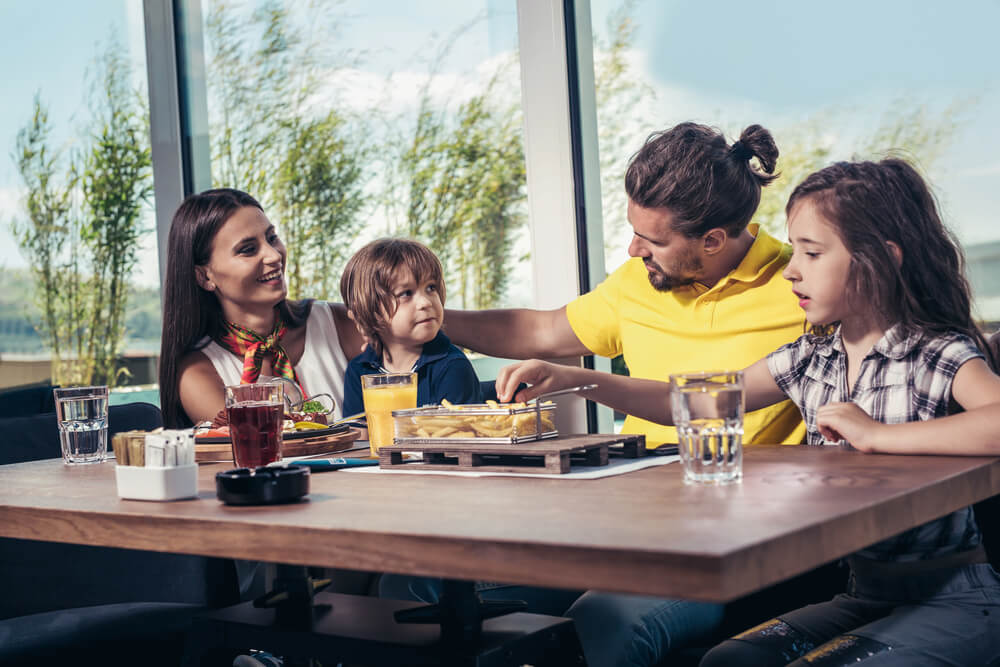
Ground Round, launched by Howard Johnson’s in 1969, encouraged behavior that most parents spent years trying to prevent. Diners cracked peanuts from bottomless baskets and tossed the shells straight onto the floor.
Cartoons and old silent films played on a screen, and some locations ran a promotion that let children pay for their meal based on their body weight. The chain grew to well over 100 restaurants at its height before shrinking in the 1990s and 2000s.
A few independently owned Ground Rounds remain, and newer owners have tried to revive the brand.
Cracker Barrel and the Peg Game
Dan Evins opened the first Cracker Barrel Old Country Store in Lebanon, Tennessee, in 1969, originally as a place to sell gasoline along with country cooking. The rocking chairs out front and the gift shop in the entrance made each visit part meal, part shopping trip.
Every table carried a small triangular wooden board with golf tees, a puzzle that required jumping pegs until only one was left. Few children ever managed it, and the board printed a blunt verdict for those who left several pegs standing.
The chain remains a fixture along interstates, and the peg game still sits on the tables.
Shakey’s Pizza Parlor
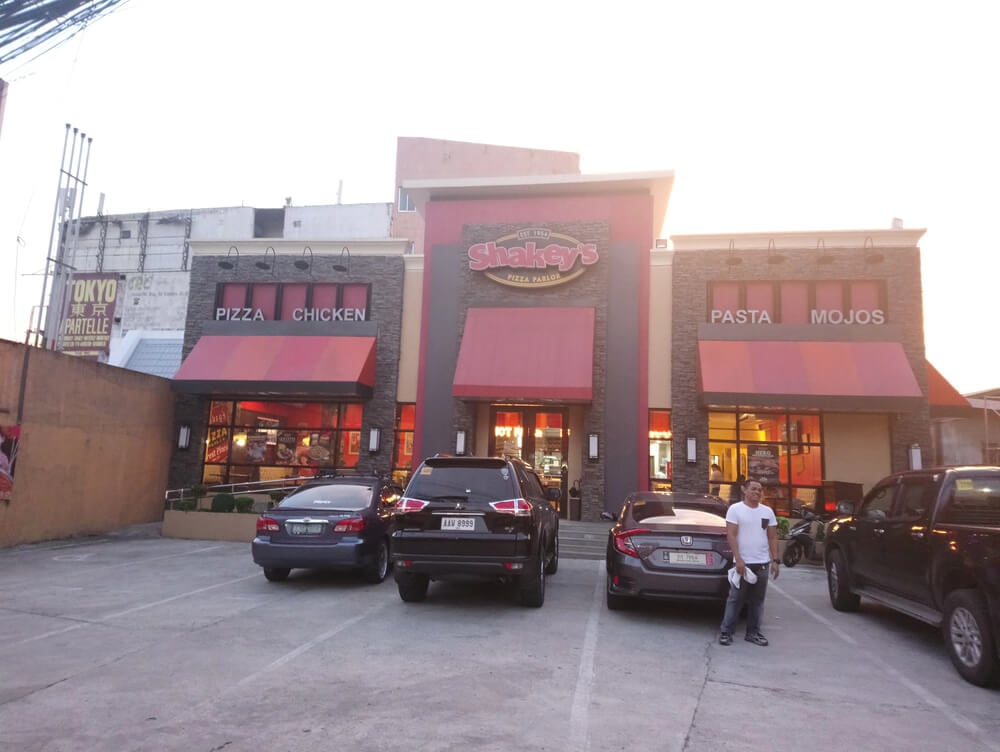
Sherwood “Shakey” Johnson and Ed Plummer opened the first Shakey’s in Sacramento, California, in 1954, making it one of the earliest pizza chains in the country. The early parlors leaned on old-time entertainment, with banjo players and ragtime pianists performing while families ate.
Long communal tables and a window into the kitchen let kids watch the dough get tossed. Shakey’s also popularized Mojo potatoes, thick battered wedges served alongside the pizza.
The chain shrank in the US over the following decades but remains popular in the Philippines, where it operates far more locations than it does in America.
Red Robin and Bottomless Fries
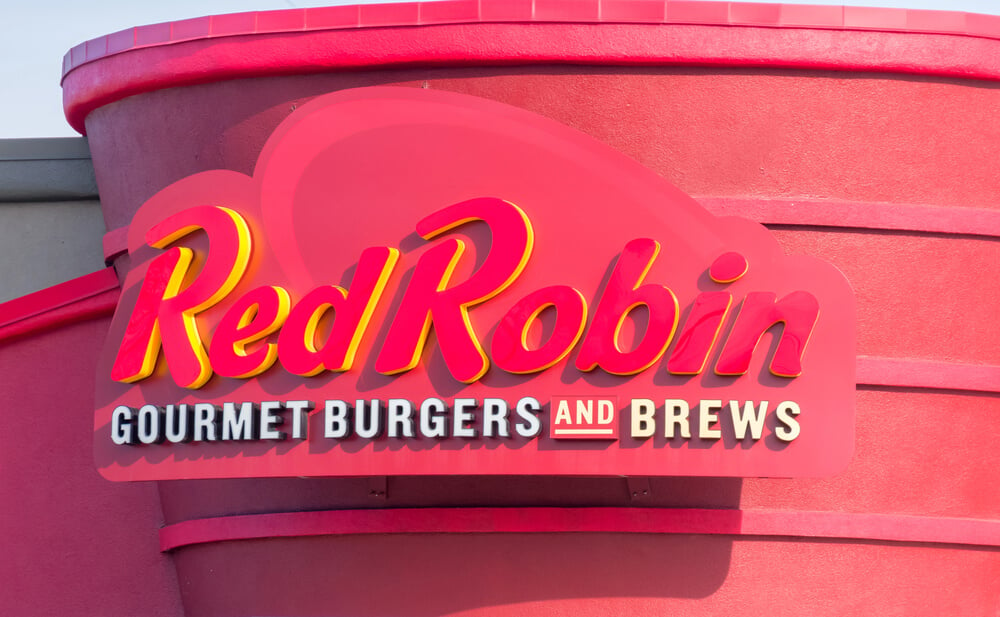
Red Robin began as a Seattle tavern near the University of Washington, and the burger restaurant that grew from it opened in 1969. The name traces back to the old song “When the Red, Red Robin Comes Bob, Bob, Bobbin’ Along.”
The first franchise opened in Yakima, Washington, in 1979, and the chain spread steadily through the 1980s with a menu of gourmet burgers and towering milkshakes. Kids loved the bottomless steak fries and the bird mascot who appeared at birthday parties.
Red Robin still offers the refillable fries, a promise few other chains have tried to match.
Swensen’s and the Earthquake Sundae
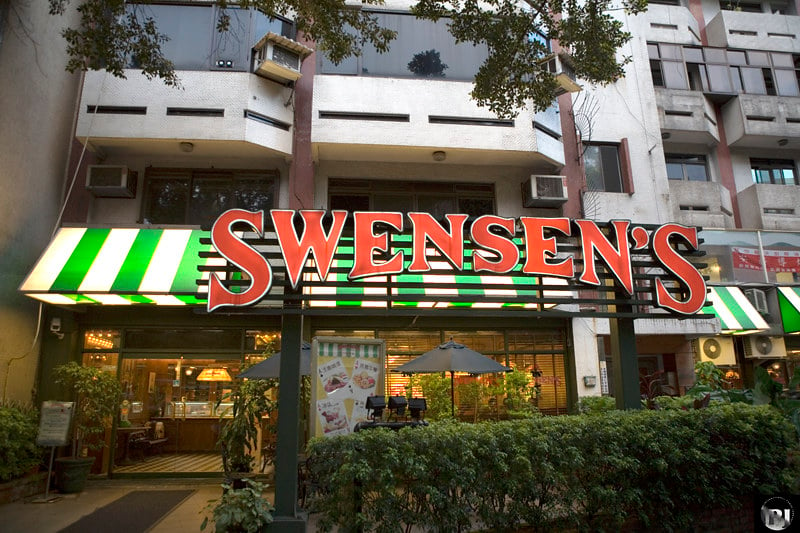
Earle Swensen opened his ice cream parlor on Russian Hill in San Francisco in 1948, and the original shop still stands at the corner of Union and Hyde streets. Franchising spread Swensen’s across the country in the 1970s and 1980s, with old-fashioned parlors and rich, dense ice cream. The famous order was the Earthquake, a sundae piled with eight scoops and eight toppings, named in honor of the city’s most famous disaster. Most American locations disappeared over time. The brand now thrives overseas, especially in Thailand and Singapore, where Swensen’s restaurants serve full meals alongside sundaes.
Old Country Buffet
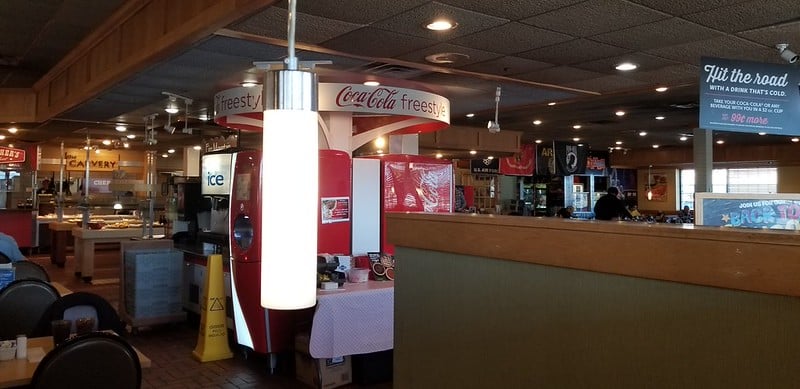
Old Country Buffet was founded in Minnesota in 1983 and grew quickly through the late 1980s by offering a single fixed price for an unlimited spread. Kids were usually charged by age, which turned every visit into a negotiation about whether someone was really nine.
The appeal was choice, with fried chicken, mashed potatoes, carved roast beef and a soft-serve machine that children were allowed to operate themselves. The format suffered as dining habits changed, and the pandemic in 2020 closed most remaining locations.
Only a few restaurants under the name are still operating.
Crayons, Tokens and Free Sundaes
These chains understood something that many restaurants have since forgotten, which is that children choose where families eat. A rocking stage band, a peg puzzle or a siren-led sundae cost far less than a marketing campaign and earned loyalty that lasted decades.
The food was often ordinary. The memories attached to it were not.
Most of these restaurants faded as tastes shifted, malls emptied and families began ordering in more than going out. The ones that survived often did so by keeping the very gimmicks that seemed silly at the time.
A kid who once cracked peanuts onto the floor or begged for extra crumbs is now the adult deciding where the family goes on Friday night.
More from Go2Tutors!

- The Romanov Crown Jewels and Their Tragic Fate
- 13 Historical Mysteries That Science Still Can’t Solve
- Famous Hoaxes That Fooled the World for Years
- 15 Child Stars with Tragic Adult Lives
- 16 Famous Jewelry Pieces in History
Like Go2Tutors’s content? Follow us on MSN.