Largest Objects Carried Without Machines
Without the aid of contemporary machinery, people have accomplished incredible strength feats throughout history, moving enormous items. These accomplishments, which range from the construction of ancient monuments to contemporary strongmen, demonstrate the extraordinary potential of human strength and resourcefulness.
Here is a list of 17 of the largest objects people have managed to carry using nothing but human strength and simple tools.
Ancient Egyptian Obelisks
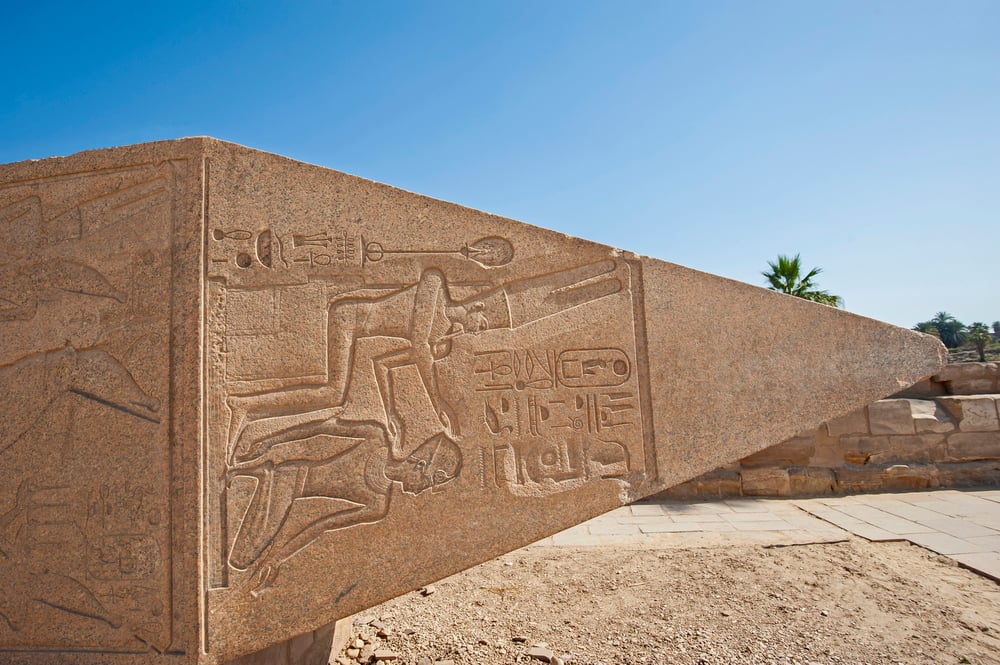
The ancient Egyptians transported massive granite obelisks weighing up to 500 tons from quarries to their final locations. Teams of workers would use ropes, wooden sleds, and lubricants like wet sand to move these monumental structures.
The 105-foot-tall Lateran Obelisk is estimated to have required thousands of workers pulling in unison to transport it to its destination.
The Stones of Baalbek
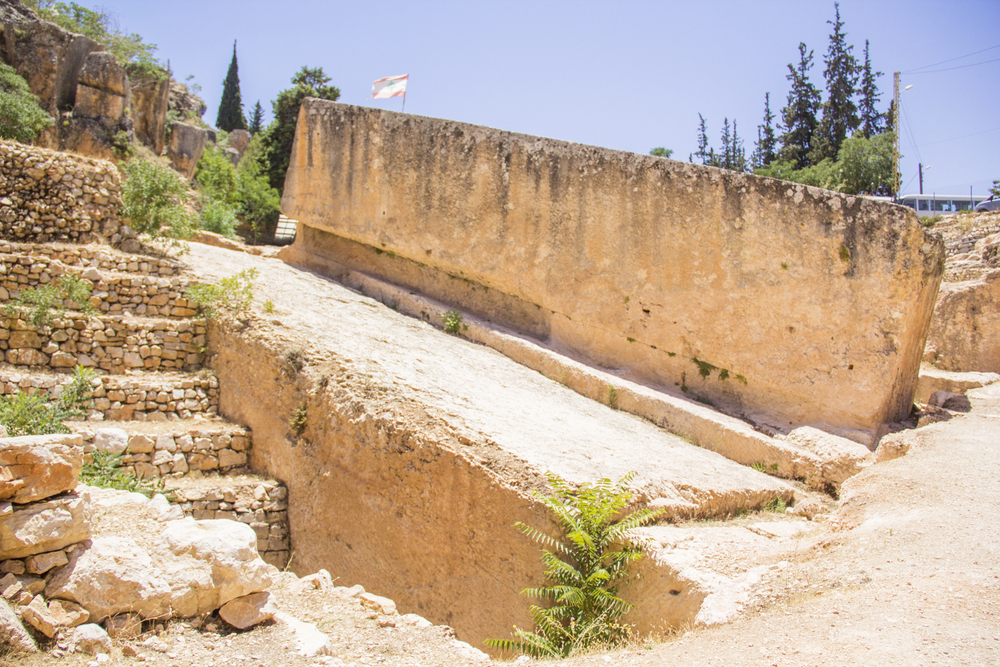
The ancient Roman temple complex at Baalbek, Lebanon features some of the largest building blocks ever moved by human power. The famous ‘Stone of the South’ weighs approximately 1,000 tons and was transported over 2,600 feet from its quarry.
Engineers believe it required teams of several hundred workers using rope pulleys and lever systems to inch these massive limestone blocks into place.
Like Go2Tutors’s content? Follow us on MSN.
Traditional Japanese Shrine-Moving
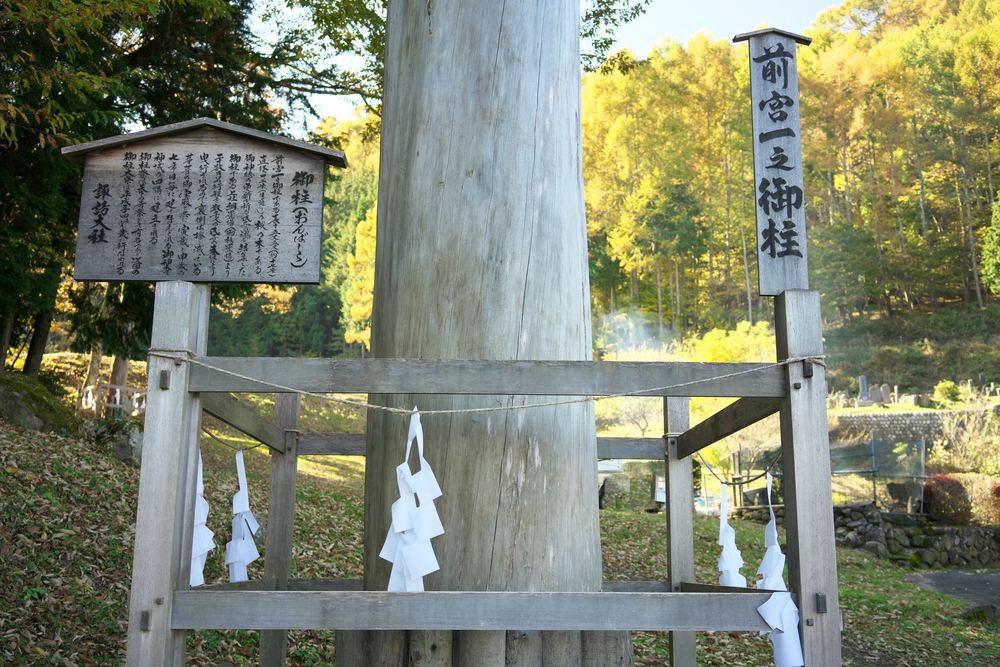
During the Onbashira Festival in Nagano Prefecture, Japan, enormous tree trunks are carried across rivers and down mountains by hand. Some of these logs are more than 50 feet long and weigh up to 12 tons.
In a perilous custom that dates back 1,200 years, local men ride these massive logs as they slide down steep hillsides as a show of strength and camaraderie.
Viking Longships
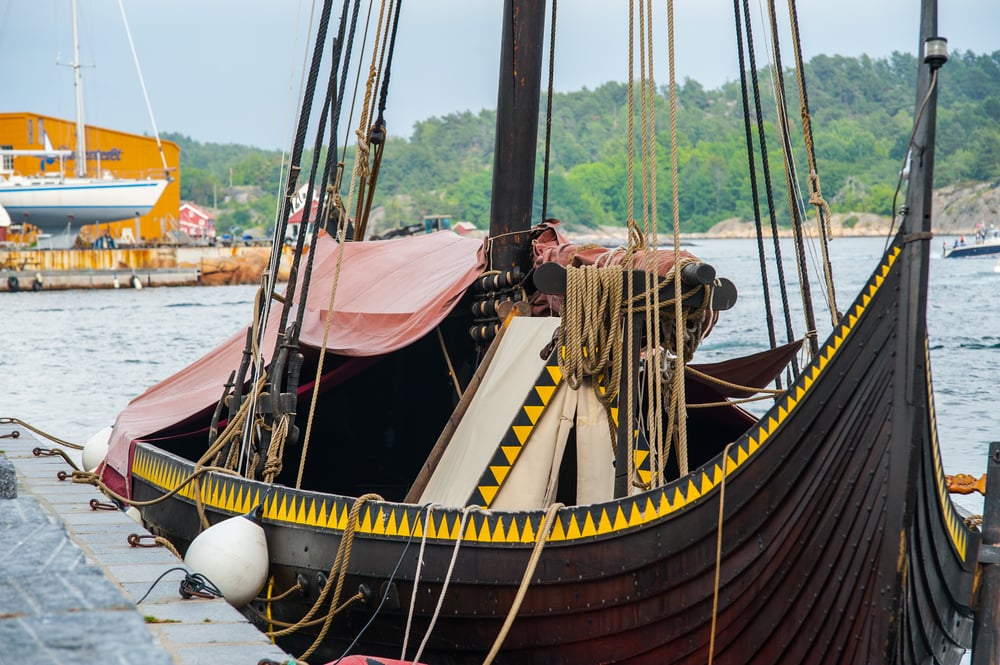
When needed, Viking warriors could move their enormous longships over land between waterways. When fully equipped, the 76-foot-long Gokstad ship, which was found in Norway, weighed about 20 tons.
According to historical accounts, during raids and excursions, Vikings dragged huge ships across miles of land using log rollers and the muscle of their crew.
Easter Island Moai
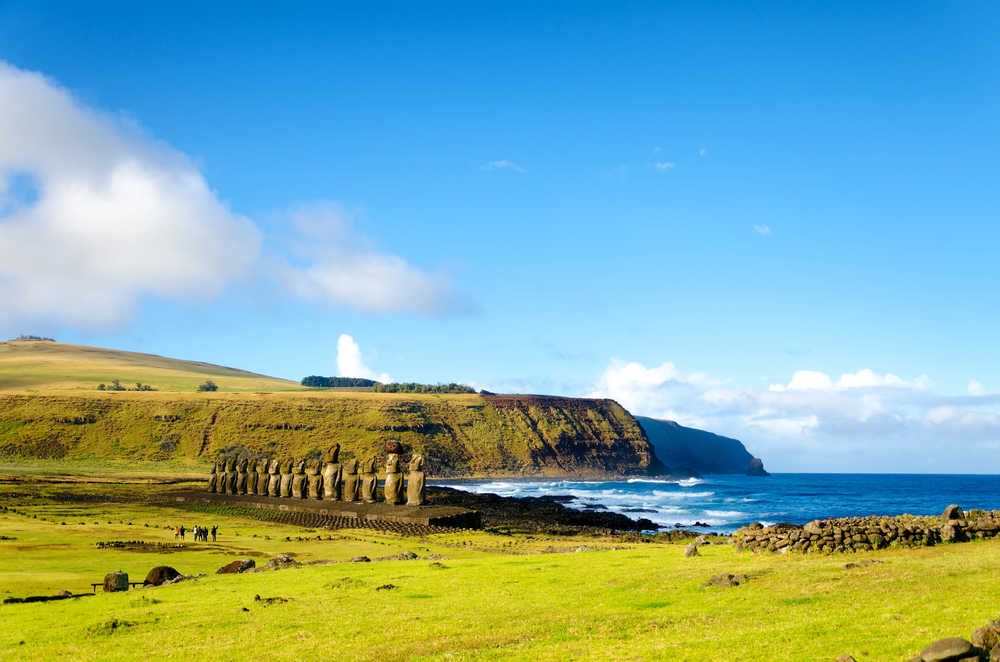
The massive stone statues of Easter Island, some weighing up to 82 tons and standing 33 feet tall, were transported miles from quarries without wheels or draft animals. Recent experiments suggest the islanders used ropes to ‘walk’ the moai forward with a rocking motion, requiring teams of about 18 people per statue.
This ingenious method allowed relatively small groups to move these enormous sculptures across the island.
Like Go2Tutors’s content? Follow us on MSN.
Pyramid Blocks
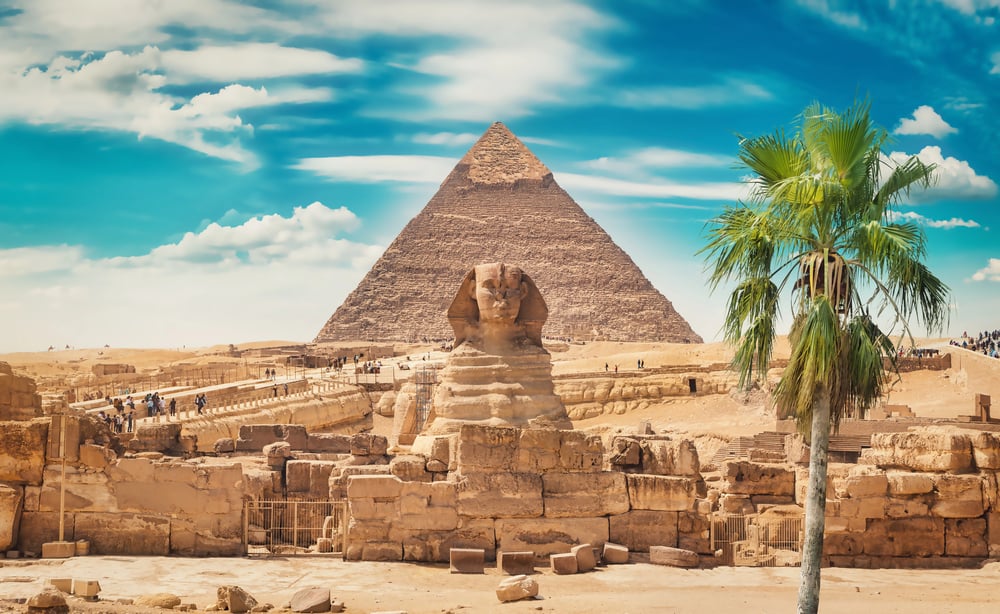
The Great Pyramid of Giza contains over 2.3 million limestone blocks, each weighing between 2.5 and 15 tons. Workers transported these massive stones from quarries up to 500 miles away using wooden sleds, rope, and likely water lubrication.
Archaeologists estimate that each block required teams of 20-40 workers to pull, with specialized crews moving up to a dozen blocks per day during peak construction periods.
The Kailasa Temple
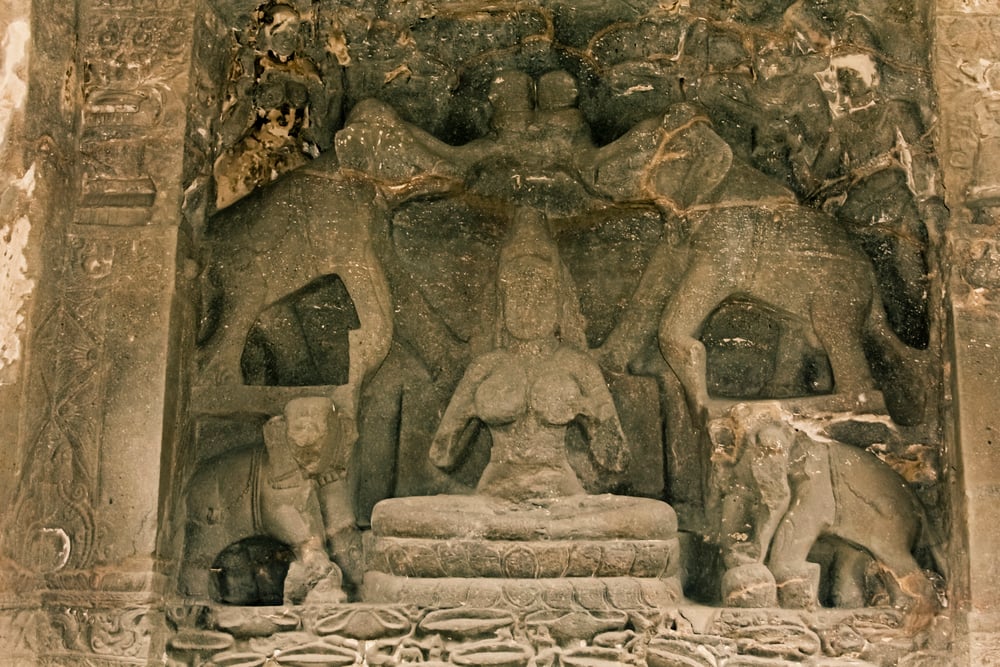
Carved from a single rock face in Maharashtra, India, the Kailasa Temple required the removal of an estimated 400,000 tons of rock using only hand tools. Workers essentially carried away this enormous amount of stone piece by piece, creating a massive temple complex that stands 164 feet deep, 109 feet wide, and 98 feet tall.
The project took several generations of workers to complete this architectural marvel.
Stonehenge Megaliths
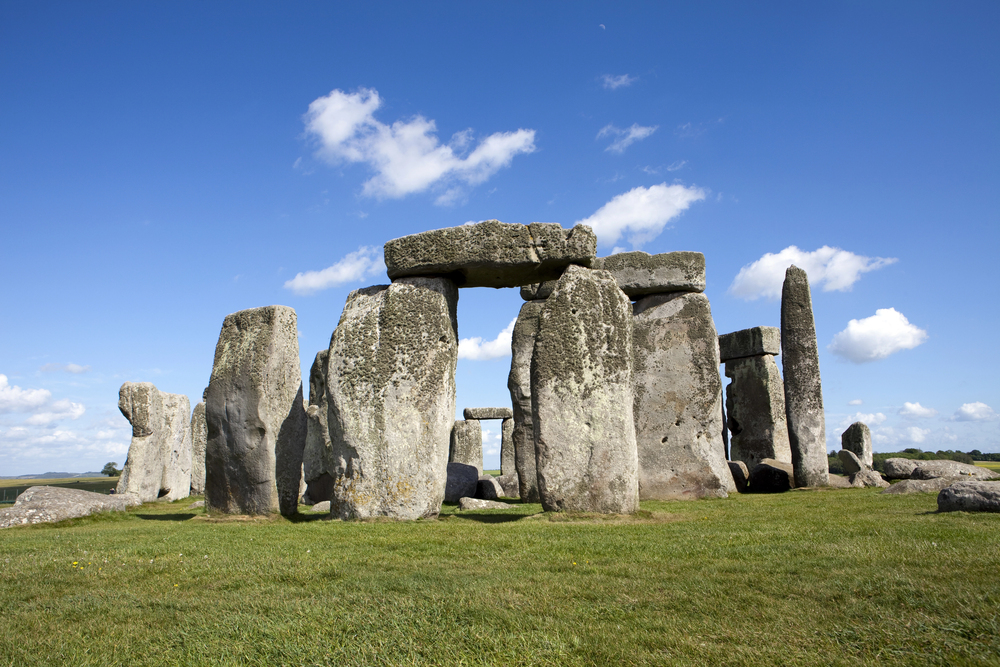
The massive sarsen stones of Stonehenge weigh up to 30 tons each and were transported over 20 miles from their source. Archaeological experiments have shown teams of 200 people could move these enormous stones using wooden sledges and rollers, covering about one mile per day.
The smaller bluestones, still weighing 2-5 tons each, were incredibly transported nearly 140 miles from Wales.
Like Go2Tutors’s content? Follow us on MSN.
Traditional Polynesian Canoes
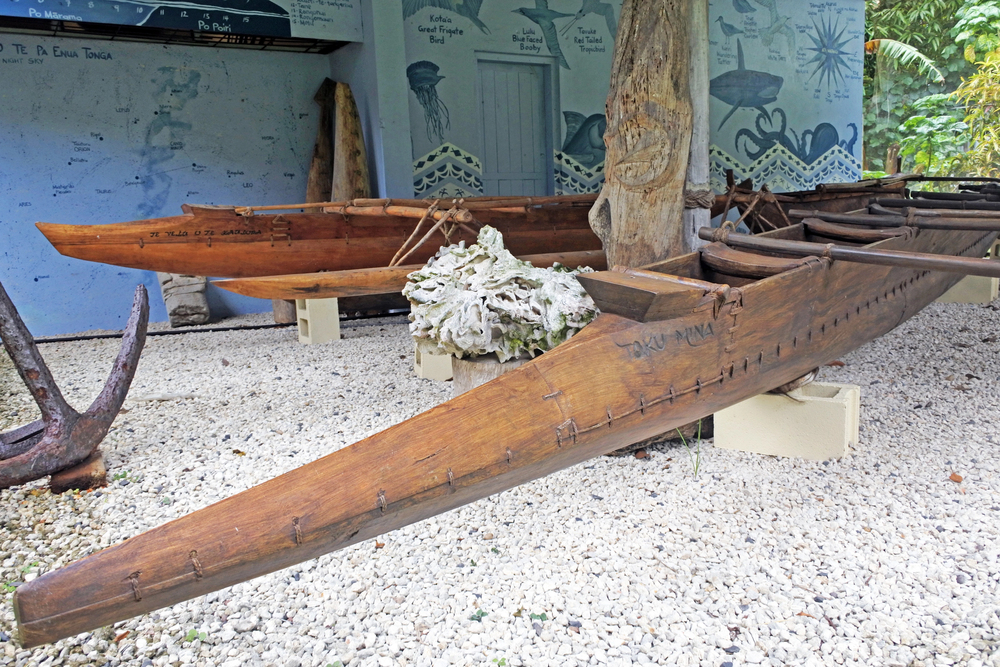
Pacific Islanders built and transported enormous outrigger canoes capable of ocean voyages. The largest of these vessels measured over 100 feet long and required hundreds of people to move them from construction sites to the water.
Some traditional Hawaiian war canoes could carry up to 150 warriors and had to be transported over land between battles when coastal navigation wasn’t possible.
The Colossi of Memnon
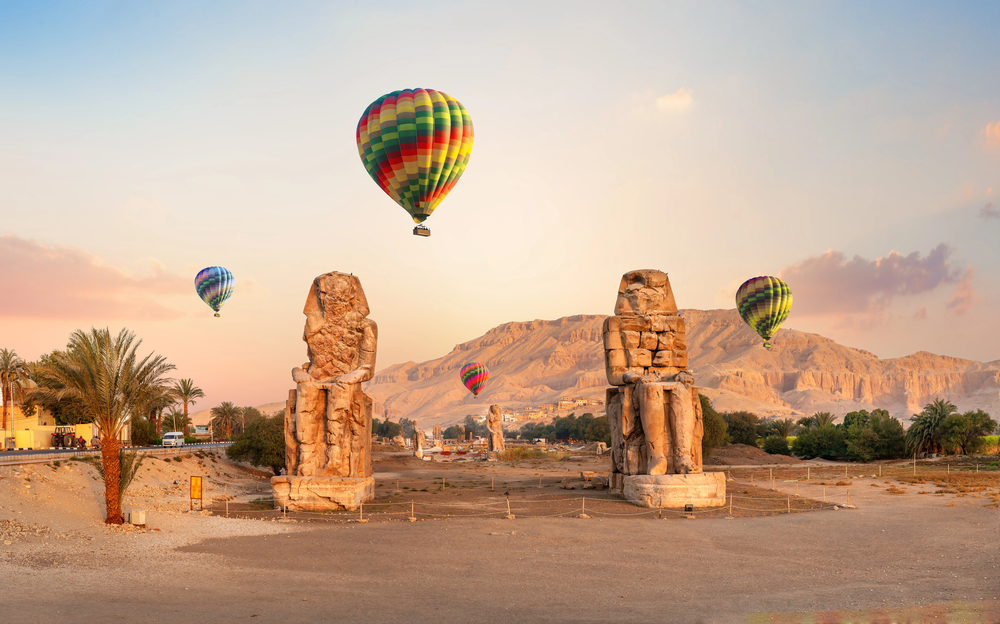
These twin statues in Egypt each stand 60 feet tall and are carved from single blocks of quartzite weighing approximately 720 tons each. Workers transported these massive structures 420 miles from quarries near Cairo to their final location in Luxor.
The journey would have required thousands of workers pulling in coordinated teams, using wooden rollers and likely seasonal flooding to assist the movement.
The London Bridge Stones
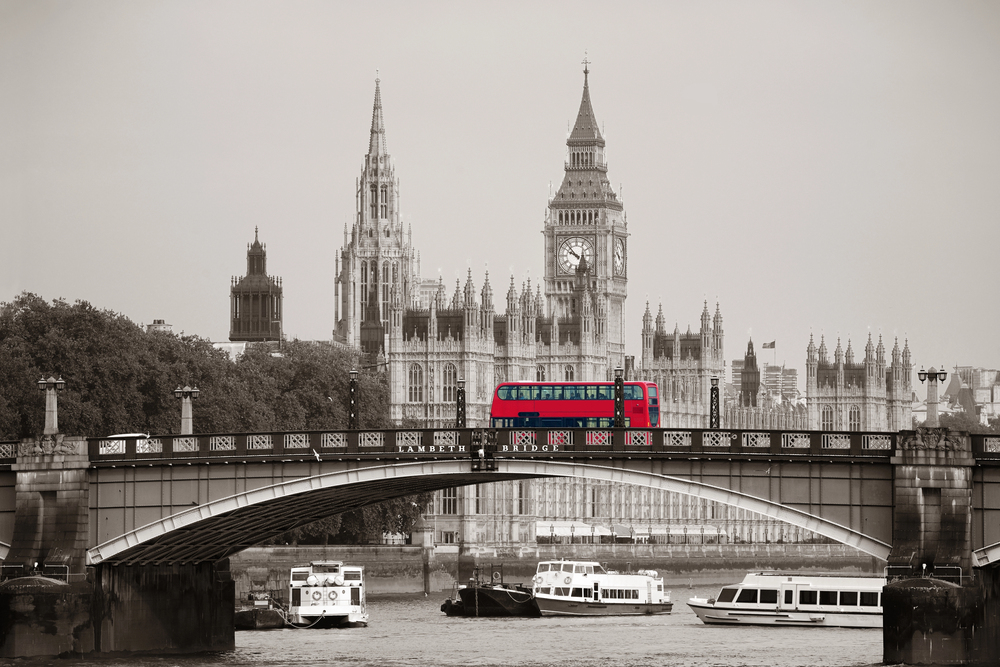
When London Bridge was dismantled in 1968 to be relocated to Arizona, its 10,000 granite blocks—each numbered and cataloged—had to be transported individually. The heaviest blocks weighed nearly 30 tons and required specialized handling.
Interestingly, before modern equipment, the original construction in 1831 involved workers manually positioning these massive stones using simple cranes powered by teams of men.
Like Go2Tutors’s content? Follow us on MSN.
Traditional Chinese Palace Beams

The Forbidden City in Beijing features enormous wooden support beams, some measuring over 65 feet long and weighing several tons. Historical records describe teams of workers carrying these massive timbers hundreds of miles from remote forests.
The transportation often took months, with specialized crews of up to 200 men per beam navigating difficult terrain with nothing but rope harnesses and wooden supports.
Circus Elephant Transport
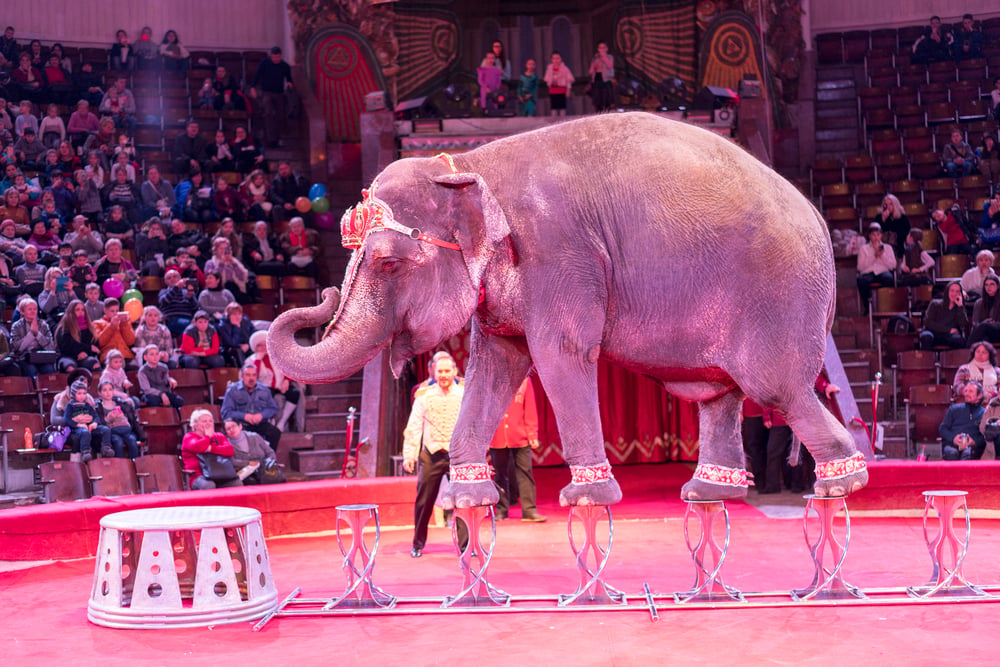
Before modern animal welfare standards, circus companies would move elephants between venues by having them walk through cities at night. When crossing bridges too weak for their weight, elephants weighing 4-6 tons would sometimes be guided to distribute their weight by kneeling and essentially ‘crawling’ across—a bizarre example of moving massive living weight through human direction rather than mechanical means.
Traditional Shipbuilding Timbers
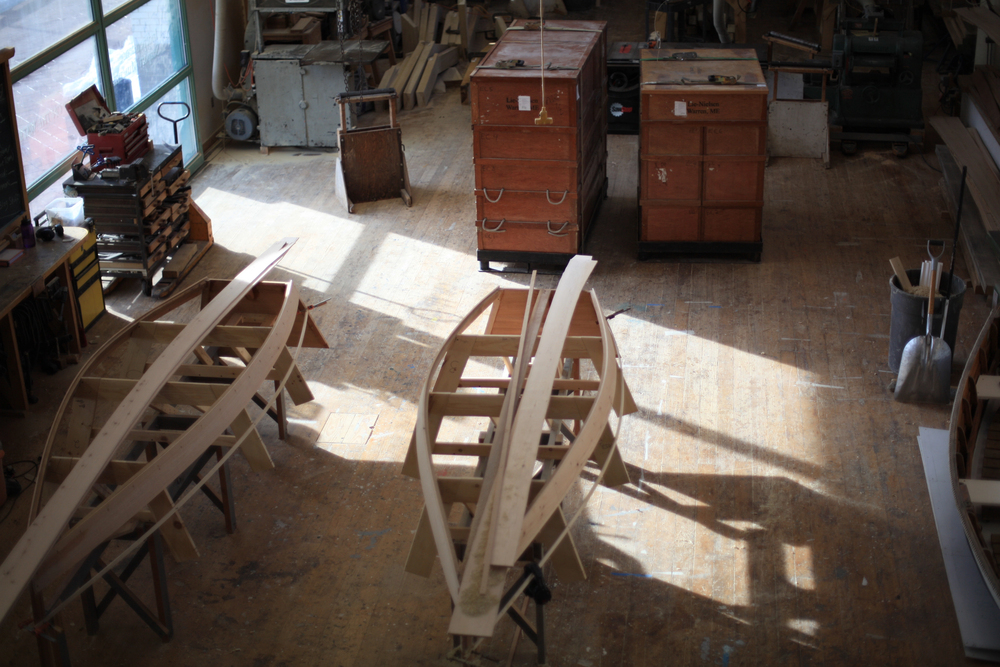
Historic shipyards moved enormous oak timbers for building naval vessels using teams of workers with rope systems. The keel timber for HMS Victory—Nelson’s flagship at Trafalgar—was a single oak beam measuring 110 feet long and weighing approximately 26 tons.
Workers transported these massive pieces using teams of men with block-and-tackle systems and temporary wooden railways.
Like Go2Tutors’s content? Follow us on MSN.
Ancient Greek Temples
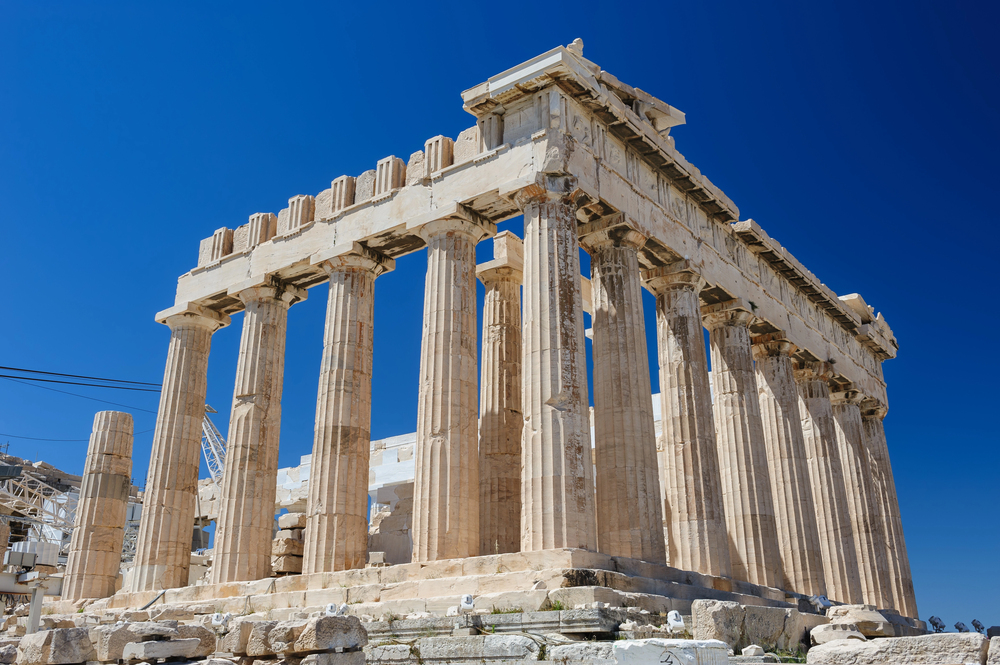
The massive marble blocks of the Parthenon weigh up to 22 tons each and had to be transported from Mount Pentelicus to Athens, a distance of about 11 miles over hilly terrain. Workers created a specialized road with carved grooves for wooden rollers, allowing teams of oxen and men to move these enormous pieces with remarkable precision.
The column drums alone weigh approximately 10 tons each.
Inuit Umiak Boats
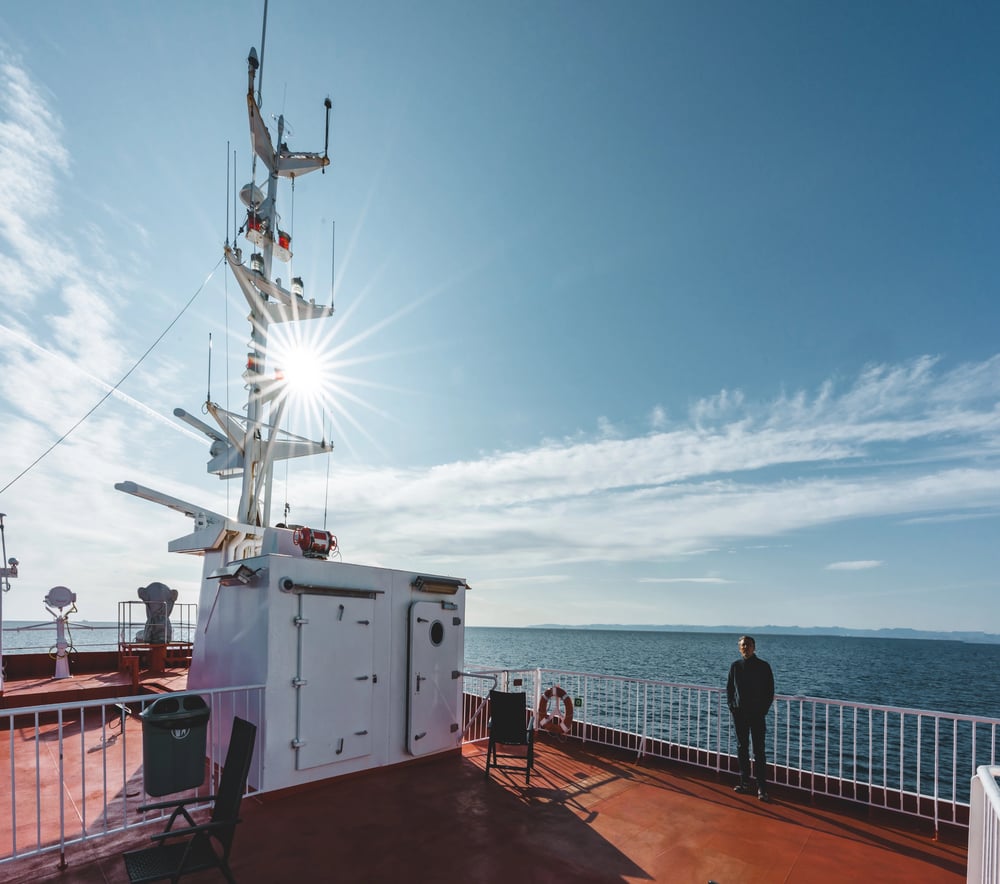
Traditional Inuit communities built umiaks—large open boats made from driftwood frames covered with walrus or seal skins. These vessels could be up to 60 feet long and capable of carrying 30 people plus cargo, weighing several tons when fully loaded.
When ice conditions changed, entire communities would carry these massive boats overland to reach open water, with everyone from children to elders participating in the effort.
Modern Strongman Feats

Contemporary strongman competitions showcase the upper limits of human carrying capacity. The record for the heaviest weight carried by a human belongs to Tom Stoltman, who lifted and carried the 630-pound “Husafell Stone” for over 218 feet.
While not as massive as ancient monumental construction, these modern feats demonstrate the extraordinary upper limits of individual human carrying capacity without mechanical assistance.
Like Go2Tutors’s content? Follow us on MSN.
The Power of Human Ingenuity
These remarkable achievements span cultures and millennia, demonstrating that our ancestors accomplished incredible engineering feats long before modern machinery. From the towering monuments of ancient Egypt to the precision stonework of Inca fortresses, humans have repeatedly overcome seemingly impossible transportation challenges through creativity, cooperation, and sheer determination.
These historical examples continue to inspire modern engineers and remind us of humanity’s remarkable capacity to move mountains—sometimes quite literally—when faced with seemingly impossible challenges.
More from Go2Tutors!

- 18 Unexpectedly Valuable Collectibles You Might Have Lying Around
- 15 Things Every Teenager in the ’70s Did That Teens Today Wouldn’t Understand
- 15 Strange Things People Have Tried to Ban (And Failed)
- 15 Inventions That Were Immediately Banned After Being Created
- 20 Actors Who Were Almost Cast in Iconic Roles
Like Go2Tutors’s content? Follow us on MSN.