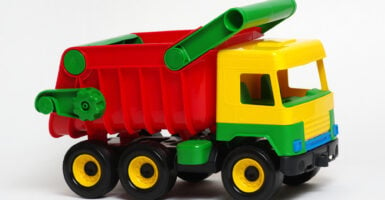
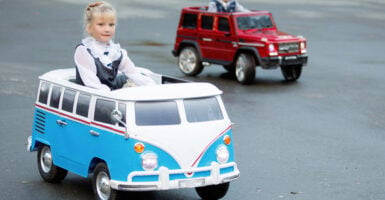
29 Vintage Toy Vehicles Beyond Cars and Trains
Toy cars and model trains get most of the attention, but the nursery floor once held a far larger fleet. Steel dump trucks, tin submarines and cast-iron fire engines were pushed, wound and dragged across rugs for generations.
Many were built tough enough to survive a decade of play, which is exactly why clean survivors are now hard to find. Collectors weigh paint, decals and original parts before anything else.
A toy with chipped paint, replaced wheels or missing accessories usually sells for a fraction of the price of a clean, complete example.
Pressed-Steel Dump Trucks
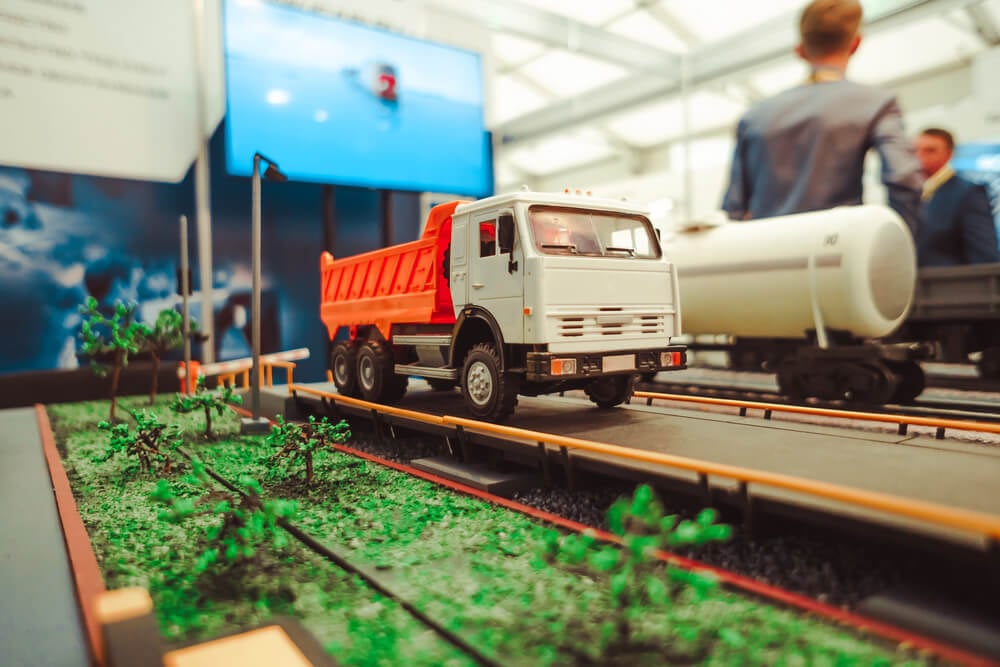
Heavy gauge steel made dump trucks the workhorses of the sandbox, and the best were strong enough to carry a child’s weight. Tonka, founded in Minnesota in 1946, made them part of its identity.
Original paint and working dump beds raise prices, while rust and repainting pull them down.
Steam Shovels
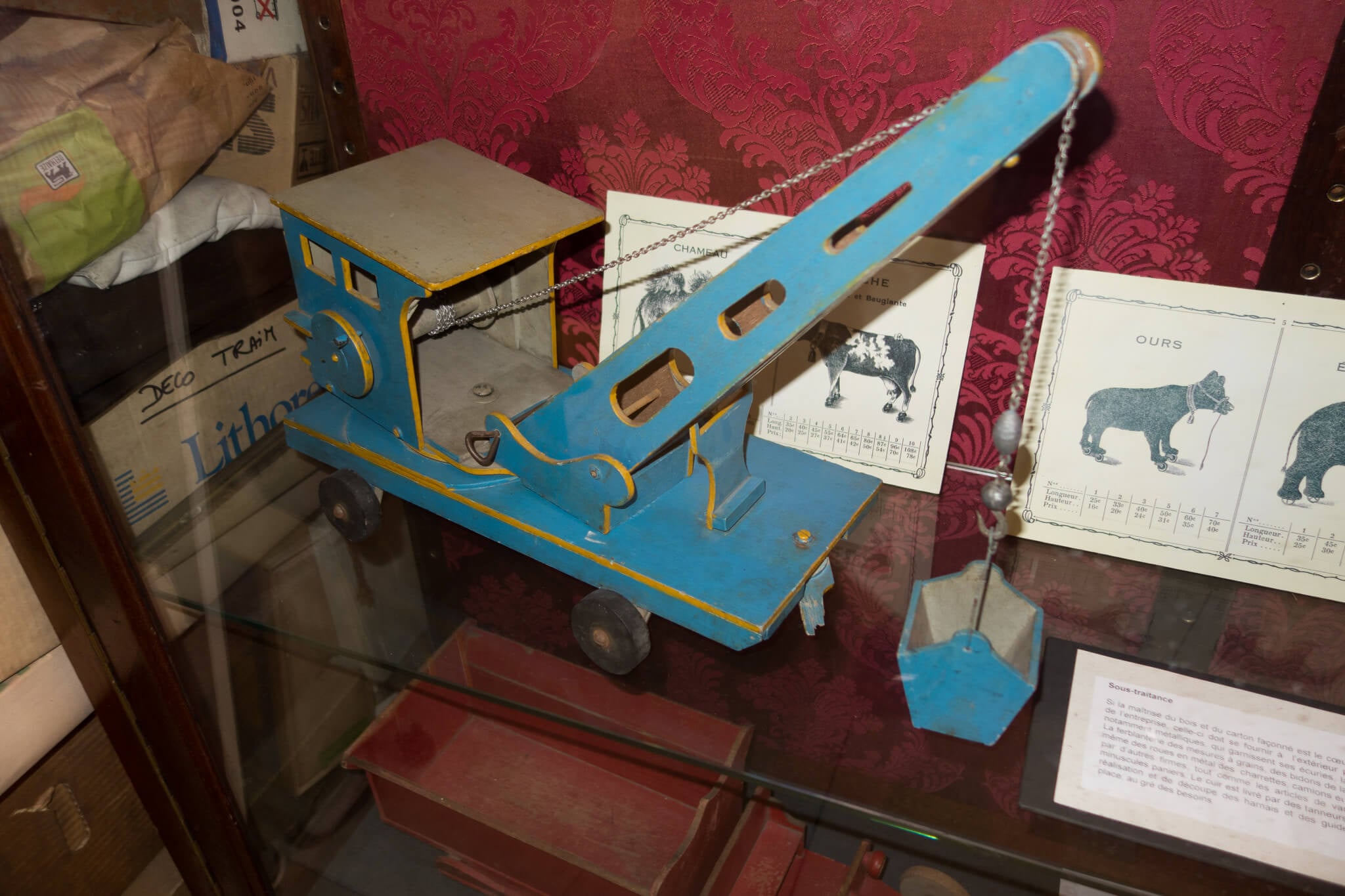
Tonka’s earliest toys in 1947 included a steam shovel, which showed how closely toymakers watched the construction sites of the postwar boom. A working crank, an intact boom and original decals matter to buyers.
Condition decides everything here, as shovels that spent years outdoors often show deep rust.
Cast-Iron Fire Pumpers
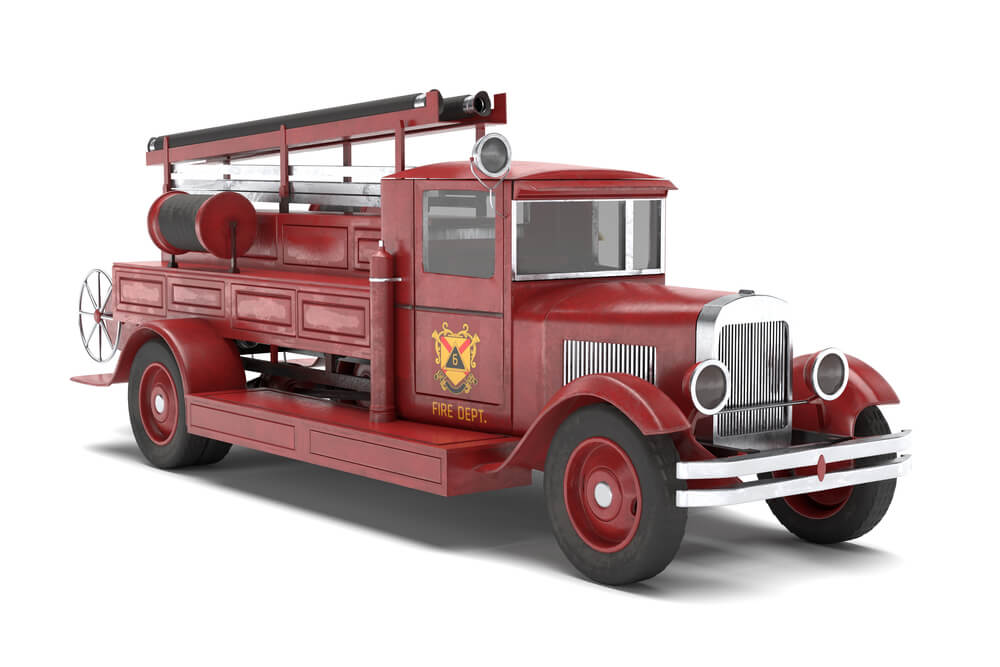
Illinois manufacturer Arcade made cast-iron toys that replicated real fire apparatus in miniature. Early pumpers often show a boiler, a driver figure and spoked wheels.
Surviving paint and original drivers make a major difference in value, and a replaced casting can be a deal breaker for serious buyers.
Pressed-Steel Ladder Trucks
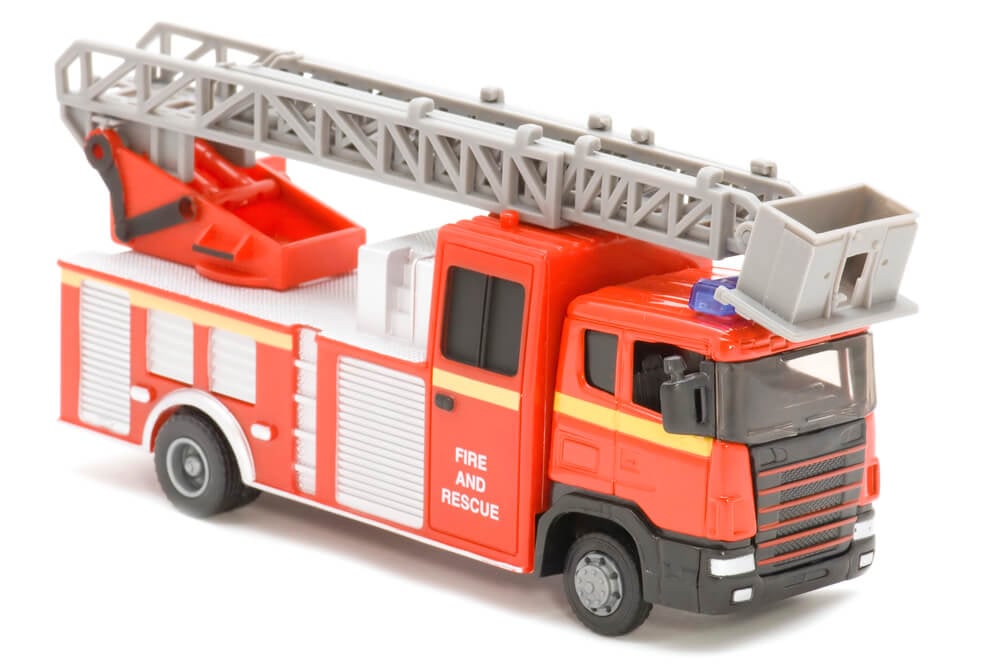
Ladder trucks gave toy firefighters a reason to climb, with extending ladders and rear platforms. The ladders are the most commonly damaged part, since they were bent, lost or replaced over the years.
An example with its original ladder and crisp lettering is far more desirable than one with a mismatched part.
Tin Wind-Up Airplanes
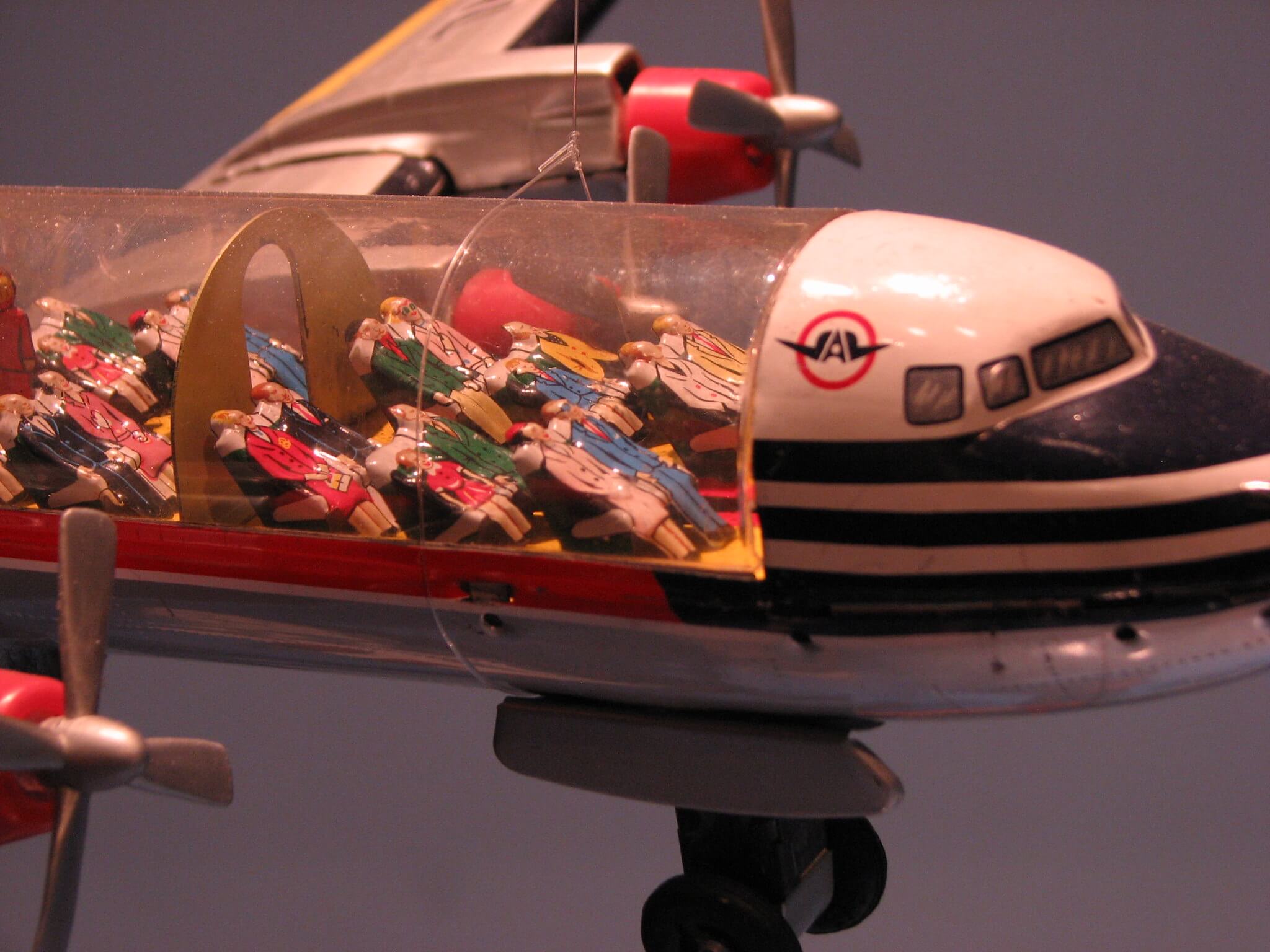
Mid-century tin airplanes spun propellers and rolled forward on small wheels when wound. Makers printed pilots, stars and airline lettering directly onto thin metal using lithography.
Bright, unscratched printing and an intact spring are the keys to value, and crushed wings are an immediate discount.
Toy Zeppelins
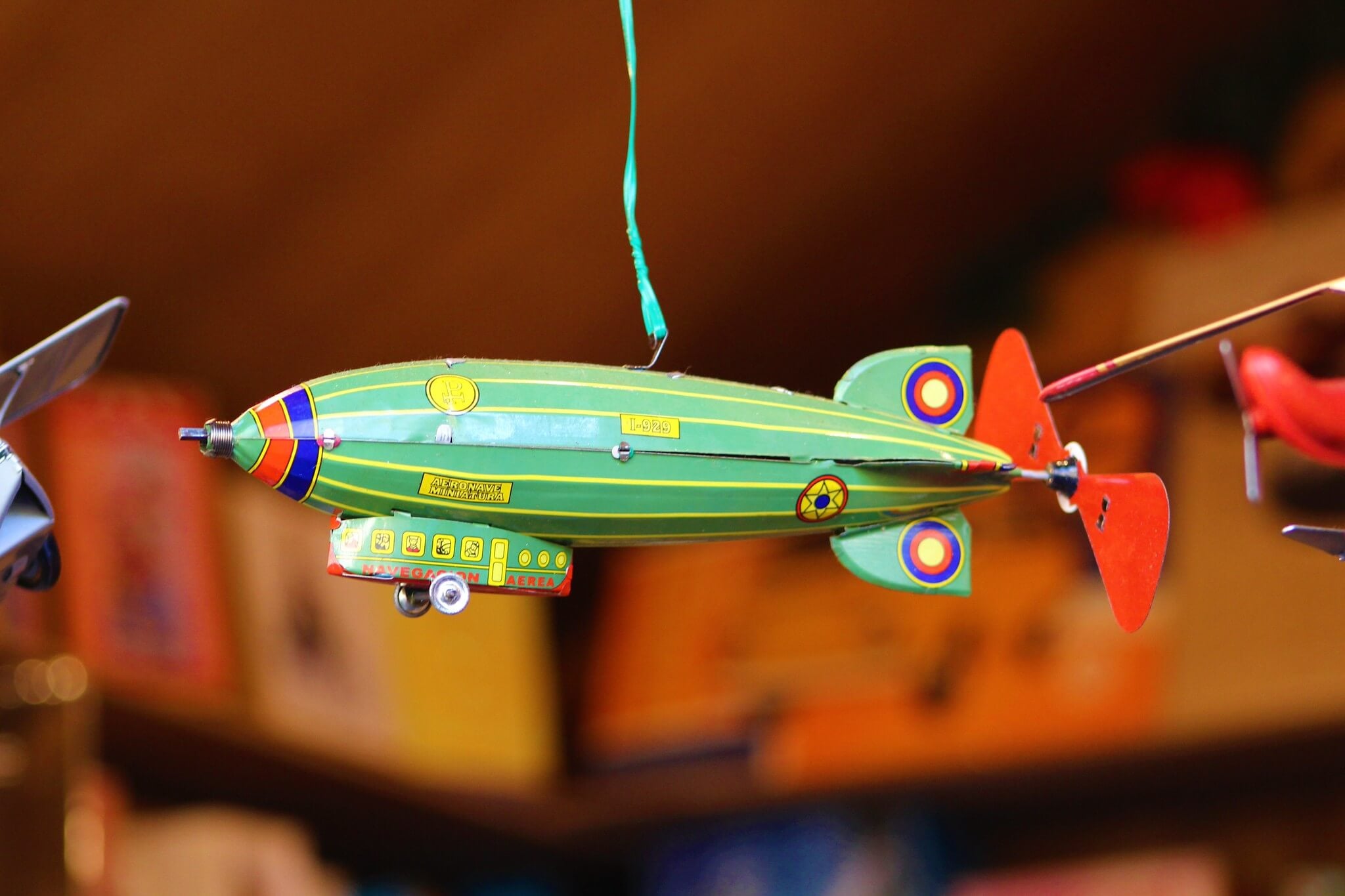
Airships were a wonder of the 1920s and 1930s, and toymakers produced tin and cardboard versions of them. The silvery bodies often show rows of printed windows and small fins.
Dents and fading are common, so a clean one is a worthwhile find, and prices follow condition closely.
Tin Ocean Liners
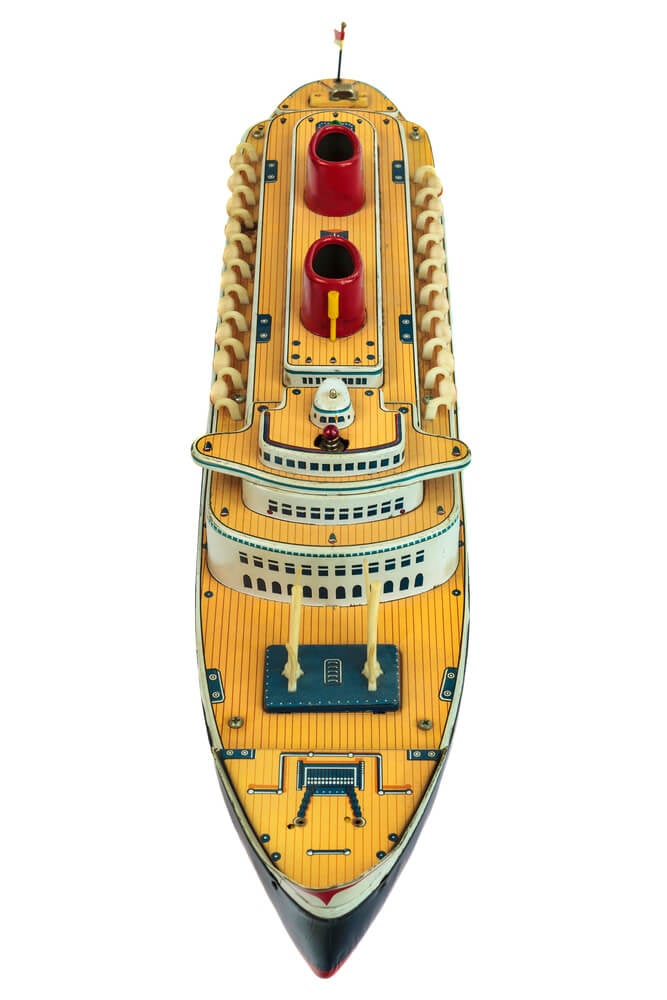
Ocean liners were the glamorous travel machines of their era, and toy versions in tin or pressed steel displayed multiple funnels and decks. Some floated in a bathtub, while others sat on wheels for rug travel.
Collectors look for crisp lithography and original smokestacks, as rust and missing parts reduce their worth.
Wind-Up Submarines
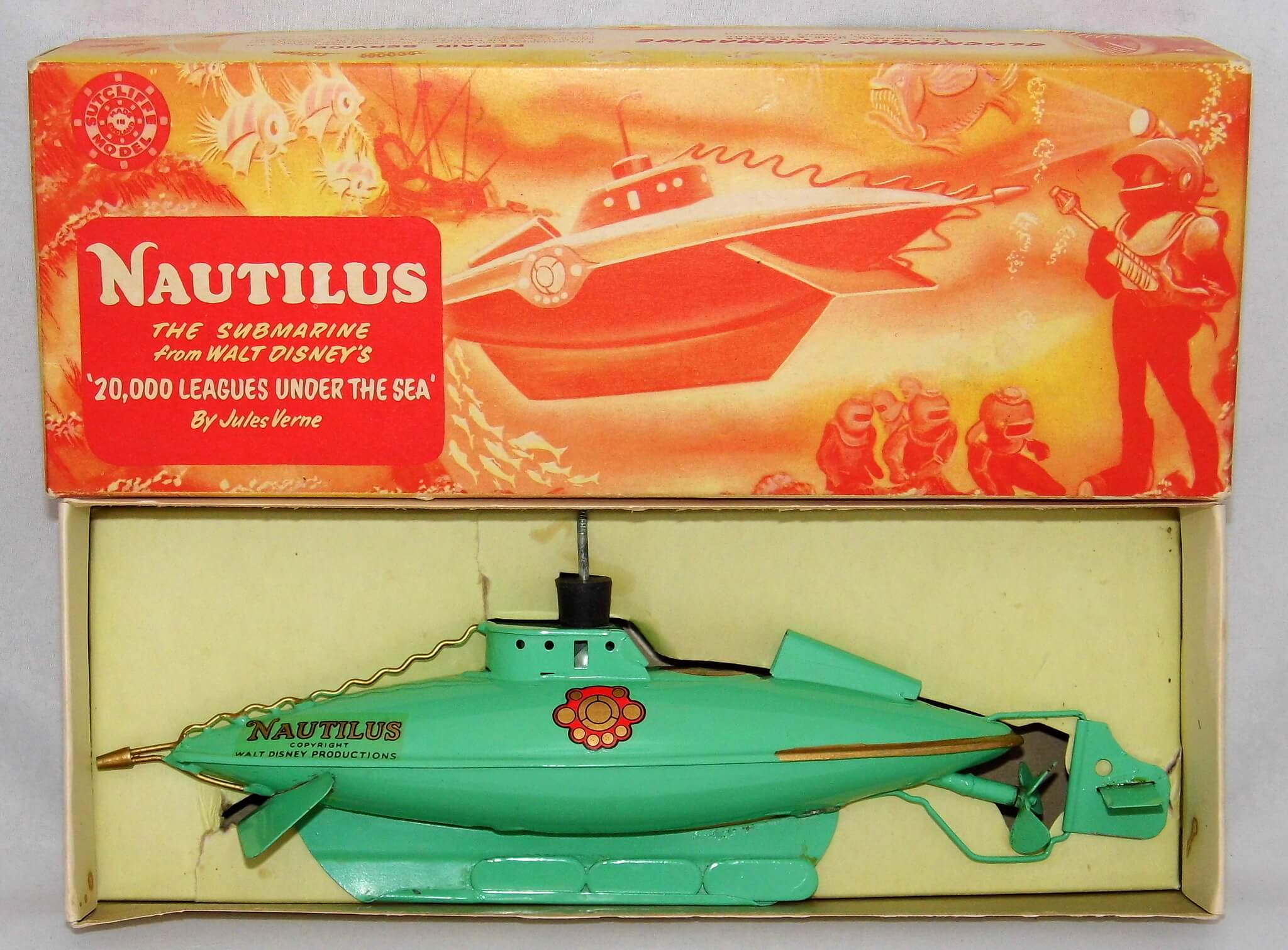
Tin submarines were designed to dive and surface in a bath, driven by a spring or a small motor. Many were painted in military gray or black with a conning tower on top.
Corrosion inside the hull is a frequent problem, and a working mechanism raises value considerably.
Toy Tugboats
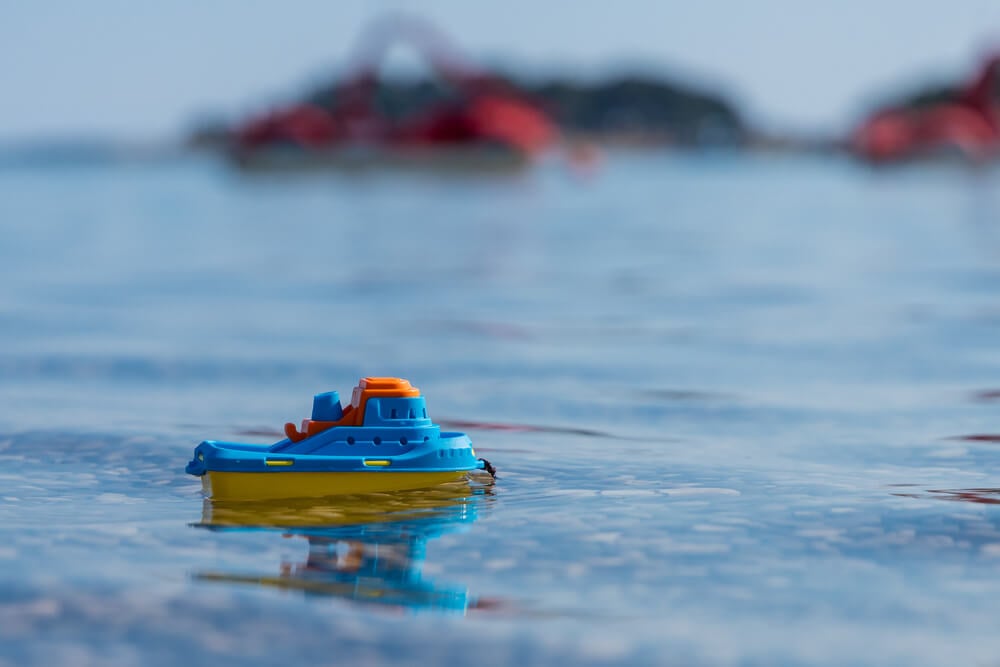
Tugboats appealed to children because they were small, strong and easy to push through water. Metal and later plastic versions often carried lettering on the hull and a tiny tow line.
Complete examples with their original lines and flags are uncommon, and paint loss is a standard price cut.
Farm Tractors
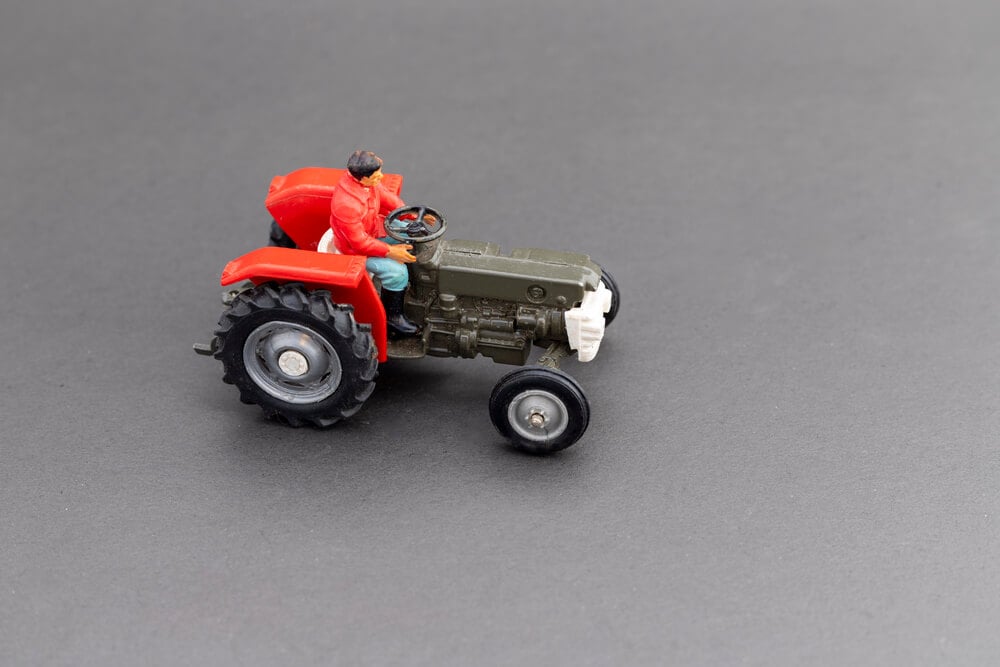
Ertl, founded in Iowa in 1945, became synonymous with die-cast farm tractors, and earlier tin and cast-iron versions preceded it. Brand details such as green or red paint made them a matter of loyalty for farm families.
Collectors pay more for boxed examples with intact decals, and play wear lowers prices swiftly.
Combines and Farm Implements
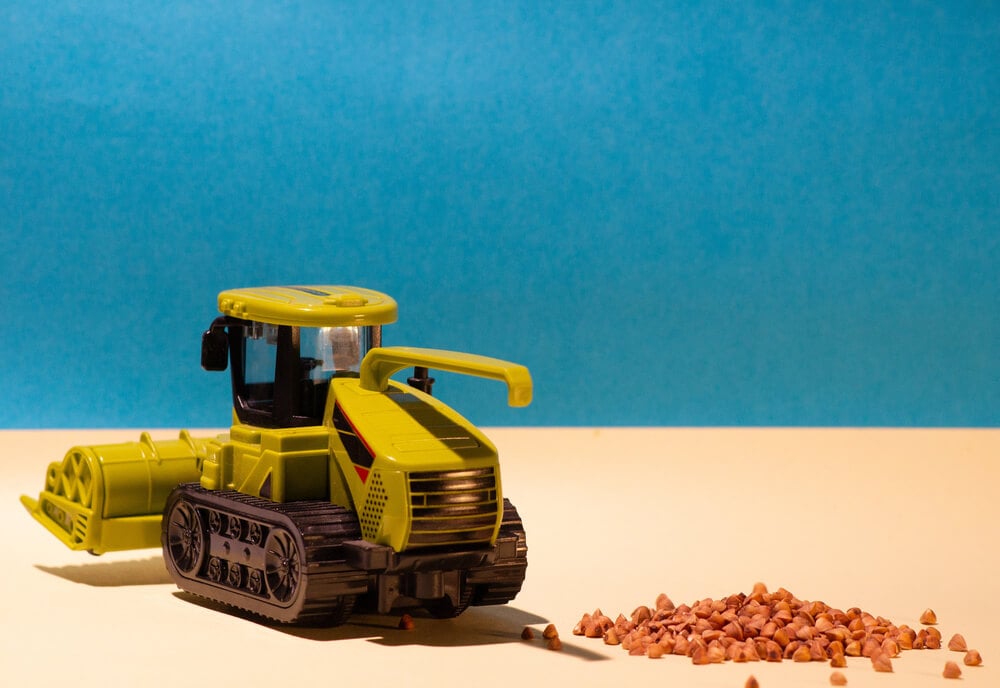
Small combines, hay balers and plows allowed children to run an entire farm on the living room floor. Moving reels and chains made them especially charming.
Missing belts and cranks are typical flaws, and a complete implement with its original box ranks well above the average.
Road Graders
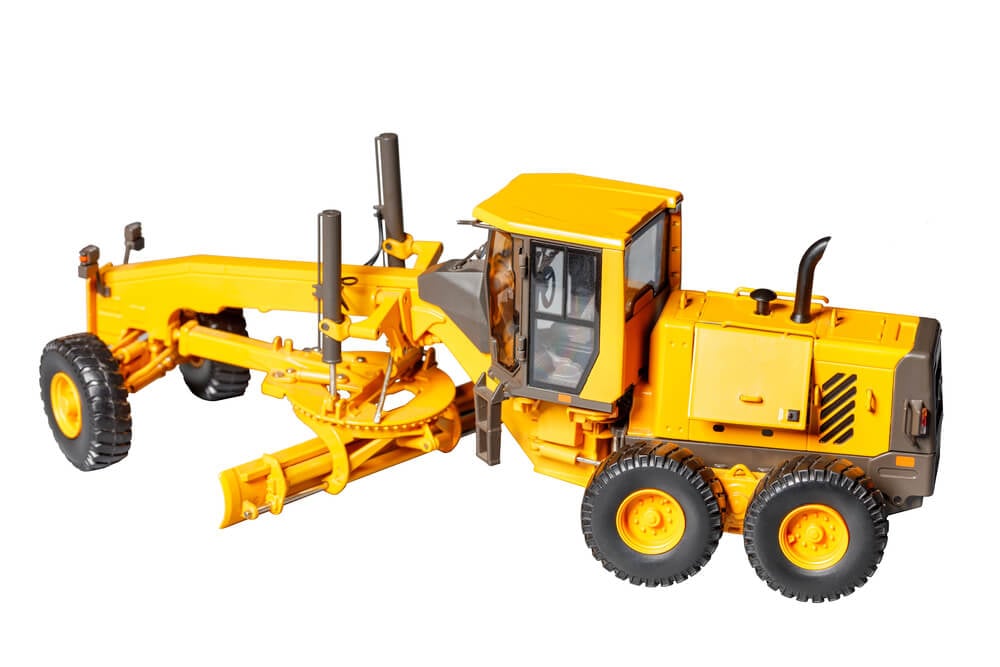
Graders with adjustable blades gave builders a way to flatten roads in miniature. Their long frames and moving parts made them more demanding to manufacture than a simple truck.
Buyers favor examples with working blade controls and original paint, since damaged joints and rust can lower the price.
Cement Mixers
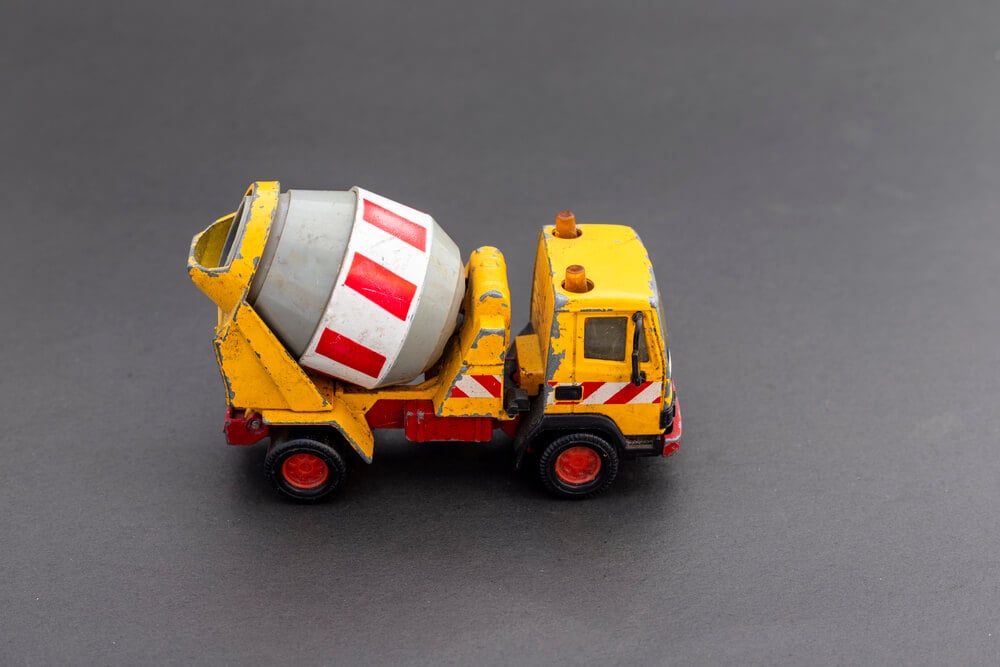
A rotating drum turned by a hand crank or the toy’s wheels made cement mixers a favorite among truck sets. Drums often wore through paint where sand and dirt scraped them.
A mixer that still turns smoothly with unfaded paint is worth more than a stiff or repainted one.
Tow Trucks
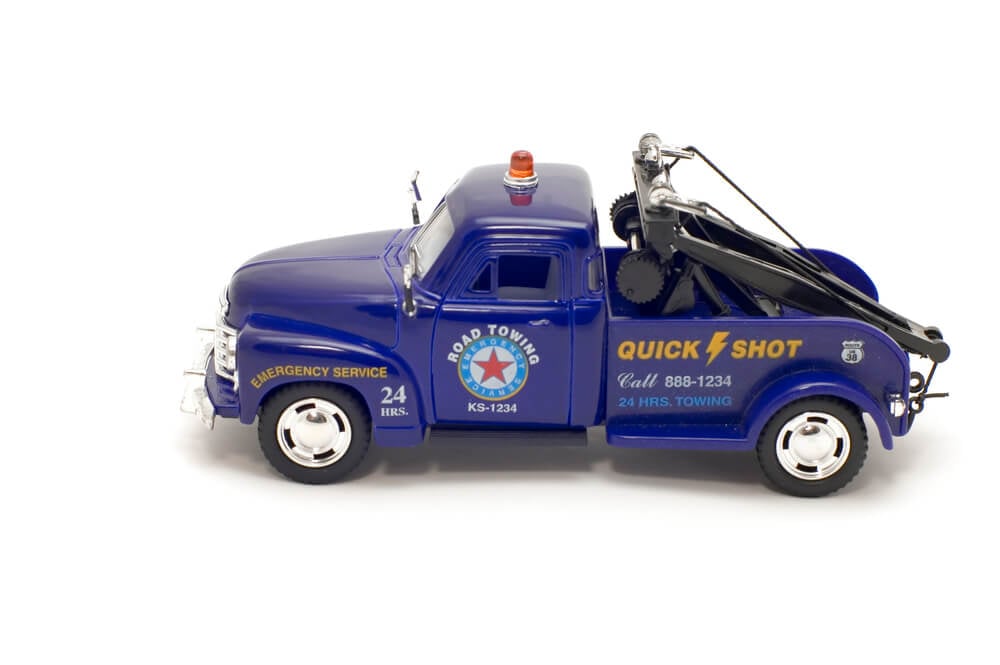
Wreckers with working winches and hooks let children rescue stranded cars. The cables are the part most often lost or replaced.
A tow truck with its original hook and cable plus clean paint will attract more interest from collectors than a heavily played-with example.
Tin Buses

City buses and coaches were produced with printed destination signs and passenger windows. Some had friction motors that powered them across the floor with a satisfying whir.
Bright lithography and intact windows are key, and rust or heavy scratching reduces desirability sharply.
Ambulances
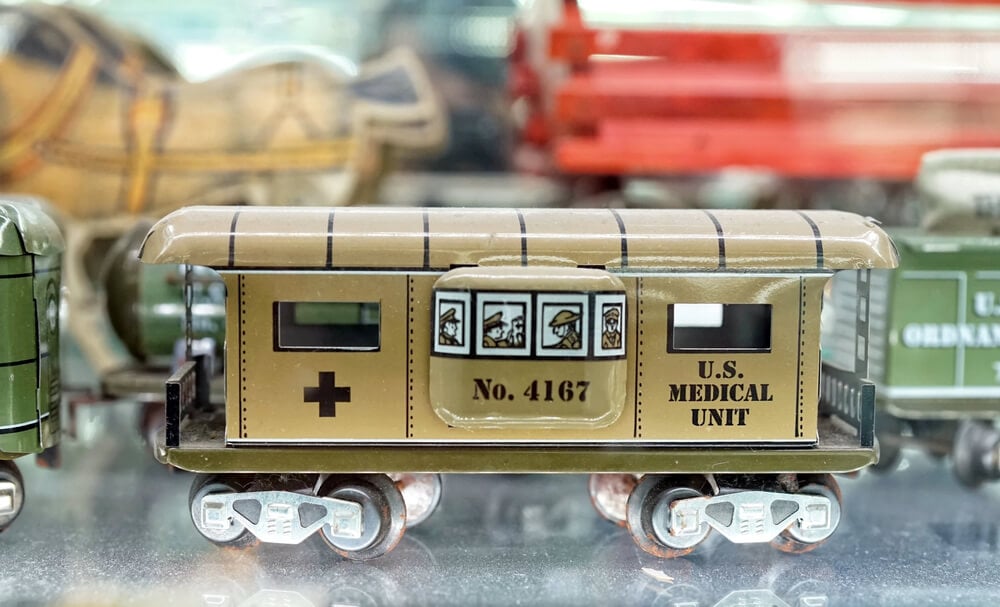
Toy ambulances were made with opening rear doors, small stretchers and printed crosses on the side. Parents often liked them as gentler alternatives to military vehicles.
Missing stretchers and chipped paint are common issues, and a complete one fetches a better price.
Tin Helicopters
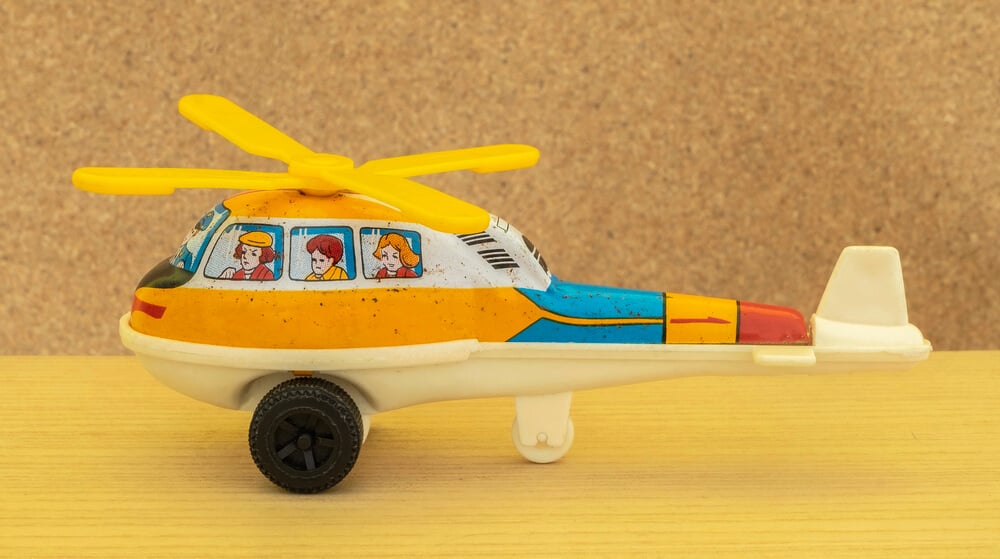
Postwar tin helicopters turned a rotor over the cabin and sometimes included a pilot figure under the glass. They reflected a new public fascination with vertical flight.
Bent rotors and cracked canopies are frequent problems, and a clean, working one is something collectors actively chase.
Rocket Ships
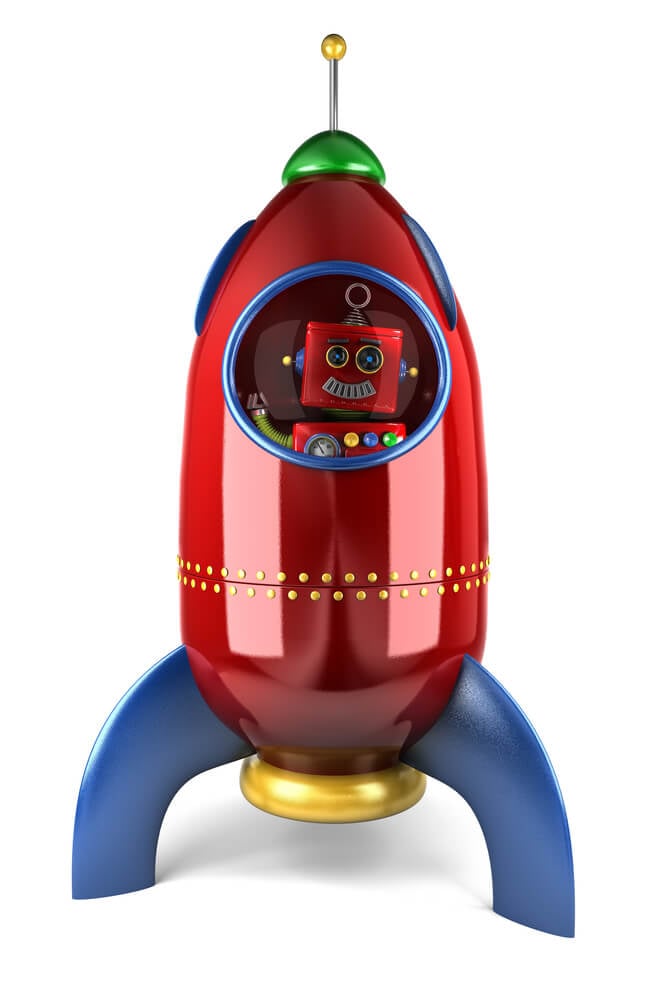
In the 1950s, Japanese toymakers produced a large range of tin rockets and space vehicles for export. They featured bold printed panels, blinking lights and noisy mechanisms.
Original boxes boost values dramatically, and dented, faded examples are much cheaper.
Tin Motorcycles
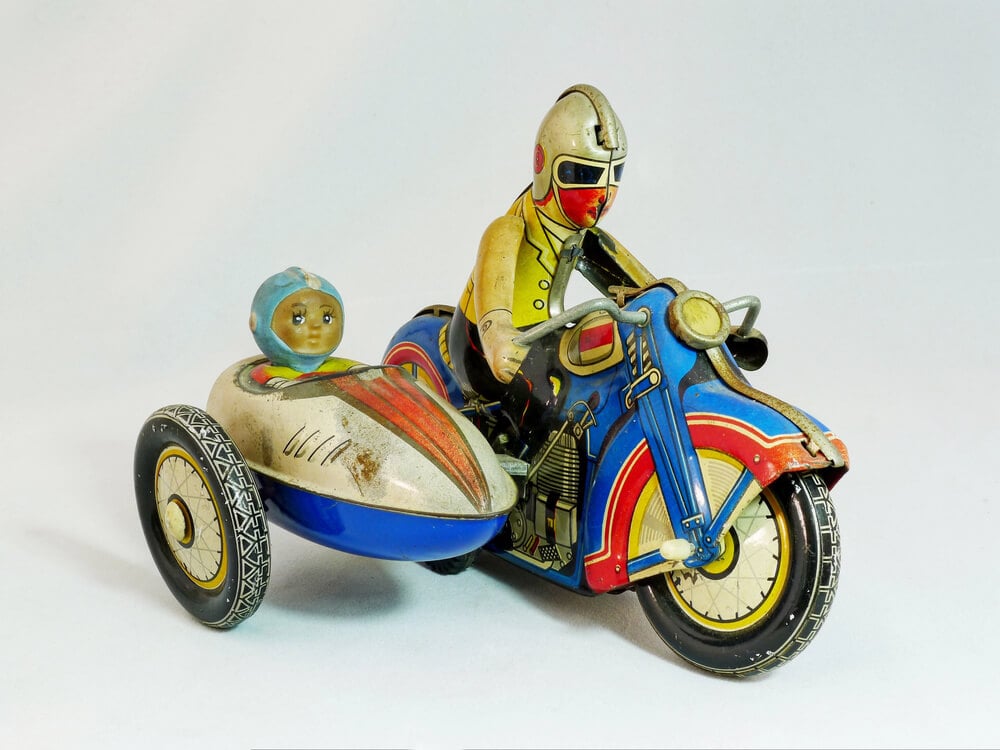
Wind-up tin motorcycles often carried a printed rider who leaned and balanced as the toy rolled. Some versions imitated well-known American brands.
Fragile handlebars and torn rider figures lower prices, so intact riders are worth looking for.
Toy Tanks
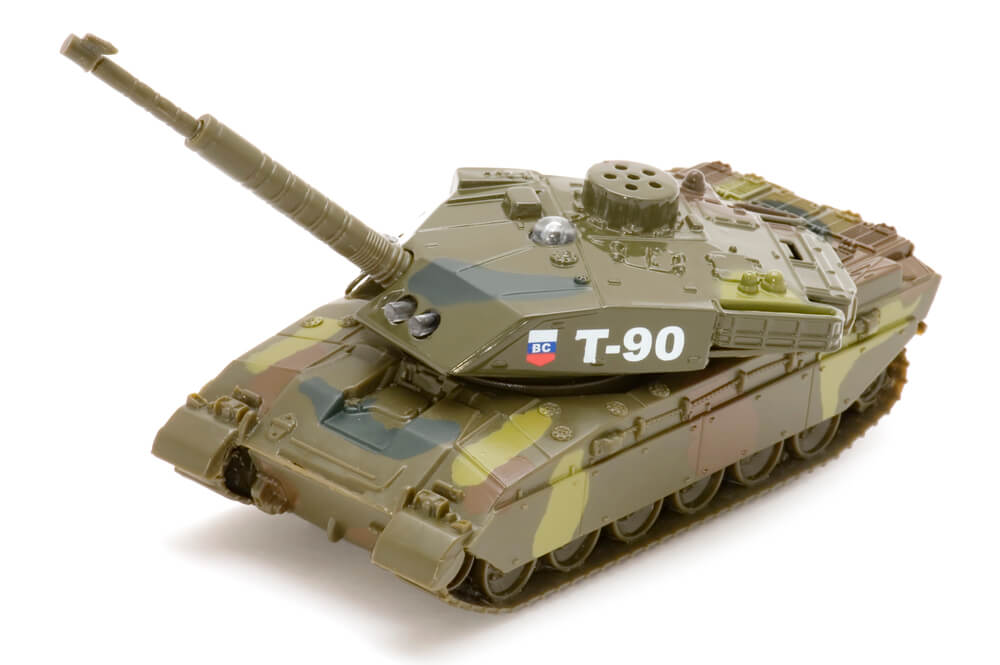
Tanks made with rubber treads and spring motors were common toys during and after the world wars. Marx produced a wide range of military toys in the United States.
Tracks that survive without cracking are a good sign, and missing guns or antennas keep many examples inexpensive.
Toy Jeeps
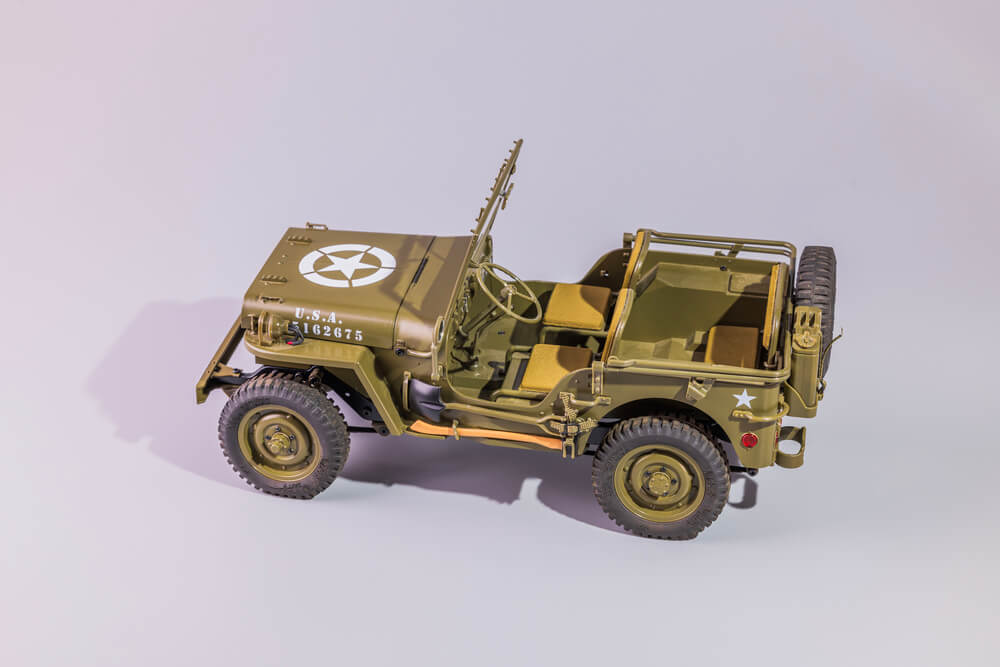
The Willys Jeep became a symbol of the Second World War, and toymakers followed with small versions in tin and die-cast metal. Olive drab paint and tiny driver figures were common features.
Buyers favor examples with sharp paint and intact windshields, and prices fall quickly when pieces are missing.
Garbage Trucks
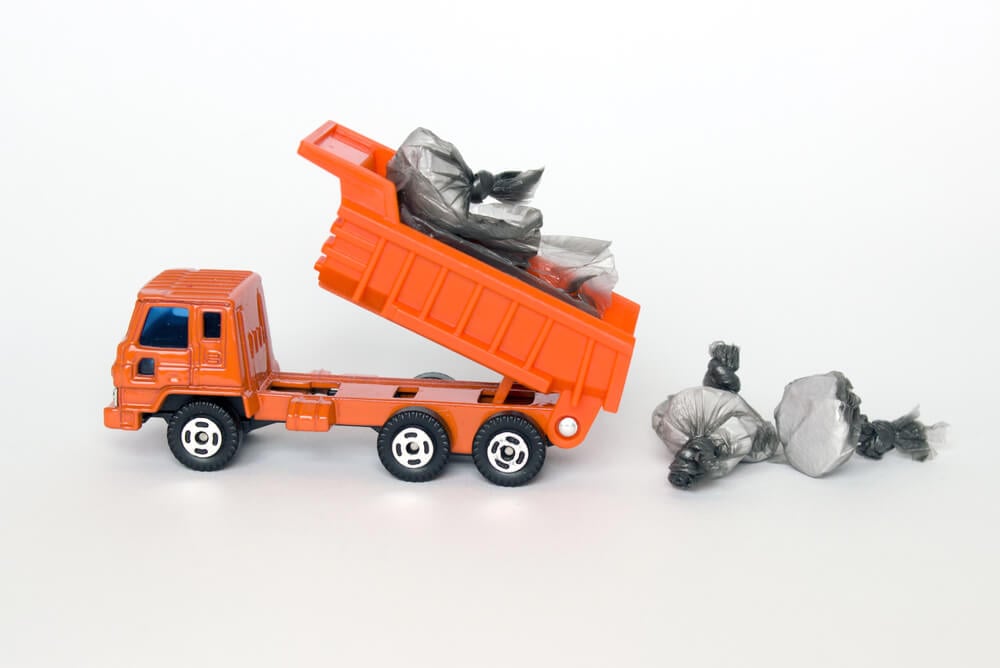
Toy garbage trucks with lifting bins and compactor bodies gave children a satisfying mechanism to operate. Even the humblest vehicle on the street earned a place on the toy shelf.
Moving parts break easily, so a working lift system and unbroken paint are signs of a careful owner.
Steamrollers
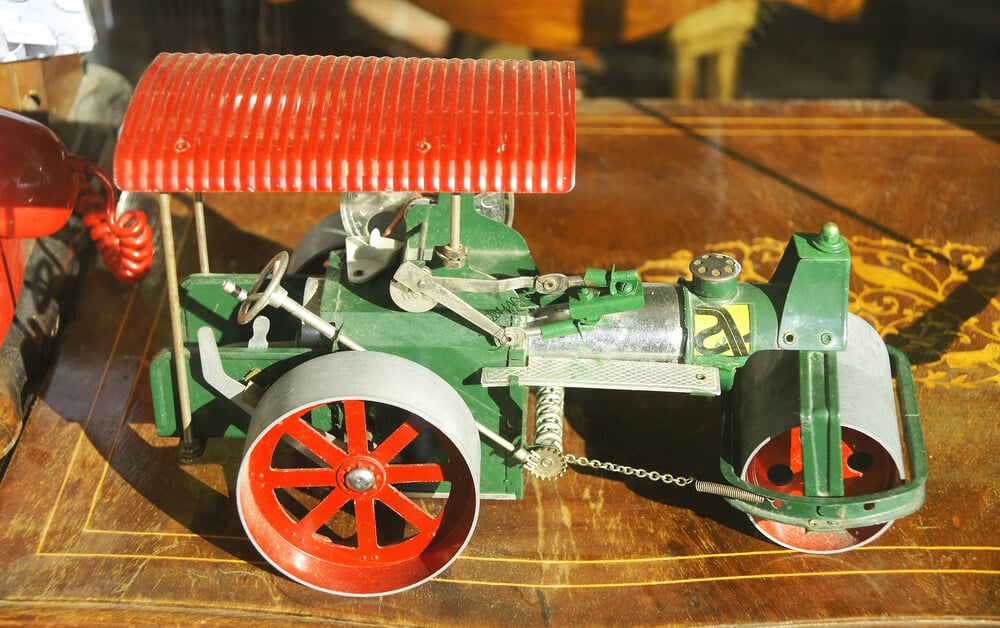
Toy steamrollers modeled the heavy machines that paved early roads, with large rear drums and tall smokestacks. Cast-iron versions were especially solid and sat low on the floor.
Chipped paint and missing stack parts are standard flaws, and buyers prize original finish above restoration.
Circus Wagons
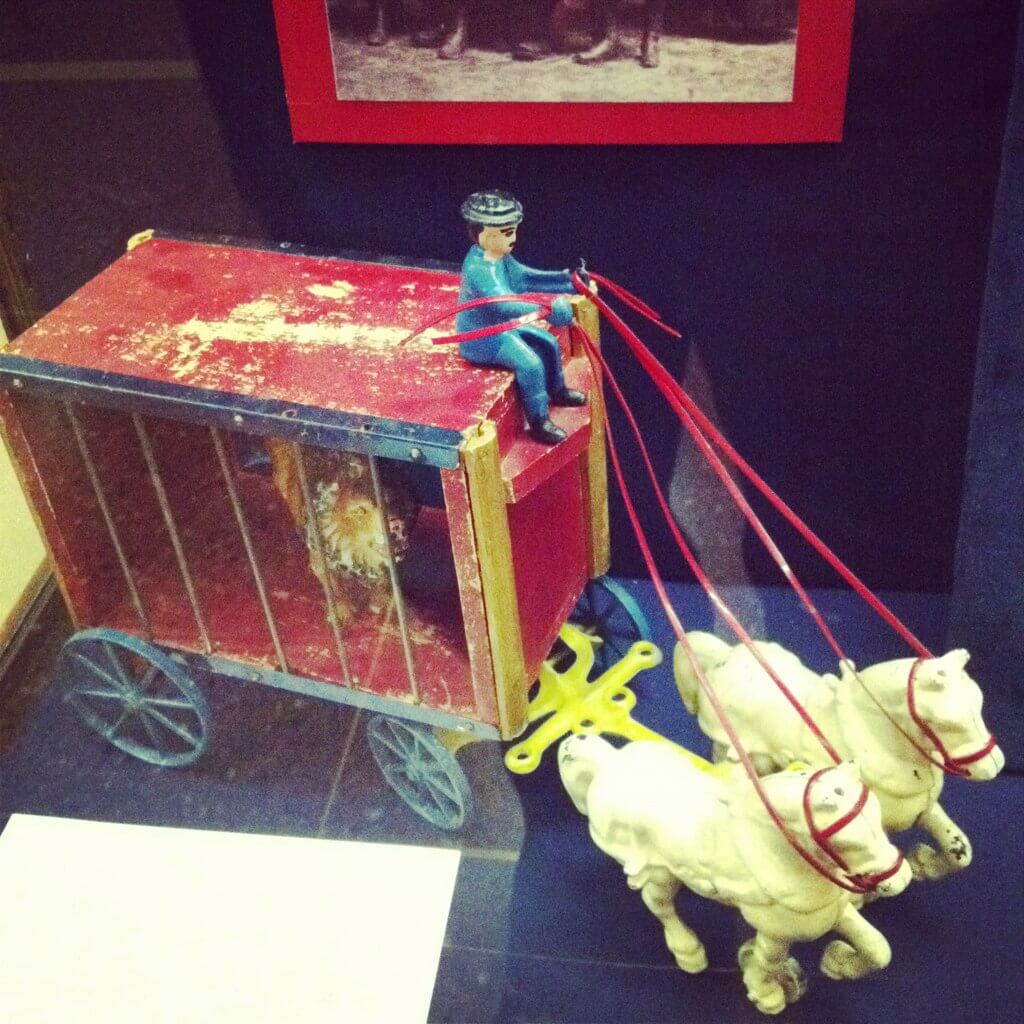
Brightly painted circus wagons carried tigers, bears and bandleaders in miniature form. Many included wooden or metal animal figures behind bars.
A wagon with all its figures and its original gilt trim is the exception, and condition and completeness drive prices.
Milk Trucks
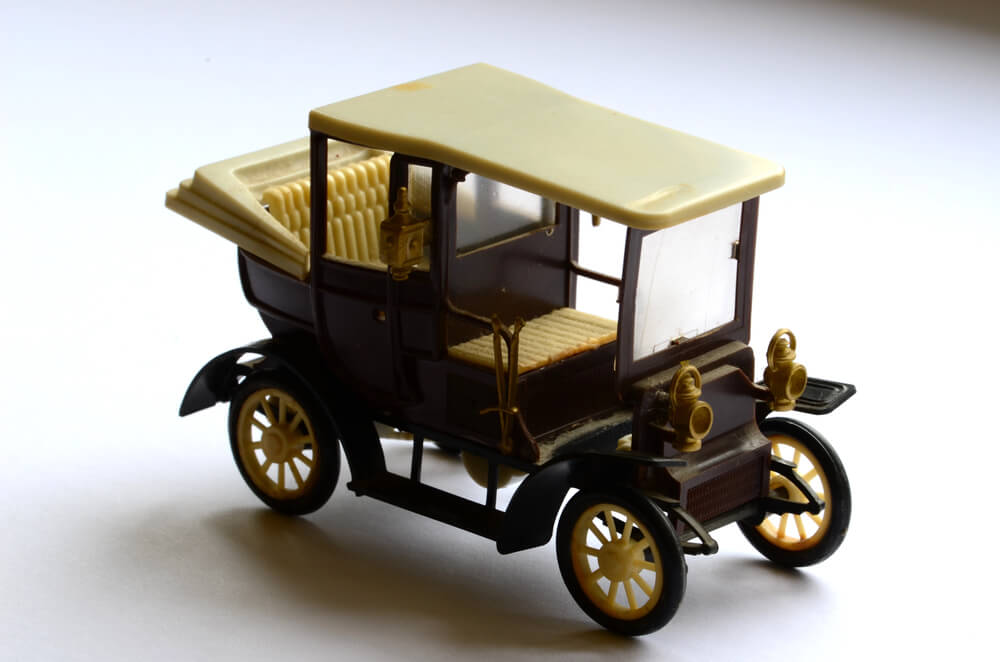
Delivery trucks that carried tiny bottles reflected the daily milk route that once reached every doorstep. Dairy names and slogans were often printed on the sides.
Bottles are the pieces most likely to go missing, so a truck with a full set of original accessories is worth noticeably more.
Ice Cream Trucks
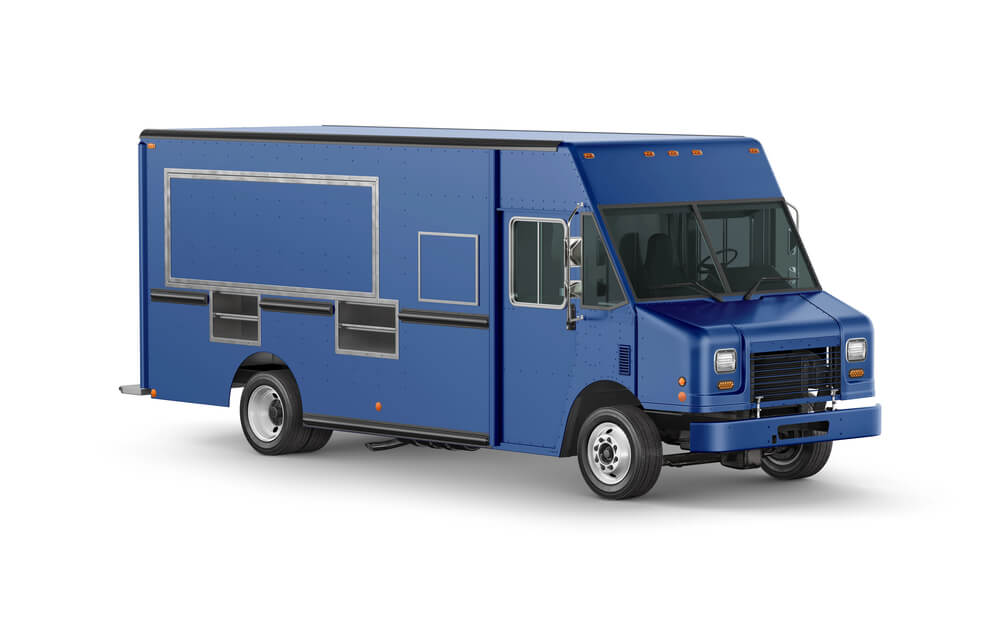
Ice cream trucks combined a sweet theme with plenty of printed detail. Cones, stripes and cheerful lettering made them stand out on a shelf.
Collectors look for bright color and original bells or accessories, and faded or scraped examples tend to be inexpensive.
Toy Airliners
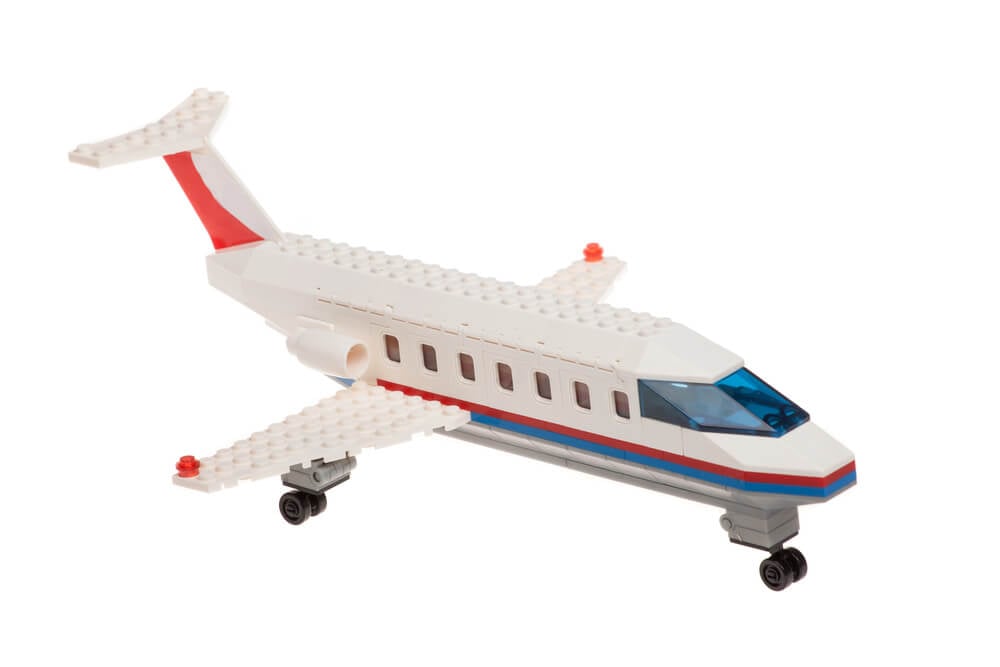
Propeller and early jet airliners were produced in tin and die-cast metal, often with airline livery printed on the fuselage. They captured the glamour of mid-century air travel.
Original paint and clean decals are crucial, as bent wings and missing landing gear drag prices down.
Moon Vehicles
Space exploration in the late 1960s and early 1970s led to toy lunar modules and rover-style vehicles. Plastic and metal versions copied the awkward, spindly shapes of the real craft.
Packaging boosts value enormously, since loose examples with broken antennas and missing decals are common and inexpensive.
Bulldozers
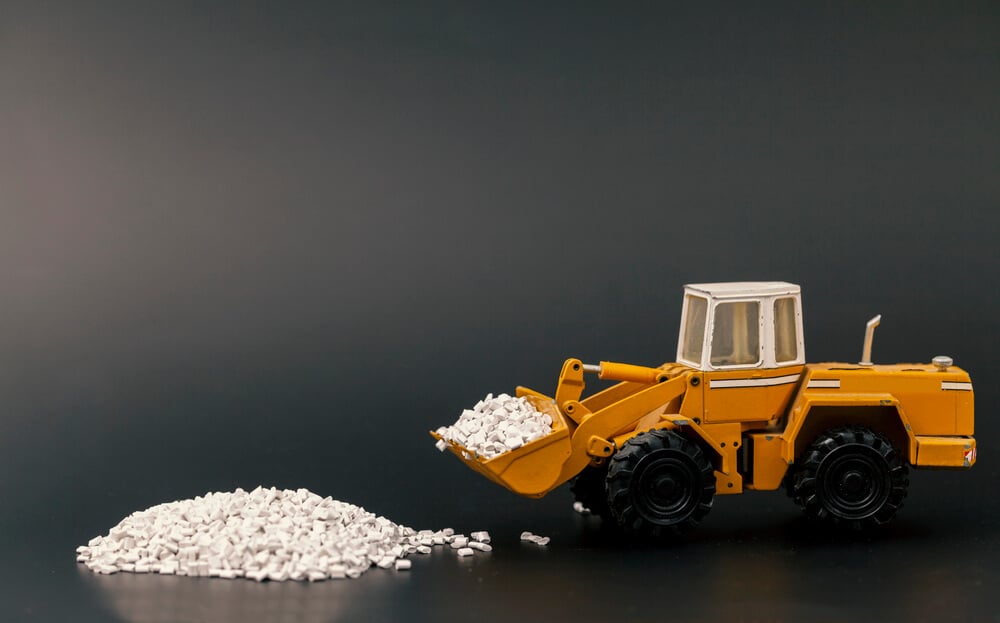
Bulldozers with moving blades and treads rounded out the construction fleet, from simple pushed toys to detailed die-cast models. The blades take the hardest abuse, so a straight blade and intact treads stand out.
A clean, complete example commands a clear premium over a worn one.
Why Toys Outlast Their Owners
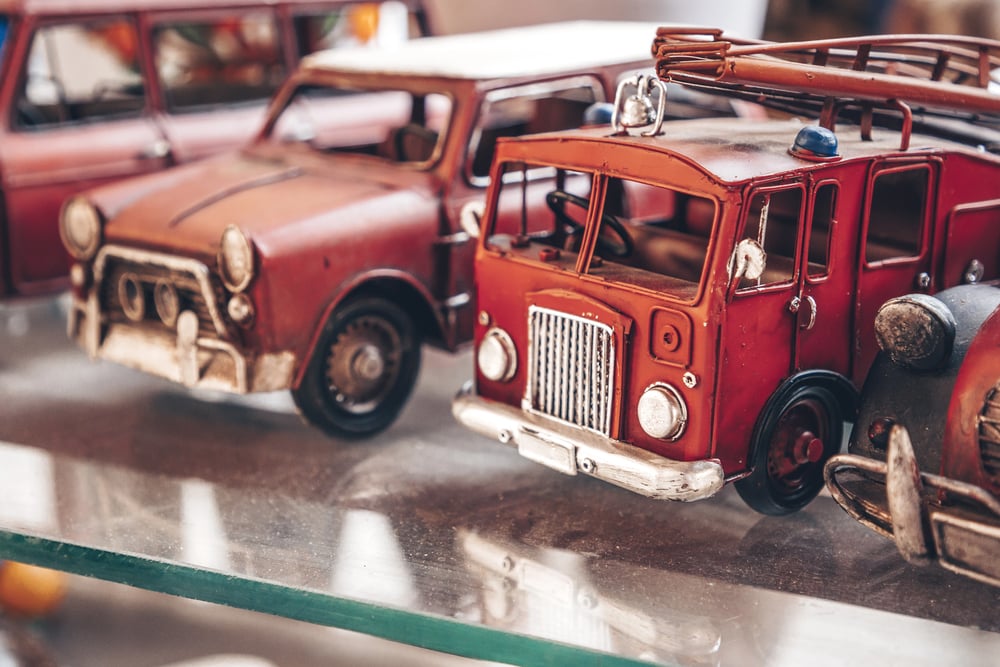
Heavy steel, cast iron and thick tin were chosen because children were rough on their belongings. That durability turned working vehicles into time capsules of how adults saw the world they were building.
Dump trucks, tugboats and airliners all show what each generation considered impressive. Collectors who keep these toys are really preserving the details of daily life, from farm tractors to the milk route.
The best advice is to buy the cleanest example affordable and to resist the urge to repaint. A scratch earned in a sandbox is part of the story and, in many cases, part of the value.
More from Go2Tutors!

- 27 Silver Dollars and Half Dollars Worth Keeping
- 28 Restaurant Menu Items Nobody Orders Anymore
- 17 Places Built in Seemingly Impossible Spots
- 27 Vintage Rings Worth More Than They Look
- 25 Restricted Sites Tourists Can’t Enter
Like Go2Tutors’s content? Follow us on MSN.