29 Wedding Traditions Nobody Follows Anymore
Weddings have become something of a choose-your-own-adventure story these days. Couples pick and choose traditions like items from a buffet, leaving behind rituals that once seemed absolutely essential.
Some of these abandoned customs died quiet deaths, while others were dramatically tossed aside as couples realized they made no sense for modern life. The wedding industry keeps evolving, and what your grandmother considered non-negotiable might not even cross your mind as you plan your big day.
Asking The Father For Permission
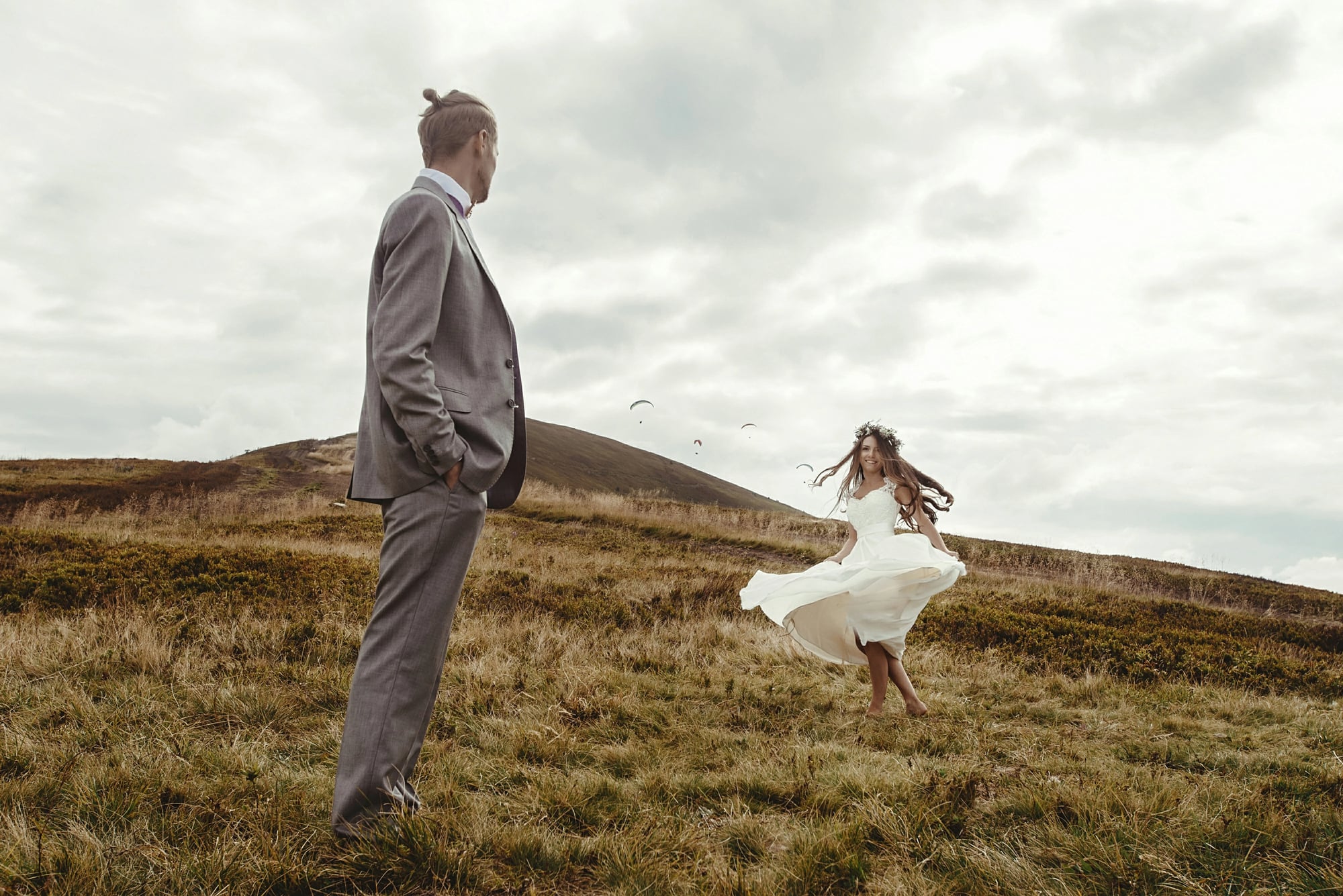
This tradition is about as outdated as using a rotary phone. Most couples make the decision to marry together, then share the news with families afterward.
The whole concept assumes women need paternal approval for major life decisions. That ship has sailed.
Something Old, Something New, Something Borrowed, Something Blue
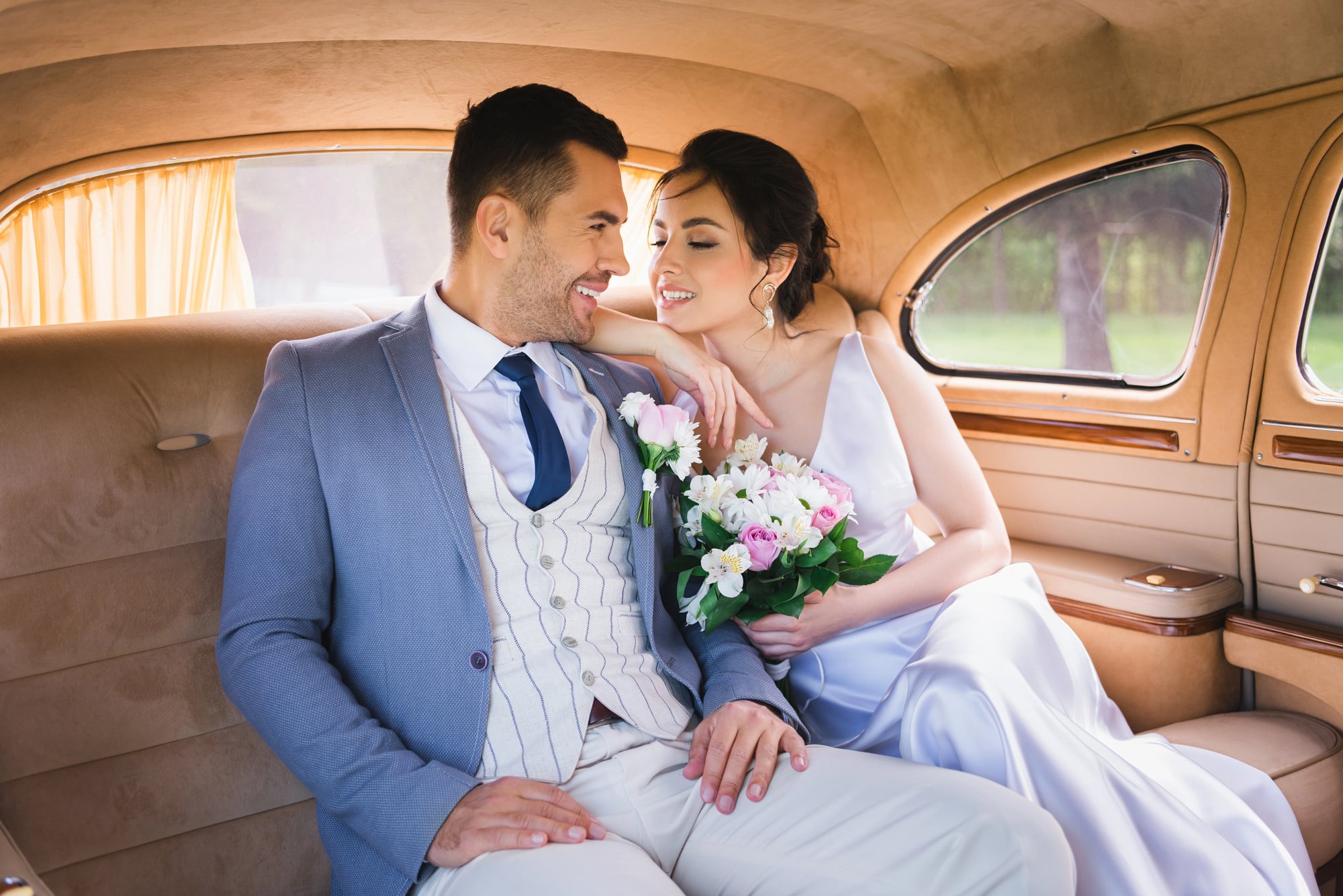
Brides used to stress about collecting these specific items before walking down the aisle. The rhyme promised good luck, but sourcing all four elements (especially when you needed to track down something borrowed and something blue) became more hassle than it was worth.
Modern brides who remember this tradition at all treat it as an optional quirk rather than a requirement, and most skip it entirely without a second thought.
The Groom Not Seeing The Bride Before The Ceremony

Like a carefully choreographed dance where the partners never meet until showtime, this tradition kept couples apart on their wedding day until that dramatic aisle moment. The superstition warned of bad luck if the groom caught even a glimpse of his bride beforehand — a belief rooted in arranged marriages where couples literally hadn’t met before their wedding day.
But here’s the thing about modern love: most couples have been living together for years before they marry. The mystery dissolved long ago.
And so many couples now choose “first look” photo sessions, where they see each other privately before the ceremony, that the old rule has become the exception rather than the norm.
Wearing White
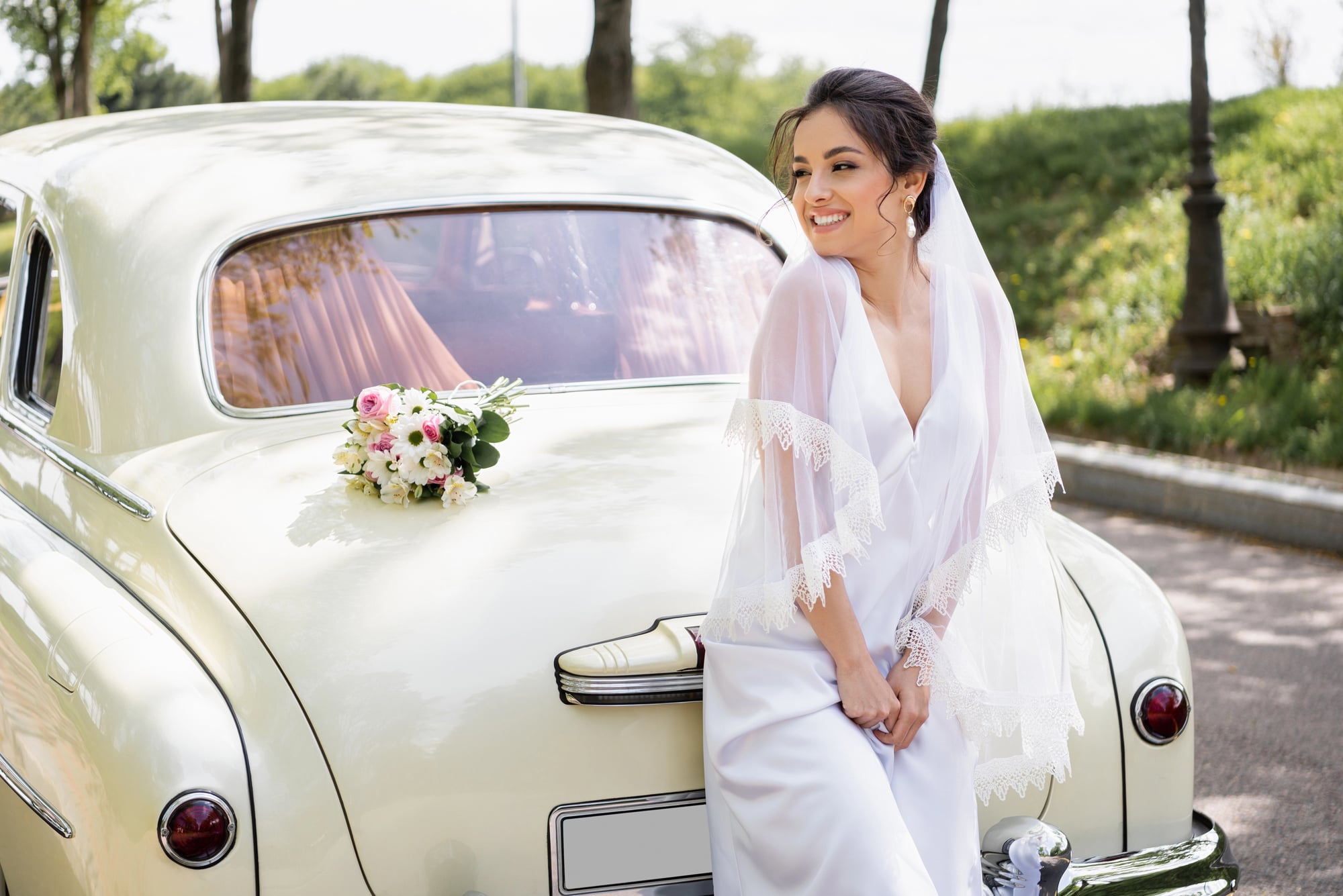
White wedding dresses are far from universal anymore. Brides choose colors that reflect their personality rather than following Queen Victoria’s 1840 trend.
The symbolism behind white never made much sense anyway. Most couples today prioritize finding a dress they love over adhering to color expectations.
Traditional Wedding Cake
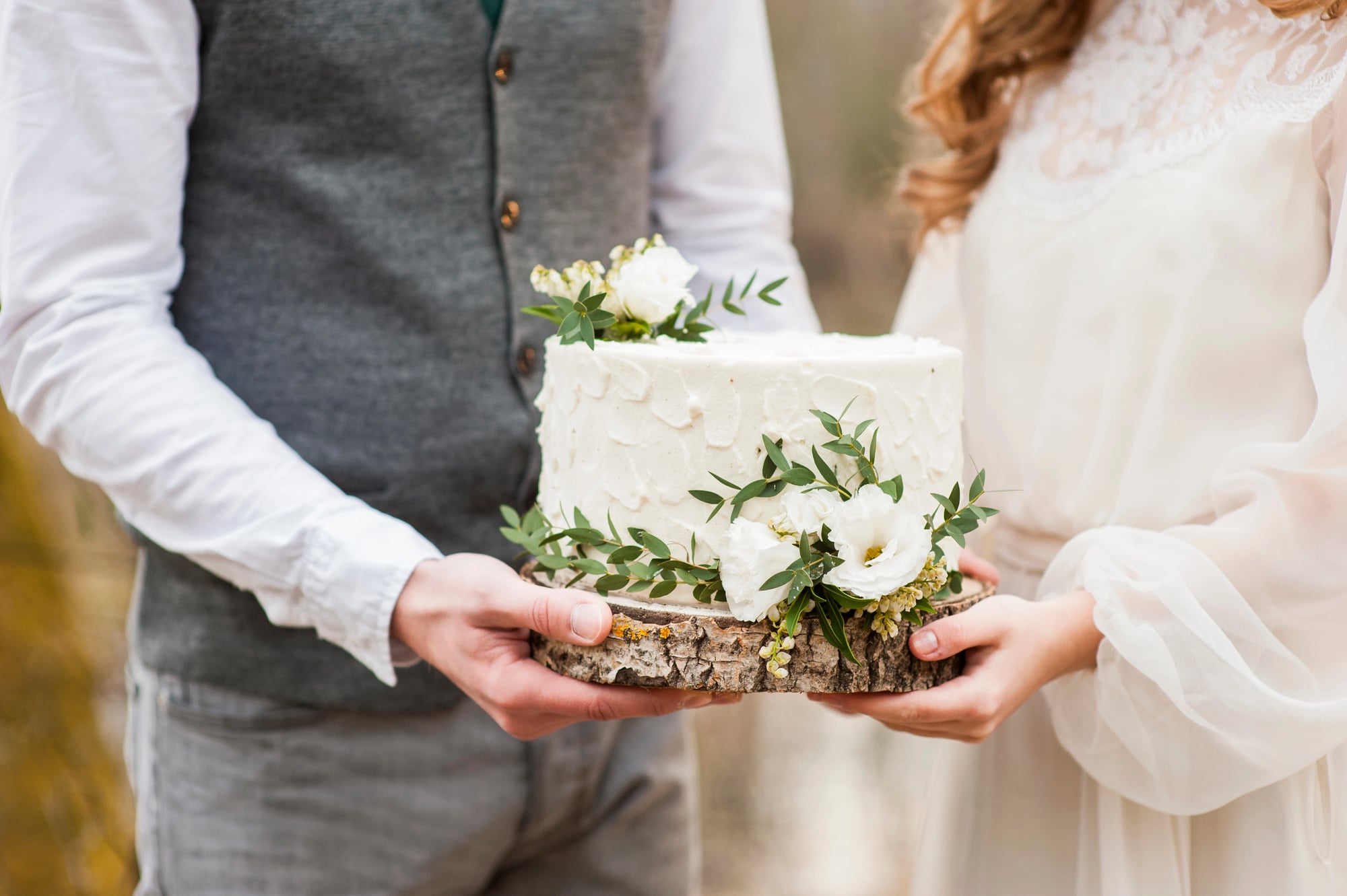
The towering white cake with plastic figurines on top has lost its starring role at receptions. Couples serve everything from donut walls to ice cream bars to elaborate dessert tables featuring multiple options.
Some skip cake entirely, opting for pies, cookies, or whatever dessert actually reflects their tastes rather than meeting some arbitrary wedding standard. The whole cake-cutting ceremony — with its forced feeding moment that always looked slightly aggressive — has become more awkward tradition than meaningful ritual, so many couples either skip it or do a quick, private version without the theatrical elements.
Receiving Lines
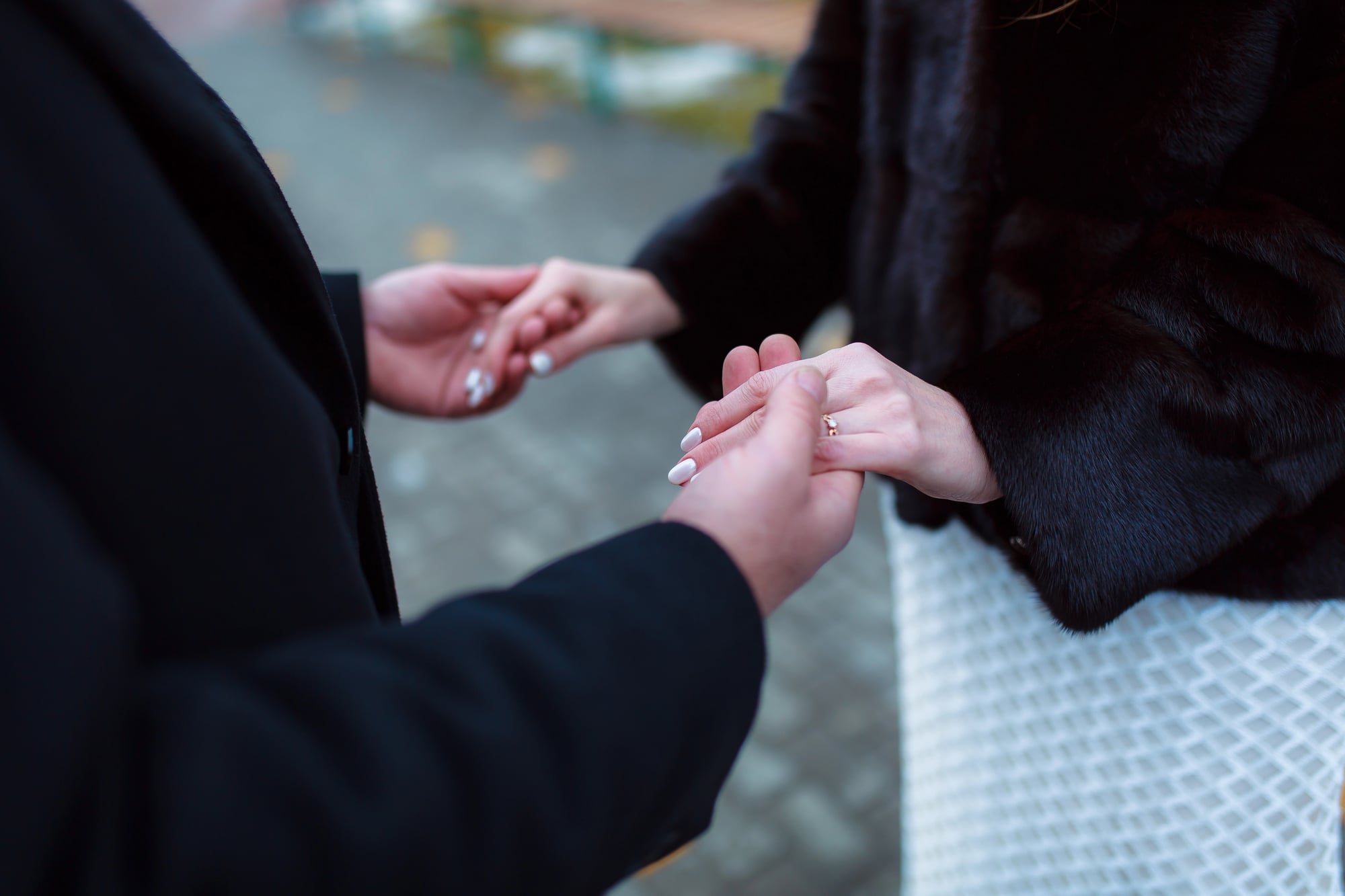
Picture this: you’ve just finished an emotional ceremony, you’re buzzing with excitement, and suddenly you’re expected to stand in one spot for an hour while every single guest files past to offer congratulations and small talk. Receiving lines were supposed to ensure the couple greeted everyone personally, but they actually created the opposite effect — rushed, superficial interactions where genuine connection was impossible.
Couples realized they could mingle naturally during the reception instead, having real conversations rather than assembly-line pleasantries. The format felt more like a corporate meet-and-greet than a celebration.
Most couples now prefer to visit tables during dinner or dance with guests throughout the evening, creating moments that feel authentic rather than obligatory.
Formal Invitations With Multiple Inserts
Wedding invitations used to arrive like legal documents. Response cards, reception cards, direction cards, accommodation cards — each with its own envelope and specific wording requirements.
Today’s couples send simple invitations with wedding websites handling the details. Nobody misses shuffling through five different pieces of cardstock to figure out the basic information.
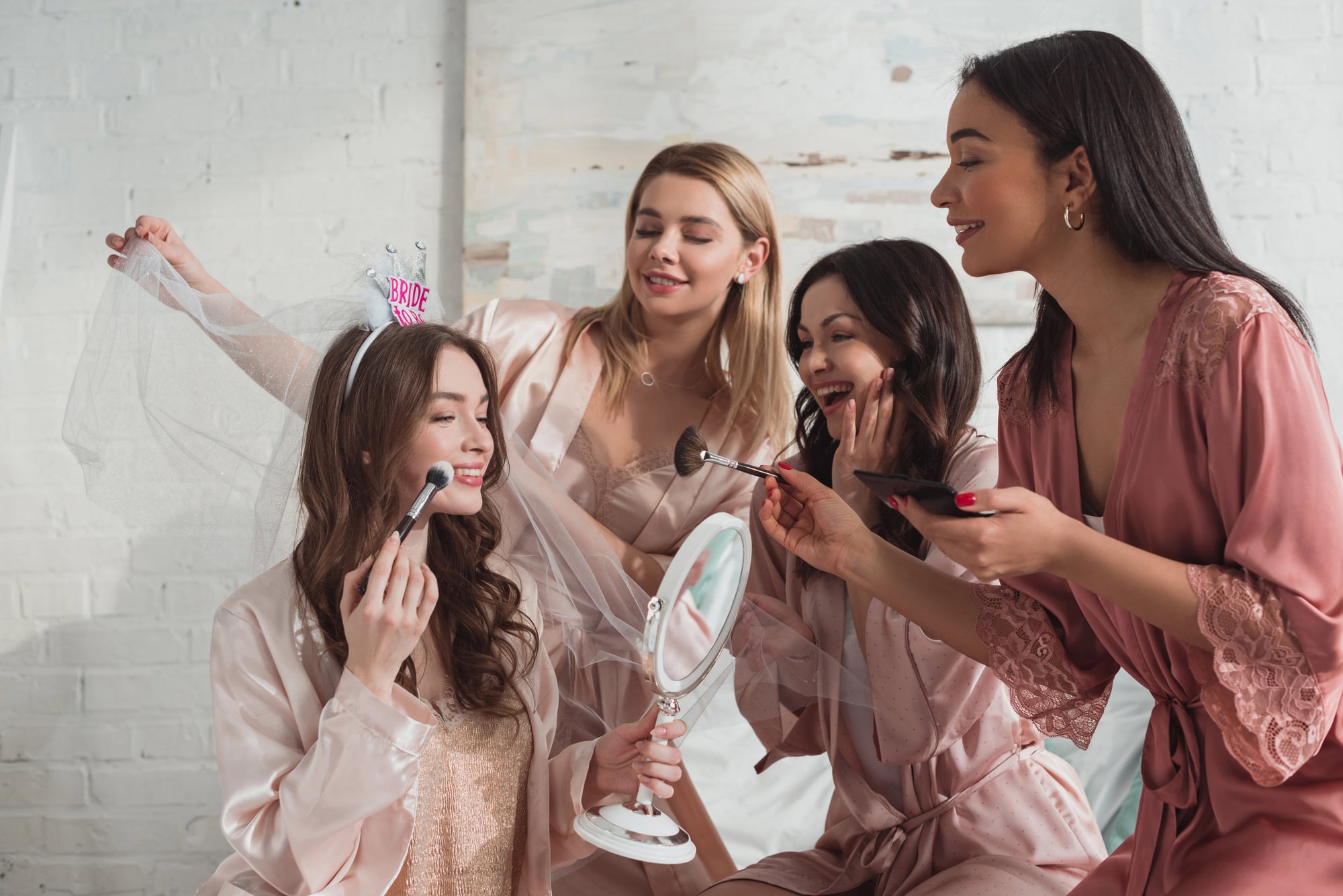
The Bachelor/Bachelorette Party Weekend
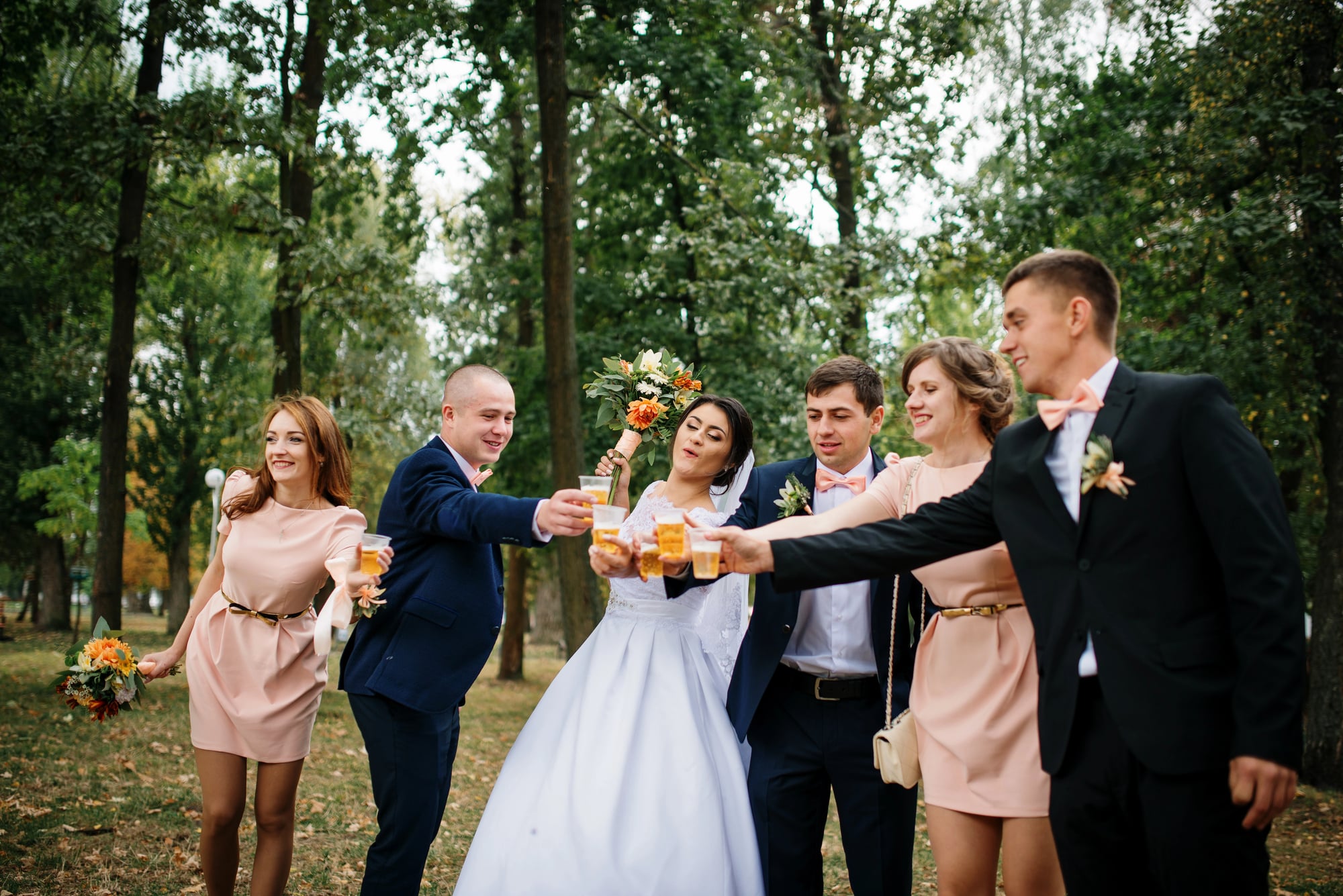
The tradition of elaborate destination weekends for bachelor and bachelorette parties is quietly fading as couples realize the financial and logistical burden it places on their friends. What started as a simple night out evolved into multi-day affairs requiring time off work, expensive flights, and hotel stays that could cost attendees more than the wedding gift.
The pressure to create Instagram-worthy experiences turned what should be fun celebrations into stress-inducing obligations. Many couples now opt for simple local gatherings — a nice dinner, a day activity, something that brings friends together without requiring a second mortgage.
Others skip the separate parties entirely, choosing joint celebrations that feel more authentic to relationships where partners share friend groups and don’t need ritualistic “last nights of freedom.”
Bouquet And Garter Tosses
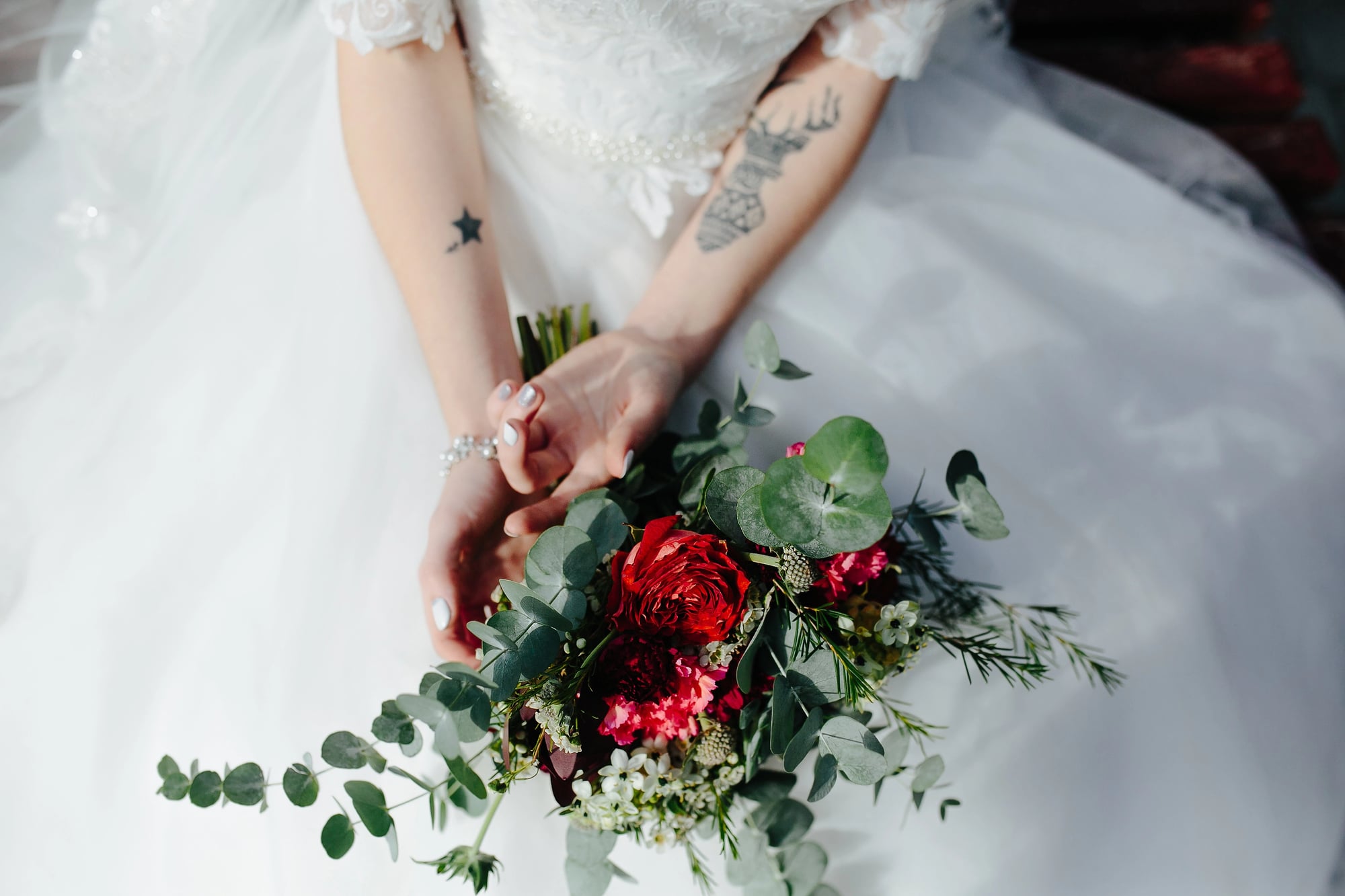
These traditions have aged about as well as milk left in the sun. The bouquet toss assumes all single women are desperately waiting to be next, while the garter toss adds an uncomfortable element that makes everyone squirm.
Most couples skip both entirely. The single guests appreciate not being singled out, and the couple avoids the awkward pause in festivities.
Elaborate Church Ceremonies
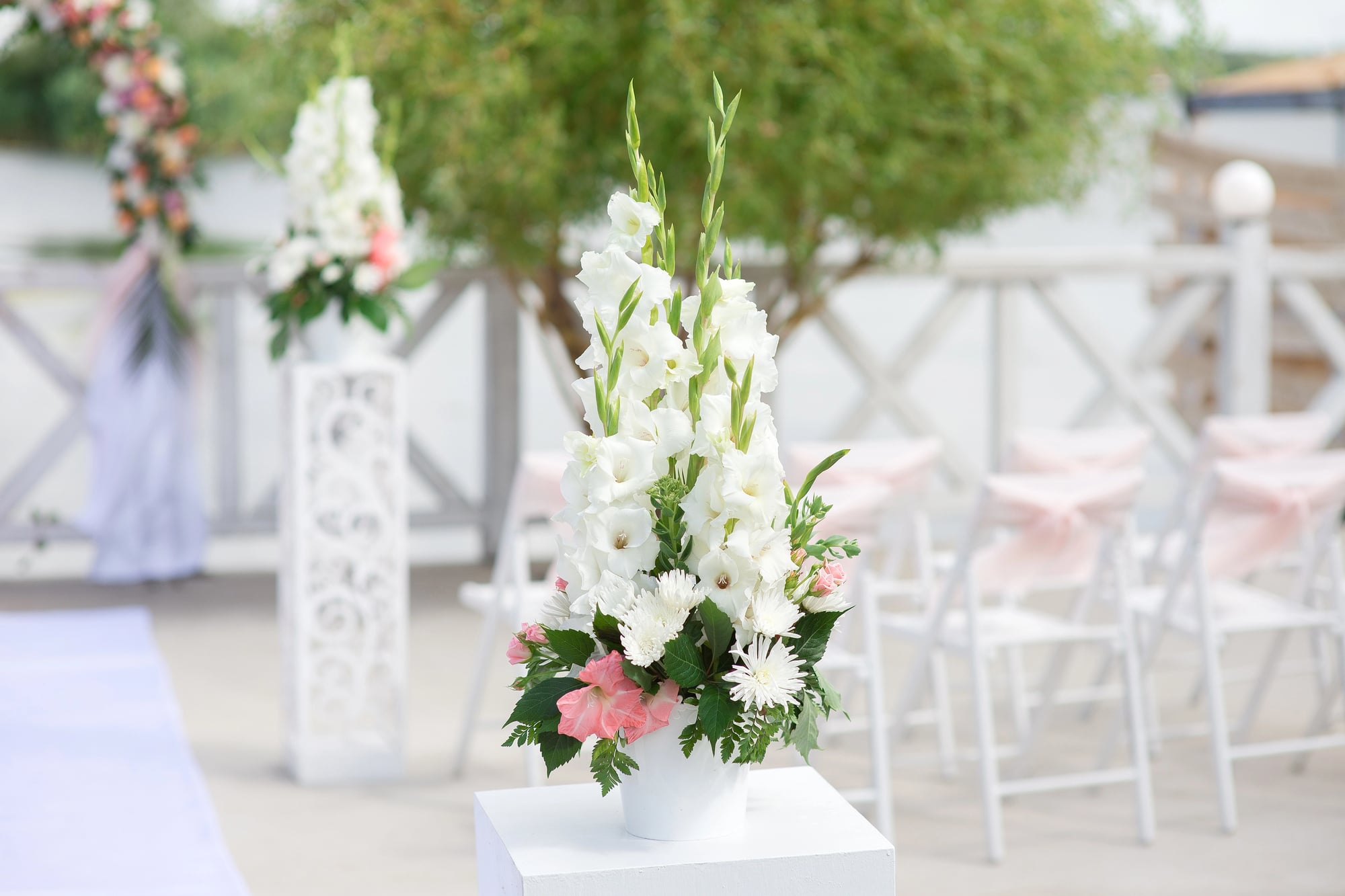
The full religious ceremony with multiple readings, lengthy sermons, and formal liturgy is becoming less common as couples choose shorter, more personal ceremonies. Many opt for outdoor venues, non-denominational officiants, or even friends who got ordained online to perform the ceremony.
The shift reflects changing religious attitudes but also practical considerations — guests appreciate ceremonies that don’t require them to sit through lengthy services, especially when the couple’s spirituality doesn’t align with traditional religious frameworks. Even religious couples often choose abbreviated ceremonies that focus on the vows and commitment rather than extensive ritual elements that feel disconnected from their daily lives.
Formal Seating Charts With Head Tables
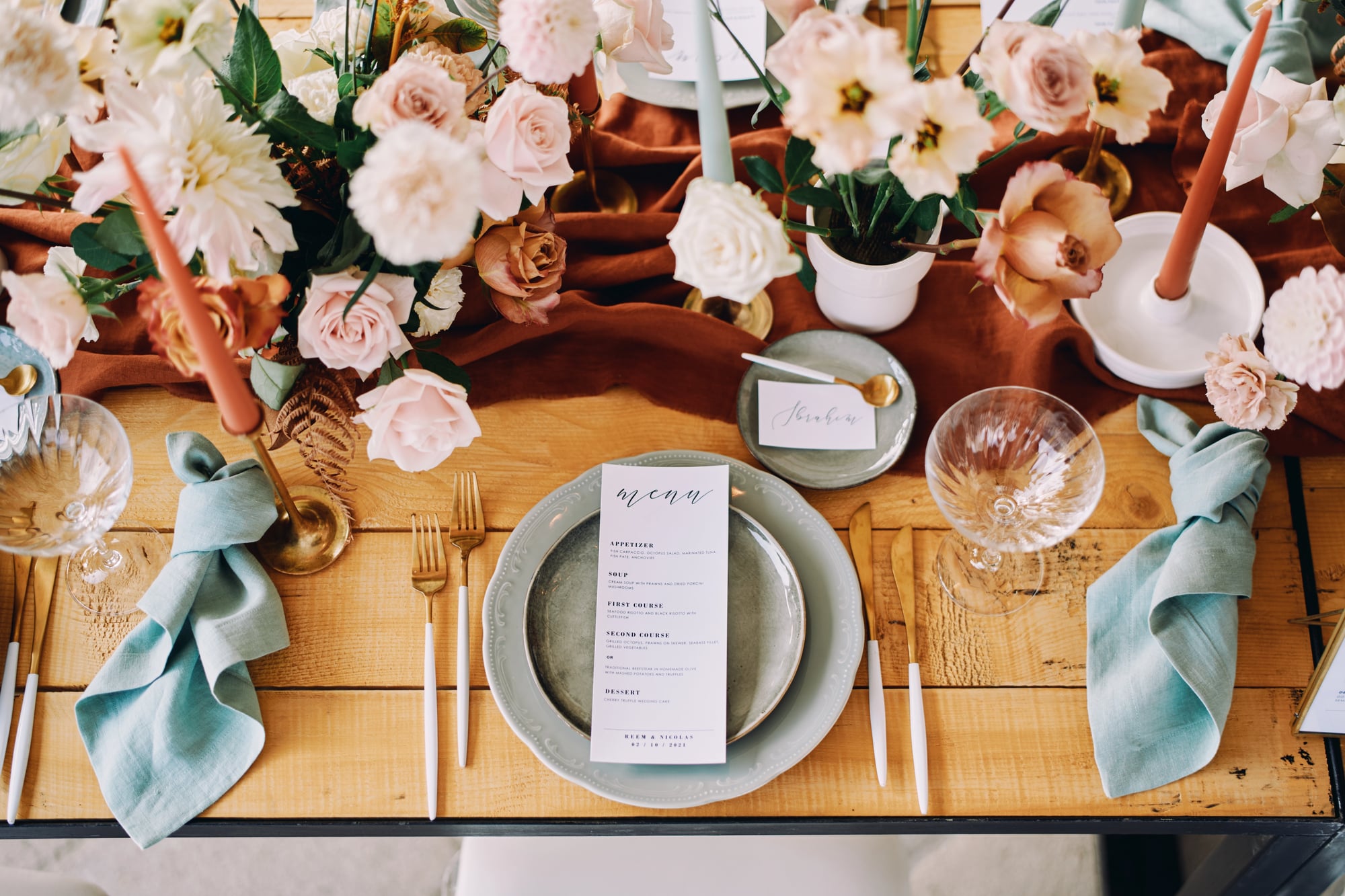
Head tables created an odd dynamic where the wedding party sat separately from their dates and the couple sat facing the room like they were holding court. The arrangement prioritized tradition over actual relationships and comfort.
Most couples now choose sweetheart tables for just the two of them, or they sit with close family and friends at a regular table. The wedding party gets to sit with their partners, and everyone’s happier for it.
Professional Wedding Parties
The days of massive wedding parties with matching outfits and choreographed movements are fading into memory, replaced by smaller, more intimate groups of genuinely close friends and family. Couples used to feel obligated to include college roommates they barely spoke to anymore, coworkers for political reasons, and distant relatives to avoid family drama — creating wedding parties that looked impressive in photos but felt awkward in real life.
The financial burden on wedding party members has also become unreasonable, with expenses for outfits, parties, and gifts adding up to thousands of dollars. Modern couples often choose just their closest siblings or best friends, or skip wedding parties entirely.
The result is ceremonies that feel more authentic and receptions where the couple can actually enjoy their guests rather than managing a small army of attendants.
Honeymoon Immediately After The Wedding

The tradition of leaving for the honeymoon right after the reception made sense when weddings were smaller, simpler affairs. Now it seems almost wasteful to rush off when you’ve spent months planning a celebration.
Many couples take a mini-moon right after the wedding and plan their real honeymoon for later when they can actually enjoy it instead of collapsing from exhaustion.
Formal Gift Registries At Department Stores
The ritual of walking through department stores with scanning guns, building wish lists of china patterns and crystal stemware, feels almost quaint now. Most couples have been living together for years before marriage, so they already own basic household items and don’t need two sets of everything.
Registry preferences have shifted toward experiences, charitable donations, or contributions to house down payments rather than traditional homemaking supplies. The formal place settings that once seemed essential now strike many couples as impractical — who has time for hand-washing delicate china or space for pieces used twice a year?
Even when couples do register for household items, they choose everyday pieces they’ll actually use rather than special occasion items that gather dust.
Diamond Engagement Rings

The expectation that engagement rings must feature diamonds is quietly dissolving. Couples choose stones based on personal preference, ethical considerations, or simply because they prefer other gems.
The “two months’ salary” rule never made mathematical sense anyway. Many couples put that money toward experiences or practical goals instead of following marketing-driven traditions.
Matching Bridesmaid Dresses
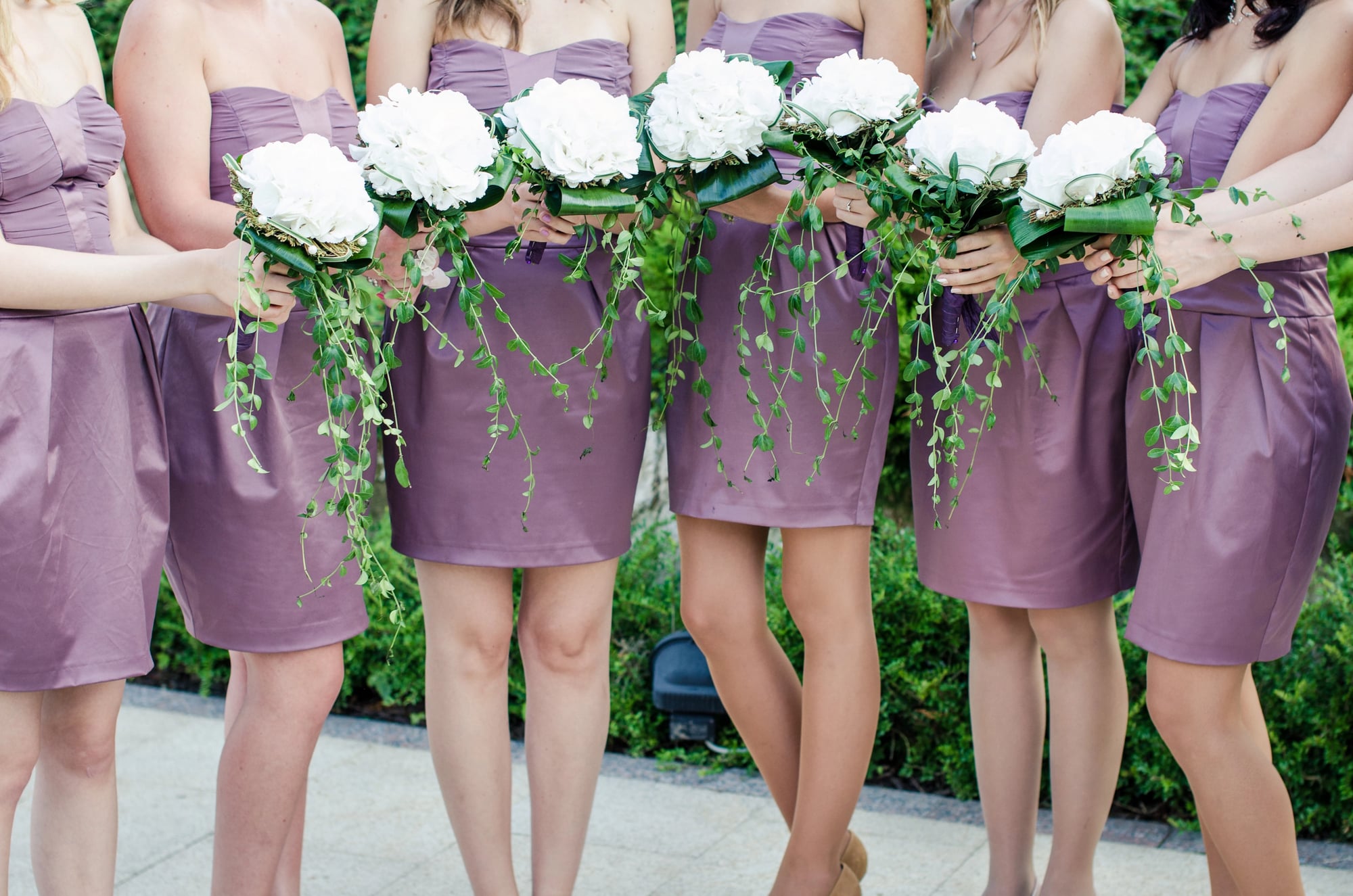
The vision of bridesmaids dressed identically, like backup dancers in a wedding musical, is giving way to more relaxed approaches that actually flatter different body types and personal styles. The old system required bridesmaids to purchase specific dresses they’d never wear again, often in colors and cuts that looked good on exactly nobody.
Many couples now give their bridesmaids color guidelines or general style directions, letting them choose dresses they feel confident wearing and might actually use afterward. Some skip the matching element entirely, asking their bridesmaids to wear whatever makes them feel beautiful.
The photos look more natural, the bridesmaids feel more comfortable, and everyone saves money and stress in the process.
Wedding Favors
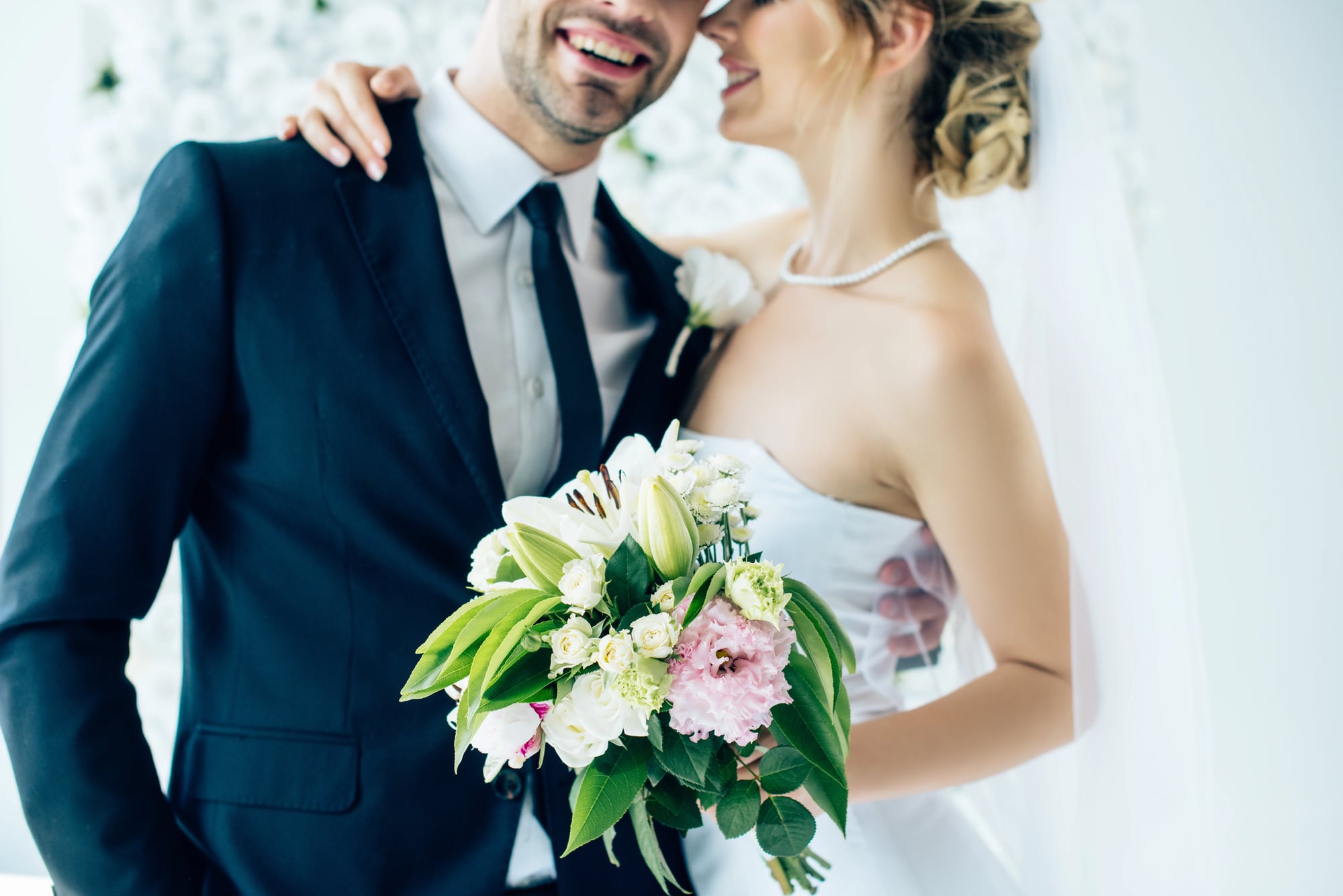
Small gifts for guests seemed like a thoughtful gesture until couples realized most favors end up forgotten on tables or tossed in drawers at home. The tradition created more obligation than appreciation.
Couples who want to thank guests now choose edible favors that get consumed or skip favors entirely, putting that money toward better food or drinks instead.
Formal Dancing Lessons
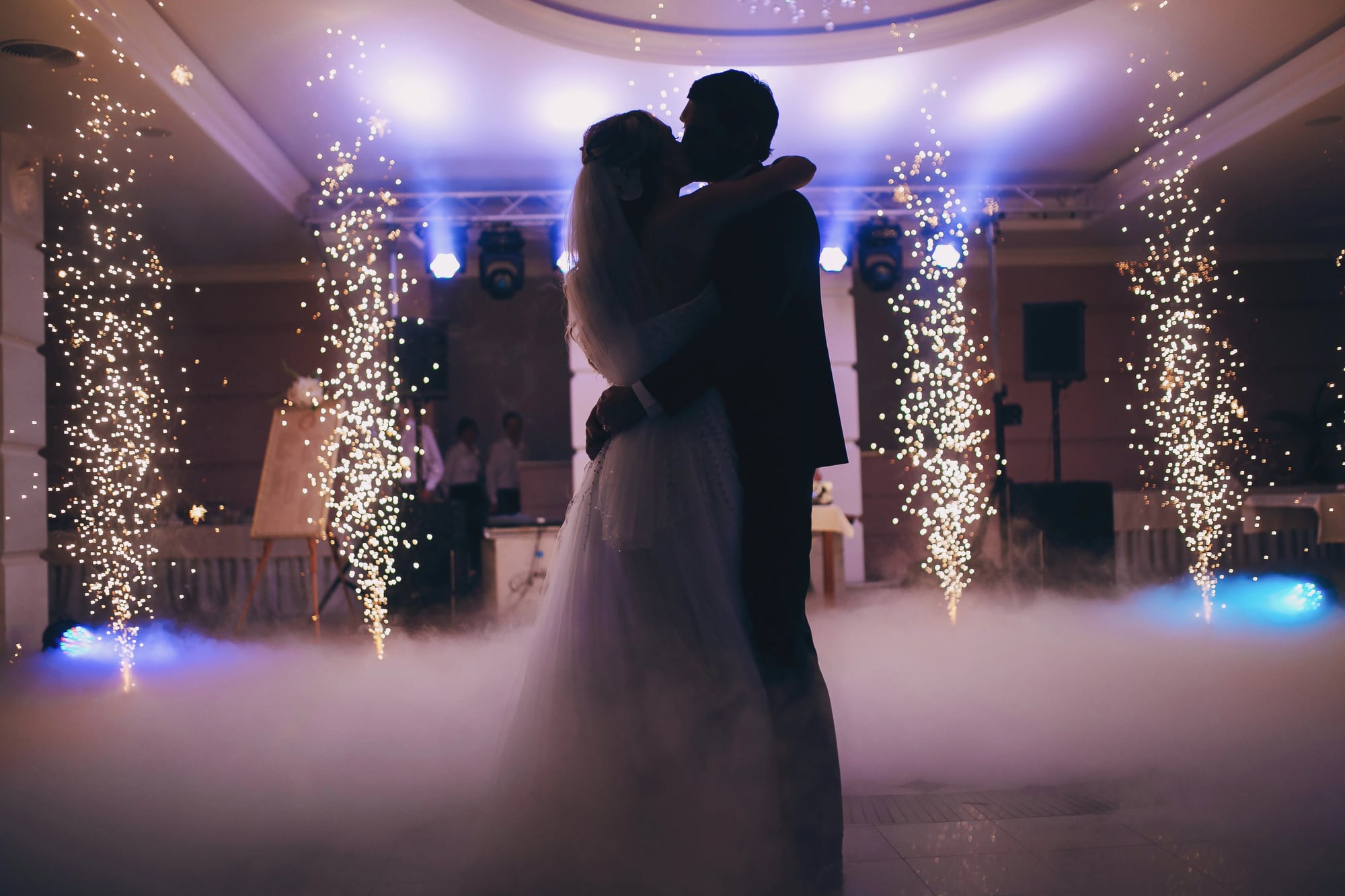
The pressure to perform choreographed first dances led many couples to invest in professional dance lessons, turning what should be a spontaneous moment into a rehearsed performance. The lessons added stress and expense to wedding planning, and the resulting dances often looked more like recitals than celebrations.
Couples realized that swaying together to a meaningful song felt more authentic than executing perfect spins and dips for an audience. The most memorable first dances are usually the ones where couples simply hold each other and move naturally, letting the emotion of the moment guide them rather than worrying about proper technique or impressive moves.
Throwing Rice Or Birdseed
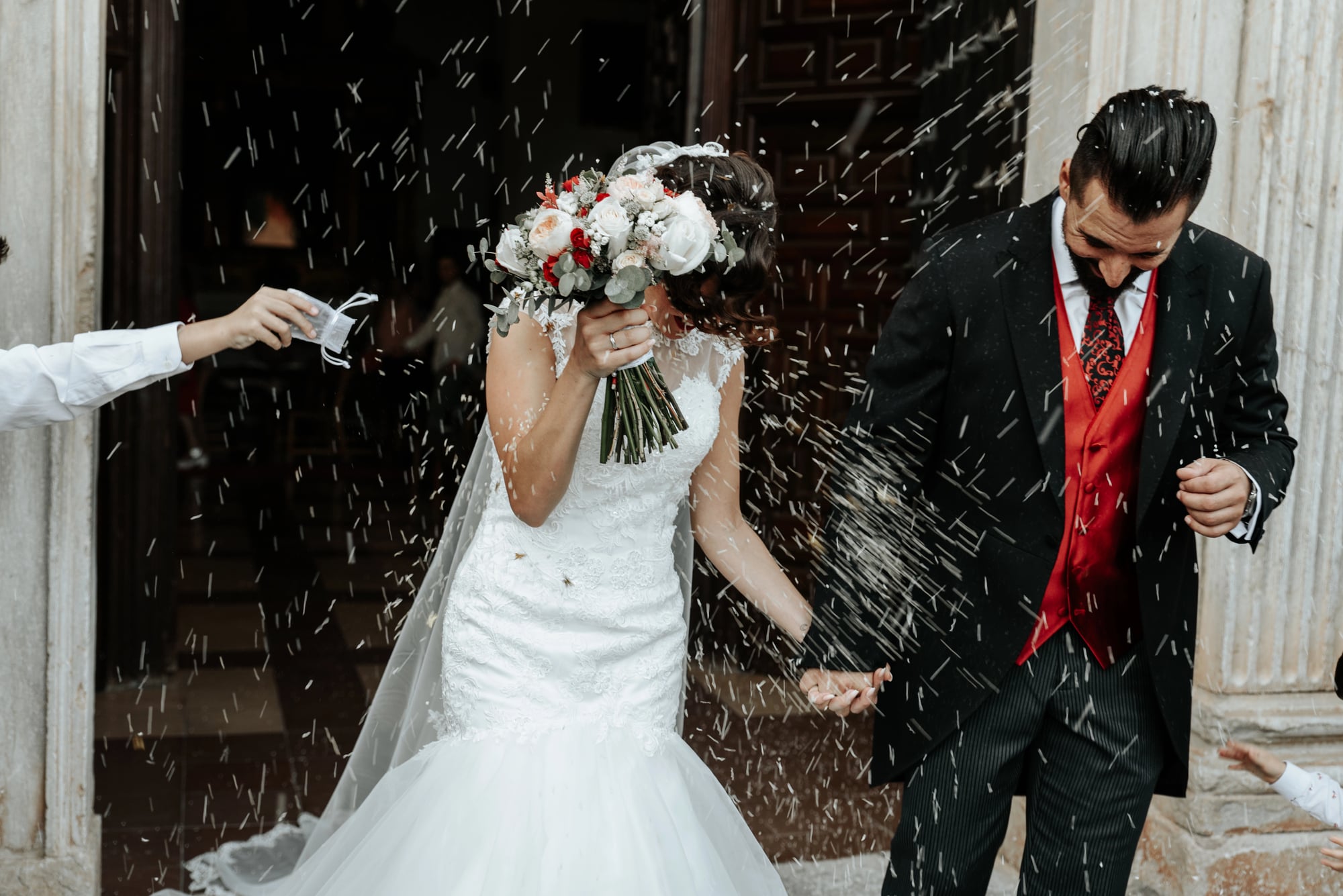
This send-off tradition lost its appeal once people realized the cleanup hassle and potential hazards it created. Rice on church steps becomes slippery, birdseed attracts unwanted wildlife, and both create messes that someone has to address later.
Couples who want celebratory send-offs now use bubbles, sparklers, or flower petals that create better photos without the practical headaches.
Elaborate Wedding Transportation
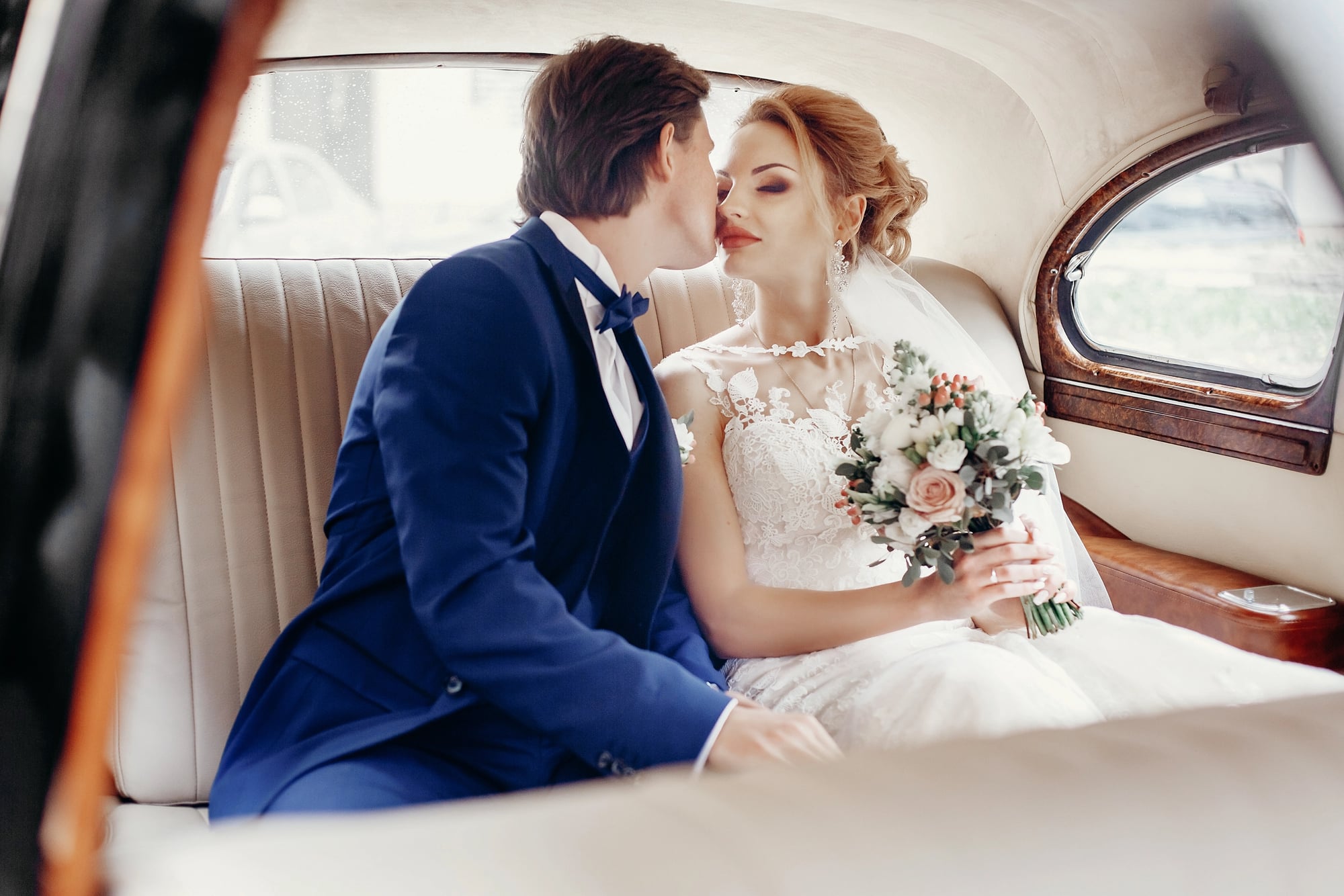
The tradition of arriving in special vehicles — horse-drawn carriages, vintage cars, or stretch limousines — has largely disappeared as couples prioritize practicality over pageantry. Special transportation often created more stress than magic, with timing complications, weather concerns, and the awkwardness of climbing in and out of vehicles while wearing formal attire.
Many couples now simply drive themselves or accept rides from family members, treating transportation as logistics rather than performance. The money once spent on novelty vehicles goes toward elements of the wedding that guests actually experience and remember.
And honestly, most venues have parking lots rather than grand circular drives, so elaborate arrivals often end anticlimactically anyway.
Formal Wedding Portraits Before The Ceremony
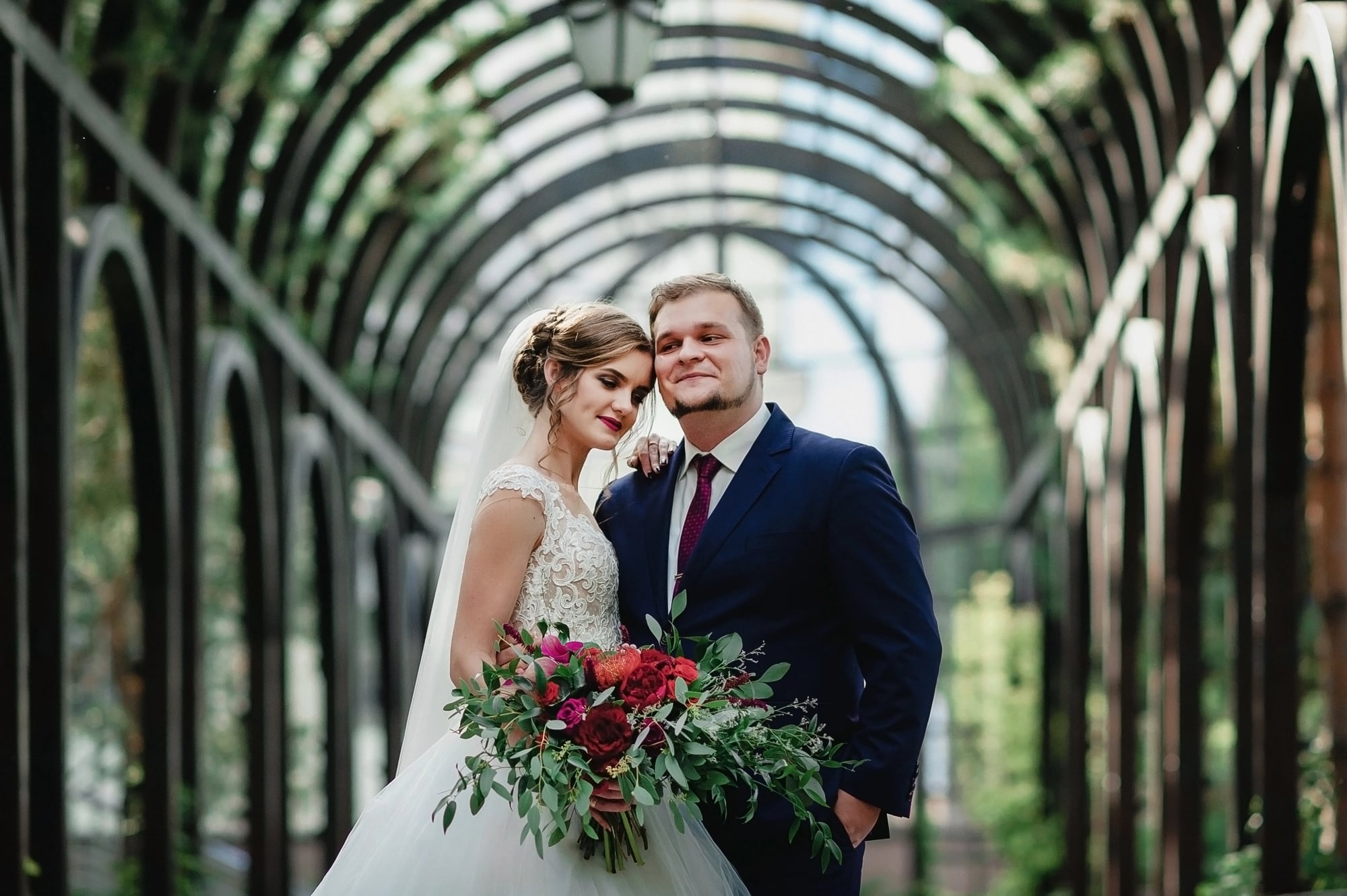
The tradition of extensive formal photography sessions before the ceremony has been replaced by more candid, documentary-style coverage that captures real moments rather than posed perfection. Couples used to spend significant portions of their wedding day standing still for formal shots, missing opportunities to actually experience their celebration.
Modern wedding photography focuses on storytelling and genuine emotion rather than checking off a list of required poses. Many couples now prefer photographers who blend into the background, capturing authentic interactions and spontaneous moments that better reflect the actual joy and chaos of wedding days.
Guest Books
The formal guest book signing ritual has become largely ceremonial, with most books ending up stored away rather than treasured. Guests often struggled to think of meaningful messages while standing in line, resulting in repetitive well-wishes that didn’t capture genuine sentiment.
Couples who want guest participation now choose interactive alternatives or skip the tradition entirely, focusing on face-to-face conversations instead.
Wedding Showers For Household Items
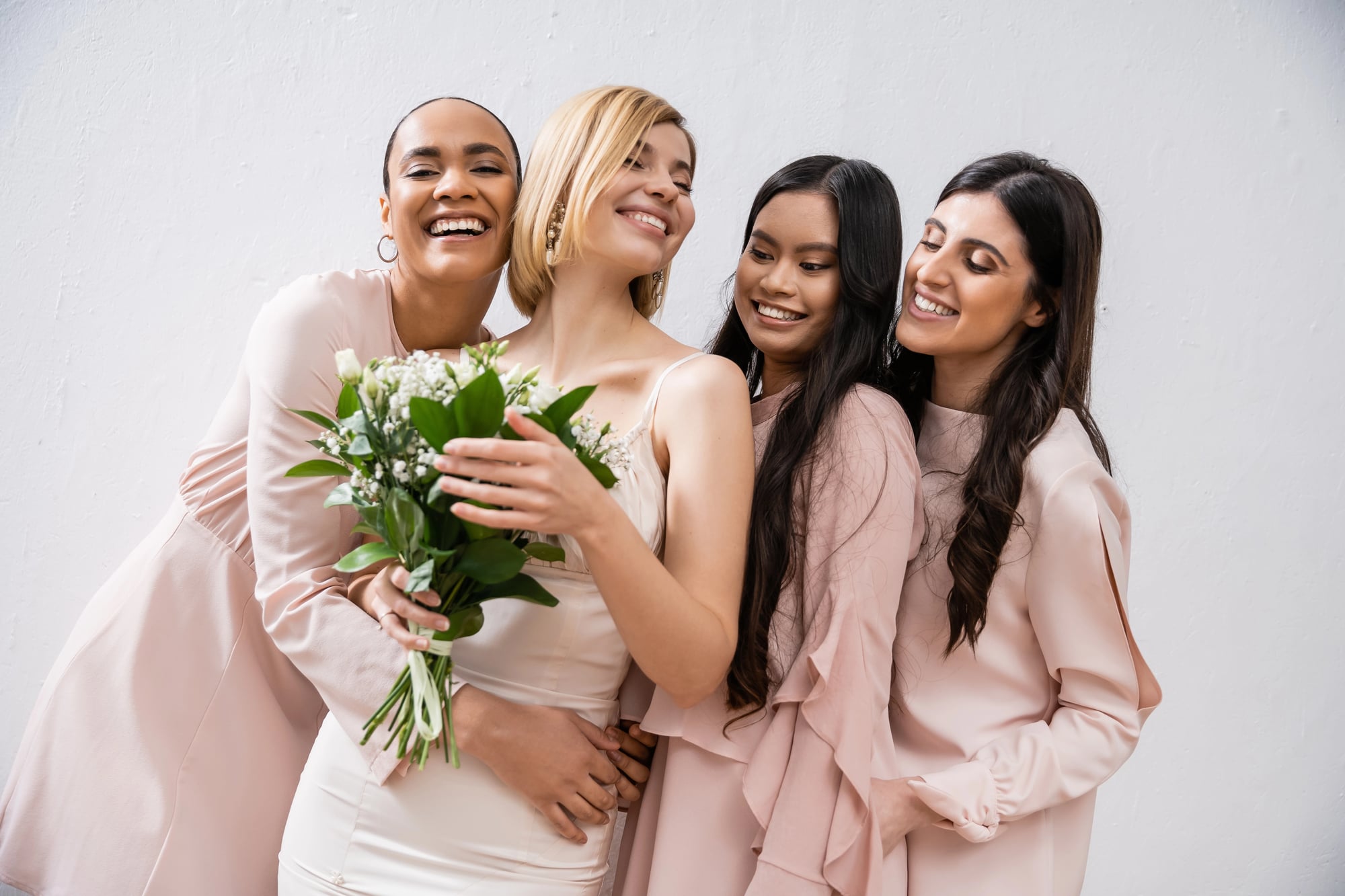
The traditional bridal shower focused on equipping women for domestic life with kitchen gadgets and household supplies — a concept that feels outdated when most couples have been managing households together for years. These events often felt more like obligation than celebration, with forced games and gift-opening ceremonies that pleased nobody except tradition.
Modern pre-wedding celebrations tend to be more inclusive, involving all genders and focusing on experiences rather than acquisitions. When couples do have showers, they often request experiences, charitable donations, or contributions to specific goals rather than building collections of appliances they may not need or want.
Professional Wedding Planning
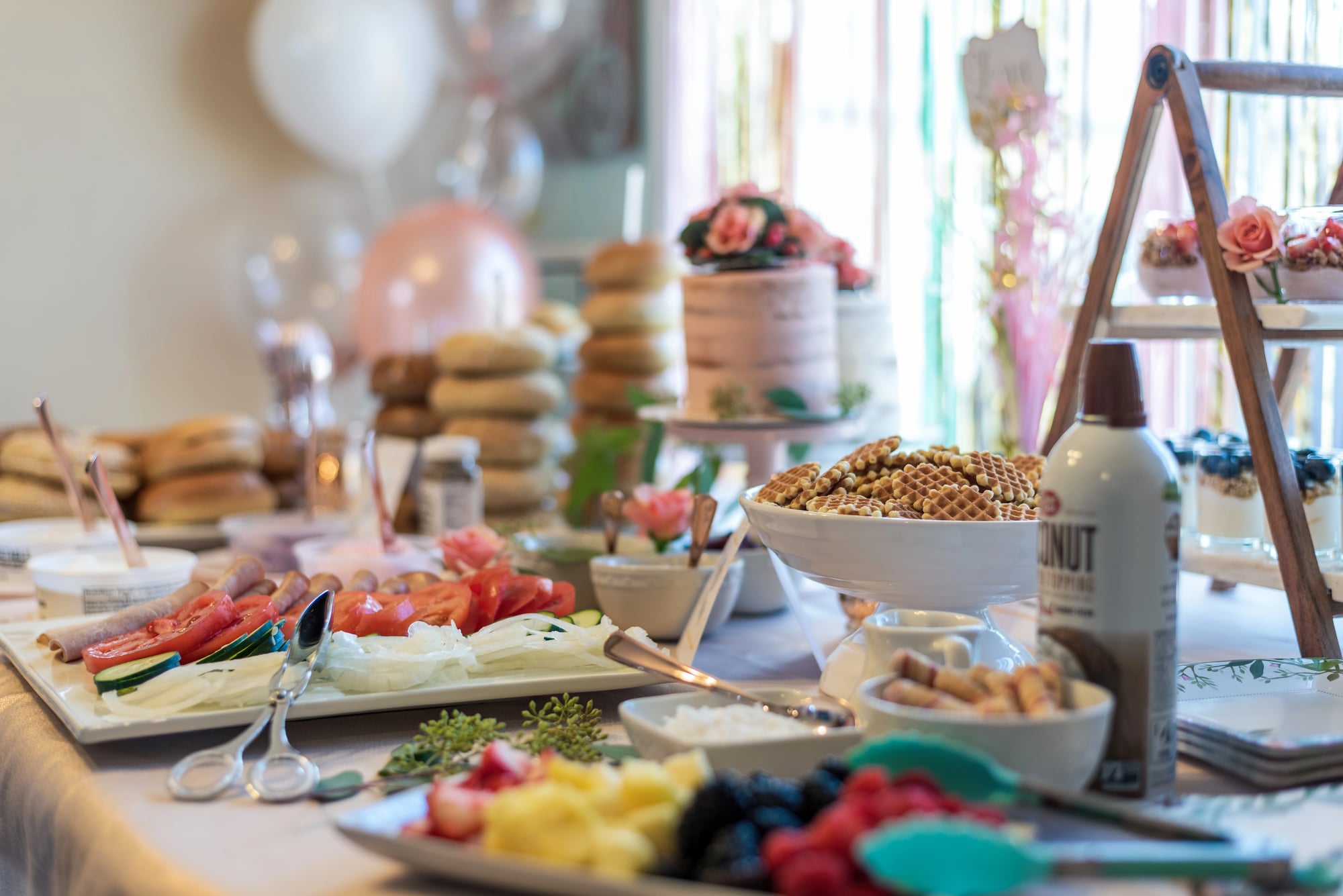
The idea that weddings require professional coordinators to manage every detail has given way to more DIY approaches and simplified celebrations that don’t need extensive management. While some couples still hire planners, many realize they can organize their own celebrations without professional intervention, especially as venues offer more comprehensive services and online resources provide planning tools.
The trend toward smaller, more casual weddings also reduces the complexity that once made professional planning feel necessary. Couples often find that planning their own wedding gives them more control over details and helps them stay connected to the actual meaning of their celebration rather than getting lost in logistics.
Unity Candles
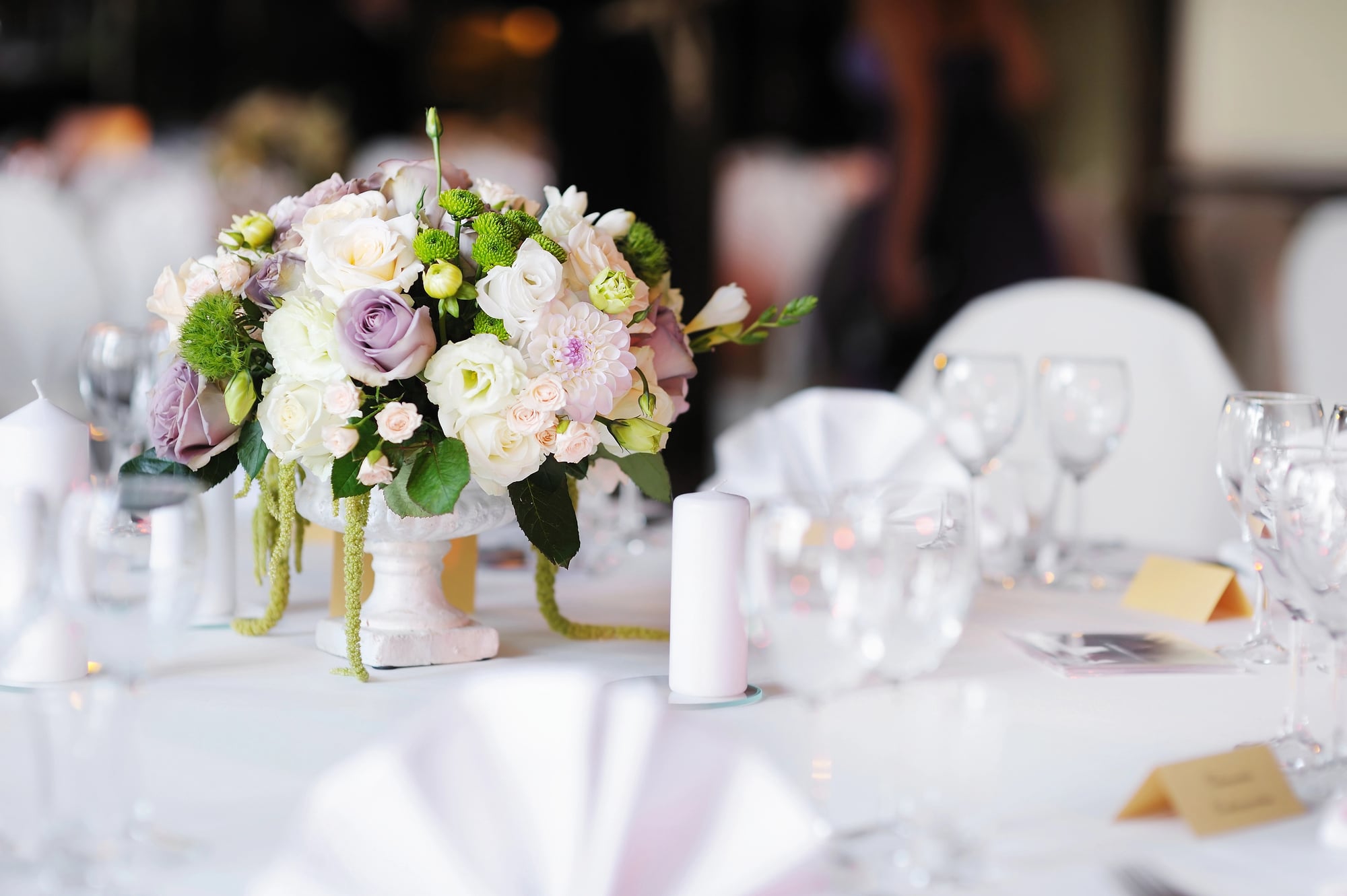
The ceremony where couples light a single candle from two separate flames seemed meaningful in theory but often created awkward moments in practice. Wind, faulty wicks, and nervous hands led to fumbling with matches during what was supposed to be a romantic gesture.
Many couples now choose unity ceremonies that feel more personal or skip symbolic rituals entirely, letting their vows carry the meaning.
Wedding Cakes As Centerpieces
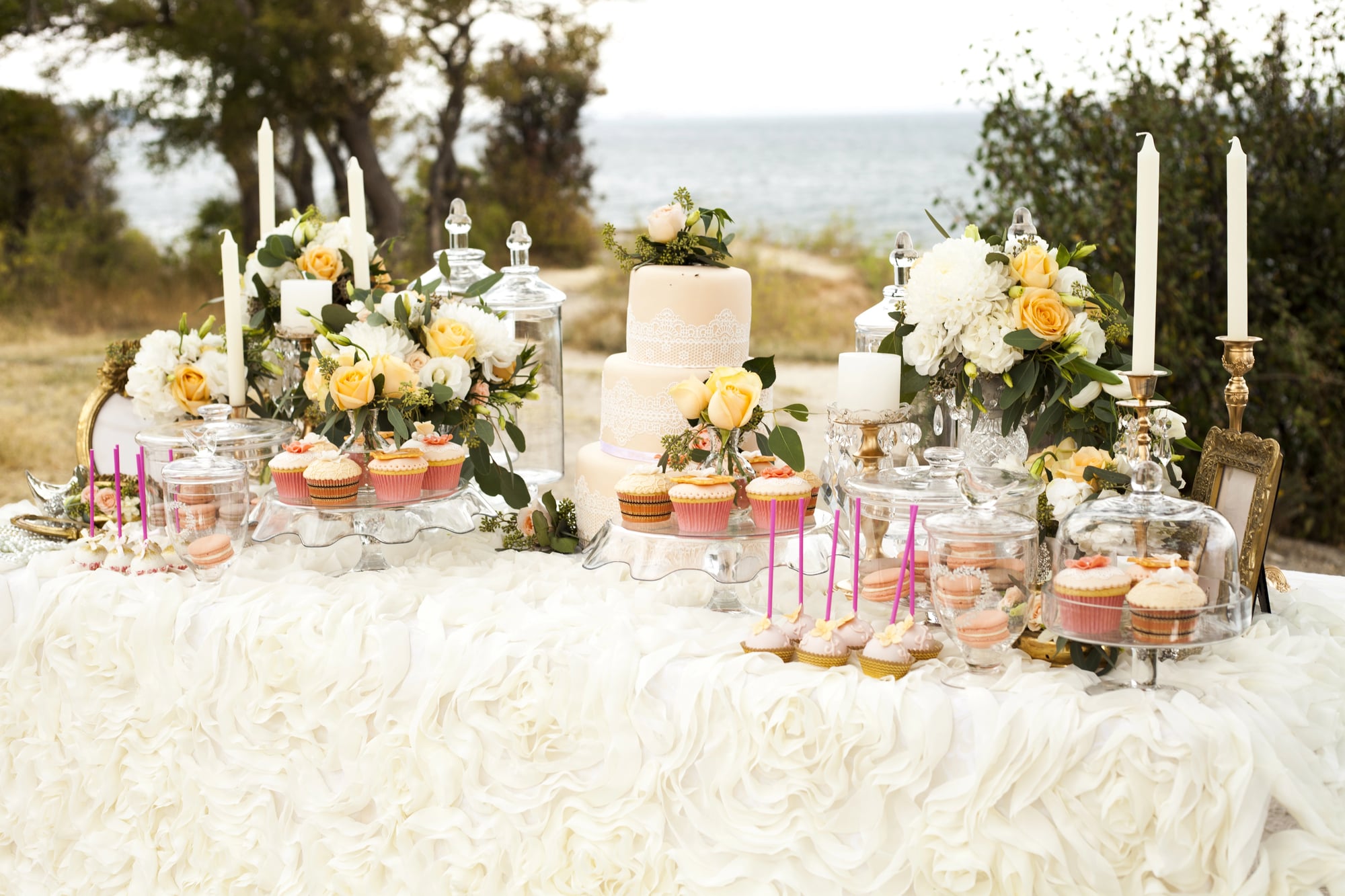
The towering wedding cake once served as both dessert and decoration, positioned prominently for display throughout the reception before being ceremoniously cut and served. This dual purpose never quite worked — cakes that looked impressive often tasted mediocre, and the cutting ceremony interrupted the natural flow of celebrations.
Couples now separate these functions, choosing desserts based on taste and handling decoration through other means. Some display smaller cakes just for cutting photos, while serving guests from sheet cakes in the kitchen.
Others skip cake entirely, recognizing that most guests are more interested in dancing and conversation than watching dessert ceremonies.
Formal Wedding Breakfast
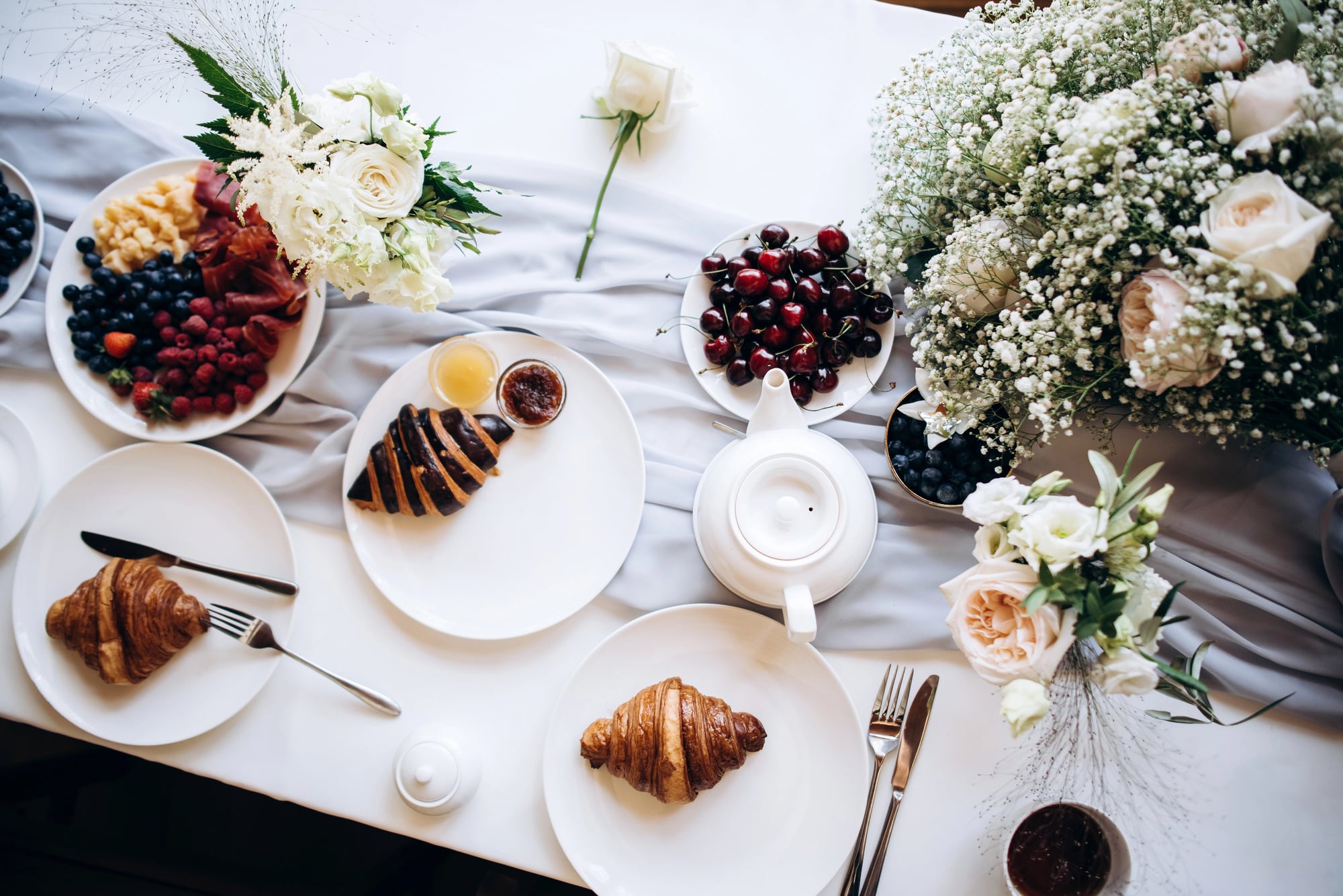
The traditional post-ceremony meal called “wedding breakfast” regardless of timing has evolved into more casual reception dining that reflects couples’ actual food preferences rather than formal dining expectations. The old model featured multiple courses served at precise intervals, often prioritizing presentation over taste and creating lengthy meals that left guests restless.
Modern couples choose food that encourages socializing — buffets, food stations, or family-style service that lets guests mingle rather than sit formally for hours. The shift reflects broader changes in how people prefer to celebrate, emphasizing interaction and enjoyment over ceremony and protocol.
Formal Wedding Announcements In Newspapers

The tradition of publishing wedding announcements in local newspapers has largely disappeared as social media and personal communication replaced formal public notices. These announcements once served important social functions in smaller communities, but they feel unnecessary when couples can share news directly with people who actually care about their lives.
The formal language and prescribed format of newspaper announcements also felt stiff compared to the personal stories couples prefer to tell about their relationships and celebrations. Most couples now share wedding news through personal channels that allow for authentic expression rather than formulaic announcements.
Something About Timing
Wedding traditions used to dictate not just what couples did but when they did it — June weddings for good luck, Saturday ceremonies for convenience, evening receptions for formality. These timing traditions created artificial constraints that often conflicted with practical considerations like venue availability, budget, and personal preference.
Couples now marry when it makes sense for their lives and circumstances, choosing dates based on meaningful anniversaries, seasonal preferences, or simple logistics rather than adherence to traditional timing rules. The result is celebrations that feel more intentional and personal rather than driven by arbitrary customs that may not align with the couple’s actual values or situation.
Looking Back Without Regret
The disappearance of these traditions doesn’t represent loss so much as evolution. Modern weddings have become more authentic expressions of couples’ values and relationships rather than performances of social expectations.
The energy once spent following prescribed rituals now goes toward creating celebrations that genuinely reflect who people are and what matters to them. Some couples still choose elements from traditional weddings, but they do so intentionally rather than automatically.
The freedom to build celebrations from scratch has produced more diverse, personal, and meaningful weddings than the one-size-fits-all approach of previous generations.
More from Go2Tutors!

- The Romanov Crown Jewels and Their Tragic Fate
- 13 Historical Mysteries That Science Still Can’t Solve
- Famous Hoaxes That Fooled the World for Years
- 15 Child Stars with Tragic Adult Lives
- 16 Famous Jewelry Pieces in History
Like Go2Tutors’s content? Follow us on MSN.