Everyday Foods That Are Toxic to Pets
Most pet owners know their furry friends will eat just about anything they can get their paws on. That curious nature makes life interesting, but it also puts pets at risk when everyday kitchen staples turn dangerous.
What seems like a harmless snack to us can trigger anything from mild stomach upset to life-threatening emergencies in dogs and cats. Their bodies process foods differently than ours, and some common ingredients contain compounds that wreak havoc on their systems.
Understanding which foods pose real threats helps you protect your pets from accidental poisoning. Here is a list of 15 everyday foods that are toxic to pets.
Chocolate

Chocolate contains theobromine, a stimulant that dogs and cats can’t process effectively. Dark chocolate and baking chocolate pack the highest concentrations, while white chocolate contains the least.
Even a small amount can cause vomiting, diarrhea, rapid heartbeat, and seizures. The darker the chocolate, the more dangerous it becomes, so that fancy 85% cacao bar poses a serious threat to your pet.
Grapes and Raisins

These fruits contain an unknown toxin that causes severe liver damage and kidney failure in both dogs and cats. The scary part is that it doesn’t take many grapes for dogs to become critically ill.
Symptoms like excessive thirst, vomiting, and lethargy signal that kidney damage has already begun. Keep your fruit bowl out of reach and check ingredient lists on baked goods and cereals.
Onions and Garlic

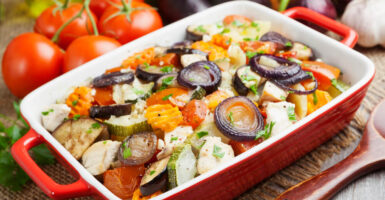
All members of the allium family, including onions, garlic, leeks, and chives, contain compounds that damage red blood cells in pets. The damage can occur even with small amounts over time, though cats are more susceptible than dogs.
Symptoms might not show up for a few days, making it tricky to connect the dots. Both raw and cooked forms cause problems, and even onion powder in prepared foods poses a risk.
Xylitol

This artificial sweetener shows up in sugar-free gum, candy, baked goods, and even some peanut butters. When pets ingest xylitol, it triggers a rapid insulin release that causes dangerously low blood sugar and potential liver damage.
Signs of poisoning include vomiting, loss of coordination, and seizures. Always check labels on sugar-free products before sharing anything with your pet.
Alcohol

Alcoholic beverages and foods containing alcohol cause vomiting, diarrhea, breathing difficulties, tremors, and can even lead to coma or death in pets. The body absorbs alcohol rapidly after ingestion, so immediate veterinary attention is critical.
Even small amounts from spilled drinks or rum-soaked desserts can harm animals. Keep cocktails and cooking wines securely stored away from curious pets.
Avocados
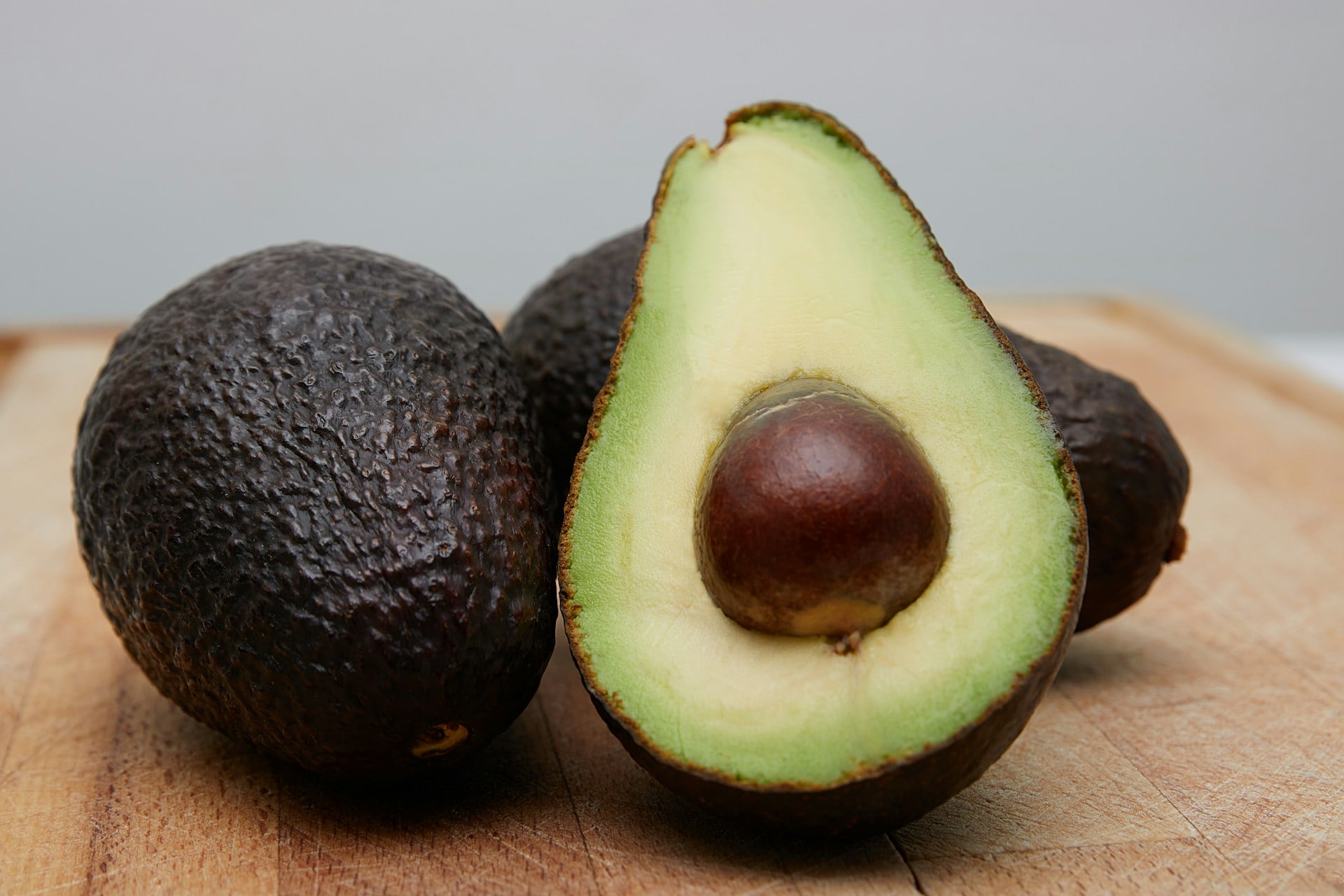
The leaves, fruit, seeds, and bark of avocados contain persin, which causes vomiting and diarrhea in dogs. While cats and dogs aren’t as susceptible as birds and other animals, avocados are also high in fat and can contribute to pancreatitis in dogs.
The pit presents an additional choking hazard. That trendy avocado toast needs to stay on your plate, not in your pet’s bowl.
Macadamia Nuts

These nuts cause weakness, depression, vomiting, tremors, and elevated body temperature in dogs. Signs typically appear within 12 hours of ingestion and last approximately 12 to 48 hours.
Scientists haven’t pinpointed exactly which component causes the toxicity, but the effects are real and uncomfortable for affected pets. Check trail mixes and baked goods for these expensive troublemakers.
Caffeine and Coffee

Coffee and caffeine contain methylxanthines similar to those in chocolate, causing vomiting, excessive thirst, abnormal heart rhythm, and seizures. Dogs are particularly sensitive to caffeine, and while a lap or two of coffee might not cause harm, larger amounts can be fatal.
Energy drinks pose an even greater risk due to their concentrated caffeine content. Keep your morning brew safely away from pets who might knock over your cup.
Like Go2Tutors’s content? Follow us on MSN.
Raw Yeast Dough

Unbaked bread dough rises in the warm, moist environment of a pet’s stomach, producing gas that causes painful bloating and potentially life-threatening stomach twisting. The fermenting yeast also produces alcohol as a byproduct, adding alcohol toxicity to the mix.
If you’re baking bread, make sure rising dough stays well out of reach. The smell alone is tempting enough to attract curious noses.
Milk and Dairy Products

Cats and dogs are lactose intolerant because they don’t possess significant amounts of lactase, the enzyme that breaks down lactose in milk. Consuming milk and dairy products causes diarrhea and digestive upset in most pets.
That classic image of a cat lapping up a saucer of milk doesn’t reflect what’s actually good for them. Small amounts might not cause serious harm, but they’ll likely lead to an uncomfortable afternoon for everyone involved.
Salty Foods
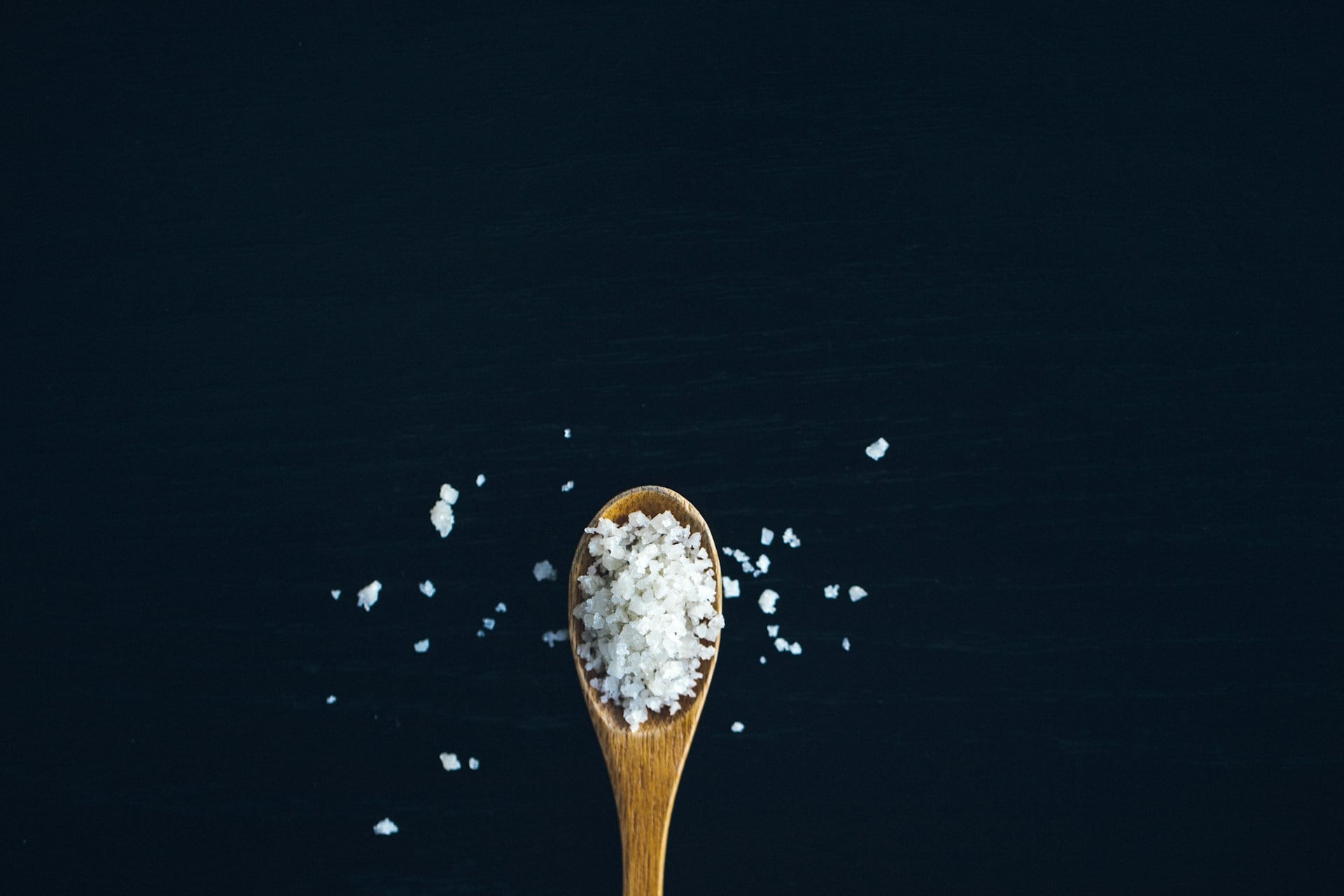
Large amounts of salt can produce excessive thirst and urination, or even sodium ion poisoning in pets. Symptoms include vomiting, diarrhea, depression, tremors, elevated body temperature, and seizures.
Chips, pretzels, and processed snack foods contain more sodium than pets can safely handle. Even seasoned meats from your dinner plate might pack too much salt for your pet’s system.
Fat Trimmings and Cooked Bones

Fatty meat trimmings can cause vomiting, diarrhea, and pancreatitis, which is inflammation of the pancreas. Cooked bones splinter easily and cause gastrointestinal obstruction or dangerous lacerations.
While raw bones present their own risks, cooked bones from chicken, turkey, or steak are particularly hazardous. Save your pet from potential emergency surgery by disposing of these scraps properly.
Citrus Fruits

The stems, leaves, peels, fruit, and seeds of citrus plants contain citric acid and essential oils that cause irritation and stomach upset. Small amounts typically cause only mild symptoms, but large quantities can trigger diarrhea and vomiting.
Lemons, limes, oranges, and grapefruits all fall into this category. The acidity that gives citrus its tangy flavor doesn’t sit well with pet digestive systems.
Raw Meat and Eggs
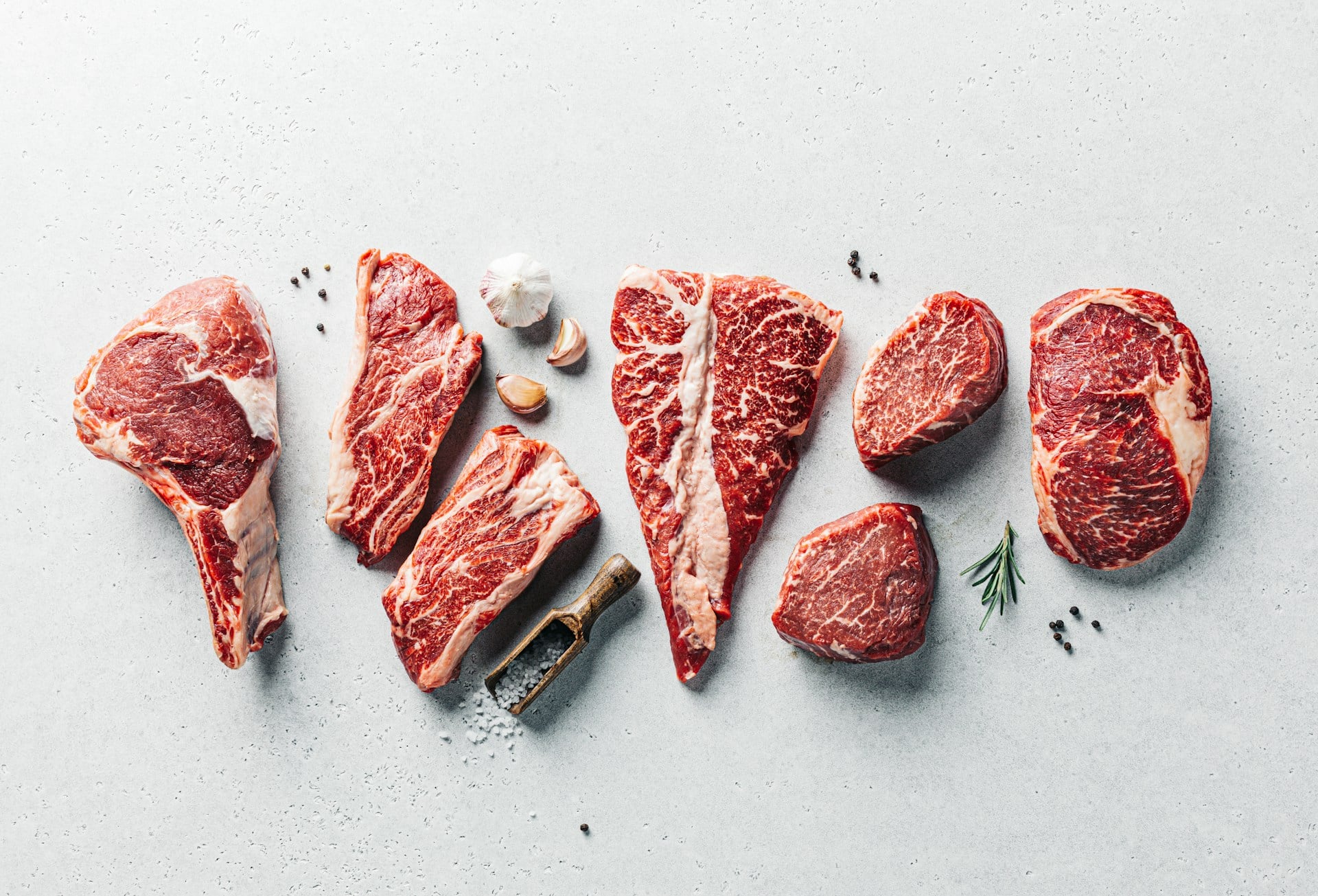
Raw meat and eggs can contain harmful bacteria like Salmonella and E. coli that affect both pets and humans. Raw eggs also contain an enzyme that interferes with vitamin absorption, potentially leading to skin and coat problems.
Despite the recent trend toward raw diets, these foods carry real contamination risks. Cooking eliminates most dangerous bacteria while preserving nutritional value.
Corn on the Cob

While dogs can digest the corn kernels themselves, the cob can cause a blockage in the intestine that’s potentially fatal. Dogs often swallow large chunks without properly chewing them, and the cob’s size and shape make it a perfect candidate for obstruction.
Summer barbecues become hazardous when corn cobs end up in the trash where dogs can access them. This seemingly innocent vegetable lands many pets in emergency surgery each year.
Keeping Your Pet Safe

The list of dangerous foods might seem overwhelming, but awareness makes prevention straightforward. Store human foods in secure containers, dispose of leftovers properly, and educate everyone in your household about what pets can’t eat.
If you suspect your pet has eaten something toxic, contact your veterinarian or animal poison control center immediately. Quick action often makes the difference between a scary moment and a tragic outcome, so keeping emergency numbers handy gives you peace of mind along with that curious companion.
More from Go2Tutors!

- The Romanov Crown Jewels and Their Tragic Fate
- 17 Halloween Costumes Once Considered Taboo
- Famous Hoaxes That Fooled the World for Years
- 15 Child Stars with Tragic Adult Lives
- 16 Famous Jewelry Pieces in History
Like Go2Tutors’s content? Follow us on MSN.