29 Wheat Pennies Worth Checking
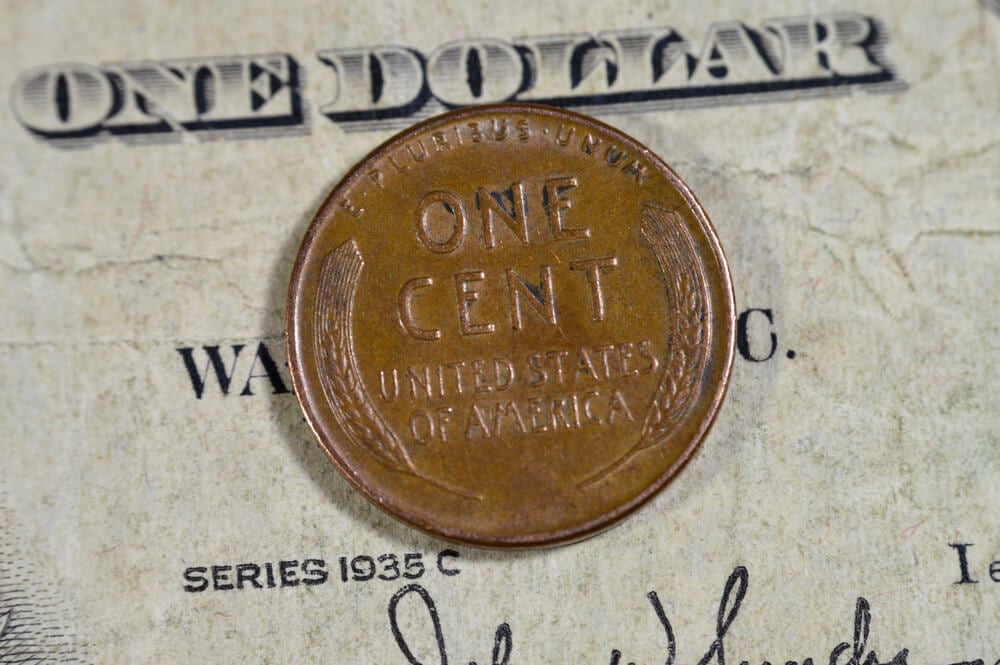
Millions of Lincoln cents with wheat stalks on the back still sit in jars, drawers, and old coin folders. Almost all of them are worth a few cents more than face value.
A small group are worth far more, and the difference is often a tiny mint mark, a stray bit of doubling, or a metal that sticks to a magnet.
Wheat cents were struck from 1909 through 1958, so the supply is enormous and the checking is cheap. The coins below are the ones that reward a closer look, and every dollar figure attached to any of them depends heavily on condition, color, and professional grading.
1909-S VDB Lincoln Cent
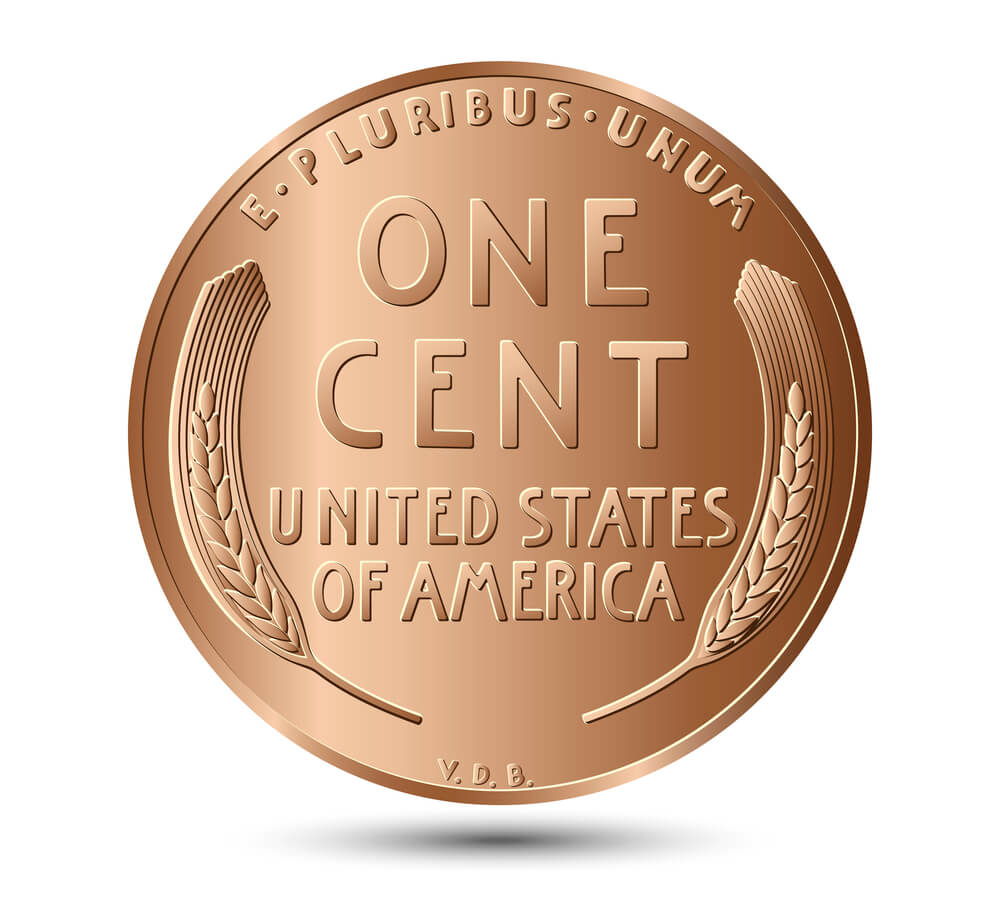
San Francisco struck only 484,000 of these, making it the best-known key date in the series. The initials VDB, for designer Victor David Brenner, sit in tiny letters at the bottom of the reverse between the wheat stalks, and the S mint mark is under the date.
Public criticism of the prominent initials led the Mint to remove them from later production. Worn examples still command a serious premium, red uncirculated coins climb much higher, and so many altered and counterfeit pieces exist that third-party grading is close to mandatory.
1909 VDB Lincoln Cent
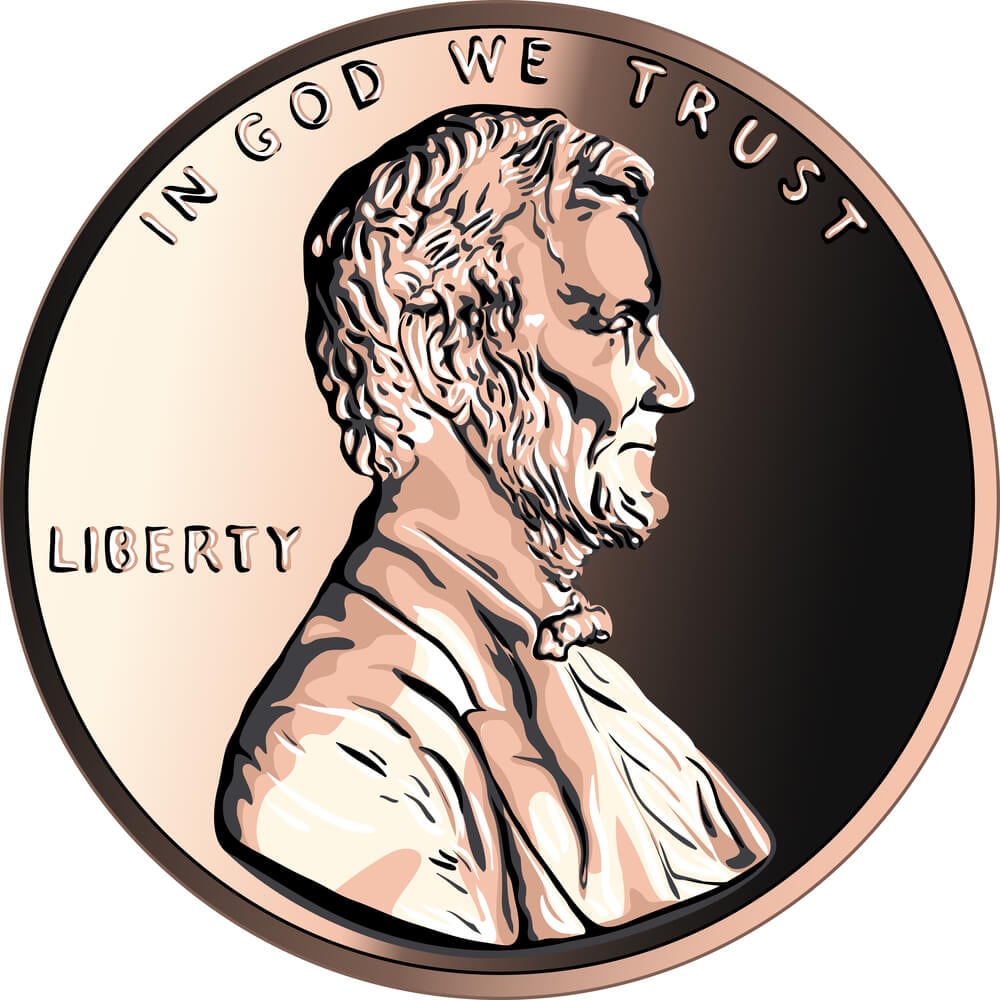
The Philadelphia version of the first-year cent was struck by the tens of millions, nearly 28 million in all, so it is no rarity. It still earns a place here because the VDB initials on the reverse make it the first-year design that collectors want in every grade.
Check the bottom edge of the reverse for the three letters, and look for a mint mark that should not be there, since the Philadelphia coin carries none. Worn examples sell for a modest premium, while bright red uncirculated coins are valued far higher.
1909-S Lincoln Cent
Once the initials were dropped, San Francisco still produced just 1,825,000 cents of the 1909 type with no VDB. That is fewer than two million coins for a brand-new national design, which is why this date has been chased since the earliest days of Lincoln cent collecting.
Confirm the S below the date and the absence of initials on the reverse. Value rises steeply from worn to uncirculated, and a red example in a certified holder is a different animal from a brown one.
1909-S Over Horizontal S Lincoln Cent
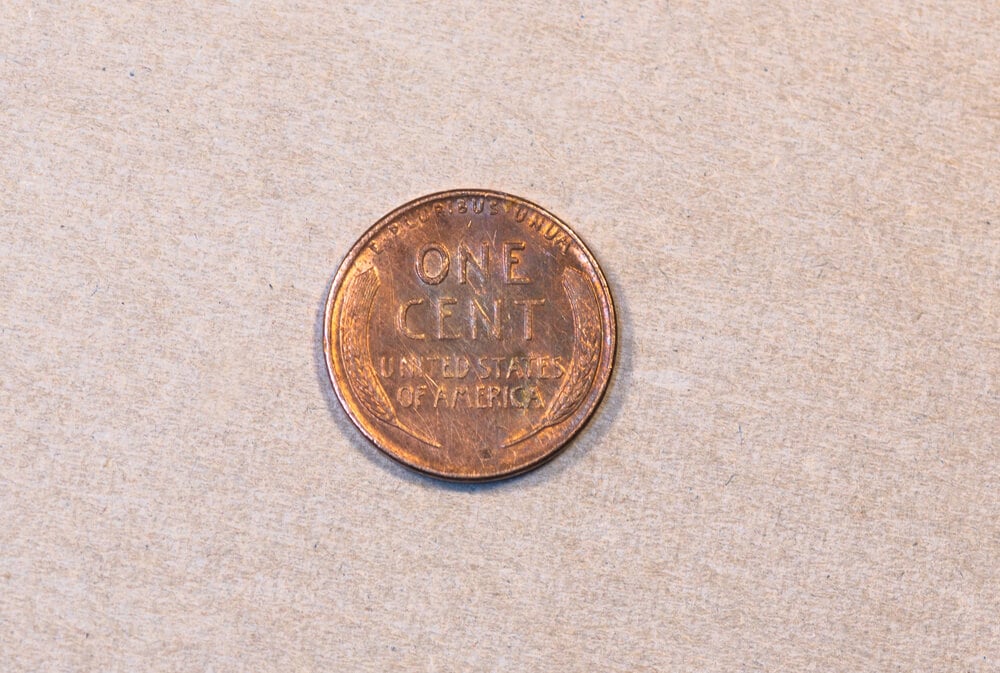
On this variety the San Francisco mint mark was first punched into the die sideways, and then an upright S was punched on top of it. Under magnification, a horizontal S shows through behind the upright one, looking like a smudged or doubled mint mark.
It is a recognized variety of an already scarce date, so a coin that looks like a plain 1909-S deserves a second look. As with every key date, price swings widely with grade and color.
1911-S Lincoln Cent
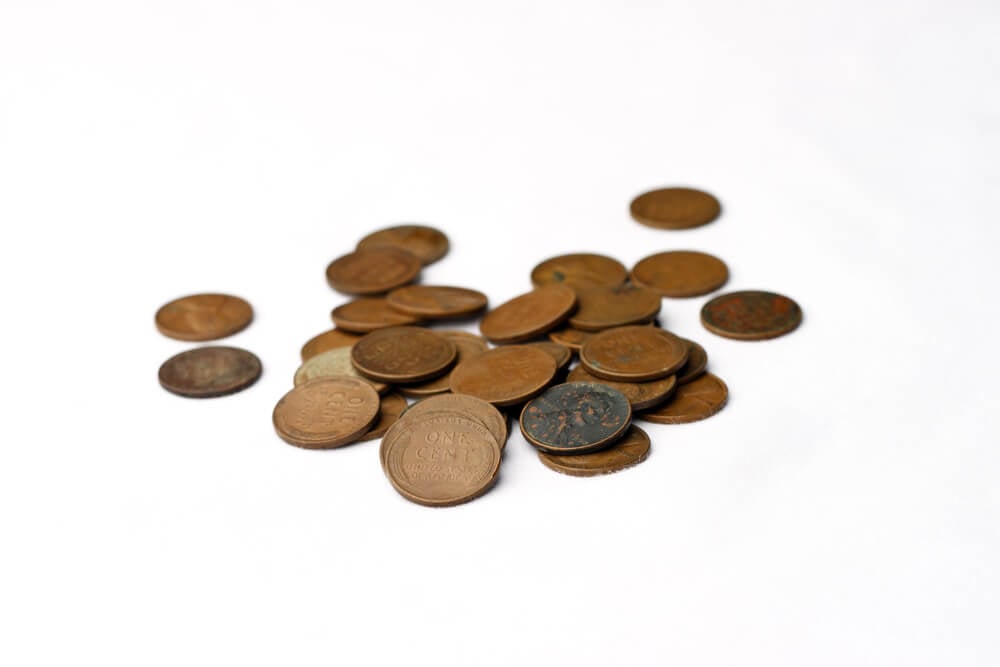
San Francisco struck 4,026,000 cents in 1911, a figure that sounds large until you compare it to the tens of millions coming out of Philadelphia that year. The S sits under the date, and it is one of the semi-key dates that fills out any serious wheat set.
Coins in higher grades are noticeably harder to find than the mintage suggests because so few were saved. A worn example is affordable, but a sharp red uncirculated one is valued many times higher.
1912-S Lincoln Cent
The 1912-S came from a mintage of 4,431,000, the lowest of that year’s three mints by a wide margin. Look for the S below the date, and expect the design details to be softer on average than on Philadelphia coins.
This is one of the early San Francisco dates that turns up in folders only after a patient search through rolls. Prices depend on grade and color, with brown and red-brown examples trading far apart from fully red ones.
1913-S Lincoln Cent

San Francisco produced 6,101,000 cents in 1913, a respectable total that still left it a small fraction of what Philadelphia and Denver managed. The S mint mark rests below the date and is easy to miss on a worn coin, so tilt it under light.
Collectors prize it as a scarcer but still obtainable early S-mint. Value runs from modest in lower grades to considerable in sharp, red uncirculated condition.
1914-D Lincoln Cent
Denver made only 1,193,000 cents in 1914, a tiny output by the standards of the era. That scarcity has made it the most heavily faked wheat cent, with the usual trick being a D added to a common Philadelphia 1914 cent.
A genuine D has a particular shape and placement that experts compare against known examples. Even worn genuine coins carry a premium, and the safest route is a certified coin graded by a major service.
1914-S Lincoln Cent
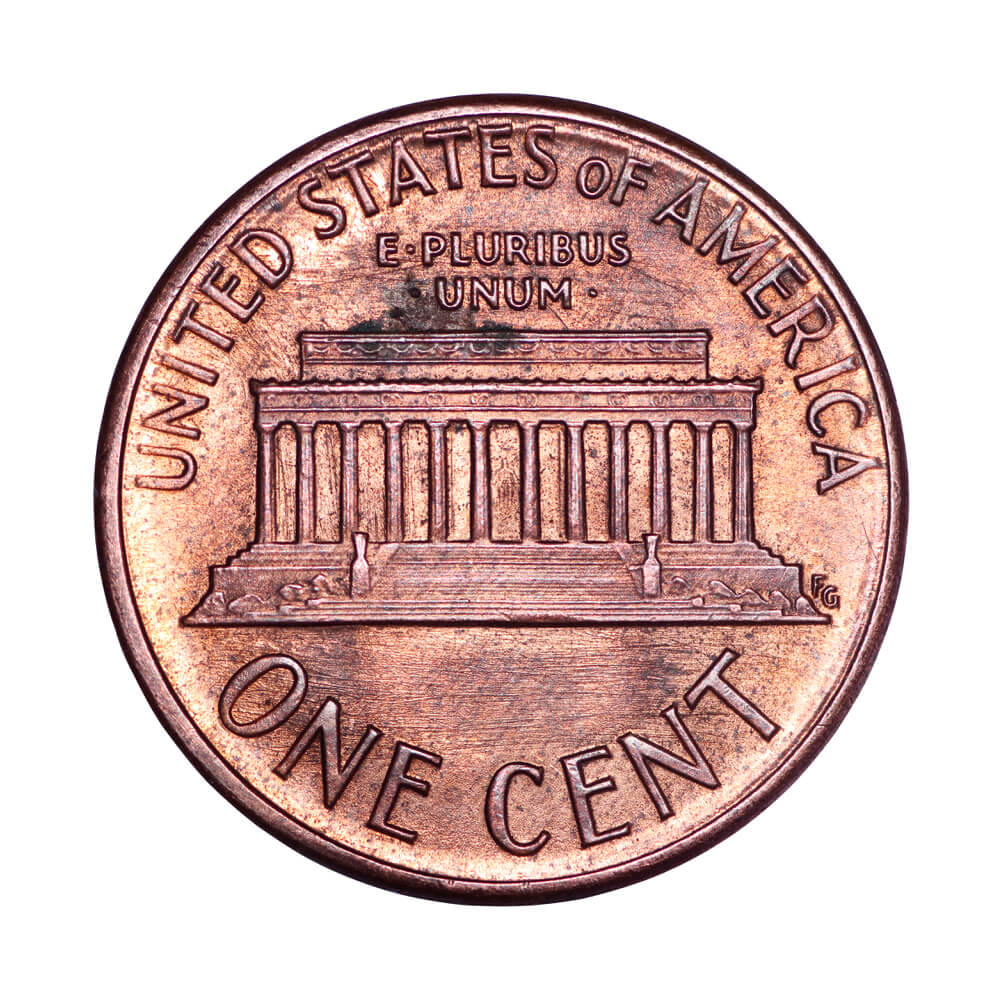
San Francisco struck 4,137,000 cents in 1914, a total that dwarfs the Denver output that same year yet still leaves this coin scarce in nice condition. It is overshadowed by its famous Denver neighbor, which is part of why it can be a quiet find.
Look for the S under the date, and expect many survivors to be well worn. Grade and color drive the price, with red uncirculated examples worth far more than brown ones.
1915-S Lincoln Cent
The 1915-S had a mintage of 4,833,000, which looks fair on paper but belies how few have survived in sharp condition. It carries its S mint mark beneath the date and often shows a soft strike with weak details at the edges.
Collectors working through the early San Francisco cents treat it as a mid-tier key date. Values climb quickly from average circulated pieces to certified red uncirculated coins.
1917 Doubled Die Obverse Lincoln Cent
The doubling on this Philadelphia cent shows most clearly on the motto IN GOD WE TRUST, along with LIBERTY and the date, where the lettering appears to have a second, shifted image. It happened because the die was impressed more than once with slightly different alignment during hubbing.
No mint mark appears on this coin, which makes it easy to overlook in a stack of ordinary 1917 cents. It is a scarce variety, and value depends heavily on condition and a certifier confirming the doubling.
1918/7-S Lincoln Cent
This San Francisco overdate shows a numeral 8 stamped over a 7 in the date, and traces of the older digit remain visible when you look carefully at the numerals. The flat top of the underlying 7 and a trace of its curve can show beneath the final 8.
It is a rare variety in any condition, and nearly all examples are worn. Reliable attribution by a major grading service matters here, since the value depends on both the variety and the grade.
1922 No D Lincoln Cent
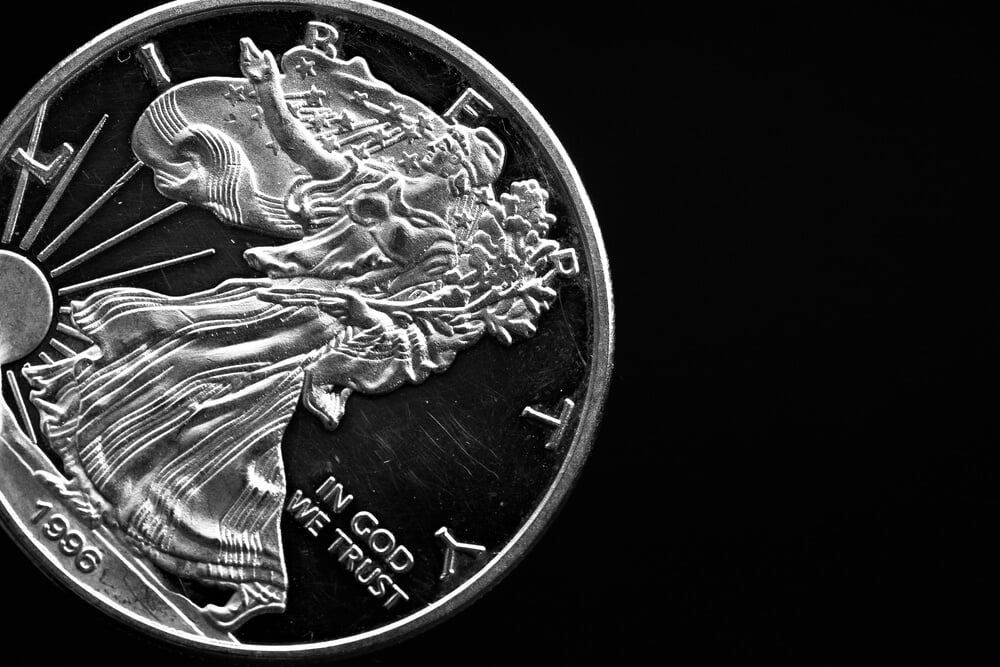
Only Denver made cents in 1922, so every coin from that year should carry a D. Some did not, because the mint mark became clogged with debris or was worn off the heavily used die during production.
The best version is the Strong Reverse from the second die pair, which shows crisp wheat and lettering on the back rather than the mushy detail of the weaker pairs. Prices vary enormously between the strong and weak reverse types and across grades, so certification is the sensible route.
1923-S Lincoln Cent
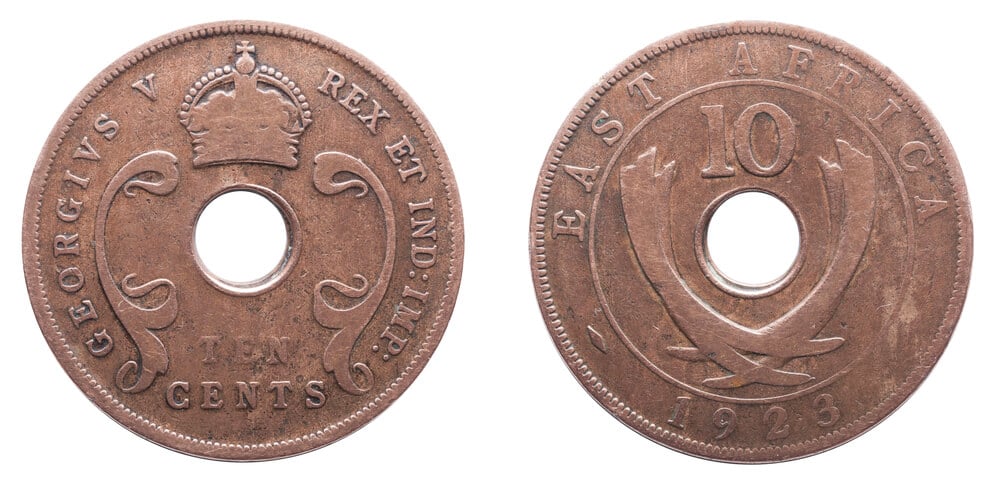
San Francisco struck 6,940,000 cents in 1923, and most were circulated heavily on the West Coast. The S below the date is the first thing to confirm, followed by the quality of the strike, which is frequently weak.
A sharp, bright coin is much harder to find than the mintage suggests. Price depends on grade, and red uncirculated examples are valued far above brown ones.
1924-D Lincoln Cent
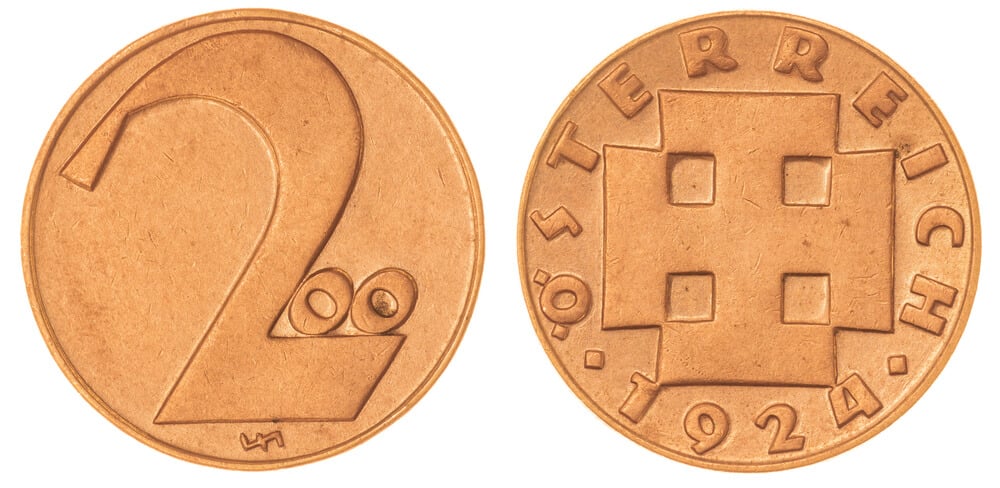
With a mintage of just 2,520,000, the 1924-D is a low-production Denver date of the 1920s and one of the stronger sleepers in the series. Denver coins of the era were often struck from tired dies, so soft details are normal rather than a red flag.
The D sits below the date, and altered pieces exist, so a suspicious coin deserves expert review. Condition governs the price, with certified uncirculated examples selling for many times what worn coins do.
1926-S Lincoln Cent
San Francisco produced 4,550,000 cents in 1926, a modest total for the decade, and the date is considered one of the tougher 1920s S-mints. Many were poorly struck, leaving a flat look on the cheek and wheat.
Look for the S under the date and favor coins with some detail left. Prices rise sharply with grade and with red color, and a sharply struck example is notably harder to find.
1931-S Lincoln Cent
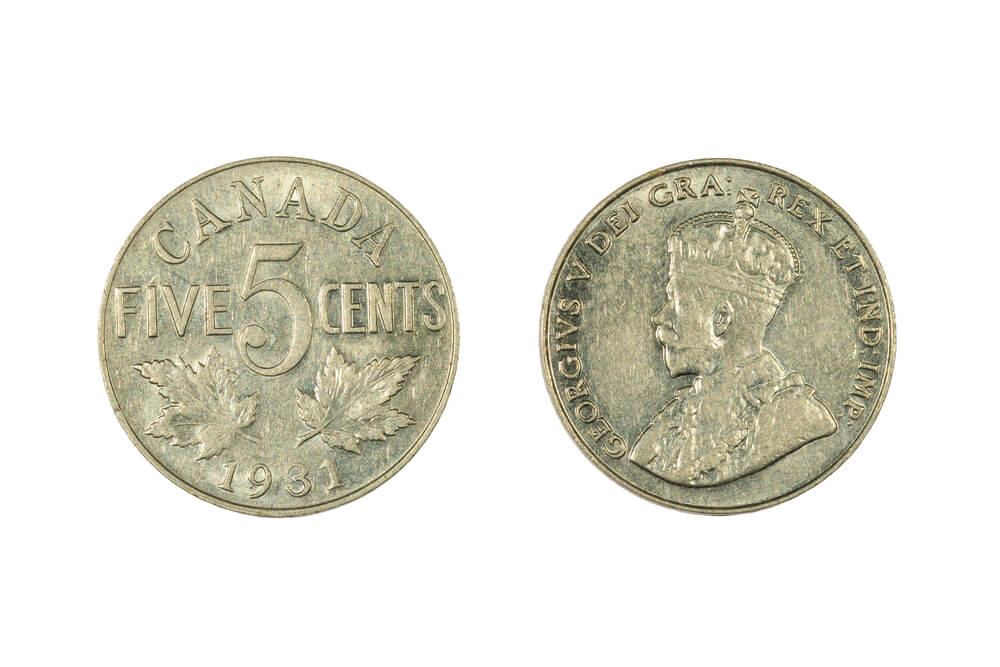
Only 866,000 were struck at San Francisco in 1931, one of the lowest mintages of the entire wheat series. Word of the low production spread early, so collectors set aside a share of them, and more survive in good condition than the figure alone would imply.
The S sits below the date, and it is the date most often sought to complete the 1930s run. Worn coins sell for a clear premium, while red uncirculated coins can be worth much more, so condition and certification matter.
1933-D Lincoln Cent
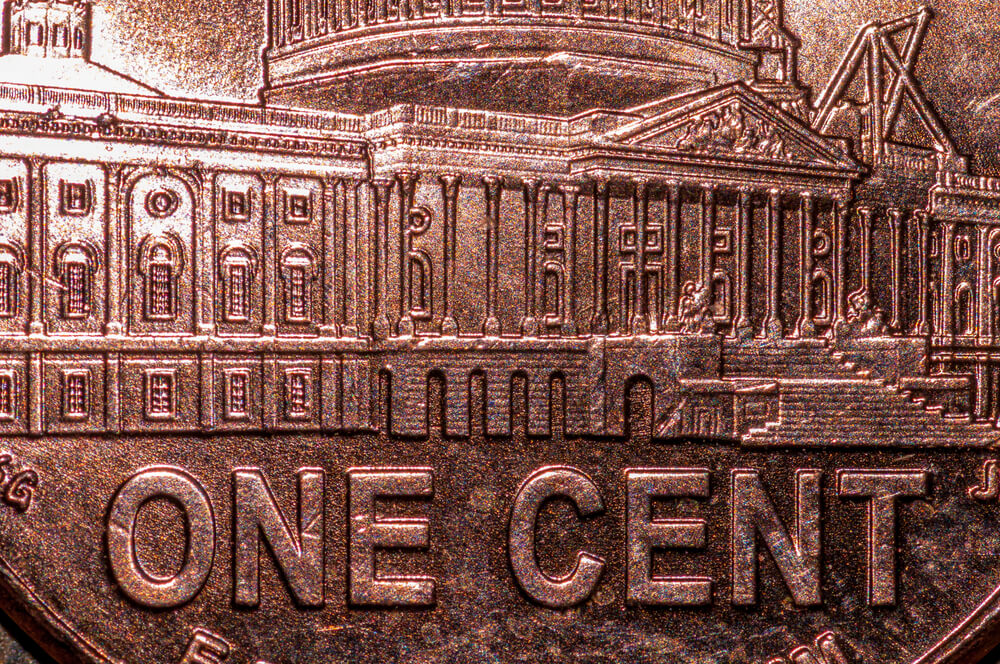
Denver struck 6,200,000 cents in 1933, a Depression-era output that left the coin in short supply compared with other early 1930s years. The D is under the date, and well-struck, original red examples are scarce.
It is a date that commonly goes unnoticed because nothing about it looks remarkable. Price depends on grade and color, and a certified red uncirculated piece is worth far more than a typical circulated one.
1936 Doubled Die Obverse Lincoln Cent
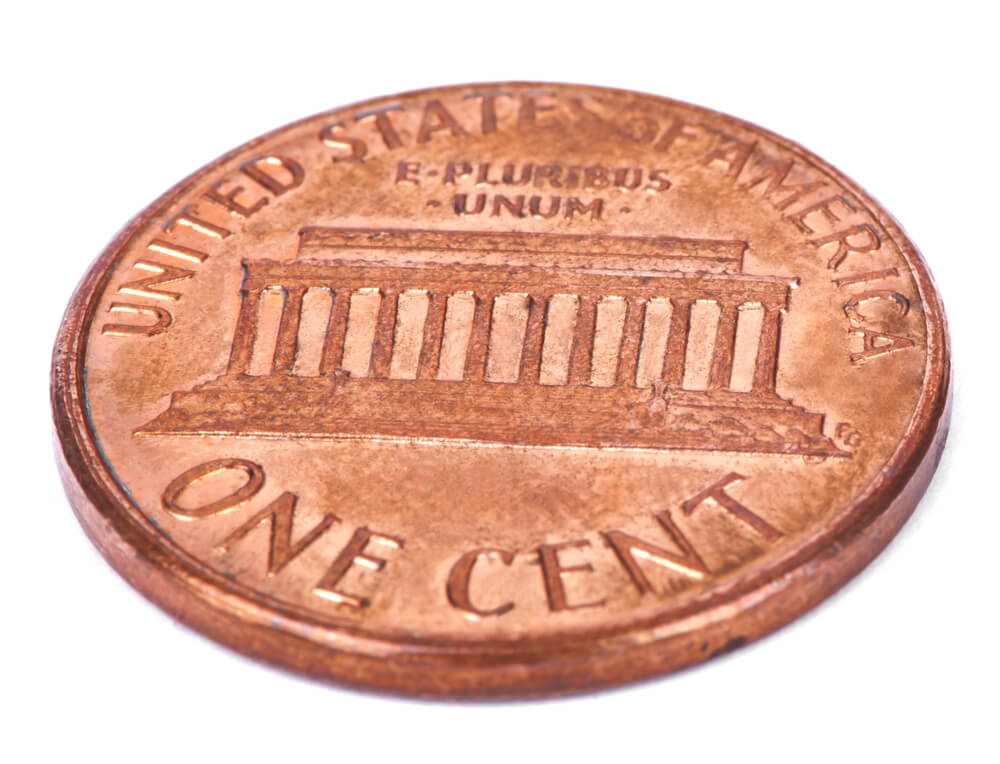
Philadelphia produced this variety in 1936, with doubling that appears on LIBERTY, the date, and IN GOD WE TRUST. A die that was hubbed with slight misalignment left a shadow image around the letters and digits.
Because no mint mark appears on Philadelphia coins, it is easy to miss among the millions of ordinary 1936 cents. Value depends on how clearly the doubling shows and on the coin’s grade and color.
1938-D/S Lincoln Cent
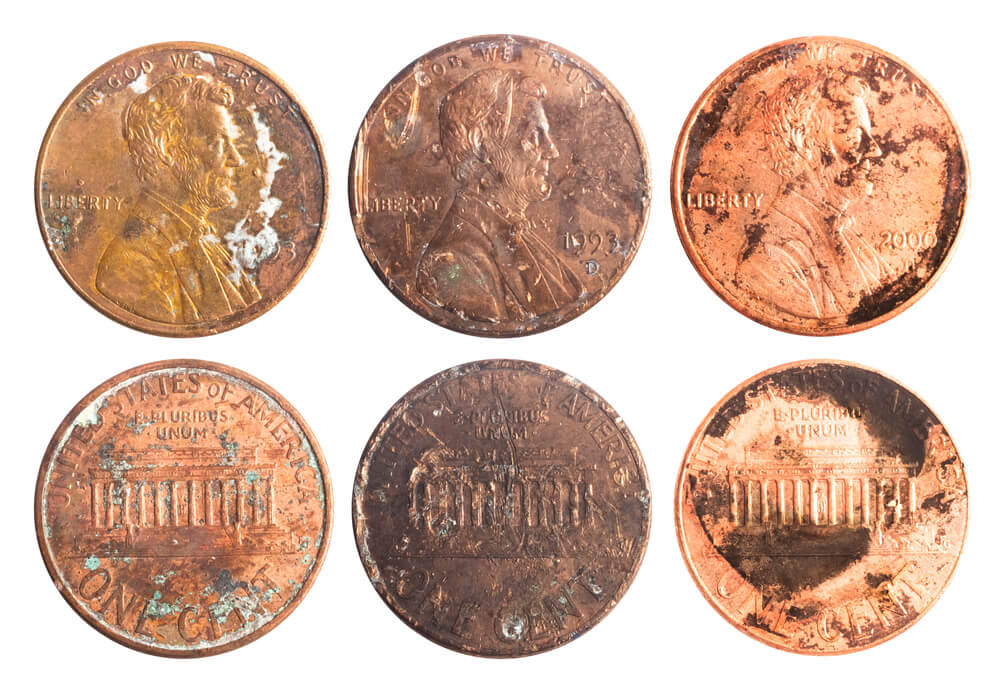
For this Denver coin, a D mint mark was punched over an S that had already been placed in the die. Under magnification, pieces of the older S can be seen peeking out around the edges of the D, as though the mark had a shadow.
The older mark was left behind when the die was punched a second time. It is a well-known repunched mint mark variety, and its value depends on both the clarity of the S and the coin’s grade.
1943 Copper Lincoln Cent
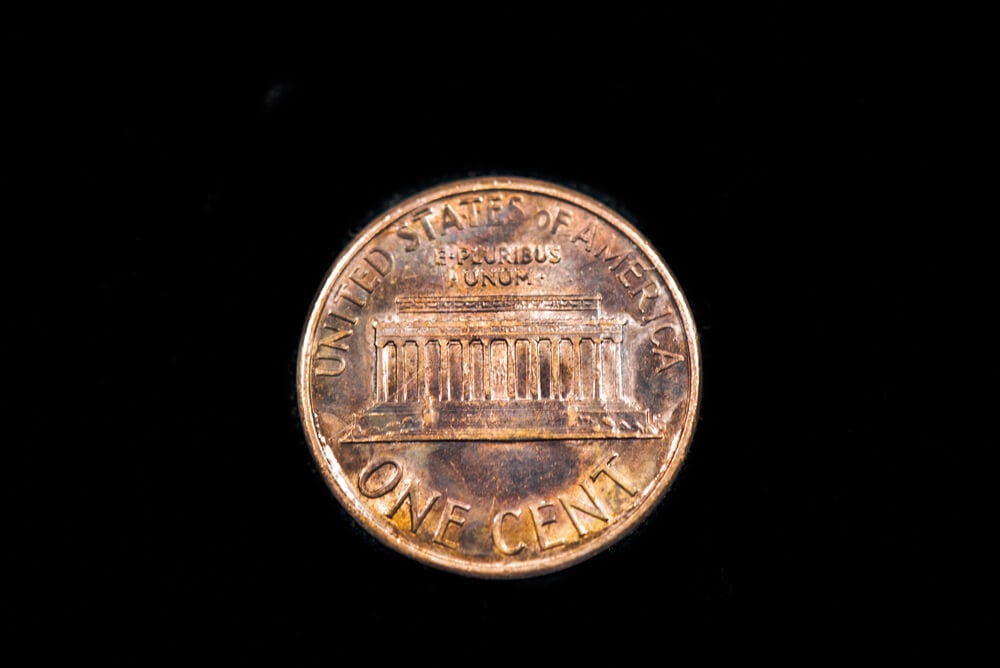
Cents struck in 1943 were supposed to be zinc-coated steel to save copper for the war effort, but a few leftover bronze planchets from 1942 slipped into the presses. The result is a copper-colored 1943 cent that does not stick to a magnet, which is the first test anyone should run.
Real examples are extremely rare and have drawn auction prices well into six figures or more, depending on grade and authentication. Fakes abound, including altered 1948 cents with the last digit changed, so a genuine coin needs expert certification.
1943-D Bronze Lincoln Cent
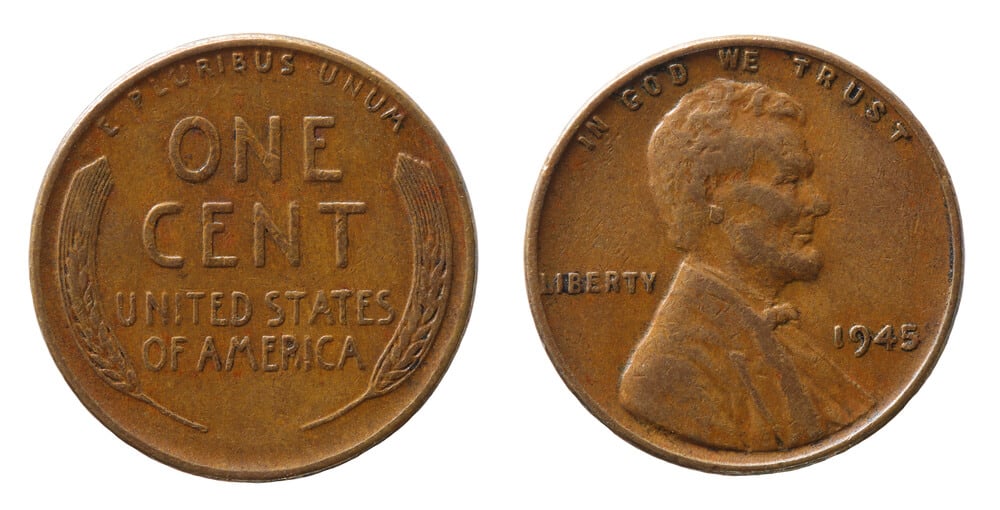
The Denver counterpart to the 1943 copper error is represented by a single confirmed example, making it one of the rarest of all Lincoln cents. It exists because a stray bronze planchet was fed into a press along with the steel blanks used that year.
Its sale at auction has crossed the million dollar mark. Any suspected coin must pass a magnet test and a professional authentication process, since a convincing copper plating can fool the eye.
1943 Doubled Die Obverse Steel Lincoln Cent
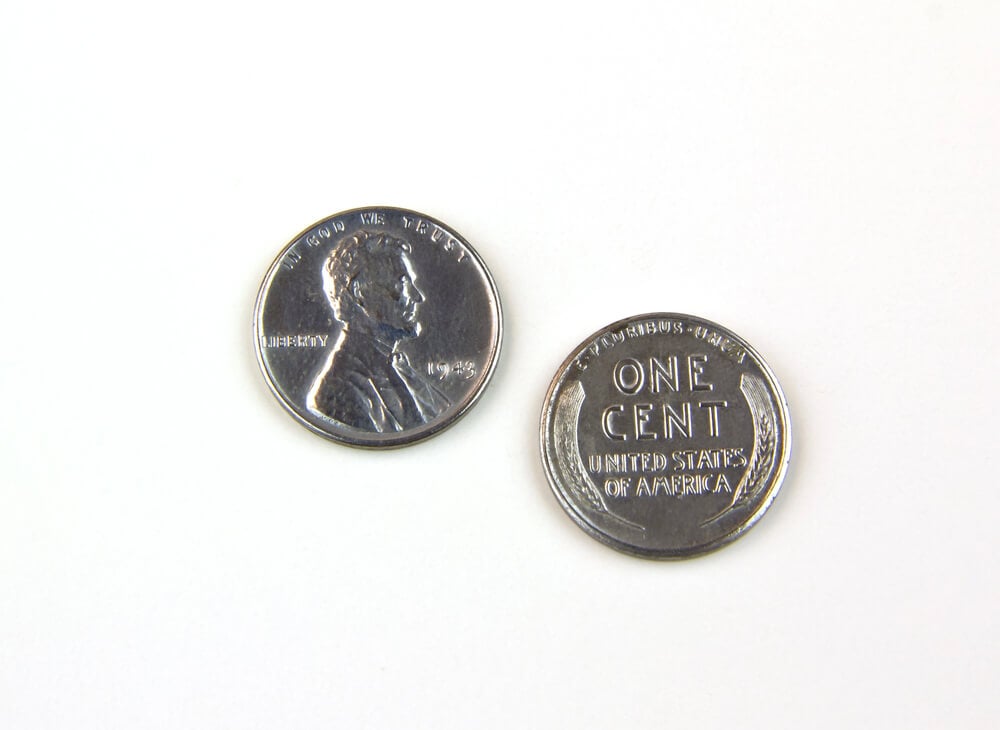
Philadelphia struck nearly 685 million steel cents in 1943, so finding a variety among them is a long shot worth taking. This doubled die shows a second image on the date and on LIBERTY and IN GOD WE TRUST, and the steel planchet gives it a silvery-gray look.
Many steel cents have been corroded or plated, which lowers their appeal. Value depends heavily on the strength of the doubling and on the coin’s condition.
1944 Steel Lincoln Cent
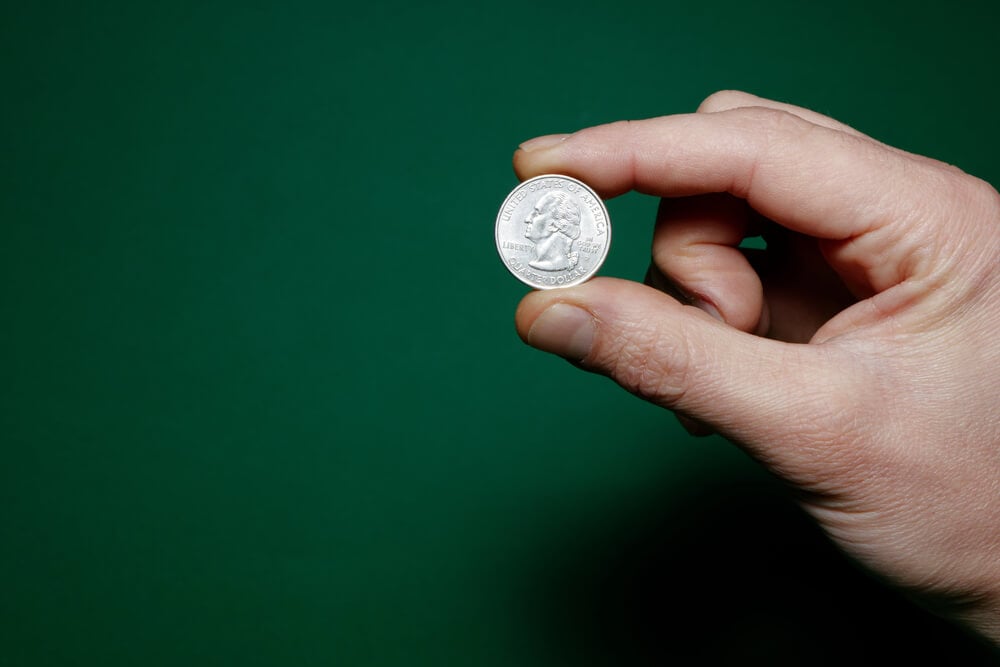
After the Mint returned to copper in 1944, a few zinc-coated steel planchets left over from 1943 were still in the system. The result was a 1944 cent that is silvery gray and magnetic, and only a few dozen are thought to exist.
A genuine example needs to stick to a magnet and weigh less than the usual copper alloy cent, and it should be authenticated before a deal is made. Auction prices have been strong, with grade and surface quality as the major drivers.
1944-D Steel Lincoln Cent
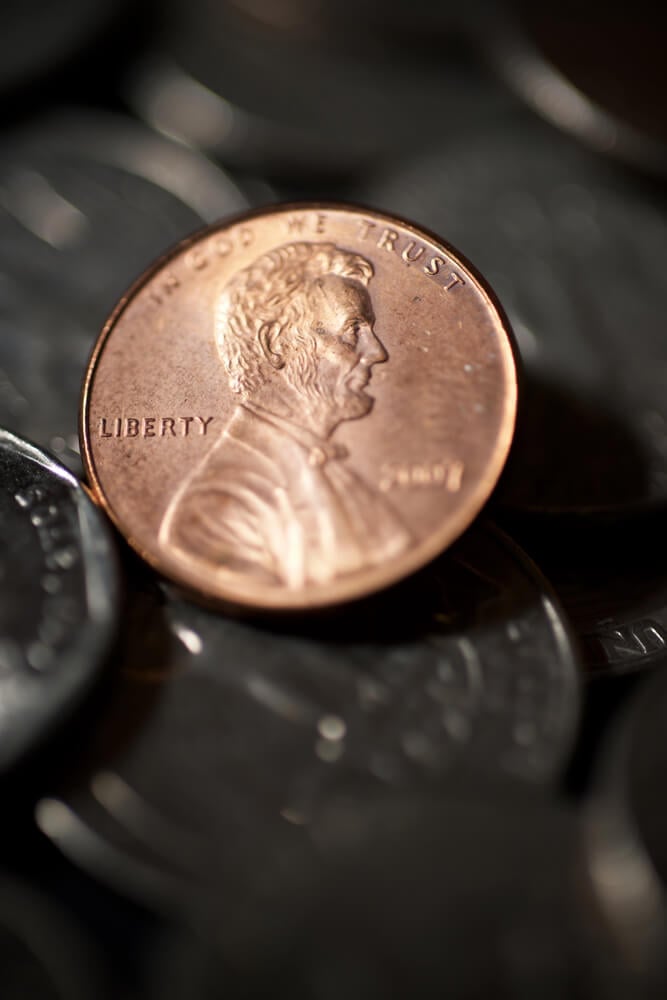
The same leftover steel planchets that produced the Philadelphia 1944 error also reached the Denver presses, yielding a 1944-D that is magnetic and silvery. Denver examples are known in tiny numbers and are even harder to find than their Philadelphia counterparts.
The D sits beneath the date, which makes spotting the variety a matter of magnet and mint mark together. A coin is worth little without authentication, and its value rests entirely on grade and certification.
1944-D/S Lincoln Cent
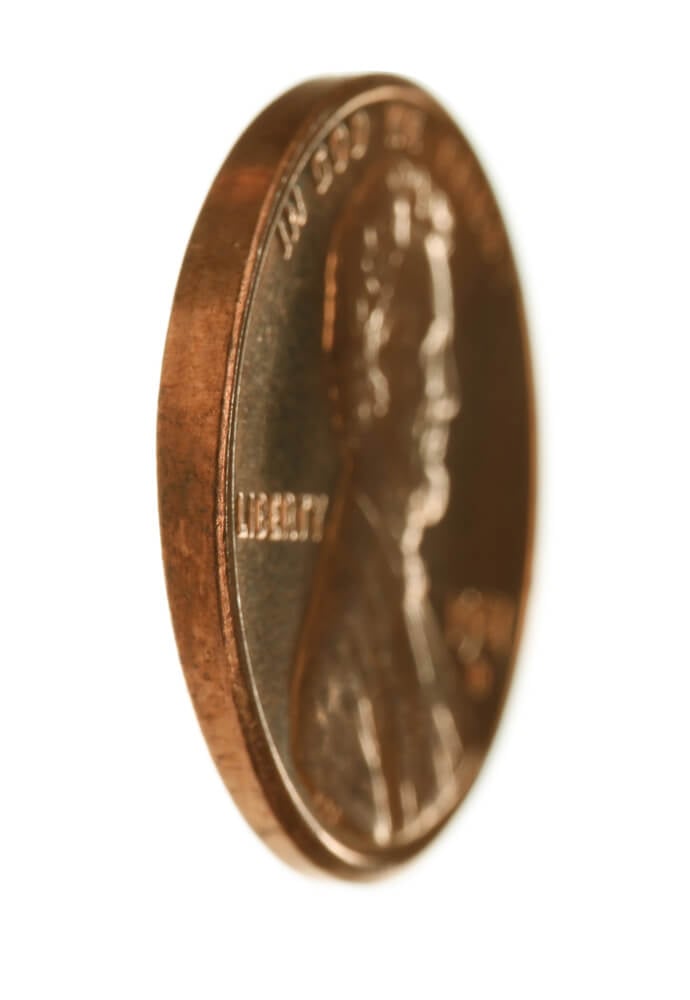
Here a D mint mark was punched over an earlier S, and the earlier letter was never fully erased. Look closely at the D in a loupe and note the S that is partially visible beneath it, usually along one edge.
It is a well-known repunched mint mark, and the 1944 date means the coin’s copper alloy color is expected. Value depends on how clearly the underlying S shows, along with the coin’s grade and color.
1950-D/S Lincoln Cent
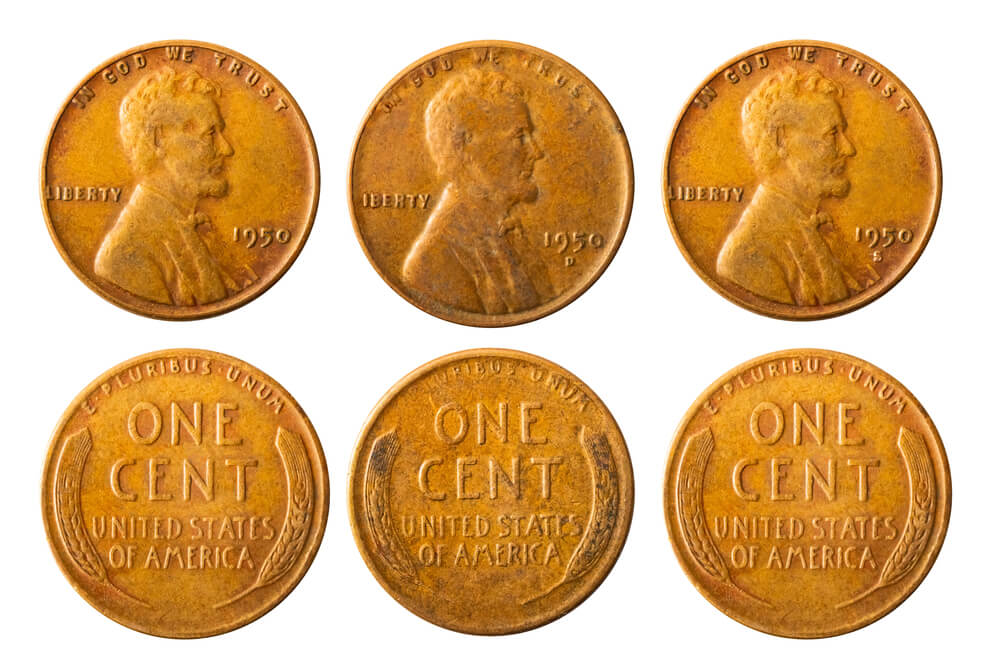
Another Denver cent with an S mint mark underneath the D, this one from 1950. The remnants of the S are visible inside and beside the D, with the crossbar and curved edges of the older letter peeking out.
It is a prized variety for people who collect mint mark curiosities. Prices depend on the clarity of the underlying S and the coin’s condition, and attribution by a grading service helps.
1955 Doubled Die Obverse Lincoln Cent
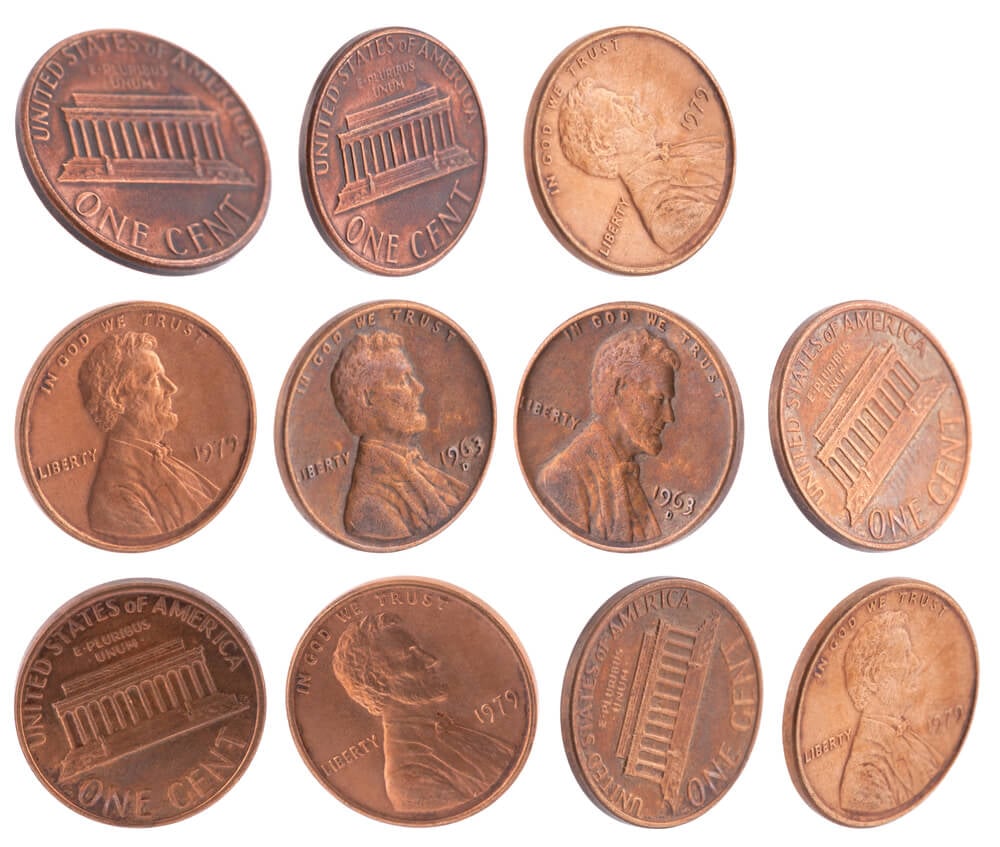
Probably the most famous wheat cent error, the 1955 doubled die shows dramatic doubling of the date and of the lettering in LIBERTY and IN GOD WE TRUST. An estimated 20,000 to 24,000 of them reached circulation, and many were found in change in the Northeast.
It happened because the working die was hubbed twice with misaligned impressions. The doubling is obvious on good examples, and value depends on grade, color, and certification.
1958 Doubled Die Obverse Lincoln Cent
The final year of the wheat reverse produced its own doubled die at Philadelphia, with a second image on the date and on LIBERTY and IN GOD WE TRUST. The following year the Mint changed to the Lincoln Memorial reverse, so this variety marks the end of an era in addition to being an error.
It is much less famous than the 1955 version, so it can slip through unnoticed. Its value depends on the strength of the doubling and on the grade and color of the coin.
Small Coins, Long Memories
Wheat cents are a reminder that value sometimes hides in plain sight. A single stray punch, a worn die, or a leftover blank can turn a coin worth one cent into one worth a house payment.
The common thread is that every one of these needed someone to look, and then someone else to confirm what was seen.
The other lesson is humility about price. Every figure tied to the coins above moves with grade, color, strike, and authentication, and the same date can sell for pocket change or for a fortune depending on the example.
That gap is what makes the search worthwhile, and it is also why the careful collector keeps a magnet, a loupe, and a healthy suspicion close at hand.
More from Go2Tutors!

- The Romanov Crown Jewels and Their Tragic Fate
- 13 Historical Mysteries That Science Still Can’t Solve
- Famous Hoaxes That Fooled the World for Years
- 15 Child Stars with Tragic Adult Lives
- 16 Famous Jewelry Pieces in History
Like Go2Tutors’s content? Follow us on MSN.