26 Things Kids Used to Do All Summer That Sound Wild by Today’s Standards
There’s a version of summer that existed not so long ago — maybe your own, maybe your parents’ — where kids disappeared after breakfast and nobody expected to hear from them until the streetlights flickered on. No GPS. No check-ins. No sunscreen applied every 90 minutes by an anxious adult trailing behind with a spray bottle.
Just a long, shapeless day and a neighborhood to fill it with. Looking back at what that actually involved, some of it sounds less like a childhood and more like a survival course.
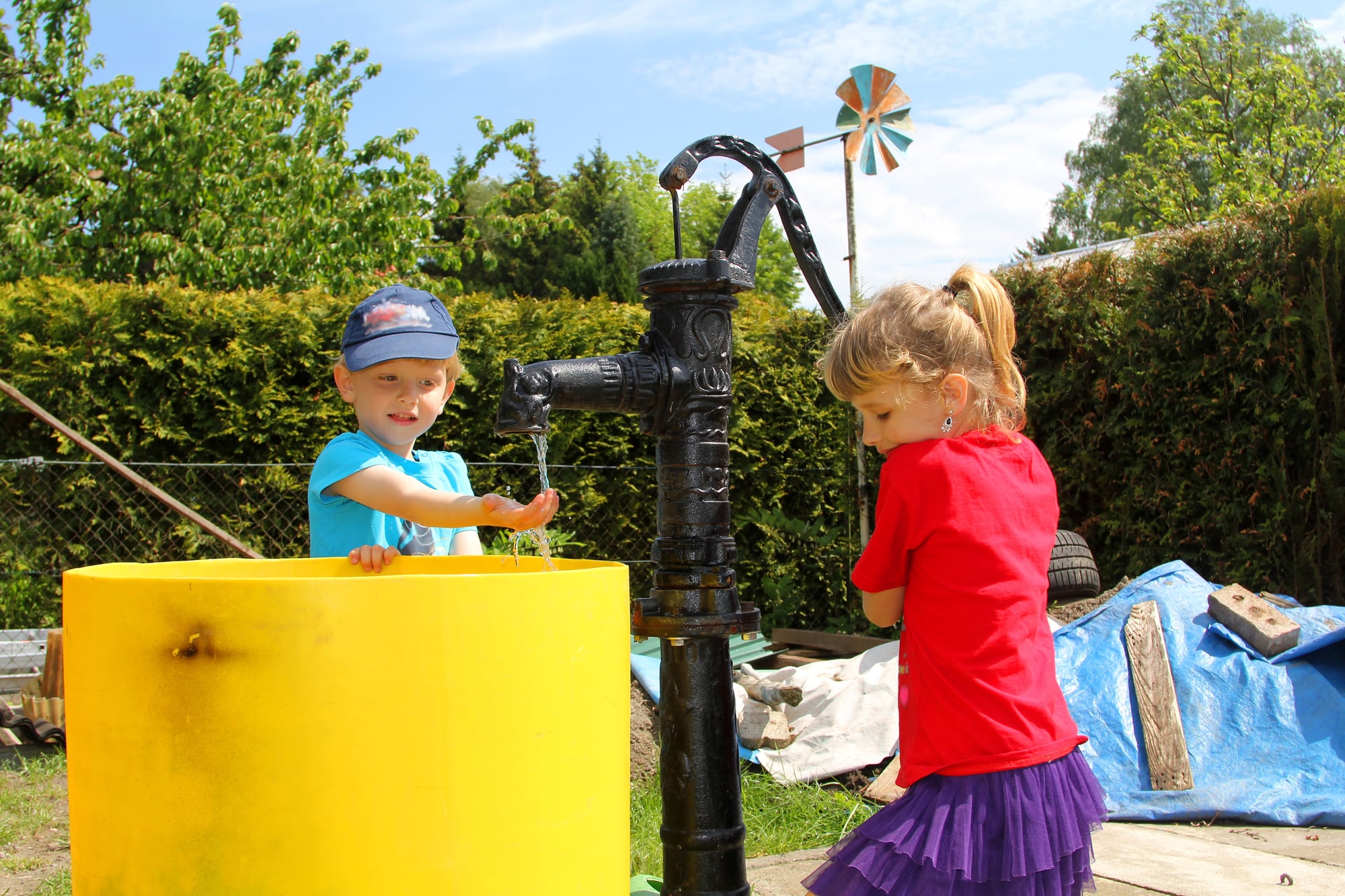
Drinking From the Garden Hose

The garden hose was the universal water fountain of every backyard, and nobody thought twice about it. Lead pipes, garden hose liners that leached chemicals in the heat, water sitting in a rubber coil all afternoon under direct sun — none of that registered as a concern.
You drank, you ran, you forgot about it entirely.
Roaming Miles From Home Unsupervised

Kids regularly traveled three, four, sometimes five miles from home on foot or by bicycle, with no adult awareness of their location and no method of contact. The only rule, functionally, was the streetlight rule — be home when they come on — and even that was loosely enforced.
So the entire neighborhood became a kind of open range, indifferent to age or caution.
Building Jumps and Ramps in the Street

Scrap wood, a cinder block, a borrowed piece of plywood from someone’s garage — and suddenly the middle of a residential street became a makeshift stunt course. The physics involved were never discussed, the helmets were optional at best, and the injuries were treated with a garden hose (see above) and a Band-Aid from a kitchen drawer.
And yet the ramps kept getting taller, not shorter, because that’s what boredom and ambition produce when left alone together.
Riding in the Back of Pickup Trucks
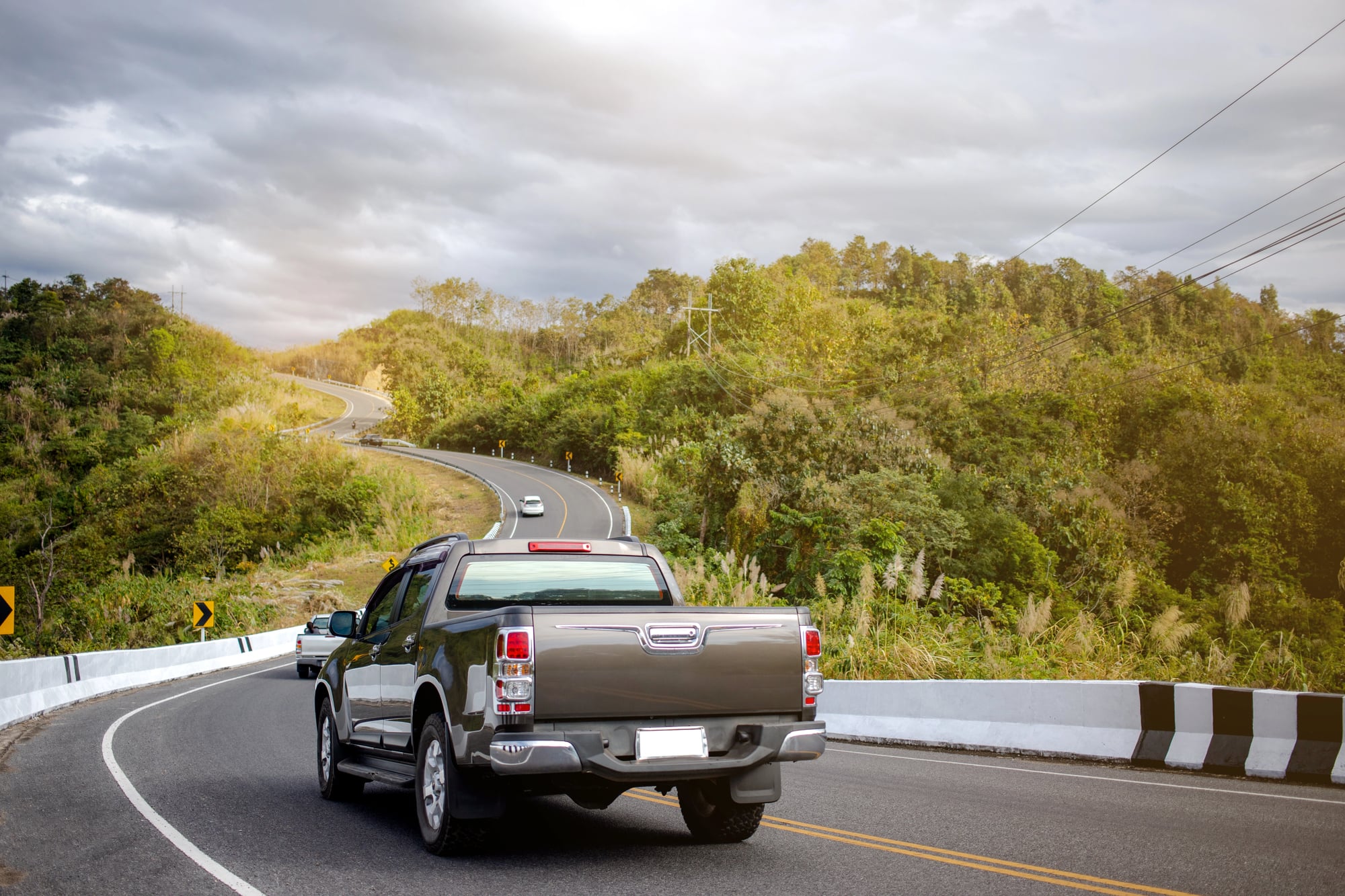
This was genuinely a common form of summer transportation — kids piled into truck beds for trips to the lake, the park, the corner store, or simply because an adult was going somewhere and space existed. The highway was not off-limits. The speed was not a concern.
It felt, at the time, like freedom; it was, by every measurable standard, wildly dangerous.
Lawn Dart Tournaments

Jarts — the original, weighted metal version that could bury itself several inches into the ground with a satisfying thud — were a legitimate backyard staple before being banned in 1988. The game involved throwing heavy, spike-tipped projectiles across a yard toward a target ring, while other people stood nearby.
The combination of children, competitive scoring, and metal spikes landing in soft earth was considered a reasonable afternoon.
Eating Whatever Was in the Neighbor’s Garden
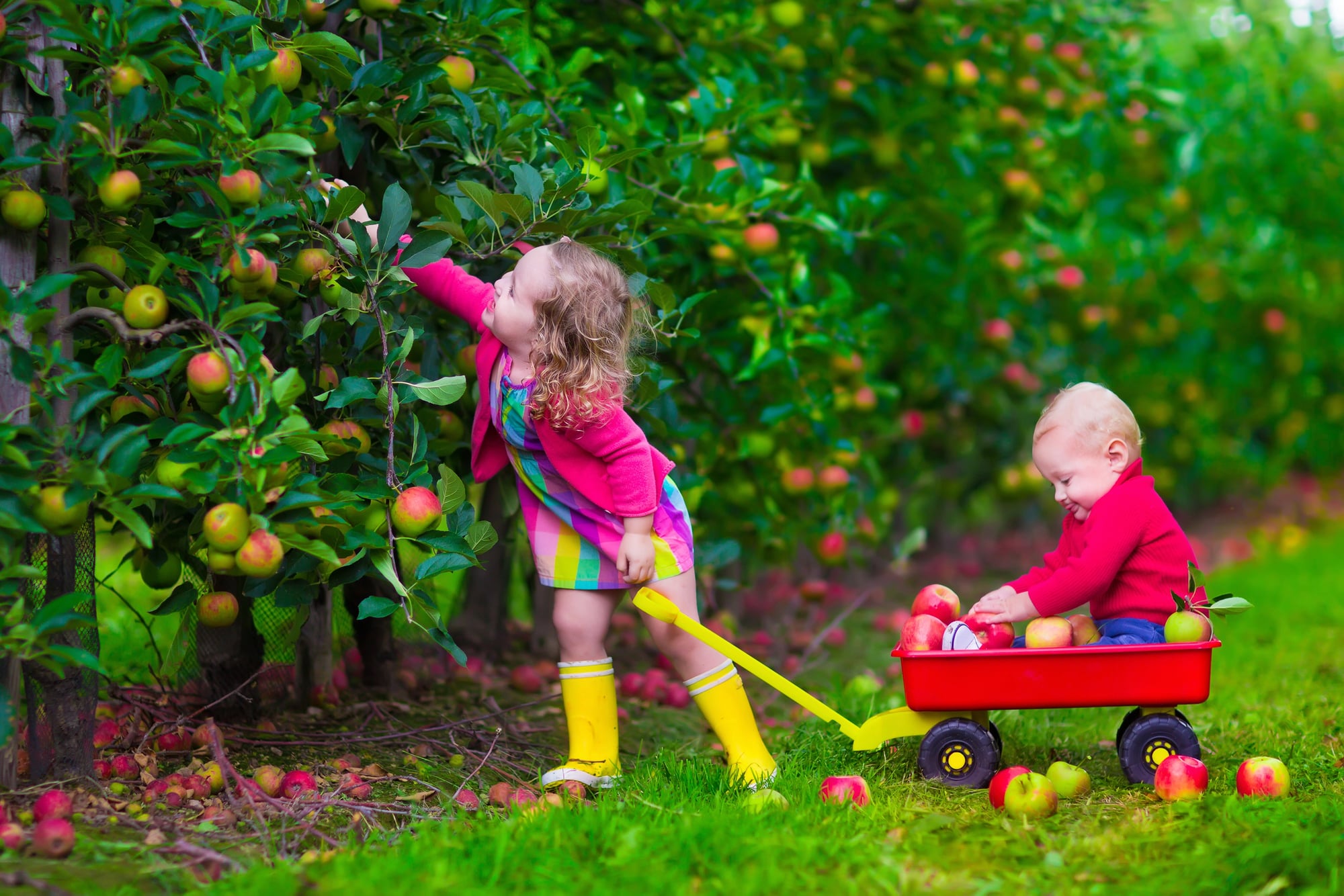
A neighbor’s apple tree with branches overhanging the fence, a strawberry patch at the edge of someone’s yard, a grapevine that nobody seemed to be watching — these were treated as shared public resources by any kid who passed by. No one asked. No one was asked.
It operated on a kind of informal foraging ethic that would seem eccentric now, both to adults who’d call it trespassing and to kids who’ve been told not to eat anything that didn’t come from a recognizable package.
Swimming in Unsupervised Ponds and Rivers

The local swimming spot wasn’t always a pool with a certified lifeguard and a posted depth chart. Often it was a river bend, a quarry, a farm pond of uncertain depth, or a creek nobody had officially mapped.
Kids jumped from rocks, swam out past where they could see the bottom, and treated the whole enterprise as totally routine — which, to be fair, it was.
Playing Tackle Football on Concrete

This wasn’t an organized sport with pads, referees, or fields. This was neighborhood kids, a stretch of asphalt or packed dirt, and a loosely agreed-upon ruleset that varied by block.
Tackle meant tackle — full contact, no equipment, on surfaces that did not forgive a fall with any gentleness. The scraped palms and elbows were just the cost of a Saturday, treated with roughly the same indifference as a mosquito bite.
Fireworks That Were Not Technically Legal

Not sparklers. Not fountains. The kind of fireworks that required a drive to a state line or a roadside stand operating in a legal gray area — bottle rockets, M-80s, cherry bombs, anything that made a noise loud enough to alarm the neighbors.
Kids handled these, lit them, pointed them at things. The adult supervision present was often more curious than cautionary.
Staying Out Until Near Midnight

On warm nights, especially in neighborhoods with older kids running the street, the curfew expanded well past dark. Ten-year-olds were outside at 10:30 PM playing flashlight tag, catching fireflies, or simply sitting on curbs doing nothing in particular.
The darkness was not a hazard to be managed — it was just the next part of the day.
Hitchhiking Short Distances

This one reads as genuinely alarming now, but for decades — particularly through the 1970s and into the 1980s — a kid sticking out a thumb at the edge of town wasn’t unusual, especially in rural areas where a lift to the next town over wasn’t otherwise available.
It happened, it was normal, and the adults who drove those kids home mostly just asked whose they were.
Making Forts Out of Whatever Was Available

A fort could be built from almost anything: pallet wood from behind a grocery store, corrugated metal panels, tarps, discarded lumber with nails still in it. Construction was unsupervised, structural integrity was not assessed, and kids spent entire weeks inside structures that would fail any reasonable safety inspection — with great satisfaction, it should be noted.
Playing With Mercury

This one deserves to be stated plainly: mercury from broken thermometers was, for a long period, considered an interesting toy. Kids poked it, rolled it across surfaces, split it apart with their fingers, watched it recombine.
No one explained that mercury is a potent neurotoxin that absorbs through skin. It was just the cool silver stuff from the broken thermometer, and the fascination it inspired was entirely understandable and completely misguided.
Cycling Without Helmets — Everywhere

The bicycle helmet as mandatory equipment is a relatively recent concept. Before the 1990s, helmets were largely reserved for racing or professional riding — the average kid doing fifteen miles of neighborhood riding, launching off homemade ramps, and coasting down steep hills did it bare-headed.
Not reluctantly, not as a form of rebellion. Just as a default. That’s just how bikes worked.
Ignoring the Heat Indefinitely

There was no heat index advisory, no recommendation to stay indoors above a certain temperature, no adult pulling kids inside because the thermometer hit 98. Kids ran around in August at noon, in humidity that made the air feel like a wet wool blanket, and the solution was to drink water from the hose and keep going.
Heat exhaustion was real; the awareness of it, in most households, was minimal.
Climbing Extremely Tall Trees
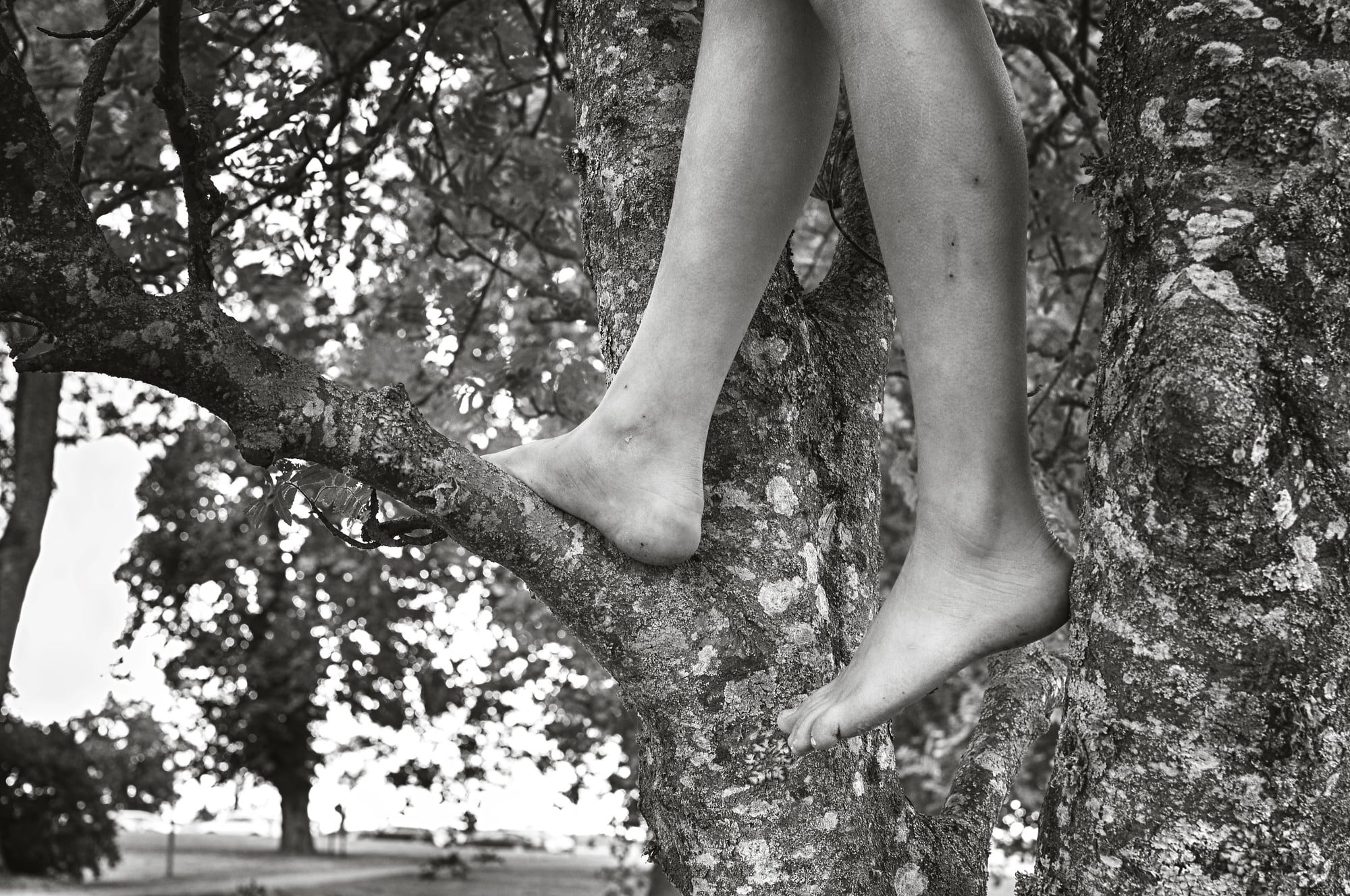
Not trees with low, manageable branches. Trees where the top swayed, where the bark got thinner, where you could look out over the rooftops of your street and feel briefly like a different species.
Falling from those heights was not theoretical — kids fell, broke things, got back up, climbed different trees the following week. The trees were the point.
Running Beside Moving Vehicles

At low speeds in driveways or parking lots, kids would run alongside slow-moving cars, hold onto side mirrors, or jump on the backs of golf carts, riding along for a moment before dropping off. Nobody framed this as a stunt.
It was just something that happened at family gatherings and parking lots with enough regularity to be considered unremarkable.
Exploring Abandoned Buildings

An abandoned house, a shuttered factory at the edge of town, a derelict barn out past the fields — these were magnets for any group of kids with a summer afternoon and a lowered sense of consequence. Floors of uncertain integrity, broken glass, structural unknowns, the occasional hostile animal — none of it was a deterrent.
Turns out, a locked door is barely even a speed bump when you’re twelve and bored.
Using Slip N Slides on Hills

The Slip N Slide was designed for gentle, flat backyard use. Kids immediately put them on slopes. Significant slopes.
The speed generated at the bottom of a well-watered plastic sheet on a hillside was not what the manufacturer intended, and the abrupt stops — often involving a fence, a hedgerow, or a garden bed — were absorbed with the stoicism particular to summer-hardened children.
Letting Younger Kids Follow Older Kids Everywhere

A five-year-old tagging along with eleven-year-olds on a full day of unsupervised exploration was not unusual — the older kids became, by default, the authority in charge, and the younger ones were expected to keep up. The age gap carried its own informal hierarchy, and the five-year-old was expected to match the pace and absorb the consequences alongside everyone else.
Eating Popsicles for Every Meal

Summer eating, when left to children, was astonishing in its nutritional indifference — and the popsicle stands tall as the mascot of that era. Not as dessert. As breakfast. As lunch filler.
As a substitute for any meal that felt inconvenient to prepare. Parents, to their credit, often simply didn’t ask.
Watching Whatever Was on TV Unsupervised, All Day

There was no parental control lock, no curated streaming queue, no algorithm serving up age-appropriate content. There was cable TV, a remote control, and absolutely no one watching what was being watched.
Kids stumbled into late-night programming, violent action movies, local access channels, and things that defied categorization — all before noon.
Running Through Mosquito Fogger Trucks

In suburban neighborhoods during summer evenings, trucks would drive slowly down residential streets spraying dense pesticide clouds to control mosquitoes. Kids would run through the fog. They chased the trucks.
It felt like something out of a fantasy — the low hum, the white cloud, the cool chemical mist — and no one thought for a moment about what was actually in it.
Playing With Rusty Things
A rusty nail, a pile of corroded metal behind a shed, old farm equipment left at the edge of a field — these held an undeniable fascination for children who were not yet calibrated for tetanus risk. The general parental guidance, when it existed at all, was “don’t cut yourself.”
Not “don’t touch it.” Just: if you’re going to touch it, don’t get wounded.
Staying Gone All Day With Zero Communication

No phone. No walkie-talkie after the batteries died. No way for a parent to reach a child from 8 AM to 7 PM except to ask the neighbor if they’d seen them.
And the neighbor might have seen them — around noon, three blocks over, heading toward the creek. That was considered sufficient tracking. The whole arrangement required a level of mutual trust between parents and neighborhoods that is genuinely difficult to reconstruct now.
Making Their Own Food Unsupervised Over Open Flame

Campfires, backyard fire pits, lighter fluid, and ten-year-olds with hot dogs on sticks — or, more ambitiously, actual cooking experiments involving matches, canned goods, and improvised stoves made from rocks. Fire was a summer staple, handled early, and handled without ceremony.
The instructions for operating a fire, when they existed, were roughly: keep it small and don’t burn anything important.
What’s Actually Lost in All the Safety

There’s a version of this list that reads as pure nostalgia — the good old days, kids being kids, simpler times. That version is a little too easy.
Some of what’s on this list was genuinely dangerous in ways that hurt real children, and the safety improvements since are not nothing. But alongside the genuine hazards, something else got quietly retired: the permission to be unsupervised, uncomfortable, bored, and responsible for your own afternoon. The hose, the ramp, the rusty nail, the too-tall tree — they were all operating as a long, unstructured curriculum in consequence and judgment. What replaced them is safer and, in some ways, a great deal smaller.
More from Go2Tutors!

- The Romanov Crown Jewels and Their Tragic Fate
- 13 Historical Mysteries That Science Still Can’t Solve
- Famous Hoaxes That Fooled the World for Years
- 15 Child Stars with Tragic Adult Lives
- 16 Famous Jewelry Pieces in History
Like Go2Tutors’s content? Follow us on MSN.