Hidden Codes in Medieval Manuscripts
Medieval manuscripts weren’t just beautiful books filled with prayers and stories. Scribes and scholars sometimes tucked secret messages into the pages, hiding information in plain sight.
These codes ranged from simple tricks to complex systems that took centuries to crack. Some were playful, others were deadly serious, and a few remain unsolved to this day.
So what kinds of secrets did medieval writers hide, and how did they do it? Let’s dive into the fascinating world of hidden codes from centuries past.
Steganography through tiny letters

Scribes would sometimes write messages using letters so small they were nearly invisible to the unaided eye. These micro-letters appeared in the margins or between lines of regular text, blending into decorative flourishes.
The technique required incredible precision and steady hands. Readers who knew what to look for could spot these hidden notes, but casual observers would miss them completely.
Modern technology like ultraviolet light and high-resolution scanning has revealed messages that stayed secret for hundreds of years.
The Voynich Manuscript’s unsolved puzzle
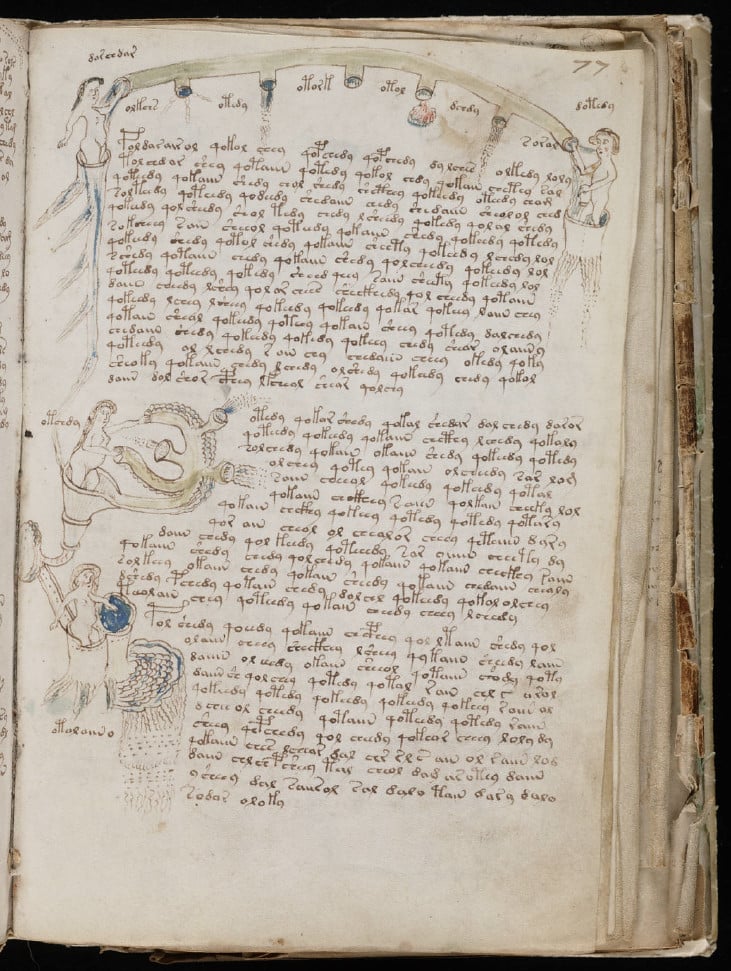
This 15th-century book contains an entire writing system that nobody has ever decoded. The manuscript includes strange plant drawings, astronomical charts, and human figures alongside text in an unknown script.
Linguists, cryptographers, and even computer algorithms have tried to crack it without success. Some experts think it’s an elaborate hoax, while others believe it contains genuine lost knowledge.
The Voynich Manuscript sits in Yale’s rare book library, still guarding its secrets after 600 years.
Cipher wheels and rotating disks

Leon Battista Alberti invented the cipher disk around 1467, creating one of the first mechanical encryption devices. The tool consisted of two rotating copper rings with alphabets arranged around the edges.
Users could shift the rings to different positions, changing which letter substituted for another. This method was far more secure than simple letter replacement because the key could change throughout a message.
Diplomats and military commanders valued these devices for protecting sensitive information.
Musical notation as code

Composers and scribes embedded messages within the structure of medieval music itself. Certain note patterns spelled out words or phrases when read in sequence.
The system worked because musical notes corresponded to letters, creating a natural encryption method. Church musicians might hide names of donors or criticisms of church leaders in hymns.
These musical codes went unnoticed by most listeners since they functioned perfectly well as regular songs.
Acrostic poems in religious texts

Monks crafted poems where the first letter of each line spelled out hidden words or names. This technique appeared frequently in psalms, prayers, and biblical commentaries.
The messages often identified the author, honored a patron, or conveyed a spiritual meaning beyond the surface text. Acrostics were relatively easy to create but required readers to know the trick existed.
Many medieval texts contain acrostics that scholars only discovered centuries later through careful analysis.
Invisible inks from natural sources

Medieval writers created disappearing inks using lemon juice, milk, and other organic liquids. These substances remained invisible on parchment until heated or treated with certain chemicals.
Spies and messengers used invisible ink to write between the lines of innocent-looking letters. The recipient would apply heat or a chemical wash to reveal the hidden message underneath.
This simple but effective method appeared across Europe and the Middle East throughout the medieval period.
Zodiac symbols for political messages

Astrology provided a perfect cover for coded communication since everyone studied the stars in medieval times. Writers could describe planetary movements or zodiac signs while actually discussing political events or people.
A passage about Mars entering Leo might really mean that a military leader was planning an attack. Church officials and courtiers used this system to share information without risking accusations of treason.
The symbolic language made messages nearly impossible to prove in court.
Hidden texts in illuminated letters

The elaborate decorated letters that began chapters sometimes contained tiny scenes or words within their designs. An artist might paint a microscopic figure holding a banner with a message inside a large ornate ‘I’ or ‘P’.
These details required magnification to read clearly and blended seamlessly into the decorative artwork. Patrons occasionally commissioned these hidden elements to mark ownership or commemorate events.
Modern conservators continue finding new details in famous illuminated manuscripts.
The Caesar cipher’s medieval use

This ancient Roman encryption method remained popular throughout the Middle Ages despite its simplicity. Writers shifted each letter forward or backward by a fixed number of positions in the alphabet.
Julius Caesar originally used a shift of three, but medieval cryptographers varied the number. The system worked best for quick notes and military orders rather than long-term secrets.
Anyone who discovered the shift number could decode the entire message instantly.
Shorthand systems for speed and secrecy

Medieval scribes developed abbreviated writing systems that served double duty as codes. Tachygraphy allowed writers to record speech quickly while making the text unreadable to outsiders.
Legal clerks, royal secretaries, and scholars each had their own shorthand variations. These systems used special symbols, truncated words, and unique conventions that took years to master.
Documents written in shorthand remained secure unless someone knew the specific system used.
Coded marginalia between scholars

Academic rivals and friends left hidden messages for each other in the margins of shared books. These notes used private languages, inside jokes, or coded references that only the intended recipient understood.
A seemingly innocent comment about grammar might actually be a veiled insult or warning. Library books traveled between monasteries and universities, carrying these secret conversations across countries.
Scholars developed elaborate systems of marks and symbols to communicate without others catching on.
Alchemical symbols hiding chemistry
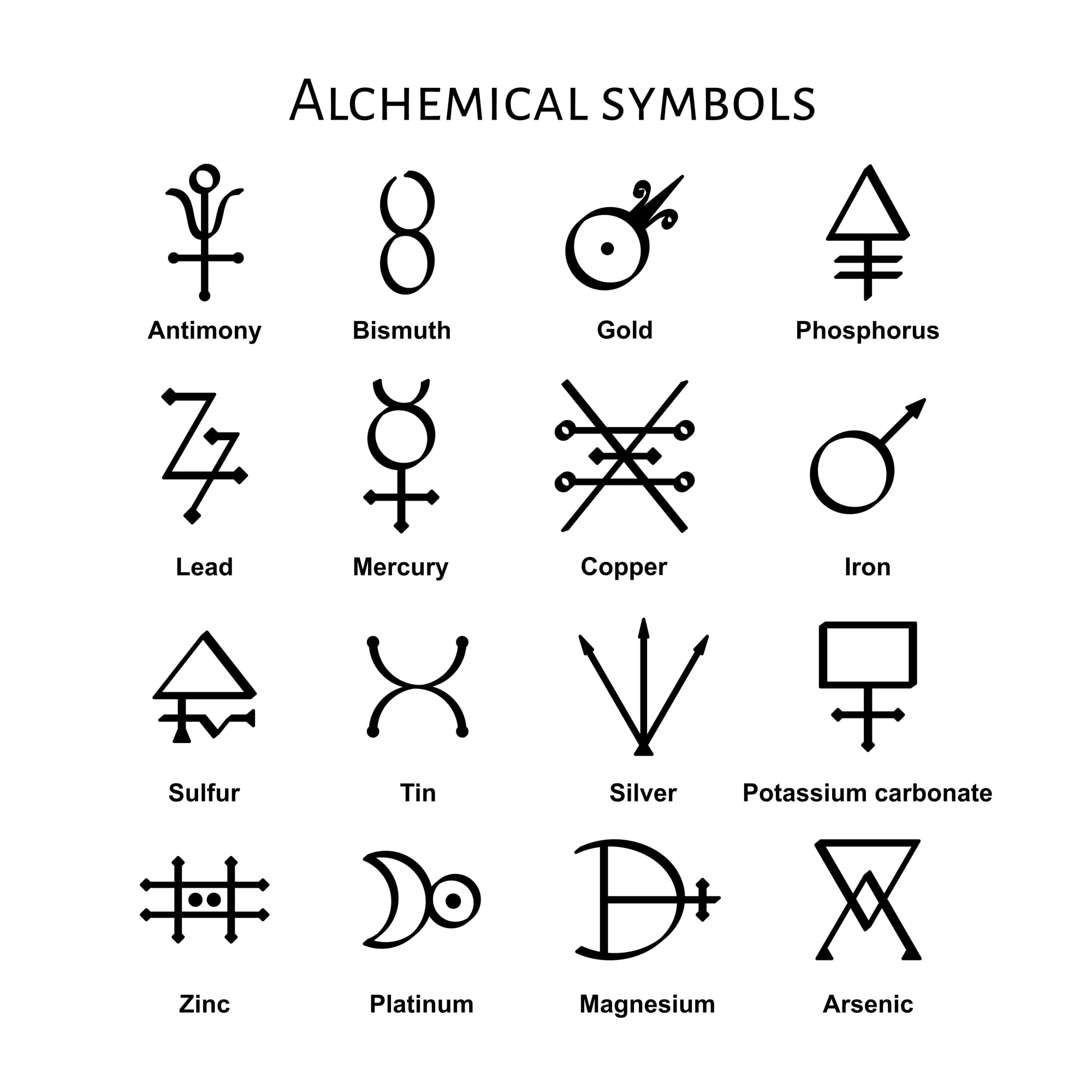
Alchemists wrote their recipes using symbolic languages that concealed actual chemical processes. A description of turning lead into gold might actually explain how to purify metals or create medicines.
The symbols protected trade secrets while also avoiding accusations of heresy or witchcraft. Each alchemist had personal variations on standard symbols, adding another layer of security.
Modern chemists have decoded many medieval alchemical texts to discover genuine scientific knowledge.
Number substitution in ledgers

Merchants and bankers replaced sensitive information with numbers that corresponded to a private key. Account books might list amounts using coded figures that disguised true values.
This practice protected business secrets from competitors and tax collectors alike. The Medici family and other trading houses developed sophisticated numerical codes for international correspondence.
Only trusted partners received the keys needed to interpret the real figures.
Mirror writing to keep things private

Leonard da Vinci scribbled his thoughts in reverse – only clear if you use a mirror. Way earlier, folks in old books did similar tricks now and then.
They flipped letters to hide diaries, discoveries, or risky opinions. Truth is, any mirror gave it away.
But it kept nosy eyes out for sure. It wasn’t foolproof – but still worked well enough.
Folded traces holding secret words

Scribes would wipe old words from costly pages before adding fresh ones. Yet traces of the first script usually stayed, just barely seen below – like a secret peeking through.
A few authors actually took advantage, slipping banned works under approved covers. Today’s tech peels back those layers, pulling out what was buried.
One famous case? The Archimedes Palimpsest uncovered ancient math ideas tucked beneath prayers.
Words glow in different hues

Scribes picked key terms using red, blue, or even gold ink – hidden layers tucked inside regular lines. Spotting just the marked bits could show a person’s name, a time stamp, or quiet directions apart from the rest.
Since bright colors already appeared in posh books, nobody questioned their presence. To outsiders clueless about the trick, it seemed like mere decoration instead of code.
Holy texts now and then slipped secret spiritual ideas through this technique.
Mythical creatures drawn along the edges

Artists sketched strange beasts along the edges of old books – symbols standing in for folks, happenings, or thoughts. Instead of a dog hunting a rabbit, here it’s flipped: maybe hinting at chaos or power shifts near the ruler.
The side doodles passed on rumors, sarcasm, or laughs you wouldn’t say out loud. Cracking the meaning meant knowing who was feuding and what signs stood for what.
Back then, plenty of readers likely just saw silly pictures, missing the sneaky digs entirely.
Knot designs that mean something

Celtic or Islamic texts often had complex woven patterns that occasionally stored secret messages. How many twists, where lines pointed, or how shapes repeated might mean something to people in the know.
Such math-based symbols showed up on fancy edges or entire painted pages. They looked stunning but also kept track of family trees, specific days, or holy phrases.
Experts still argue about which ones were just pretty and which hid deeper clues.
From old paper scrolls to digital screens

Medieval ciphers show folks back then also wanted privacy, sharing only what suited them. Sure, those methods look odd now – but they actually worked when it mattered.
Copyists put everything on the line to conceal bold thoughts; traders used number games to guard wealth. Ancient handwritten pages in dusty archives? They’ve still got puzzles no one’s figured out yet.
Turns out, we’re not so different – we just swap old tricks for new gadgets.
More from Go2Tutors!

- The Romanov Crown Jewels and Their Tragic Fate
- 13 Historical Mysteries That Science Still Can’t Solve
- Famous Hoaxes That Fooled the World for Years
- 15 Child Stars with Tragic Adult Lives
- 16 Famous Jewelry Pieces in History
Like Go2Tutors’s content? Follow us on MSN.



