30 Familiar Products From Old Five-and-Dime Stores
The five-and-dime was the original everything store, a place where a few coins bought a paper doll, a spool of thread, and a glass of something cold at the counter. Frank Winfield Woolworth opened his first store in Utica, New York, in 1879, and it failed.
His second store, in Lancaster, Pennsylvania, succeeded, and an entire retail category f ollowed.Woolworth’s closed its doors as a retailer in 1997, and the dime store era faded with it.
Here are thirty of the products that filled those narrow aisles, from the practical to the delightfully pointless.
German Glass Christmas Ornaments
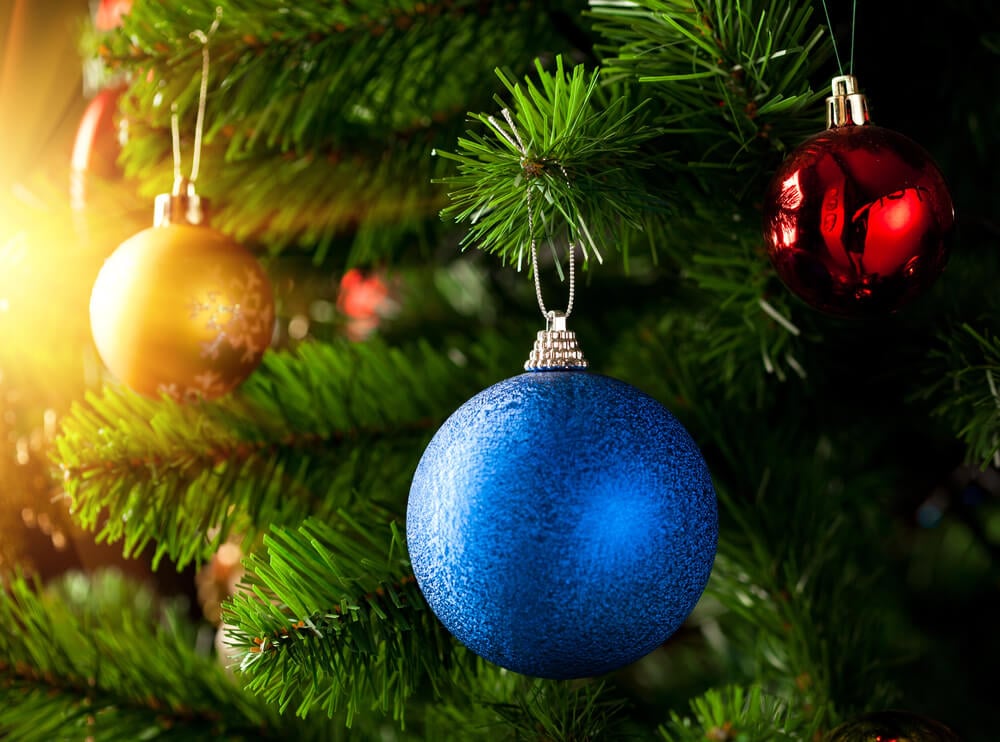
Woolworth’s built part of its reputation on imported glass ornaments, which turned the chain into a holiday destination. Shoppers could buy fragile figures and shapes by the dozen without spending much.
Surviving ornaments in their original boxes are popular with collectors, and their value depends heavily on condition.
Spools of Thread
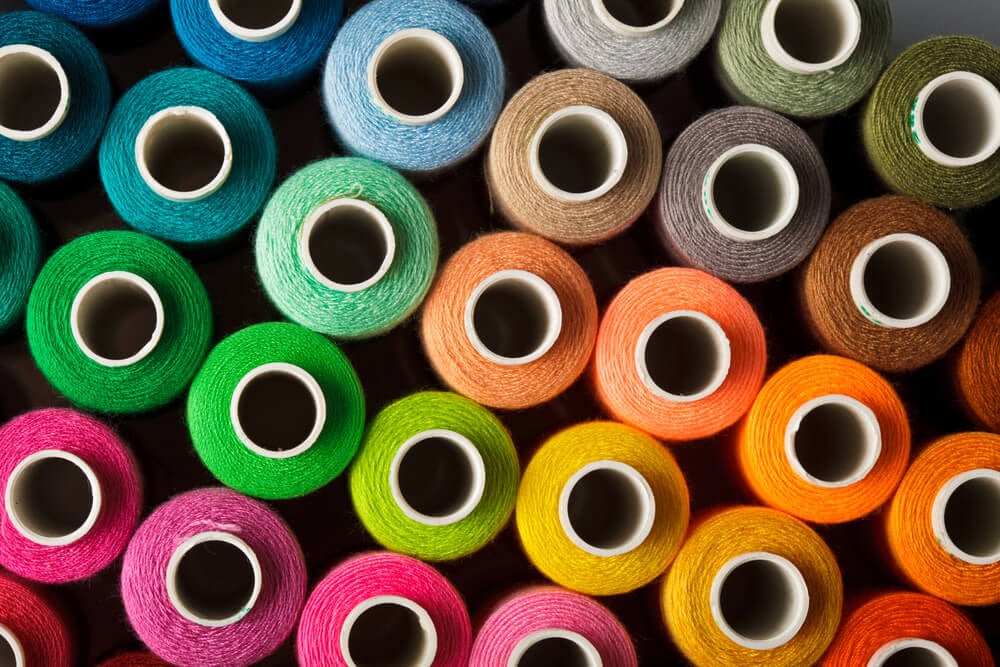
Notions counters stocked wooden spools of thread in dozens of colors, sold individually for a few cents. Shoppers who sewed their own clothes could find everything they needed in one aisle.
A spool of black or white was almost always in stock.
Buttons on Cards
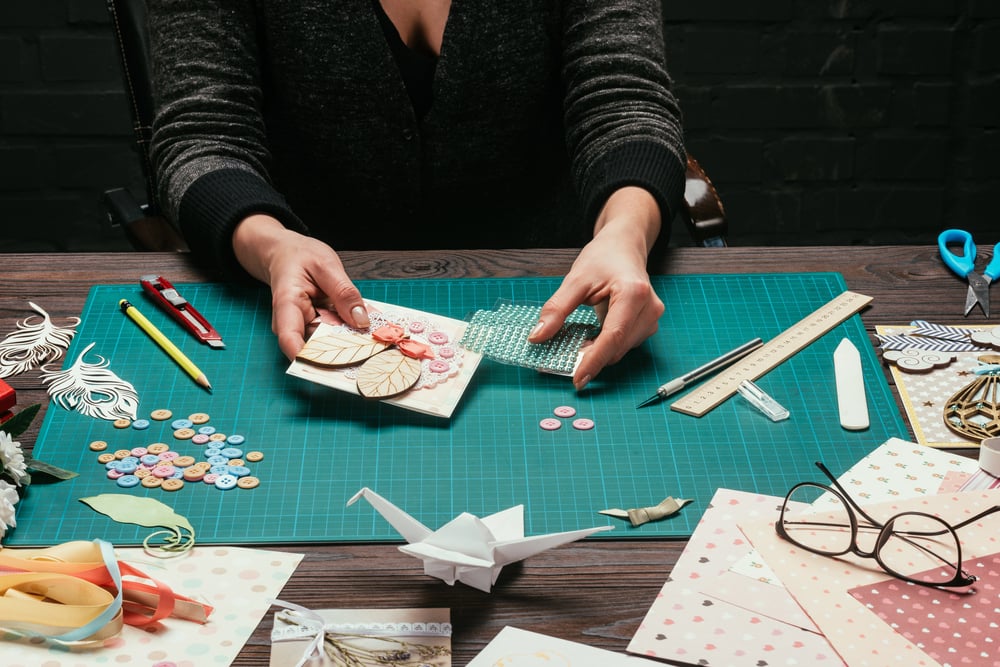
Buttons were sold sewn onto small cards, usually in sets of four or six matching pieces. Replacing a lost button on a coat took only a few minutes at the notions counter.
The cards were colorful and carefully organized by size.
Hair Nets and Bobby Pins
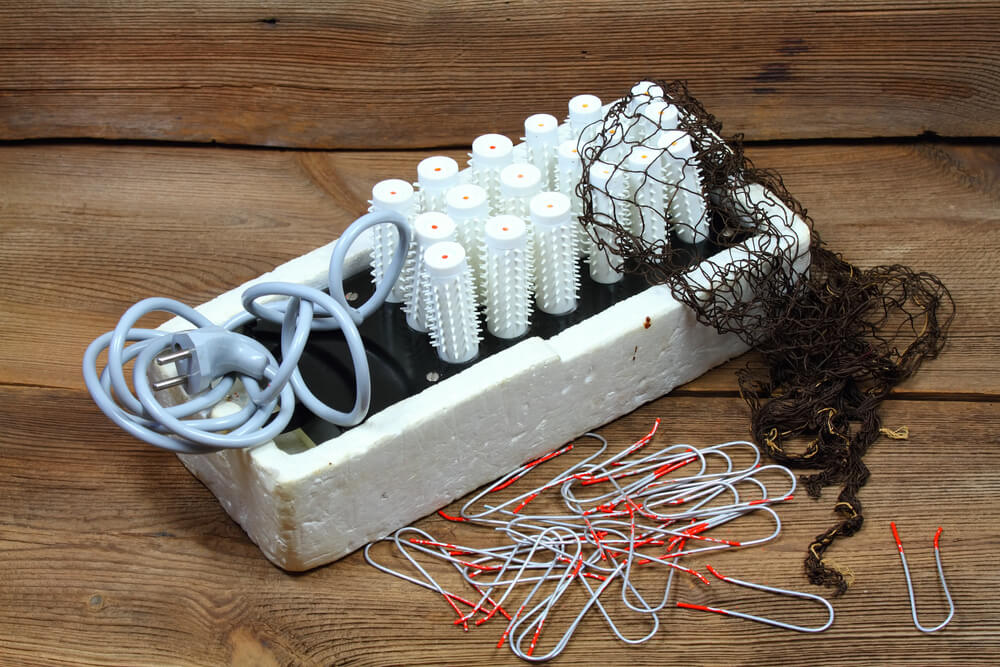
Hair care products filled a small corner of the store, with nets, pins, and combs hanging on hooks. Bobby pins came on cards in black and brown.
They were the sort of item customers bought without thinking and used without noticing.
Paper Dolls
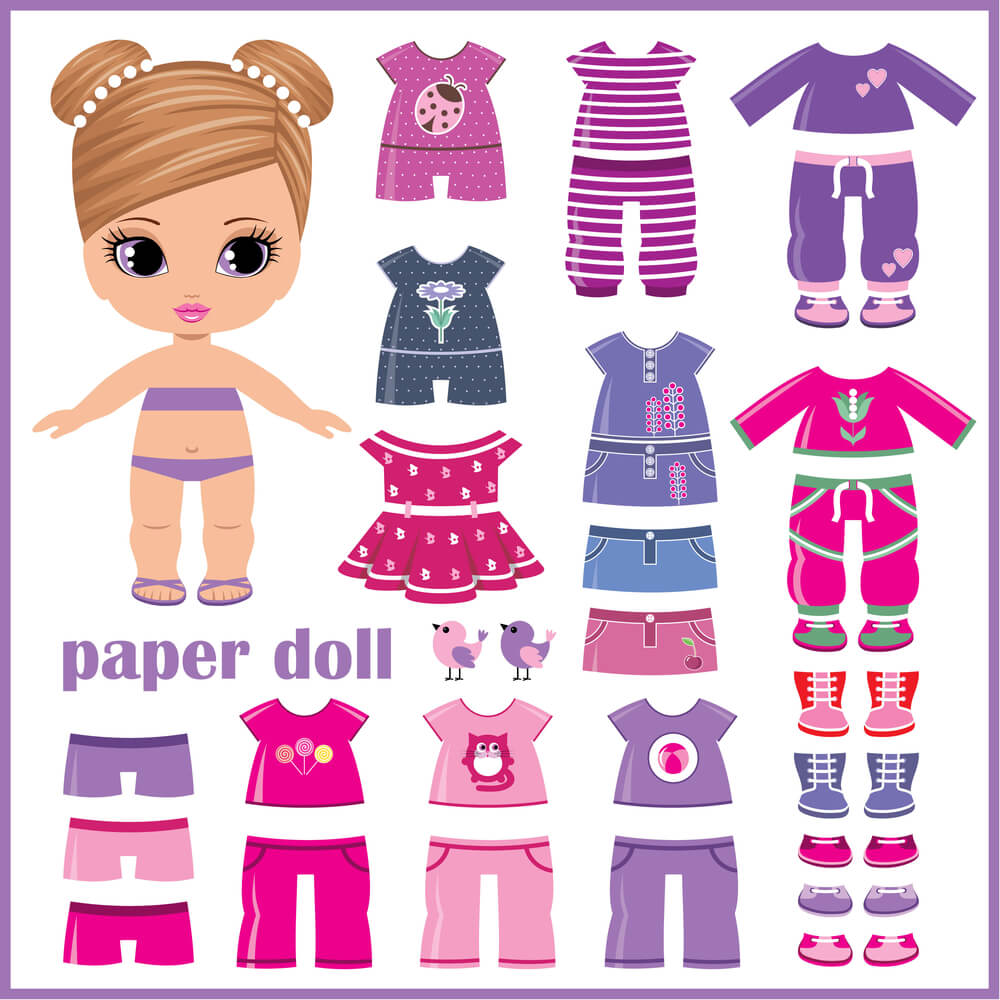
Paper dolls sold in booklets, with punch-out outfits and tabs that held the clothing in place. Children played with them for hours at the kitchen table.
Uncut sets from earlier decades are collected today and vary in price depending on whether any pages have been cut.
Jacks

A bag of metal jacks came with a small rubber piece for bouncing, and the game required nothing more than a flat floor. Dime stores stocked them in the toy aisle near the marbles.
Kids learned to scoop a growing handful before the bounce ran out.
Marbles in Mesh Bags
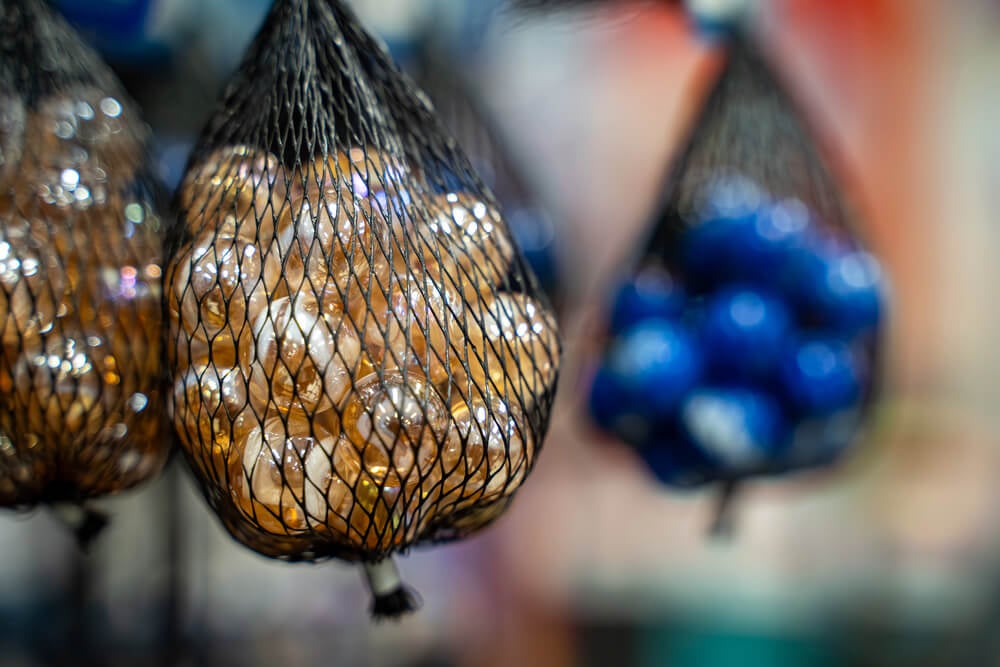
Marbles were sold in mesh bags in assorted colors, giving every kid a first set for the playground. Larger shooter marbles were sold separately.
Old bags of glass marbles in unopened condition are sought after by collectors.
Yo-Yos
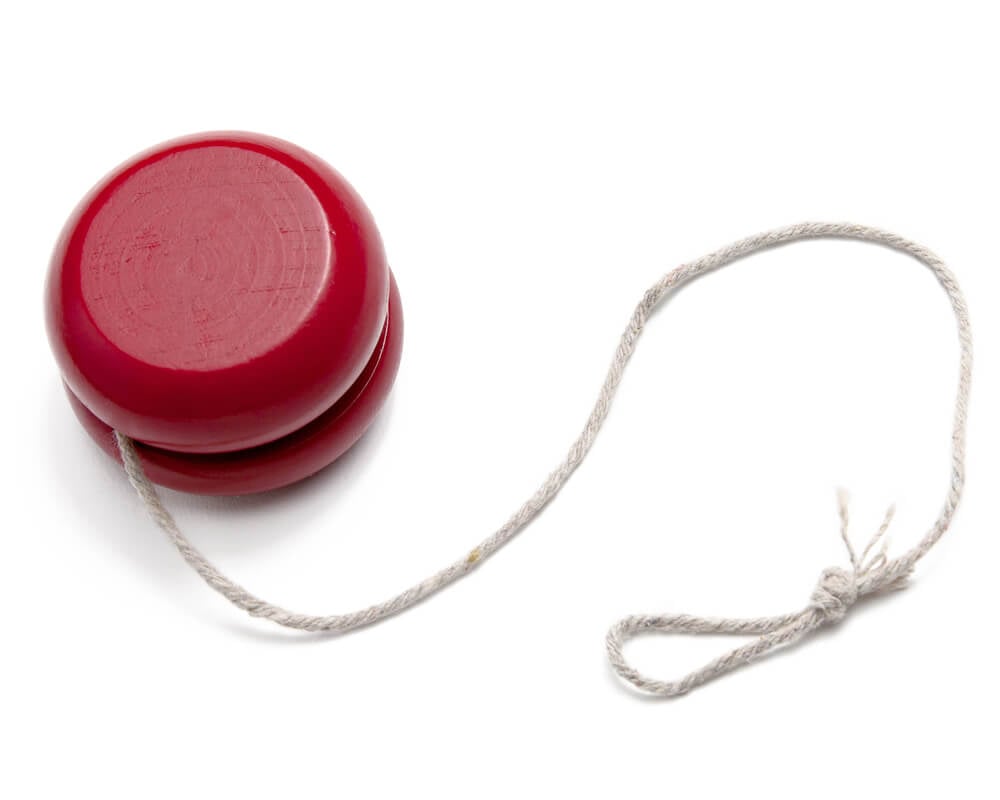
Wooden or plastic yo-yos were popular dime store toys, often sold on a card with a string. Kids practiced tricks in the aisle before buying.
Anyone who mastered walking the dog was an instant celebrity on the block.
Cap Guns and Roll Caps
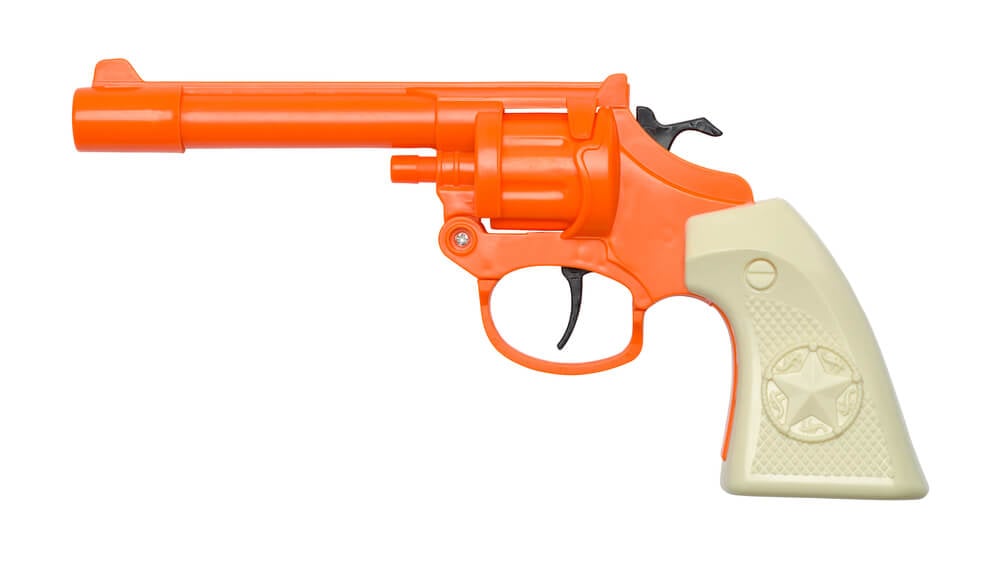
Toy cap guns and rolls of caps were sold side by side in the toy section. The pop and the smell of burnt powder were part of the fun.
Boxed guns in good shape remain collectible, though missing parts reduce their value.
Big Chief Tablets

The Big Chief writing tablet, with its thick lined paper, was a school supply staple stocked in nearly every dime store. Students used them for penmanship practice and homework.
The cover art is now a nostalgic image for many former students.
Eight-Count Crayon Boxes

A small box of eight crayons was an inexpensive treat that fit perfectly in a coat pocket. Dime stores often carried several brands.
Shoppers could grab one on the way to the register without much thought.
Pencil Boxes

Cardboard or plastic pencil boxes held erasers, rulers, and sharpened pencils for the school year. They were sold in the back-to-school aisle with notebooks and glue.
Some featured cartoon characters, which made them more desirable.
Boxed Valentines
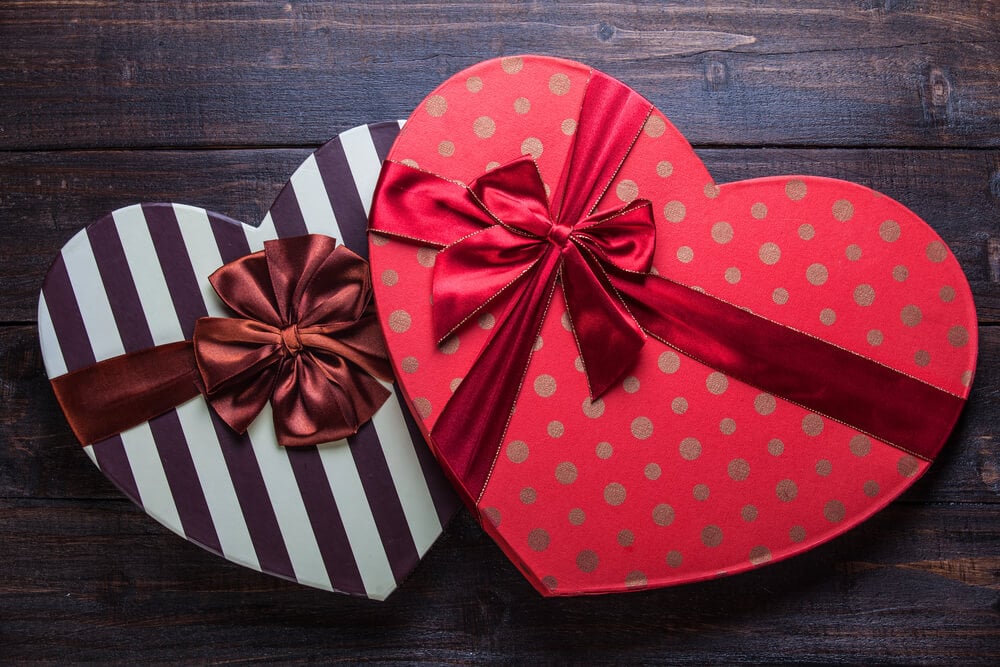
Packs of valentine cards, sold in boxes of thirty or more, supplied every child in a class with greetings to hand out. Each box came with a few fold-out envelopes and sometimes a larger card for the teacher.
Kids spent hours addressing them at the dinner table.
Plastic Halloween Masks
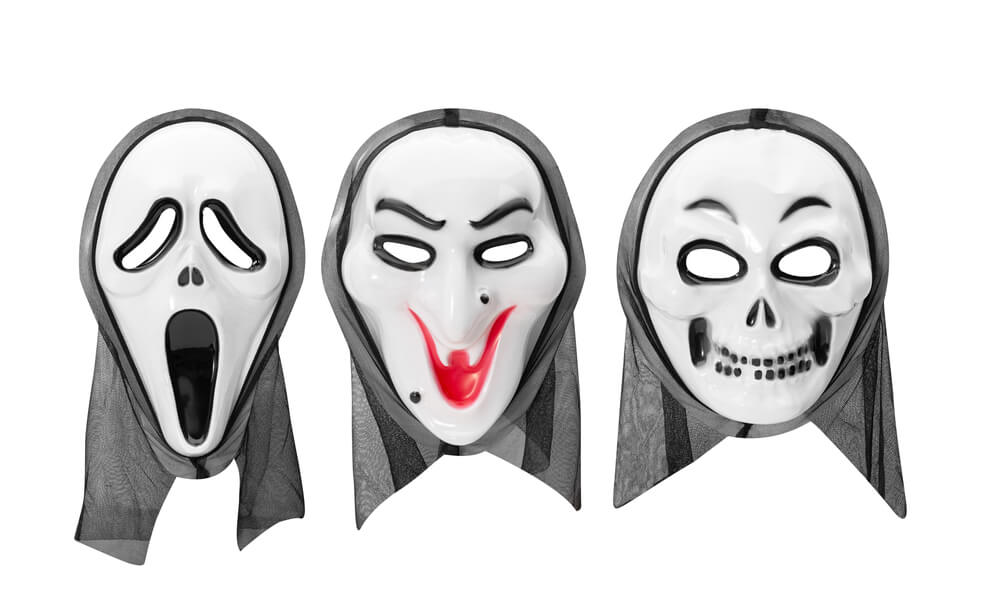
Halloween masks made of thin molded plastic, held on with an elastic string, were sold in cardboard boxes in the fall. Breathing through them for an evening required endurance.
Vintage masks in their original boxes are collectible, and their value depends on whether the paint has cracked.
Hard Candy by the Pound
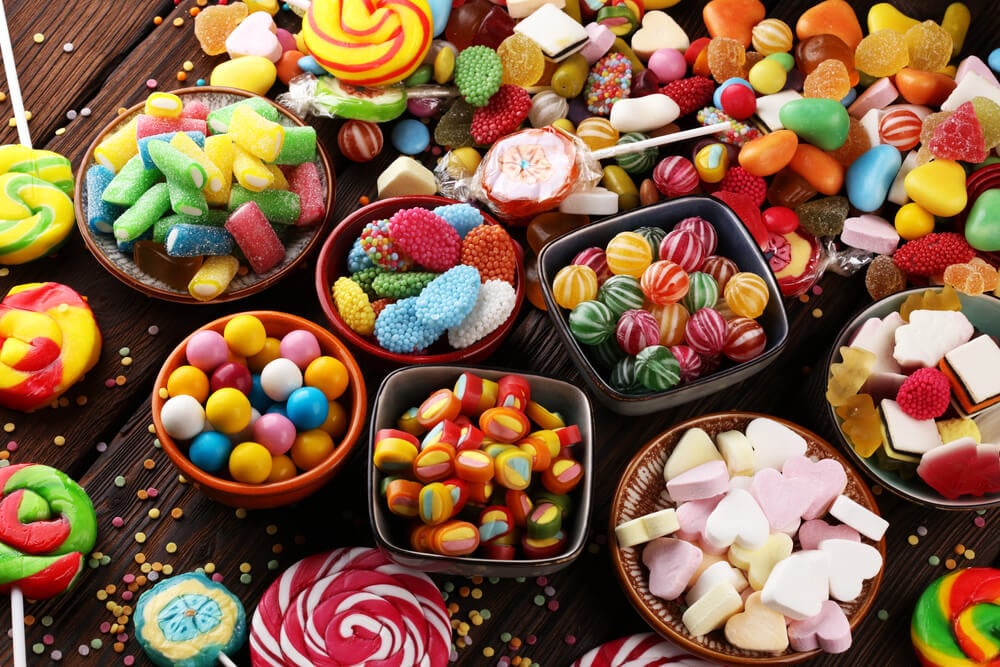
The candy counter sold hard candy by the pound, scooped from glass-fronted bins into paper bags. The weight was determined on a small scale at the counter.
Customers pointed at what they wanted and received a small bag of sugar.
Goldfish in Tanks

Live goldfish were sold from tanks near the pet section, scooped into small bags of water. Many children took one home on a whim.
Few survived long, but the purchase felt exciting.
Parakeets
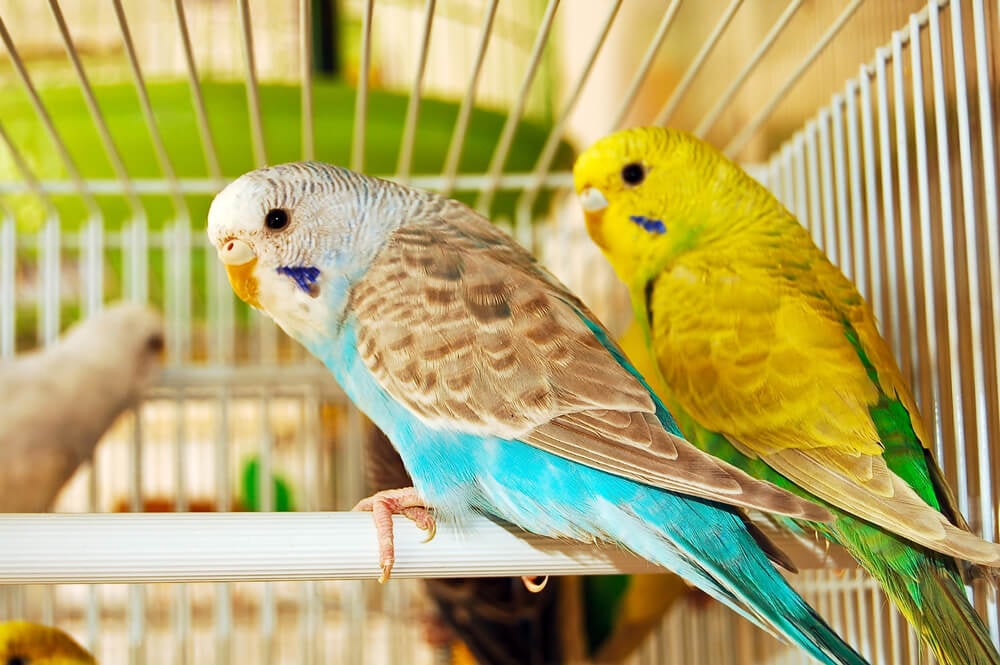
Parakeets were available in cages at the back of some stores, along with bird seed and cuttlebones. A pet bird could be bought on the same trip as a package of socks.
Shoppers carried them out in cardboard boxes with small air vents.
Baby Turtles

Tiny turtles in plastic tanks were a dime store favorite until 1975, when the FDA banned the sale of turtles with a shell length under four inches. The ban was intended to limit the spread of salmonella.
Before that, a turtle in a plastic bowl with a tiny island was a common childhood pet.
Sheet Music
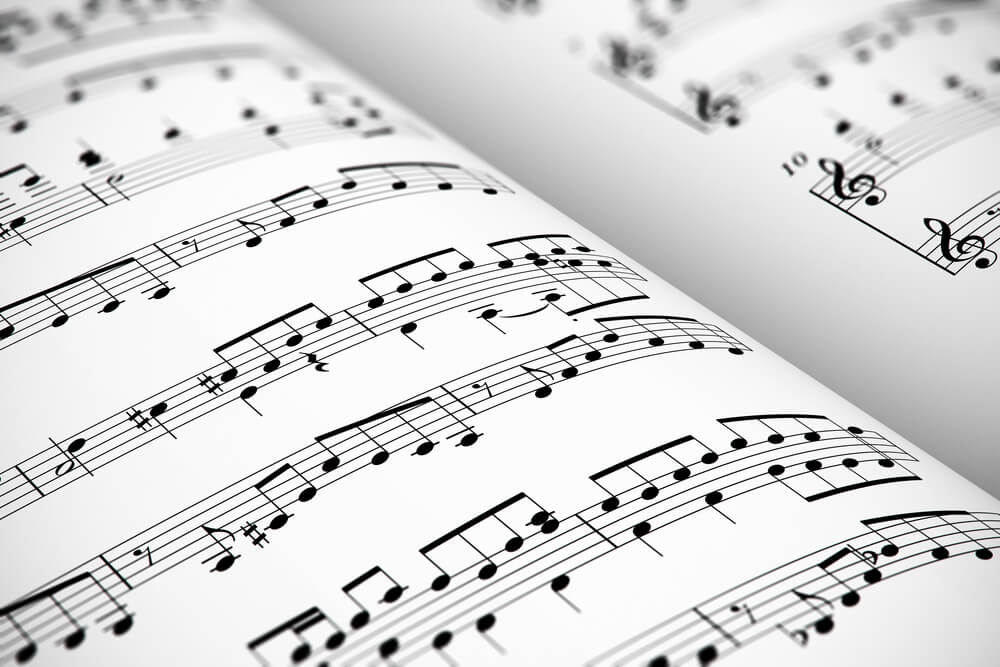
Popular songs were available as sheet music in the music department, often with a photograph of the singer on the cover. Families that owned a piano could bring home the latest hit.
Original copies are collected today, and condition affects their price.
Budget 45 RPM Records
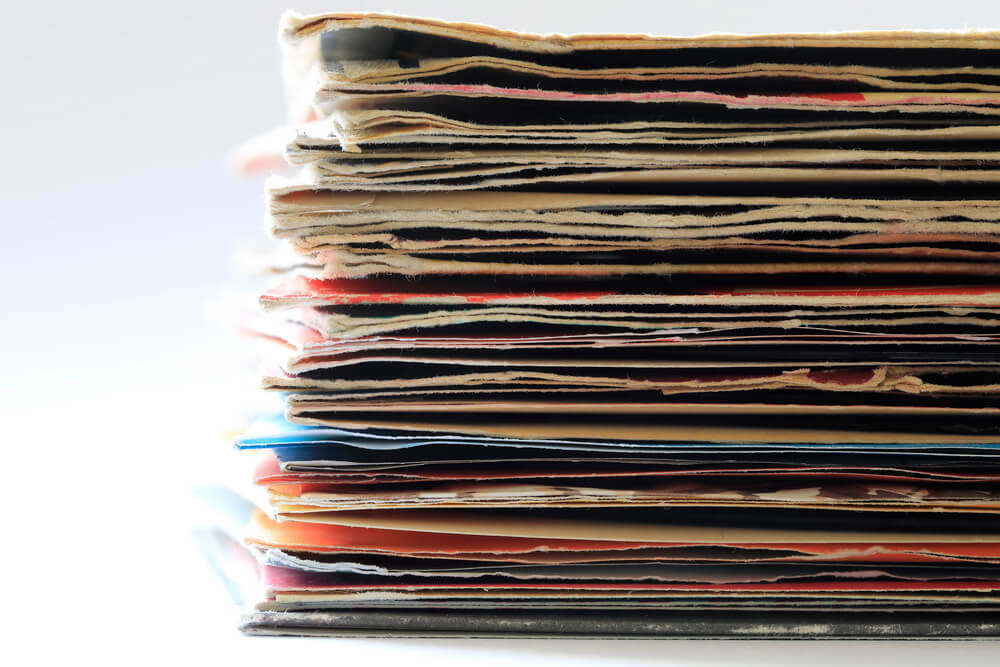
Dime stores sold inexpensive records, including budget versions of hit songs. Shoppers could pick up the latest tune without paying full price.
Some of these records are now collectible, although worn grooves and torn sleeves lower their worth.
Paint-by-Number Kits
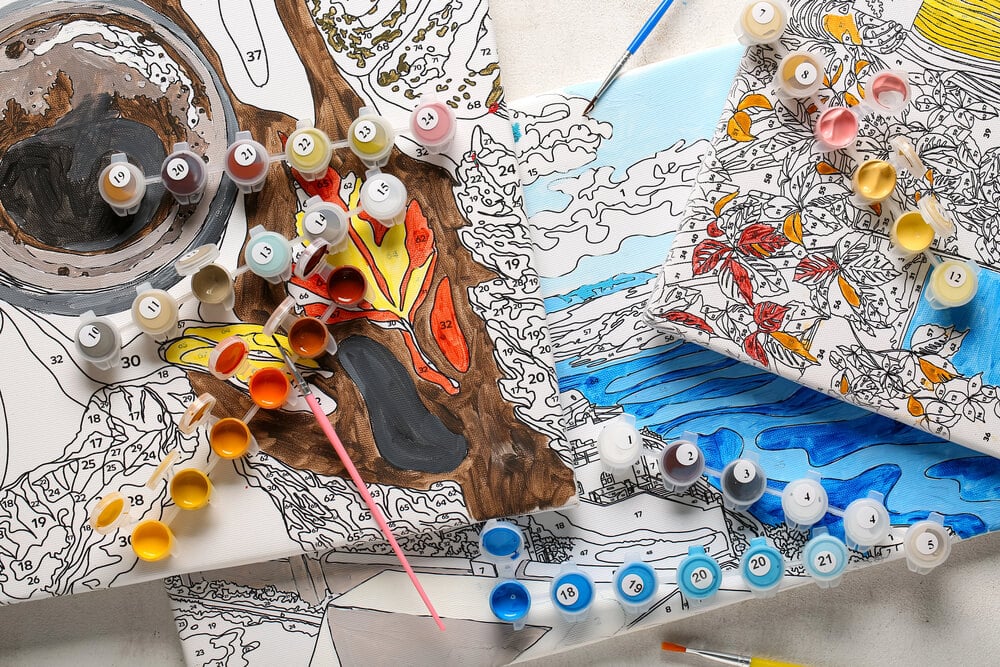
Paint-by-number kits became a popular craft in the early 1950s, and dime stores stocked them next to the art supplies. Each kit came with numbered canvas and small pots of paint.
Finished paintings often hung in living rooms with pride.
Kitchen Gadgets
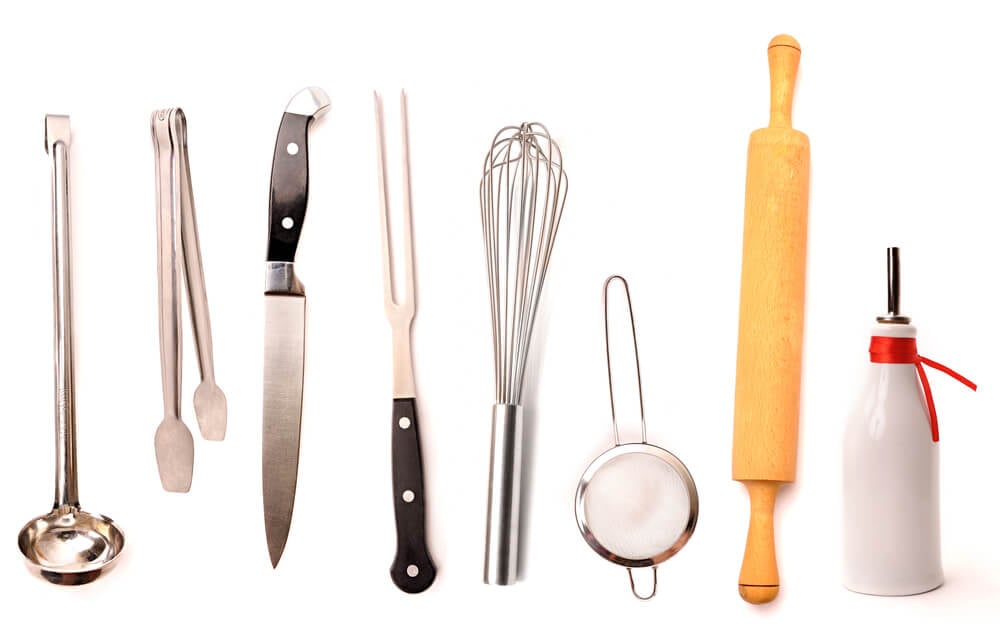
Cookie cutters, egg beaters, and measuring spoons filled the housewares aisle for pennies. Tin cookie cutters in the shape of stars and trees were stocked every December.
The tools were cheap enough to replace, but many lasted for decades.
Ribbon by the Yard

Spools of satin and grosgrain ribbon were unwound and cut to length at the notions counter. Customers bought a few feet for gift wrapping or hair bows.
The clerk measured against a ruler fixed to the counter.
Handkerchiefs
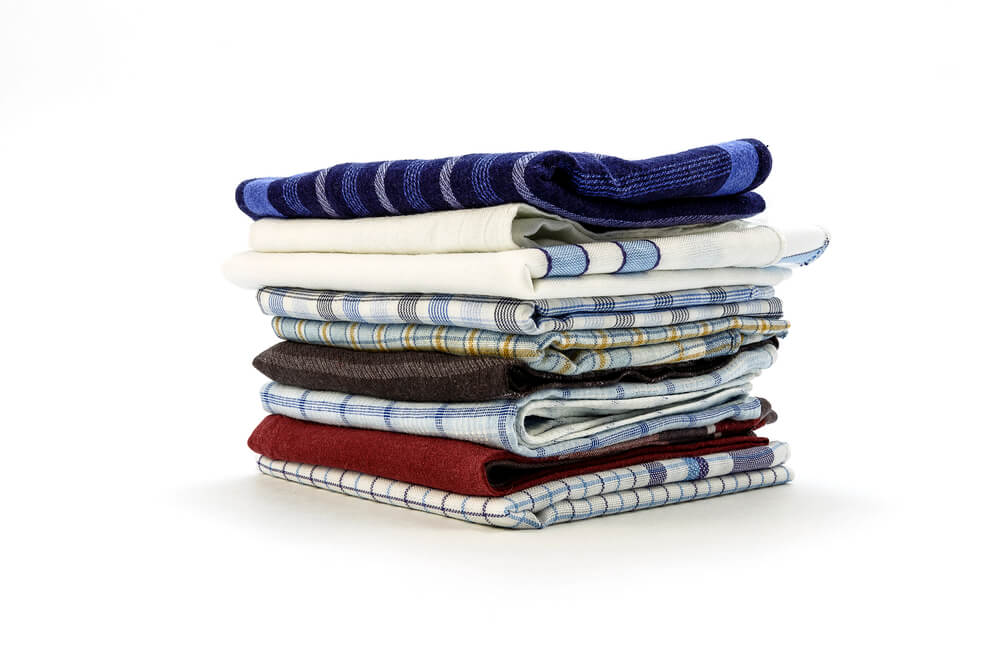
Cotton handkerchiefs with printed borders were sold in packs and gift boxes, a standard gift for fathers and teachers. Some carried embroidered initials.
They went out of style as tissues became common.
Embroidery Floss and Transfers
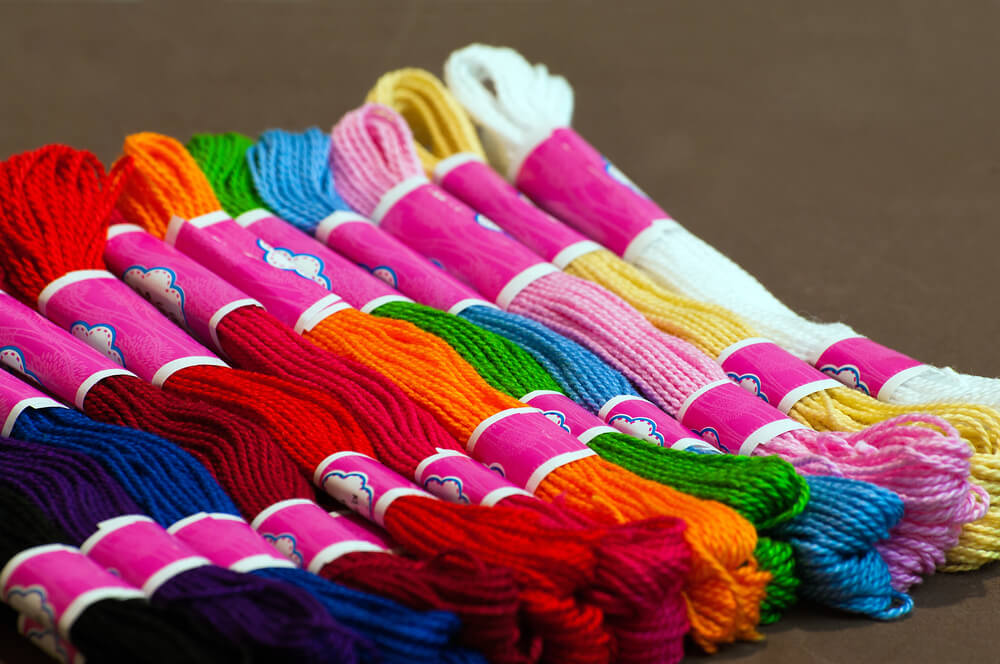
Embroidery floss was sold in small skeins, and iron-on transfers with patterns for pillowcases and dish towels filled a nearby rack. Women often stitched in the evening after dinner.
Completed pieces turn up in thrift stores, where condition matters.
Plastic Army Men
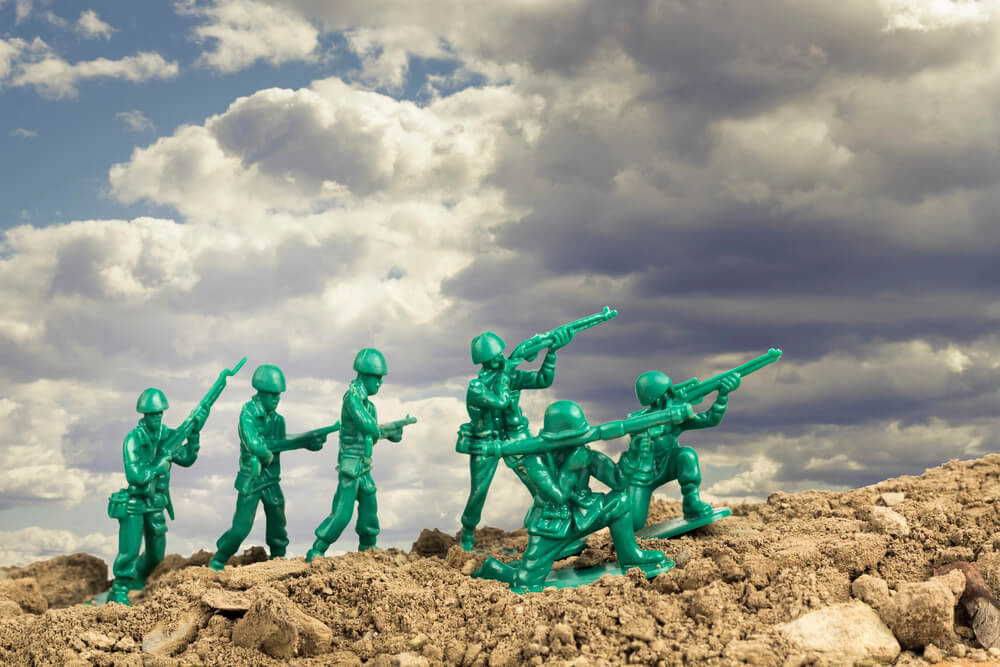
Bags of green plastic soldiers in different poses were a dime store staple. Children set them up in elaborate battles across the living room floor.
Unopened bags from the mid-century are collected, and their price depends on the condition of the packaging.
Playing Cards
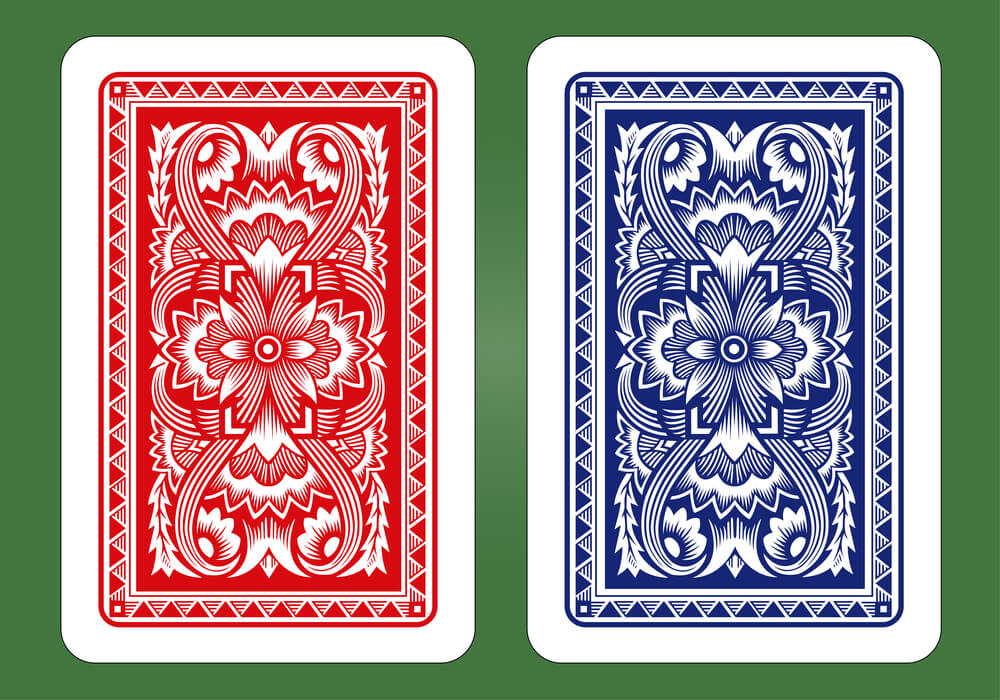
Decks of playing cards came in sturdy cardboard boxes, and dime stores carried several brands. They were bought for card games, magic tricks, and building houses.
A sealed deck from an old store can interest collectors if the box has no tears.
Pocket Combs
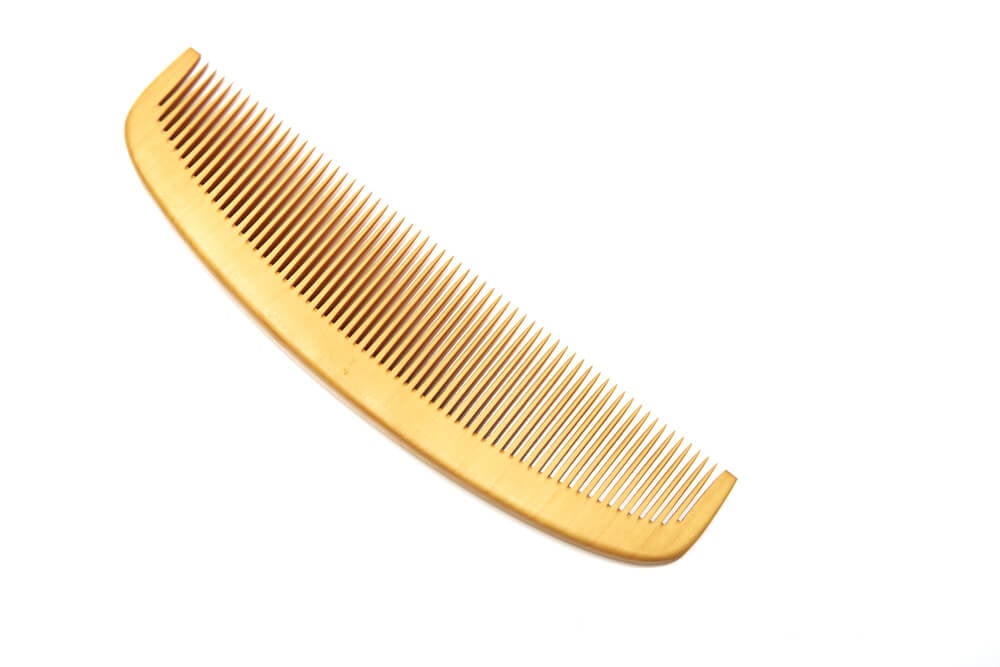
Plastic pocket combs sold in bright colors and, for a few cents, came in a small sleeve or on a card. They tucked into a back pocket or a purse and were often given away as party favors.
Few shoppers left the store with only one.
Birthday Candles

Boxes of small candles, along with plastic holders, were part of every party shopping list. Parents grabbed a box on the way to the register.
The candles were cheap, bright, and quickly forgotten.
The Counter Where Everyone Sat Down

The Woolworth’s lunch counter on its own deserves a place on any list of dime store memories, from the first in-store restaurant, which opened in 1910 at the chain’s 14th Street store in Manhattan. It also played a role in history in February 1960, when students sat down at the counter in Greensboro, North Carolina, to protest segregation.
A banana split at the counter was an ordinary treat in an extraordinary place.
What the Dime Store Understood

The five-and-dime worked because it offered an enormous range of items at prices anyone could afford. A child with a nickel could browse and buy something, which made the store feel like a place for everyone.
The shelves were organized around small needs and small pleasures. Larger discount chains eventually took over, and the original dime stores faded away.
Their goods still turn up in attic boxes and antique malls, each one a small reminder of how little it once took to feel like a shopper. The lunch counters and candy bins live on mostly in memory.
More from Go2Tutors!

- 27 Silver Dollars and Half Dollars Worth Keeping
- 28 Restaurant Menu Items Nobody Orders Anymore
- 17 Places Built in Seemingly Impossible Spots
- 27 Vintage Rings Worth More Than They Look
- 25 Restricted Sites Tourists Can’t Enter
Like Go2Tutors’s content? Follow us on MSN.