30 Familiar Products With Controversial Advertising Histories
Most products on the shelf got there on the strength of a slogan, a spokesperson, or a promise. Occasionally the promise outran the evidence, or the ad landed in a way nobody in the conference room expected.
The brands below are household names, and each one has a documented run-in with regulators, courts, or an angry public. The details tend to be more specific, and stranger, than the corporate memory of them.
Listerine and the Cold It Never Prevented
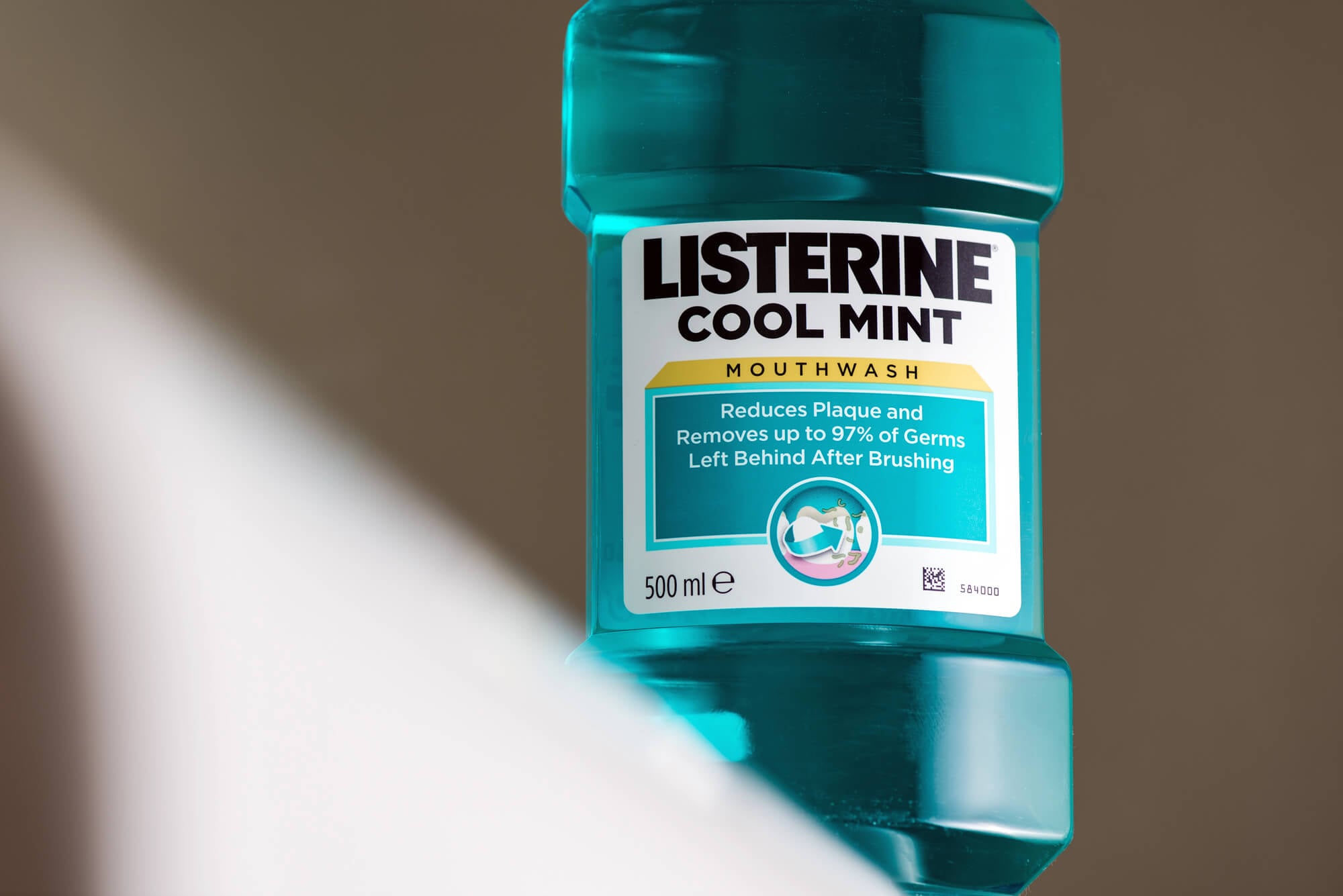
For decades, Listerine told customers that gargling with it could prevent colds and ease sore throats. In 1975, the Federal Trade Commission ordered maker Warner-Lambert to stop and to run corrective advertising. The company had to spend $10 million on ads that said, in plain words, that Listerine will not help prevent colds or sore throats or lessen their severity. The order was upheld on appeal in 1977, and it became a landmark for corrective advertising.
Red Bull and the Promise of Wings
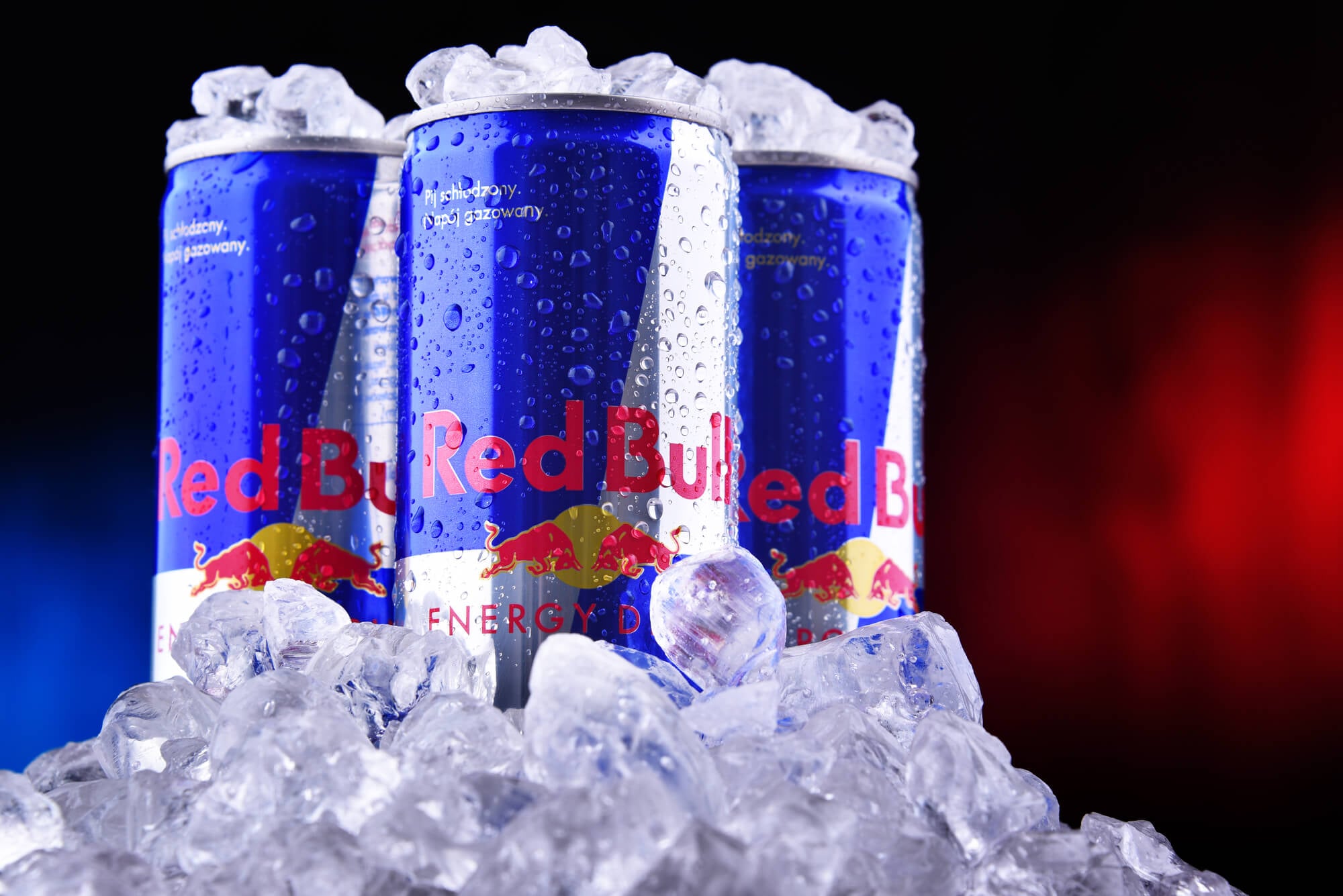
The slogan “Red Bull gives you wings” was a metaphor, but a 2013 class action lawsuit argued the energy claims behind it were not backed by science. Red Bull denied wrongdoing and still agreed in 2014 to a settlement worth $13 million. Customers who had bought the drink in the previous decade could claim either $10 in cash or $15 in Red Bull products. Fewer people claimed than expected, which left the settlement as a rare case of a drink company paying out over a tagline.
Volkswagen and the Clean Diesel Campaign

Volkswagen spent years marketing its “Clean Diesel” cars as an environmentally friendly alternative to gasoline engines. In September 2015, the Environmental Protection Agency revealed that the company had installed software designed to cheat emissions tests. The Federal Trade Commission later sued over the advertising itself, arguing that the green claims were false. A 2016 settlement valued at up to $14.7 billion covered buybacks, compensation, and environmental remediation for roughly 475,000 vehicles with 2.0-liter engines.
Frosted Mini-Wheats and the Attention Boost
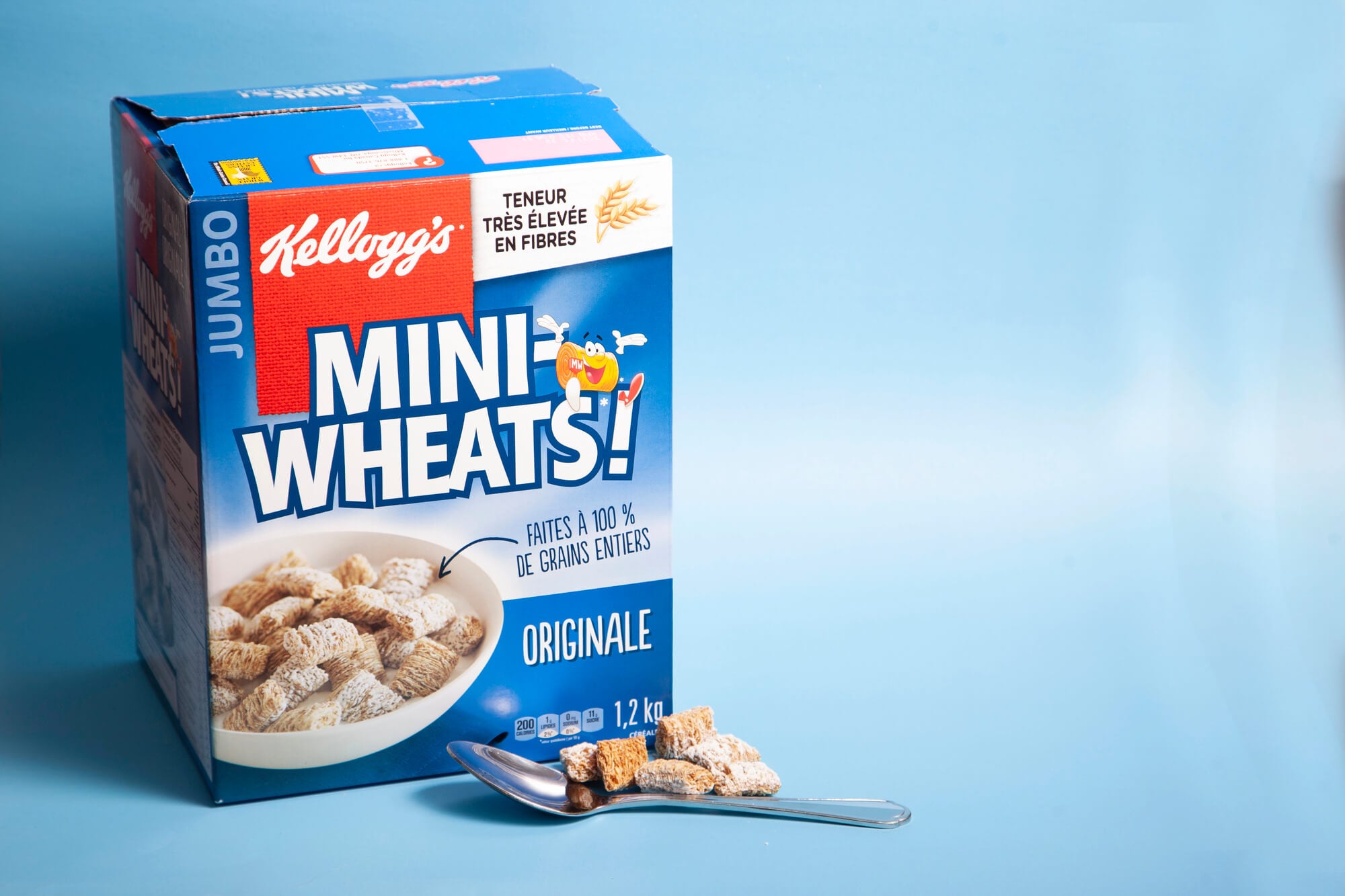
Kellogg’s advertised Frosted Mini-Wheats as “clinically shown to improve kids’ attentiveness by nearly 20 percent.” The Federal Trade Commission challenged the claim in 2009, noting that the underlying study found only a small share of children improved that much. A final order in 2013 barred Kellogg from making similar claims about the cereal without solid scientific evidence. The case is a reminder that a breakfast cereal can be both sweet and legally unsupportable.
Activia and the Regularity Claim
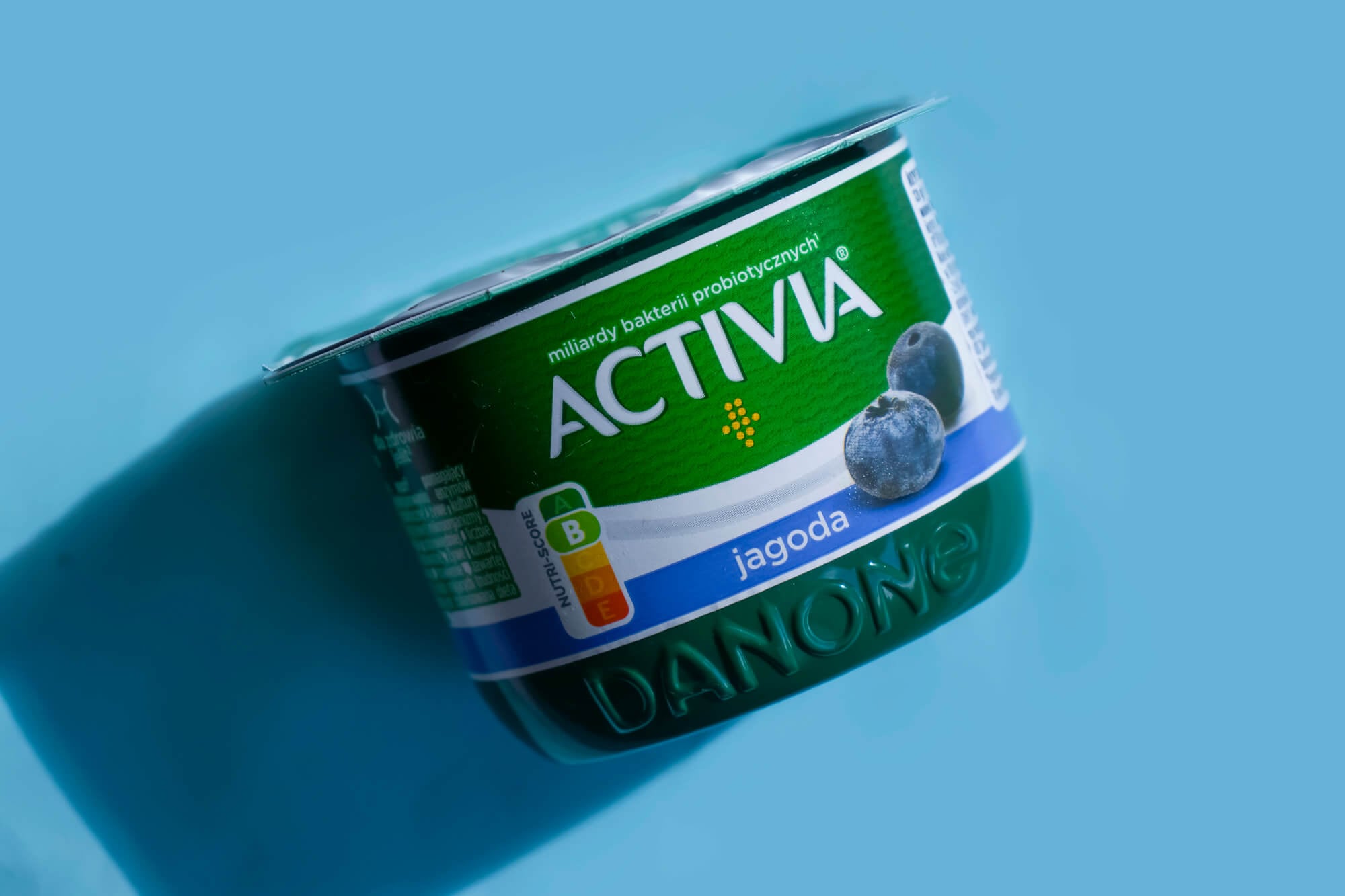
Dannon marketed Activia yogurt as clinically and scientifically proven to relieve irregularity, with actress Jamie Lee Curtis as its best-known face. Regulators and consumers questioned whether the science supported such strong language. In 2010, Dannon agreed to a settlement of $21 million to resolve class action suits and an inquiry by state attorneys general. The company also agreed to tone down the health language on its packaging and in its commercials.
Skechers Shape-Ups and the Toning Shoe Craze
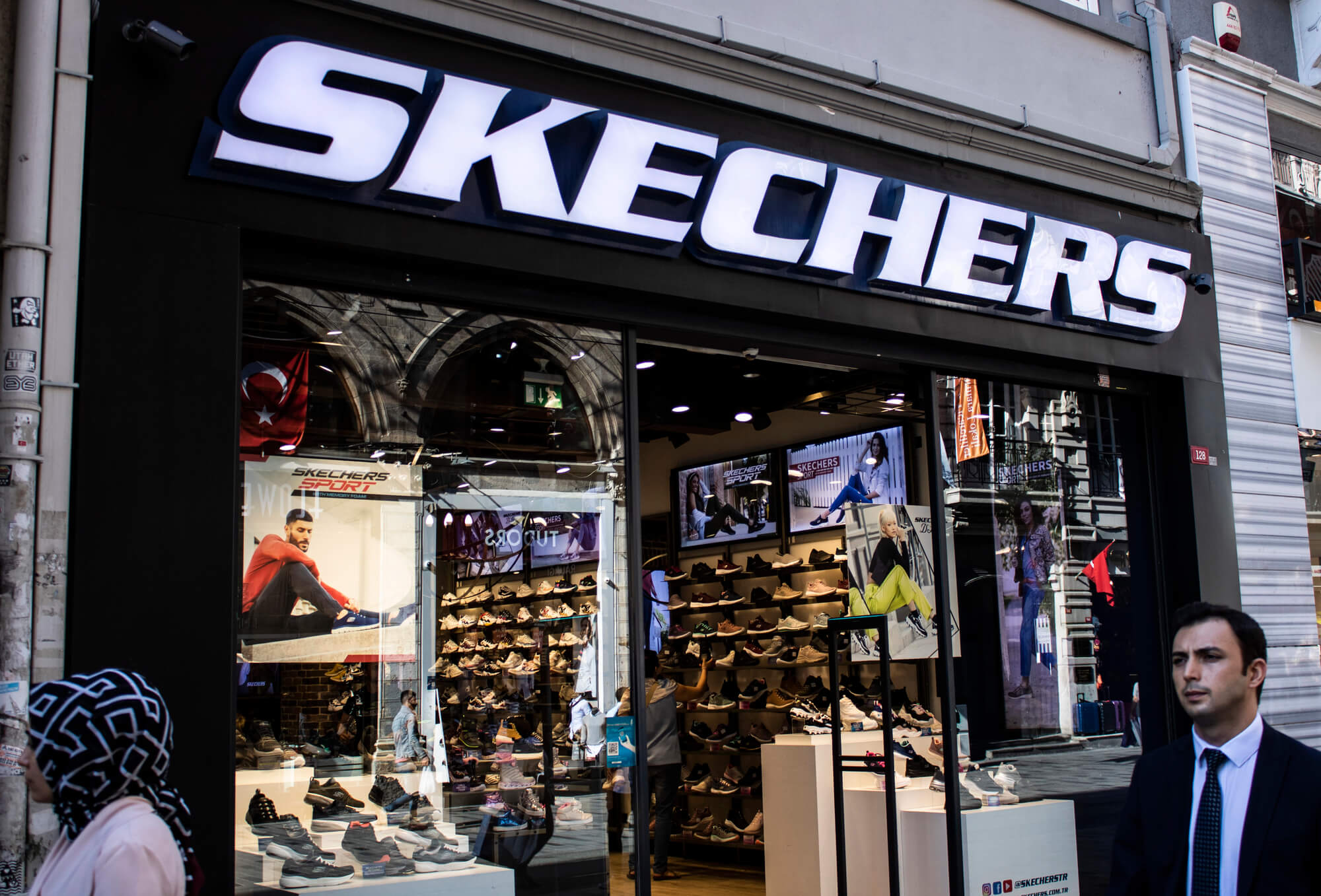
Skechers sold its rocker-bottom Shape-ups with promises that they would help wearers lose weight and strengthen their legs and buttocks. Celebrity endorsements, including Kim Kardashian, helped make the shoes a fixture of the early 2010s. In 2012, Skechers agreed to pay $40 million to settle charges from the Federal Trade Commission and state attorneys general that the claims lacked proof. The agreement funded refunds for buyers who thought they had purchased a shortcut to fitness.
Reebok EasyTone and the Tone-Up Claim
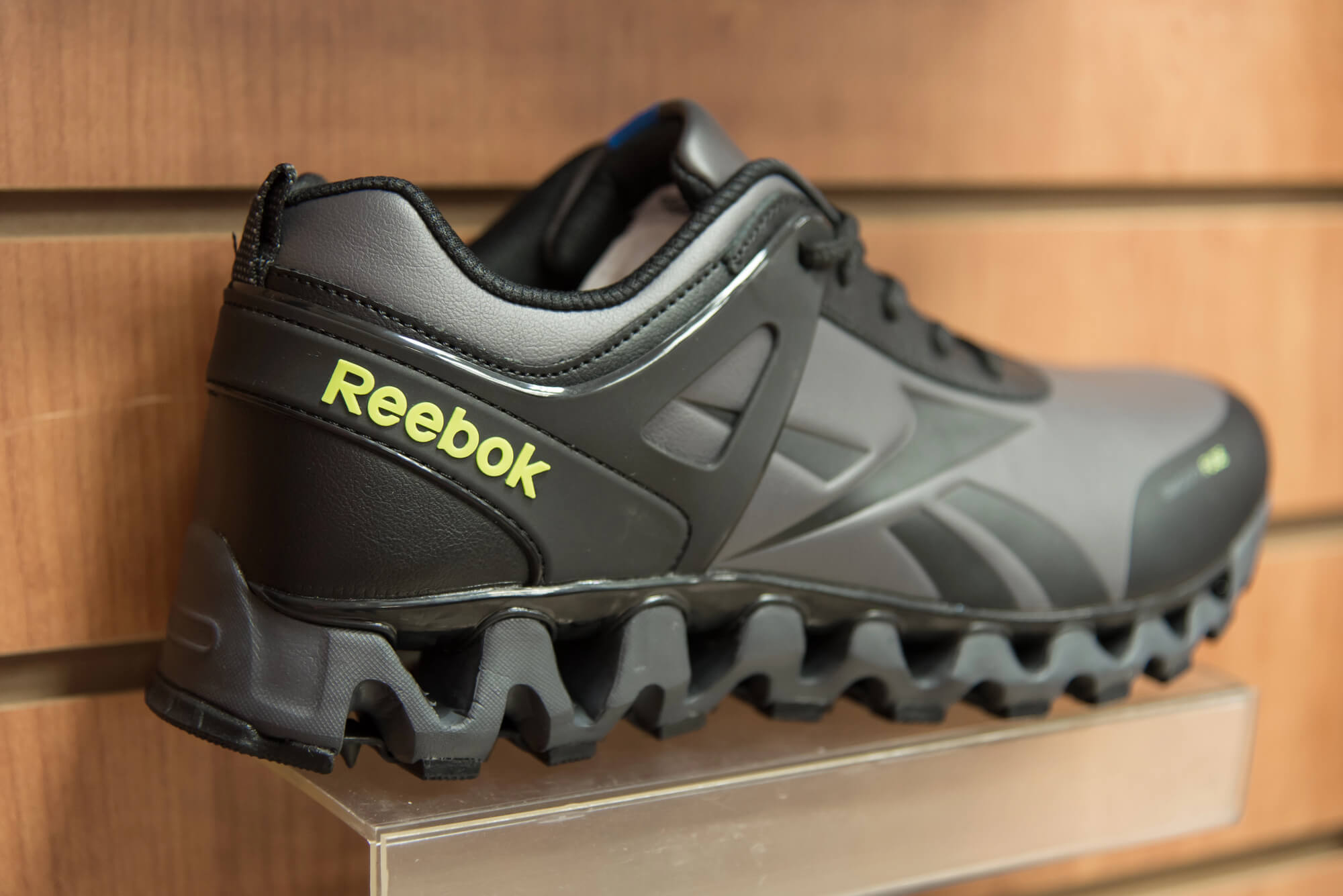
Reebok ran ads for its EasyTone shoes with claims that they worked the leg muscles more than ordinary sneakers, including a figure of 28 percent more tone in the calves. The Federal Trade Commission said the company had no adequate proof for those numbers. In 2011, Reebok agreed to pay $25 million to settle the charges, with the money going to refunds for buyers. The cushioned pods in the soles remain the shoes’ most memorable feature, even though the company dropped the strongest assertions.
Pepsi and the Kendall Jenner Protest
In April 2017, Pepsi released a short film in which Kendall Jenner leaves a photo shoot, joins a street march, and hands a can of soda to a police officer. Critics said the spot trivialized real protest movements, and Bernice King, daughter of Martin Luther King Jr., posted a photo of her father being confronted by police to underline the contrast. Pepsi pulled the ad within about a day. The company also apologized directly to Jenner for putting her in the position.
Dove and the Body Wash Ad That Misfired
In October 2017, Dove posted a short Facebook ad for its body wash showing a Black woman removing her shirt to reveal a white woman. Social media users said it echoed old soap advertisements that equated lighter skin with cleanliness. Dove deleted the ad and apologized, saying it had “missed the mark in representing women of color thoughtfully.” The brand, owned by Unilever, is widely known for its Real Beauty campaigns, which made the misstep more conspicuous.
H&M and the Coolest Monkey in the Jungle
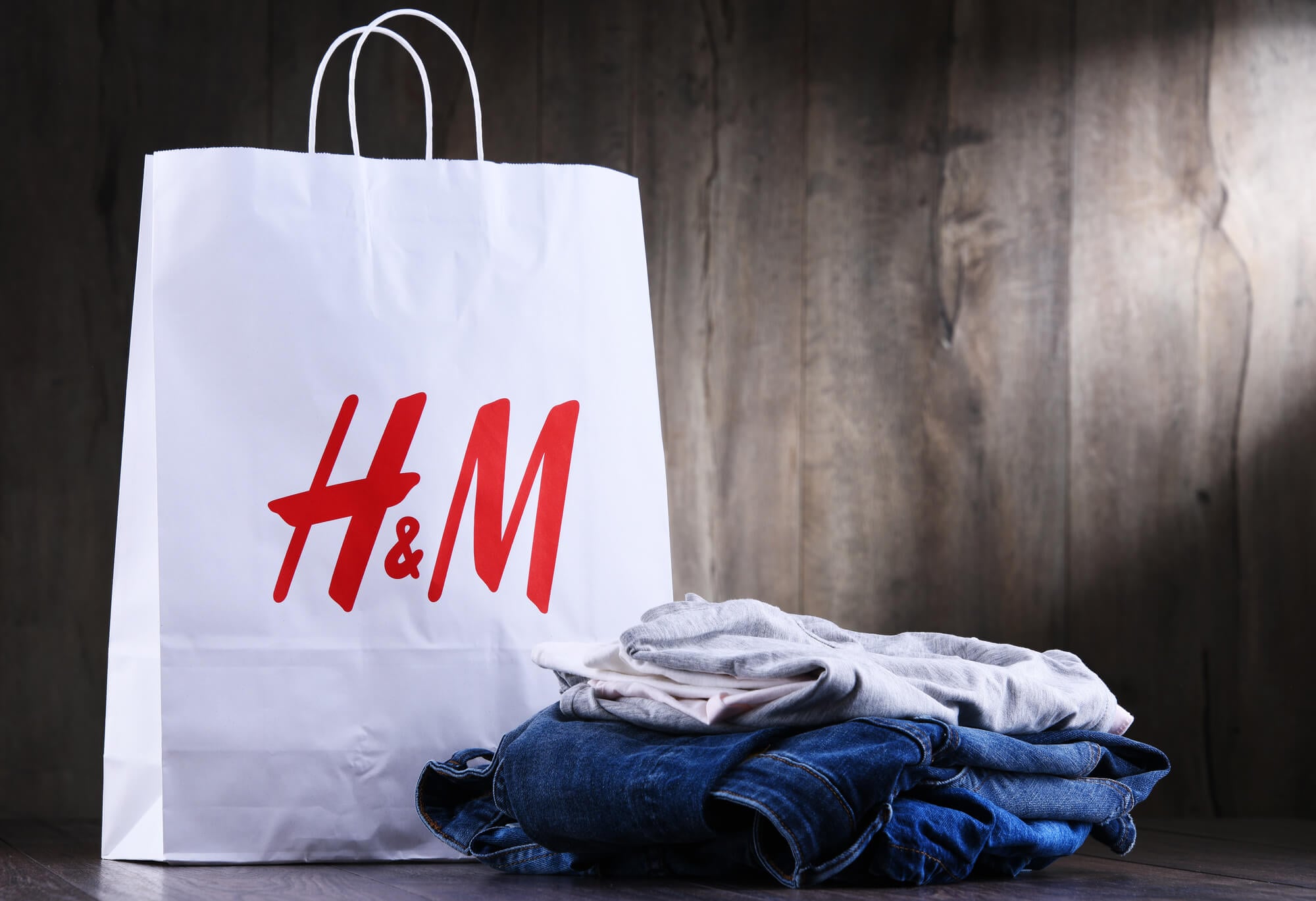
In January 2018, H&M posted an online photo of a young Black boy modeling a green hooded sweatshirt printed with the words “Coolest Monkey in the Jungle.” The image drew immediate condemnation, and the retailer removed it and apologized. In South Africa, protesters affiliated with the Economic Freedom Fighters vandalized several H&M stores.
Nivea and the White Is Purity Deodorant Ad
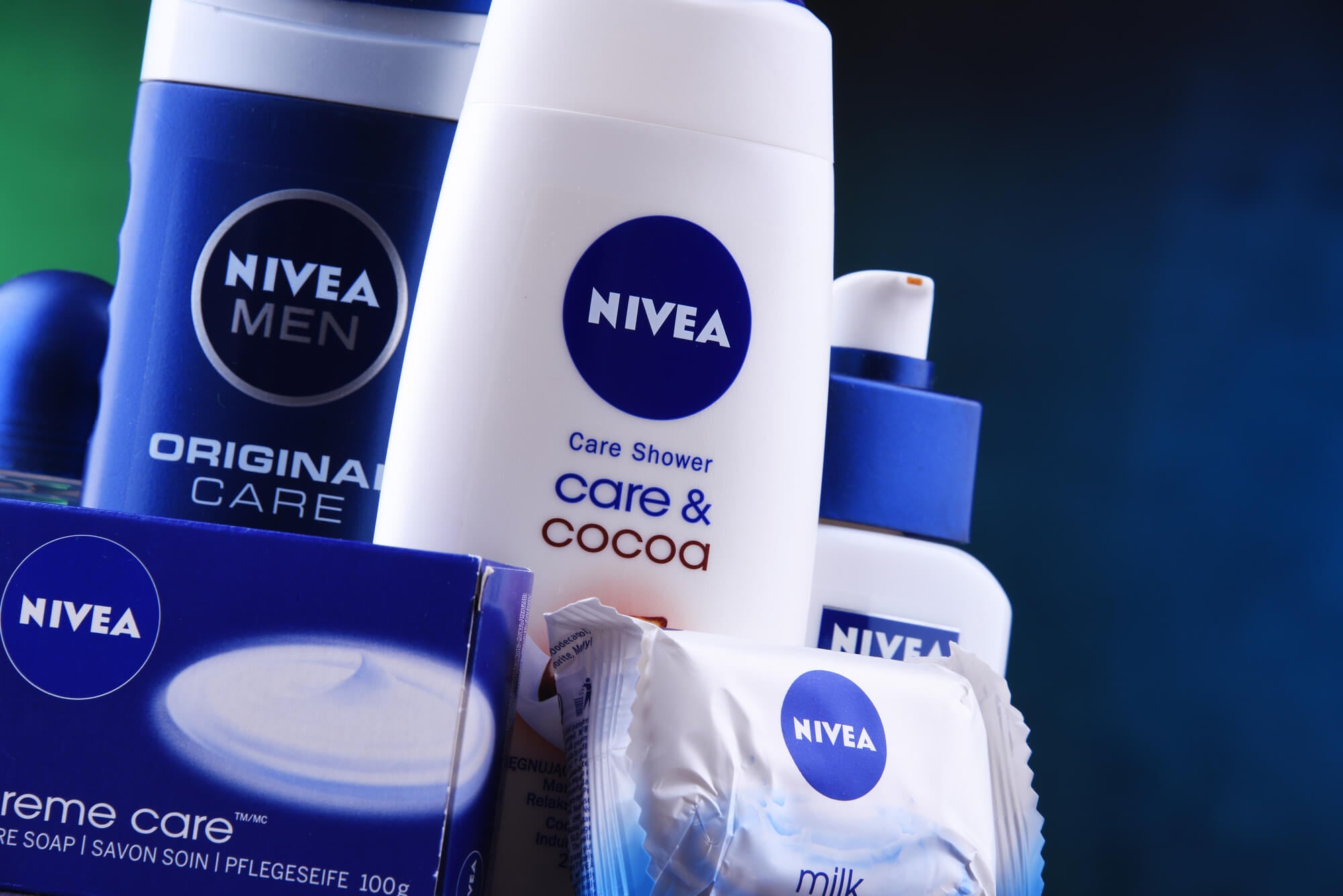
In 2017, Nivea posted a Facebook ad in the Middle East for a deodorant with the slogan “White Is Purity.” The campaign was tied to a product that promised to keep skin lighter, and users around the world criticized it as racially insensitive. Nivea’s parent company, Beiersdorf, pulled the ad and apologized, saying the message was never intended to offend. The episode showed how a regional campaign can become a global story in an afternoon.
Aunt Jemima and a Brand Built on a Stereotype
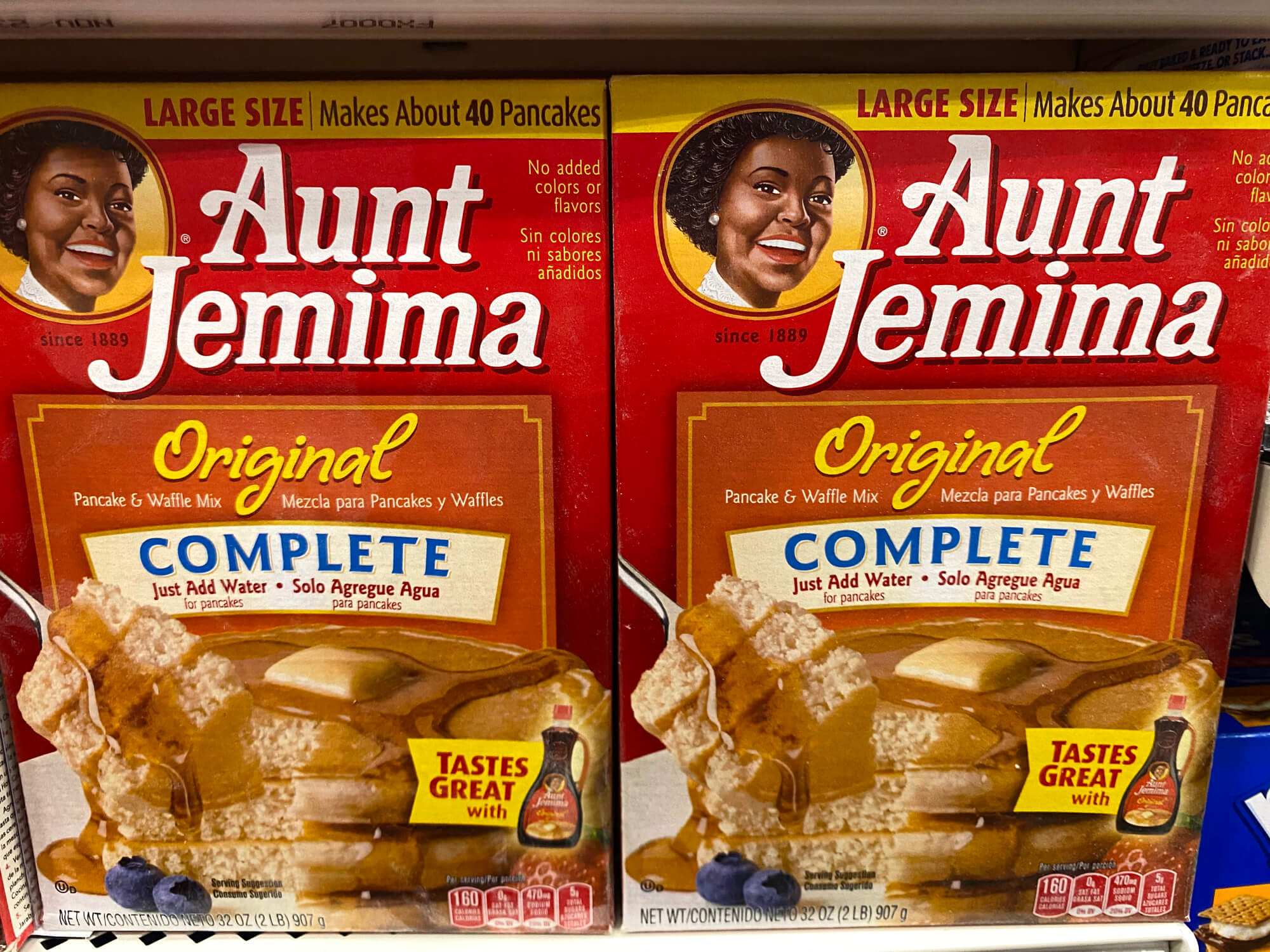
Aunt Jemima pancake mix debuted in 1889, built around a character drawn from minstrel show stereotypes. Nancy Green, a formerly enslaved woman, was hired to portray the character at the 1893 World’s Columbian Exposition in Chicago. The imagery was softened over the decades, but the criticism never fully disappeared. In June 2020, parent company Quaker Oats announced it would retire the name and image, and the line was relaunched as Pearl Milling Company in 2021.
Uncle Ben’s and the Rice Box Mascot
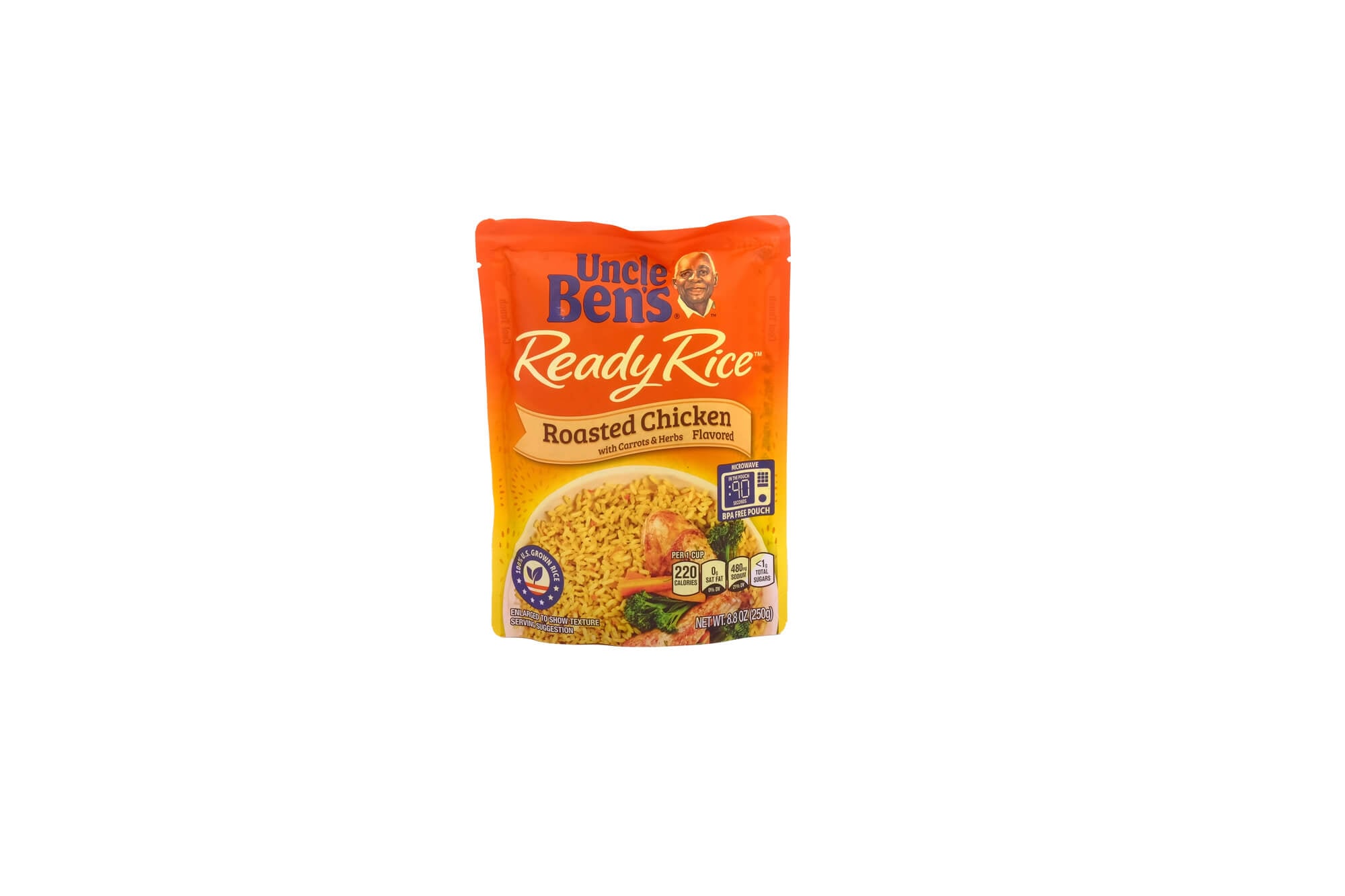
Uncle Ben’s rice carried a smiling portrait of an older Black man on its box for decades, an image critics said recalled servitude and Jim Crow-era titles. Mars, the parent company, announced in June 2020 that it would evaluate the brand’s identity. In September 2020, it said the product would be renamed Ben’s Original and the portrait retired. The new packaging reached shelves the following year, closing a chapter that began in the 1940s.
Fair & Lovely and the Skin Lightening Pitch
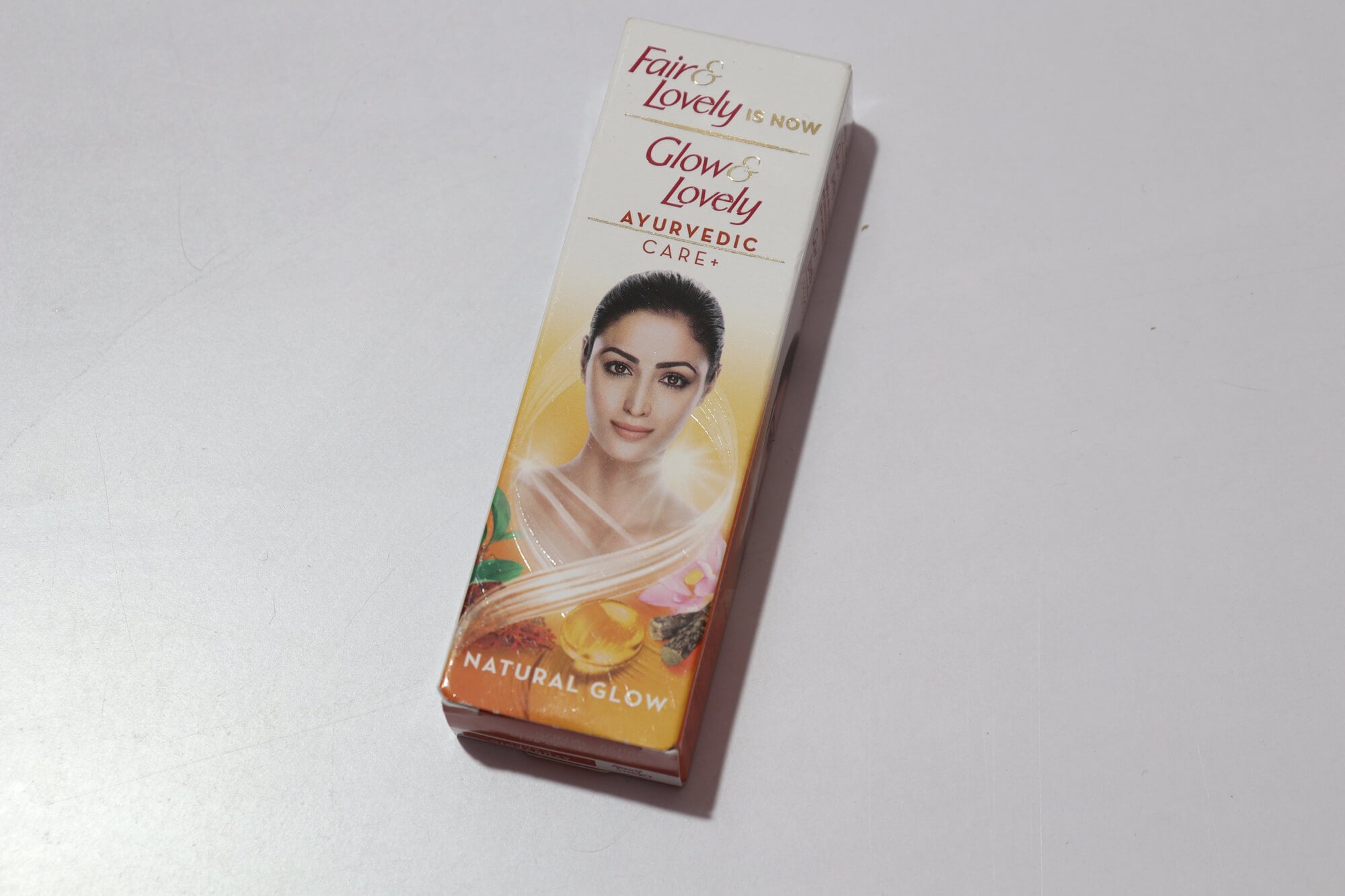
Launched in India in 1975 by Hindustan Unilever, Fair & Lovely cream marketed lighter skin as a route to romance and career success. Critics argued that the ads reinforced colorism, and India’s advertising regulators tightened rules on this kind of messaging. In June 2020, the company announced it would drop the word “fair” from the name. The product was relaunched in 2020 as Glow & Lovely.
Subway and the Footlong That Was Not
In January 2013, an Australian teenager named Matt Corby posted a photo of a Subway Footlong sandwich next to a tape measure showing 11 inches. The picture went viral, and the chain’s famous “$5 Footlong” promotion suddenly looked like a puzzle in measurement. Subway said it was committed to making sure every sandwich met the standard, and multiple lawsuits followed. A settlement eventually required the company to take steps to verify bread length.
Pom Wonderful and the Heart Health Pitch
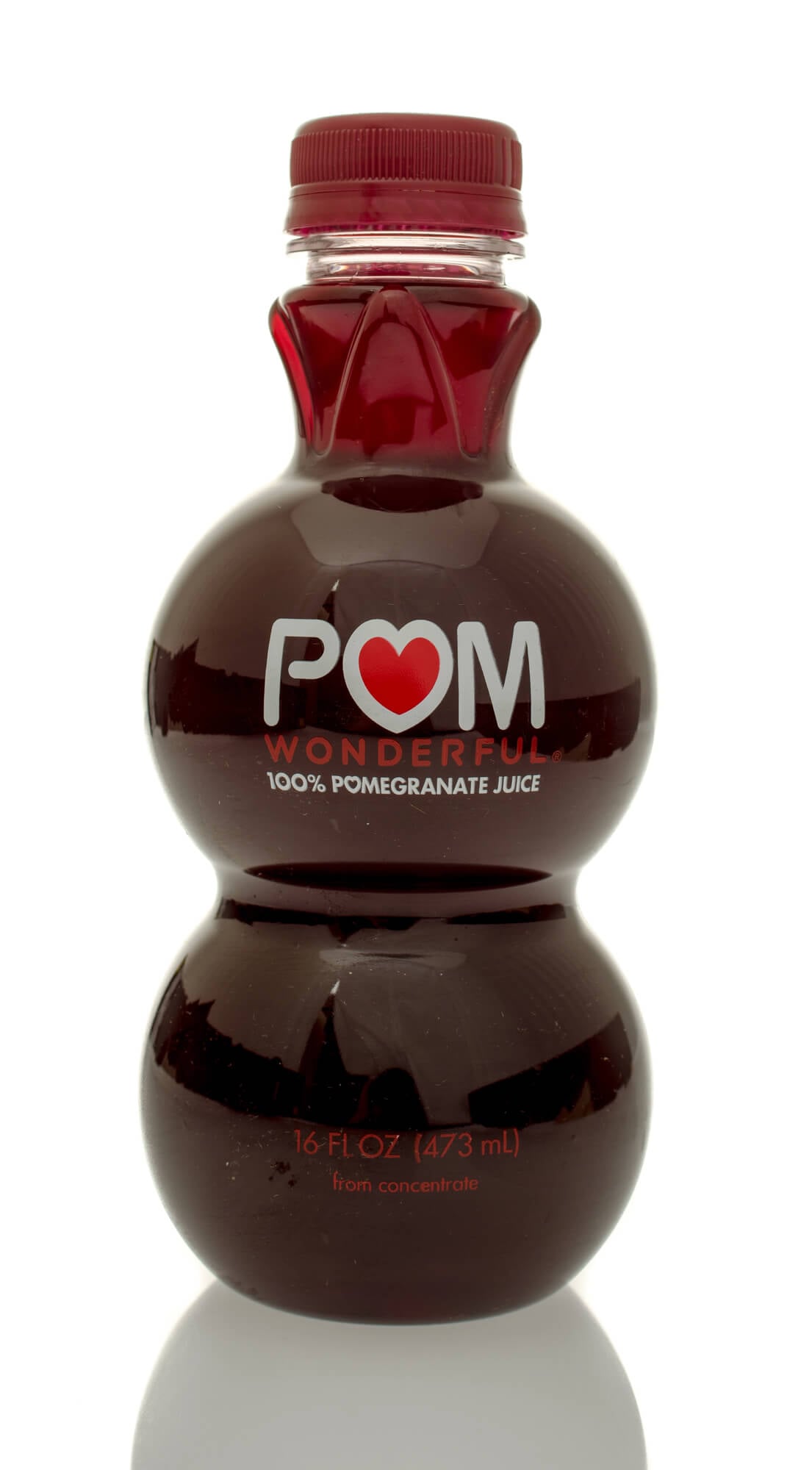
Pom Wonderful advertised its pomegranate juice as a shield against heart disease and prostate cancer. The Federal Trade Commission filed a complaint in 2010 saying the claims were unsupported by competent scientific evidence. An administrative law judge sided with the agency in 2012, and a federal appeals court affirmed the core of the ruling in 2015. The decision became a key reference for how rigorous health claims must be in food advertising.
Airborne and the Cold-Fighting Fizz
Airborne was created by a schoolteacher who wanted a way to protect herself from the germs in her classroom. The effervescent tablet grew into a drugstore staple, with ads suggesting it could ward off colds. In 2008, the company agreed to settle a class action lawsuit for $23.3 million over claims that it had no clinical backing. Packaging was later revised to remove the language that implied prevention.
Vitaminwater and the Healthy Drink Defense
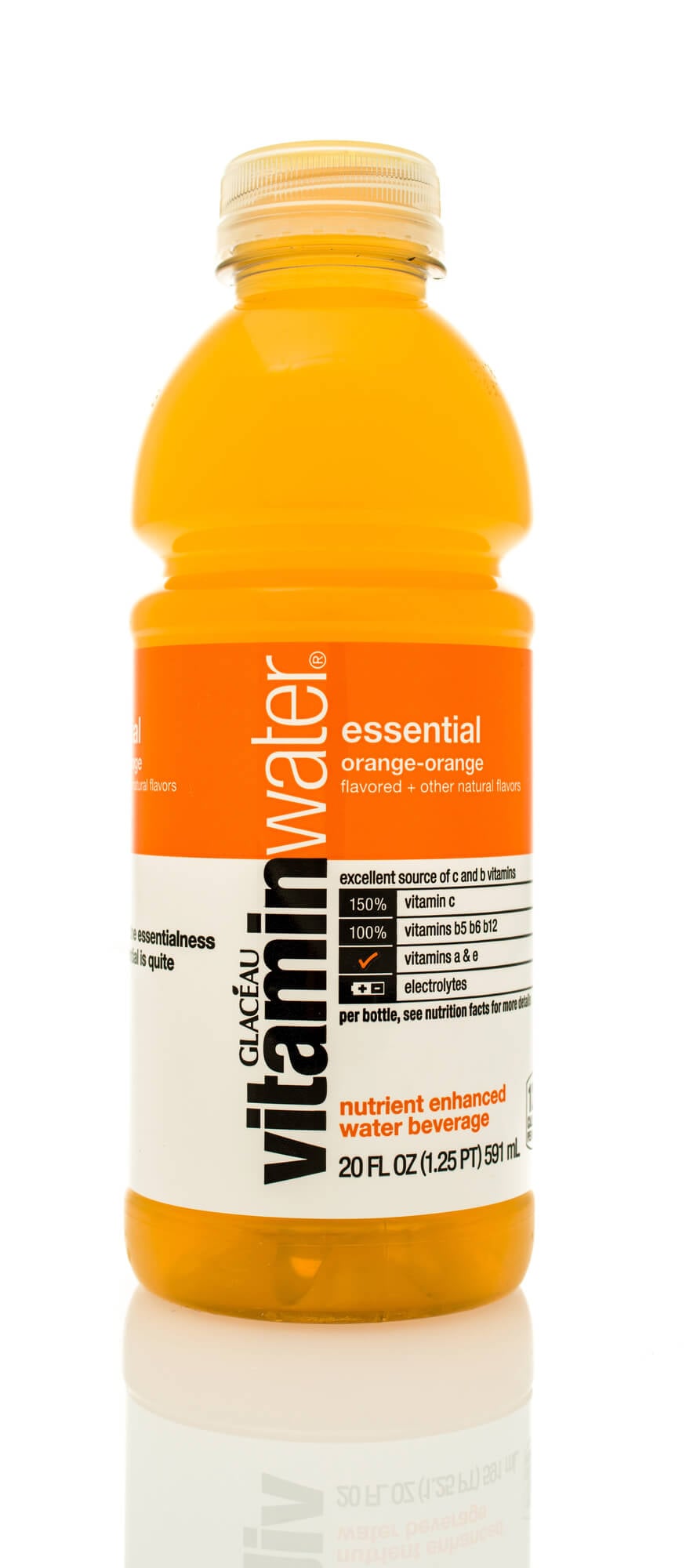
The Center for Science in the Public Interest sued Coca-Cola in 2009 over health claims on vitaminwater labels, which featured words such as “defense” and “endurance.” In court, Coca-Cola’s lawyers argued that no reasonable consumer would think the drink was a healthy beverage, a statement that became widely quoted. A settlement in the years that followed was approved in 2016. It restricted the health-related claims on the labels and required clearer disclosure about the sugar content.
Nestlé and the Infant Formula Marketing Boycott
In the 1970s, activists accused Nestlé of using uniformed sales staff, sometimes called milk nurses, to push infant formula to mothers in developing countries. Critics argued that using formula with unsafe water contributed to infant illness. A boycott began in the United States in 1977 and spread to other countries. The controversy helped drive the World Health Organization to adopt its International Code of Marketing of Breast-milk Substitutes in 1981.
Gillette and the Best Men Can Be
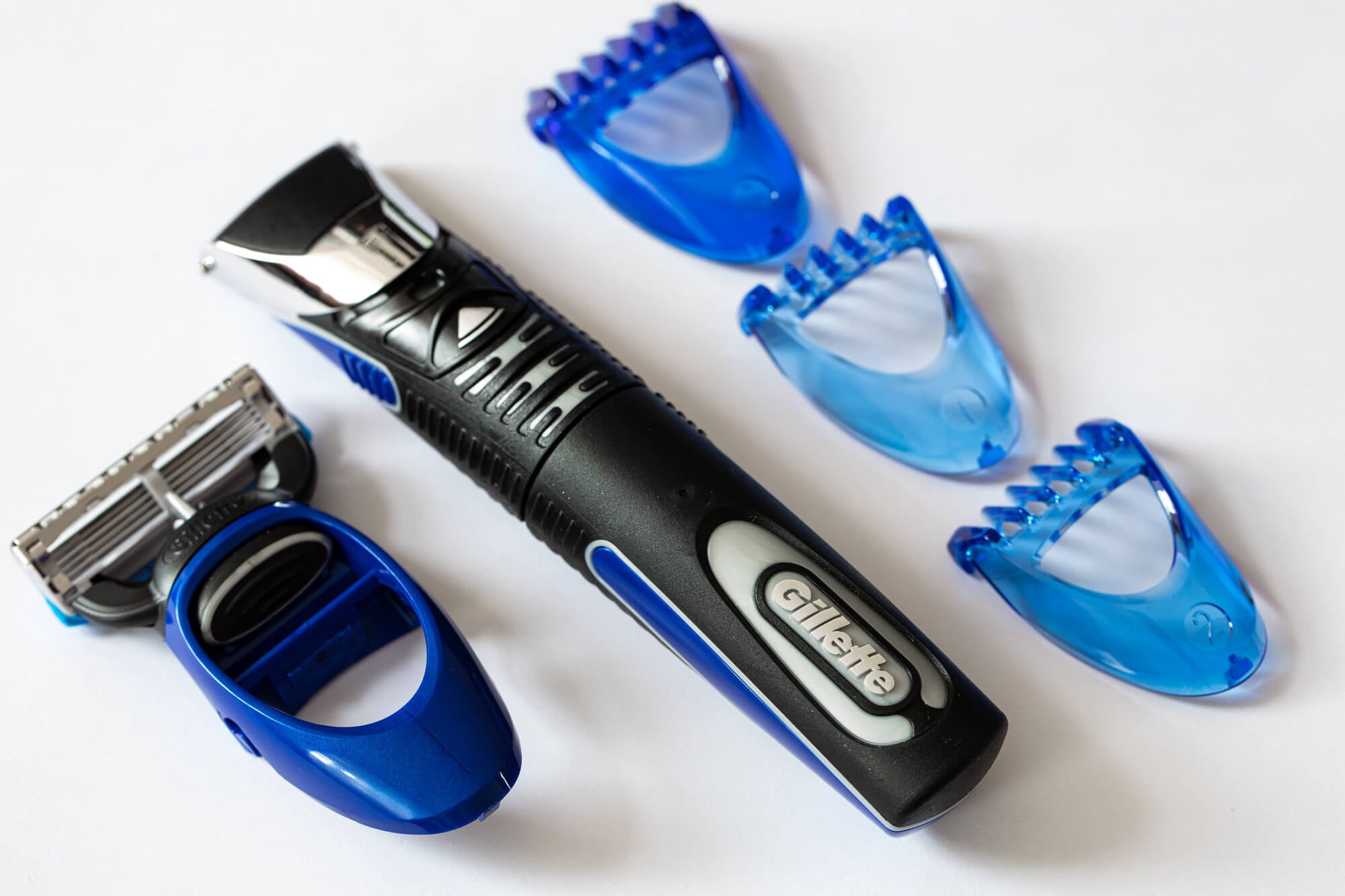
In January 2019, Gillette released a short film titled “We Believe: The Best Men Can Be,” which revisited its 1989 slogan “The Best a Man Can Get.” The ad addressed bullying and harassment, and it triggered a wave of both praise and sharp criticism online. Parent company Procter & Gamble defended the message and said the brand wanted to spark conversation. It remains one of the most debated razor commercials ever released.
Peloton and The Gift
In December 2019, Peloton aired a holiday commercial called “The Gift,” in which a husband gives his wife an exercise bike and she records a year-long video diary of her progress. Viewers online mocked the premise as tone deaf and said the woman appeared anxious. The company’s stock dropped in the days that followed, and Peloton said it was disappointed that the ad had been misinterpreted. The spot became a case study in how a single ad can overshadow the product.
Heineken and the Lighter Is Better Spot
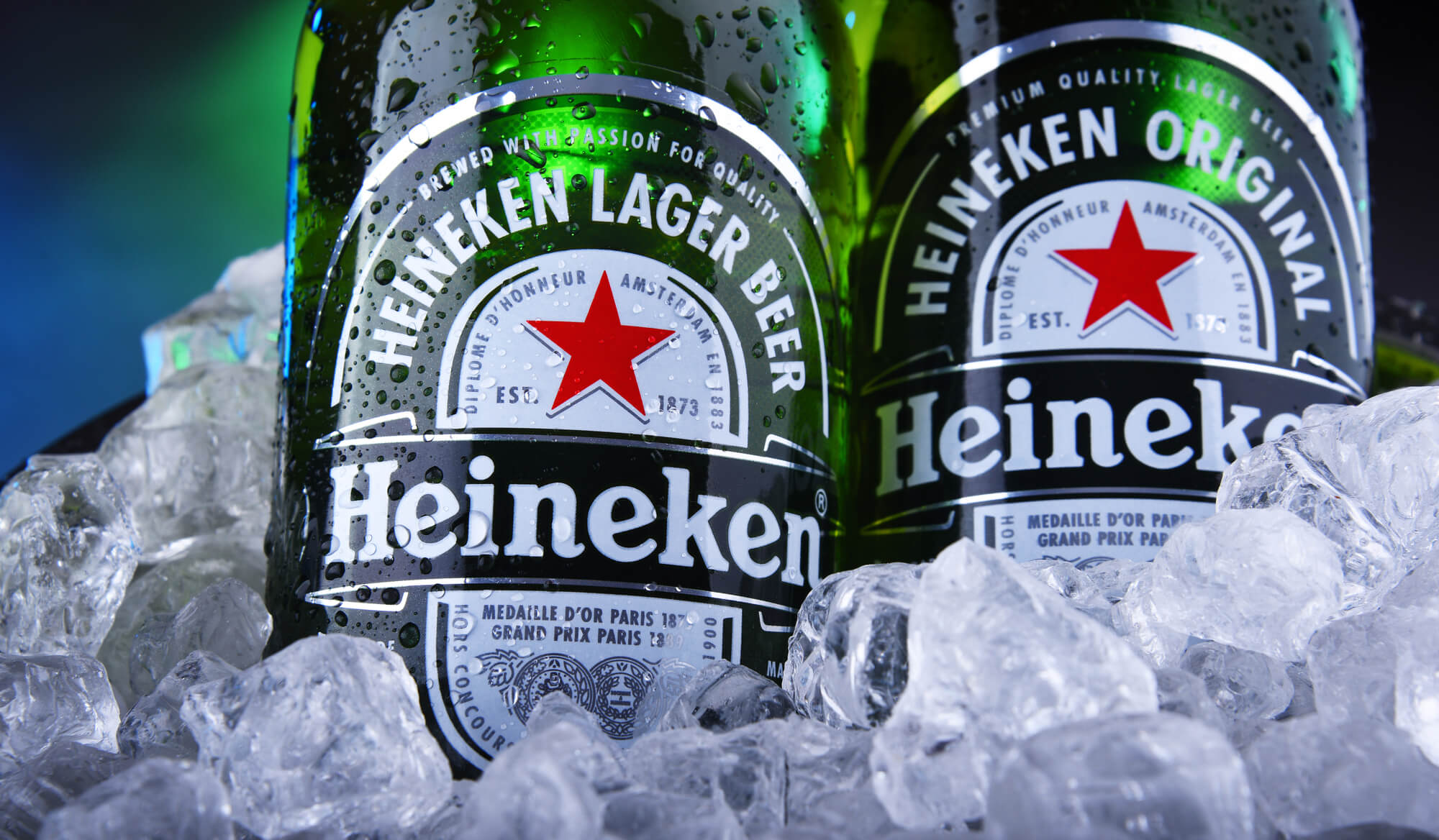
In March 2018, Heineken released an ad for its light beer with the line “Sometimes, lighter is better.” In it, a bartender slides a bottle past three darker-skinned people to a lighter-skinned woman. Chance the Rapper called the spot “terribly racist” on social media. Heineken pulled the ad and said it was not intended to be about skin tone, but the company acknowledged it had misjudged the message.
Kellogg’s Rice Krispies and the Immunity Claim
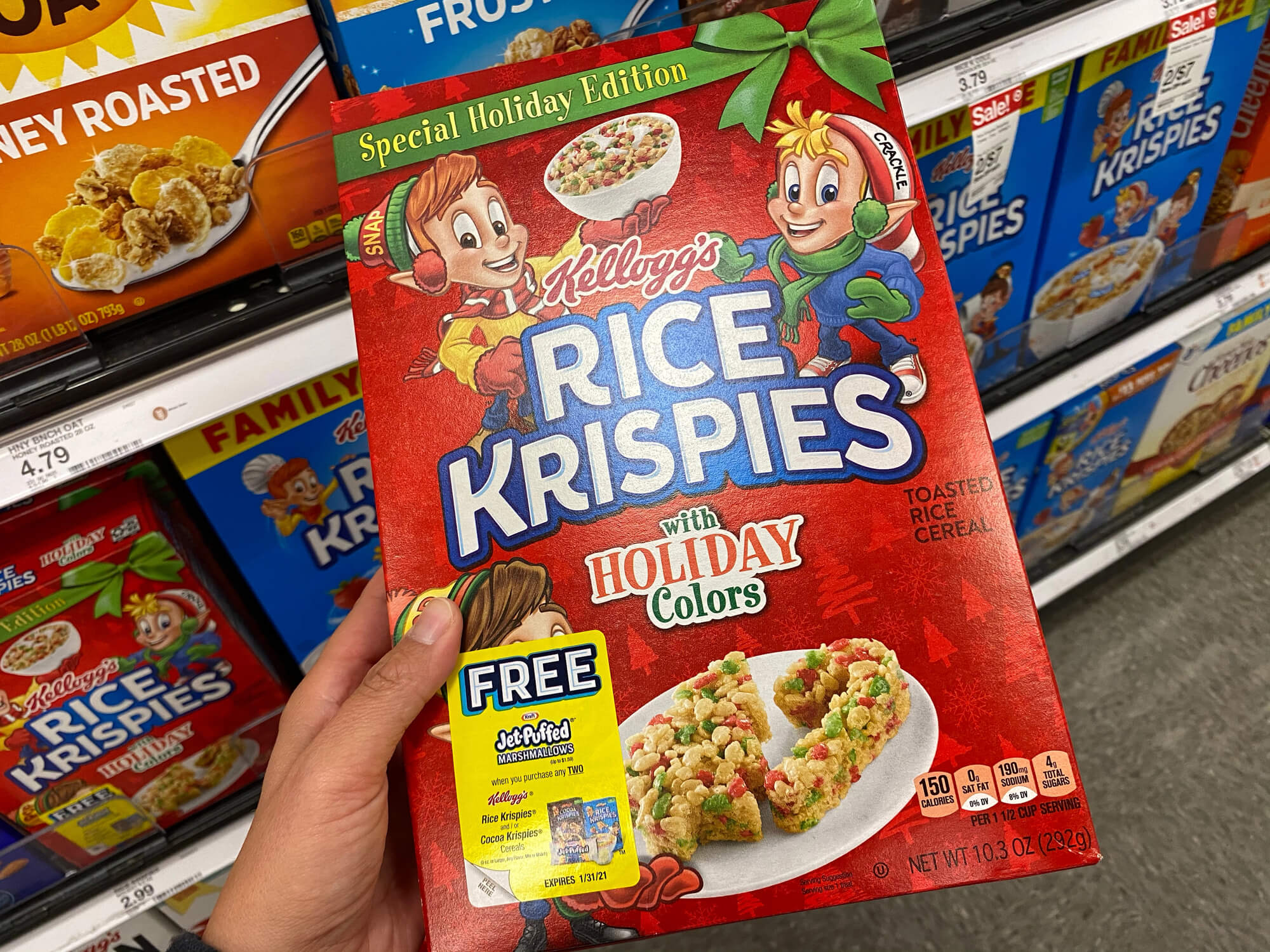
In 2009, Kellogg printed on Rice Krispies boxes that the cereal now helped support children’s immunity, citing added antioxidants and vitamins. The claim appeared during the H1N1 flu scare, and the Federal Trade Commission objected. In June 2010, Kellogg settled the charges and agreed to avoid similar claims without strong evidence. The cereal’s famous snap, crackle, and pop was left untouched, but its health halo was not.
Tesla and the Autopilot Name
Tesla branded its driver-assistance features Autopilot and Full Self-Driving, even though drivers must stay attentive and keep their hands on the wheel. The California Department of Motor Vehicles accused the company of misleading advertising, and the case went before an administrative law judge. In December 2025, the judge found the marketing deceptive. The DMV gave Tesla a window to correct its practices, with a 30-day suspension of its sales license as a possible consequence.
Snapple and the All Natural Label
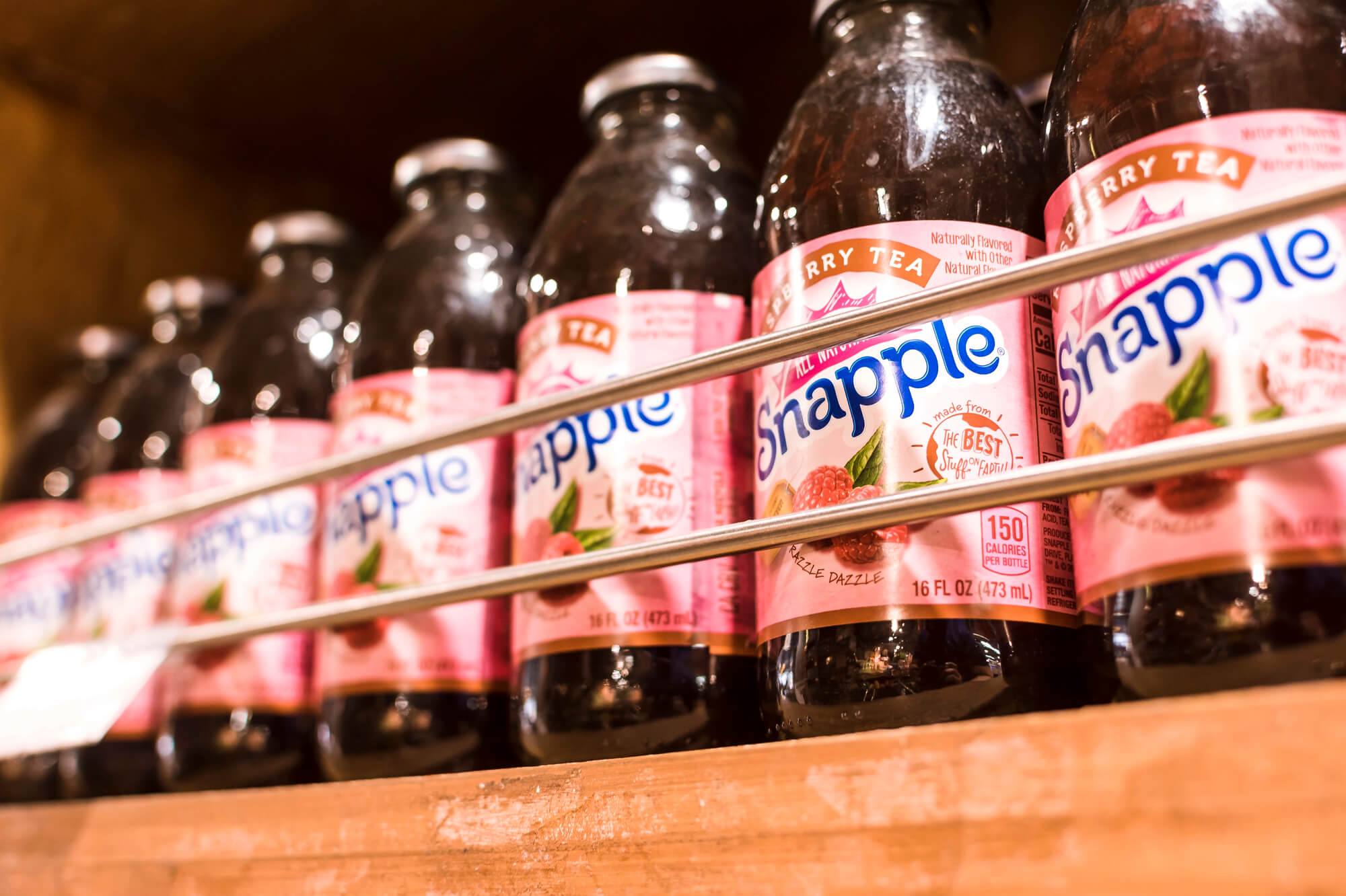
Snapple built its image around the slogan “Made from the best stuff on earth,” and many of its drinks were labeled “all natural.” In 2007, plaintiffs filed a class action arguing that the label was misleading because the drinks contained high-fructose corn syrup. The case, known as Holk v. Snapple Beverage Corp., was initially dismissed, revived by the Third Circuit in 2009, and ultimately resolved in Snapple’s favor in 2011. It became a reference point for how courts treat the word natural.
Nutella and the Balanced Breakfast
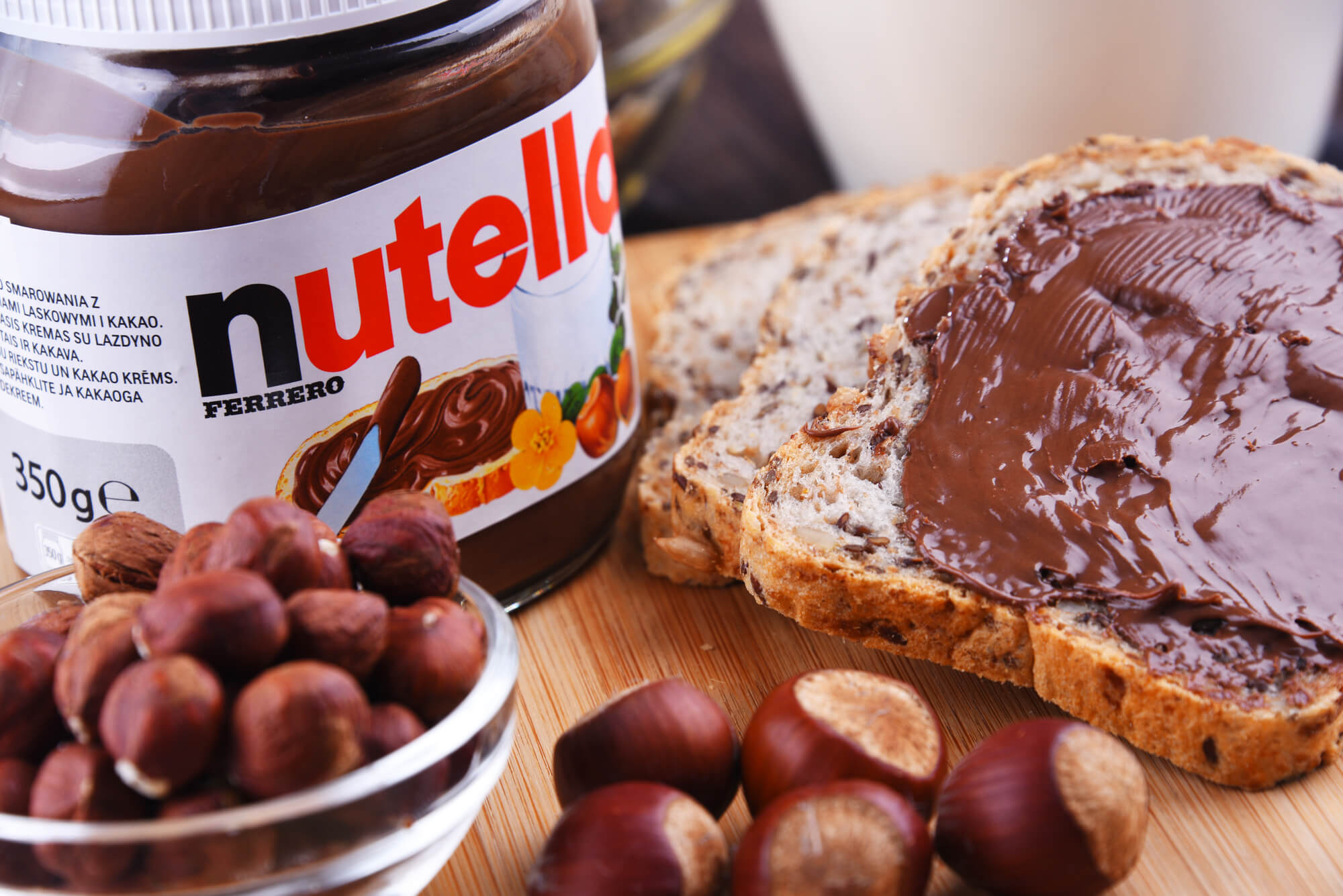
Ads for Nutella portrayed the hazelnut spread as a tasty and nutritious part of a balanced breakfast. A San Diego mother, Athena Hohenberg, sued Ferrero in 2011 after learning how much sugar and fat the jar contained. In 2012, the company agreed to a settlement of about $3 million and changed its marketing and labeling. The case is often cited when people discuss the gap between a breakfast image and a nutrition panel.
Apple and the Crush iPad Pro Ad
In May 2024, Apple released a commercial for the new iPad Pro in which a giant hydraulic press crushes a piano, paint cans, a trumpet, and other creative tools into the thin tablet. Artists and creators said the spot felt like a destruction of human creativity. Apple apologized, with marketing executive Tor Myhren saying the company had missed the mark. The company also canceled plans to run the ad on television.
Mountain Dew and the Felicia the Goat Commercial
In 2013, PepsiCo’s Mountain Dew released an ad created by rapper Tyler, the Creator as part of the Dub the Dew campaign. It portrayed a police lineup in which a battered woman was asked to identify a suspect among a group of Black men and a talking goat. Critics called it racist and offensive, and PepsiCo pulled it within days.
Land O’Lakes and the Butter Maiden
For decades, Land O’Lakes butter carried an illustration of a kneeling Native American woman named Mia, first drawn in 1928. Native advocates had long argued that the image reduced Indigenous people to a stereotype of a mascot. In early 2020, the company removed Mia from its packaging, ahead of the cooperative’s centennial, replacing her with a simpler view of the lake landscape. The change came a few months before several other legacy brands announced similar updates.
Cheerios and the Heart Health Claim
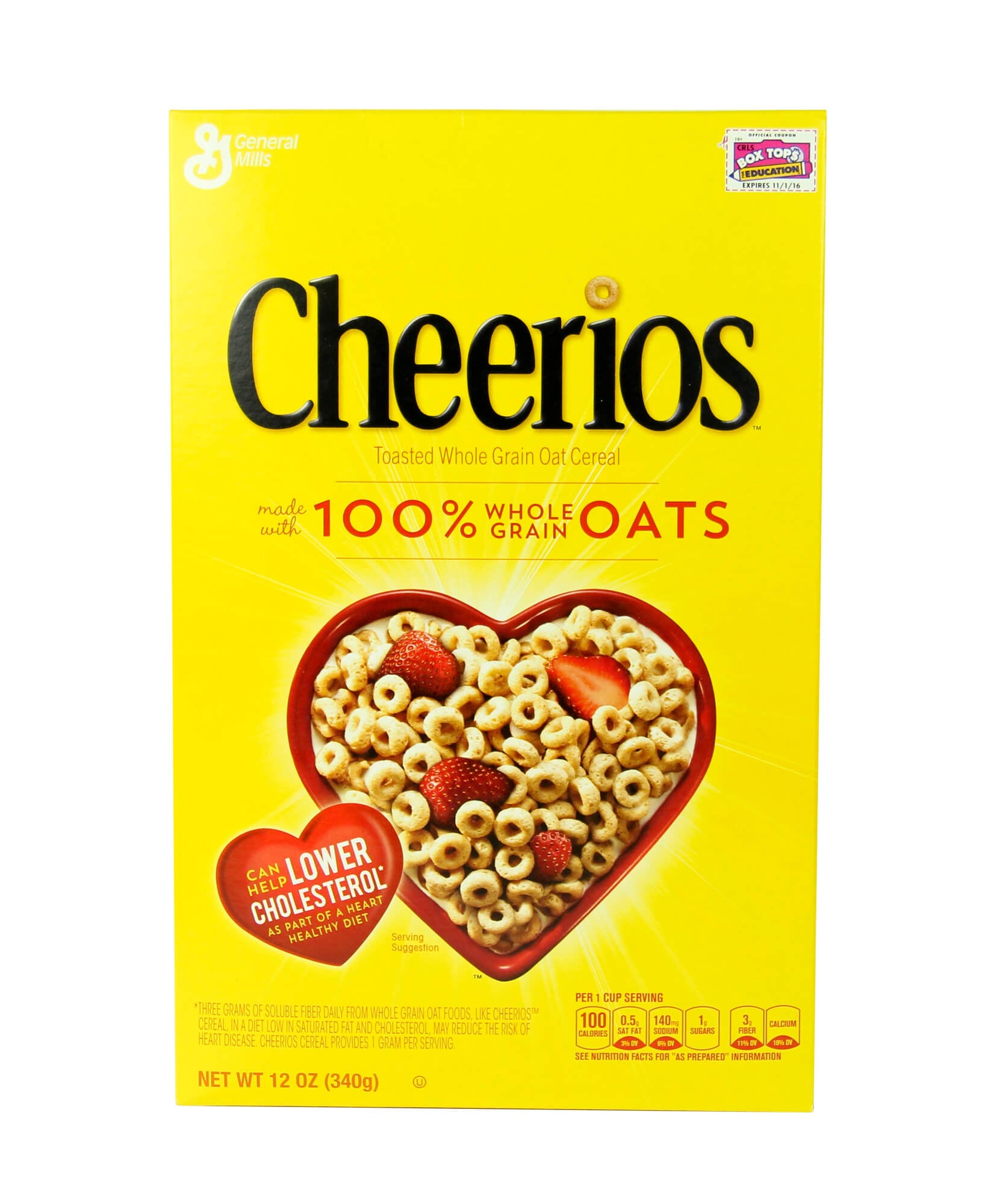
General Mills promoted Cheerios as a food that could lower a type of blood fat tied to heart disease, saying its soluble fiber could cut it by 4 percent in six weeks. In May 2009, the Food and Drug Administration sent a warning letter saying the claims made the cereal an unapproved drug. General Mills responded that it stood behind the science but adjusted the wording on its packaging. The warning drew a clear line between what a cereal can say and what a medicine can say.
When the Promise Outruns the Product
Taken together, these cases reveal a pattern. Many of the biggest advertising controversies did not begin with a villain; they began with a message that was written for a narrow audience and tested against too few skeptics. Health claims invited scrutiny from regulators, while cultural missteps drew scrutiny from the public, and both became cheaper to avoid than to repair.
The corrective ads, settlements, and renamed packages that followed also show how the rules of advertising shift over time. Mascots that once sold pancakes and rice became liabilities, and phrases that once passed as puffery became legal problems. Whatever a brand says today, someone is likely to be checking it against tomorrow’s standards.
More from Go2Tutors!

- 27 Silver Dollars and Half Dollars Worth Keeping
- 28 Restaurant Menu Items Nobody Orders Anymore
- 17 Places Built in Seemingly Impossible Spots
- 27 Vintage Rings Worth More Than They Look
- 25 Restricted Sites Tourists Can’t Enter
Like Go2Tutors’s content? Follow us on MSN.