13 Bridges Built to Move With Earthquakes
When the ground starts shaking, most structures try their best to stand firm. Bridges that survive major earthquakes, though, take a completely different approach—they’ve learned to dance with the tremors rather than fight them. Engineers have figured out that flexibility beats brute strength when dealing with nature’s most violent episodes.
Building earthquake-resistant bridges isn’t just about adding more steel or concrete. It’s about outsmarting the seismic forces. Here is a list of 13 bridges that showcase the most innovative earthquake-resistant technologies in the world.
Akashi Kaikyo Bridge

Japan’s Akashi Kaikyo Bridge holds the record as the world’s longest suspension bridge, yet it sits smack in the middle of one of Earth’s most earthquake-prone regions. Engineers designed this colossal structure to withstand a magnitude 8.5 earthquake—and fate decided to test their work during construction when a 7.2 quake struck.
The bridge uses pendulum-like dampers along with flexible joints that let the whole structure sway without snapping, proving that sometimes the best strategy is learning to bend gracefully.
Golden Gate Bridge Retrofit

San Francisco’s beloved Golden Gate Bridge underwent a massive seismic makeover that turned it into a modern earthquake survivor. Engineers installed enormous dampers while replacing critical structural elements with more flexible materials designed to absorb shock waves.
The retrofit cost hundreds of millions, though it gave the city’s most famous landmark the ability to handle whatever major earthquake geologists keep warning about.
Like Go2Tutors’s content? Follow us on MSN.
Rion-Antirion Bridge

Greece’s Rion-Antirion Bridge shows how engineers tackle some of the world’s trickiest seismic challenges. Since the bridge spans one of Europe’s most active fault lines, designers created a structure that can literally stretch and compress during earthquakes.
Each tower moves independently—connected by expansion joints that function like massive shock absorbers between the sections.
San Francisco-Oakland Bay Bridge

The Bay Bridge’s eastern span got a complete replacement after engineers realized the old structure wouldn’t survive California’s next big earthquake. This new section features a single tower design with cables that can flex dramatically during seismic events, while the bridge deck essentially floats on special bearings that allow sliding movement.
It’s kind of like a surfboard riding earthquake waves—the deck moves around while the towers stay anchored.
Millau Viaduct
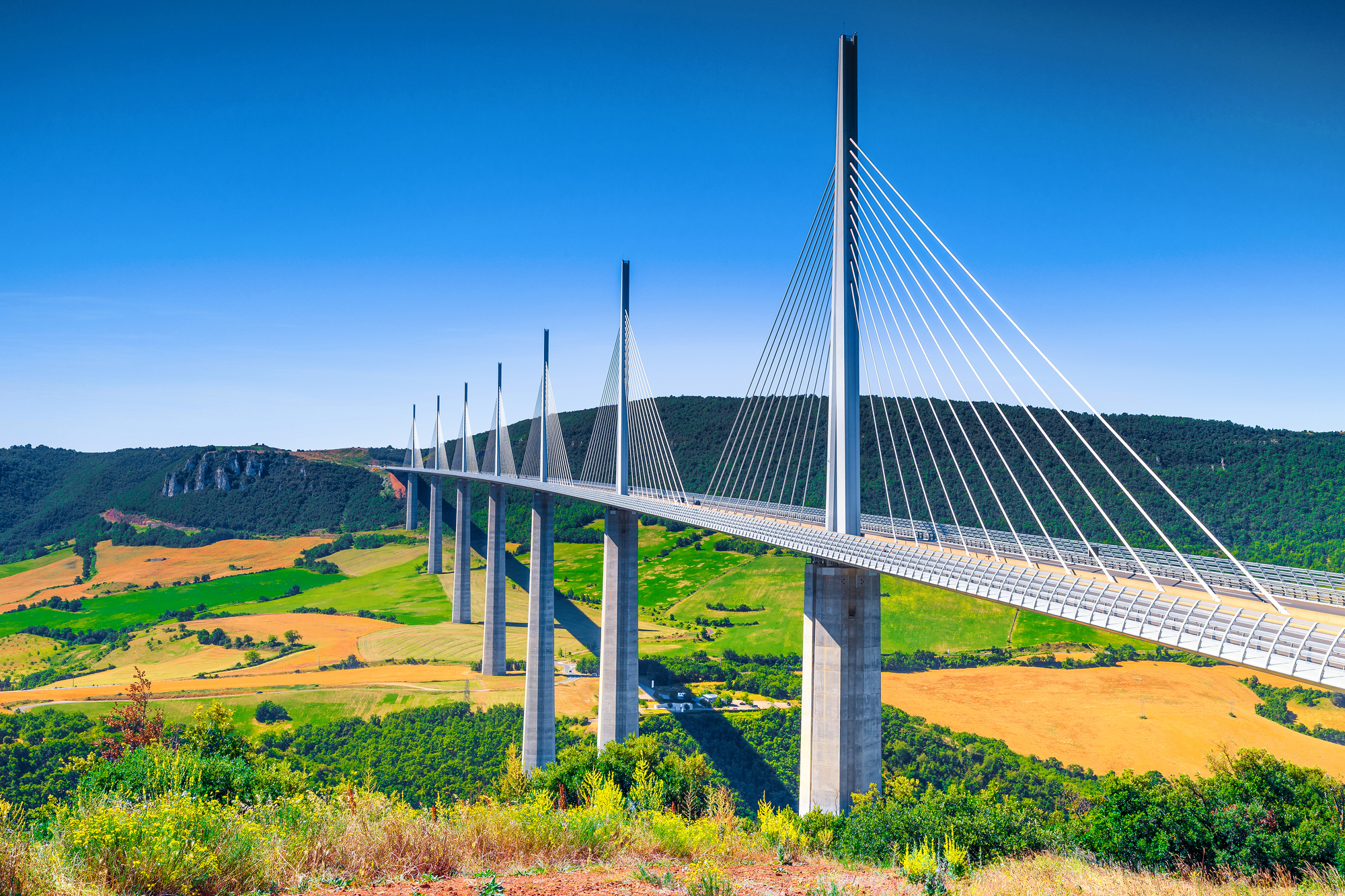
France’s Millau Viaduct might not sit in a major earthquake zone, but designers still built seismic resistance into the world’s tallest bridge. The cable-stayed design incorporates flexible connections that handle both wind loads and potential ground movements—with special dampers positioned at key points to absorb vibrations before they build dangerous momentum.
Like Go2Tutors’s content? Follow us on MSN.
Tsing Ma Bridge
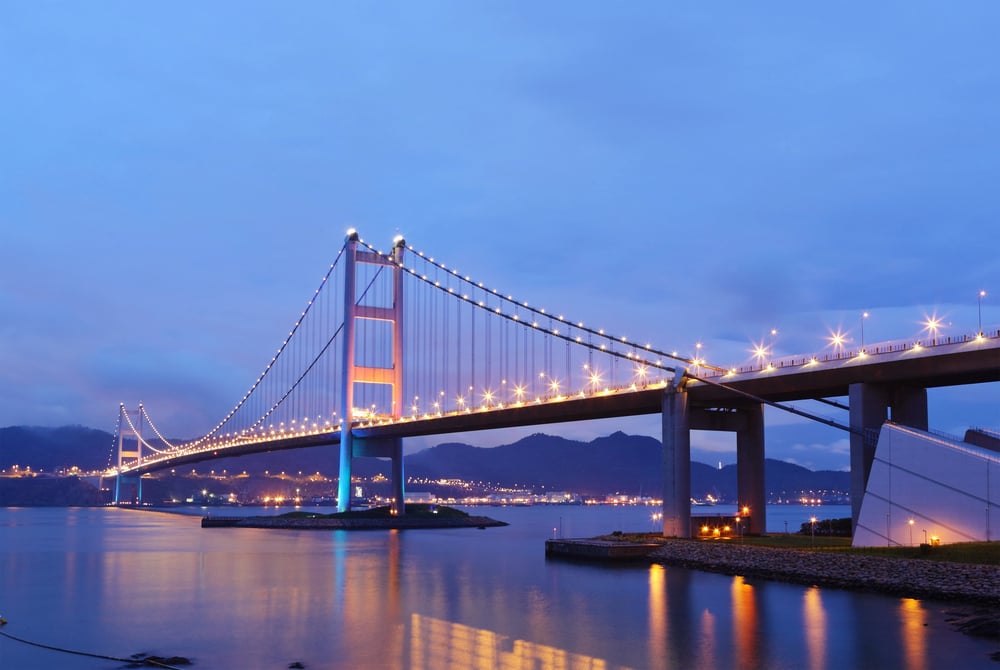
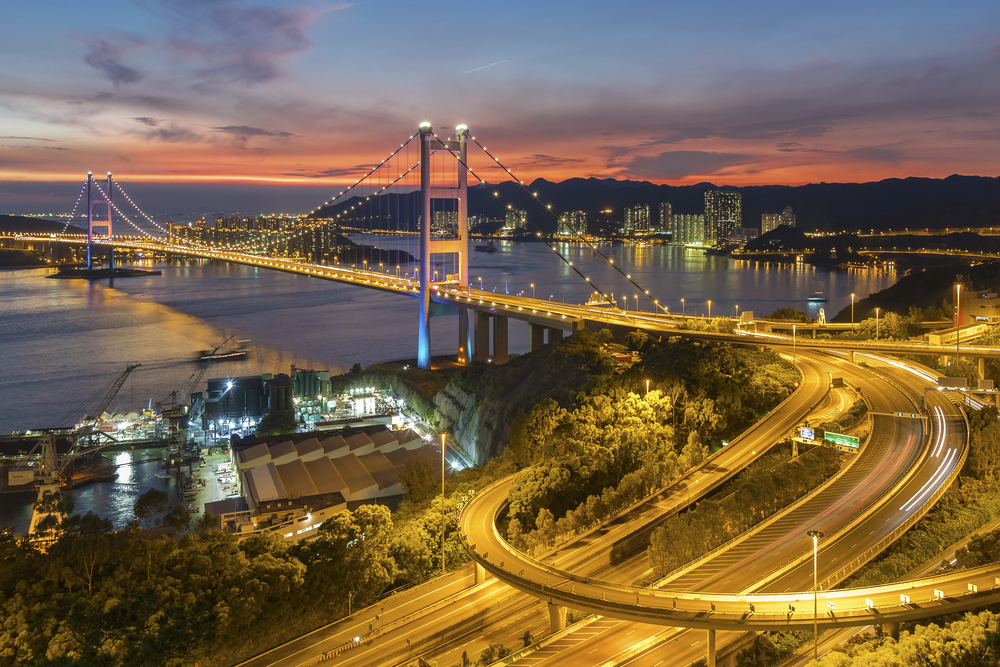
Hong Kong’s Tsing Ma Bridge combines earthquake resistance with typhoon protection in one remarkable structure. This suspension bridge uses aerodynamic deck sections alongside flexible tower connections that can handle high winds as well as seismic activity.
Sophisticated monitoring systems track every movement, giving engineers real-time data about how the bridge responds to different stresses.
Tacoma Narrows Bridge
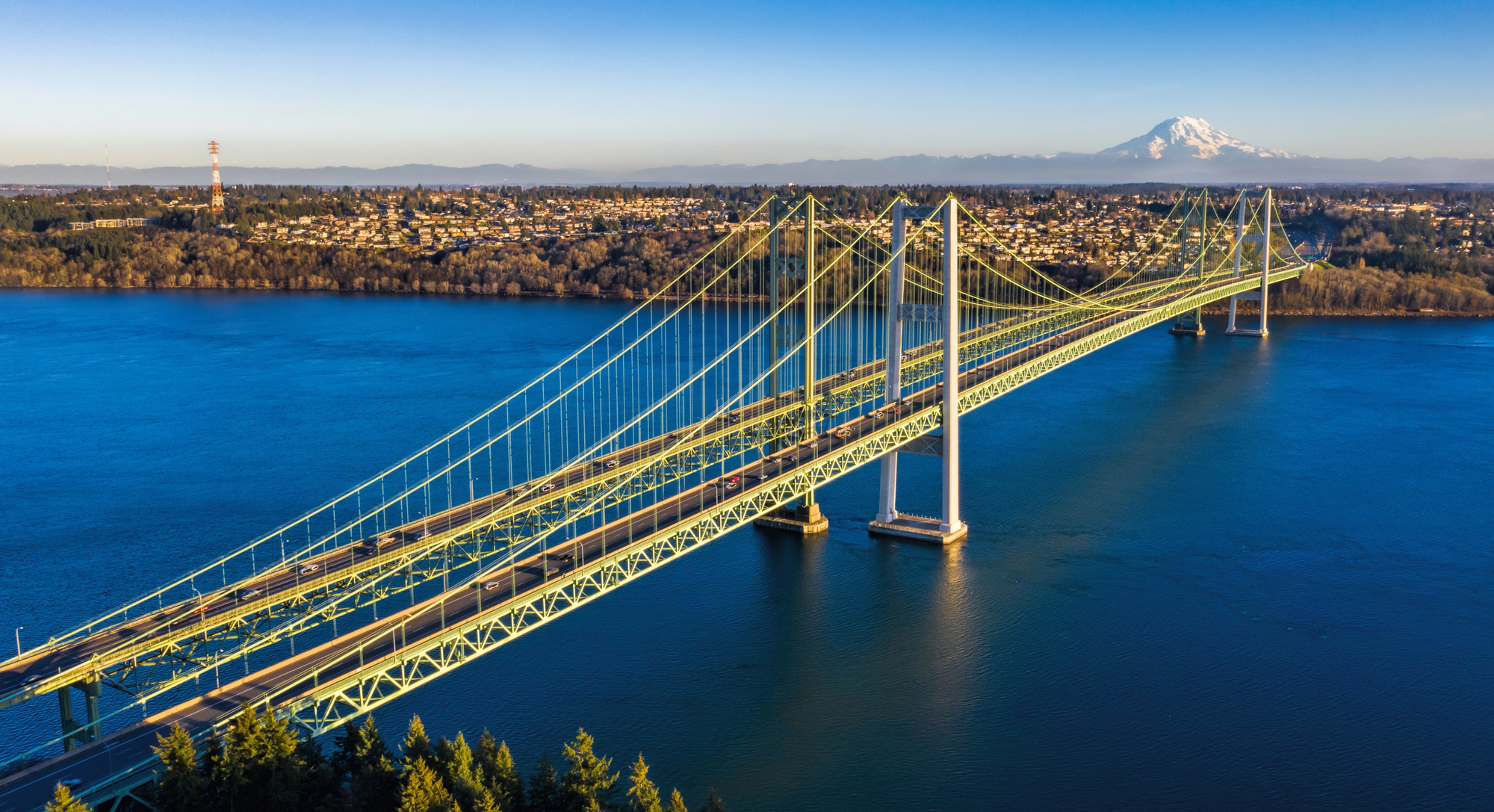
The modern Tacoma Narrows Bridge learned crucial lessons from its predecessor’s infamous 1940 collapse. Engineers designed the current structure with multiple safety systems—including seismic isolation bearings and flexible deck sections that can twist and bend during earthquakes while maintaining structural integrity.
Sometimes good engineering comes from learning hard lessons about what doesn’t work.
Bosphorus Bridge

Turkey’s Bosphorus Bridge spans one of the planet’s most active seismic zones, connecting Europe and Asia right across a major fault line. The suspension bridge employs flexible anchorages and specialized expansion joints that allow each section to move independently during earthquakes.
Engineers also installed advanced monitoring equipment that detects early seismic activity—alerting authorities before major shaking begins.
Like Go2Tutors’s content? Follow us on MSN.
Vincent Thomas Bridge
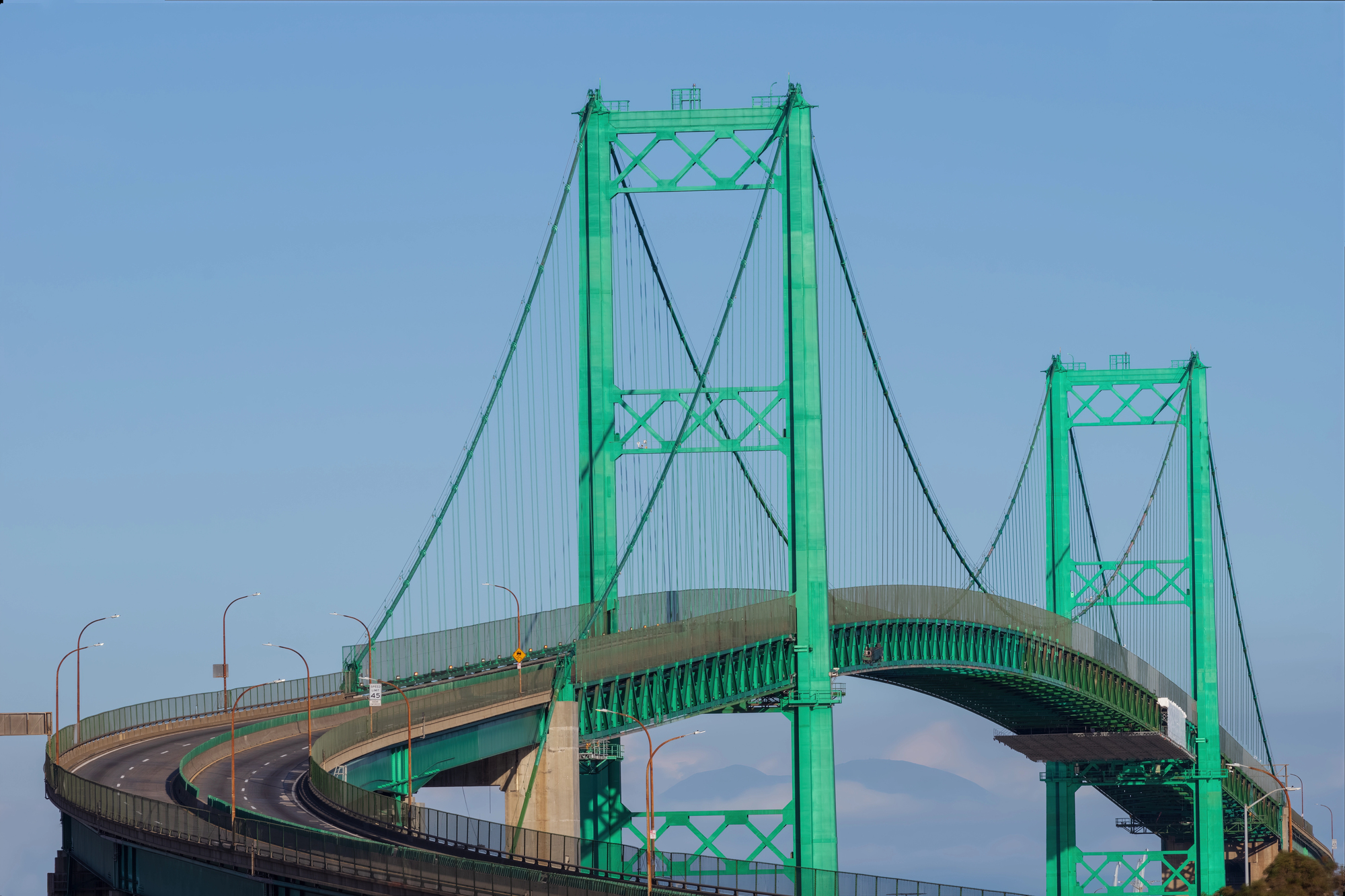
Los Angeles Harbor’s Vincent Thomas Bridge received extensive seismic retrofitting to handle Southern California’s earthquake activity. Engineers added lead-rubber bearings under the deck that work like giant shock absorbers, plus cable dampers that prevent dangerous oscillations.
The bridge can now handle the type of rolling motion that destroyed numerous structures during the devastating Northridge earthquake.
Carquinez Bridge
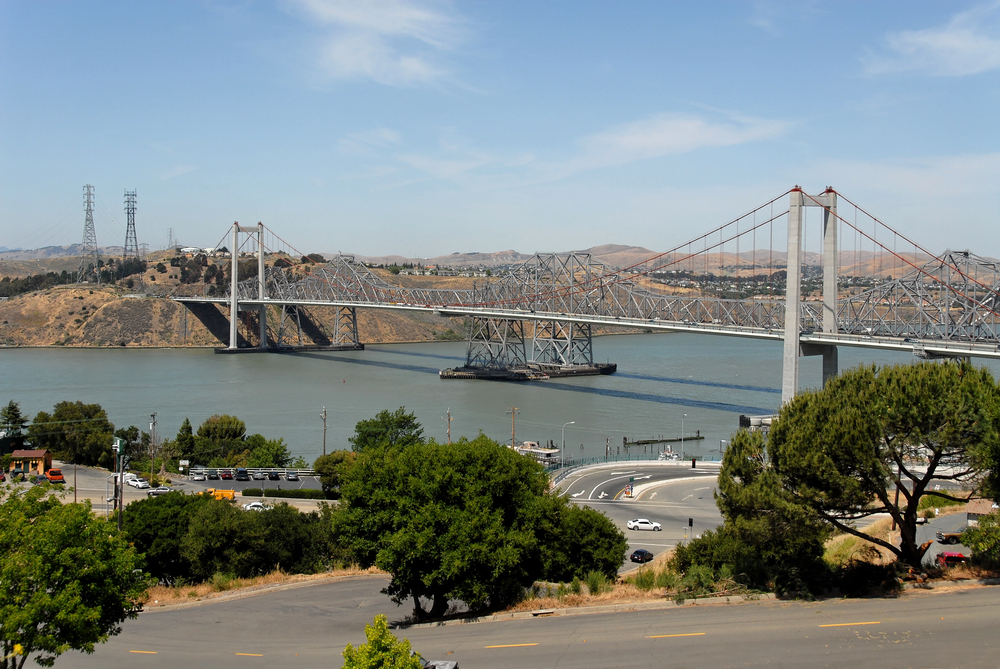
Northern California’s Carquinez Bridge represents cutting-edge seismic design with its cable-stayed configuration and flexible pier system. The bridge deck sits on specialized isolation bearings that permit horizontal sliding during earthquakes while maintaining connection to the towers—with every joint and connection designed to move independently.
This creates a structure that bends without breaking under seismic stress.
Great Belt Bridge

Denmark’s Great Belt Bridge might seem unusual for seismic resistance, yet engineers designed it to handle potential earthquake activity from regional fault systems. The suspension bridge incorporates advanced damping systems and flexible connections that absorb various types of ground motion.
The design philosophy centers on letting each component move freely while maintaining overall structural stability.
Like Go2Tutors’s content? Follow us on MSN.
Confederation Bridge
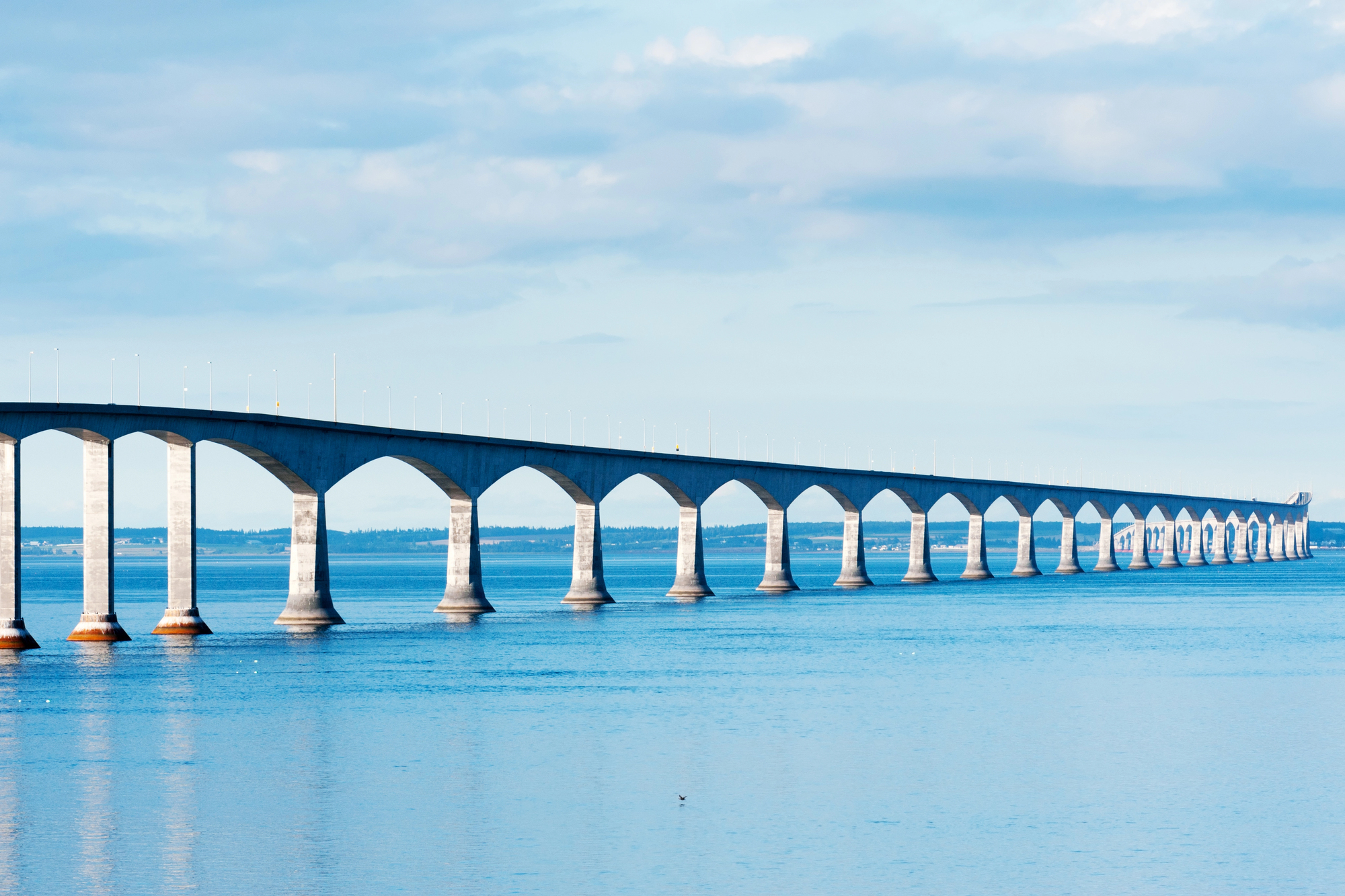
Canada’s Confederation Bridge connecting Prince Edward Island uses seismic resistance despite the area’s relatively low earthquake activity. Engineers employed a segmental design with flexible joints between sections that accommodate ground movement.
The bridge’s curved alignment also helps distribute seismic forces more evenly across the entire structure.
Hangzhou Bay Bridge
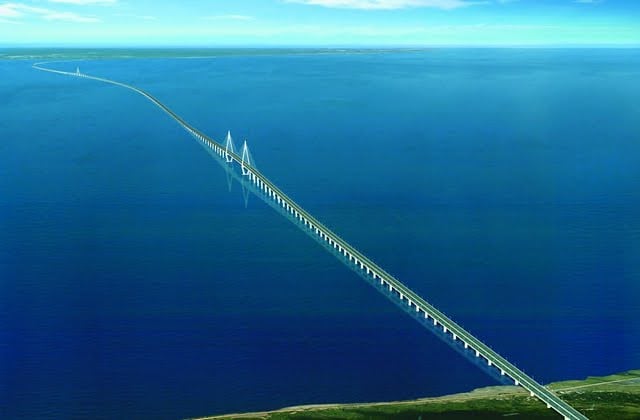
China’s Hangzhou Bay Bridge employed over 600 experts during its decade-long design phase, using cable-stayed techniques specifically chosen for demanding seismic conditions. The bridge incorporates multiple independent sections connected by flexible joints that allow each segment to respond differently to earthquake forces.
Advanced monitoring systems continuously track structural health, providing early warning of stress concentration.
Engineering Earthquakes Into Submission
These bridges demonstrate that battling earthquakes head-on is a losing proposition—the smart approach involves dancing with the shaking rather than trying to remain rigid against it. Modern seismic engineering emphasizes controlled energy dissipation, using plastic hinging and strategic flexibility to absorb and redirect the enormous forces generated by earthquake waves.
Many older bridges constructed before modern seismic codes simply can’t handle significant earthquake loads, which explains why retrofitting existing infrastructure has become a worldwide priority. The next generation of earthquake-resistant bridges will likely incorporate even more sophisticated adaptive technologies, creating structures that can literally think their way through seismic events and adjust their response in real-time.
Like Go2Tutors’s content? Follow us on MSN.
More from Go2Tutors!

- 16 Historical Figures Who Were Nothing Like You Think
- 12 Things Sold in the 80s That Are Now Illegal
- 15 VHS Tapes That Could Be Worth Thousands
- 17 Historical “What Ifs” That Would Have Changed Everything
- 18 TV Shows That Vanished Without a Finale
Like Go2Tutors’s content? Follow us on MSN.



