15 Court Decisions Reversed Decades Later
Courts make mistakes. Sometimes those mistakes stick around for years before someone finally says ‘wait, we got this wrong.’ The Supreme Court has reversed plenty of its own decisions over the decades, often because society changed or because the original reasoning was just plain bad.
These reversals show how legal thinking shifts over time. Here is a list of 15 court decisions that got overturned years after they were handed down.
Plessy v. Ferguson

Back in 1896, the Supreme Court decided that racial segregation was totally fine as long as facilities were ‘separate but equal.’ This gave legal cover to Jim Crow laws across the South for almost 60 years.
Everyone knew the facilities weren’t actually equal, but the Court pretended otherwise. Brown v. Board of Education finally killed this nonsense in 1954, admitting that separate schools could never be equal.
Bowers v. Hardwick

The 1986 Court ruled states could arrest people for private, consensual relationships between adults of the same gender. The justices basically said the government could regulate what people did in their own bedrooms.
Lawrence v. Texas tossed this decision in 2003, recognizing that privacy actually means something under the Constitution.
Korematsu v. United States

During World War II, the Court rubber-stamped the government’s plan to lock up Japanese Americans in camps. The 1944 decision claimed ‘military necessity’ justified this mass violation of civil rights.
It took until 2018 for the Court to officially call Korematsu ‘gravely wrong’ in Trump v. Hawaii, though everyone knew it was bogus decades earlier.
Like Go2Tutors’s content? Follow us on MSN.
Austin v. Michigan Chamber of Commerce
In 1990, the Court said states could limit how corporations spent money on political campaigns. The decision tried to keep corporate cash from drowning out regular voters.
Citizens United blew this up in 2010, opening the floodgates for unlimited corporate political spending that we see today.
Wolf v. Colorado
The 1949 Wolf decision created a weird situation where cops could violate the Fourth Amendment, but state courts didn’t have to throw out the illegally obtained evidence. This meant constitutional violations happened with no real consequences.
Mapp v. Ohio fixed this mess in 1961 by requiring state courts to exclude tainted evidence.
Minersville School District v. Gobitis

In 1940, the Court forced kids to salute the flag even when their religion said they couldn’t. The justices thought national unity mattered more than individual conscience during wartime tensions.
They changed their minds pretty quickly though – West Virginia v. Barnette reversed this just three years later, protecting students from forced patriotic displays.
Like Go2Tutors’s content? Follow us on MSN.
Adkins v. Children’s Hospital
The 1923 Adkins decision struck down minimum wage laws for women, claiming they interfered with the sacred right to work for starvation wages. The Court loved this ‘freedom of contract’ idea until the Great Depression made it look ridiculous.
West Coast Hotel v. Parrish overruled Adkins in 1937, finally letting states protect workers from exploitation.
Hammer v. Dagenhart
This 1918 ruling killed federal child labor laws, saying Congress couldn’t regulate what happened in factories. Kids kept getting mangled in machinery while the Court worried about constitutional technicalities.
United States v. Darby finally overruled Hammer in 1941, allowing federal protection for child workers.
Lochner v. New York

Lochner struck down laws limiting bakers’ working hours in 1905, prioritizing business profits over worker safety. The Court thought 14-hour workdays in hot bakeries were just fine if that’s what the ‘contract’ said.
This whole approach collapsed during the New Deal era when reality finally caught up with judicial fantasy.
Like Go2Tutors’s content? Follow us on MSN.
Pollock v. Farmers’ Loan & Trust Co.
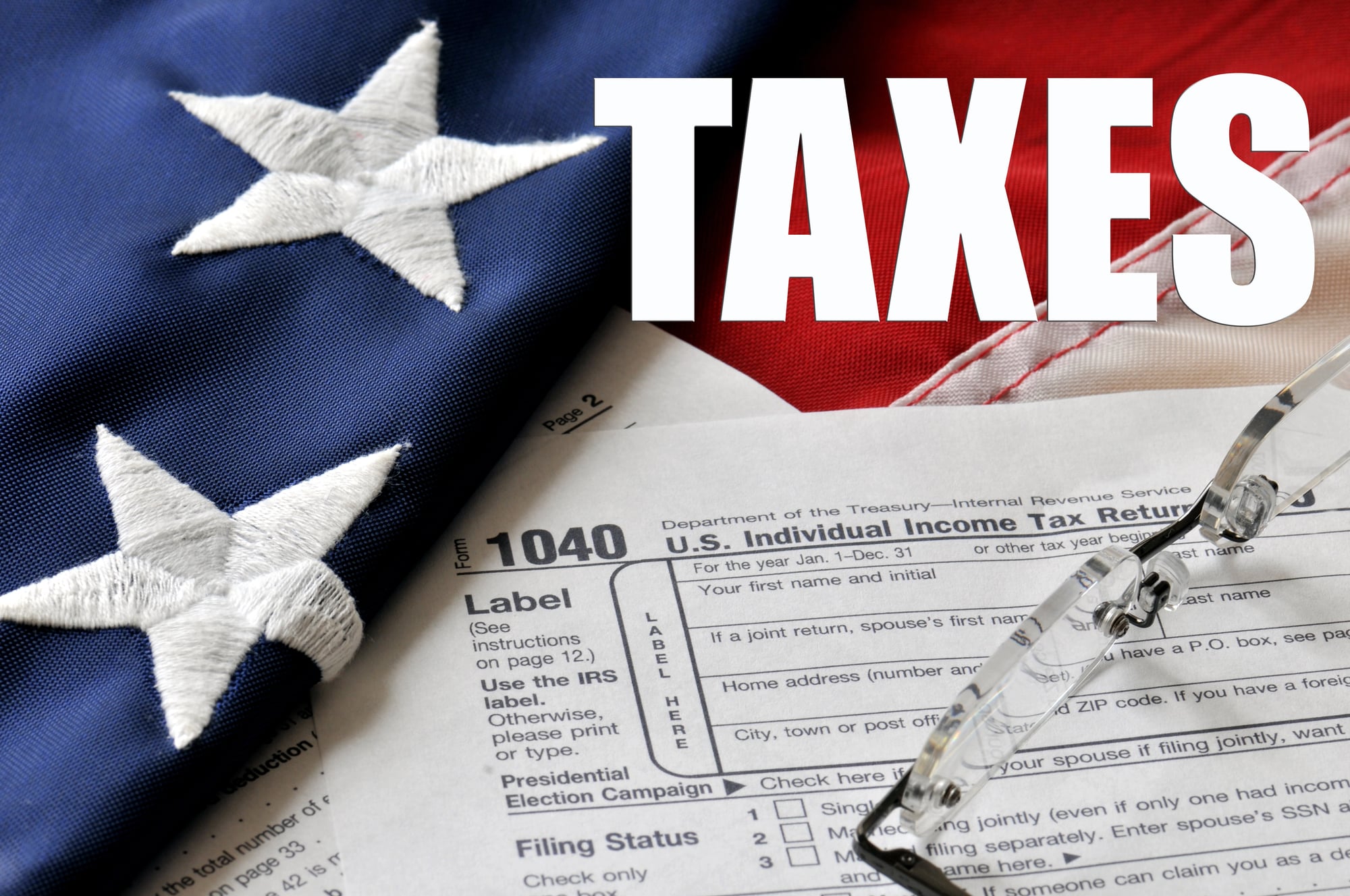
The 1895 Pollock decision declared income taxes unconstitutional, protecting wealthy people from having to fund the government they benefited from. This created a funding crisis that lasted until the Sixteenth Amendment passed in 1913, explicitly giving Congress the power to tax income.
Colegrove v. Green

In 1946, Colegrove said courts couldn’t fix gerrymandering because redistricting was too ‘political’ for judges to handle. This left voters stuck with rigged districts for decades.
Baker v. Carr reversed this hands-off approach in 1962, leading to the ‘one person, one vote’ rule that still governs redistricting today.
Pace v. Alabama

The 1883 Pace decision upheld laws that punished interracial couples more harshly than same-race couples. The Court used twisted logic, claiming these laws applied ‘equally’ to both races.
Loving v. Virginia demolished this reasoning in 1967, striking down all laws against interracial marriage.
Like Go2Tutors’s content? Follow us on MSN.
National League of Cities v. Usery

This 1976 decision said federal labor laws couldn’t apply to state and local government workers. The Court tried to create special immunity for government employers.
Garcia v. San Antonio overruled this experiment in 1985, recognizing that workers deserve protection regardless of who signs their paychecks.
Betts v. Brady

Before Gideon v. Wainwright became famous, Betts v. Brady in 1942 said poor defendants only got lawyers in death penalty cases or really complicated situations. This left people facing serious charges to fend for themselves in court.
Gideon overturned Betts in 1963, establishing that everyone deserves competent legal representation.
Booth v. Maryland

The 1987 Booth decision banned victim impact statements during death penalty cases, worrying they would make sentencing too emotional. The Court thought juries should stick to cold legal facts.
Payne v. Tennessee reversed this in 1991, allowing victims’ families to tell their stories during sentencing.
Lessons from Legal U-Turns

These reversals prove that even the Supreme Court can admit when it screwed up. Sometimes it takes decades for justices to recognize their predecessors’ mistakes, but the system eventually corrects itself.
Each overturned decision shows how law evolves alongside society, even if that evolution moves at a glacial pace. The ability to fix past errors, though painfully slow, beats stubbornly sticking to obviously wrong decisions forever.
More from Go2Tutors!

- 18 Unexpectedly Valuable Collectibles You Might Have Lying Around
- 20 Little-Known Historical Battles That Had Huge Consequences
- 20 Historical Artifacts That Scientists Can’t Explain
- 15 Inventions That Were Immediately Banned After Being Created
- 20 Actors Who Were Almost Cast in Iconic Roles
Like Go2Tutors’s content? Follow us on MSN.