30 Gas Station Snacks From Decades Past
Before the pump took credit cards, paying for gas meant walking inside, and walking inside meant passing a rack of candy, a wall of chips and a humming cooler. Road trips were measured in what came out of that store.
Some of those snacks vanished within a few years. Others have sat by the register for close to a century, barely changed.
The Marathon Bar and Its Built-In Ruler
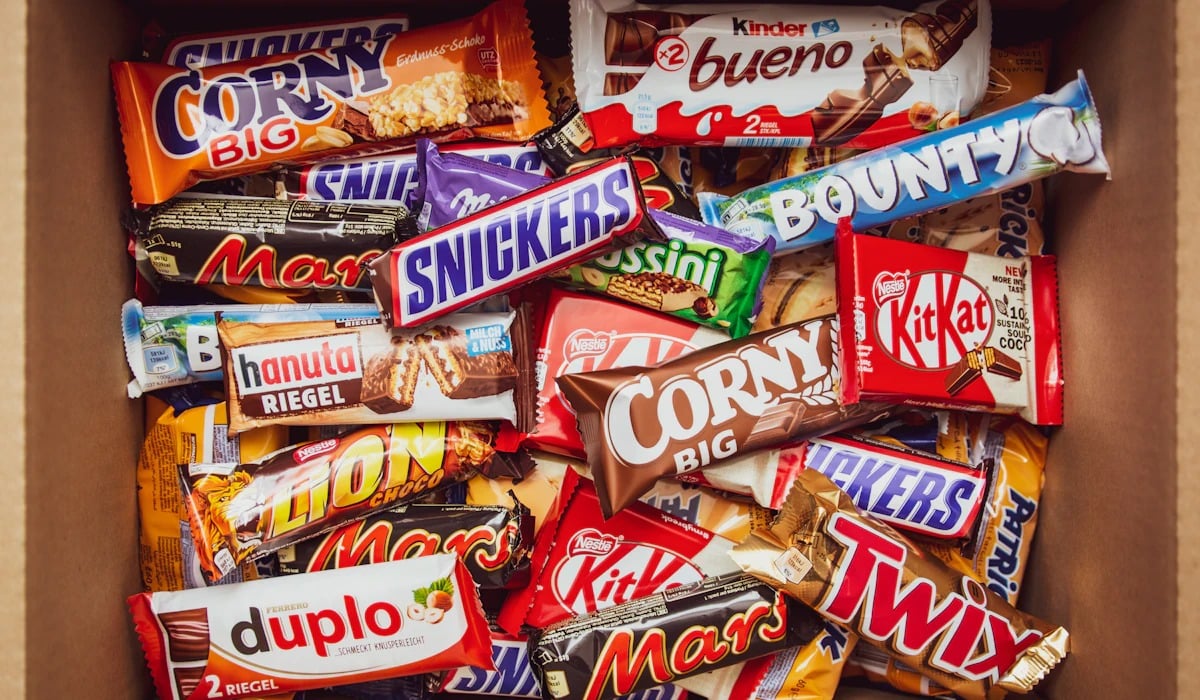
Mars introduced the Marathon in 1973 as eight inches of braided caramel covered in milk chocolate, sold in a bright red wrapper. A ruler printed on the back of the package let skeptical buyers confirm the length for themselves.
Television spots leaned on the idea that the chewy braid took a long time to finish, which was accurate and, for a candy bar, an unusual selling point. Sales eventually sagged and Mars dropped it in 1981.
The closest living relative is Cadbury’s Curly Wurly, a similar braid sold in Britain since 1970, which American fans still order by the box.
Bar None, Hershey’s Wafer Experiment
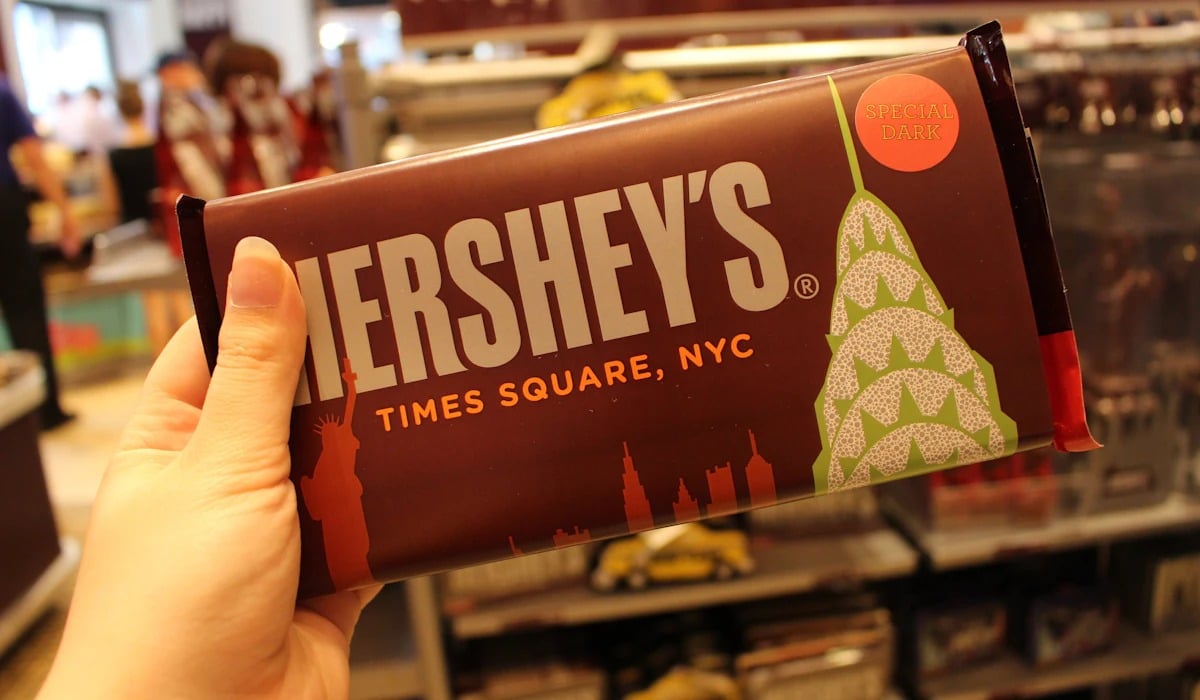
Hershey launched Bar None in 1987 with a pitch aimed squarely at serious chocolate eaters: cocoa wafers layered with chocolate cream, topped with crushed peanuts and sealed in milk chocolate. Early advertising promised it would tame the chocolate beasty, a slogan very much of its decade.
In 1992 the company reworked the recipe, adding caramel and splitting the bar into two sticks, and loyal buyers were not pleased by the change. Production ended in 1997.
A small firm called Iconic Candy brought a version back in 2019, though it has never returned to the average gas station rack.
PB Max and the Peanut Butter Problem
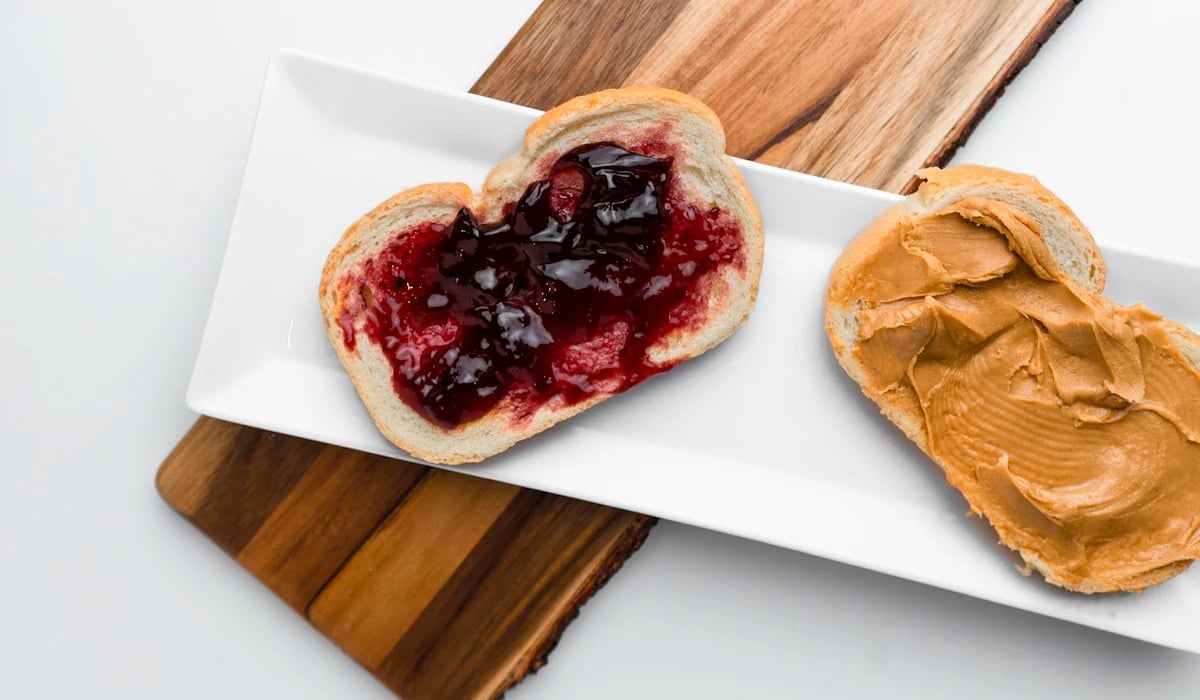
Around 1989 Mars rolled out PB Max, a square cookie piled with sweetened peanut butter and crunchy cookie pieces, then coated in milk chocolate. It was thick, heavy and closer to a small dessert than a candy bar.
The product was gone by the mid-1990s, and the reason remains a favorite piece of candy lore. According to a former Mars executive, Alfred Poe, the bar was selling well when the family that owned the company pulled it because they disliked peanut butter.
That account has never been confirmed by Mars, which makes the story difficult to settle and easy to repeat.
Reggie, the Bar That Rained on Yankee Stadium
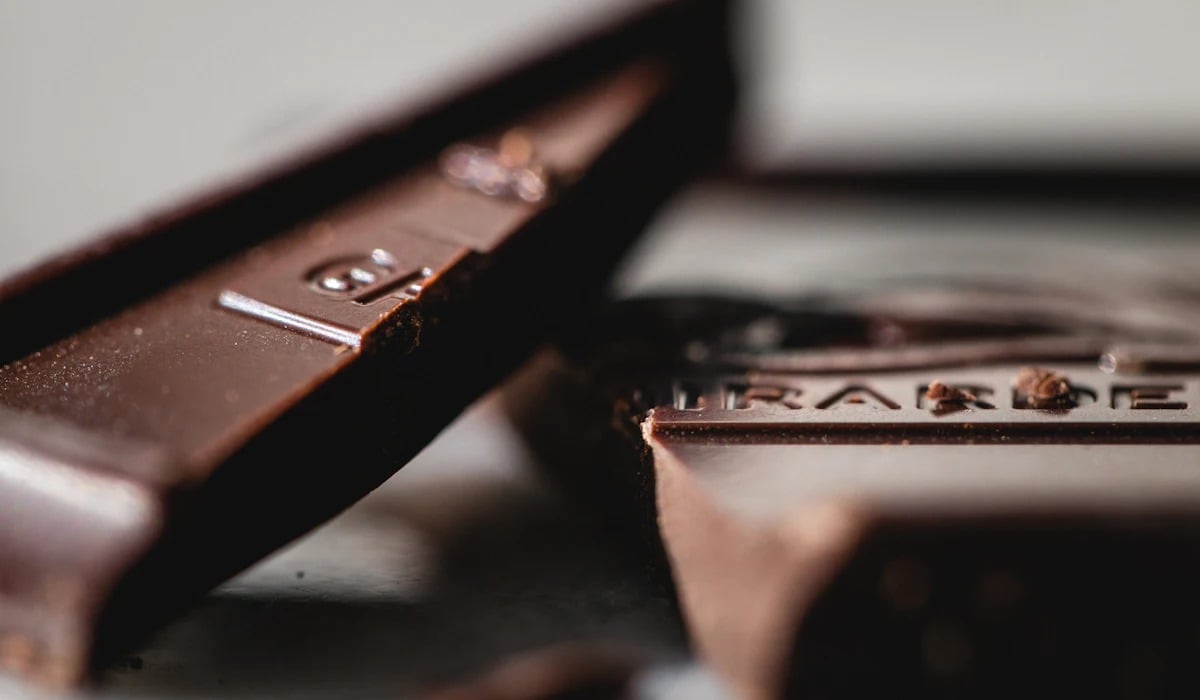
Reggie Jackson once remarked that if he played in New York, somebody would name a candy bar after him. In 1978 the Curtiss division of Standard Brands obliged with the Reggie, a round patty of peanuts and caramel dipped in chocolate.
Free samples were handed to fans at the Yankees home opener that April. Jackson homered in his first at-bat, and hundreds of orange-wrapped bars came sailing onto the field in celebration, delaying the game for several minutes while the grounds crew cleared them.
The bar faded in the early 1980s, around the time the slugger left for California.
Seven Up Bar, Seven Fillings in One Wrapper
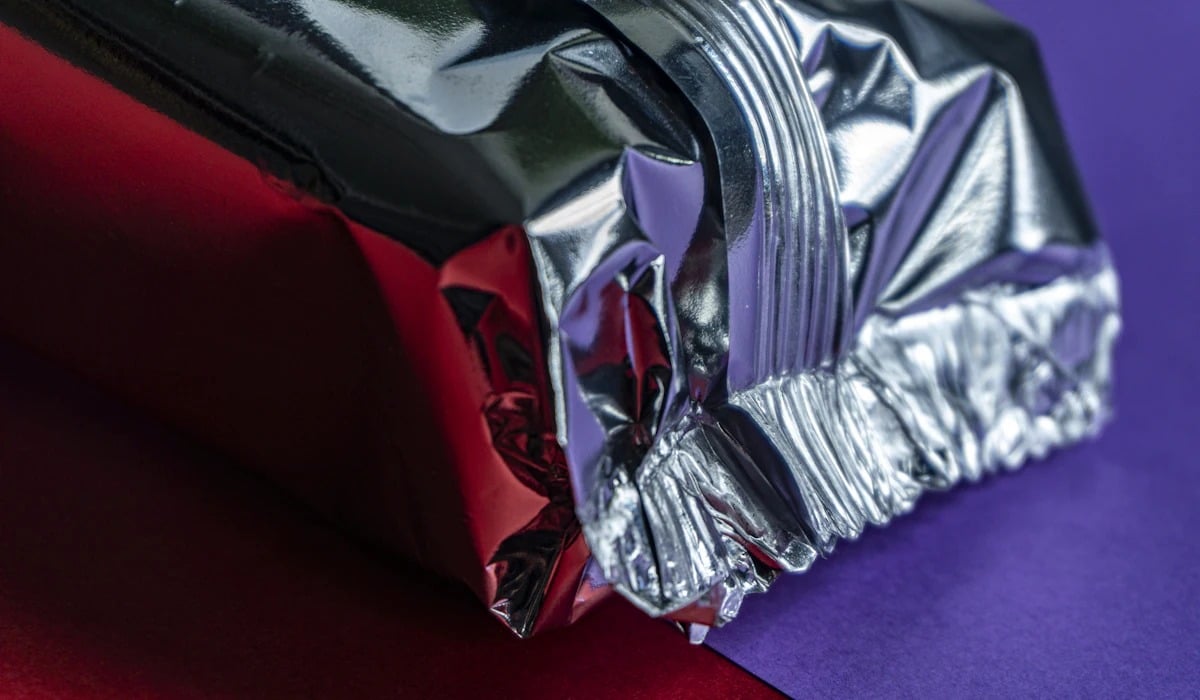
Pearson’s of St. Paul, Minnesota, sold a chocolate bar divided into seven connected pillows, each hiding a different center.
Fillings changed over the years but included cherry, coconut, caramel, fudge, mint, orange jelly and buttercream. The bar originated with the Trudeau Candy Company in the 1930s and passed to Pearson’s in 1951.
It had no connection to the lemon-lime soda, though sharing a name with a far larger brand caused predictable trademark friction. Pearson’s retired the bar in 1979, reportedly because making seven separate fillings for one product had become too costly and complicated.
Chicken Dinner, a Candy Bar With No Chicken
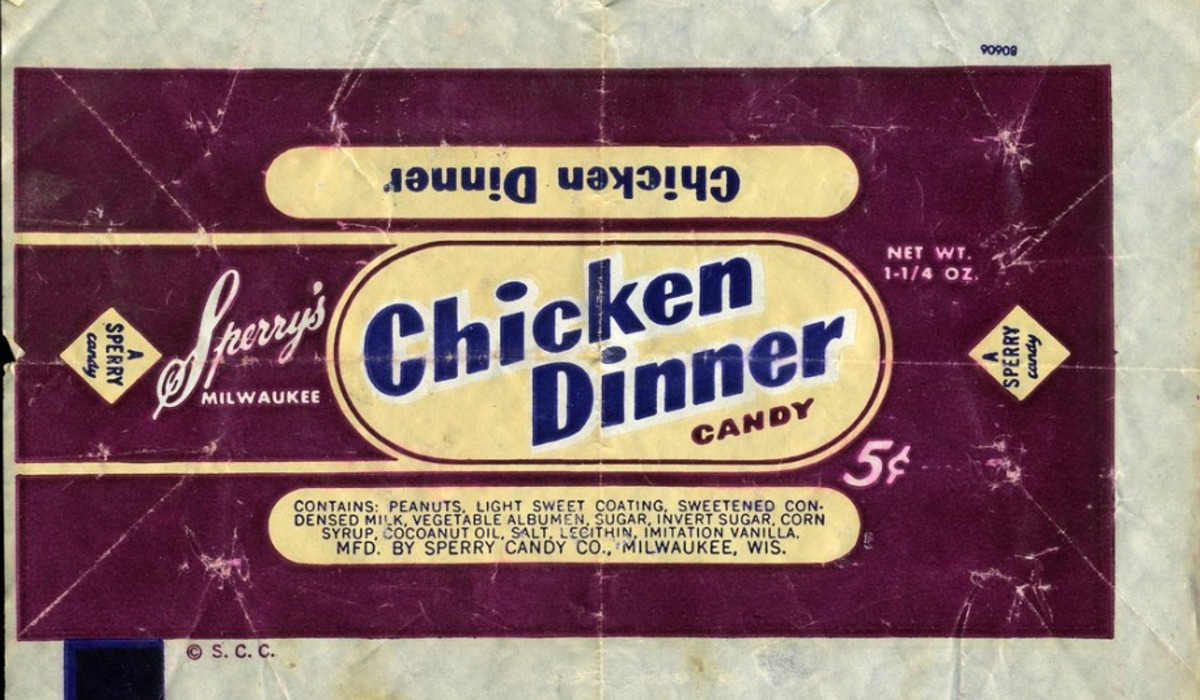
Sperry Candy Company of Milwaukee introduced the Chicken Dinner bar in 1923, and it contained nothing more exotic than a chocolate-covered nut roll. The name was meant to suggest something hearty and satisfying at a time when a chicken dinner signaled prosperity.
Early wrappers even pictured a roasted bird, and the company promoted the bar with delivery trucks built to look like chickens. It sold for decades, far longer than the joke should have allowed.
Pearson’s bought Sperry in 1962 and ended the bar soon afterward, leaving one of the oddest names in American candy to the collectors of old wrappers.
Clark Bar From Pittsburgh’s North Side
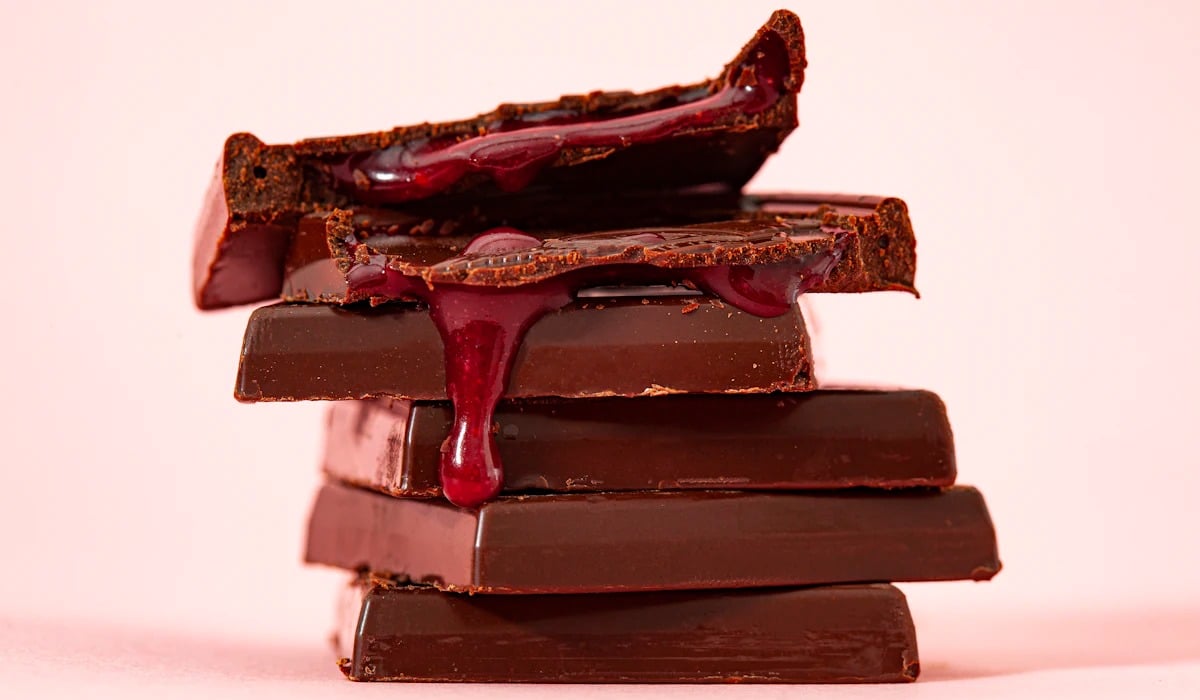
David L. Clark began making his namesake bar in Pittsburgh in 1917, wrapping a crunchy peanut butter core in milk chocolate.
Individually wrapped bars were shipped to American troops during World War I, and soldiers came home wanting more. A giant Clark sign became a fixture of the city’s North Side.
Ownership bounced around for decades before the New England Confectionery Company took over in 1999. When that firm collapsed in 2018, Boyer Candy of Altoona, Pennsylvania, bought the brand and spent many months relearning how to form the bar before returning it to shelves in 2020.
Sky Bar and Its Four Compartments
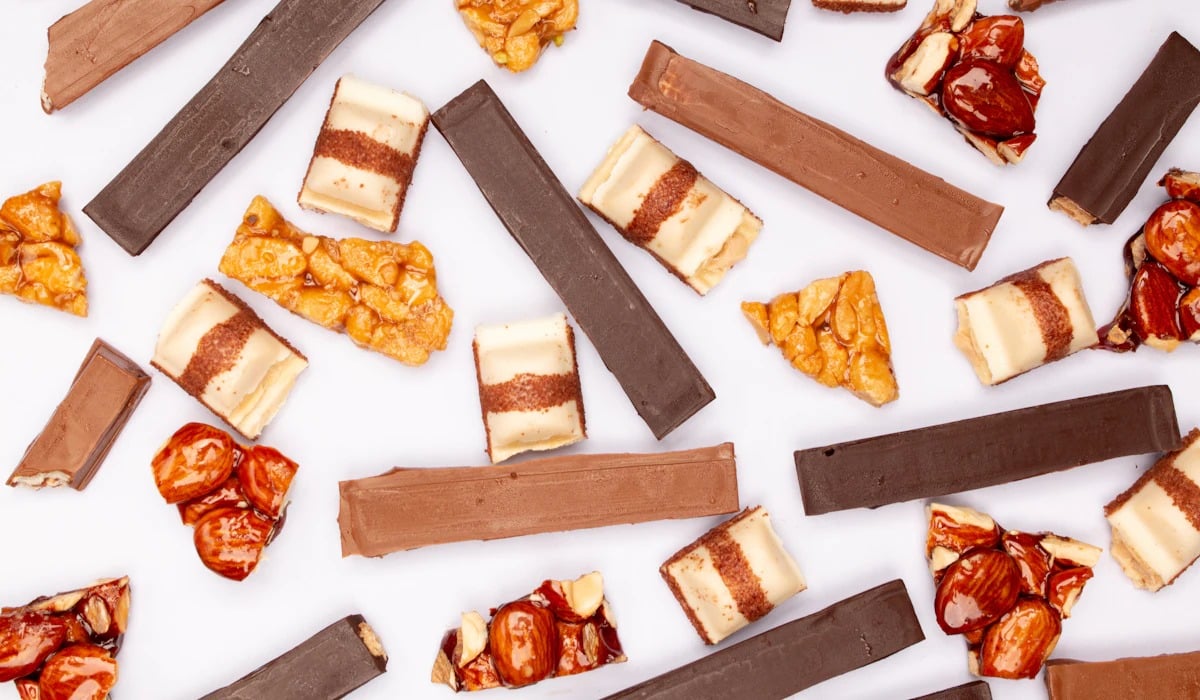
Necco launched the Sky Bar in 1938 and announced it with a skywriting campaign, which explains the name. Each bar was molded into four sections filled in turn with caramel, vanilla, peanut and fudge, so a single purchase worked like a tiny sampler box.
The bar disappeared when Necco shut down in 2018. Its rescue came from an unlikely bidder: Duck Soup, a gourmet shop in Sudbury, Massachusetts, bought the rights at auction.
The owner set up a small production line next to the store and had bars back on sale in late 2019.
Mallo Cup and the Cardboard Coins
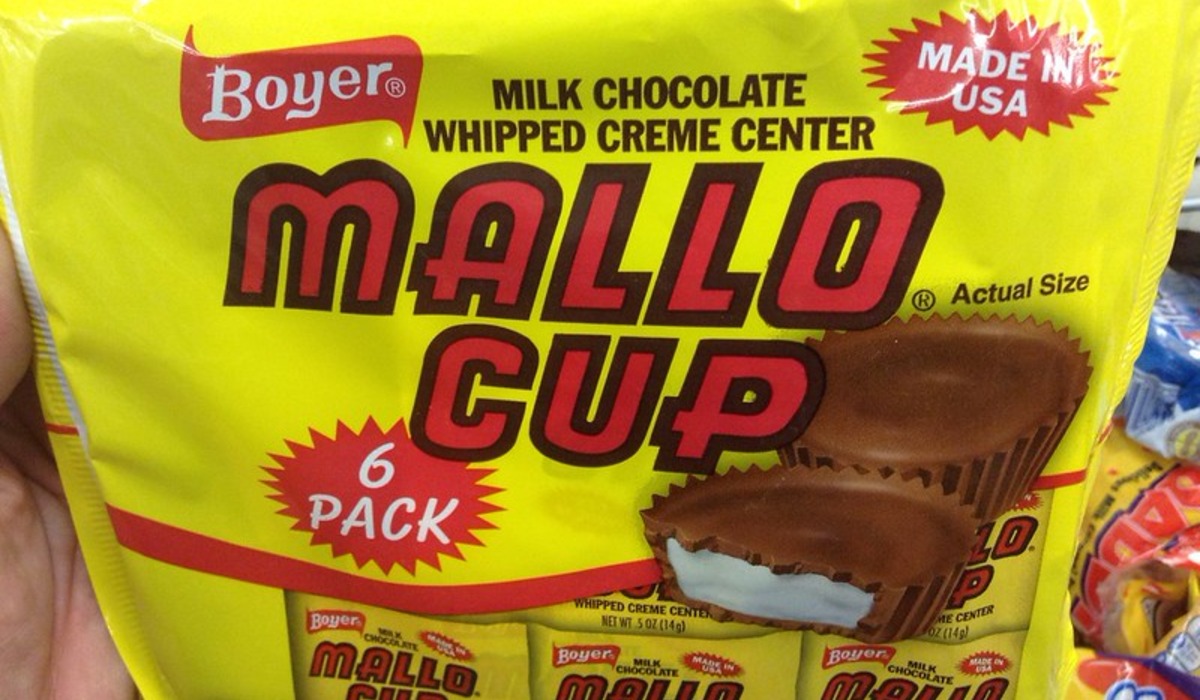
Boyer Brothers of Altoona, Pennsylvania, put the Mallo Cup on the market in the 1930s, filling a milk chocolate cup with whipped marshmallow creme and a hint of coconut. The brothers had begun making candy in their mother’s kitchen during the Depression.
Each package carries a cardboard backing printed with play money in coin denominations. Customers who save enough points can mail the cards in for a small rebate or a prize, a program the company has run for generations.
The cups remain a regular sight at rural stations across Pennsylvania and the Midwest, usually near the register.
Charleston Chew Named for a Dance Craze
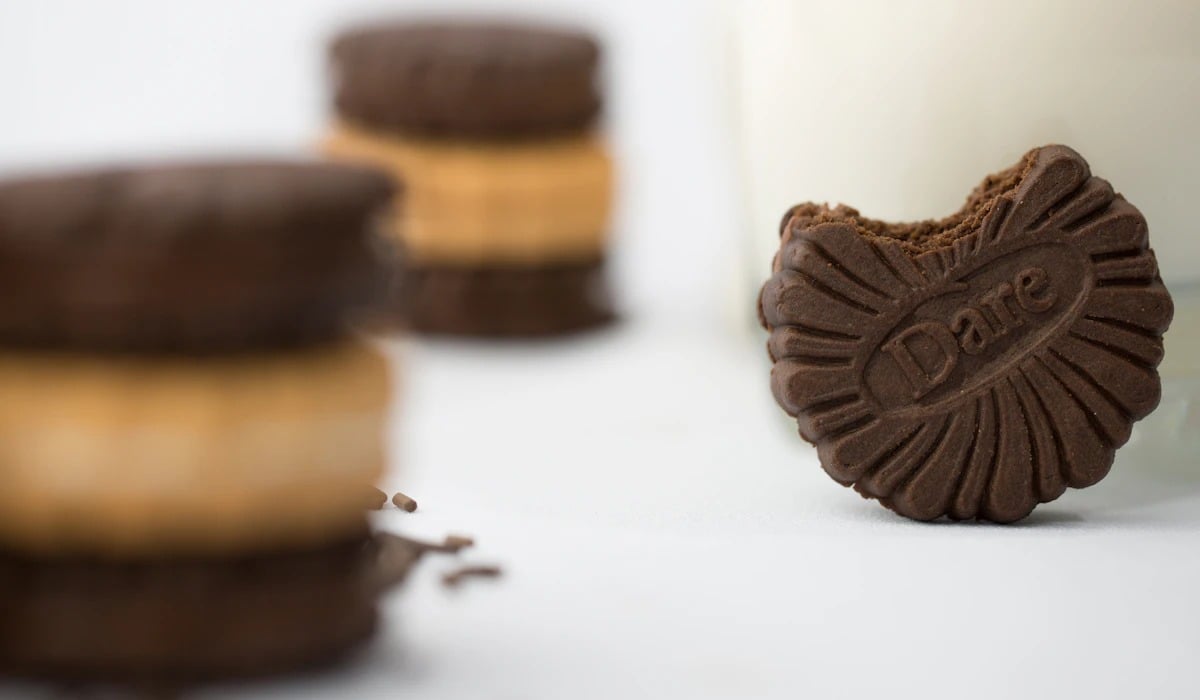
Fox-Cross Candy Company introduced the Charleston Chew in the 1920s and borrowed its name from the dance then sweeping the country. The bar is a long strip of vanilla nougat in a thin chocolate-flavored coating, with chocolate and strawberry versions added later.
Generations of buyers learned the same trick, which is to freeze the bar and crack it against a hard surface so it shatters into bite-size shards. Tootsie Roll Industries acquired the brand in 1993 and still produces it.
Few candies on the modern rack can claim roughly a century of continuous sale.
Necco Wafers, the Candy That Went to Antarctica
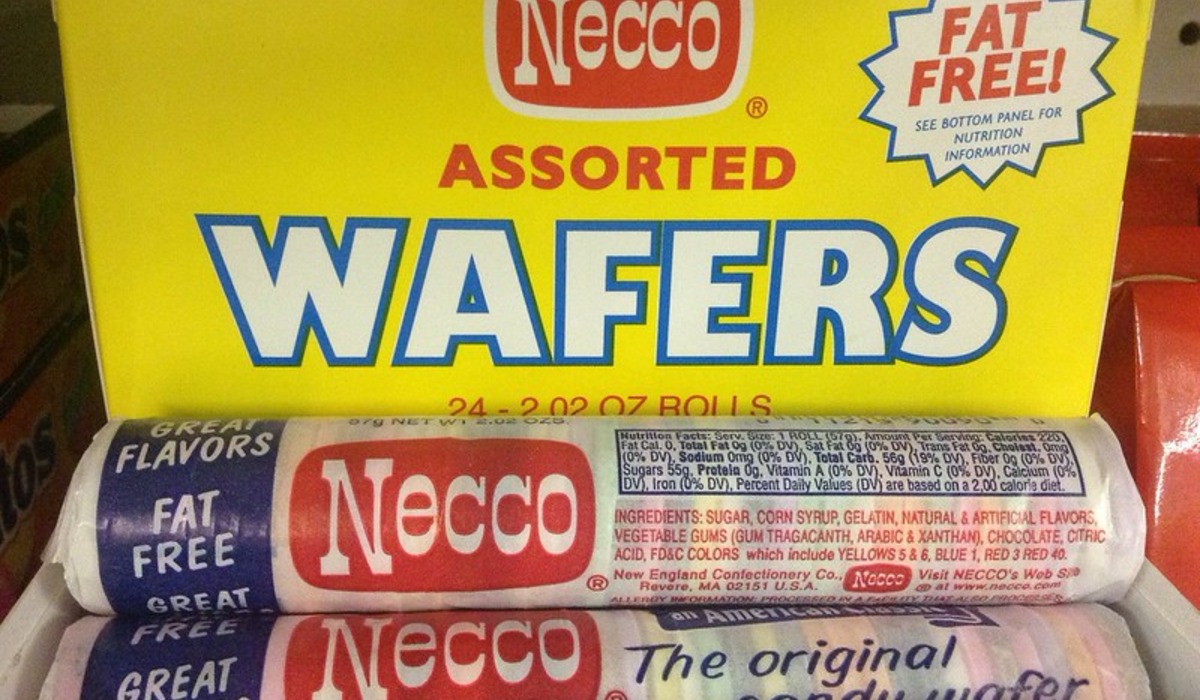
Oliver Chase, an English-born Boston pharmacist, invented a lozenge-cutting machine in 1847 and used it to stamp out the chalky discs later known as Necco Wafers. A roll holds eight flavors, including clove, wintergreen, licorice and chocolate.
Admiral Richard Byrd reportedly carried about two and a half tons of them on a 1930s Antarctic expedition because they neither melted nor spoiled. The wafers vanished in 2018 when the New England Confectionery Company closed its Revere, Massachusetts, plant.
Spangler Candy of Bryan, Ohio, bought the brand and resumed shipments in 2020.
Black Jack Gum and Its Licorice Bite
Thomas Adams first tried to turn Mexican chicle into a rubber substitute, failed, and made chewing gum instead. In 1884 his company added licorice flavoring to create Black Jack, often described as the first flavored chewing gum sold in America.
The blue-black sticks stayed in production under American Chicle until the 1970s. For decades afterward the gum returned only in occasional limited runs alongside two other antiques, Clove and Beemans.
In 2018 a Michigan candy company, Gerrit J. Verburg, acquired all three brands from Mondelez and put them back into regular production for buyers old enough to remember the taste.
Fruit Stripe and the Zebra Named Yipes
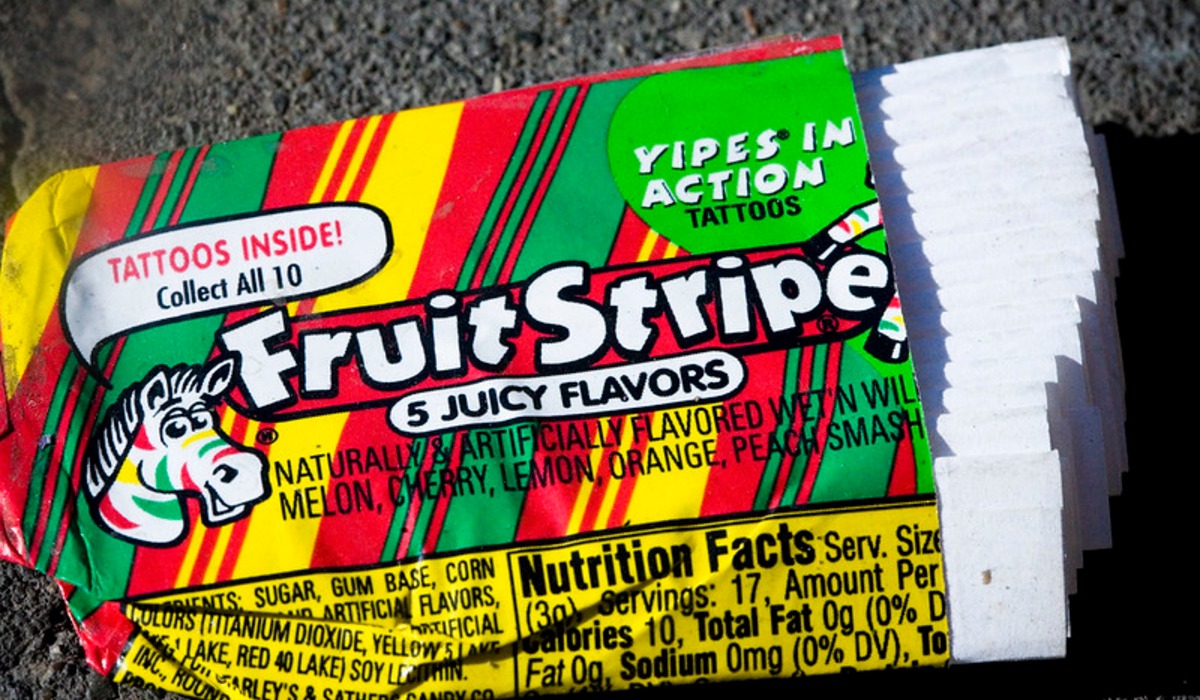
Beech-Nut brought out Fruit Stripe in the 1960s, printing painted stripes directly onto each stick of gum. A zebra mascot named Yipes arrived later, and the wrappers doubled as temporary tattoos that transferred with a little water.
The gum was famous for a burst of fruit flavor that disappeared almost at once, a flaw that became the brand’s best-known trait and a long-running joke. Ferrara Candy, the final owner, confirmed in January 2024 that production had ended after more than fifty years.
Remaining packs were quickly bought up and relisted online at steep markups.
Big League Chew in the Foil Pouch
Rob Nelson, a pitcher for the independent Portland Mavericks, dreamed up shredded bubble gum in a pouch while sitting in the bullpen in the late 1970s. Teammate Jim Bouton, a former Yankee and bestselling author, helped pitch the idea to Wrigley’s Amurol Products division.
The gum reached stores in 1980 and reportedly sold millions of dollars’ worth in its first year. Cartoon sluggers still decorate the pouch, and the original pink flavor remains in the lineup.
Production later moved to Ford Gum in Akron, New York, which has kept the product on convenience store pegs.
Bubble Tape, Six Feet at a Time
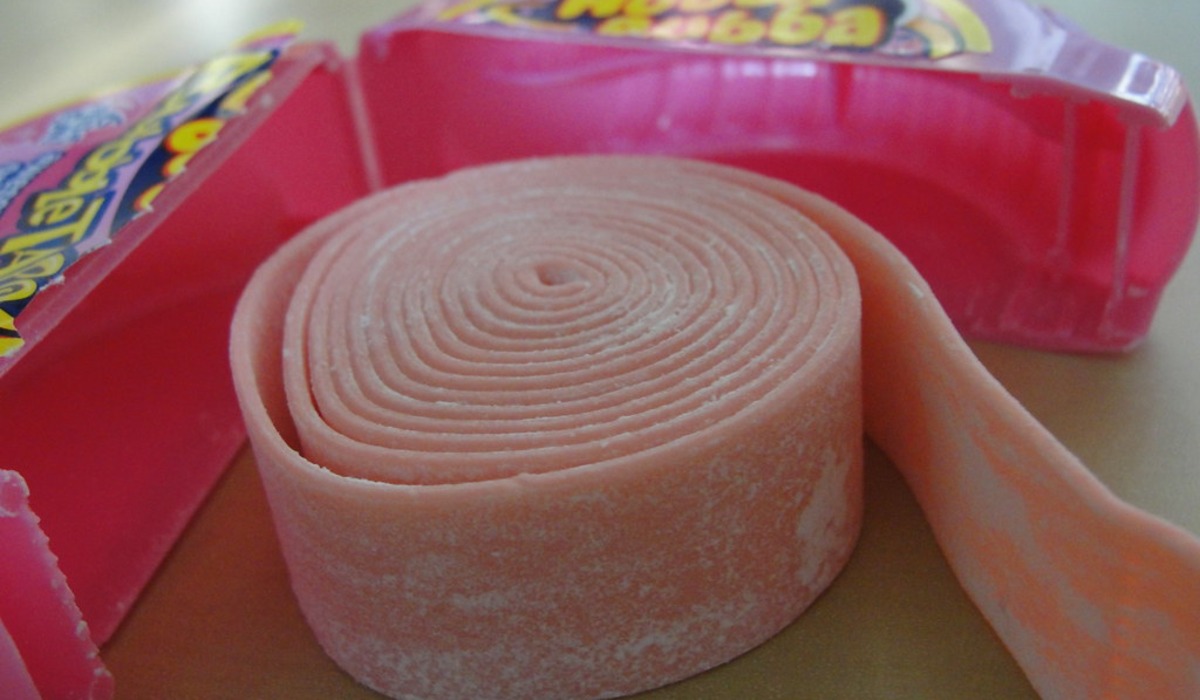
Amurol Products, the Wrigley subsidiary behind several novelty gums, introduced Bubble Tape in 1988. Six feet of flat pink gum came coiled inside a round plastic case modeled on a tape dispenser, with a notch for tearing off any length a kid wanted.
Advertising cast adults as the enemy and pitched the gum strictly to children, a formula that worked very well through the early 1990s. Portion control was theoretically possible and rarely practiced.
The dispenser has survived several changes of corporate ownership and still hangs on the candy aisle hooks of most convenience stores.
Tato Skins, Keebler’s Baked Potato Chip
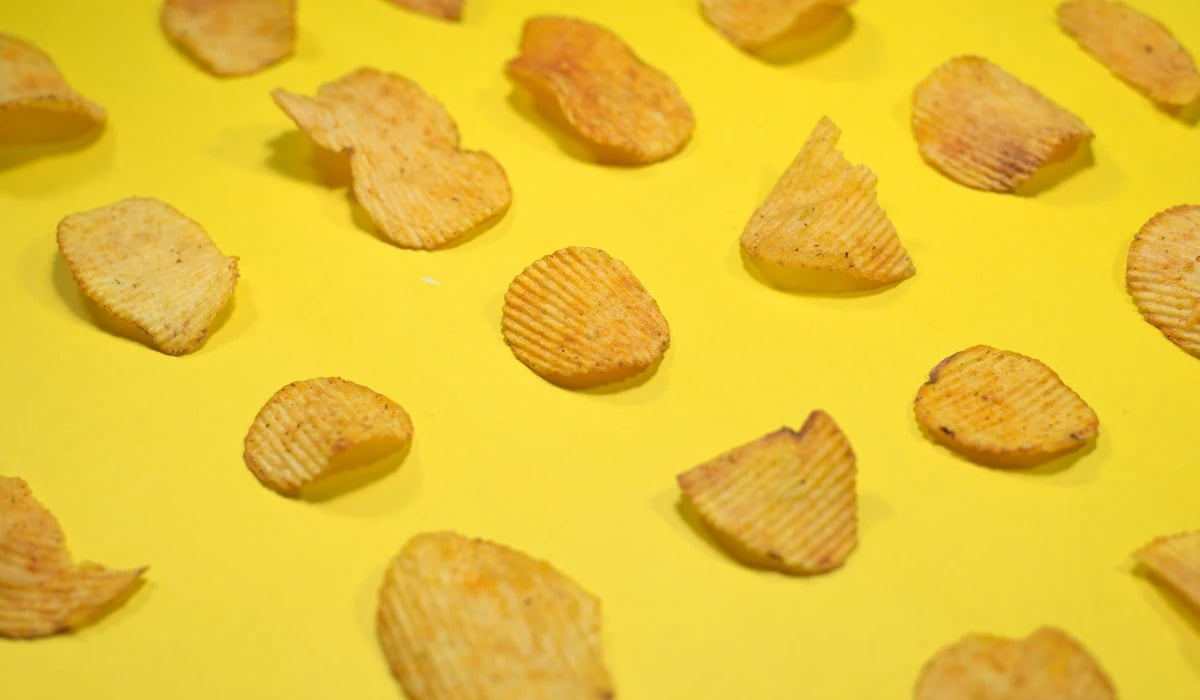
Keebler launched Tato Skins in 1985, making the chips from dried potatoes that included the peel. Each chip had a darker side meant to resemble the skin of a baked potato and a pale side that carried the seasoning.
Flavors followed the steakhouse menu, with cheddar and bacon and sour cream and chives leading the lineup. Keebler eventually left the salty snack business and sold the brand around 2000, after which the chips slipped out of sight.
A close descendant continued under the TGI Fridays name as a licensed potato skins snack, made for years by an Arizona company later called Inventure Foods.
Doritos 3D and the Hollow Triangle
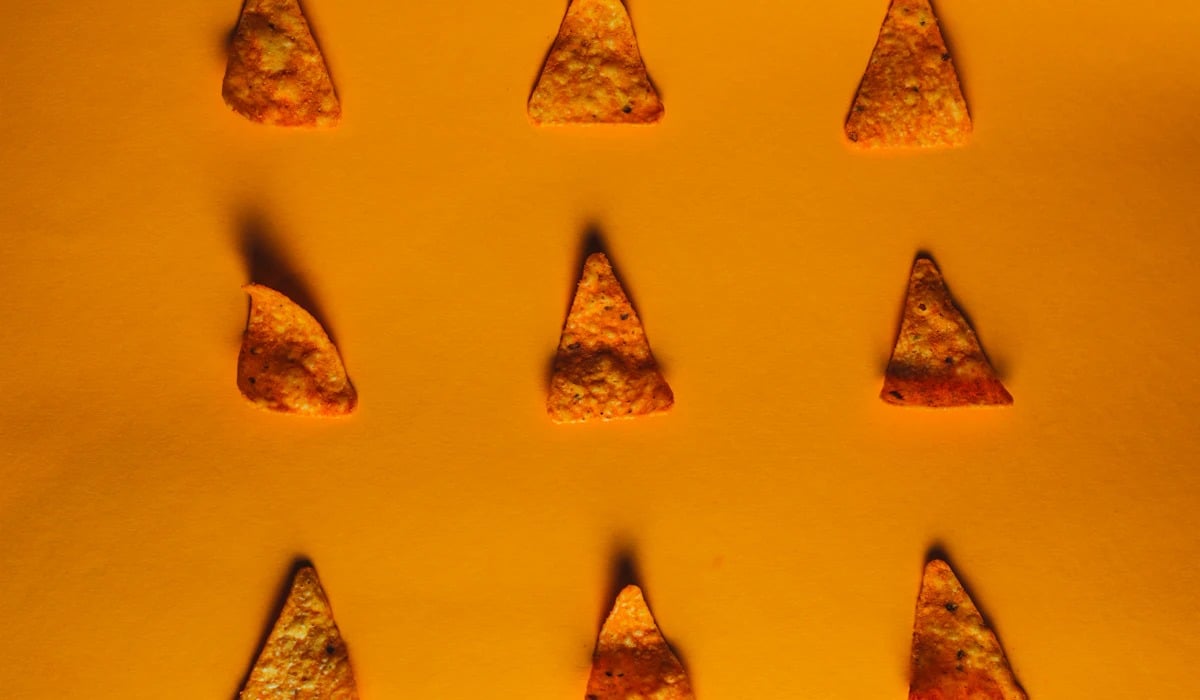
Frito-Lay puffed its famous chip into a hollow, pillow-shaped triangle and released it as Doritos 3D in 1998. The snack often came in a resealable plastic canister that fit a car cup holder, which made it a natural for the road.
Nacho cheese and ranch seasonings were among the early flavors. The line was withdrawn from American stores in the mid-2000s, and fans spent years petitioning for its return.
Frito-Lay answered around the end of 2020 with Doritos 3D Crunch, a reformulated version that longtime devotees judged crunchier and less airy than the original.
Chocodiles, the Chocolate-Coated Twinkie
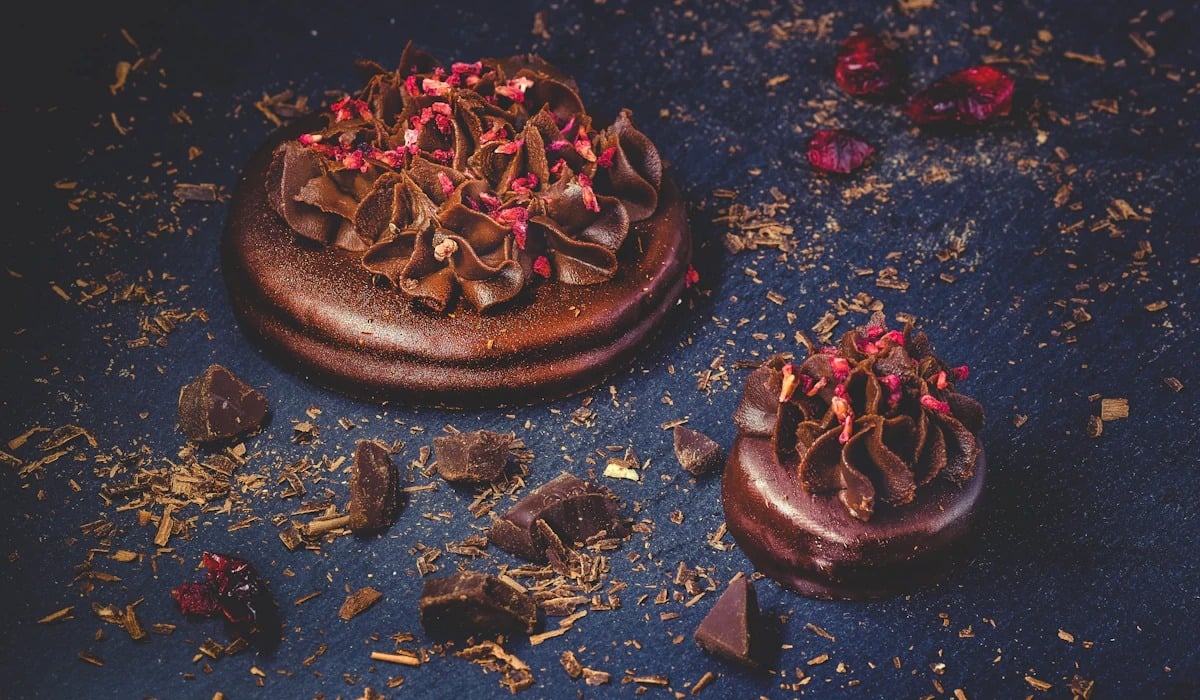
Hostess dipped a Twinkie in chocolate-flavored coating in the late 1970s and called the result a Chocodile. The mascot was a cartoon crocodile named Chauncey.
By the late 1990s distribution had shrunk to the West Coast, and the cakes took on a reputation elsewhere as something worth asking a traveling friend to bring back. Listings for single boxes appeared online at several times the retail price.
After the company’s bankruptcy and relaunch, Hostess returned the product to national shelves in 2014 in a slightly smaller size, ending years of regional scarcity with very little ceremony.
Slim Jim, Born in the Philadelphia Tavern Trade
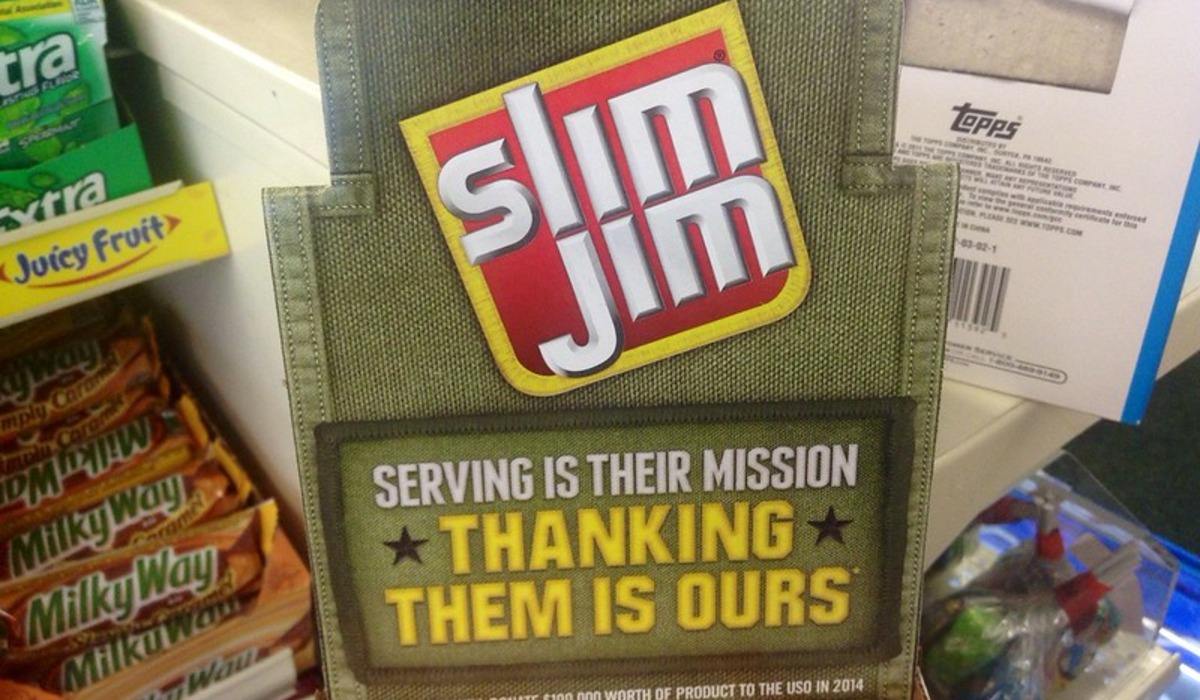
Adolph Levis developed the Slim Jim in Philadelphia in the late 1920s as a spiced meat stick for bar patrons. Early versions were sold from jars of vinegar on tavern counters, alongside the pickled eggs.
General Mills bought the business in 1967, and the product later passed through GoodMark Foods to ConAgra. Individually wrapped sticks moved it from the saloon to the gas station register.
A 1990s advertising campaign with wrestler Randy Savage, built around the command to snap into one, fixed the brand in the memory of an entire generation of teenagers.
Andy Capp’s Hot Fries and a British Comic Strip
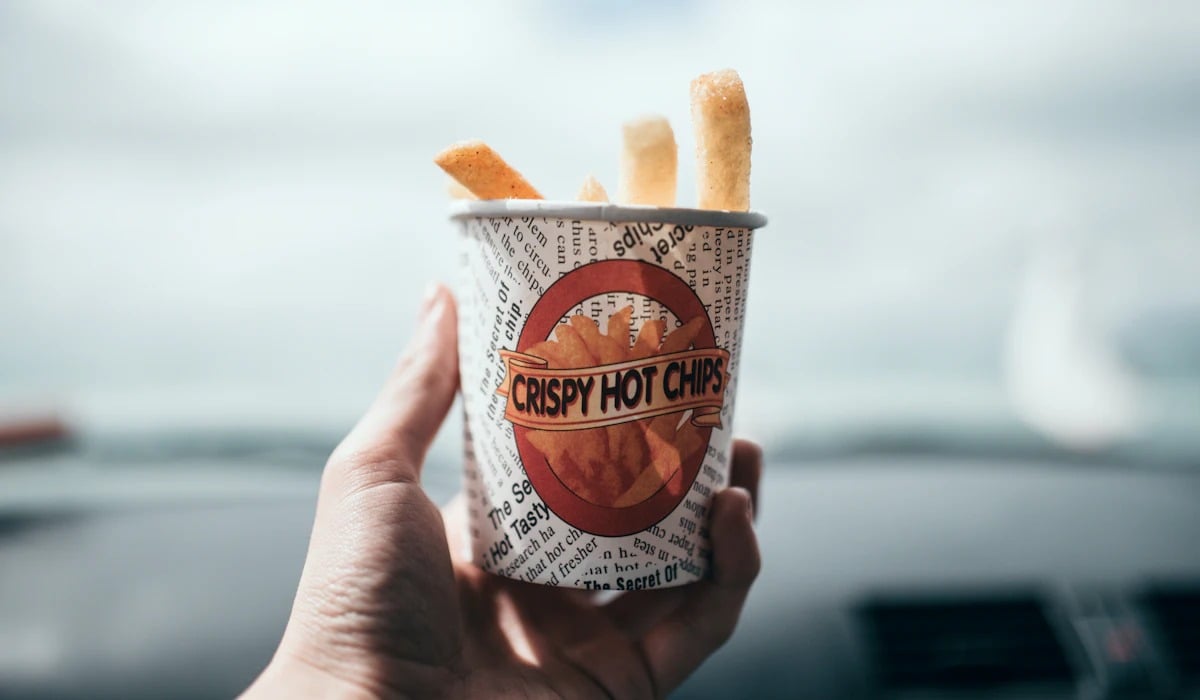
GoodMark Foods introduced Andy Capp’s fries in 1971, licensing the name of a layabout from a British newspaper comic. Cartoonist Reg Smythe had created the character for the Daily Mirror in 1957, and the strip was widely syndicated in American papers.
The snack itself is a baked corn and potato stick shaped like a french fry, with the red Hot Fries version becoming the best seller. Most current buyers have never seen the comic and know Andy only as the man in the flat cap on the bag.
Conagra makes the line today.
Moon Pie and RC Cola, the Working Lunch
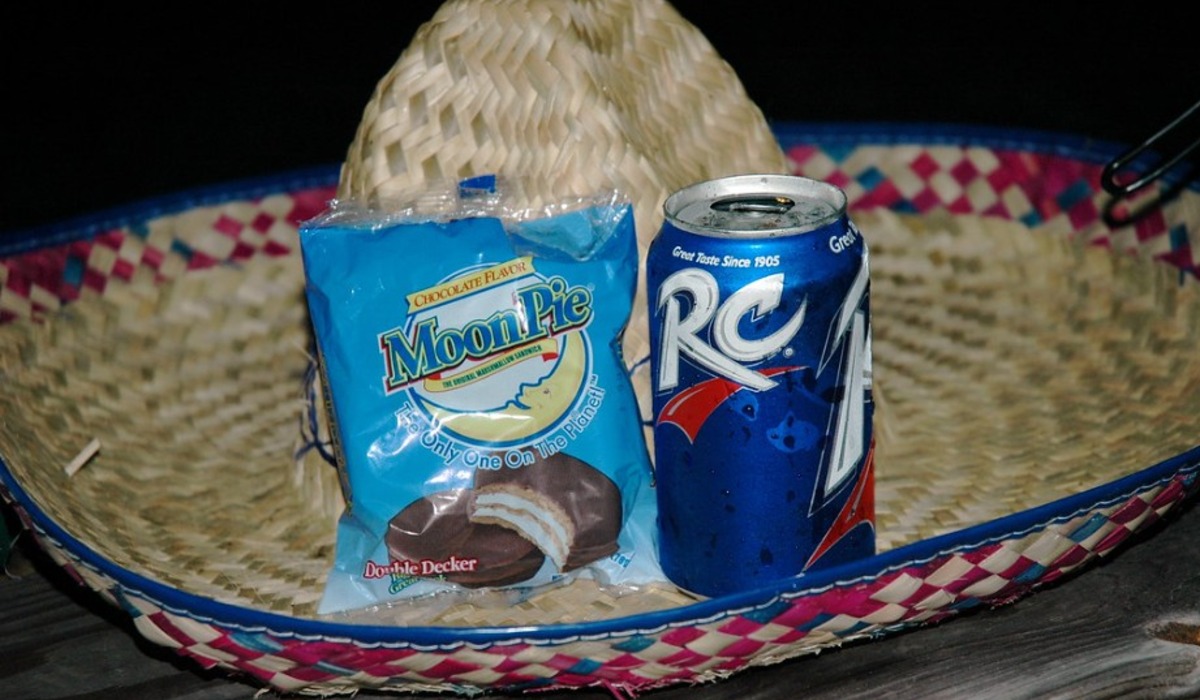
Chattanooga Bakery began selling the Moon Pie in 1917, sandwiching marshmallow between two graham cookies and dipping the stack in chocolate. Royal Crown Cola came from Columbus, Georgia, where pharmacist Claud Hatcher had built a soft drink company, and the cola itself arrived in 1934.
During the Depression each cost a nickel, and the pair delivered a great deal of sugar for ten cents. Southern laborers adopted the combination as a cheap midday meal.
A 1950s country song by Big Bill Lister celebrated the pairing, and the town of Bell Buckle, Tennessee, holds a festival in its honor every June.
Corn Nuts From an Oakland Tavern Supplier
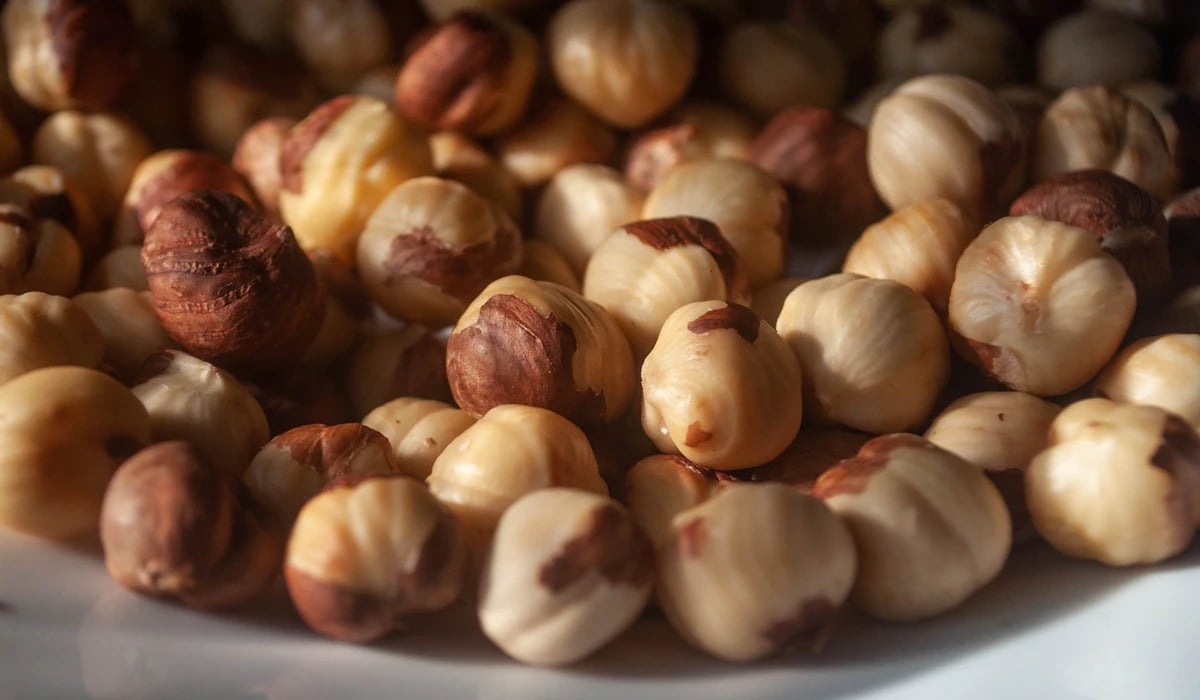
Albert Holloway began selling toasted corn kernels to Oakland, California, taverns in 1936 under the name Olin’s Brown Jug Toasted Corn. Bar owners liked a salty snack that kept customers ordering drinks.
Holloway later renamed the product Corn Nuts and switched to a giant white corn grown in the Cuzco region of Peru, eventually developing a hybrid that could be raised in California. The kernels are soaked, then fried until they are hard enough to worry a dentist.
The family sold the business to Nabisco in the late 1990s, and Hormel has owned the brand since 2021.
Funyuns, the Onion Ring Without an Onion
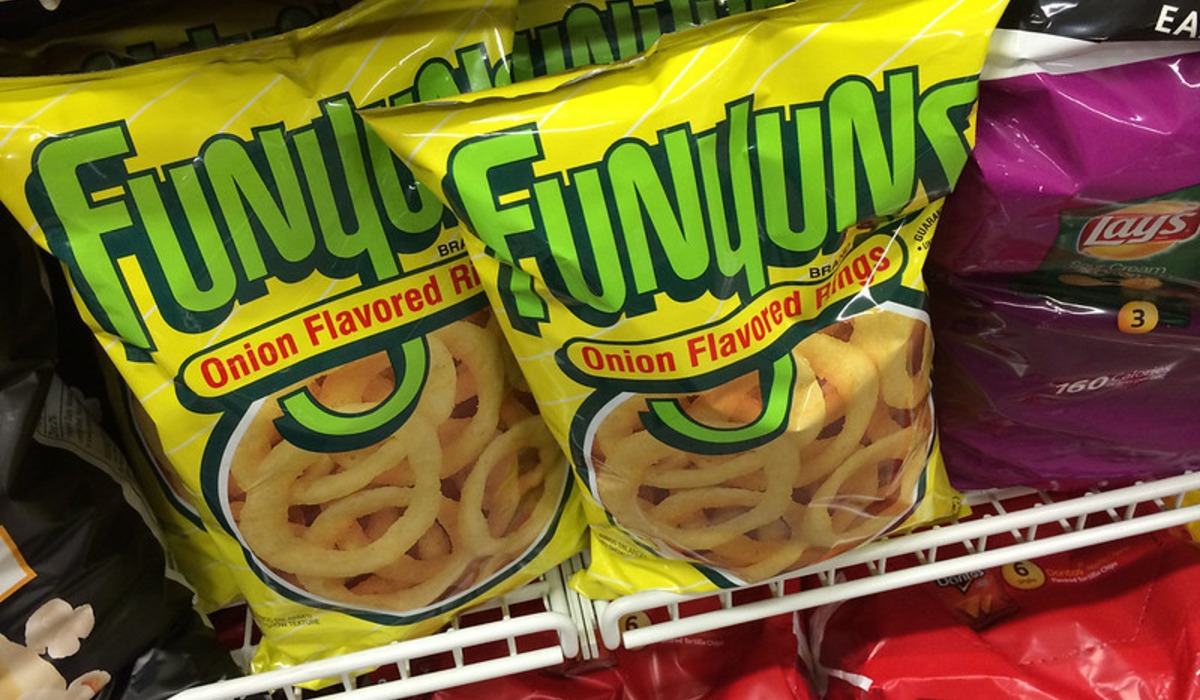
Frito-Lay introduced Funyuns in 1969, the work of an employee named George Bigner. The rings are made from cornmeal that is extruded, fried and dusted with onion powder and salt, so no sliced onion is involved at any point.
The company reportedly planned to call the snack OnYums until it learned the name was already registered. Flavor variations have come and gone, but the yellow and green bag has stayed close to its original look.
Funyuns remain a standard of the convenience store chip clip, usually within reach of the fountain drinks.
Jolt Cola and Twice the Caffeine
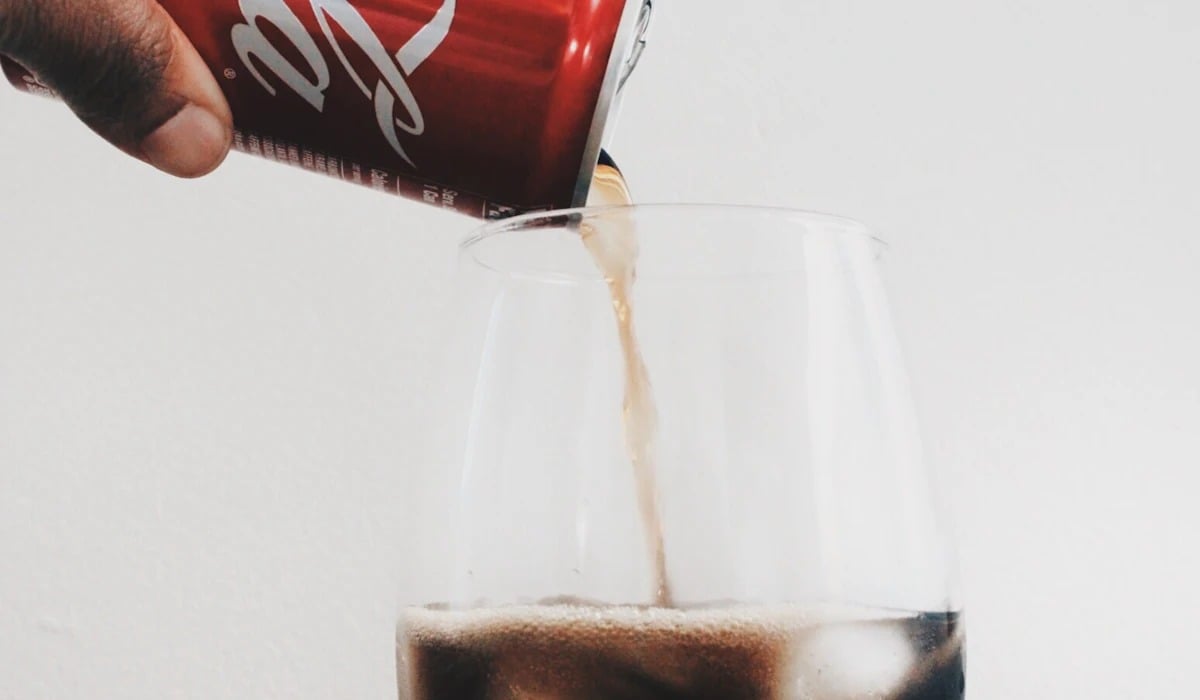
C.J. Rapp launched Jolt Cola from Rochester, New York, in 1985, just as the big soda makers were promoting diet and caffeine-free lines.
His slogan promised all the sugar and twice the caffeine. The formula carried close to the maximum caffeine that federal rules allowed in a cola.
College students, software coders and long-haul drivers adopted it well before energy drinks existed as a category. Later packaging included a resealable can shaped like a battery.
The company filed for bankruptcy in 2009. A brief 2017 revival faded, and in 2025 the supplement maker Redcon1 reintroduced the name as a sugar-free energy drink.
Crystal Pepsi’s Clear Gamble
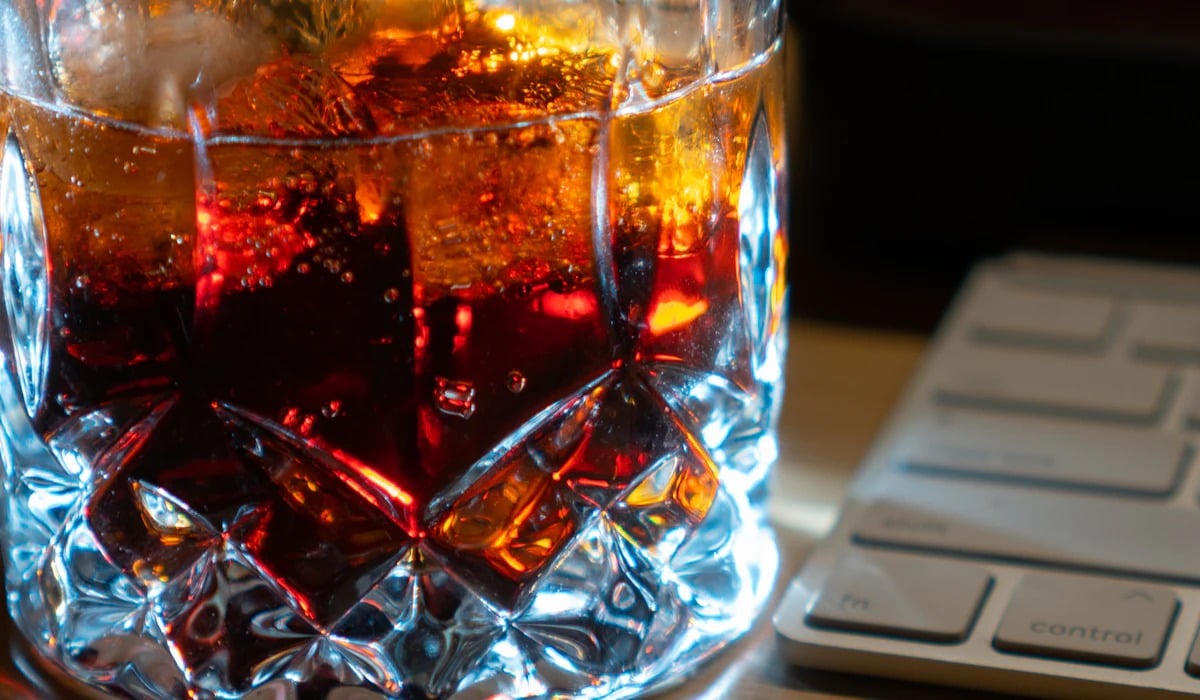
PepsiCo tested a colorless, caffeine-free cola in 1992 and took Crystal Pepsi national the following year. The launch included a Super Bowl commercial set to Van Halen’s Right Now.
Curiosity drove strong early sales, but repeat purchases fell off when drinkers found that a clear cola did not taste quite like regular Pepsi. The product was off American shelves by early 1994.
David Novak, the executive behind the idea, later called it a good concept that was poorly executed. Limited reissues beginning in 2016 proved that nostalgia could sell what the original marketing could not.
Surge, Coca-Cola’s Green Citrus Charge
Coca-Cola released Surge in 1997 to challenge Mountain Dew, adapting a citrus soda it already sold in Norway under the name Urge. The drink was bright green, heavily sweetened and marketed with loud commercials full of teenagers racing over obstacles toward a bottle.
Sales peaked early and the brand was withdrawn in the early 2000s. A group of fans who called themselves the Surge Movement then spent years lobbying the company and even paid for a billboard near its Atlanta headquarters.
Coca-Cola relented in 2014, bringing back 16-ounce cans as an Amazon exclusive.
OK Soda and Its Deliberately Gloomy Cans
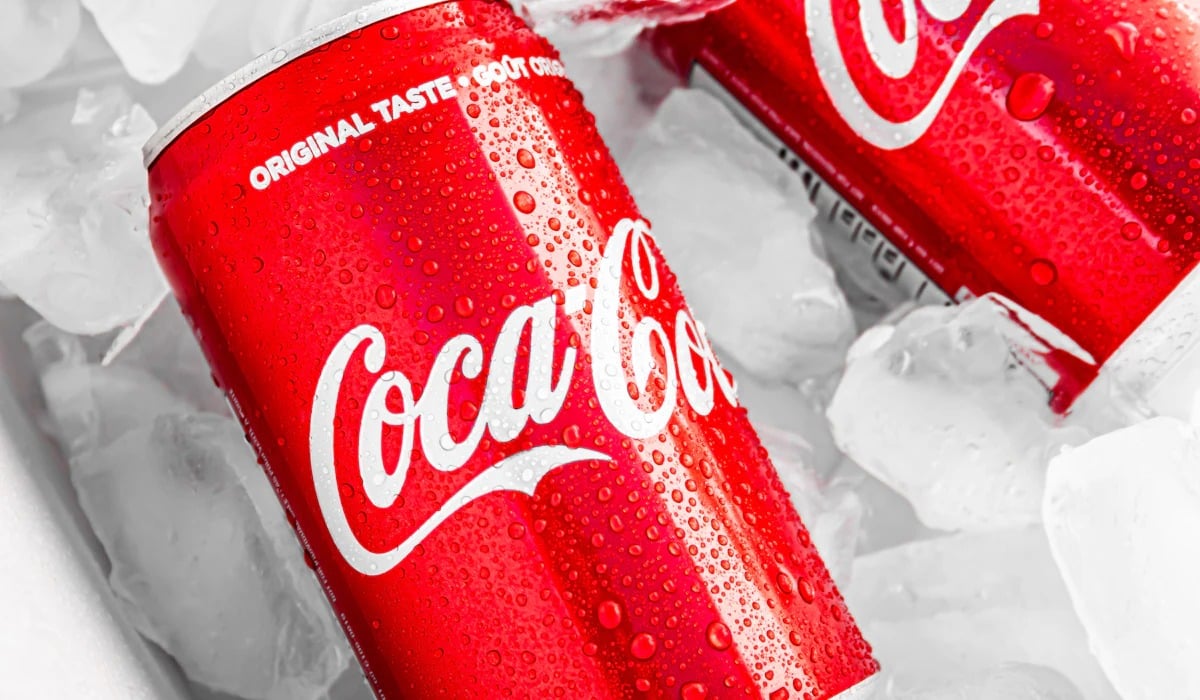
In 1994 Coca-Cola began testing OK Soda in a handful of American cities, aiming it at a generation assumed to distrust advertising. The cans were printed in drab grays with touches of red and carried artwork by alternative cartoonists Daniel Clowes and Charles Burns.
Marketing copy made a point of promising very little, including the line that things were going to be OK. The soda itself was a citrusy cola blend that few testers loved.
Coca-Cola ended the experiment in 1995 without a national launch, and unopened cans now trade among collectors of design oddities.
Orbitz, the Drink With Floating Spheres
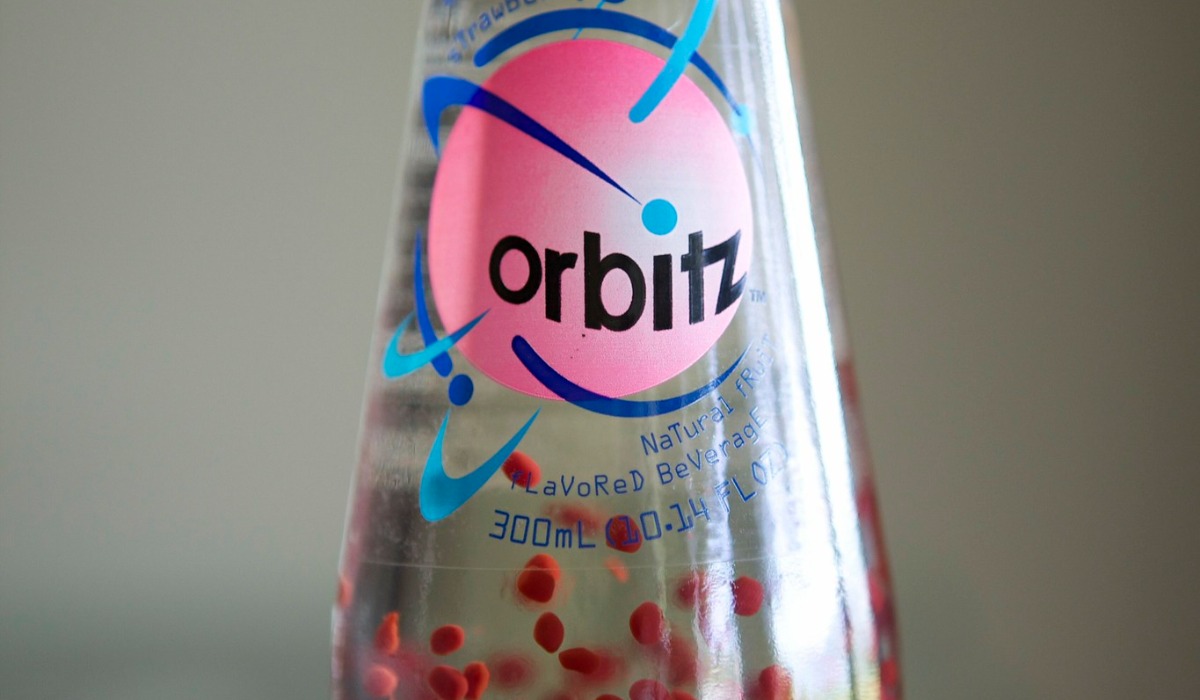
Clearly Canadian Beverage Corporation introduced Orbitz in 1997, a noncarbonated fruit drink with small colored gel spheres suspended in the bottle. Gellan gum kept the beads floating in place instead of sinking or rising.
Shoppers compared the look to a lava lamp, and many bought one bottle out of curiosity and stopped there. Flavors carried long names such as Pineapple Banana Cherry Coconut.
The drink was gone within about a year. Sealed bottles survive in surprising numbers, and their contents have held their odd suspended look for decades, though nobody recommends opening one.
Original New York Seltzer in Stubby Glass
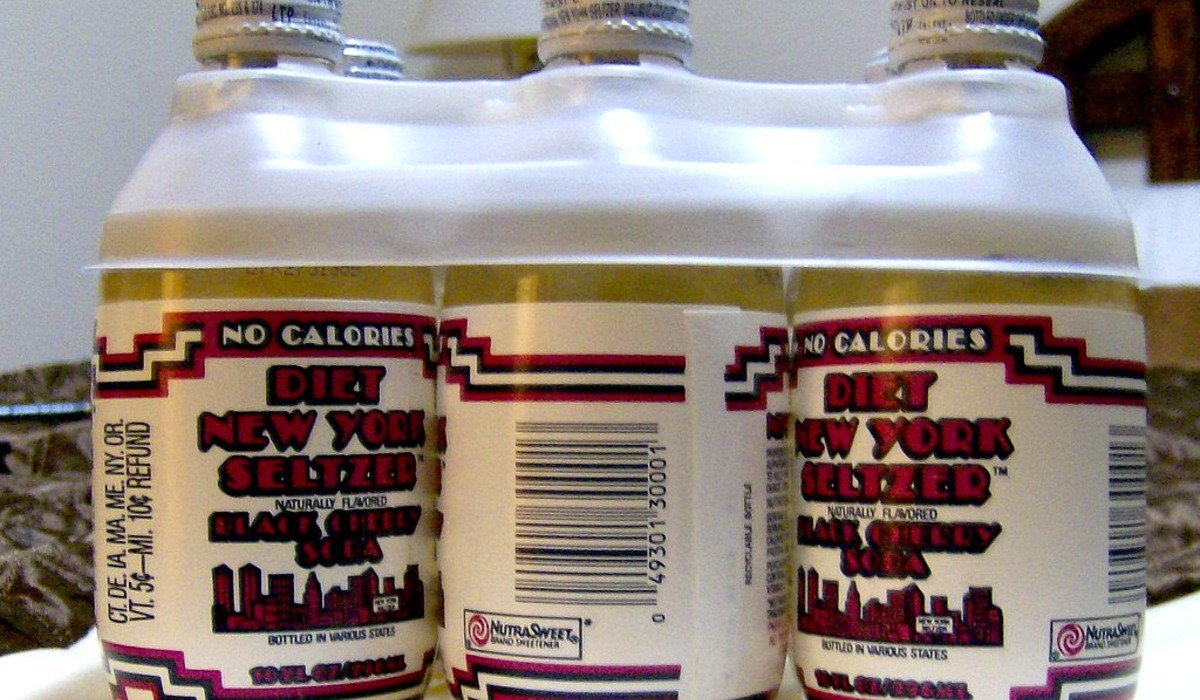
Alan Miller and his son Randy founded Original New York Seltzer in the early 1980s, operating from Southern California despite the name. The sodas came in squat ten-ounce glass bottles with foam labels and were sold without artificial colors, so every flavor from black cherry to root beer poured clear.
Randy Miller became the public face of the brand, appearing in a commercial in which he leaped from a tall building onto an air bag. The company wound down by the mid-1990s.
New owners revived the line in 2015 using the same small bottle.
Ecto Cooler and Slimer’s Long Shelf Life
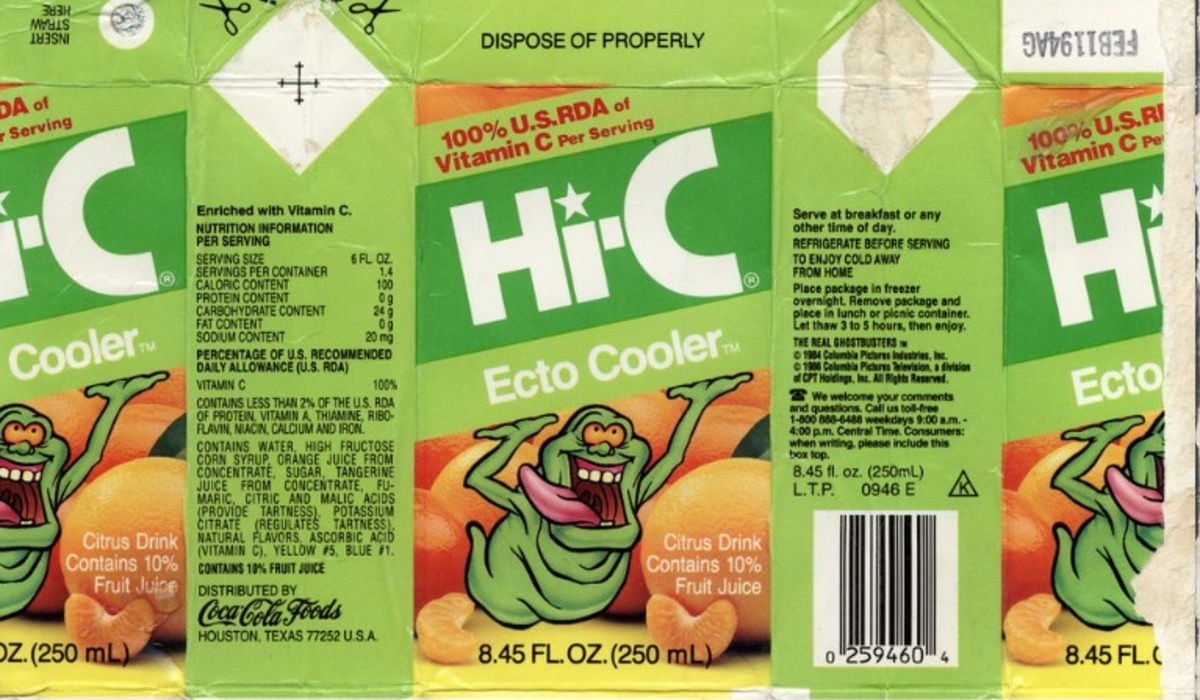
Hi-C renamed its Citrus Cooler drink in the late 1980s to tie in with The Real Ghostbusters cartoon and put the green ghost Slimer on the box. Ecto Cooler was a neon green, tangerine-flavored juice drink sold in cans and in the small cartons that filled school lunch bags.
The cartoon ended in 1991, yet the drink kept Slimer on the label until about 1997, an unusually long life for licensed merchandise. Renamed versions lingered for several more years before disappearing.
Coca-Cola, which owns Hi-C through Minute Maid, brought the original name back for a limited run in 2016 alongside a new Ghostbusters film.
Counter Space and the Short Life of a Snack
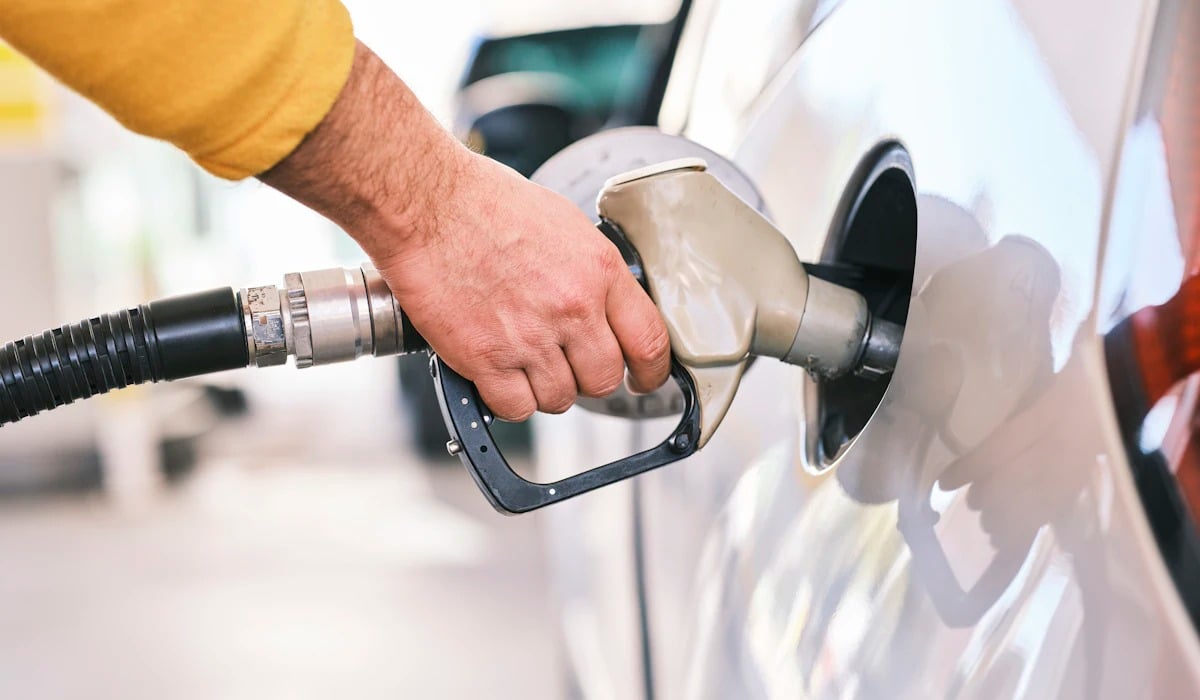
A convenience store has only a few feet of rack near the register, and every product on it is on probation. Candy bars with seven fillings, sodas with floating beads and colas with no color all won a place there and lost it within a few years.
The survivors tend to be simple, cheap to make and easy to explain in a glance. Novelty earns a first purchase, and habit pays for the second.
That churn is why these snacks stick in memory so firmly. Each one marks a particular stretch of years, a certain car and a certain stop along a familiar highway.
A Moon Pie tastes much as it did in 1950, while a Marathon bar exists only in the recollection of people who measured one against its own wrapper. Both kinds of survival count for something.
MORE FROM GO2TUTORS!

- The Romanov Crown Jewels and Their Tragic Fate
- 13 Historical Mysteries That Science Still Can’t Solve
- Famous Hoaxes That Fooled the World for Years
- 15 Child Stars with Tragic Adult Lives
- 16 Famous Jewelry Pieces in History
Like Go2Tutors’s content? Follow us on MSN.