15 Celebrity Endorsements That Tanked Product Sales
Celebrity endorsements can be powerful marketing tools, turning ordinary products into must-have items overnight. But when these partnerships go wrong, they can spectacularly backfire.
Companies invest millions hoping a famous face will boost their brand, only to watch their sales plummet instead. Here is a list of 15 celebrity endorsements that didn’t just fail to deliver results—they actually drove customers away and damaged brand reputations in the process.
Michael Jackson and Pepsi
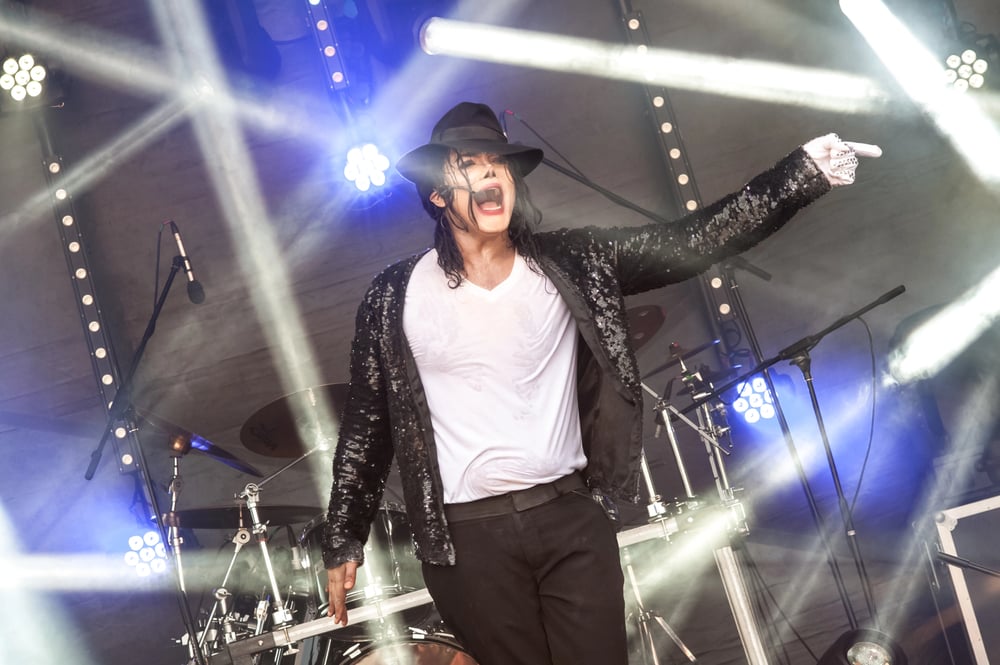
Michael Jackson’s partnership with Pepsi in the 1980s took a devastating turn when his hair caught fire during a commercial filming. The accident occurred when pyrotechnics malfunctioned, and footage of the incident spread widely, creating negative associations with the brand.
Pepsi’s market share temporarily declined following the incident as consumers couldn’t separate the product from the disturbing images.
Madonna and Pepsi (Again)

Pepsi learned little from their previous celebrity mishap when they signed Madonna for a $5 million deal in 1989. The partnership quickly dissolved after Madonna released her controversial ‘Like a Prayer’ music video featuring burning crosses and stigmata imagery.
Religious groups called for boycotts, and Pepsi terminated the contract within days, having already paid the full amount while seeing sales decline.
Like Go2Tutors’s content? Follow us on MSN.
Lance Armstrong and Nike

Nike stood firmly behind cycling champion Lance Armstrong throughout years of doping allegations, even creating the Livestrong brand around his cancer survival story. When Armstrong finally admitted to using performance-enhancing drugs in 2013, Nike terminated their relationship, but the damage was done.
The company had spent years defending him, and consumers felt deceived, leading to a temporary 9% drop in Nike’s stock value.
Tiger Woods and Multiple Brands

Tiger Woods represented the ideal athlete endorser until his personal life imploded in 2009 amid revelations of multiple extramarital affairs. Brands including Accenture, AT&T, and Gatorade quickly dropped him, but not before suffering association damage.
A study by Carnegie Mellon University estimated that shareholders of Woods’ sponsor companies lost up to $12 billion in market value following the scandal.
Bill Cosby and Jell-O

For decades, Bill Cosby served as the friendly face of Jell-O pudding, creating one of advertising’s most recognizable partnerships. When sexual assault allegations against Cosby surfaced, Jell-O’s parent company Kraft, faced a nearly impossible situation as their product became inextricably linked with a tainted celebrity.
Sales reportedly dropped by 15% in the months following the scandal’s peak media coverage.
Like Go2Tutors’s content? Follow us on MSN.
O.J. Simpson and Hertz

O.J. Simpson’s ‘running through the airport’ commercials for Hertz rental cars were marketing classics until his 1994 murder trial. The infamous white Bronco chase and subsequent trial created an ironic connection – a man famous for running through airports was now running from the law.
Hertz suffered a significant market share decline as competitors like Avis capitalized on their unfortunate celebrity association.
James Charles and CoverGirl
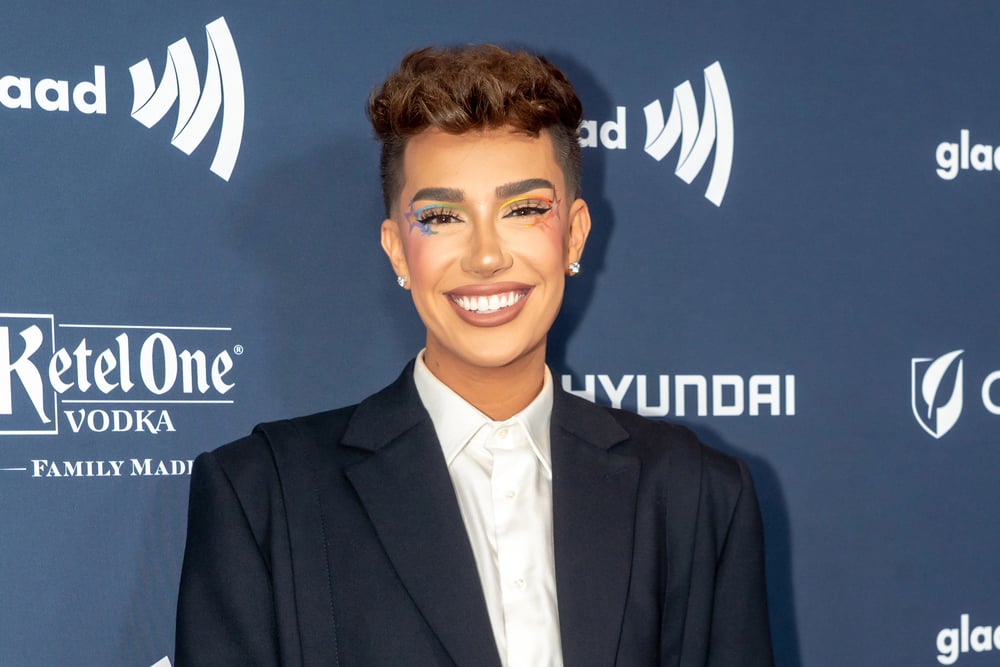
Beauty influencer James Charles made history as CoverGirl’s first male ambassador in 2016, but the partnership soured during his very public feud with fellow influencer Tati Westbrook in 2019. Charles lost over a million subscribers in 24 hours, and CoverGirl faced immediate backlash from consumers.
The brand’s attempt at inclusivity instead resulted in a temporary sales dip estimated at 4-6% in their targeted youth demographic.
Kendall Jenner and Pepsi
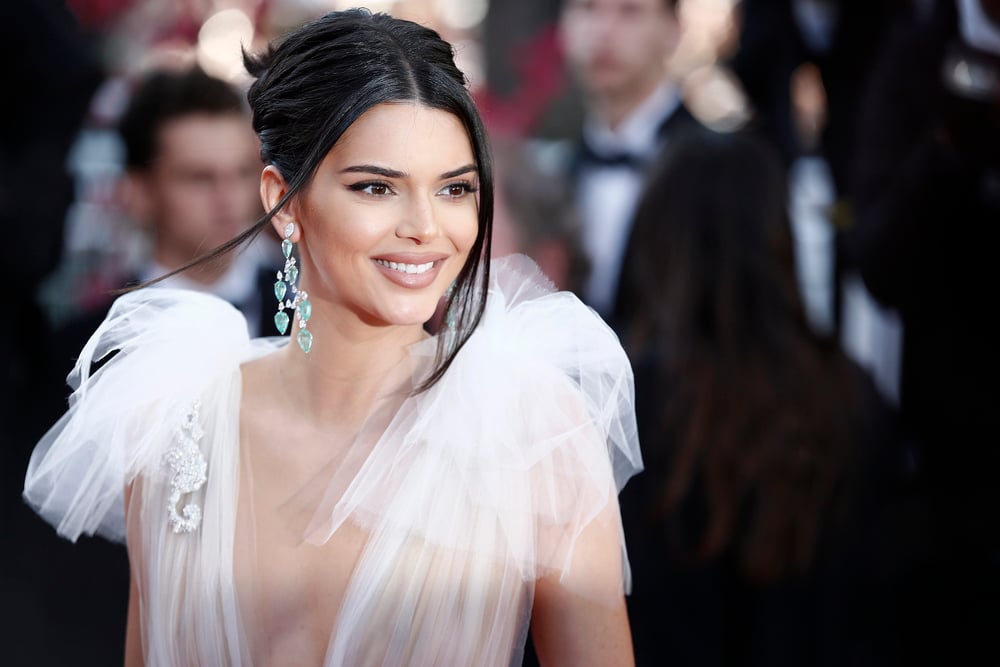
Pepsi’s tone-deaf 2017 commercial featuring Kendall Jenner seemingly resolving tension at a protest by offering a police officer a soda was pulled within days of its release. The ad trivialized serious social justice movements and sparked immediate outrage.
Pepsi apologized, but not before their consumer approval ratings dropped by 11 points and competitors gained market share during a crucial summer sales period.
Like Go2Tutors’s content? Follow us on MSN.
Scarlett Johansson and SodaStream
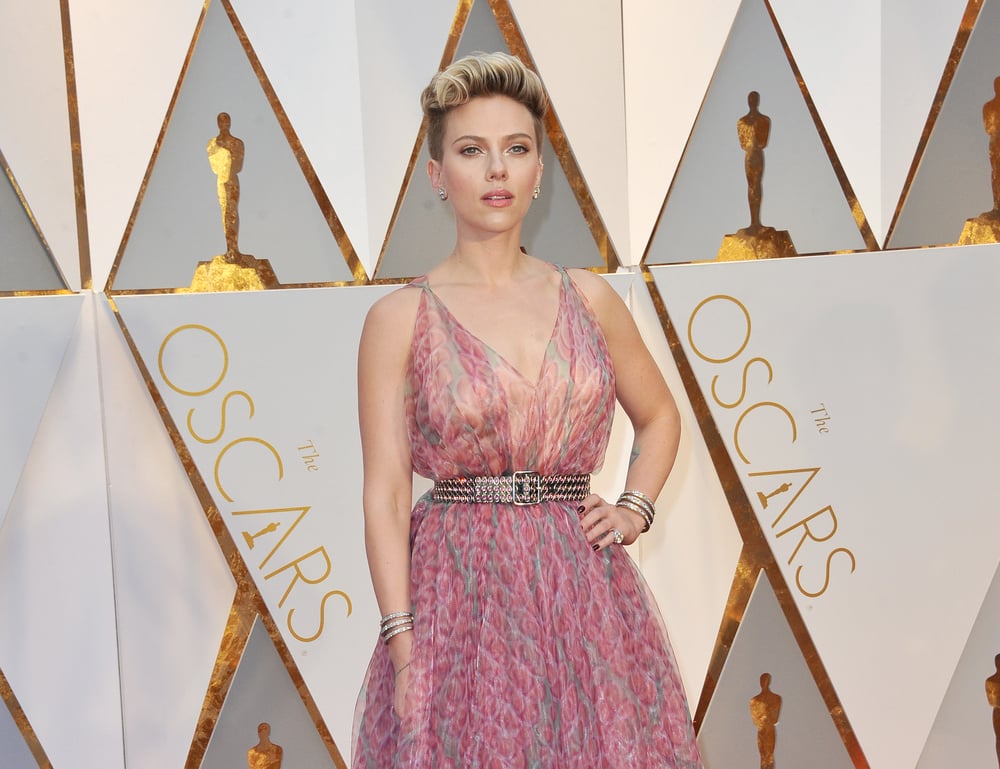
Scarlett Johansson’s 2014 endorsement of SodaStream became problematic when critics highlighted that the company operated a factory in Israeli-occupied West Bank territory. The political controversy overwhelmed the product messaging, and Johansson eventually resigned from her role as an Oxfam ambassador due to conflicts with her SodaStream deal.
The company’s sales fell approximately 12% in the quarters following the controversy.
Kathy Griffin and Squatty Potty
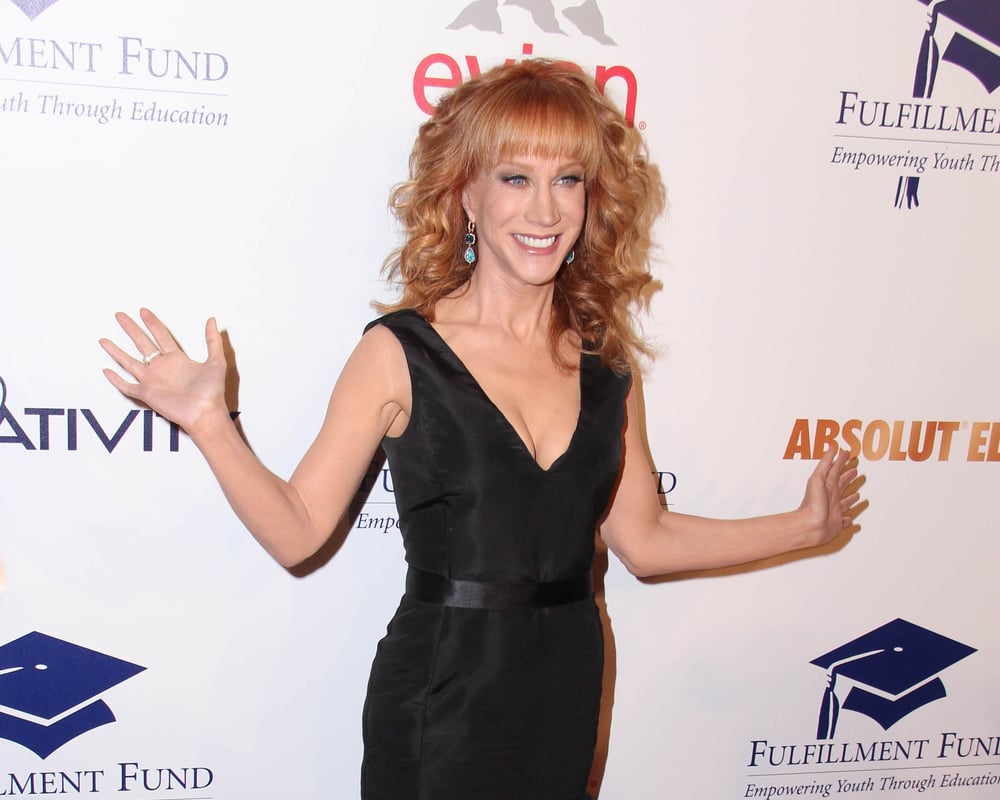
Comedian Kathy Griffin’s 2017 photo holding a prop resembling President Trump’s severed head created immediate controversy, leading bathroom product company Squatty Potty to terminate their recently launched endorsement deal. The bathroom accessories brand had just begun a major marketing push with Griffin when the controversy erupted, forcing them to pull all campaign materials and absorb the marketing costs with no return.
Paula Deen and Multiple Brands
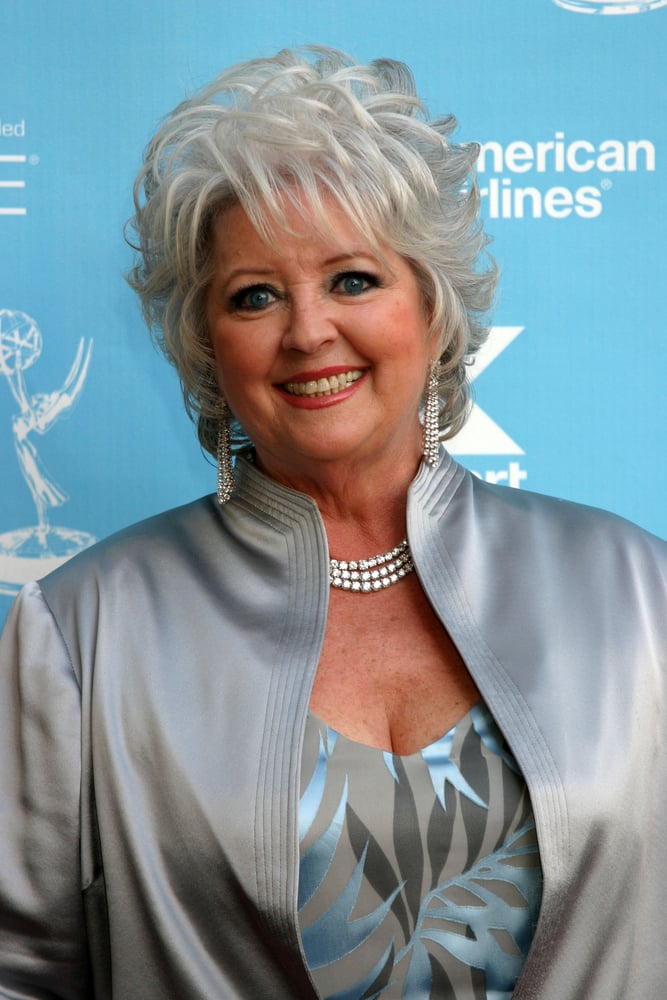
Celebrity chef Paula Deen lost nearly all her endorsement deals, including Food Network, Walmart, and Target, after admitting to using racial slurs. The scandal’s timing coincided with her cookware line’s peak distribution, leaving retailers with excess inventory they couldn’t sell.
Walmart reported having to discount Deen’s products by up to 80% to move them off the shelves.
Like Go2Tutors’s content? Follow us on MSN.
Gilbert Gottfried and Aflac

Comedian Gilbert Gottfried had been the recognizable voice of the Aflac duck for years when he made insensitive jokes about the 2011 Japanese tsunami on Twitter. Given that Aflac does 75% of its business in Japan, the company immediately fired him.
The insurance giant reported a temporary 7% decline in new policy enrollments during the quarter following the controversy.
David Beckham and Police Sunglasses

Soccer star David Beckham’s endorsement of Police sunglasses in 2001 seemed like a natural fit until he was photographed removing the sponsored frames immediately after official appearances. These candid shots suggested insincerity in the partnership, and consumers noticed.
Police reported disappointing sales figures for the Beckham collection, falling roughly 20% below projected targets.
Charlie Sheen and DirecTV
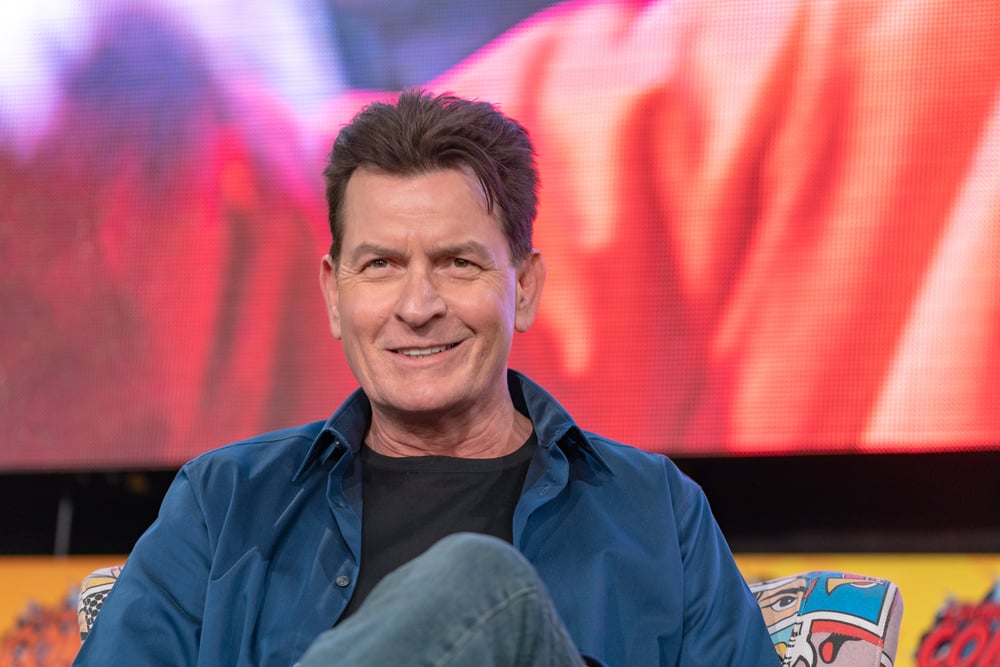
DirecTV’s 2012 campaign featuring Charlie Sheen came during his very public meltdown, which the company attempted to use to their advantage. The strategy backfired as Sheen’s erratic behavior continued, making the brand appear exploitative rather than edgy.
Customer acquisition goals fell approximately 30% short during the campaign, and DirecTV quietly pulled the ads earlier than planned.
Like Go2Tutors’s content? Follow us on MSN.
Jenny McCarthy and Vitamin Water

Jenny McCarthy’s endorsement of Vitamin Water became problematic as she simultaneously promoted anti-vaccination views, creating a contradictory health message. The cognitive dissonance of a wellness product being promoted by someone criticized by the medical community for potentially dangerous health views led to a reported 8% sales dip in their target demographic of health-conscious parents.
Celebrity Endorsements: Calculated Risks
The relationship between celebrities and brands represents a double-edged sword in marketing strategy. When successful, these partnerships can dramatically boost brand recognition and sales figures. However, companies have learned through these costly mistakes that a celebrity’s personal life, public statements, and even past indiscretions can quickly tarnish their carefully crafted brand image.
Today’s marketers increasingly incorporate moral clauses and social media restrictions into endorsement contracts, acknowledging that in our interconnected world, a brand’s fortunes can change as quickly as a celebrity can post an inappropriate tweet or become embroiled in scandal. The most successful companies now perform extensive background checks and risk assessments before linking their product with any famous personality, recognizing that sometimes the safest endorsement is no celebrity endorsement at all.
More from Go2Tutors!

- 18 Unexpectedly Valuable Collectibles You Might Have Lying Around
- 15 Things Every Teenager in the ’70s Did That Teens Today Wouldn’t Understand
- 15 Strange Things People Have Tried to Ban (And Failed)
- 15 Inventions That Were Immediately Banned After Being Created
- 20 Actors Who Were Almost Cast in Iconic Roles
Like Go2Tutors’s content? Follow us on MSN.



