30 Jewelry Details That Help Identify Older Pieces
Age shows up in jewelry long before it shows up in a price tag. The clasp, the back of a stone, and the way a joint was soldered can place a piece in a period faster than a signature.
None of the clues below proves anything on its own. Together, they build a picture, and the picture is usually good enough to tell an heirloom from a modern copy.
A C-Clasp Pin Catch
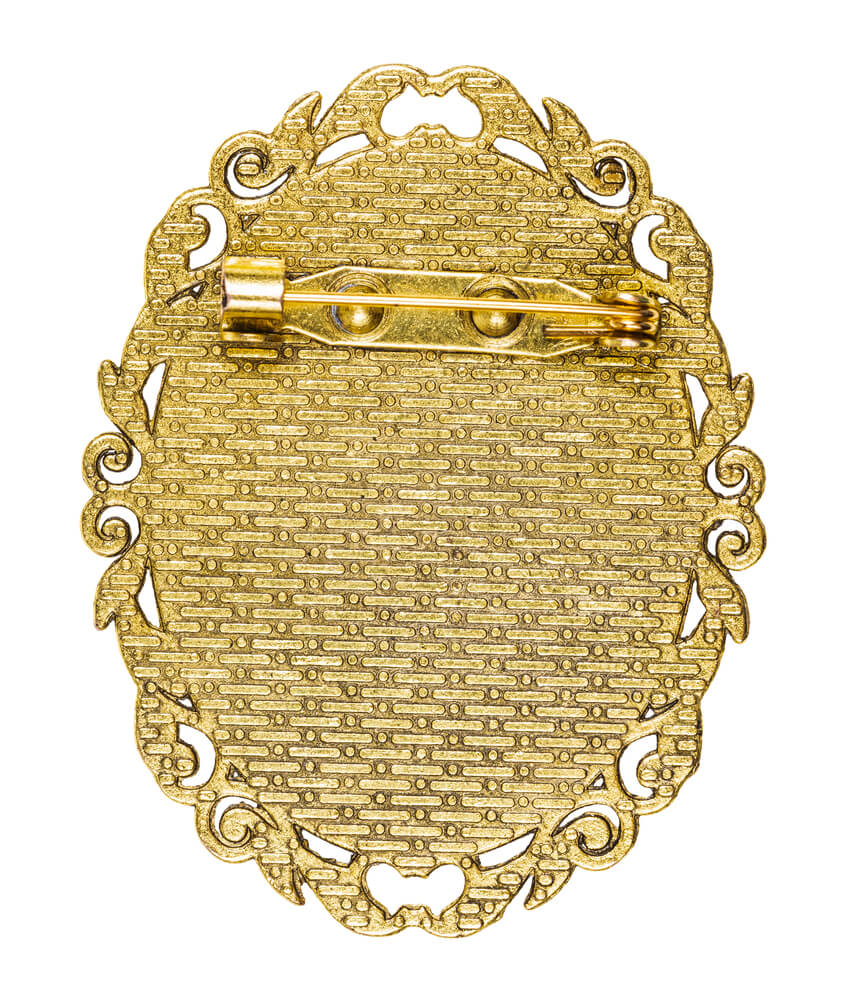
A simple C-shaped catch on the back of a brooch is typical of older pins. The pin stem slips into the open curve and is held by tension, with no safety feature.
Because it can let go easily, many of these catches were later replaced, so an original is a good sign of age.
A Roll-Over Safety Catch
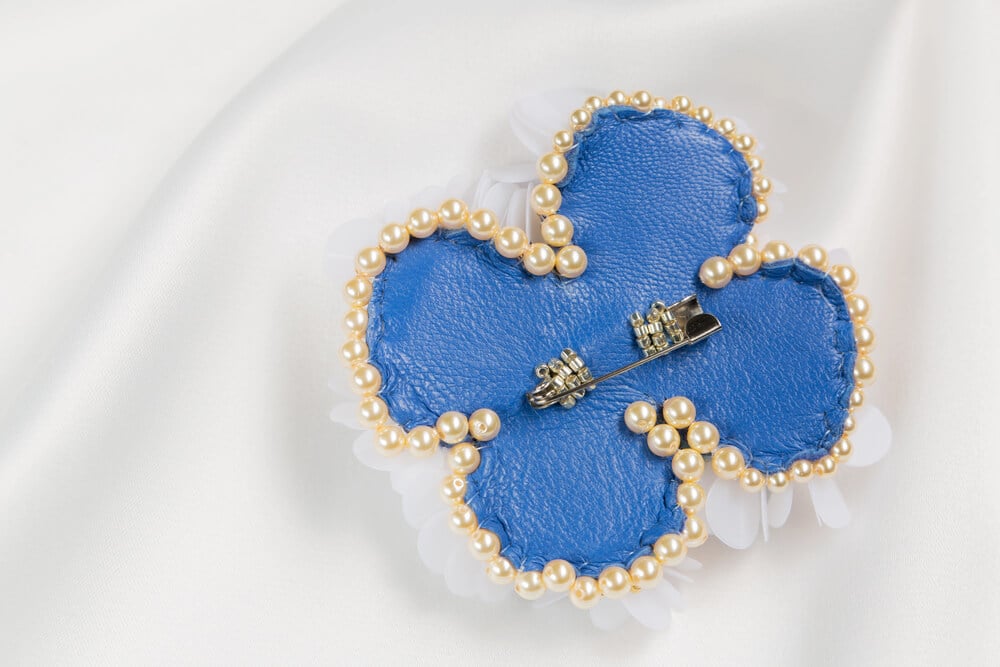
A small hinged guard that rolls over the tip of the pin was added to brooches to stop them from falling off. It is a sign that the maker cared about security.
Finding one on a piece that otherwise looks very old can mean a repair or a later addition.
A Tube Hinge and Pin Stem
Many older brooches use a pin stem that sits in a tube hinge, which is a small rolled piece of metal soldered to the back. The tube is smooth and carefully shaped when it is original.
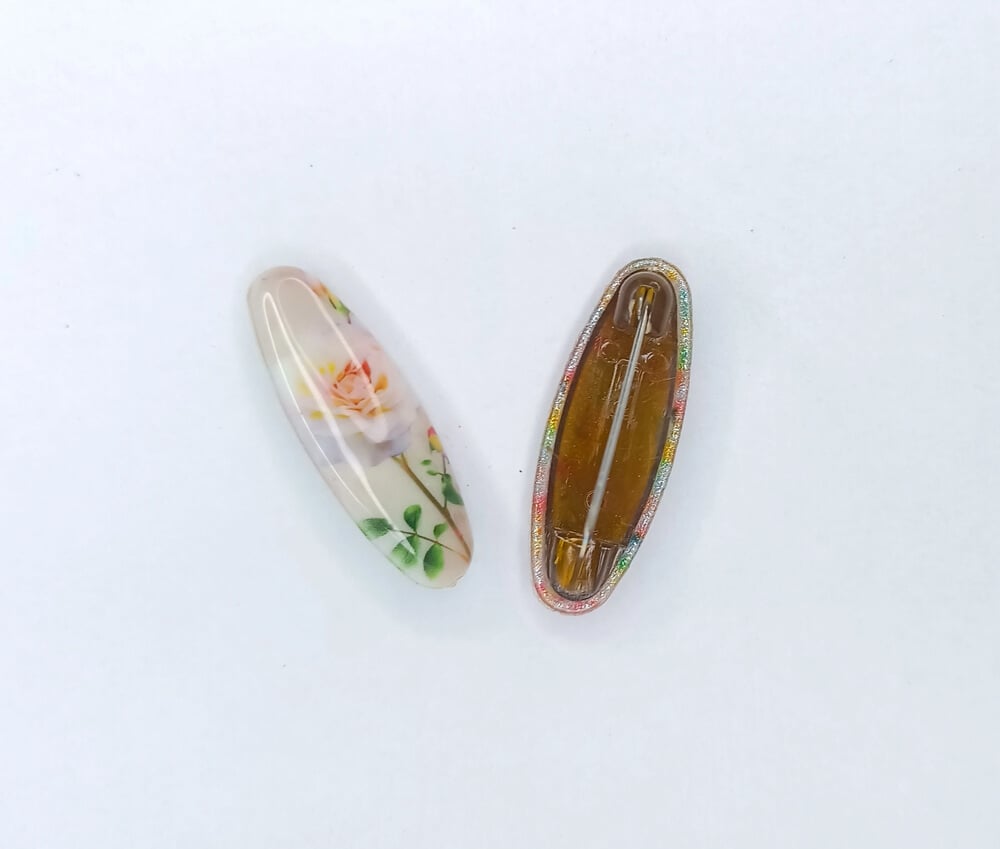
Modern cast pieces often use a simple loop instead.
A Box Clasp With a Figure-Eight Safety
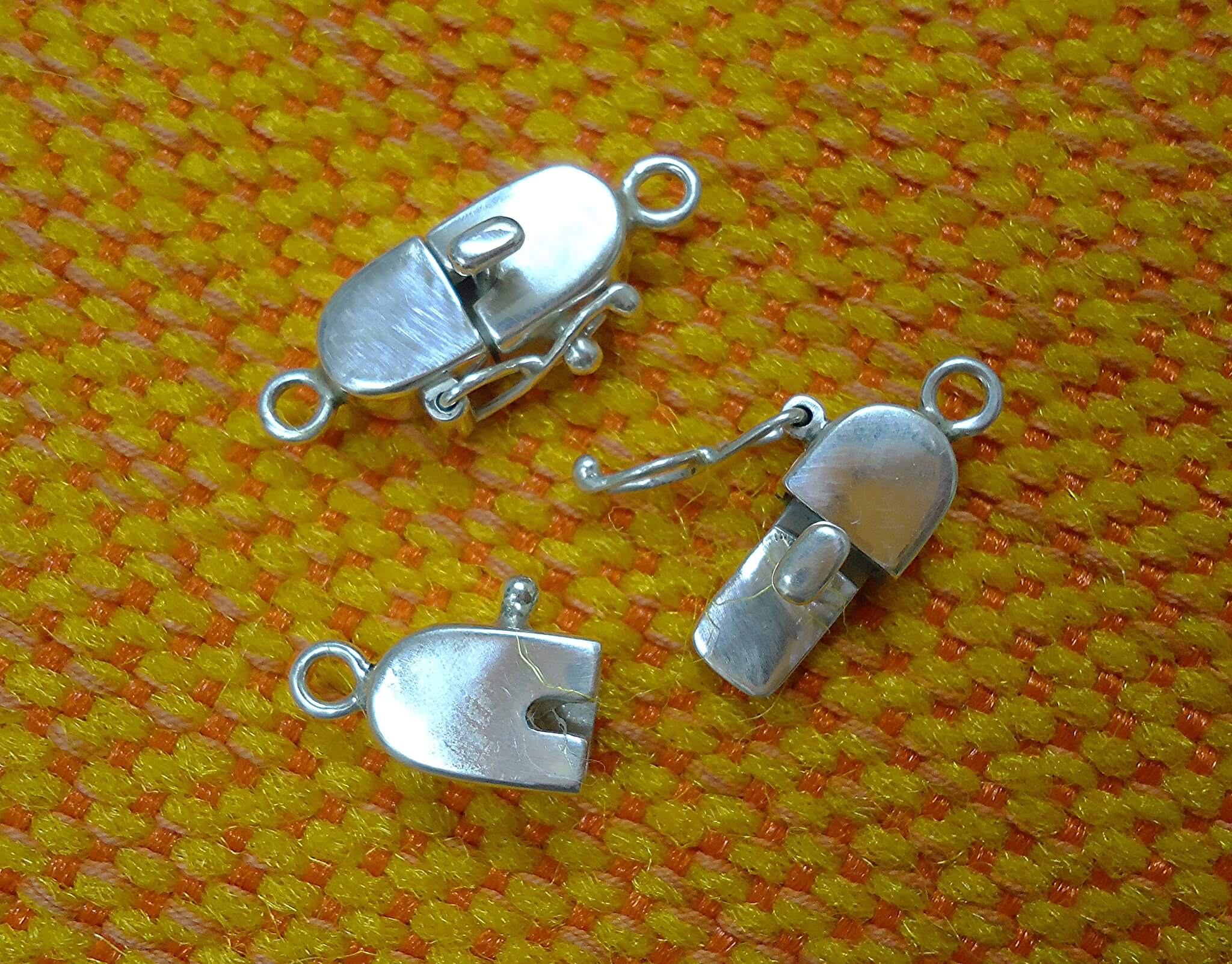
Box clasps with a tongue that snaps into a small box were common on bracelets and necklaces from the early to middle twentieth century. A figure-eight shaped safety catch on the side kept the clasp from opening by accident.
Check that both parts still click, since a broken safety is a common flaw.
A Barrel Screw Clasp

A barrel clasp is made of two halves that screw together, and it was widely used on pearl strands and bead necklaces. The threads should turn smoothly without sticking.
Worn threads are a sign of age but also a reason to have the necklace restrung before wearing.
Spring Ring Versus Lobster Claw
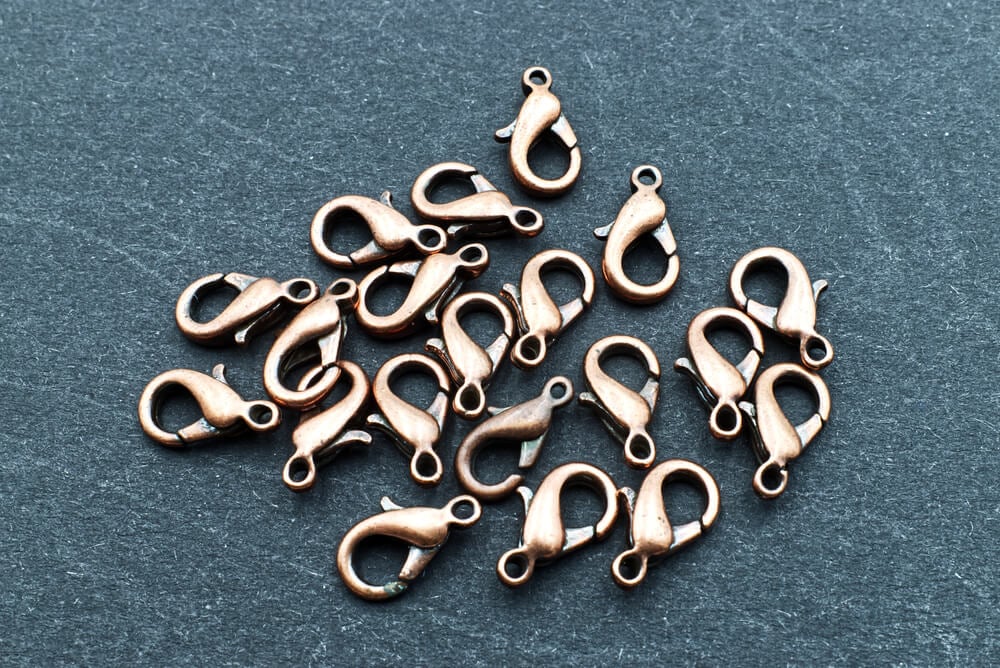
Spring ring clasps are small round clasps with a tiny lever, and they are found on much older chains than the lobster claw, which became common in more recent decades. The lobster claw is larger and easier to use.
A heavy, old-looking chain with a lobster claw may have had its clasp replaced.
Kidney Ear Wires
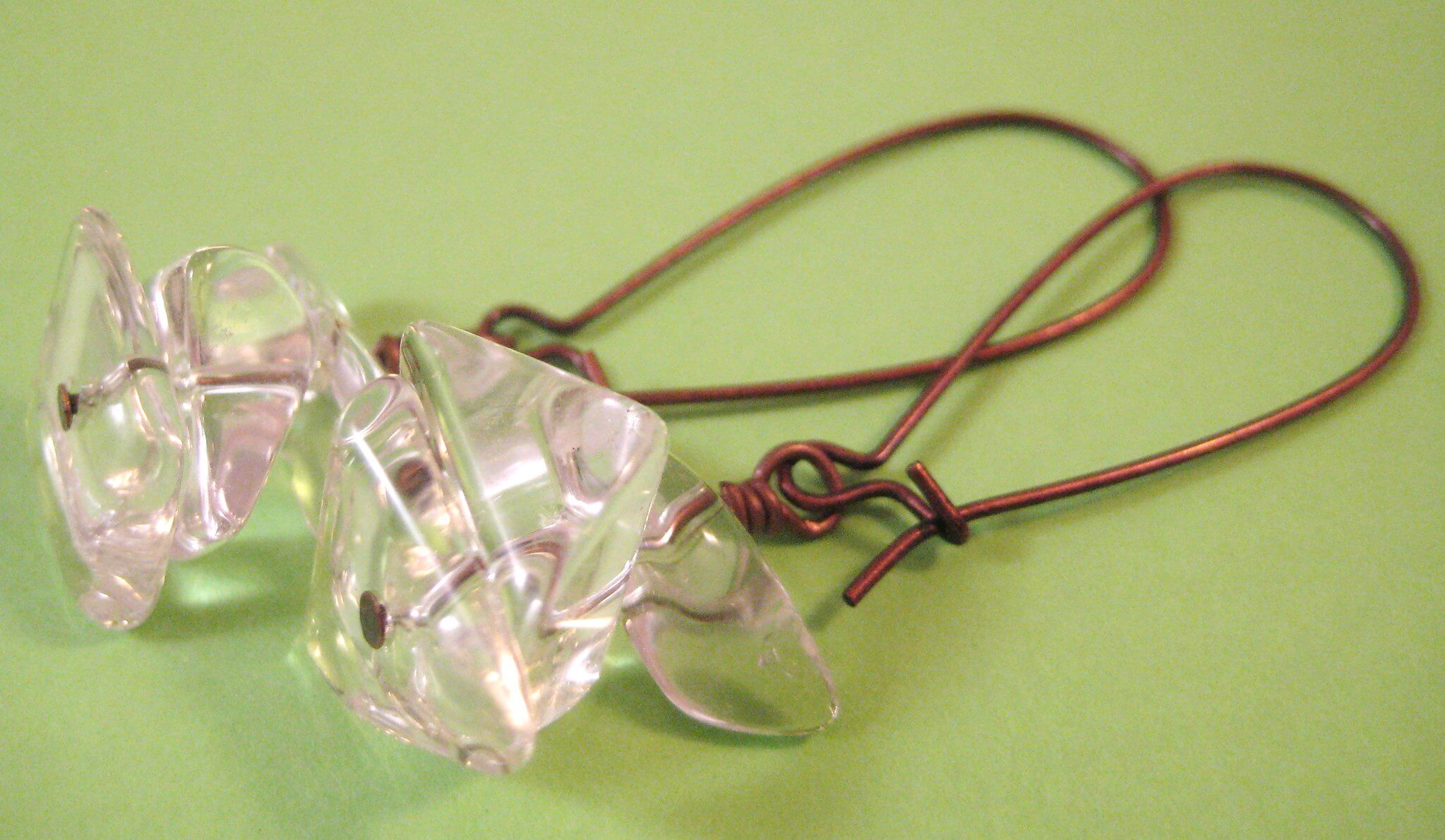
Older earrings often use a kidney-shaped wire that hooks through the ear and closes at the back. The shape is rounded and the wire thick compared with modern fish hooks.
Original wires show wear at the bend, which is natural.
Open-Backed Settings
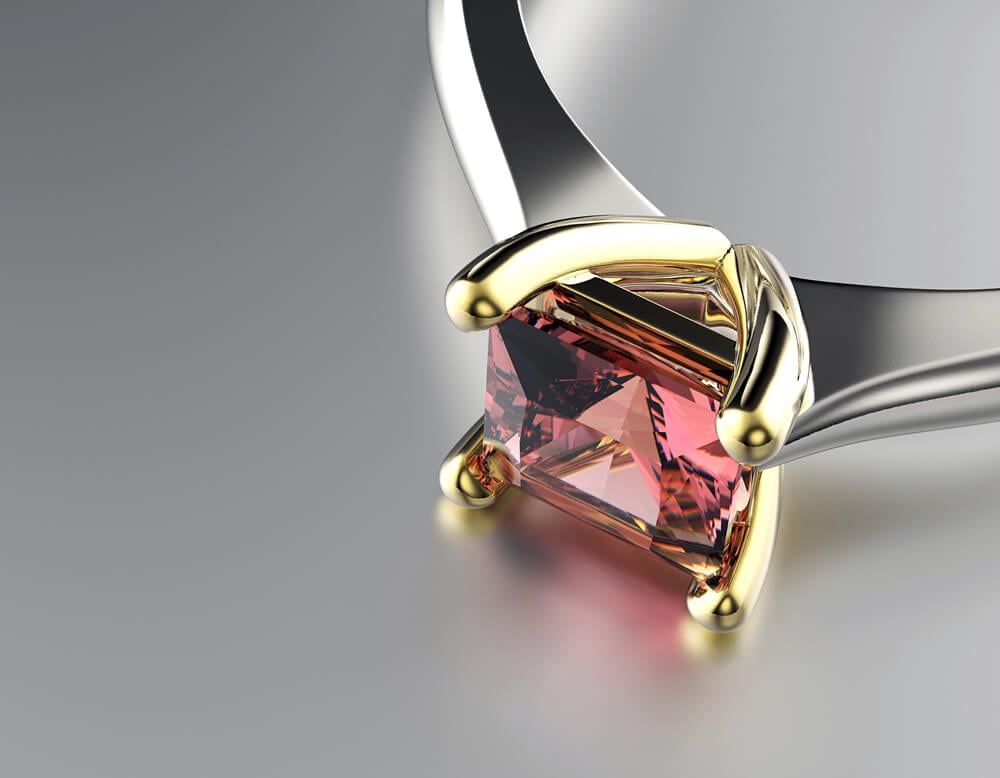
Many antique stones are set with the back open, which allowed light to pass through and show off the color. It also made the stones easy to clean.
Open backs are a good sign that a piece was handmade, though later pieces can use the same style.
Hand Engraving
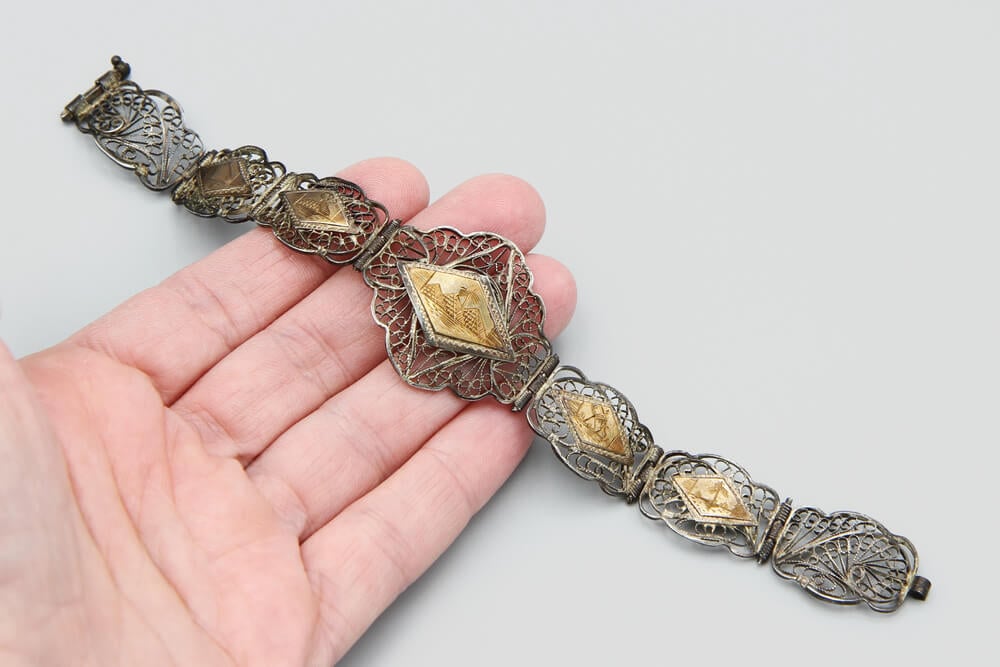
Hand engraving leaves lines that vary slightly in depth and spacing, giving the surface a lively quality. Machine engraving is perfectly uniform and looks flat in comparison.
The difference is easy to see under a loupe.
Milgrain Edges
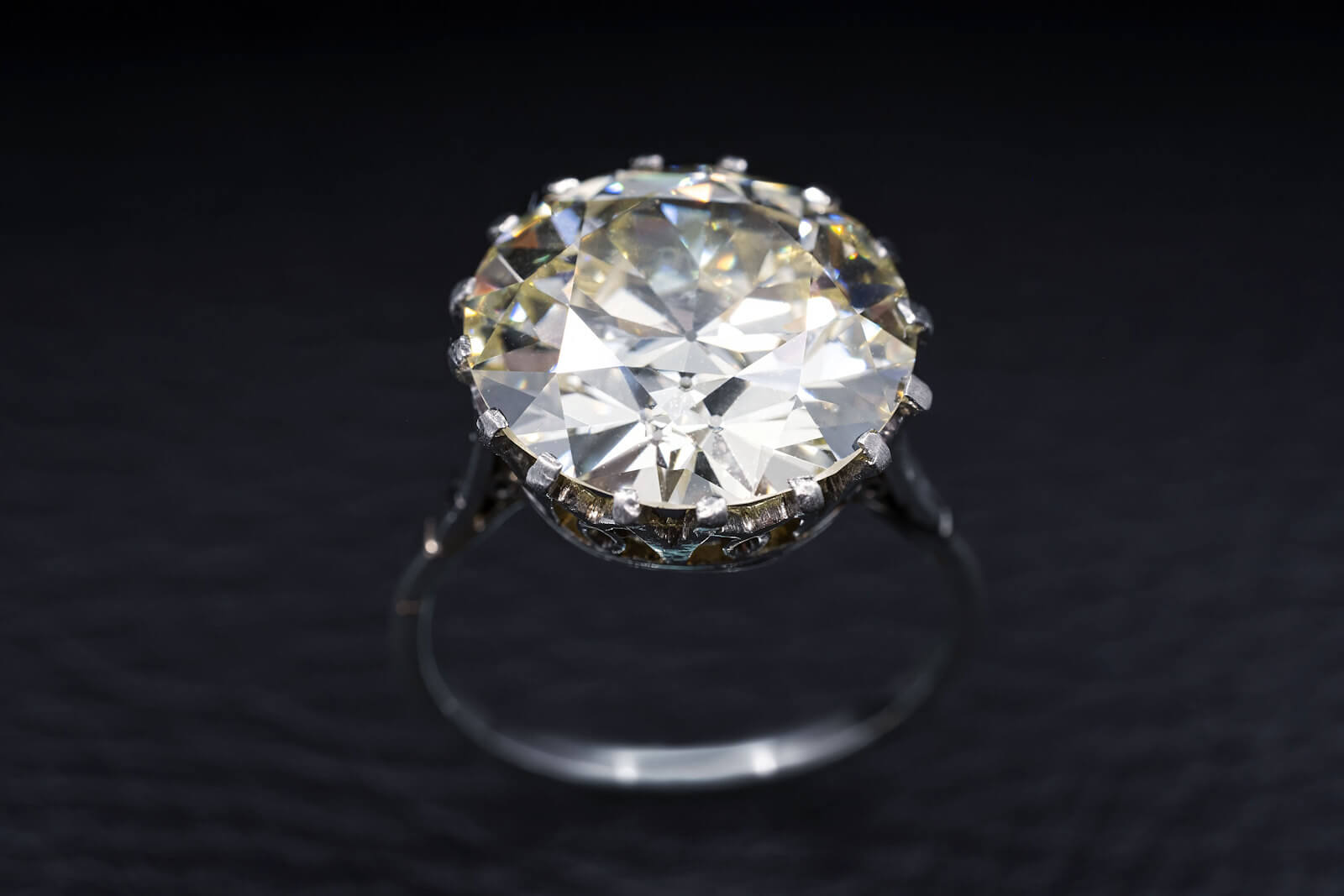
Milgrain is a row of tiny beads along the edge of a setting, and it was a hallmark of Edwardian and Art Deco jewelry. In the oldest pieces, the beads were made one at a time with a hand tool.
Worn milgrain has softened edges, which is normal for age.
Filigree Work
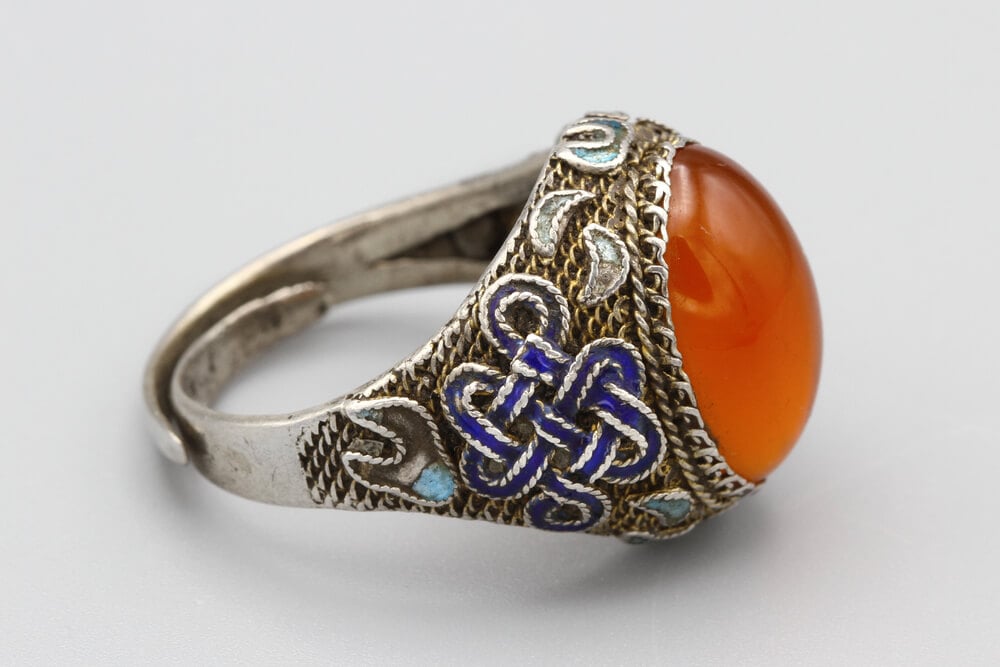
Filigree is made of fine twisted wires soldered into lacy patterns. It was popular in the Edwardian period and in some Art Deco designs.
Look for wires that are broken or flattened, because damage in these areas is expensive to repair.
Old-Cut Stones
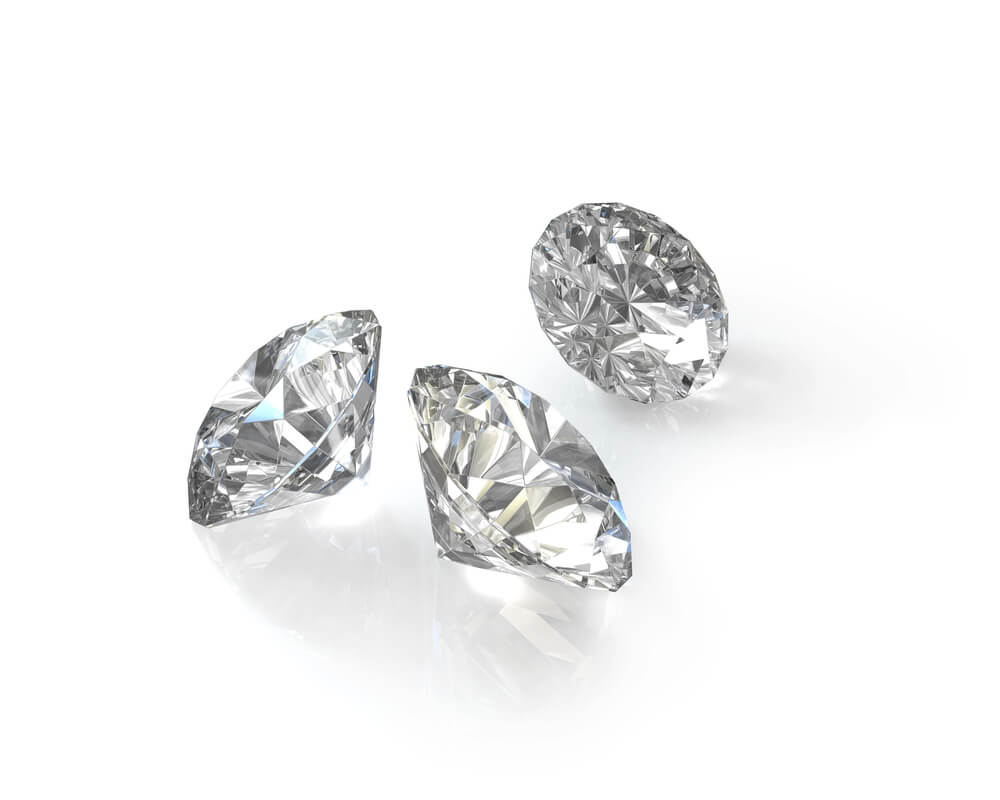
Diamonds cut before the modern round brilliant have chunky facets, small tables, and an uneven outline. The difference is clear when compared side by side with a modern stone.
A piece with matched old-cut diamonds is usually older than one with a modern mix.
Seed Pearls
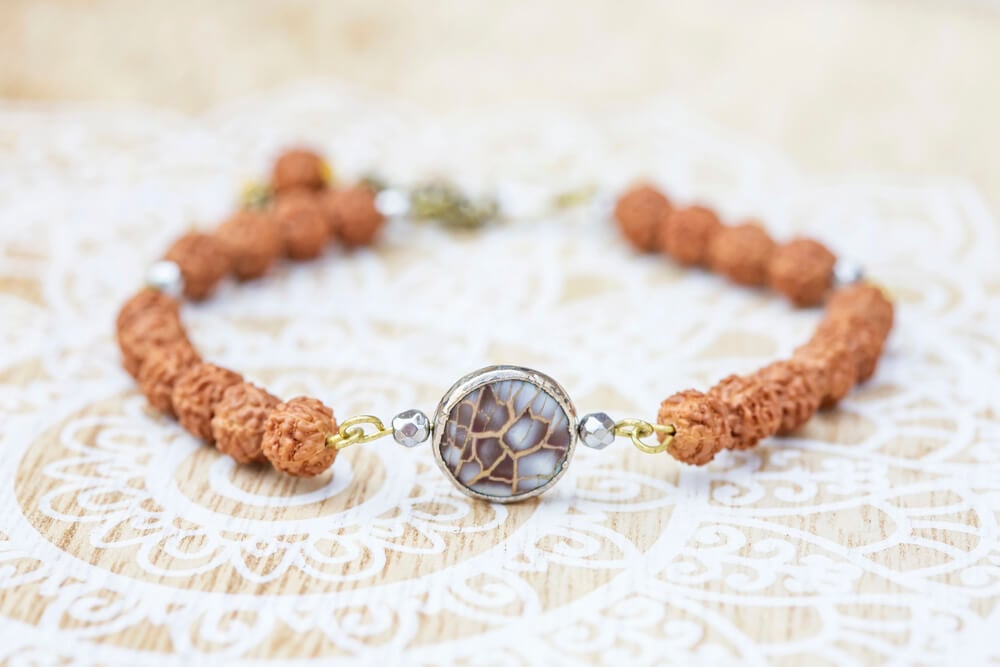
Seed pearls are very small natural or cultured pearls, and they were widely used in Victorian jewelry. They were often strung on horsehair or thread and sewn onto a backing.
Missing pearls are the main condition problem, and they are difficult to match.
Silk Knots Between Pearls
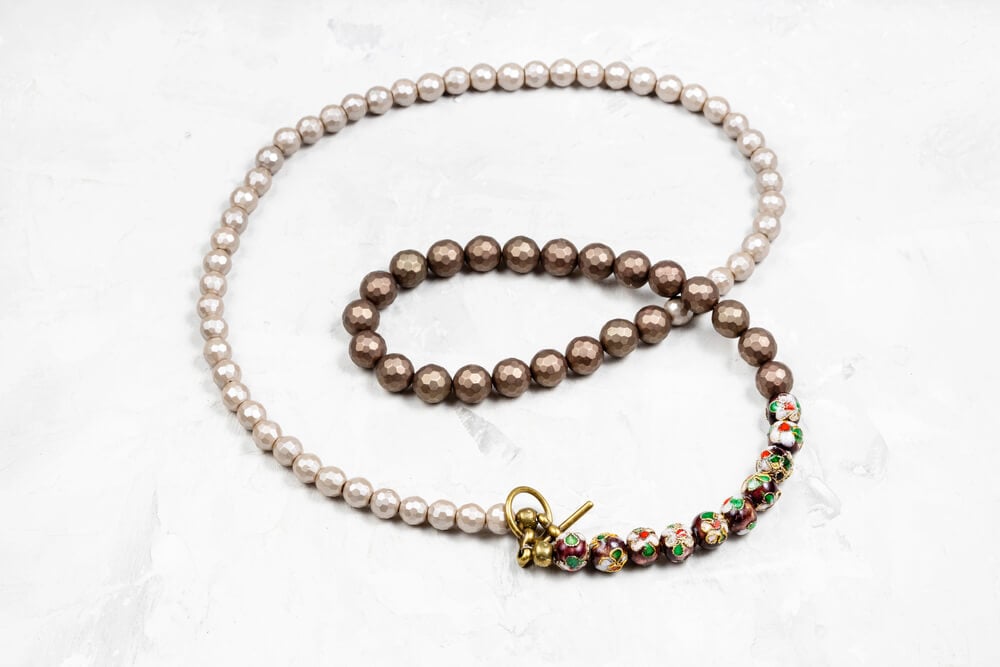
A strand of pearls with a tiny knot between each one is a sign of careful stringing. The knots prevent the pearls from rubbing together and keep them from scattering if the thread breaks.
Old silk can stretch or fray, so an older strand should be checked before wearing.
Hand-Soldered Joints
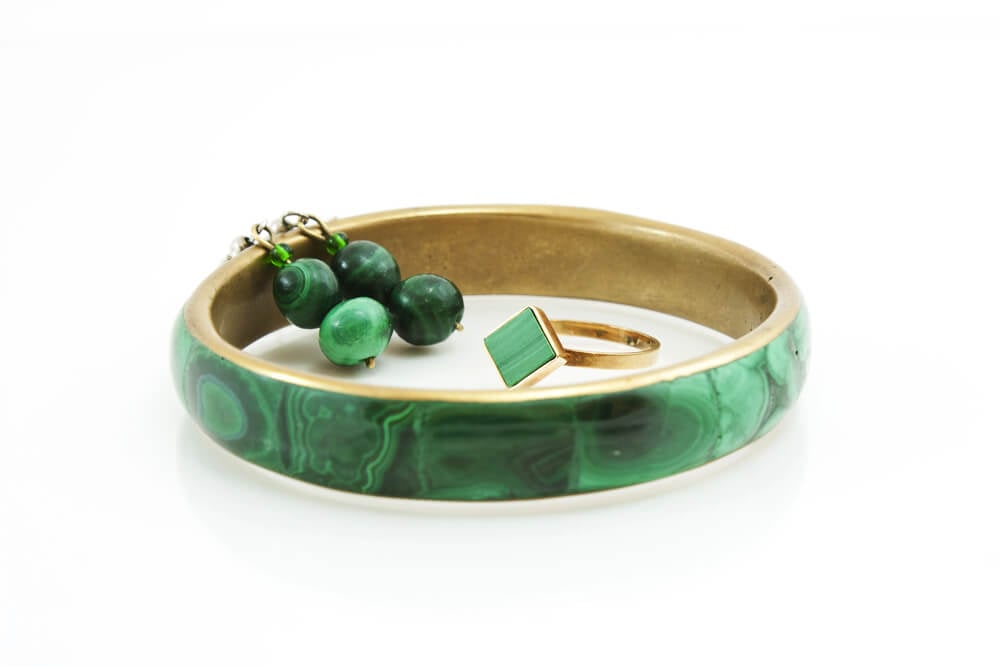
Look at the places where parts of a piece join together. Older pieces show small variations in the solder lines, while modern casting is smooth and seamless.
A few file marks on the back are a sign that someone shaped the metal by hand.
Rivets and Pins
Some older pieces have tiny rivets that hold parts together, especially in hinged bracelets and lockets. The rivet heads are often visible on the back.
Modern pieces rely more on welding and glue.
Patina in the Recesses
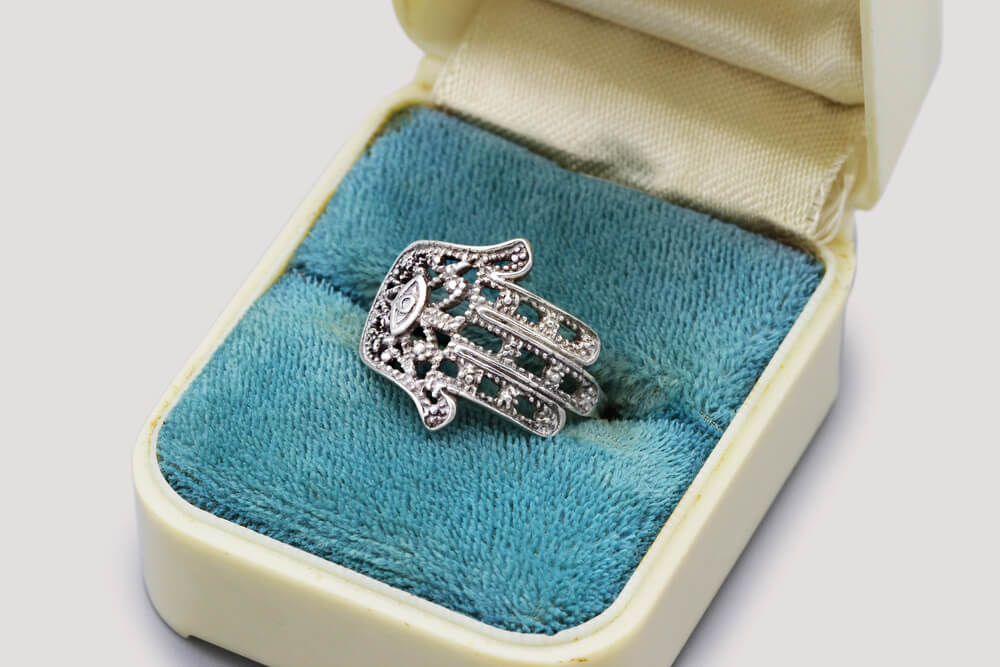
Dark deposits in the crevices of a silver or gold piece are the result of years of oxidation and dirt. Real patina is soft and settles into the recesses.
A uniform black coating that has been painted on is easy to spot because it covers the high points too.
A Thin, Worn Ring Shank
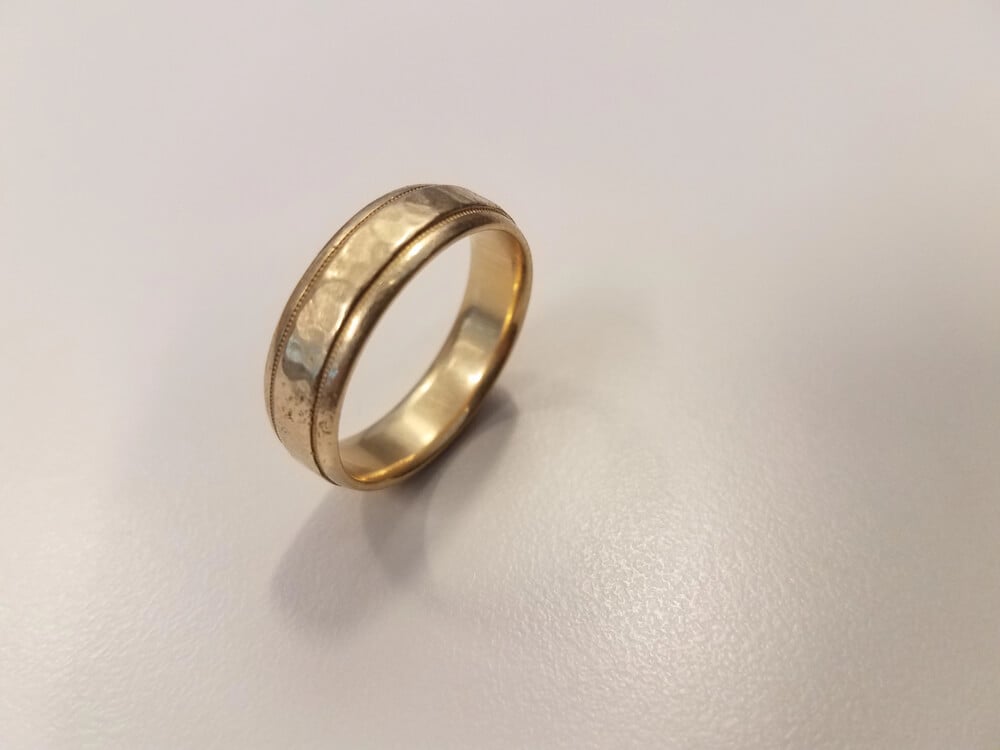
A ring band that has worn thin on the underside is evidence of decades on a finger. The metal flattens where it rubs against the palm.
A band that is close to breaking through should be reinforced before it is worn again.
Crazed Enamel
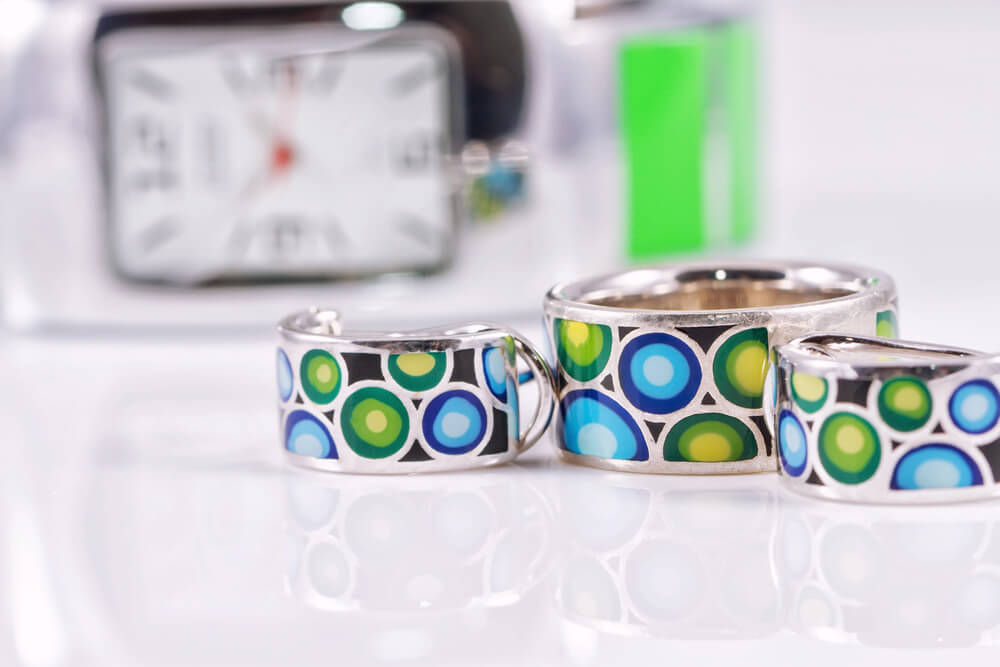
Tiny hairline cracks in old enamel are called crazing, and they are common in pieces that are more than a century old. The pattern looks like a web across the surface.
Chips and missing sections are a bigger problem than crazing, which is often accepted as part of the charm.
Guilloché Enamel
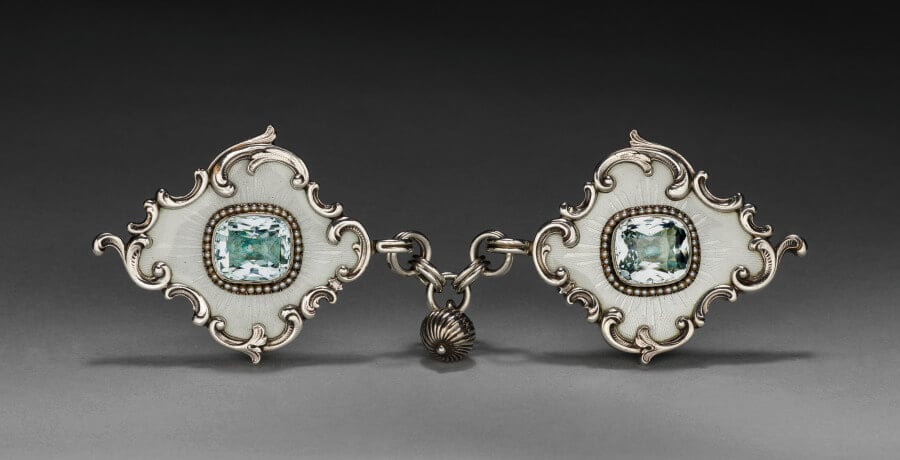
Guilloché enamel is applied over an engraved pattern, usually in a repeating, machine-turned design that shines through the translucent color. The technique requires great skill and gives the surface a rippled look.
It is found on fine pieces and is rarely imitated well.
Jet
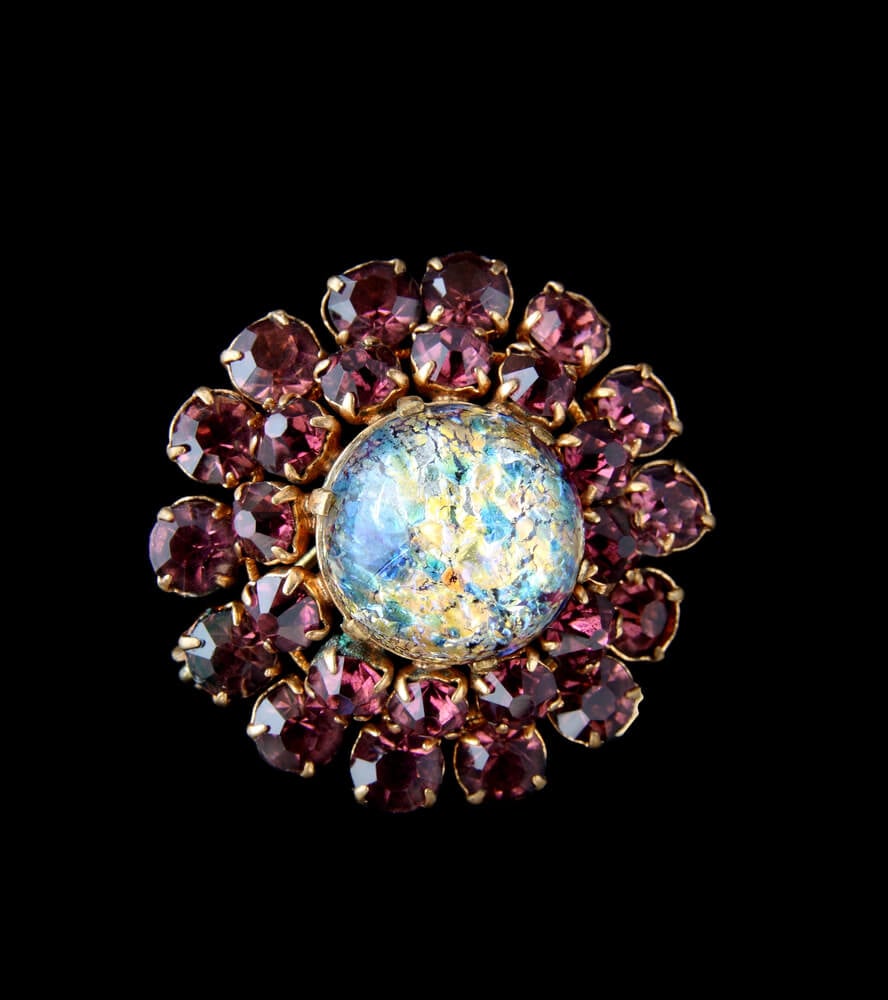
Jet is a fossilized wood that is lightweight and warm to the touch, and it was popular for Victorian mourning jewelry. Glass imitations are heavier and feel cold.
Jet can chip and crack, so the edges need careful inspection.
Bakelite
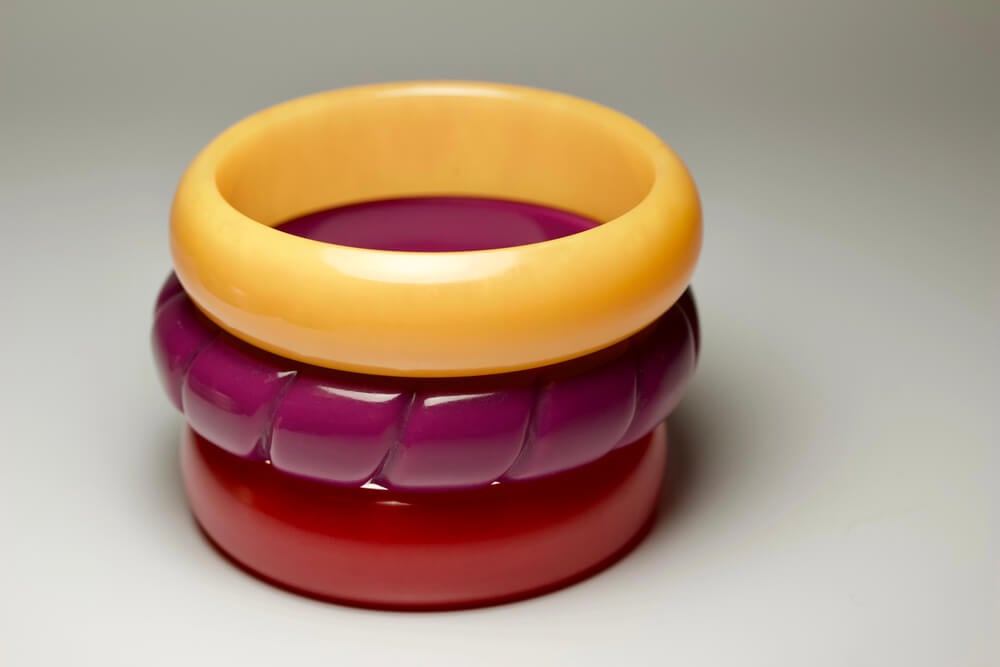
Bakelite was an early plastic used in jewelry from the 1920s through the 1940s, and it comes in rich colors such as butterscotch and cherry. Rubbing it until it is warm can produce a faint chemical smell.
Because the best colors are in demand, condition and color determine the price.
Celluloid
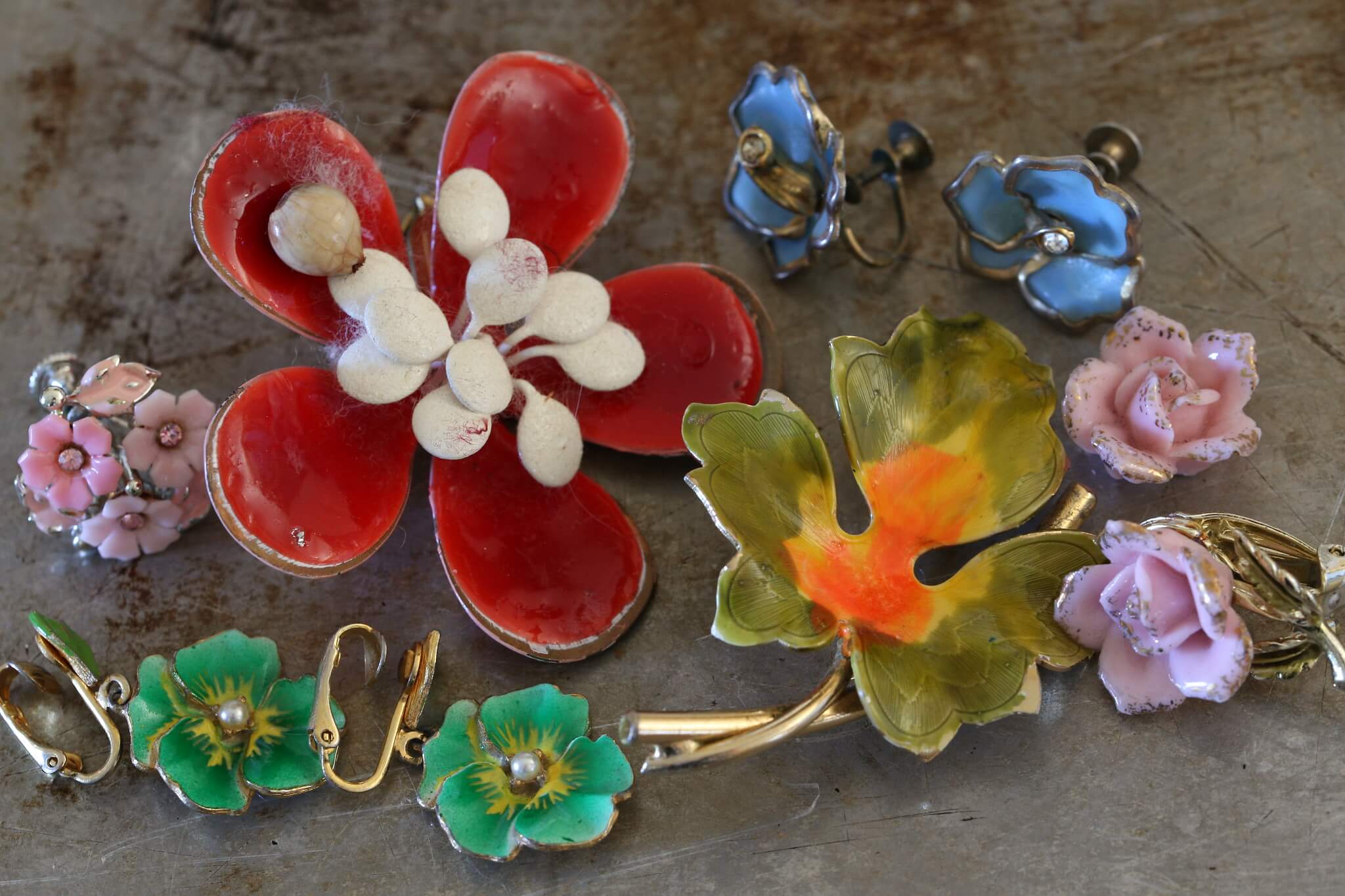
Celluloid is an early plastic that was used for combs, bangles, and imitation ivory. It is lighter than Bakelite and can warp or crack with age.
It is also flammable, so it should be stored away from heat.
Vulcanite
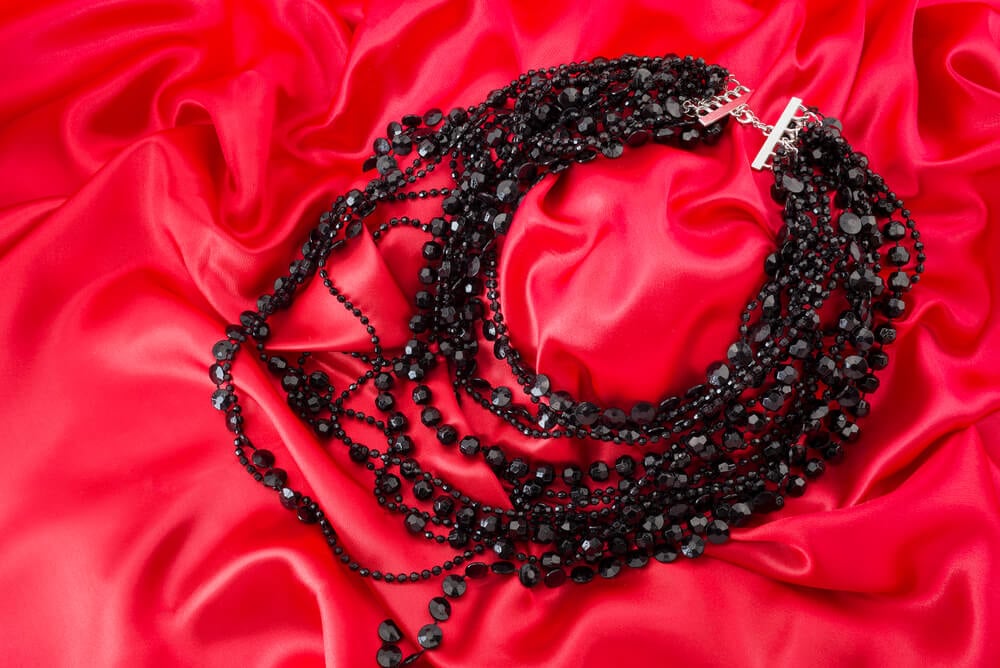
Vulcanite is a hardened rubber that was used as a cheaper black material for mourning jewelry. It can turn brownish when exposed to light over many years.
A brown tinge on a black piece is a clue that the material is vulcanite rather than jet.
Pinchbeck
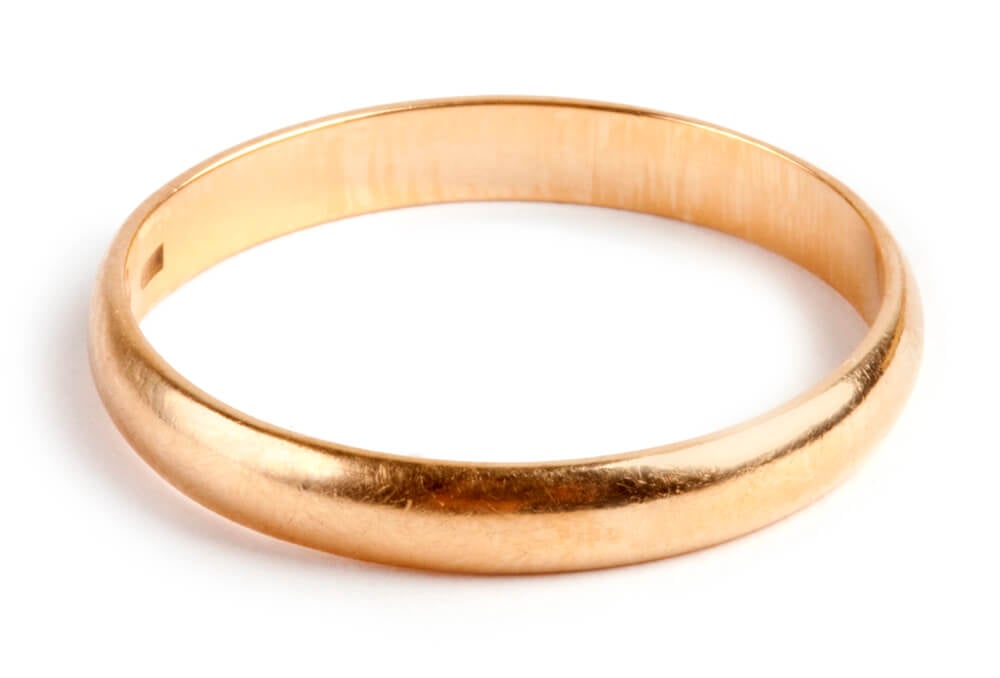
Pinchbeck is an alloy of copper and zinc that was developed in the eighteenth century by the London watchmaker Christopher Pinchbeck as a stand-in for gold. It has a warm color that can be mistaken for gold at first glance.
A piece made of pinchbeck is a sign of an early date.
Paste Stones
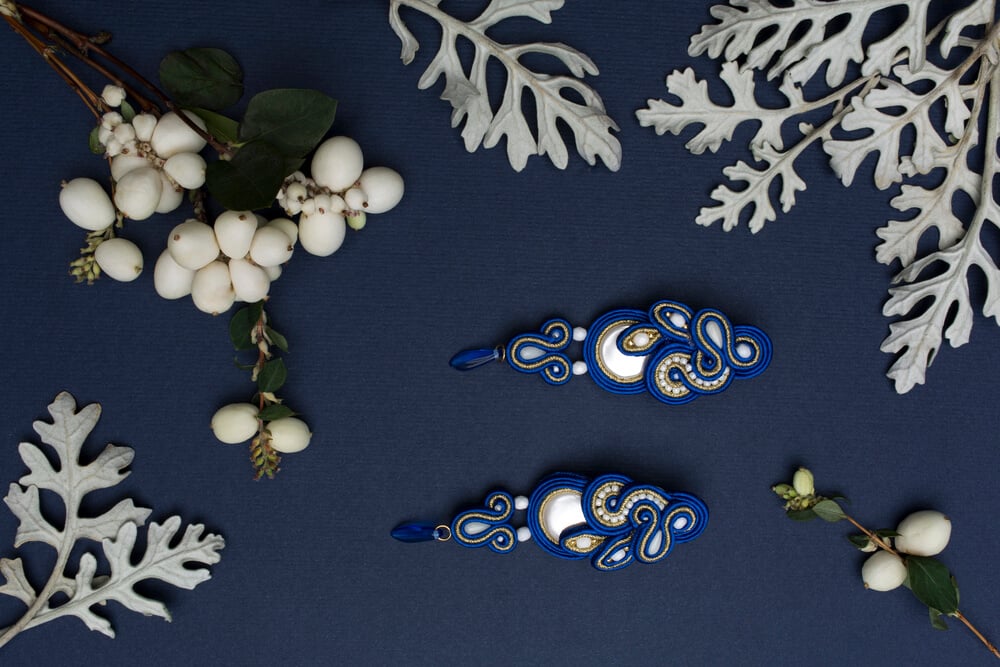
Paste is a type of leaded glass that was cut and polished to imitate diamonds and other gems. It was popular in the eighteenth and nineteenth centuries and can be of very high quality.
Wear on the facets, including tiny scratches and softened edges, is typical of age.
Cut Steel
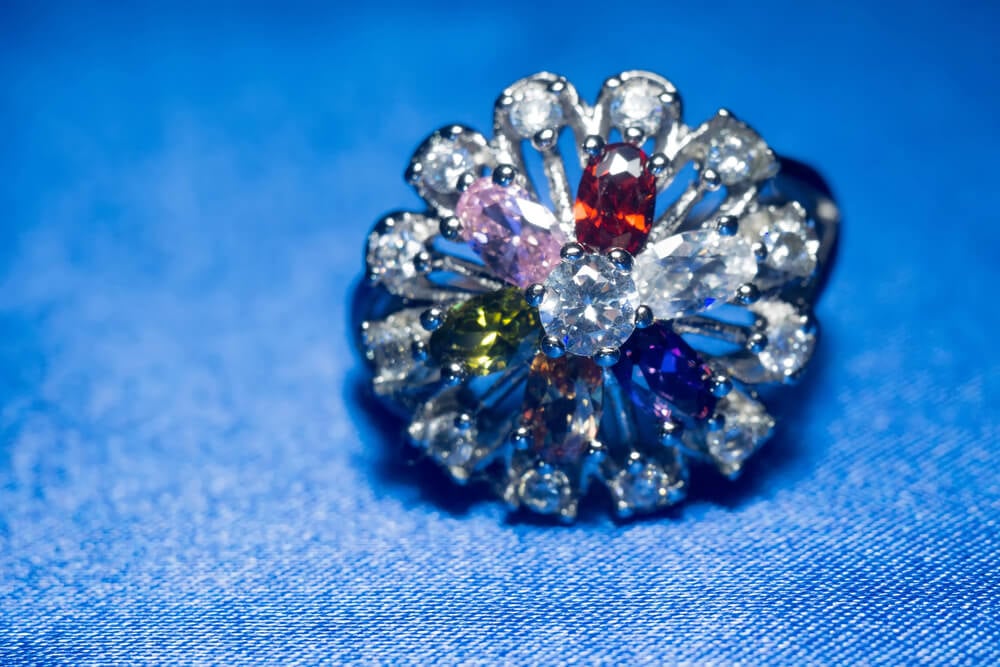
Cut steel jewelry is made of small faceted steel studs riveted onto a base, and it sparkles like diamonds. It was a fashionable material in the late eighteenth and nineteenth centuries.
Rust is the biggest threat, so check for spotting.
A Locket With a Hidden Compartment
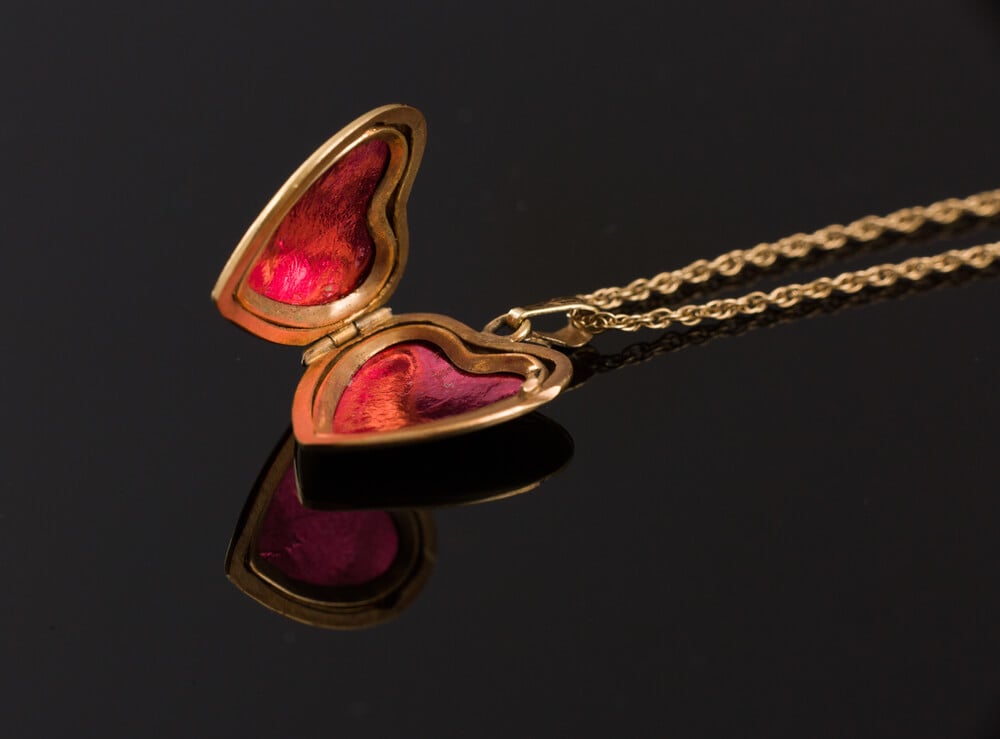
An old hinged locket may open to reveal a space for a portrait or a lock of hair. Many still hold glass covered photographs or small keepsakes.
A locket that closes tightly and opens smoothly has been looked after.
Hallmarks That Place the Date
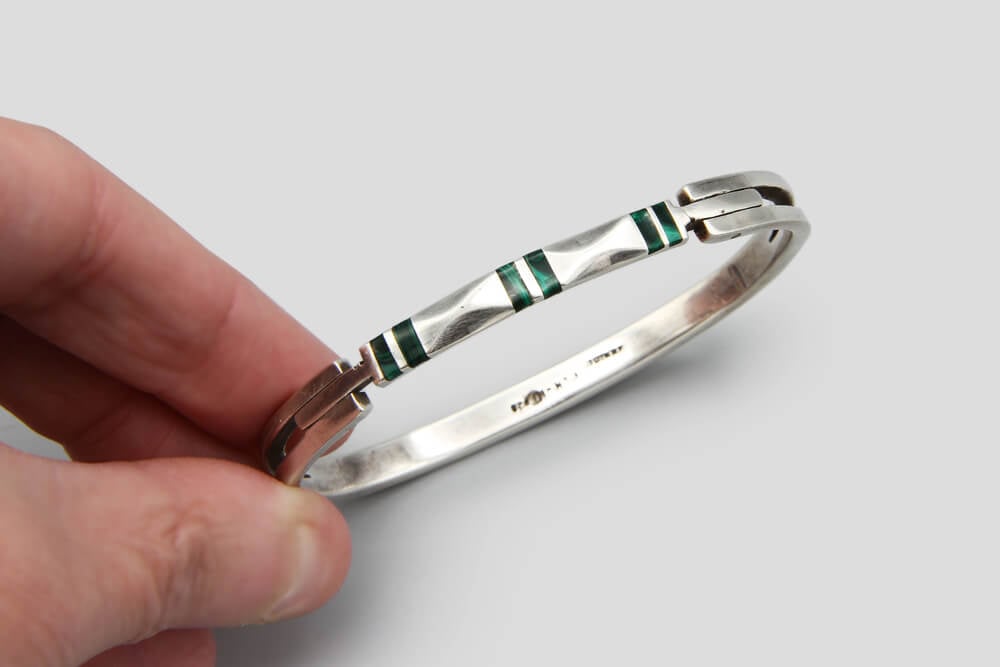
Assay marks, date letters, and maker’s stamps can give an exact year or at least a narrow range. They are usually small and sit in a group on the back or inside a band.
A clear hallmark is the strongest single clue on this list.
The Quiet Evidence
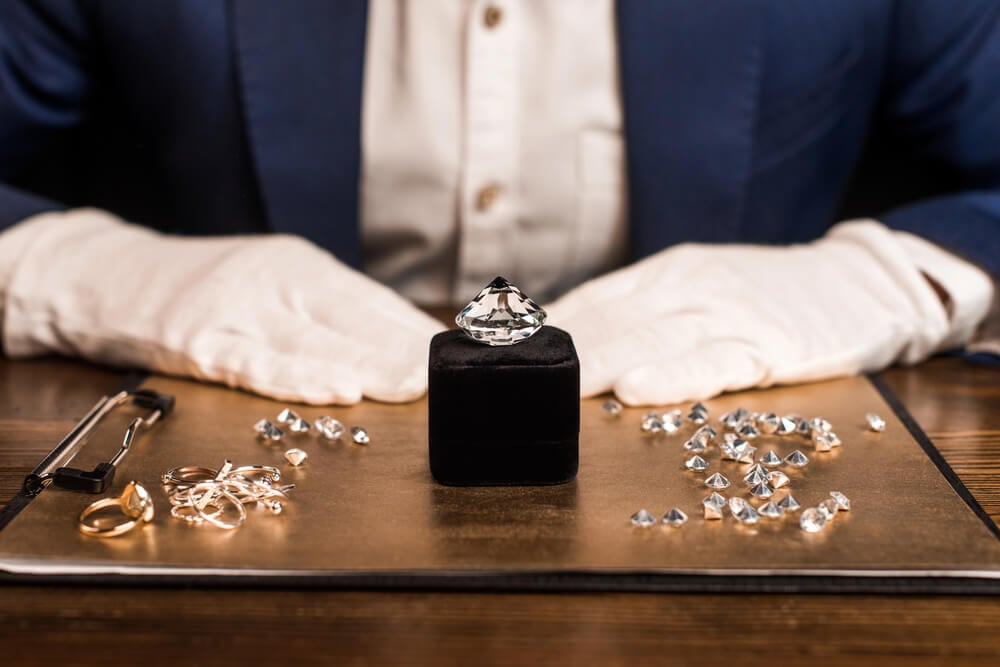
The details above are small, and most of them were never meant to be noticed. They are the by-products of how a piece was made, and that is why they are so hard to fake.
Learning to see them takes practice, but the habit pays off quickly. A few minutes with a loupe will tell the story that the seller left out.
More from Go2Tutors!

- 27 Silver Dollars and Half Dollars Worth Keeping
- 28 Restaurant Menu Items Nobody Orders Anymore
- 17 Places Built in Seemingly Impossible Spots
- 27 Vintage Rings Worth More Than They Look
- 25 Restricted Sites Tourists Can’t Enter
Like Go2Tutors’s content? Follow us on MSN.