17 Nuclear Accidents the Military Tried to Keep Secret
The military’s approach to nuclear weapons incidents has always been shrouded in secrecy, with officials classifying details that would shake public confidence in atomic security. Though some information has emerged through declassified documents and investigative reporting, many of these close calls stayed hidden from public view for years or decades.
Military terminology distinguishes between different types of nuclear incidents — ‘Broken Arrow’ refers to accidents involving nuclear weapons that don’t create a risk of nuclear war, while ‘Nucflash’ describes potential detonations that could trigger broader conflict. Here is a list of 17 nuclear accidents that the military initially tried to keep under wraps.
Albuquerque Bomb Drop
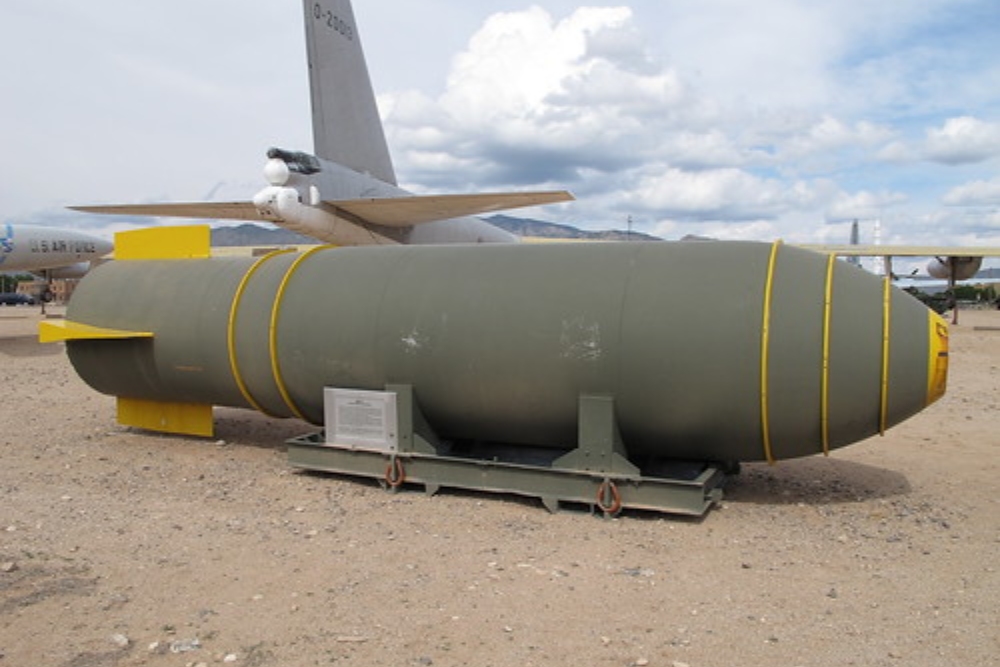
A B-36 bomber accidentally dropped a nuclear weapon over Albuquerque, New Mexico, during a training exercise on May 22, 1957. The 42,000-pound device plummeted from 1,700 feet — creating a crater 12 feet deep and 25 feet wide when its conventional explosives detonated.
Though the nuclear core wasn’t installed, the blast killed a cow and rattled windows throughout the city.
Tybee Island Missing Bomb
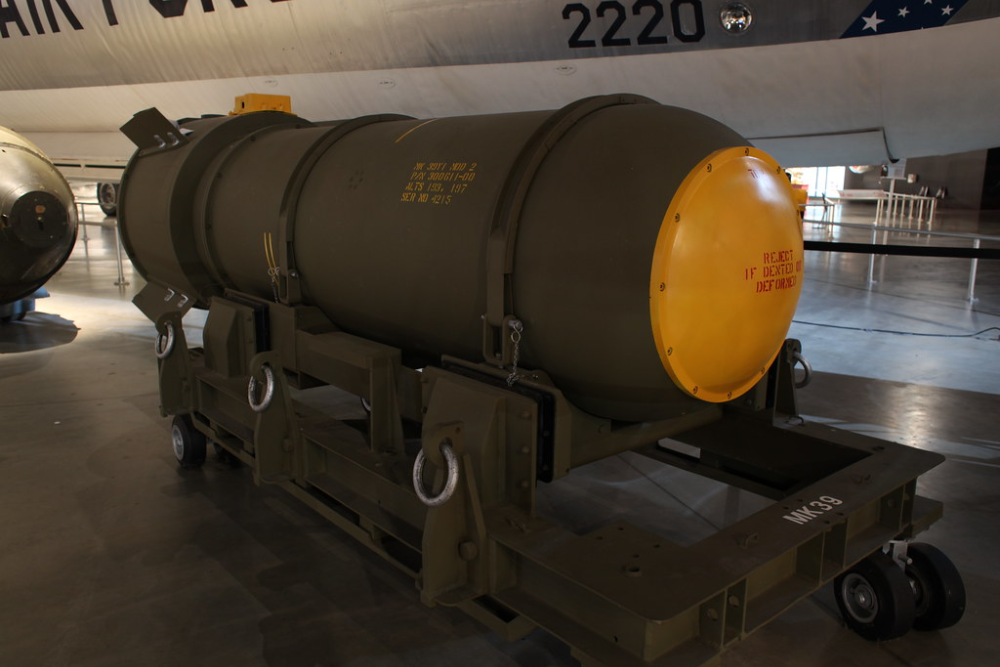
During a 1958 training mission, a B-47 bomber collided with an F-86 fighter jet over Georgia — forcing the bomber crew to jettison their nuclear weapon into waters near Tybee Island. The 7,600-pound Mark 15 hydrogen bomb, complete with enriched uranium, has never been recovered despite multiple search efforts.
Military officials initially classified the incident while downplaying the weapon’s destructive potential.
Like Go2Tutors’s content? Follow us on MSN.
Goldsboro Near-Miss
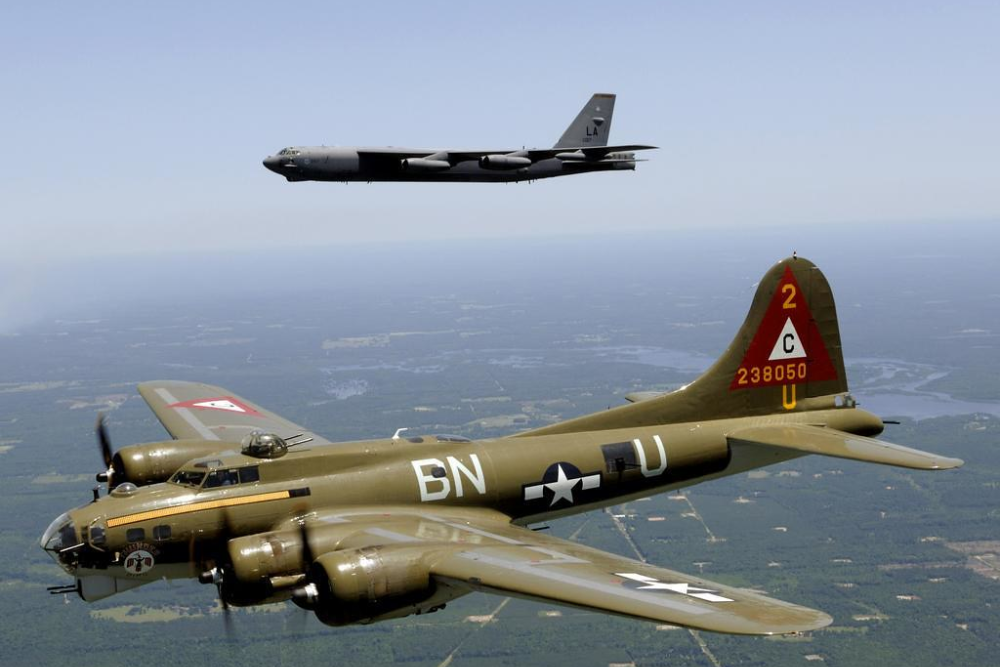
Two nuclear bombs fell from a B-52 bomber over North Carolina in 1961 when the aircraft broke apart mid-flight. One weapon’s safety mechanisms failed completely — with only a single low-voltage switch preventing a nuclear detonation that would’ve been 260 times more powerful than Hiroshima.
The military classified details of how close America came to accidentally nuking itself.
Palomares Contamination
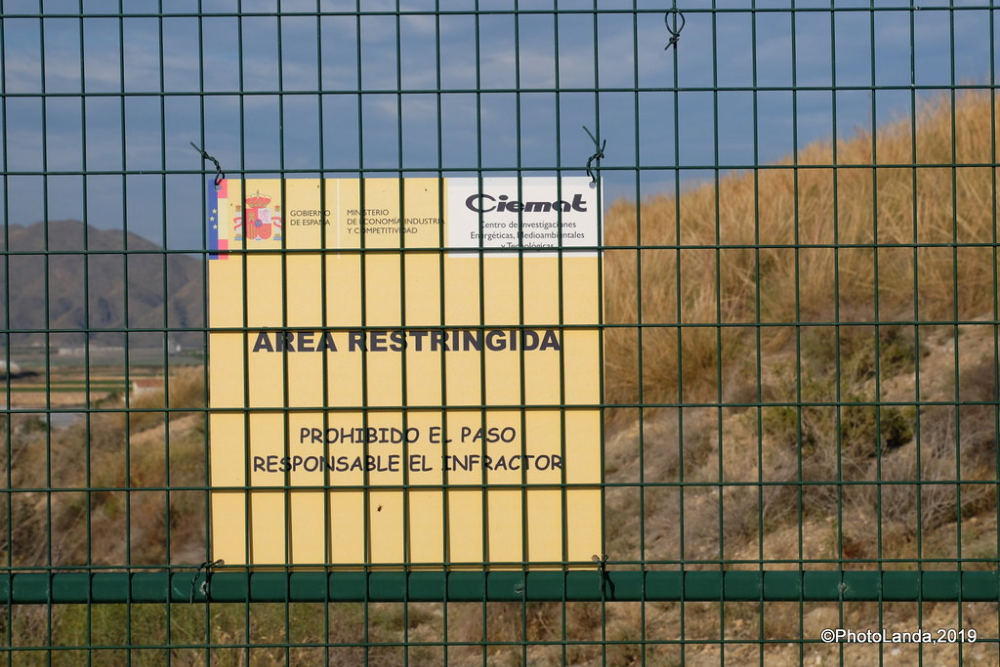
A B-52 carrying four nuclear weapons collided with a KC-135 tanker over Spain in 1966, scattering radioactive plutonium across the countryside near Palomares. Two bombs’ conventional explosives detonated on impact — contaminating 650 acres with plutonium.
Military officials initially denied the contamination’s severity while classifying cleanup efforts that lasted months.
Thule Air Base Crash
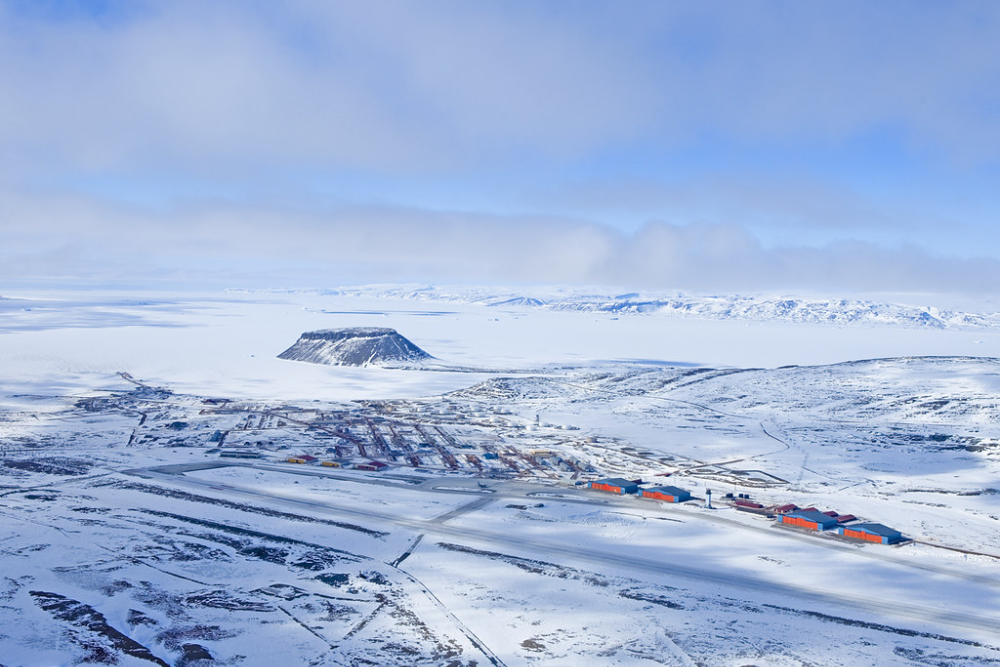
A B-52 bomber crashed and burned at Thule Air Base in Greenland during 1968, destroying four nuclear weapons while spreading radioactive contamination across the ice. The Danish government wasn’t immediately informed about the nuclear cargo — and the military classified the extensive cleanup operation that required removing contaminated ice and debris.
Like Go2Tutors’s content? Follow us on MSN.
Damascus Titan II Explosion
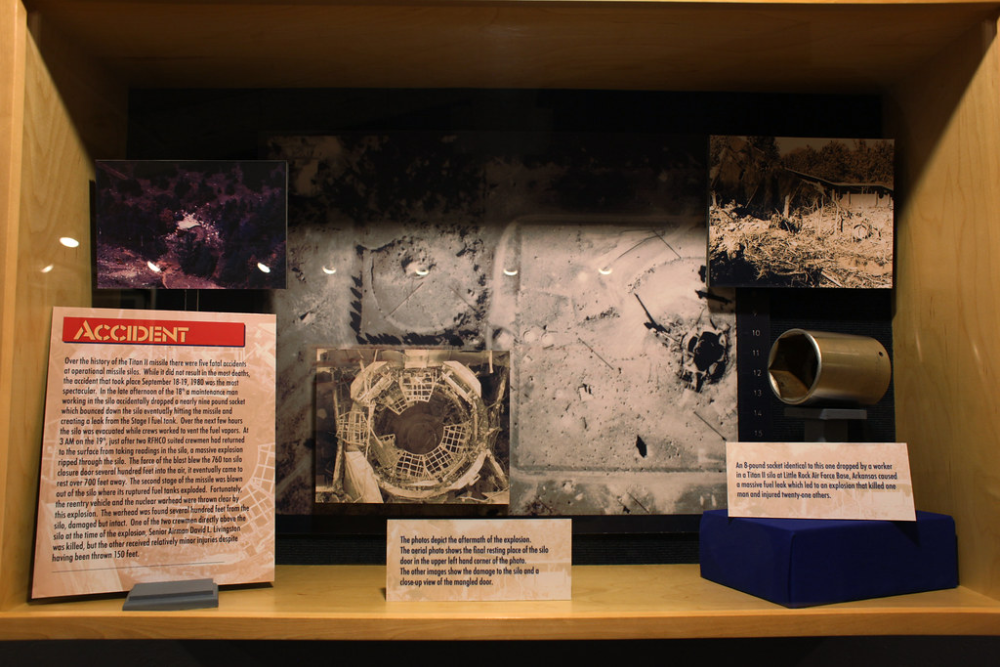
In 1980, a simple maintenance error at a Titan II missile silo in Arkansas nearly triggered a nuclear catastrophe. An Air Force technician dropped a wrench socket, which punctured the missile’s fuel tank — causing a massive explosion that launched the nine-megaton warhead 600 feet from the silo.
Military officials initially tried to minimize public disclosure of how close the incident came to causing a nuclear detonation.
Submarine Reactor Incidents
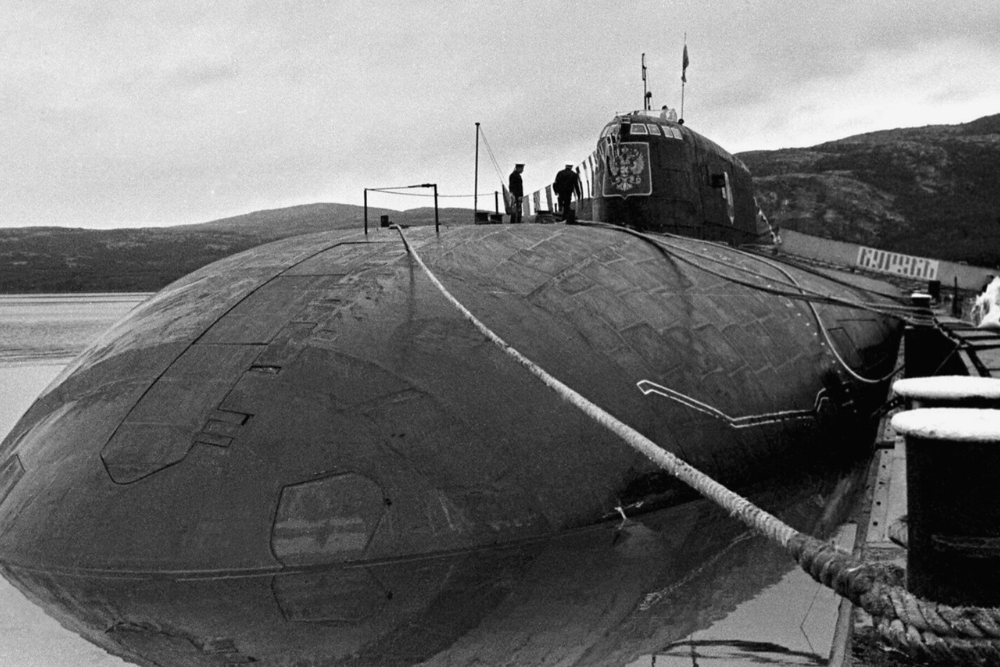
Multiple nuclear submarine reactor accidents occurred throughout the Cold War — with details remaining classified for decades. These incidents included coolant leaks, reactor scrams, and cases where submarines lost power while submerged.
The Navy’s policy of neither confirming nor denying nuclear weapon presence kept many incidents secret from allies and the public.
Minot Air Force Base Mixup
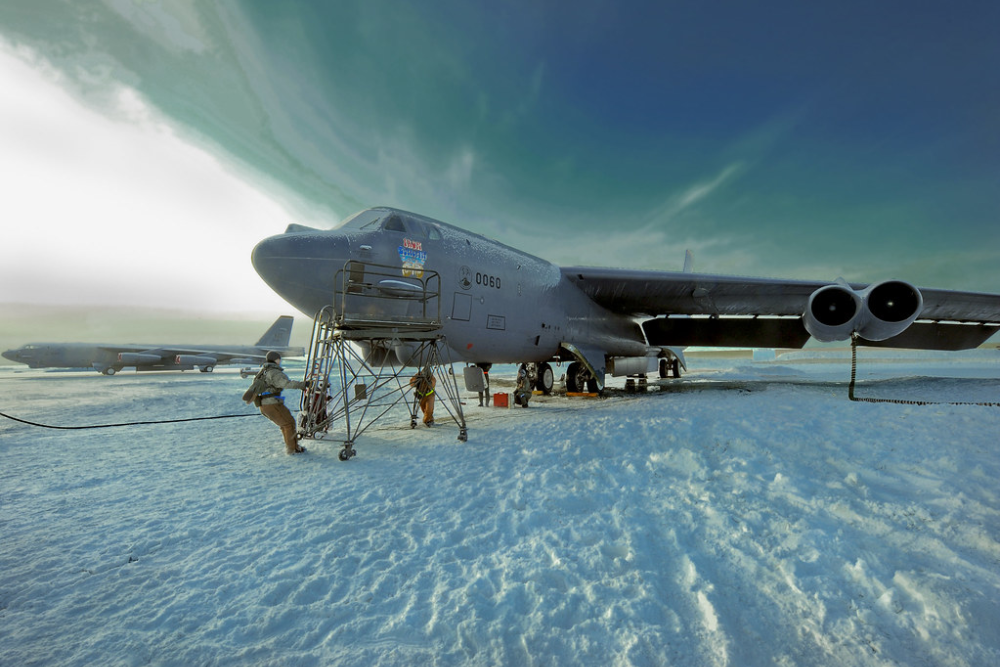
Six nuclear warheads were accidentally loaded onto a B-52 bomber at Minot Air Force Base in 2007 — then flown to Louisiana without proper authorization or security protocols. The weapons went unaccounted for nearly 36 hours before personnel discovered the error.
Military officials initially classified the investigation findings along with the extent of the security breakdown.
Like Go2Tutors’s content? Follow us on MSN.
Weapons Storage Incidents
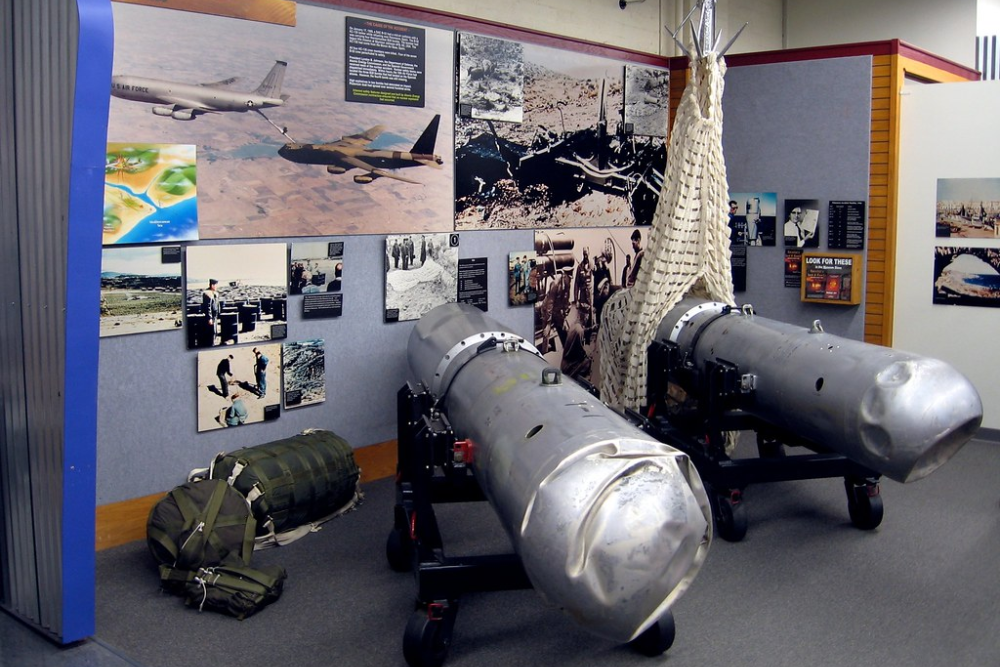
Numerous accidents occurred at nuclear weapons storage facilities — including fires, explosions, and unauthorized access attempts. These incidents often involved the mishandling of nuclear materials during transport or maintenance operations.
The military classified many of these events to prevent revealing security vulnerabilities at weapons depots.
Lost Weapon at Whiteman
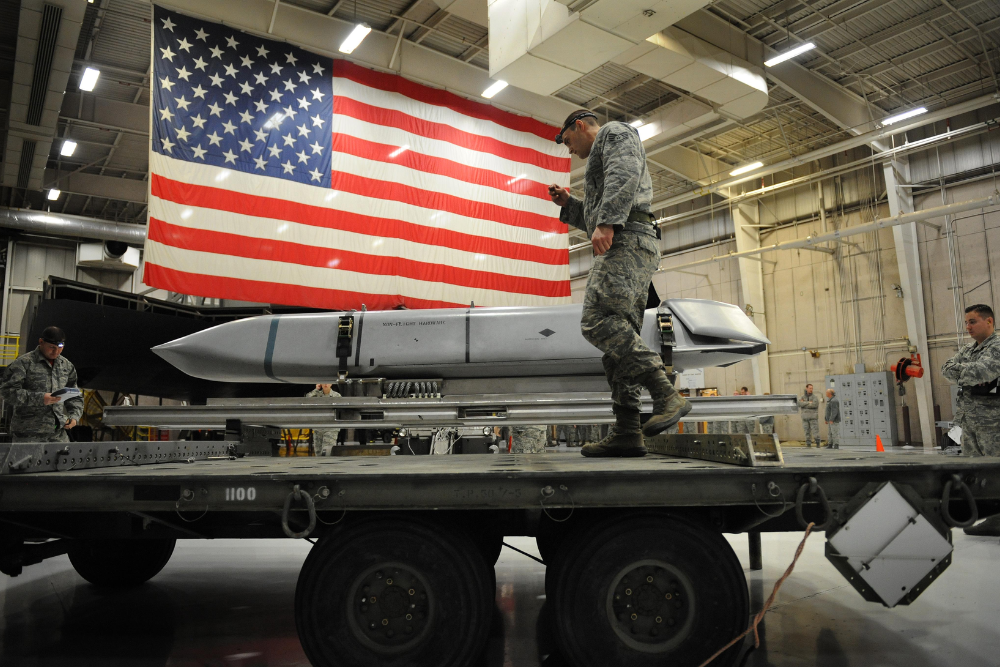
During the 1960s, a nuclear weapon temporarily went missing from Whiteman Air Force Base in Missouri due to inadequate inventory procedures. The weapon was eventually located — yet the incident highlighted serious gaps in nuclear security protocols.
Military officials classified the investigation to avoid revealing systemic problems with weapons accountability.
Broken Arrow in Canada
In 1950, a U.S. B-36 bomber carrying a nuclear weapon experienced engine trouble and jettisoned the device over the Pacific Ocean near British Columbia. The crew successfully ejected before the aircraft crashed, though the nuclear weapon was never recovered.
The military classified the incident and didn’t inform Canadian authorities for years.
Like Go2Tutors’s content? Follow us on MSN.
Nevada Test Site Accidents
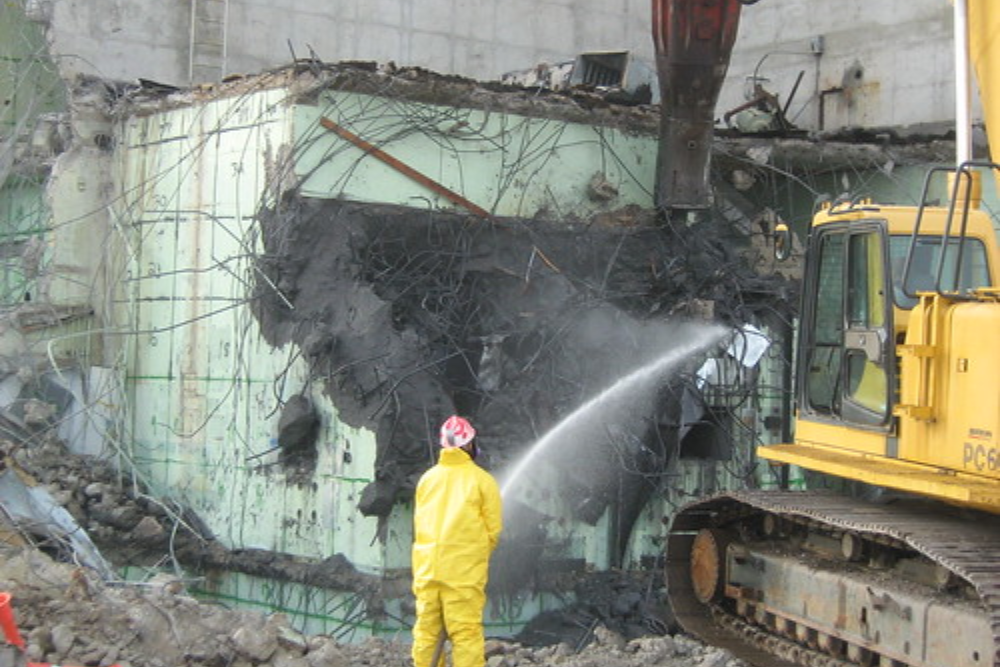
Multiple accidents occurred at the Nevada Test Site during weapons testing, including premature detonations, equipment failures, and radiation exposure incidents. Some tests released more radioactive material than planned, contaminating areas beyond the designated zones.
The military classified many of these incidents to protect the testing program’s reputation.
Weapons Transport Crashes
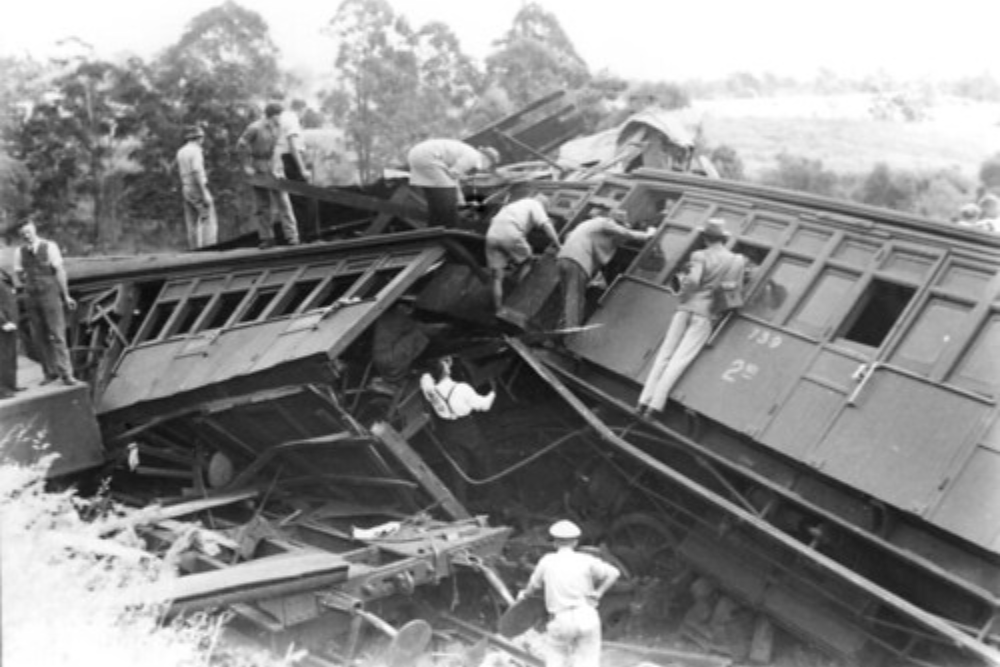
Several aircraft carrying nuclear weapons crashed during transport missions, with details remaining classified for decades. These incidents often involved weather-related crashes or mechanical failures that scattered radioactive materials across crash sites.
The military’s classification policies prevented public knowledge of contamination risks.
Reactor Fuel Incidents
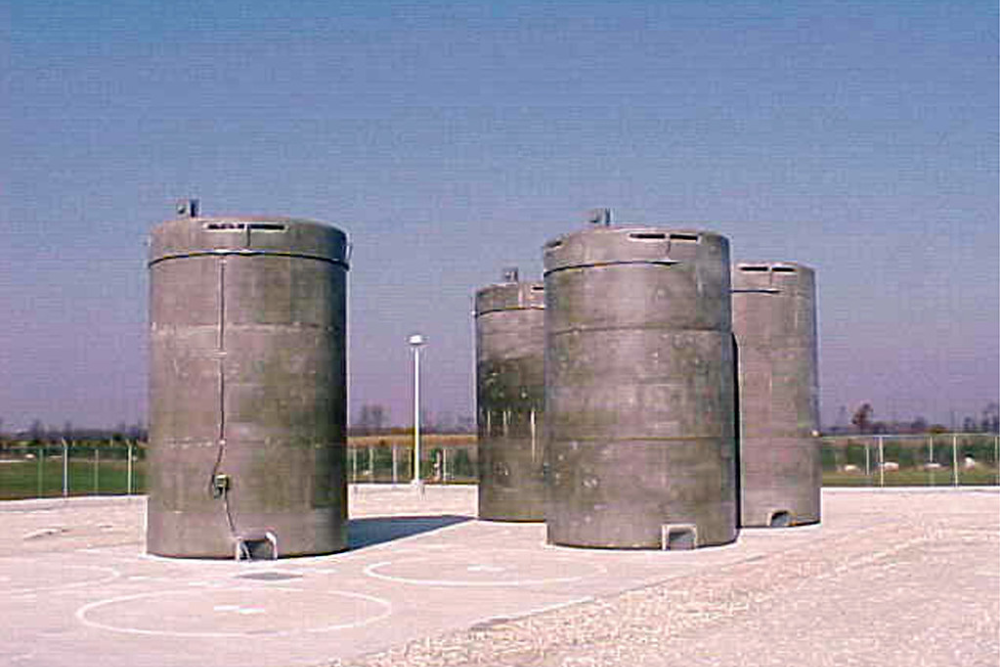
Accidents involving nuclear reactor fuel for military vessels and installations occurred regularly yet remained classified. These incidents included fuel rod failures, coolant contamination, and improper waste disposal practices.
The military classified these events to protect nuclear propulsion programs from public scrutiny.
Like Go2Tutors’s content? Follow us on MSN.
Weapons Handling Errors

Numerous accidents occurred during the loading, unloading, and maintenance of nuclear weapons, including dropped weapons, electrical malfunctions, and safety system failures. These incidents often happened at air bases during routine operations but were classified to prevent revealing weapon vulnerabilities.
Some accidents resulted in minor radiation exposure to personnel.
Classified Atlantic Incident
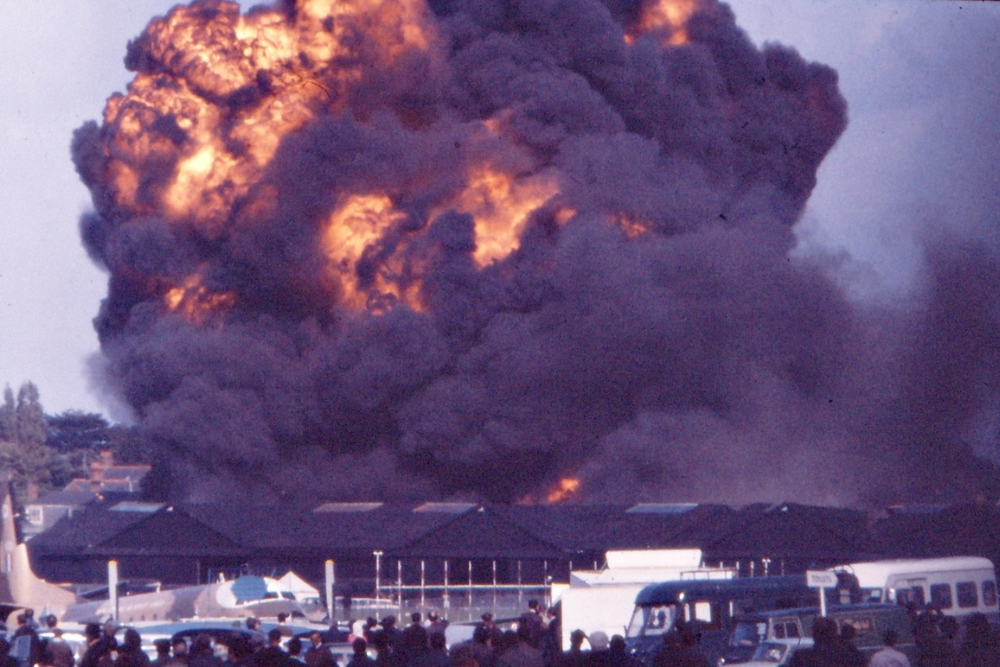
In 1968, an unknown nuclear accident occurred involving a U.S. military vessel in the Atlantic Ocean, with details remaining classified decades later. The incident involved either a submarine or surface vessel carrying nuclear weapons or nuclear propulsion systems.
The military has never released specifics about the nature or consequences of this event.
Security Breaches

Various security incidents at nuclear facilities involved unauthorized personnel gaining access to restricted areas, theft attempts, and sabotage concerns. These events often exposed weaknesses in base security and weapons protection protocols.
The military classified investigations to prevent revealing security procedures and vulnerabilities to potential adversaries.
Like Go2Tutors’s content? Follow us on MSN.
The Atomic Age Reckoning

These incidents represent just a fraction of the nuclear accidents that occurred during the early decades of atomic weapons development. Since 1950, there have been 32 nuclear weapon accidents, known as “Broken Arrows,” according to official Pentagon records.
The military’s classification policies often kept details hidden for decades, preventing public understanding of the risks involved in nuclear weapons operations. While safety procedures have improved significantly since the Cold War era, these historical incidents serve as sobering reminders of how close the world came to accidental nuclear disasters.
The gradual declassification of these events has provided valuable lessons for current nuclear security protocols and highlighted the importance of transparency in managing such powerful technologies.
More from Go2Tutors!

- 16 Historical Figures Who Were Nothing Like You Think
- 12 Things Sold in the 80s That Are Now Illegal
- 15 VHS Tapes That Could Be Worth Thousands
- 17 Historical “What Ifs” That Would Have Changed Everything
- 18 TV Shows That Vanished Without a Finale
Like Go2Tutors’s content? Follow us on MSN.



