30 Match-Day Moments Replayed More Than Any Other Sports Highlight
There’s a specific kind of footage that never ages. You’ve seen it dozens of times — maybe hundreds — and still, when it appears on a screen somewhere, you stop what you’re doing.
Sports history is full of moments that felt enormous in real time, but only a handful get permanently burned into the collective memory, replayed in slow motion, reshown before every big game, clipped and re-clipped across decades. These are those moments. Not necessarily the most important plays ever made — importance fades — but the ones that refuse to stop circulating.
The Hand of God

Diego Maradona punched a puck into the net with his left fist during the 1986 World Cup quarterfinal against England, then told the press it was “a little with the head of Maradona and a little with the hand of God.” The referee missed it.
The goal stood. And that clip — grainy, improbable, infuriating depending on your allegiances — has been replayed more times than almost any other moment in football history. It’s the rare highlight where the controversy is the point.
Michael Jordan’s Flu Game
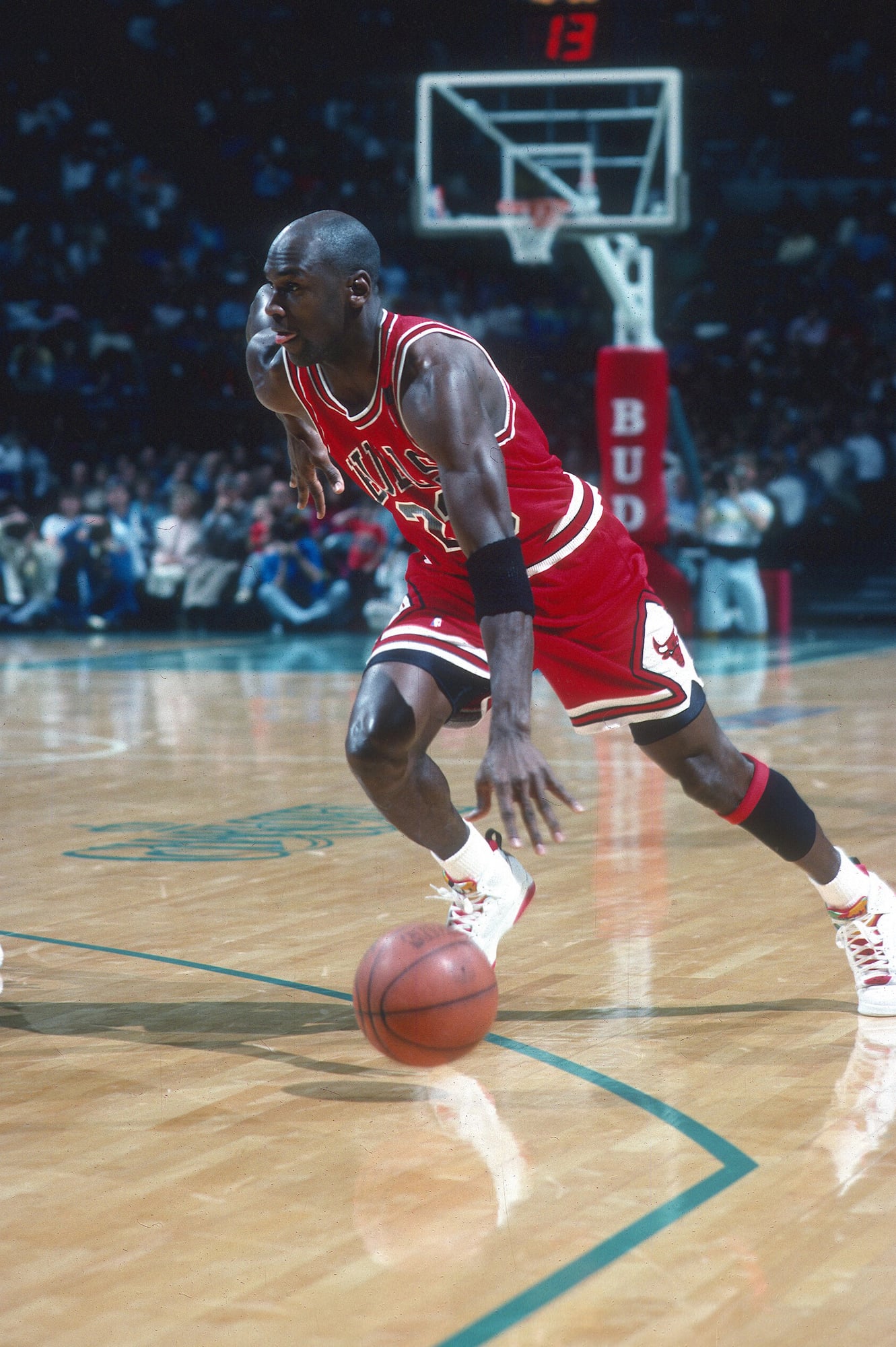
The 1997 NBA Finals, Game 5, Jordan visibly depleted, leaning on Scottie Pippen at the final buzzer after scoring 38 points against the Utah Jazz. The image of him collapsing into Pippen’s arms is one of the most recognizable in basketball.
People who weren’t alive in 1997 know this game, which is saying something.
The Miracle on Ice
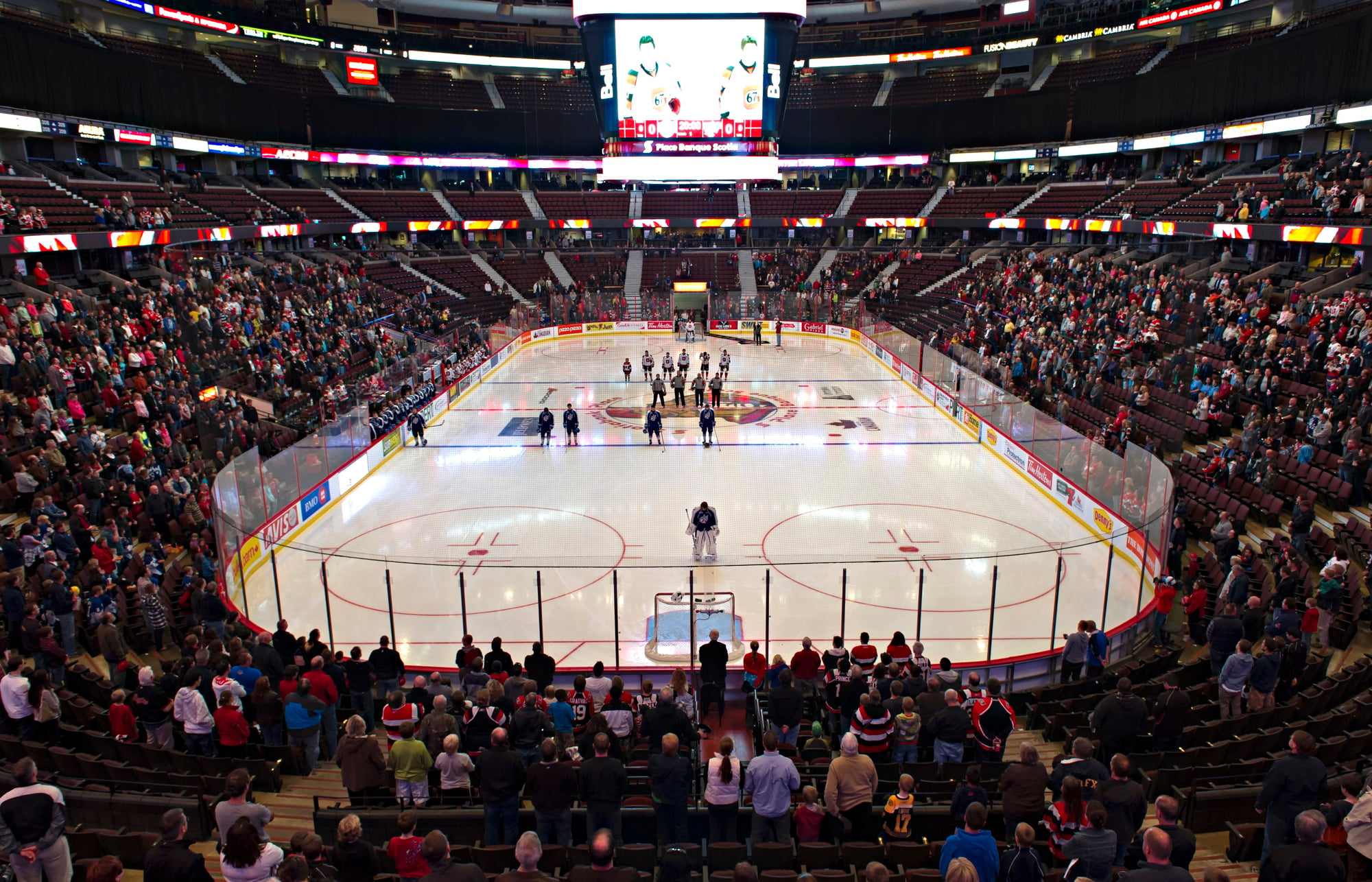
What made the 1980 US Olympic hockey team’s win over the Soviet Union so compulsively re-watchable is the chaos of the final seconds — players colliding, Al Michaels asking “Do you believe in miracles?” before the answer was technically even confirmed. The footage is grainy by modern standards, the broadcast audio occasionally muddy, and none of that matters even slightly.
So the clip keeps circulating, untouched by time or HD.
Tiger’s Chip-In at Augusta
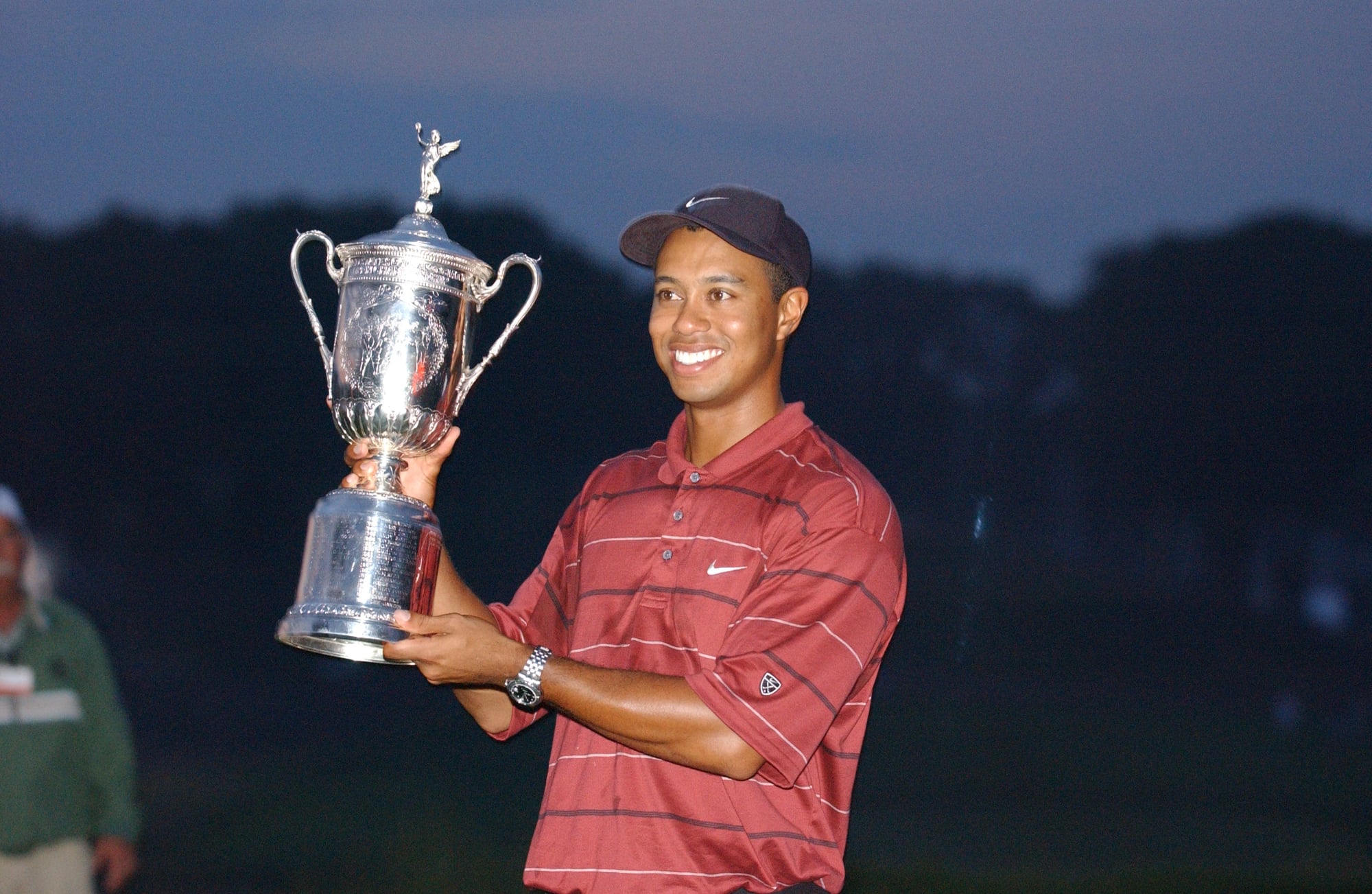
The 2005 Masters, 16th pit, Tiger Woods’s chip shot from the rough that crept toward the cup with what looked like deliberate slowness — pausing at the lip for what felt like three full seconds before dropping. The Nike logo visible just long enough.
Nobody planned that sequence; it simply happened, which is exactly why it’s been replayed on broadcast television more than almost any other golf shot ever recorded.
Usain Bolt Slowing Down at the Finish Line
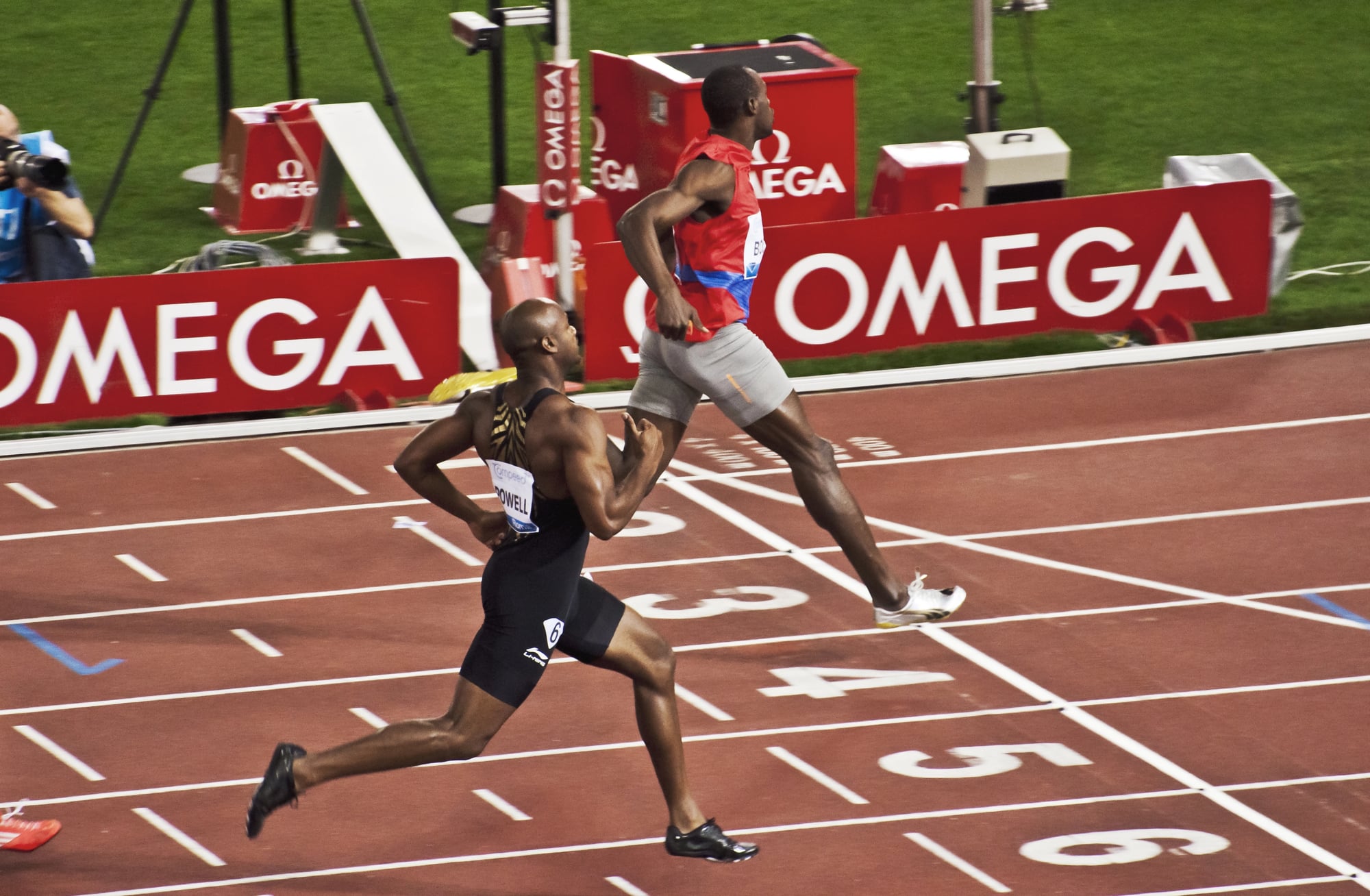
In the 2008 Beijing Olympics 100-meter final, Bolt began celebrating with roughly 20 meters left, arms out, looking around, and still broke the world record. The gap between “winning” and “how he won” felt almost insulting to physics.
And that image — chest open, looking left, while everyone else was still sprinting — became one of the most reproduced photographs in Olympic history.
The Immaculate Reception
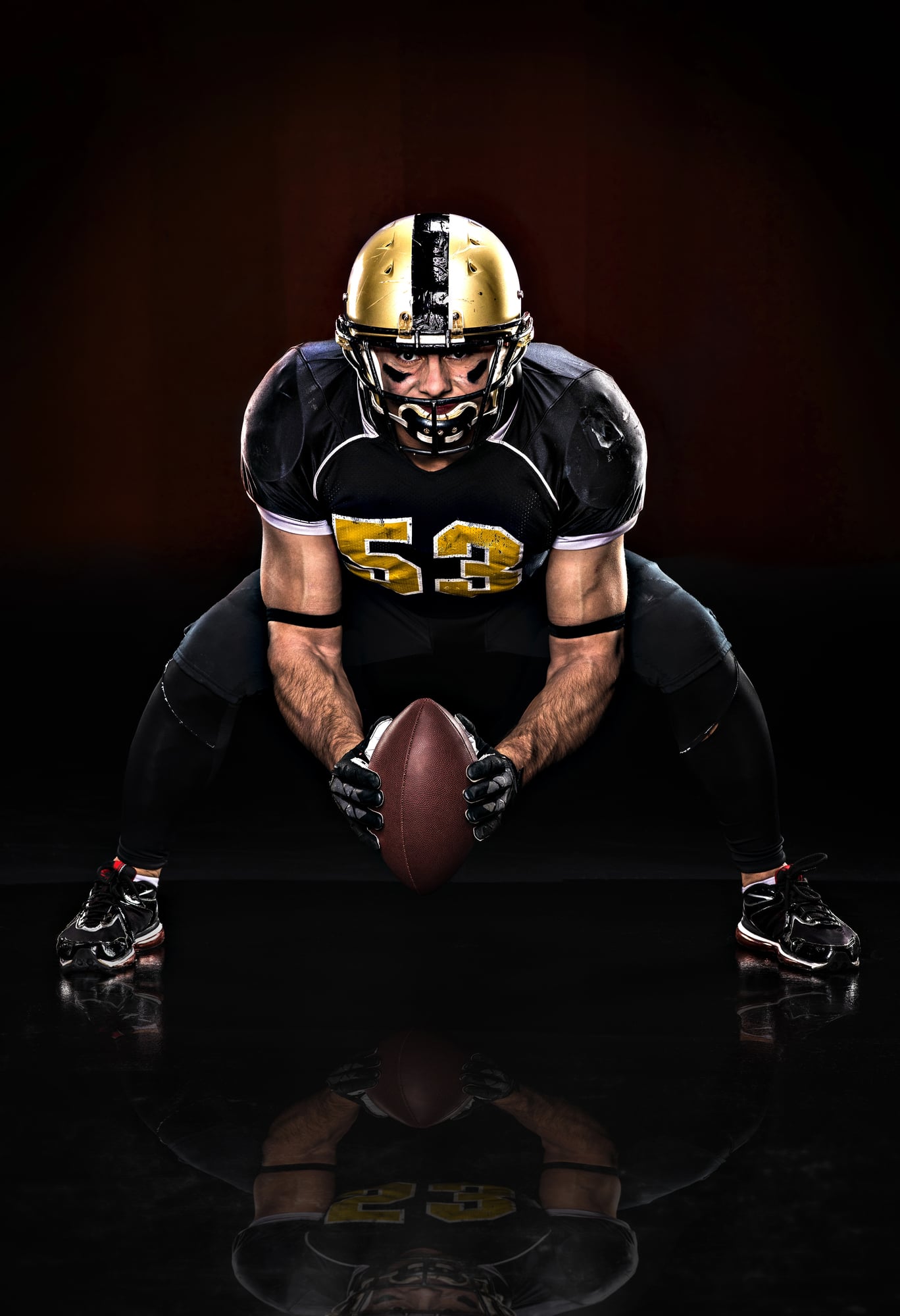
Franco Harris catching a deflected pass off the turf in the 1972 AFC Divisional Playoff — a play that, depending on which rules interpretation you accept, either was or wasn’t legal — became the founding myth of Pittsburgh Steelers football. The footage is shaky, shot on film, and cuts off before full chaos erupts, which somehow makes it more watchable.
It rewards repeated viewing in a way that cleaner plays don’t.
Brandi Chastain’s Penalty Kick
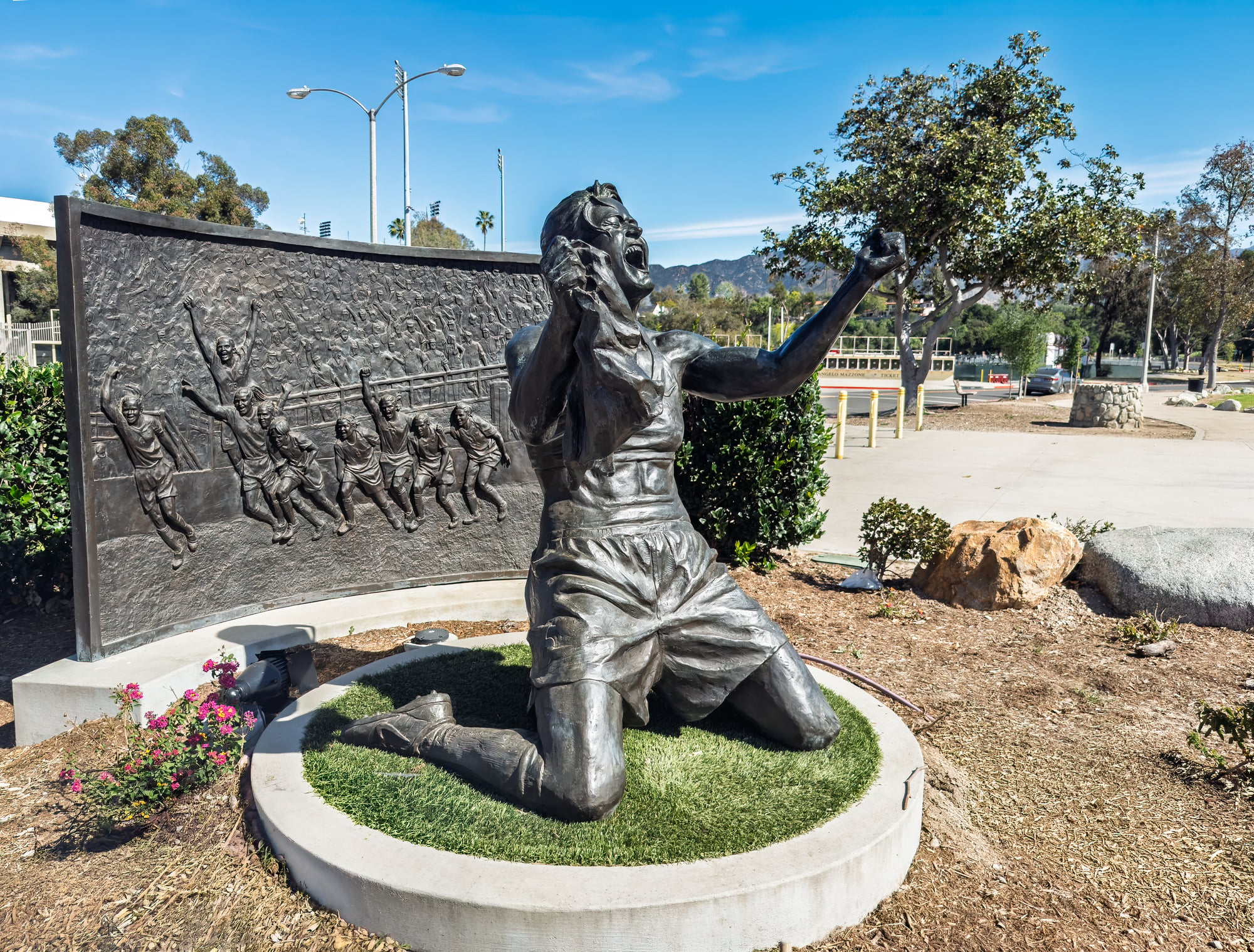
The 1999 FIFA Women’s World Cup final, Rose Bowl, penalty shootout against China, and Chastain — not the team’s designated penalty taker — stepped up, scored, ripped off her jersey, and dropped to her knees. The photograph taken in that moment became a cover, a poster, and eventually an artifact.
The clip of the kick and the celebration together runs under 15 seconds and has never stopped circulating.
The “No Mas” Fight
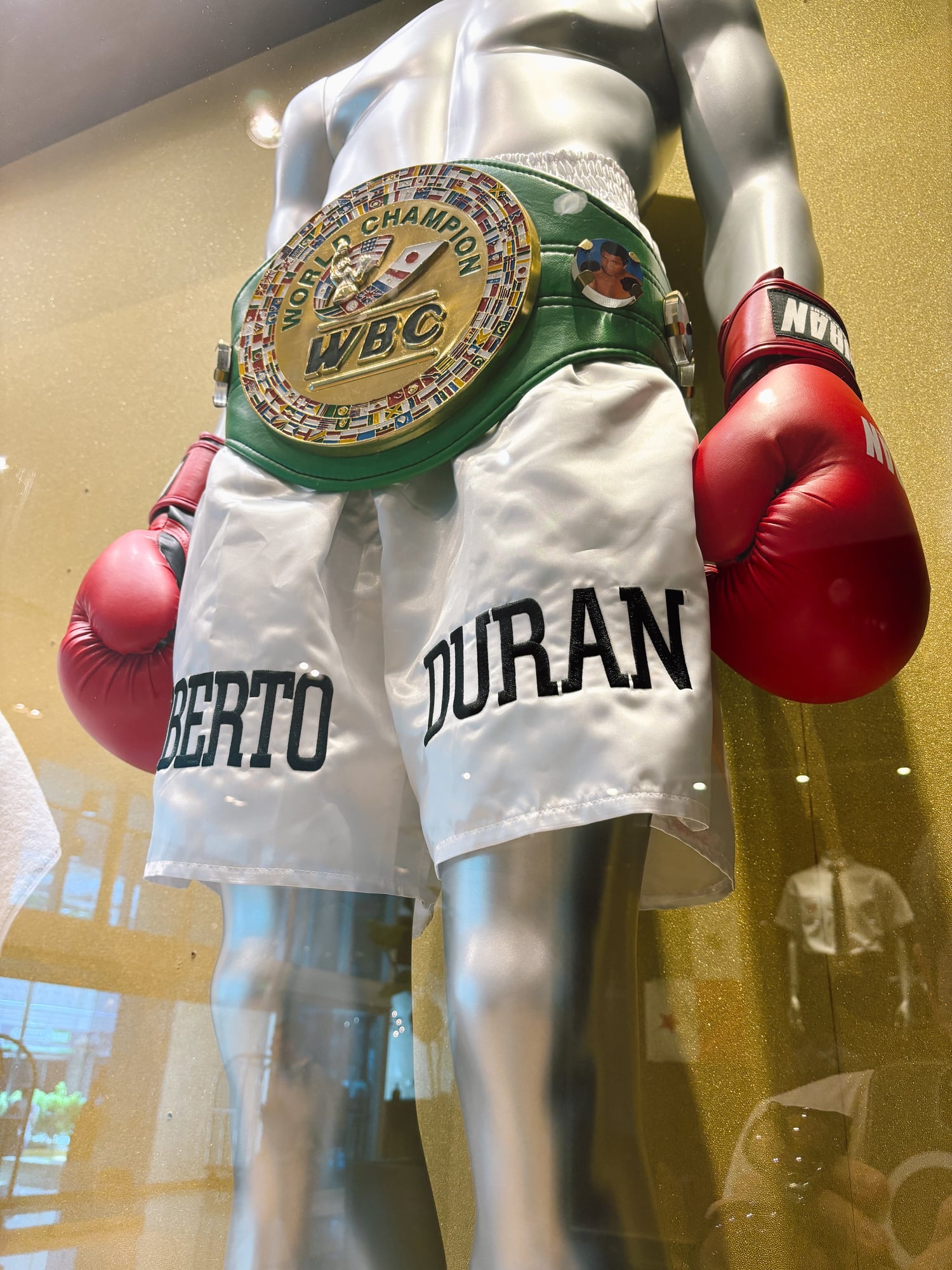
Roberto Durán turning to referee Octavio Meyran in the eighth round of his 1980 rematch with Sugar Ray Leonard and quitting — reportedly saying “no mas” — remains one of the most analyzed moments in boxing history. The footage of Leonard’s disbelief, his hands up, the crowd going silent before erupting, plays like a film scene that was written in advance.
It wasn’t. And that’s what makes it so strange every time you watch it.
Federer vs. Nadal, 2008 Wimbledon Finale
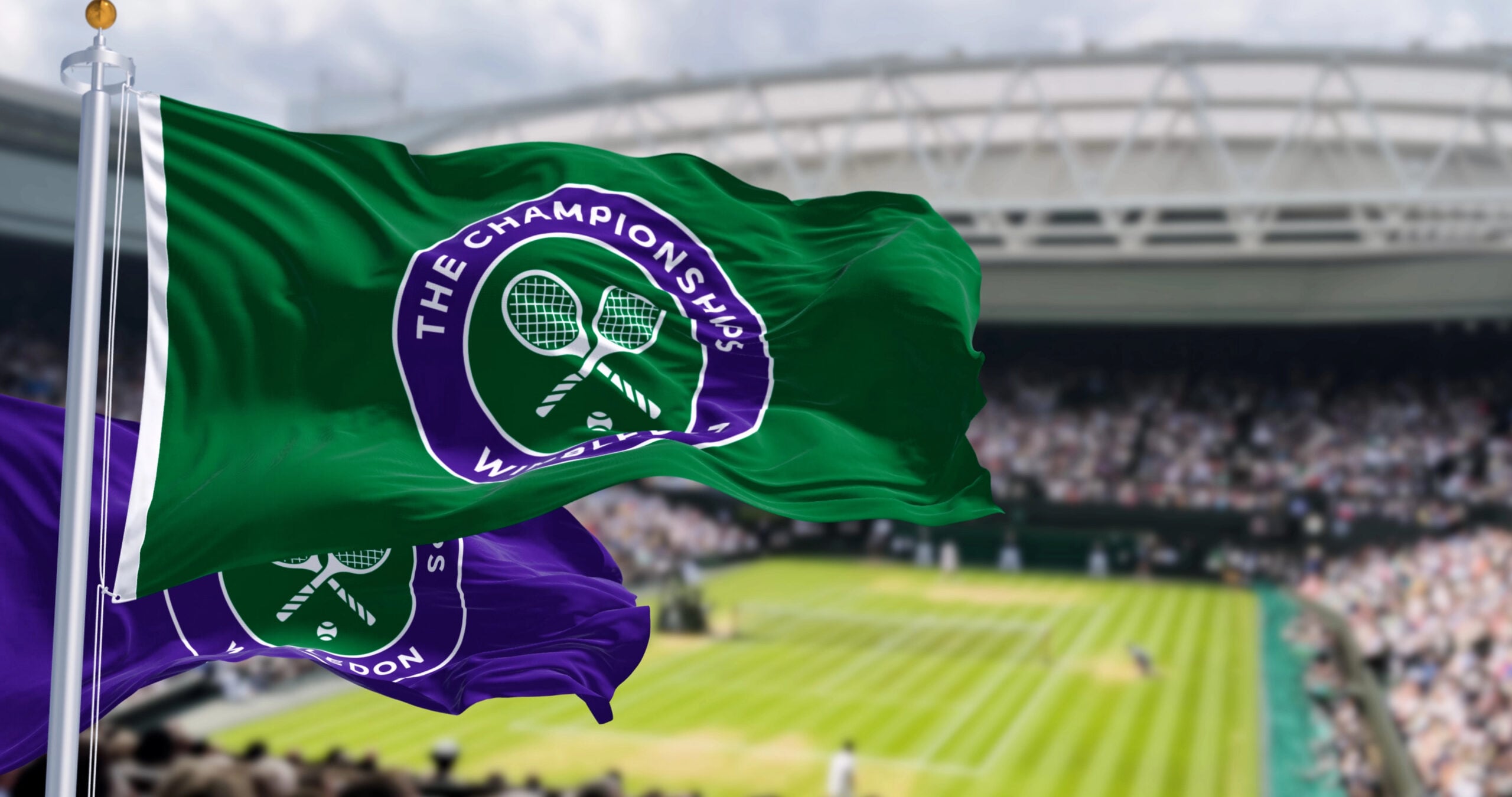
The trophy presentation alone — Federer in tears, Nadal quiet and almost embarrassed by the margin of his own victory — gets replayed more than the rallies themselves. But the rallies get replayed constantly too, particularly the extended exchanges in the fourth and fifth sets, where the quality of tennis reached a level that seemed briefly implausible.
John McEnroe called it the greatest match ever played. He hasn’t walked that back.
Babe Ruth’s Called Shot
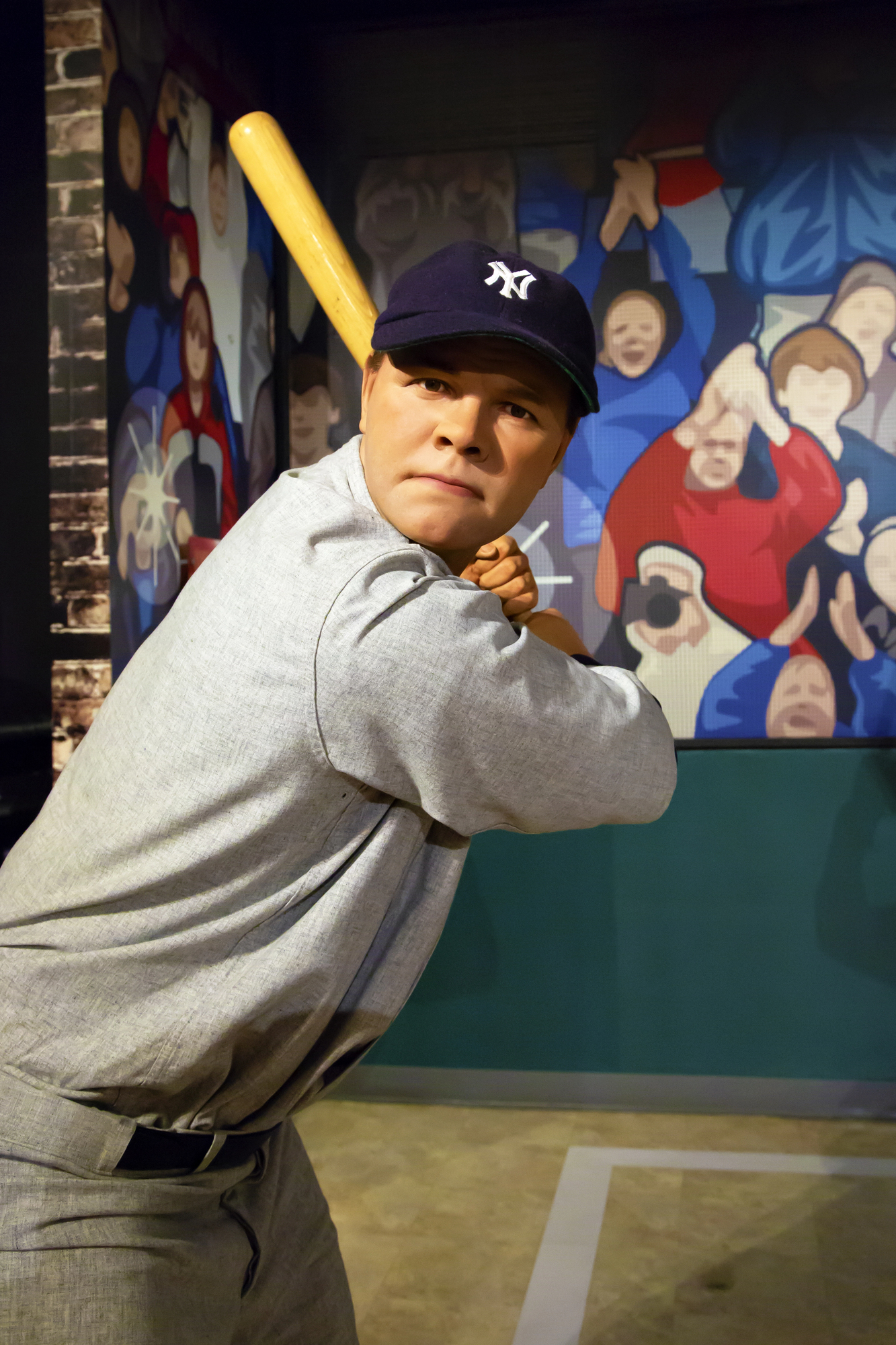
Nobody actually knows if Babe Ruth pointed to center field before hitting a home run in Game 3 of the 1932 World Series. The film footage is too distant and too blurry to confirm.
But that ambiguity — which in another context might diminish a highlight — has made this particular clip more enduring, not less. People rewatch it specifically because it never resolves. The question is the replay.
Bo Jackson Runs Over Brian Bosworth
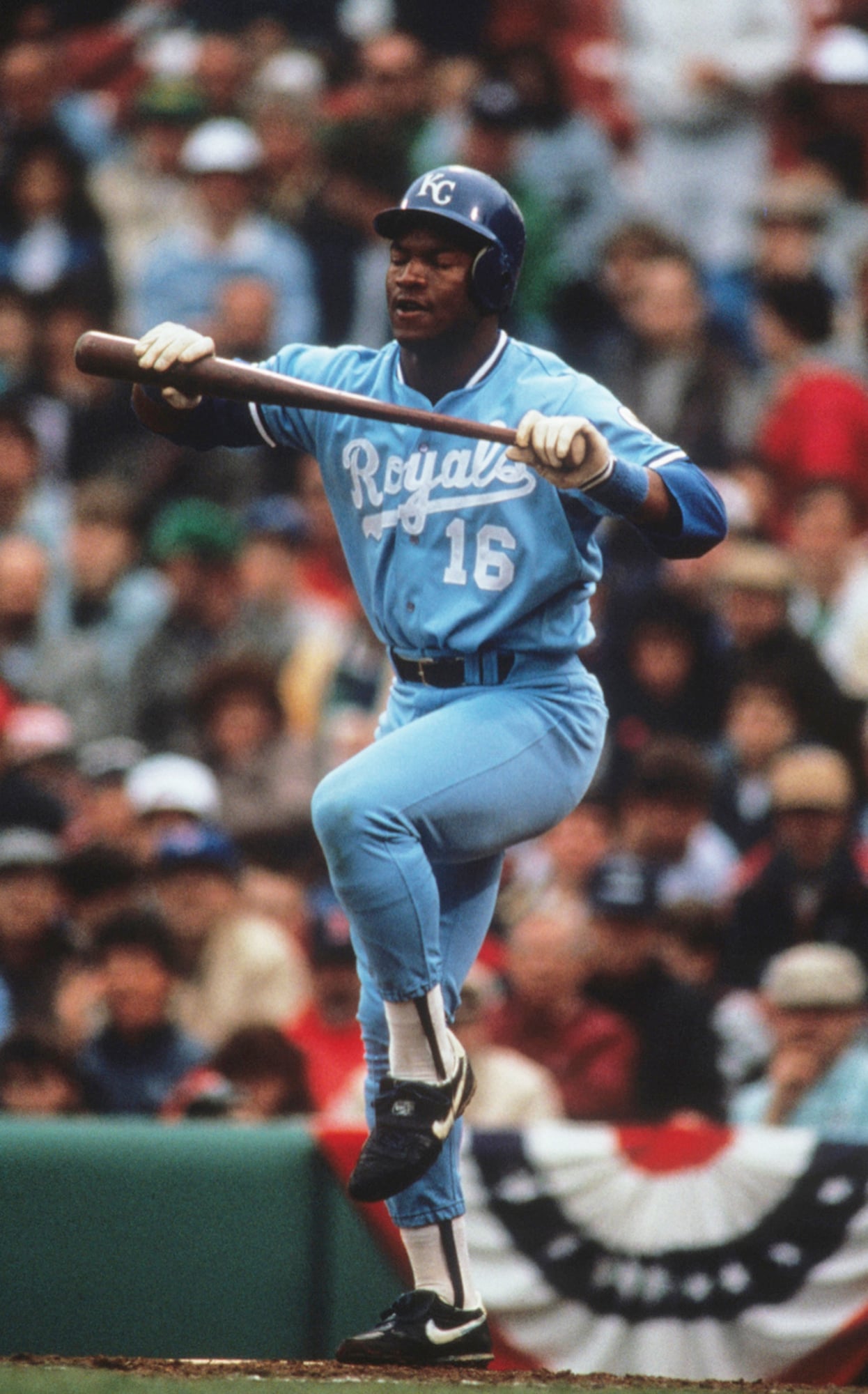
Monday Night Football, 1987, Bo Jackson running through — not past, through — linebacker Brian Bosworth, who had spent the pregame period in Sports Illustrated guaranteeing a stop. Jackson scored.
Bosworth became a cautionary tale about prefight trash talk that’s been replayed in every “greatest moments” package produced in the last 35 years. To be fair to Bosworth: Jackson was not a normal human being.
Kerri Strug’s Vault

The 1996 Atlanta Olympics, US gymnastics team final, Strug landing her second vault on one functioning ankle after injuring it on the first attempt — sticking the landing, then crumpling. The image of coach Béla Károlyi carrying her to the podium followed immediately after.
The sequence of events across those 90 seconds has been replayed at every Olympics since, usually without full context, which strips out the genuine complexity of what that moment meant and cost.
David Tyree’s Helmet Catch
Super Bowl XLII, 2008, Eli Manning escaping a sack that should have ended the drive — then throwing down the field to David Tyree, who pressed the football against his own helmet with one hand while a defender tried to strip it. The play kept the Giants alive.
They scored. The Patriots lost a perfect season. Helmet catch. That’s the whole taxonomy of the moment — two words that immediately produce the image in the mind of anyone who saw it.
Michael Phelps and the One-Hundredth-of-a-Second
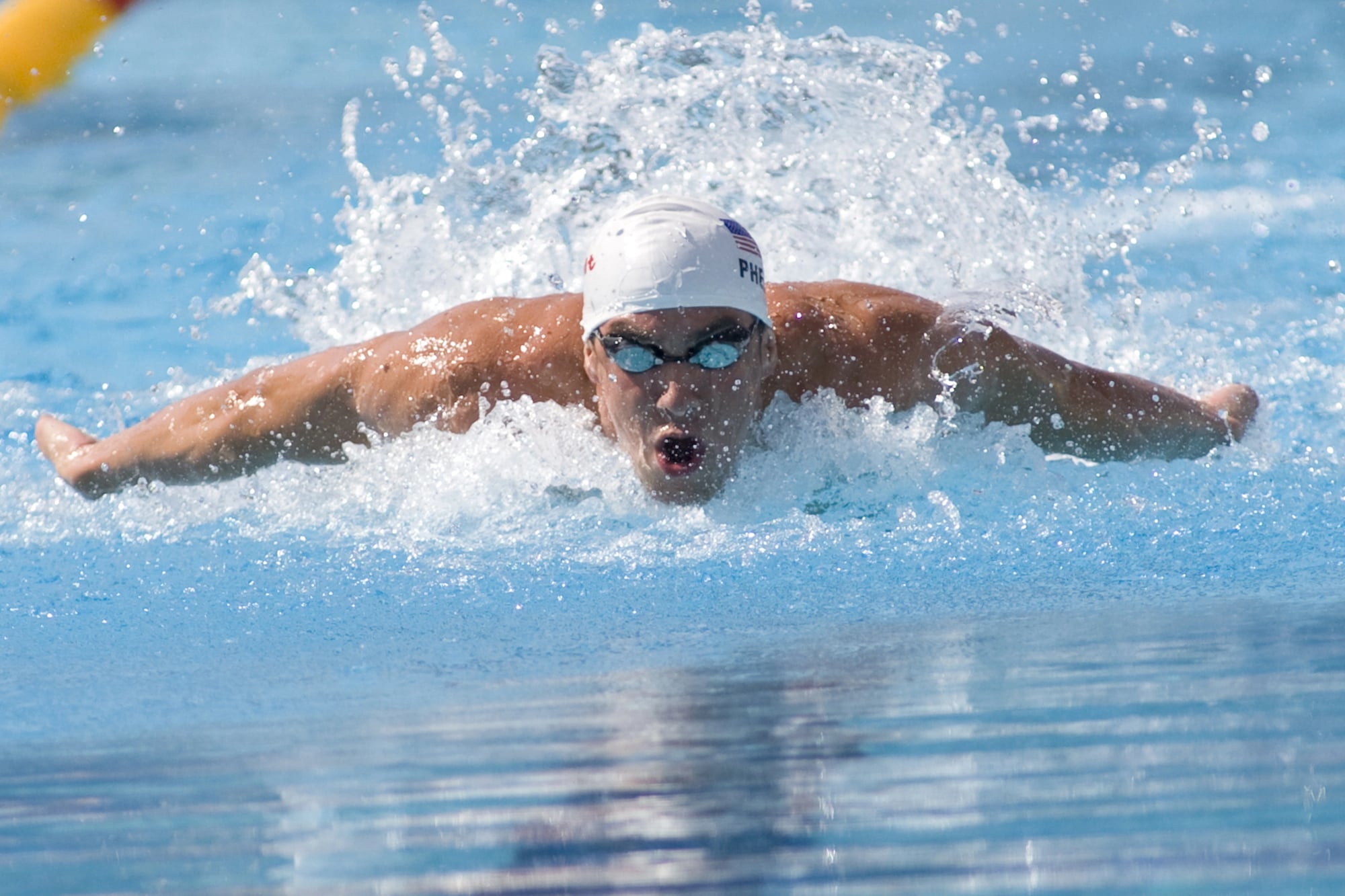
The 2008 Beijing Olympics 100-meter butterfly final, Michael Phelps touching the wall 0.01 seconds ahead of Milorad Cavic — a margin so small that Cavic initially thought he’d won, and so did most people watching in real time. High-speed camera footage reviewed afterward showed Phelps taking an extra half-stroke that Cavic didn’t take.
That re-examination, where broadcast replays essentially became a forensic exercise, turned this clip into something permanently fascinating.
The Night Roger Bannister Ran the Four-Minute Mile

May 6, 1954, Oxford, and the footage is so degraded and incomplete that what survives is more archaeological fragment than highlight reel — and yet it circulates constantly, partly because the commentary describing Bannister crossing the finish line before the announcer gives the time has been broadcast on British television approximately ten thousand times. A barrier that physicists had called biological turned out to be mostly psychological.
The film doesn’t need to be sharp to make that point.
Joe Namath’s Guarantee
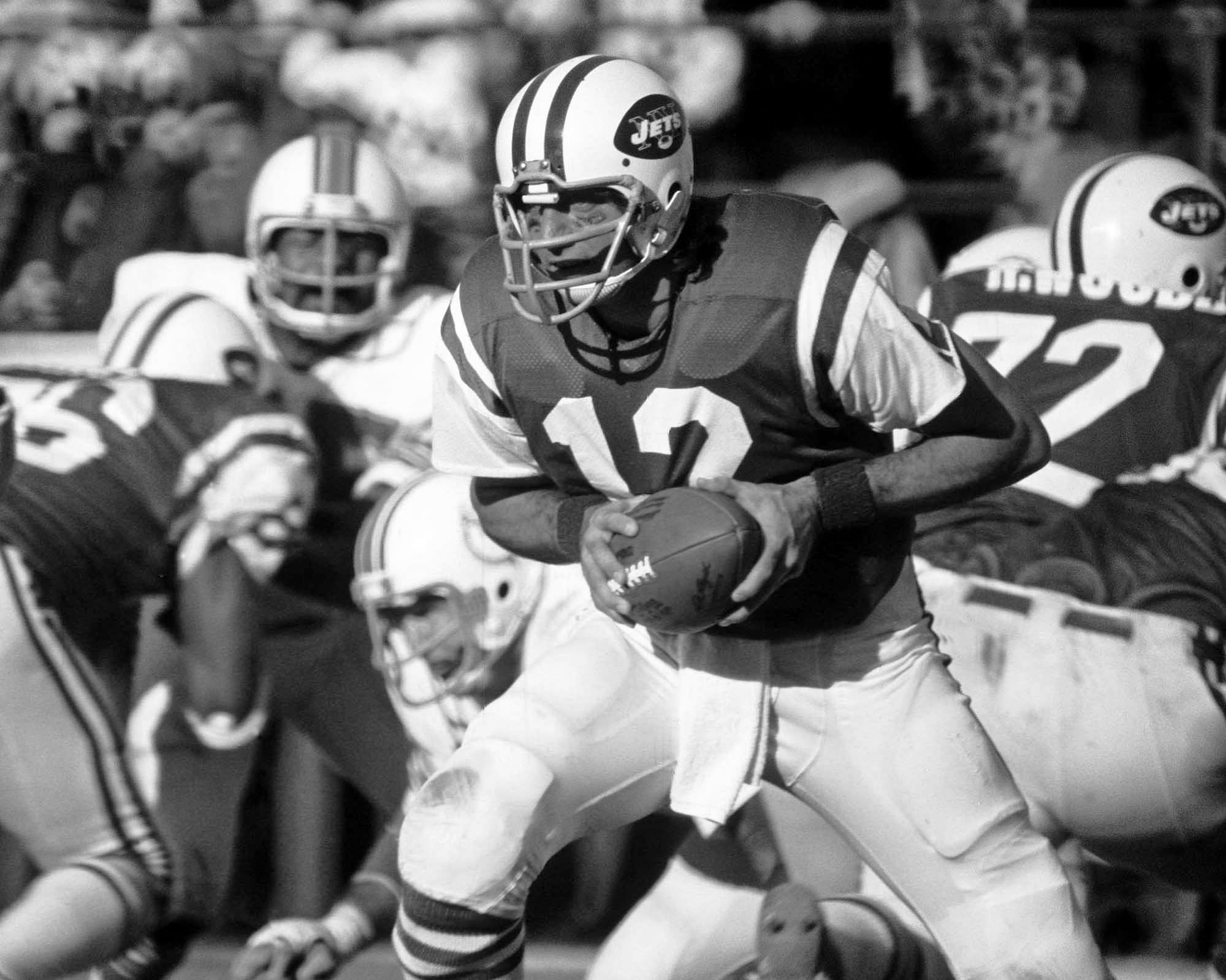
Namath didn’t make the guarantee at the game. He made it three days before Super Bowl III, at a dinner, pointing at a reporter and saying “We’re going to win Sunday. I guarantee it.”
The Jets were 17-point underdogs. They won 16–7. And the footage of Namath jogging off the field afterward, index finger raised, became the most replayed image of that Super Bowl despite containing none of the actual action.
The Hand of God, Part Two: Maradona’s Second Goal
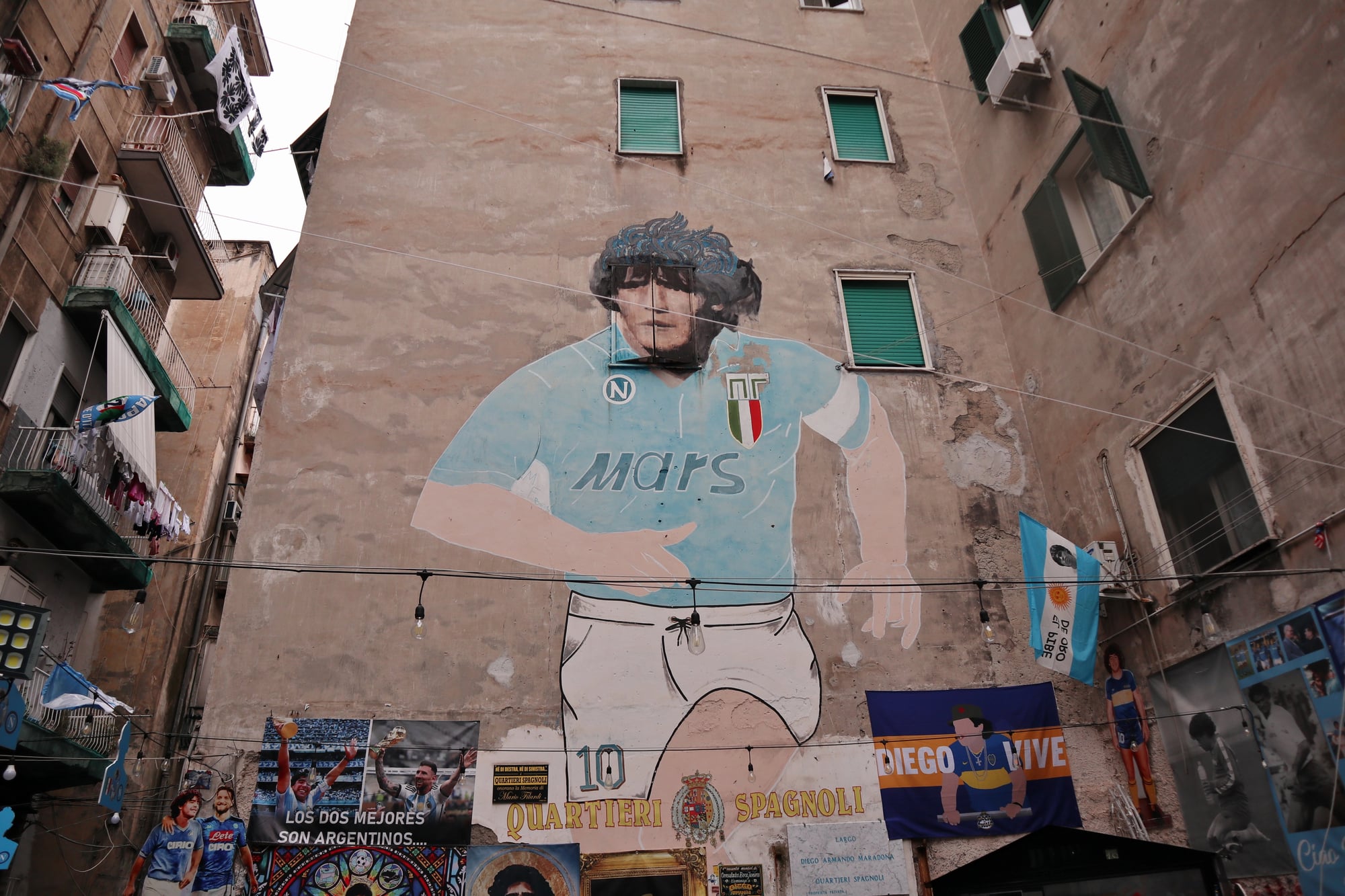
Often forgotten in the controversy over the first goal, Maradona’s second against England in the same 1986 match was the opposite: a 60-yard run, eleven seconds, past five outfield players and the goalkeeper, widely voted the Goal of the Century. Both goals from that single half of football have been in permanent broadcast rotation for nearly four decades.
That’s a record that may never be touched.
Jesse Owens at the 1936 Berlin Olympics
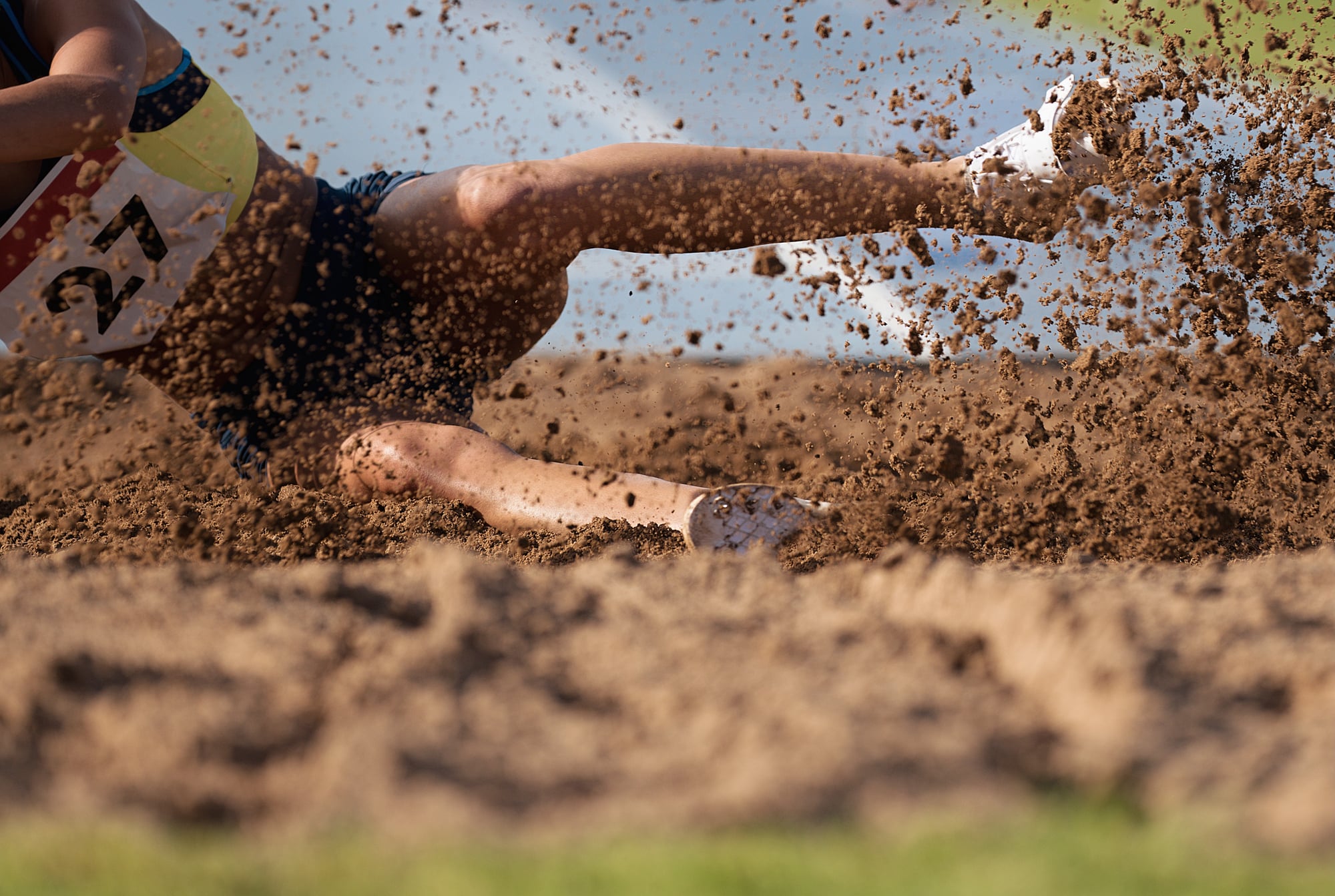
Four gold medals in front of Adolf Hitler at the Games designed to display Aryan supremacy — the footage of Owens’s long jump and sprint victories has been replayed in documentaries, history classes, and sports retrospectives so many times that it’s moved beyond athletic highlight into something closer to historical record. German athlete Luz Long, who helped Owens qualify for the long jump final after a foul, and walked arm-in-arm with him afterward, appears in the footage too.
Not enough people mention that part.
Secretariat’s Belmont Stakes
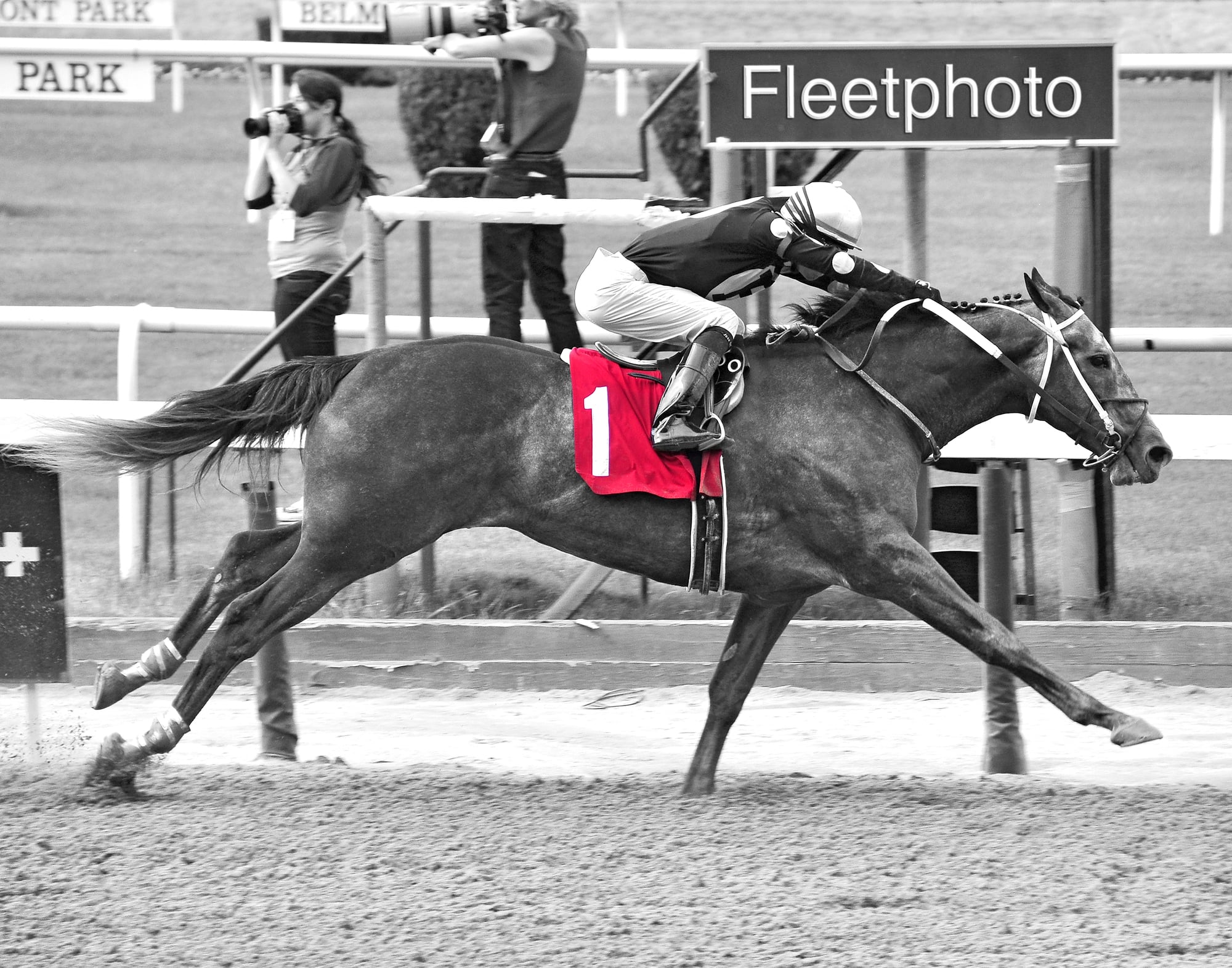
The 1973 Belmont Stakes, Secretariat winning by 31 lengths, setting a track record that still stands. The footage from that race — particularly the wide angle showing Secretariat running essentially alone while the field dissolves into the background — looks less like a horse race and more like a different species competing in the wrong event.
That image has never required colorization, dramatization, or context to be arresting. It just is what it is.
Reggie Miller’s Eight Points in Nine Seconds
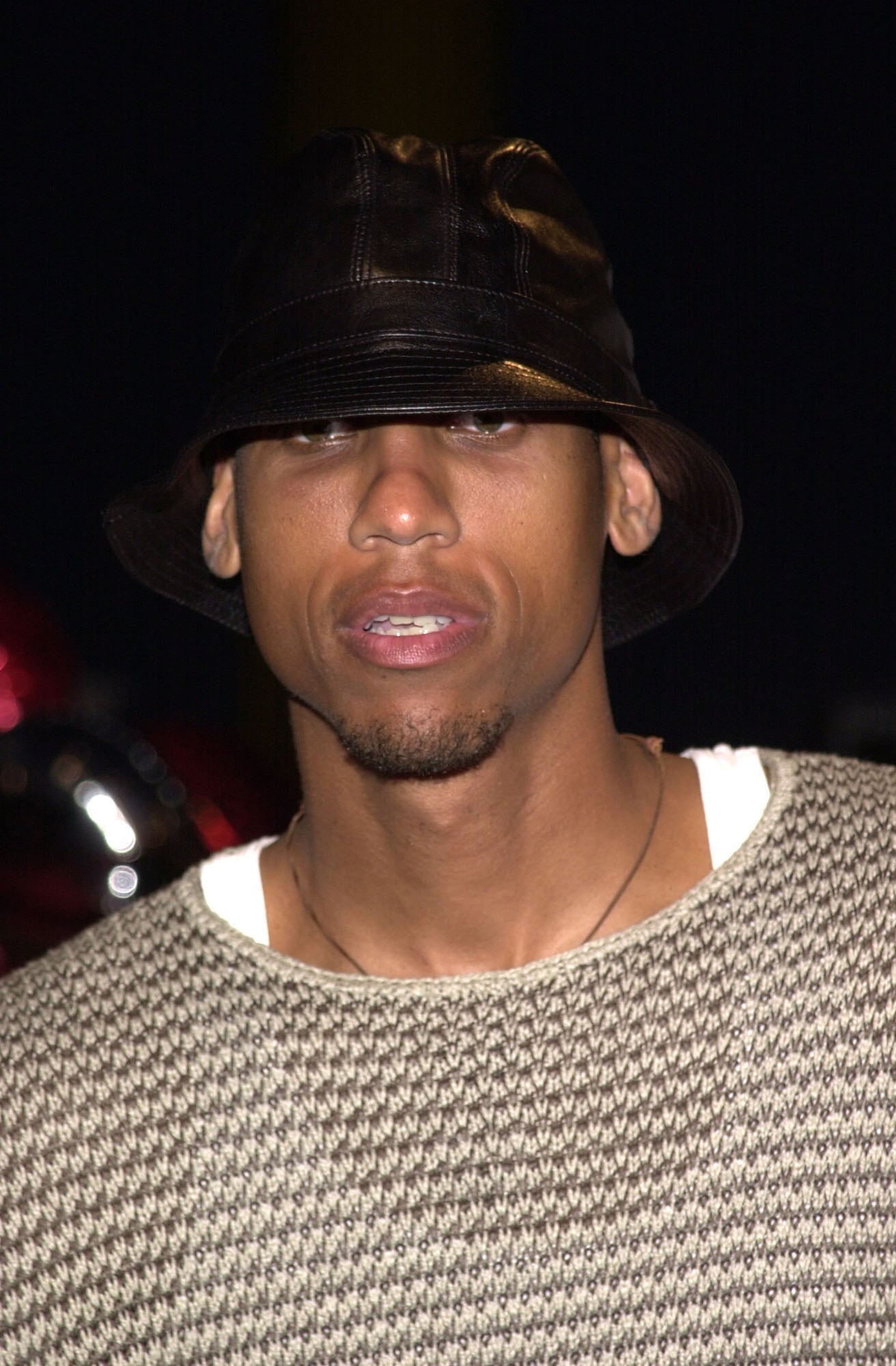
Game 1 of the 1995 Eastern Conference Semifinals, Indiana Pacers trailing the New York Knicks by six with 18.7 seconds left, and Reggie Miller — with Spike Lee courtside, taunting — scored eight points in nine seconds to win it. The sequence is so compressed and so improbable that broadcasters watching it live sounded genuinely confused about what they were describing.
Every broadcast package about the Pacers-Knicks rivalry starts there.
Muhammad Ali Standing Over Sonny Liston
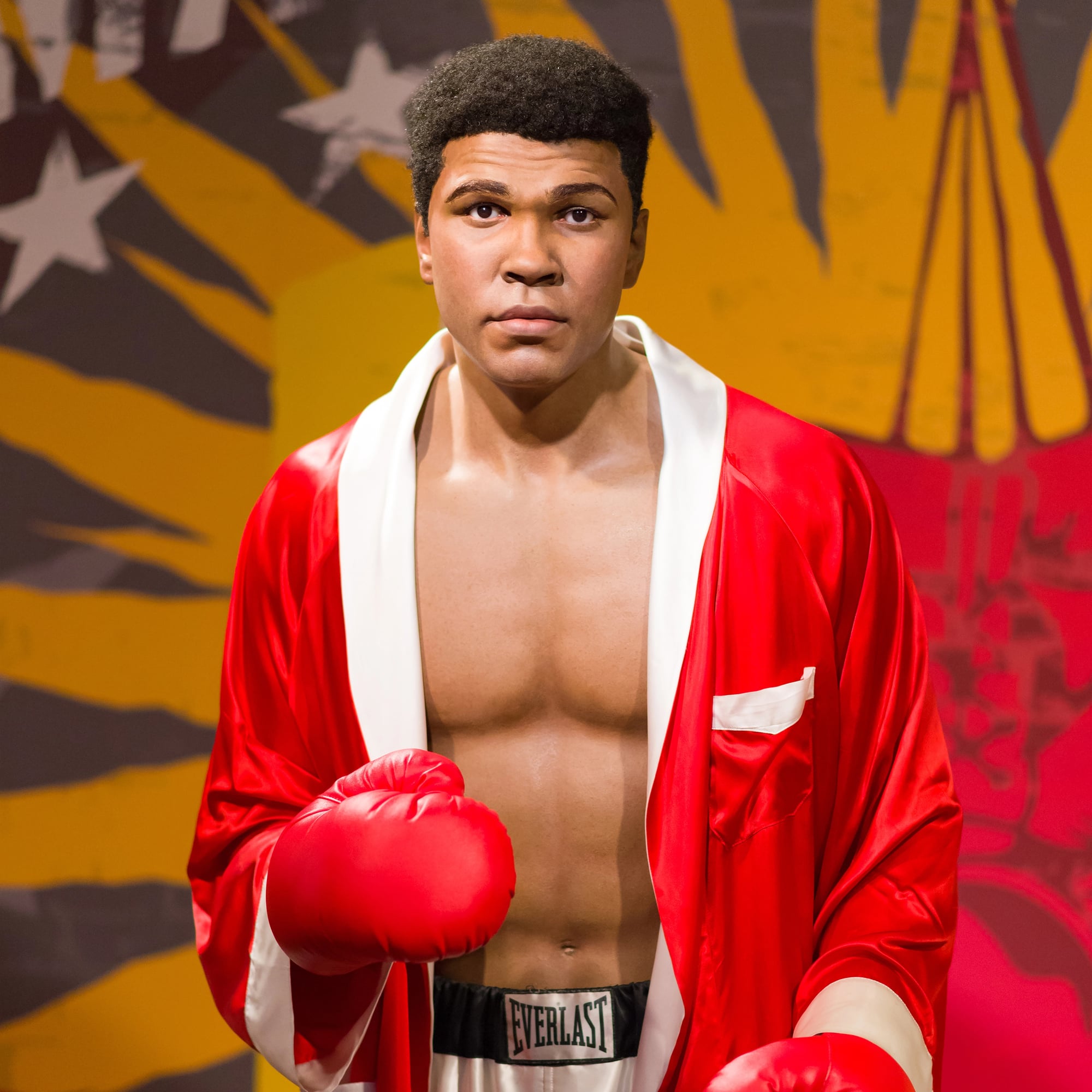
The first minute of the first round of their 1965 rematch in Lewiston, Maine — a punch so fast that half the photographers at ringside didn’t capture it, and Sonny Liston on the canvas while Ali stood over him screaming. The image by Neil Leifer is one of the most reproduced sports photographs ever taken.
The clip of the knockdown itself, even viewed in slow motion, still generates arguments about whether Liston went down from the punch or something else. That argument is also why it never stops circulating.
Kirk Gibson’s Pinch-Hit Home Run
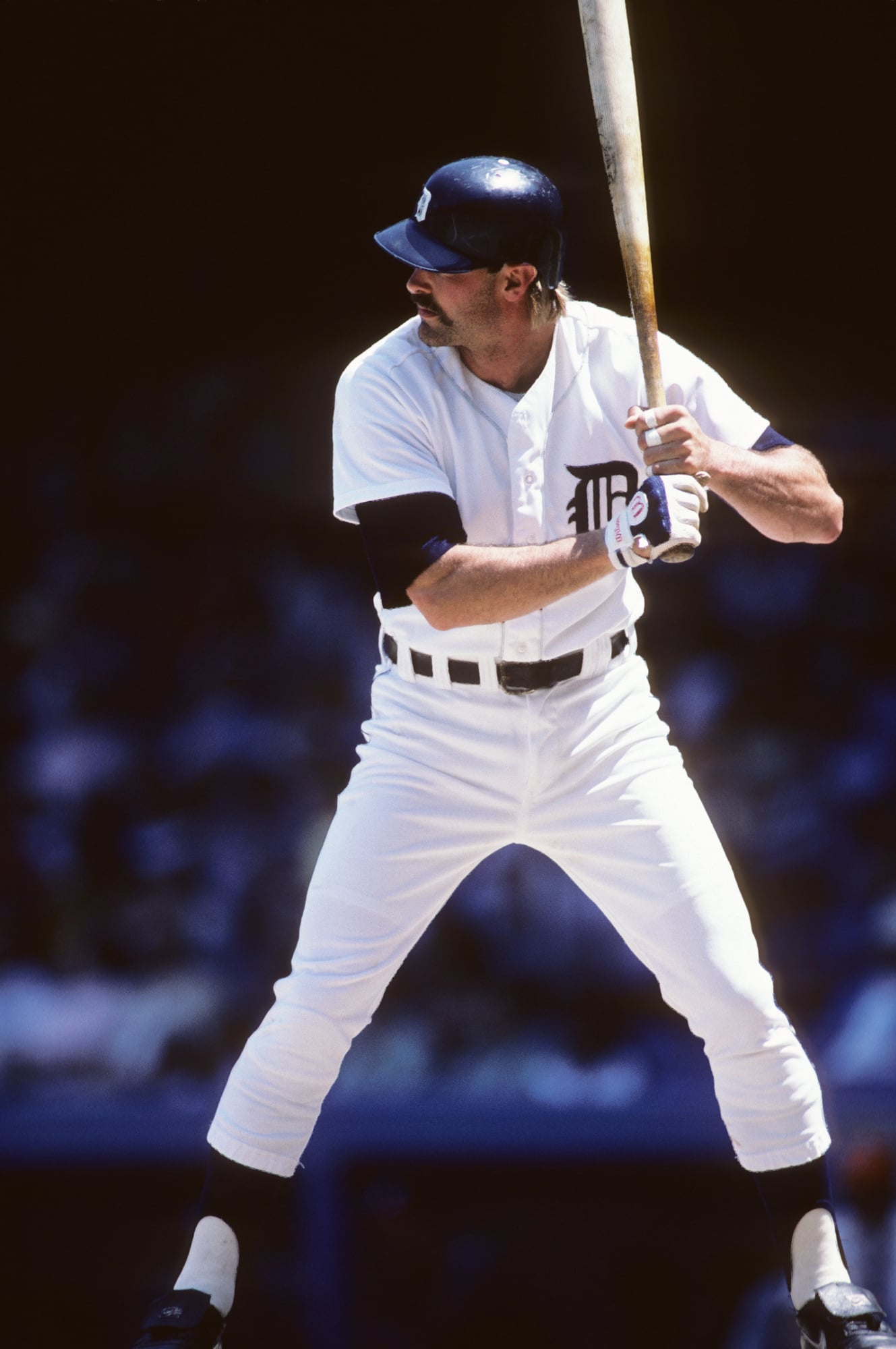
Game 1 of the 1988 World Series, Gibson barely able to walk because of a hamstring injury and a sprained knee, sent up to pinch-hit in the ninth inning against Dennis Eckersley. He worked the count full, then hit a two-run homer on a backdoor slider.
His hobbled home run trot — pumping his fist twice, clearly in physical distress — became the image of that World Series before the Dodgers had even won it. Vin Scully’s call has been broadcast at his memorials and tributes ever since.
Tonya Harding’s Broken Lace
The 1994 Winter Olympics, figure skating, Tonya Harding breaking down in tears at the judges’ panel midway through her short program, extending her foot to show a broken lace. The judges allowed her a restart.
She skated, made errors, and ultimately placed eighth. The entire sequence — the weeping, the skate examination, the restart — has been replayed in every documentary about that Olympics, not because of the skating but because of everything surrounding it. Context makes footage immortal sometimes.
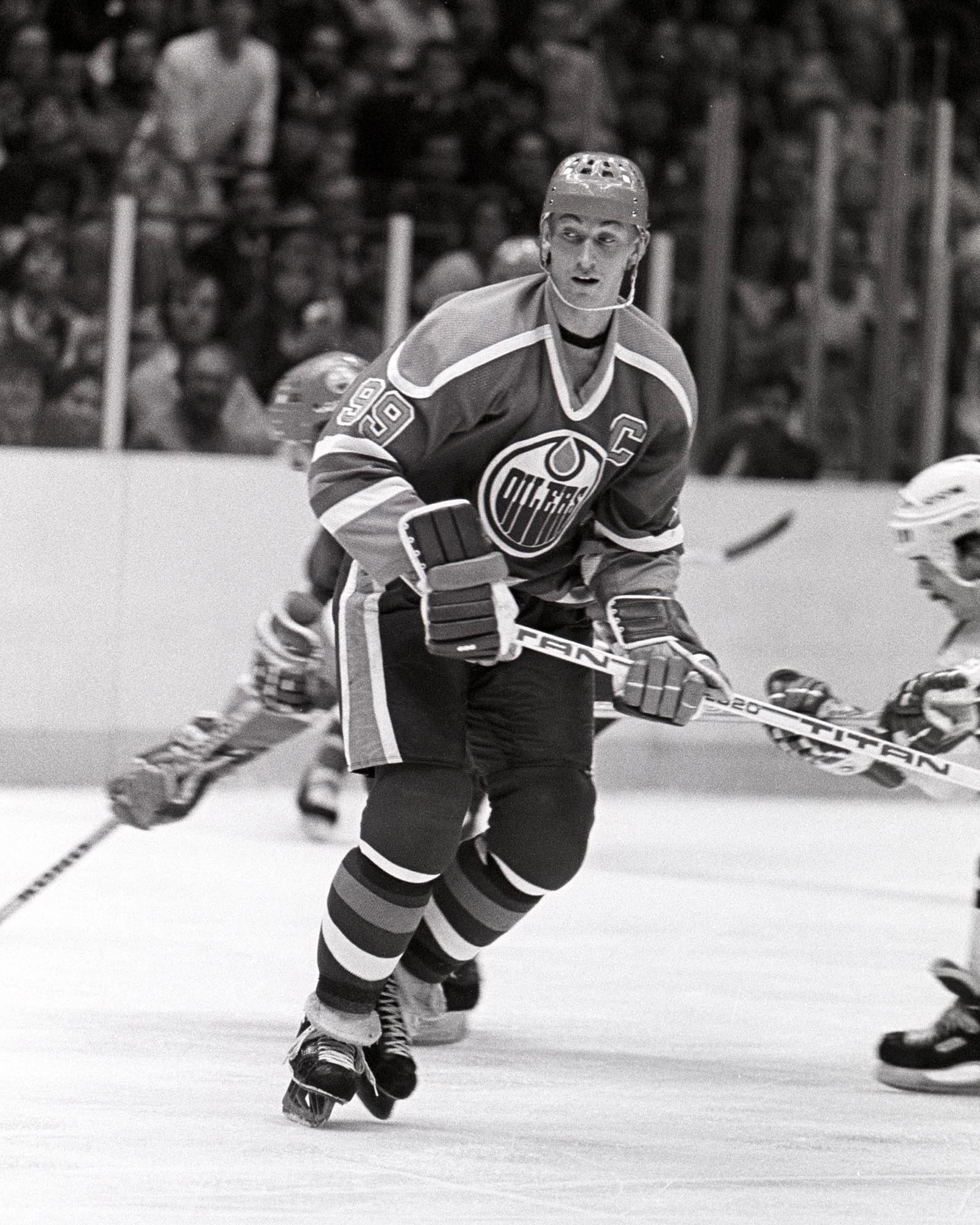
Wayne Gretzky’s 802nd Goal

March 23, 1994, Los Angeles Kings, Gretzky scoring his 802nd career goal to pass Gordie Howe as the all-time leading goal scorer — then the game stopping, the ceremony, Howe himself on the ice. The clip of Gretzky weeping is more replayed than the goal itself, which is a reversal of the usual dynamic.
Most highlight packages focus on the achievement; this one focuses on what it cost him emotionally to get there, which is something different entirely.
The Catch
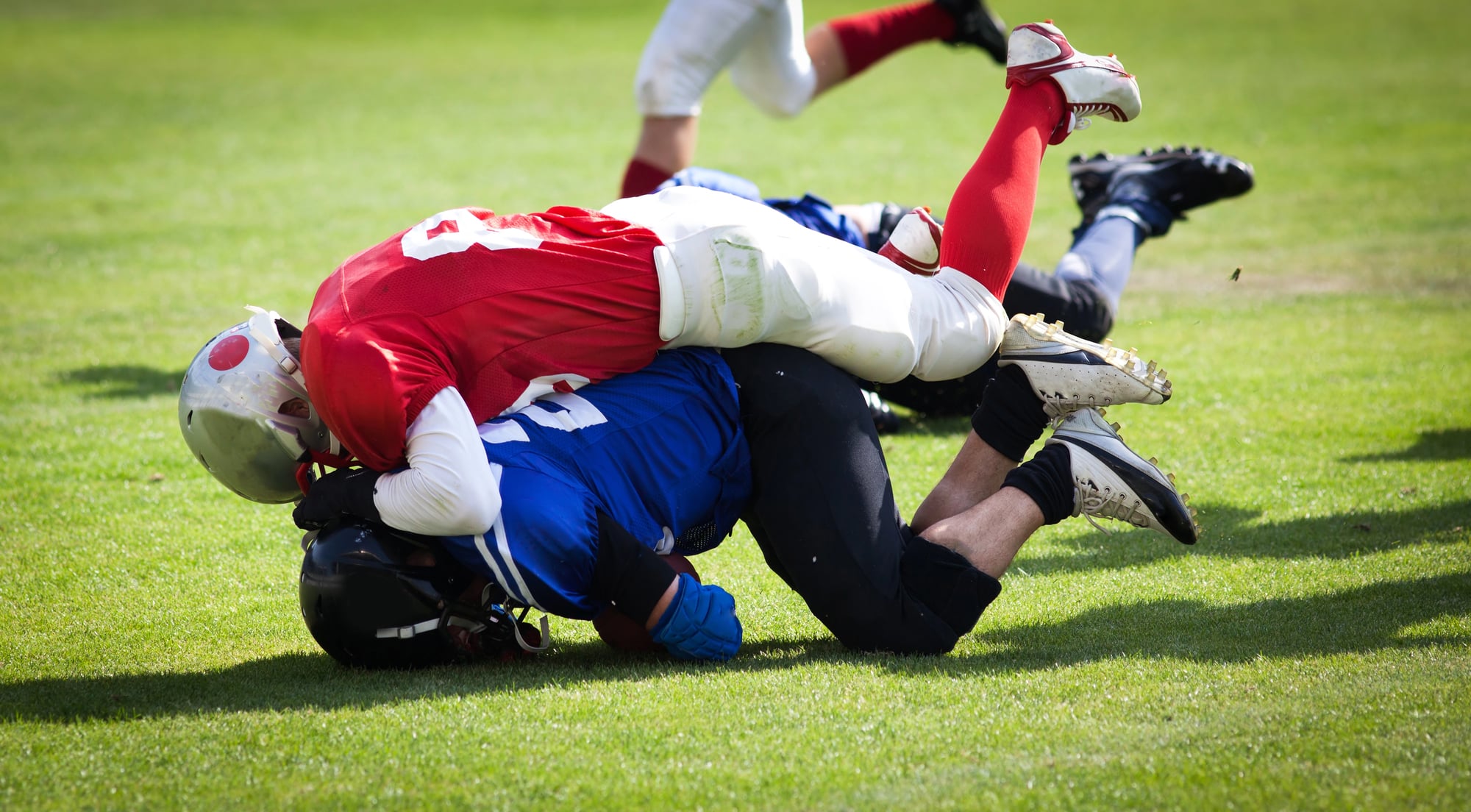
Dwight Clark in the back of the end zone, 1982 NFC Championship Game, leaping to catch a Joe Montana pass that appeared to be thrown too high for any receiver to reach. Clark reached higher.
The image of his fingertip catch, shot from behind the goal line, became the moment San Francisco 49ers dynasty football started in earnest. Every 49ers retrospective starts with it. “The Catch” doesn’t need a qualifier — any football fan knows exactly which one.
Lance Armstrong’s Look
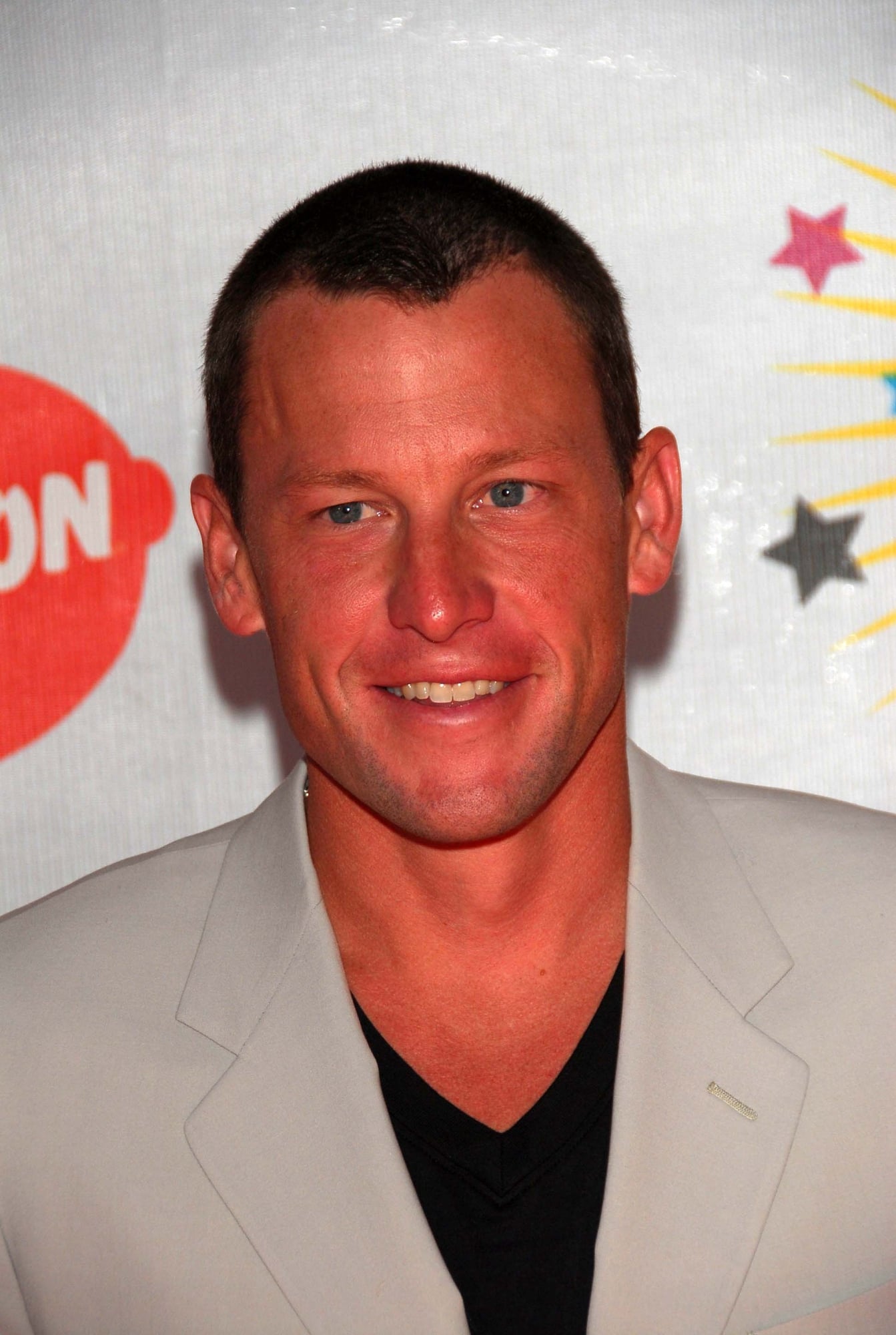
Stage 10 of the 2001 Tour de France, the climb to Alpe d’Huez, Armstrong glancing back at Jan Ullrich with what became known simply as “The Look” — sizing up his nearest competitor before accelerating away. The footage runs about four seconds.
Those four seconds have been parsed, analyzed, and replayed more than most entire sporting events. What made it iconic was the deliberateness of it: he looked, then he left. The contempt was architectural.
Derek Jeter’s Flip
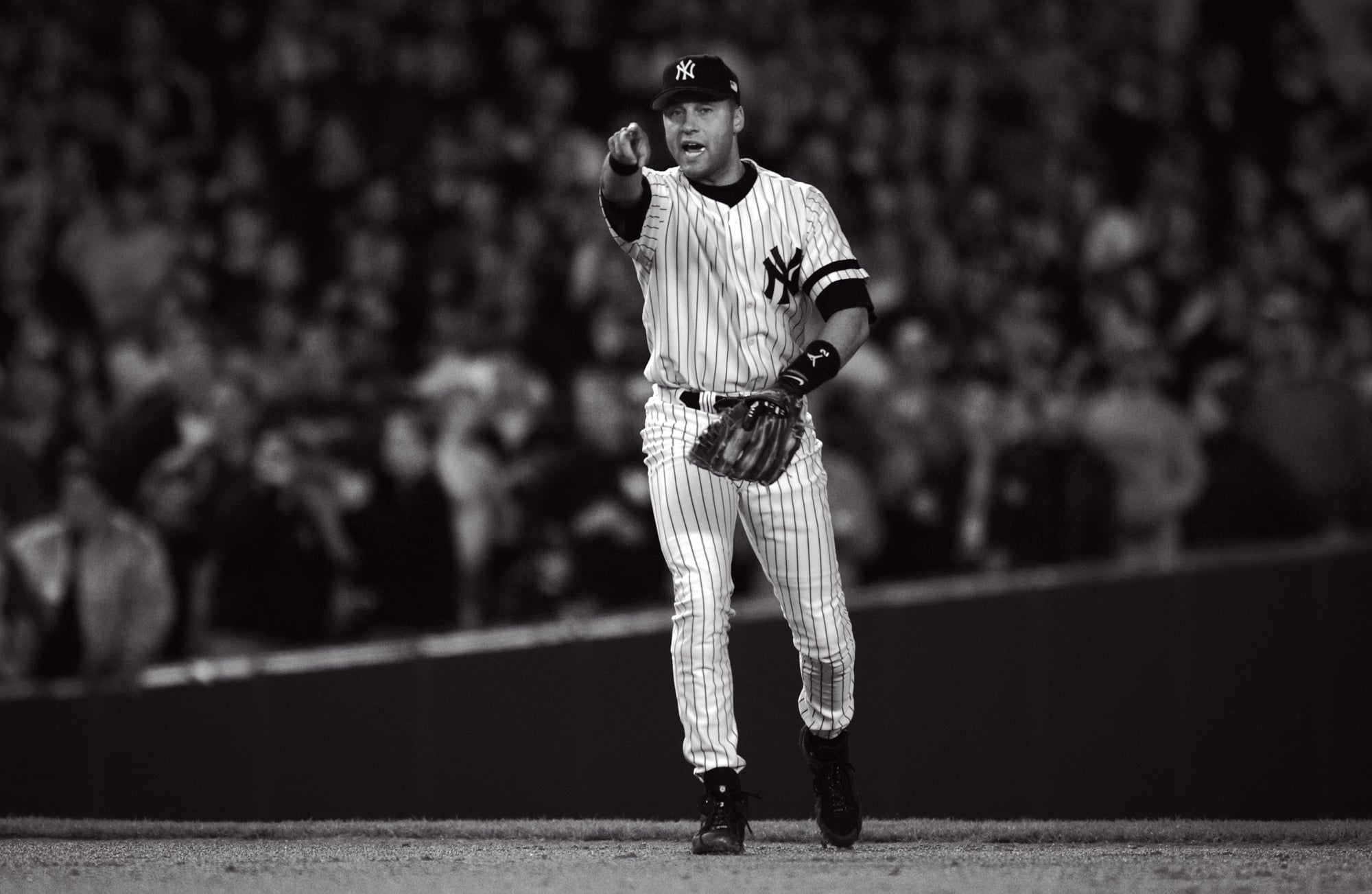
ALDS 2001, Game 3, Oakland A’s running base, Jeter materializing from nowhere to relay a throw from the outfield in a position no shortstop is supposed to occupy and flipping it backhanded to Jorge Posada to tag out Jeremy Giambi. Nobody instructed Jeter to be there.
He simply was. Analysts have spent years trying to explain why he read the play that way. They haven’t fully resolved it.
Vince Lombardi Being Carried Off the Field
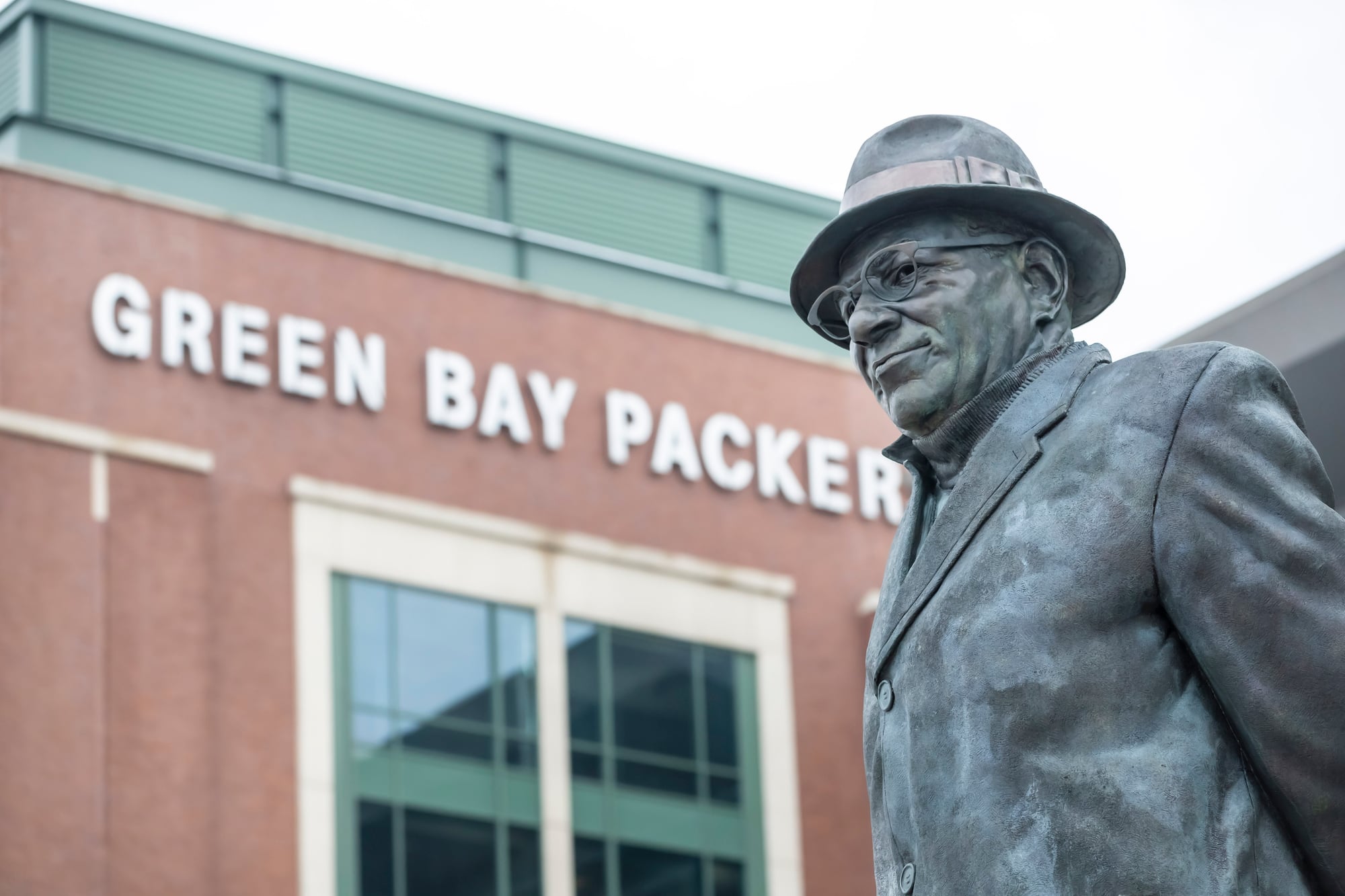
Super Bowl II, January 1968, Lambeau Field, Lombardi’s last game as Green Bay Packers head coach — his players lifting him onto their shoulders after the final whistle, his face showing something hard to name. Not triumph, exactly.
The clip appears in every Lombardi documentary, every “what football means” segment, every NFL Films package about the construction of the modern league. It’s a strange highlight in that nothing athletic happens in it. And yet it’s one of the most-replayed pieces of sports footage in history.
Mary Lou Retton’s Perfect 10
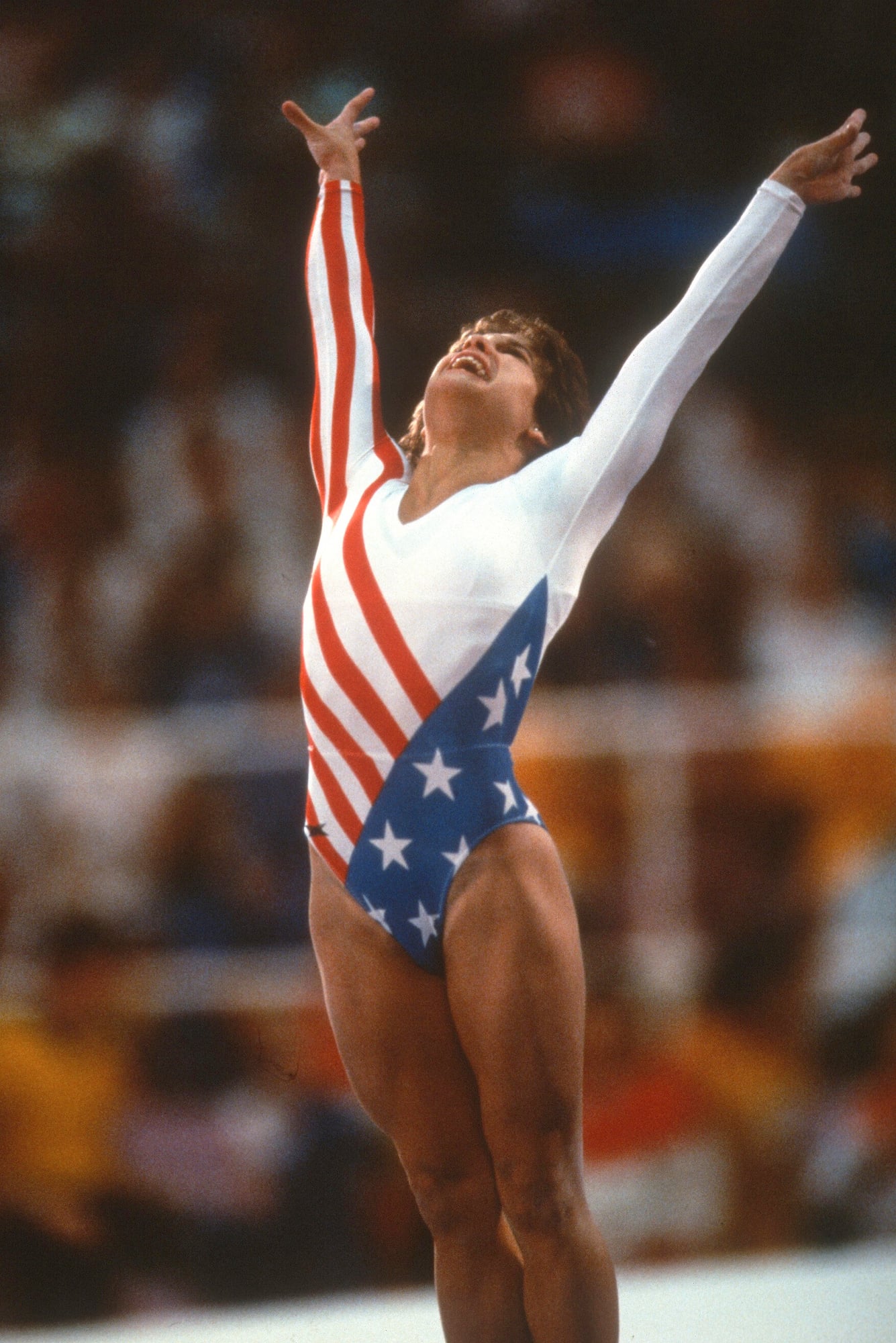
The 1984 Los Angeles Olympics, gymnastics vault, Mary Lou Retton needing a 10 to win the individual all-around gold — and sticking it. The reaction from her coach Béla Károlyi, leaping out of his chair in the stands, was captured live on broadcast television and synced with her landing in a way that seemed almost edited.
It wasn’t. ABC replayed it immediately, then replayed it again, and American television has been replaying it at roughly four-year intervals ever since.
The Last Dance’s Last Shot
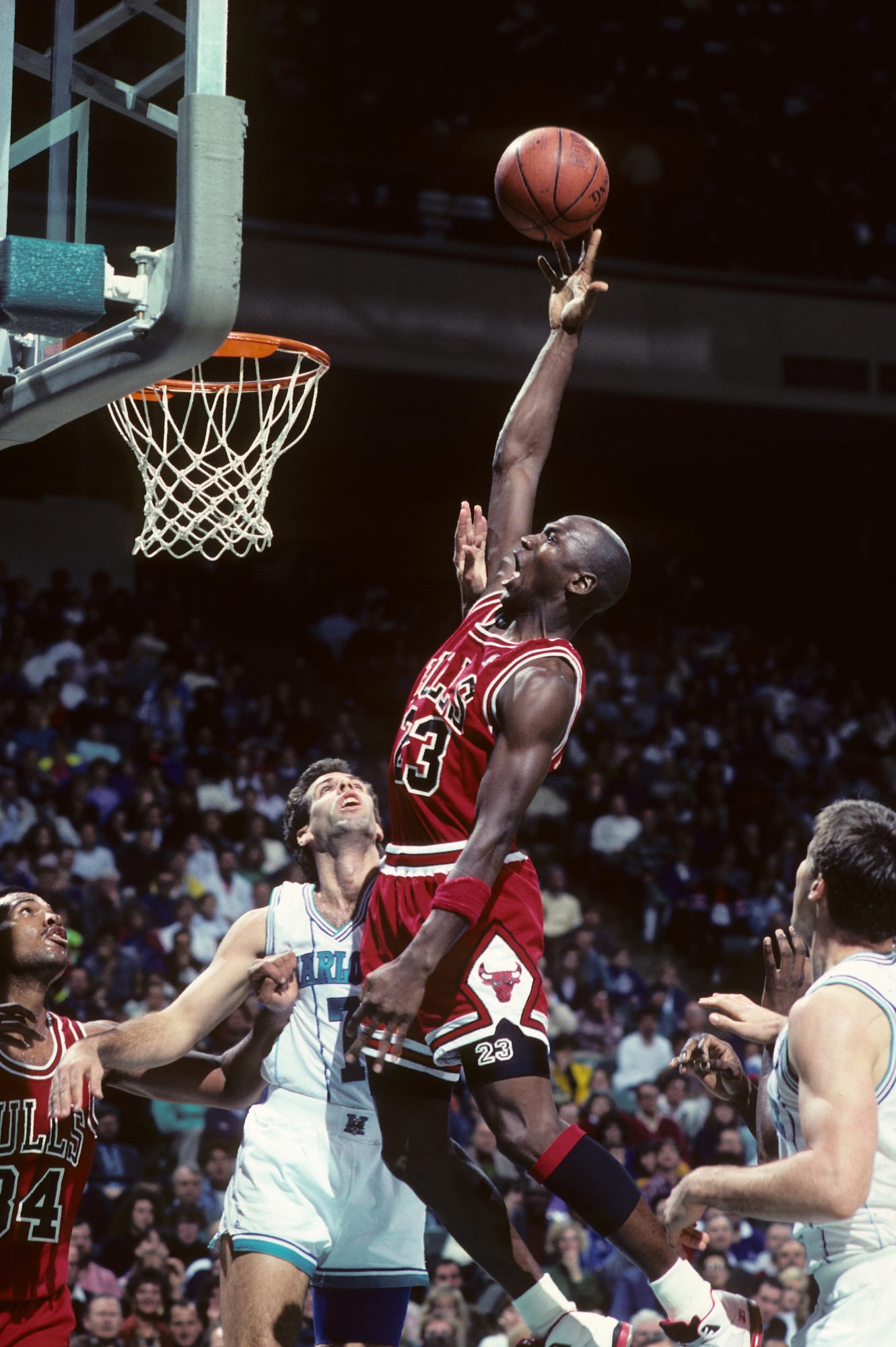
Game 6 of the 1998 NBA Finals, Jordan pushing off Byron Russell, then stepping back to hit the jumper that won the championship — and holding the pose. The footage is famous enough.
But the reason it became the defining image of that Finals, rather than any of the more athletic plays Jordan made that season, is the deliberateness of the follow-through: hand extended, watching. It looked like a man who had already decided. Turns out he had.
When the Scoreboard Means Nothing
There’s a specific quality that separates the moments on this list from the thousands of equally dramatic plays that have simply dissolved into history — and it’s not the scoreboard. It’s not even the outcome.
The highlights that get replayed indefinitely are the ones that contain something unresolvable: a controversy, a performance that shouldn’t have been physically possible, a gesture that means something even outside the sport it came from. They keep circulating because people keep returning to them with new questions. The play ends. The inquiry doesn’t.
More from Go2Tutors!

- The Romanov Crown Jewels and Their Tragic Fate
- 13 Historical Mysteries That Science Still Can’t Solve
- Famous Hoaxes That Fooled the World for Years
- 15 Child Stars with Tragic Adult Lives
- 16 Famous Jewelry Pieces in History
Like Go2Tutors’s content? Follow us on MSN.