Films Cursed from Day One
Some movie productions run smoothly from start to finish. Then there are the others—the ones where everything that can go wrong does go wrong, and then some.
Cast members die. Accidents happen on set.
Strange coincidences pile up until they stop feeling like coincidences at all. These aren’t just movies with troubled productions.
These are films where tragedy struck early and kept striking, where the warnings appeared before cameras even rolled, and where people involved started wondering if something darker was at play.
The Exorcist Set Fires and Injuries
The production of this 1973 horror classic faced so many disasters that the director brought in a priest to bless the set. A fire destroyed most of the interior sets, but strangely, Regan’s bedroom remained untouched.
Nine people connected to the film died during or shortly after production, though most were elderly or had pre-existing conditions. Cast members suffered serious injuries.
Ellen Burstyn hurt her back so badly during a stunt that she screamed in genuine pain—a moment the director kept in the final cut. Linda Blair injured her spine from the violent bed-shaking scenes.
The cast and crew reported feeling an oppressive atmosphere on set. Equipment malfunctioned constantly.
Some actors refused to return after their scenes wrapped.
The Omen’s Pattern of Accidents

Gregory Peck and screenwriter David Seltzer both narrowly avoided plane crashes. Peck cancelled a flight that later crashed, killing everyone aboard.
The same thing happened to Seltzer. Special effects artist John Richardson survived a car crash in the Netherlands that killed his assistant—on Friday the 13th, no less.
The road sign near the accident read “Ommen 66.6 km.” Lightning struck the plane carrying executive producer Mace Neufeld.
Lightning also hit a church used for filming the day after the crew left.
The house used for filming burned down shortly after production wrapped. A hotel where cast members stayed got bombed by the IRA.
The coincidences stacked up so high that people stopped calling them coincidences.
Poltergeist’s Long Shadow

This franchise carries one of the darkest legacies in Hollywood. Four cast members died young, two of them children. Dominique Dunne was strangled by her ex-boyfriend months after the first film was released.
Heather O’Rourke died at age 12 from complications during surgery, just months before the third film’s release. Julian Beck and Will Sampson both died within two years of Poltergeist II’s release from cancer-related illnesses.
The pattern became so disturbing that rumors spread about the production using real human remains as props—a claim some involved with the film later confirmed. The franchise dealt with other problems too.
Equipment malfunctions plagued all three productions. Cast members reported strange occurrences on set and at home.
The Crow’s Fatal Shooting

Brandon Lee died on set from what should have been a blank round. A previous mishap left a bullet fragment lodged in the gun’s barrel.
When the blank was fired, it propelled that fragment into Lee’s abdomen with lethal force. The production shut down, then resumed using a body double and digital effects to complete Lee’s remaining scenes.
His fiancée was supposed to visit the set the day he died but cancelled her plans at the last minute. Cast and crew reported numerous accidents and mishaps throughout production.
A carpenter got severely burned. Another crew member drove a screwdriver through his hand.
Equipment kept breaking down. Lee himself had eerie premonitions. He spoke about death in interviews promoting the film.
His father, Bruce Lee, had died under mysterious circumstances 20 years earlier while making a film about a character fighting a demon.
The Conqueror’s Radiation Exposure
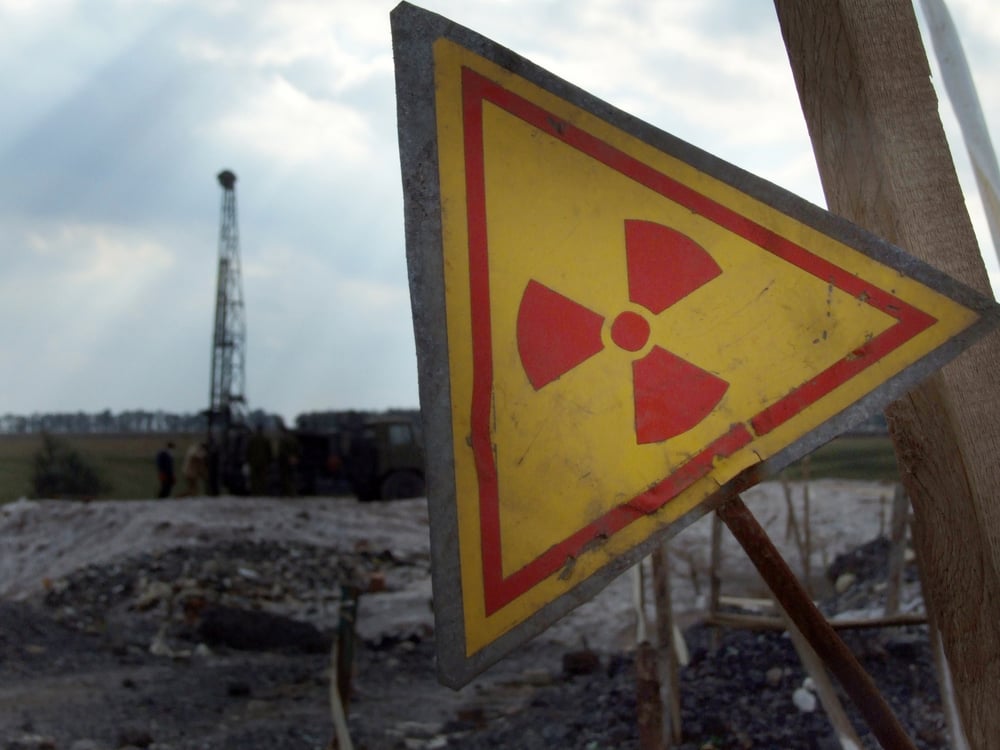
This 1956 film shot scenes in Utah, downwind from nuclear testing sites. The cast and crew spent weeks filming in contaminated areas.
Over 90 of the 220 people involved eventually developed cancer. John Wayne, Susan Hayward, and Agnes Moorehead all died from the disease.
The production even brought tons of radioactive sand back to Hollywood for additional shooting. The studio exposed more people to contamination in a misguided attempt to maintain visual continuity.
Director Powell also died from cancer. The statistics far exceeded normal cancer rates for a group that size.
Scientists later confirmed the filming locations were heavily contaminated. The government kept the dangers secret during production.
The cast and crew had no idea they were working in a radioactive zone.
Twilight Zone’s Helicopter Disaster

This 1983 film’s production ended in the deaths of actor Vic Morrow and two child actors, Myca Dinh Le and Renee Shin-Yi Chen. A helicopter crashed during filming, decapitating Morrow and one child while crushing the other.
The children were working illegally, hired under the table to avoid child labor laws. Director John Landis faced manslaughter charges but was acquitted.
The case changed safety regulations in Hollywood forever. Multiple people warned that the scene was too dangerous.
The special effects coordinator expressed concerns about the explosives’ proximity to the helicopter. Those warnings went unheeded.
The production violated multiple safety protocols. Investigators found that pressure to get the shot led to decisions that cost three lives.
Rosemary’s Baby’s Dark Coincidences

Composer Krzysztof Komeda died at age 37 from a brain clot after falling during a party. Producer William Castle received threatening letters and developed painful kidney stones he attributed to a curse.
He spent his remaining years convinced the film had cursed him. The Dakota building where they filmed exterior shots became the site of John Lennon’s murder 12 years later.
The film’s depiction of satanic conspiracy took on darker tones after director Roman Polanski’s wife, Sharon Tate, was murdered by the Manson Family the year after the film’s release.
Castle’s health problems continued until his death. He told friends the film had brought something into his life that he couldn’t escape.
Mia Farrow’s marriage to Frank Sinatra ended during production. The role took a psychological toll on her that she discussed in later interviews.
Apocalypse Now’s Production Nightmare

Francis Ford Coppola mortgaged his house to finance this film and nearly lost everything. The production dragged on for years in the Philippines.
A typhoon destroyed expensive sets. Martin Sheen suffered a heart attack on location at age 36.
The Philippine military would pull their helicopters mid-shoot to fight actual rebels, leaving the crew stranded without their key equipment.
Cast members struggled with heat, disease, and isolation. Harvey Keitel was fired and replaced mid-production.
Marlon Brando arrived overweight and unprepared, forcing rewrites. Coppola had emotional breakdowns.
The budget spiraled out of control. What was supposed to take six weeks took 16 months.
Some footage used real human remains purchased from a grave robber. The Philippine government investigated but didn’t pursue charges.
The film nearly destroyed Coppola’s career and sanity.
Superman’s Tragic Legacy

Christopher Reeve’s paralyzing horse-riding accident happened years after the film, but the franchise seems haunted by tragedy. Margot Kidder struggled with mental health issues and died in 2018.
Richard Pryor developed multiple sclerosis. Marlon Brando’s life was marked by family tragedies.
First film director Richard Donner was fired from the sequel. The Salkinds, who produced the films, burned bridges with nearly everyone involved.
Legal battles over rights and profits dragged on for decades.
The production faced constant conflicts between Donner and the producers. They cut costs everywhere, creating tension on set.
Some crew members weren’t paid properly. Later Superman productions continued the pattern.
George Reeves, who played Superman on TV, died under mysterious circumstances in 1959. The character itself seems shadowed by misfortune.
The Wizard of Oz’s Hidden Dangers

Buddy Ebsen was originally cast as the Tin Man but had a severe allergic reaction to the aluminum dust makeup. He nearly died and spent weeks in an iron lung.
His replacement, Jack Haley, developed an eye infection from the same makeup. Margaret Hamilton suffered second and third-degree burns during the Wicked Witch’s fiery exit from Munchkinland.
Her stunt double, Betty Danko, was badly injured during another fire stunt. The Wicked Witch’s makeup contained toxic copper.
The snow in the poppy field scene was pure asbestos. The studio prioritized the look over anyone’s safety.
Judy Garland was given amphetamines to keep her energy up and barbiturates to help her sleep. The studio controlled her diet ruthlessly, starting her down a path of substance abuse that would plague her entire life.
The Passion of the Christ’s Lightning Strikes

Assistant director Jan Michelini was struck by lightning during production. Later, actor Jim Caviezel was also struck while filming the Sermon on the Mount scene.
Neither strike was fatal, but both were captured on camera. Caviezel dislocated his shoulder during the crucifixion scene.
He developed hypothermia and pneumonia from hanging in cold weather for hours. The film’s extreme violence took a psychological toll on the cast.
Caviezel later said he felt a dark presence during filming. The graphic torture scenes traumatized some viewers.
Several critics accused the film of anti-Semitism, igniting fierce debates. The physical and emotional demands of the role affected Caviezel’s career trajectory.
He struggled to find work afterward, partly due to typecasting and partly due to his own reluctance to take certain roles.
Rebel Without a Cause’s Young Deaths

James Dean died in a car crash before the film was even released. The Porsche 550 Spyder he crashed in, nicknamed “Little Bastard,” became infamous in its own right.
Parts of the car were sold after the accident, and multiple people who owned those parts died in their own accidents. Sal Mineo was stabbed to death in 1976 at age 37.
Natalie Wood drowned under mysterious circumstances in 1981 at age 43. Nick Adams, who had a small role, died from a drug overdose at 36.
The three young stars of the film all died violent, untimely deaths. The film about troubled youth became forever linked to real tragedy.
Dean’s death happened just weeks after filming wrapped. Warner Brothers had to scramble to promote a film whose star was gone.
The tragedy gave the film an almost unbearable poignancy.
Atuk’s Unmade Curse

This adaptation of a novel about an Inuit warrior never got made, but multiple actors attached to the project died shortly after reading the script. John Belushi died from a drug overdose weeks after receiving the script.
Sam Kinison died in a car accident in 1992 after considering the role. John Candy died of a heart attack in 1994 while thinking about taking the part.
Chris Farley died from a drug overdose in 1997, also after reading the script. Four comedians, all dead after expressing interest in the same unmade film.
The pattern became so notorious that Hollywood started treating the Atuk script like it actually carried a curse. No one wants to touch it now.
The film remains unmade decades later. Whether the curse is real or just a coincidence that kept compounding, the project is effectively dead.
Studios won’t go near it.
The Possession’s Strange Fires

The 2012 horror film about a dybbuk box experienced multiple fires during production. The prop storage warehouse burned down, destroying the carefully constructed box used in filming.
A few days later, another fire broke out in the production offices. Lead actor Jeffrey Dean Morgan felt increasingly unsettled during production.
His home experienced electrical problems. His daughter fell ill.
He talked openly about feeling that something followed him from the set. The real dybbuk box that inspired the film supposedly caused misfortune for everyone who owned it.
The filmmakers tried to treat the subject with respect, but strange occurrences plagued them anyway. Even after production wrapped, people involved reported weird experiences.
The film’s release went smoothly, but the production itself felt wrong to almost everyone there.
When the Warnings Pile Up

Something kept showing up across these tales. Some ignored red flags, clear signs missed.
Mistakes led to crashes that never should’ve occurred. Lives ended in ways that felt oddly timed, too neat somehow.
On certain sets, the material itself carried a weight – like it pulled shadows closer. Funny how one event might seem like bad luck.
Machines sometimes fail without warning. Numbers group together by chance, nothing more.
Shooting movies involves real risks every day. Exhaustion builds up when schedules stretch on too long.
Yet once you take in all that happened – the endless toll of harm, loss, lives cut short – it’s tougher to stay doubtful. Not merely difficult sets.
More like projects doomed by a deep unease right from the start. Perhaps no movie is truly cursed.
It could be that these cases simply show what unfolds when companies care more about results than workers. Lessons from past disasters might explain why rules are stricter today.
Perhaps certain tales belong untold. Certain pictures, unrecorded.
Yet listening matters – curse or no curse.
More from Go2Tutors!

- The Romanov Crown Jewels and Their Tragic Fate
- 13 Historical Mysteries That Science Still Can’t Solve
- Famous Hoaxes That Fooled the World for Years
- 15 Child Stars with Tragic Adult Lives
- 16 Famous Jewelry Pieces in History
Like Go2Tutors’s content? Follow us on MSN.



