15 Most Ridiculous Titles Of Nobility Ever Granted Throughout History
The human obsession with fancy titles runs deeper than most care to admit. Throughout history, monarchs have handed out noble titles like party favors, often with names so absurd they sound like rejected fantasy novel characters.
Some were born from genuine achievements, others from royal whims, and a few from what can only be described as medieval inside jokes. These titles tell the story of power, vanity, and the lengths people will go to distinguish themselves from ordinary folk.
Duke Of Monkey Island

The Spanish Crown once granted this title to commemorate a particularly bizarre military campaign in the Caribbean. A small island overrun with monkeys became strategically important during colonial disputes, and the nobleman who managed to establish control earned this ridiculous moniker.
His descendants carried the title for generations, presumably introducing themselves at court functions with perfectly straight faces while everyone else tried not to snicker.
Earl Of The Pudding

This English title emerged from what historians believe was either a translation error or King Charles II having an exceptionally good sense of humor (and some would argue that Charles II, who was known for his wit and love of entertainment, probably found the whole thing delicious in more ways than one). The original holder had supposedly provided exceptional catering services during a crucial diplomatic meeting.
But the story gets stranger: the earl’s family coat of arms actually featured a steaming pudding, and they maintained their dignity about it for three centuries.
Baron Beefsteak
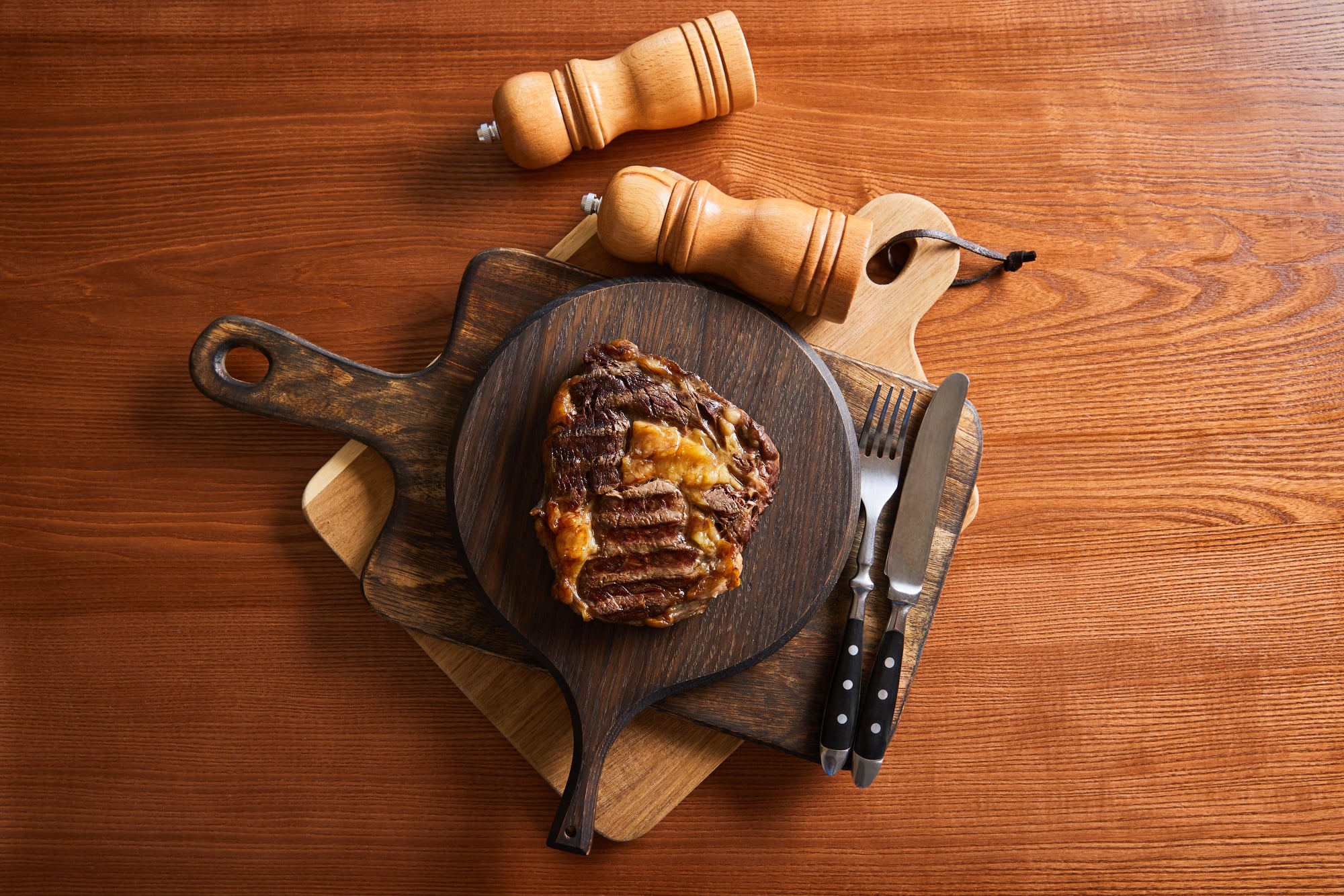
Picture this: you’re at a 16th-century feast, the kind where nobles gather to display their wealth through increasingly elaborate dishes, and someone decides the man who can provide the finest cuts of beef deserves not just payment, but permanent recognition in the form of hereditary nobility. The Baron Beefsteak wasn’t just a butcher made good — he became the official supplier to the royal household, which apparently warranted a title that made him sound like a tavern mascot.
His coat of arms featured crossed knives and a side of beef, because subtlety wasn’t really the goal here.
Marquis Of The Midnight Sun

This Norwegian title makes perfect sense until someone explains what it actually means. The original holder was granted lands so far north that the sun never set during summer months.
Sounds poetic and mystical, right? The reality was more prosaic: he got stuck managing territory that was essentially uninhabitable for half the year and blindingly bright during the other half.
The midnight sun sounds romantic until it keeps everyone awake for months at a time.
Count Of Nothing

The French monarchy outdid itself with this one. Created as a deliberately ironic title for a nobleman who had lost everything in a failed business venture, the Count of Nothing was essentially an aristocratic participation trophy.
The twist (because there’s always a twist in these stories): the title came with a small pension, meaning he was literally paid to be a count of nothing. The French court found this arrangement amusing right up until the Revolution made all noble titles somewhat problematic.
Duke Of Broken Dreams
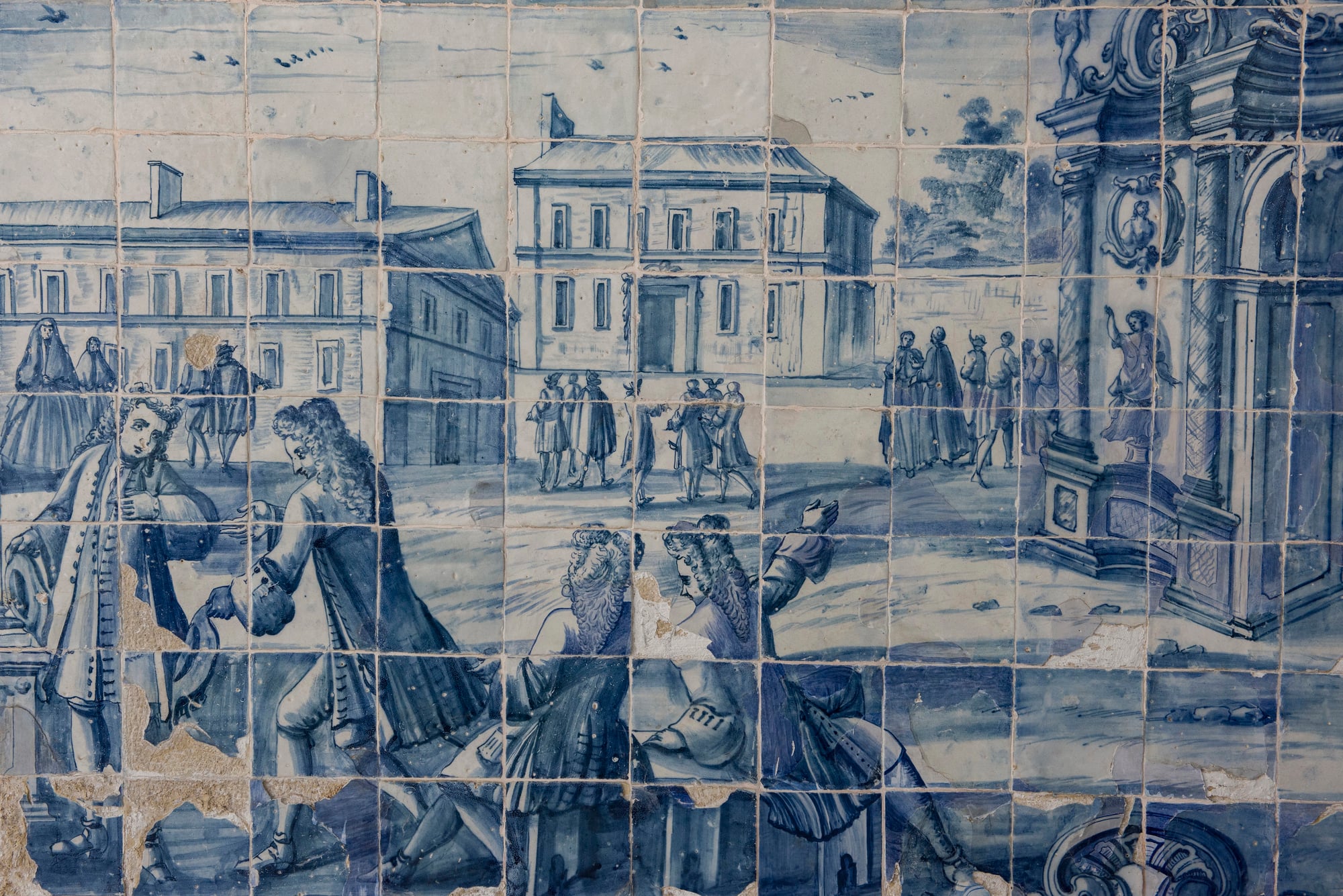
Portuguese royalty granted this melancholic title after a particularly devastating military defeat. The duke in question had led an expedition that was supposed to establish new trade routes but instead resulted in the loss of several ships and most of the crew.
Rather than stripping him of honors, the crown gave him a title that would remind everyone of his failure for eternity. The family eventually changed their name and moved to Brazil, which was probably the smartest decision they ever made.
Viscount Pickle

English nobility reached peak absurdity with this title, granted to a man whose family fortune came from preserving vegetables. And yet there’s something deeply satisfying about the straightforwardness of it — at least everyone knew exactly what the Viscount Pickle brought to the table.
His descendants tried repeatedly to change the title to something more dignified, but the Crown refused every petition. The Pickle family learned to embrace their briny legacy, hosting elaborate dinners where every course featured something pickled.
Earl Of Perpetual Motion
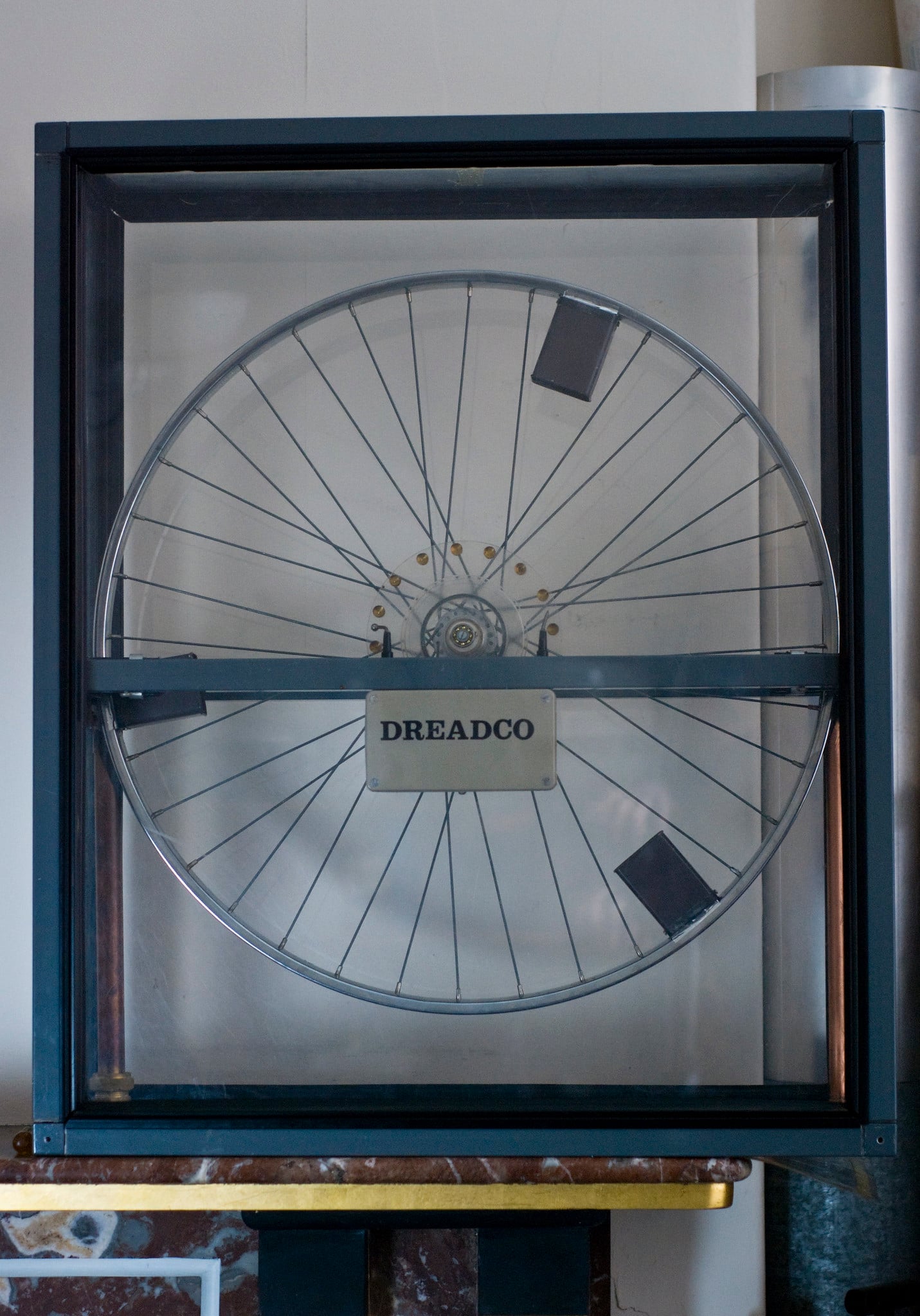
This Italian title was granted to an inventor who claimed he had created a machine that could run forever without external power. The machine, predictably, didn’t work, but the Earl of Perpetual Motion was stuck with his title long after his contraption had been exposed as elaborate wishful thinking.
His great-great-grandson still holds the title today, which has to make for interesting conversations at dinner parties about the family’s relationship with physics and reality.
Baron Von Sauerkraut
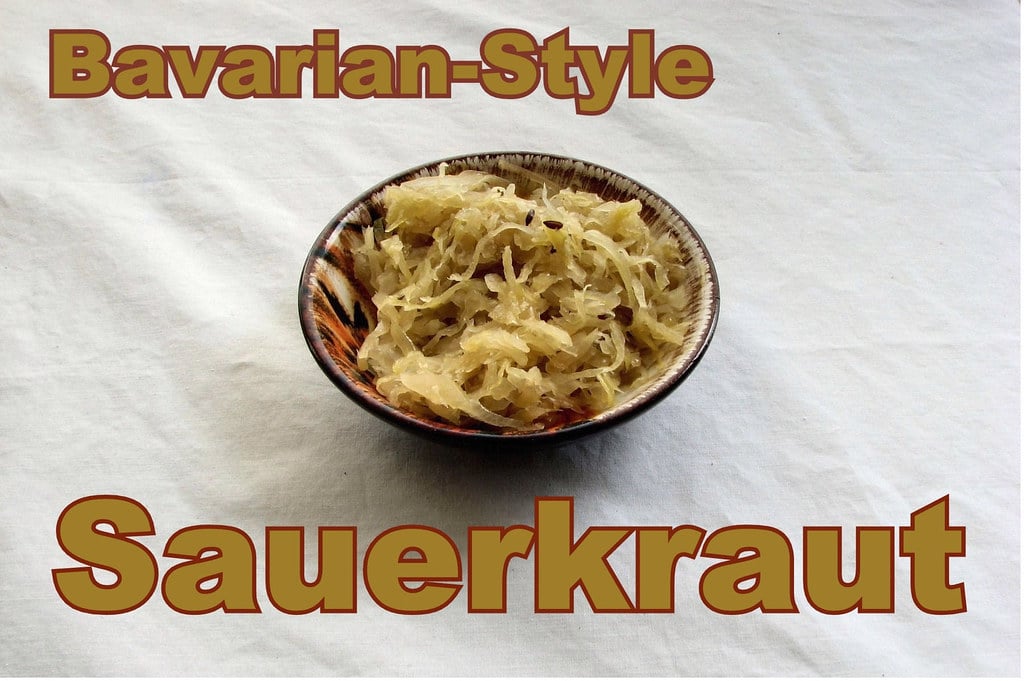
The Holy Roman Empire produced some truly magnificent ridiculous titles, but Baron von Sauerkraut stands out for its sheer commitment to cabbage-based nobility. The original baron had developed an improved method for fermenting vegetables that helped prevent scurvy in the imperial army.
This was actually a significant medical advancement, but calling someone Baron von Sauerkraut for three hundred years seems like overkill. The family crest featured a cabbage, naturally, surrounded by what appeared to be tiny soldiers eating from bowls.
Marquis Of The Left Hand
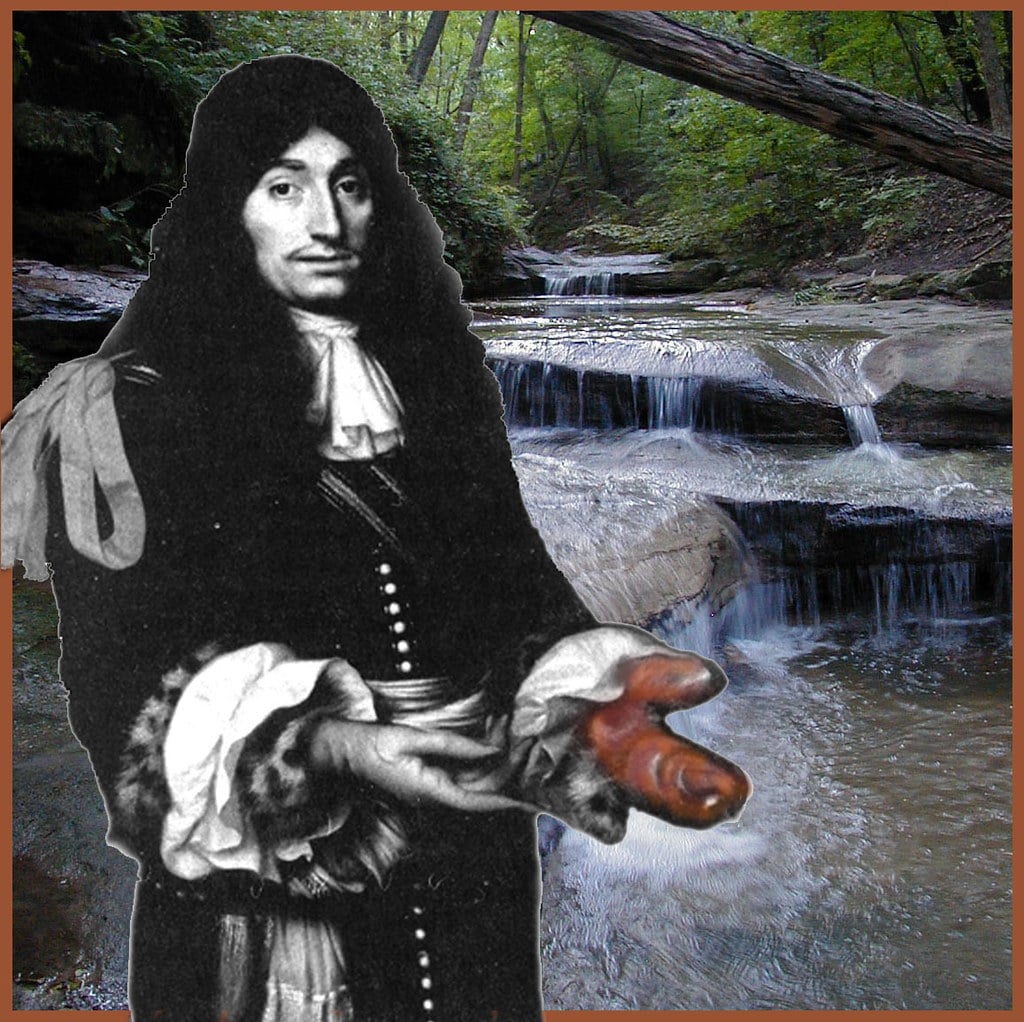
Spanish nobility created this title for a knight who had lost his right arm in battle but continued fighting with remarkable skill using only his left. The Marquis of the Left Hand became something of a legend, but the title itself sounds like it was created by someone who gave up halfway through the naming process.
His descendants inherited not just the title but also a tradition of left-handed swordsmanship that they maintained for generations, which was either touching dedication or stubborn refusal to let go of a very specific gimmick.
Count Of Frequent Sneezing

This Bavarian title originated from what might be history’s most unfortunate allergy. The original count suffered from such severe hay fever that his sneezing fits became famous throughout the region, and somehow this transformed into a hereditary title rather than a medical consultation.
The Count of Frequent Sneezing’s family coat of arms featured a handkerchief, and court records suggest that people scheduled meetings with him based on seasonal pollen counts.
Duke Of Wishful Thinking

French aristocracy sometimes displayed a cruel sense of humor, and the Duke of Wishful Thinking represents their creative peak. Granted to a nobleman who had made a series of spectacularly bad investment decisions based on overly optimistic projections, this title served as a permanent reminder of the dangers of unchecked optimism.
The duke’s financial planning had been so divorced from reality that the crown decided to commemorate it for posterity, which says something about both his judgment and the royal sense of humor.
Earl Of Backwards Walking

This English title emerged from a bet that got completely out of hand. The original earl had wagered he could walk backwards from London to Edinburgh without falling down, and somehow managed to accomplish this ridiculous feat.
Rather than quietly collecting his winnings and moving on with his life, he received a title that ensured everyone would remember his odd method of transportation forever. The Earl of Backwards Walking’s descendants reportedly maintained the tradition of walking backwards on formal occasions, which must have made family portraits particularly challenging.
Viscount Upside-Down

Portuguese nobility created this title for a man whose house had been built on such a steep hillside that visitors felt dizzy just looking at it. The Viscount Upside-Down embraced his topsy-turvy reputation by decorating his estate with furniture mounted on the ceiling and hosting dinner parties where guests had to crane their necks to see the elaborate chandelier installations below them.
The whole effect was probably either charmingly whimsical or completely nauseating, depending on your tolerance for architectural rebellion.
Baron Of Last Resort

This final entry represents the ultimate in self-aware noble titling. The Baron of Last Resort was created for a diplomat whose specialty was handling the negotiations that nobody else wanted to touch — the impossible cases, the hopeless causes, the diplomatic equivalent of mission impossible scenarios.
The baron wore his title like a badge of honor, and his success rate with impossible negotiations was apparently high enough that being the last resort became a position of genuine respect rather than professional exile.
When Dignity Meets Absurdity

These titles remind us that even the most serious institutions can produce moments of unintended comedy. Behind each ridiculous name stands someone who wore it with whatever dignity they could muster, attending formal functions and signing official documents with titles that would make modern people burst into laughter.
The persistence of these names through generations suggests that nobility, at its core, might be less about dignity and more about the sheer stubborn refusal to admit that something has become ridiculous.
More from Go2Tutors!

- The Romanov Crown Jewels and Their Tragic Fate
- 13 Historical Mysteries That Science Still Can’t Solve
- Famous Hoaxes That Fooled the World for Years
- 15 Child Stars with Tragic Adult Lives
- 16 Famous Jewelry Pieces in History
Like Go2Tutors’s content? Follow us on MSN.