30 Punishments Once Considered Normal
Justice has always reflected the values of whoever holds power, and history’s punishment methods make that painfully clear. What courts and communities once treated as routine correction now reads as evidence of how differently entire societies once thought about crime, shame, and control.
The Stocks Turned Minor Offenses Into Public Theater

Colonial towns across Europe and America used wooden stocks to lock offenders’ hands and feet in a public square, exposing them to ridicule, thrown rotten food, and occasional physical abuse from passersby. Sentences ranged from a few hours to several days depending on the offense.
The punishment relied entirely on public shame rather than physical confinement to enforce social order.
The Pillory Added the Head to Public Humiliation
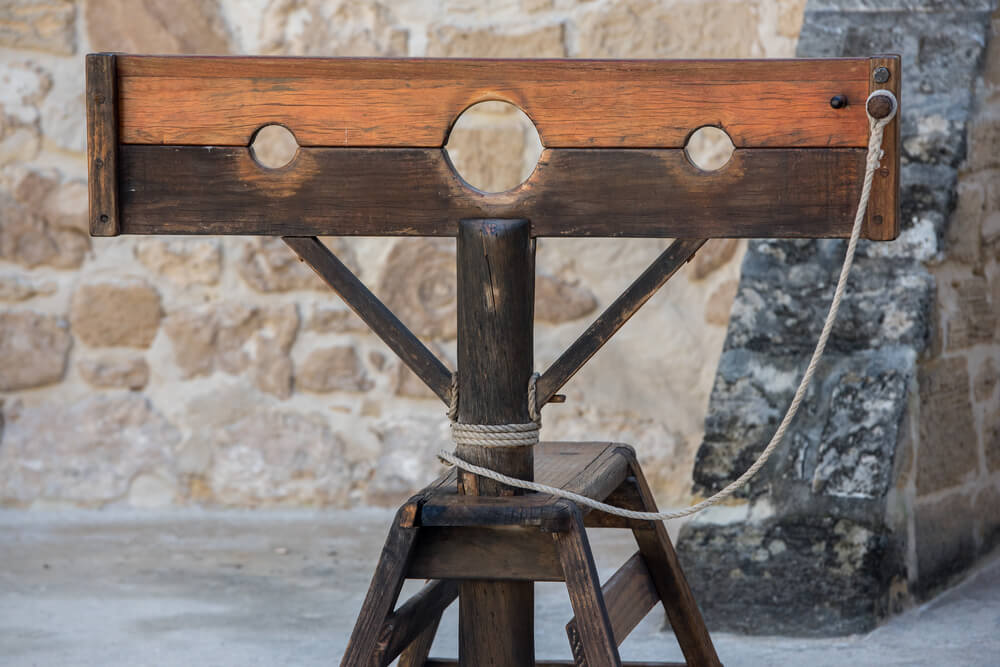
A close cousin of the stocks, the pillory locked an offender’s head and hands through a wooden frame, often positioned at a busy market crossroads to maximize public exposure. Crowds sometimes turned violent, and there are documented cases of prisoners being seriously injured or killed by thrown objects.
England did not formally abolish the pillory until 1837.
Ducking Stools Punished Women Labeled as Scolds

English and colonial American communities used ducking stools, chairs mounted on a pivot arm, to repeatedly submerge women accused of gossiping or nagging into ponds or rivers. The practice specifically targeted women in ways rarely applied to men accused of similar behavior.
Some towns kept ducking stools in official use into the eighteenth century.
Branding Marked Criminals for Life

Many European legal systems branded convicted criminals with hot irons, burning letters into the hand, cheek, or forehead to permanently identify their offense to anyone they later encountered. A thief might be branded with a T, while a vagrant received a V.
The mark followed the person for the rest of their life regardless of later rehabilitation.
The Scarlet Letter Reflected Real Puritan Practice

Puritan communities in colonial New England required people convicted of adultery to wear a visible letter, often a red A, sewn onto their clothing as a permanent public marker of their offense. Nathaniel Hawthorne’s novel dramatized a practice with documented basis in actual court records from the period.
The punishment combined legal sentencing with ongoing social surveillance.
Public Whipping Was Standard Sentencing Well Into the Twentieth Century

Public flogging remained a legal sentencing option in parts of the United States, including Delaware, until the 1950s and 1960s, administered at designated whipping posts in front of onlookers. England used judicial flogging for certain offenses into the twentieth century as well.
Sentences were often carried out on bare skin and left permanent scarring.
Debtors’ Prisons Jailed People for Owing Money

Until well into the nineteenth century, both Britain and the United States imprisoned people who could not pay their debts, sometimes indefinitely, since prisoners had no means to earn money to satisfy what they owed. Conditions inside debtors’ prisons were often worse than those for convicted criminals, since debtors received no state provisions and had to pay their own jailers for food.
Charles Dickens’s father was imprisoned at London’s Marshalsea debtors’ prison, an experience that shaped his son’s later fiction.
Transportation Exiled Convicts to Distant Colonies

Britain sentenced tens of thousands of convicts to transportation, shipping them to penal colonies in America and later Australia rather than housing them in domestic prisons. The voyage itself killed a significant percentage of transported convicts before they ever reached their destination.
Australia’s convict transportation system continued until 1868.
The Wheel Broke Criminals’ Bodies in Public View

Breaking on the wheel, used across parts of continental Europe for serious crimes, involved tying a condemned person to a large wheel and shattering their limbs with an iron bar before leaving them exposed to die. The punishment was designed to maximize both pain and public visibility as a deterrent.
France did not formally abolish the practice until 1788.
Public Executions Drew Crowds as Community Events
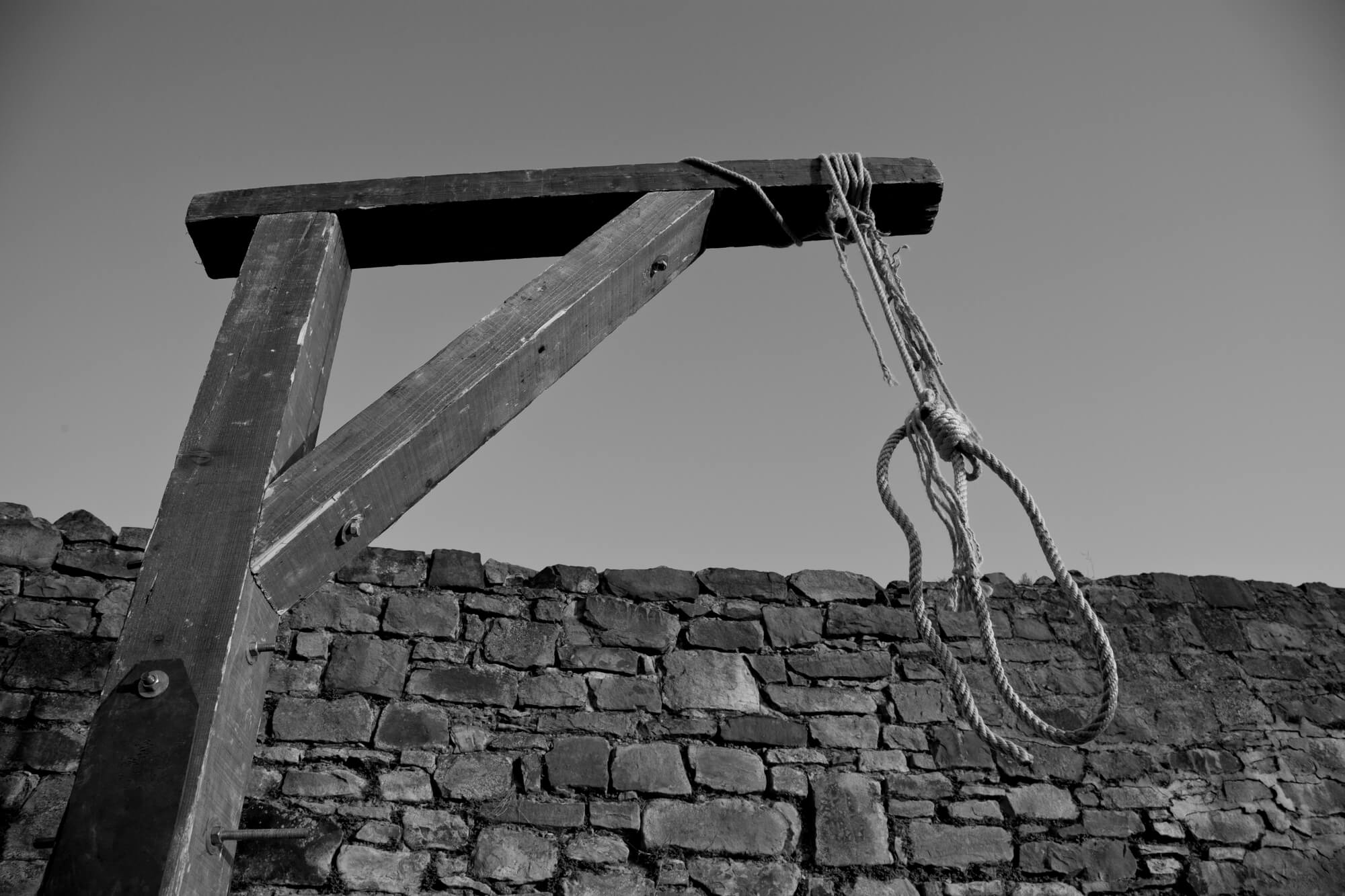
Executions in Europe and colonial America functioned as major public gatherings, complete with vendors selling food and printed accounts of the condemned person’s final words. England conducted public hangings until 1868, and France used public guillotine executions until 1939.
Attendance was treated less as solemn duty and more as popular entertainment for entire families.
The Iron Gag Silenced Enslaved People Under Slavery

— Photo by RomanNerud
Under chattel slavery in the Americas, enslavers used iron devices sometimes called scold’s bridles or gags to physically silence enslaved people, restricting speech and eating as a means of control and punishment. These devices caused severe pain and were often used alongside other forms of physical punishment.
Their use reflected the broader system’s reliance on physical torment to enforce total control.
Keelhauling Dragged Sailors Beneath Their Own Ship

Naval forces, particularly the Dutch and English navies of the seventeenth century, punished serious offenses by dragging a sailor on a rope beneath the hull of the ship from one side to the other. Barnacles on the hull often tore the skin severely, and many sailors drowned or bled to death during the process.
The punishment was eventually phased out as naval discipline codes modernized.
Amputation Served as Legal Sentencing for Theft
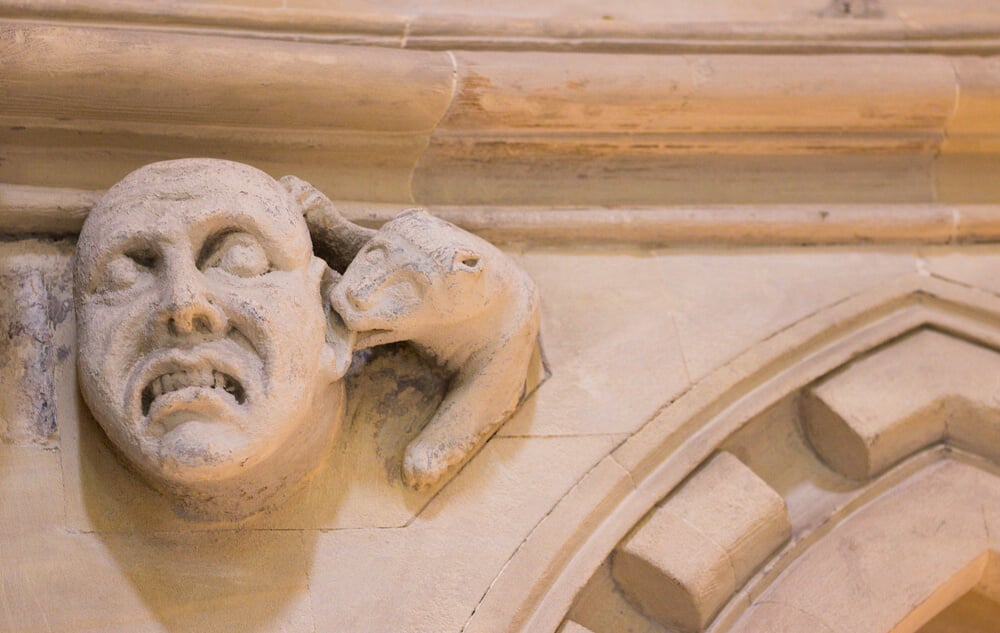
Under various historical legal codes, including parts of medieval Europe and later some Islamic legal traditions, theft carried amputation of a hand as a codified punishment rather than an act of mob violence. The severity was intended as a permanent, visible deterrent to future offenders.
Some legal systems maintained versions of this punishment into the modern era for specific offenses.
The Rack Extracted Confessions Through Prolonged Stretching

Used across medieval and early modern Europe, the rack stretched a prisoner’s limbs using ropes and a turning mechanism until joints dislocated, primarily to extract confessions rather than as a standalone sentence. The Tower of London held a working rack used during periods of political and religious persecution.
Confessions obtained this way were frequently unreliable, since prisoners would say anything to stop the pain.
Banishment Cast Offenders Out of Their Communities Entirely

Colonial American communities frequently punished serious offenders, including religious dissenters like Roger Williams and Anne Hutchinson, with formal banishment from the settlement rather than imprisonment. Exile meant surviving outside organized society, often in dangerous wilderness territory.
The punishment doubled as both legal sentence and religious excommunication in communities where church and civic law overlapped.
The Cucking Stool Punished Dishonest Tradespeople

Distinct from the ducking stool used for scolds, the cucking stool was used across medieval England to publicly humiliate dishonest merchants and brewers, sometimes parading them through town seated in the chair before a crowd. Bakers who sold underweight loaves were common targets.
The punishment relied on public shame within a small community where reputation carried significant economic weight.
Galley Slavery Sentenced Criminals to Years at the Oar
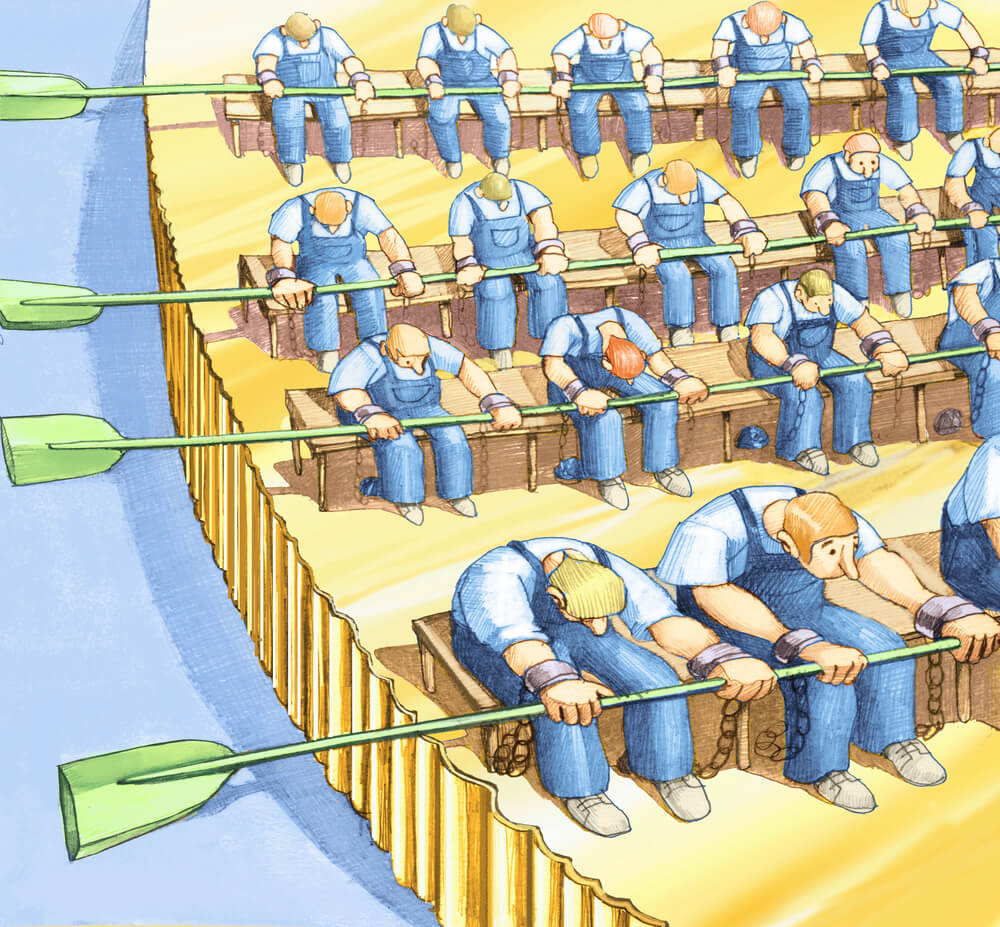
France and several Mediterranean powers sentenced convicted criminals to work as galley slaves, chained to oars for years at a time under brutal physical conditions with extremely high mortality rates. The sentence functioned simultaneously as punishment and a source of cheap labor for naval fleets.
France maintained galley sentencing into the early eighteenth century before shifting toward land-based forced labor instead.
Tarring and Feathering Combined Injury With Public Ridicule

Crowds in colonial America and Britain punished perceived offenders, often tax collectors or accused traitors, by stripping them, coating them in hot tar, and rolling them in feathers before parading them through town. The tar itself caused burns and skin damage well beyond the immediate humiliation.
The practice operated largely outside formal legal systems, carried out by mobs rather than courts.
The Ear Crop Marked Repeat Offenders Permanently

Some colonial and European legal codes punished offenses like perjury or repeated theft by cropping a portion of the offender’s ear, creating a permanent, visible mark of their criminal record. The mutilation made it difficult for a repeat offender to hide their history from a new community.
Massachusetts colonial law included ear cropping as a codified punishment for specific offenses.
Sumptuary Law Violations Could Result in Public Fines and Shaming

Many European societies enacted sumptuary laws restricting what clothing, fabric, or jewelry people of certain social classes were legally allowed to wear, punishing violations with fines or public shaming. The laws were designed to keep visible class distinctions intact regardless of a person’s actual wealth.
Merchants who dressed above their designated station could be formally fined for the offense.
The Chain Gang Turned Sentencing Into Public Forced Labor

Following the American Civil War, many Southern states used convict leasing and chain gangs, forcing prisoners, disproportionately Black men convicted under discriminatory laws, into grueling labor on roads and plantations while chained together. The system generated revenue for the state while providing employers with a labor force that had none of slavery’s formal legal status yet functioned similarly in practice.
Chain gang labor persisted in various forms in parts of the American South well into the twentieth century.
Excommunication Functioned as Total Social Punishment

The medieval Catholic Church used excommunication to formally cut a person off from religious sacraments and, in practice, from most aspects of community life, since virtually every social institution operated through the church. An excommunicated noble could lose political alliances and legal standing along with religious status.
Entire regions were occasionally placed under interdict, denying sacraments to everyone living there over a ruler’s actions.
The Stretching Ladder Combined Confession Extraction With Torture

Used in various forms across early modern European courts, the stretching ladder immobilized a prisoner while mechanically extending their limbs, functioning similarly to the rack but adapted to different court systems’ preferred equipment. Legal codes in several German territories formally regulated how far interrogators could go before the method became grounds for appeal.
The line between legal interrogation and torture was often defined more by procedure than by actual severity.
Public Confession at the Church Pillory Combined Religion With Legal Punishment

Some European communities required convicted offenders to stand at the church door during services, sometimes in a specially built pillory, confessing their sins aloud before the assembled congregation. The punishment merged civil sentencing with religious repentance in a single public act.
Refusal to comply could result in additional civil penalties on top of the original sentence.
Convict Hulks Turned Retired Ships Into Floating Prisons
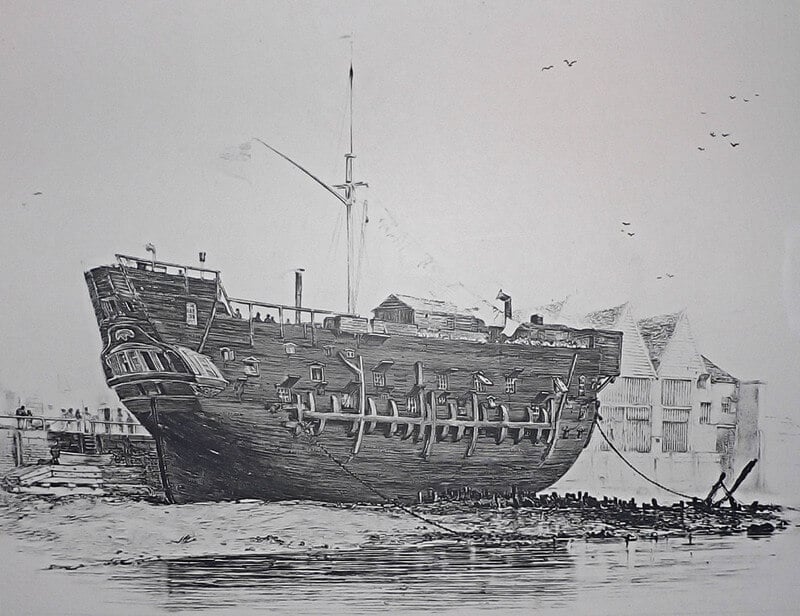
When Britain’s prisons overflowed in the late eighteenth century, authorities converted decommissioned naval ships, known as hulks, into floating prisons moored in rivers and harbors to house the overflow population. Conditions were severely overcrowded, and disease spread rapidly in the enclosed, poorly ventilated holds.
Some hulks remained in use for decades before transportation and new prison construction reduced the need for them.
The Thumbscrew Applied Targeted Pressure to Extract Compliance

Used across various European interrogation systems, the thumbscrew clamped and crushed a prisoner’s thumbs using a tightening screw mechanism, often deployed as an initial pressure tactic before escalating to harsher methods. Its compact size made it easier to transport and use outside formal torture chambers than larger devices like the rack.
Museums across Europe still display surviving examples from period courts and prisons.
Civil Death Statutes Stripped Convicts of Legal Personhood

Several historical legal systems, including parts of colonial and early American law, imposed civil death on convicted felons, legally treating them as dead for purposes of property ownership, marriage, and contracts even while they remained physically alive. A convict under civil death could lose custody of children and control of inherited property automatically upon sentencing.
Some American states maintained versions of civil death statutes into the twentieth century.
The Spanish Donkey Punished Soldiers Through Prolonged Positioning
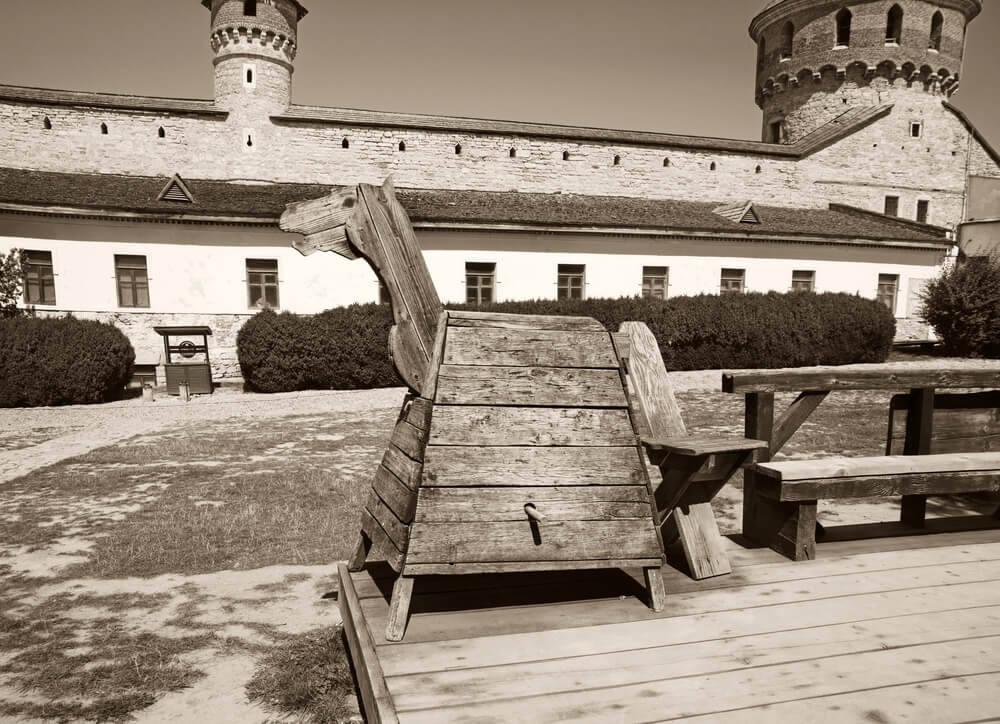
Military discipline in several early modern European armies included forcing soldiers to straddle a narrow wooden beam, sometimes with weights added to their legs, for extended periods as punishment for infractions like desertion attempts or insubordination. The device caused significant pain without leaving lasting physical injury, making it a preferred method for maintaining troop discipline without permanently disabling soldiers.
Its use gradually declined as military law codes formalized less physically damaging disciplinary systems.
Workhouses Punished Poverty Itself as a Moral Failing

Under England’s Poor Law system, the destitute were confined to workhouses where families were often separated by gender and age, and inmates performed monotonous labor in exchange for minimal food and shelter. Conditions were deliberately kept harsh to discourage all but the most desperate from seeking relief.
The system persisted in various forms until the early twentieth century, with the last workhouses only fully phased out after 1930.
Public Stocks for Children Punished Minor Offenses in Schoolrooms

Some nineteenth-century schools used miniature versions of adult punishment devices, including dunce stools and public restraint, to discipline children for minor classroom infractions in front of their peers. The dunce cap itself derived from a broader pattern of using public humiliation as an accepted teaching tool.
These practices persisted in some school systems well into the twentieth century before shifting educational philosophy phased them out.
When Cruelty Wore the Face of Order
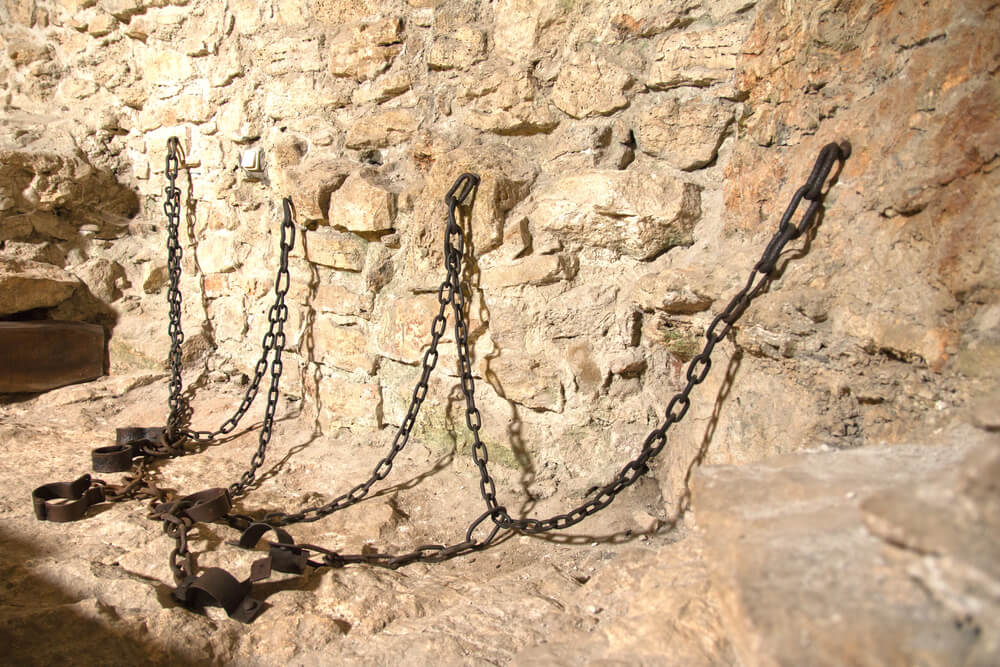
None of these punishments were considered cruel by the standards of the people who administered them. They were considered necessary, proportionate, and in many cases divinely sanctioned, backed by legal codes, religious doctrine, and centuries of unquestioned precedent.
What makes this list unsettling is not that people once behaved barbarically. It is how confidently they called it justice, a reminder that moral certainty and moral accuracy have never been the same thing.
More from Go2Tutors!

- The Romanov Crown Jewels and Their Tragic Fate
- 13 Historical Mysteries That Science Still Can’t Solve
- Famous Hoaxes That Fooled the World for Years
- 15 Child Stars with Tragic Adult Lives
- 16 Famous Jewelry Pieces in History
Like Go2Tutors’s content? Follow us on MSN.



