16 Wartime Secrets That Stayed Classified for Over 50 Years
The dusty filing cabinets in government archives hold more than bureaucratic paperwork. Behind manila folders marked with innocuous titles lie some of the most closely guarded secrets in military history.
For decades, these operations remained buried under layers of classification stamps, their details known only to a select few who carried the weight of wartime decisions. Some secrets stayed hidden for so long that the veterans who lived them took their stories to the grave, never knowing the public would eventually learn what they sacrificed to protect.
When documents finally emerge from the shadows of classification, they reveal a different war than the one taught in textbooks. These aren’t tales of heroic charges or celebrated victories.
Instead, they’re the calculated risks, desperate gambles, and moral compromises that shaped history from behind closed doors.
The Double Agent Who Fooled Hitler
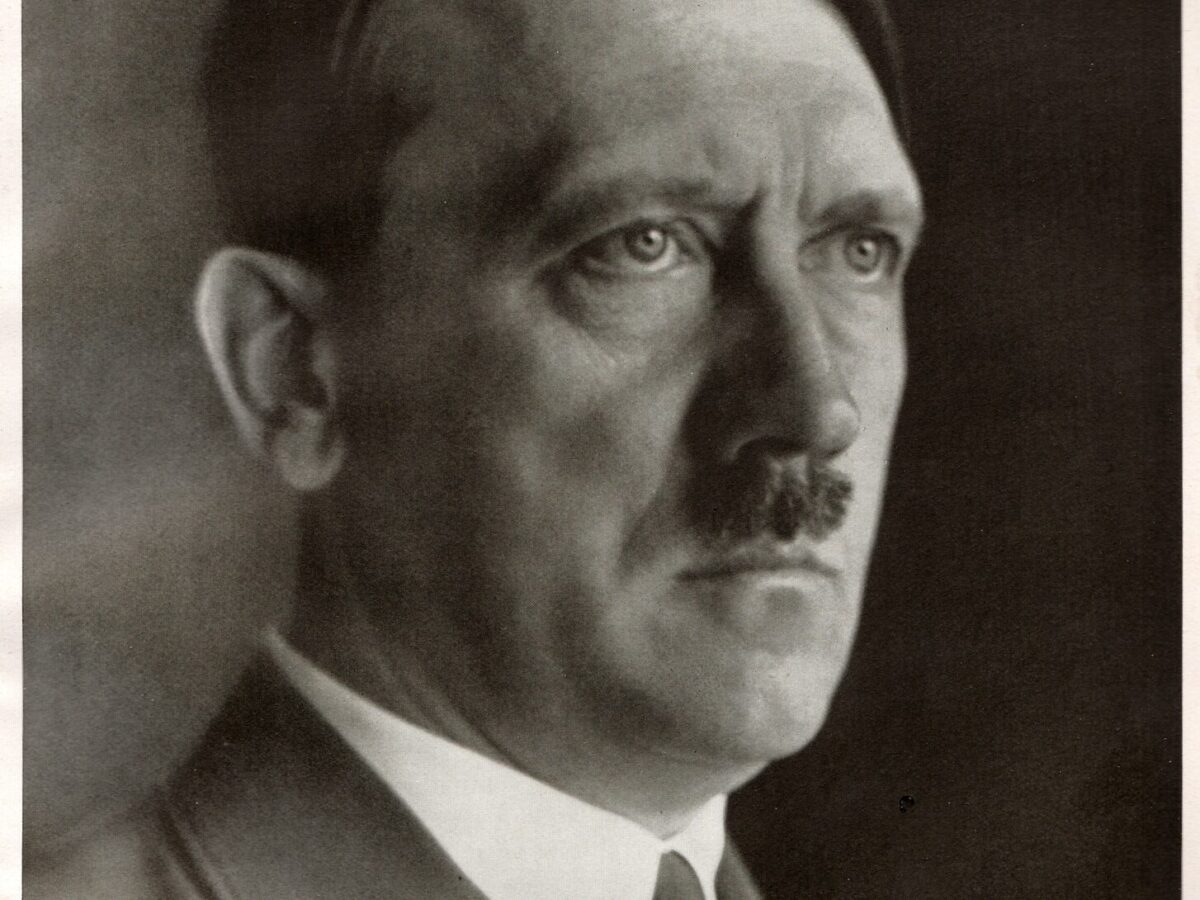
Juan Pujol García convinced the German High Command that D-Day would happen at Calais, not Normandy. The Spanish double agent, code-named Garbo by the British, created an entire network of fictional sub-agents feeding false intelligence to the Nazis.
His deception was so complete that Hitler awarded him the Iron Cross while the British gave him the Member of the Order of the British Empire. The same man received honors from both sides of the war, and neither knew about the other until decades later.
Operation Paperclip’s Dark Recruitment
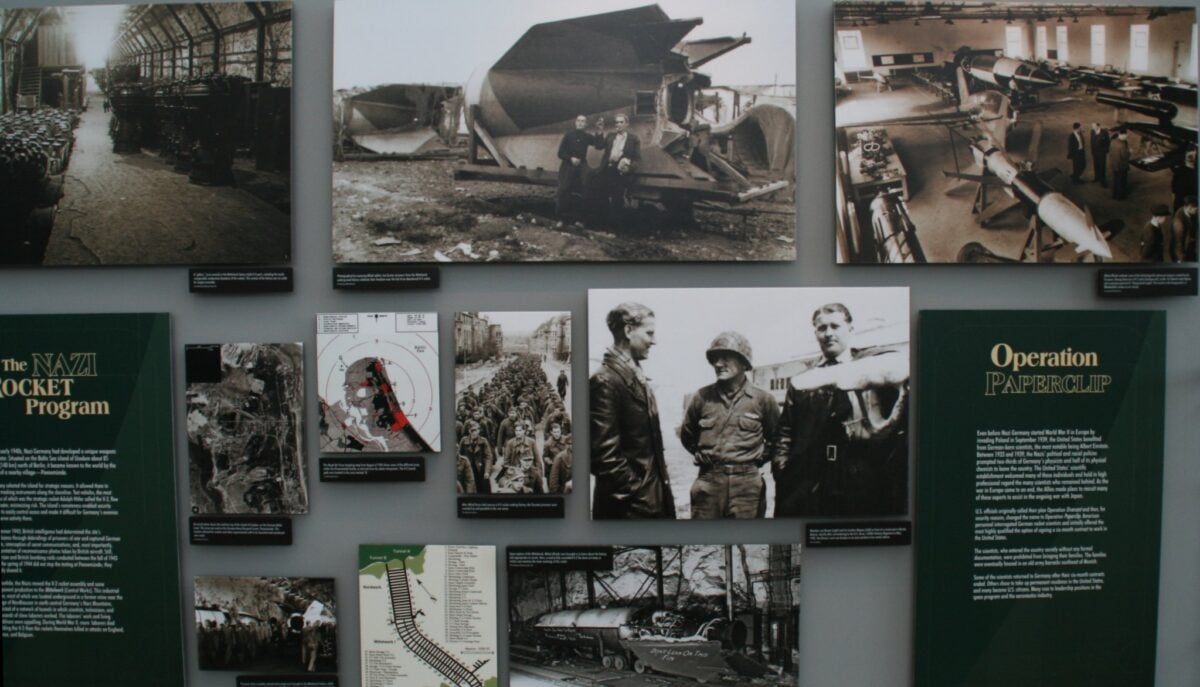
American intelligence didn’t just capture Nazi rocket scientists after the war—they actively recruited them (even war criminals) and scrubbed their backgrounds clean. Wernher von Braun, who later became the father of NASA’s moon program, had used slave labor to build V-2 rockets that killed thousands of Allied civilians.
But the Cold War was starting, and the U.S. decided Nazi expertise was more valuable than Nazi justice. So they rewrote history and called it national security.
The Ghost Army’s Elaborate Deceptions
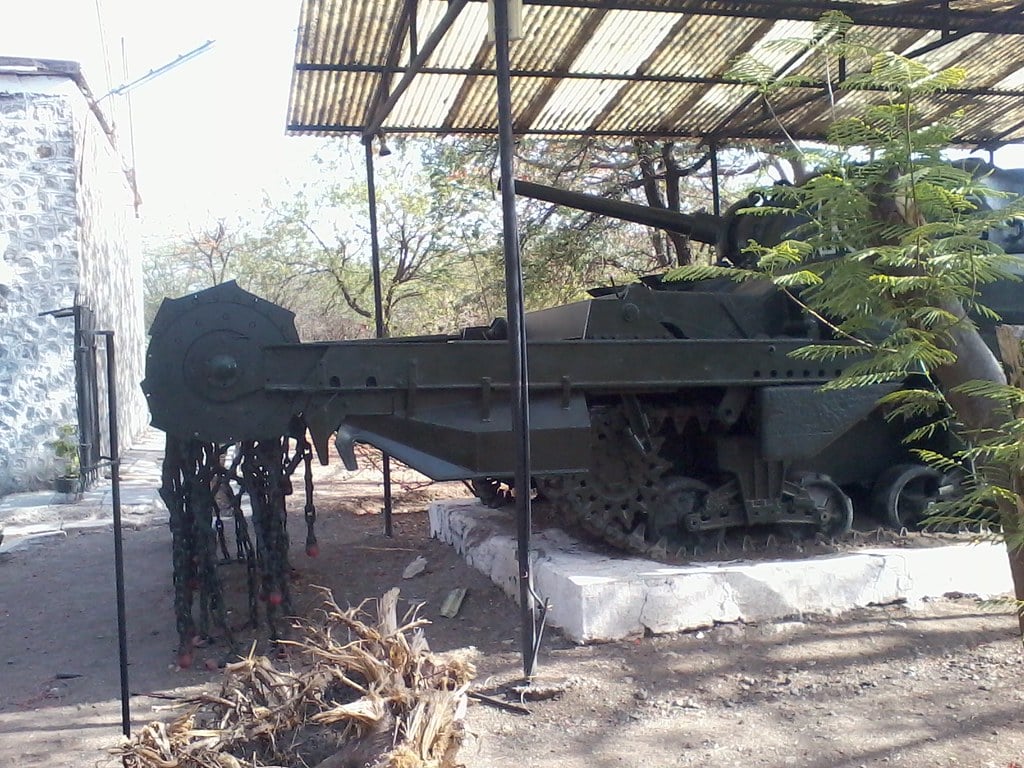
What looks like a Sherman tank from a distance might actually be a rubber balloon designed to fool German reconnaissance planes—and it worked, beautifully and repeatedly, throughout the European campaign. The 23rd Headquarters Special Troops, known as the Ghost Army, deployed inflatable equipment, fake radio chatter, and sound effects to convince enemy forces that massive Allied divisions were positioned in entirely different locations than where the real fighting units were preparing their actual assaults.
Their most impressive performance happened during the Rhine crossing in March 1945, where a few hundred specialists created the illusion of two full divisions (roughly 30,000 soldiers) massing for an attack that was never intended to happen. The Germans, completely convinced by the deception, pulled substantial forces away from the real crossing point to defend against the phantom threat.
And the Ghost Army soldiers, many of them artists and designers in civilian life, had essentially painted themselves into the most successful military theater production in history, complete with props that could be seen from miles away and a script that convinced audiences who were actively trying not to be fooled. So the war moved forward according to plan.
The real crossing succeeded with minimal resistance.
Unit 731’s Biological Horrors
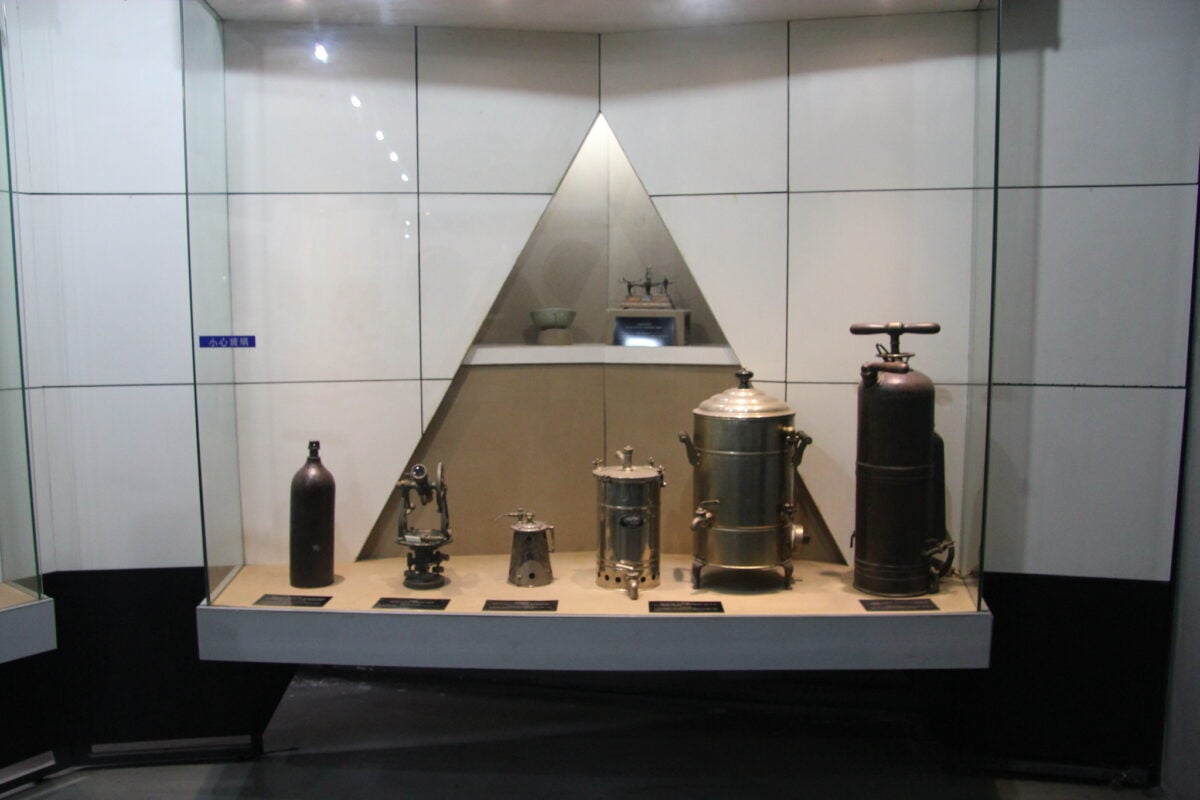
The Japanese conducted human experiments that made Nazi medical trials look restrained by comparison. Unit 731, operating in occupied Manchuria, infected prisoners with plague, anthrax, and cholera to study disease progression.
They performed vivisections without anesthesia and froze limbs to test frostbite treatments. After the war, the U.S. granted immunity to the researchers in exchange for their data.
The victims never received justice, and the perpetrators never faced trial.
The Katyn Forest Cover-Up
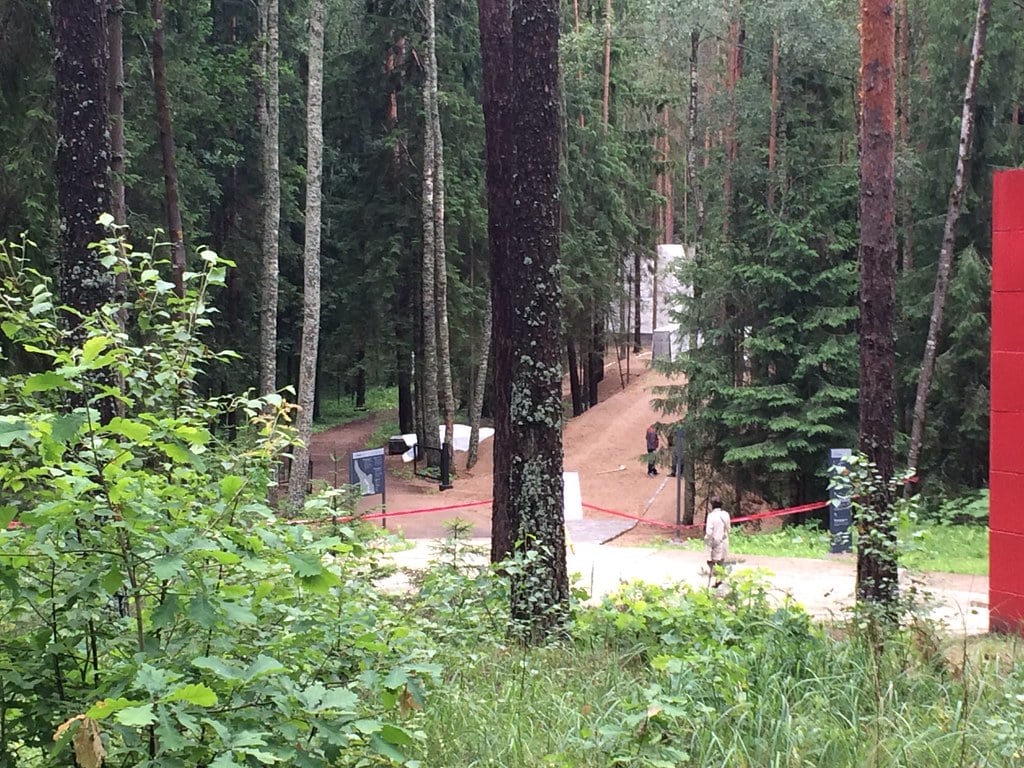
Like autumn leaves that settle into patterns no one planned, the truth about Katyn Forest remained buried under layers of convenient lies for nearly five decades. In 1940, Soviet forces executed over 20,000 Polish officers, intellectuals, and military personnel in the forest near Smolensk, then spent the next half-century blaming the massacre on Nazi Germany.
The Allies knew the truth—forensic evidence pointed clearly to Soviet responsibility—but chose silence over confrontation with Stalin. The deception became a cornerstone of post-war diplomacy, with Western leaders nodding along to Soviet denials while Polish families spent decades mourning loved ones whose deaths had been attributed to the wrong executioner.
Truth, as it happened, was less important than maintaining the alliance that had won the war.
The Manhattan Project’s Human Guinea Pigs
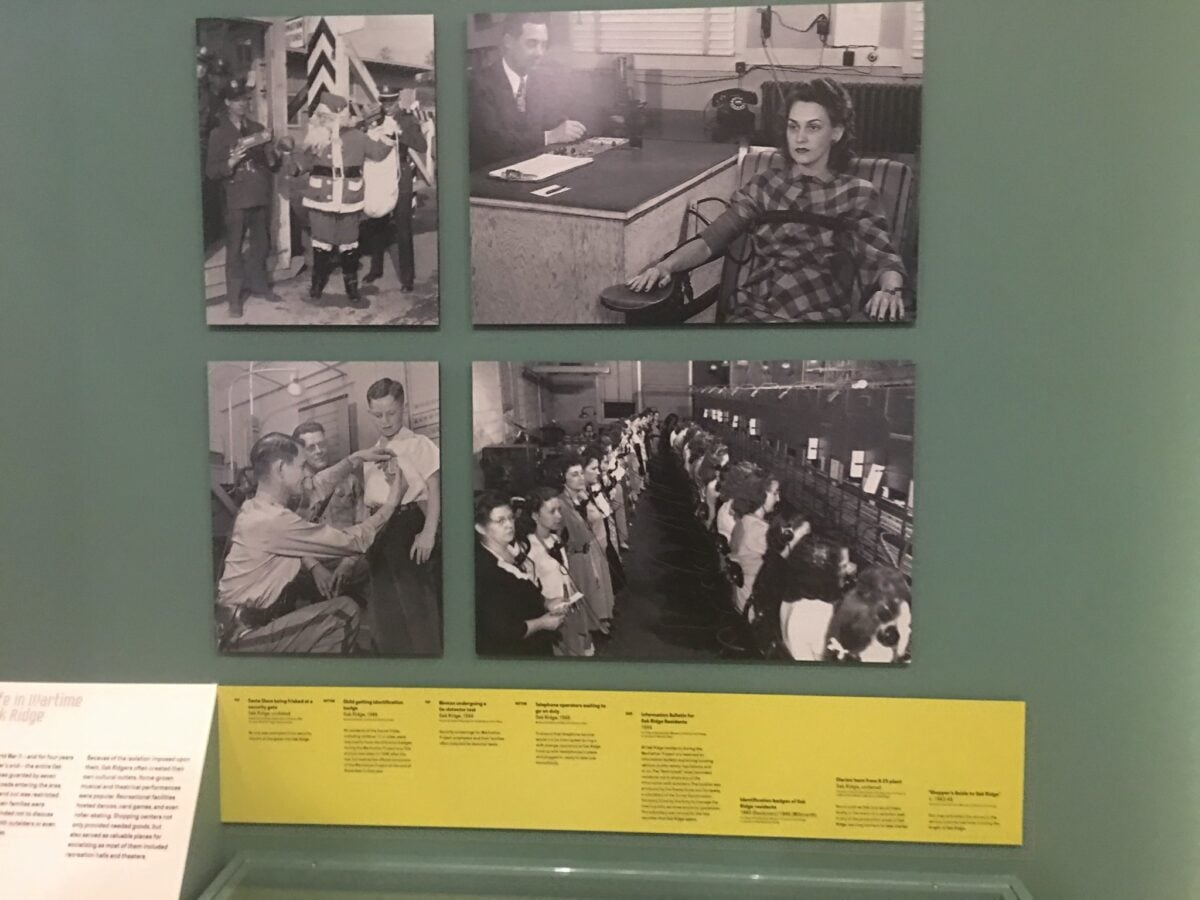
Scientists didn’t just build the atomic bomb—they also secretly injected hospital patients with plutonium to study radiation effects. Eighteen patients across different hospitals received plutonium injections without their knowledge or consent between 1945 and 1947.
Doctors told them they were receiving treatments for their conditions. Instead, they became test subjects in experiments designed to understand how the human body processed the same radioactive materials that powered nuclear weapons.
Operation Venona Breaks Soviet Codes
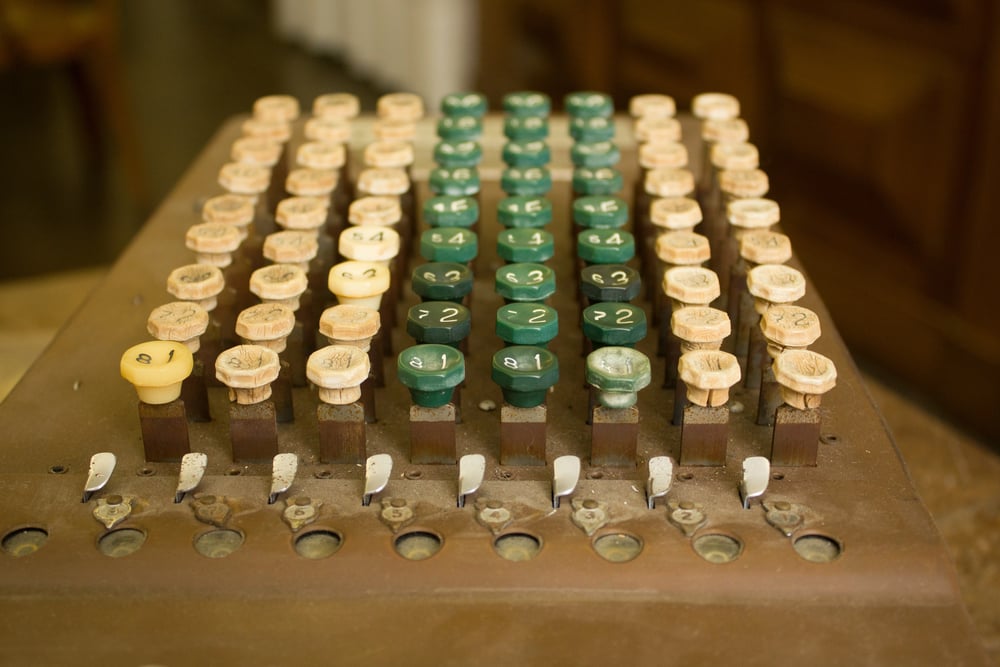
American cryptographers spent decades quietly decrypting Soviet intelligence cables, revealing the extent of Communist infiltration in the U.S. government. The project, which ran from 1943 to 1980, decoded thousands of messages between Moscow and Soviet agents in America.
The decrypts confirmed that Julius Rosenberg was indeed a Soviet spy, that Alger Hiss had passed State Department secrets to the Kremlin, and that dozens of other Americans had worked for Soviet intelligence. But the government kept Venona classified to protect the sources and methods that made the breakthrough possible.
The Real Story of Pearl Harbor Intelligence
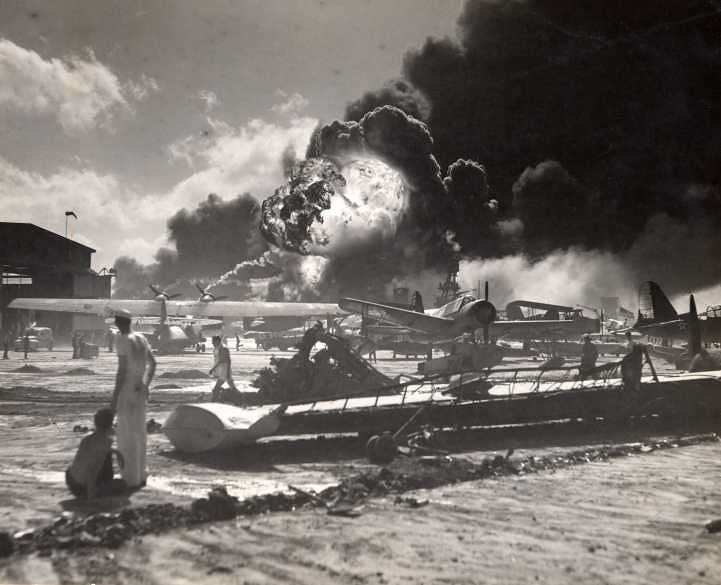
American codebreakers had been reading Japanese diplomatic messages for months before December 7, 1941—they just couldn’t read the military codes that would have revealed the specific attack plans (though conspiracy theorists continue to claim otherwise, the evidence shows that while U.S. intelligence knew war was imminent, they expected attacks on Southeast Asian targets, not Hawaii, and certainly not with the devastating effectiveness that the Japanese achieved). The diplomatic intercepts revealed that Japan was preparing for war and that negotiations were essentially a stalling tactic, but military planning remained hidden behind different, more sophisticated encryption systems that American cryptographers hadn’t yet cracked.
The breakdown wasn’t in codebreaking—it was in analysis and distribution. Intelligence officials in Washington knew something big was coming but couldn’t pinpoint where or when.
And so warnings went out in general terms that failed to convey the urgency of the threat, leaving Pearl Harbor’s defenders prepared for sabotage rather than an all-out aerial assault. But the Japanese had achieved something remarkable: they had kept their most crucial military secret while revealing their diplomatic hand.
The attack succeeded precisely because it remained hidden behind codes that wouldn’t be broken until after the war had moved on to different battles.
Operation Neptune Spear’s WWII Predecessor
The OSS planned to assassinate Hitler with a sniper rifle during one of his regular walks near the Eagle’s Nest in Bavaria. The plan was detailed, rehearsed, and ready for execution when officials called it off.
They decided that killing Hitler might actually help Germany by replacing him with a more competent military leader who could wage war more effectively. Better to leave the dictator in place where his strategic blunders would continue working in the Allies’ favor.
The Soviet Double Agent in British Intelligence
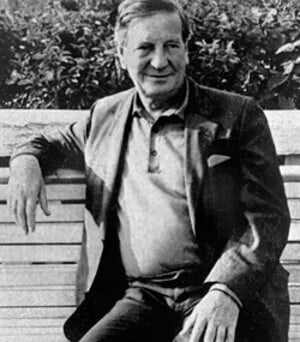
Kim Philby wasn’t just a Soviet spy—he was the British intelligence officer in charge of Soviet counterintelligence. For nearly two decades, Philby passed British and American secrets to Moscow while simultaneously leading the effort to catch Soviet spies in the West.
He betrayed hundreds of agents, compromised countless operations, and fed disinformation to his own government. When he finally defected to the Soviet Union in 1963, the intelligence services realized that their most trusted Soviet expert had been working for the other side all along.
The Comfort Women Documents
Military bureaucrats documented the systematic enslavement of women for Japanese soldiers with the same administrative precision they used for supply requisitions and troop movements (the paperwork, discovered decades later, would reveal the organized nature of what officials had dismissed as isolated incidents of wartime misconduct). Thousands of women, primarily from Korea, China, and the Philippines, were forced into what the Japanese military euphemistically called “comfort stations”—essentially organized networks of assault that stretched across the entire Pacific theater.
The documentation shows that military commanders viewed this system as a logistical necessity, like food supplies or ammunition, complete with regulations, inspections, and transfer orders. Women were transported like equipment, assigned to units like weapons, and replaced when they became too ill or injured to continue serving their captors.
And the records, written in the dry language of military administration, make the horror somehow worse—reducing human suffering to bureaucratic efficiency that survived in filing cabinets long after the women themselves had been forgotten. The files stayed classified not because they revealed strategic secrets, but because they revealed strategic cruelty that contradicted post-war narratives about honor and military conduct.
Project Azorian’s Sunken Soviet Sub
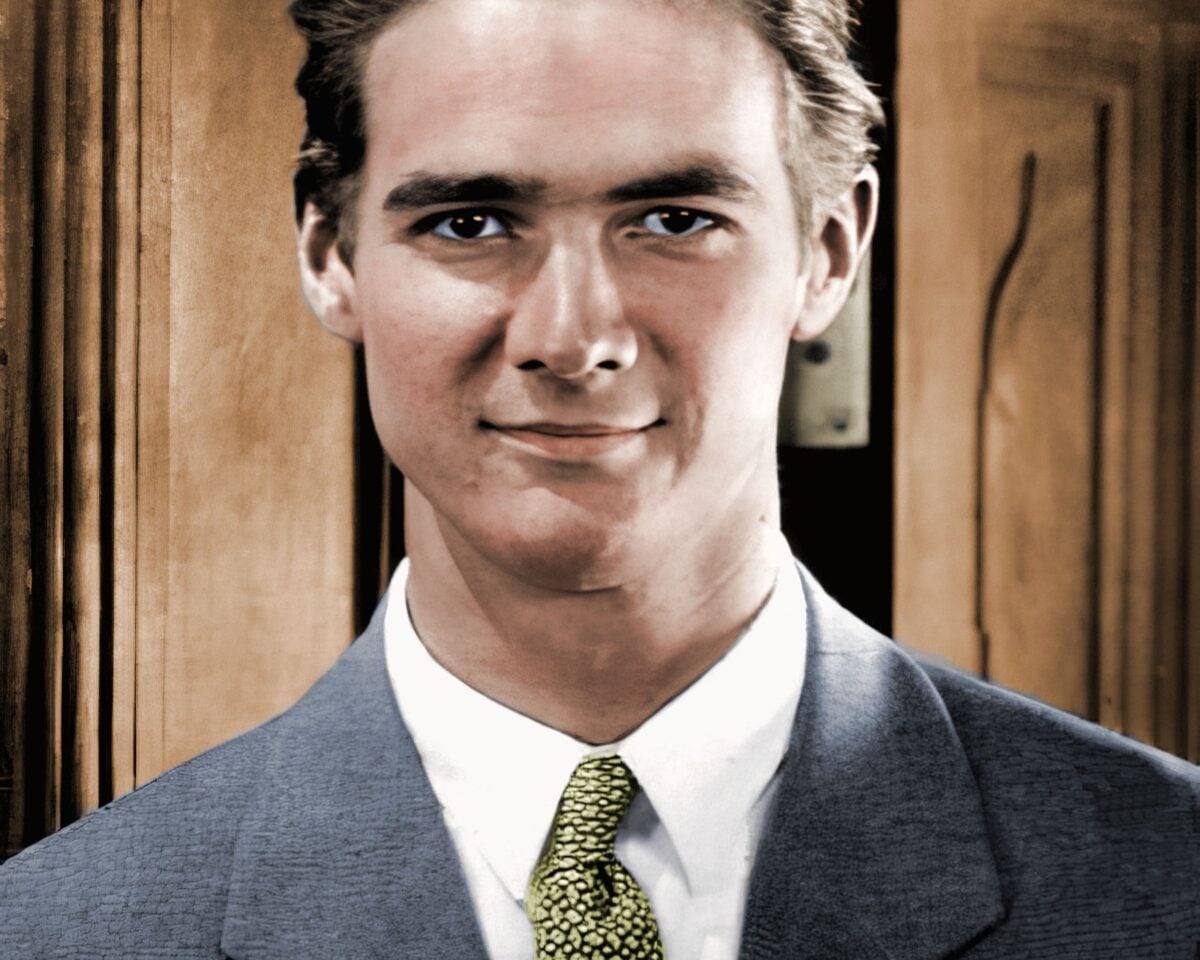
The CIA spent six years and hundreds of millions of dollars building a deep-sea mining ship that was actually designed to steal a sunken Soviet nuclear submarine from the Pacific Ocean floor. The submarine had sunk in 1968 with its nuclear missiles, cryptographic equipment, and code books intact.
Howard Hughes provided perfect cover for the operation—his reputation for eccentric business ventures made a deep-sea mining project seem completely plausible. The recovery partially succeeded, though the submarine broke apart during the lift, giving the CIA only a section of the vessel instead of the entire prize.
Operation Gladio’s Stay-Behind Networks
NATO established secret armies across Western Europe designed to resist Soviet occupation through guerrilla warfare and sabotage. These stay-behind units, collectively known as Operation Gladio, stockpiled weapons, identified safe houses, and prepared to wage underground war if the Warsaw Pact invaded.
The networks remained active throughout the Cold War, unknown even to most elected officials in the countries where they operated. Some units engaged in activities far beyond their intended mission, including suspected involvement in terrorist attacks designed to discredit left-wing political movements.
The Tuskegee Airmen’s Secret Missions
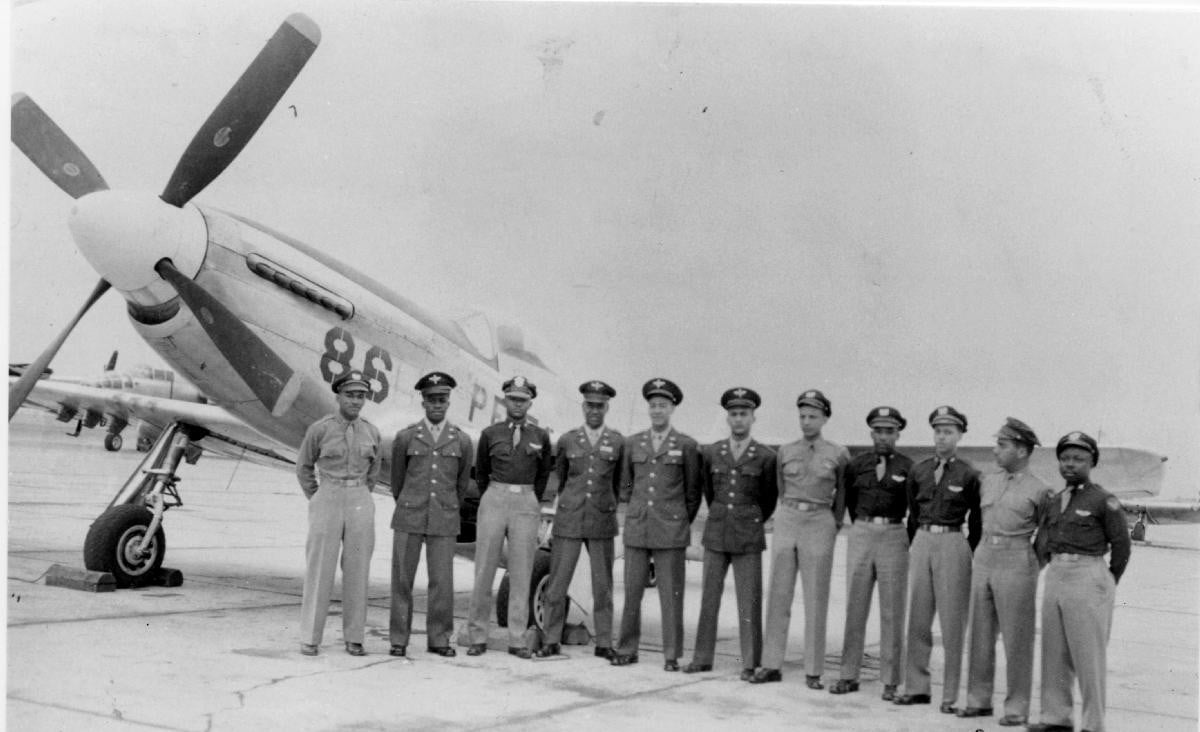
Beyond their celebrated bomber escort missions, the Tuskegee Airmen flew reconnaissance flights over Nazi concentration camps, photographing the evidence of genocide that would later be used in war crimes trials (though at the time, the pilots had no idea what those images would eventually reveal or how crucial their documentation would become to post-war justice). The photographs showed the full scope of the Holocaust in stark detail—the industrial machinery of extermination that Nazi officials would later claim never existed.
These reconnaissance missions were standard intelligence gathering, but the pilots were documenting history’s greatest crime without knowing it. Their cameras captured what survivors’ testimony would later confirm, but the images stayed classified for decades while war crimes trials proceeded with other evidence.
And the airmen, already fighting two wars—one against fascism abroad and one against racism at home—had unknowingly created the visual record that would ensure the world could never deny what had happened in those camps. The missions required precision flying at low altitudes over heavily defended territory, with pilots who weren’t allowed to eat in the same mess halls as white airmen when they returned to base.
The Warsaw Ghetto’s British Spy Network
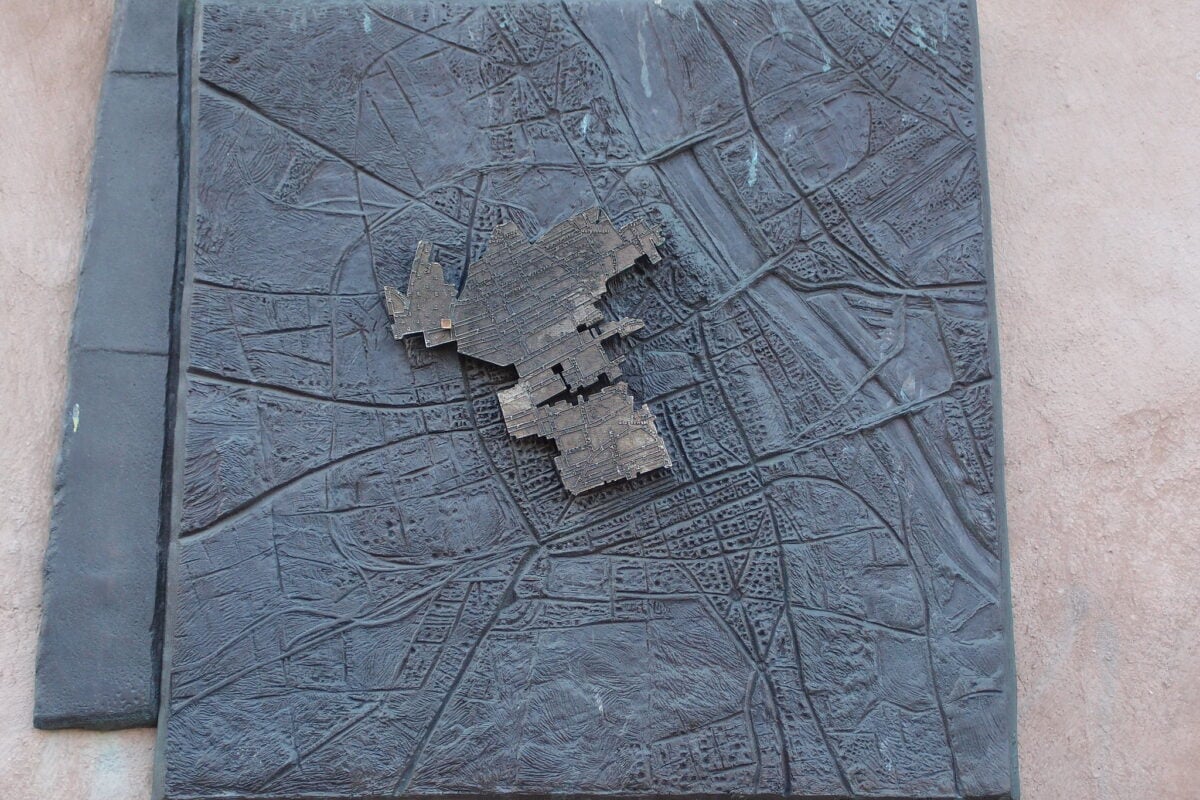
Polish resistance fighters didn’t just fight the Nazis—they also ran intelligence operations for British MI6 from inside the Warsaw Ghetto. The network, code-named Żegota, smuggled information about German military movements, industrial production, and troop deployments while simultaneously organizing Jewish rescue operations.
Couriers carried messages through sewers and hidden passages, often under fire from German patrols. The intelligence proved valuable for Allied strategy, but the cost was enormous. Most of the agents died either in the ghetto uprising or in concentration camps, their espionage work unrecognized for decades after the war ended.
Operation Bernhard’s Perfect Counterfeits
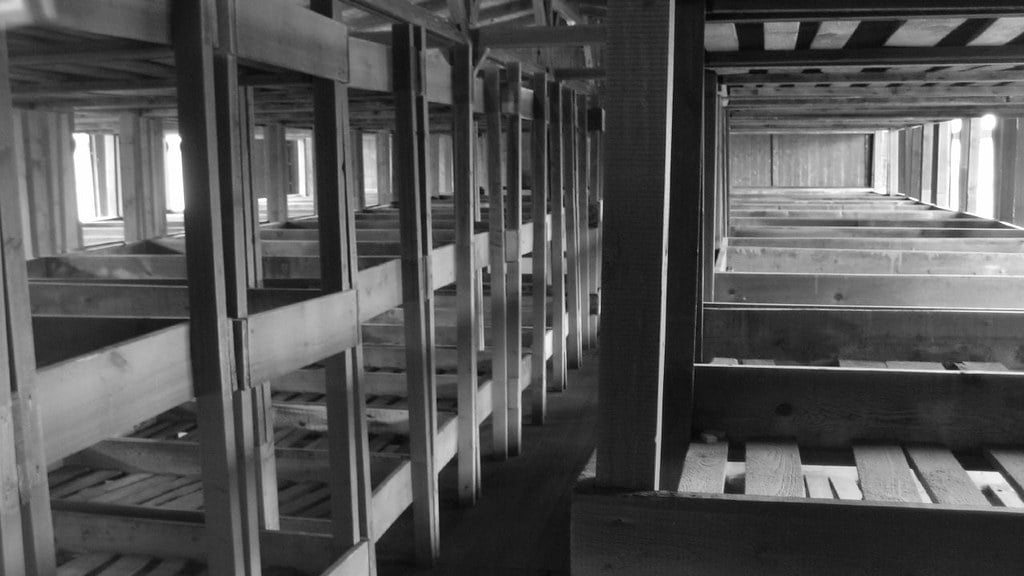
German intelligence produced perfect counterfeit British pounds in a concentration camp operation that nearly destabilized the British economy. Prisoners at Sachsenhausen, selected for their skills as engravers, printers, and forgers, were forced to create fake currency so convincing that even Bank of England experts struggled to identify the counterfeits.
The operation produced millions of pounds sterling intended to flood the British economy and cause massive inflation. The scheme failed only because Germany collapsed before the counterfeits could be distributed widely, but the quality was so high that some fake notes remained in circulation for years after the war.
When Secrets Finally Surface
The filing cabinets eventually empty. Documents emerge, witnesses speak, and the classified stamps fade into historical curiosity. What seemed like protecting national security often turns out to have been protecting national embarrassment.
The secrets that stayed hidden for half a century reveal as much about the keepers of those secrets as they do about the events themselves. Some truths were worth the wait.
Others make you wonder who benefits when history stays locked away until everyone responsible is safely dead.
More from Go2Tutors!

- The Romanov Crown Jewels and Their Tragic Fate
- 13 Historical Mysteries That Science Still Can’t Solve
- Famous Hoaxes That Fooled the World for Years
- 15 Child Stars with Tragic Adult Lives
- 16 Famous Jewelry Pieces in History
Like Go2Tutors’s content? Follow us on MSN.