30 Royal Heirs Erased from the Line of Succession
The line of succession to a throne seems permanent, carved in stone by tradition and blood. Yet history tells a different story.
Royal heirs who once stood poised to inherit crowns have found themselves stripped of their birthright through scandal, politics, religion, and revolution. Some fell through their own choices, others became casualties of changing times and shifting power.
These erasures reveal the fragile nature of inherited power and the forces that shape monarchies. From medieval princes to modern royals, the stories of disinherited heirs illuminate the ongoing tension between tradition and transformation in royal houses across the globe.
James Francis Edward Stuart
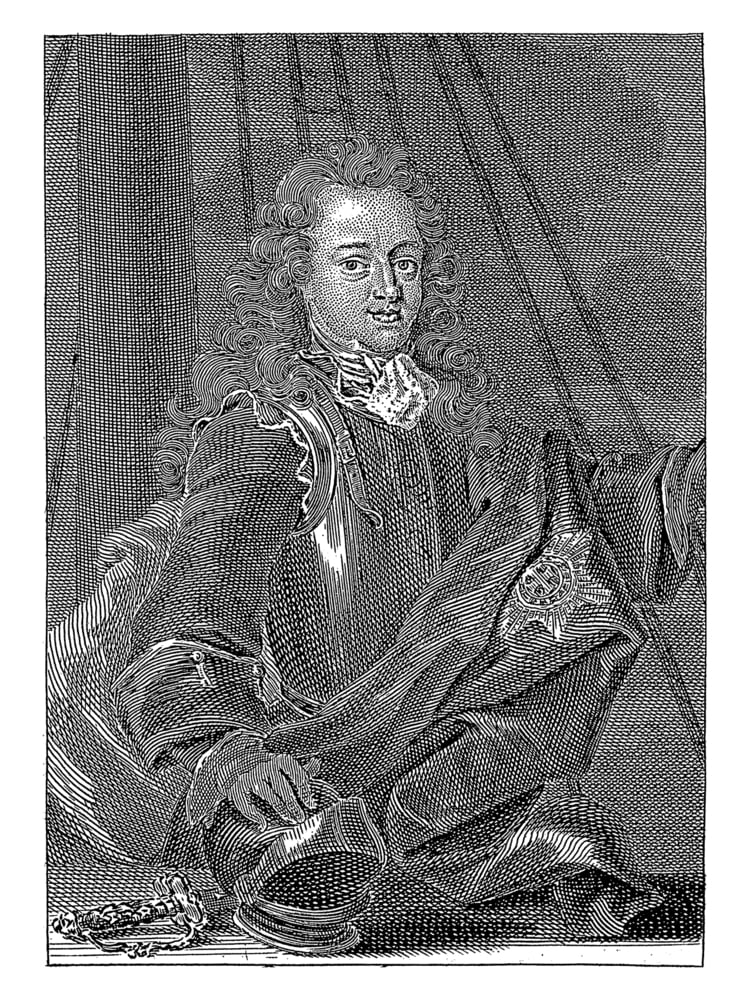
James Francis Edward Stuart The Old Pretender never had a real shot at the British throne, though that wasn’t apparent when he was born in 1688. His Catholic faith — and that of his father, James II — made him an instant liability in Protestant Britain.
Parliament had already decided that Catholic monarchs were permanently off the table. When the Glorious Revolution swept his father from power, young James became a king without a kingdom. He spent decades plotting his return from French exile, but the crown had moved on to Protestant alternatives.
Maria Theresa of Spain
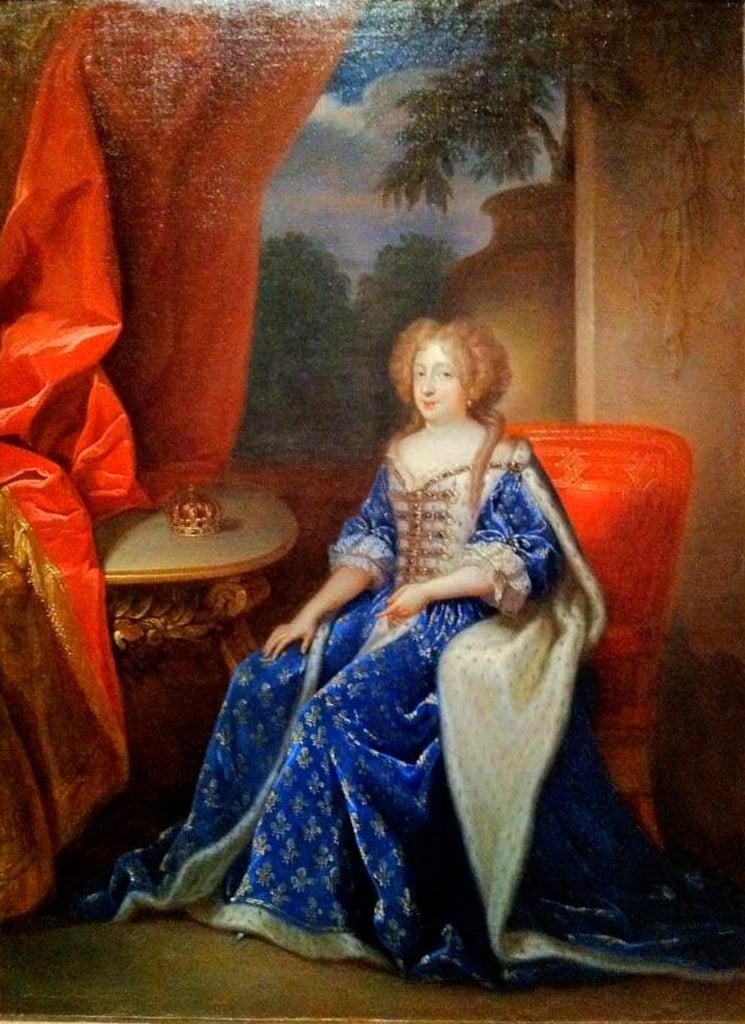
Maria Theresa of Spain Born as the eldest daughter of Philip IV of Spain, Maria Theresa carried the assumption of inheritance until the birth of a half-brother changed the calculus. The French marriage meant to secure her future instead became the mechanism of her exclusion — the renunciation she signed on marrying Louis XIV was supposed to be conditional on receiving her dowry, but Spain never paid it, creating a legal loophole that would fuel decades of war.
The renunciation stood regardless, transforming her from Spanish heir to French queen. She never reclaimed what had once seemed certain.
Prince Arthur of Wales
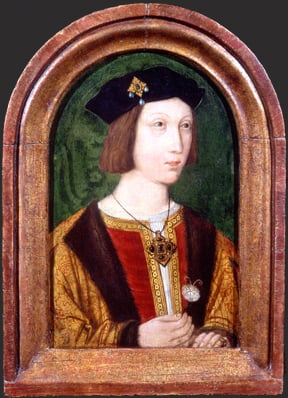
Prince Arthur of Wales Arthur’s death at fifteen shifted the entire trajectory of English history. Married to Catherine of Aragon for only a few months, he fell ill at Ludlow Castle in April 1502 and died of an illness whose precise cause remains debated — sweating sickness, consumption, and other theories have all been proposed.
His death handed the throne to his younger brother Henry, the future Henry VIII. The kingdom Arthur would have inherited might have remained Catholic. The marriages, the executions, the religious upheaval that defined the Tudor era might never have happened. History pivoted on an illness in 1502 that lasted just long enough to change everything.
Princess Sophia Dorothea of Celle
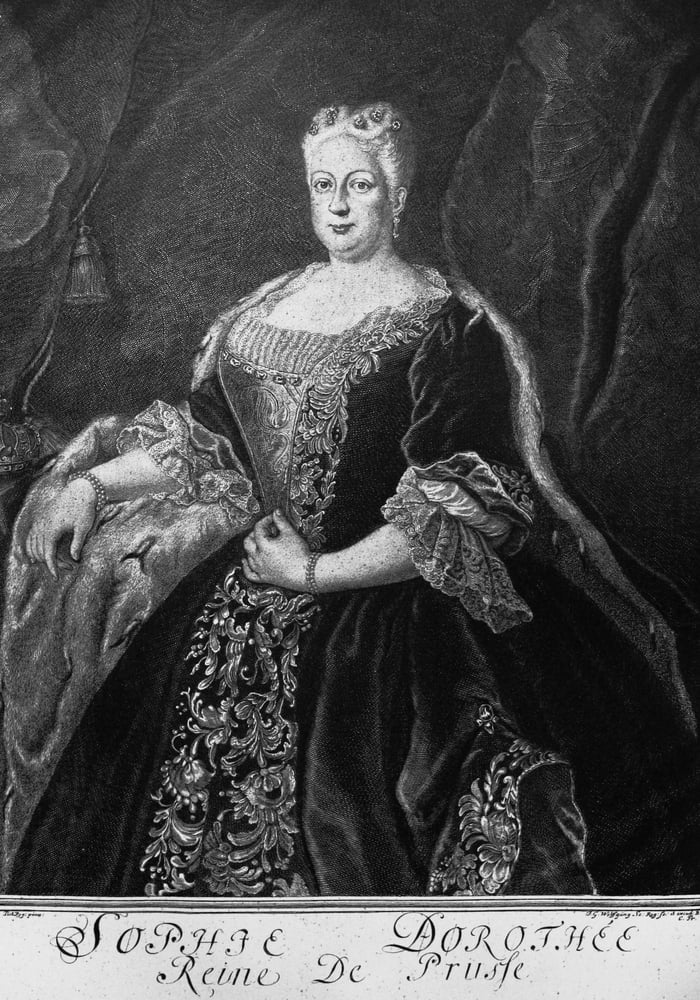
Princess Sophia Dorothea of Celle Married to the future George I of Great Britain, Sophia Dorothea was positioned to become Queen of England until her affair with Swedish Count Philip Christoph von Königsmarck destroyed everything. The count disappeared under circumstances that have never been fully explained — almost certainly murdered — while Sophia Dorothea was divorced, disinherited, and imprisoned for over thirty years until her death.
Her son became George II, but she never saw England or freedom again. Adultery has derailed plenty of royal careers, but few cases illustrate the brutal mathematics of royal disgrace quite as starkly as hers.
Prince Frederick Louis of Wales
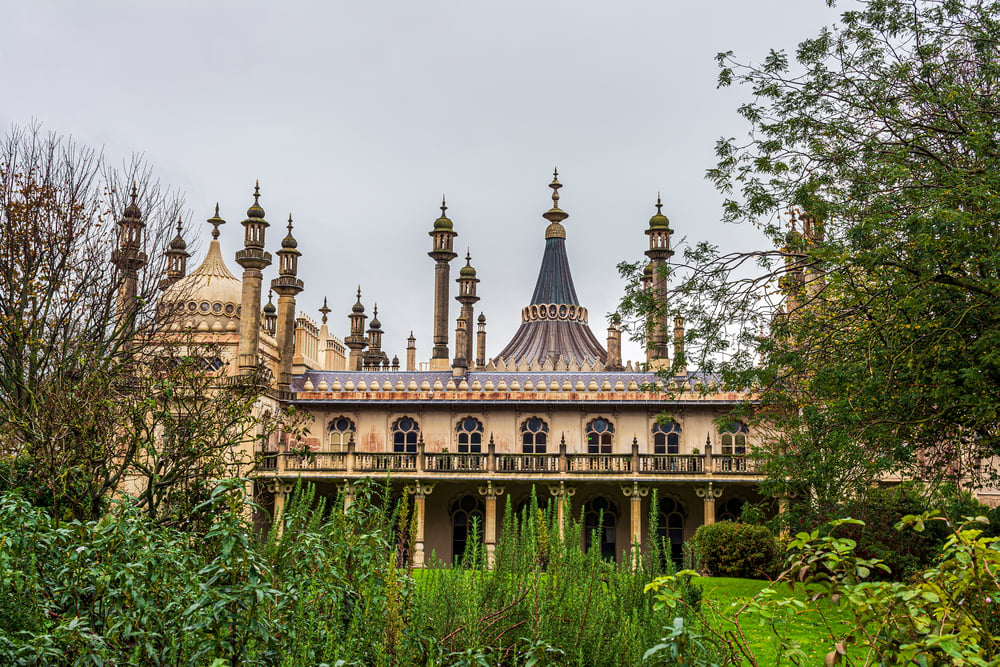
Prince Frederick Louis of Wales The relationship between Frederick and his father George II transcended ordinary family dysfunction. Frederick aligned himself with every political faction opposing the king, which was effective at making himself unwelcome at court but did nothing to change the succession.
He was never formally removed — his father simply spent years trying to find a way to make it happen. Frederick died unexpectedly in 1751, and his father found himself obliged to mourn a son he had spent decades trying to disinherit. The crown passed to Frederick’s son, the future George III.
Prince Wilhelm of Prussia

Prince Wilhelm of Prussia Wilhelm was raised to inherit the Prussian throne, groomed in military tradition and conservative values. But the political upheavals of the early 20th century transformed him into a liberal intellectual who preferred art to armies, and his opposition to his father’s policies created an unbridgeable gap.
He formally renounced his succession rights, choosing intellectual freedom over royal duty. The throne passed to his younger brother, while Wilhelm spent his remaining years as a scholar and critic of the monarchy he had rejected.
Don Carlos of Spain
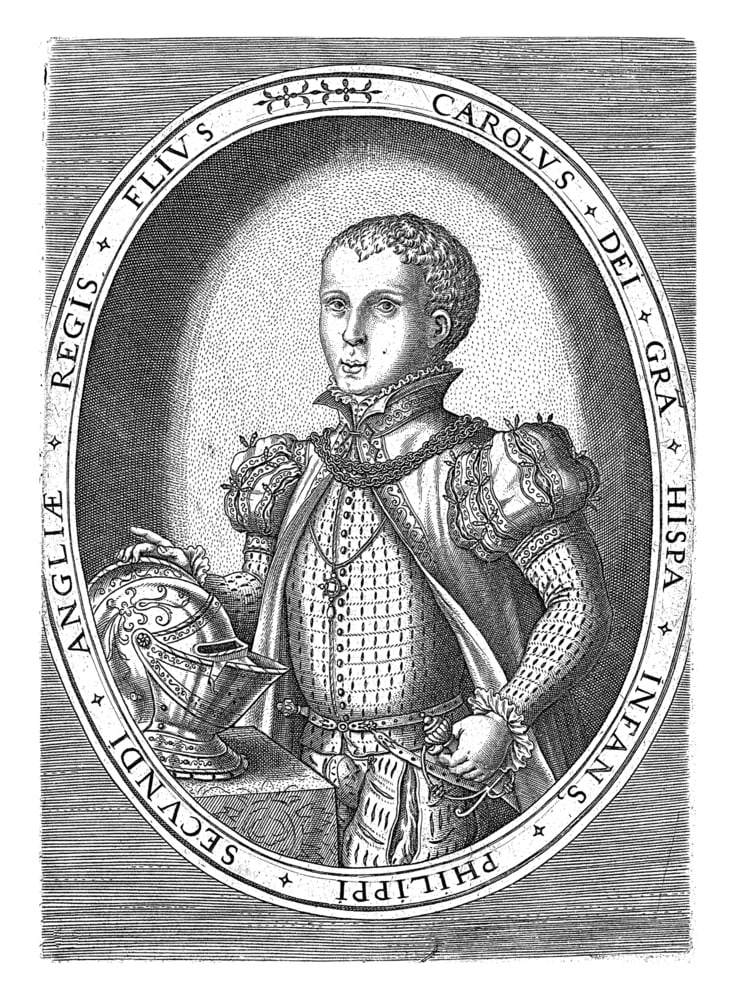
Don Carlos of Spain Don Carlos represents the price of picking the wrong side in a succession crisis. As the elder brother of Ferdinand VII, Carlos believed in absolute monarchy and traditional Catholic values at precisely the moment when Spain was wrestling with constitutional reform.
Ferdinand’s decision to change succession laws to allow his daughter Isabella to inherit instead of Carlos triggered the Carlist Wars. Carlos spent decades fighting to reclaim what he viewed as his stolen birthright, but military defeat and political change had moved Spain beyond the kind of monarchy he represented.
Princess Isabella of Parma
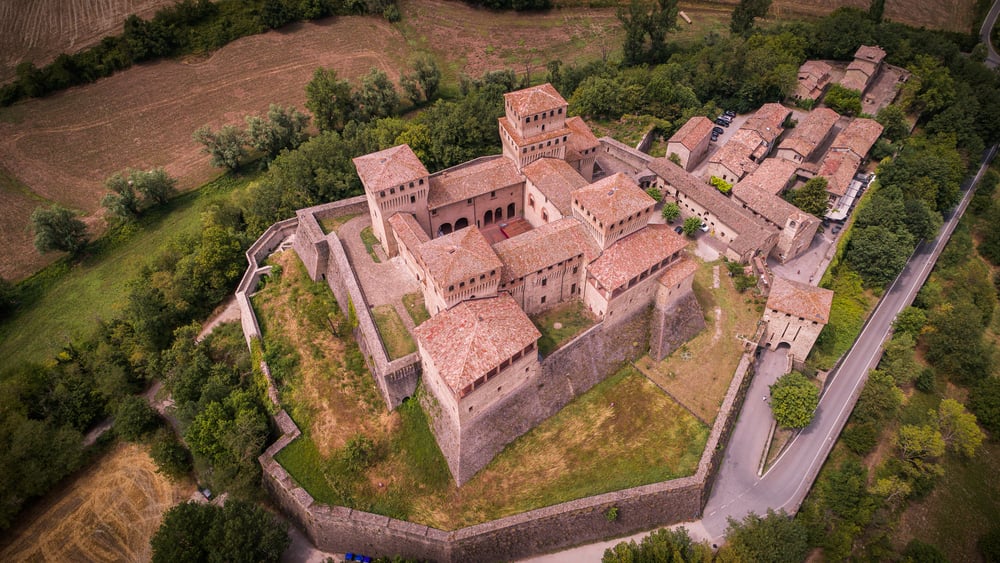
Princess Isabella of Parma The tragedy of Isabella wasn’t political but biological — she carried hemophilia in an era when royal medicine had little to offer against it. As the eldest daughter of the Duke of Parma, she was positioned to inherit significant territories until her condition became apparent.
Hemophilia was particularly devastating for royal families because it threatened the ability to produce healthy heirs — literally the only job that mattered. Isabella’s exclusion protected the dynasty from genetic complications but eliminated a capable heir who understood statecraft better than her younger brothers.
Grand Duke Alexei Nikolaevich of Russia
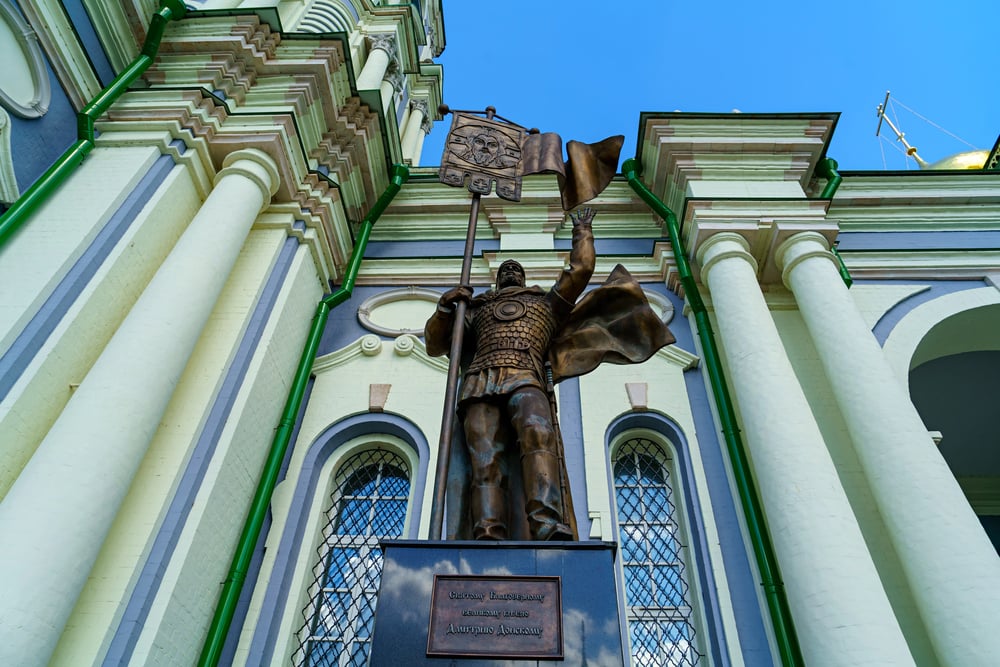
Grand Duke Alexei Nikolaevich of Russia Alexei’s hemophilia shaped not just his own fate but the destiny of the entire Russian Empire. His condition created a medical crisis that became a political catastrophe when his parents turned to Rasputin for treatment, and the mystic’s influence over the imperial family contributed to the collapse of respect for the monarchy and helped fuel the revolutionary sentiment that would destroy the Romanovs.
Born as the long-awaited male heir after four daughters, Alexei was simultaneously the most important and most vulnerable member of the imperial family.
Philip of Hesse-Kassel
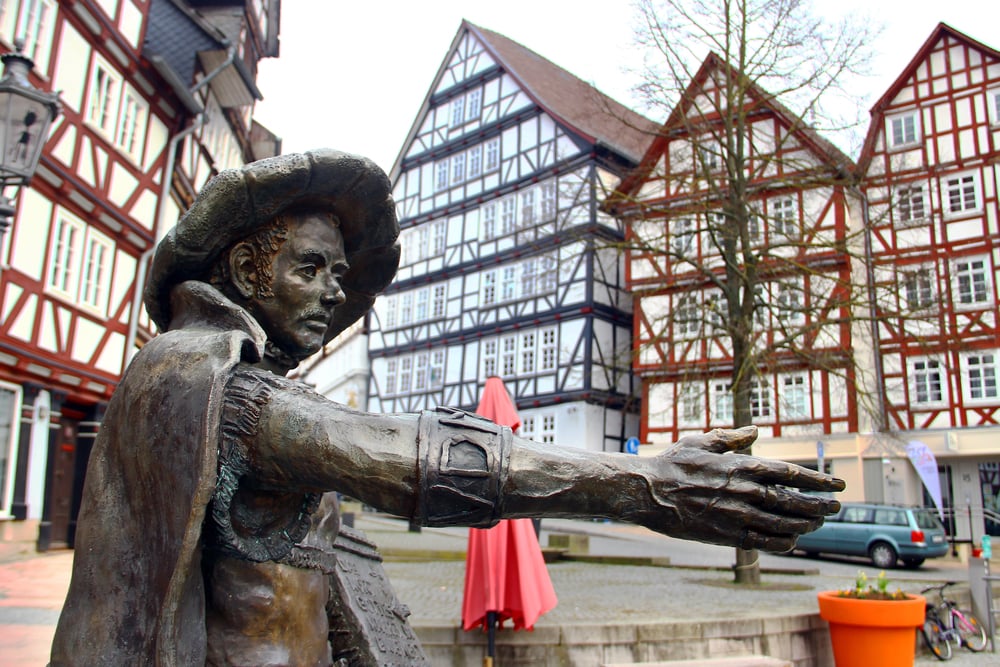
Philip of Hesse-Kassel Philip’s enthusiasm for Nazi ideology destroyed any possibility of inheriting his family’s traditional claims to various German thrones. His marriage into the Italian royal family had positioned him well within European royal networks, but his political choices during World War II made him persona non grata across the continent.
After the war, the abolition of most German monarchies rendered the point moot. Philip’s case illustrates how political alignment can erase centuries of dynastic planning in a few years.
Princess Margaret of Great Britain
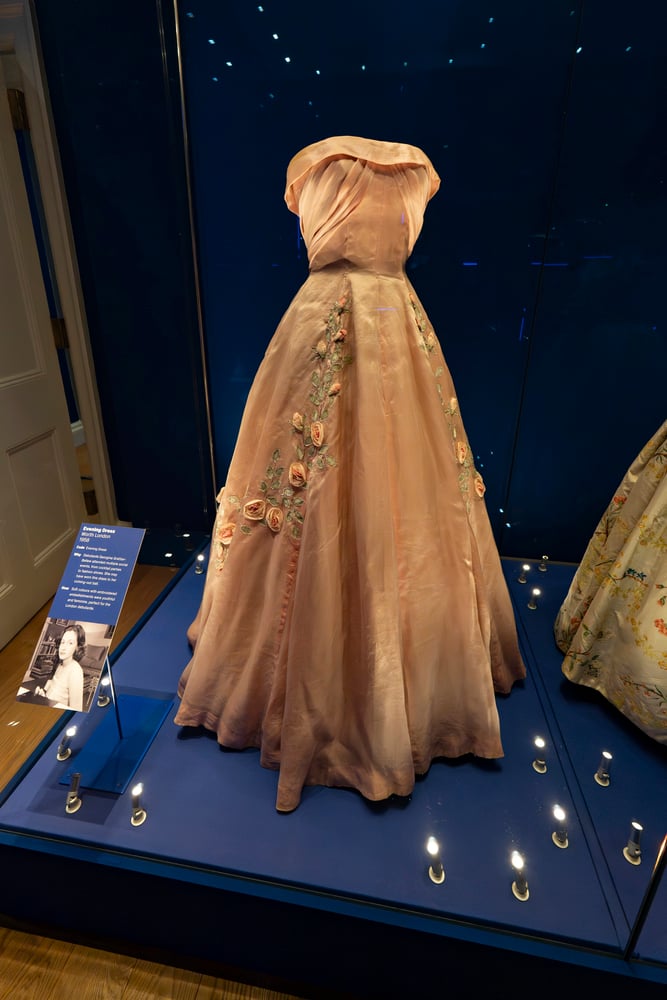
Princess Margaret of Great Britain Margaret’s romance with divorced RAF Group Captain Peter Townsend created a constitutional crisis in the 1950s. The Church of England’s position on divorce, combined with government opposition, meant that marrying Townsend would have required renouncing her royal titles and succession rights.
Margaret chose duty over love, announced she would not marry Townsend, and remained in the royal family. She spent the rest of her life making the cost of that choice reasonably visible. The episode demonstrated that even minor succession rights come with significant personal costs, and that the monarchy’s rules on divorce had barely moved since the abdication crisis of 1936.
Crown Prince Rudolf of Austria-Hungary
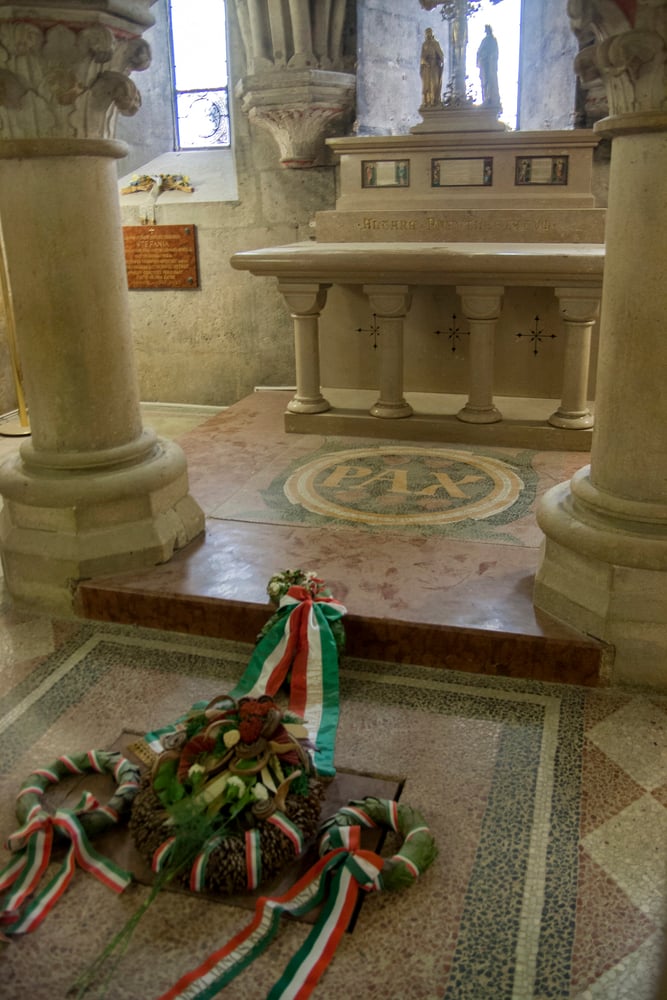
Crown Prince Rudolf of Austria-Hungary Rudolf’s liberal politics and increasingly erratic behavior made him a problematic heir to the Austro-Hungarian throne, but his death at Mayerling in January 1889 solved the succession question in the most dramatic way possible. Found dead alongside his mistress, his death was officially ruled a murder-suicide, though the circumstances have been disputed ever since.
His death passed the succession to Archduke Franz Ferdinand, whose assassination in 1914 would trigger the First World War.
Prince George of Cumberland
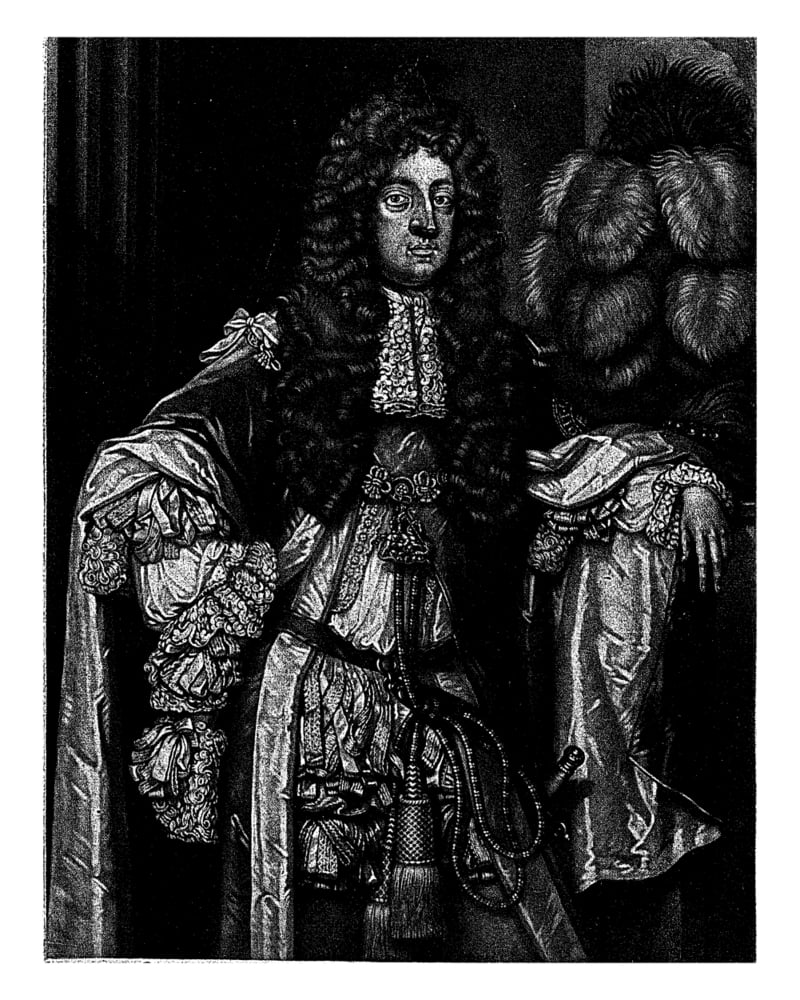
Prince George of Cumberland George’s troubles stemmed from his father supporting Germany in World War I, costing the family their British dukedom. George inherited both the title dispute and the political baggage.
The British government was unmoved by legal arguments about inherited titles and constitutional precedents when the underlying question was wartime loyalty. George remained Duke of Brunswick in Germany while being stripped of his British titles — a strange split-screen existence where he was simultaneously a German noble and a British non-person, depending on which side of the Channel you stood.
Princess Louise of Belgium

Princess Louise of Belgium Louise’s determination to marry against her father’s wishes cost her both succession rights and Belgian citizenship — a thoroughly comprehensive punishment. King Leopold II wanted her to marry into European royalty for political advantage, but Louise preferred a Hungarian count who offered affection rather than alliance.
Her elopement triggered her formal expulsion from the royal family. She lived the rest of her life in exile, stripped of titles and inheritance. The marriage itself turned out poorly, demonstrating that romantic rebellion doesn’t guarantee romantic happiness.
Crown Prince Dipendra of Nepal

Crown Prince Dipendra of Nepal Dipendra’s massacre of the Nepalese royal family in 2001 technically made him king for three days while he lay dying in hospital, but the crime effectively ended the monarchy’s legitimacy in Nepal. The official investigation concluded that Dipendra had killed his parents, siblings, and other relatives before attempting suicide, though conspiracy theories about the true circumstances have never entirely subsided.
The surviving royals could not maintain their hold on power after such a devastating scandal. Within a few years, Nepal had abolished the monarchy and become a republic.
Prince Ernst of Hanover
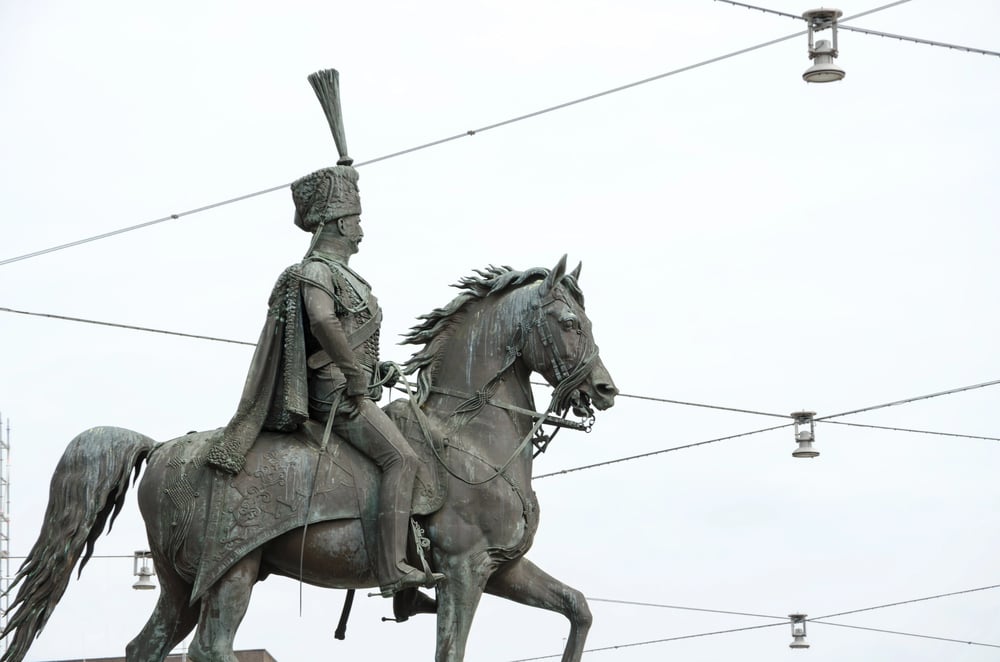
Prince Ernst of Hanover Ernst’s Nazi connections destroyed his family’s already tenuous claims to British honors and German territories. As a member of the House of Hanover with historical ties to the British throne, Ernst might have maintained some ceremonial status, but his political choices during World War II made him radioactive to both British and German post-war governments.
His case illustrates how completely political alignment could erase dynastic privileges that had survived previous wars and revolutions.
Princess Stéphanie of Monaco
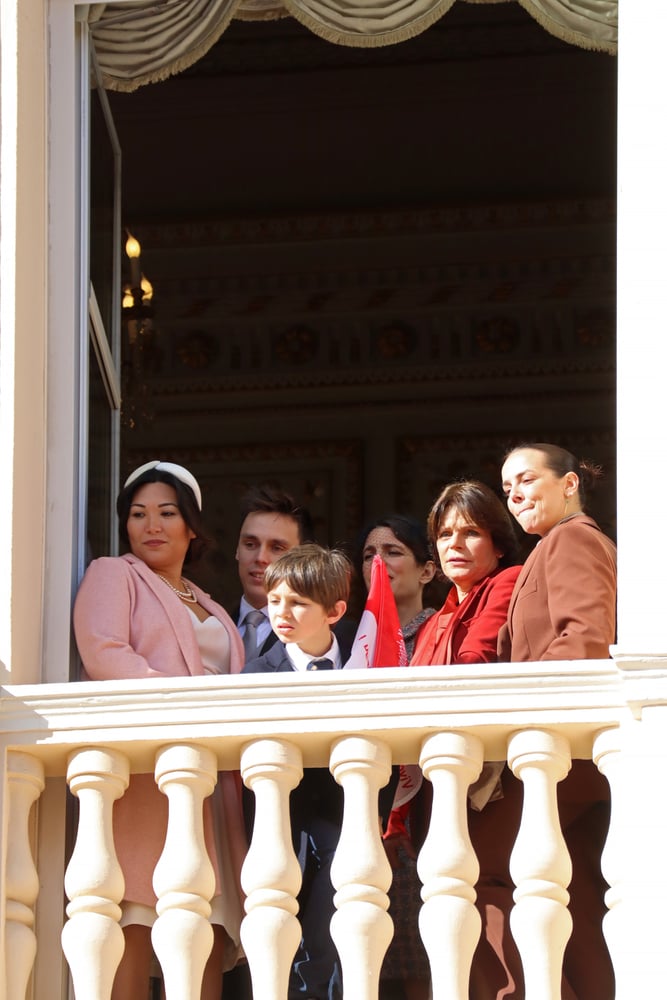
Princess Stéphanie of Monaco Stéphanie was never formally removed from Monaco’s succession, but her unconventional career choices effectively sidelined her from any practical path to ruling. The principality depends on maintaining an image of glamorous stability, and her career as a pop singer, her relationships outside royal circles, and her generally rebellious approach to protocol created a mismatch the government couldn’t ignore.
She retained her titles and place in the order of succession. Everyone understood what that place was actually worth.
Prince Harry of Great Britain
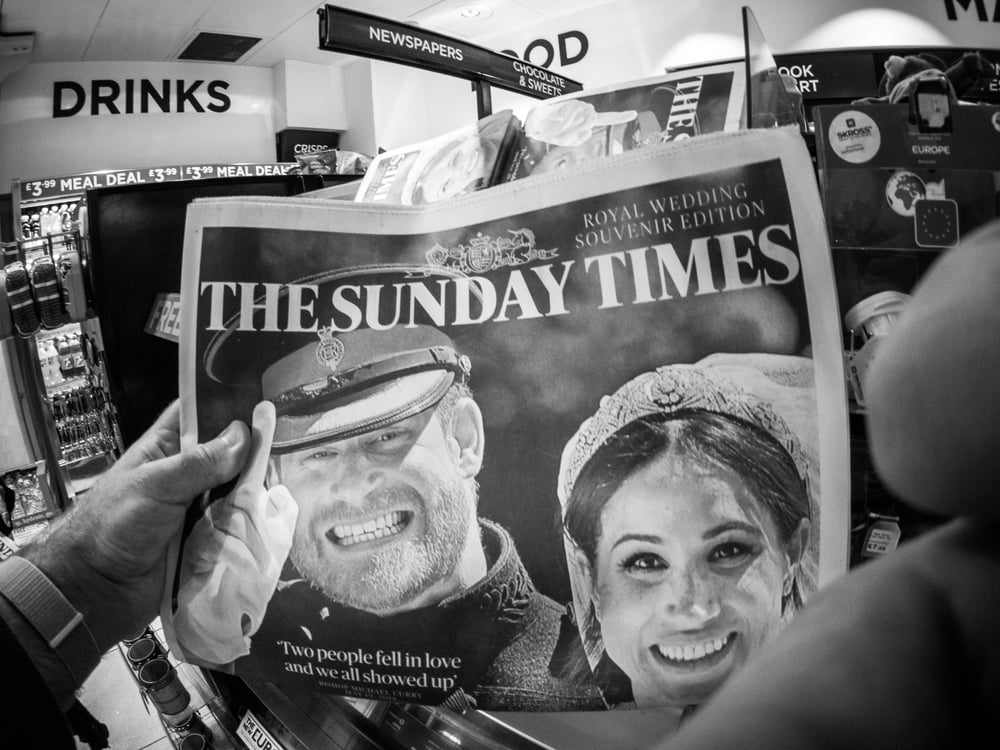
Prince Harry of Great Britain Harry’s decision to step back from royal duties and relocate to California didn’t formally remove him from the line of succession, but it effectively ended his role as a working royal and significantly reduced his children’s connection to the institution. His public criticisms of the royal family — including allegations of racism and claims about failures of support — created a rift that makes any return to royal duties a remote prospect.
The unprecedented nature of his departure, conducted through television interviews and a memoir detailing family conflicts, represents a modern form of dynastic self-exile.
Princess Elena of Spain

Princess Elena of Spain Elena’s divorce created complications for her position in the Spanish royal family, though Spain’s more relaxed approach to royal marriages meant she retained her titles and succession rights. Her ex-husband’s financial scandals and prosecution created ongoing embarrassment for the monarchy that effectively sidelined her from prominent duties.
Her case illustrates how modern royal families must navigate not just personal relationship choices but the legal and financial problems of former spouses who remain connected through shared children.
Prince Joachim of Denmark
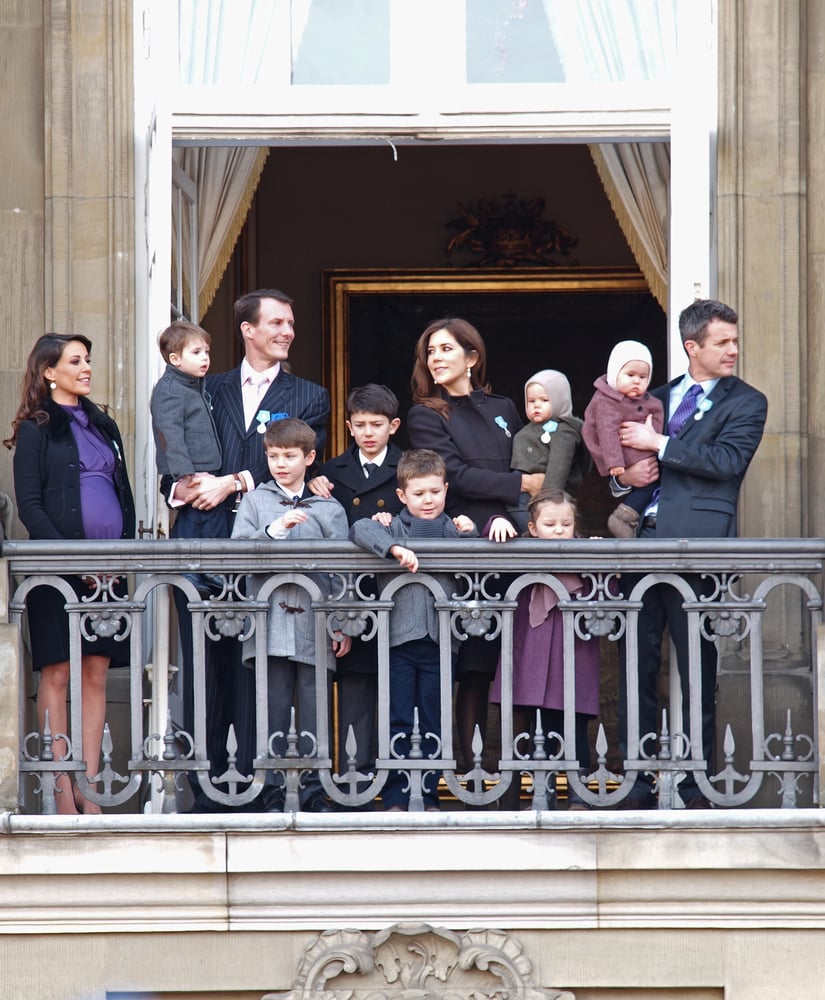
Prince Joachim of Denmark Joachim’s relationship with the Danish royal court deteriorated after his second marriage and his move to France. His exclusion from significant royal duties, combined with the 2022 decision to remove his children’s royal titles, effectively pushed his branch of the family to the margins.
The Danish royal family’s decision to streamline the monarchy left him without a meaningful role. He remains in the line of succession but has no practical connection to royal duties.
Prince Michael of Kent
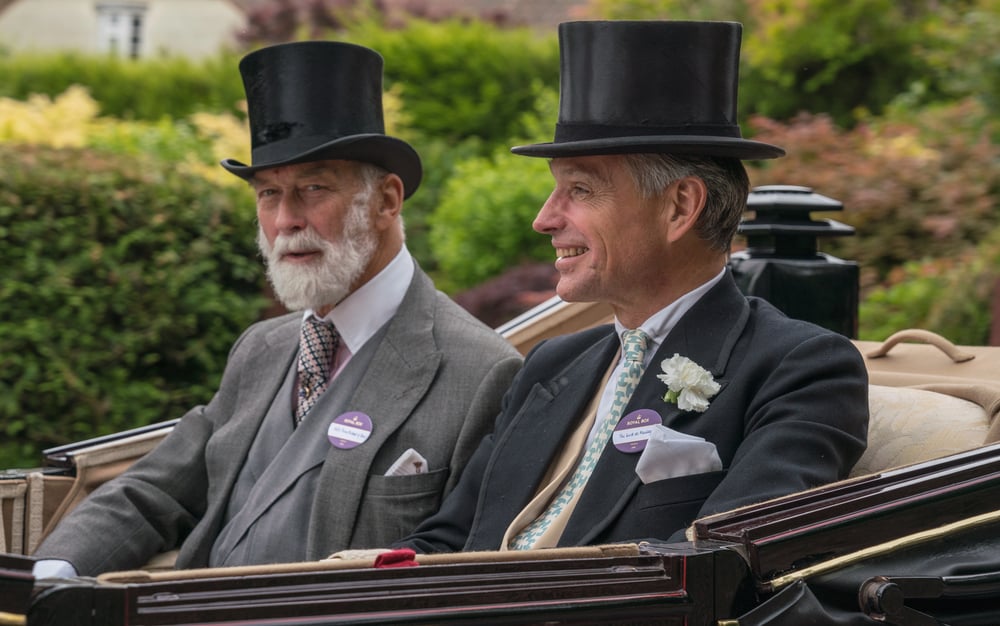
Prince Michael of Kent Michael’s 1978 marriage to a Catholic wife cost him his place in the succession under the Act of Settlement, which barred anyone married to a Catholic from inheriting the throne. His decision to pursue the relationship over succession rights caused less drama than some royal romantic scandals largely because he was so far down the line that his removal had no practical impact.
His case nonetheless helped highlight the religious restrictions governing British succession and contributed to the eventual modernisation of succession law.
Princess Märtha Louise of Norway

Princess Märtha Louise of Norway Märtha Louise’s involvement with alternative spirituality — including public claims about communicating with angels — created significant controversy in Norway, where the royal family is expected to maintain religious neutrality. Her decision to step back from official royal duties in 2022 followed years of tension over her spiritual beliefs and business ventures.
Her case illustrates the challenges modern royal families face when members pursue careers or beliefs that conflict with their constitutional roles, particularly in countries with established state churches.
Prince Laurent of Belgium
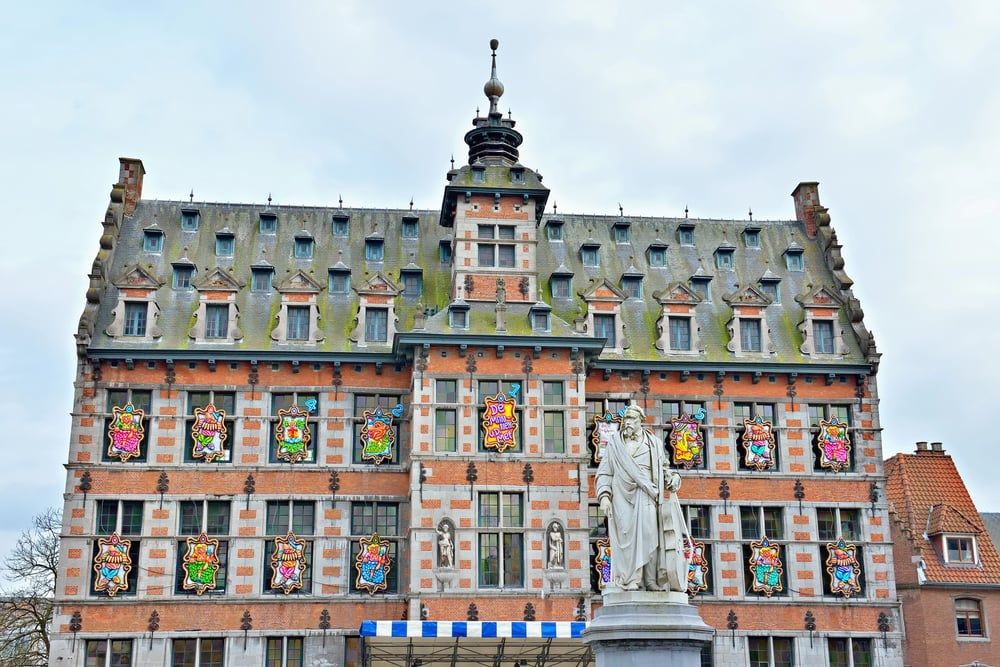
Prince Laurent of Belgium Laurent’s financial scandals and repeated public controversies led to significant restrictions on his royal allowance and role. His involvement in questionable business arrangements and his tendency toward inflammatory public statements created ongoing embarrassment for the Belgian monarchy.
While he remains in the succession, his practical exclusion from royal duties demonstrates how modern monarchies can marginalize problematic members without formal disinheritance.
Prince Georg Friedrich of Prussia

Prince Georg Friedrich of Prussia Georg Friedrich’s position as head of the House of Hohenzollern gives him a theoretical claim to the defunct Prussian throne, but his pursuit of compensation for properties seized after World War II has created significant political controversy in Germany. His family’s documented connections to the Nazi regime have complicated these claims and eliminated any possibility of restored royal status.
His case shows how historical political choices continue to affect dynastic claims generations later.
Princess Irene of Greece
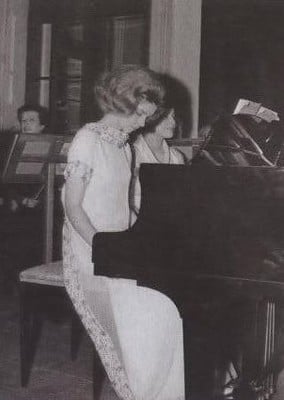
Princess Irene of Greece Irene’s marriage to a divorced man in 1939 created scandal within the Greek royal family and contributed to her marginalization. Her decision to live primarily outside Greece further reduced her connection to royal life and politics.
Her exclusion from significant royal roles demonstrates how personal choices could eliminate dynastic prospects even for members of relatively minor royal families.
Prince Paul of Yugoslavia
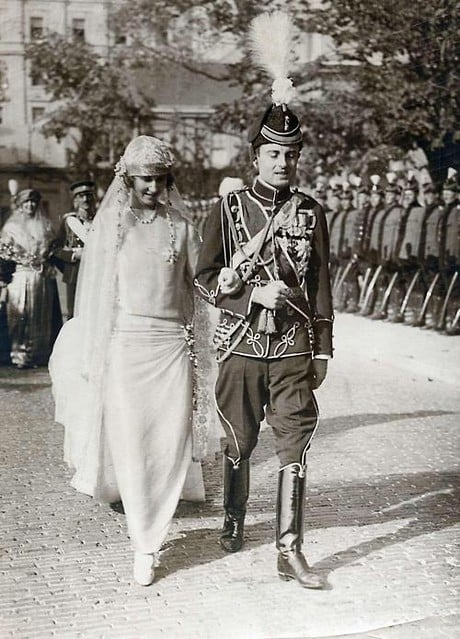
Prince Paul of Yugoslavia Paul’s regency during his nephew’s minority ended disastrously when his attempt to keep Yugoslavia neutral through alignment with the Axis powers triggered a military coup in March 1941. His exile followed immediately, and the eventual abolition of the Yugoslav monarchy made his return impossible.
His case illustrates how regents could destroy not just their own political futures but entire dynastic systems through poor political judgment under impossible circumstances.
Princess Cristina of Spain
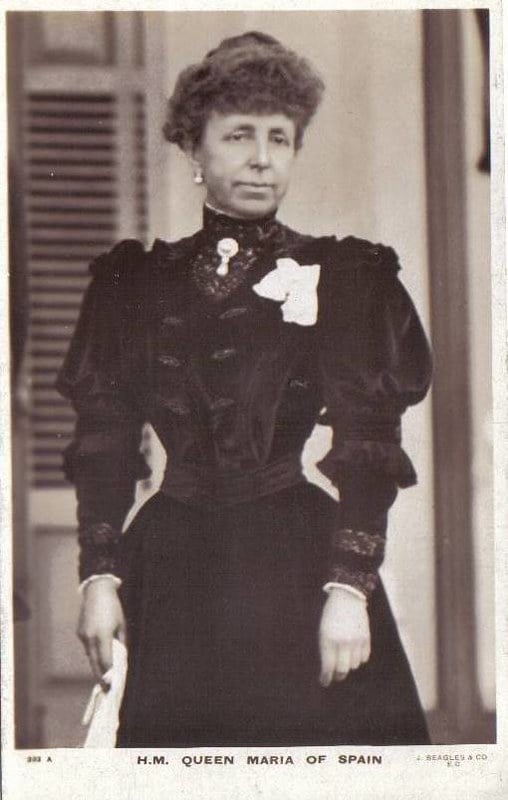
Princess Cristina of Spain Cristina’s involvement in her husband’s financial fraud led to her own prosecution for tax evasion and her effective expulsion from the Spanish royal family’s inner circle. Her conviction — even with a suspended sentence — created unprecedented embarrassment for the monarchy and forced her withdrawal from public royal life.
Her case shows how family members’ legal problems can force modern monarchies to choose between loyalty and institutional survival. The monarchy chose survival.
Prince Ernst August of Hanover
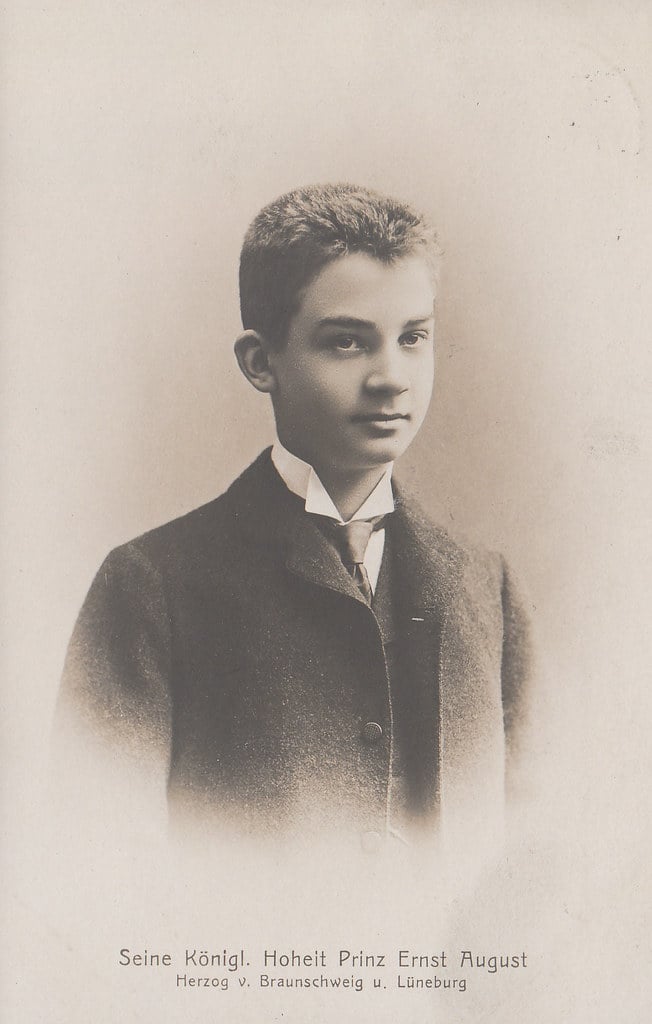
Prince Ernst August of Hanover Ernst August’s legal problems and erratic public behavior created ongoing difficulties for his family’s standing in German nobility. His disputes over property, publicised altercations, and general unpredictability made him a liability for any institution associated with him.
His troubles illustrate how personal conduct can eliminate whatever dignity remains in defunct royal titles, even when there is no throne left to lose.
Queen Isabella II of Spain
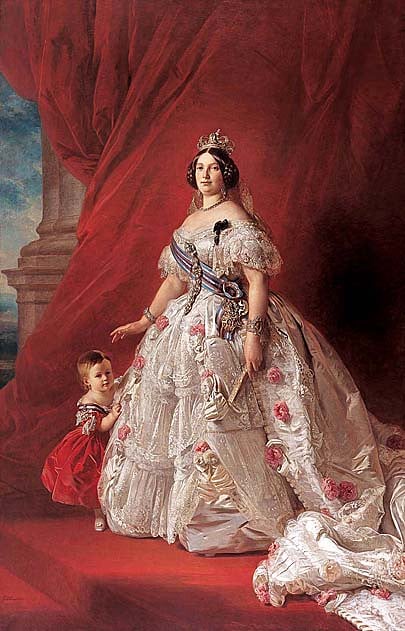
Queen Isabella II of Spain Isabella II inherited the Spanish throne as a child after her father Ferdinand VII changed succession law to exclude her Carlist uncle — setting off the very conflicts that would define her reign. Her tenure was marked by political instability, military coups, and a liberal constitution she never fully accepted.
Her own behavior eventually made her untenable. The Glorious Revolution of 1868 forced her into exile in France, where she abdicated in favor of her son. She lived another thirty years, watching Spanish politics convulse without her, one of the few monarchs to lose a throne she had actually occupied rather than one she merely expected to inherit.
Tsar Nicholas II of Russia
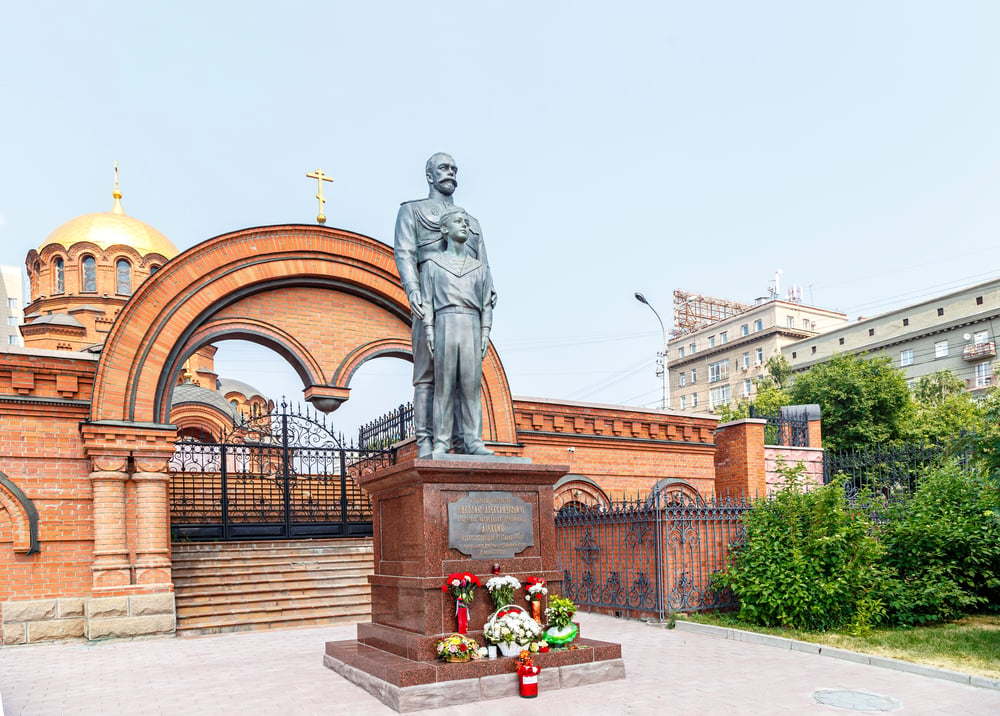
Tsar Nicholas II of Russia Nicholas II didn’t simply lose his place in a succession — he lost the institution itself. The Romanov dynasty, which had ruled Russia for three centuries, ended with his forced abdication in March 1917 following revolutionary upheaval, military catastrophe, and the collapse of imperial authority.
He abdicated on behalf of himself and his son Alexei, who was too ill to rule, passing power briefly to his brother Michael before the entire question became moot. Nicholas, Alexandra, and their five children were executed by Bolshevik forces in July 1918. The end of the Romanovs represents the most complete form of succession erasure: not disinheritance from a throne that continued, but the elimination of the dynasty itself.
The Price of the Crown
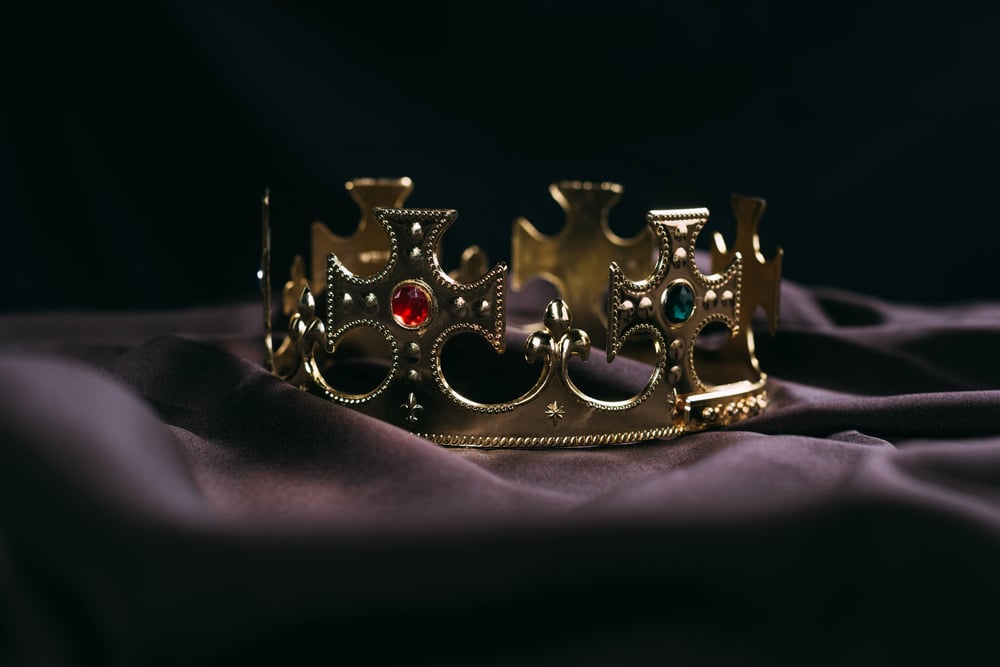
Across these thirty stories, a pattern emerges that has nothing to do with merit. Heirs were removed for being the wrong religion, for falling in love with the wrong person, for holding the wrong politics at the wrong historical moment, for being born with the wrong blood type, or simply for being in the wrong place when a revolution arrived.
The line of succession looks permanent from a distance. Up close, it turns out to be one of the most contingent things in political life — a list that rewrites itself whenever the combination of family, politics, religion, and chance produces enough pressure to push someone off it.
The throne goes to whoever is left standing when everything else has been decided, which is rarely the person who seemed most certain to inherit it at the beginning.
More from Go2Tutors!

- The Romanov Crown Jewels and Their Tragic Fate
- 13 Historical Mysteries That Science Still Can’t Solve
- Famous Hoaxes That Fooled the World for Years
- 15 Child Stars with Tragic Adult Lives
- 16 Famous Jewelry Pieces in History
Like Go2Tutors’s content? Follow us on MSN.