The Weirdest Things Astronauts Claim They’ve Seen Out the Window
Space looks different when you’re actually out there. You train for years, you understand the physics, you know what to expect.
Then you look out the window and see something that makes you question everything. These are highly trained professionals with multiple advanced degrees.
They’re not prone to panic or wild imagination. But even they’ve reported seeing things that don’t quite add up.
The Snake That Followed the Shuttle
Story Musgrave saw something on two separate missions that he still can’t fully explain. The veteran astronaut described it as a six to eight-foot-long white object that moved like a snake or eel. It appeared rubbery, with what he called internal waves running through it.
The thing followed his spacecraft for extended periods. NASA wasn’t thrilled when Musgrave talked about this publicly.
He never officially reported it to the agency during either mission. Years later, he suggested it might have been a rubber seal that came loose from the main engines.
But the way he described its movement—purposeful, fluid, almost alive—stuck with him enough that he mentioned it in multiple interviews decades after the fact.
Music From the Dark Side of the Moon
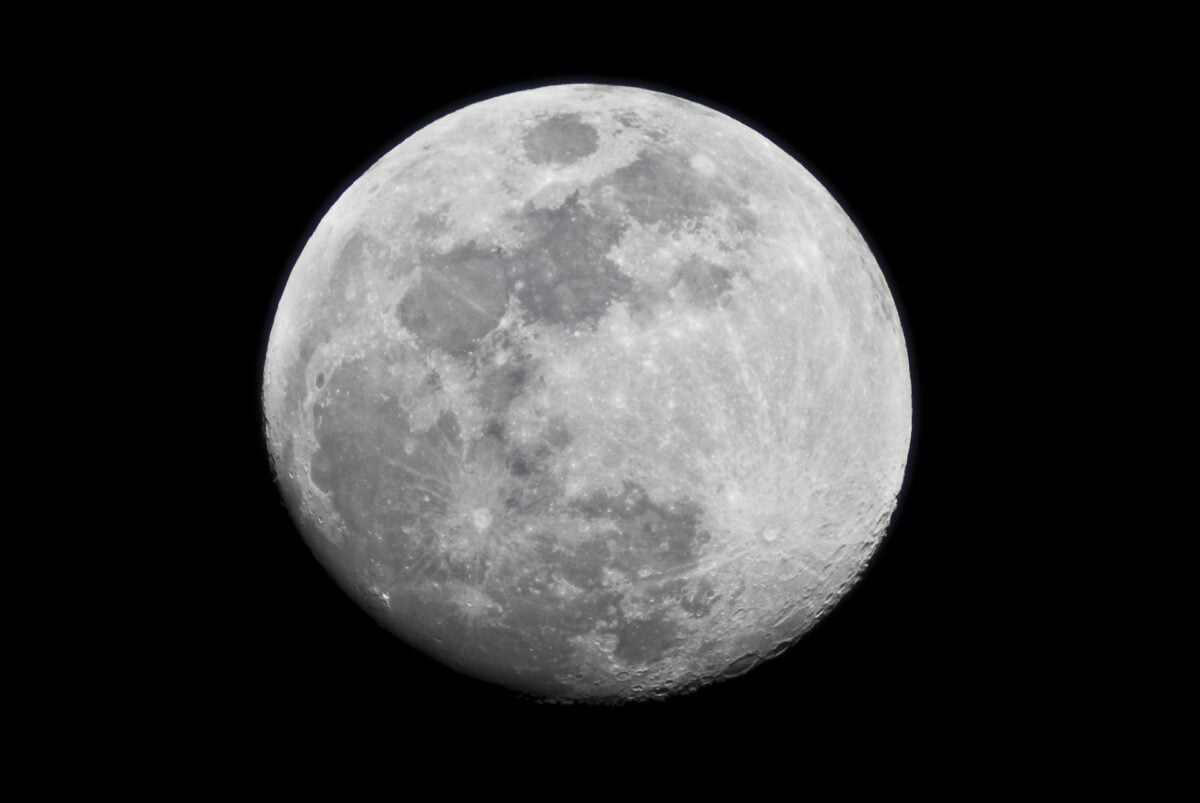
The Apollo 10 crew heard something strange in May 1969. Thomas Stafford, John Young, and Eugene Cernan were on the far side of the moon, completely cut off from Earth communications.
That’s when the whistling started. They described it as outer space music.
The sound lasted for about an hour. All three heard it through their headsets and discussed whether they should even tell Mission Control about it.
One of them worried no one would believe them. The audio remained classified for decades. NASA eventually explained it as radio interference between the lunar module and the command module.
But the astronauts’ genuine confusion and awe on those recordings are hard to ignore. Michael Collins, who heard similar sounds on Apollo 11, wrote that it would have scared the hell out of him if he hadn’t been warned about it first.
The Mysterious Knocking
Yang Liwei became China’s first astronaut in space in 2003. During his flight, he heard someone knocking on the hull of his spacecraft.
He described it as sounding like a wooden hammer hitting an iron bucket. He looked out the porthole but couldn’t find anything.
Here’s the weird part—space is a vacuum. Sound doesn’t travel through it.
Whatever was making that noise had to be coming from inside the spacecraft itself. But Liwei wasn’t alone in hearing it.
Chinese astronauts on missions in 2005 and 2008 reported the exact same sound.
The Green Glowing Object
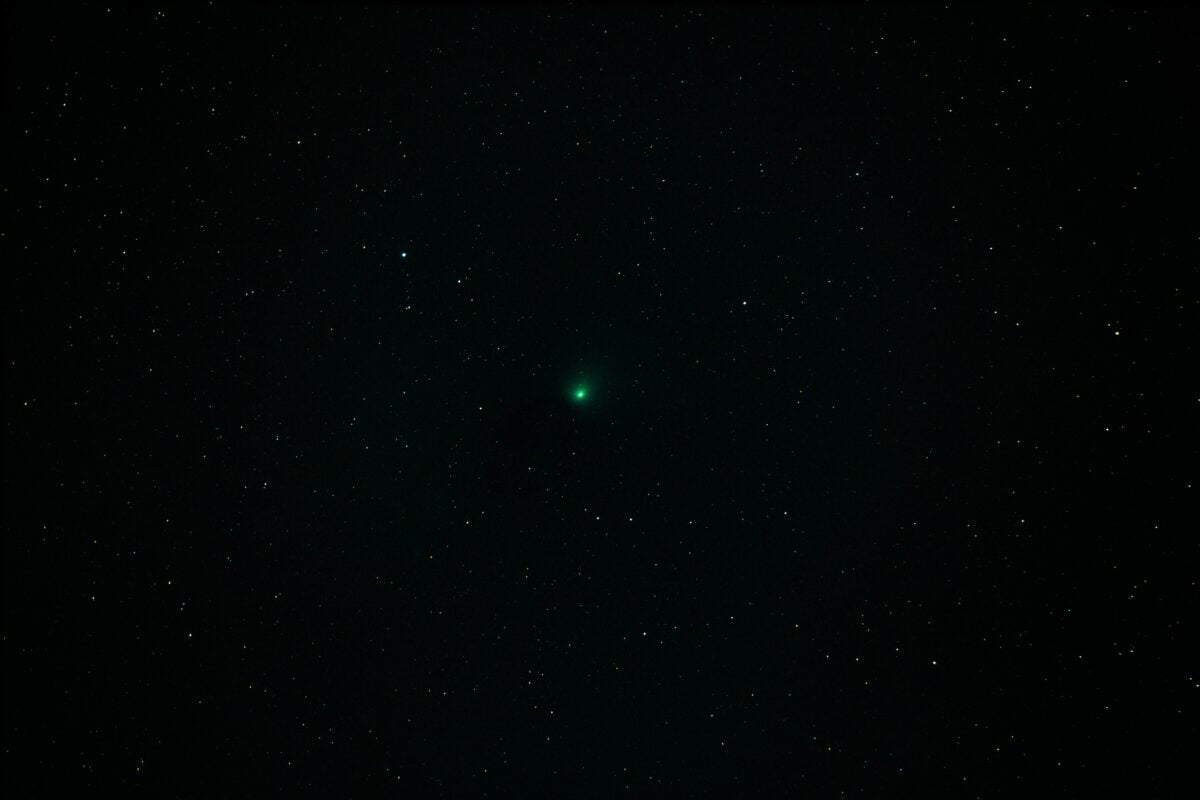
Gordon Cooper was nearing the end of his solo journey around Earth when he spotted something approaching his Mercury capsule. The object glowed green.
Radar at Mission Control picked it up too, confirming Cooper wasn’t just seeing things. NASA’s response was notable mainly for its absence.
Cooper, a decorated pilot with years of experience, couldn’t identify what he was looking at. The agency never offered a satisfactory explanation for what both the astronaut and ground radar detected that day.
Flashes in the Dark
Apollo 11 astronauts reported seeing flashes of light even when their eyes were closed. Buzz Aldrin was among the first to mention it in his debriefing.
The crews of Apollo 12 and 13 saw them too. Later missions brought special equipment specifically to study this phenomenon. Scientists eventually determined these were cosmic rays passing through the astronauts’ eyeballs.
High-energy particles from deep space were actually zipping through their retinas and triggering visual sensations. The effect still happens to astronauts on the International Space Station.
Some describe them as dancing fairies. Others see streaks or clouds of light.
During the Apollo missions, astronauts saw these flashes about every three minutes on average once their eyes adjusted to darkness. Only one Apollo crew member, Ken Mattingly, never saw them.
He mentioned he had poor night vision.
The Exploding Object
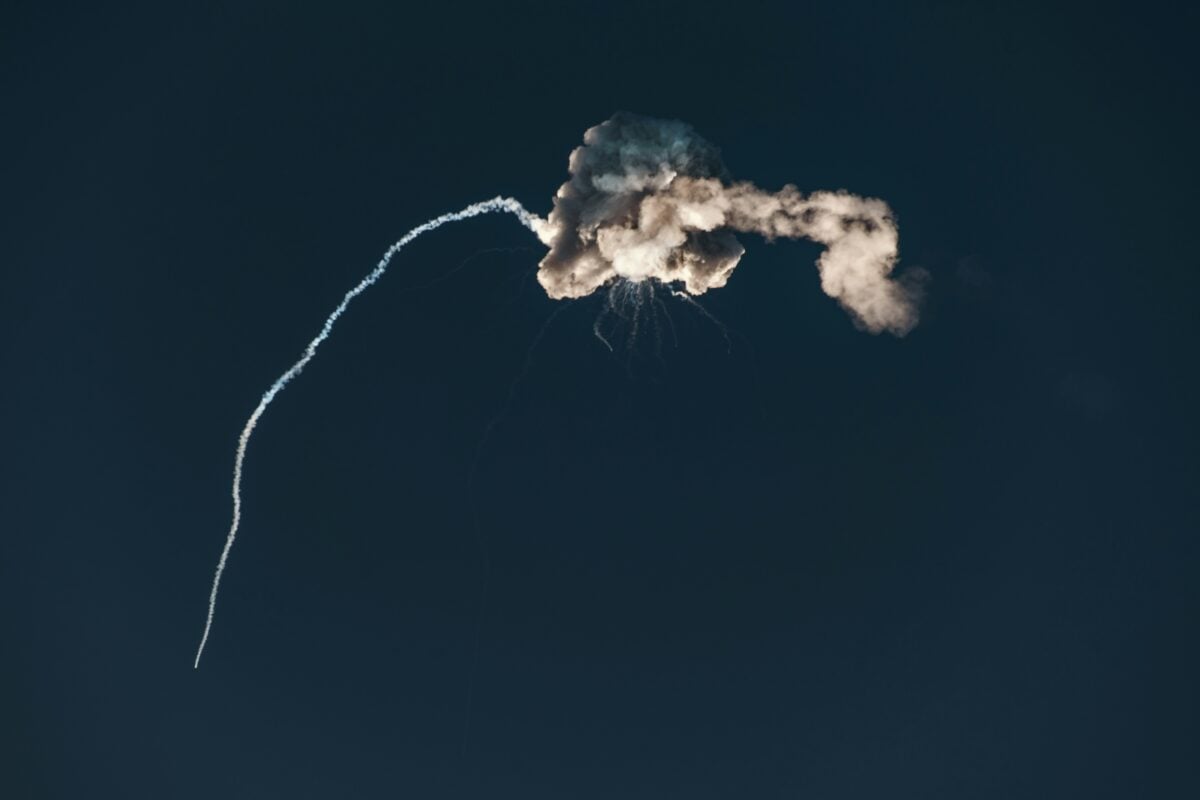
Vladimir Kovalyonok was working aboard the Salyut 6 space station in 1981 when he saw something through the porthole. The object was about the size of a finger from his perspective.
It orbited alongside the station in a way that seemed strange to him. His partner prepared to photograph it.
Before he could, the object exploded. Only smoke clouds remained.
Then it split into two connected pieces that looked like a dumbbell. Kovalyonok reported it to Mission Control immediately. He’s one of the few astronauts who saw something inexplicable and talked openly about it afterward.
John Glenn’s Fireflies
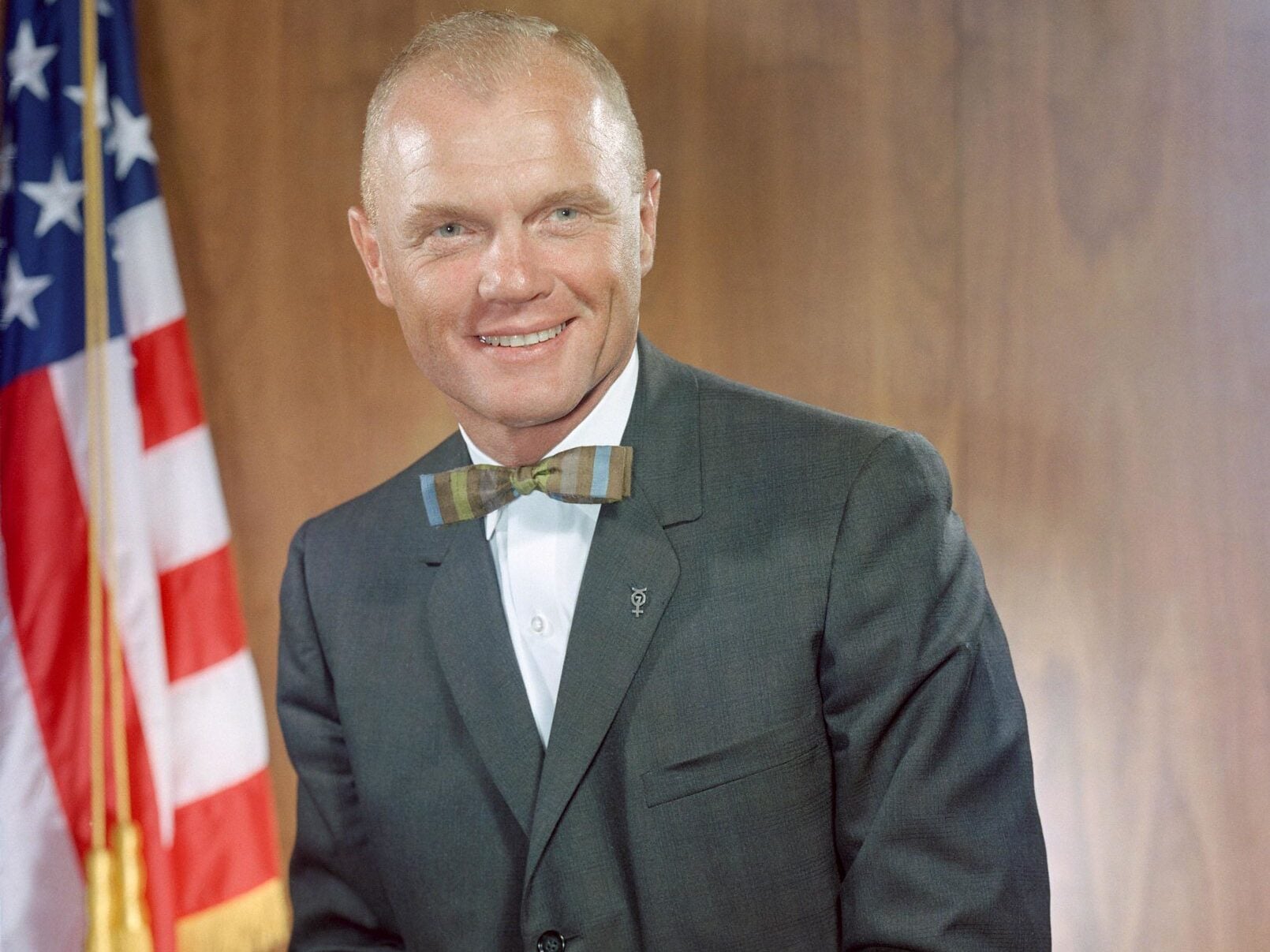
In February 1962, John Glenn became the first American to orbit Earth. He immediately noticed something dancing outside his window.
He told NASA he was watching a group of little fireflies floating around his spacecraft. It took NASA and Glenn nearly a year to figure out what he was actually seeing.
At first, the agency worried they might be metal parts from faulty equipment. The answer turned out to be ice crystals reflecting sunlight. But Glenn’s initial bewilderment was genuine.
Whatever those glowing points were, they looked alive to him at that moment.
The Cig That Changed Direction

Musa Manarov was filming a cargo spacecraft approaching the Mir space station when something else caught his eye. A cylindrical object was spinning through space.
It seemed to be rotating and moving downward as he watched. The weird part was how it moved. In space, objects don’t just change direction without propulsion.
This thing appeared to be doing exactly that. Manarov’s first thought was that a piece of the shuttle had come loose.
But the rotation and speed didn’t match that explanation. The object was far behind the capsule he was filming.
The Formation of Lights
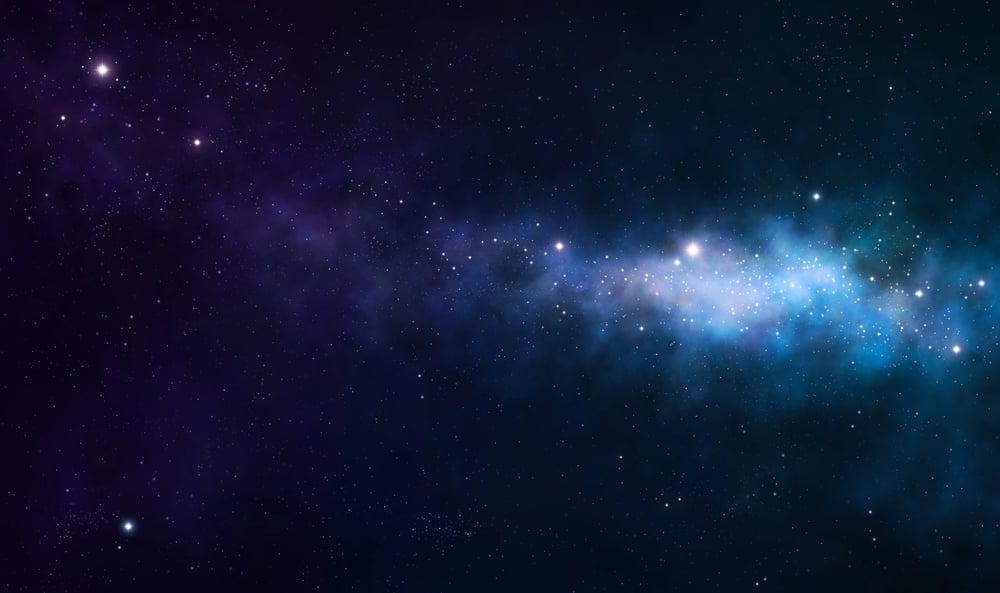
Leroy Chiao was doing a spacewalk when he saw lights whizzing by in formation. The pattern looked deliberate.
NASA suggested the lights were reflections from fishing boats on the ocean below. The problem with that explanation is physics.
Light from fishing boats reflects all the way up to a spacewalking astronaut. The distances involved make that unlikely.
But Chiao saw what he saw and it moved in a way that caught his attention enough to report it.
The L-Shaped Shadow
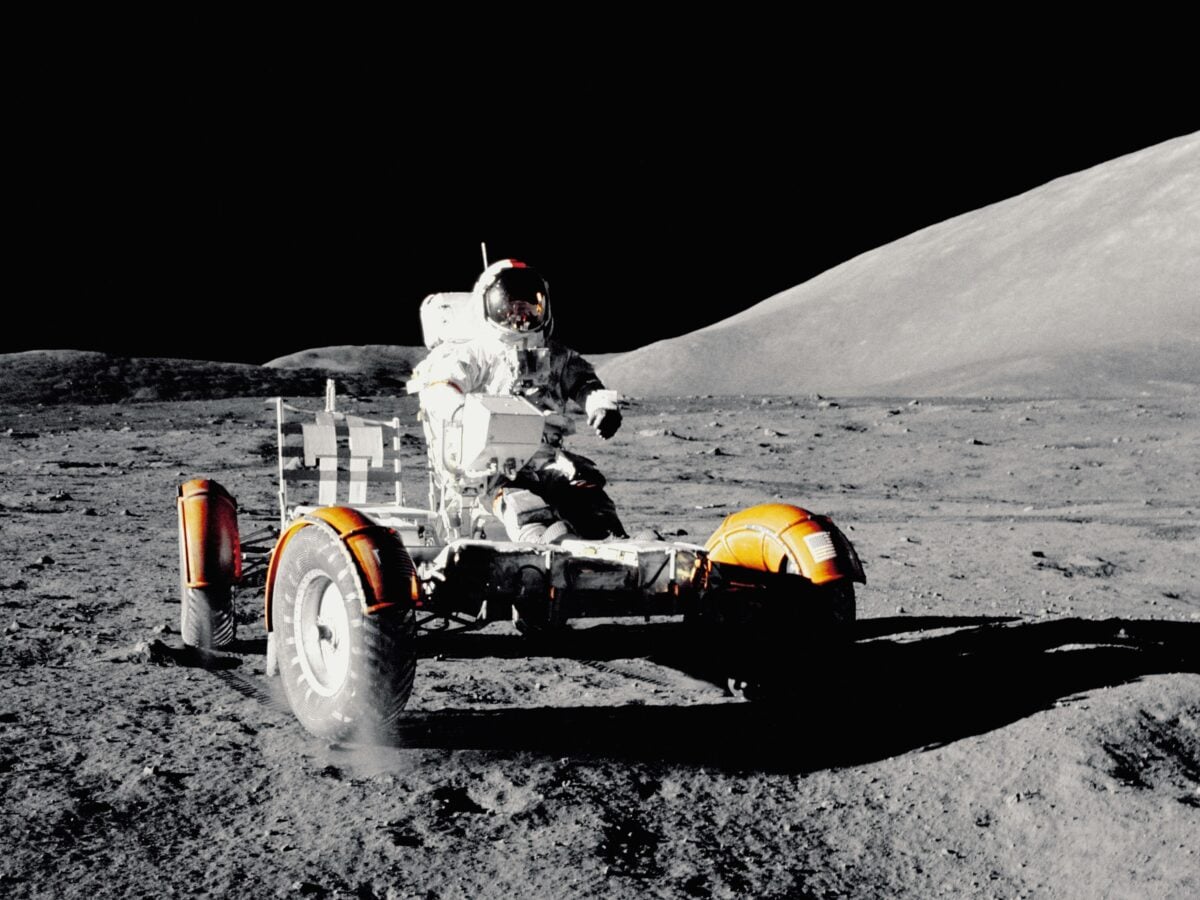
The Apollo astronauts who walked on the moon mentioned seeing something following their spacecraft on the way there. They radioed Houston about an L-shaped object.
Then the topic seemed to drop. This was during the height of the space race.
Everything was documented, everything was studied. But this particular observation didn’t generate much follow-up.
The astronauts described it, reported it, and moved on with their mission.
Fire That Burns Without Flame

Between 2009 and 2012, astronauts conducted experiments on how fire behaves in space. They found something that shouldn’t be possible.
Under certain conditions, droplets of heptane continued to burn visibly even after the flame went out. Project manager Forman Williams admitted this was completely inexplicable.
Fire in microgravity already acts strange—it burns cooler and with less oxygen than on Earth. But watching something burn without flame violated everything they understood about combustion.
The Antenna Cover That Wasn’t
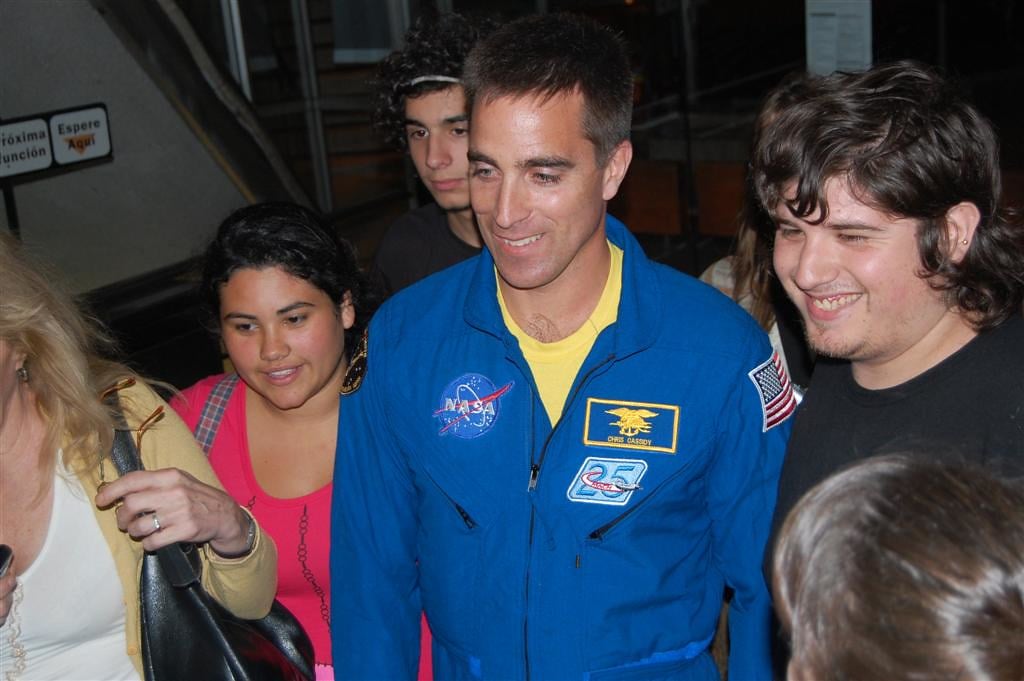
Christopher Cassidy saw a mysterious object floating by his window while aboard the International Space Station in 2013. He contacted Mission Control to report what appeared to be a UFO.
NASA identified it as the antenna cover from the Russian service module Zvezda. Case closed. Except conspiracy theorists remained convinced the object was something else entirely.
The official explanation satisfied the agency but not everyone watching from Earth.
Space Debris or Something Else
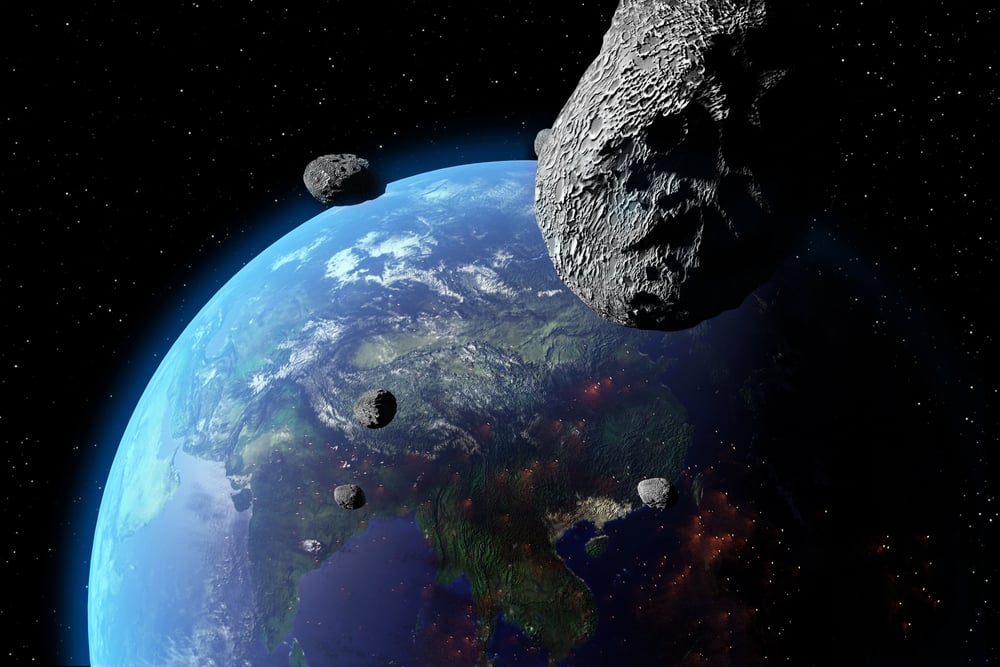
Astronauts see a lot of things floating around up there. Some of it is clearly junk—pieces of old satellites, paint flecks, bits of insulation.
The problem comes when experienced space travelers see something that doesn’t match the usual debris patterns. Objects in orbit follow predictable paths. When something moves in a way that defies those expectations, it gets attention.
Most of the time, there’s a reasonable explanation. Sometimes that explanation takes years to figure out.
And occasionally, no explanation comes at all.
When the Experts Can’t Explain
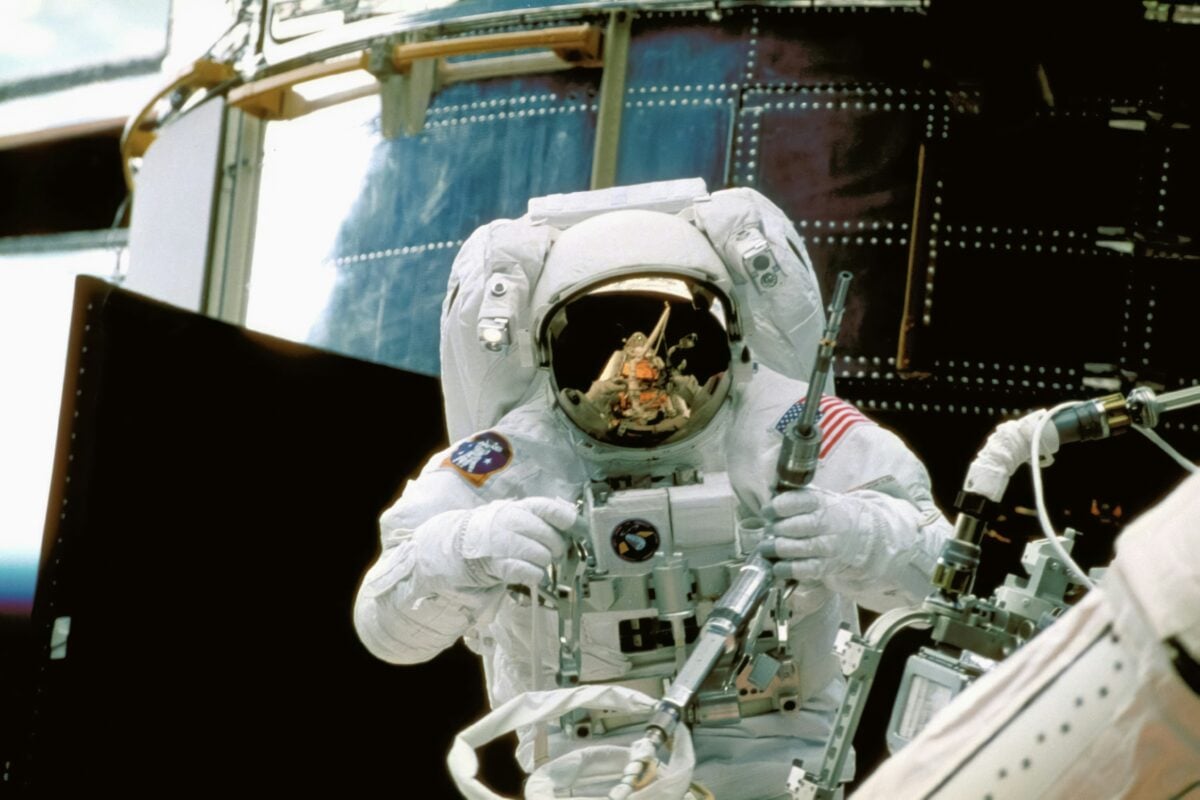
The common thread in these stories isn’t panic or wild claims. It’s a puzzle.
These are people who spent years training for their missions. They know what space junk looks like.
They understand orbital mechanics. They can identify most of what they see through years of experience.
When they report something strange, they’re not claiming to have all the answers. They’re documenting what they observed and admitting when it doesn’t fit their understanding.
That honesty makes their reports more credible, not less.
Looking Back at Earth
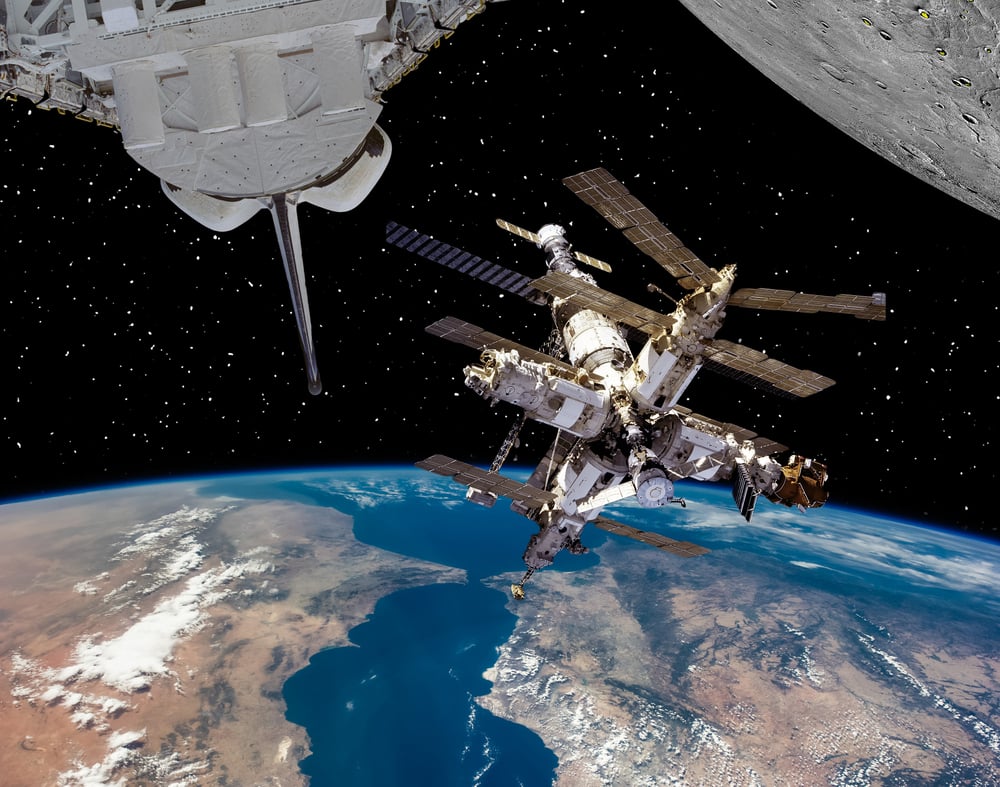
The sight of Earth from space hits nearly every astronaut hard. Yet when they see it, feelings rush in – sudden, deep, life-shifting.
Still, this moment was anticipated all along. After all, a glowing world against darkness? That’s something the mind can grasp.
It’s everything else that sticks around. Like noises they can’t explain.
Or things shifting in ways they shouldn’t. Lights showing up where they don’t belong.
Even years after, space travelers bring these things up – no clear reasons yet. Whatever it was, they saw it. Just no idea what it actually was.
More from Go2Tutors!

- The Romanov Crown Jewels and Their Tragic Fate
- 13 Historical Mysteries That Science Still Can’t Solve
- Famous Hoaxes That Fooled the World for Years
- 15 Child Stars with Tragic Adult Lives
- 16 Famous Jewelry Pieces in History
Like Go2Tutors’s content? Follow us on MSN.