16 Massive Marine Animals Living in Freezing Water
The deep, frigid waters of our planet’s polar regions might seem inhospitable to life, but they’re actually home to some of the most magnificent creatures on Earth. These icy seas provide a rich hunting ground where massive marine animals have adapted to thrive in temperatures that would be lethal to most warm-water species.
From the crushing depths of the Arctic Ocean to the windswept Antarctic waters, these giants navigate their frozen world with surprising grace and power. Their size isn’t just impressive—it’s often their key to survival in environments where every calorie counts and warmth is a precious commodity.
Bowhead Whale
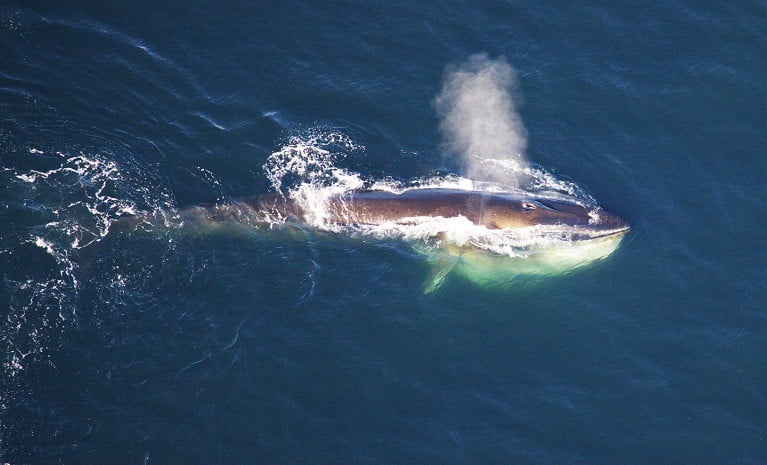
The Arctic Ocean has its own version of a living fortress. Bowhead whales can break through ice two feet thick with their massive skulls, and they do it without hesitation.
These whales live over 200 years and weigh up to 100 tons. Their heads alone make up a third of their body length.
Blue Whale
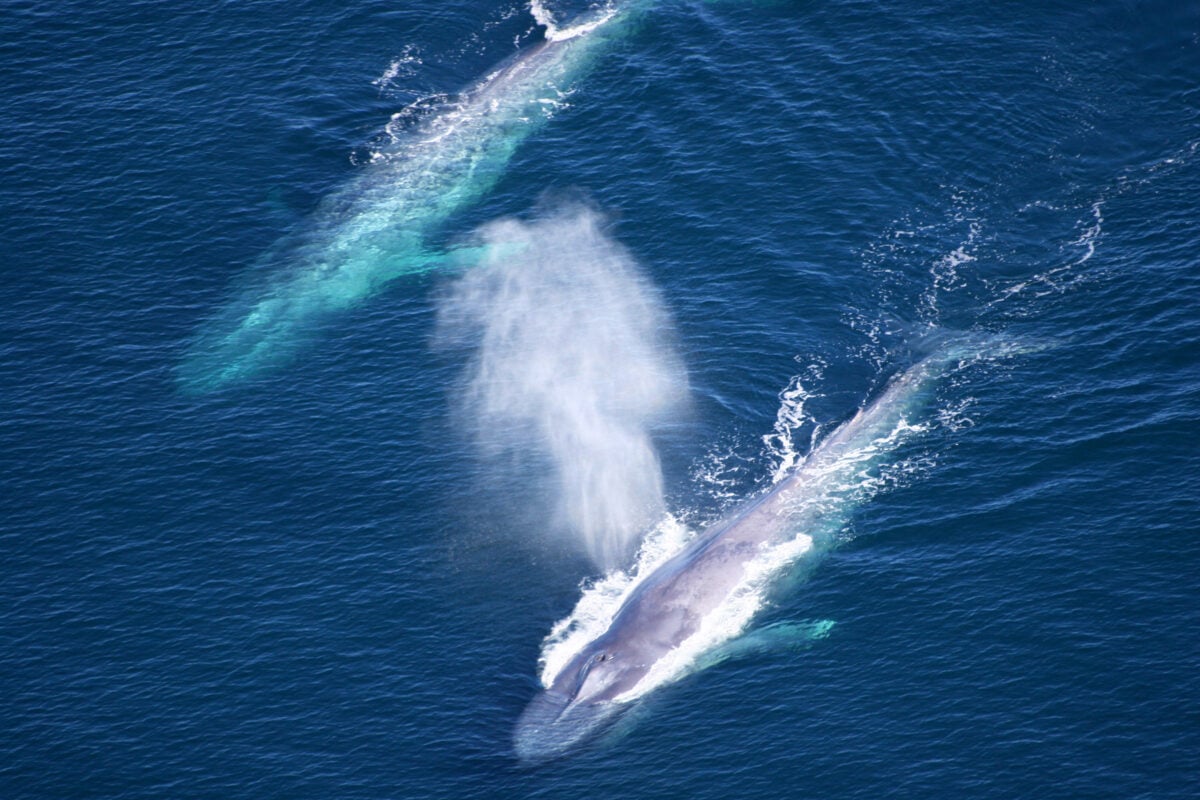
You’d think something that massive would stick to warmer waters, but blue whales follow their food wherever it leads them—and that includes the Antarctic (where krill populations explode during summer months, creating feeding opportunities that are worth the journey through some of the coldest waters on the planet). The largest animals ever known to exist. Period.
Blue whales in polar waters are essentially living contradictions—creatures of impossible size navigating spaces that feel designed to compress and contain. When they surface in these icy realms, their breath creates clouds that hang in the frigid air longer than seems natural.
There’s something almost defiant about watching a 200-ton animal glide through waters that would stop your heart in minutes, as if the cold recognizes something in them that demands respect rather than conquest.
Southern Elephant Seal
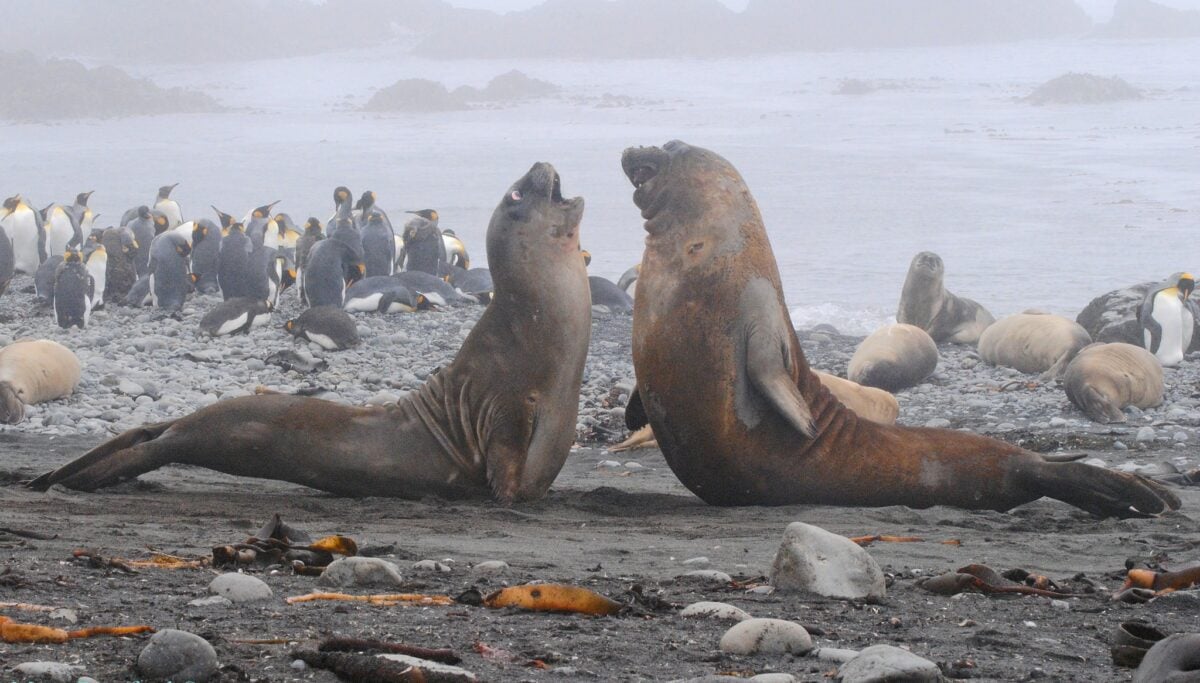
Southern elephant seals are built like living torpedoes designed by someone who never learned the word “moderation.” Bulls can reach 8,800 pounds and spend months diving to depths that would crush most marine mammals.
The fact that they choose to breed on some of the most desolate, wind-battered beaches on Earth just proves they’re not interested in taking the easy path through life.
Sperm Whale
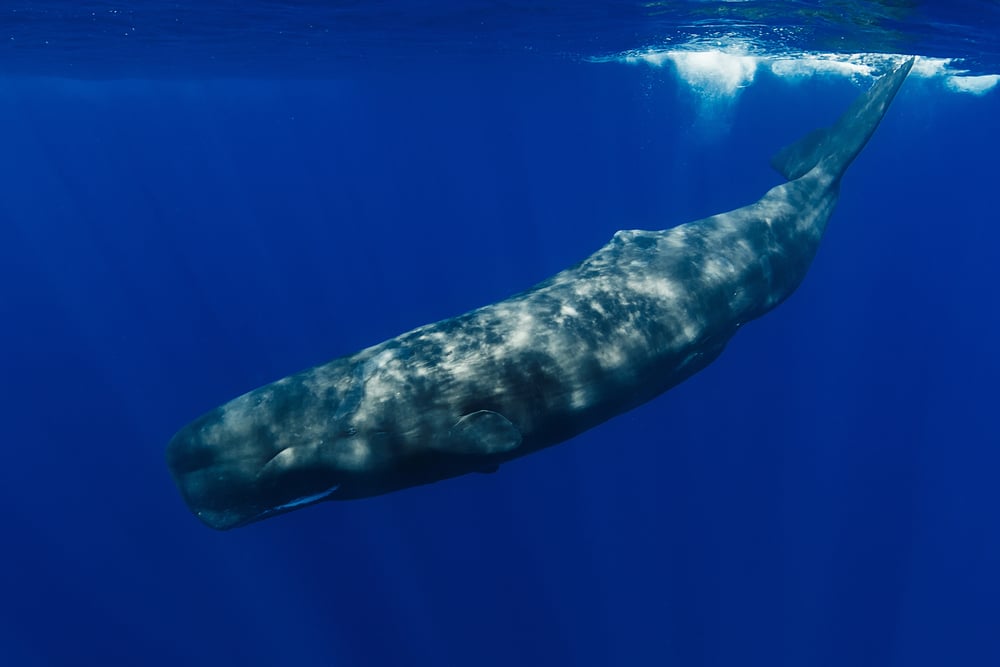
Sperm whales hunt giant squid in waters so cold and deep that sunlight becomes just a memory. Males can reach 60 feet and dive for over an hour without surfacing.
They navigate using echolocation clicks that can travel for miles. Their battles with giant squid happen in complete darkness, thousands of feet below the surface.
Orca
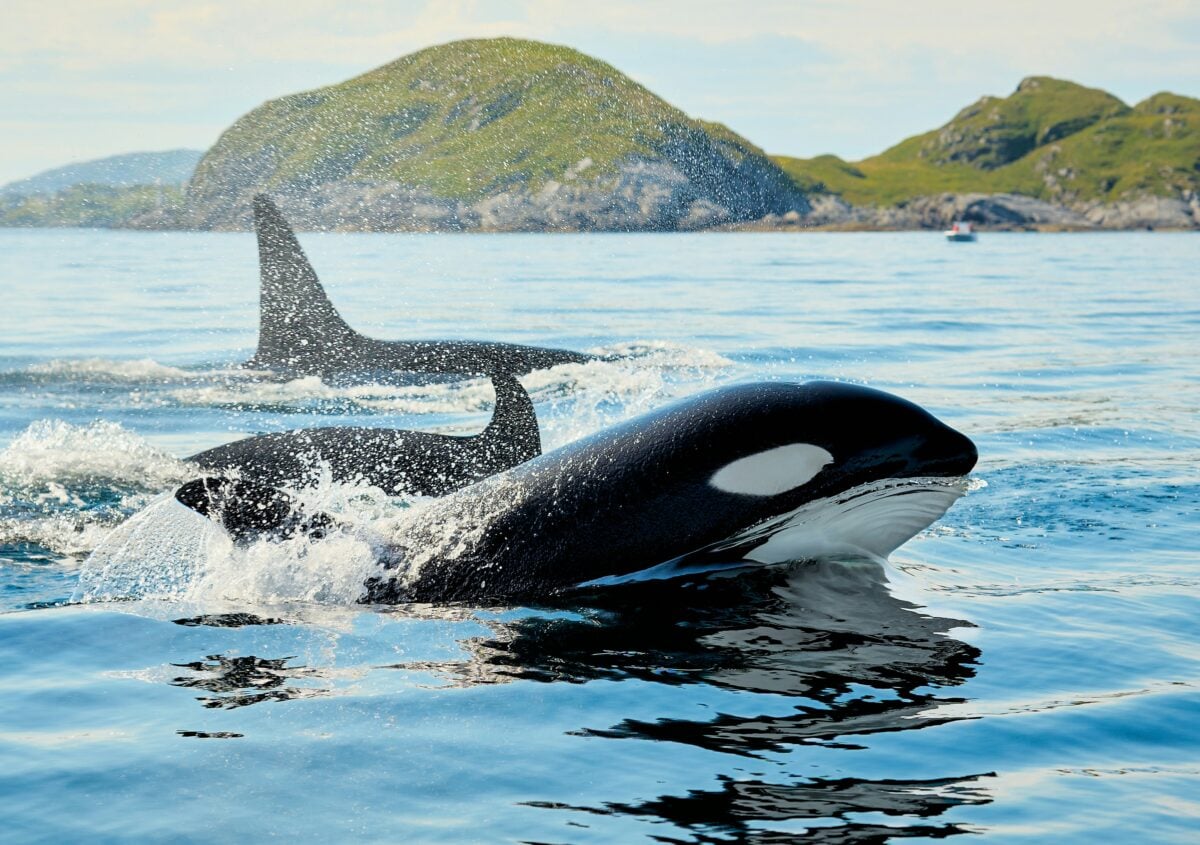
But here’s the thing about orcas in polar waters: they’ve become something closer to sea wolves than dolphins (which is what they technically are, though you’d never guess it watching them coordinate attacks on much larger prey in the frigid Antarctic waters where they’ve learned to hunt in ways that would make apex predators on land take notes). These aren’t the performing whales from marine parks. Cold water orcas are methodical hunters.
Their intelligence becomes more apparent in freezing waters where every hunt requires strategy. Pack hunting takes on new meaning when your prey might be a seal resting on an ice floe that needs to be tipped just right, or a whale calf that needs to be separated from its mother through coordinated effort.
Walrus
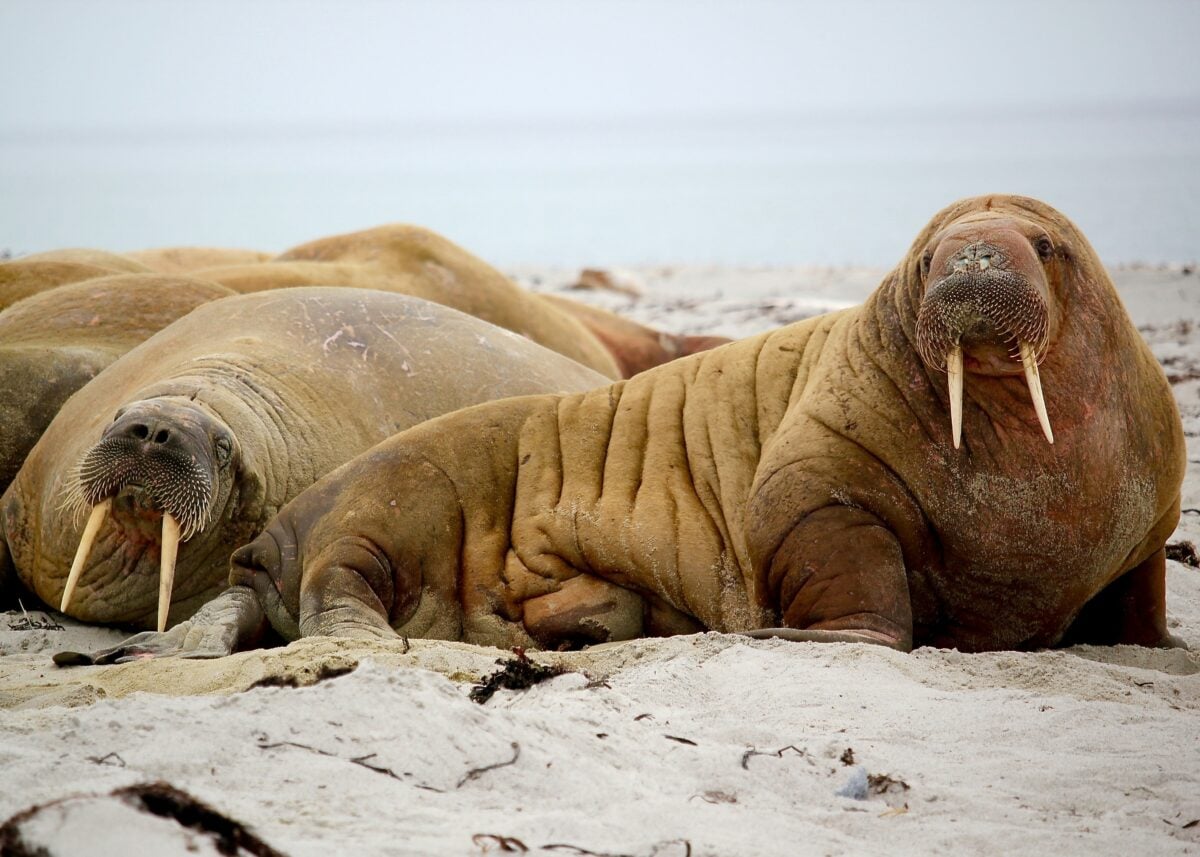
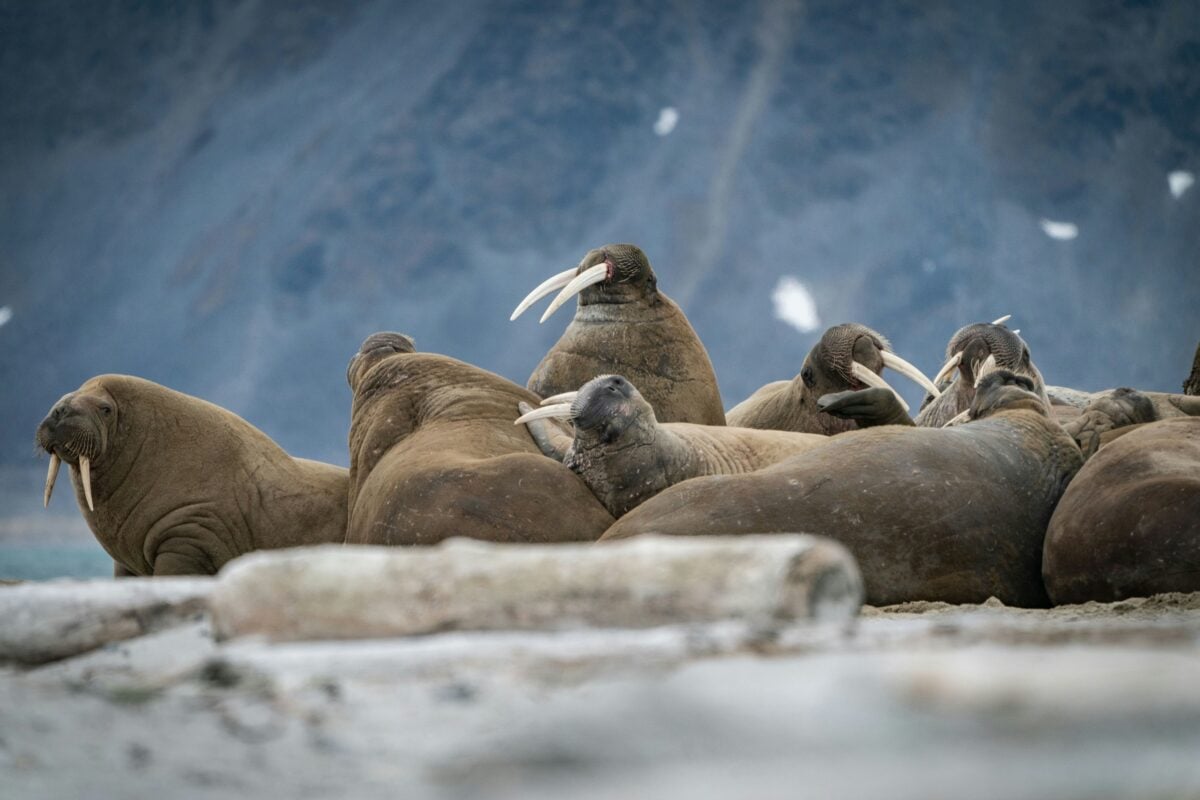
There’s no elegant way to describe a walrus. They’re essentially 4,000-pound marine bulldozers with tusks, and they wear their bulk like armor against the Arctic cold.
Watching them haul their massive bodies onto ice floes with surprising grace reveals something unexpectedly graceful buried beneath all that blubber and attitude. They gather in groups that can number in the thousands, creating floating cities of whiskers and tusks that somehow make perfect sense in waters where nothing else about survival seems reasonable.
Colossal Squid
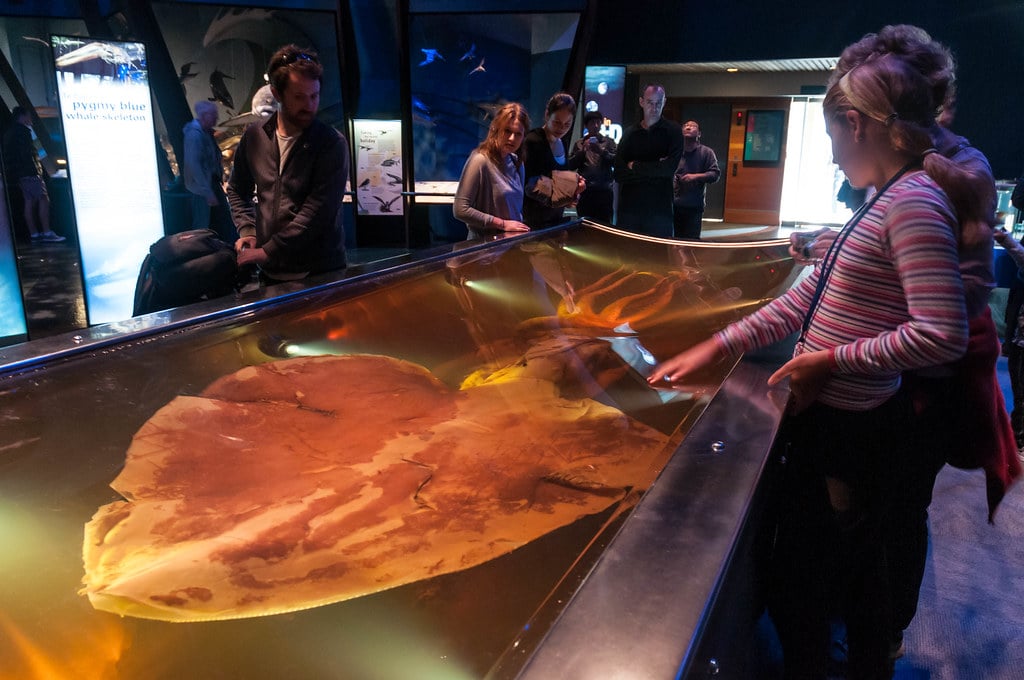
Colossal squid are the stuff of deep-sea nightmares, and they prefer it that way. Larger and more heavily built than giant squid, they possess rotating hooks on their tentacles and eyes the size of dinner plates.
They live in Antarctic waters where they hunt fish and engage in legendary battles with sperm whales. Scientists have examined sperm whales with circular scars from colossal squid suction cups measuring over a foot in diameter.
Leopard Seal
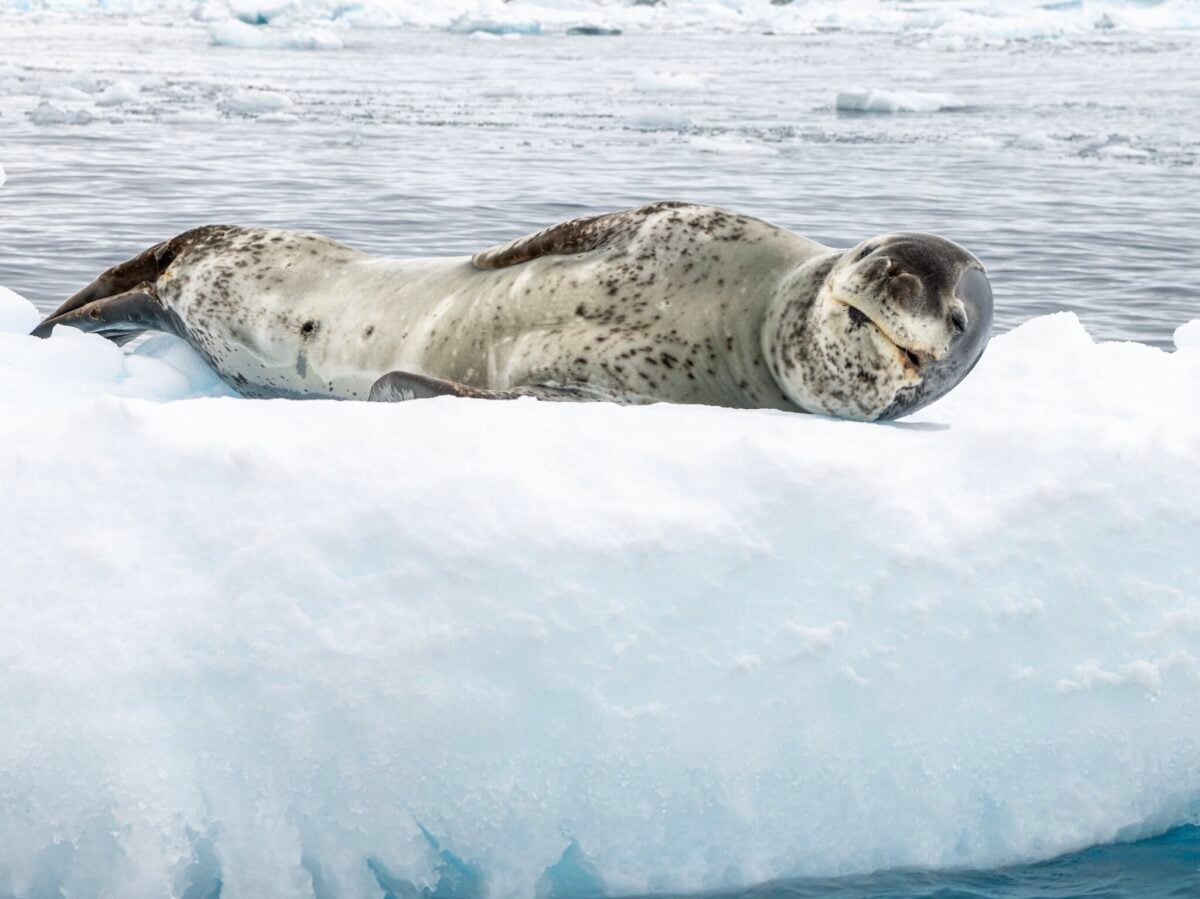
Leopard seals patrol Antarctic waters like aquatic panthers. They’re the only seals that hunt other seals as their primary food source.
Their skulls are built for crushing, and their speed through icy water is genuinely unsettling. These aren’t the playful seals you see in documentaries—they’re 12-foot predators with attitudes to match.
Humpback Whale
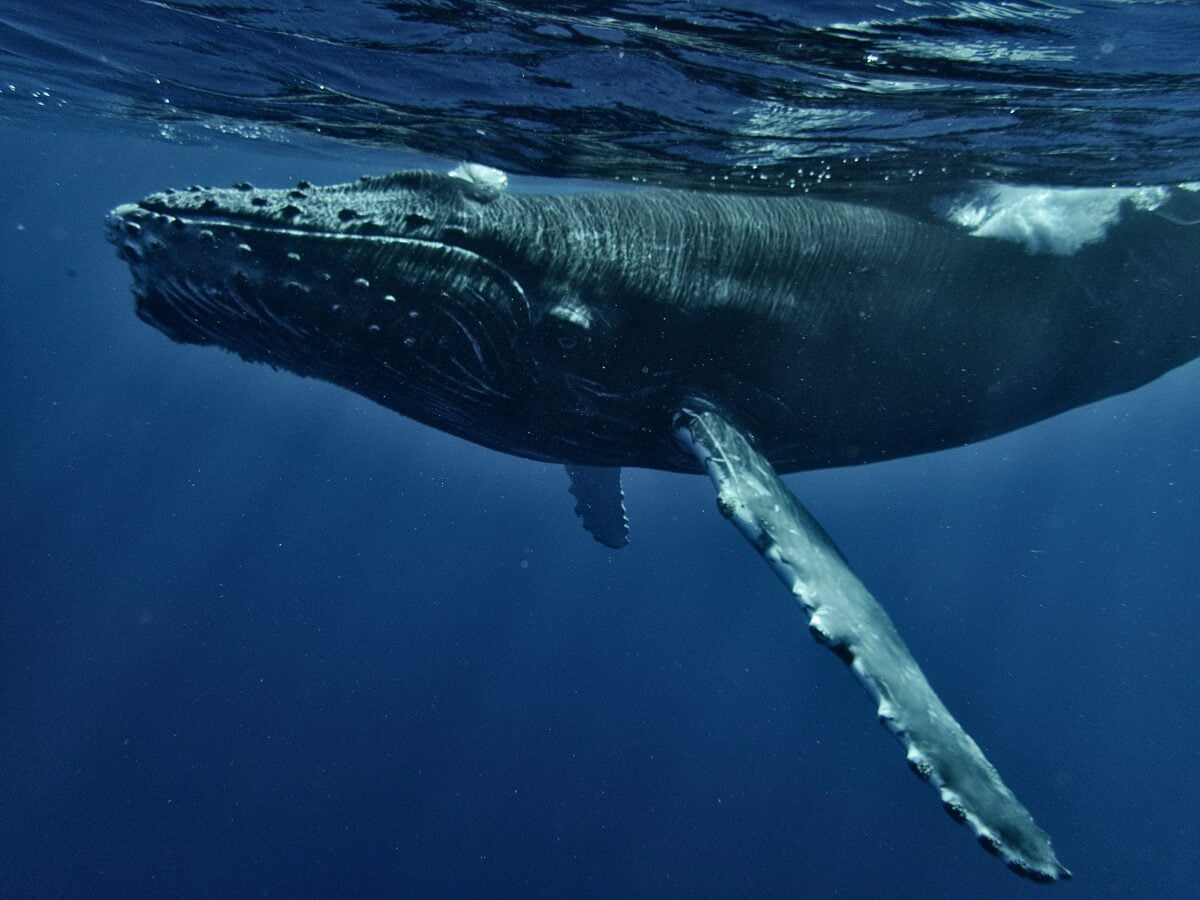
And yet humpback whales make the longest migrations of any mammal just to spend their summers in polar waters where the feeding is worth every mile of the 16,000-mile round trip they’ll complete (some individuals traveling from tropical breeding grounds to Arctic or Antarctic feeding areas and back again, a journey that spans half the globe and requires navigating through temperature changes that would challenge any warm-blooded creature). Their songs change based on which population they belong to.
In cold waters, their acrobatic breaching becomes even more spectacular—40-ton bodies launching themselves completely out of water that’s barely above freezing, creating splashes that echo across empty seascapes where ice and sky meet in endless blue-gray horizons.
Steller’s Sea Eagle
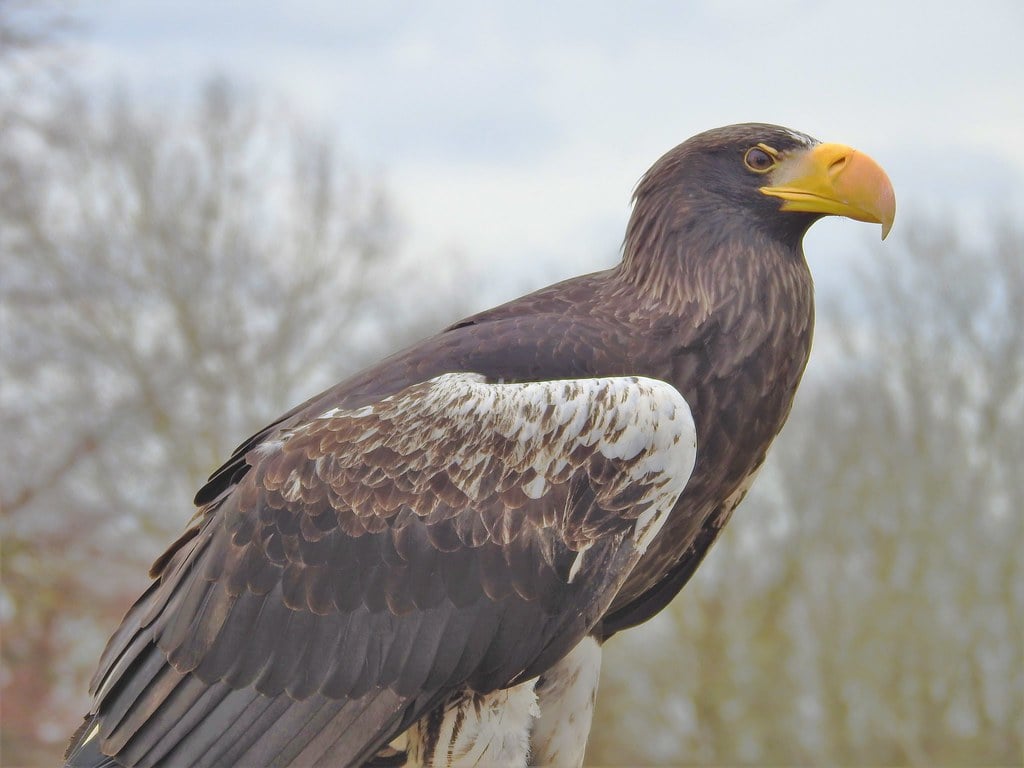
The largest and heaviest eagle on Earth builds its life around the edge of frozen seas. Steller’s sea eagles weigh up to 20 pounds with wingspans reaching eight feet.
They snatch salmon from icy rivers and patrol coastlines where pack ice meets open water. These birds are built like feathered fortresses, designed to hunt in conditions that would ground most raptors.
Polar Bear
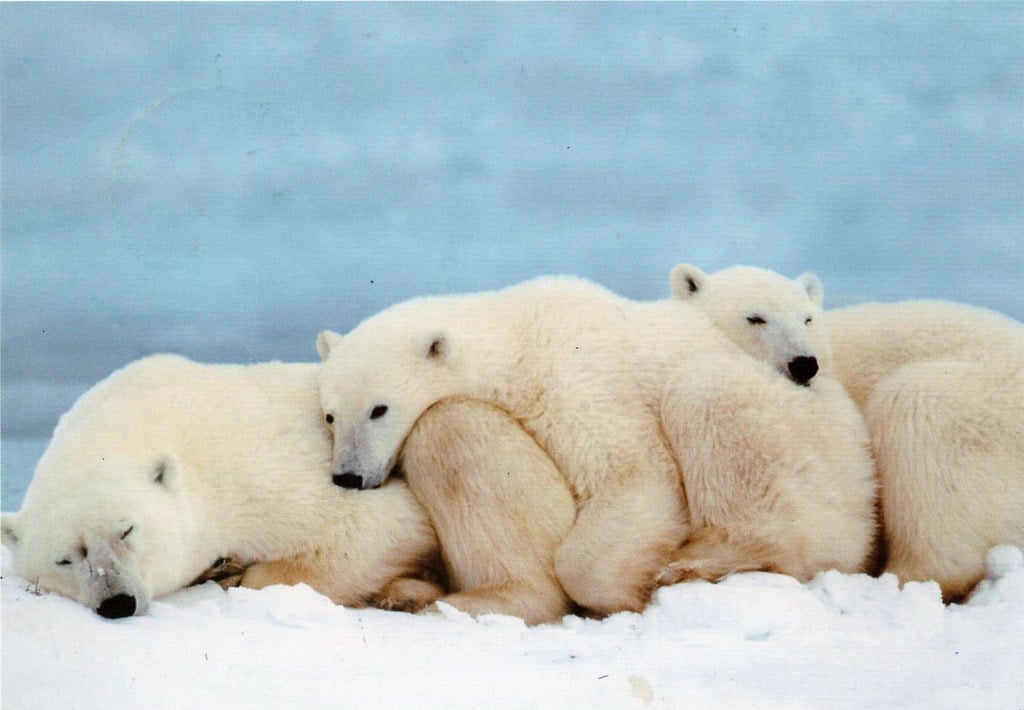
Polar bears are marine mammals masquerading as land animals. They spend most of their lives on sea ice, hunting seals through breathing pits in frozen oceans.
Males can weigh 1,500 pounds and swim for hours between ice floes. Their fur appears white but is actually hollow and transparent, designed to trap warm air against their black skin.
Beluga Whale
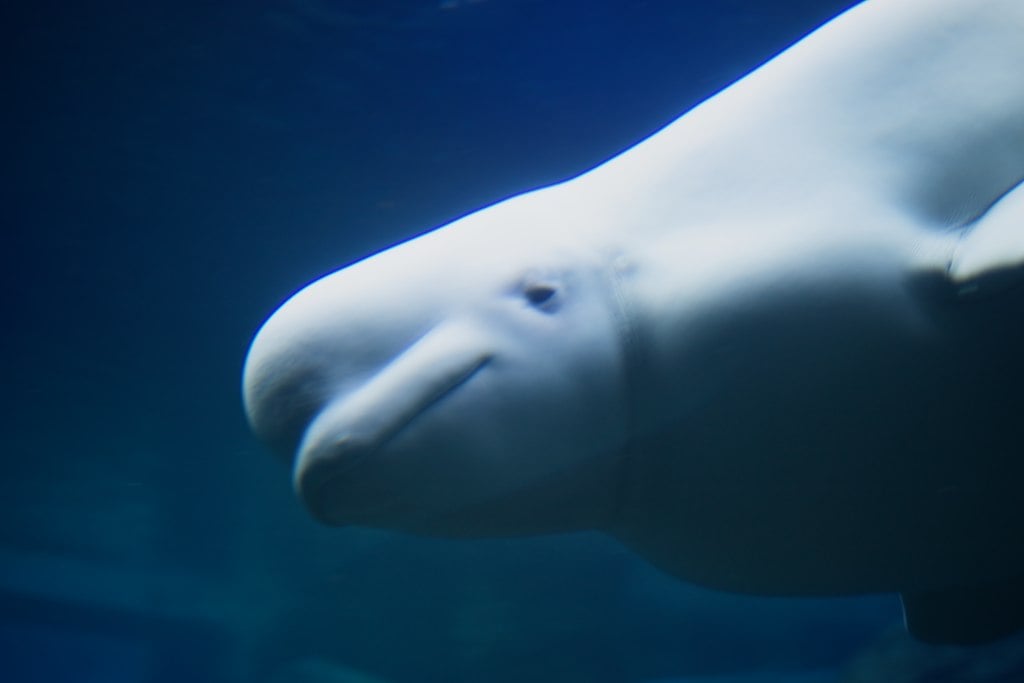
Belugas are the Arctic’s most social whales, traveling in pods that can number in the hundreds (their white coloration serving as camouflage against ice floes and their flexible necks allowing them to navigate through partially frozen waters where other whales would struggle, but what really sets them apart is their vocal complexity—they’re called “canaries of the sea” for good reason). They’re the only whales that can change their facial expressions. Their melons can change shape.
Narwhal
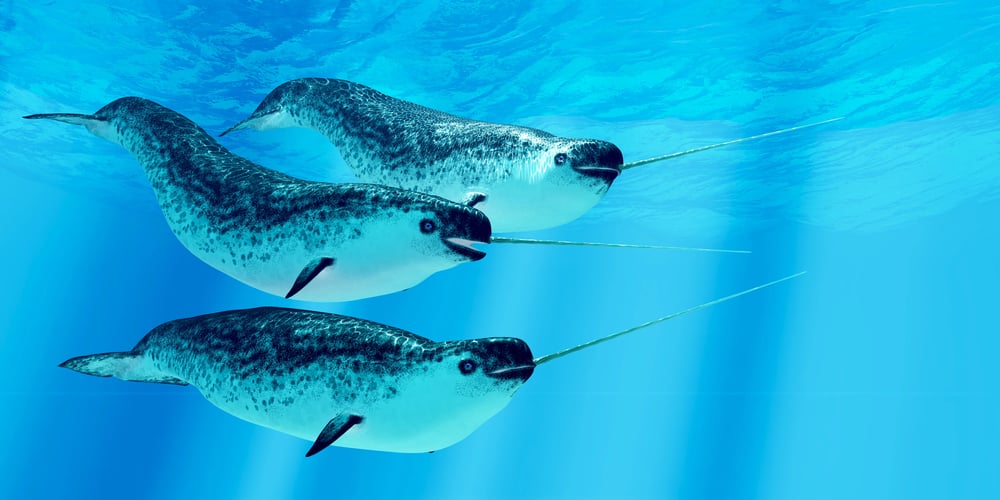
Narwhals are living unicorns that chose the Arctic Ocean over fairy tales. Their tusks can grow up to 10 feet long and are actually teeth that spiral through their upper lips.
Males use them for displays of dominance and possibly for sensing changes in water pressure and temperature. They dive deeper than most whales, reaching depths of over 5,000 feet while hunting Arctic cod and squid.
Pacific Walrus
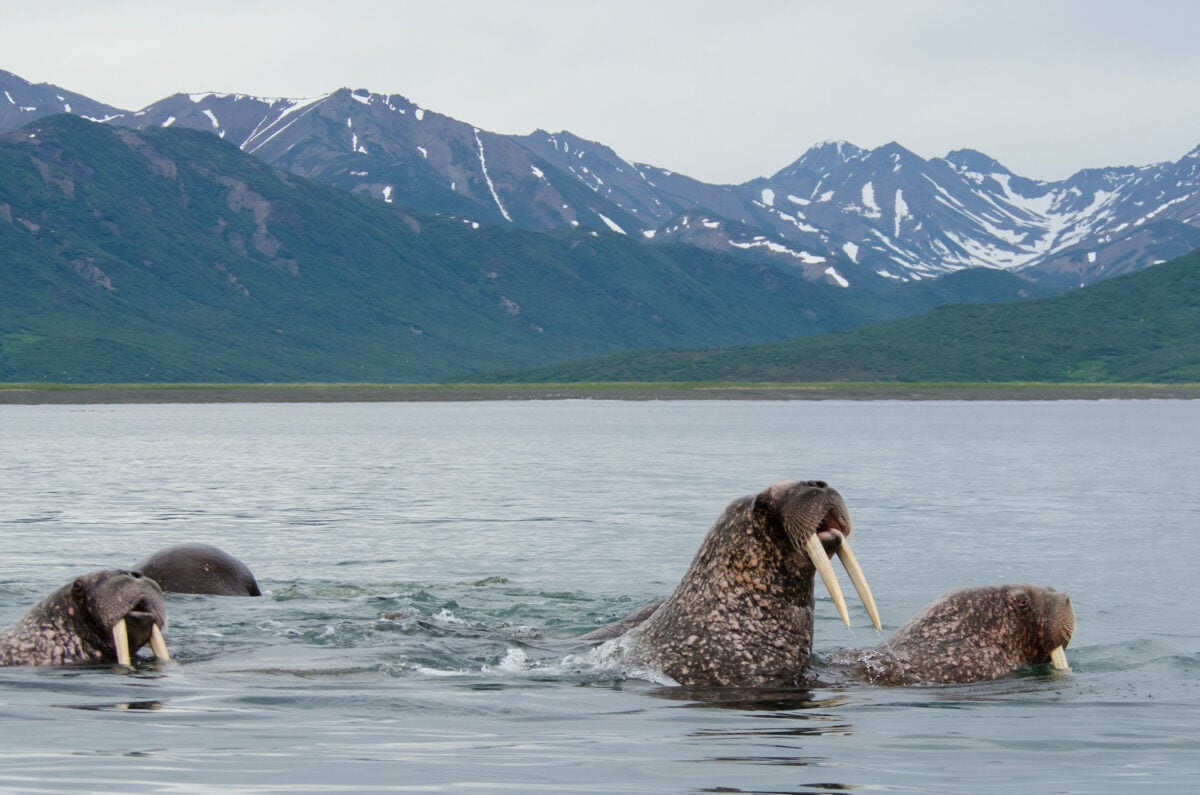
Pacific walruses are even more massive than their Atlantic cousins. Bulls can exceed 4,400 pounds and use ice floes as floating platforms for hunting expeditions that can last for days.
Their tusks serve as ice picks, weapons, and status symbols all at once. They can slow their heart rate to conserve oxygen during long dives in frigid water.
Greenland Shark
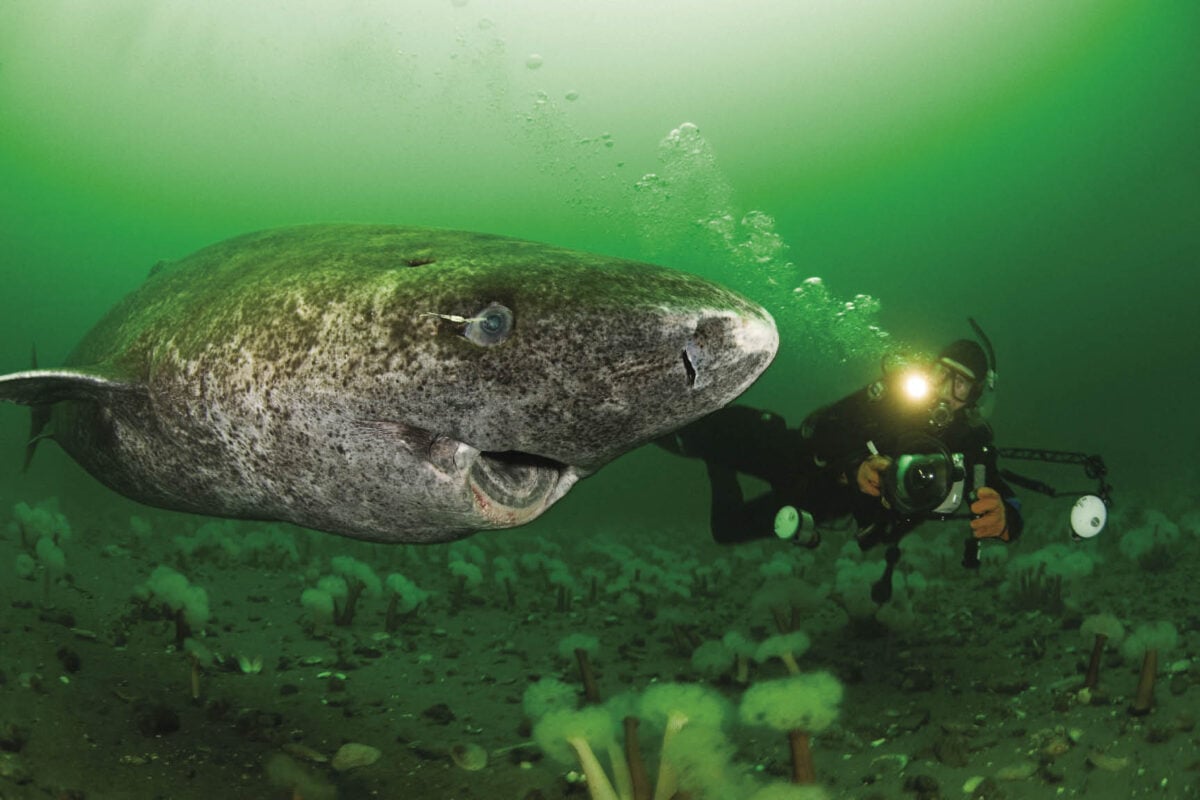
The slowest sharks in the world patrol Arctic waters like underwater zombies that refuse to acknowledge the passage of time (moving at roughly one mile per hour through water cold enough to kill most marine life, but they’ve been doing this for potentially 400 years or more, making them among the longest-lived vertebrates on the planet, and their flesh is toxic to most predators). They eat whatever sinks to the bottom. Including polar bears.
Their eyes often host parasites that dangle like grotesque fishing lures, but the sharks don’t seem bothered by anything—not parasites, not the crushing cold, not the fact that their prey can often outswim them without much effort.
Giant Pacific Octopus
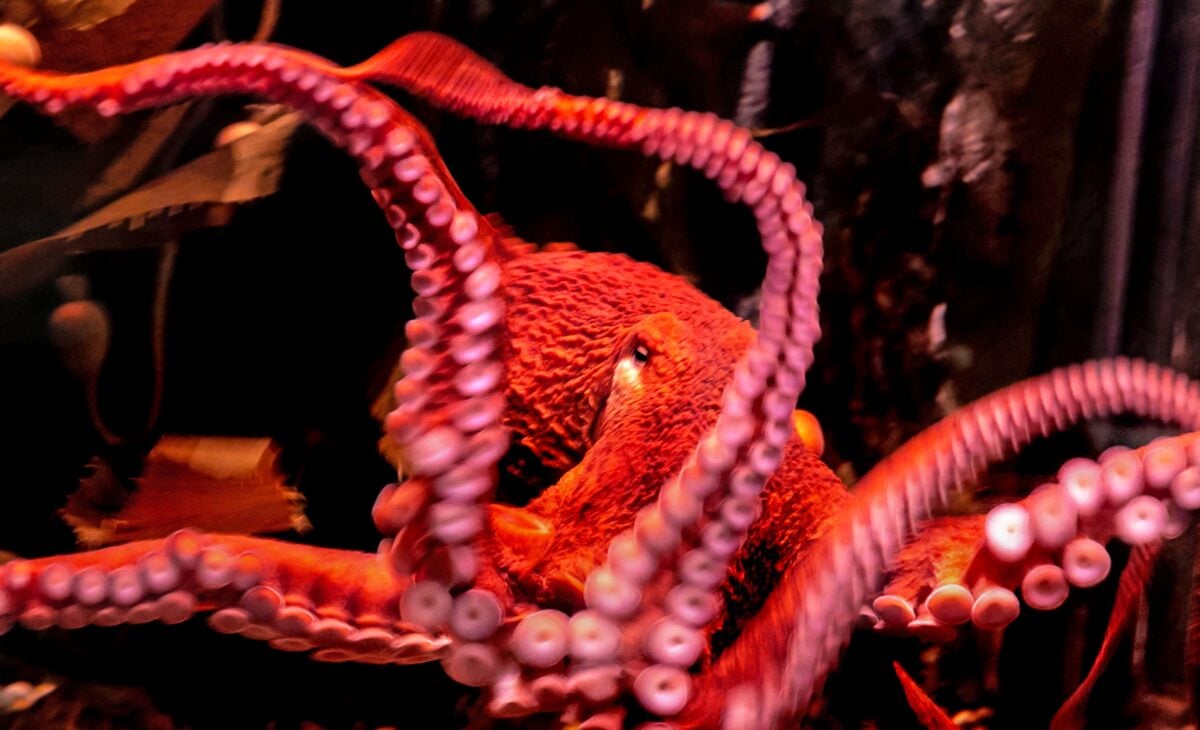
Giant Pacific octopuses are the masterminds of cold northern waters. They can span 30 feet across and weigh up to 600 pounds, but their intelligence might be more impressive than their size.
These creatures solve complex puzzles, recognize individual humans, and demonstrate what can only be described as curiosity about their environment. They live in dens they’ve constructed from rocks and shells, and they’ll venture into water cold enough to shock most marine life.
Where Giants Call the Cold Home
These massive creatures remind you that size isn’t just about dominance—it’s about adaptation. In the planet’s coldest waters, being large means better heat retention, more efficient energy storage, and the ability to travel vast distances between feeding grounds.
Each of these animals has found its own way to turn the harsh conditions of polar seas into an advantage, creating a world where giants not only survive but thrive in places that seem designed to test the very limits of what life can endure.
More from Go2Tutors!

- The Romanov Crown Jewels and Their Tragic Fate
- 13 Historical Mysteries That Science Still Can’t Solve
- Famous Hoaxes That Fooled the World for Years
- 15 Child Stars with Tragic Adult Lives
- 16 Famous Jewelry Pieces in History
Like Go2Tutors’s content? Follow us on MSN.