30 Things from the ’90s That Kids Today Would Have No Clue How to Use
The 1990s were a strange and beautiful era of technological incompetence. A teenager could navigate a computer, reach the internet, and still somehow manage to use devices that required multiple steps, genuine mechanical understanding, and patience that no longer exists.
What we built and used casually would baffle someone born after 2005. Hand them any of these objects and watch their confusion deepen.
They wouldn’t know where to start, what the buttons did, or why you’d ever need one. That’s not a failure on their part—it’s evidence of genuine progress.
But it’s also proof that the ’90s operated by rules that the world has completely forgotten.
Pager
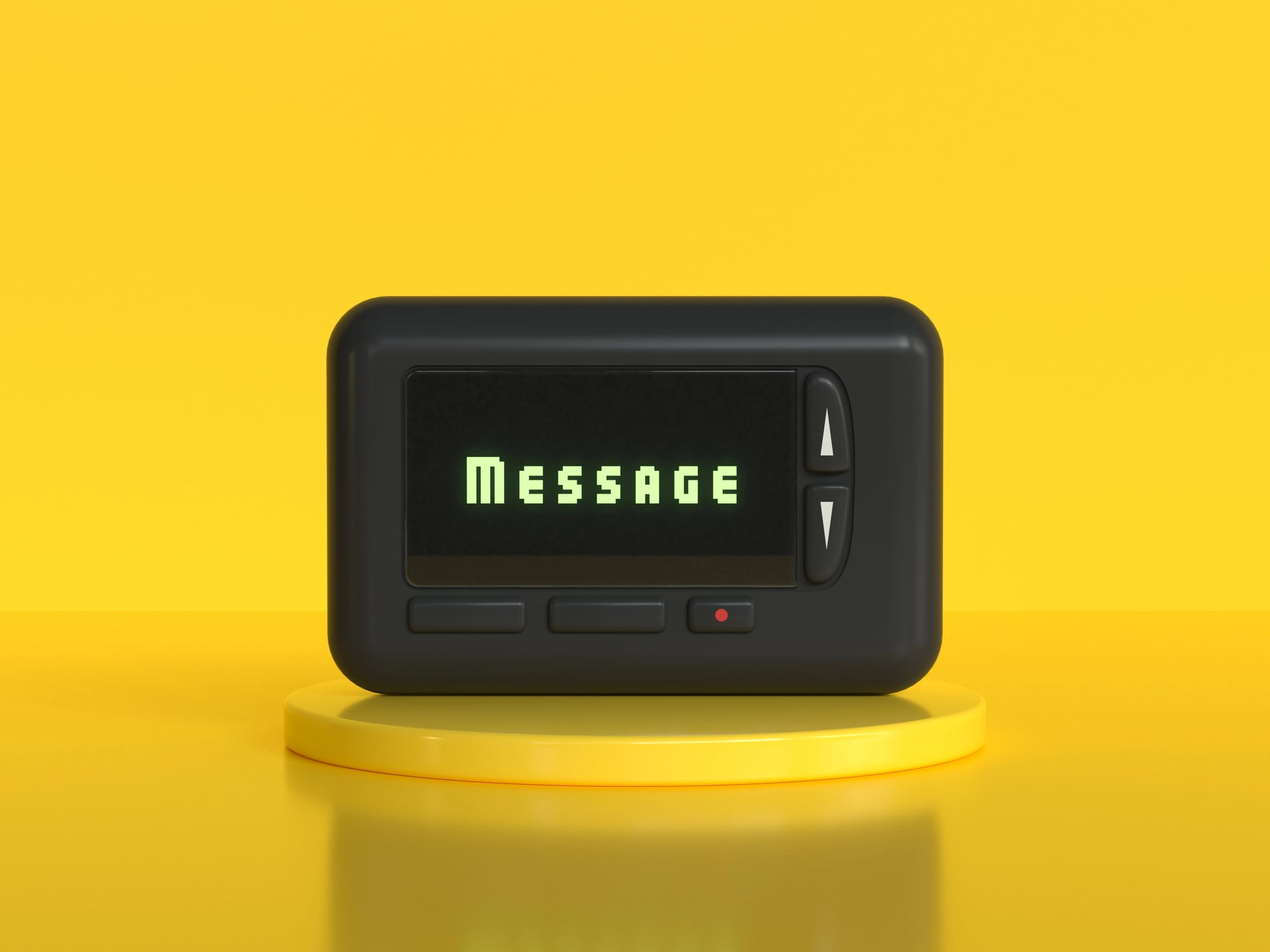
A device that received messages and nothing else. You couldn’t respond through the pager itself; it was a one-way street.
If someone sent you a number, you had to find a payphone and call them back. The entire architecture of communication depended on running toward a phone, checking your digital readout, and interpreting numeric codes that meant different things to different groups.
Payphone
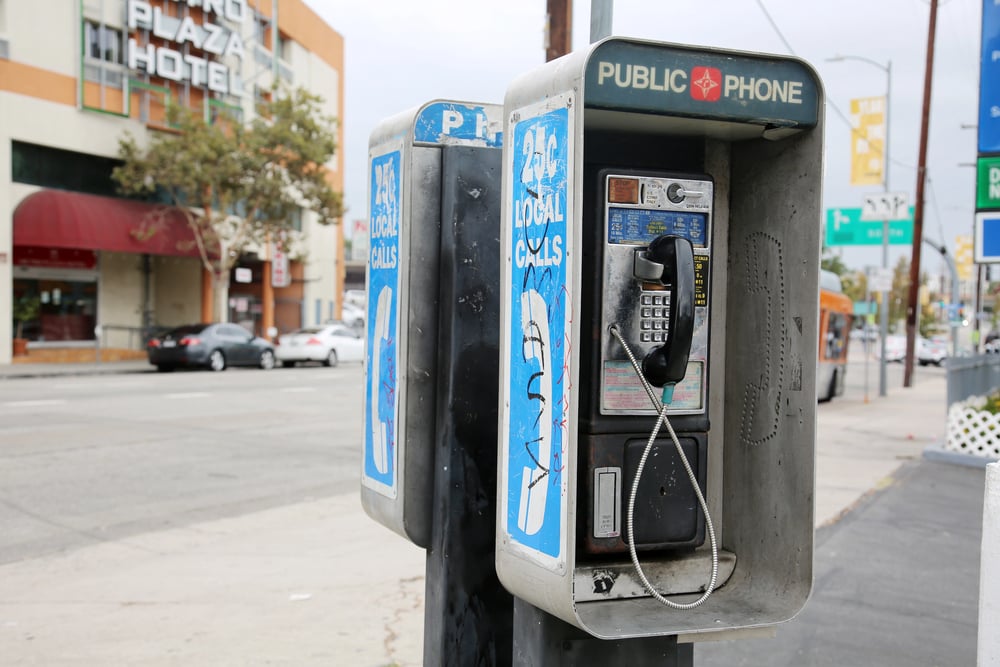
A public phone that required coins or a calling card. Finding one meant scanning a city block, hoping it wasn’t vandalized, checking that the receiver hadn’t been cut off, and feeding it quarters or dollar bills.
The concept of paying for a phone call at all would seem absurd now.
Blockbuster Video Membership Card
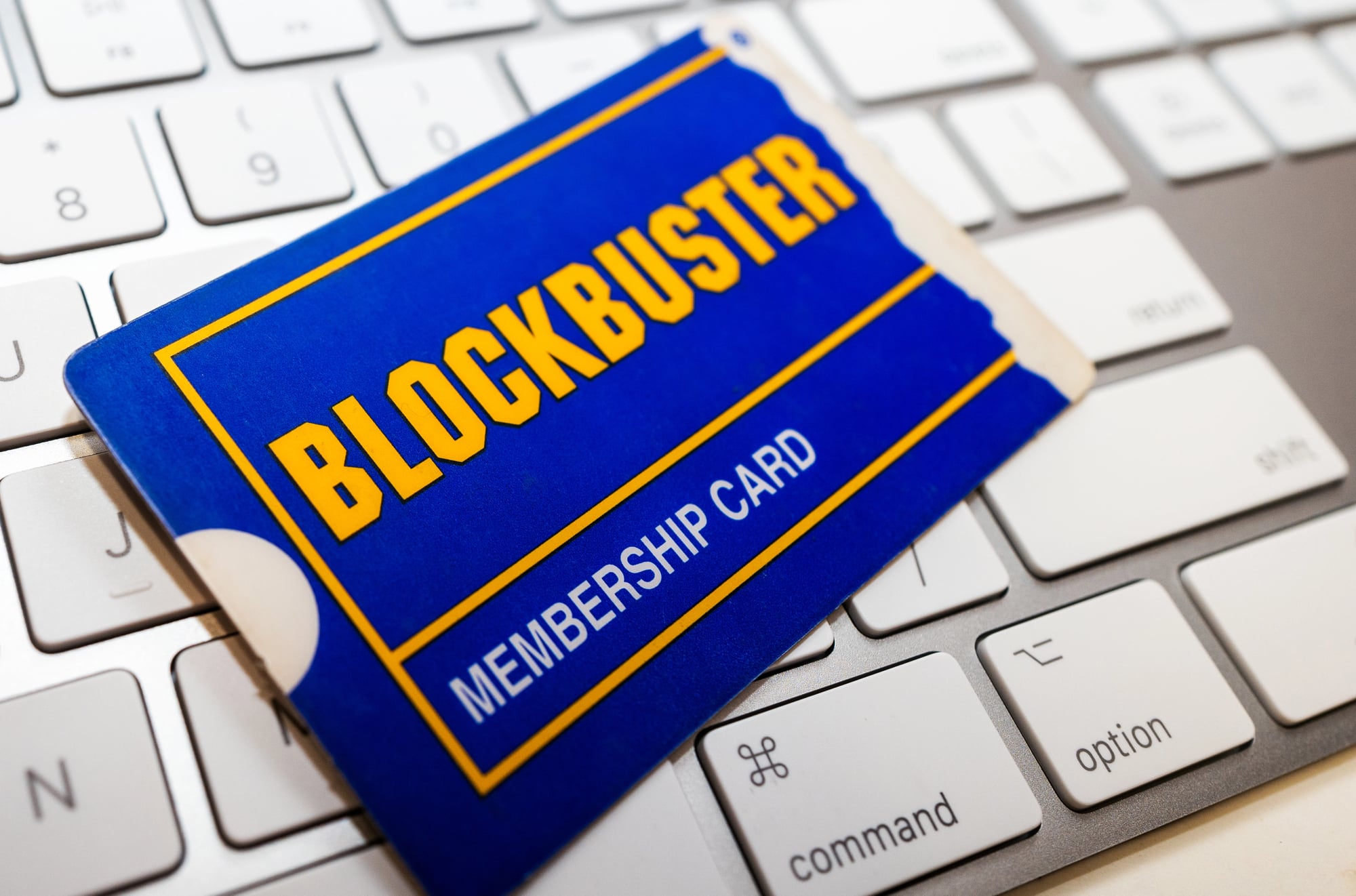
The physical card that granted you the right to rent VHS tapes or DVDs for a nightly fee. Late fees were real; they accumulated and hurt.
The card had to be taken with you to the store, presented at checkout, and your account balance existed only in the store’s system. Losing the card meant explaining to a manager what happened.
Fax Machine
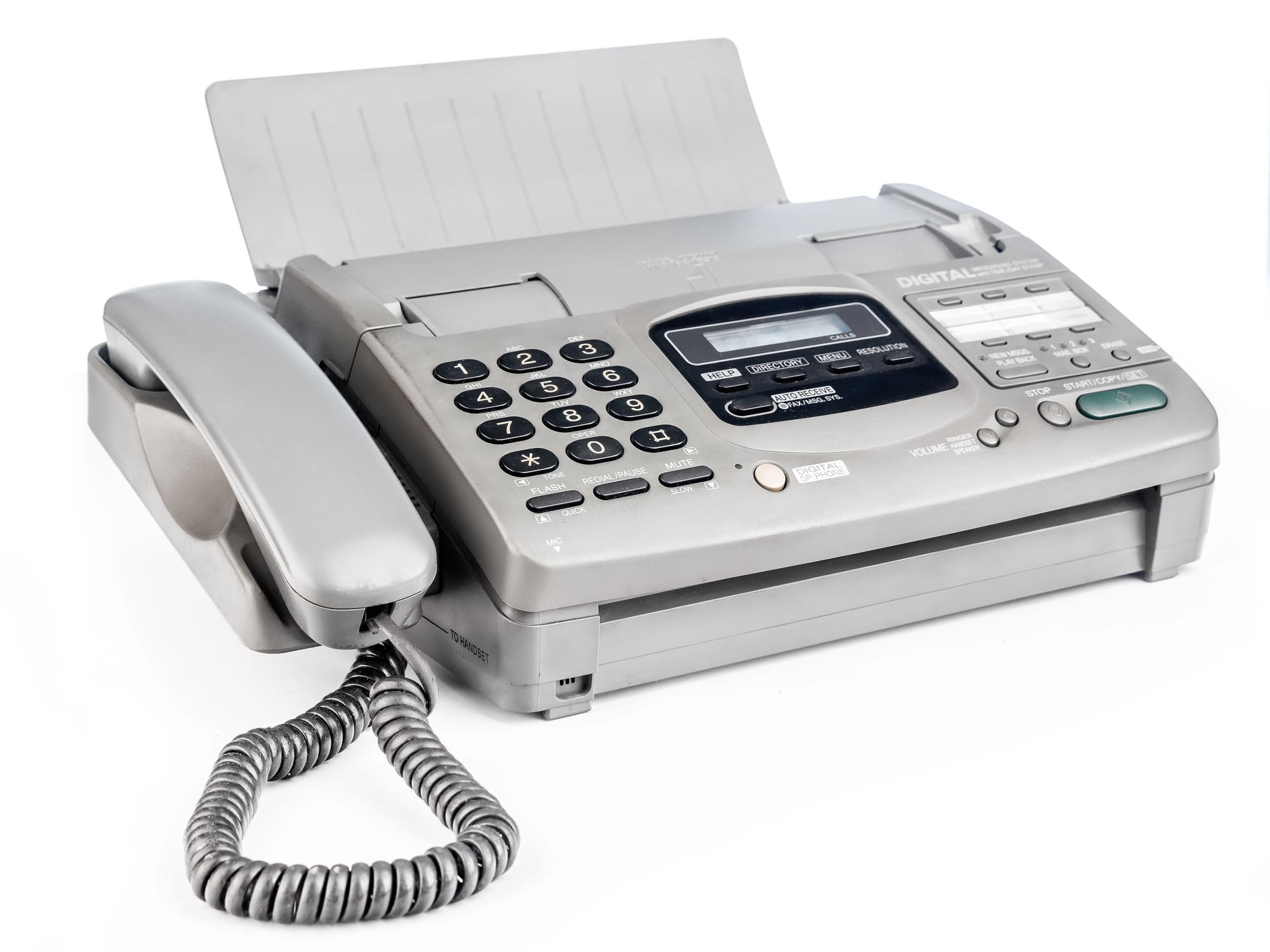
A device that scanned documents, converted them to data, and transmitted them through phone lines to another identical device. Sending a single page took minutes.
You had to load paper, dial a fax number, wait for the handshake to complete, and hope the transmission succeeded. A failed fax meant no notification—it just didn’t arrive.
VCR With Manual Programming
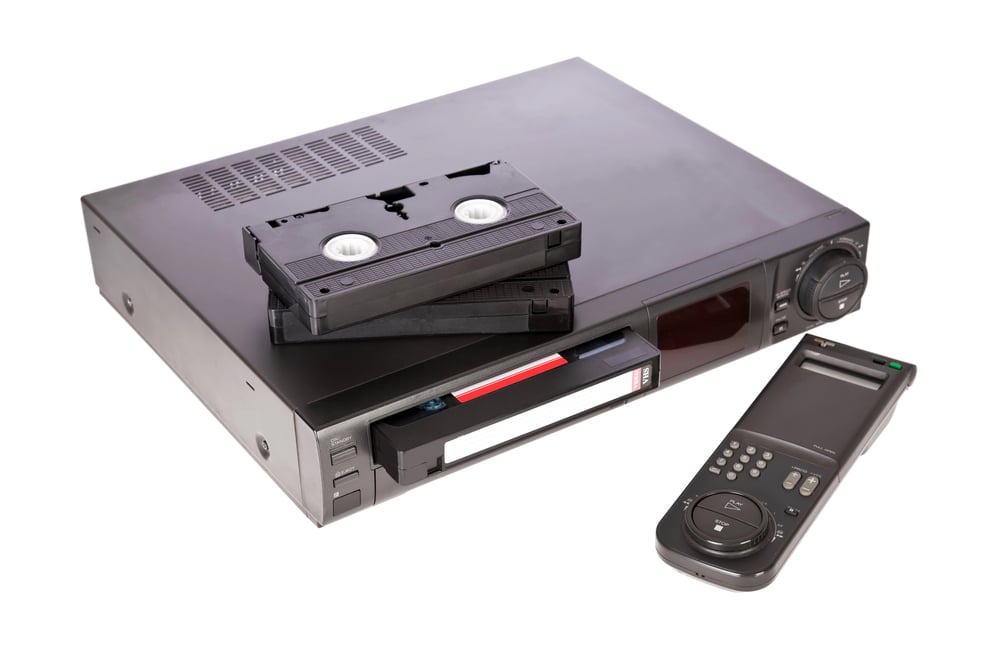
Record a show tomorrow at 3 PM? You had to enter the channel number, the start time, the end time, and set it to “record.”
Forget any detail and it didn’t work. The remote controlled it, but the display had sixteen buttons for cryptic functions that nobody fully understood.
Dial-Up Modem
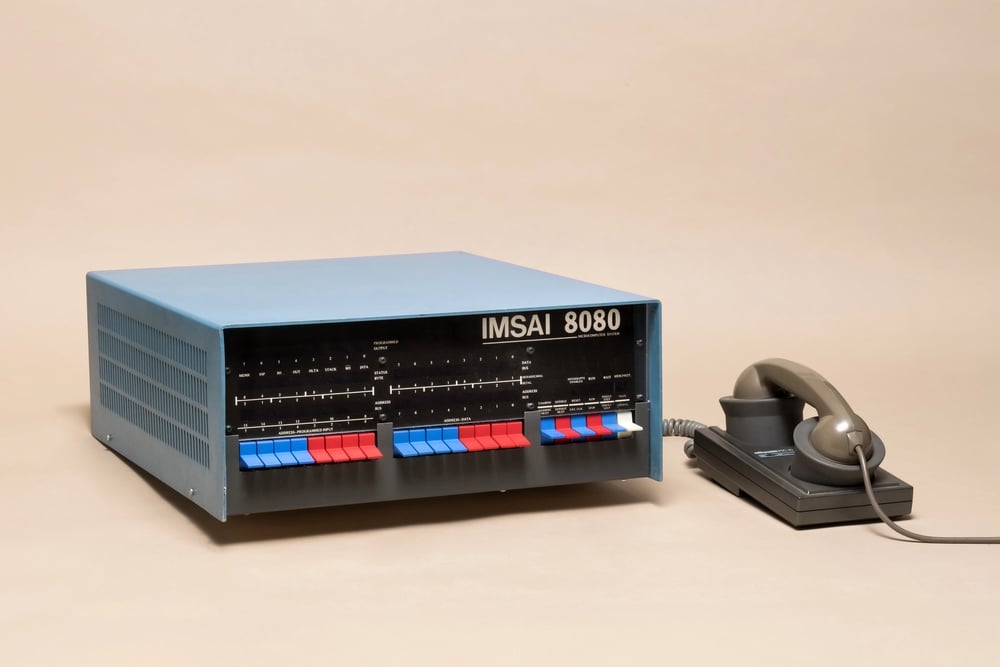
A box that screamed, squealed, and chirped as it negotiated a connection to the internet through a phone line. The faster models hit 56k bps, which sounded revolutionary and felt impossibly slow.
You couldn’t use the phone while the modem ran. Dialing up took 30 seconds to three minutes, and if anyone picked up another phone in the house, the connection dropped.
Answering Machine
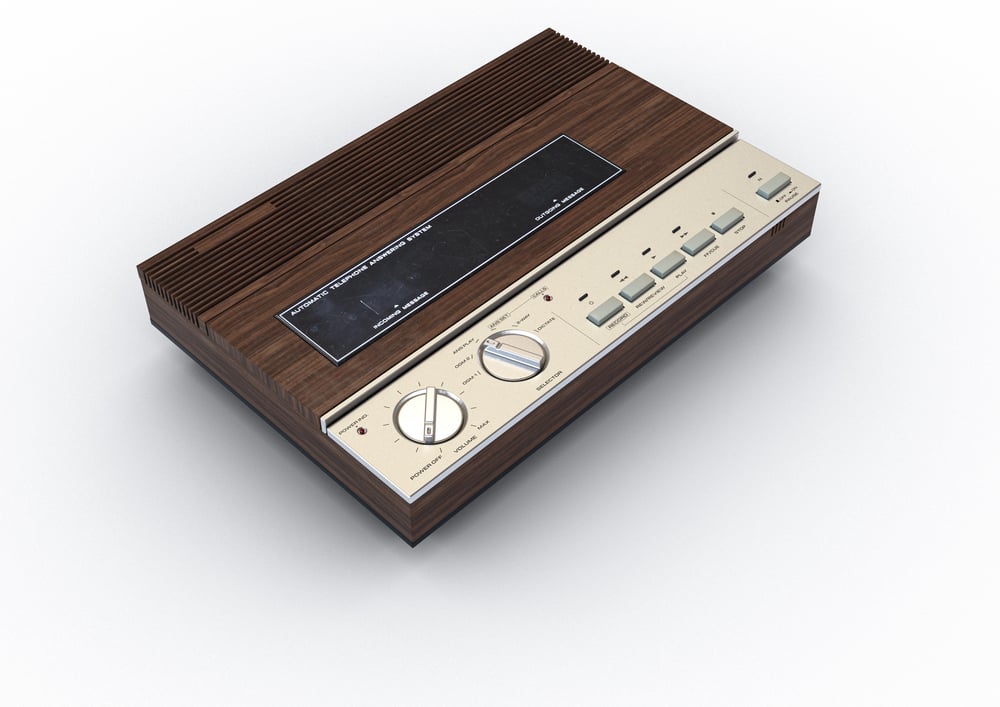
A box attached to your phone that recorded voice messages from people who called when you weren’t home. Blinking lights indicated new messages.
The tape degraded over time. Messages piled up; you had to listen through them sequentially.
Deleting a message meant pressing a button and hearing the tape rewind.
Landline With Rotary Dial
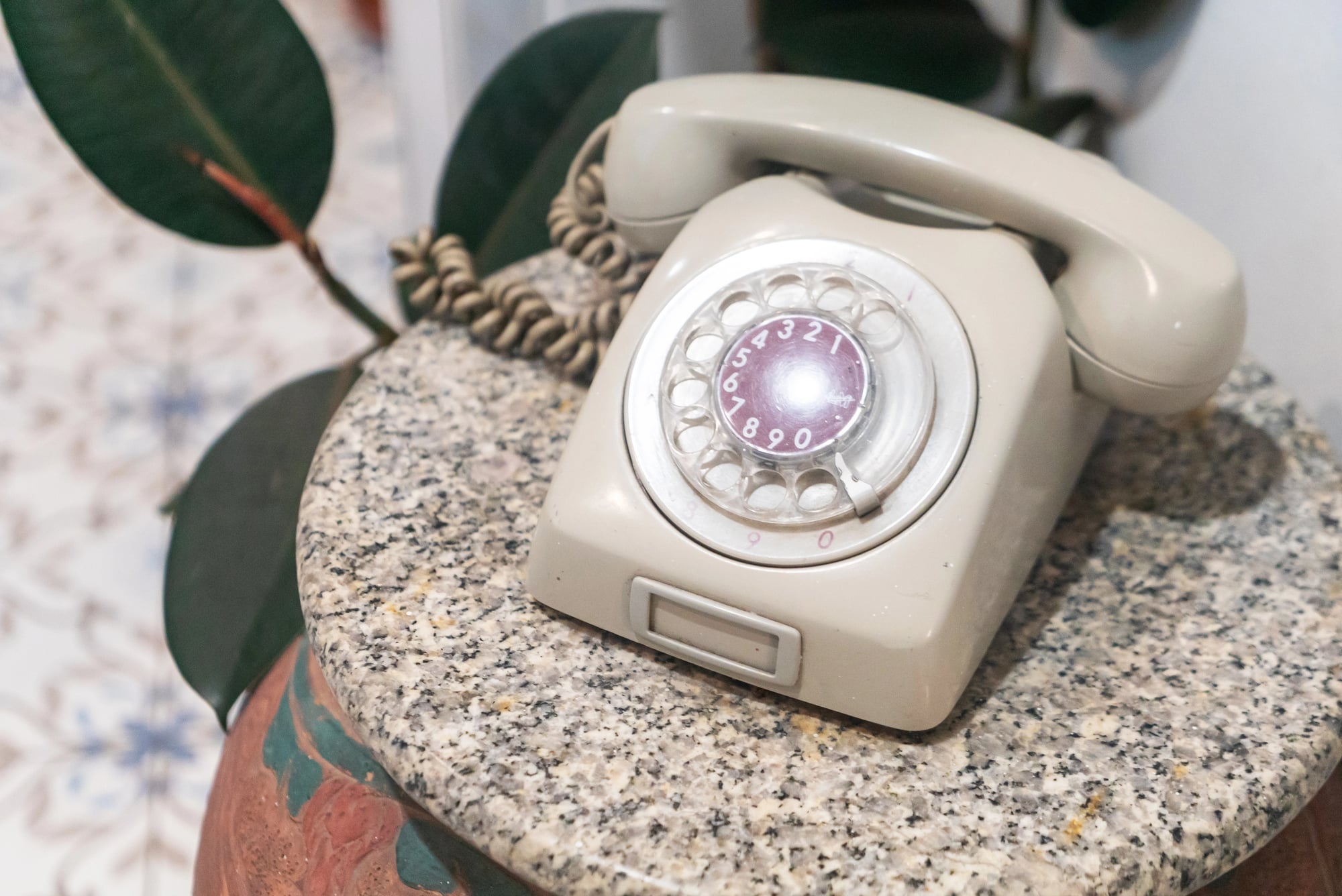
Phones where you inserted your finger in the opening corresponding to each digit, rotated clockwise until it stopped, and released. Dialing a number took 10 seconds minimum.
Touch-tone phones were an upgrade, but millions of rotary phones persisted into the 1990s.
Film Camera With Manual Focus

You pointed the camera, manually focused the lens by rotating a ring until the image sharpened, framed the shot, and pressed the shutter. The film advanced manually with each shot.
You couldn’t see what you’d photographed until the film was developed. A roll contained 24 or 36 exposures; after that, you were done until you started a new roll.
Microfiche Reader
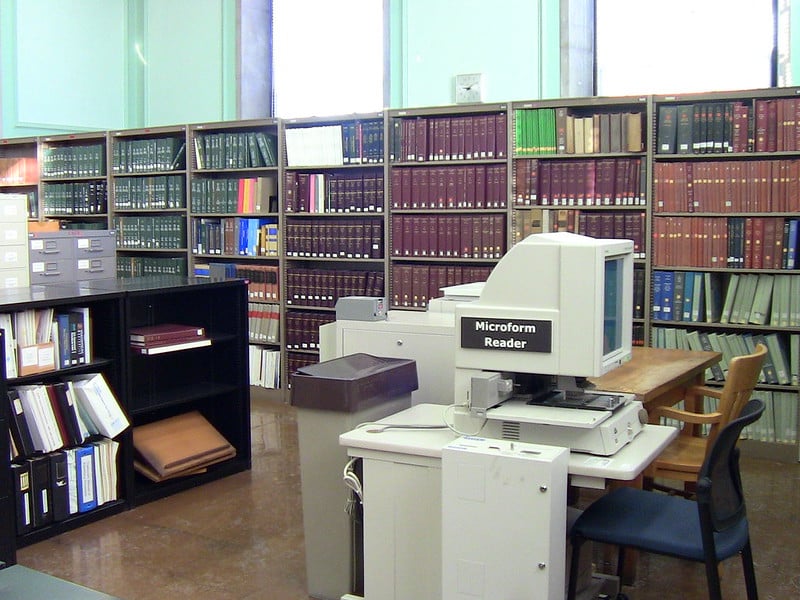
A device that displayed microfilm on a backlit screen, allowing you to search library archives without handling the original documents. Using it meant positioning the film, spinning a dial to find the right section, and reading the magnified image.
Printing required its own button.
Card Catalog

A wooden furniture system with thousands of small drawers containing index cards describing every book in the library. To find something, you searched alphabetically by author, title, or subject across multiple separate card systems.
Each card contained a call number; you carried it to the stacks and found the book yourself.
Rotary Phone Address Book
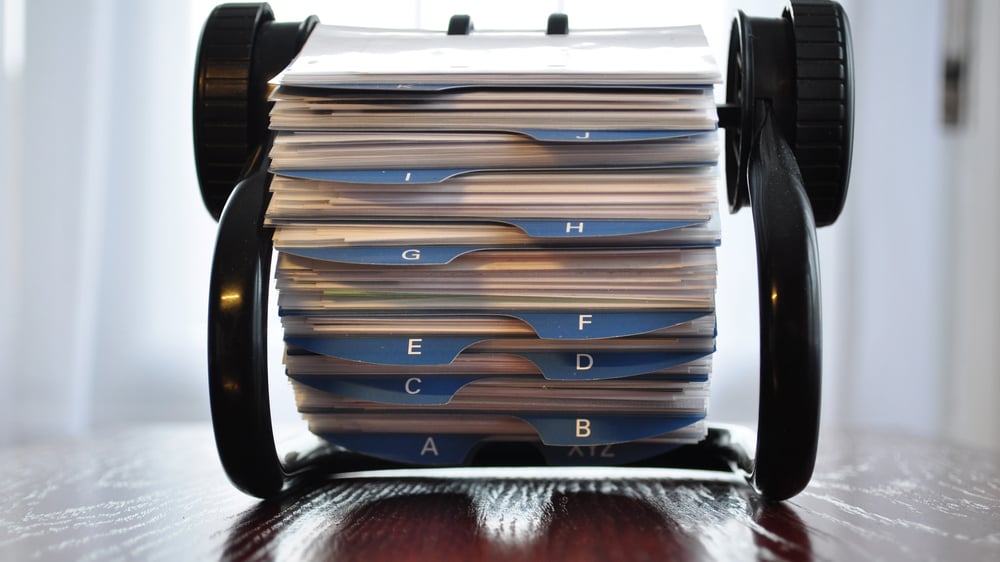
A spinning wheel of plastic cards, each preprinted with a letter of the alphabet. You inserted cards with names and phone numbers into the appropriate slots.
Looking up a number meant spinning to the letter, reading the cards, and dialing. Updating it meant writing on the cards in pen.
Walkman Cassette Player
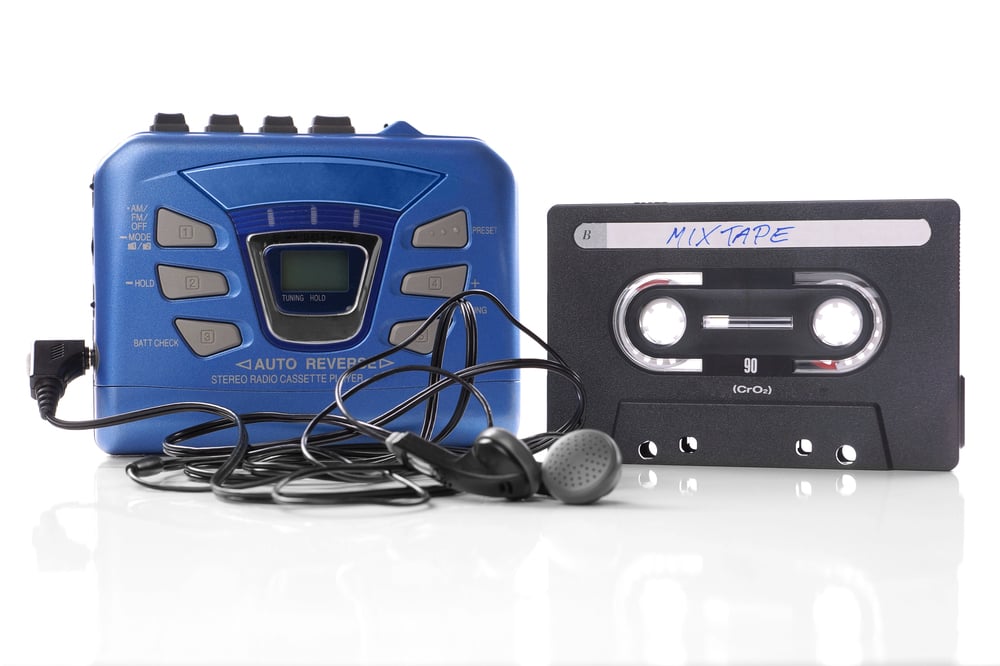
A portable tape player the size of a paperback with headphones. You inserted a cassette, pressed play, and listened to whatever songs were on that specific cassette in that specific order.
Rewind and fast-forward meant manually advancing the tape through mechanical means—no digital skipping.
Personal Stereo Boombox

A large dual-cassette system with speakers, requiring eight or more D batteries. You could play and record cassettes simultaneously, create mixtapes by playing one deck and recording to another, and carry it on your shoulder with a handle.
They weighed as much as a small child.
Typewriter

A mechanical or electric device that pressed metal stamps against paper through an ink ribbon, producing typed characters. Correction meant white-out, erasing, or retyping the entire page.
Most had no backspace in the modern sense—you had to physically deal with the mistake on paper.
Rolodex
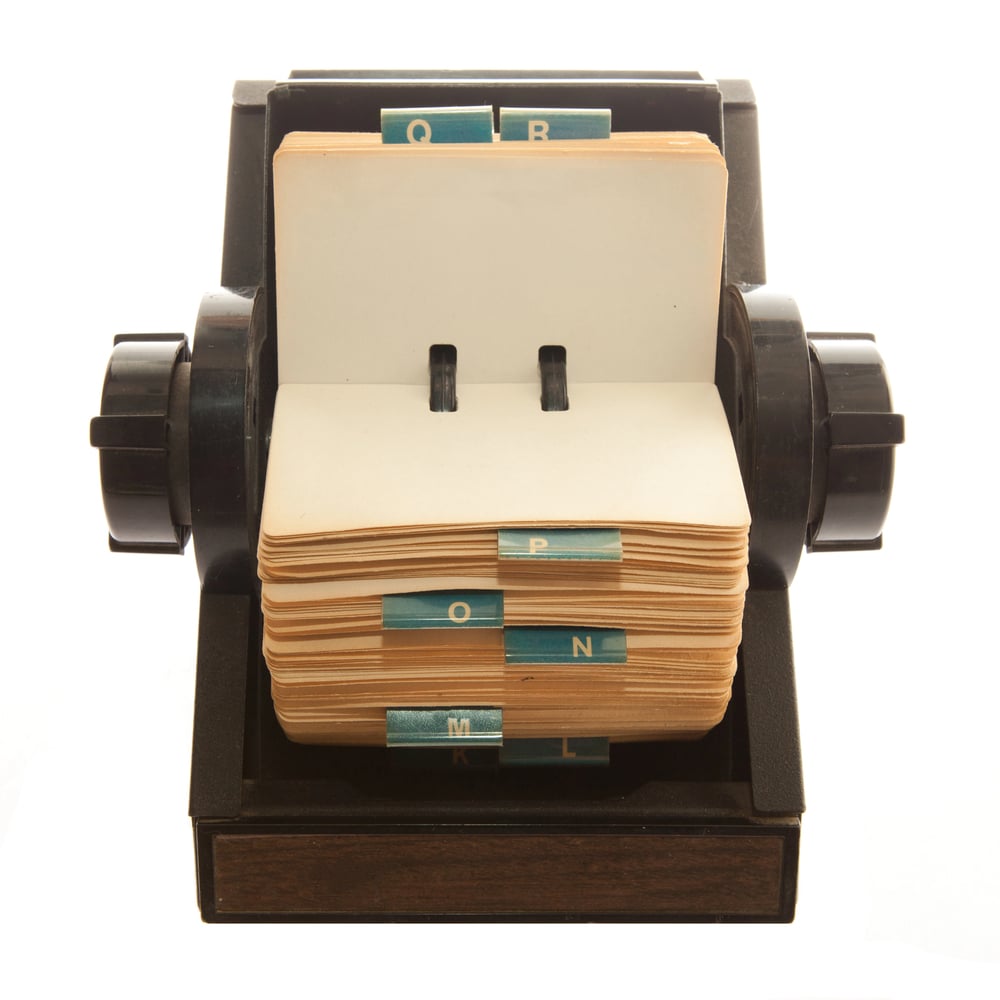
A spinning circular file of cards, each containing a single contact’s name, title, phone number, and address. You flipped through manually to find who you needed.
Adding a contact meant writing on a blank card and inserting it in alphabetical order. Losing a card meant losing that person’s number.
Beeper Clinic
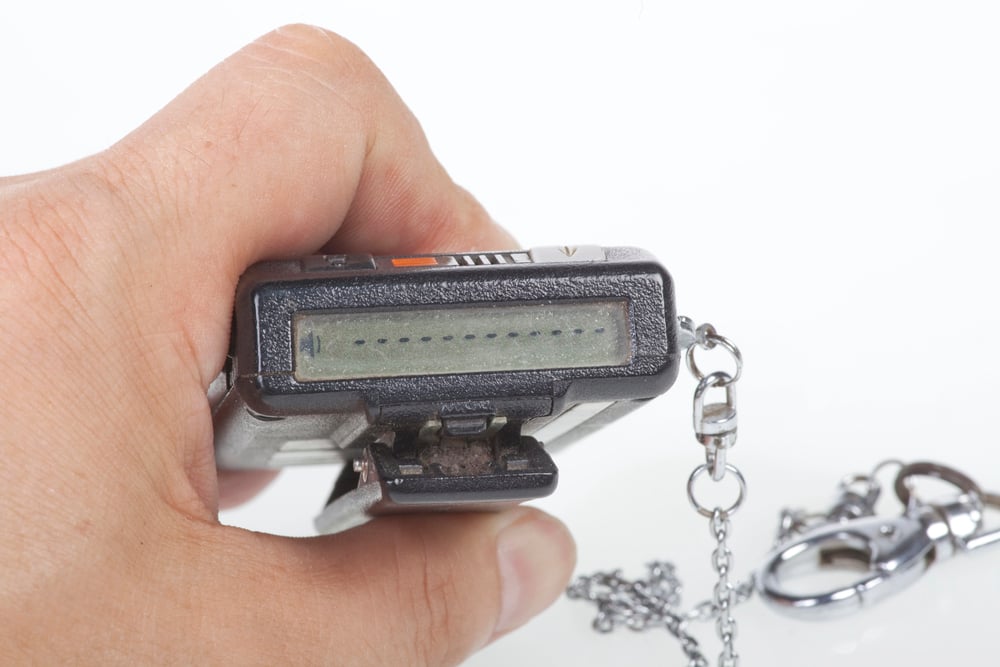
A device slightly smaller than a pager that beeped loudly to alert you that someone was trying to reach you. Unlike a pager, it displayed no message—just alert you that communication was happening somewhere else.
You had to find a phone to discover who wanted to talk to you.
Audio Cassette Tape
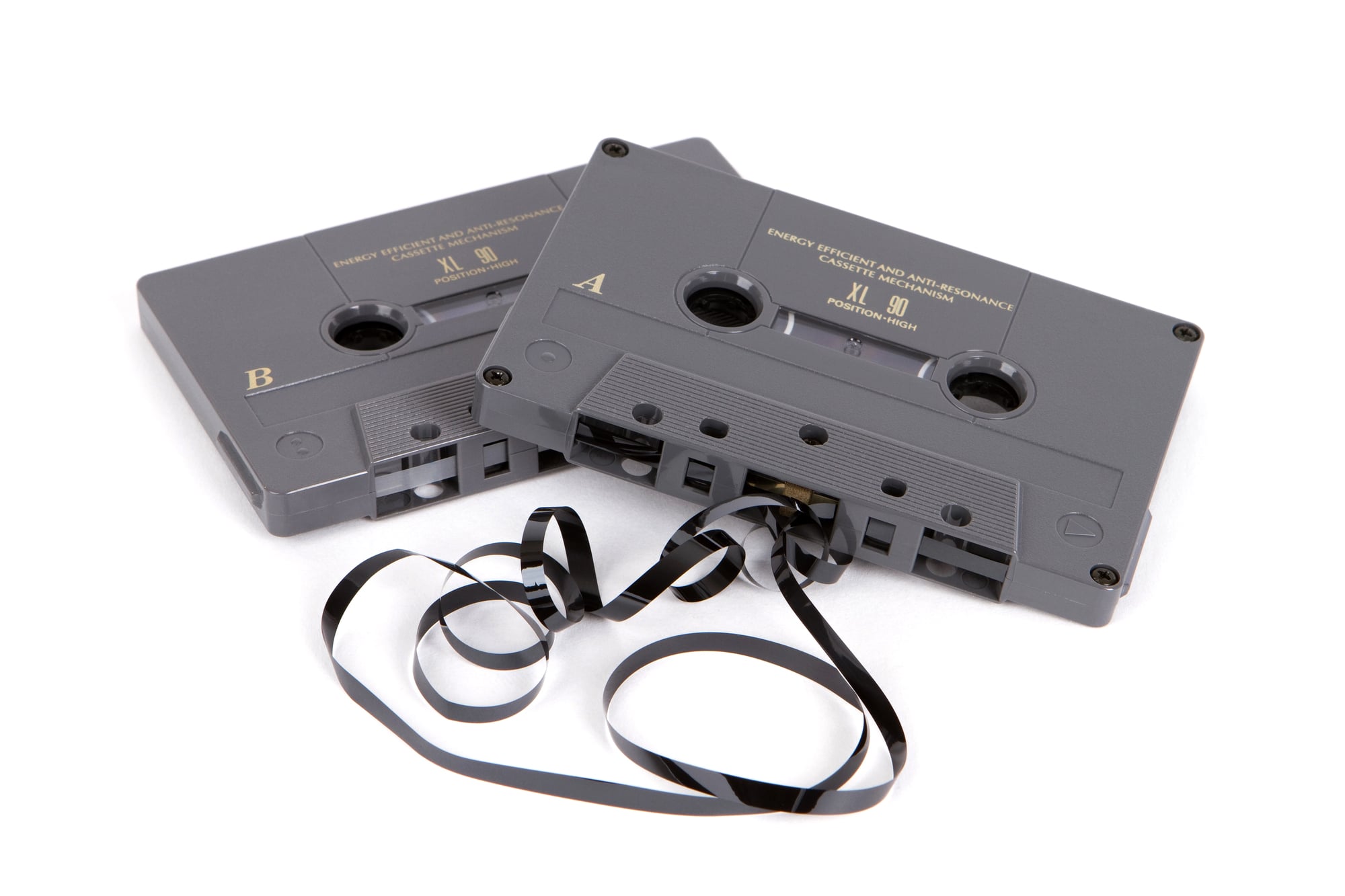
Magnetic tape in a plastic shell holding up to 90 minutes of audio. To find a specific song, you had to fast-forward or rewind through the tape, listening to check position.
The tape degraded over time, stretching and warping. Temperature affected it; humidity destroyed it.
CD Walkman
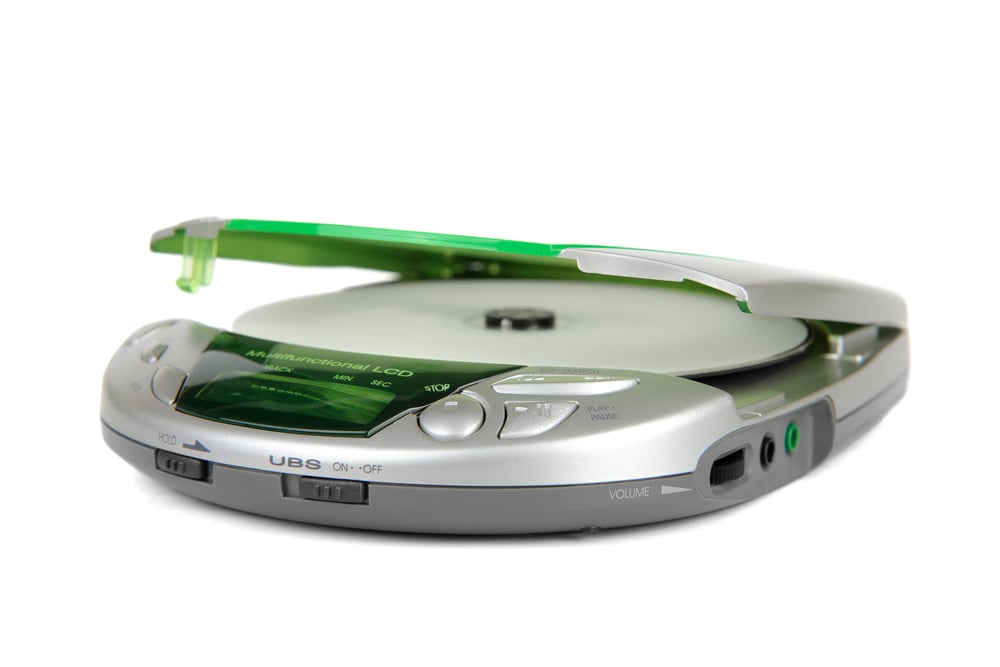
A portable CD player the size of a large candy bar with skip protection that usually didn’t work. It held one CD at a time and six AA batteries.
Jostling the player made it skip. The headphone cord was permanently attached.
Tube Television
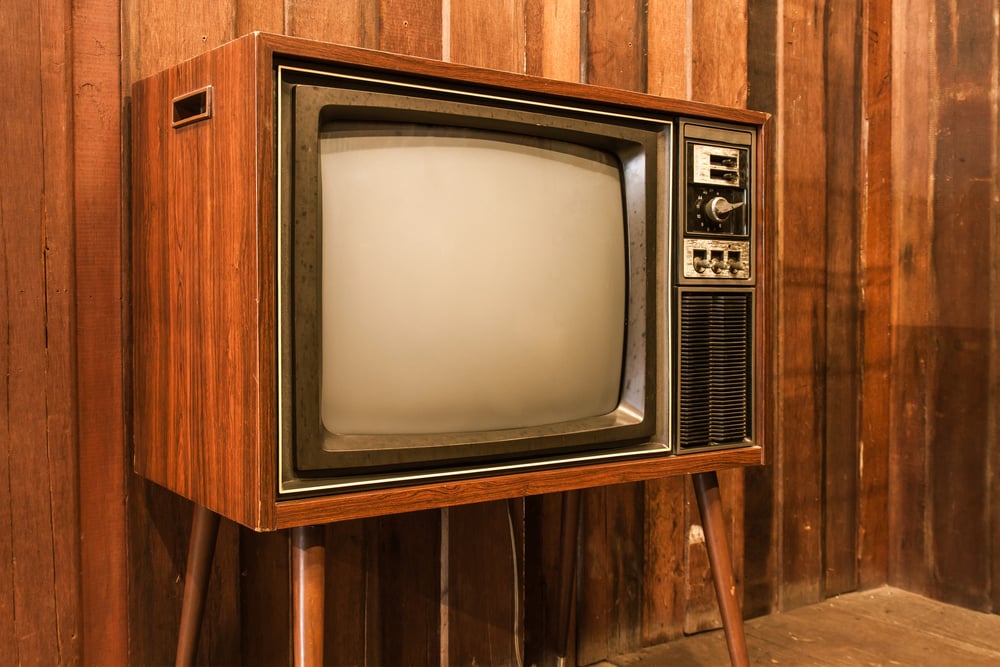
A set where the image was created by an electron tube, weighing 40 to 80 pounds, requiring at least 20 minutes to warm up before displaying anything. It operated only by remote control or by walking to the front to manually adjust channel and volume dials.
External Modem Box
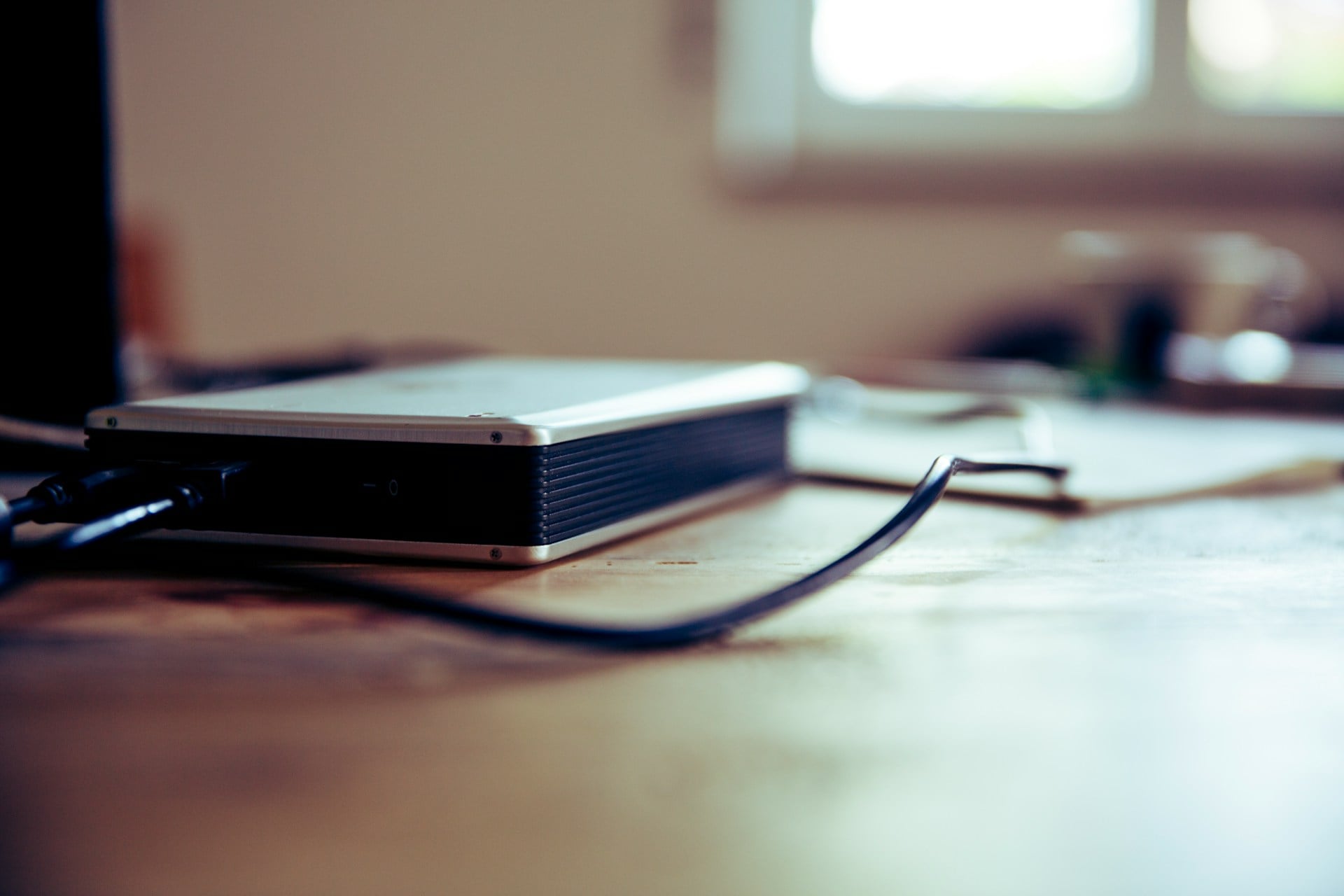
Connected to a computer via serial cable, this separate device handled internet communication. Most had indicator lights showing data transmission.
They generated heat and made noise. Troubleshooting internet problems meant powering down the modem, waiting, and powering it back on.
Manual Choke on a Lawn Mower
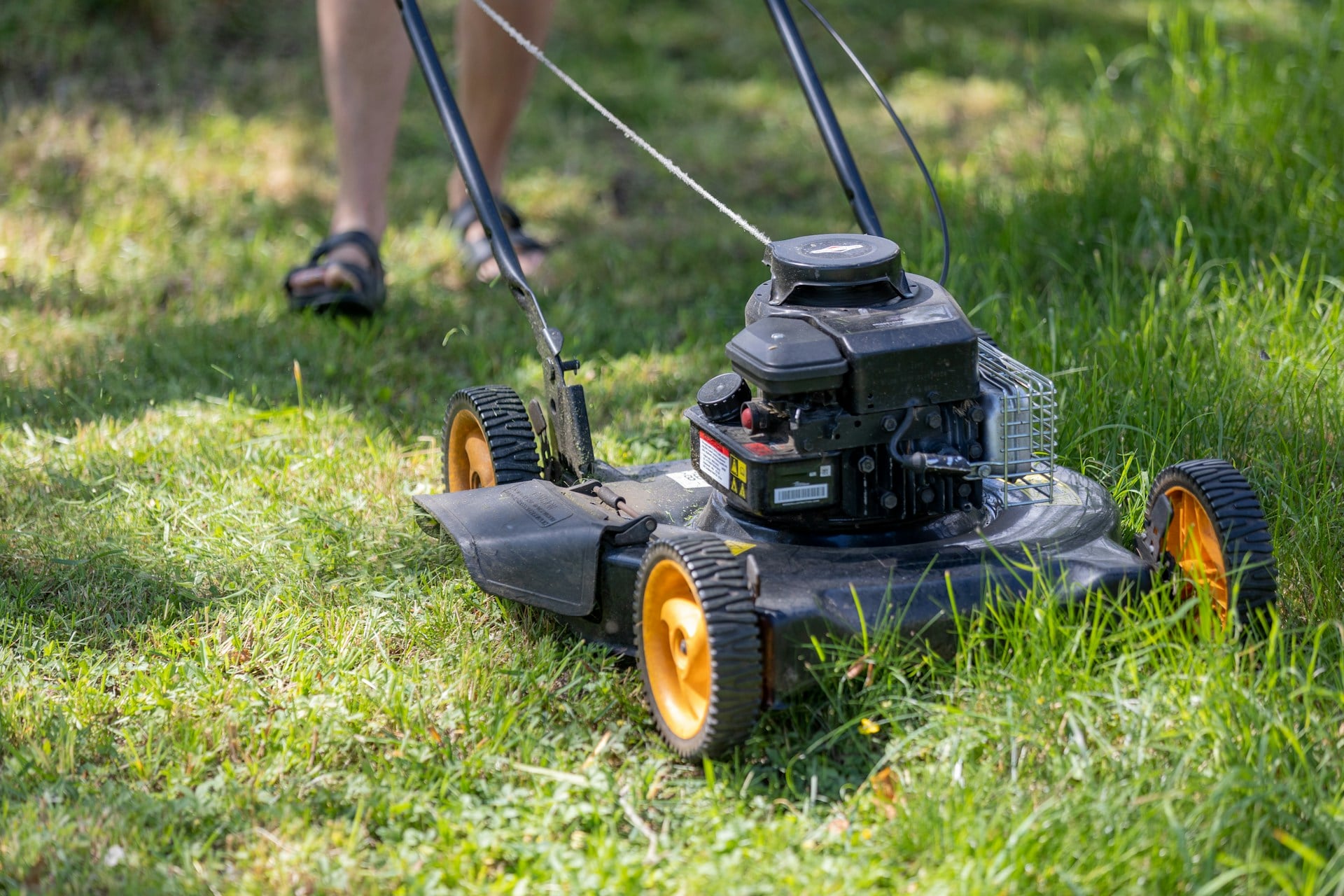
A lever that controlled the fuel mixture when starting a cold engine. Pull it out, pull the starter cord repeatedly, then push it in as the engine warmed.
Forget to close the choke and it wouldn’t start or would stall. Leave it open too long and it would flood.
Polaroid Camera
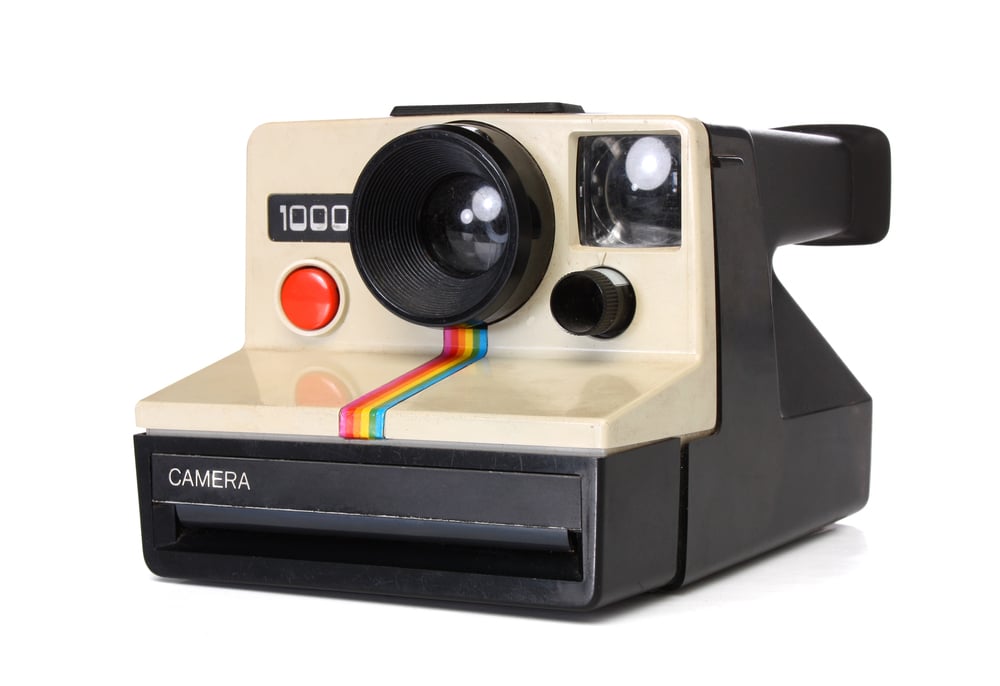
A camera that printed a physical photograph immediately, requiring no film development. The image emerged slowly from the camera as a white square that gradually darkened over five minutes.
Shaking it actually did nothing to speed development, despite everyone thinking otherwise.
Deodorant Aerosol Can

A pressurized container that released deodorant as spray when the button was pressed. The propellant contained CFCs that damaged the ozone layer.
By the 1990s, they were being phased out, but they remained common. They clogged easily; retrieving the orb inside required violence.
Computer With Dial-Up
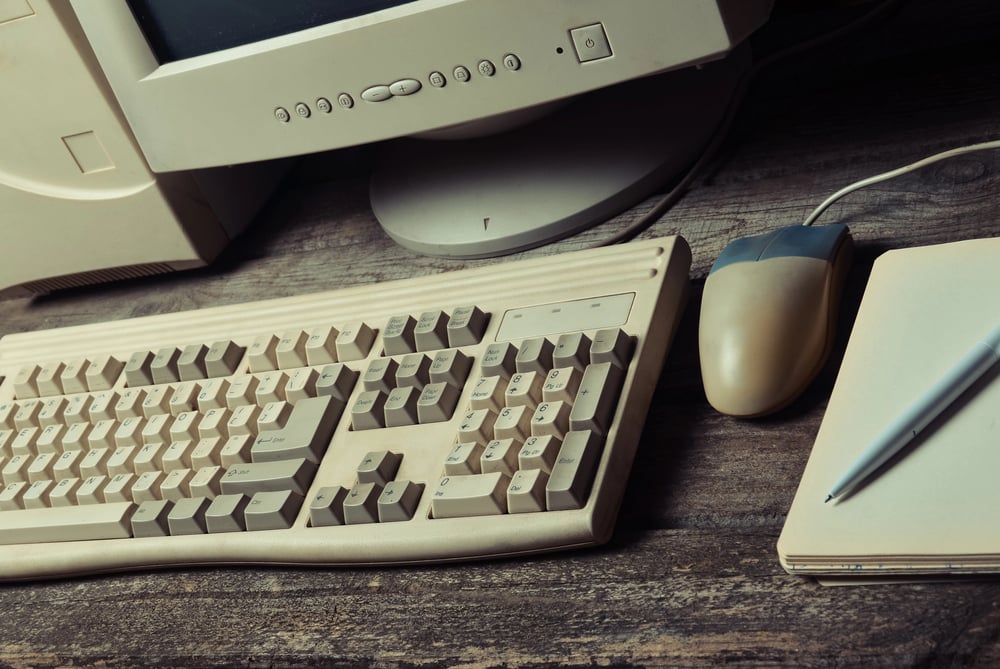
A desktop machine running Windows 3.1 or 95, connected to the internet through the modem. Loading a single web page took 15 seconds to two minutes.
Images appeared line by line. The entire computer’s bandwidth was claimed by internet access—nothing else could happen simultaneously.
Cassette Rewinder
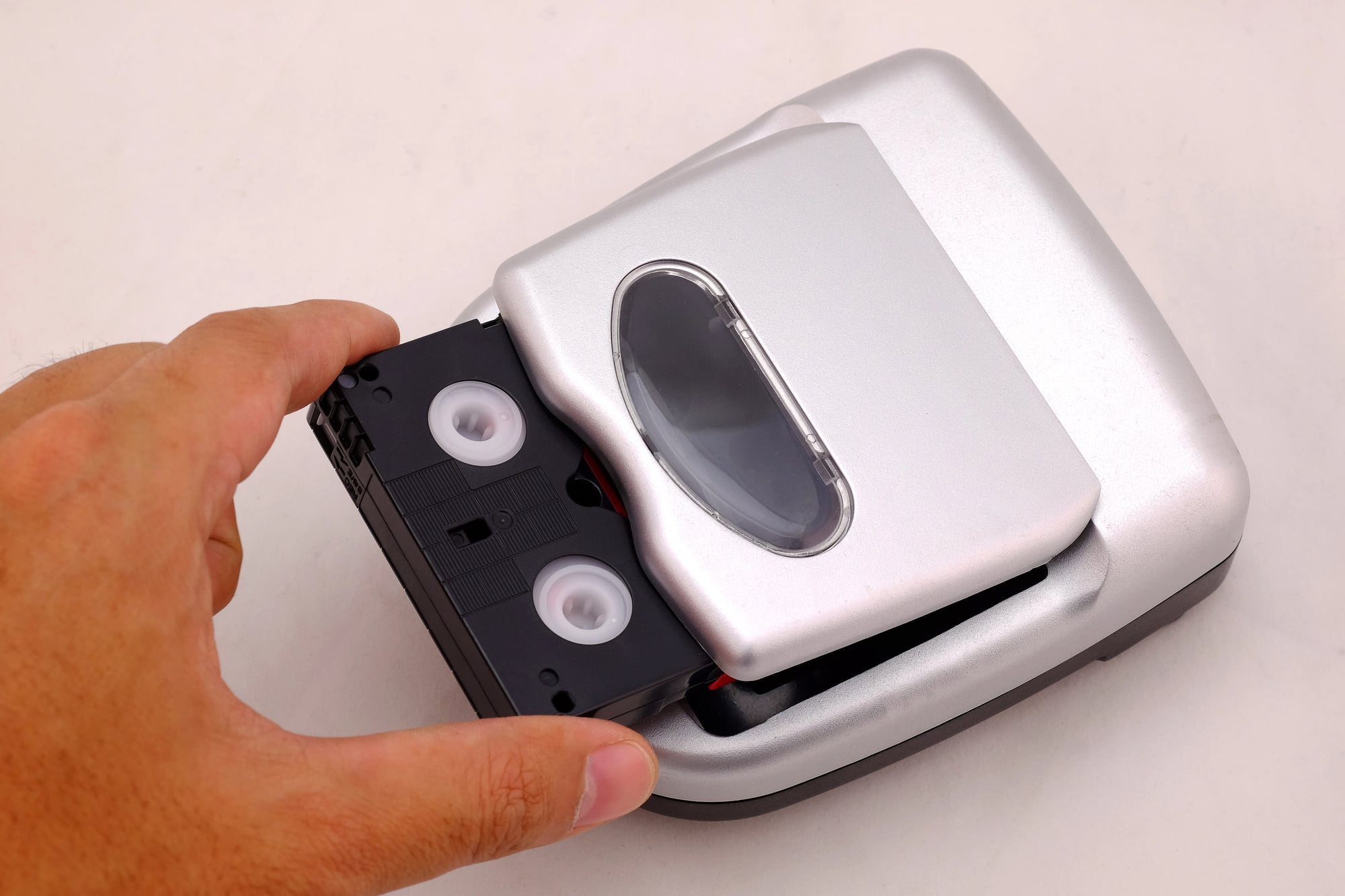
A powered device that wound cassette tape back to the beginning quickly. Without it, you had to manually rewind using the rewind button on your cassette player, which damaged the tape and took forever.
Someone owned these. People gave them as gifts.
Game Boy
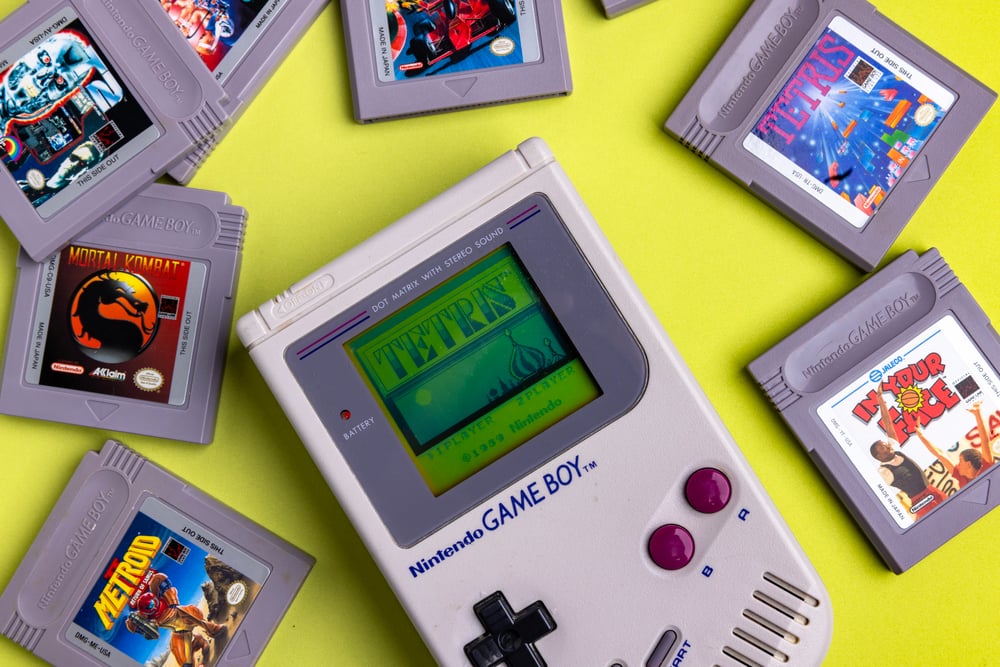
A handheld game device with a monochrome green screen, no sound except bleeps and bloops, and four buttons. It ran on four AA batteries for a few hours.
Games were cartridges that couldn’t be upgraded; you were stuck with whatever version you owned forever.
Mechanical Pencil With Lead Refills
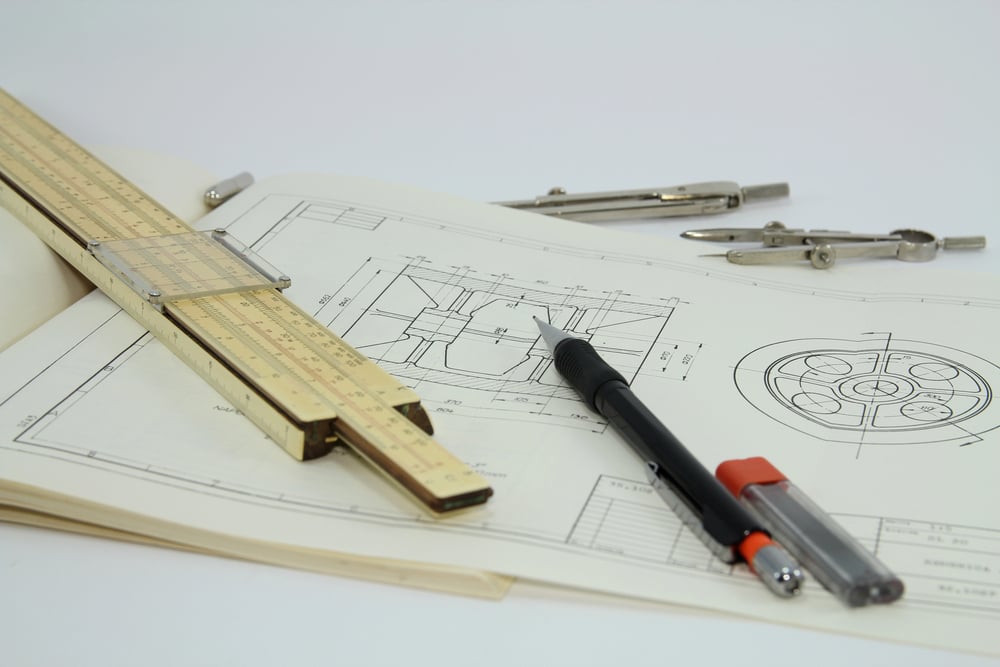
A pencil that didn’t need sharpening, instead using thin mechanical leads that advanced through the tip. Leads constantly broke, especially at the tip.
Sharpening wasn’t necessary, but replacing leads was tedious. Quality mechanical pencils were expensive and worth protecting.
Alarm Clock Radio
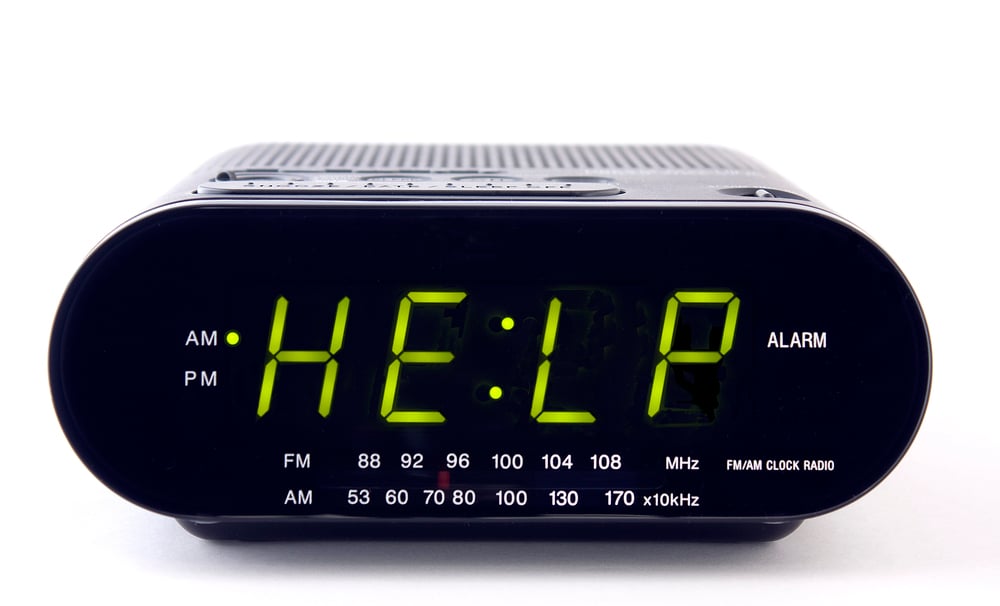
A box combining an alarm, AM/FM radio tuner, and a digital display. Setting the alarm meant pressing buttons in sequence.
The radio tuned through a dial or digital display. The alarm activated an actual alarm sound or the radio.
Failing to set it correctly meant oversleeping.
Hi-8 Video Camera
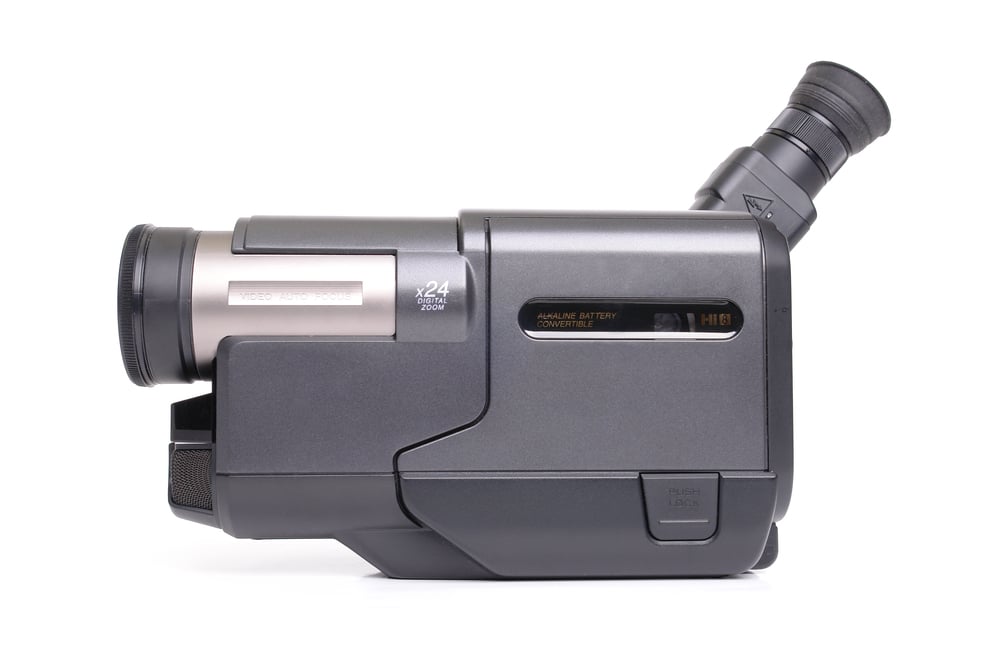
A camera that recorded to Hi-8 cartridges, producing better quality than VHS but requiring specific playback hardware. Tapes degraded; the format became obsolete within a decade.
Transferring footage to another medium required specialized equipment that cost hundreds of dollars and was rarely accessible.
Why None of This Comes Back
The entire infrastructure of the 1990s was built on the assumption that people actually used all of this technology. Nobody had “cloud storage.”
Backing up mattered because you might lose everything. Photographs had to be printed to be seen by anyone.
Communication happened at scheduled times on scheduled devices. These weren’t bad technologies—they worked within their time.
A teenager from 1997 transported to 2026 would find touchscreen phones impossibly smooth. But a teenager from now, transported back to 1997, would hit the same obstacles repeatedly and experience genuine confusion.
The infrastructure has changed completely. The devices are gone.
The protocols are gone. The need to understand them has evaporated.
More from Go2Tutors!

- The Romanov Crown Jewels and Their Tragic Fate
- 13 Historical Mysteries That Science Still Can’t Solve
- Famous Hoaxes That Fooled the World for Years
- 15 Child Stars with Tragic Adult Lives
- 16 Famous Jewelry Pieces in History
Like Go2Tutors’s content? Follow us on MSN.