27 Mail-Order Items From Comic Book Ads
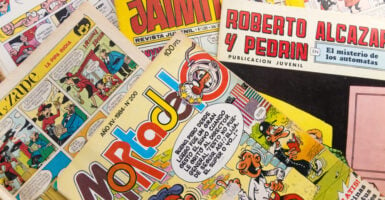
The last pages of a comic book were a different kind of newsstand. Between the final panel and the back cover, ads promised muscles, pets, spy gear, and instant fortunes for the price of a coupon and some coins.
Plenty of kids never forgot what arrived in the mailbox weeks later, and plenty never forgot what did not. These are the products that did the most to turn comic book readers into mail-order customers.
Amazing Live Sea-Monkeys

The ad showed a smiling underwater family with crowns and tails, which was a generous portrait of the tiny shrimp inside the packet. Harold von Braunhut is the name tied to the product. Add water and a packet of powder, and dormant eggs turned into creatures that were real but nowhere near as dapper as the cartoon. Unopened vintage packets and original boxes are what collectors chase, and condition drives the price.
X-Ray Specs
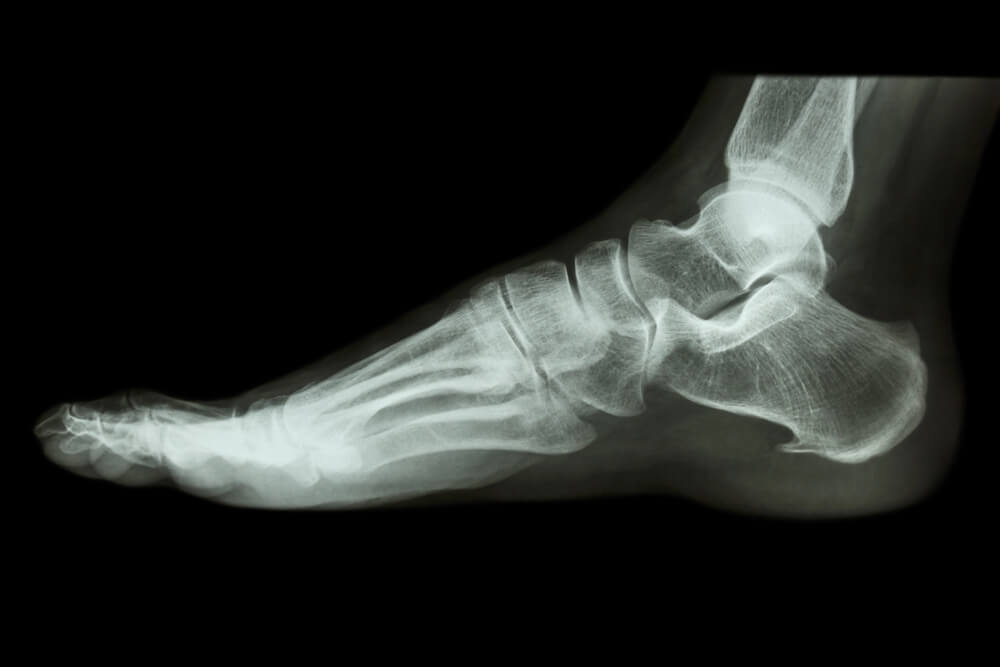
These cardboard-framed glasses were sold as a way to see through hands and clothing. The lenses carried a printed pattern that created a double-image effect, so a finger looked as if it had a darker core running through it. Nobody saw through anything, but the optical trick was convincing enough to keep kids squinting at their palms. Complete sets in clean packaging fetch far more than loose, bent frames.
The Charles Atlas Dynamic Tension Course

The famous strip ad starred a skinny beach-goer who had sand kicked in his face and then built a new body to get even. Charles Atlas taught a method called Dynamic Tension, which used the body’s own resistance instead of weights. The comic strip format made the pitch feel like a story the reader was already part of. Original lessons and mailers from the era are collectible, with value tied to completeness and paper condition.
Joe Weider Bodybuilding Courses

Joe Weider sold muscle by mail through lesson courses that promised a champion’s build. The comic ads leaned on photos of massive arms and chests that made an ordinary teenager look like the before picture. Where other pitches relied on bodyweight methods, this style of course pushed barbells and the equipment to go with them. Surviving course booklets are worth the most when their covers are unfaded and their pages are not torn.
The Uncle Milton Ant Farm
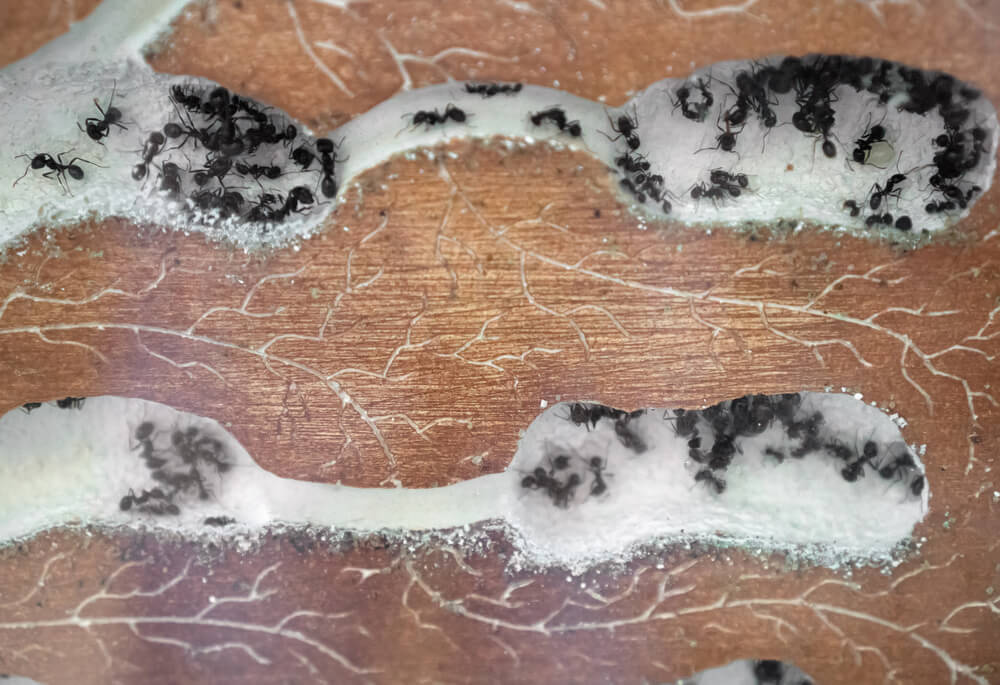
The ant farm was a thin plastic habitat filled with sand, built so kids could watch tunnels form against the front panel. The oddest part of the deal was the livestock, because the ants were ordered separately and arrived by mail. Kids waited, then received a tube of live insects delivered to the front door. Boxed vintage farms with their original paperwork are the ones collectors look for.
Cloverine Salve Sales Kits

Instead of buying something, kids signed up to sell small tins of salve door to door and earn prizes in return. The name became shorthand for comic book selling schemes, and the prize catalog was half the appeal. Ads pictured watches, toys, and gadgets that a determined seller could earn. Surviving tins and paper premium sheets are valued by condition, with unopened tins at the top.
Grit Newspaper Routes
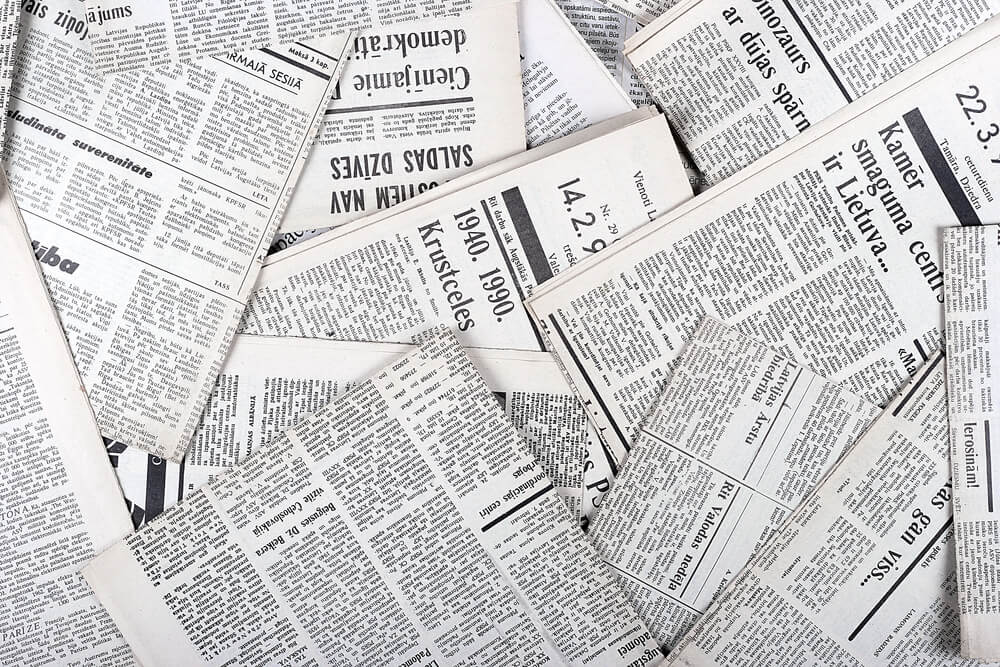
Grit, a small-town weekly newspaper, recruited young sellers through comic book ads that promised spending money and prizes. Boys and girls took bundles of papers and sold them door to door, building a list of regular customers. The paper was known for upbeat, family-friendly stories. Old copies and carrier bags are collectible when they are crisp and complete.
The Polaris Nuclear Submarine

A 1967 ad pitched this toy at $6.98, with an illustration that suggested a vessel kids could climb inside. The artwork leaned hard on the word nuclear and the glamour of the Cold War navy. What arrived was a toy, and the gap between the picture and the package became one of the most retold stories about comic book ad disappointment. Vintage ad pages are the easy find, while a complete boxed toy in good shape commands more.
The Art Talent Test Course

Correspondence art schools ran a long-lived comic book ad that dared readers to draw a simple figure and mail it in for evaluation. The cartoon in the ad was meant to look easy to copy, which was the hook. Kids who sent their sketches received a reply, usually followed by an enrollment pitch. Old course packets are worth more when the lessons and mailing envelopes are intact.
Live Squirrel Monkeys

Comic book ads once offered pet monkeys shipped to the front door, often with a cage included. The pitch played on the fantasy of an exotic companion for a modest price, and the pictures showed a tiny animal perched on a happy kid’s shoulder. It is not a chapter of advertising anyone would repeat today. Paper from the era is the only part of this entry a collector would reasonably chase.
The Whoopee Cushion
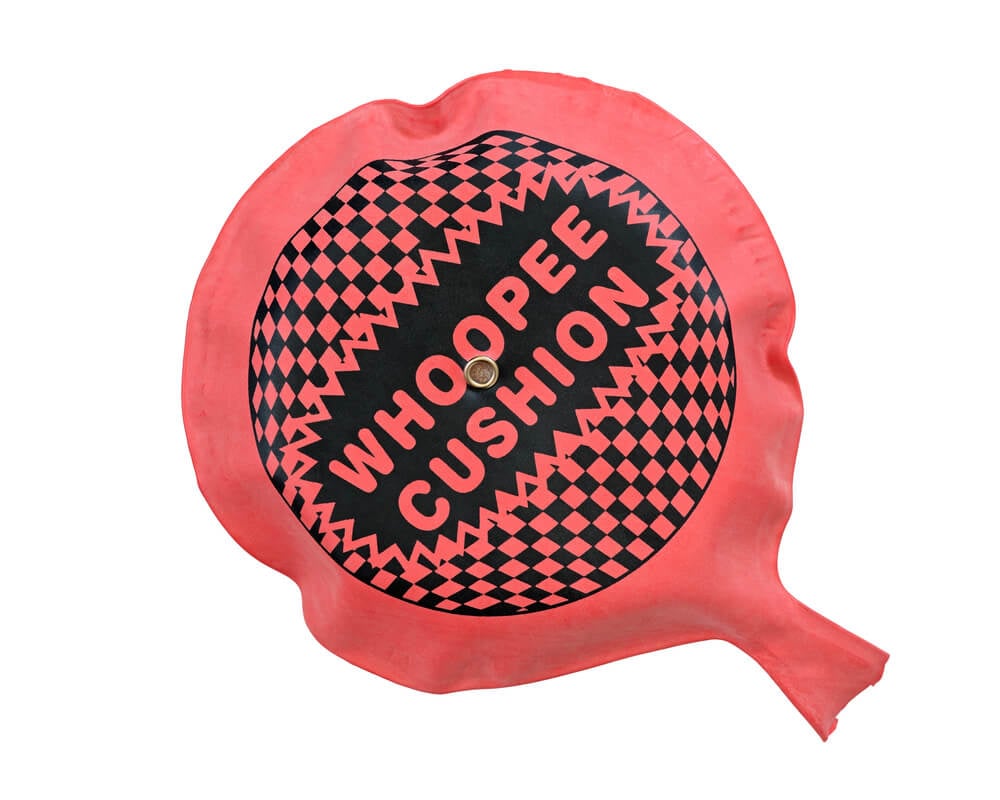
The rubber noisemaker spread through novelty catalogs and comic book ad grids, where it appeared as a tiny illustration beside other pranks. The trick was one of the cheapest in the book, and it needed no instructions. A kid slipped it under a seat cushion and waited. Old rubber cushions are scarce because the material cracks over time, and those that survive are valued by condition.
The Joy Buzzer
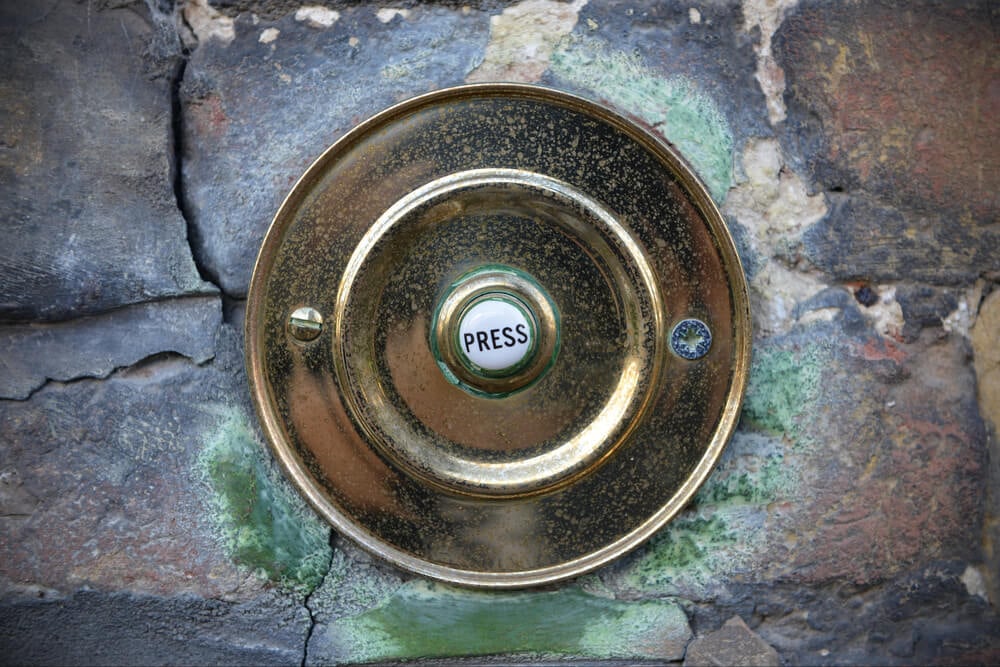
The hand-sized gadget was a staple of the S.S. Adams novelty company. A wound-up spring inside produced a rattling buzz when the victim shook hands. The gag lasted because the device was simple and the victim never saw it coming. Vintage buzzers in their original boxes are worth the most, while loose ones with dead springs are common.
Sneezing Powder

This prank powder was a signature novelty item, sold in small packets and tucked into jacket pockets. A pinch in the air was meant to make a room full of people sneeze, which was the entire joke. The packet art, with its cartoon victims, was half the fun of owning one. Sealed vintage packets are more desirable than opened ones, and the cardboard header art counts for as much as the contents.
Itching Powder
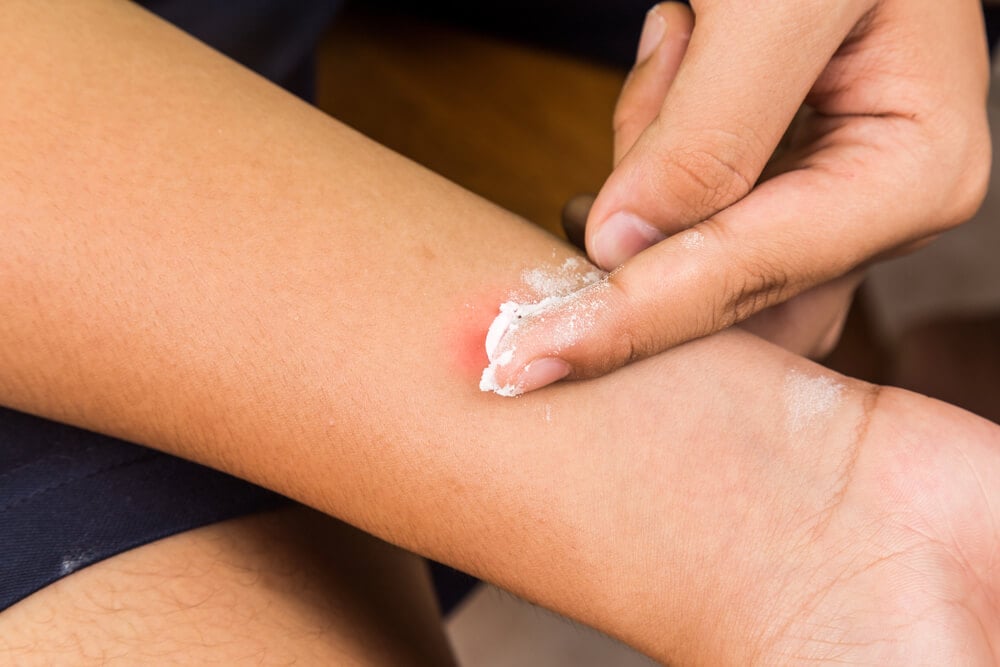
Shaken down a collar, the powder was the sort of prank parents regretted ordering by proxy. It sat next to sneezing powder and the buzzer in the novelty ads, and the price was tiny. Sellers advised against using it near eyes, which only made kids more curious. Original paper packets and cards survive in small numbers, and unused ones are valued above empty ones.
Plastic Army Men by the Bucket

Plastic soldiers were sold in large bags and tubs, and the ads promised hundreds of pieces for a few dollars. Marx is one of the best-known makers of this style of toy soldier. Poses such as a rifleman, a bugler, and a crawling infantryman became standard, and the colors were usually green or tan. Condition matters because the figures bend, fade, and warp, and sets with original packaging fetch the most.
Monster Model Kits
Aurora made glue-together monster kits that turned film creatures into shelf decorations, and some were advertised in comic books alongside other mail-order temptations. Many boys remember painting them in the wrong colors and loving the result anyway. The box art was lurid enough to sell the kit before the lid came off. Built models are common, but unbuilt kits in sealed boxes are the ones that bring serious money.
Mexican Jumping Beans

The beans were not beans at all but seed pods containing a small living larva. Warmth made the larva twitch, which moved the pod across a tabletop in short hops. Comic book ads sold them cheaply in tiny boxes, and the novelty was that the toy was alive. Kids learned that the wriggling eventually stopped.
The Ventriloquist Voice Device

A small gadget placed against the roof of the mouth promised to help readers throw their voice and fool an entire room. The ad usually included a drawing of a boy making a dummy talk. The device itself did little, and the real work came from practice. Vintage cards with the original device are worth more when the packaging is not creased.
The Hypnotism Coin

Ads for hypnosis gadgets offered a spinning spiral or a swinging coin that supposedly gave the owner power over friends. The reality was a printed disc and a booklet of patter. Kids tried it on siblings, who mostly laughed or went along for the show. Complete sets with the instruction sheet are the hardest to find.
The Spy Periscope

Mirrors set at an angle inside a cardboard or plastic tube let a kid peek around corners and over fences. The ads sold it as spy equipment, which meant it fit comfortably next to secret-code gadgets and trench coats. It worked as promised, which was rare for the genre. Clean boxed examples are the ones collectors keep.
Plastic Vampire Fangs
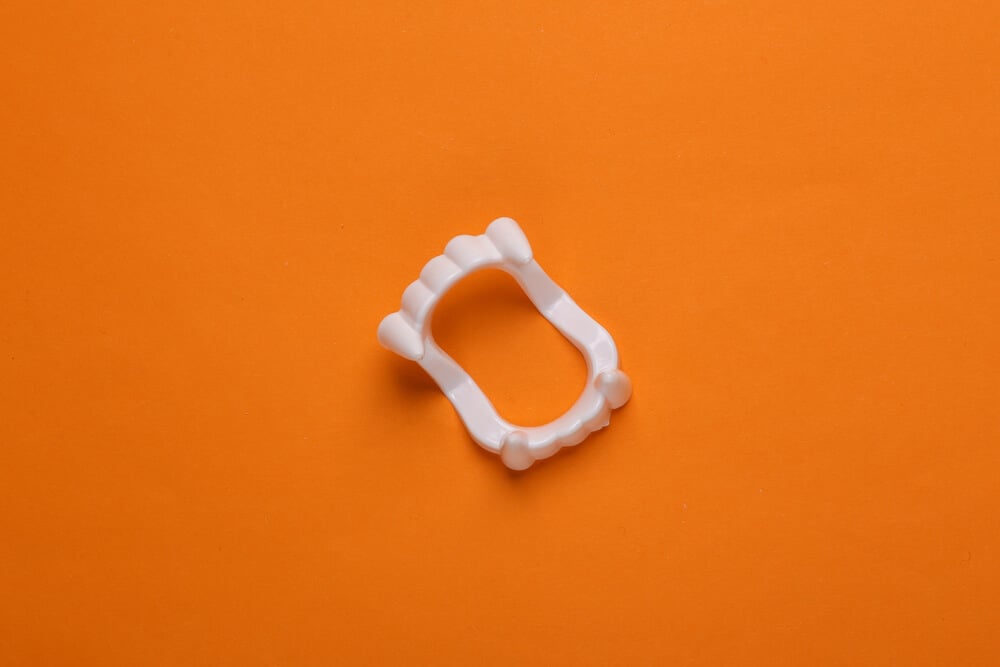
Rubber or plastic fangs slid over the teeth and turned any kid into Dracula for a few minutes. They were cheap enough to order in bulk, and a pack could outfit an entire birthday party. Their appeal was a mix of horror-movie glamour and the ability to scare a younger sibling. Sets in original cards survive in smaller numbers than the loose pairs.
Johnson Smith Magic Tricks

The Johnson Smith Company was a novelty catalog operation, and its comic book ads were small windows into a catalog packed with oddities. Trick decks, vanishing coins, and gimmick cups sat alongside fake mustaches and prank props. The tiny drawings made every gadget look more impressive than the plain cardboard box that arrived. Original catalogs in good condition are worth more than worn copies.
Stamp Approval Packets

An ad offered a pile of free stamps to anyone who wrote in, and kids pasted them into albums while waiting for the next envelope. The catch was that the company then mailed selections on approval, expecting buyers to pay for what they kept and return the rest. It was a gentle introduction to credit, with a collector’s hobby as bait. Stamps from these packets are worth little, while complete packet envelopes from the era have a small market.
Rubber Snakes and Spiders
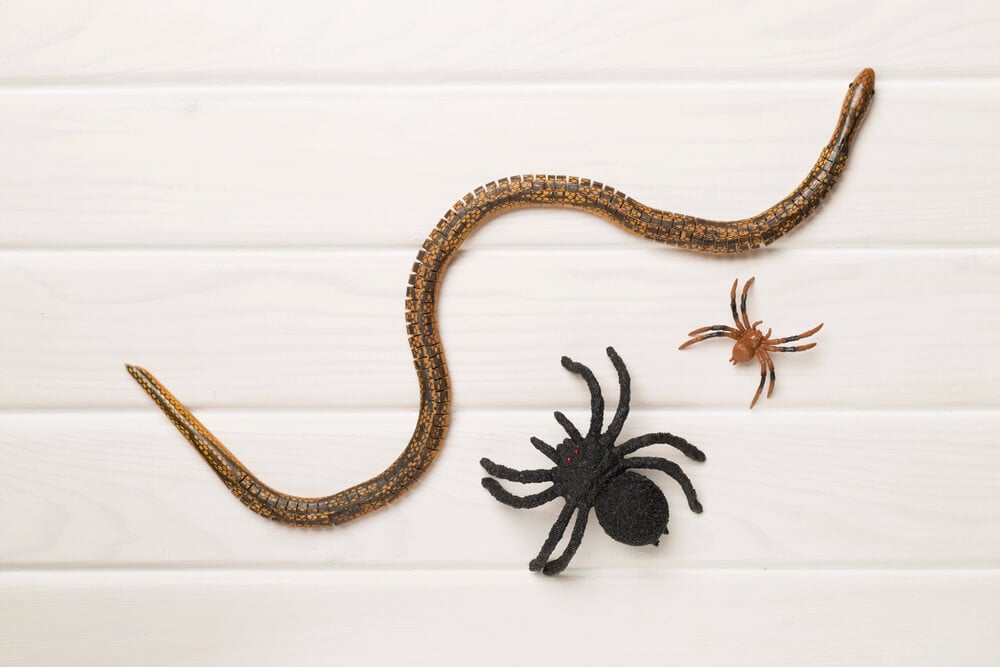
Novelty pages sold lifelike rubber creatures by the dozen, meant to be tucked into lunch boxes, drawers, and sleeping bags. The pitch was that a convincing fake could do the work of a real scare without any of the risk. Catalog companies kept them in constant supply because the gag never aged. Soft vintage rubber tends to harden and crack, so examples that survive in good condition are worth more.
Greeting Card Sales Kits

Kids could request a sample set of boxed cards and then sell them to neighbors for a share of the profit. The kit arrived with order forms, price lists, and the sort of cheerful encouragement that made door-knocking feel like a career. Seasonal cards moved best, and the same ad ran year after year. Complete vintage kits with their sample books are collectible when the paper is clean.
Chameleons by Mail

The small green lizards sold through comic book ads were usually anoles, which change color but not like a true chameleon. They arrived in a small box with a few instructions, and many did not live long. The sales pitch relied on the novelty of a pet that could shift its shade to match a leaf. Ads from the era remain the main surviving record of the trade.
The Coupon and the Money Order
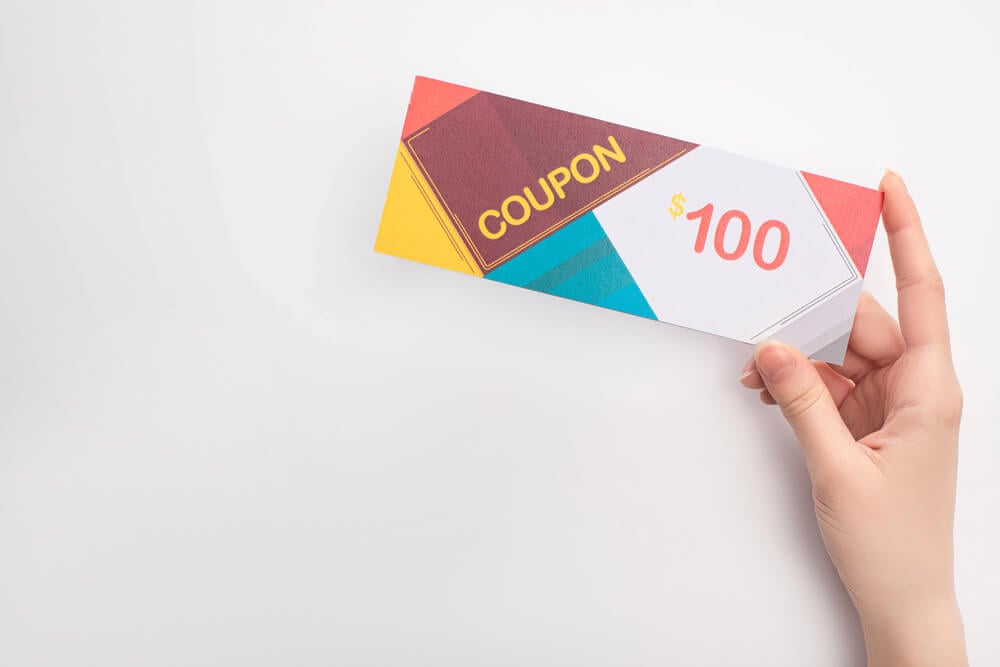
Behind every item was the same ritual, which was to cut out a coupon, fill in the address, and send cash or a postal money order. Ads usually asked for weeks of patience, which felt like an eternity to a child checking the mailbox. The delay built anticipation, and it also hid how little the product might resemble the picture. Original coupons and mailing envelopes from the period are collectible when they are unused and well preserved.
The Promise Printed in Tiny Type

Looking at the full run of back-page ads, the pattern is plain. Each one sold a small chance to become someone else, whether stronger, sneakier, richer, or just the kid with the strangest thing in the neighborhood. The products were rarely what the artwork showed, and that gap was part of the education.
Collectors now treat the leftovers as small pieces of pop-culture history. The packets, tins, and booklets are worth saving, but the lesson was learned early by anyone who ever waited weeks for a mailbox surprise: the picture and the product were two different things.
More from Go2Tutors!

- The Romanov Crown Jewels and Their Tragic Fate
- 13 Historical Mysteries That Science Still Can’t Solve
- Famous Hoaxes That Fooled the World for Years
- 15 Child Stars with Tragic Adult Lives
- 16 Famous Jewelry Pieces in History
Like Go2Tutors’s content? Follow us on MSN.