31 After-School Rituals That Defined Growing Up in the ’90s
There’s a specific kind of freedom that existed between 3 p.m. and dinnertime in the 1990s — unstructured, unsupervised, and entirely yours. No smartphones to scroll, no algorithmically curated content waiting to swallow your attention whole.
Just the walk home, the creak of the front door, and about three hours that belonged to nobody but you. These were the rituals, small and reliable, that made childhood feel like something worth remembering.
Dropping Your Backpack the Second You Walked In
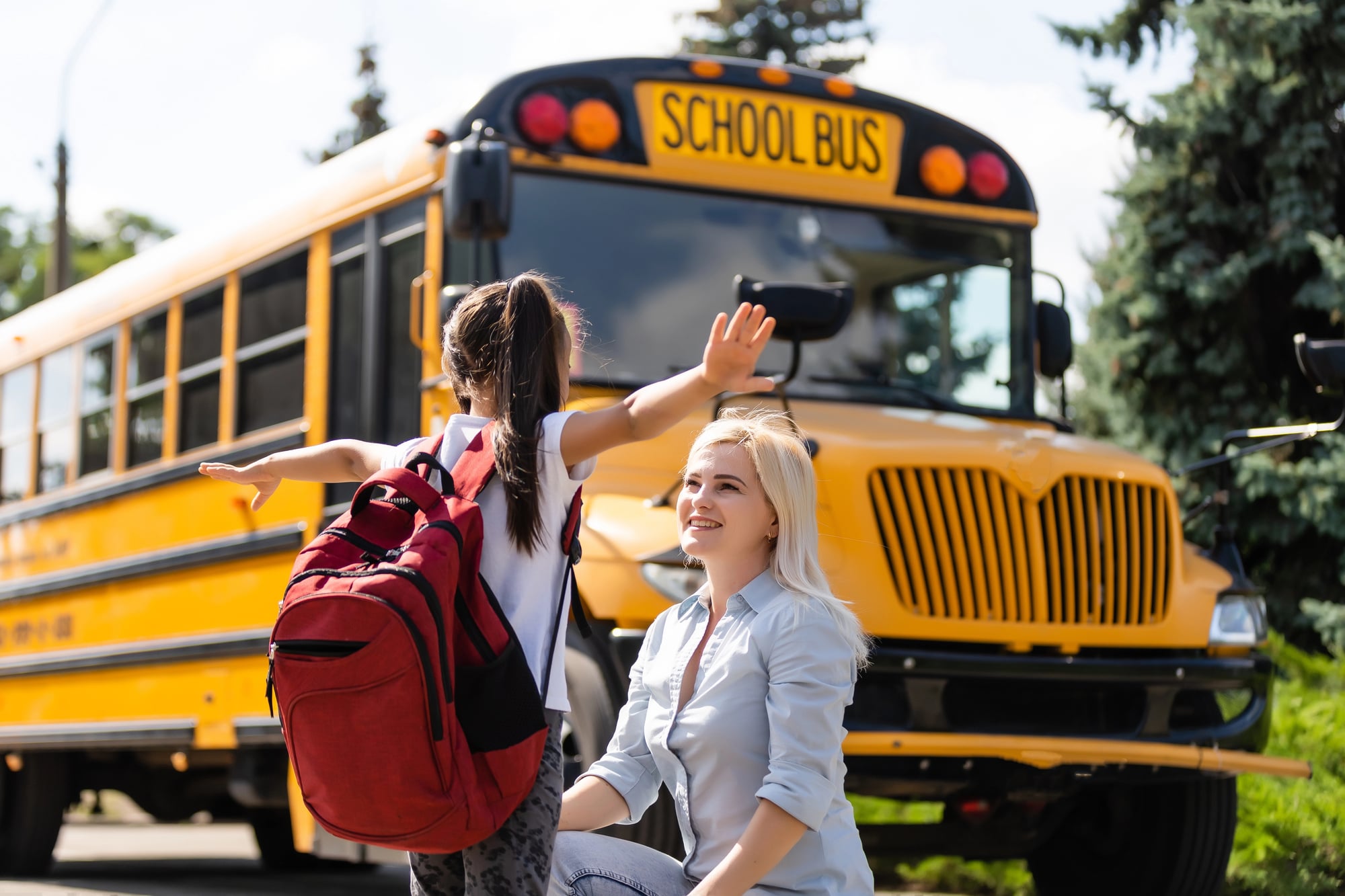
The backpack hit the floor before the door swung shut. Not the coat hook, not the bedroom — the floor, right there in the entryway, like a physical declaration that school was over.
Your mom would move it later and say something about it.
Raiding the Pantry Before Anything Else

After-school hunger was its own category of hunger — sharper than regular hunger, almost offended by it. The pantry search was methodical: Gushers, Dunkaroos, Fruit by the Foot, or if luck had run out, a sleeve of saltine crackers that somehow still hit right.
The whole operation took four minutes and felt like the most important meal of the day.
Turning on the TV Before Taking Off Your Shoes

The television came on first — this was non-negotiable, almost reflexive, the way you’d flip a light switch in a dark room. TRL on MTV, Animaniacs, Rugrats, Arthur, Saved by the Bell reruns — whatever was on at 3:30 p.m. on your particular channel lineup became the soundtrack to your snack and your slow transition back into being a person.
And the television stayed on, even when nobody was watching it, because silence felt wrong after eight hours of fluorescent-lit classrooms.
Calling Your Best Friend on the Landline

Ten minutes after getting home, you were on the phone with someone you’d just spent the entire day with. That’s the thing about landlines — the cord stretched only so far, so you’d wedge yourself between the kitchen counter and the cabinet door, voice low if a parent was nearby, talking about absolutely nothing for forty-five minutes.
Nothing, and somehow everything.
Waiting for Dial-Up to Connect

That sound — the grinding, shrieking, negotiating wail of a 56K modem — was oddly comforting, the way a familiar smell can be, even when the smell isn’t good. You’d initiated the connection, heard the chaos, and waited with the patience of someone who had no other options.
The internet arriving was almost secondary to the ritual of getting there.
Fighting Over the Computer

Only one person could use the internet at a time, and only one person could use the phone at a time — and these were the same line, which meant the stakes were territorial. Whoever got to the computer first had dominion over it until dinner, and that was a social contract everyone in the house understood.
Losing the race meant hovering nearby, sighing loudly, hoping guilt would do what argument couldn’t.
Checking Your Away Message on AIM

Your AIM away message was a curated broadcast to everyone who mattered — a lyric from a Third Eye Blind song, an inside joke only one specific person would understand, or a cryptic declaration (“so over it”) designed to make someone ask what happened. The ritual wasn’t just setting it; it was reading everyone else’s, parsing the subtext, cataloguing who might be mad at whom.
Away messages were the original social media, which is saying something.
Watching TRL and Calling in Votes

Total Request Live ran from 3:30 to 4:30 p.m. on MTV, and those votes — dialed in on a landline — genuinely shaped which Backstreet Boys or Limp Bizkit video spent another day at number one. The idea that your individual call mattered was almost certainly a fiction, but it felt participatory in a way that mattered to a twelve-year-old.
Carson Daly standing in Times Square was the center of the universe for exactly one hour.
Riding Bikes Without a Destination

The bike wasn’t transportation — it was a jurisdiction. Wherever you could ride to and back before dinner was your territory, and you explored it without a map, without a charged device, without anyone particularly tracking your location.
You’d end up three neighborhoods away talking to someone’s older brother in a driveway and then race home when the sky went pink.
Playing in the Backyard Until Someone Called You In
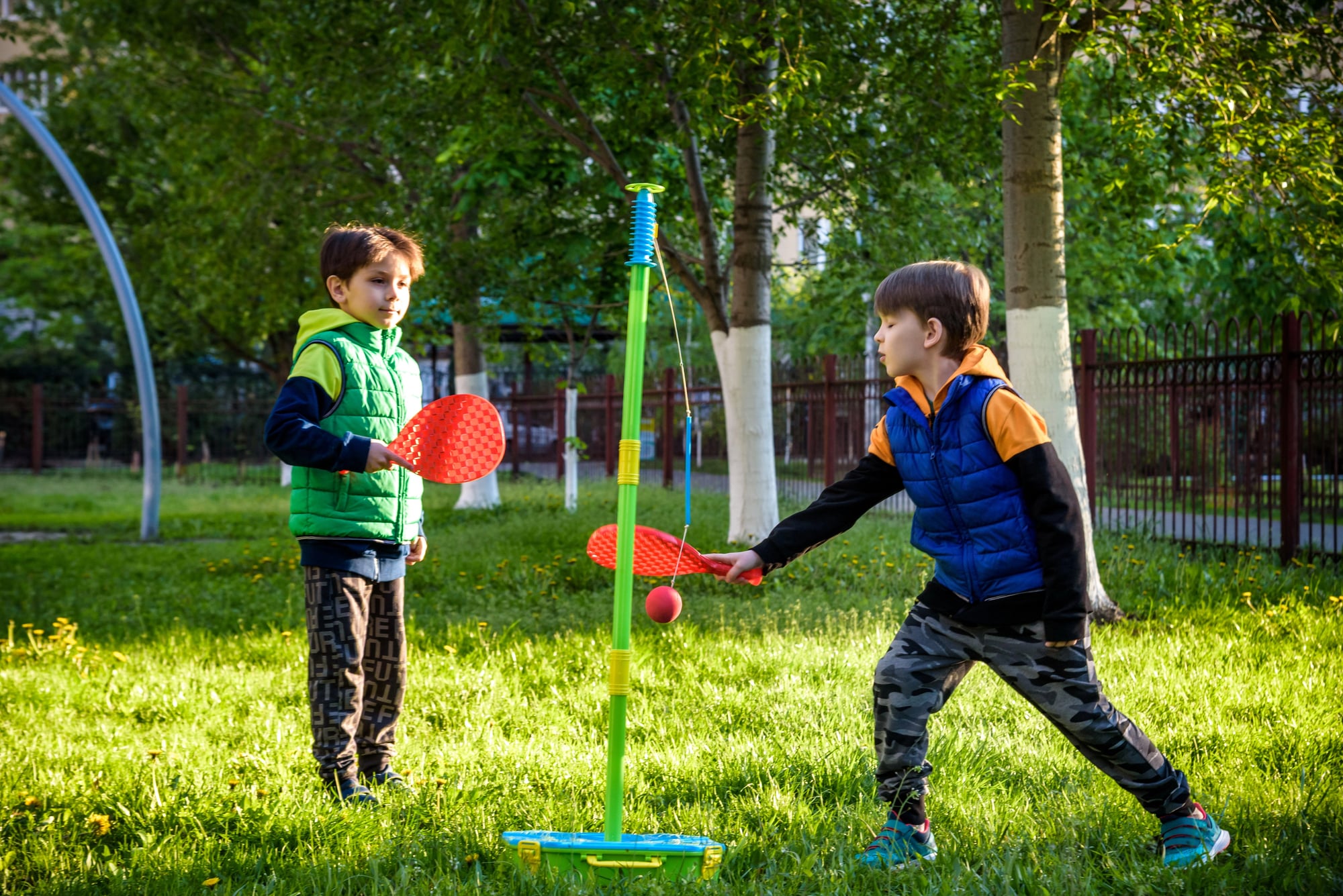
Backyards in the ’90s were a kind of self-contained wilderness — the trampoline, the rusted swing set, the patch of dirt that had been beaten down to dust by years of the same game played in the same spot. Time out there moved differently, slower and looser, and you only ever came inside because a parent appeared at the back door and called your name in that particular tone that meant the third call was coming.
Even then, you pushed it.
Doing Homework at the Kitchen Table

The kitchen table was not the ideal homework location, and everyone knew it. The television was audible from the living room, someone was cooking something, and the combination made long division genuinely oppressive — and yet this was where homework happened, because the kitchen table was where adults congregated after school, and proximity to authority felt vaguely motivating, even when it wasn’t.
You got maybe half of it done before dinner and finished the rest during commercials.
Rewinding a VHS Before Watching It
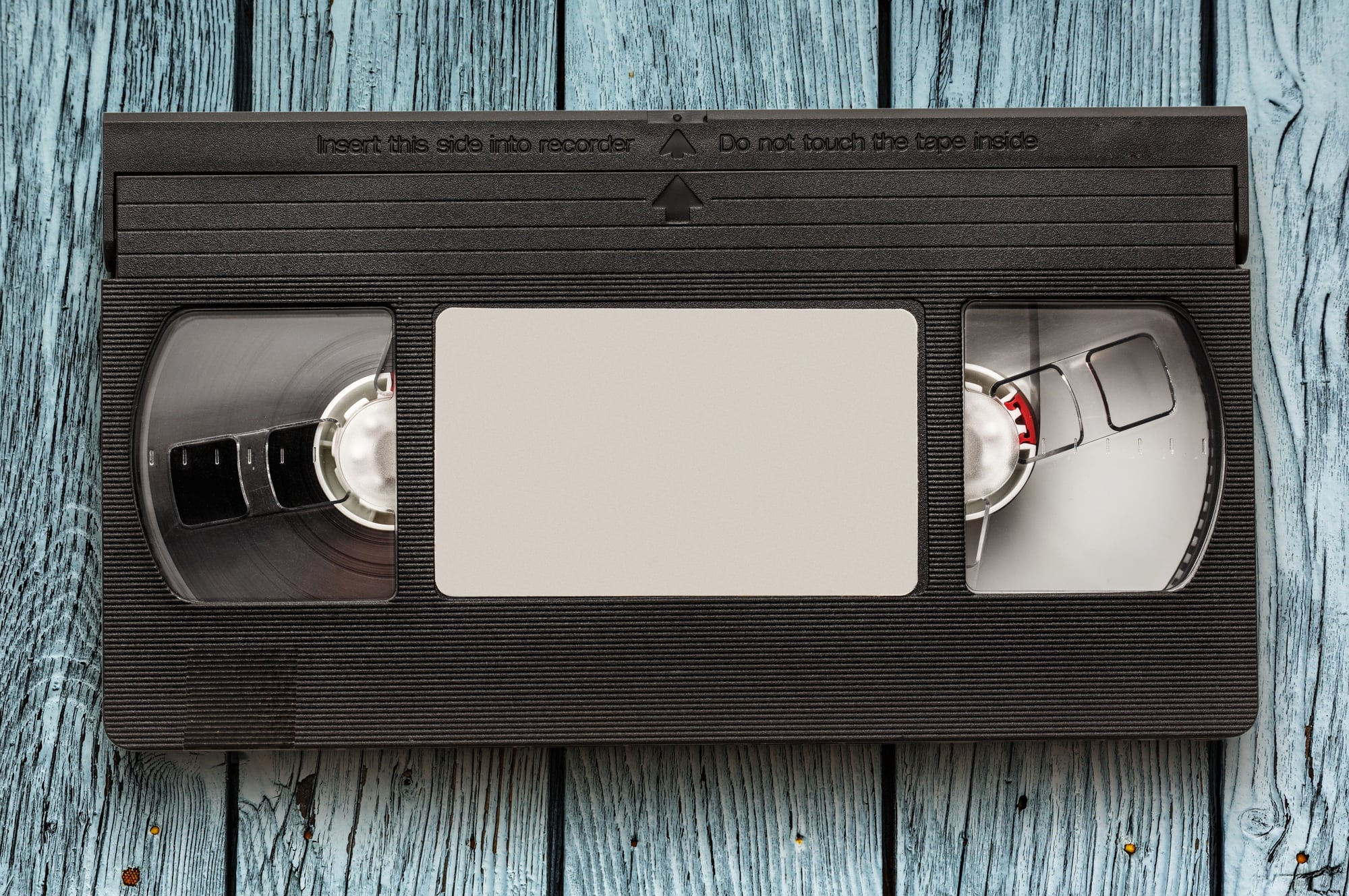
“Be kind, rewind” was a policy enforced by video rental stores and older siblings alike, which meant that before you watched anything, you had to check whether the tape was at the beginning or somewhere in the middle. The rewind machine, if your family had one, made a whirring mechanical sound that became its own kind of anticipation — a timer counting down to the thing you actually wanted.
Watching something that hadn’t been rewound felt like arriving somewhere through the back door.
Watching Arthur Like It Was Important
Arthur was on PBS at 3:30 p.m., and if you were eight years old in 1996, it genuinely was important — the social dynamics of Elwood City tracked real-world problems with enough fidelity that episodes about friendship fallouts and embarrassing parents landed with unexpected weight. The show never condescended, which is rarer than it sounds for children’s television.
You probably absorbed more emotional intelligence from Arthur Read than from any after-school special.
Trading Pokémon Cards on the Porch
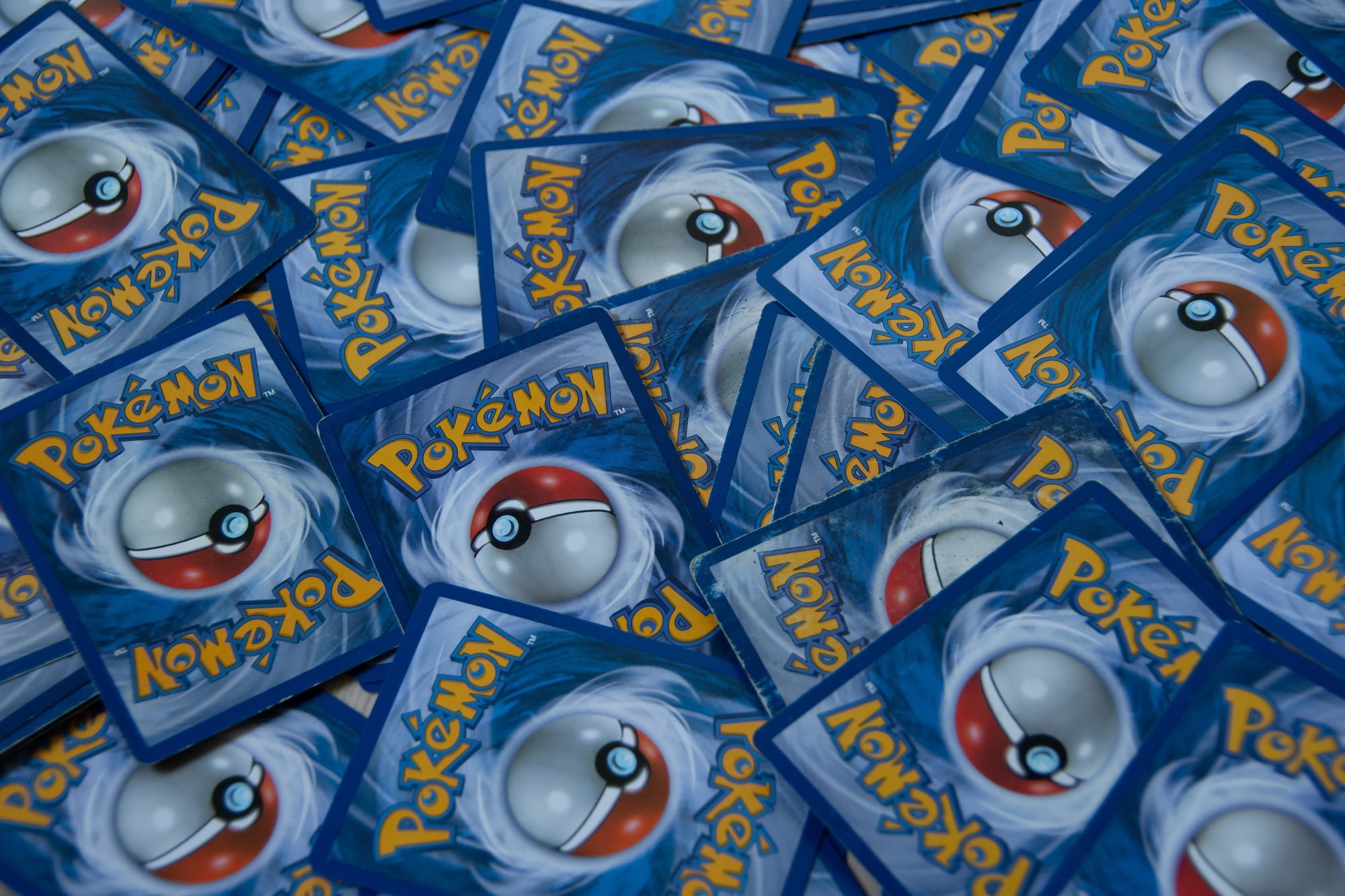
The Pokémon card economy ran parallel to the dollar economy and was, depending on your social circle, significantly more consequential. A holographic Charizard in 1999 was a negotiating chip that could alter a friendship’s power dynamic for weeks — and everyone at the table during a trade knew it.
The porch or the front steps was the preferred venue, spread-out cards catching the afternoon light, everyone pretending to be more indifferent than they were.
Playing Oregon Trail in the Computer Lab (If You Got There Early)

Oregon Trail was only available to you if you got to the computer lab before someone else did, and the window — usually a free period or before-school time — was narrow. Dysentery was the punchline, but the real ritual was the quiet satisfaction of making it past the river crossing, the grim decision-making that the game forced on you, the way it made death feel almost funny without quite making it funny.
A whole generation learned that hunting buffalo was easier than rationing food, and that lesson arrived dressed as entertainment.
Reading Goosebumps Under a Blanket

R.L. Stine published Goosebumps books the way someone might manufacture a mild, reliable fear — consistently, formulaically, with just enough escalation to make you flip one more page before bed. Reading them under a blanket on the couch after school was less about the blanket providing warmth and more about it providing a perimeter, a defined edge to the world while something mildly unsettling happened inside it.
The twist endings were rarely earned, and you never cared.
Rollerblading Down the Driveway

Rollerblades were the transportation of the optimistic — strapping wheels to your feet and committing to momentum before you’d fully worked out the stopping part. The driveway was the training ground, the sidewalk was the proving ground, and the cul-de-sac was the arena, and the knee pads were somewhere in the garage, technically speaking.
Turns out confidence arrived before coordination, which is a fact many ’90s kids carry with them in the form of a faint scar.
Playing Super Mario 64 or GoldenEye
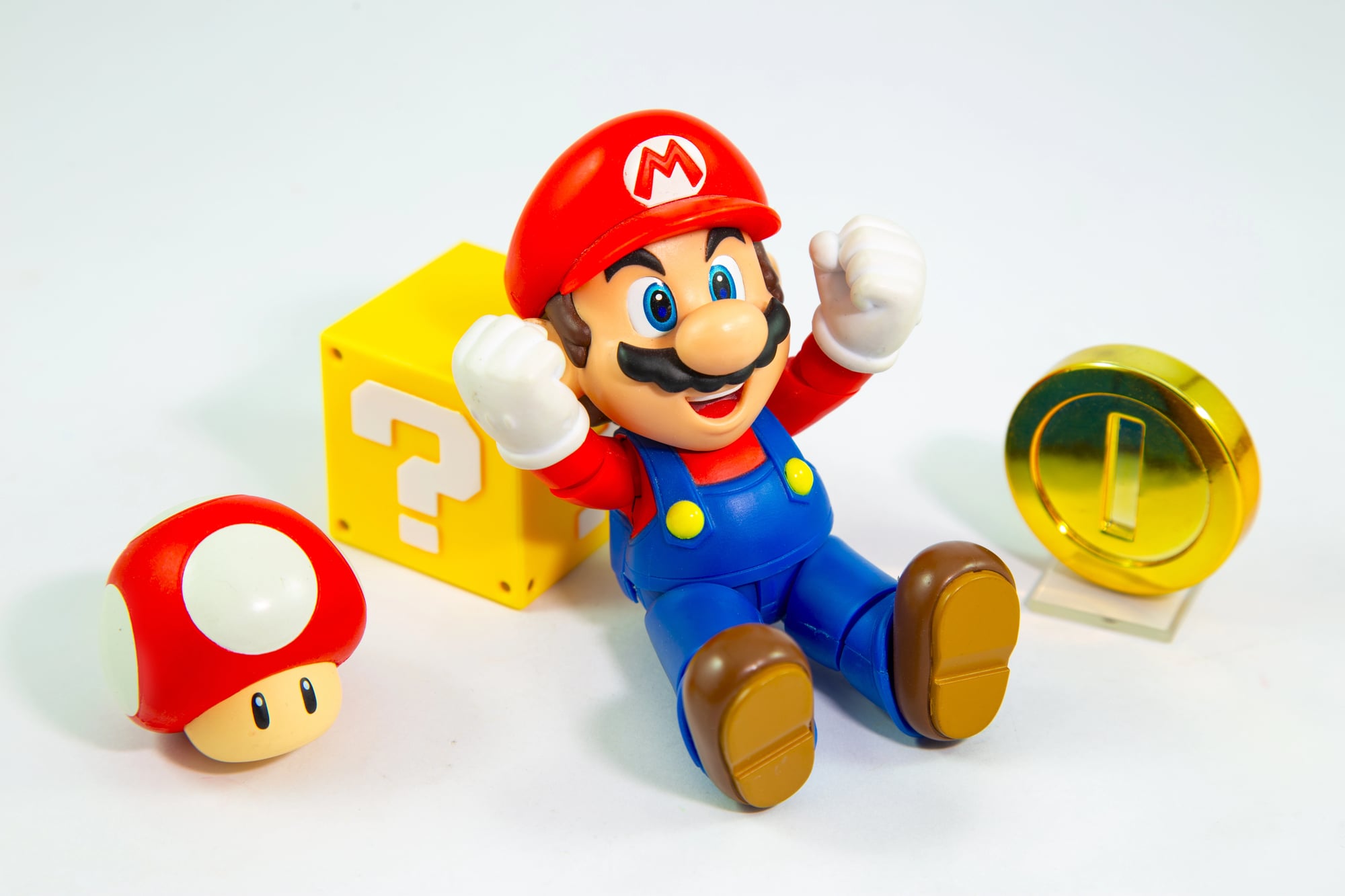
The Nintendo 64 changed what after-school hours meant — not just something to watch, but something to navigate, master, and argue about. Super Mario 64 rewarded patience and spatial thinking; GoldenEye 007 rewarded whoever had the fastest thumbs and the least mercy.
Both games had the specific quality of making two hours feel like twenty minutes, which either says something about the games or something about being twelve.
Writing in a Diary (With a Lock)

The lock was not particularly sophisticated — a small brass mechanism that opened with a key roughly the size of a toothpick, or, as siblings discovered, with basically any similarly shaped object. The lock wasn’t the point, of course: the lock was the gesture toward privacy, the declaration that what was written inside was separate from the rest of the house.
You wrote in it after school the way you’d talk to someone who never interrupted.
Making Kraft Mac & Cheese Because You Could

The Kraft Macaroni & Cheese box had exactly two requirements: boiling water and someone tall enough to reach the stove. Mastering it at age nine felt like a genuine skill — not because the meal was complicated, but because making your own food after school, without asking anyone, carried the faint dignity of self-sufficiency.
The orange powder was not cheese by any useful definition, and it didn’t need to be.
Watching Saved by the Bell Reruns
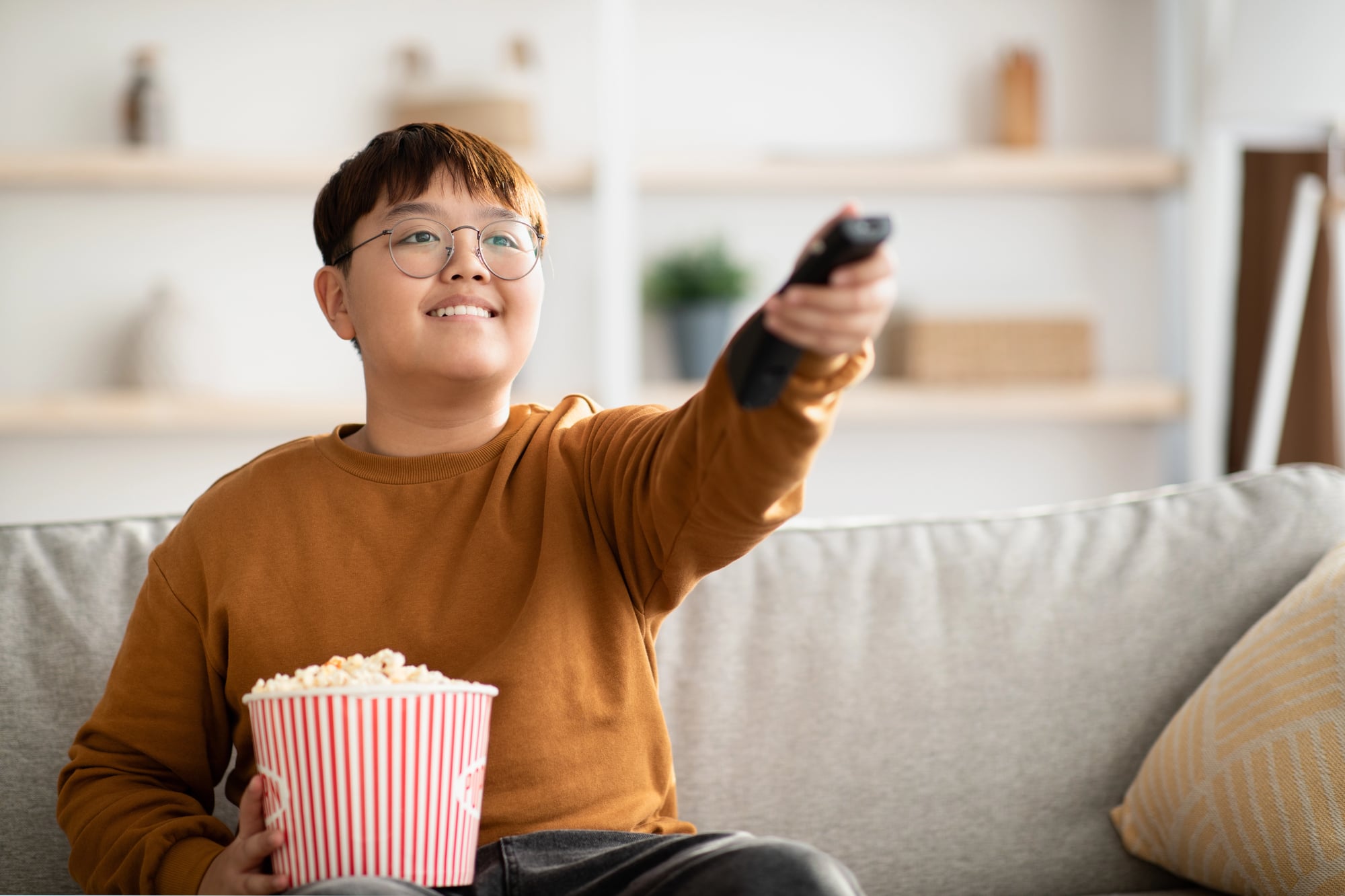
Saved by the Bell aired new episodes on Saturday mornings but lived forever in weekday afternoon syndication, where it could be caught on local UHF channels at approximately 4 p.m. depending on your market. Zack Morris was not a good person — he was manipulative, self-serving, and almost always rewarded for it — and yet he was aspirational in the specific way that television antiheroes often are, which is to say the show was more honest about human nature than it was given credit for.
You watched it on the couch with your snack and never once questioned the physics of a high school that inexplicably had a beachside resort.
Cutting Out Magazine Photos for Your Binder

Tiger Beat, J-14, and YM were the source material, and the goal was collage — a binder cover or bedroom wall that announced your loyalties to anyone who entered the room. Leo DiCaprio, Jonathan Taylor Thomas, the cast of Dawson’s Creek — the photos were cut with kitchen scissors with more care than most school projects received.
It was curating before anyone called it that.
Listening to a CD on a Discman While Doing Chores
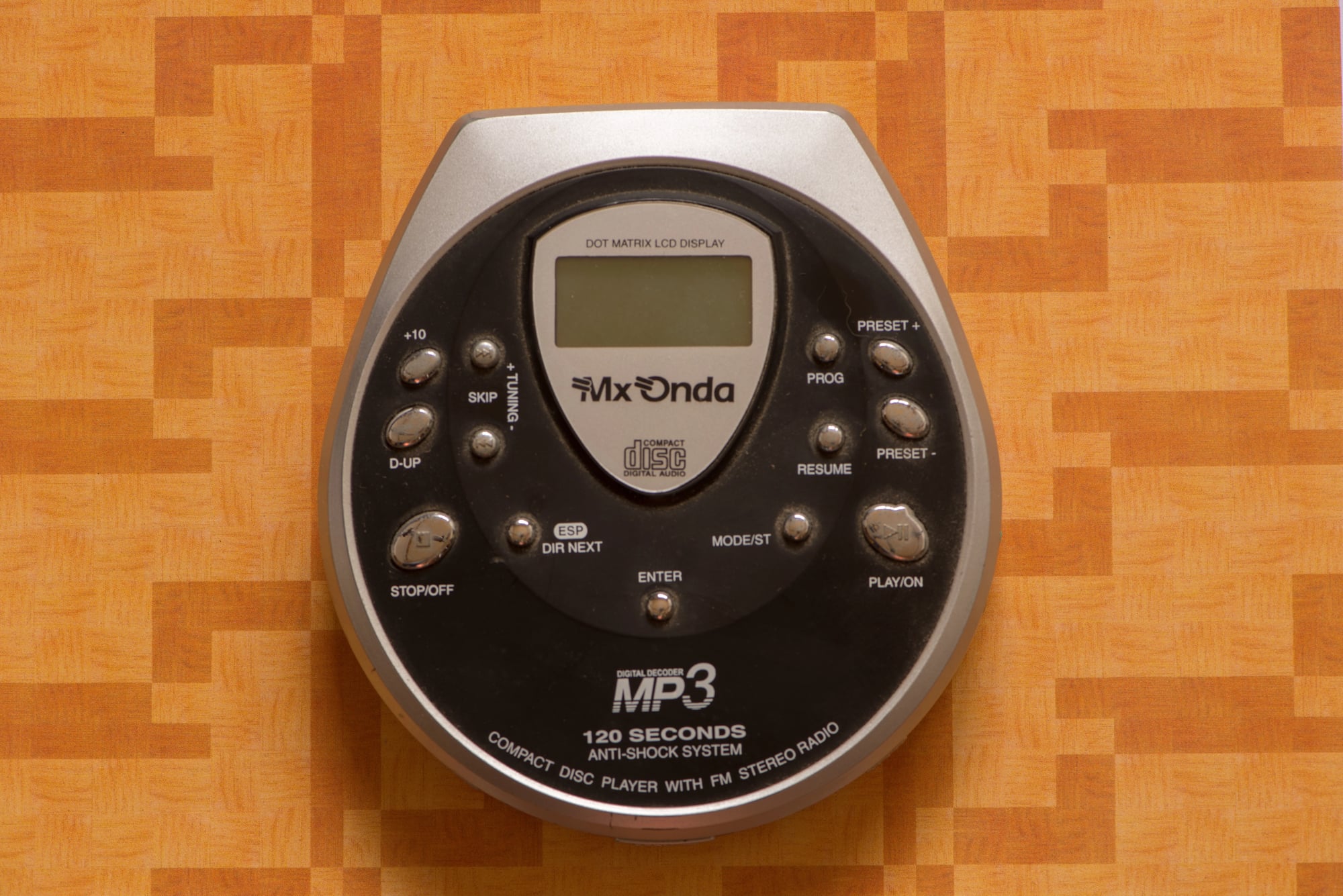
The Discman made chores survivable — a pair of headphones and a copy of No Doubt’s Tragic Kingdom or Alanis Morissette’s Jagged Little Pill converting the misery of vacuuming into something almost cinematic. The skip protection worked intermittently, which meant moving too fast broke the spell and you’d slow down instinctively, pacing yourself to the music.
Your parents interpreted this as diligence.
Jumping on the Trampoline Until Dinner
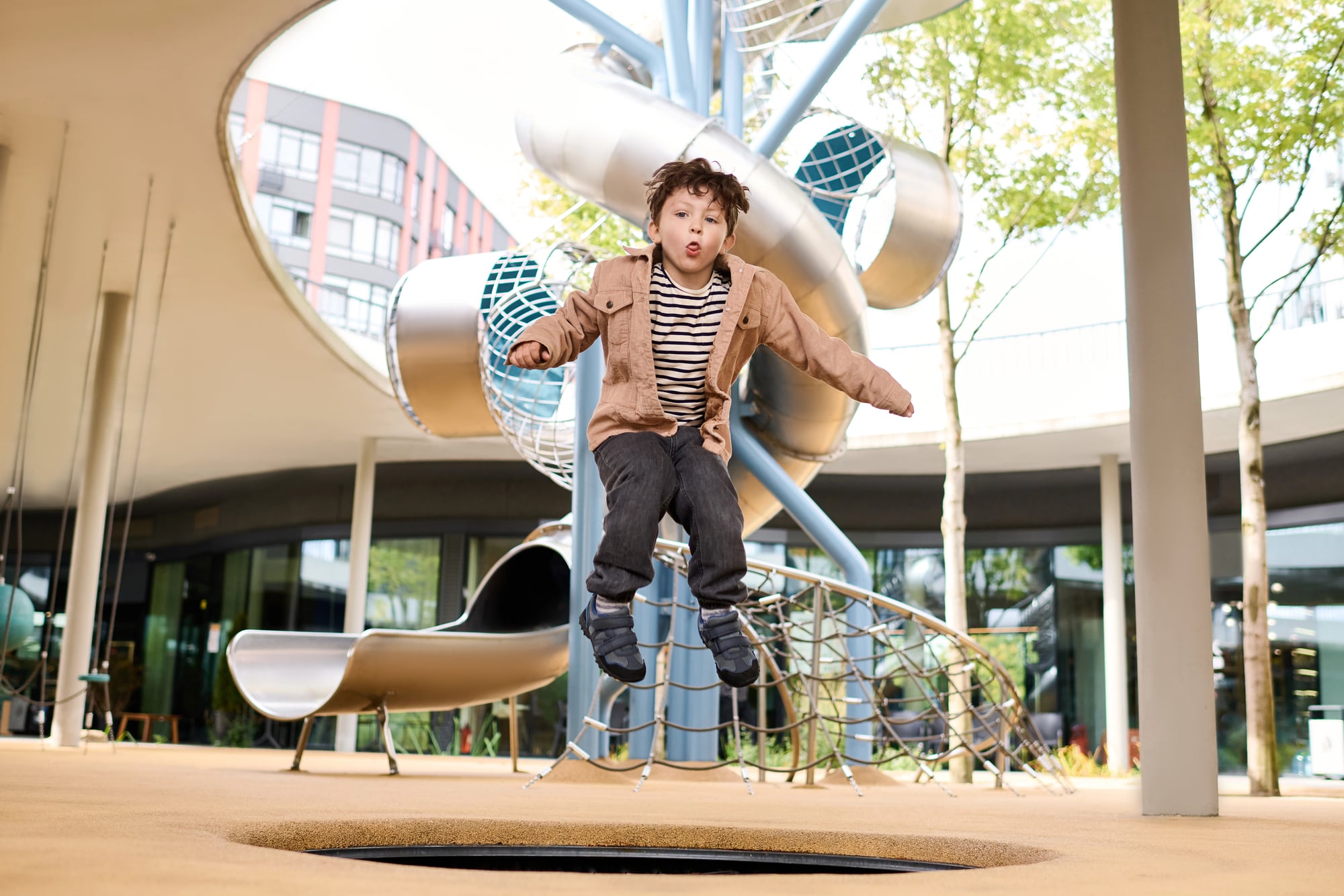
The trampoline in the backyard was a machine for converting restless energy into altitude, and it required no instructions, no score, and no plot. You’d jump until your legs went heavy and then lie flat on the hot vinyl, looking up at the sky through the mesh, with the particular physical satisfaction of having used your body until it asked to stop.
That feeling — earned stillness — is harder to find now.
Watching The Simpsons as a Family

DepositPhotos
The Simpsons occupied a rare cultural position in the ’90s — a show sharp enough for adults but structurally accessible to kids, which made it one of the few things a whole family could watch together without anyone feeling condescended to or excluded. It aired in syndication throughout the afternoon on many local stations, meaning you could catch a rerun before dinner and then the new episode on Sunday.
The jokes your parents laughed at and the jokes you laughed at were not always the same jokes.
Tying Up the Phone Line for Too Long

Every household had its own negotiated truce around the phone line — thirty minutes, an hour, no calls after 9 p.m. — and every household watched those rules dissolve the moment someone had gossip worth an hour and fifteen minutes. The consequence was that anyone trying to reach the house got a busy signal, which felt like a reasonable casualty at the time.
Your parents disagreed, reliably.
Playing MASH with Friends on the School Bus
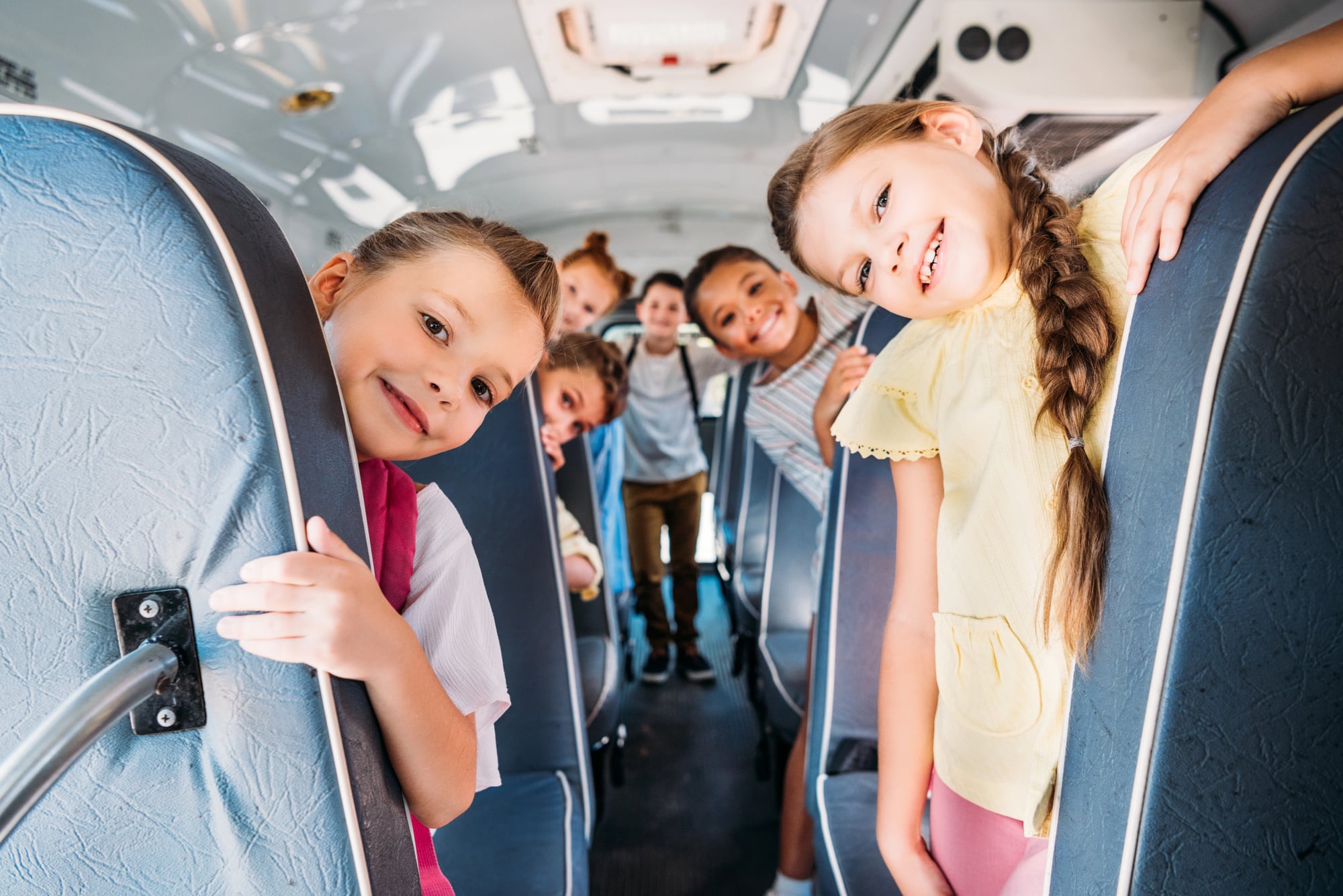
MASH — Mansion, Apartment, Shack, House — was the oracle of fourth grade, determining through a counting spiral what car you’d drive, who you’d marry, and how many children you’d have, as if the universe’s intentions could be extracted from a piece of notebook paper. The game required two players, a pencil, and the willingness to accept that the spiral sometimes assigned you a shack and marriage to someone you categorically rejected.
Fate, as rendered by a ten-year-old on a school bus, was rarely fair.
Watching the Disney Afternoon Block
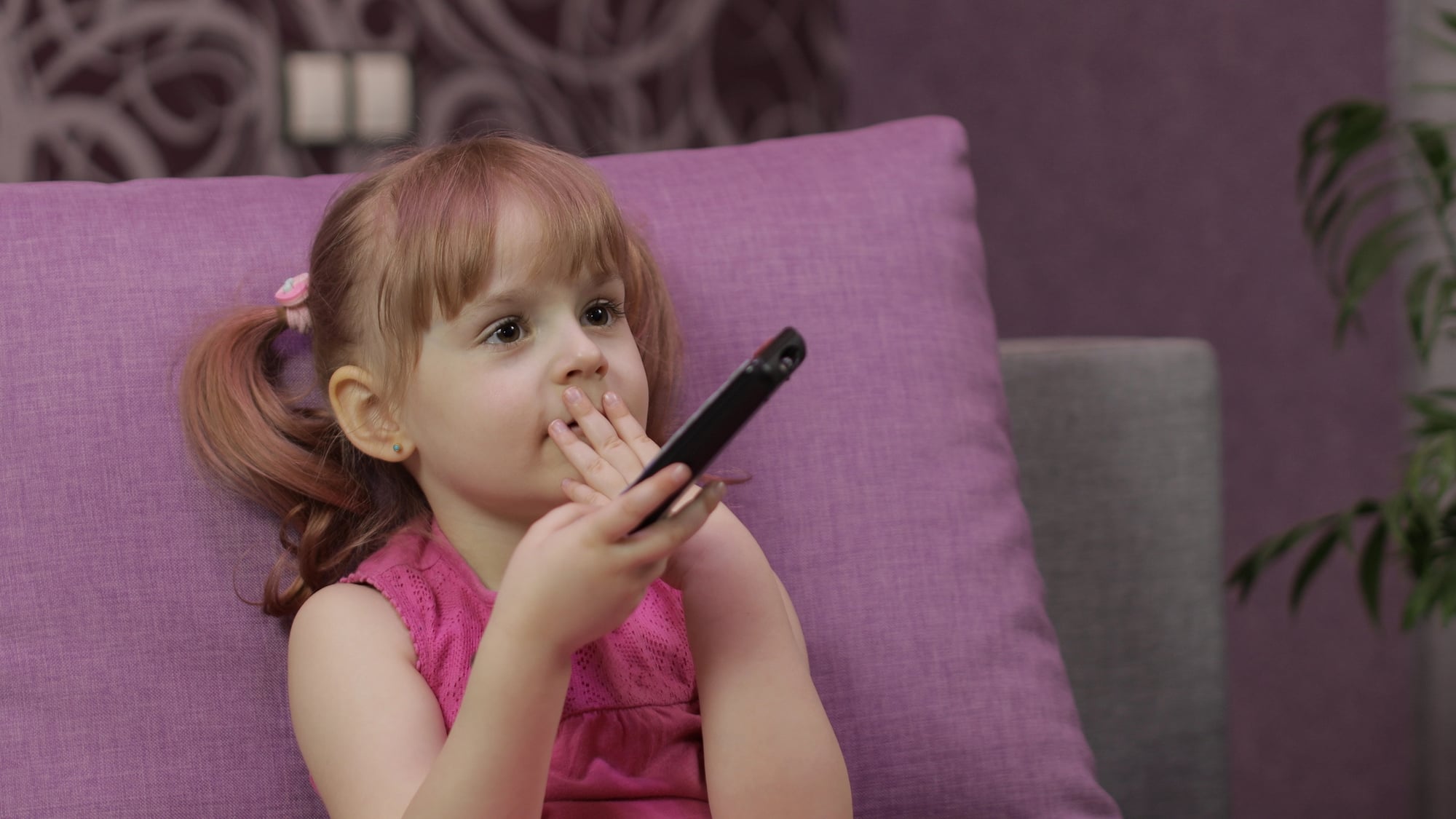
The Disney Afternoon was a two-hour programming block that ran on weekdays from roughly 3 to 5 p.m., and in its prime it delivered DuckTales, Chip ‘n Dale Rescue Rangers, TaleSpin, Darkwing Duck, and Gargoyles in a rotation that rewarded loyalty. These weren’t filler cartoons — they had serialized storylines, genuine stakes, and villains that weren’t played for easy comedy.
Getting home in time to catch it felt like something worth rushing for.
Riding to the Corner Store for a Slushie

The corner store or the 7-Eleven was the destination with purpose — a concrete goal for a Tuesday afternoon when “let’s go somewhere” needed a somewhere attached to it. A Slurpee cost under a dollar, the blue raspberry flavor stained your tongue for the rest of the afternoon, and the walk back home was slower because there was nothing left to accomplish.
The whole errand took forty minutes and felt like a small expedition.
Playing Outside Until the Streetlights Came On

The streetlights were the universal signal — not a parent’s voice, not a watch, but the specific moment when the sodium vapor lamps flickered orange against a darkening sky. That was the agreement, the unspoken contract between the neighborhood and the kids in it: when the lights come on, you come in.
It worked reliably, which is either a testament to the clarity of the rule or to the way dusk carries its own authority.
Falling Asleep on the Couch Before Dinner
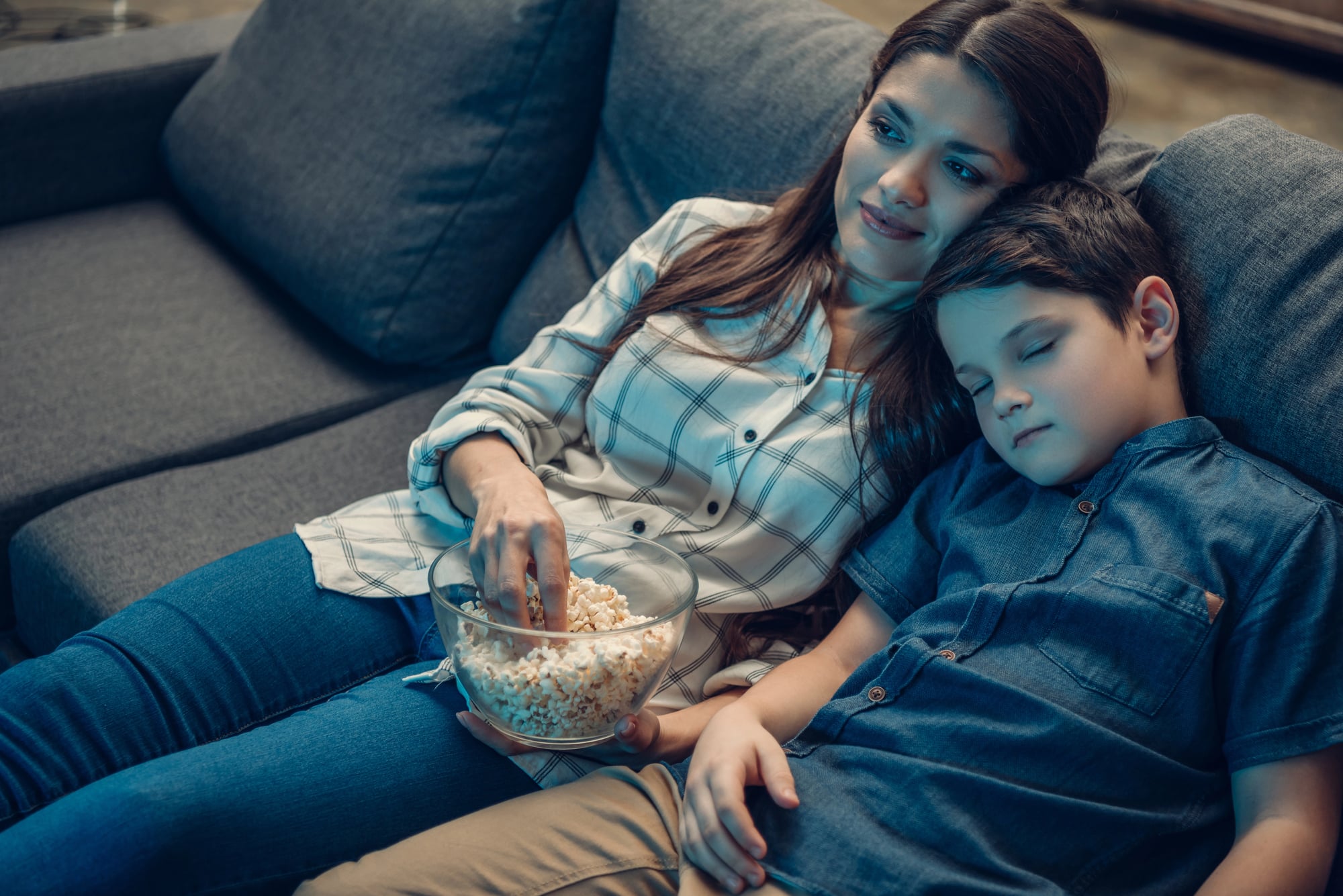
The couch nap was not planned — it arrived uninvited somewhere around 5:15 p.m., when the TV was still on and the afternoon’s energy had finally settled into something heavier. You’d wake up disoriented, unsure of the time, with one cheek imprinted from a throw pillow, the smell of dinner somewhere nearby.
It was the most complete kind of rest: accidental, total, and brief.
The Hours That Don’t Come Back

What those rituals shared — under the snack wrappers and the dial-up screeches and the trampoline springs — was the quality of unaccounted time, hours that belonged to you before you knew to notice them. Nobody optimized the after-school window.
Nobody tracked it, monetized it, or turned it into content. You were just there, in the kitchen or the backyard or the cul-de-sac, doing something small and specific and entirely real.
And the reason it all feels so vivid now is probably simple: you were paying attention without trying to.
More from Go2Tutors!

- The Romanov Crown Jewels and Their Tragic Fate
- 13 Historical Mysteries That Science Still Can’t Solve
- Famous Hoaxes That Fooled the World for Years
- 15 Child Stars with Tragic Adult Lives
- 16 Famous Jewelry Pieces in History
Like Go2Tutors’s content? Follow us on MSN.