19 Superstitions That Actually Have Scientific Basis
Most people write off superstitions as outdated nonsense. Most people write off superstitions as outdated nonsense.
But science, especially clever, does prove that some started beliefs had not been so deep in craziness after all. So many of such traditions are proved to have contained, although seeming purely magical or absurd, grains of actual truth in the light of modern research.
From grandmother’s remedies to ancient cultural practices, such superstitions almost always represent actual empiricism on health, safety, and human behavior, and are thus not silly. Turns out, our ancestors were better scientists than we gave them credit for.
Here is a list of 19 superstitions that researchers have found to contain surprising scientific validity.
Breaking a Mirror Brings Seven Years Bad Luck

The seven-year timeline connects to an ancient Roman belief that the human body completely renews itself every seven years, which modern science confirms is roughly accurate for most cell types. More importantly though, broken mirrors in historical times posed serious health risks since they contained toxic mercury and lead backing. These materials could cause serious neurological damage if handled improperly. The superstition effectively warned people to avoid touching broken mirror fragments, preventing mercury poisoning that could indeed affect someone’s health for years.
Don’t Walk Under Ladders

This superstition exists for obvious safety reasons that remain valid today. Construction workers and painters regularly drop tools, paint, or materials from ladders, making the area directly beneath them genuinely dangerous. The belief also stems from the triangular shape formed by a ladder against a wall, which ancient cultures considered sacred. They believed walking through it brought misfortune by breaking a holy geometric form.
Like Go2Tutors’s content? Follow us on MSN.
Throwing Salt Over Your Shoulder

Because salt was so expensive in the past, spilling it meant a large financial loss that might seriously affect a family’s well-being for months. Although salt’s antibacterial qualities were well known, if not scientifically understood, the custom of tossing salt over the left shoulder originated from the idea that bad spirits congregated there. Sodium chloride actually does kill many harmful bacteria and fungi, making salt a legitimate protective substance against contamination.
An Apple a Day Keeps the Doctor Away
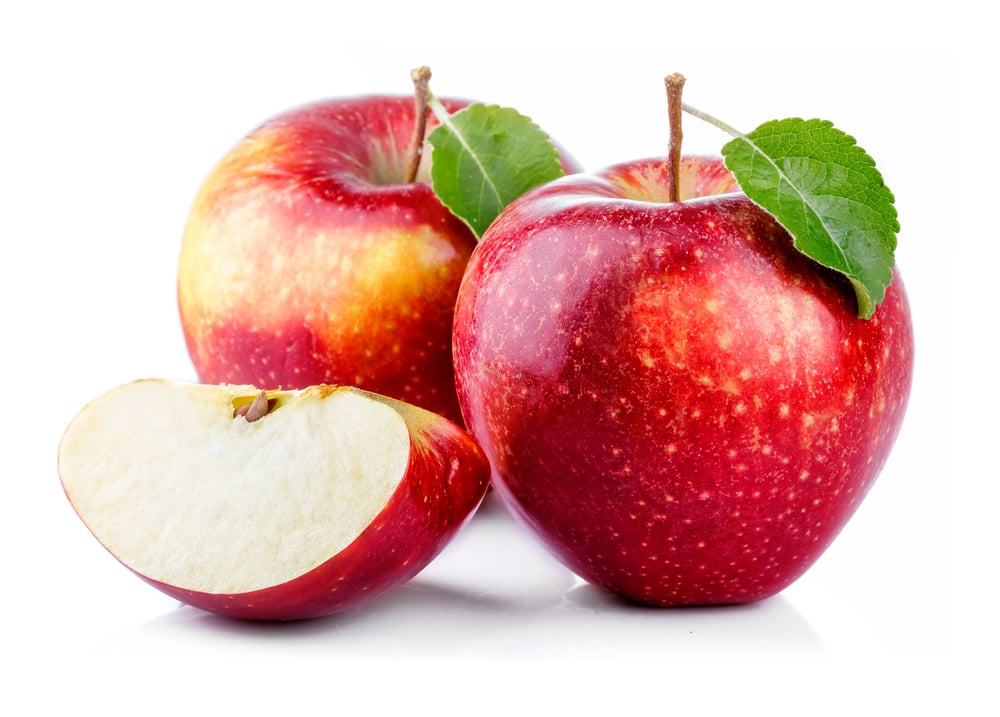
Apples contain high levels of quercetin, a flavonoid that boosts immune system function while reducing inflammation throughout the body. They’re also packed with soluble fiber that feeds beneficial gut bacteria, which modern research shows plays a crucial role in overall health and disease prevention. The pectin in apples helps regulate blood sugar and cholesterol levels, whereas their natural acids can help maintain oral health by reducing harmful bacteria in the mouth.
Feed a Cold, Starve a Fever

Recent immunology research suggests this old saying contains legitimate medical wisdom about how the body fights different types of infections. When fighting viral infections like colds, the immune system requires extra calories and nutrients to produce antibodies effectively, plus white blood cells need fuel too. During bacterial infections that cause fever, the body often naturally reduces appetite as part of an immune response. This helps the body fight the infection more efficiently by redirecting energy from digestion to immune function.
Like Go2Tutors’s content? Follow us on MSN.
Red Sky at Night, Sailor’s Delight

Meteorologists confirm that red sunsets often indicate high-pressure systems moving in from the west, which typically bring stable, clear weather for the following day. The red color comes from sunlight passing through dust and particles in dry air, suggesting low humidity plus minimal storm activity. This weather pattern recognition helped sailors and farmers predict conditions with surprising accuracy, long before modern forecasting existed.
Chicken Soup Cures Everything
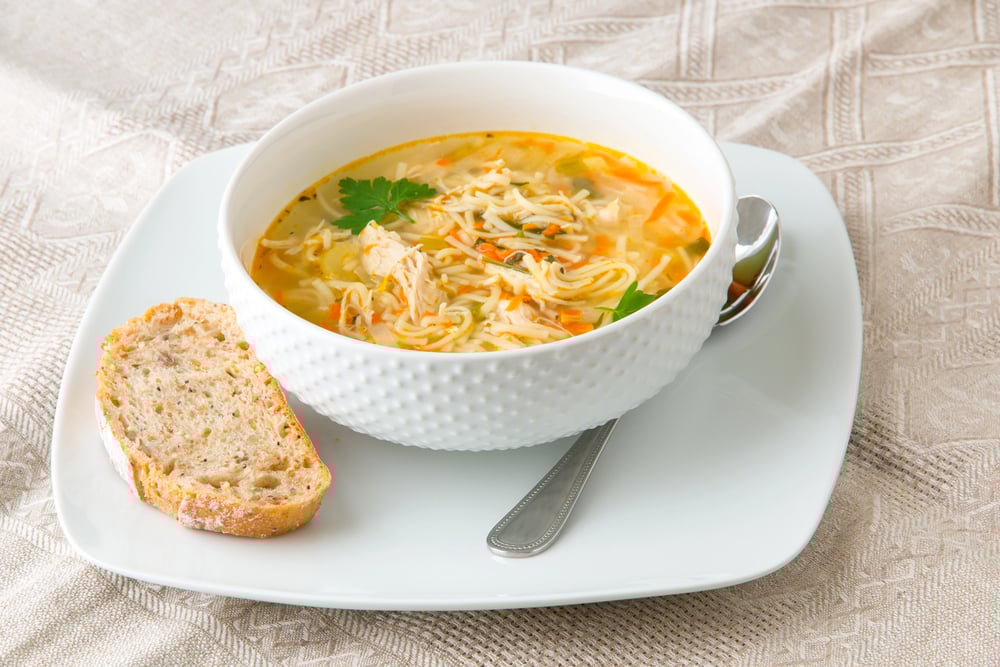
Scientific studies have proven that chicken soup contains compounds that reduce inflammation in the respiratory system, helping clear nasal congestion too. The warm broth increases blood flow while helping thin mucus secretions, whereas the steam provides natural humidification for irritated airways. Chicken soup also provides electrolytes and nutrients that support immune function, making it genuinely therapeutic for recovery from illness.
Knock on Wood for Good Luck

This practice originated from ancient beliefs about tree spirits, yet it actually serves as a psychological tool that helps people maintain realistic expectations. Studies show that knocking on wood may reduce overconfidence in predictions, particularly about future success. The superstition encourages humility while preparing people mentally for potential setbacks, which improves their resilience when facing actual challenges.
Like Go2Tutors’s content? Follow us on MSN.
Don’t Open Umbrellas Indoors
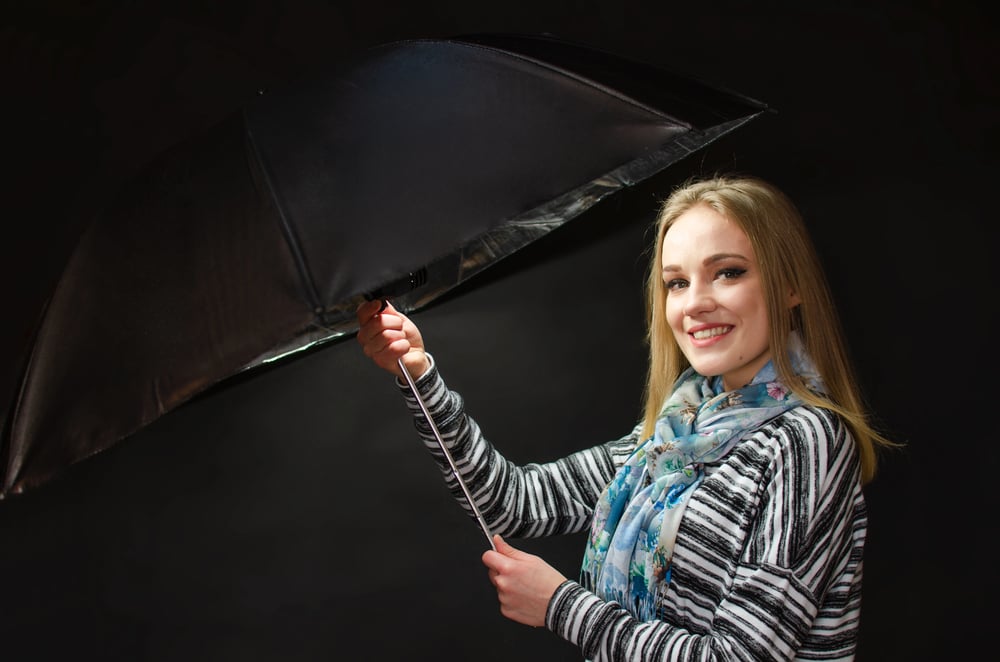
Indoor umbrellas pose legitimate safety hazards in confined spaces, potentially knocking over objects, hitting people, or damaging furniture and light fixtures. The superstition likely developed as a practical safety measure disguised as folklore. Victorian-era umbrellas were particularly dangerous indoors due to their large size, sharp spokes, plus spring-loaded mechanisms that could cause serious injury in tight spaces.
Carrots Improve Night Vision

Carrots contain high levels of beta-carotene, which the body converts to vitamin A, an essential nutrient for maintaining healthy vision. Vitamin A deficiency can cause night blindness along with other serious eye problems, making carrots genuinely beneficial for eyesight. This belief was strategically promoted during World War II to hide the development of radar technology, though the underlying nutritional science remains completely valid.
Black Cats Bring Bad Luck

This superstition likely developed because black cats are harder to see in low light conditions, making them more likely to cause accidents by darting unexpectedly across paths or under feet. In medieval times, black cats were associated with witches partly because their dark fur made them ideal companions for people who needed to move unseen at night. The superstition served as a practical warning about visibility hazards in an era without street lighting.
Like Go2Tutors’s content? Follow us on MSN.
Counting Sheep Helps You Sleep

The repetitive mental exercise of counting sheep provides a form of cognitive distraction that helps quiet racing thoughts and anxiety that prevent sleep. Sleep researchers have found that engaging in simple, monotonous mental tasks can trigger the relaxation response and prepare the brain for sleep. The visualization aspect also activates the same neural pathways used during actual sleep, helping to initiate the transition from wakefulness to rest.
Eat Fish for Brain Power

Fish, particularly fatty fish like salmon and sardines, contain omega-3 fatty acids that are crucial for brain development and cognitive function. These essential fats improve memory, reduce inflammation in the brain, and support neurotransmitter production that affects mood and mental clarity. Population studies consistently show that people who eat fish regularly have lower rates of dementia and better cognitive performance throughout their lives.
Spicy Food Cools You Down

Spicy foods trigger the body’s natural cooling mechanisms by causing sweating and increasing blood circulation to the skin’s surface. Capsaicin, the compound that makes peppers hot, activates temperature receptors that signal the brain to initiate cooling responses even when ambient temperature hasn’t changed. This explains why many of the world’s hottest climates have traditionally spicy cuisines—the food actually helps people stay cooler in extreme heat.
Like Go2Tutors’s content? Follow us on MSN.
Garlic Wards Off Evil
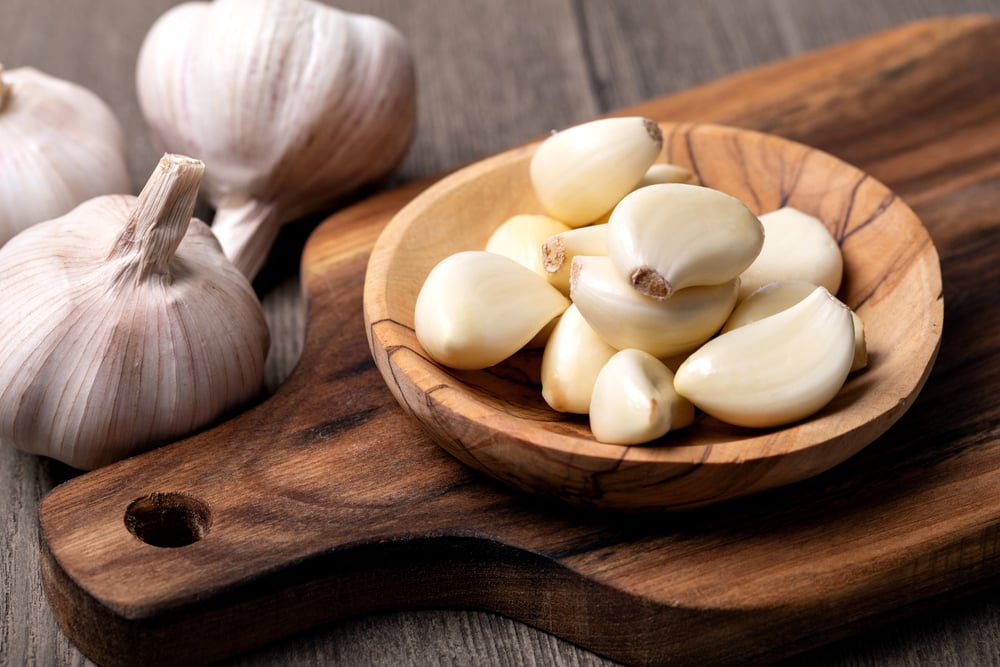
Garlic contains allicin and other sulfur compounds that have powerful antimicrobial properties, effectively killing bacteria, viruses, and fungi that cause illness. Before modern medicine, garlic genuinely protected people from ‘evil’ in the form of infectious diseases that could kill or seriously harm them. The strong smell also repels many insects and parasites that spread disease, making garlic a legitimate protective substance against various health threats.
Don’t Swim After Eating

Digestion requires significant blood flow to the stomach and intestines, which can reduce circulation to muscles and potentially increase cramping risk during vigorous exercise. While the traditional one-hour waiting period is probably excessive, there’s some physiological basis for avoiding intense physical activity immediately after large meals. The superstition helps prevent uncomfortable digestive issues and reduces the small but real risk of severe cramping in water.
Laughter is the Best Medicine

Research in psychoneuroimmunology has proven that laughter triggers the release of endorphins and other beneficial hormones while reducing stress hormones like cortisol. Regular laughter strengthens the immune system, lowers blood pressure, and provides natural pain relief through the body’s own opioid-like chemicals. Studies show that people who laugh frequently have better cardiovascular health and recover more quickly from illness and injury.
Like Go2Tutors’s content? Follow us on MSN.
Pregnant Women Glow

Pregnancy hormones increase blood flow and oil production in the skin, creating the appearance of a healthy, radiant complexion that people describe as ‘glowing.’ Higher levels of estrogen and progesterone also increase skin thickness and moisture retention, reducing the appearance of fine lines and blemishes. The increased blood volume during pregnancy literally brings more circulation to facial skin, creating a natural flush that enhances skin tone and appearance.
Full Moon Makes People Crazy
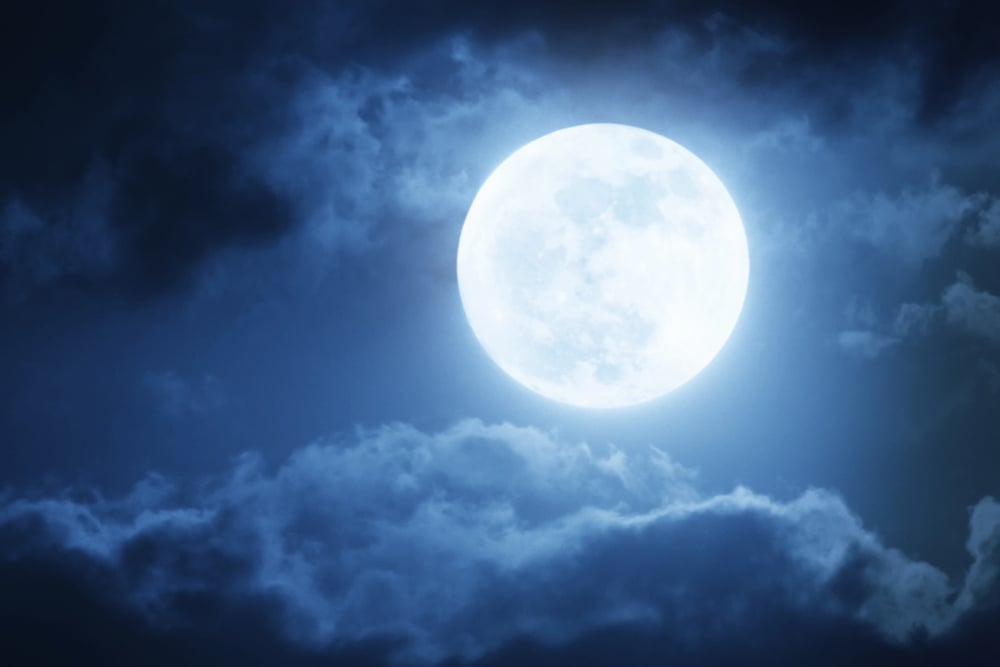
While the moon doesn’t directly affect human behavior, several factors associated with full moons can influence sleep patterns and mood regulation. Bright moonlight can disrupt natural circadian rhythms and reduce melatonin production, leading to sleep disturbances that affect emotional stability. Additionally, full moons occur when lunar gravitational pull is strongest, which may subtly affect people who are sensitive to atmospheric pressure changes, similar to how some people react to weather fronts.
When Science Meets Folklore

These superstitions remind us that traditional wisdom often contains more truth than modern skepticism suggests. Our ancestors developed these beliefs through careful observation of cause and effect, even though they couldn’t explain the underlying mechanisms. Today’s research continues to validate many folk practices, proving that common sense and scientific method often reach the same conclusions through different paths. The next time someone dismisses an old superstition as nonsense, remember that science has a habit of catching up with wisdom that people have trusted for generations.
Like Go2Tutors’s content? Follow us on MSN.
More from Go2Tutors!

- 16 Restaurant Chains That Went Too Fast
- 12 Things Sold in the 80s That Are Now Illegal
- 15 Strange Things People Have Tried to Ban (And Failed)
- 16 Collectibles People Tossed Out Too Soon
- 17 Myths from Your Childhood That Were Actually Based on Real Things
Like Go2Tutors’s content? Follow us on MSN.