31 Ancient Cities Found Beneath Modern Towns That Rewrote Local History Entirely
There’s something quietly unsettling about walking down a street you’ve known for years and finding out later that an entire civilization was sitting a few feet beneath your shoes the whole time. Sewer repairs, subway tunnels, a farmer’s plow catching on something that shouldn’t be there — these are the unglamorous ways history tends to announce itself.
What follows are 31 places where a modern town turned out to be sitting directly on top of a much older one, and where that discovery didn’t just add a footnote, it rewrote the story the town thought it knew about itself.
Rome
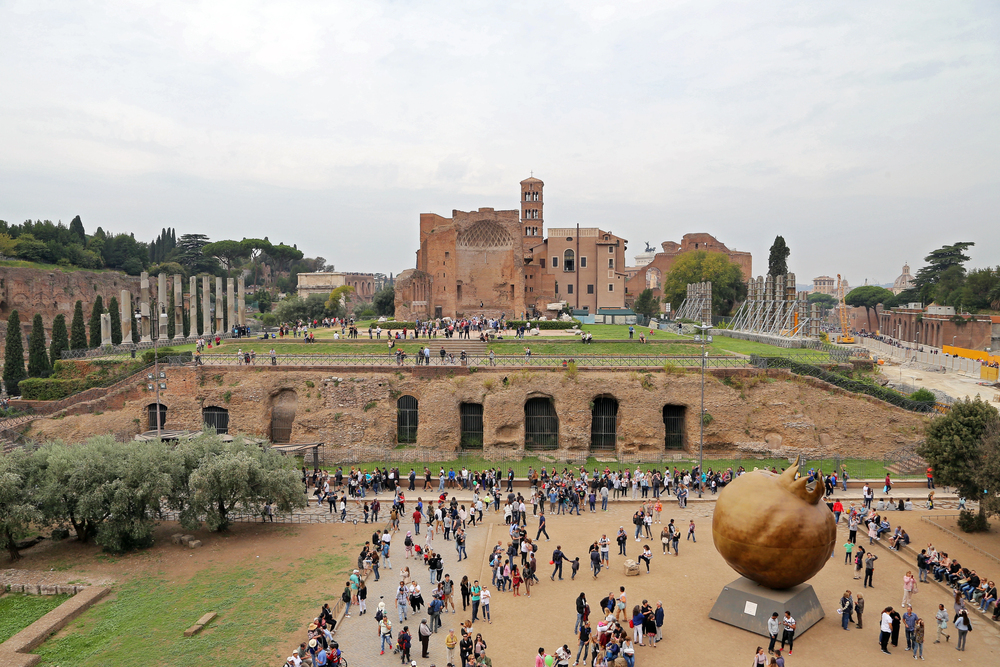
Rome never really needed to be dug up, since everyone already knew it was old. But the layers underneath the layers — the Domus Aurea buried under later imperial buildings, the catacombs stretching for miles, structures found during subway construction that pushed the metro’s timeline back by years — kept surprising even the people who study this for a living.
Every new tunnel or foundation pour seems to hit something Nero or Trajan touched.
Mexico City
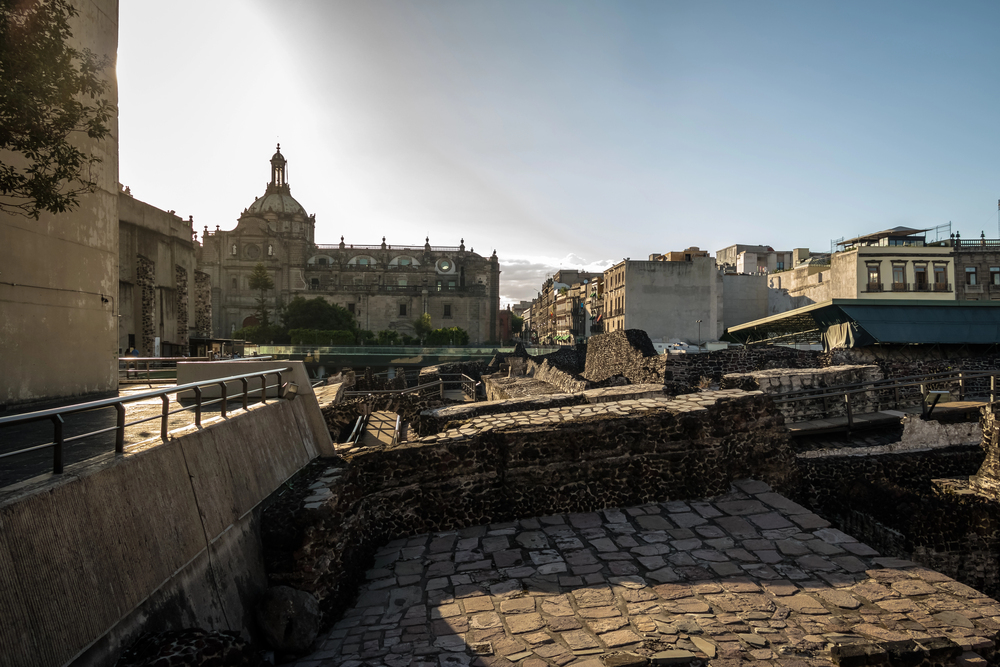
Beneath the cathedral and the busy streets of the historic center sits Tenochtitlan, the Aztec capital that the Spanish demolished and built directly over — not beside, over. Workers repairing electrical lines in 1978 stumbled onto a massive stone disc depicting the dismembered goddess Coyolxauhqui, and that single find led to the excavation of the Templo Mayor, the empire’s central temple, sitting almost exactly where city planners had been routing traffic for four centuries.
The scale of what had been paved over changed how historians talked about the conquest altogether.
Naples
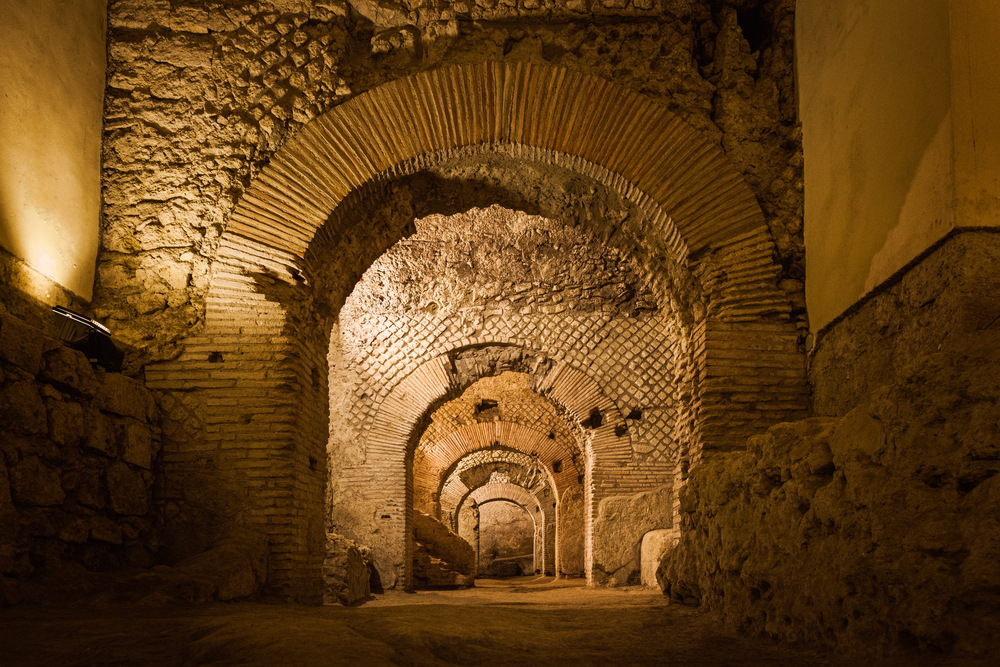
Naples wears its past like a second skeleton: beneath the noise of the modern city runs Neapolis, a Greek and Roman settlement of tunnels, aqueducts, and market halls that locals could access through unmarked doorways for generations before anyone formalized the tours. Walking down into Napoli Sotterranea feels less like visiting a museum and more like slipping through a crack in the calendar — cool air, old stone, the traffic overhead fading to a hum.
The city above didn’t just grow near its ancestor. It grew directly on its shoulders.
Jerusalem
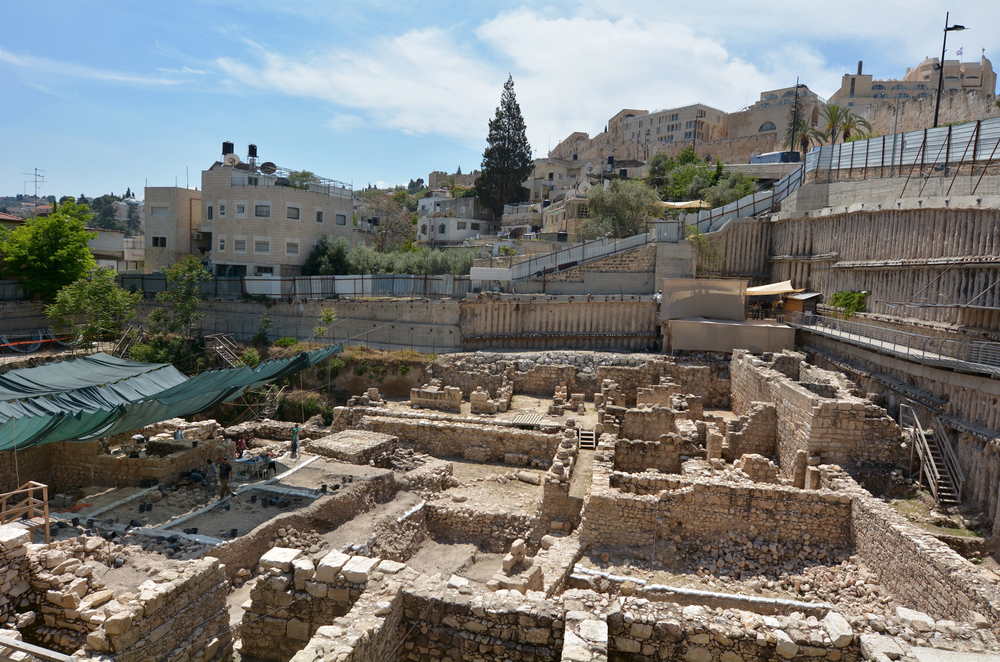
Nobody seriously doubted that Jerusalem had ancient roots — the argument was always about where, exactly, and how much of it survived. The City of David excavations, tucked just outside the current Old City walls, turned up fortifications, water systems, and structures dated to the era of the biblical kings, giving skeptics and believers alike something concrete to argue over.
Turns out the disagreement wasn’t about whether something was buried there. It was about whose story got to claim it first.
Alexandria
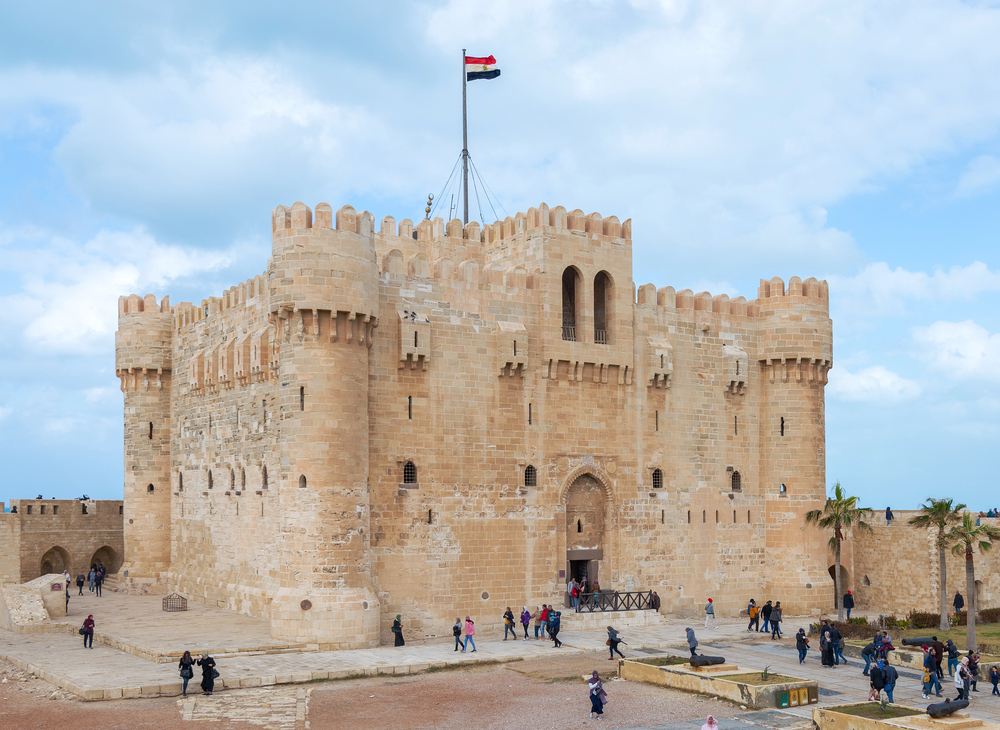
Alexandria’s ancient core doesn’t sit quietly underground so much as it slumps into the harbor, half-submerged and half-buried, refusing to fully disappear either way. Divers have mapped columns, sphinxes, and what might be pieces of the lighthouse foundation resting in the shallows just off the modern waterfront — a city that didn’t vanish, it just sank sideways into the one that replaced it.
There’s a strange comfort in that, honestly: the idea that a great library and a great harbor can go quiet without going away.
Sofia
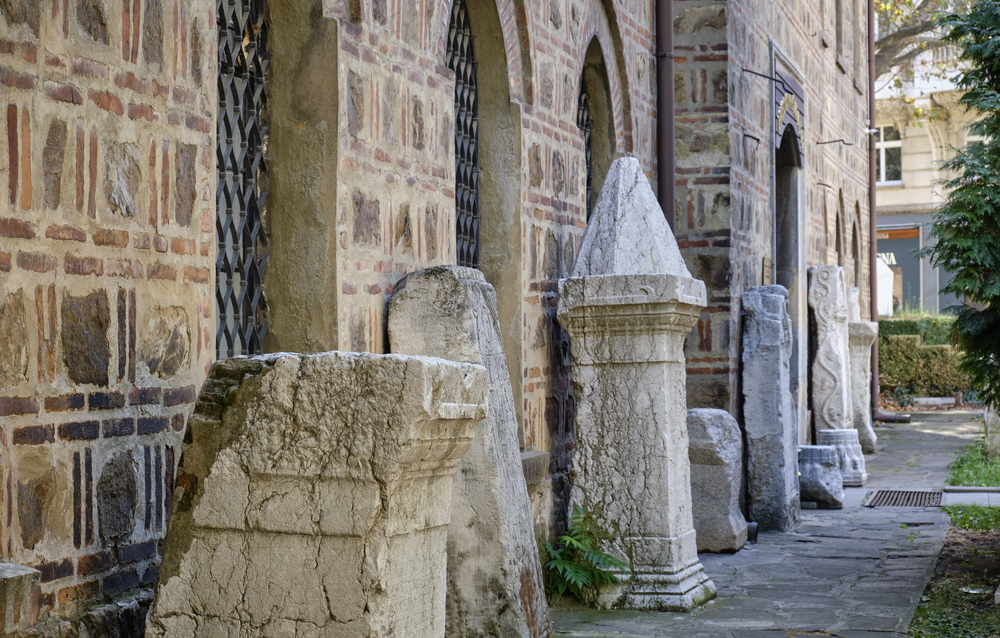
Sofia’s transit authority did not expect a subway extension to become an archaeology project, but ancient Serdica had other plans. Roman streets, a forum, and bath complexes surfaced during construction, and the city made the unusually sensible choice to build the metro station around the ruins instead of over them.
Commuters now walk past 2,000-year-old stonework on their way to catch a train, which is either the most Bulgarian thing imaginable or the most reasonable use of ruins anywhere in Europe.
Plovdiv
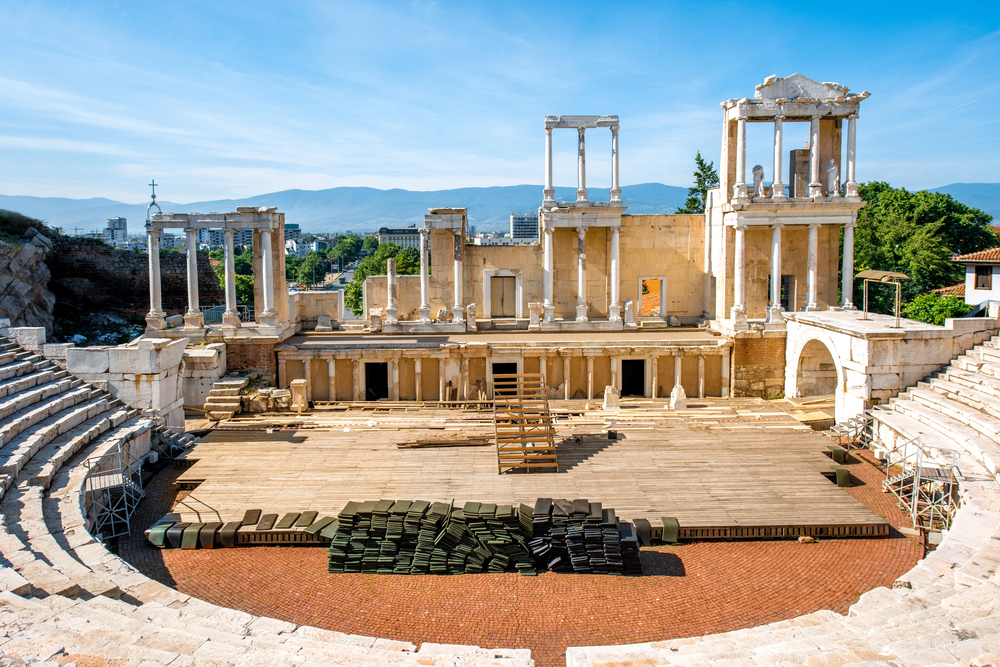
Ancient Philippopolis sits under Plovdiv the way an old photograph sits under a new coat of paint — visible if you know to look, easy to miss if you don’t. Roman stadium seating shows up mid-shopping-street, forcing pedestrians to step around 2,000-year-old marble on their way to buy groceries.
Nobody planned it that way, and yet somehow the arrangement feels less like an accident and more like the town simply refusing to choose between its centuries.
Leicester
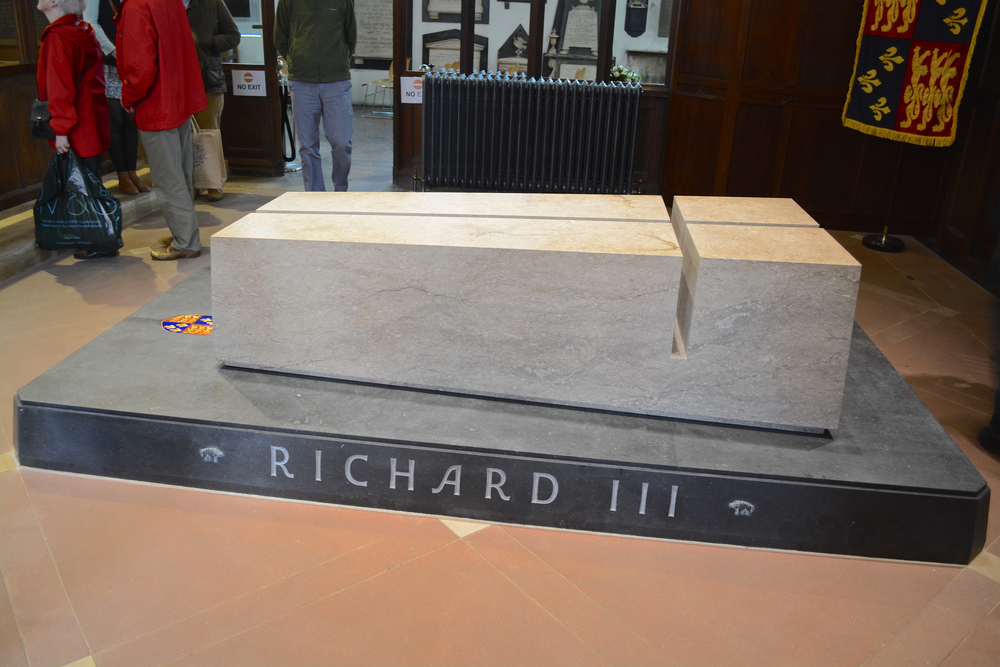
Nobody digs a parking lot expecting to find a king. But in 2012, archaeologists searching beneath a municipal lot in Leicester found the remains of Richard III, buried in what had once been the choir of a Franciscan friary that itself sat within the footprint of Roman Ratae Corieltauvorum.
The find rewrote centuries of assumption about where the king had actually ended up, which is a remarkable thing for a parking lot to accomplish.
York
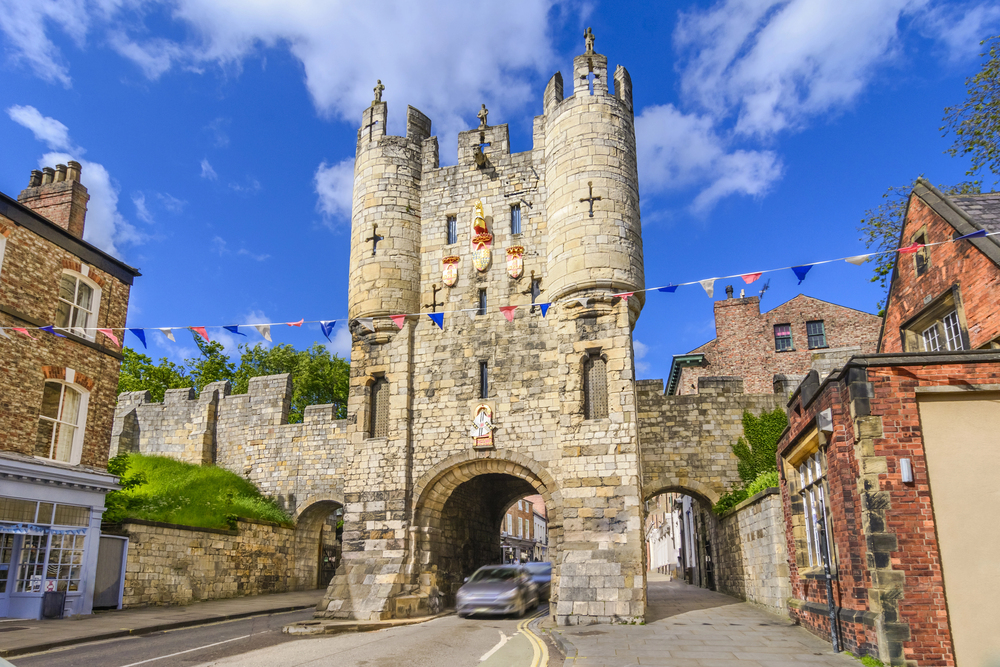
York’s Roman name was Eboracum, and it left behind more than a name — legionary fortress walls, bathhouse remains, and burial sites keep surfacing under basements and pub cellars across the city. Excavators working beneath a bank on Micklegate once found remains suggesting a garrison population far more diverse than textbooks had assumed, upending the tidy idea of who actually built and staffed Roman Britain.
So a city famous for its medieval walls turned out to be hiding an even older, more cosmopolitan story underneath them.
Bath
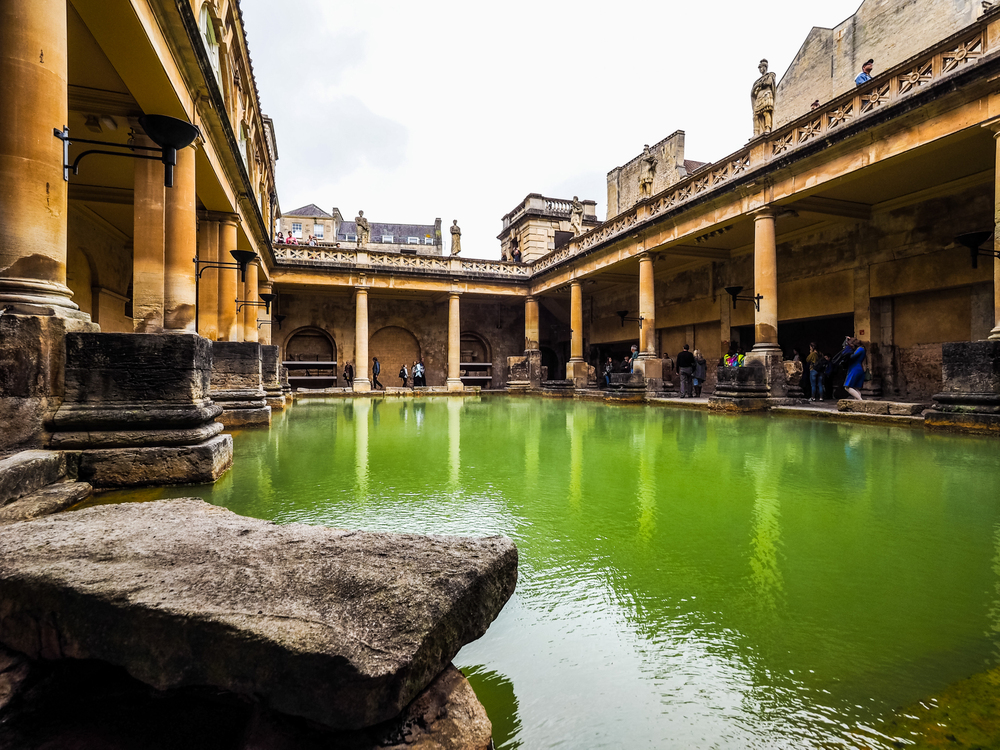
The Romans built Aquae Sulis around a natural hot spring, and centuries later the Georgians built their own spa city almost directly on top of it without fully realizing how much survived below. Workers doing routine repairs in the 1880s broke into the original Roman bath chamber, still lined and largely intact, sitting several feet under what everyone assumed was solid Georgian foundation.
It’s the rare case where the newer city and the older one shared almost the exact same obsession — hot water and a good soak — without ever meeting.
Chester
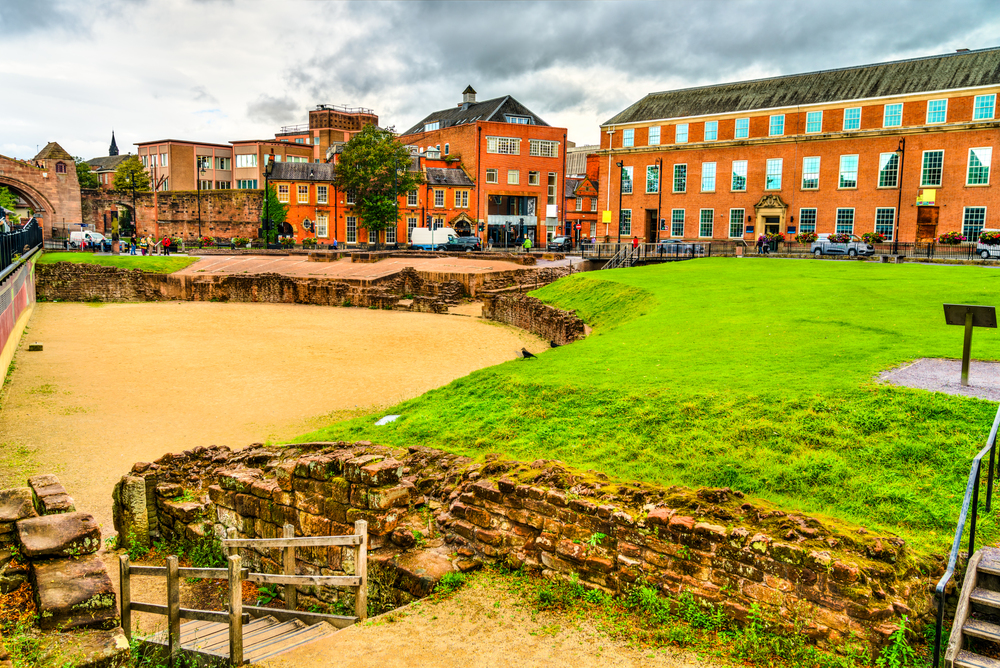
Chester will tell you, proudly and often, that its street layout is Roman. That’s not civic bragging so much as fact: Deva Victrix laid down the grid the medieval and modern town simply kept using, and excavations under the modern amphitheater site revealed it was significantly larger than historians had guessed for over a century.
A city that thought it knew its own dimensions had to quietly revise the math.
London
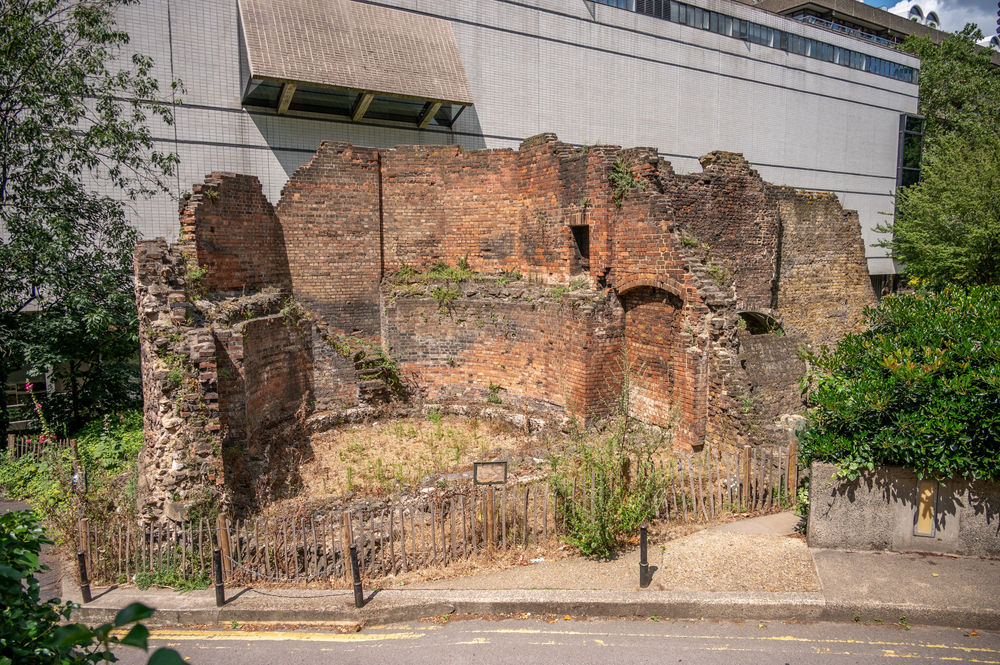
Londinium sits under London in fragments — a bit of wall here, a temple to Mithras there, a Roman road resurfacing under a Bloomberg office building of all places. The Mithraeum, discovered during 1950s construction and later reinstalled near its original site, drew crowds of ordinary Londoners lining up for hours just to see stones their ancestors had walked past without comment.
The city that invented modern finance turned out to be standing on a temple to a god most people had never heard of.
Cologne
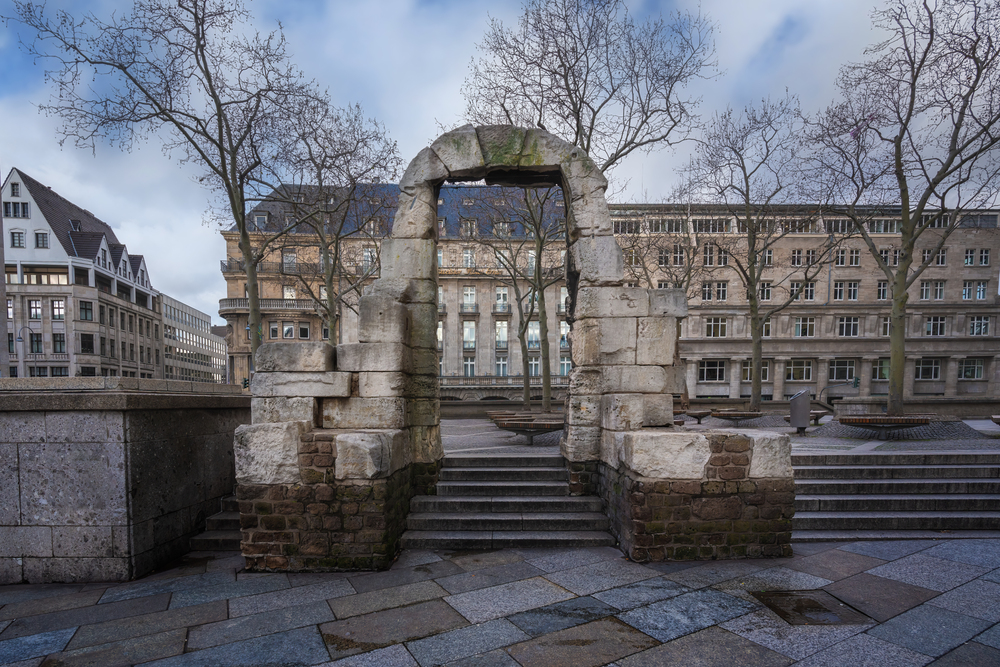
Cologne’s Roman name, Colonia Claudia Ara Agrippinensium, is longer than most people’s patience for pronouncing it, but the city beneath the city backs up the grandeur. A Roman governor’s palace, sewer systems, and a spectacular mosaic floor were found beneath what’s now the Roman-Germanic Museum, essentially built directly over its own evidence.
The modern city didn’t need to imagine its ancient roots. It just needed to dig a basement.
Trier
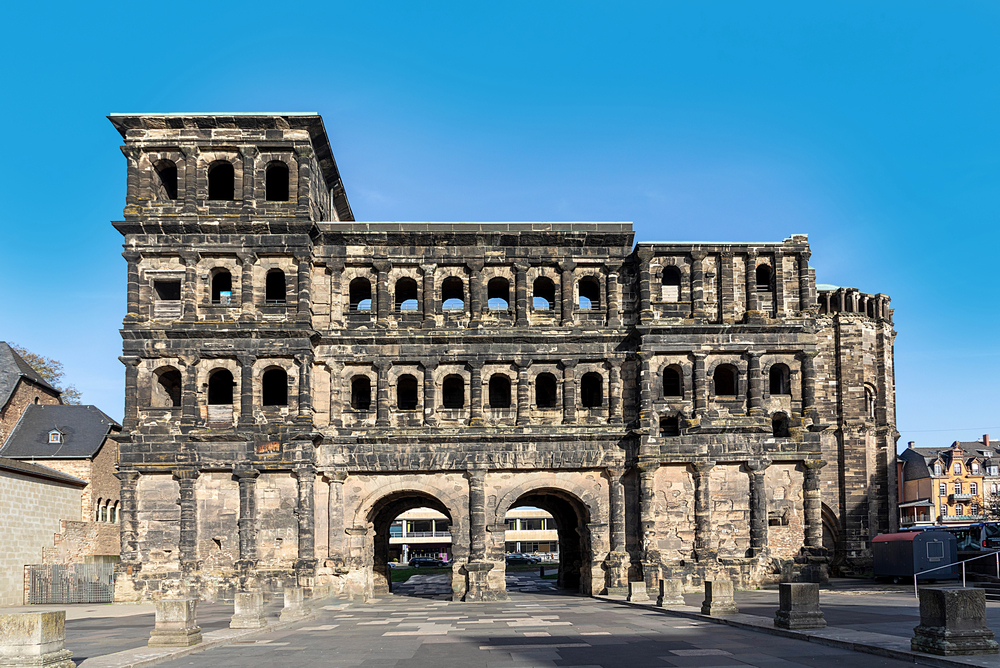
Trier calls itself Germany’s oldest city, and it has the buried receipts to prove it. Roman baths, an amphitheater, and the Porta Nigra gate all survive above ground, but it’s what kept surfacing beneath later construction — imperial palace foundations, a basilica repurposed and reburied more than once — that forced historians to admit the town’s importance to the Roman Empire had been badly underestimated.
A provincial German city, it turns out, was once treated like a second Rome.
Split
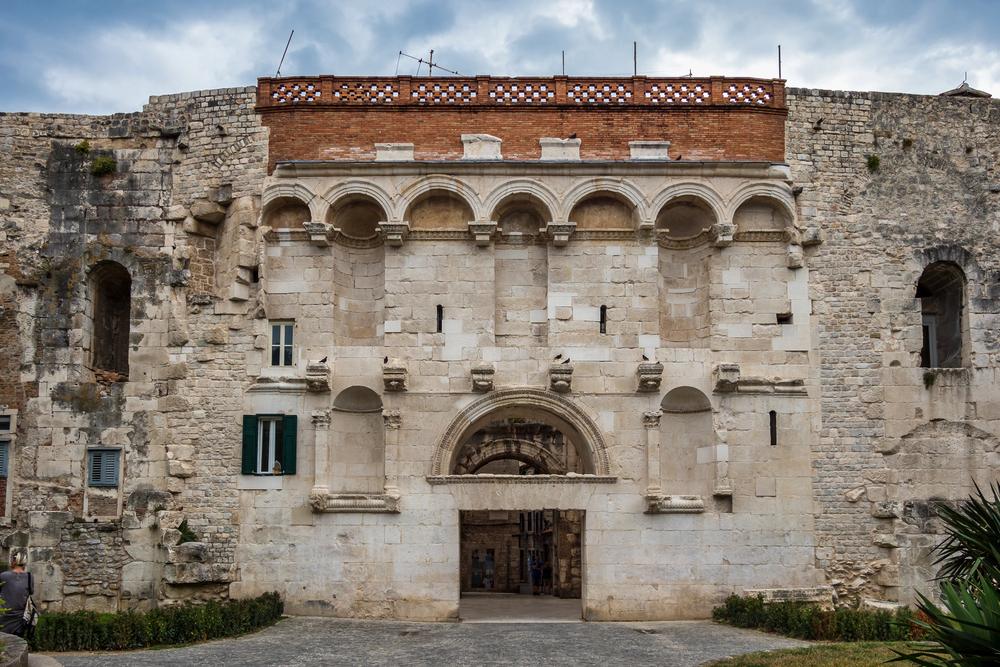
Split didn’t grow up around Diocletian’s Palace so much as it grew inside it, walls and columns absorbed wholesale into the medieval and modern town until the palace basement became, quite literally, someone’s fish market storage for centuries. Restoration work in the twentieth century cleared out the accumulated debris of everyday use and revealed vaulted substructures nearly untouched since antiquity.
A retired emperor built himself a retirement palace, and 1,700 years later, people were still living in it without much fuss.
Merida
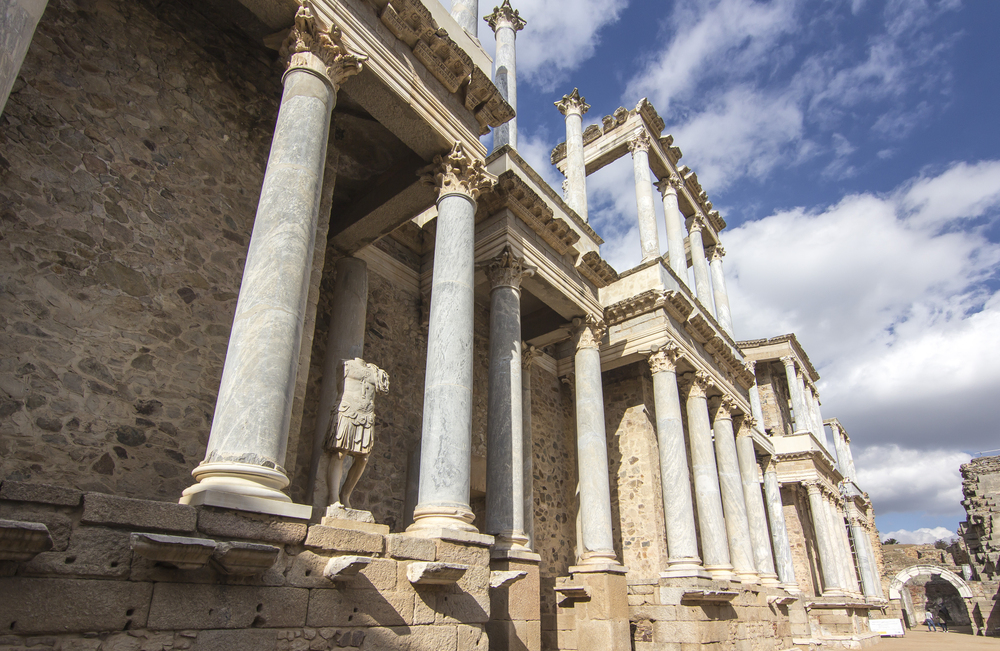
Emerita Augusta gave Merida its bones, and the city never really replaced them — it just kept building politely around them. A Roman theater, amphitheater, and an entire aqueduct system remain standing in daylight, while later excavations under the modern town uncovered a forum and temple complex that had been quietly buried under residential streets.
Spain’s most intact Roman city isn’t a ruin on the outskirts. It’s the actual downtown.
Zaragoza
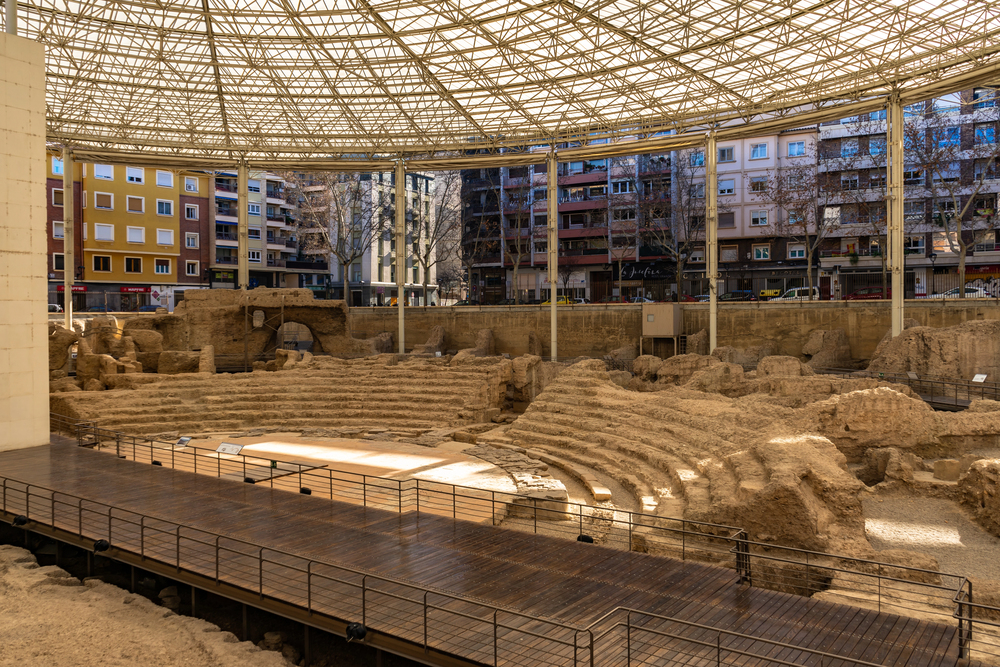
Caesaraugusta lends Zaragoza its very name, a linguistic fossil hiding in plain sight that most residents say without ever thinking about its origin. Underground excavations beneath the modern city center uncovered a Roman forum, river port, and public baths, all accessible now through museum walkways built directly under active streets.
The city didn’t discover its Roman self so much as it finally stopped ignoring it.
Cadiz
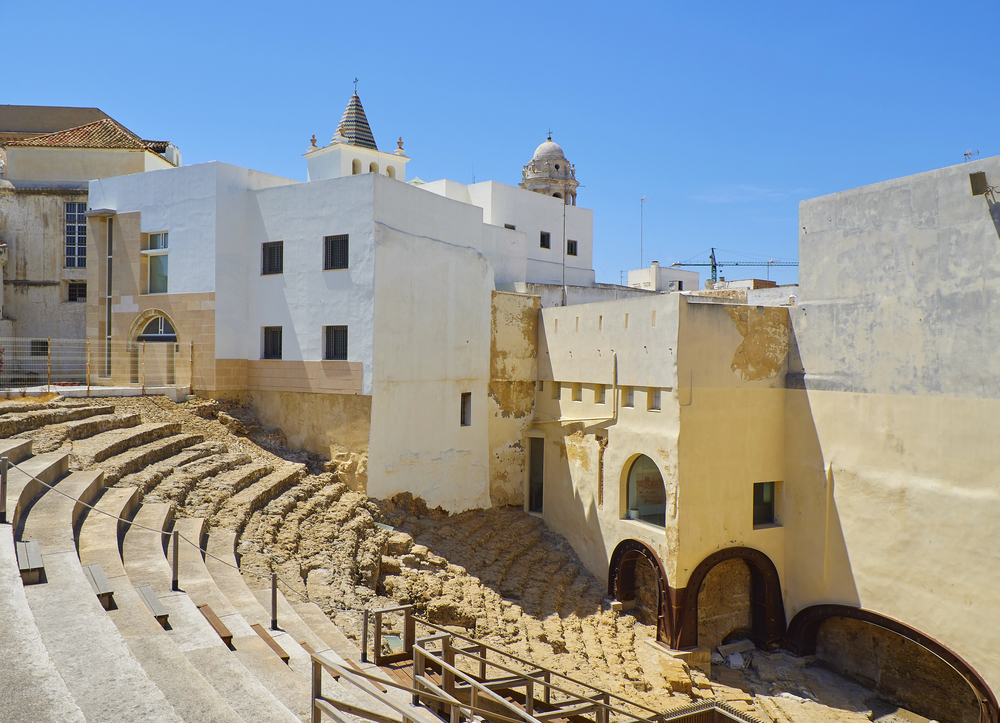
Cadiz claims to be one of the oldest continuously inhabited cities in Western Europe, founded as Phoenician Gadir, and the buried layers back up the boast. Excavations beneath a puppet theater of all places turned up Phoenician-era remains that pushed the city’s documented founding back further than local histories had assumed.
Nobody expects a theater renovation to become a lesson in Iron Age trade routes, and yet here we are.
Cusco
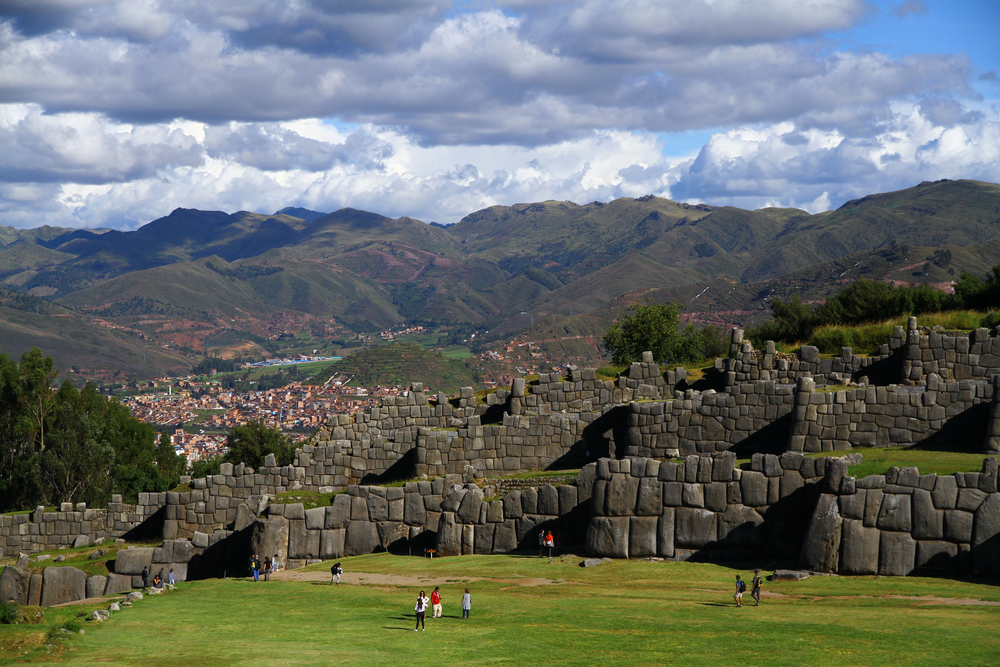
Cusco’s colonial churches and mansions sit on Inca stonework so precisely fitted that later Spanish builders simply reused the foundations rather than fight them. Earthquakes over the centuries have repeatedly knocked down the Spanish layer while leaving the Inca walls beneath essentially undisturbed, which is either poetic or humbling depending on how you look at it.
The old city didn’t get replaced. It got a much less earthquake-resistant roommate.
Xi’an
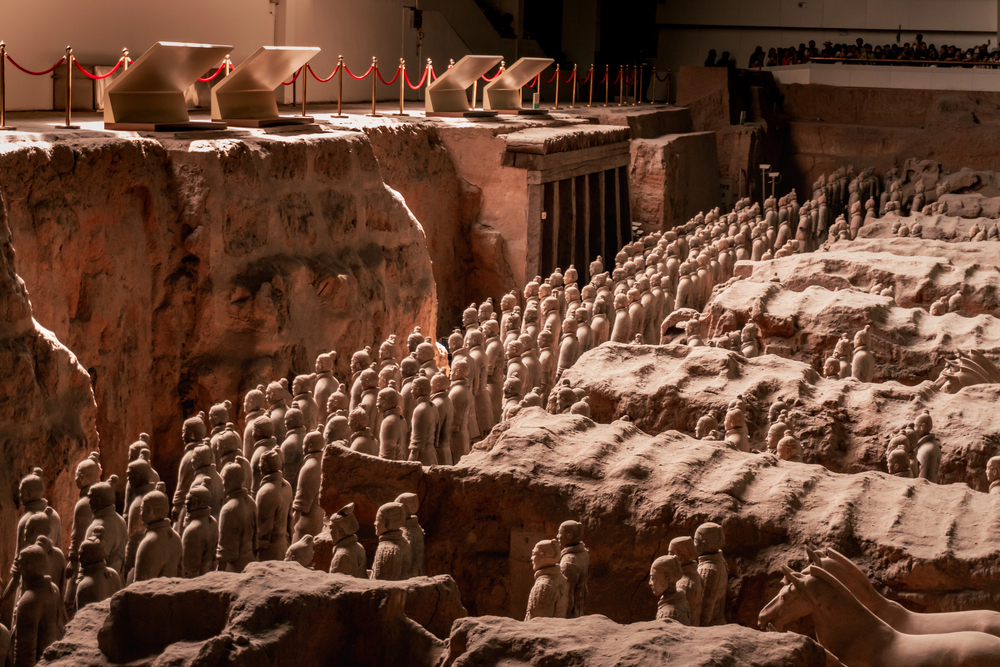
Modern Xi’an sits over the footprint of ancient Chang’an, once one of the largest cities on Earth and the eastern terminus of the Silk Road. Construction projects across the modern city have repeatedly run into palace foundations, city walls, and tomb complexes from multiple dynasties stacked on top of each other like sedimentary rock made of empire.
Every subway line dug through Xi’an risks becoming an accidental excavation.
Beirut
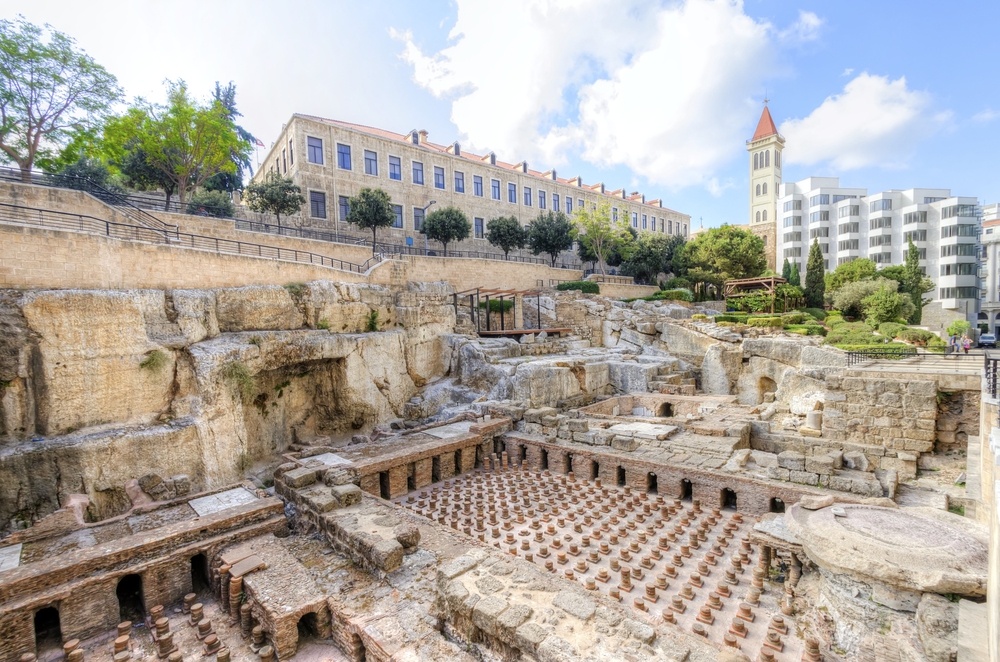
Downtown Beirut’s postwar reconstruction in the 1990s turned into one of the largest urban excavations the Middle East had seen in decades, revealing layers of ancient Berytus stretching back through Roman, Phoenician, and Canaanite occupation. Developers wanted office towers.
Archaeologists wanted more time. The compromise, uneven as it was, still surfaced enough to prove the city’s history went far deeper than the civil war’s wreckage had suggested.
Antakya
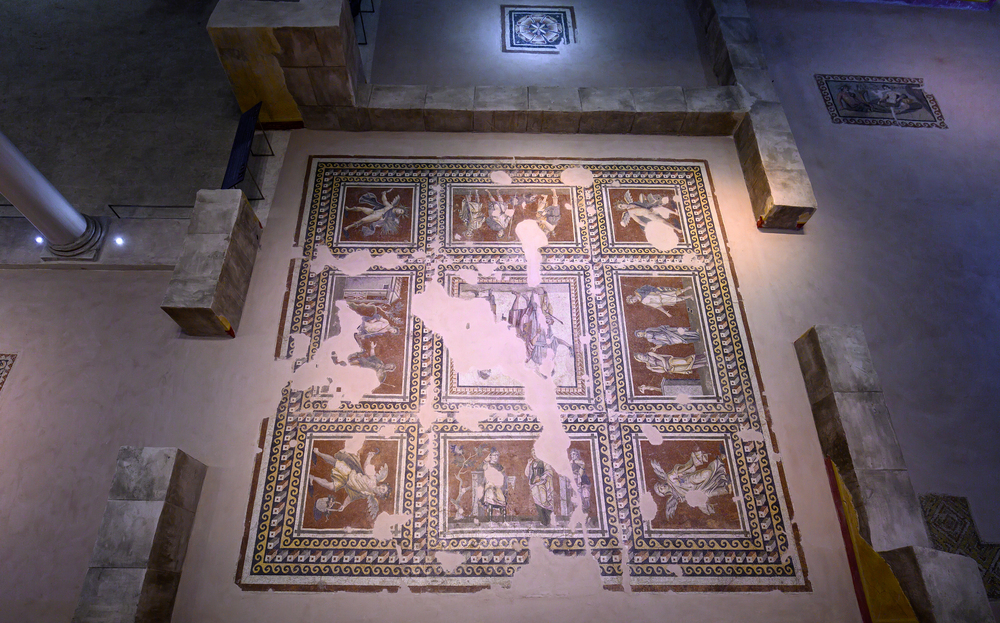
Antakya sits over ancient Antioch, once among the largest cities of the Roman world and a genuinely important early center for a religious movement that would go on to reshape the region entirely. Mosaics uncovered during 20th-century excavations were so extensive that entire museum wings were built just to house floors pulled up from beneath ordinary neighborhoods.
A modern earthquake-prone border town turned out to be sitting on one of antiquity’s genuine heavyweights.
Derinkuyu
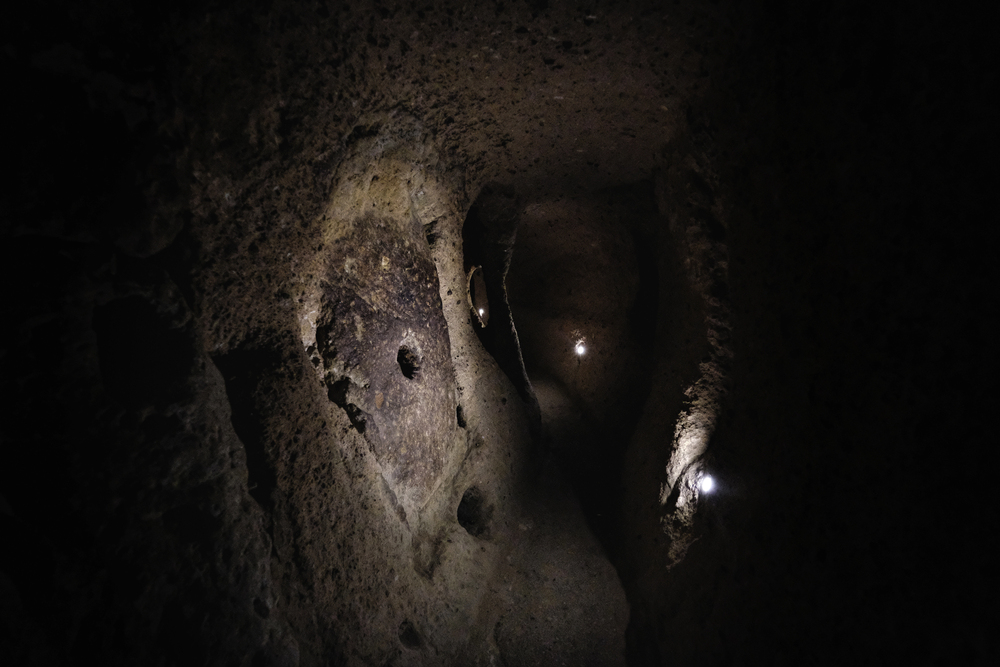
Derinkuyu isn’t beneath a town so much as it is the town, an underground city carved into volcanic rock that a resident in the 1960s found by accident while knocking down a wall in his basement. Multiple levels deep, complete with ventilation shafts, stables, and stone doors designed to seal off sections from the inside, it could reportedly shelter thousands of people for extended periods.
The modern surface village had absolutely no idea what it had been living on top of.
Volterra
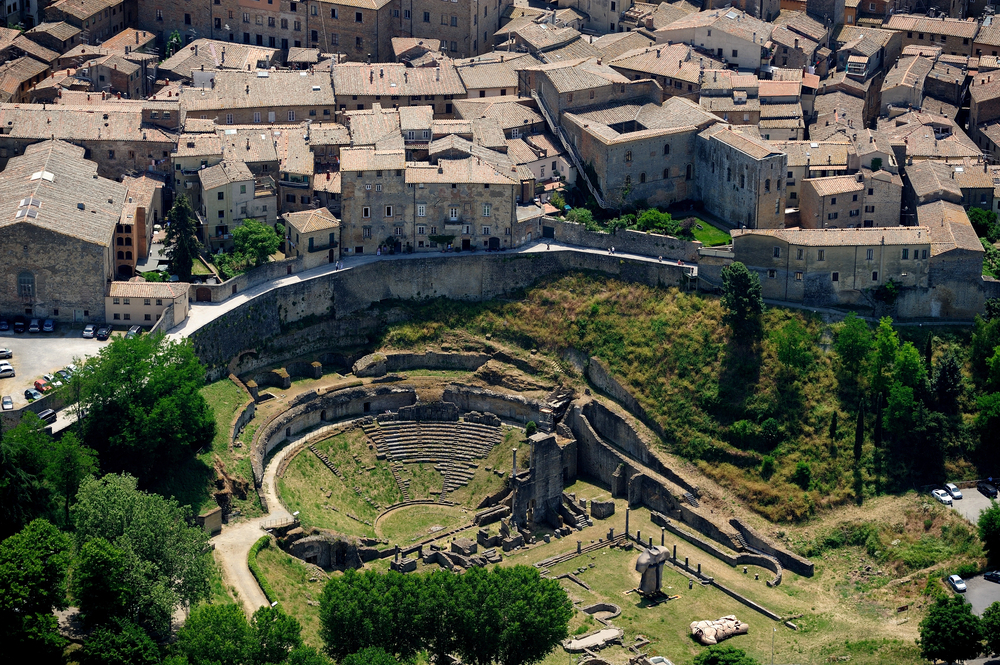
Volterra wears its Etruscan ancestry with a kind of stubborn, weathered pride, the way old stone walls do when they’ve outlasted every regime that ever claimed them. Beneath its medieval streets, excavators have found Etruscan gates, tombs, and city walls that predate Rome’s dominance of the region by centuries — a civilization that got absorbed rather than erased, its fingerprints still visible under everything built on top.
The town doesn’t advertise this loudly. It doesn’t need to.
Verona
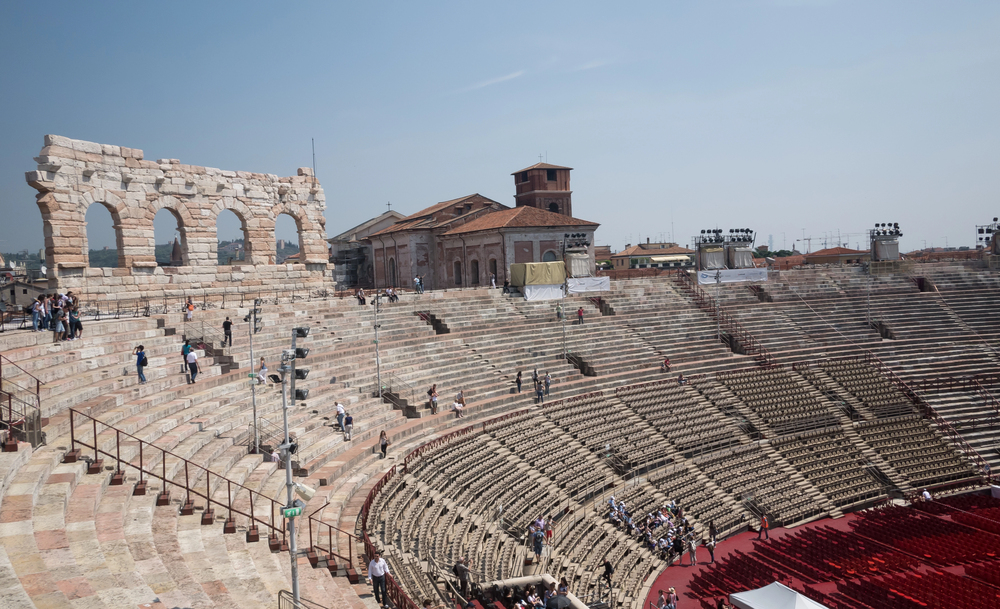
Verona’s Roman amphitheater survived mostly intact above ground, but it’s the city beneath the piazzas that reshaped how historians viewed the town’s importance to the empire. Excavations under the Piazza delle Erbe uncovered the remains of the ancient forum, still functioning as the city’s social heart in one form or another for roughly two thousand years running.
Few places can claim their central square never actually changed jobs.
Thessaloniki
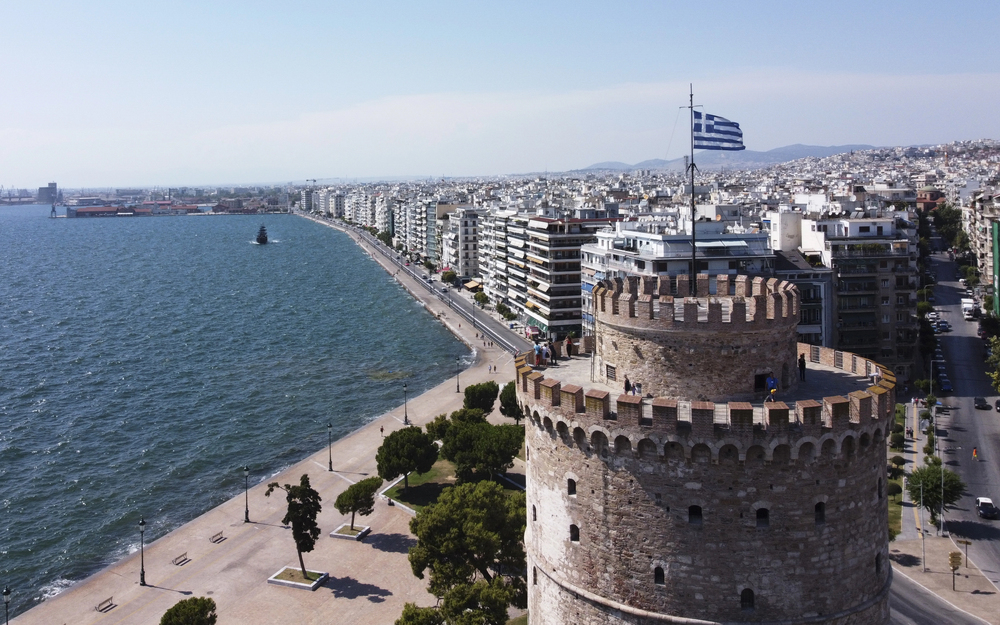
Thessaloniki’s metro system took over a decade longer to build than planned, and the ancient city underneath is largely to blame. Byzantine-era streets, shops, and a major crossroads were found almost fully preserved beneath the route of a single subway line, forcing engineers to redesign stations around finds nobody had budgeted time for.
Commuters grumbled about the delays. Historians got the discovery of a career.
Palermo
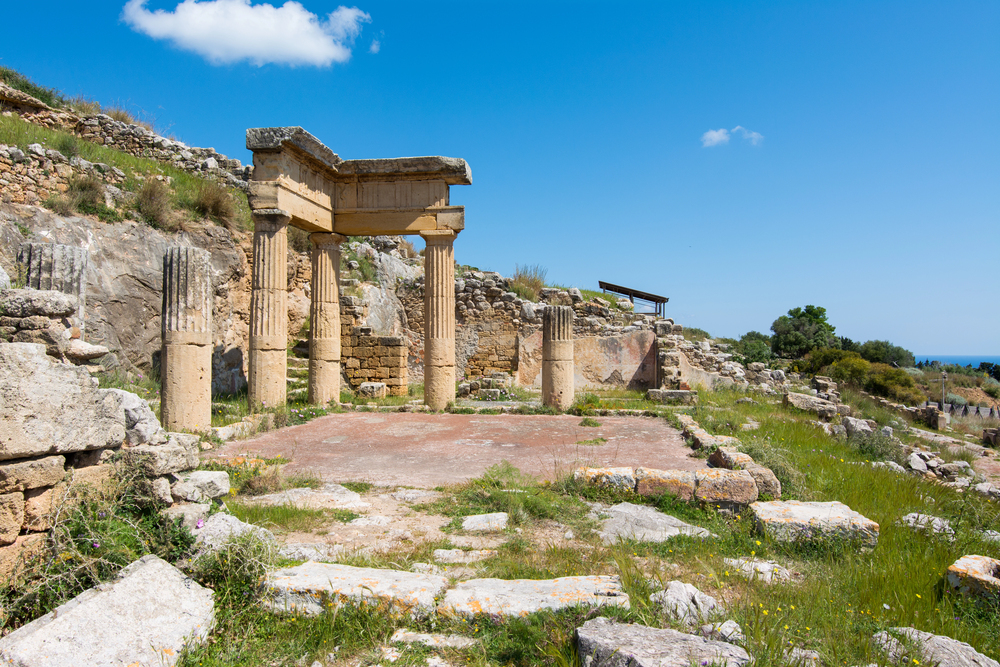
Palermo’s foundations trace back to Phoenician Panormus, and modern construction projects keep confirming it whether the city wants the interruption or not. Excavations beneath the Norman palace and nearby streets have turned up Punic-era walls and burial grounds, evidence that the city’s layered identity — Phoenician, Greek, Roman, Arab, Norman — runs considerably deeper than the postcard version suggests.
It’s a city that got conquered repeatedly and somehow kept every layer instead of discarding the old ones.
Nottingham
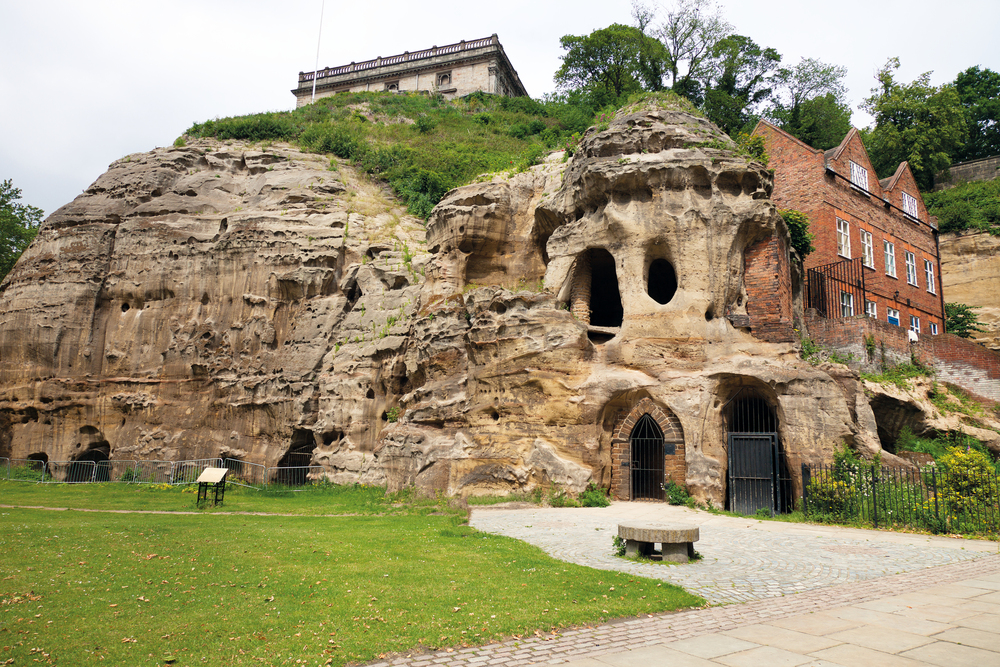
Nottingham hides an entire network of sandstone caves beneath its city center, hand-carved over centuries for uses ranging from storage to tanning to, allegedly, a King’s private council chamber. Some of these caves date back far earlier than most residents assume, and new sections are still being mapped as basements get renovated and old blockages get cleared.
The city above ground is Victorian brick and shopping arcades. The city below is something considerably older and stranger.
Damascus
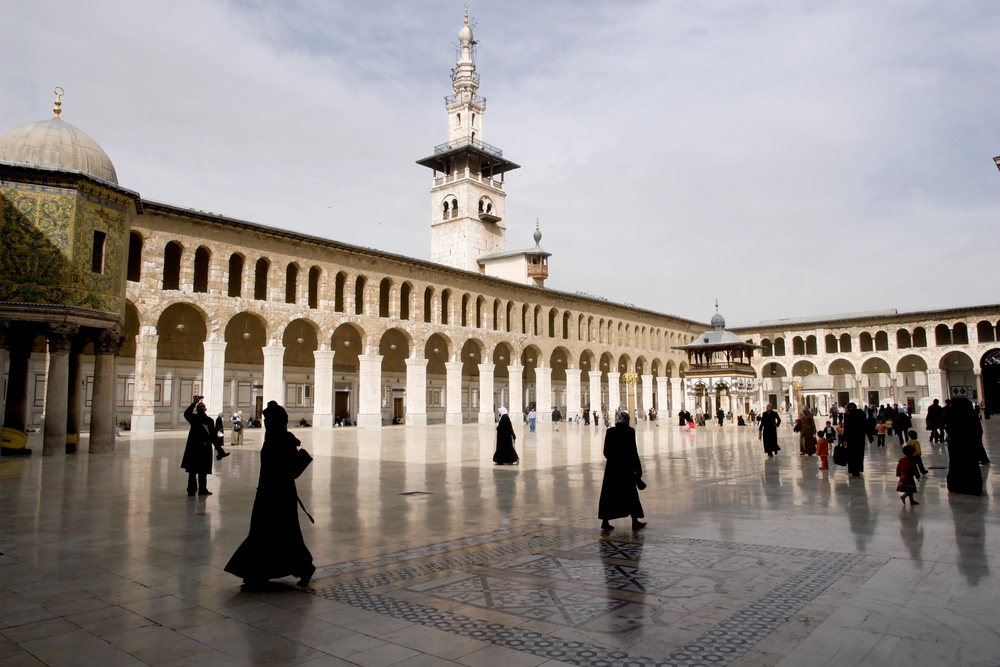
Damascus is frequently cited as one of the oldest continuously inhabited cities in the world, and archaeological work beneath its old quarters keeps adding weight to that claim rather than undercutting it. Layers of occupation stack up beneath the current street level, spanning multiple ancient civilizations that each built, abandoned, and rebuilt on the exact same ground.
A city that never really started over — it just kept adding chapters.
Byblos
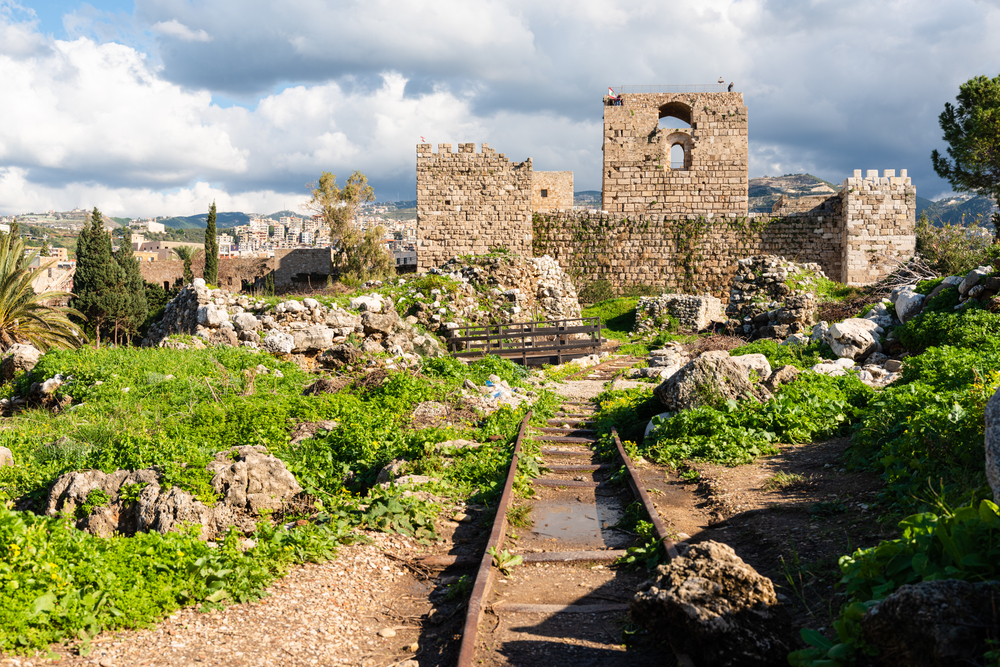
Byblos gave the world an alphabet and, buried underneath its modern harbor town, layers of occupation stretching back roughly seven thousand years. Excavations have peeled back Ottoman, Crusader, Roman, and Phoenician levels almost like tree rings, each one built directly on the one before it rather than beside it.
The modern fishing town above barely hints at how much history is stacked below the waterline.
Kyoto
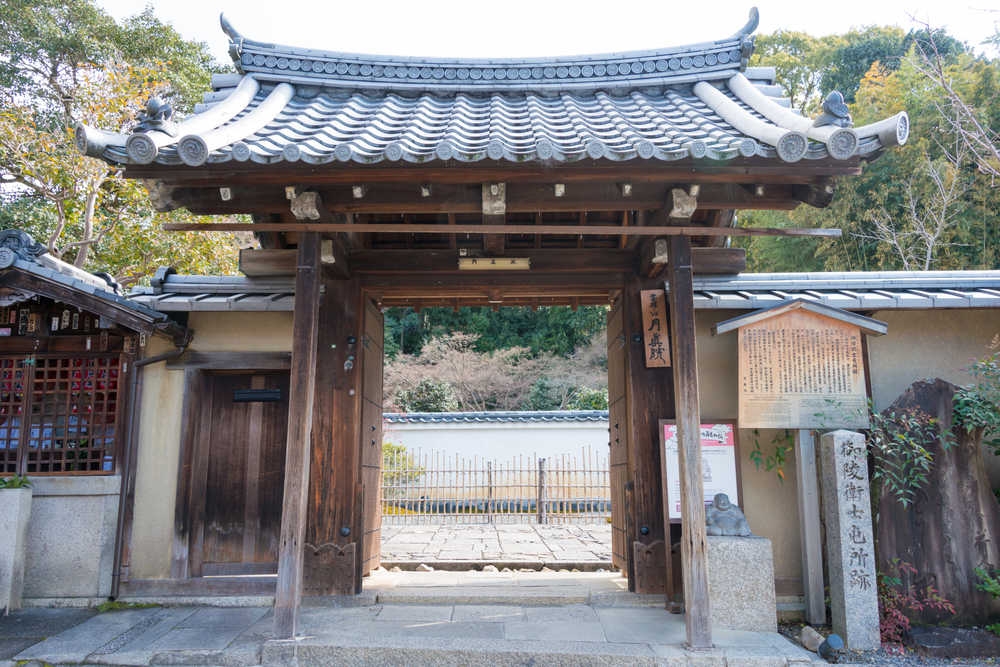
Kyoto was designed from its founding to be a capital modeled on Chang’an, and beneath its temples and narrow streets, archaeologists have located remnants of Heian-kyo’s original imperial palace grid, portions of which had been assumed lost entirely. Construction projects across the modern city periodically confirm just how much of the original street plan survived, quietly, under everything built since.
The city didn’t reinvent itself over the centuries so much as it kept renovating the same original floor plan.
What the Ground Keeps
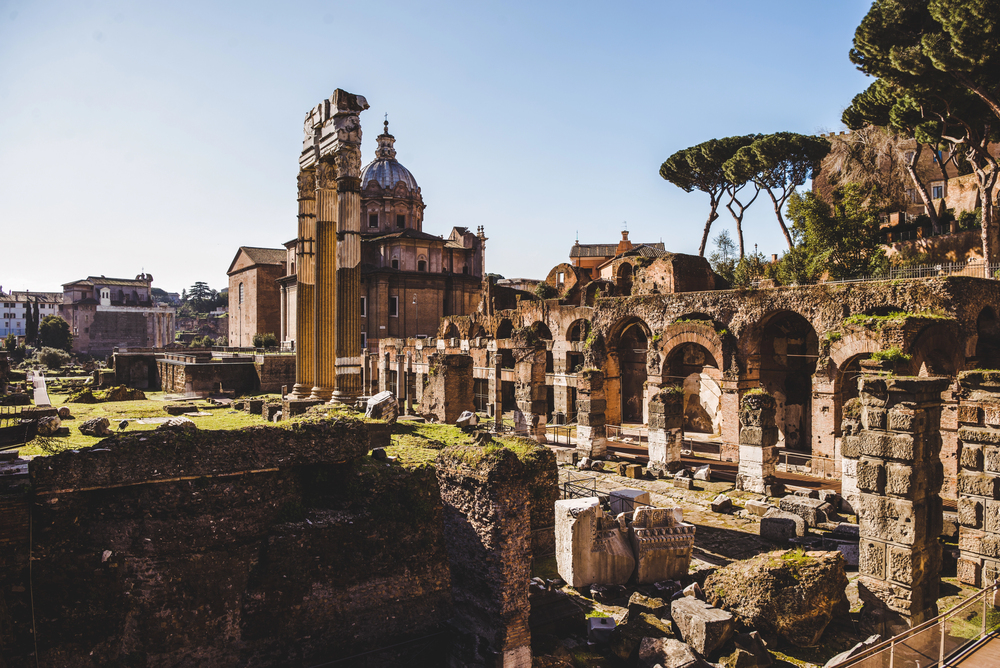
There’s a particular kind of humility that comes from learning your hometown was built on somebody else’s hometown, and then that one on another before it. None of these discoveries happened because someone went looking with a grand theory — they happened because a pipe burst, a parking lot needed repaving, a subway line had somewhere to be.
The past, it turns out, doesn’t wait for permission. It just sits there, patient and stubborn, until the present finally digs deep enough to notice.
More from Go2Tutors!

- The Romanov Crown Jewels and Their Tragic Fate
- 13 Historical Mysteries That Science Still Can’t Solve
- Famous Hoaxes That Fooled the World for Years
- 15 Child Stars with Tragic Adult Lives
- 16 Famous Jewelry Pieces in History
Like Go2Tutors’s content? Follow us on MSN.