31 Comic Titles Buyers Search For by Name
Most comics in a longbox are worth pocket change, but a handful of titles get typed into search bars thousands of times a day by people hoping the crumbling paperback in their attic just paid for a car. Buyers do not browse for these; they search for them specifically, by issue number, because they already know what they are looking for.
Condition decides everything else, but recognizing the name is where the money conversation begins.
Action Comics #1
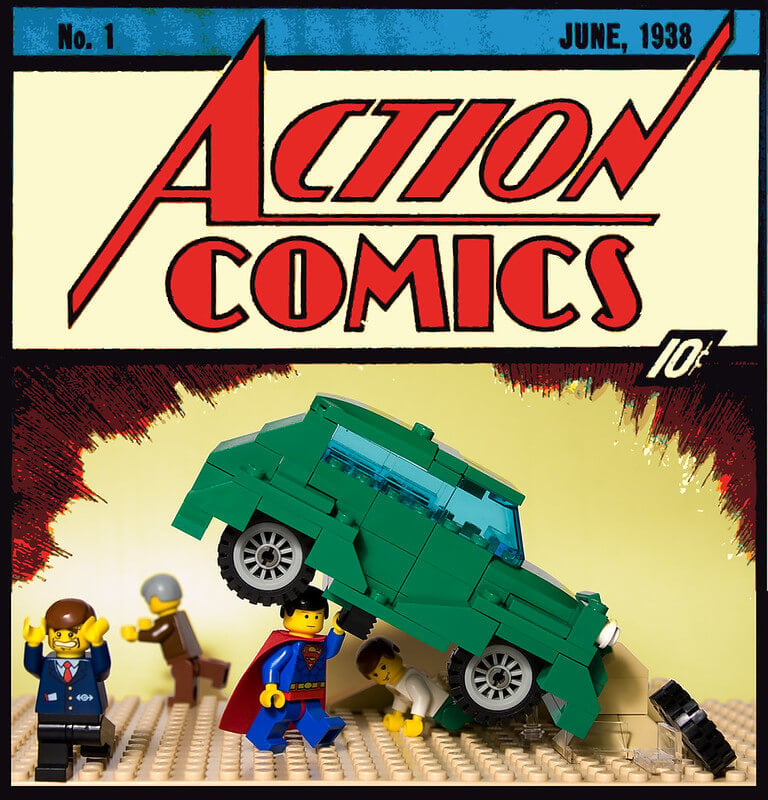
The 1938 debut of Superman remains the single most searched comic title in the hobby, and for good reason: a high-grade copy sold privately for $15 million in 2026, reclaiming a record it had briefly lost to a newly discovered Superman #1. Only around 100 copies are believed to survive out of the original 200,000 print run, since most were read to pieces or discarded as ordinary newsstand paper.
Pricing swings from a few thousand dollars for a beaten, incomplete copy to eight figures for a pristine one, so grading is not optional before anyone talks numbers.
Detective Comics #27
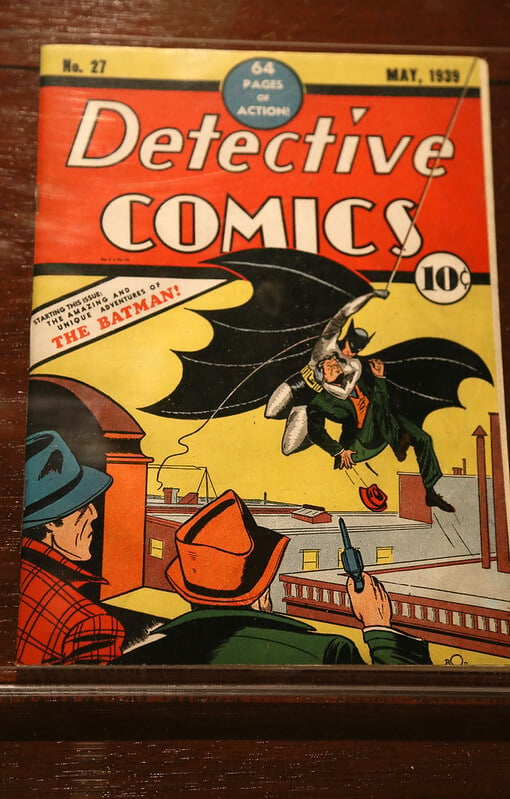
Batman’s first appearance in 1939 sits just behind Action Comics #1 in name recognition, and copies in any readable condition draw immediate offers from dealers. The character’s design in this issue is noticeably rougher than the Batman that emerged within a year, which is part of what collectors are paying to see.
A complete, unrestored copy in low grade can still command six figures, while pieces missing pages or covers are valued mainly for the cover art alone.
Amazing Fantasy #15
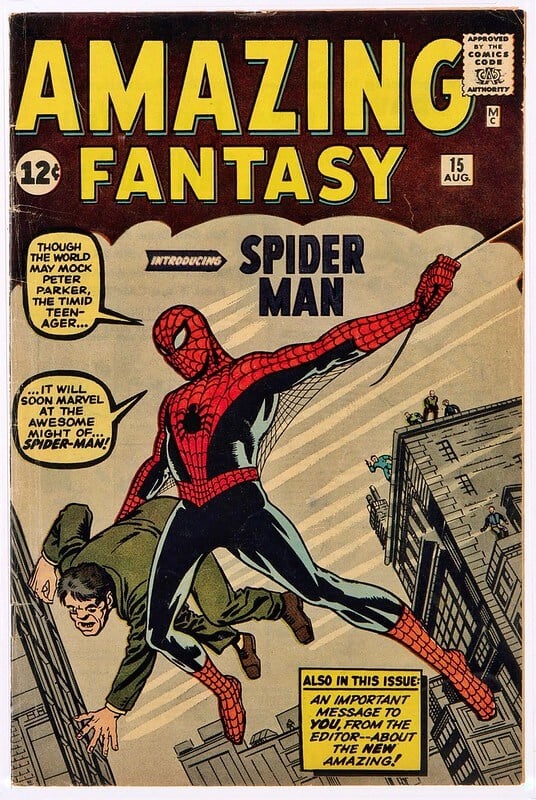
This 1962 anthology issue is remembered for exactly one thing: the first appearance of Spider-Man, tucked into what was supposed to be the final issue of a canceled series. High-grade copies have crossed the multi-million-dollar mark at auction, making it one of the few Silver Age books that trades in the same range as Golden Age Superman and Batman debuts.
Because the book was never expected to matter, most surviving copies show heavy wear, which makes the rare pristine example disproportionately valuable.
All-Star Comics #8
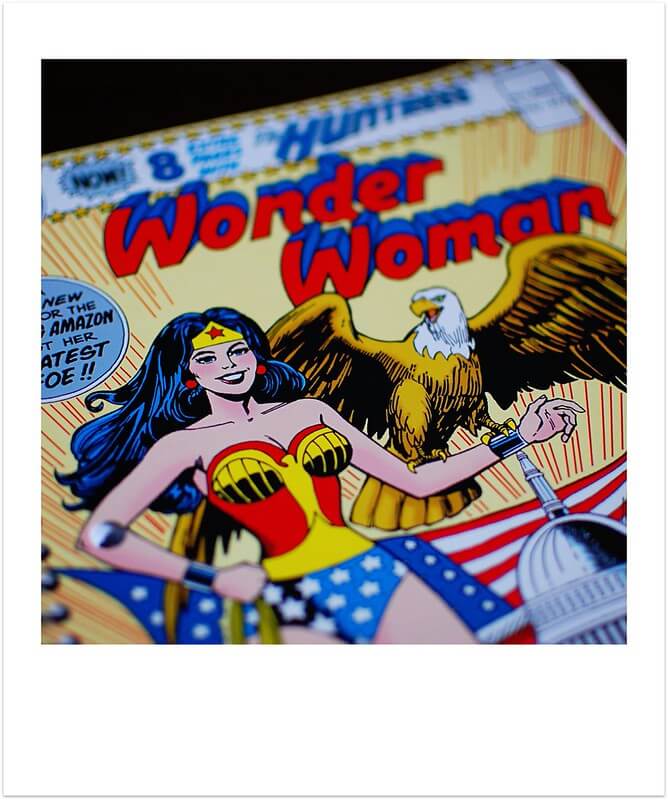
Wonder Woman’s 1941 debut appears as a backup feature rather than the cover story, which surprises buyers who assume a character that important got top billing immediately. Condition-sensitive pricing here spans from the high five figures for worn copies to well over a million for top-graded examples.
The scarcity is compounded by the fact that many surviving copies were trimmed or had pages replaced decades ago, so professional authentication matters more than usual.
Whiz Comics #2

Technically the first issue published, Whiz Comics #2 introduced Captain Marvel, later renamed Shazam after a long legal battle with DC over the character’s similarity to Superman. Only a small number of high-grade copies are known, and the book routinely brings six figures even in modest condition.
Buyers searching for this one often already know the trademark history, which adds a layer of legal trivia to the sales pitch.
Fantastic Four #1
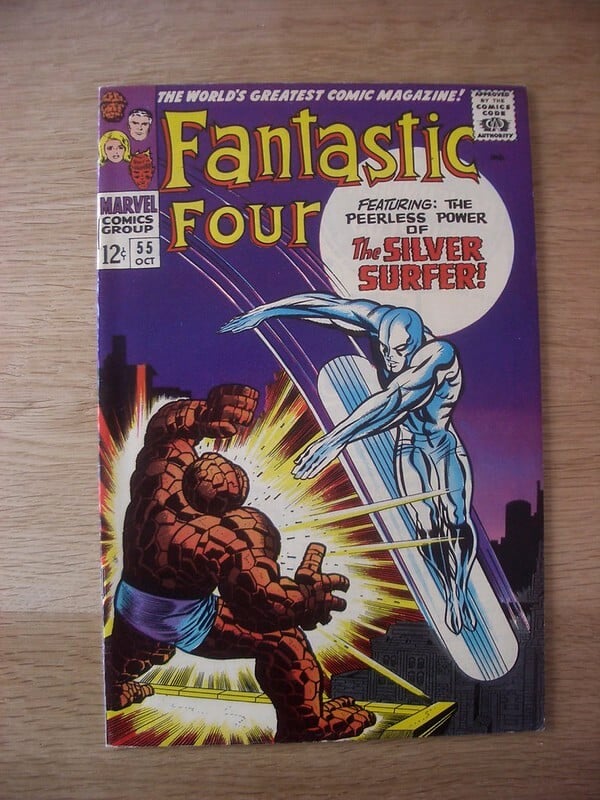
Marvel’s 1961 launch title introduced the team that effectively revived the publisher’s fortunes and set the tone for the interconnected universe that followed. Unlike some Golden Age books, enough copies survive in mid-grade condition that pricing is more predictable, typically landing in the tens of thousands for presentable examples.
The cover’s giant monster and crumbling building remain instantly recognizable, which is part of why it still gets searched by name rather than description.
X-Men #1
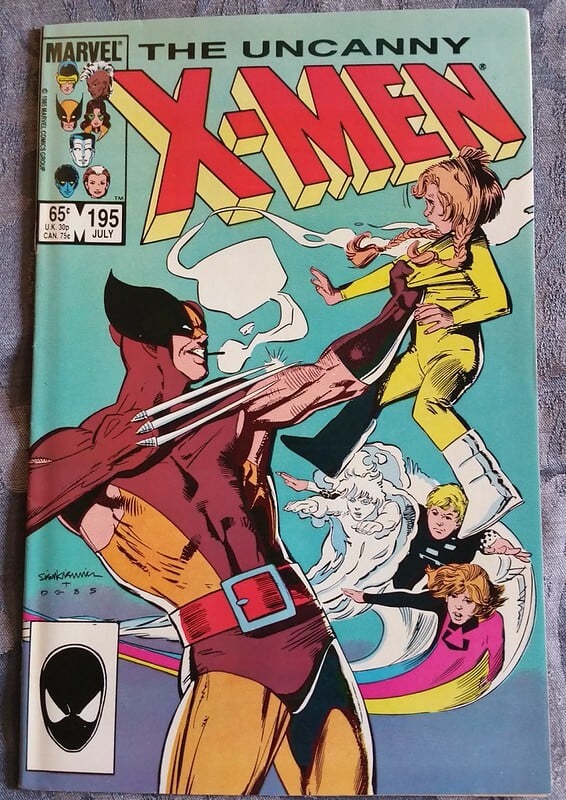
The original 1963 team debut is a different book from the 1991 relaunch of the same name, and mixing the two up is the single most common mistake sellers make when listing it. First-series copies in strong condition regularly bring five figures, while the 1991 version, despite selling tens of millions of copies at the newsstand, is worth little beyond cover price due to its enormous print run.
Buyers searching this title always specify the year for exactly this reason.
Incredible Hulk #1
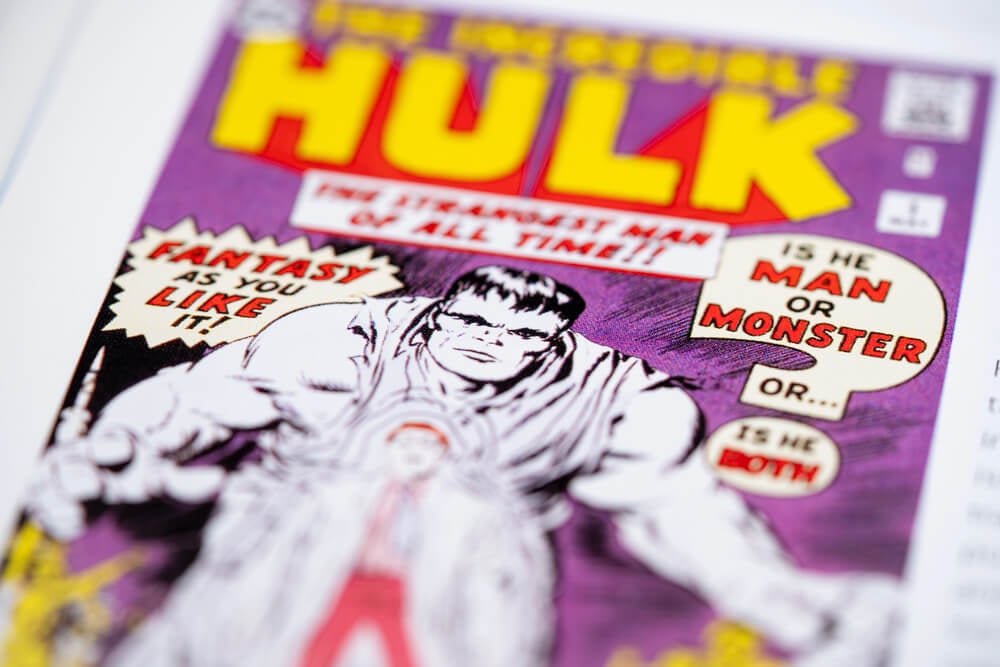
Published in 1962 with the character’s skin originally colored gray rather than the familiar green, this issue is prized as much for its short-lived printing quirk as for the character’s debut. The gray coloring was changed by the second issue due to printing inconsistencies, making the gray Hulk a specific visual marker buyers look for.
Mid-grade copies commonly sell in the tens of thousands, with top examples reaching well beyond that.
Amazing Spider-Man #1
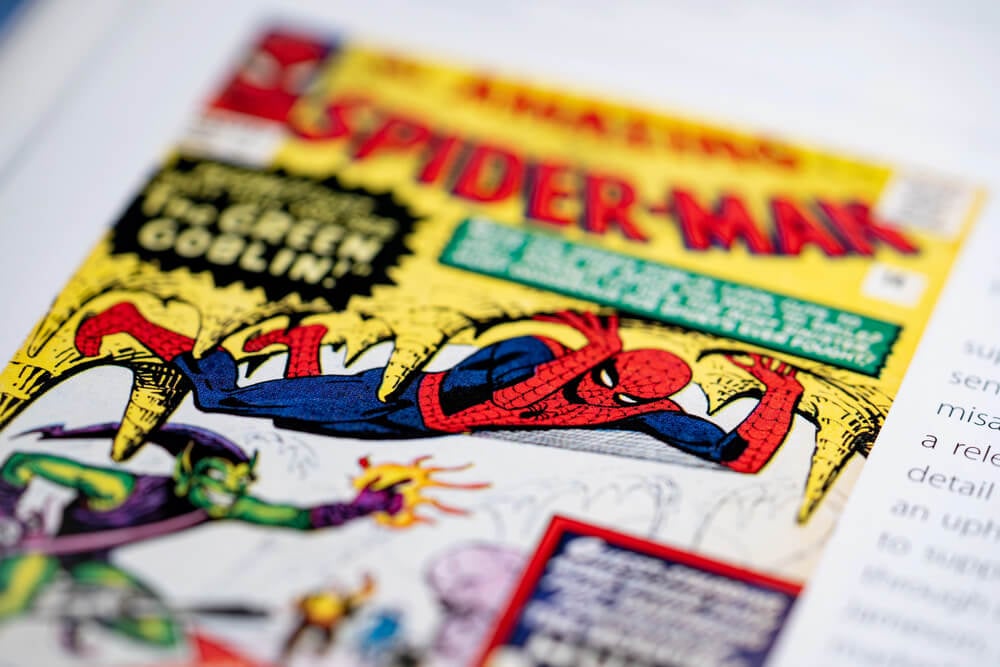
Following Spider-Man’s brief tryout appearance in Amazing Fantasy #15, this 1963 issue launched his ongoing solo title and introduced the Chameleon and J. Jonah Jameson. It is considered a distinct and separately valuable key from the character’s first appearance, which surprises casual sellers who assume only the very first issue matters.
Strong copies trade in the same tens-of-thousands range as other early Marvel Silver Age keys.
Tales of Suspense #39
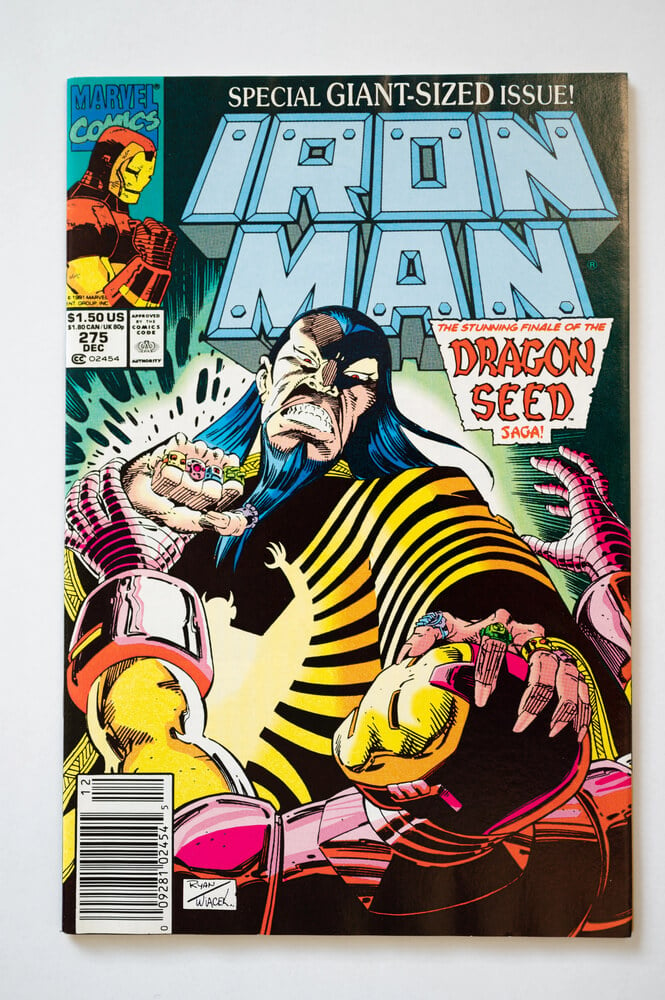
Iron Man’s 1963 debut arrived in an anthology title rather than a book bearing his own name, a pattern common to several early Marvel characters. The original armor was clunky and gray rather than the sleek red-and-gold design introduced shortly after, and buyers specifically hunting for this gray-armor cover know they are looking at the character’s rawest form.
Prices for solid mid-grade copies typically fall in the five-figure range.
Journey into Mystery #83
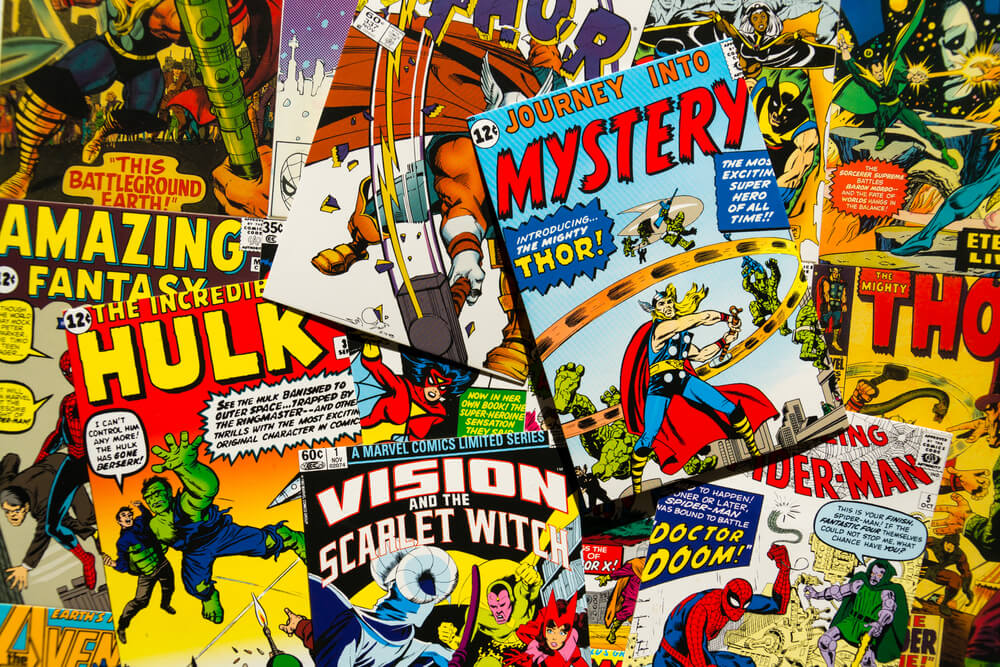
Thor’s first appearance in 1962 shares the anthology-title pattern of other early Marvel heroes, buried inside a book better known at the time for monster stories. The character’s classic winged helmet and hammer design were largely set from this first appearance, which helps buyers confirm authenticity against reprints.
Condition-graded copies generally sell in a comparable range to Iron Man’s debut issue.
Avengers #1
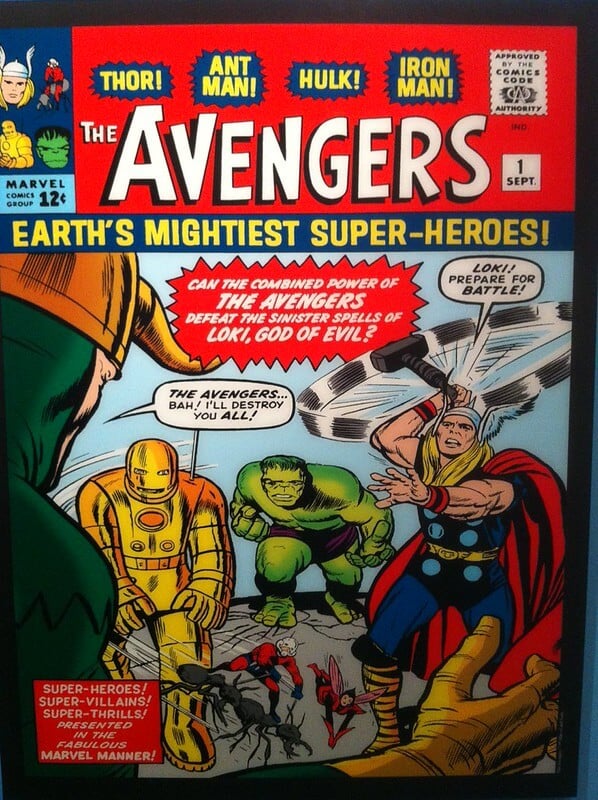
The 1963 team-up issue assembled Iron Man, Thor, the Hulk, Ant-Man and the Wasp, and its cover art has become one of the most reprinted images in the publisher’s history. Because the team’s lineup shifted almost immediately in later issues, this specific roster is part of what collectors are paying to own.
Solid mid-grade copies typically bring five figures, with pristine examples reaching considerably higher.
Daredevil #1
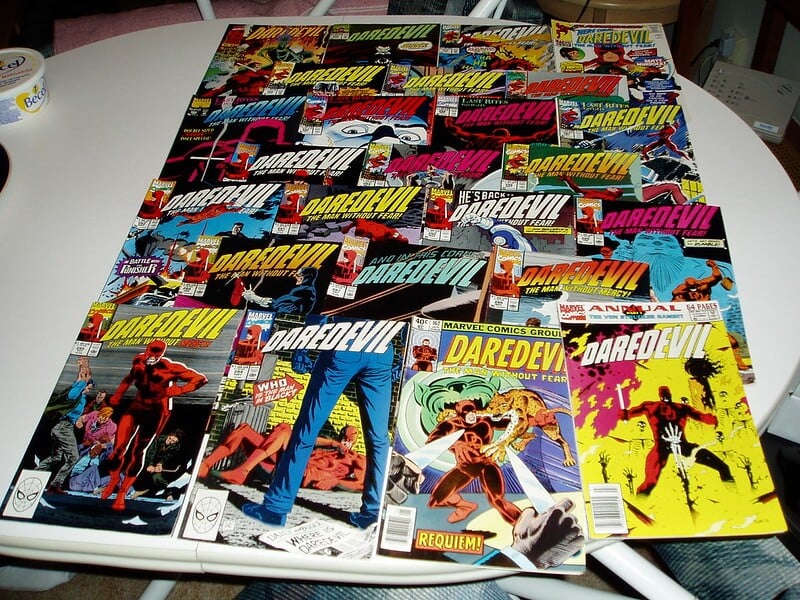
The blind, red-costumed hero debuted in 1964 in a yellow-and-black suit that was replaced within a year, making the original costume color a quick way to identify a genuine first printing from later reprints. The character never reached the sales heights of Marvel’s biggest names, which keeps this title more accessible to buyers than some of its Silver Age peers.
Presentable copies commonly sell in the low thousands.
Uncanny X-Men #94
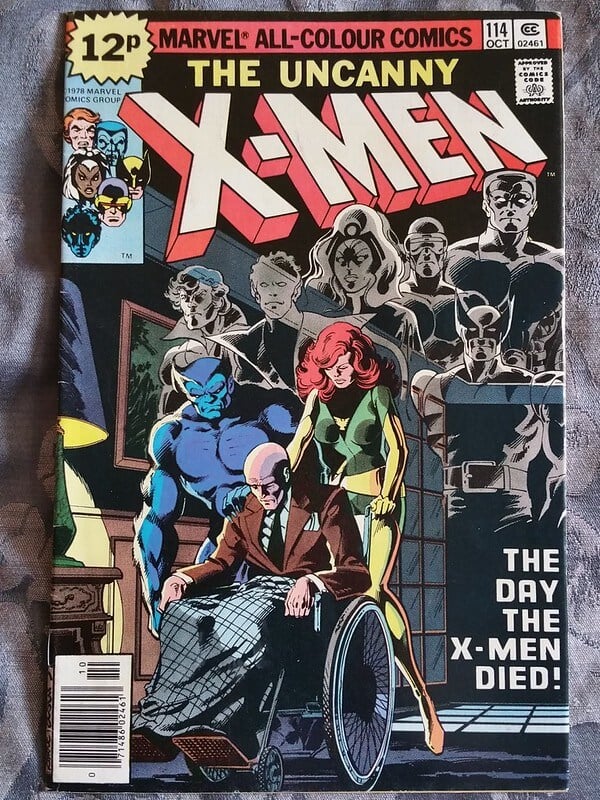
This 1975 issue introduced the international relaunch team, including Wolverine, Storm, Colossus and Nightcrawler, replacing the largely dormant original cast entirely. It marks the true beginning of the X-Men franchise as most modern readers know it, which is why buyers searching by name specify “ninety-four” rather than a vague description.
Copies in strong condition typically bring several thousand dollars.
Giant-Size X-Men #1
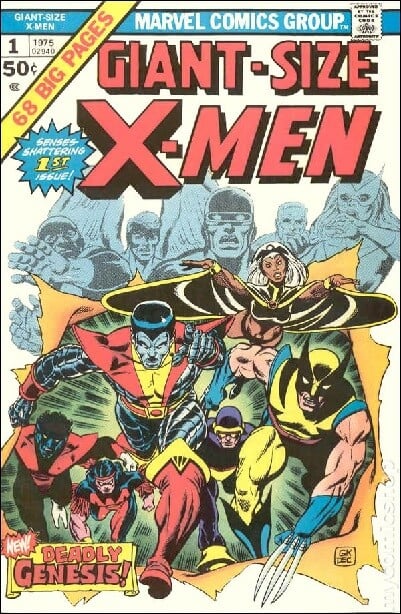
Published earlier in 1975 as an oversized special, this issue actually introduced the new team a few months before Uncanny X-Men #94 continued their story. Because the print run was smaller than the standard ongoing series, this issue often commands a higher price than #94 despite the team’s story beginning here first.
Buyers researching the franchise’s origin frequently discover this distinction only after searching both titles.
New Mutants #98
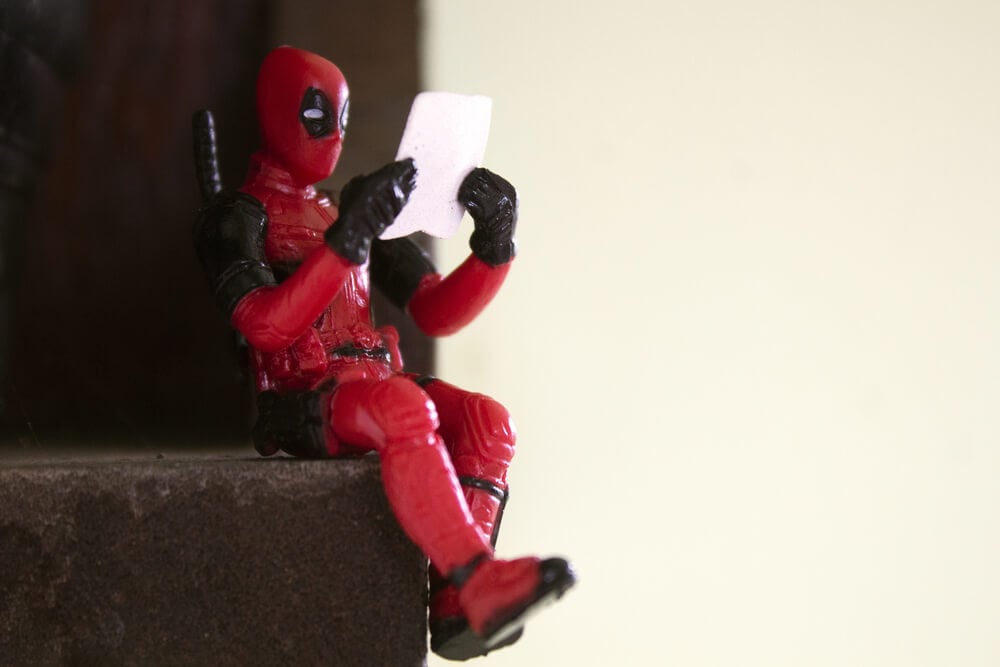
Deadpool’s first appearance in 1991 predates the character’s later popularity by more than a decade, and the issue sat as a modestly priced back-issue bin regular until his film franchise changed everything. Copies that once sold for a few dollars now regularly bring hundreds, and pristine graded examples can reach into the thousands.
It is one of the clearest examples in the hobby of a character’s media success retroactively inflating a decades-old comic.
Amazing Spider-Man #300
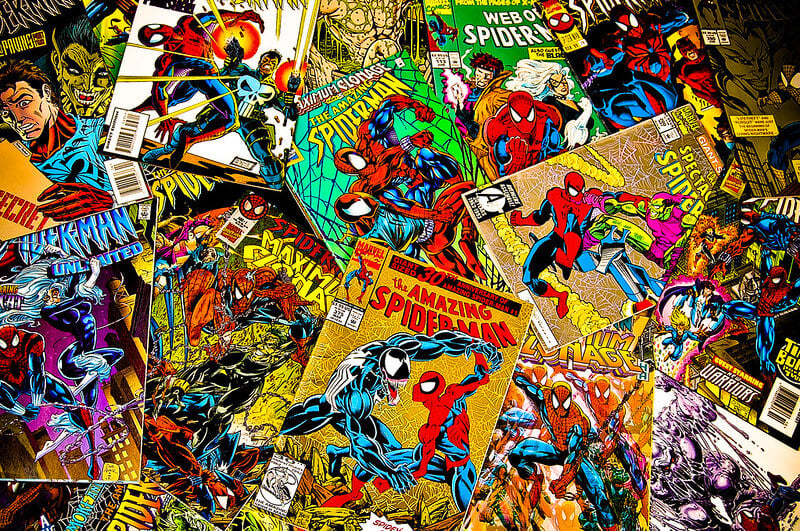
Venom’s full first appearance as a distinct character arrived in this 1988 issue, featuring cover art that remains one of the most recognizable Spider-Man images of its era. The issue was printed in large numbers, so while demand is consistently strong, supply keeps prices more moderate than true Golden Age or Silver Age keys. Well-preserved copies typically sell in the low hundreds.
The Walking Dead #1

Robert Kirkman’s 2003 black-and-white debut launched with a modest print run before the eventual television adaptation turned it into one of the most searched modern comics on the market. First printings distinguished from later reprints by specific interior advertisements can bring four figures in top condition.
The gap between a first printing and a visually identical later printing is exactly the kind of detail buyers need explained before they will pay a premium.
Teenage Mutant Ninja Turtles #1
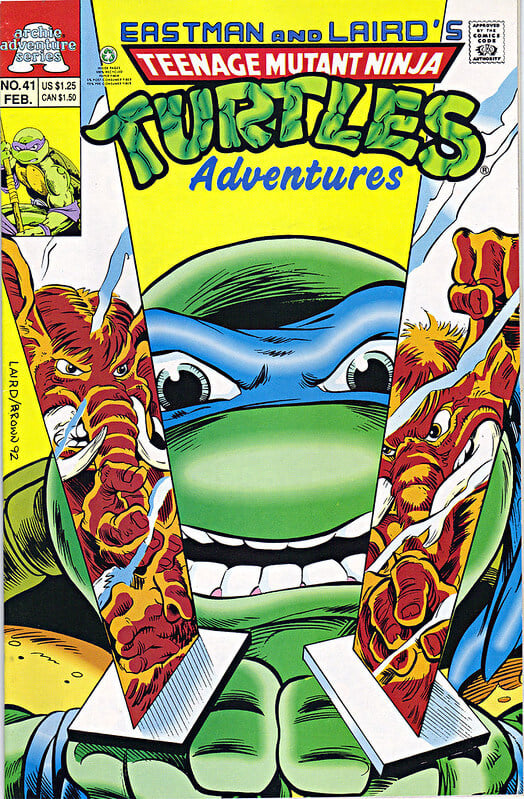
Self-published by Kevin Eastman and Peter Laird in 1984 with a print run of roughly 3,000 copies, this black-and-white independent comic became one of the most successful media franchises in toy and television history. Original first printings are scarce enough that authenticated copies in strong condition can bring five figures or more.
The book’s origin as a small-press project makes it a favorite example of how modest beginnings can turn into major collectibles.
Spawn #1
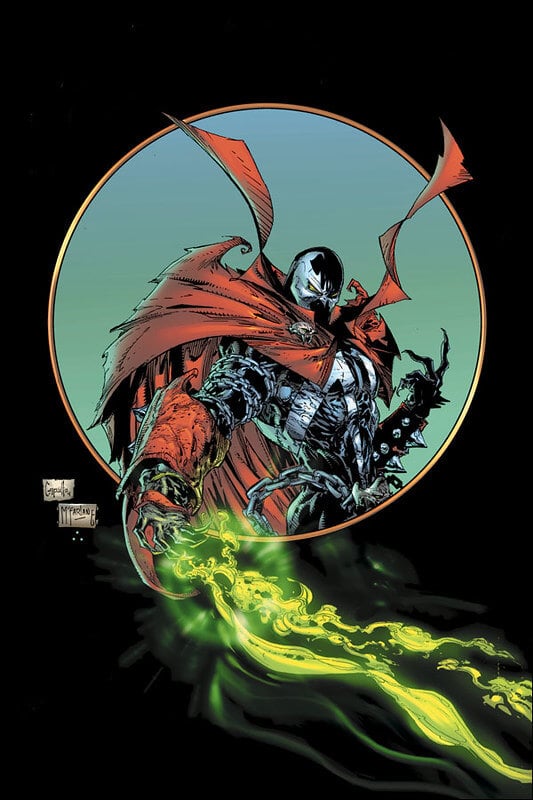
Todd McFarlane’s 1992 launch of his own creator-owned title sold roughly 1.7 million copies, making genuine scarcity almost irrelevant to its value today despite strong ongoing interest in the character. Because so many copies survive in good condition, pricing stays modest even for buyers actively searching for it by name.
It remains historically significant as a flagship title of the publisher founded by artists breaking away from the major companies.
Sandman #1
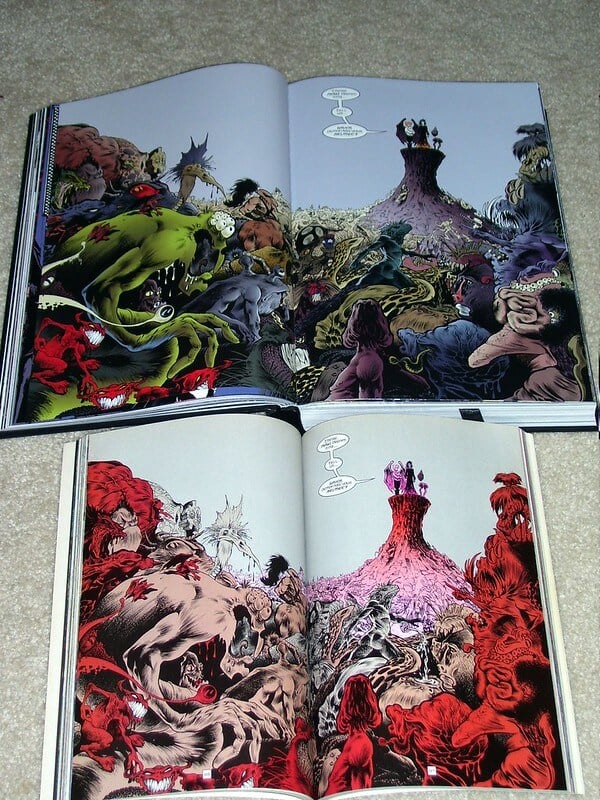
Neil Gaiman’s 1989 debut of Dream of the Endless launched a series that helped establish an imprint aimed at more literary, mature storytelling within mainstream comics. First printings in strong condition have grown steadily in value as the character’s stature in the medium has grown.
Buyers searching this title are often collectors of the writer’s broader body of work rather than superhero completionists.
Watchmen #1
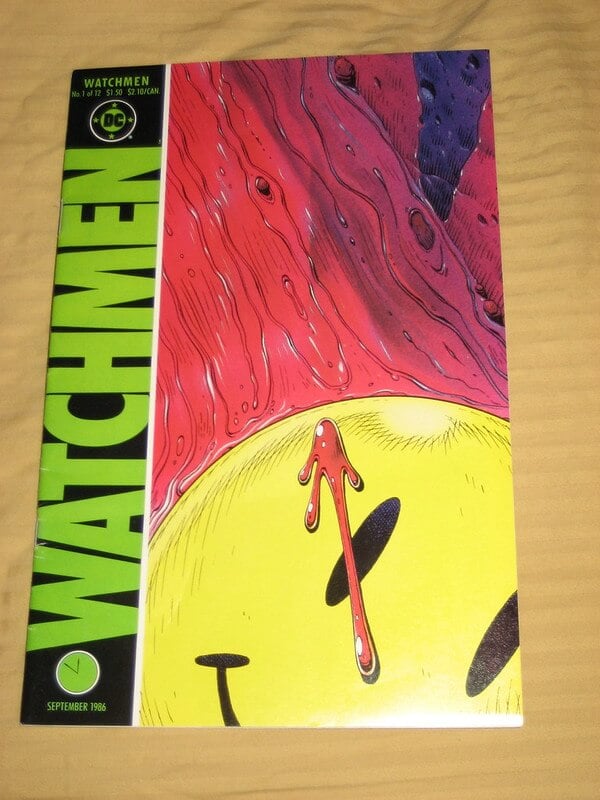
Alan Moore and Dave Gibbons’ 1986 debut issue began a limited series widely credited with reshaping how mainstream comics approached tone, structure and moral complexity. Because the series was later collected into one of the best-selling graphic novels of all time, single first issues in strong condition remain in steady demand from readers who want the original serialized format.
Prices for clean copies typically fall in the low hundreds.
Batman: The Killing Joke
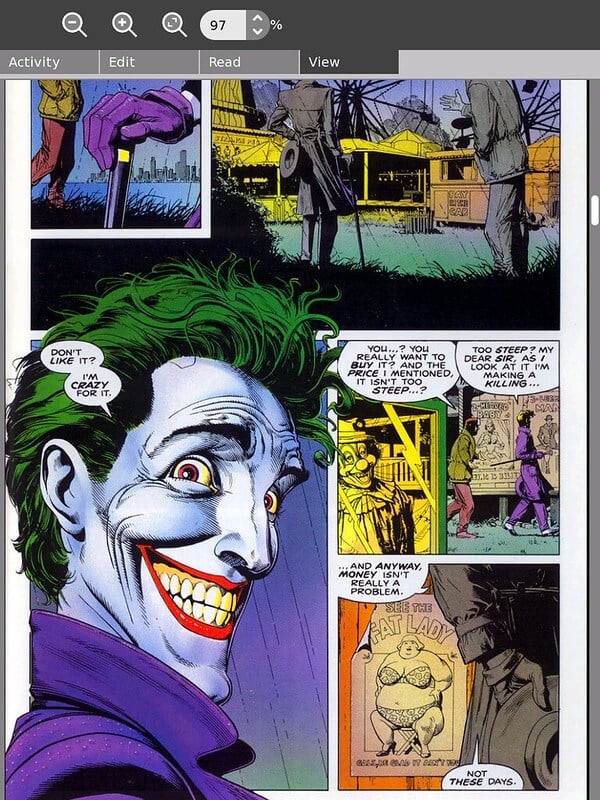
This 1988 one-shot by Alan Moore and Brian Bolland is frequently searched by title rather than issue number, since it was published as a standalone graphic novel rather than part of an ongoing series. First printings can be identified by specific coloring choices that were altered in later editions, a detail that matters to buyers chasing the original release.
Clean first-printing copies typically sell in the low hundreds.
Saga #1
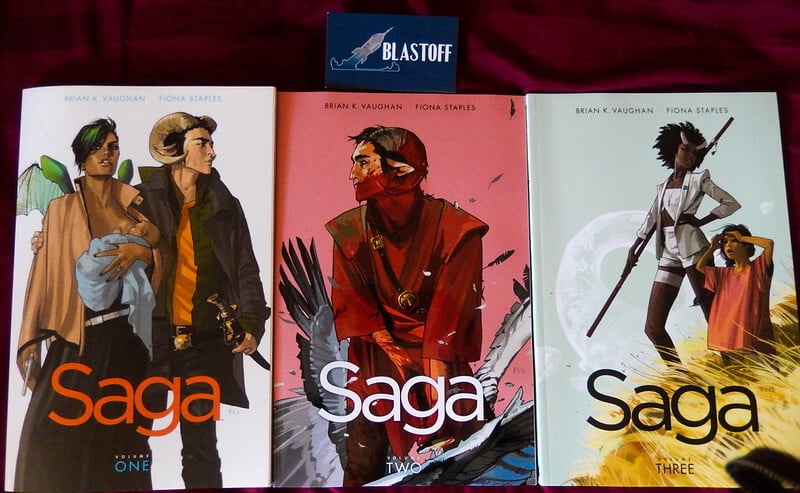
Brian K. Vaughan and Fiona Staples launched this creator-owned science fiction series in 2012, and its first issue has become one of the most consistently searched modern independent comics. Multiple printings exist, and the value gap between a scarce first printing and a widely available second or third printing is significant enough that buyers are advised to check the indicia before assuming they own the valuable version.
First printings in strong condition can bring several hundred dollars.
Bone #1
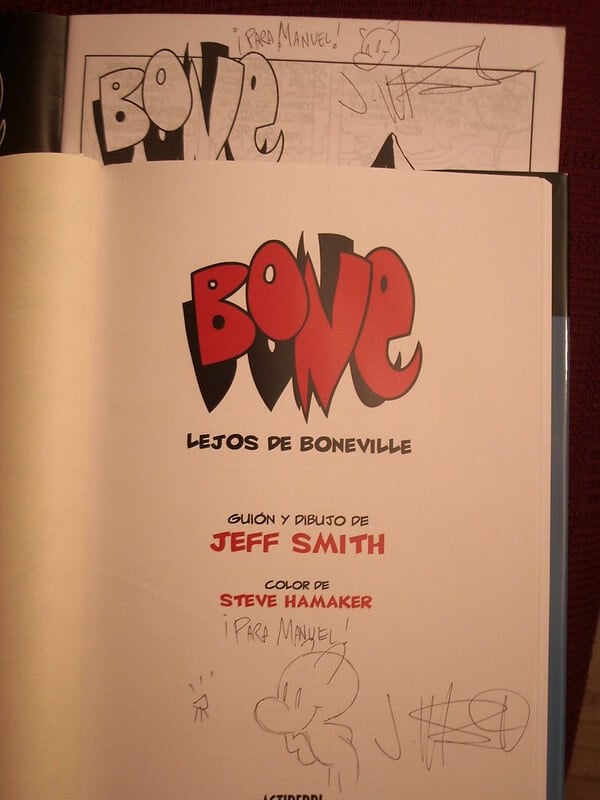
Jeff Smith self-published this black-and-white fantasy series beginning in 1991, and the original small-press printing is considerably scarcer than the later editions produced after the series found a wider publisher and readership. The character designs are instantly recognizable even to readers unfamiliar with the story, which helps buyers confirm they are looking at an authentic early printing.
Condition-graded first printings can command several hundred dollars.
Hellboy: Seed of Destruction #1
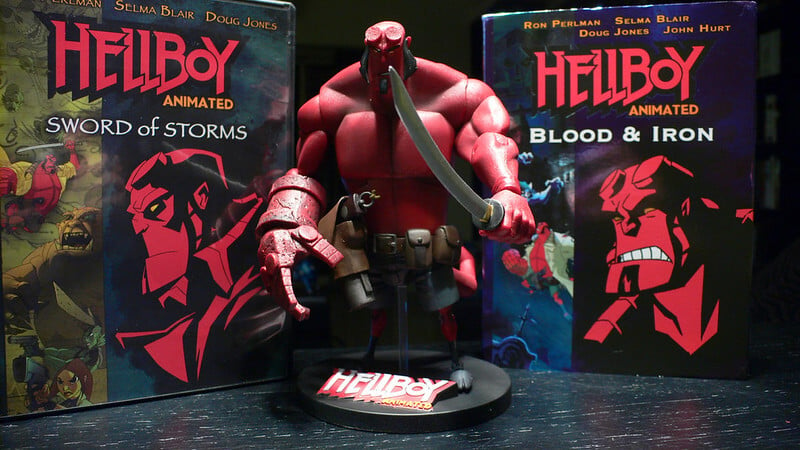
Mike Mignola’s 1994 debut introduced a character whose visual design changed remarkably little over three decades of publication, making early printings easy to authenticate against later collected editions. The book benefits from steady, rather than speculative, collector interest, which has kept its value climbing gradually instead of spiking and crashing.
Clean first printings typically sell in the low hundreds.
Preacher #1
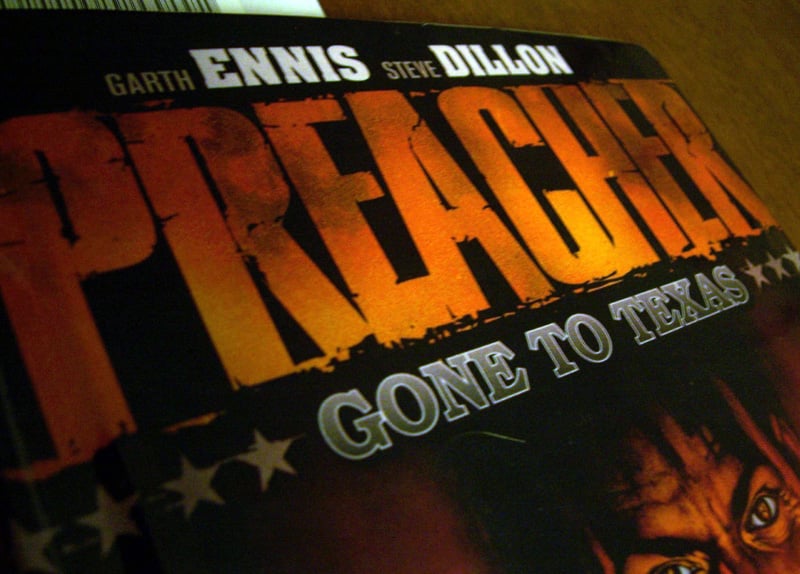
Garth Ennis and Steve Dillon’s 1995 launch of this mature-readers series built a dedicated following that has only grown since the book’s original run ended. First printings distinguished from later trade-collected reprints remain the version buyers specifically search for.
Prices for well-preserved copies have climbed steadily into the low hundreds as the series’ reputation has solidified.
Y: The Last Man #1
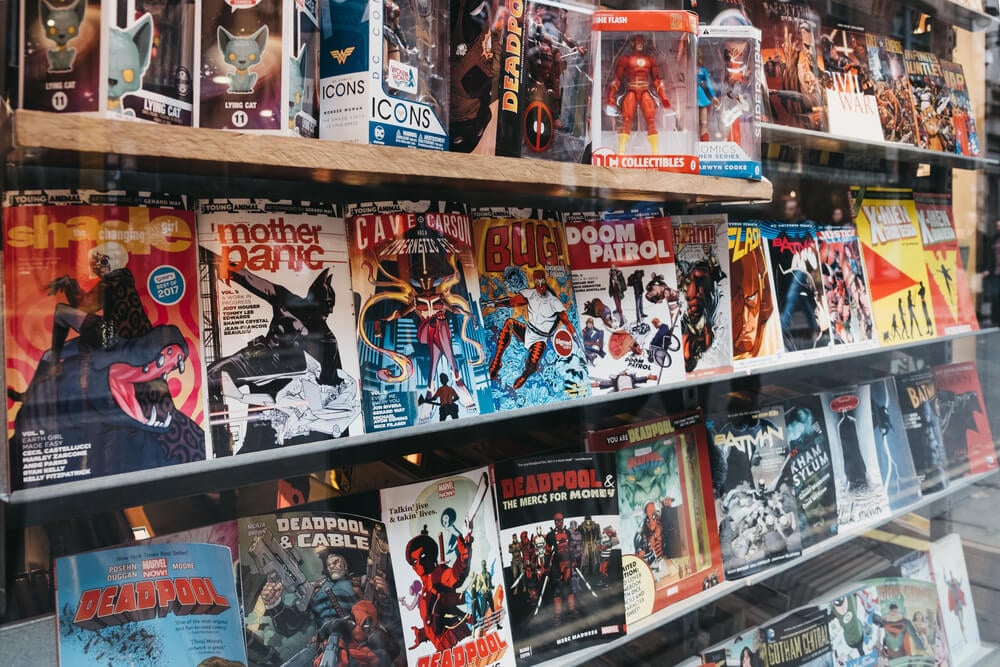
Brian K. Vaughan and Pia Guerra’s 2002 debut imagined a world in which every mammal with a Y chromosome except one man and his monkey suddenly dies, a premise striking enough that the book built an immediate cult following. First printings in strong condition are searched specifically by fans who want the original serialized issues rather than the later collected volumes.
Clean copies typically bring moderate but steady prices in the secondary market.
Captain America Comics #1
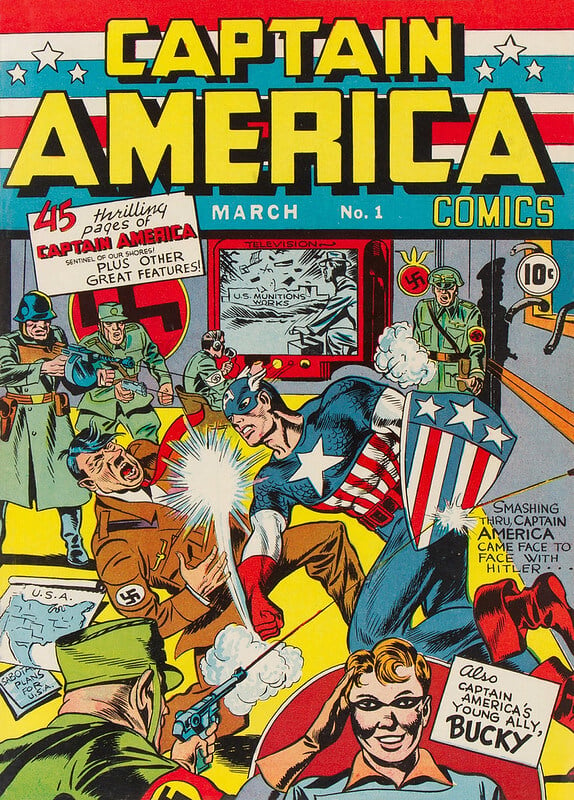
Published in 1941 with a cover depicting the title character punching Adolf Hitler simultaneously with war, this issue is one of the most historically loaded covers in the medium’s history. Surviving copies are scarce and heavily traded among Golden Age specialists, with strong examples reaching well into six figures.
The cover image alone has been reprinted and referenced so often that many buyers recognize it before they know the issue number.
Batman #1
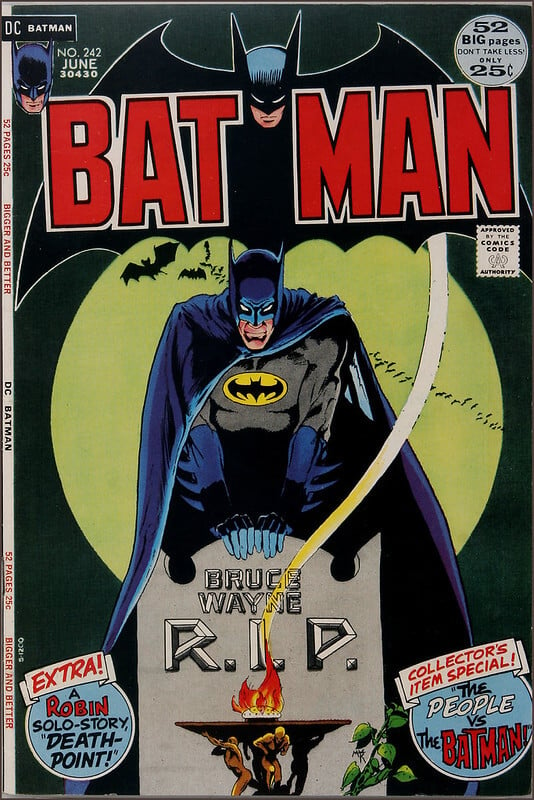
Published later in 1940 than the character’s debut in Detective Comics #27, this issue introduced both the Joker and Catwoman in the same book, making it a double key for two of the character’s most enduring adversaries. Surviving copies are scarce enough that even heavily worn examples draw serious offers from Golden Age buyers.
Top-graded copies have sold for well over a million dollars.
Mouse Guard: Fall 1152 #1
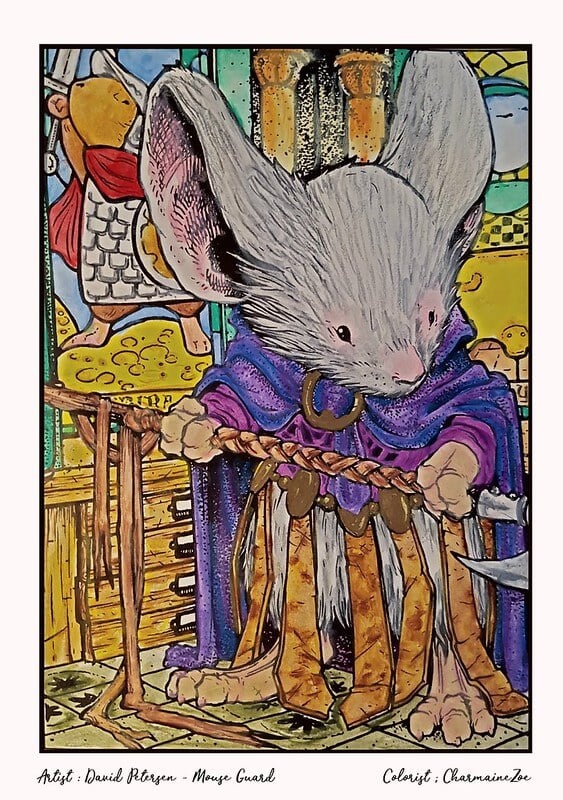
David Petersen’s 2006 debut of this independent fantasy series about a society of armored mice built a devoted following through its distinctive watercolor artwork rather than mainstream marketing. It remains a smaller niche within the collecting world compared to superhero keys, but first printings in strong condition are specifically searched by fans of creator-owned fantasy work.
Prices stay modest but consistent, reflecting a stable rather than speculative collector base.
Building a List Worth Searching
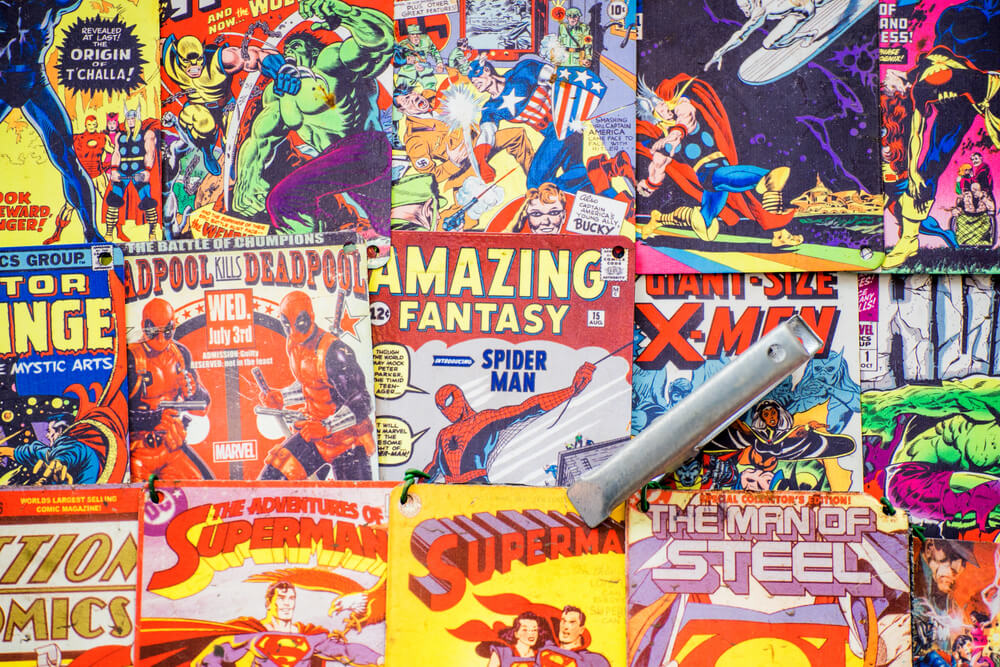
What connects a $15 million Superman debut to a self-published mouse comic from a small press run is not genre or publisher, but the fact that someone, somewhere, decided the story on those pages mattered enough to keep. Every title on this list survived because a reader chose not to throw it away, and decades later that single decision turned newsprint into an asset. The name search itself is a kind of tribute, a collective agreement that this particular issue, out of the tens of thousands published, is the one worth remembering.
Condition will always be the final word on price, and no amount of historical importance rescues a water-damaged cover or a missing page from the bargain bin. But the search comes first, and it comes from the same instinct that made someone save the comic in the first place: recognizing, even briefly, that they were holding something that would outlast the moment they read it.
More from Go2Tutors!

- The Romanov Crown Jewels and Their Tragic Fate
- 13 Historical Mysteries That Science Still Can’t Solve
- Famous Hoaxes That Fooled the World for Years
- 15 Child Stars with Tragic Adult Lives
- 16 Famous Jewelry Pieces in History
Like Go2Tutors’s content? Follow us on MSN.