31 Garage Sale Items People Walk Right Past and Later Regret Skipping
There’s a particular kind of regret that only garage sale veterans understand. It arrives about three days after the sale, usually while you’re browsing the same item on eBay for four times the price you saw it tagged at — sitting in someone’s driveway on a folding table, waiting.
Most people walk right past the good stuff because it doesn’t announce itself. It sits there looking ordinary, a little dusty, maybe slightly out of place among the paperback novels and mismatched mugs.
The finds that matter rarely look like finds at all.
Cast Iron Cookware
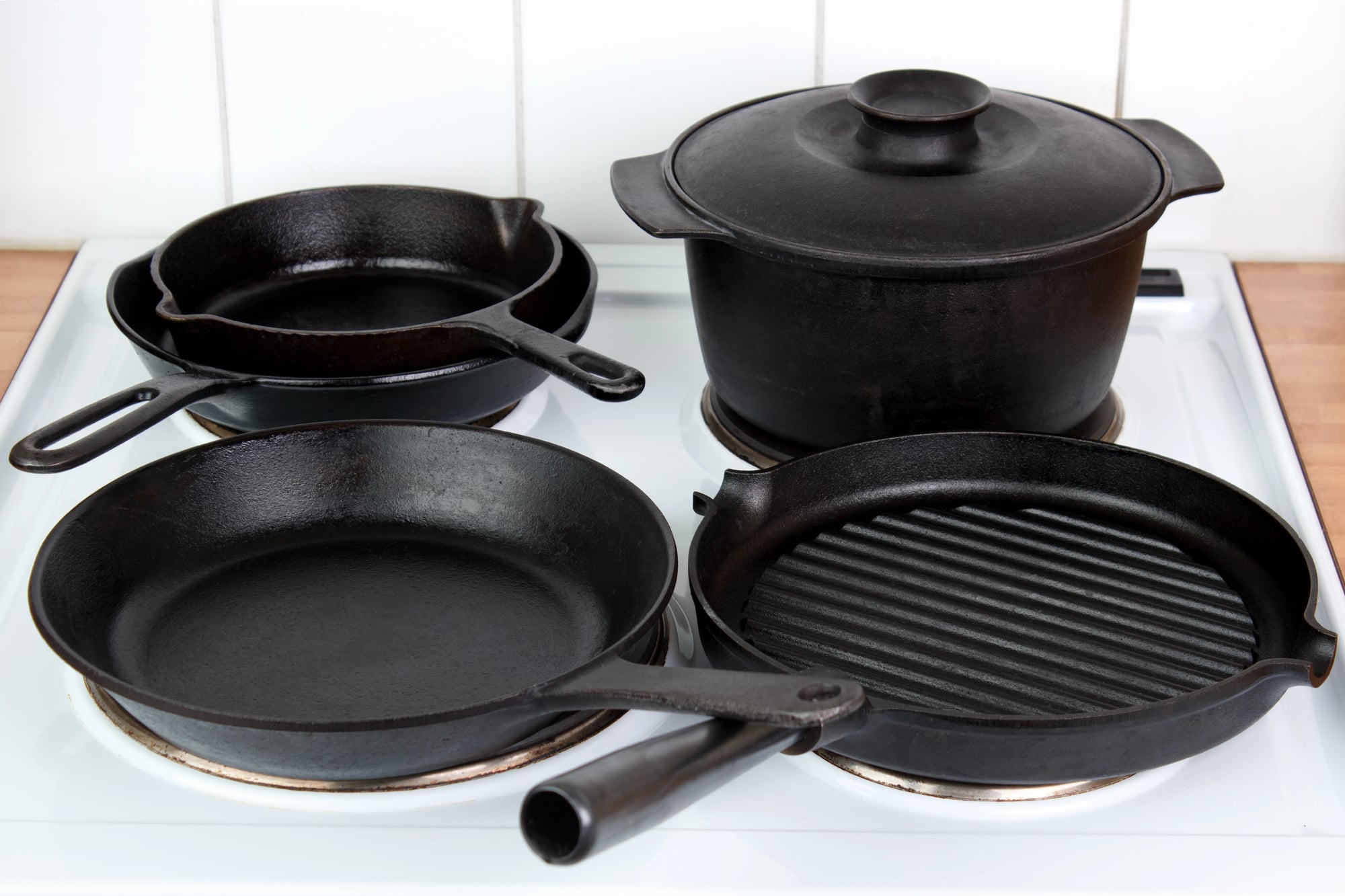
Cast iron doesn’t die. A skillet that looks rusted and neglected at a garage sale is usually one hour of work away from being better than anything on a store shelf.
People pass them because they look bad — which is precisely why they’re still sitting there at 9 a.m.
Vintage Pyrex
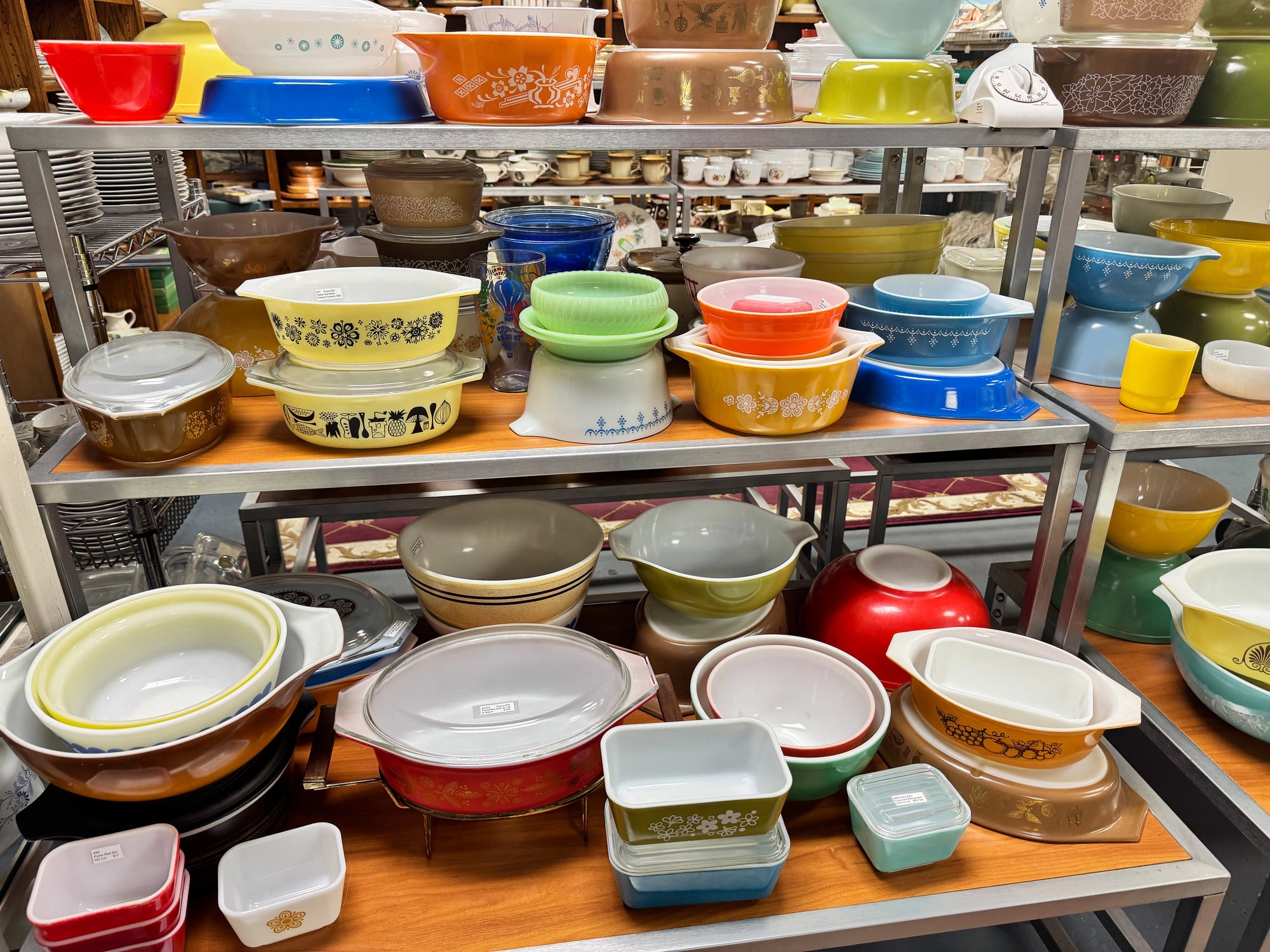
Pyrex made before the mid-1980s is a different animal than the clear glass versions sold today — thicker, more durable, and increasingly collectible in patterns like Butterprint and Lucky Clover that serious collectors spend real money chasing. So when a set of stacked bowls in faded turquoise appears on a card table for two dollars each, that’s not kitsch.
That’s a quiet score sitting there in plain sight, waiting for someone to recognize it.
Manual Tools
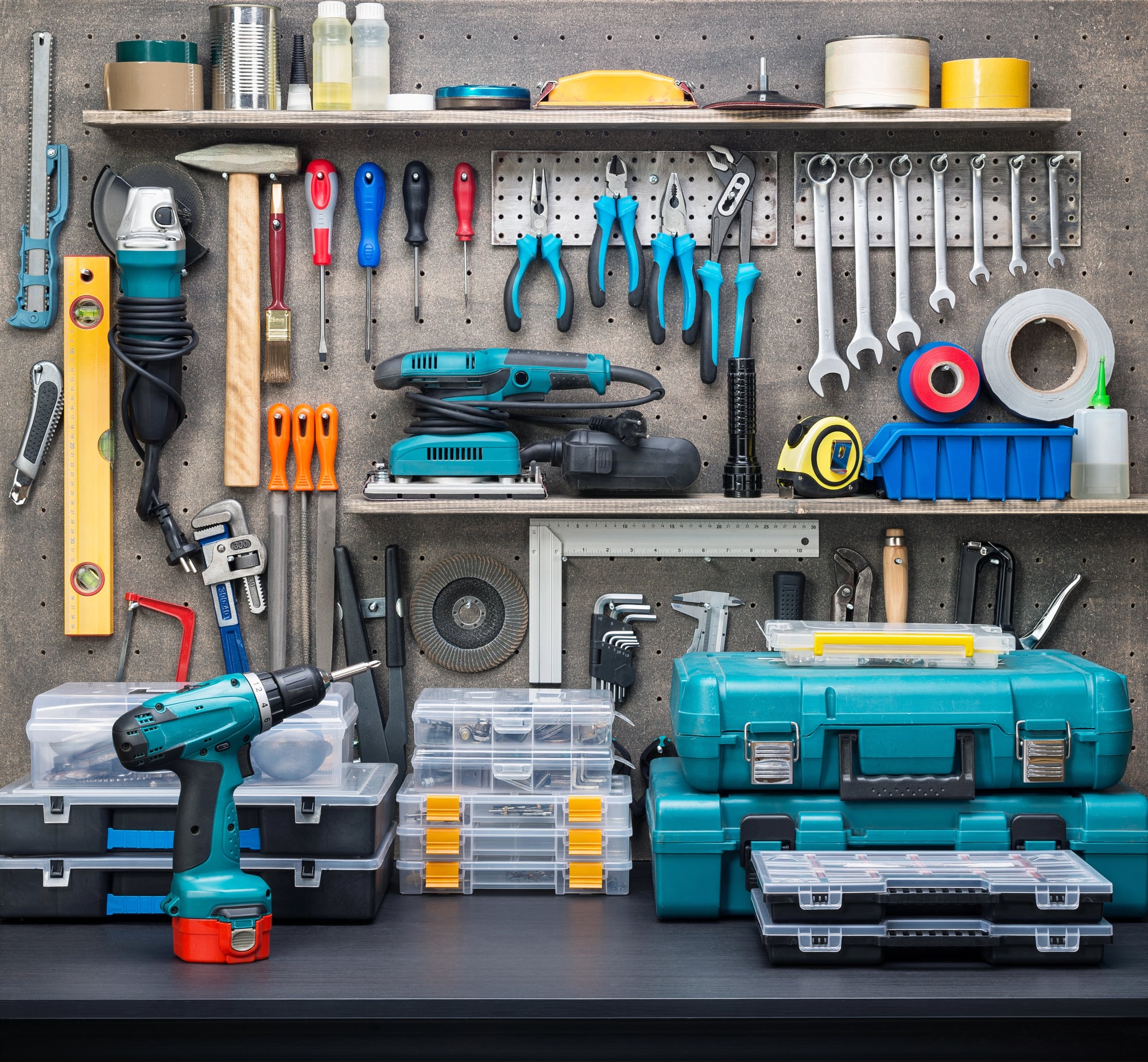
Hand tools outlast their owners. A solid set of chisels, a well-balanced hammer, a wood plane with a decent blade — these were built when “built to last” wasn’t a marketing phrase.
Buy them every time you see them.
Wooden Furniture with Bad Paint
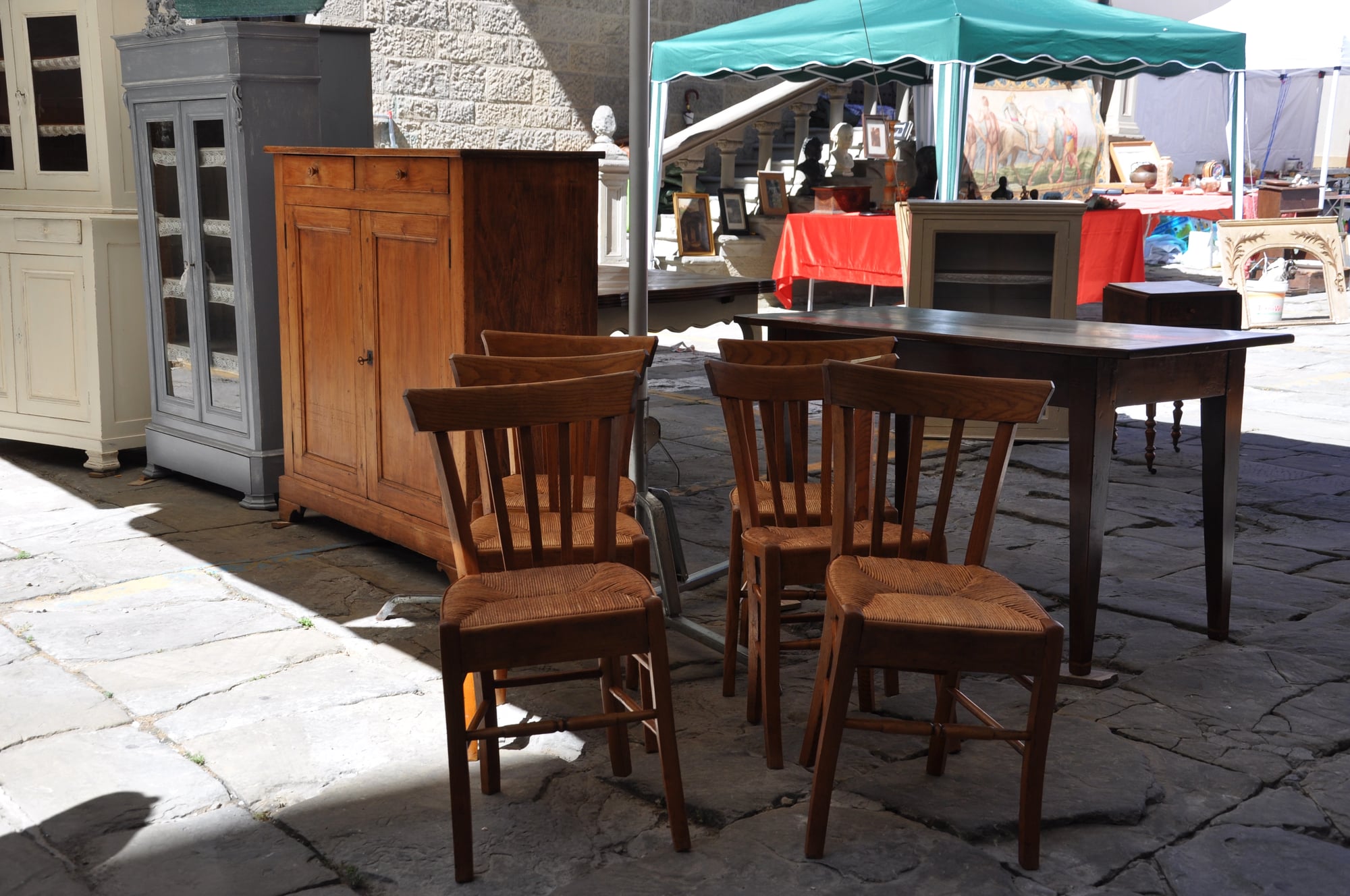
Furniture under ugly paint is still furniture. A solid wood dresser buried under three coats of chalky white paint is the same solid wood dresser it was the day it was built, and stripping paint is easier than building a chest of drawers from scratch.
People skip these pieces because they take imagination — and most garage sale shoppers are not bringing imagination to the table.
Old Cameras
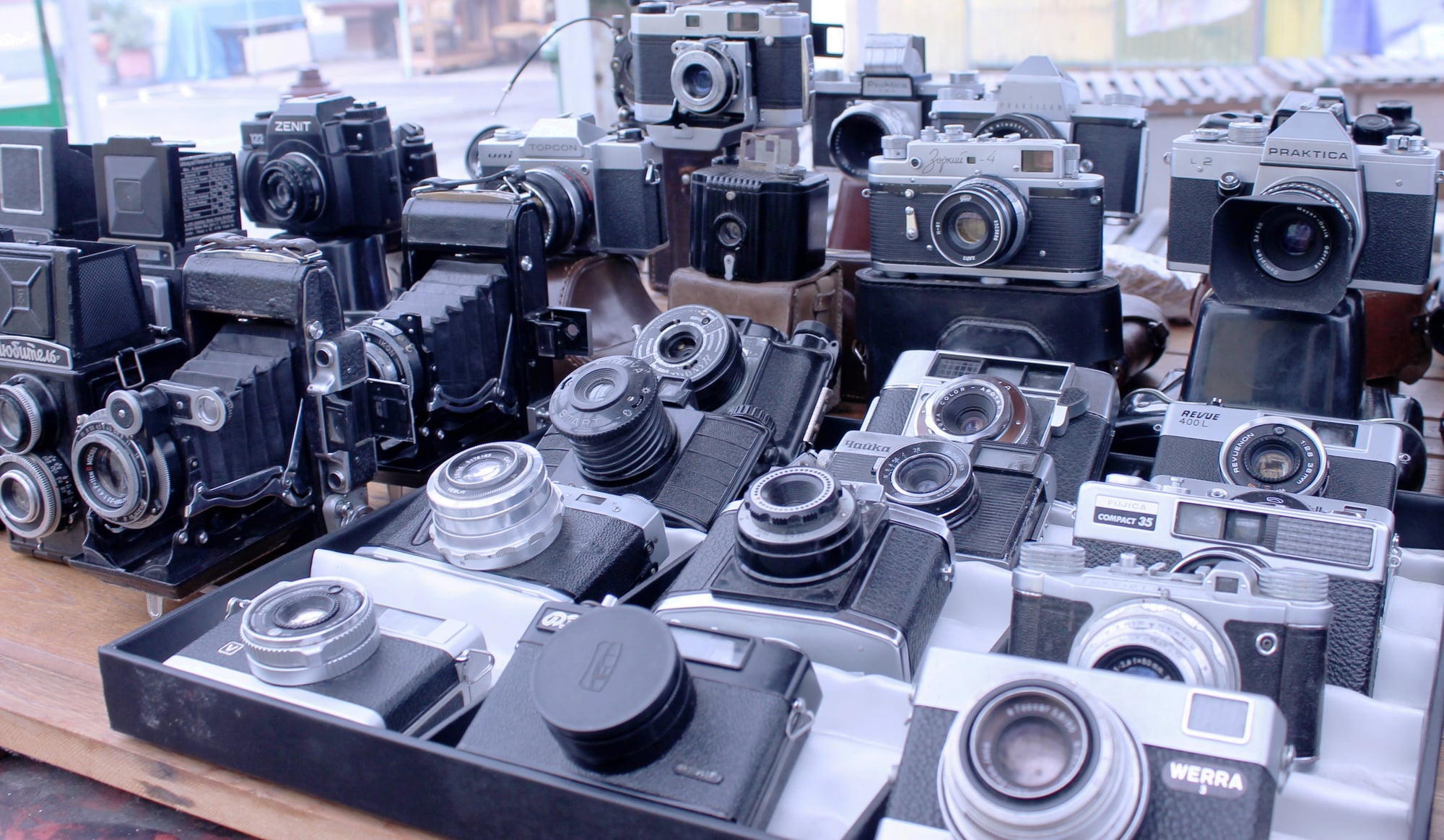
Film cameras have had a genuine resurgence, not as novelties but as tools people are actively using — and a working 35mm SLR from the 1970s sitting in a shoebox at a garage sale is worth far more than the five-dollar tag suggests. There’s something almost stubborn about the way these cameras persist: built before planned obsolescence became standard practice, designed to last, and still performing exactly as intended fifty years later.
And yet people walk past them every week.
Copper Cookware
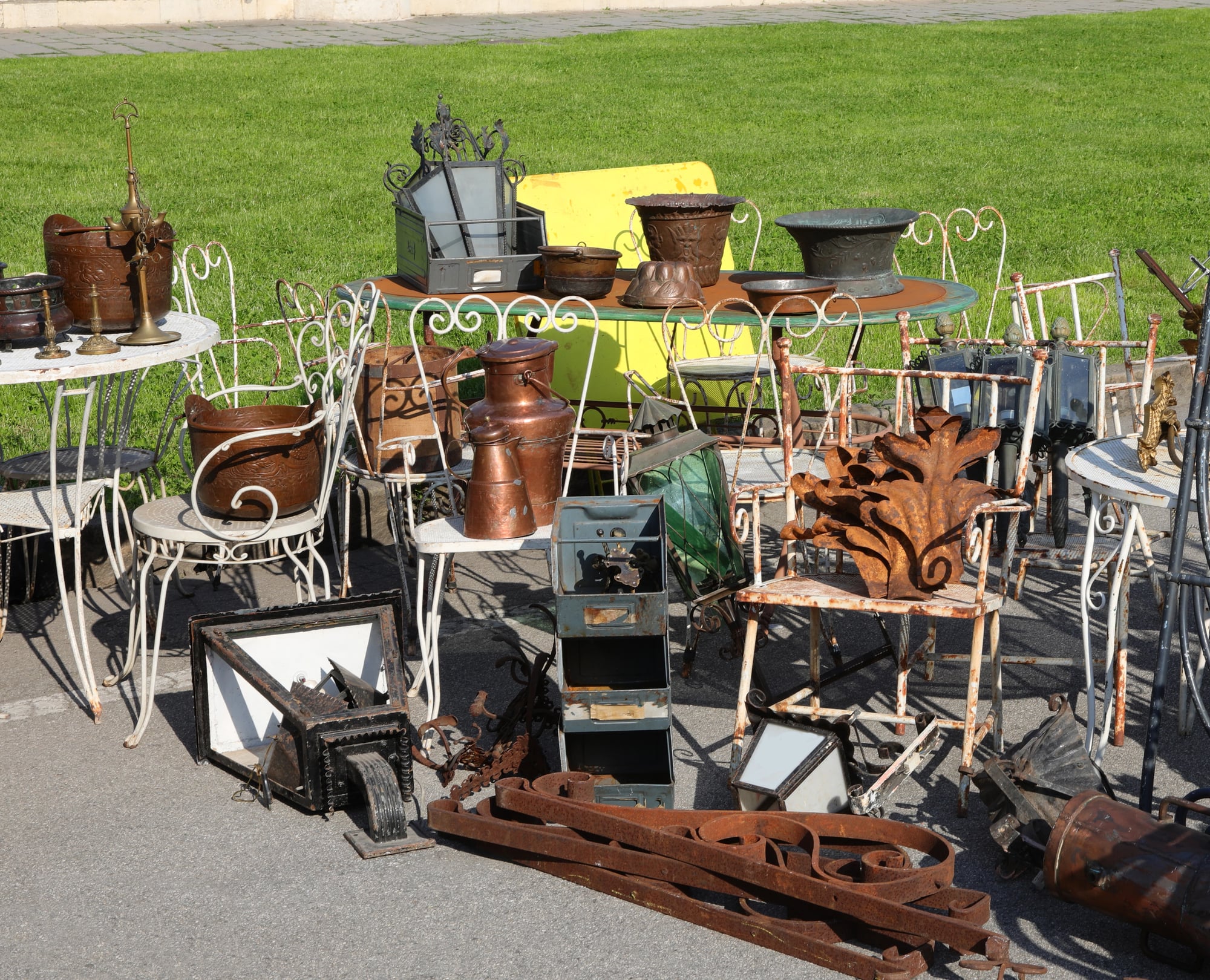
Copper cookware is the kind of thing professional kitchens covet and home cooks ignore. Turns out a tarnished copper saucepan with a tin lining, the sort that looks forgotten and unloved, will clean up to something genuinely beautiful — and cook better than almost anything mass-produced today.
To be fair, the price is usually the giveaway: nobody who knows what copper cookware is worth prices it at three dollars.
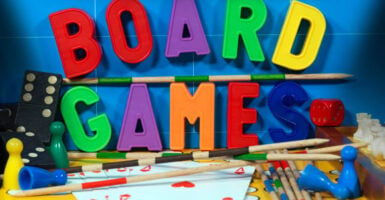
Kids’ Board Games from the 1980s and 1990s
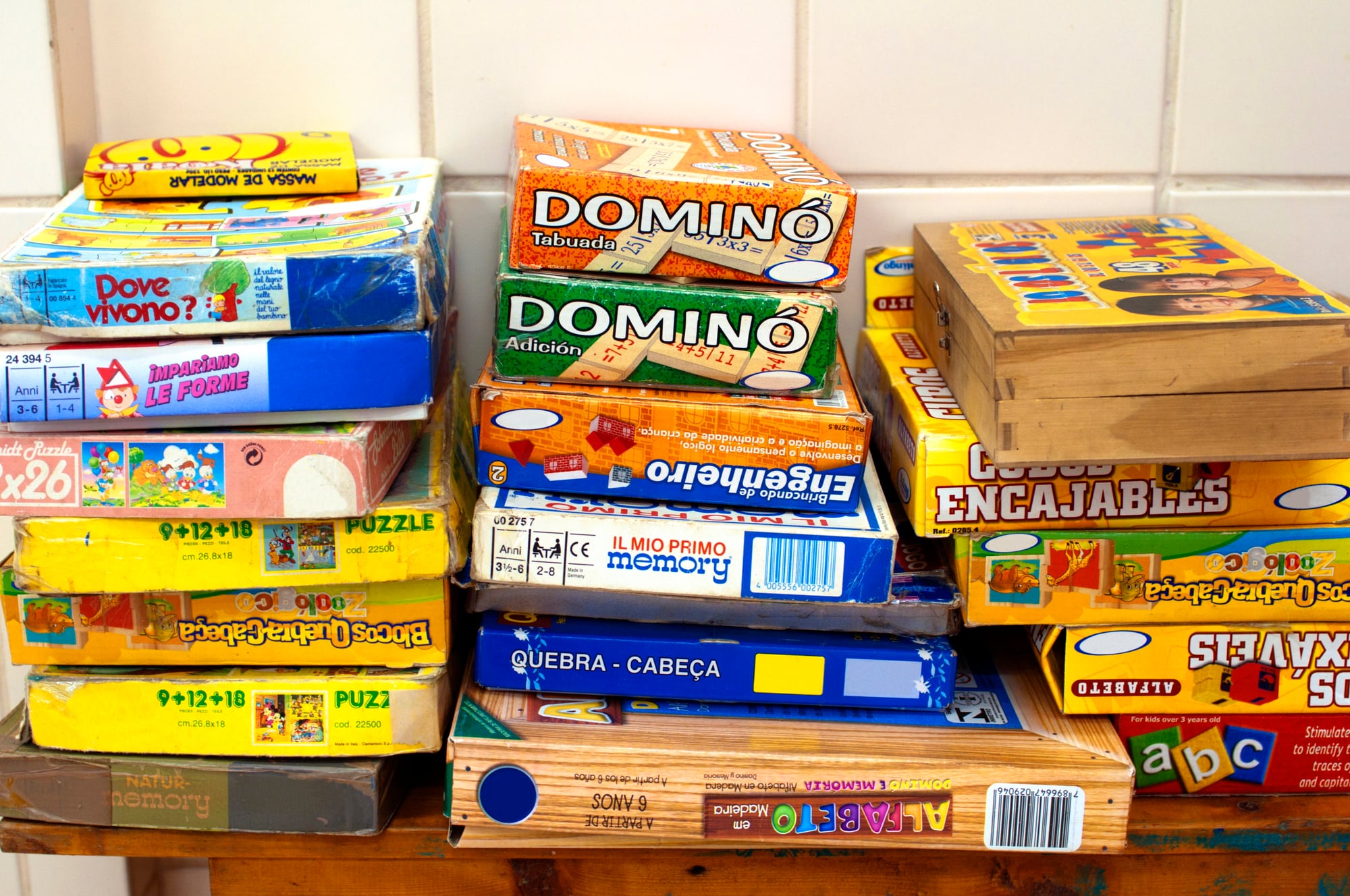
The replacement cost of a complete vintage board game — all pieces present, box intact — is not what the seller thinks it is. Games like Fireball Island or Crossbows and Catapults now trade hands online for amounts that would make the garage sale seller genuinely frustrated to learn about.
A quick check of the box to confirm completeness takes thirty seconds and can save sixty dollars.
Sewing Patterns
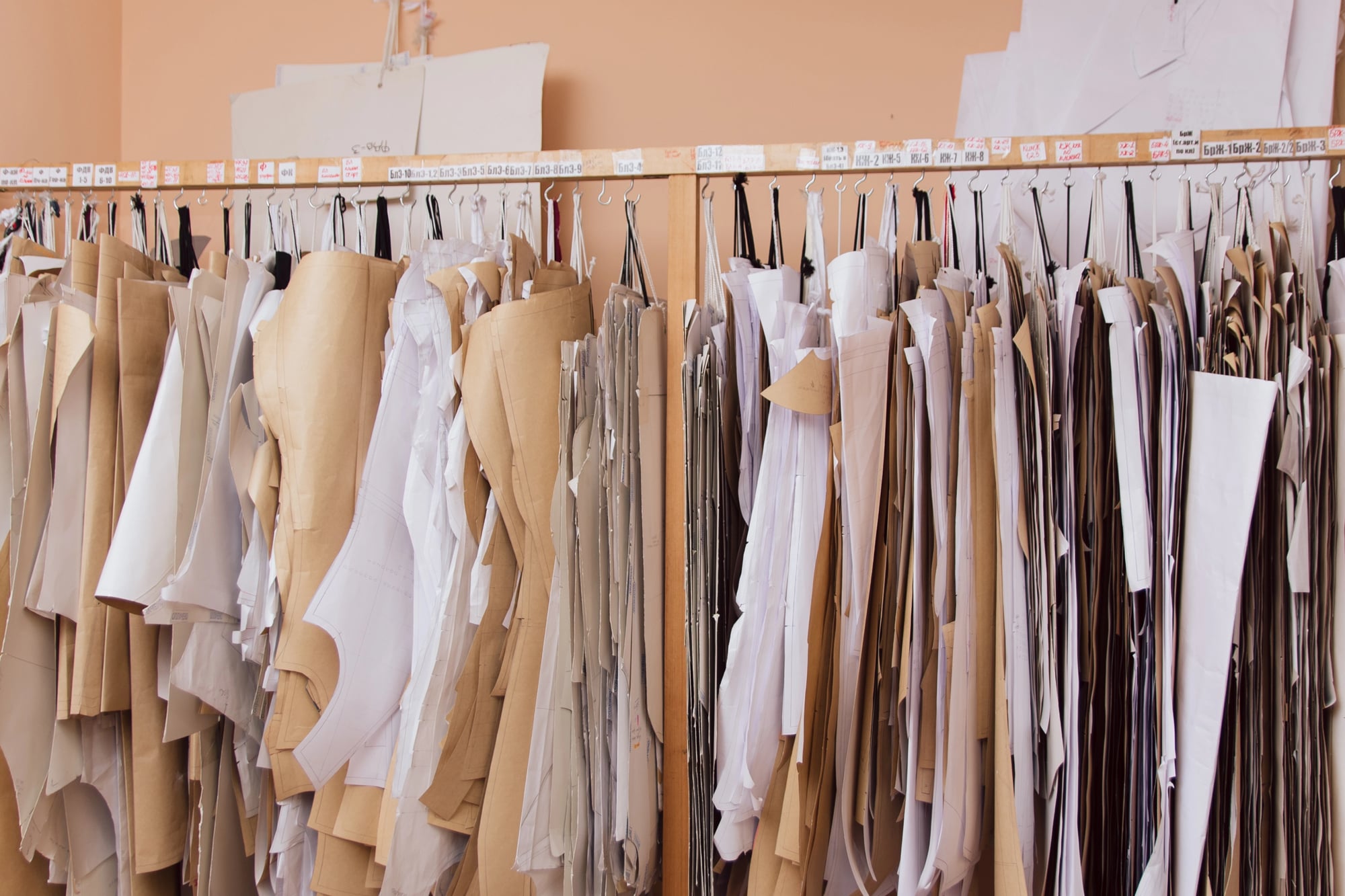
Vintage sewing patterns are small, flat, and easy to miss — folded into paper envelopes and usually stuffed into a box with craft supplies and old fabric scraps, which is exactly why they get overlooked. Collectors and home sewers are both actively hunting them, particularly Vogue and Butterick patterns from the 1950s through 1970s with their original uncut tissue paper still inside — those envelope illustrations alone have landed in galleries.
So the crumpled paper envelope in the craft box is not as unremarkable as it appears.
Fiesta Ware
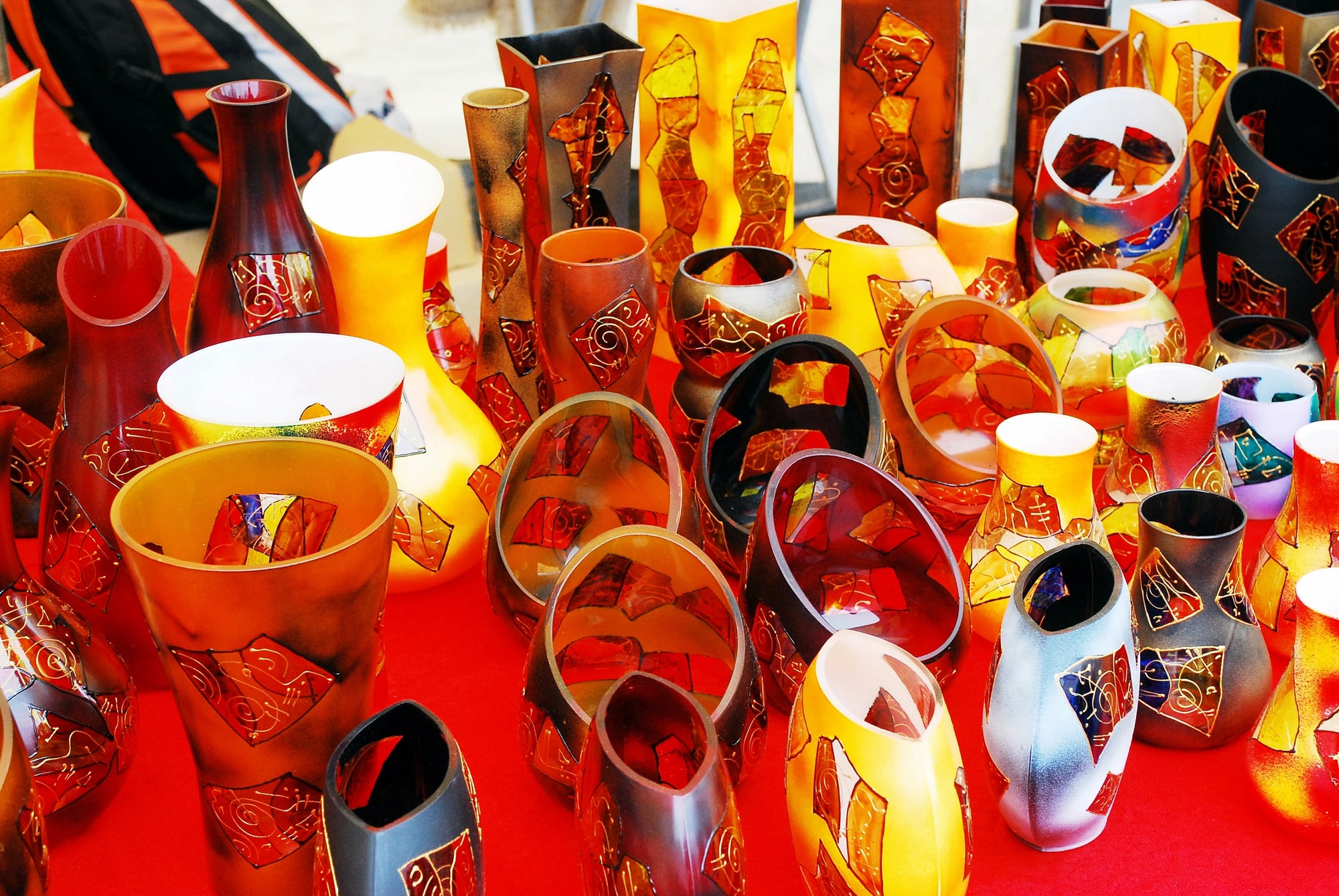
Fiestaware in its original colorways — especially the early red glaze from before 1943, which was made with uranium oxide and is technically slightly radioactive — is the kind of thing collectors pay serious prices for. Most people see a brightly colored plate and think diner surplus.
They’re not wrong, exactly, but they’re also not right about the value.
Old Maps and Atlases
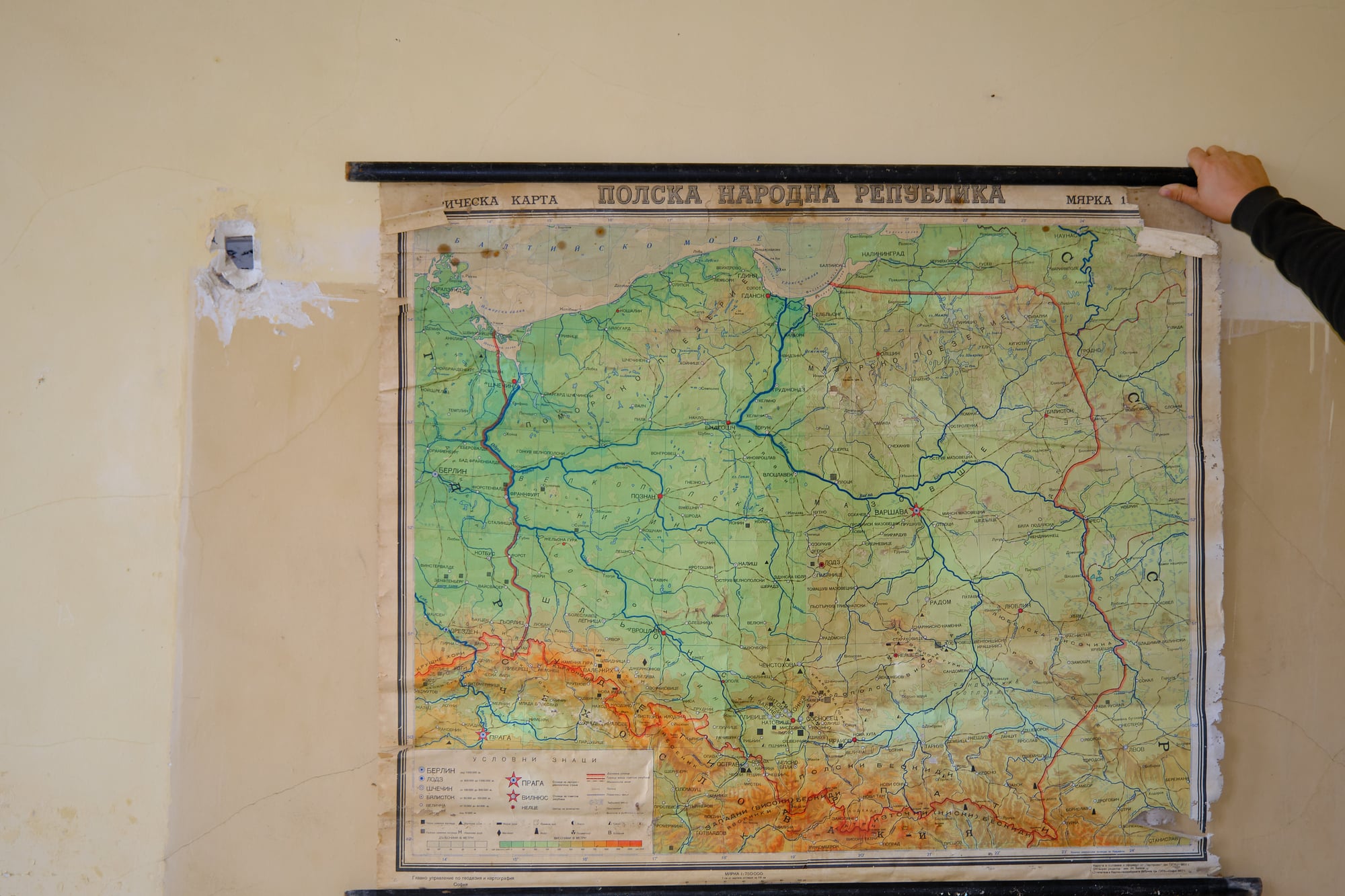
A road atlas from 1962 showing a pre-interstate highway system is not just nostalgic — it’s useful to historians, decorators, and collectors who frame individual pages as wall art. Maps have a visual authority to them, a grid of certainty that turns out to be more beautiful the older it gets.
People walk past them because they look like reference material, which is precisely what makes them interesting.
Typewriters
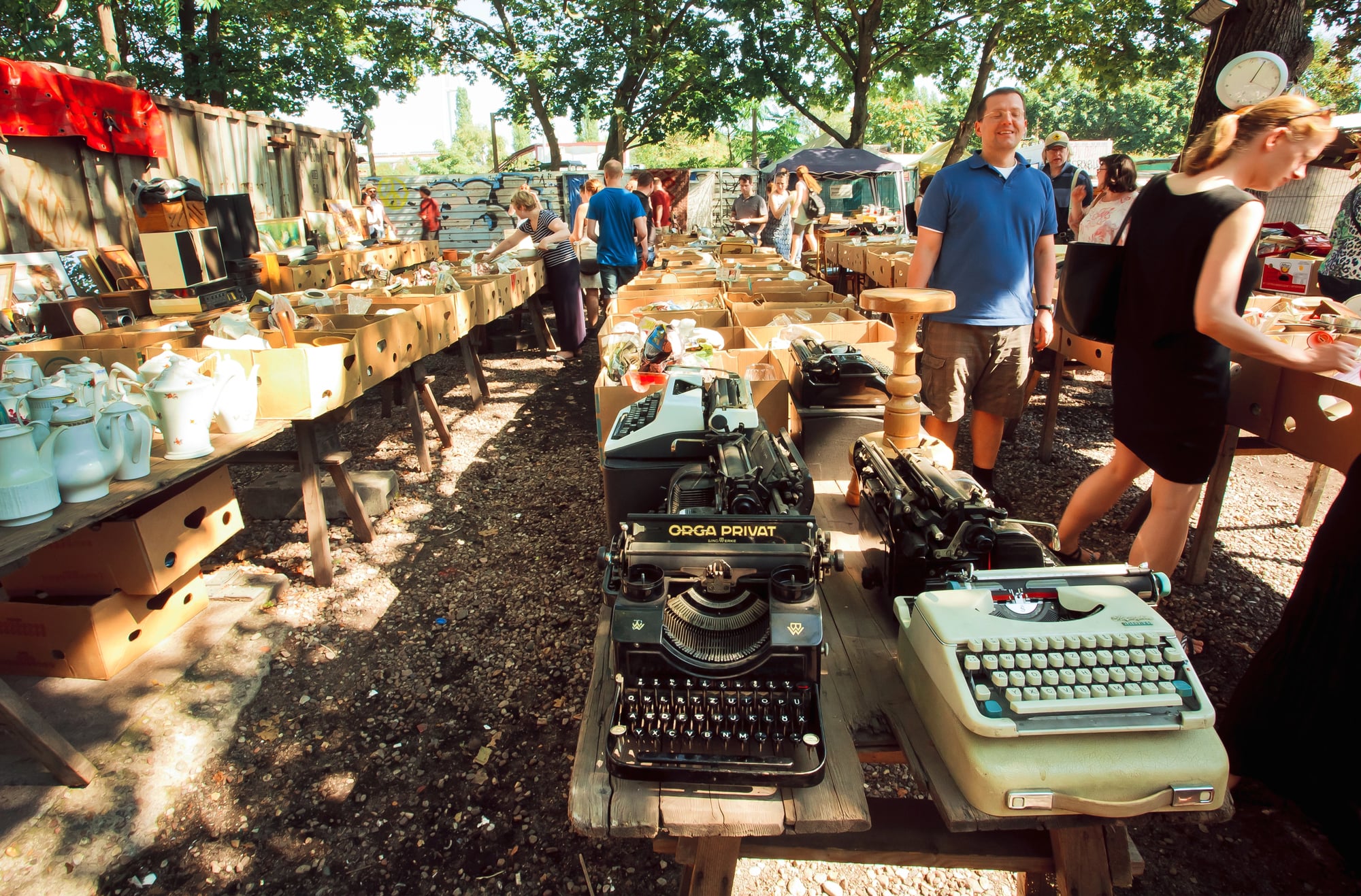
A working typewriter — particularly an Olivetti Lettera or a Royal Quiet De Luxe — sells online with enough regularity to make the garage sale price look embarrassing. Writers actually use these.
Students use them. People who are tired of screens use them.
And still they sit on folding tables tagged at eight dollars, looking like props from a period drama nobody bought tickets to.
Silver-Plated Serving Pieces
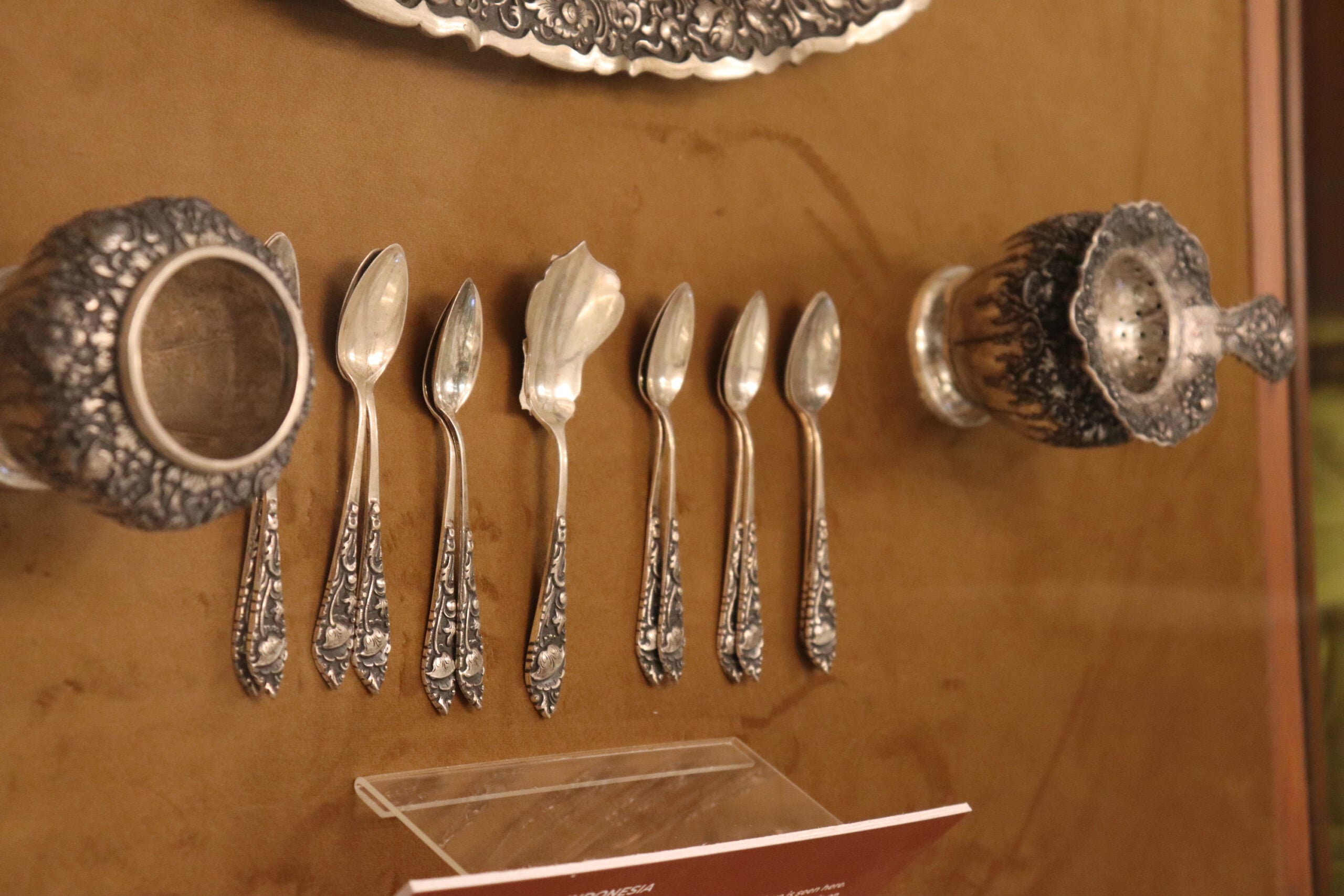
Silver plate is not sterling, but that distinction matters less than people think — not for value, but for beauty and function. A heavy silver-plated tray or serving bowl from the early 20th century has a physical presence that the stainless steel equivalent simply doesn’t carry, and polishing silver is a task measured in minutes, not hours.
The pieces that look worst at a garage sale are usually the most interesting ones underneath.
Vintage Linens
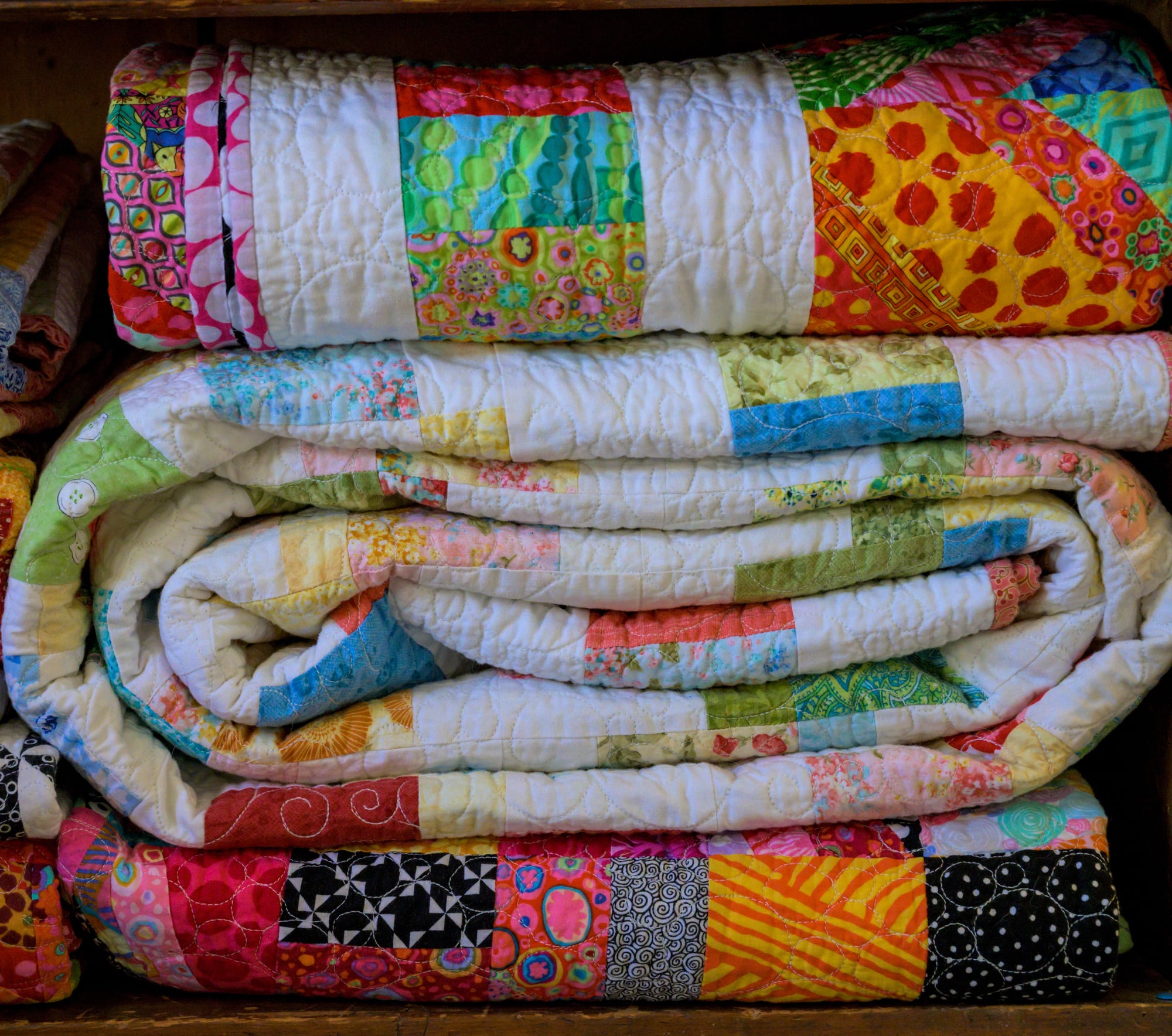
There’s a reason people kept embroidered tablecloths in cedar chests for decades. Hand-stitched linen from the 1940s and 1950s represents a kind of patient labor that mass production made obsolete — and the quality of the fabric itself, particularly true linen as opposed to cotton blends, is genuinely difficult to source new.
Find it at a garage sale and the price is usually whatever the seller could think of when they wrote the tag.
Milk Glass

Milk glass — the dense, opaque white pressed glass that filled American homes from the 1890s through the 1960s — has cycled back into genuine demand. A Hobnail vase or a footed candy dish in good condition might cost fifty cents at a sale and twenty dollars from a reseller.
The gap between those two prices is just the distance between a table in someone’s driveway and a curated online listing.
Old Cookbooks
A first edition Joy of Cooking from 1931 is not the same thing as the paperback edition from 1997, and neither is a spiral-bound church cookbook from a small town in rural Ohio circa 1955 — which turns out to be a primary document of regional American cooking that food historians actively collect. Most cookbooks at garage sales are genuinely unremarkable.
But the ones that aren’t tend to be sitting in the same cardboard box as the ones that are, and the distinction takes about ten seconds to notice.
Drafting Tools
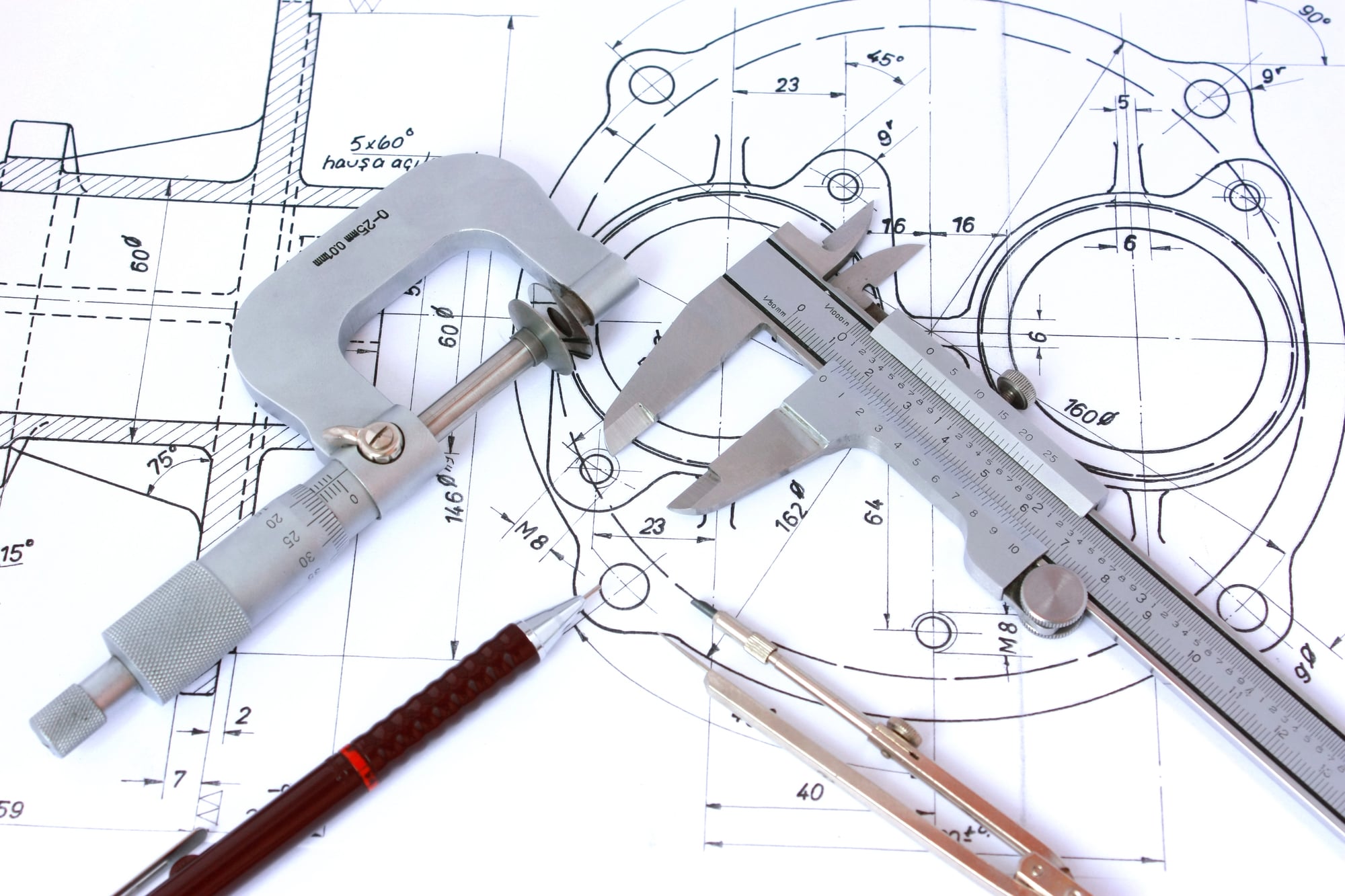
Vintage drafting sets — the kind that come in fitted wooden cases with ruling pens, compasses, and dividers nestled in velvet — are beautiful objects. Architects and illustrators still use traditional drafting instruments, and even the people who don’t use them buy them because they look extraordinary in a flat lay or mounted on a wall.
A complete set in its original case is the kind of thing that sells within minutes on the right resale platform.
Barware Sets
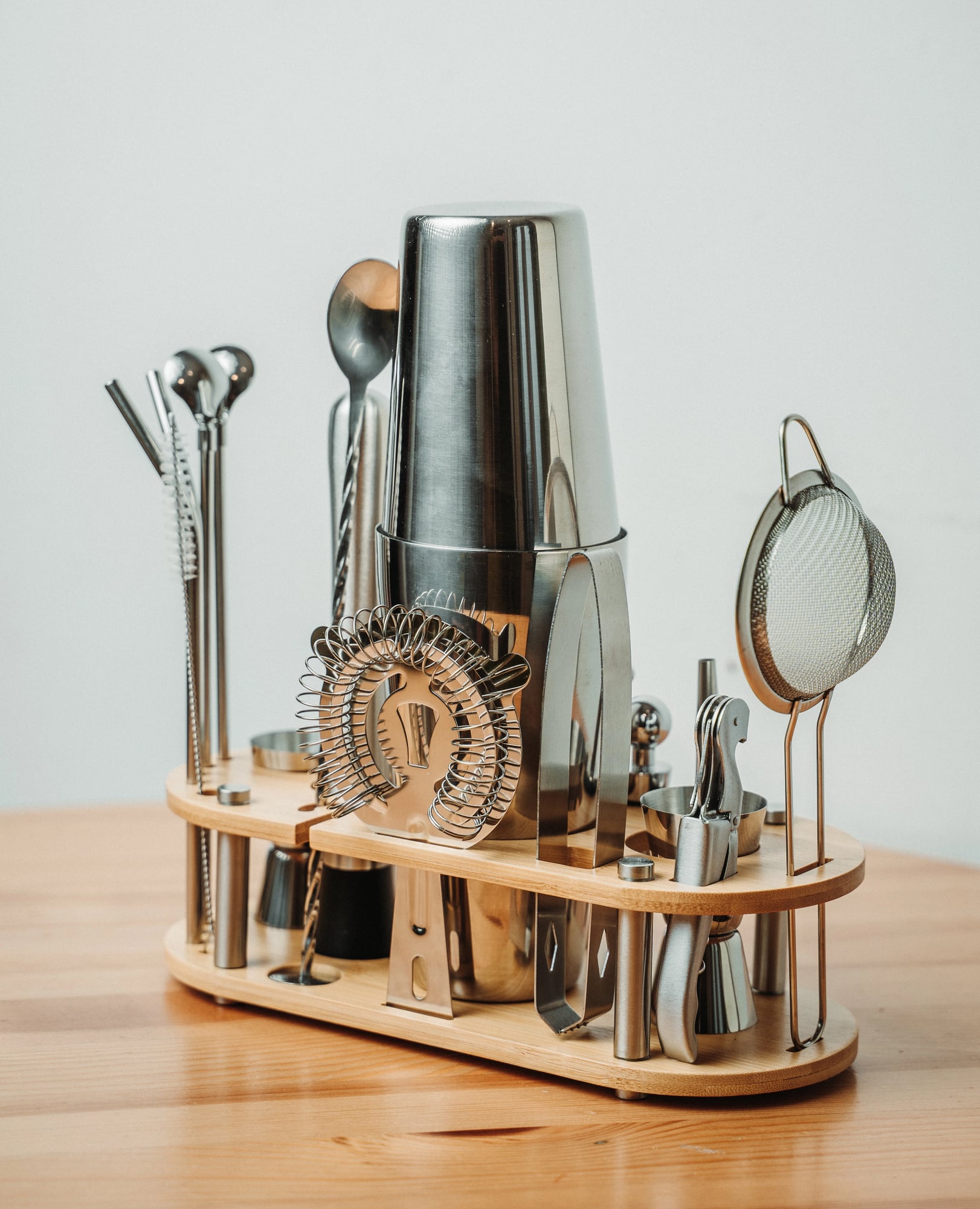
A complete mid-century barware set — six matching highball glasses, a pitcher, and a tray — in a pattern like Atomic Starburst or Mad Men–adjacent geometric shapes is not something you assemble from a department store today. These sets survived intact because someone stored them carefully, and they arrive at garage sales looking slightly formal and out of place, which is why they leave for fifty cents and show up in vintage shops for forty dollars.
Vintage Clocks
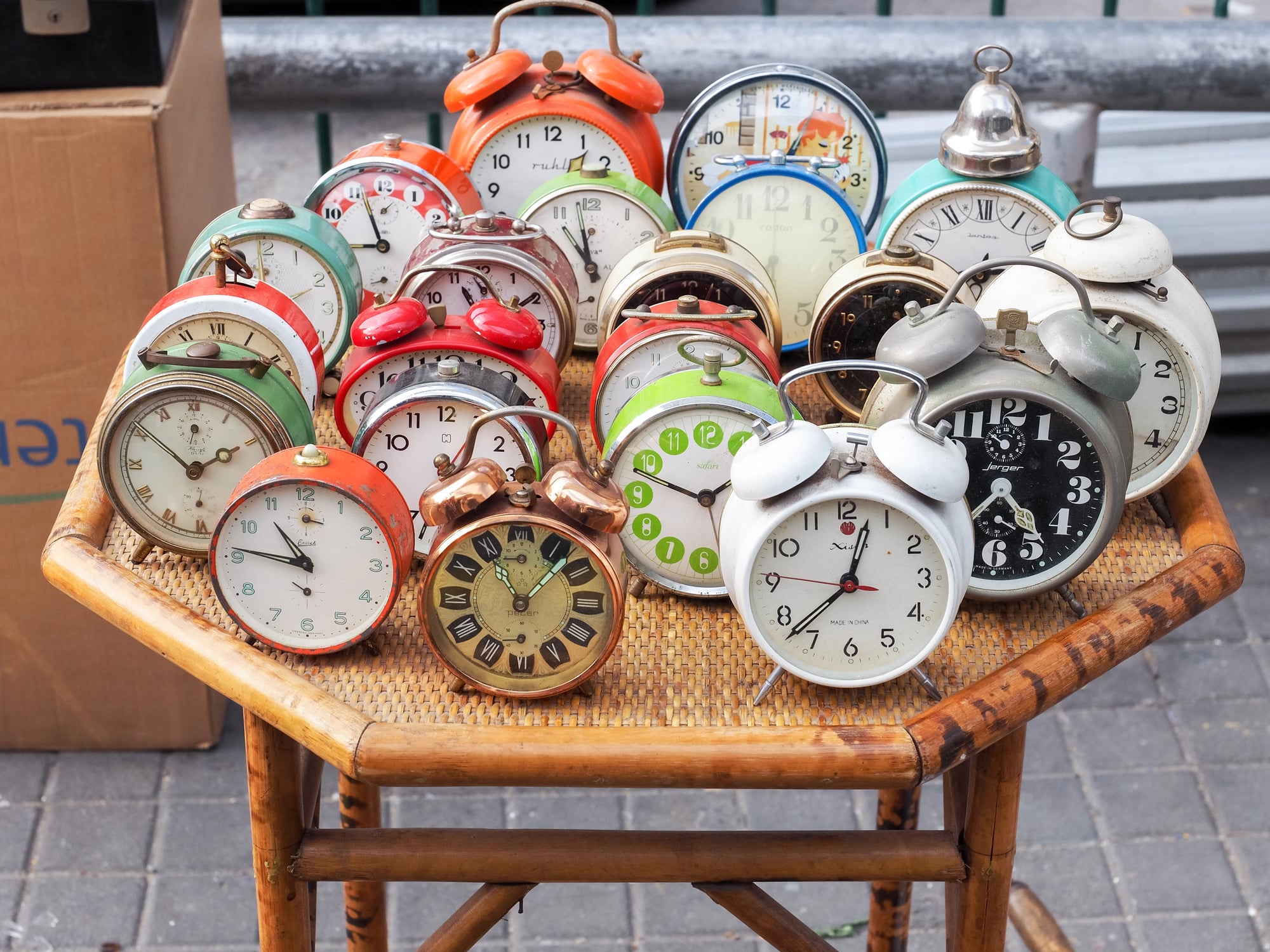
Mechanical clocks from the mid-20th century were built to be serviced, wound, and used for generations — not replaced when the battery dies. A Sessions or Seth Thomas mantel clock with a pendulum, even one that has stopped running, is typically a cleaning and adjustment away from working correctly.
People bypass them because they assume broken means unfixable, and they’re usually wrong.
Gardening Tools
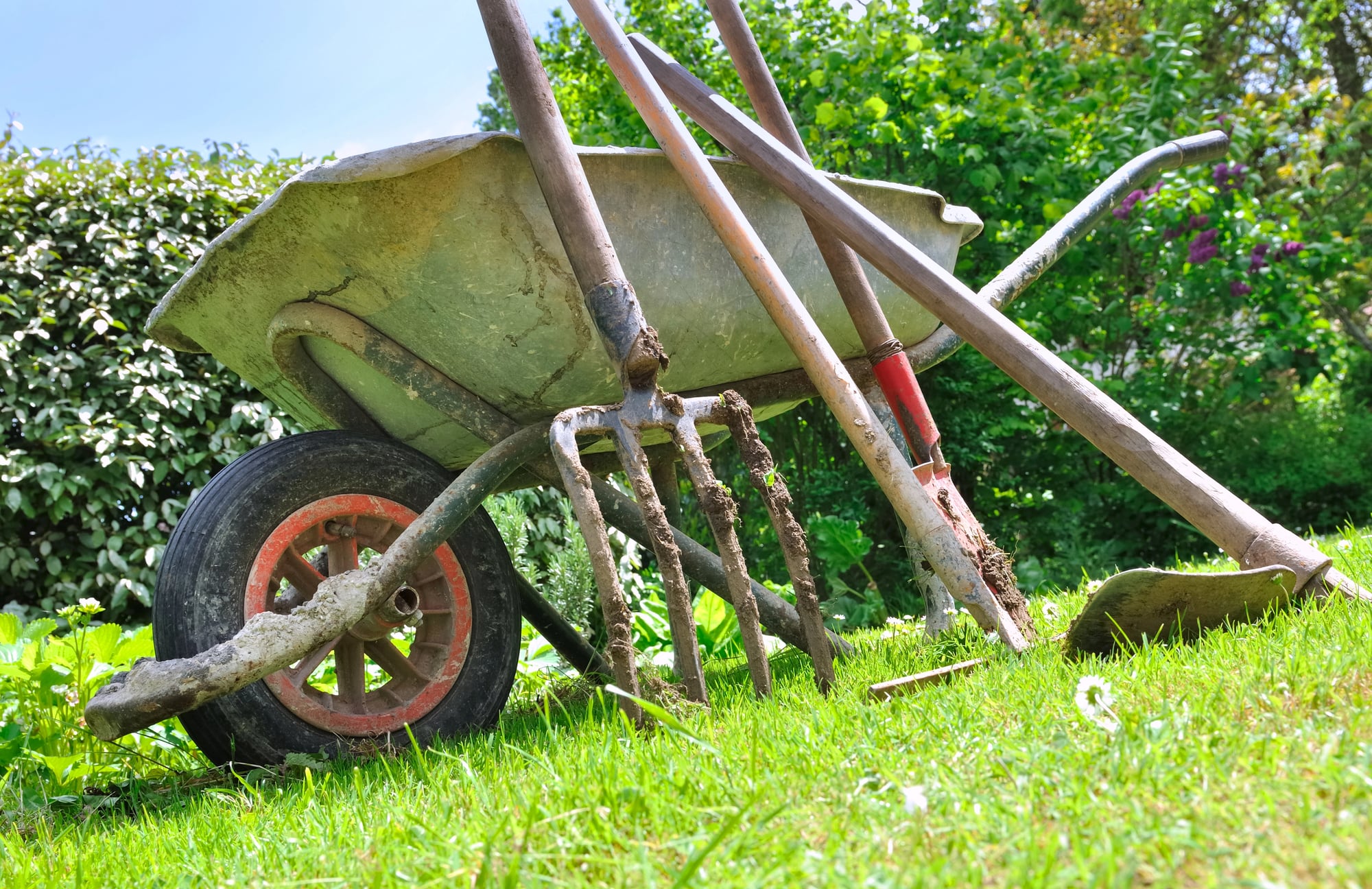
Solid steel garden tools with wooden handles — the kind made before the era of hollow shafts and plastic grips — do not wear out. A good hoe or a flat spade found at a garage sale, even one with a rough handle and surface rust, will outlast anything currently sold at a home improvement chain.
The rust is superficial. The steel underneath is not.
Leather Goods
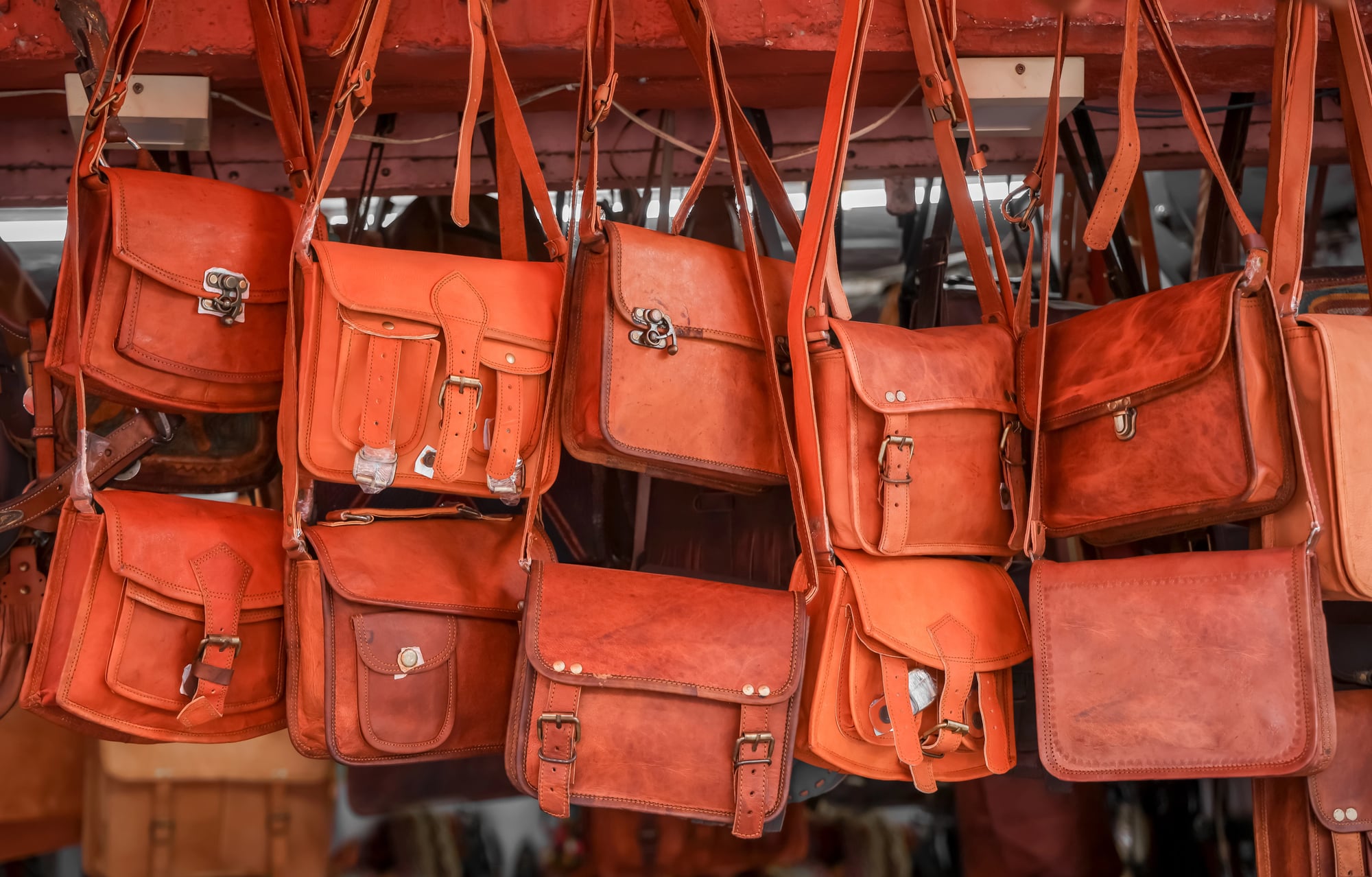
A quality leather bag, belt, or briefcase that has aged without cracking still has decades of life in it — conditioning takes minutes and the results are immediate. The problem is that vintage leather at a garage sale looks rough.
It looks tired and old and like something someone’s grandfather retired. That’s not a problem.
That’s patina, and patina is what makes leather interesting in the first place.
Vintage Radios
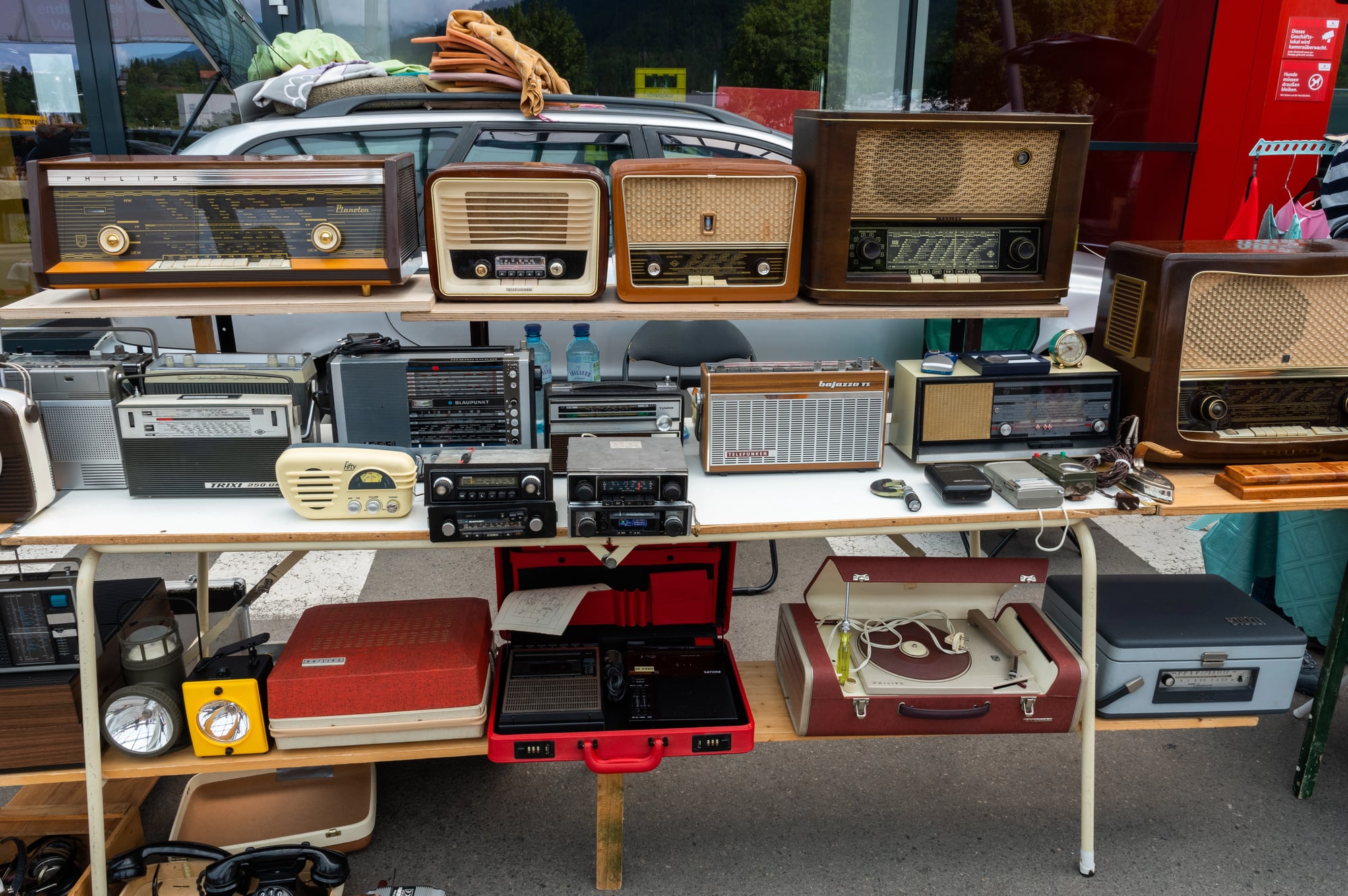
Tube radios from the 1930s through the 1950s occupy a strange space: too old to be practical, too beautiful to be ignored, too well-built to be worthless. A Zenith or a Philco cathedral radio in its original wood cabinet, even non-functional, is decorative in a way that modern electronics simply aren’t — and the restoration community for these sets is active, knowledgeable, and genuinely passionate.
They’re also almost never priced correctly at garage sales, in the seller’s favor.
Optical Items

Binoculars, monoculars, and surveying loupes made in Germany or Japan between the 1940s and 1970s are precision instruments. The glass quality in a pair of Carl Zeiss or Nikon binoculars from that era is not inferior to what’s being manufactured today — it’s often better, ground by hand to tolerances that automated production still struggles to match.
And they sit on garage sale tables next to broken sunglasses, looking like something nobody needs.
Vintage Fabric

Deadstock fabric — material that was manufactured and stored, never cut — from the 1940s through the 1970s arrives at garage sales folded into bolts or bags, and the prints are irreproducible. Mid-century barkcloth in a geometric pattern, cotton novelty prints from the postwar years, early polyester double-knit in colors that manufacturers stopped making — these fabrics live in the overlap between art object and raw material, the kind of textile that sits in a bag looking unremarkable until you unfold it.
Picture Frames
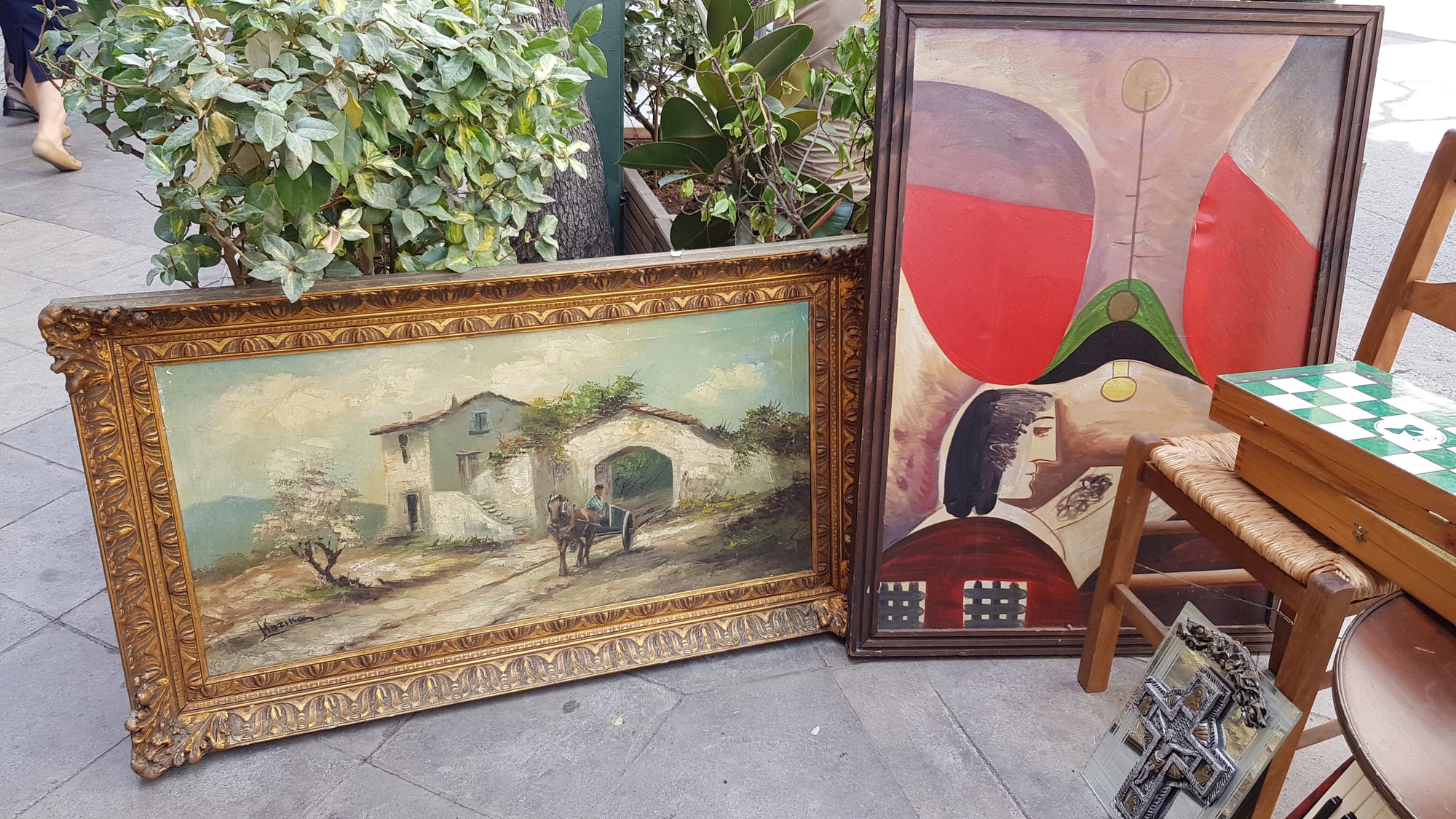
The frames people overlook are the ornate ones — heavy, gilded, possibly chipped, obviously old. A carved wooden frame from the early 20th century, even one missing chunks of its decoration, is worth the two dollars it’s usually tagged at just for the wood.
But some of them, particularly the ones with original gilding still intact, are worth considerably more. The frame is almost always more interesting than whatever’s in it.
Scientific Instruments

Brass scientific instruments — compasses, sextants, drafting instruments, surveying equipment — are beautiful objects that people mistake for decorative props. Some of them are still functional.
All of them are interesting. A brass compass in a fitted leather case from the early 20th century is not miscellaneous hardware.
It’s the kind of object that a thoughtful person puts on a desk and keeps.
Vintage Lighting
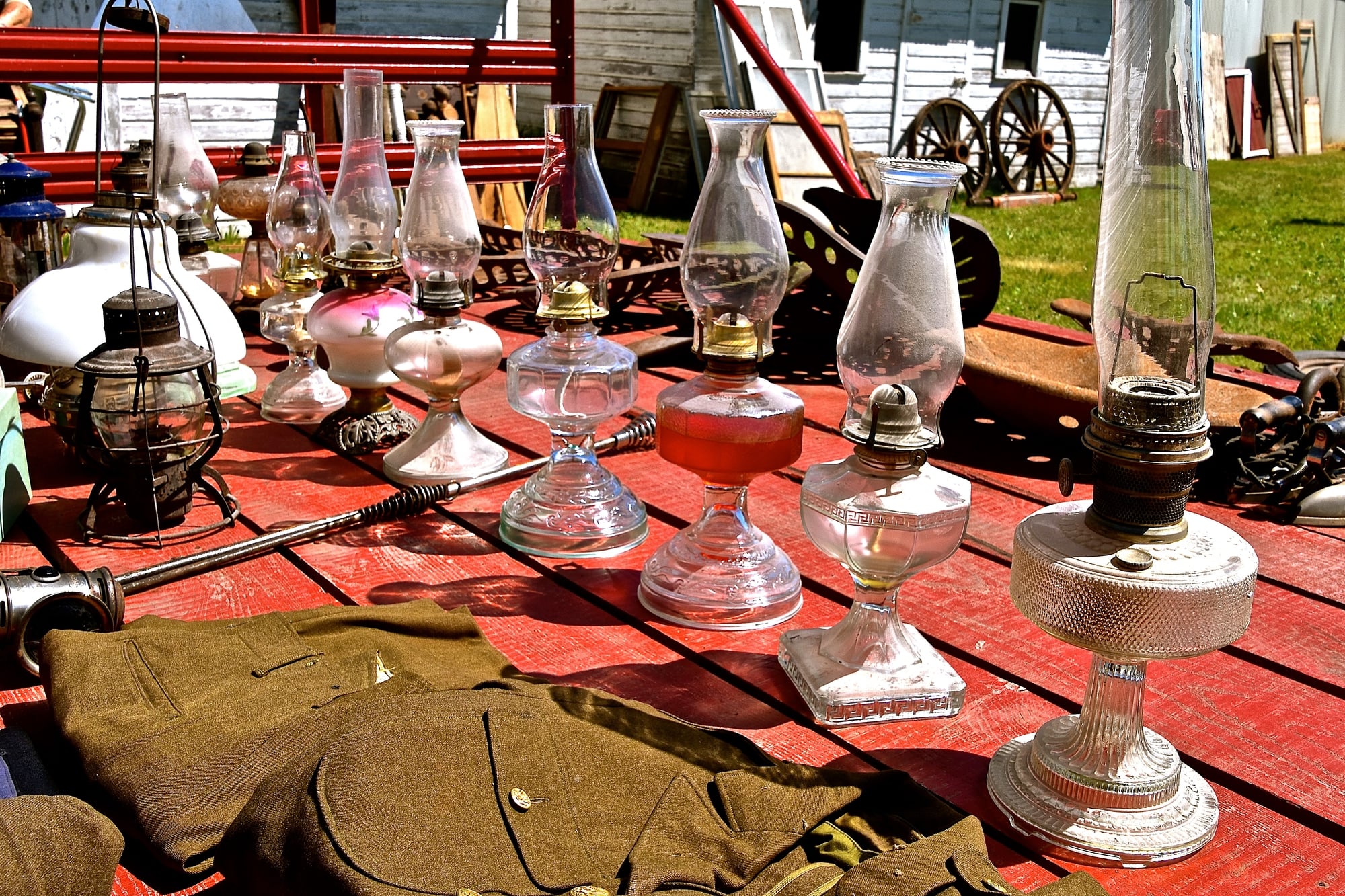
A good mid-century lamp is almost impossible to replace with something new at anywhere near a comparable price. A ceramic lamp base in a period color — avocado, harvest gold, a deep cobalt — or a ginger jar lamp with its original shade is a piece of design that can’t be replicated by a chain home goods store, which is why the same lamp that sits for five dollars at a garage sale costs eighty dollars from a vintage dealer three weeks later.
Fishing Equipment
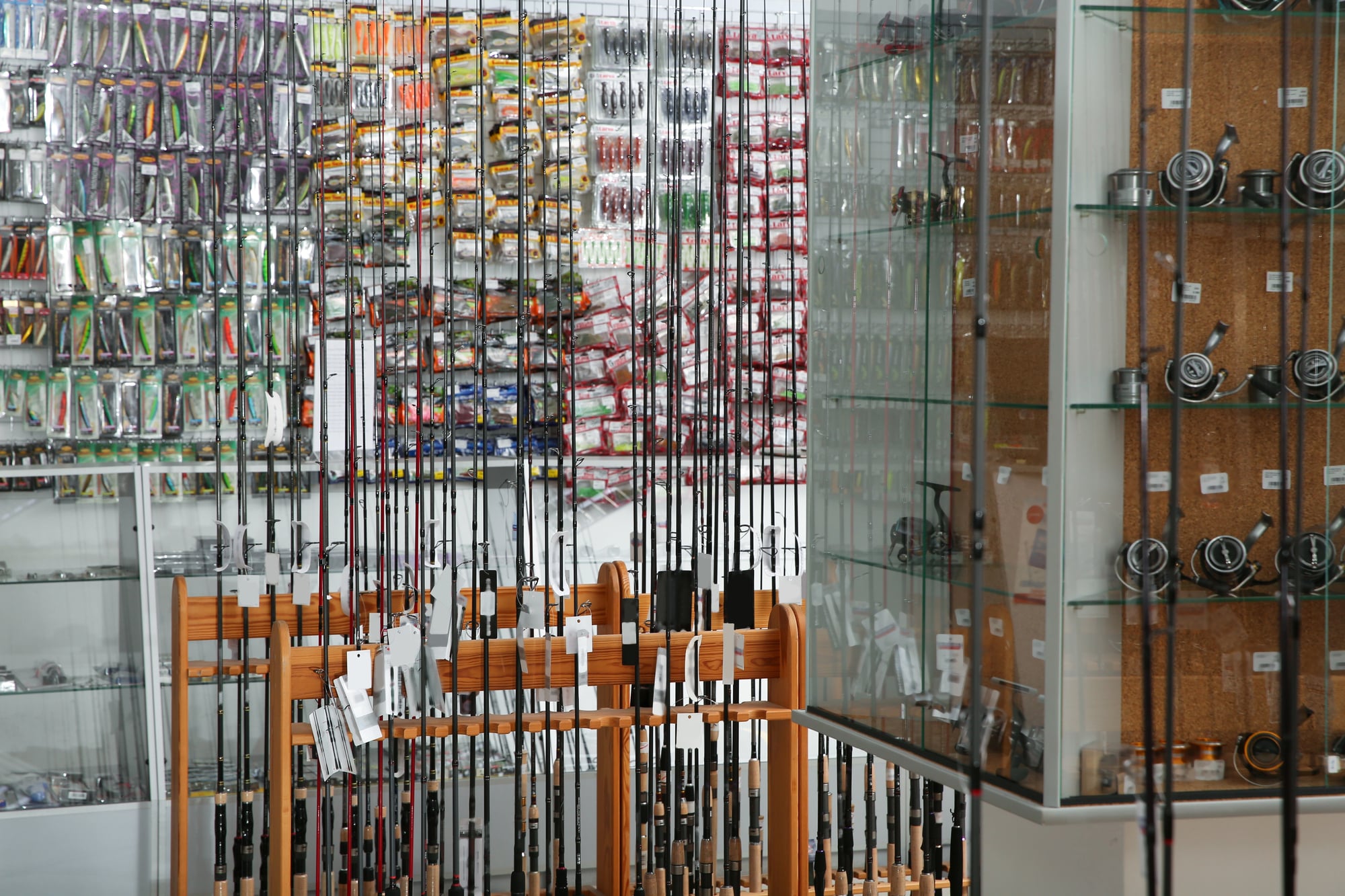
Vintage fishing reels, particularly fly fishing equipment from American manufacturers like Hardy or Pflueger, are collected with a kind of quiet intensity that would surprise most people. A bamboo fly rod in a cloth tube, stuffed into a garage sale pile of sporting goods, could be worth several hundred dollars.
The people who know this already know it. The people who don’t know it walk past without slowing down.
Art Pottery
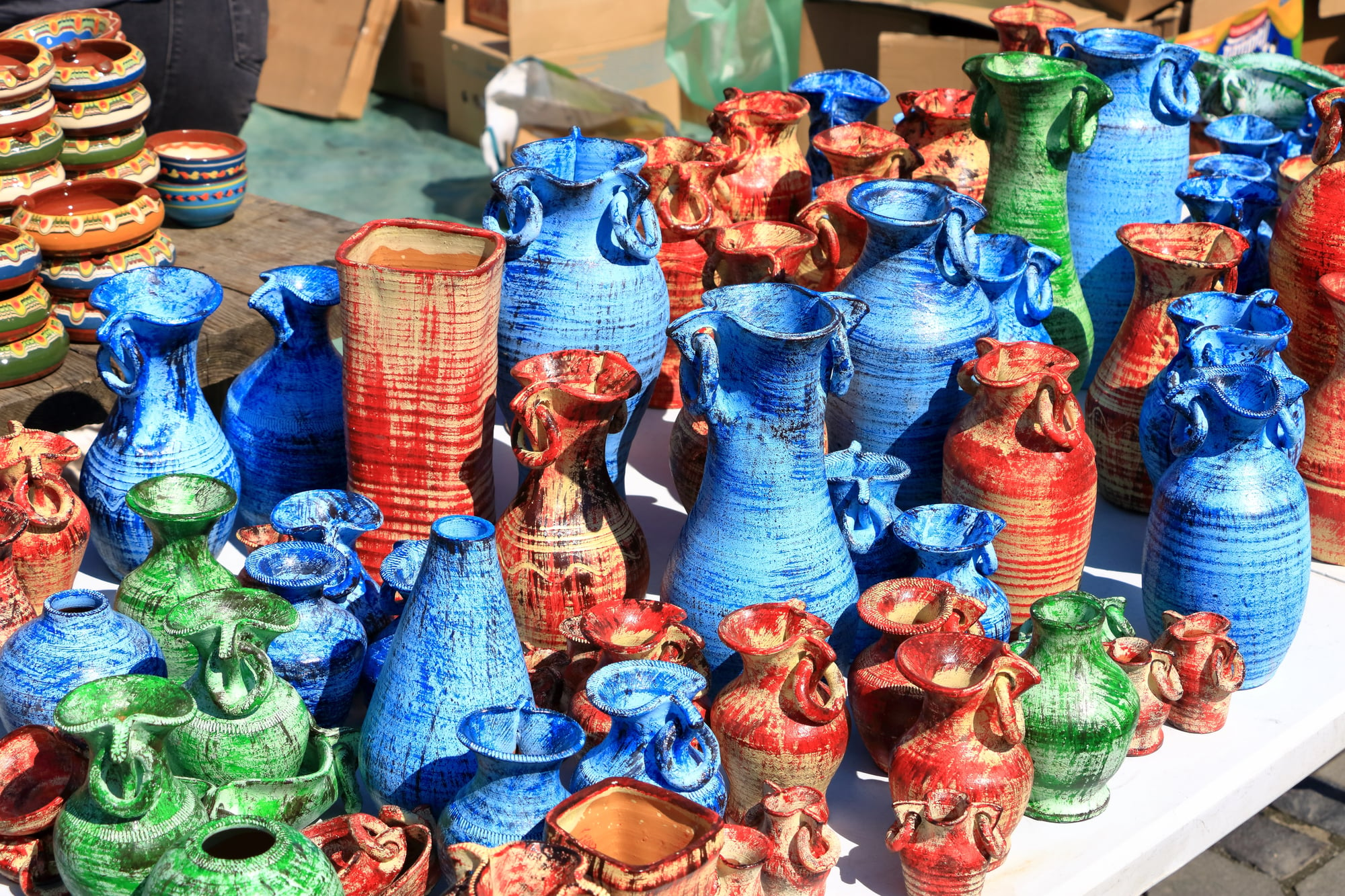
Studio pottery and art pottery — pieces that are signed, marked with a studio stamp, or clearly hand-thrown — get passed over constantly because they don’t look like the decorative pottery people expect. A matte-glazed vase marked with a small Arts and Crafts studio mark from the early 1900s doesn’t announce itself.
It just sits there looking like a heavy, unassuming object, which is exactly what it is, plus about four hundred dollars of collector value.
Vintage Toys
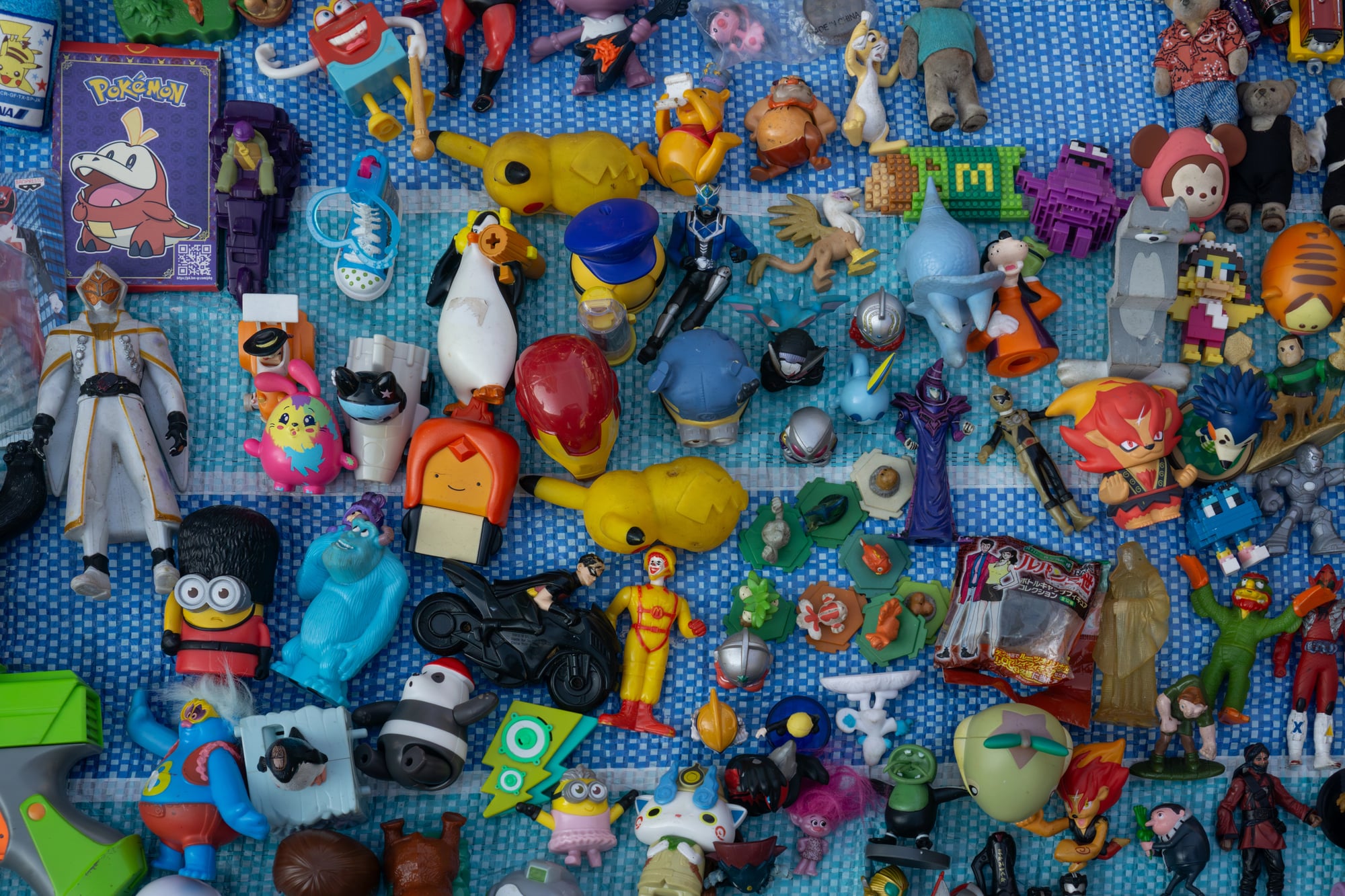
Pressed steel toys — trucks, farm equipment, construction vehicles — made before the 1970s are not plastic. They don’t crack.
They don’t fade the way injection-molded plastic does. A Structo truck or a Marx pressed steel set in reasonably good condition is a collectible that people with real nostalgia for these objects are actively hunting, and a garage sale is exactly the kind of place they appear at prices that reflect the seller’s lack of interest rather than the object’s actual worth.
Hardcover Books

Most hardcover books at garage sales are correctly priced at twenty-five cents. But a first edition with a dust jacket, a signed copy, or a title from a limited press run is a different object entirely.
The skill is knowing which is which — and that knowledge is free, available in five minutes on a phone, and almost never deployed by the person standing at the table.
Needlework and Embroidery
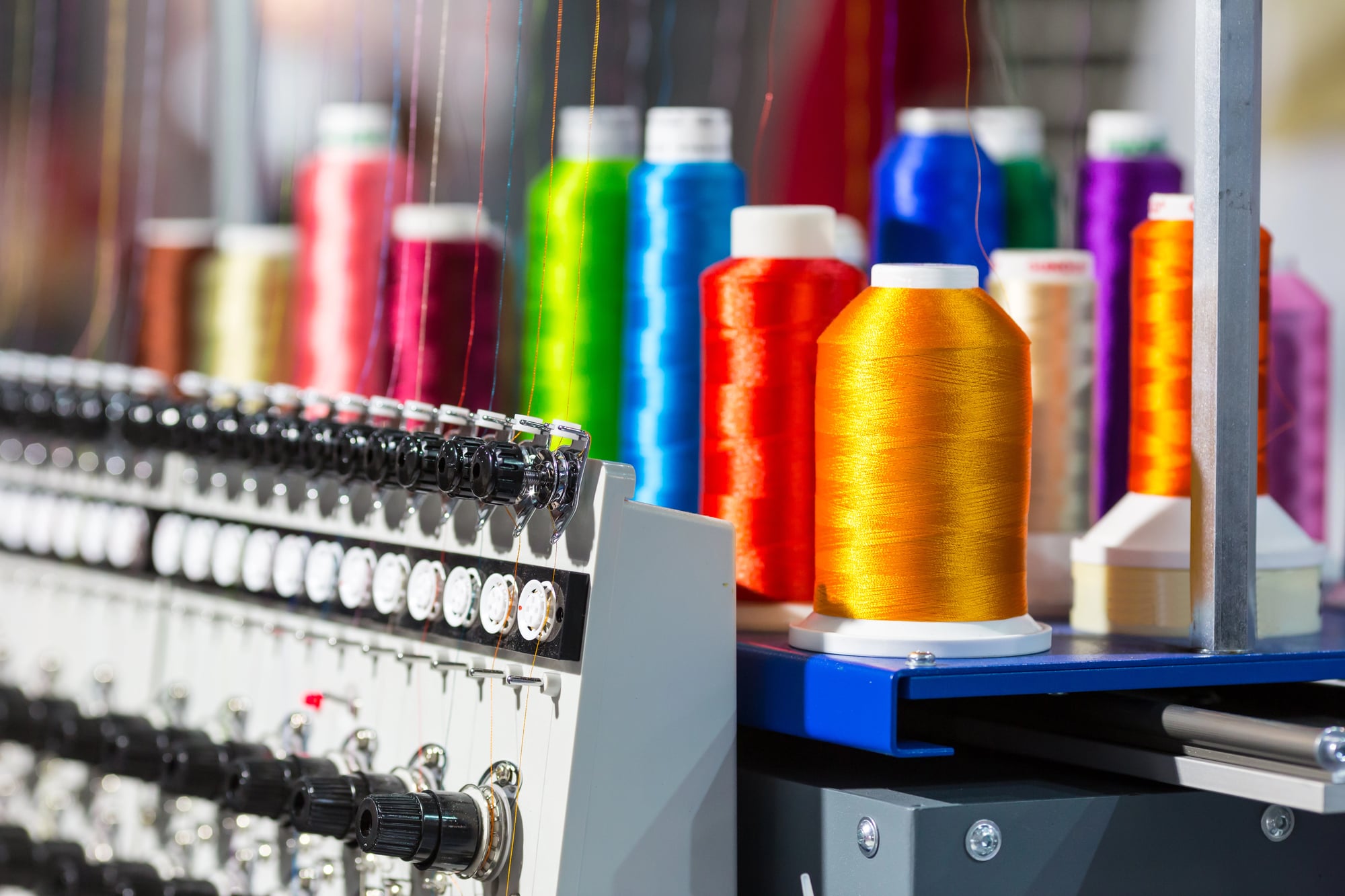
Completed needlework pieces — framed samplers, embroidered pictures, finished crewelwork — are among the most undervalued objects at any garage sale. The labor embedded in a completed cross-stitch sampler from the early 20th century is hundreds of hours of someone’s careful attention, and they show up priced at a dollar fifty because nobody thinks of them as art.
But frame something carefully, hang it with intention, and the room changes around it.
The One That Got Away
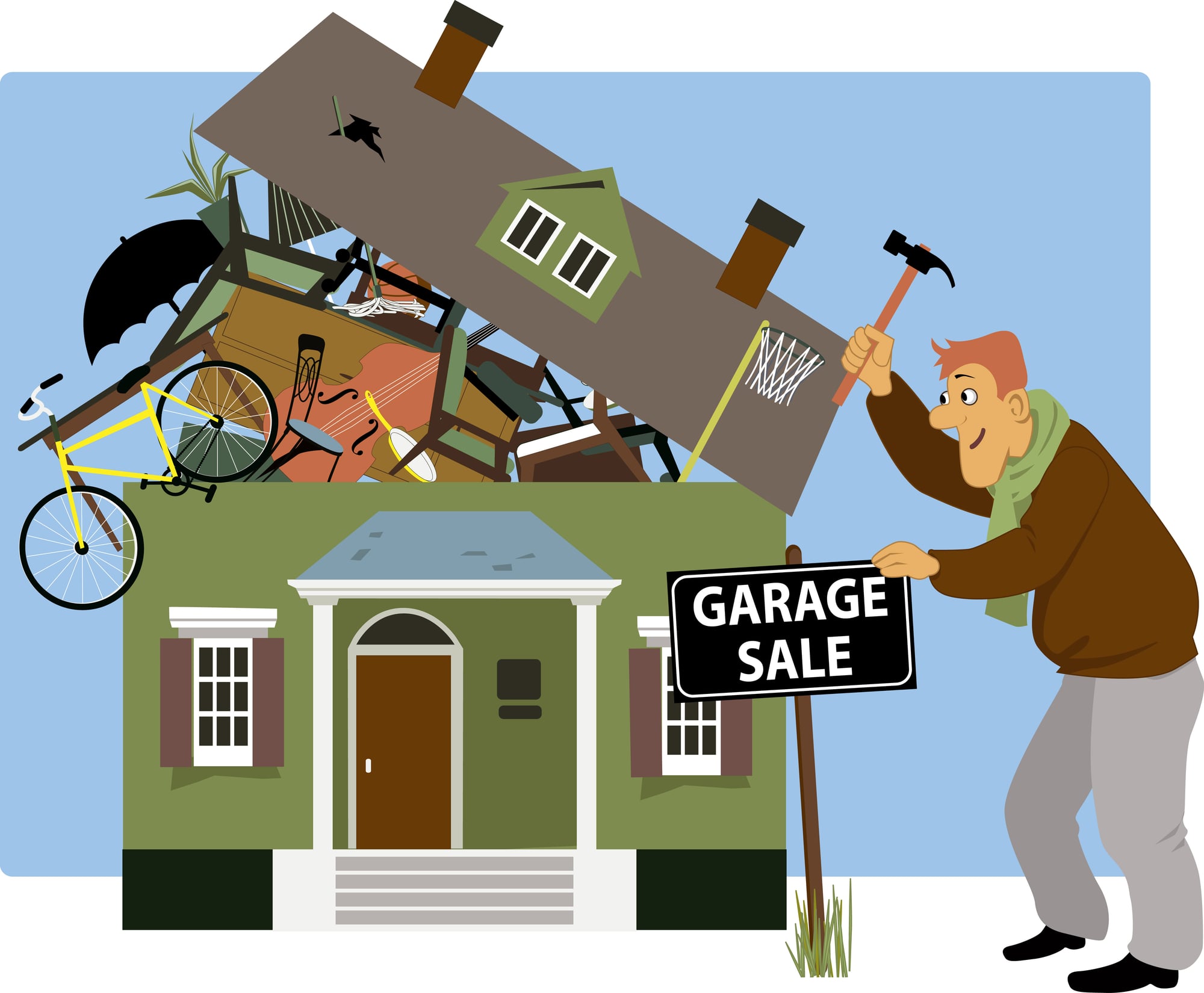
Every person who frequents garage sales has a story that ends the same way: they saw something, hesitated, put it down, walked away, and spent the next several years quietly furious about it. The item doesn’t matter — a lamp, a reel, a piece of pottery, a camera.
What matters is the hesitation, that particular pause where something registers but the follow-through fails to arrive. Garage sales don’t give second chances.
The table gets cleared, the folding chairs go back in the garage, and the good stuff moves on to someone who didn’t walk past it twice.
More from Go2Tutors!

- The Romanov Crown Jewels and Their Tragic Fate
- 13 Historical Mysteries That Science Still Can’t Solve
- Famous Hoaxes That Fooled the World for Years
- 15 Child Stars with Tragic Adult Lives
- 16 Famous Jewelry Pieces in History
Like Go2Tutors’s content? Follow us on MSN.