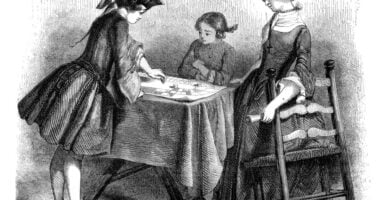
Skills Kids Used to Learn at Home That Schools Never Taught
Home education historically extended beyond academics to encompass practical survival abilities, trade skills, and social responsibilities that formal education never addressed. These skills were transmitted through necessity and expectation, with children learning through participation in household and productive labor.
The shift toward institutional education and technological convenience has eliminated both the necessity and opportunity for acquiring many of these competencies.
Animal Husbandry and Care

Children living on farms or in rural areas learned animal care through daily responsibility for chickens, livestock, and working animals. The knowledge encompassed feeding, breeding, health assessment, and humane slaughter.
This hands-on understanding of animals as food source and work partner disappeared with urbanization and agricultural consolidation.
Fire Building and Management
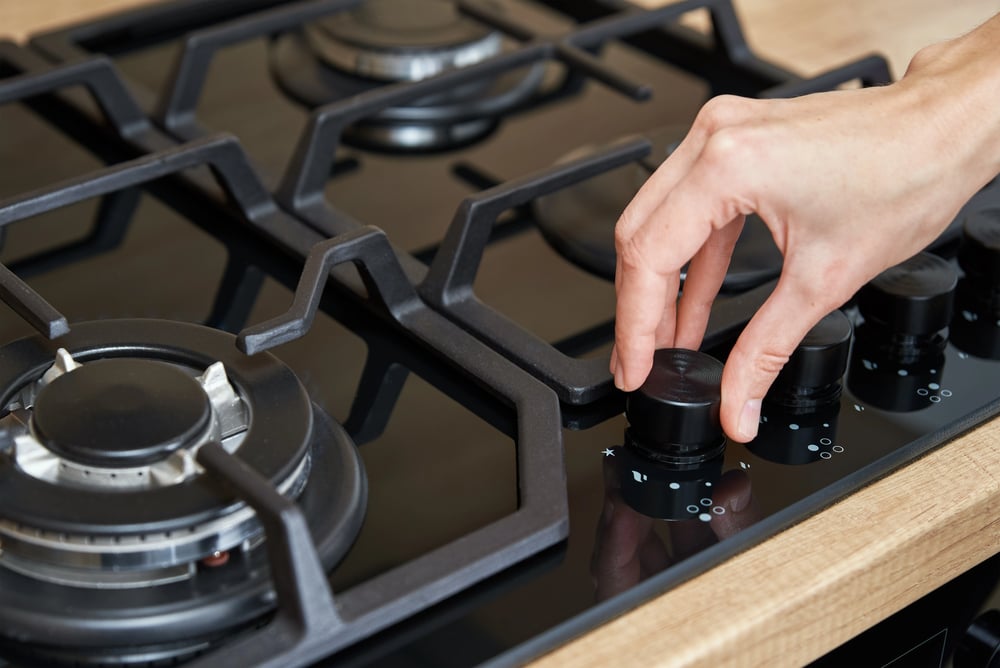
Creating and maintaining fire required understanding wood types, draft principles, and heat management. Children practiced fire-building as fundamental skill necessary for cooking and warmth.
Modern central heating and gas stoves eliminated the need to understand fire control, making the knowledge increasingly specialized.
Vegetable Gardening
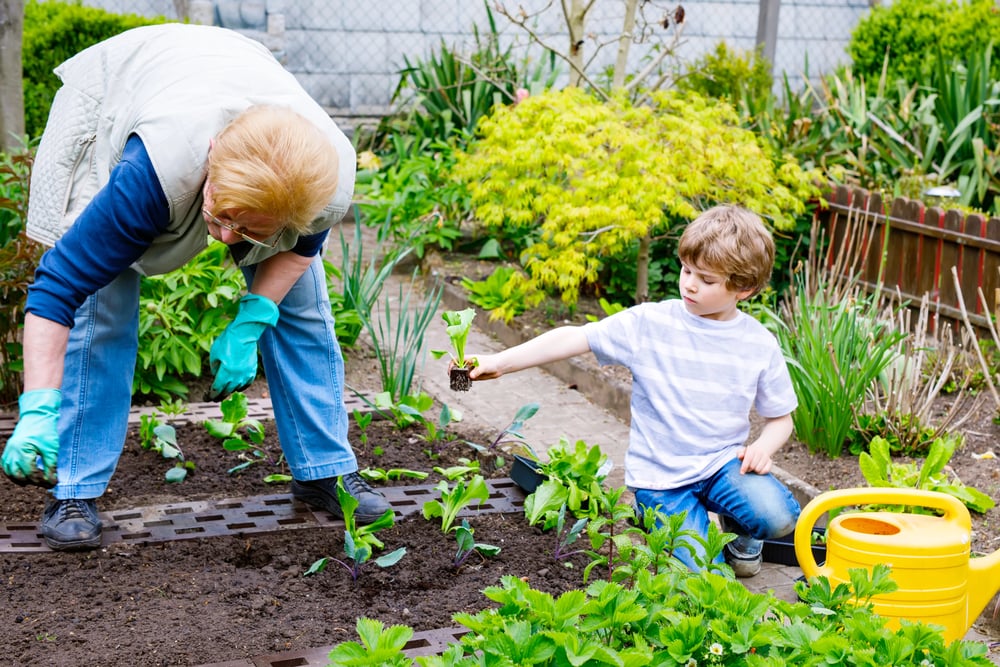
Growing vegetables for family consumption required understanding soil, seasons, pests, and plant diseases. Children developed this knowledge through participation in family gardens.
Commercial agriculture and grocery stores eliminated necessity while reducing knowledge of where food originates.
Food Preservation

Canning, fermenting, drying, and salting vegetables and meat required hands-on learning from parents and grandparents. Children participated in seasonal preservation activities, understanding seasonal eating and storage needs.
Modern refrigeration and commercial food preservation eliminated the skills’ necessity.
Mending and Clothing Repair

Sewing buttons, patching garments, and darning socks were expected skills children learned from parents. The knowledge extended to understanding fabric, selecting appropriate thread, and executing repairs.
Disposable clothing and commercial repair services eliminated necessity for these skills.
Wood Splitting and Fuel Collection
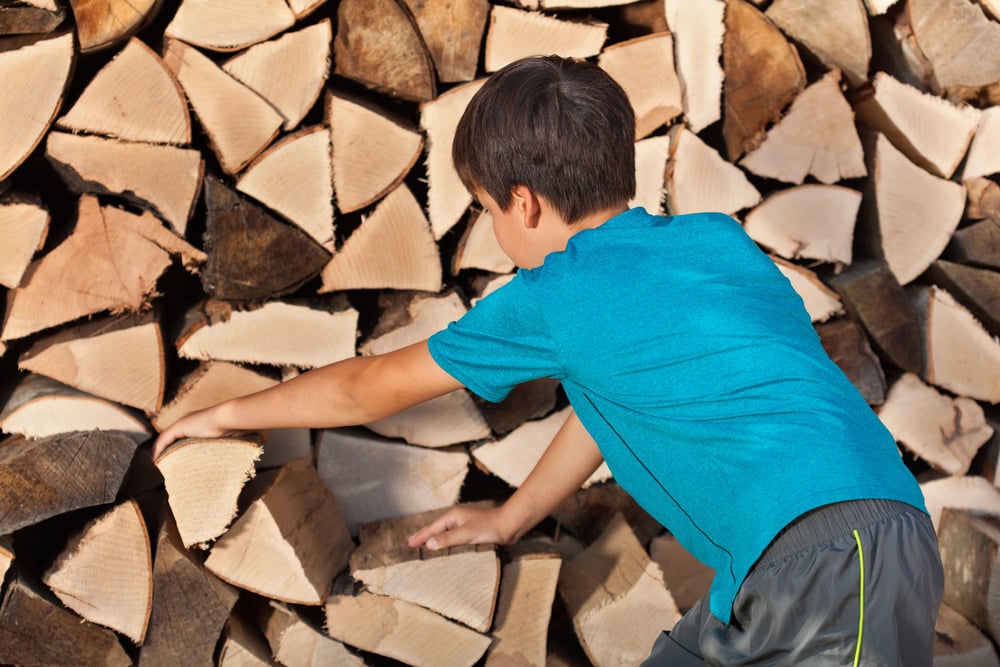
Children gathered firewood, split kindling, and understood wood types appropriate for different burning purposes. This physically demanding skill taught strength development and practical energy production.
Modern heating systems eliminated the necessity while producing weak children unable to perform basic physical labor.
Water Drawing and Carrying
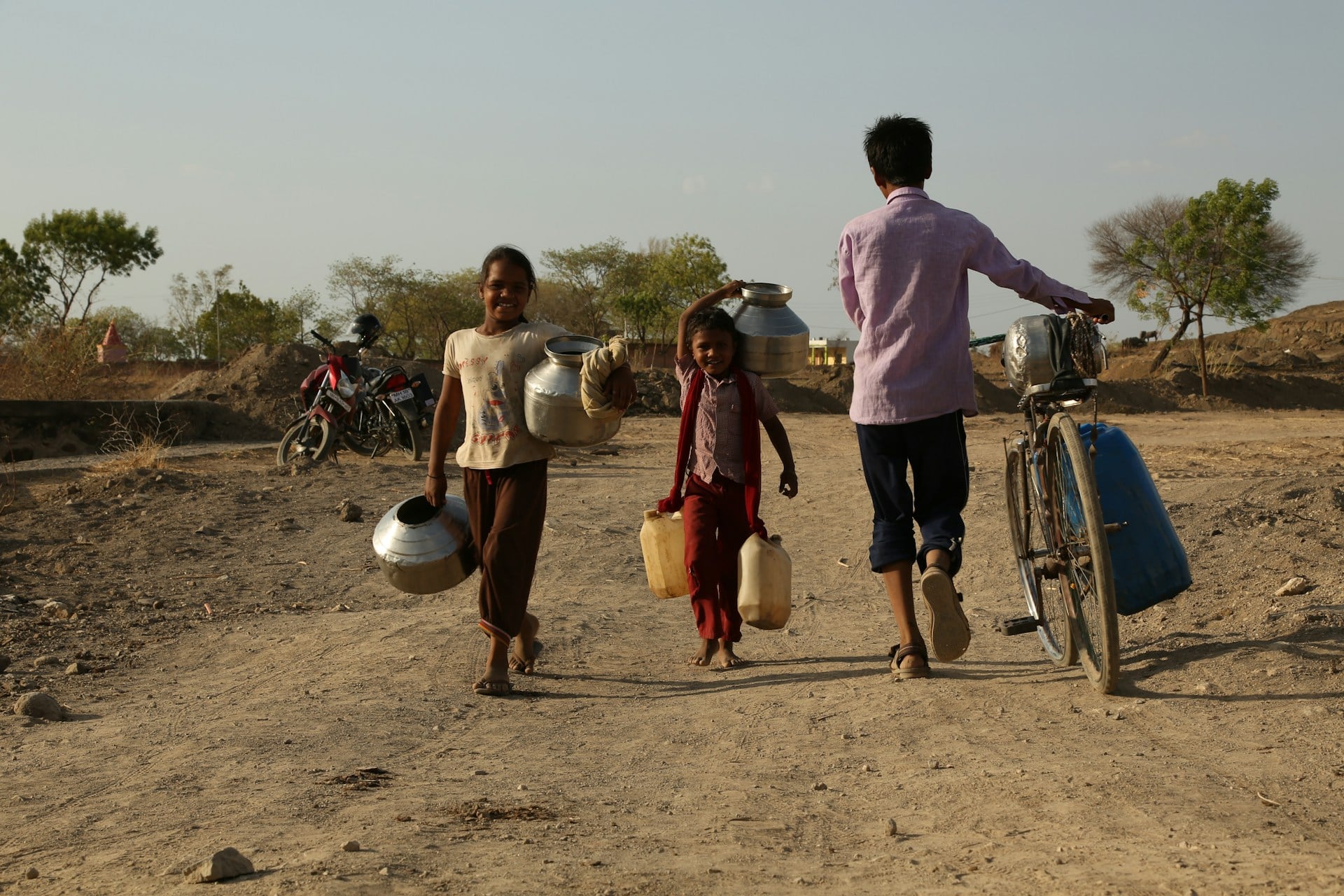
Before modern plumbing, children hauled water for household use, understanding its value and use requirements. The physical capability developed through this labor created strong children with appreciation for water’s importance.
Indoor plumbing eliminated the work while creating disconnect from resource value.
House Cleaning Without Modern Products
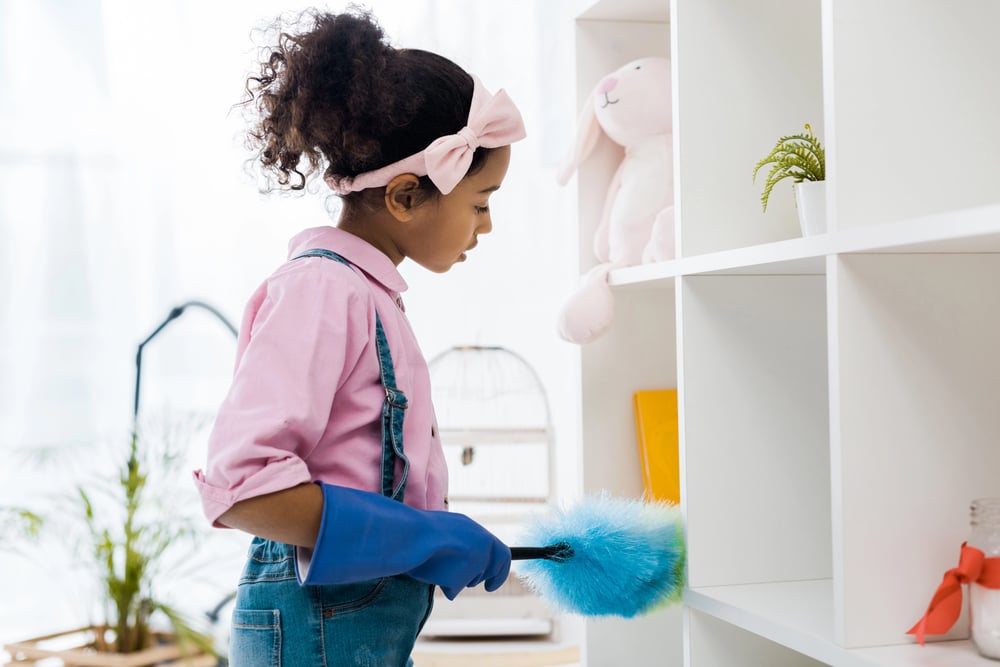
Cleaning techniques using vinegar, baking soda, and physical labor created knowledge of how to maintain homes without commercial chemicals. Children learned efficiency and understanding of household maintenance.
Modern cleaning products created reliance on commercialized solutions while eliminating chemical knowledge.
Soap Making

Creating household soap from lye and animal fat required chemical understanding and careful technique. Children learned this knowledge through observation and participation.
Commercial soap eliminated the necessity while producing disconnect from how common products are manufactured.
Rope and Knot Tying

Children learned rope techniques, knot types, and their applications through practical use. The knowledge extended to understanding different rope types and their appropriate uses.
Modern alternatives and reduced hand labor eliminated practical need for rope skills.
Furniture Building and Repair

Making and repairing furniture required understanding wood joinery, finishing, and structural principles. Children learned by watching craftspeople and participating in construction.
Commercial furniture and elimination of repair culture removed incentive to learn these skills.
Blacksmithing Basics
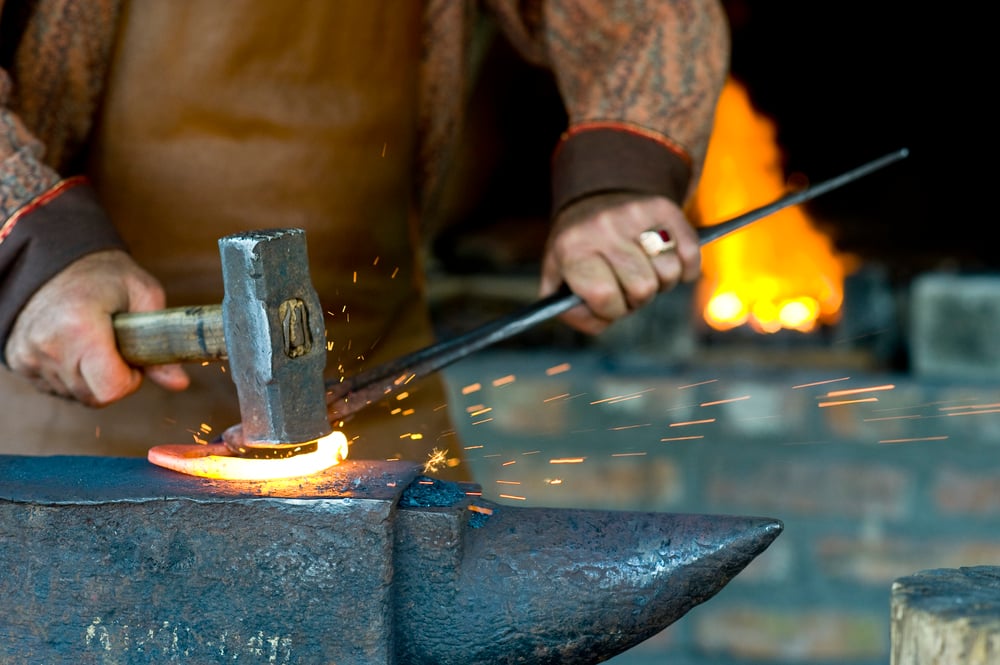
Families engaged in small-scale metal working—creating tools, hinges, and implements through heating and shaping. This knowledge was practical and economically valuable.
Industrialization and commercial tool availability eliminated the necessity for household metal work.
Leather Working

Creating and repairing leather goods required understanding tanning, cutting, and finishing. Children learned these skills through practical necessity.
Mass-produced leather goods eliminated the economic value of the skill while reducing quality of work.
Hunting and Fishing Knowledge

Children living near game developed understanding of seasons, animal behavior, technique, and preservation of kills. This knowledge sustained families and was embedded in cultural tradition.
Modern food availability and hunting restrictions eliminated necessity while producing disconnect from food sources.
Medicinal Plant Knowledge

Understanding which plants had healing properties and how to prepare them for medicine was practical knowledge mothers passed to children. The knowledge reduced dependency on external medical care.
Modern medicine and elimination of relevant plant knowledge produced reliance on pharmaceuticals.
Cloth Weaving
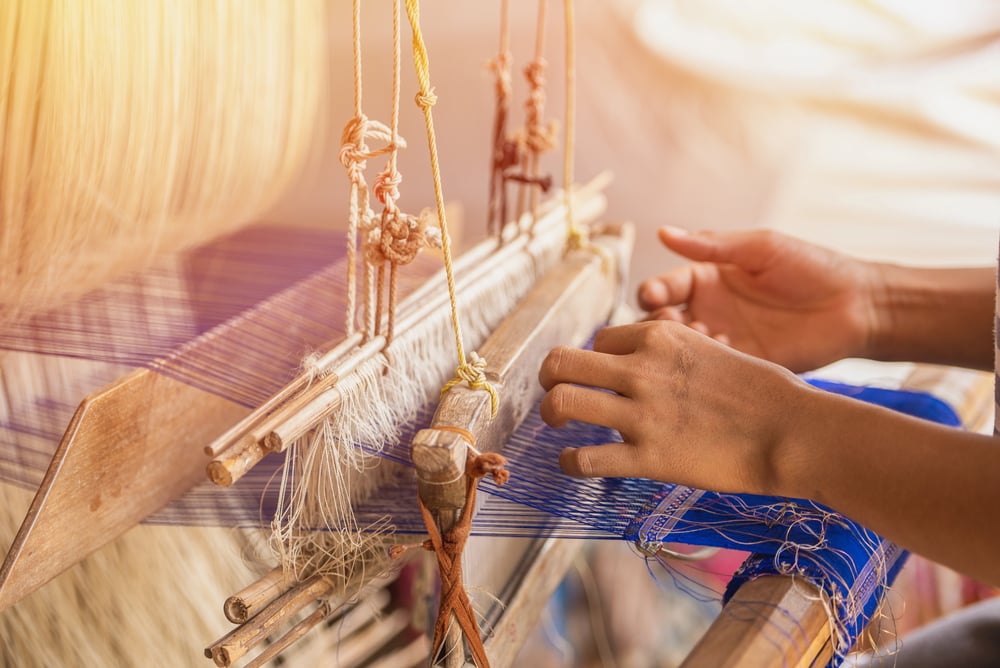
Families with looms produced cloth from raw fiber through spinning and weaving. Children learned these skills as valuable economic activities.
Industrial textile production eliminated home weaving as economically rational, removing a technical skill.
Candle Making

Creating candles from tallow or beeswax required understanding temperature control and technique. The product was necessary for light before electricity.
Electric lighting eliminated necessity while removing practical chemistry knowledge from household practice.
Bread Baking

Making bread as daily household responsibility required understanding fermentation, kneading, and oven temperature. Children learned through participation and repetition.
Commercial bakeries and packaged bread eliminated necessity while removing fundamental food preparation knowledge.
Cheese Making

Producing cheese from milk required understanding dairy chemistry and careful temperature management. The knowledge was economically important in many cultures.
Industrial cheese production eliminated home production while removing access to local flavor variation.
Fermentation Fundamentals

Children learned fermentation techniques through participation in sauerkraut, kimchi, and beverage production. The knowledge reduced food spoilage and created shelf-stable foods.
Modern refrigeration eliminated fermentation necessity while removing access to beneficial microbes.
Plant Propagation
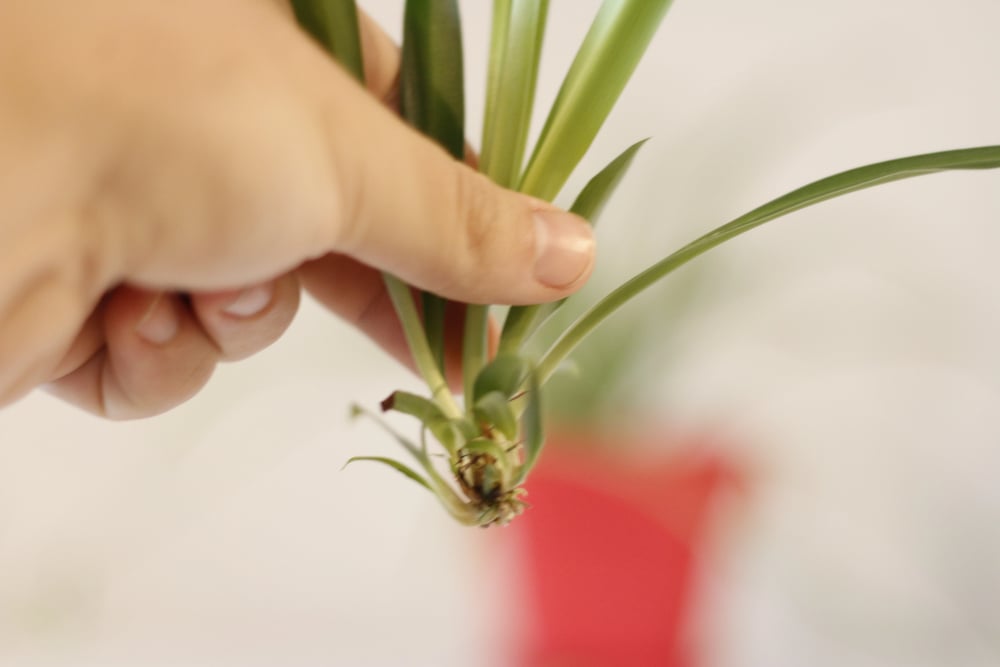
Understanding seed saving, cutting propagation, and grafting allowed crop multiplication and improvement. Children learned these techniques through garden participation.
Commercial seed sources eliminated necessity while reducing genetic understanding.
Construction and Carpentry
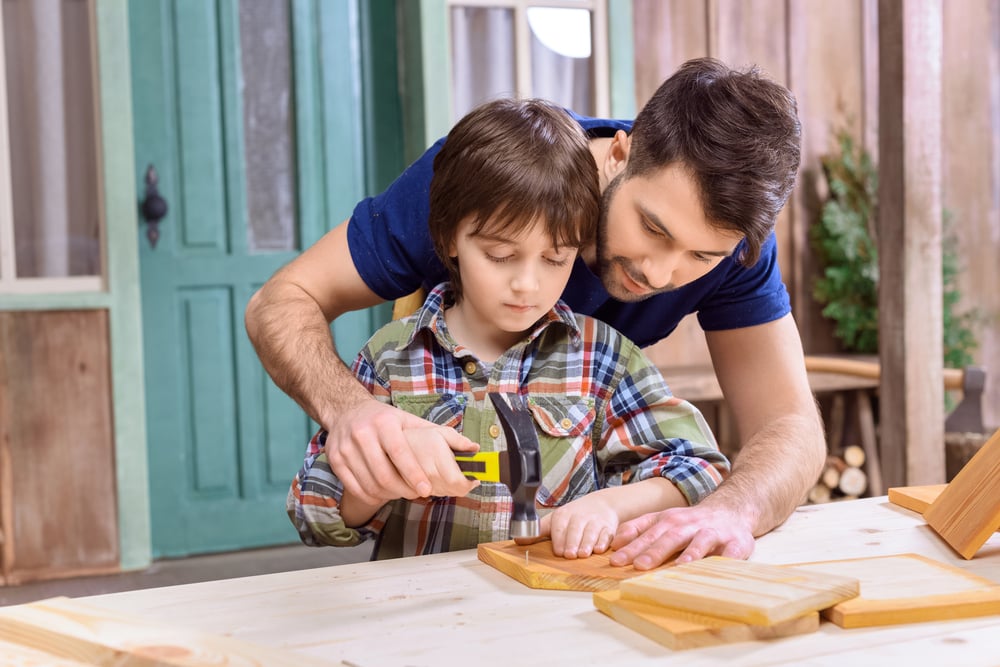
Building skills were learned through participation in home and farm construction. Children developed ability to frame structures, understand load-bearing principles, and work safely with tools.
Modern construction and elimination of home-building projects removed practical knowledge development.
Weather Reading

Observing clouds, wind patterns, and animal behavior allowed prediction of weather changes. This knowledge was essential for agricultural societies.
Modern weather forecasting eliminated necessity while reducing observation skills and self-reliance.
Navigation Without Instruments

Understanding direction from sun, stars, and landmarks developed practical spatial reasoning. This skill was essential for travel and hunting.
GPS and electronic navigation eliminated the skill while reducing spatial awareness.
First Aid and Wound Care

Basic understanding of treating injuries, wound cleaning, and bandaging was necessary knowledge. Children learned through parental instruction and experience.
Modern medicine and professional healthcare eliminated necessity while producing incompetence at managing minor injuries.
Egg Candling and Food Assessment

Understanding food quality through observation—checking eggs for freshness, assessing spoilage—developed important knowledge. Children learned to assess food safety before modern food systems.
Commercial food systems and dating labels eliminated the skill while creating dependency on external assessment.
How Modern Convenience Eliminated Practical Learning
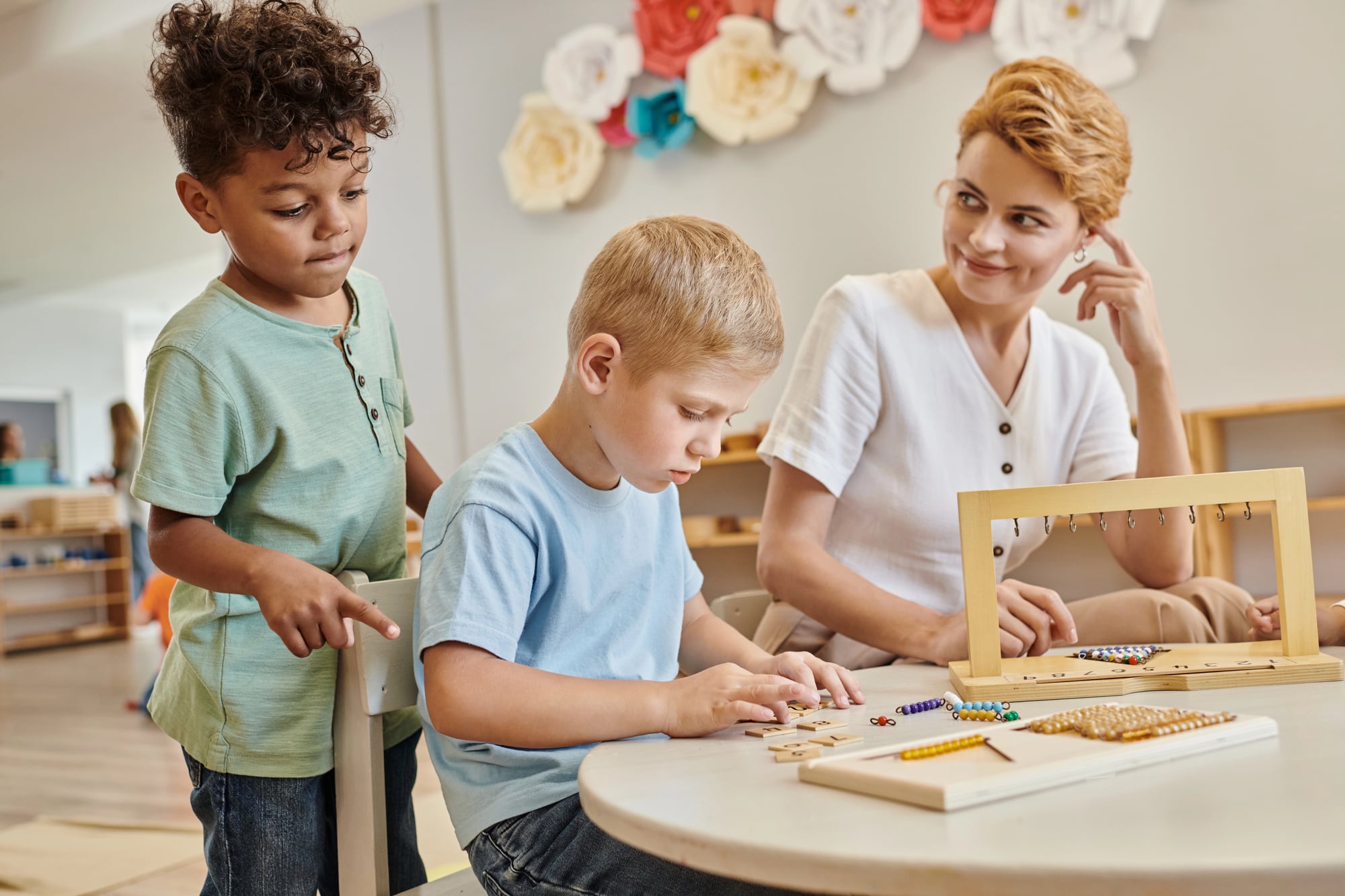
The progression toward institutional education, technological convenience, and commercial services has eliminated the necessity for acquiring practical skills. Skills that sustained families and connected children to real-world material processes have become specialized knowledge areas.
The shift has created competent academic achievers while producing adults who cannot perform basic survival skills or understand how household essentials are produced.
More from Go2Tutors!

- The Romanov Crown Jewels and Their Tragic Fate
- 13 Historical Mysteries That Science Still Can’t Solve
- Famous Hoaxes That Fooled the World for Years
- 15 Child Stars with Tragic Adult Lives
- 16 Famous Jewelry Pieces in History
Like Go2Tutors’s content? Follow us on MSN.