31 Household Items Made From Plants Before Plastic
Walk through any home before the mid-twentieth century and almost everything you touched grew out of the ground first. Baskets, brushes, cups, and packing material all came from plant fiber, shaped by hand into forms plastic would eventually mimic, usually less durably and with none of the biodegradability.
Here is a tour through the household objects that were quietly replaced once cheap plastic molding took over.
Woven Reed Baskets
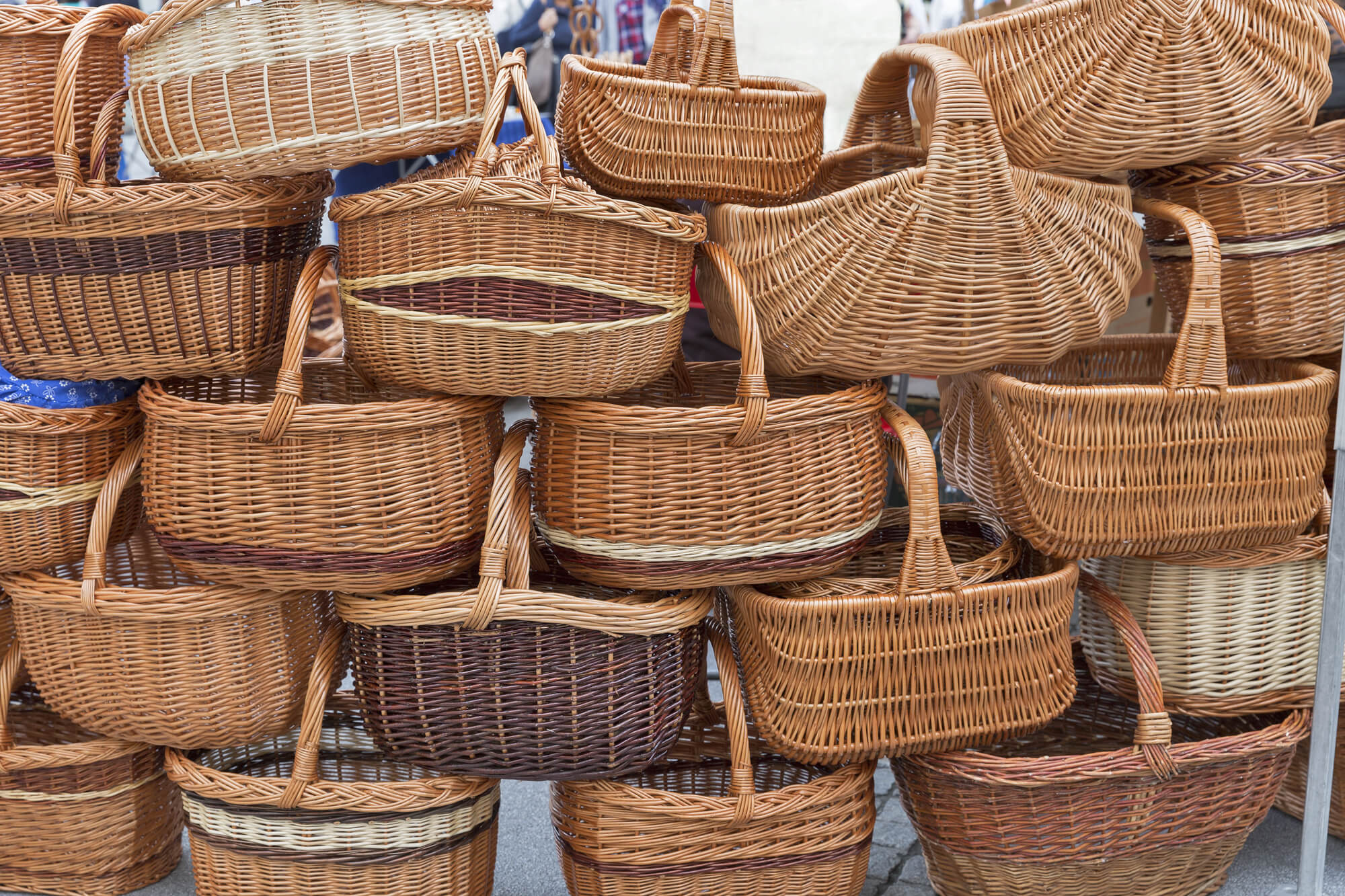
Long before wire and plastic bins, households stored grain, vegetables, and household goods in baskets woven from river reeds or willow shoots, a technique found independently across nearly every continent. The tight weave of a well-made reed basket could be dense enough to hold dry goods securely while still allowing enough airflow to prevent mold, a balance plastic containers still struggle to replicate.
Broomcorn Brooms
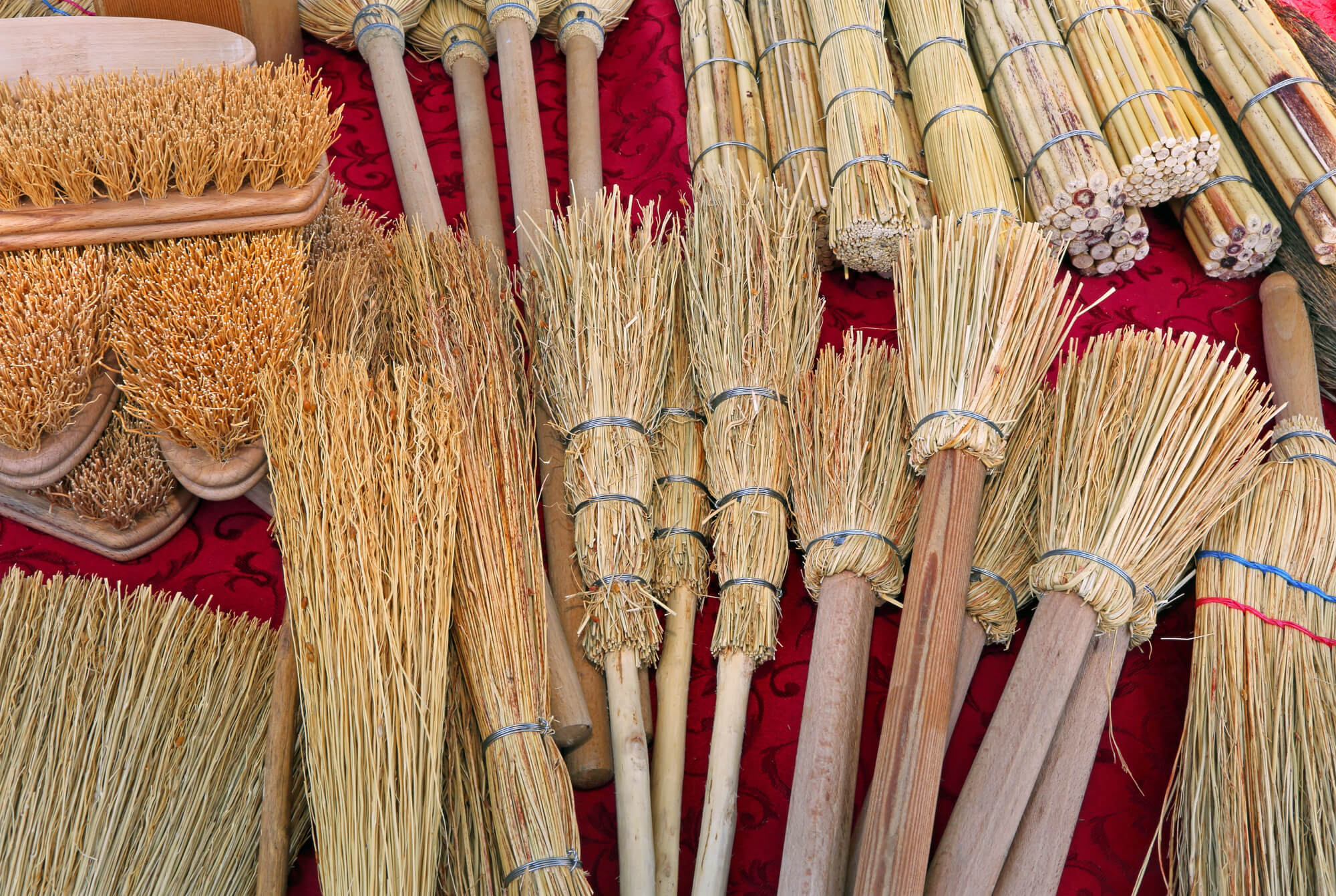
Made from the dried, fibrous seed heads of a specific variety of sorghum called broomcorn, hand-tied brooms swept homes across the world for centuries before synthetic bristles took over. Broomcorn’s naturally stiff yet flexible fibers made it especially well-suited to sweeping, and dedicated broomcorn farms once supplied entire regional broom-making industries in the United States before plastic and nylon bristle brooms became standard.
Sisal Rope
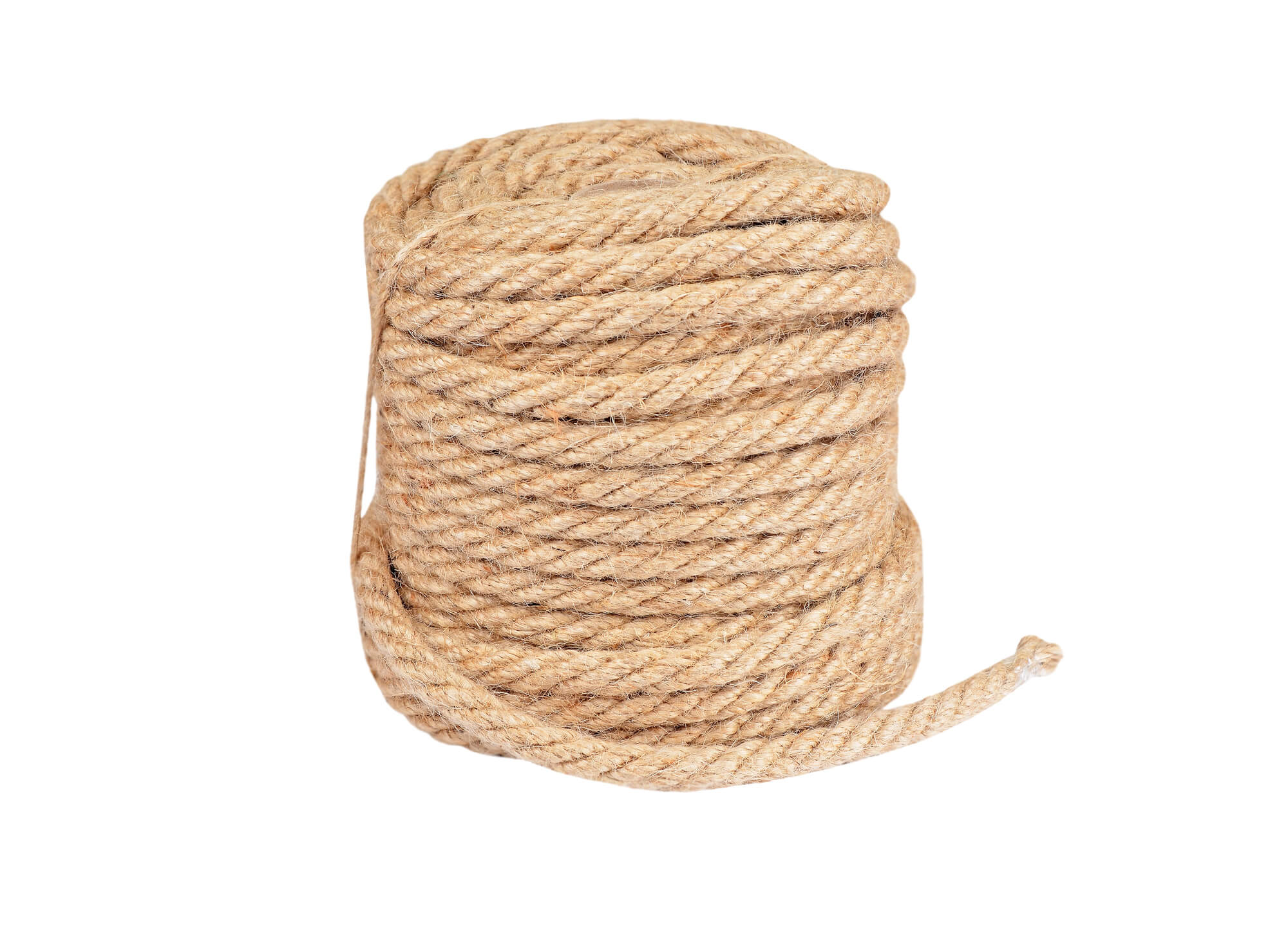
Extracted from the leaves of the agave-like sisal plant, this coarse but strong fiber was twisted into rope, twine, and door mats long before synthetic fibers like nylon existed. Sisal’s natural roughness also made it a preferred material for scrubbing mats and durable floor coverings in households that needed something tough enough to withstand heavy foot traffic.
Rush Floor Mats
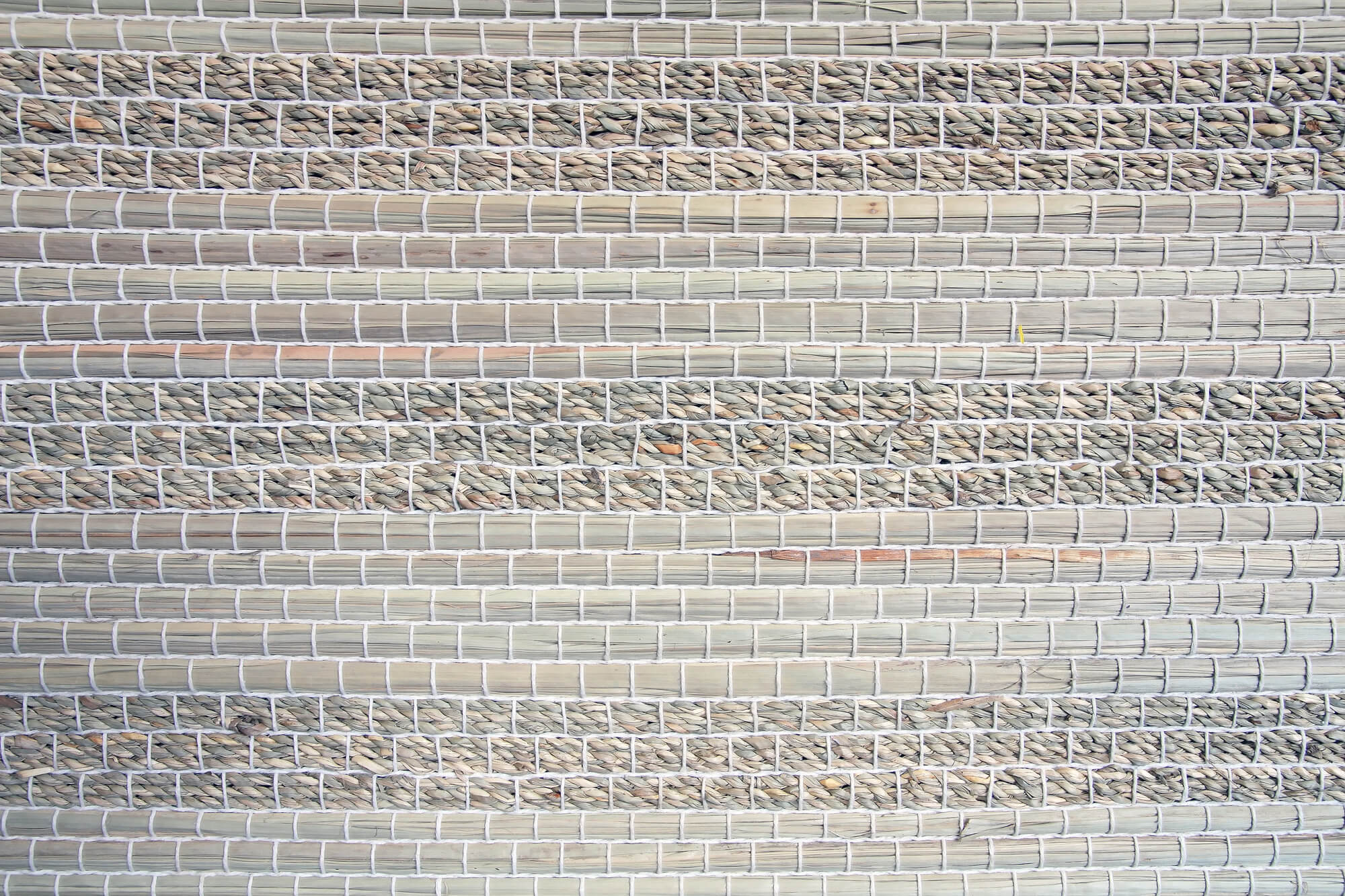
Woven from the stems of rush plants harvested from wetlands, floor mats and even entire floor coverings were common in medieval European households, laid down to insulate cold stone or dirt floors. Fresh rushes were periodically strewn and replaced, sometimes mixed with fragrant herbs, functioning as both flooring and an early form of household odor control.
Straw Hats
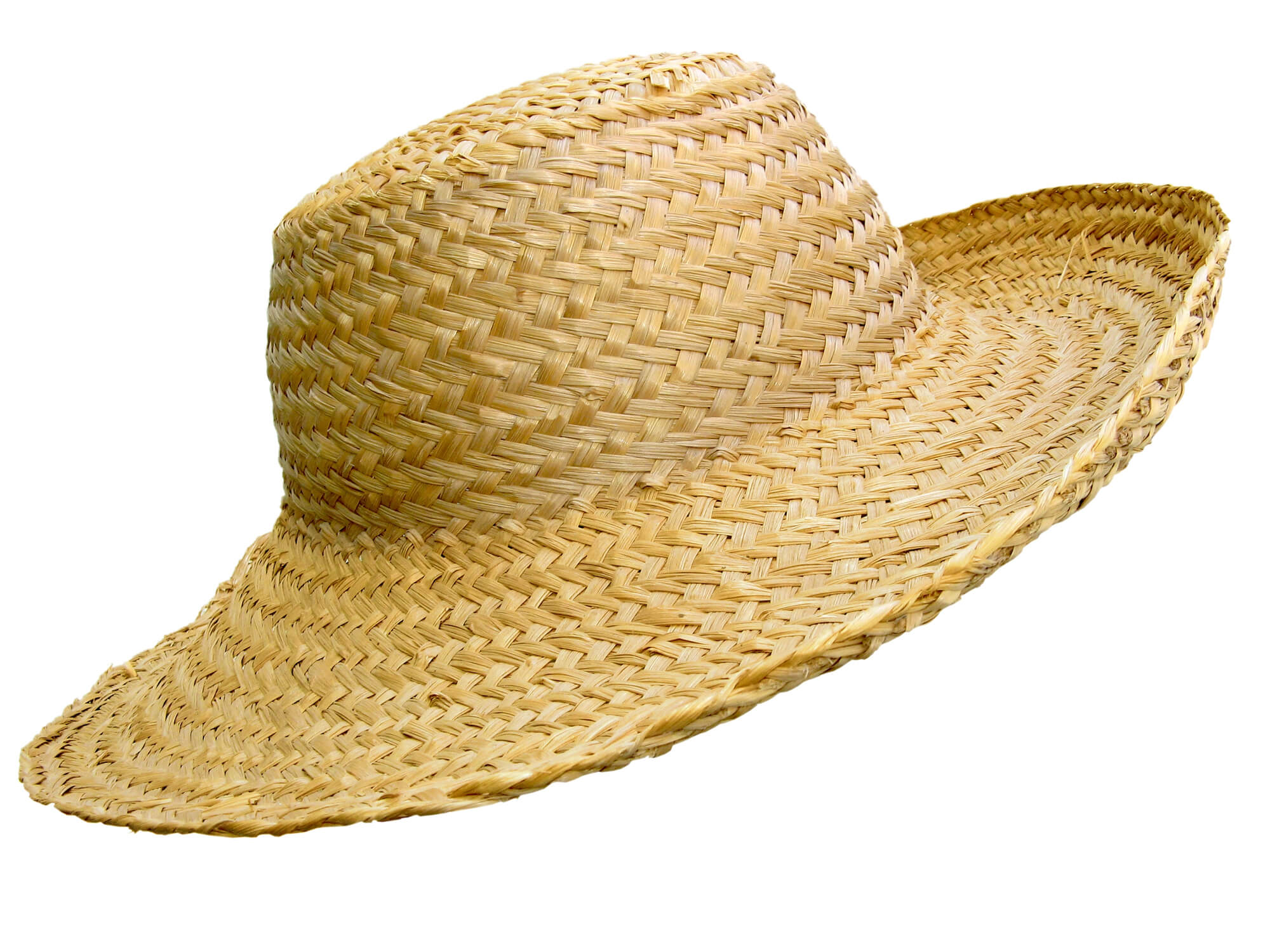
Woven from dried wheat, rice, or palm straw, hats provided sun protection for agricultural workers and became a defining accessory across cultures long before synthetic fabrics offered lighter alternatives. Specific regional straw-weaving techniques, like those behind the Ecuadorian hat later misnamed the Panama hat, became prized enough to support entire export industries built around a single woven plant product.
Loofah Sponges
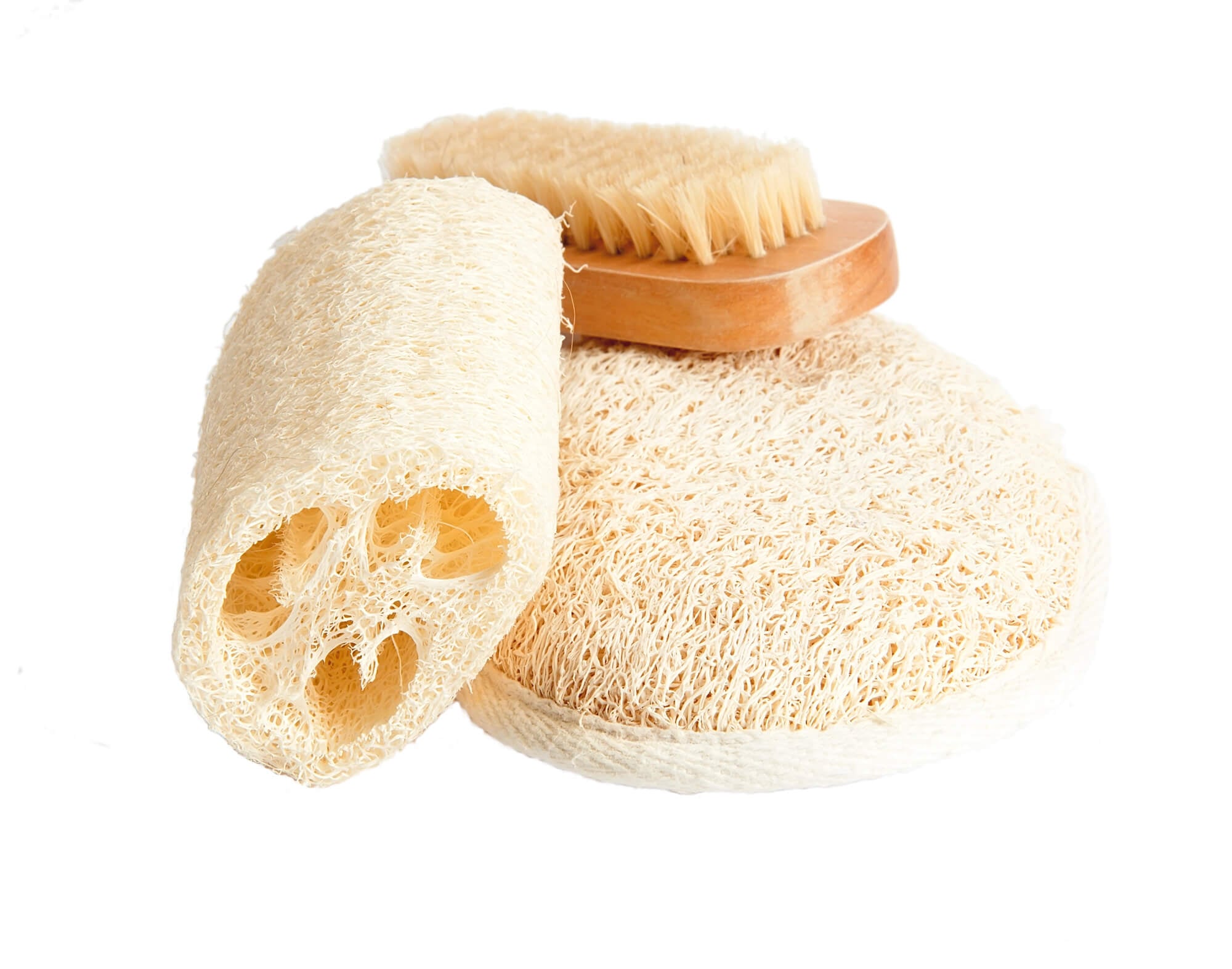
Despite its sea-sponge appearance, a loofah is actually the dried, fibrous interior of a gourd in the cucumber family, used for centuries as a scrubbing sponge for both bathing and household cleaning. Once the outer skin and seeds are removed and the interior dried, the fibrous network left behind is naturally abrasive enough to clean dishes and skin without any synthetic manufacturing involved.
Wooden Clothes Pins
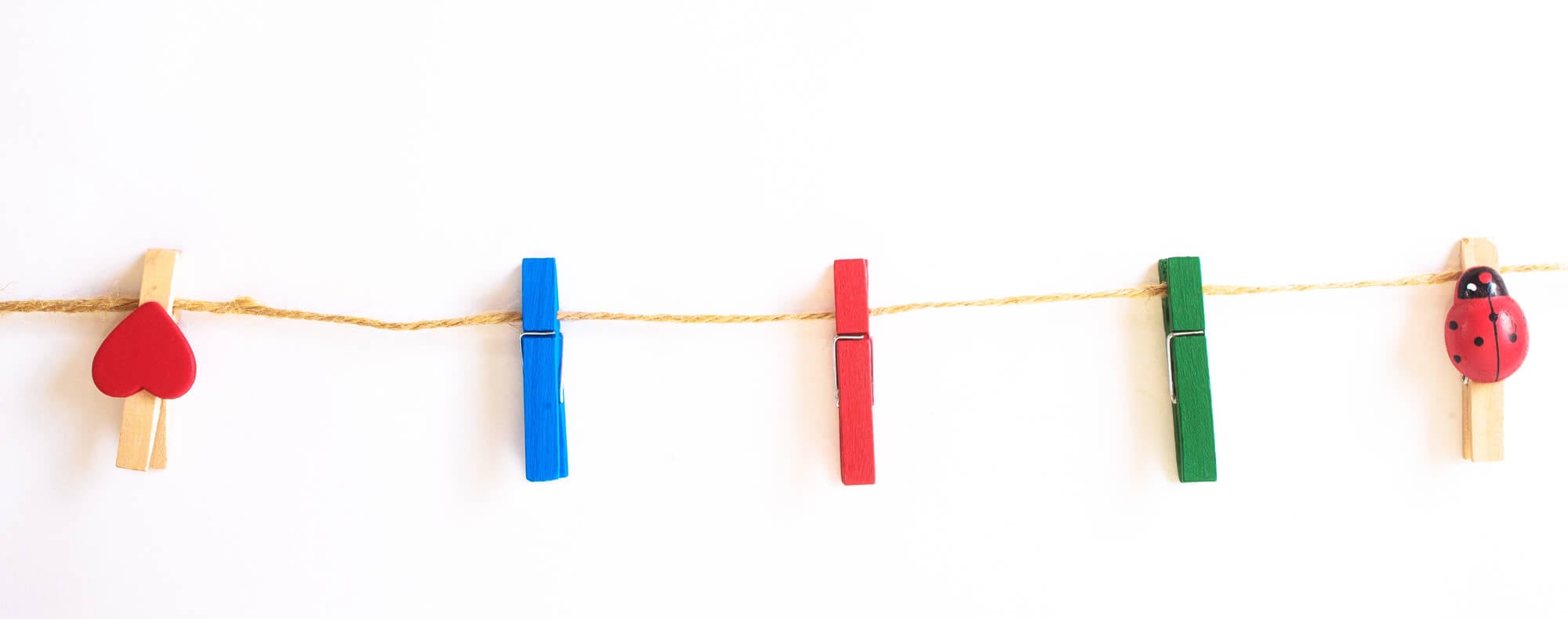
Before spring-loaded plastic versions, laundry was pinned to the line using pins carved from a single piece of wood or assembled from two interlocking wooden pieces, a design still recognizable in modern clothespins. Wood was chosen specifically because it could grip fabric firmly without the rusting problems that metal fasteners caused when left outdoors in wet weather.
Vegetable Ivory Buttons
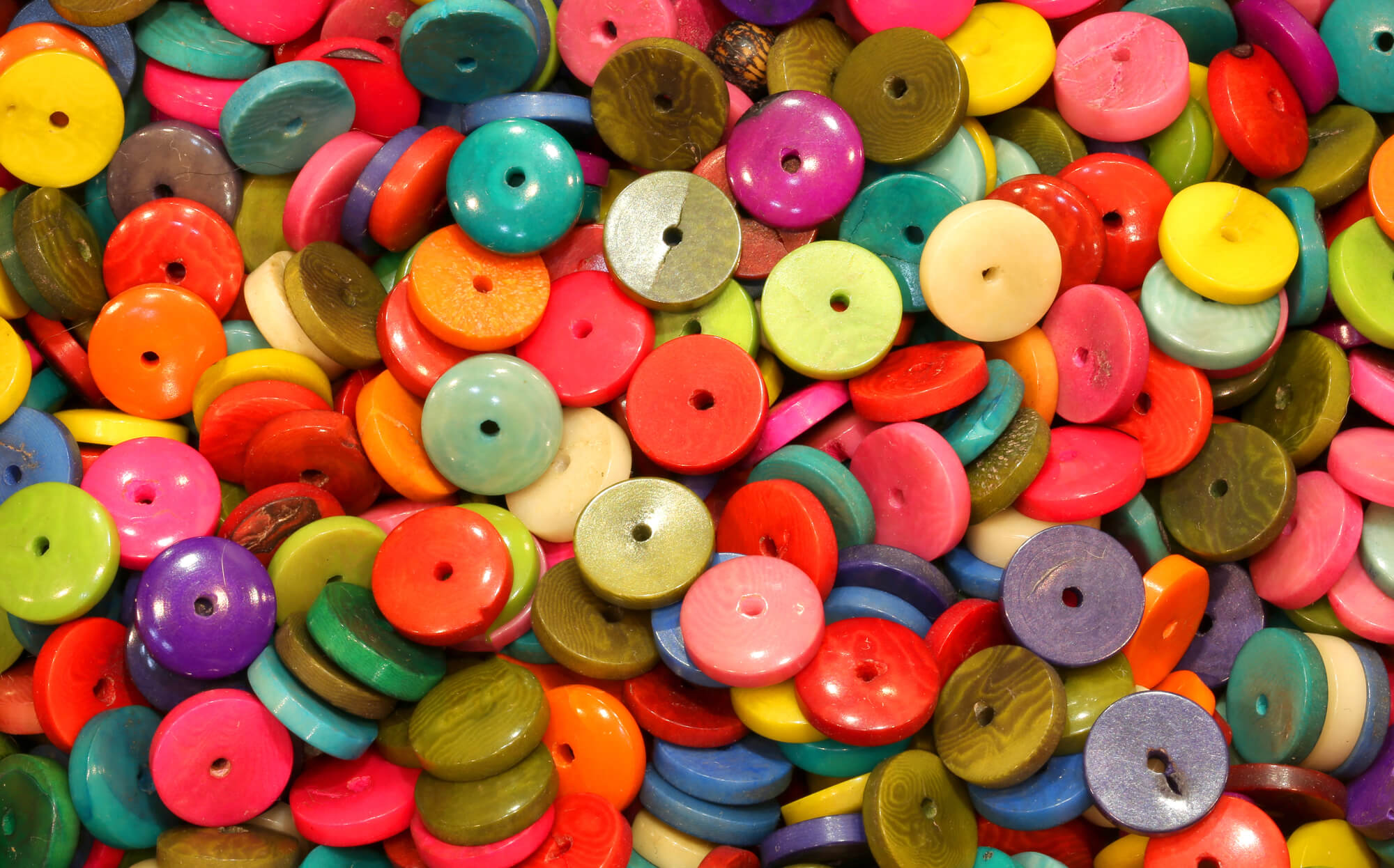
Carved from the extremely hard interior of the tagua nut, a seed from a South American palm tree, vegetable ivory buttons became a major export product in the nineteenth and early twentieth centuries as a cheaper, sustainable alternative to actual elephant ivory. The nut’s dense white interior could be polished to closely resemble true ivory, and entire South American export economies grew around supplying tagua nuts to European and American button factories before plastic buttons took over the market.
Coconut Shell Cups
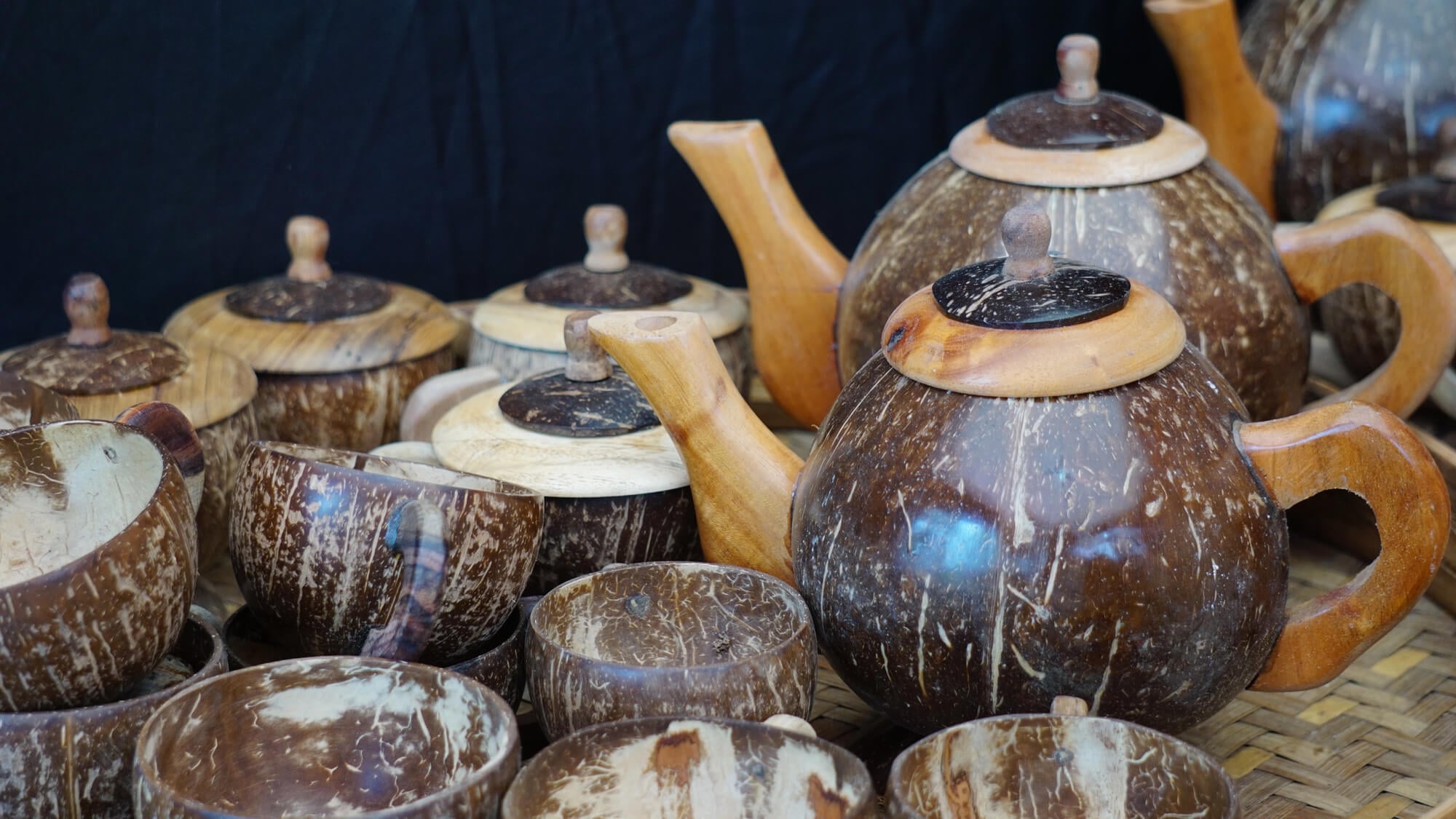
The hard outer shell of a coconut, once cleaned and polished, made a naturally durable, water-resistant drinking cup used across tropical regions from Southeast Asia to the Caribbean. Coconut shell vessels required no manufacturing beyond cutting and smoothing, making them one of the most efficient plant-based household items in regions where the trees grew abundantly.
Gourd Bowls
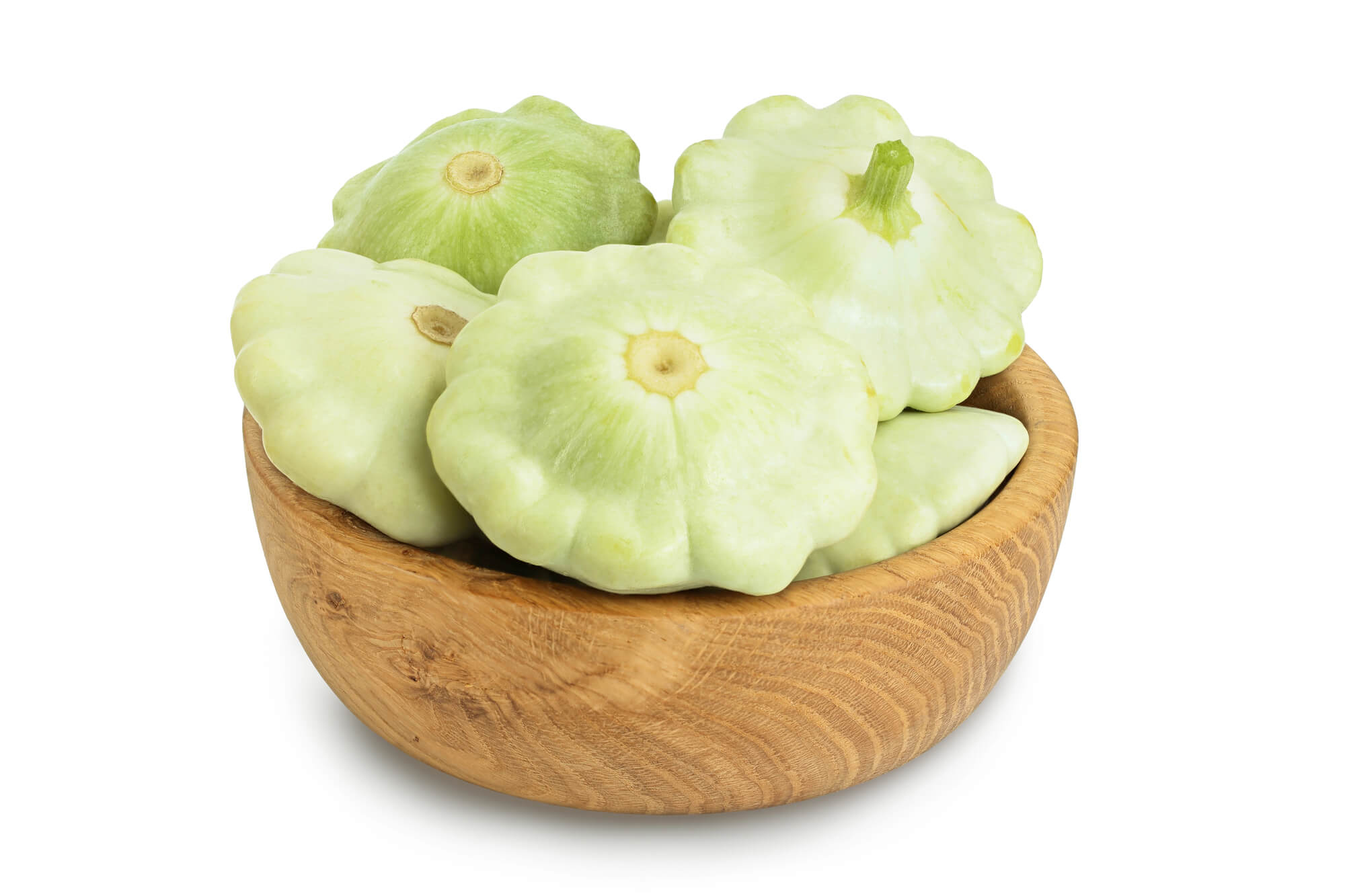
Dried and hollowed gourds served as bowls, ladles, and storage containers across Africa, the Americas, and parts of Asia, with different gourd varieties cultivated specifically for their shape and hardness once dried. A properly cured gourd shell becomes remarkably rigid and lightweight, and some cultures developed decorative carving and burning techniques that turned everyday gourd bowls into artistic household objects.
Wooden Washboards
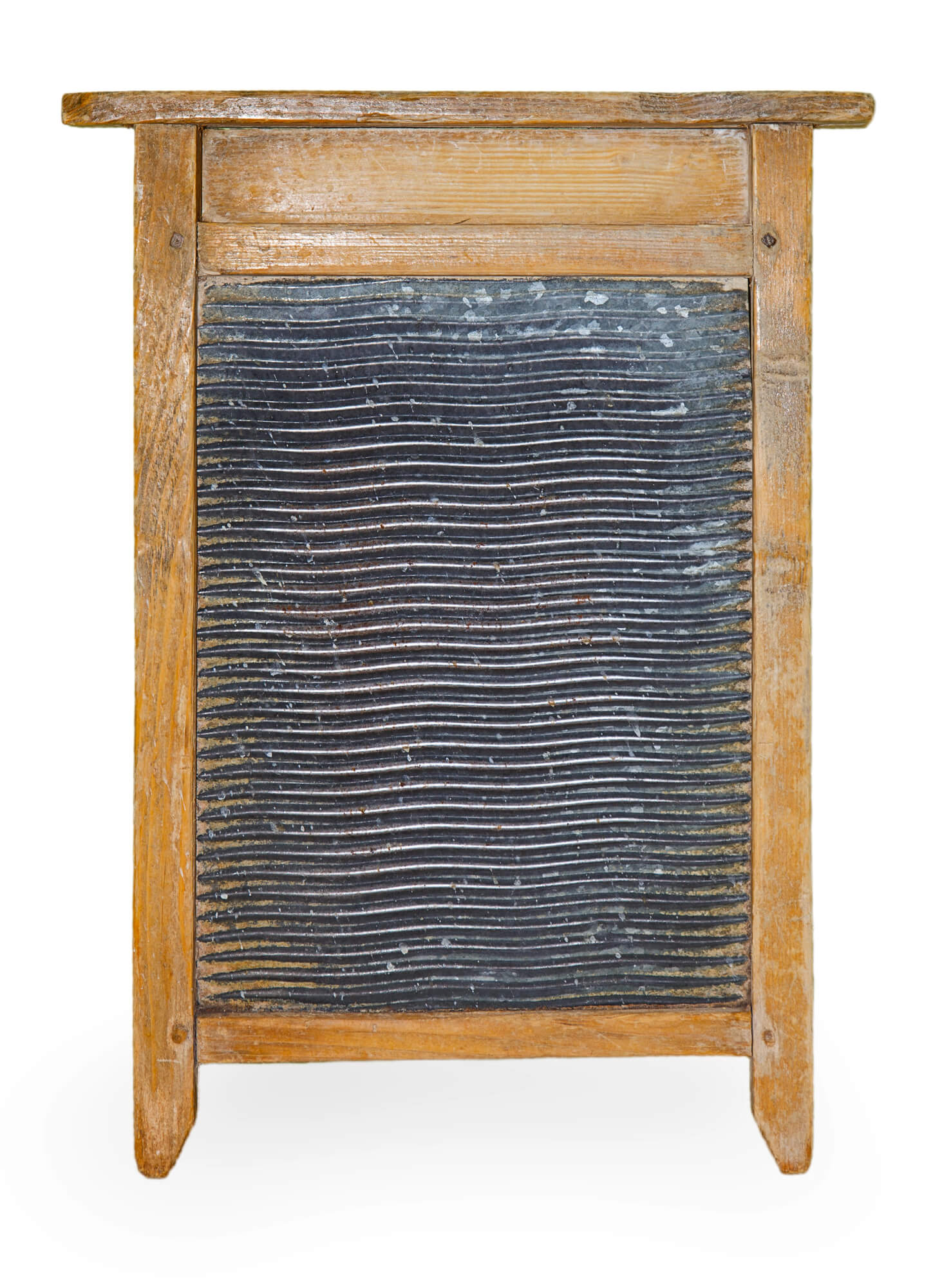
Before electric washing machines, laundry was scrubbed by hand against a ridged wooden board, sometimes fitted with a metal or glass insert, to work soap through fabric and loosen dirt. The ridged surface concentrated friction exactly where it was needed, a simple design that remained largely unchanged for generations until electric washing machines made the tool obsolete for most households.
Straw-Stuffed Mattresses
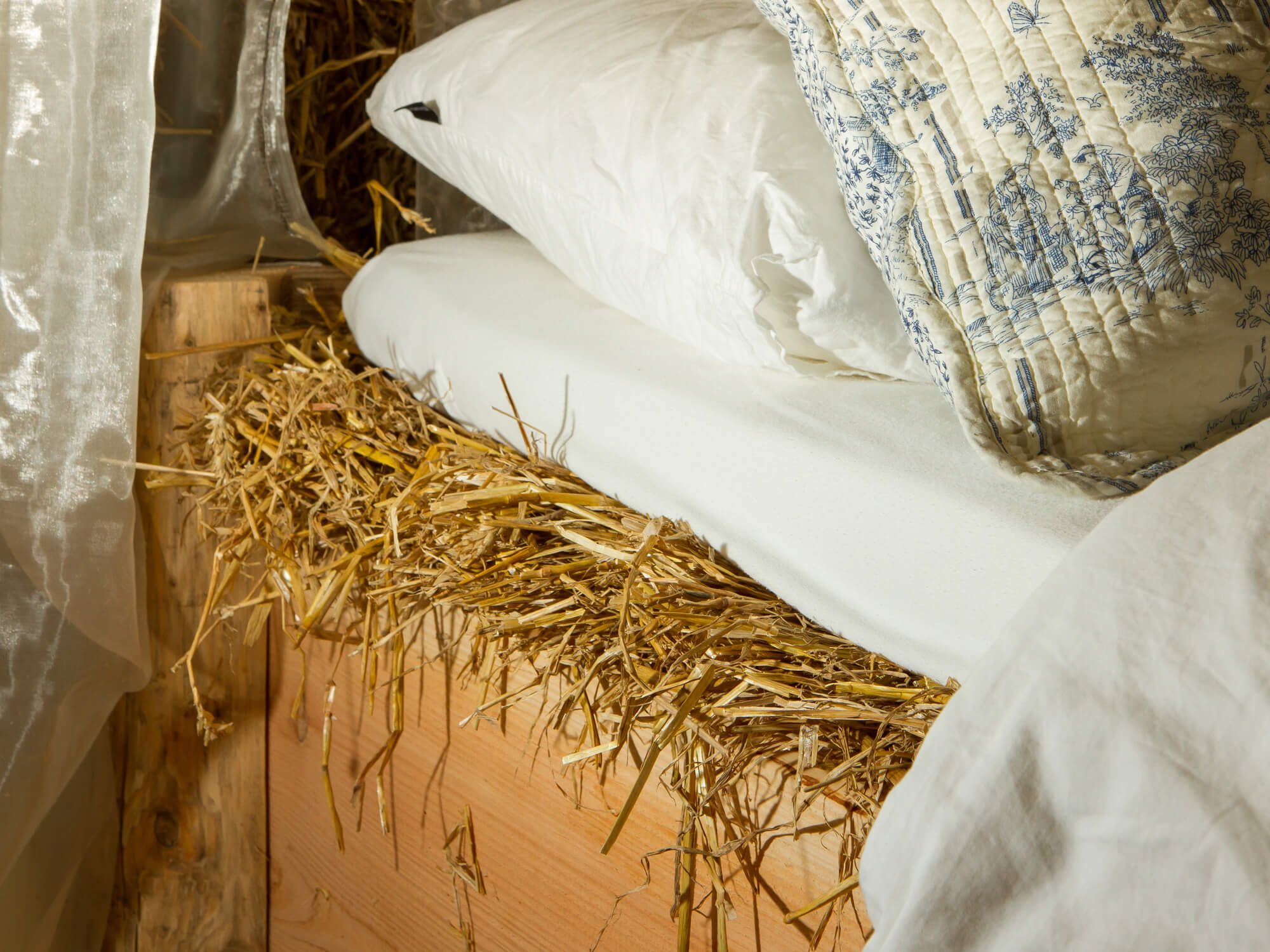
Long before synthetic foam, mattresses were commonly stuffed with dried straw, packed tightly into a fabric casing to provide cushioning, a practice common across Europe and colonial America. Straw mattresses required periodic refreshing since the material compressed and broke down over time, giving rise to the household chore of “making” a bed in the literal sense of restuffing and reshaping it.
Kapok-Filled Pillows
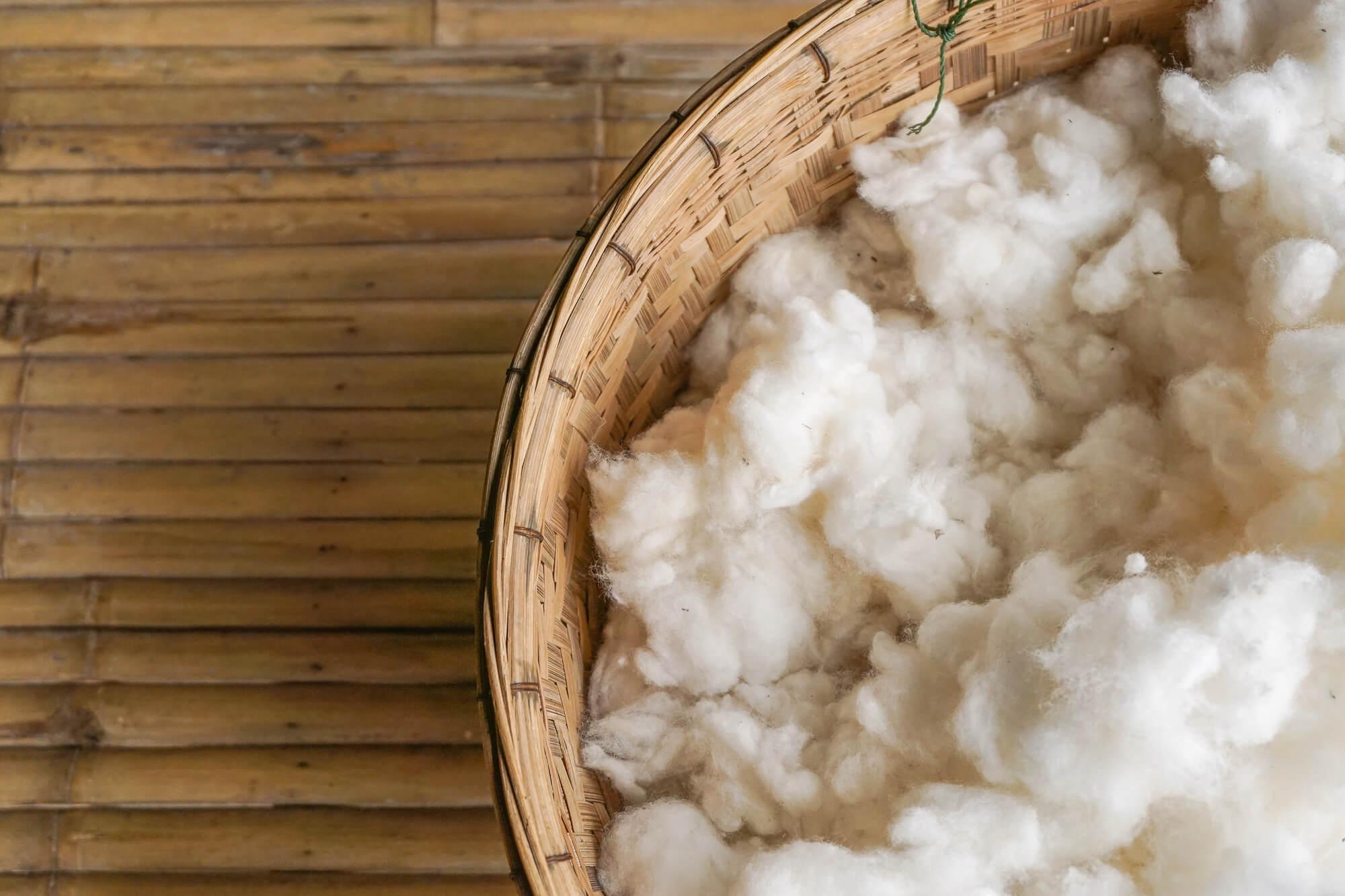
Harvested from the seed pods of the kapok tree, a silky, water-resistant plant fiber was used to stuff pillows, cushions, and even life vests before synthetic foam and polyester fiberfill became standard. Kapok fiber is naturally buoyant and resistant to moisture absorption, properties that also made it a preferred material for life-saving flotation devices well into the twentieth century.
Wood Wool Packing Material
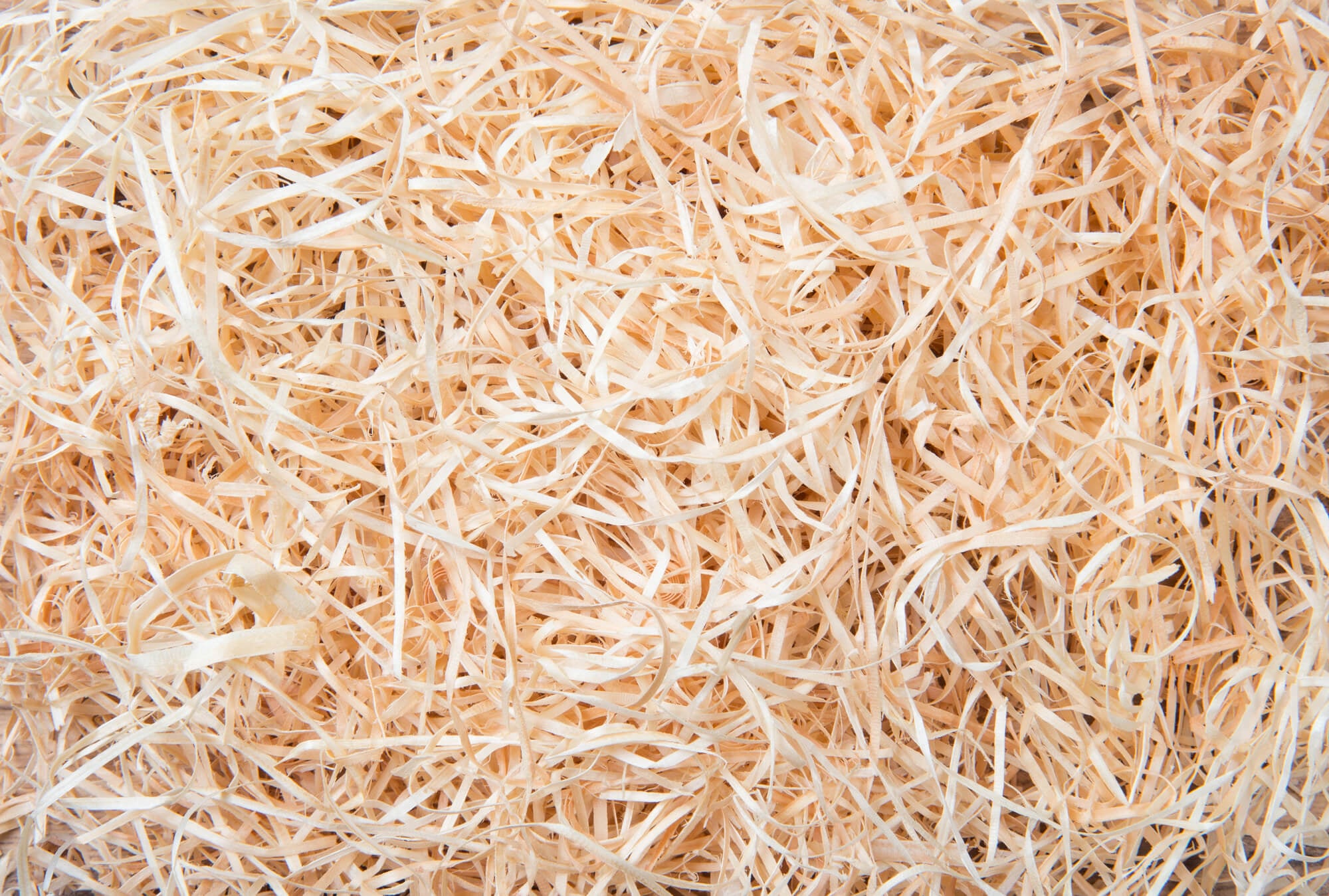
Thin curled shavings of wood, sometimes called excelsior, were produced specifically to cushion fragile items during shipping long before plastic bubble wrap and foam peanuts existed. The material was cheap to produce as a byproduct of lumber milling, and its springy, tangled structure absorbed shock effectively enough that it remained the standard packing material well into the twentieth century.
Palm Leaf Fans
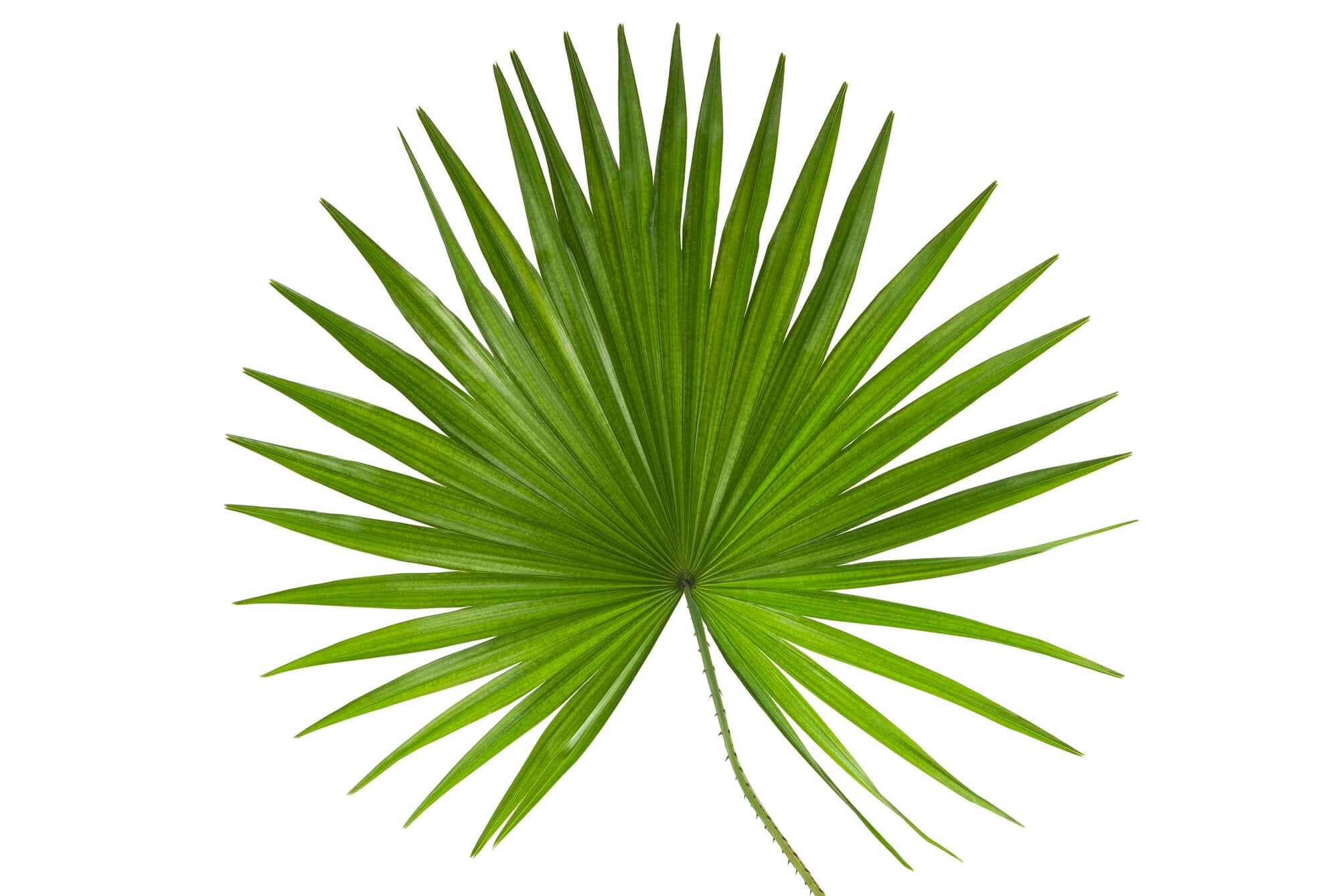
Hand fans woven or cut from palm fronds provided a simple, effective cooling tool in hot climates across Asia, Africa, and the Americas long before electric fans existed in ordinary households. The natural rigidity of a dried palm leaf made it sturdy enough to move a meaningful amount of air while remaining light enough for continuous hand use.
Oiled Paper Umbrellas
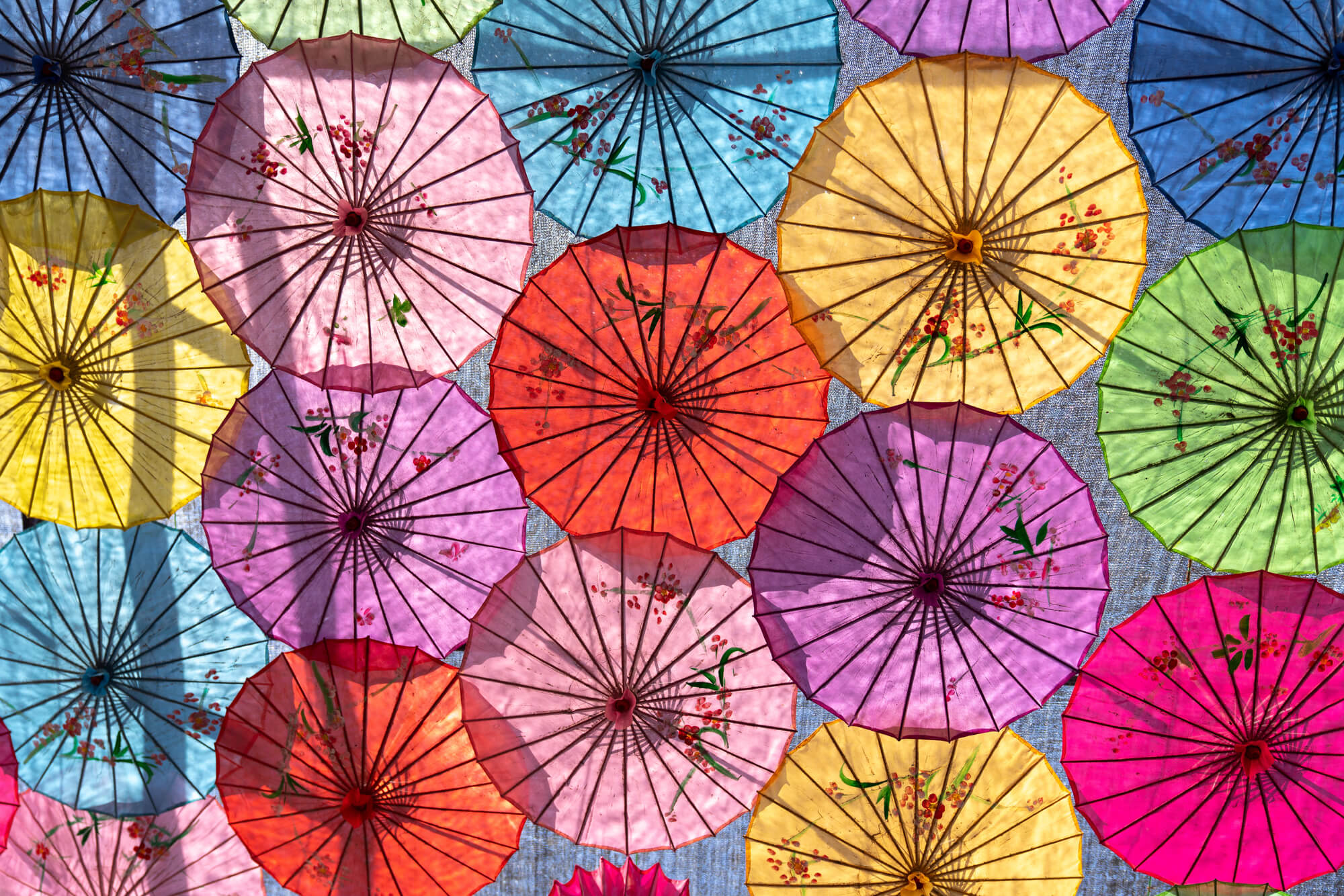
Made from bamboo ribs covered with paper treated in plant-based oils to make it water-resistant, umbrellas across East Asia predated the metal-and-fabric versions common today by many centuries. The oil treatment, often derived from tung tree seeds, caused the paper to shed water effectively while remaining flexible enough to fold and store.
Bamboo Toothbrushes
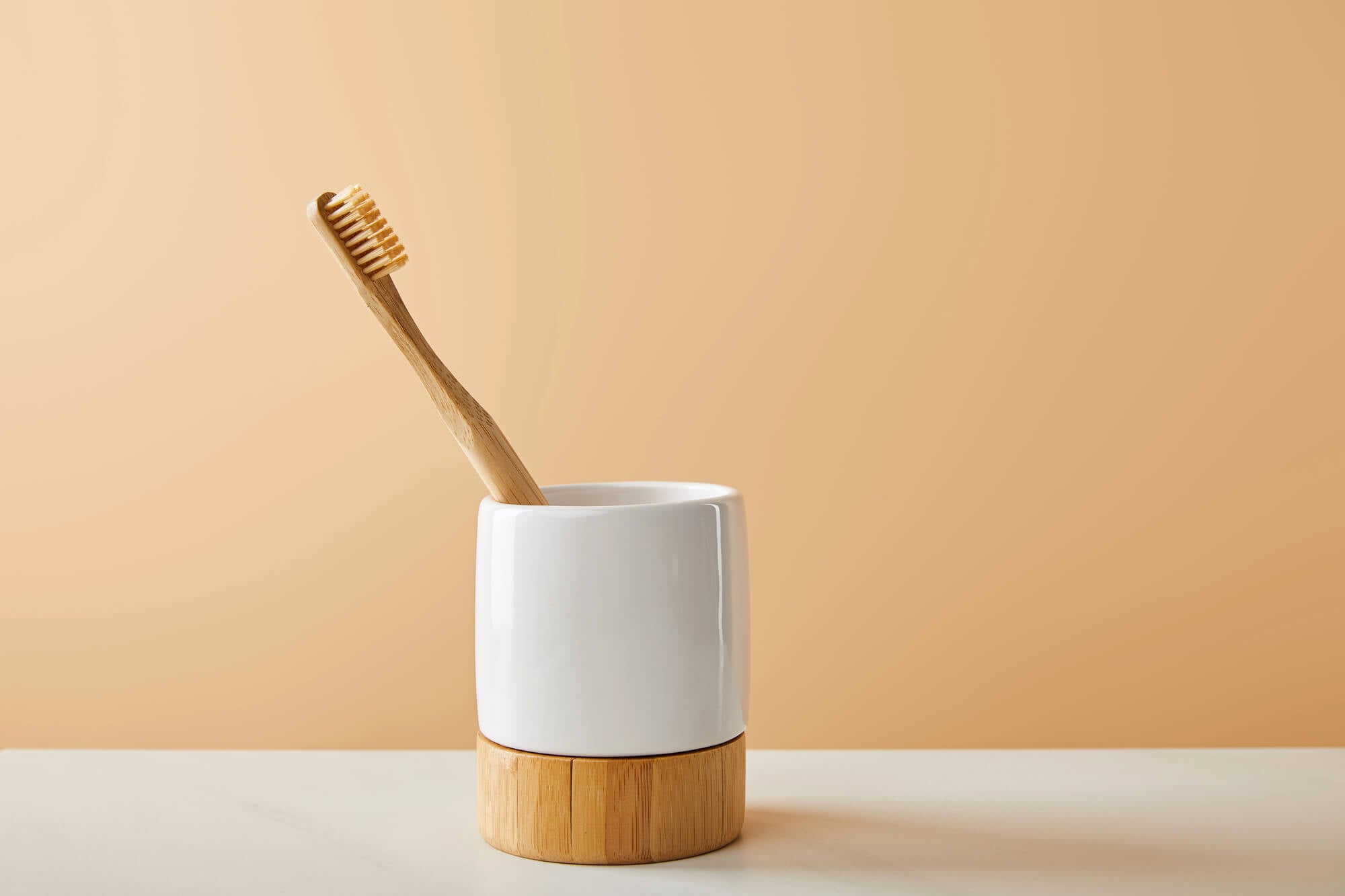
Long before synthetic plastic handles and nylon bristles, toothbrushes across parts of Asia were made from bamboo handles fitted with natural bristles, a design that has recently seen renewed popularity specifically as a biodegradable alternative to plastic. The lightweight strength of bamboo made it a practical, naturally antimicrobial handle material long before its modern environmental appeal was part of the conversation.
Banana Leaf Plates
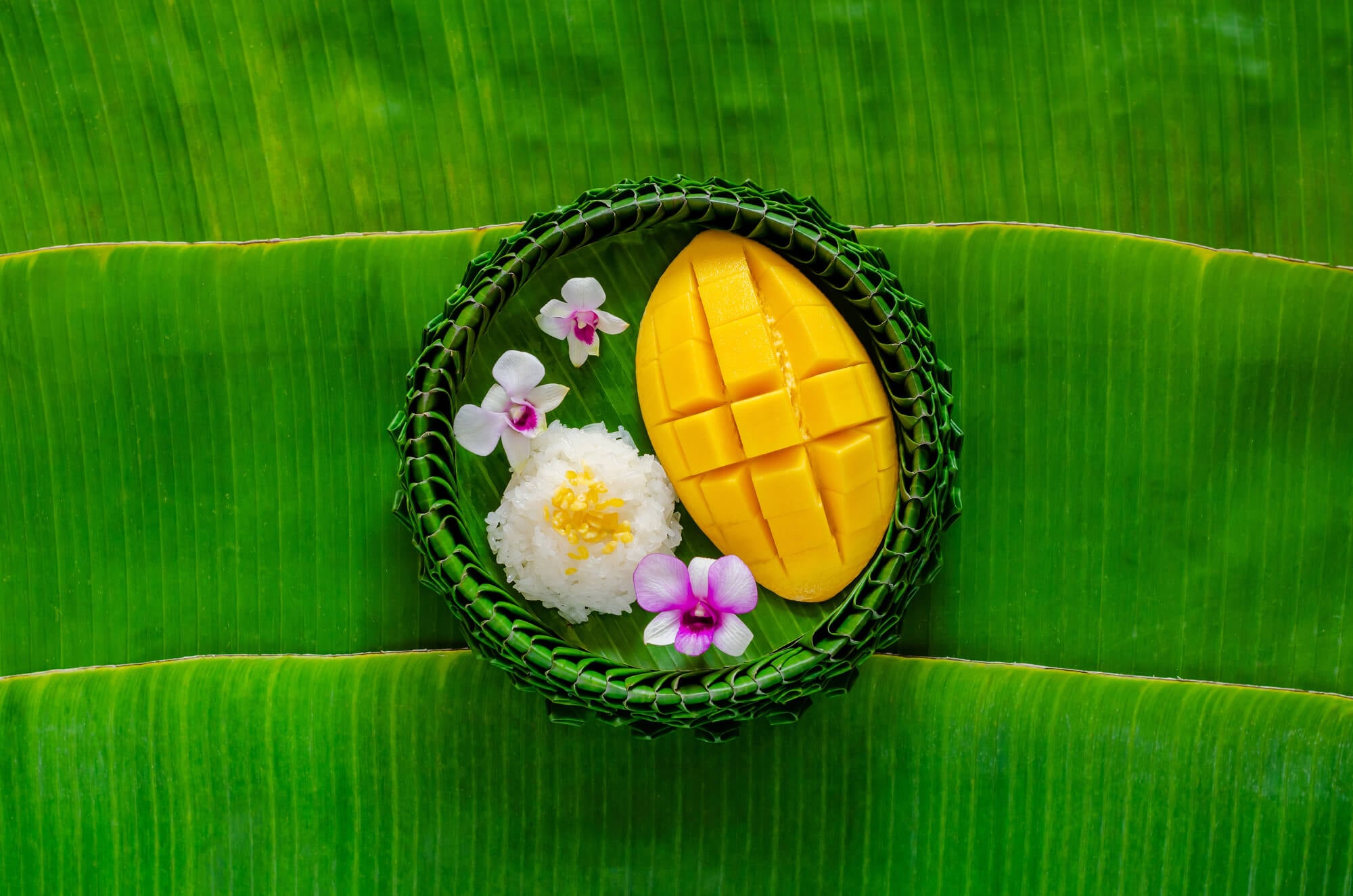
Across South and Southeast Asia, freshly cut banana leaves served, and in many places still serve, as disposable plates for serving food, requiring no washing and naturally composting after use. The broad, waxy surface of the leaf is naturally water-resistant enough to hold both dry and wet foods without immediately breaking down during a meal.
Woven Grass Sieves
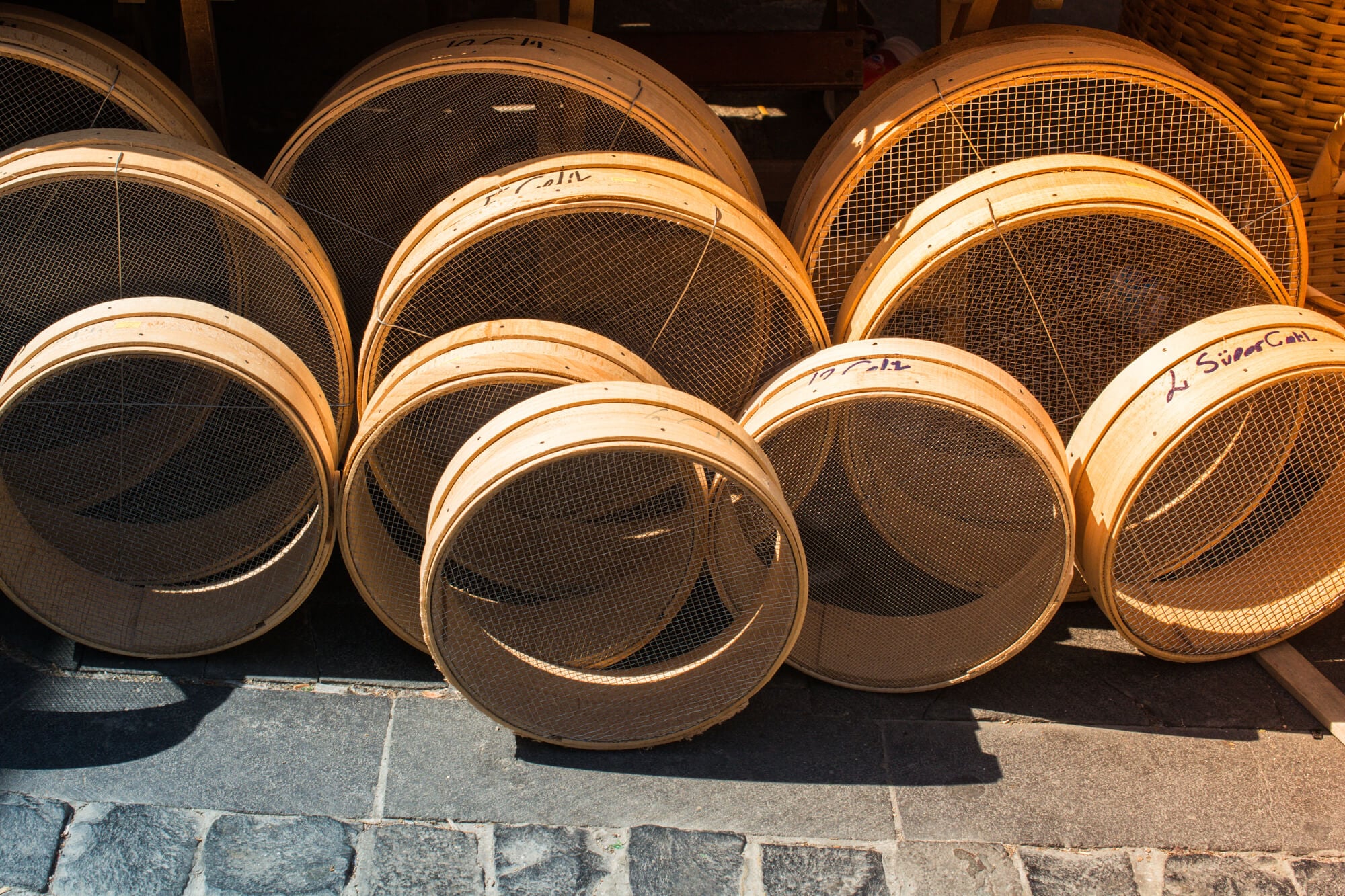
Before wire mesh sifters, finely woven grass or reed sieves were used to separate grain from chaff and to strain liquids in kitchens across many pre-industrial societies. The tightness of the weave could be adjusted depending on what needed to be filtered, giving households a range of straining tools without any metal fabrication required.
Rattan Chair Seats
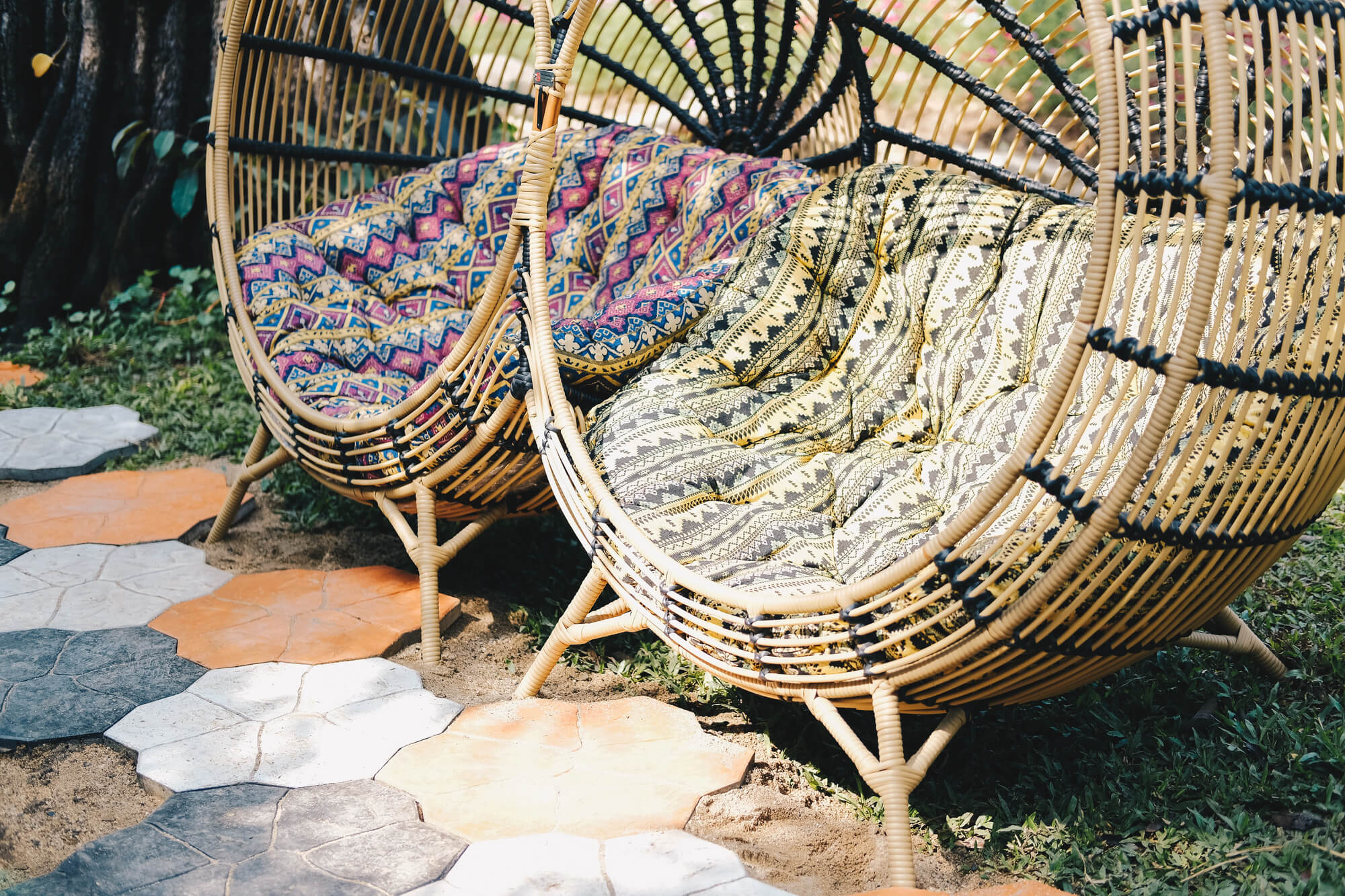
Woven from the flexible stems of a climbing palm, rattan provided lightweight, durable, and slightly flexible seating material used in furniture from Southeast Asia to colonial-era Europe and America. Rattan’s natural give made woven furniture more comfortable than rigid wood alone, and the material remained the standard for lightweight furniture until synthetic wicker alternatives were developed.
Jute Rugs
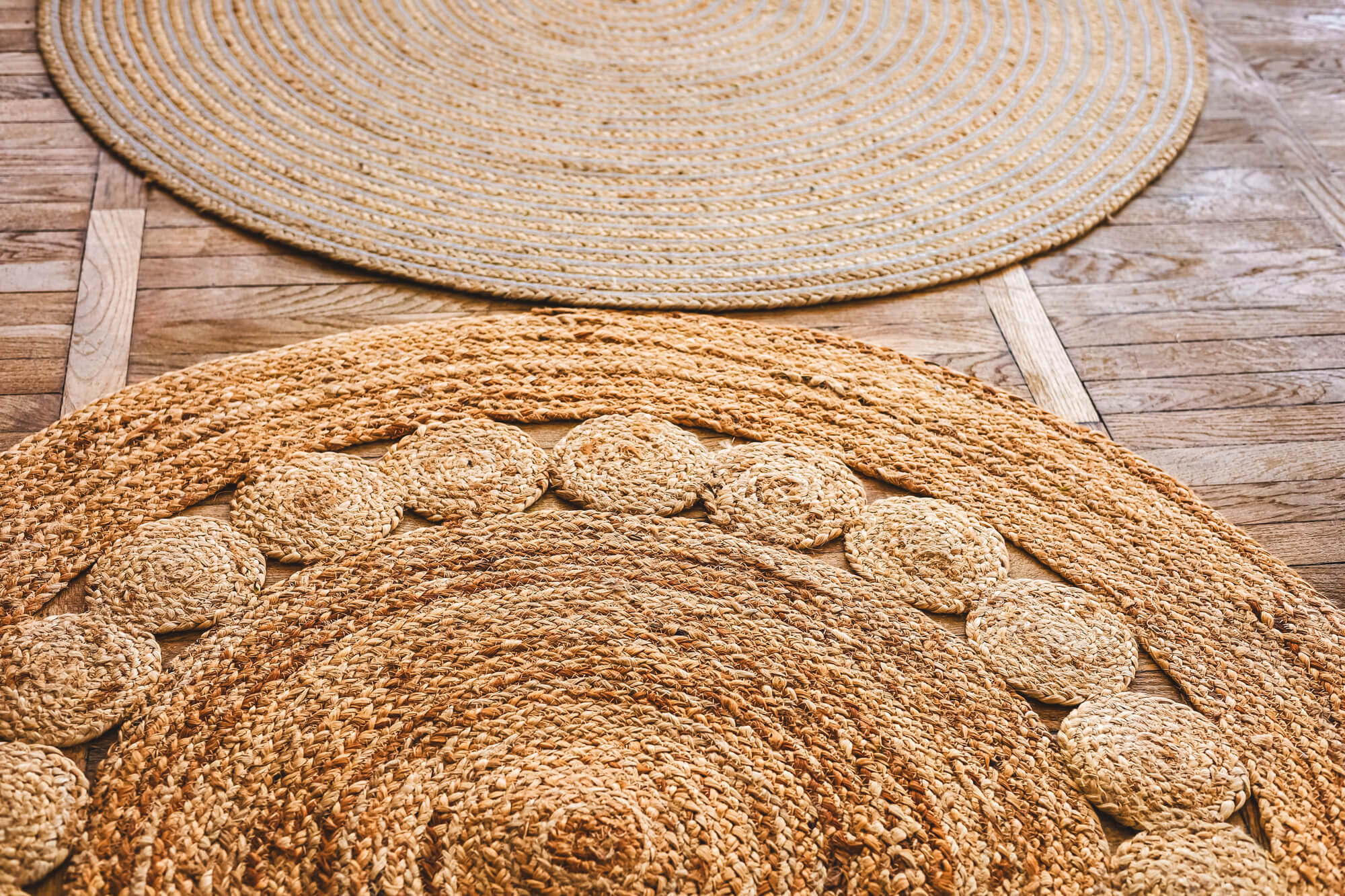
Spun from the fibrous stalks of the jute plant, coarse woven rugs and floor coverings were common in households across South Asia and were widely exported to Europe and North America during the nineteenth century as an affordable flooring option. Jute’s rapid growth and low cultivation cost made it one of the cheapest natural fibers available, sustaining an enormous export trade centered in Bengal before synthetic carpet backing reduced demand.
Bamboo Window Blinds
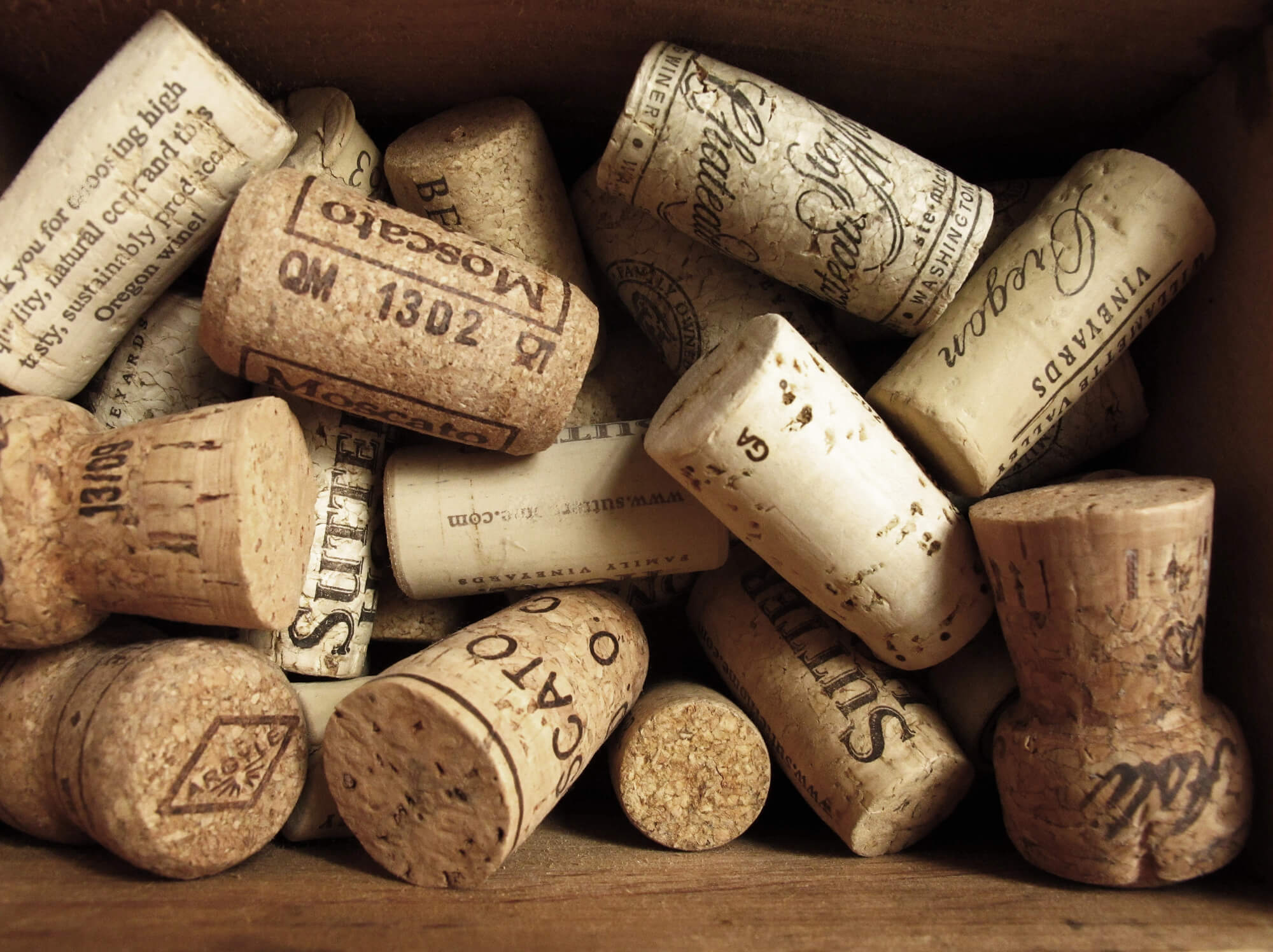
Thin strips of bamboo, threaded together with cord, created window and door coverings that blocked sun while allowing airflow, a practical design used across Asia for centuries before synthetic vinyl and aluminum blinds became standard. The natural gaps between bamboo strips provided ventilation that solid coverings could not, making them especially practical in hot, humid climates.
Cork Stoppers
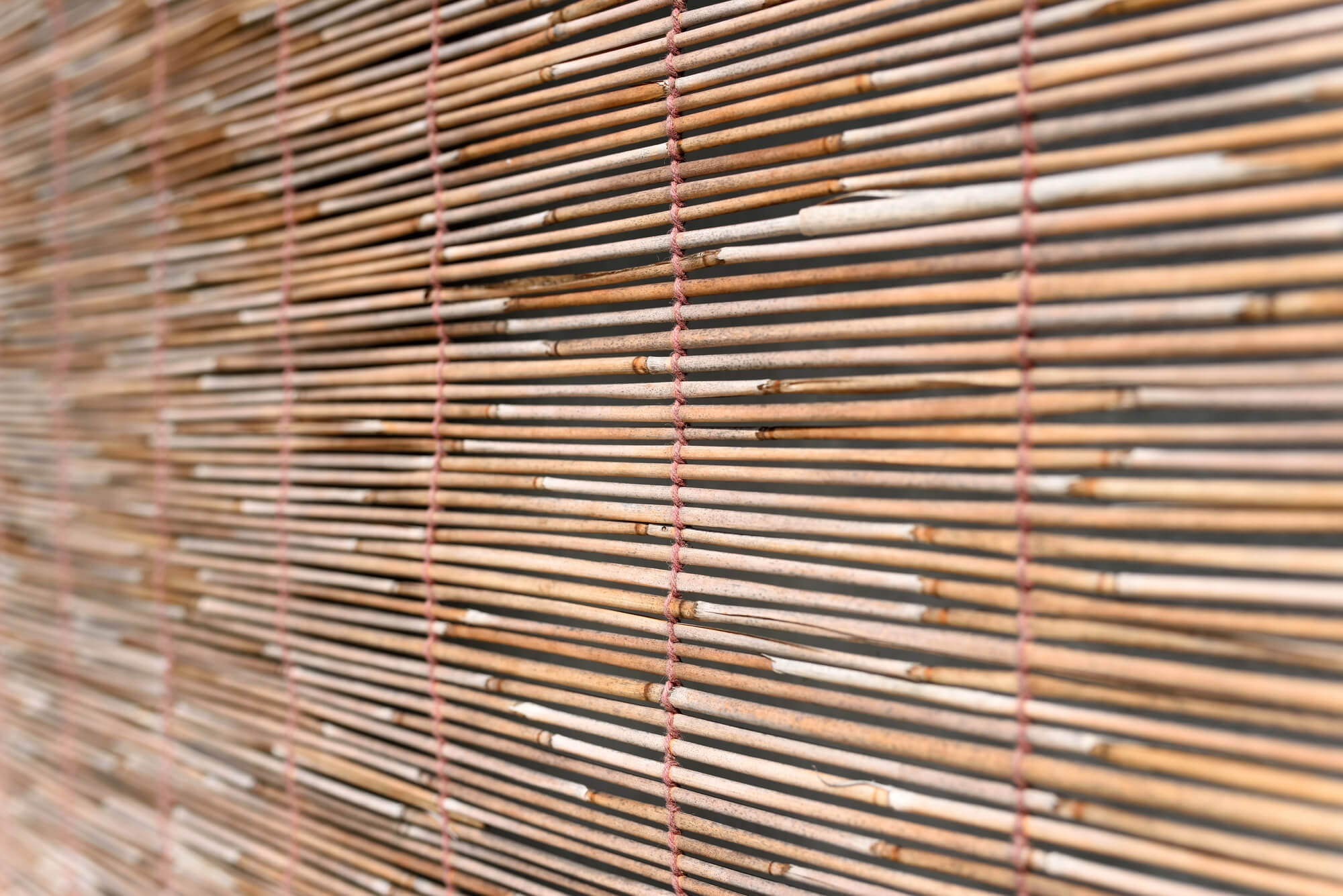
Harvested from the bark of the cork oak tree without harming the tree itself, cork’s natural elasticity and impermeability made it the standard bottle stopper for wine and other liquids for centuries. Cork’s cellular structure, made up of tiny air-filled compartments, gives it a unique combination of compressibility and a tight seal that synthetic alternatives have struggled to fully match even today.
Cotton Twine
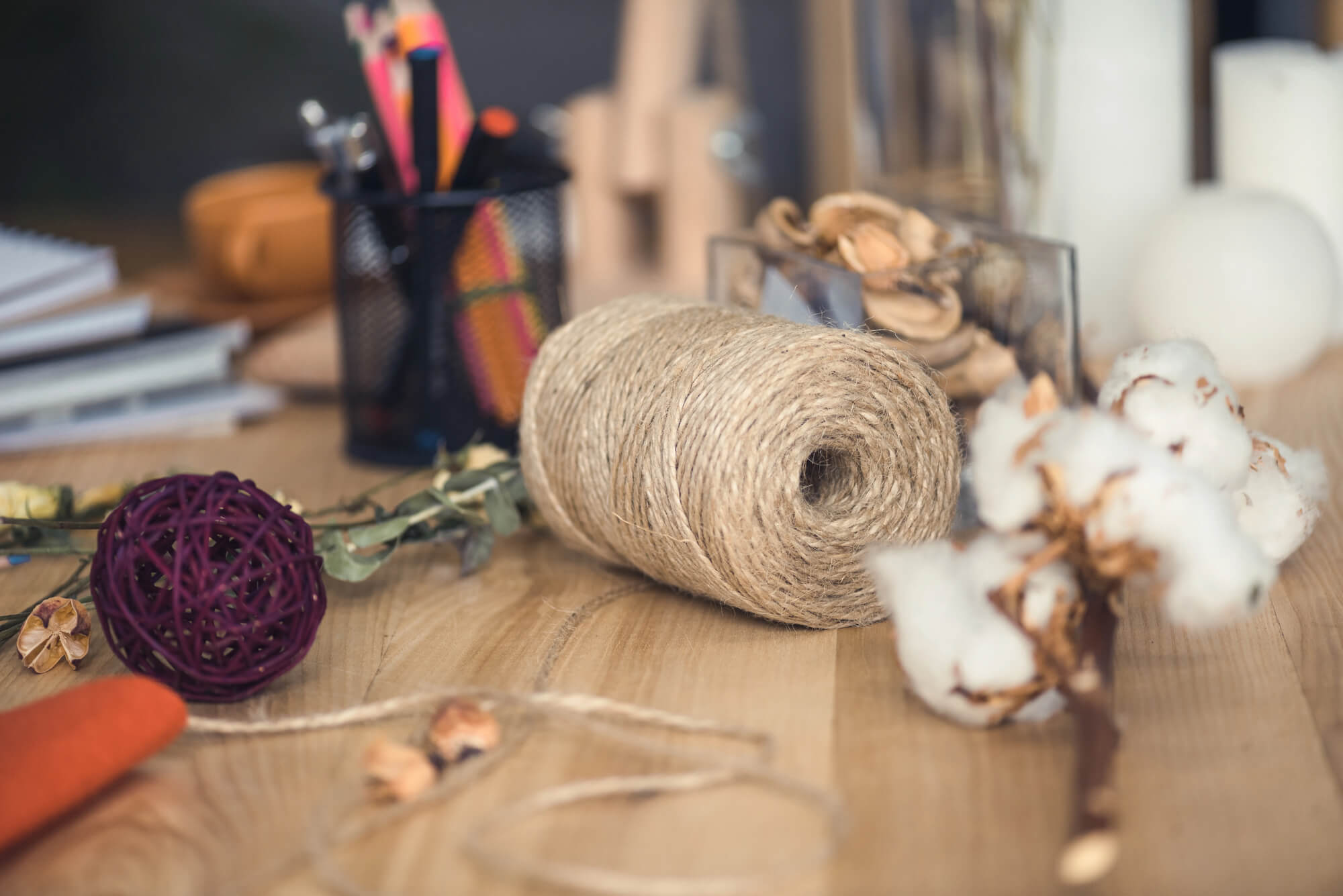
Spun from cotton fiber, household twine was used for everything from kitchen trussing to garden ties and package wrapping long before synthetic polypropylene twine became the standard. Its natural fiber meant cotton twine could be composted or burned safely, unlike plastic twine, which persists in soil for years after being discarded.
Hemp Sacks
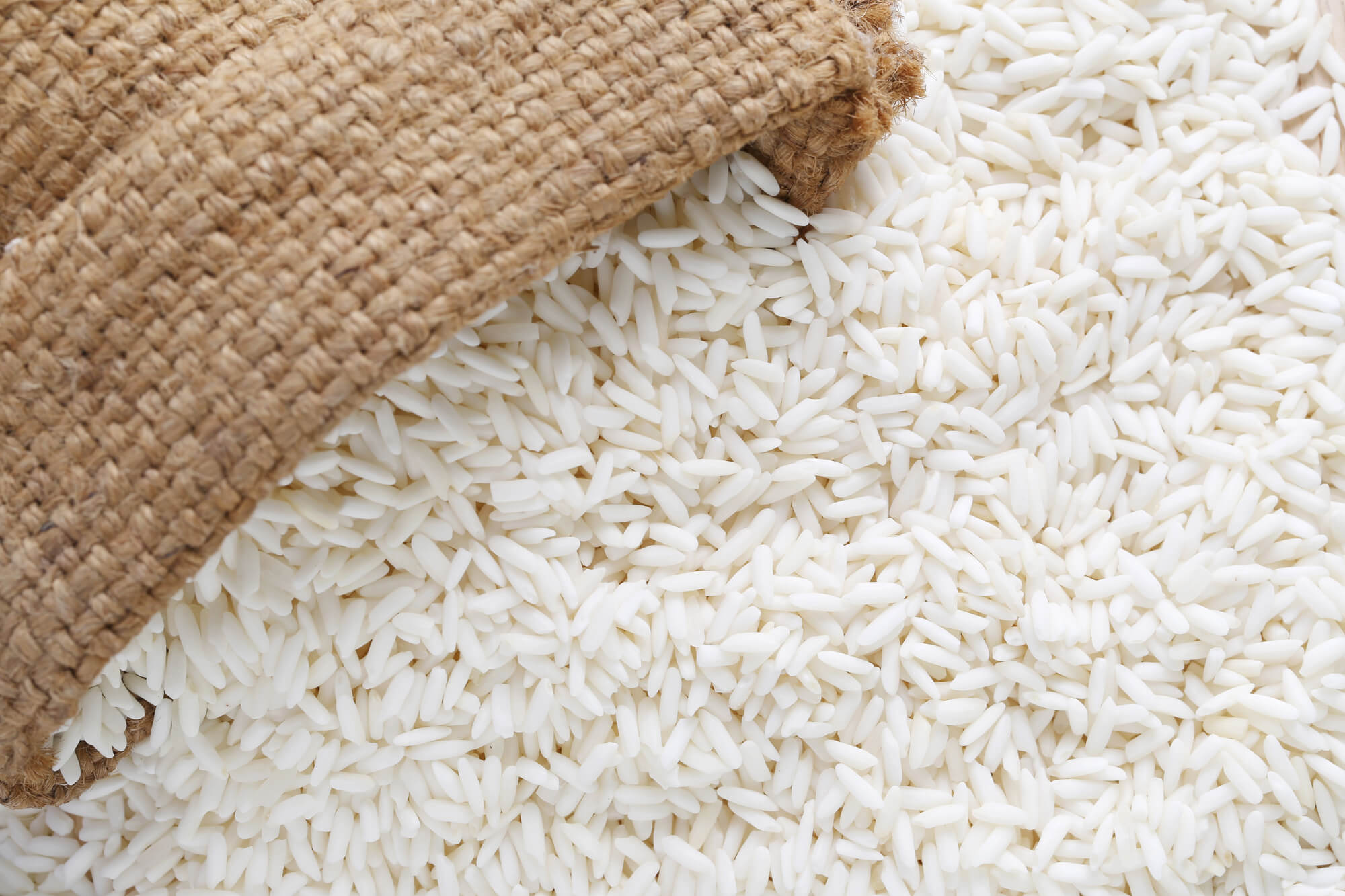
Woven from durable hemp fiber, sacks used for transporting and storing grain, flour, and produce were a household and agricultural staple for centuries thanks to hemp’s resistance to rot and pests. The material’s strength relative to its weight made hemp sacking particularly valuable for goods that needed to survive rough handling during shipping and storage.
Wooden Butter Molds
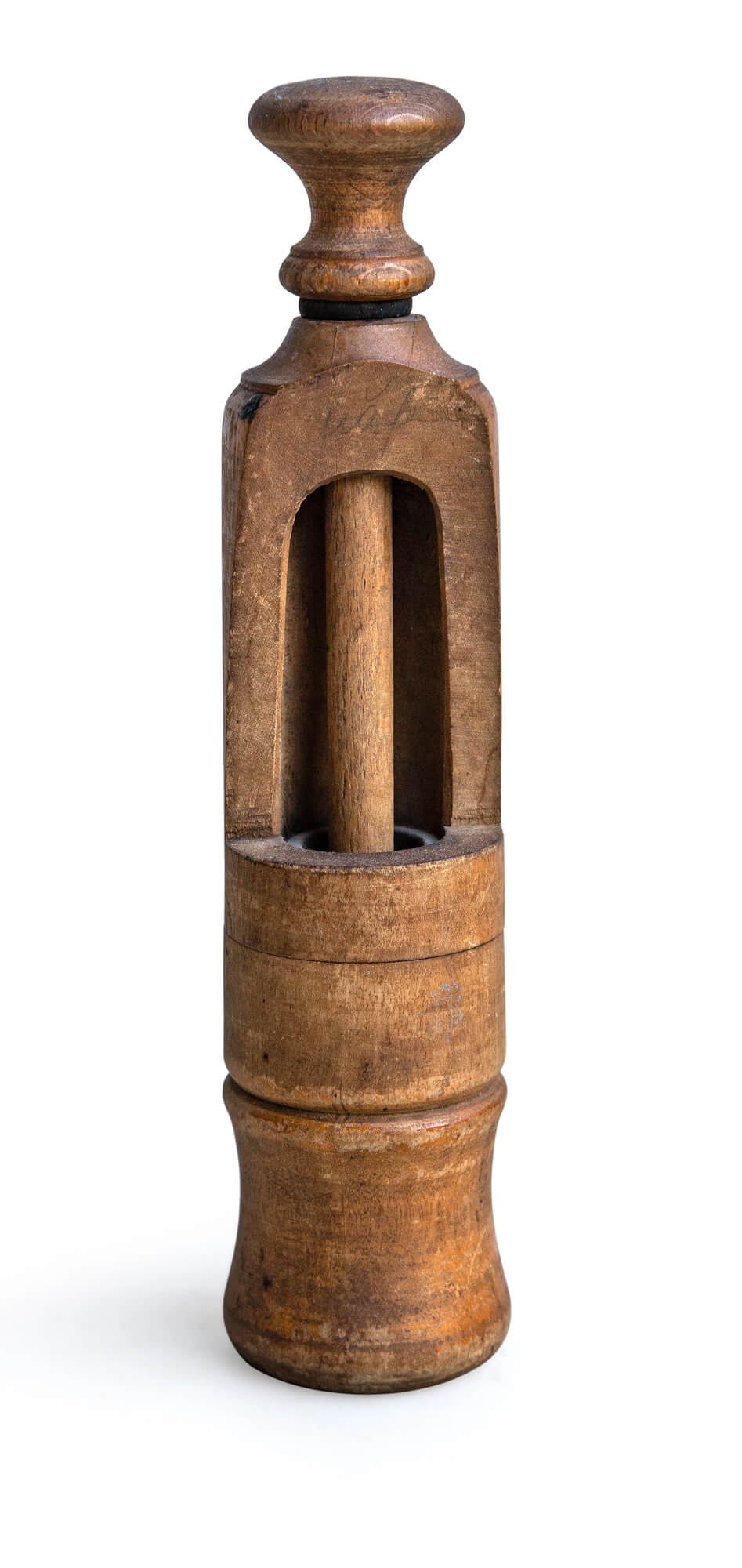
Carved wooden molds, often decorated with a stamped design, were used to shape and decorate homemade butter before refrigeration and commercial dairy packaging made the practice unnecessary. The carved pattern served a practical purpose too, since a distinct mark could identify whose farm had produced a particular batch of butter at a shared market.
Straw Insulation Panels
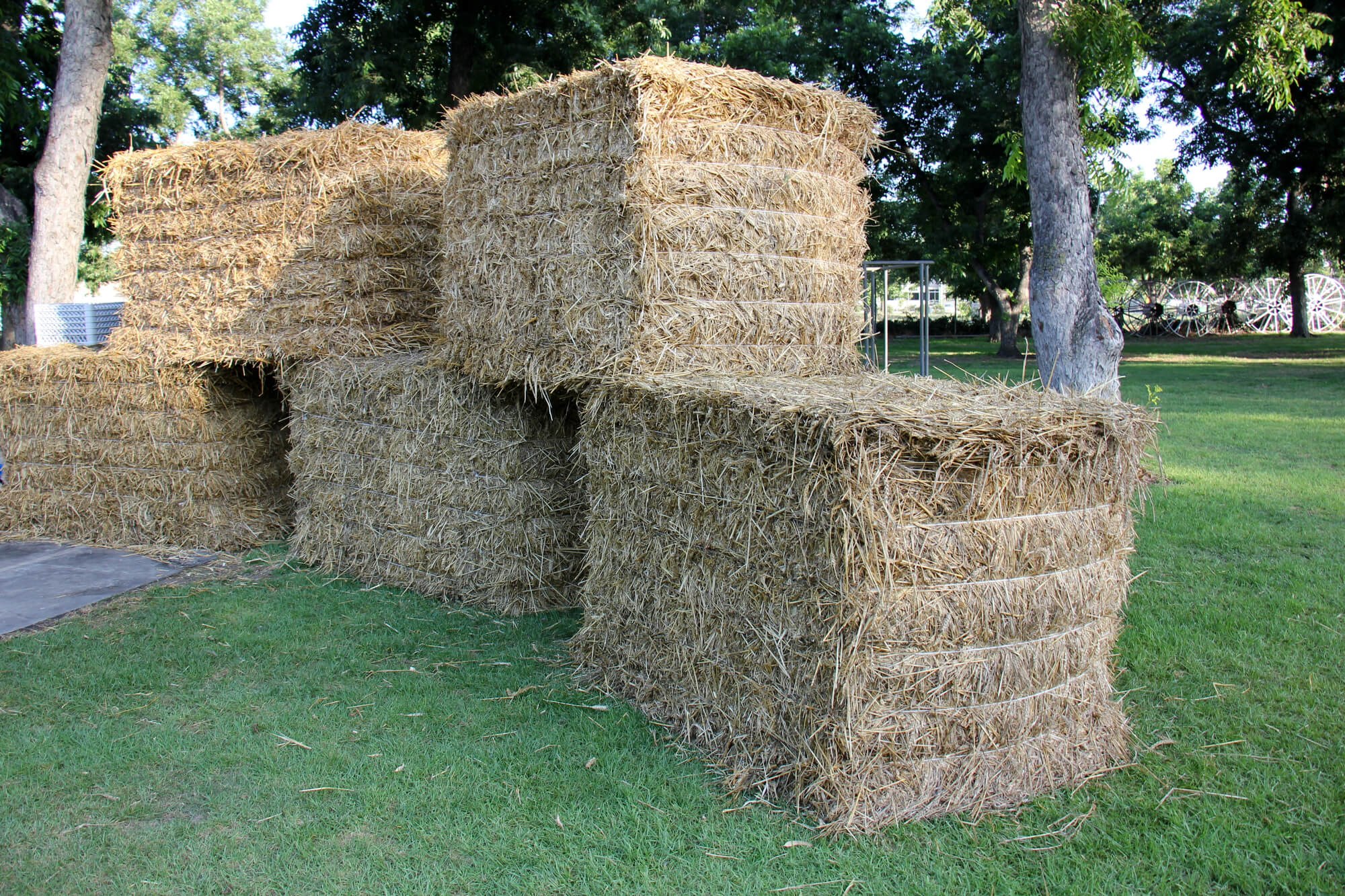
Compressed straw, bound and pressed into panels, was used as an inexpensive wall and ceiling insulation material in the early twentieth century, before fiberglass and foam insulation became widely available. Straw’s natural air pockets provided reasonably effective insulation at a fraction of the cost of manufactured alternatives, particularly in agricultural regions where straw was abundant and cheap.
Willow Laundry Baskets
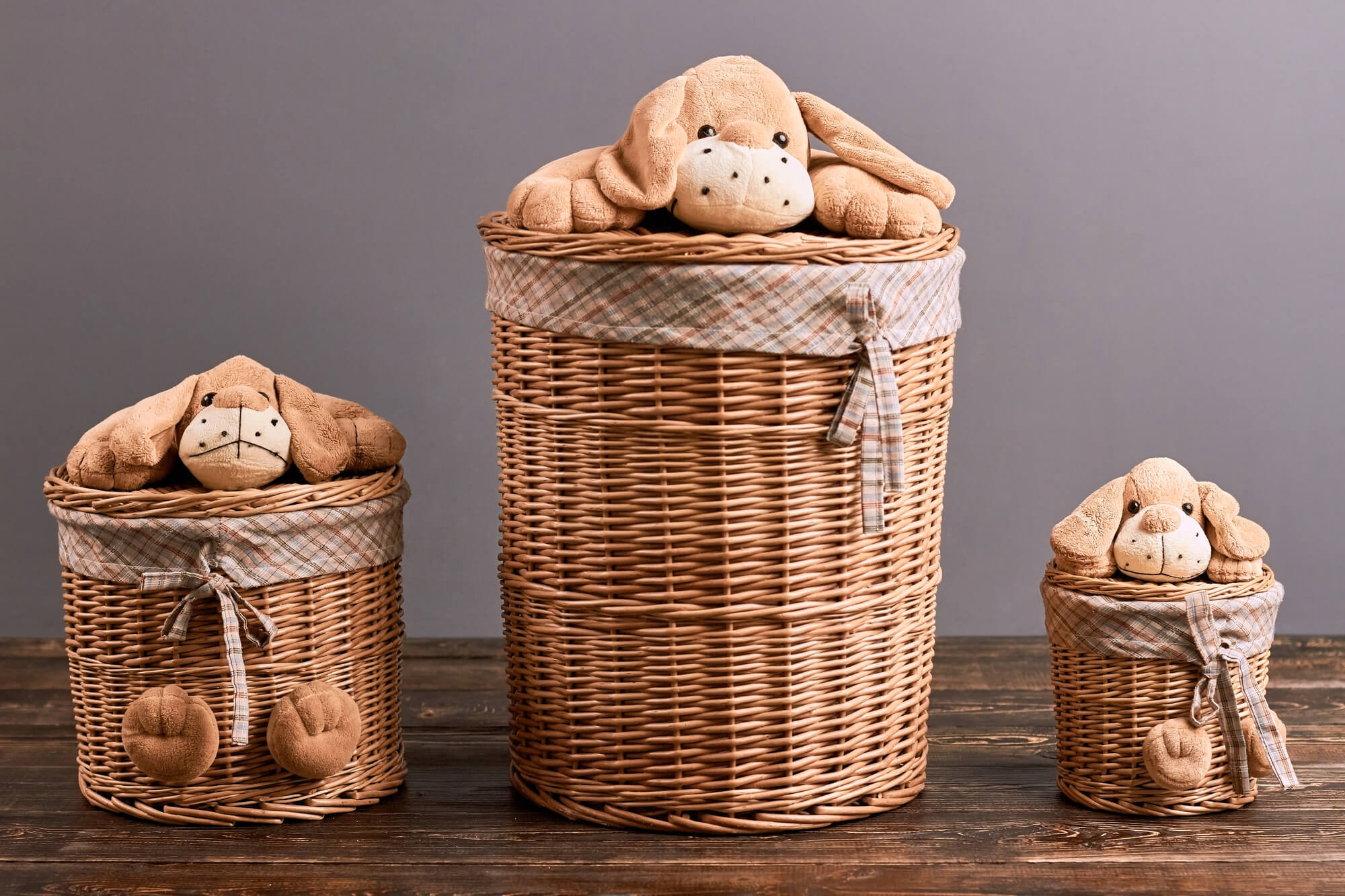
Woven specifically for carrying wet laundry between the washing area and the clothesline, sturdy willow baskets were common in households across Europe and North America well into the twentieth century. Willow’s flexibility allowed basket makers to weave a tight, load-bearing structure that could handle the weight of soaked fabric without buckling, a task that required more structural strength than many other plant-fiber crafts.
Corn Husk Bedding
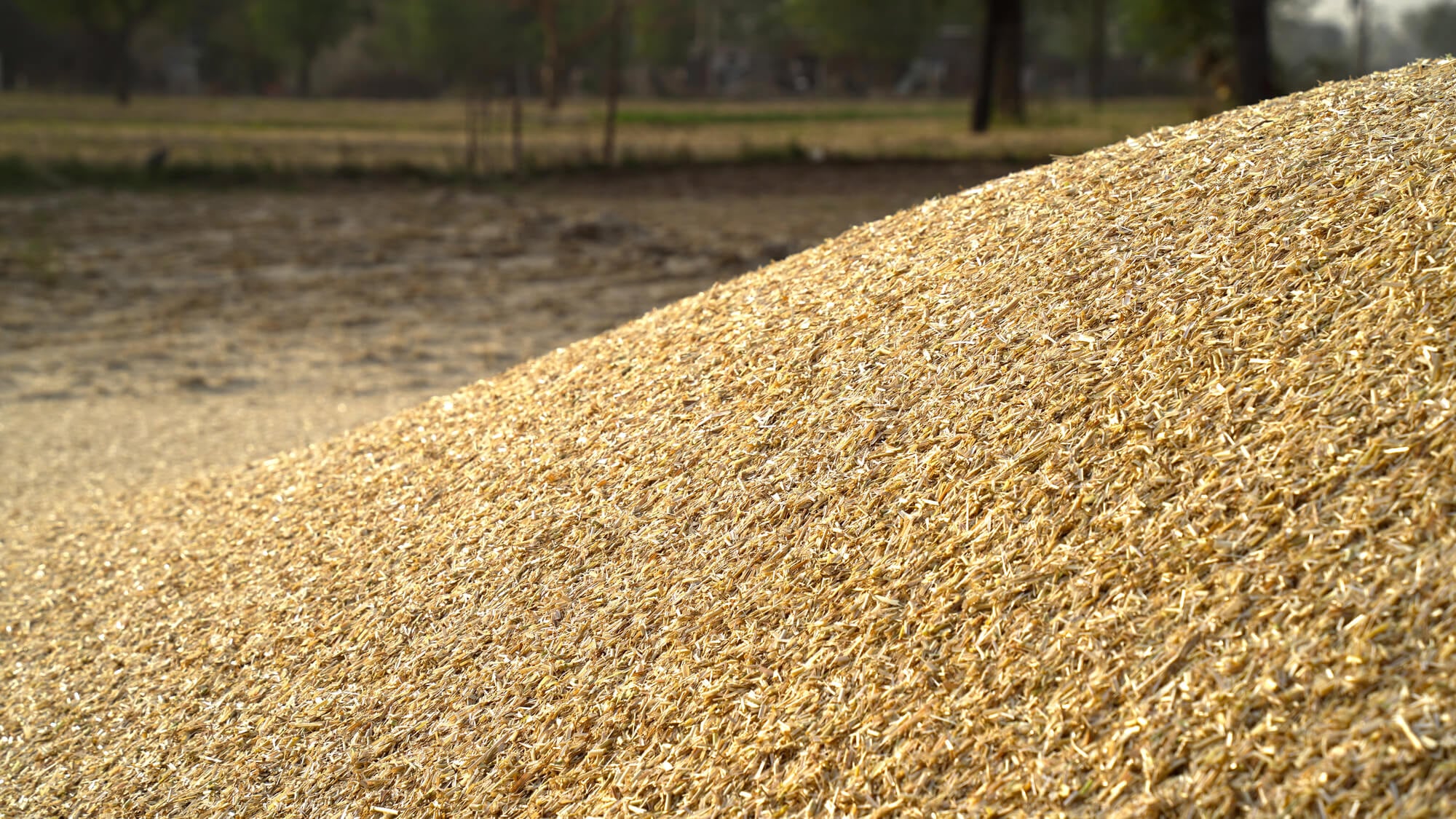
Dried corn husks, shredded and packed into fabric casing, provided an inexpensive alternative to straw or feather bedding for households that grew their own corn and had ready access to the husks as a byproduct. Corn husk mattresses were noted for a distinctive rustling sound and required regular refreshing as the husks compressed and broke down with use.
Palm Frond Roof Thatch

Beyond structural building material, dried palm fronds layered over household roof frames provided practical waterproofing and insulation in tropical households for generations before corrugated metal and asphalt shingles became widely available. A well-maintained palm thatch roof could last several years and was periodically patched rather than fully replaced, making it a renewable, low-cost roofing solution.
Wooden Kitchen Spoons
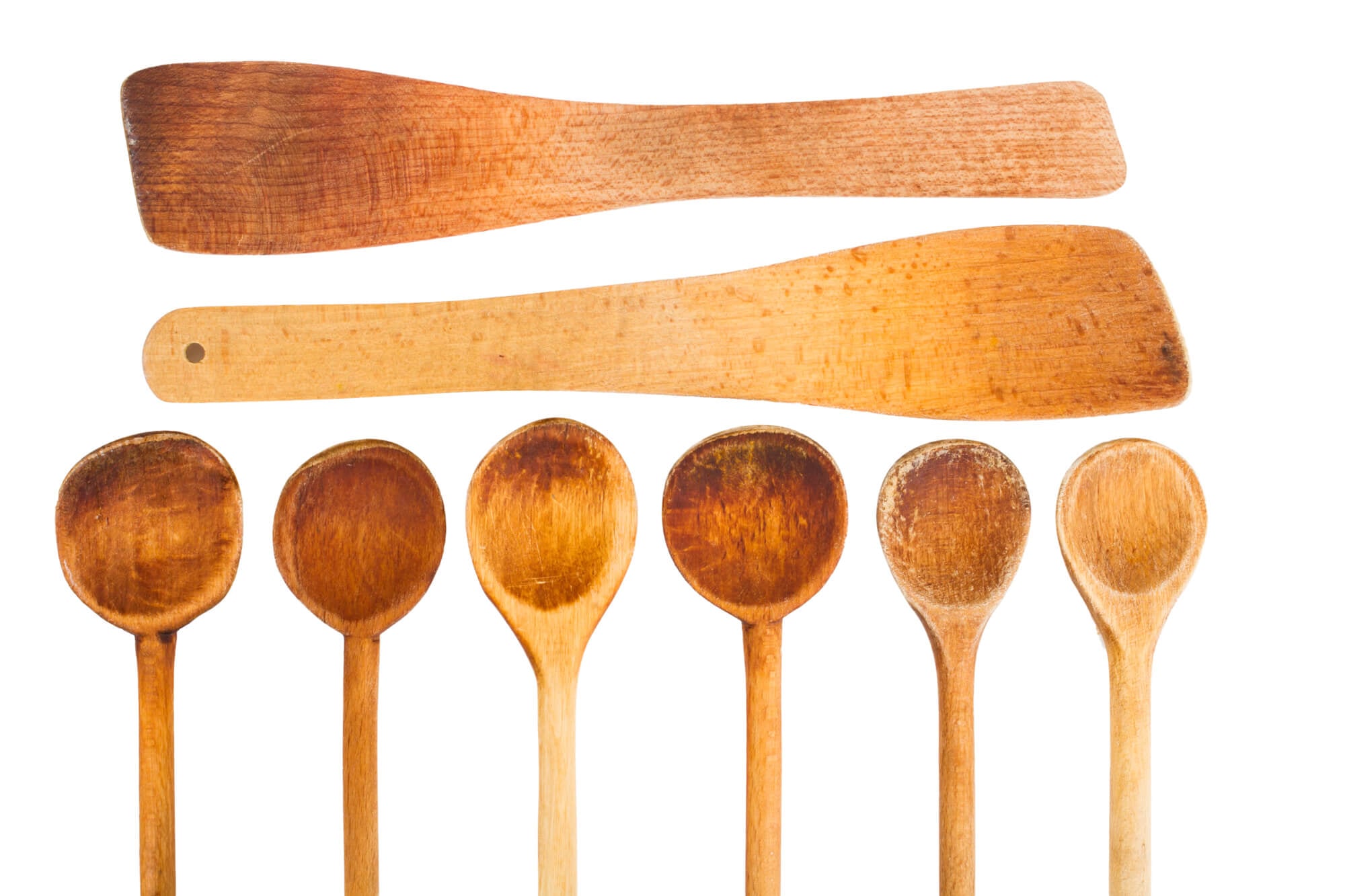
Carved from a single piece of wood, kitchen spoons and stirring utensils were standard in nearly every household kitchen for centuries, valued because wood does not conduct heat the way metal does and will not scratch cookware. Different regions developed distinct carving traditions and preferred wood types, from olive wood in the Mediterranean to maple in North America, each chosen partly for durability and partly for what was locally available.
What the Ground Once Provided
Looking at this list, what stands out is not how primitive these objects were but how well-matched they were to their purpose. A gourd bowl did not need to be invented twice, because a dried gourd already does the job a plastic bowl does, minus the centuries it takes to break down in a landfill. Plant-based household goods were shaped by trial and error passed down across generations, refined slowly until form and function lined up almost perfectly.
Plastic did not win because it was better at these jobs; it won because it was faster and cheaper to produce at scale, uniform in a way that handmade plant goods never quite managed. What got lost in that trade was not just biodegradability but a kind of quiet ingenuity, the accumulated knowledge of exactly which plant, prepared exactly which way, could solve exactly which household problem.
More from Go2Tutors!

- The Romanov Crown Jewels and Their Tragic Fate
- 13 Historical Mysteries That Science Still Can’t Solve
- Famous Hoaxes That Fooled the World for Years
- 15 Child Stars with Tragic Adult Lives
- 16 Famous Jewelry Pieces in History
Like Go2Tutors’s content? Follow us on MSN.