16 Facts Behind Famous Quotes
Some quotes are so well-known they feel like furniture — always there, taken for granted, assumed to be exactly what they appear to be. But pull on the thread a little and the story usually gets more interesting.
Misattributions, missing context, deliberate rewrites, and flat-out inventions are everywhere in the world of famous quotations. Here are sixteen of the best examples.
“Elementary, My Dear Watson” — Sherlock Holmes Never Said It
Arthur Conan Doyle’s Sherlock Holmes uses both “elementary” and “my dear Watson” in the original stories — just never together. The now-iconic phrase appears nowhere in Doyle’s four novels or 56 short stories.
It was pieced together by later adaptations, first appearing in a 1915 novel by P.G. Wodehouse and cementing itself through film and stage productions. The most famous line associated with Holmes is one he never actually spoke.
“The Definition of Insanity” — Not Einstein
“The definition of insanity is doing the same thing over and over and expecting different results.” It gets pinned to Albert Einstein constantly.
Einstein never said it, and there’s no evidence he ever wrote it. The earliest known print appearances trace to twelve-step recovery literature from the 1980s.
Narcotics Anonymous pamphlets used variations of the phrase long before it got attached to Einstein. Giving it to a genius makes it sound more authoritative, which is probably why the misattribution stuck.
“We Are All Born Equal” — Jefferson Meant Something Narrower
“All men are created equal” from the Declaration of Independence sounds universal. In context, Jefferson was making a specific political argument about the colonies’ standing relative to the British Crown — that no government had divine authority over another.
Jefferson himself enslaved over 600 people across his lifetime. The phrase has been stretched, fought over, and reinterpreted for 250 years.
What it means now and what Jefferson intended when he wrote it are two very different things.
“Let Them Eat Cake” — Almost Certainly Not Marie Antoinette
The line attributed to Marie Antoinette upon hearing that the French poor had no bread is probably apocryphal. Rousseau wrote a nearly identical story in his “Confessions” around 1765, describing “a great princess” making the remark — but Marie Antoinette was only about nine years old at the time and hadn’t yet arrived in France.
Most historians believe the quote was never hers. She was, by several accounts, genuinely concerned with the suffering of the poor.
The line needed a villain and she was available.
“Blood, Sweat and Tears” — Churchill Added a Word
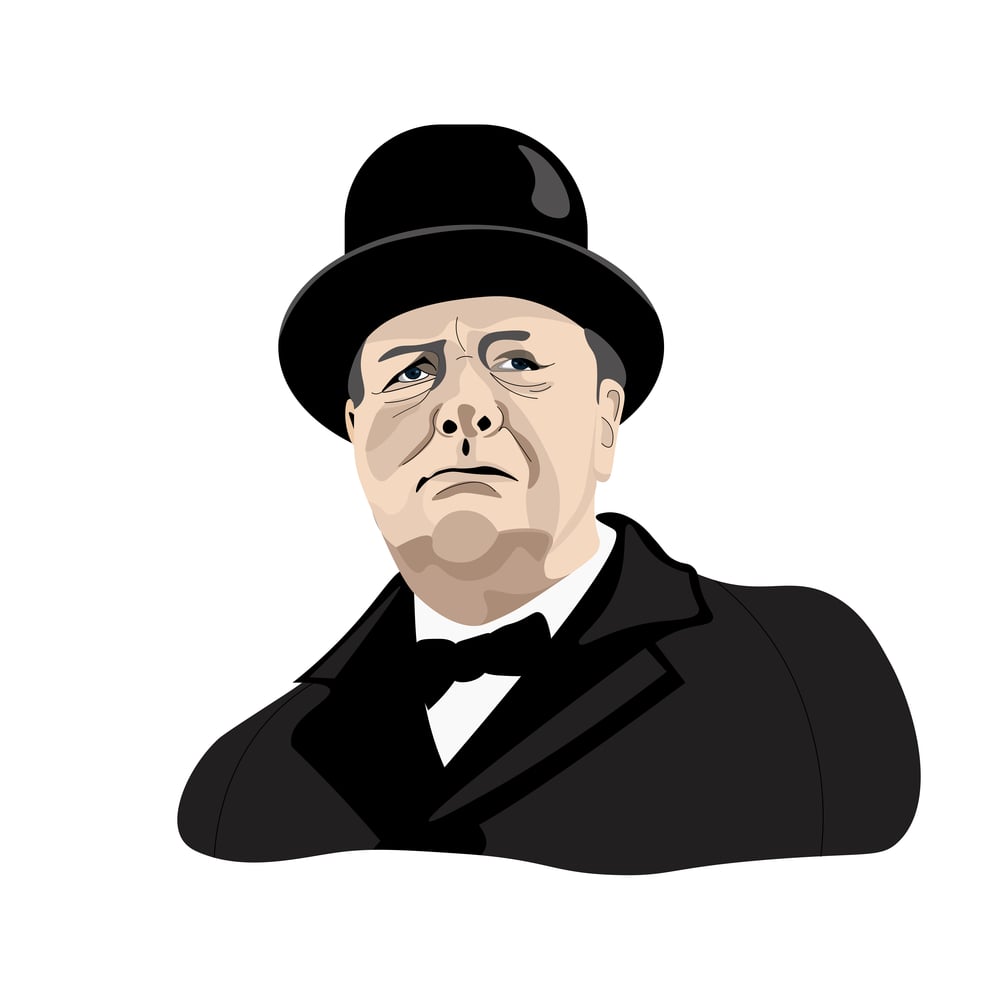
Churchill’s famous wartime speech promised “blood, toil, tears and sweat.” Not three things — four.
The phrase “blood, sweat and tears” was already in circulation before Churchill spoke, which is probably why the “toil” dropped out of popular memory. The full phrase appears in his first speech as Prime Minister in May 1940.
The version everyone quotes is shorter, punchier, and missing a quarter of what he actually said.
“Float Like a Butterfly, Sting Like a Bee” — It Was a Team Effort
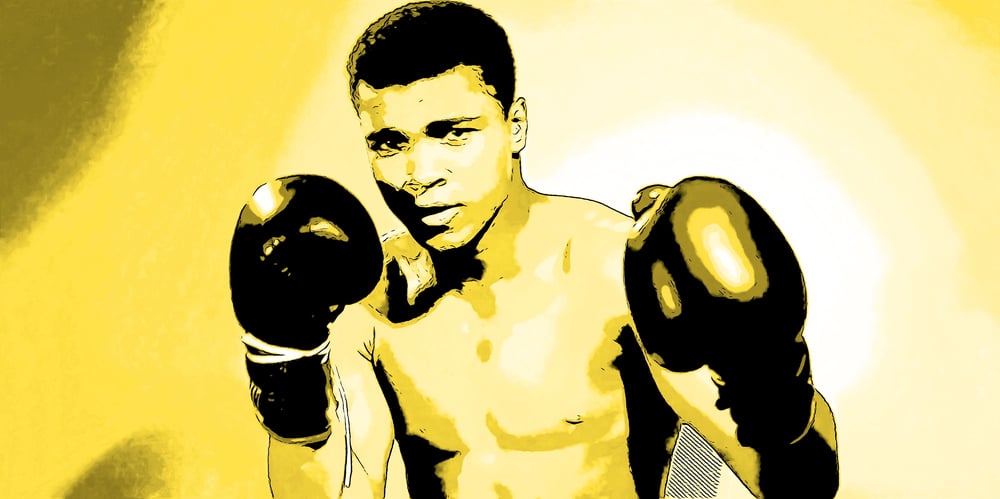
The line is universally credited to Muhammad Ali, but Drew “Bundini” Brown — Ali’s cornerman and close friend — co-wrote it. Brown was a poet and wordsmith who contributed significantly to Ali’s verbal persona.
Ali himself acknowledged this at various points. The quote was born in the lead-up to the 1964 fight against Sonny Liston.
It’s still Ali’s spirit, but it wasn’t his alone.
“The Only Thing to Fear Is Fear Itself” — Roosevelt Wasn’t the First
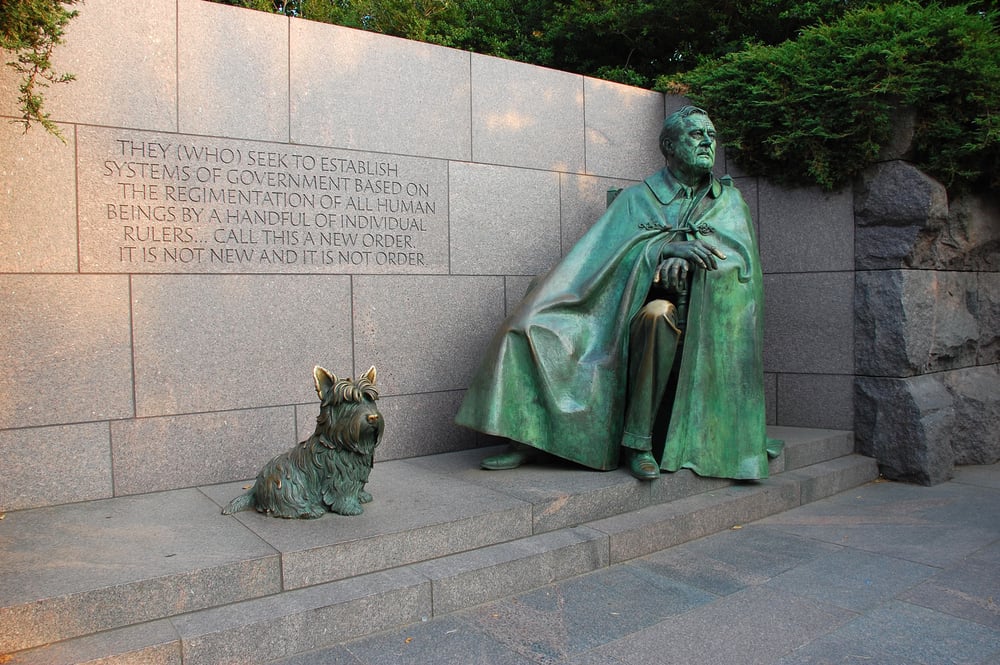
Franklin D. Roosevelt’s 1933 inaugural address contained the line “the only thing we have to fear is fear itself,” and it’s one of the most quoted phrases in American political history. But the sentiment predates him by centuries.
Francis Bacon wrote something nearly identical in the 1600s. The Duke of Wellington used a version of it.
Michel de Montaigne touched on the same idea in the 1500s. Roosevelt’s speechwriters were working in a well-worn tradition.
The delivery made it iconic. The idea was old.
“Nice Guys Finish Last” — Leo Durocher Was Talking About a Specific Group of Men
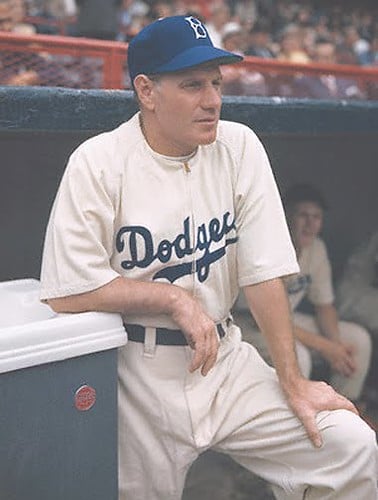
Baseball manager Leo Durocher is credited with coining this phrase, and he more or less did — but not the way people use it. In 1946, he was pointing at the New York Giants dugout during a pre-game conversation and describing that particular roster as a group of “nice guys.”
His actual words were closer to “the nice guys are all over there, in seventh place.” It was a comment about one team in one afternoon.
It became a universal philosophy about ambition and ruthlessness that Durocher spent years pushing back against.
“You Can Fool All the People Some of the Time” — Lincoln Probably Didn’t Say It
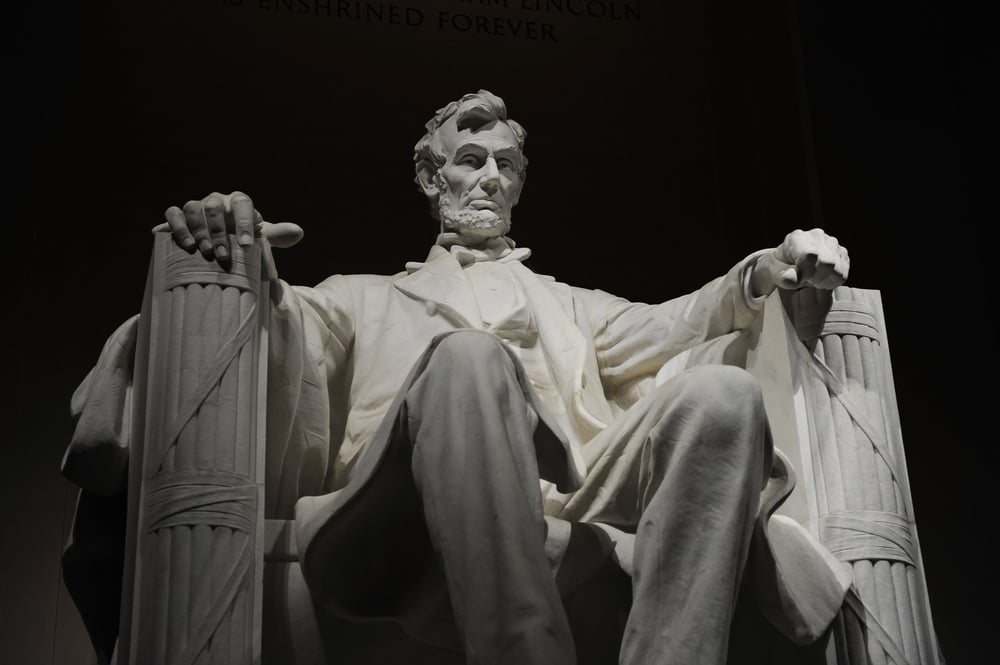
The quote — “You can fool all the people some of the time, and some of the people all the time, but you cannot fool all the people all the time” — is routinely credited to Abraham Lincoln. No reliable source from Lincoln’s lifetime records him saying or writing it.
It first appeared in print decades after his death. The sentiment sounds Lincolnesque, which is likely why it found a home attached to his name.
The actual origin is unknown.
“Houston, We Have a Problem” — The Tense Was Different

In Ron Howard’s 1995 film Apollo 13, Tom Hanks delivers the line in the past tense: “Houston, we have a problem.” The actual transmission from astronaut Jack Swigert on April 13, 1970, was “Houston, we’ve had a problem here” — past tense, which accurately described something that had already happened.
Commander Jim Lovell repeated it shortly after. The present tense version from the film became so embedded in culture that it’s now the version most people believe was real.
“The Customer Is Always Right” — It Was About Taste, Not Disputes

Harry Gordon Selfridge, founder of Selfridges department store, is most often credited with this phrase in the early 1900s. But the original meaning had nothing to do with customer complaints or entitled behavior.
It was a statement about retail philosophy: stock what customers want to buy, not what you personally think they should want. “Right” refers to taste and preference, not to disputes with staff.
The modern interpretation — that customers win every argument — is essentially the opposite of the business principle it came from.
“Ignorance Is Bliss” — Thomas Gray Was Being Ironic

The line comes from Thomas Gray’s 1742 poem “Ode on a Distant Prospect of Eton College.” The full line is: “where ignorance is bliss, ’tis folly to be wise.”
Gray was watching schoolboys play, reflecting on how they didn’t yet know what adulthood and loss felt like. He wasn’t celebrating ignorance.
He was mourning the fact that knowledge comes with pain. The quote gets lifted out of context and used as a defence of not knowing things, which is almost the reverse of what Gray was expressing.
“Well-Behaved Women Seldom Make History” — It Started as a Scholarly Observation

Laurel Thatcher Ulrich, a Harvard historian, wrote this line in a 1976 academic paper about Puritan funeral sermons. It wasn’t a rallying cry — it was a dry observation about whose stories got recorded and whose didn’t.
The paper languished in relative obscurity for years before the line appeared on bumper stickers and t-shirts in the 1990s, completely detached from its original context. Ulrich later wrote a book with the phrase as its title, partly to reclaim it and explain what she actually meant.
“Power Corrupts” — Acton Was Writing About Popes
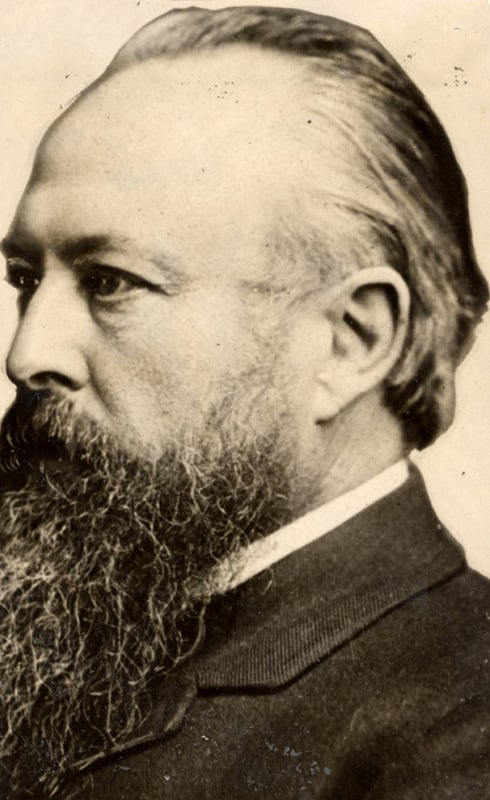
Lord Acton’s famous line — “power tends to corrupt, and absolute power corrupts absolutely” — is usually quoted as a standalone truth about human nature. Acton wrote it in an 1887 letter to Bishop Mandell Creighton, and his specific target was the historical reputation of popes and monarchs.
He was arguing that great men should be judged by the same moral standards as everyone else, not given special treatment by history. The letter was sharp and polemical.
The quote became a smooth, universal maxim.
“To Thine Own Self Be True” — Shakespeare Gave It to a Fool

Polonius delivers this line in Hamlet. The problem is that Polonius is a pompous, meddling, self-important courtier whose advice throughout the play is largely wrong and whose interference contributes directly to the tragedy.
Shakespeare was almost certainly undercutting the wisdom of the line by putting it in Polonius’s mouth. Generations of people have had it cross-stitched onto pillows, quoted at graduations, and used as a philosophy of self-determination — not realizing it came from one of the play’s least reliable voices.
“A Penny Saved Is a Penny Earned” — Franklin Wrote Something Slightly Different
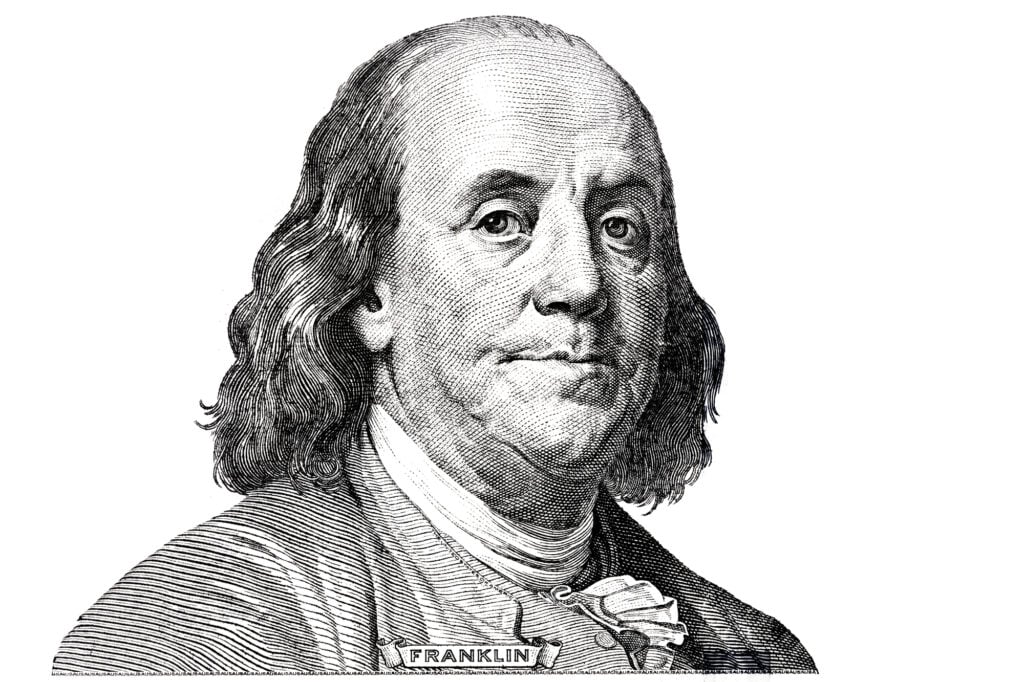
Benjamin Franklin’s “Poor Richard’s Almanack” is the source most people point to for this phrase. But what Franklin actually wrote, across various editions, was closer to “a penny saved is two pence clear” or “a penny saved is a penny got.”
The polished version that circulates today appears to be a later edit. Franklin was a prolific aphorist and many of his actual sayings were themselves borrowed from older English proverbs, which he freely reworked and republished under Poor Richard’s name.
The Story Behind the Story

Fast move quotes. Light travels. Off the page, context drops away.
Meaning fades next. Tone slips loose.
Who spoke? Forgotten. Why is it spoken? Gone too.
Words roll on though. Alone they go.
Truth be told, skipping the origin story can work sometimes. A few sayings grow richer over time, picking up weight they never had at birth.
Yet digging into their roots matters just as much. Raw histories tend to hit harder than the cleaned-up lines passed around for years.
More from Go2Tutors!

- 16 Historical Figures Who Were Nothing Like You Think
- 12 Things Sold in the 80s That Are Now Illegal
- 15 VHS Tapes That Could Be Worth Thousands
- 17 Historical “What Ifs” That Would Have Changed Everything
- 18 TV Shows That Vanished Without a Finale
Like Go2Tutors’s content? Follow us on MSN.



