31 Movies Remade More Than Once
Some stories get told once and stay told. Others keep getting pulled back into production, decade after decade, as if no single version ever quite settles the matter. The following films were not remade once for a quick cash-in — each has been rebuilt from the ground up at least twice, sometimes across nearly a century.
A Star Is Born
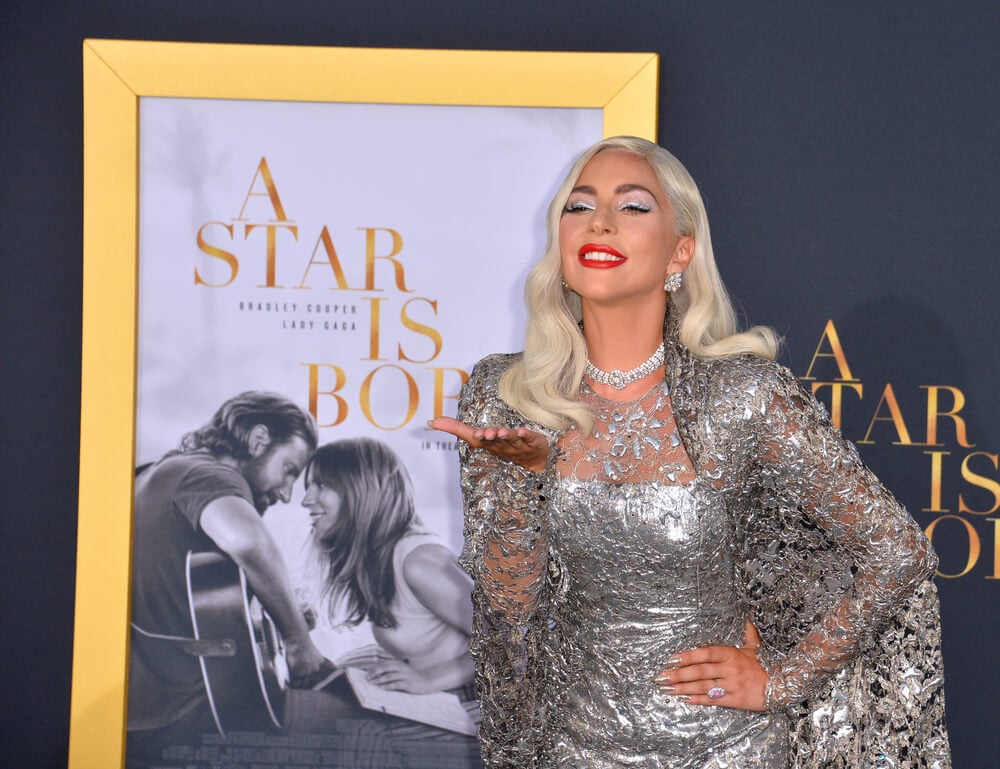
The story of a fading star and a rising one has been filmed four separate times: 1937, 1954, 1976, and 2018. Each version swaps the industry backdrop to match its era, from studio-system Hollywood to the arena-rock scene of the Bradley Cooper and Lady Gaga edition. The bones of the plot barely move, which is part of why the repetition keeps working on new audiences.
Ben-Hur
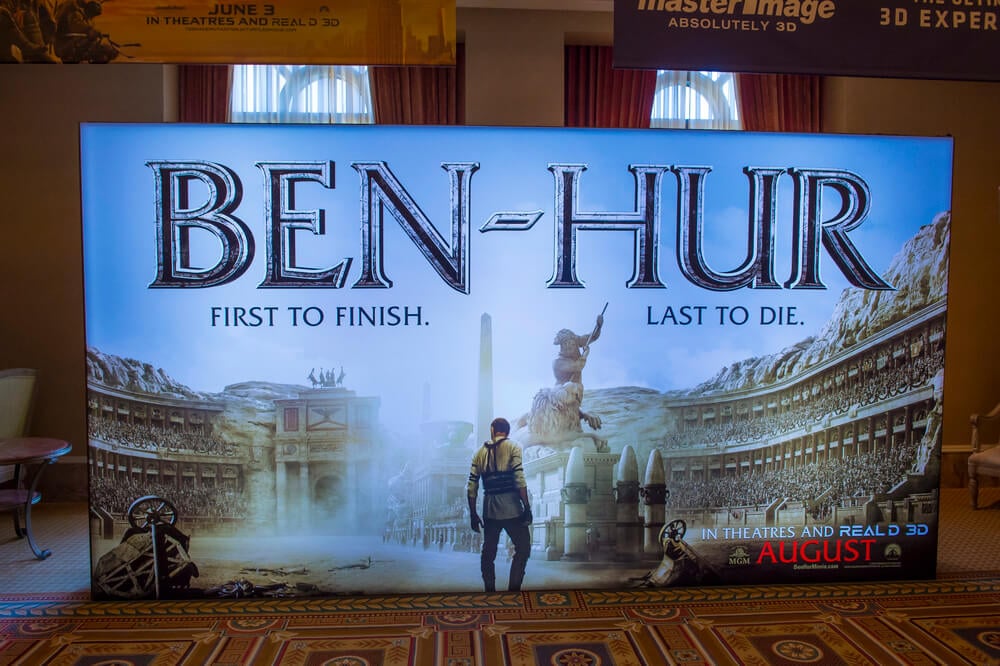
William Wyler’s 1959 chariot-race epic was itself a remake of a 1925 silent film, which was based on the same 1880 novel that inspired a short 1907 adaptation. A 2016 version tried to update the effects and trim the runtime, but it could not match the earlier films’ box-office pull. Three full theatrical treatments across a century is rare for any title.
King Kong
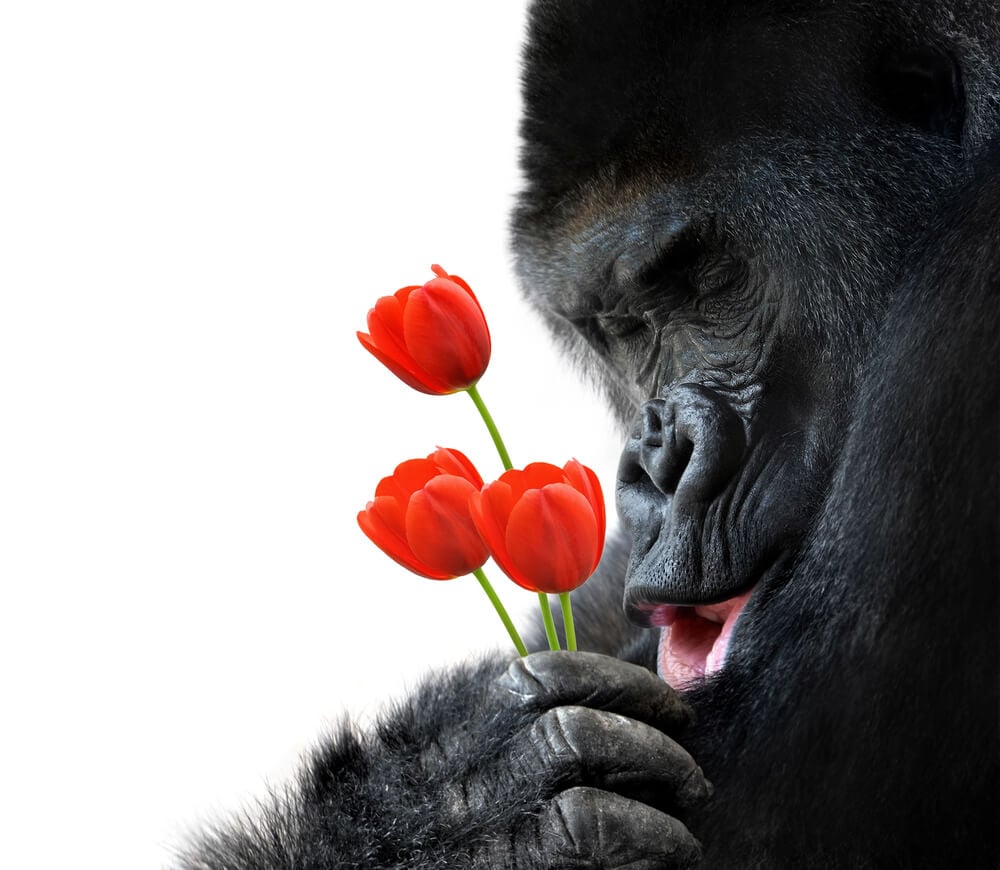
The giant ape has climbed a fictional New York landmark in 1933, 1976, and 2005, with each version reflecting its decade’s technology and anxieties. The 1976 remake swapped the Empire State Building climb for the World Trade Center. The 2005 Peter Jackson version returned to the original setting while roughly tripling the runtime of the 1933 original.
The Mummy
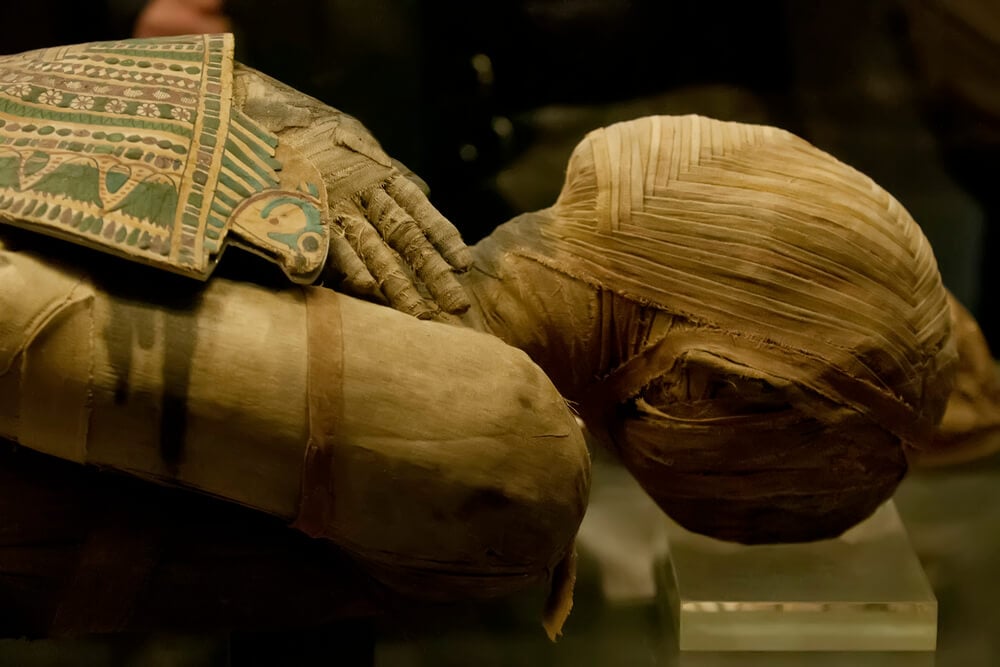
Universal’s 1932 Karloff film spawned a loose Hammer remake in 1959, then a full modern reboot in 1999 that leaned into action-adventure rather than horror. The 1999 version proved successful enough to launch its own sequels and a spin-off franchise. A later 2017 attempt to relaunch the property again did not repeat that success.
Dracula
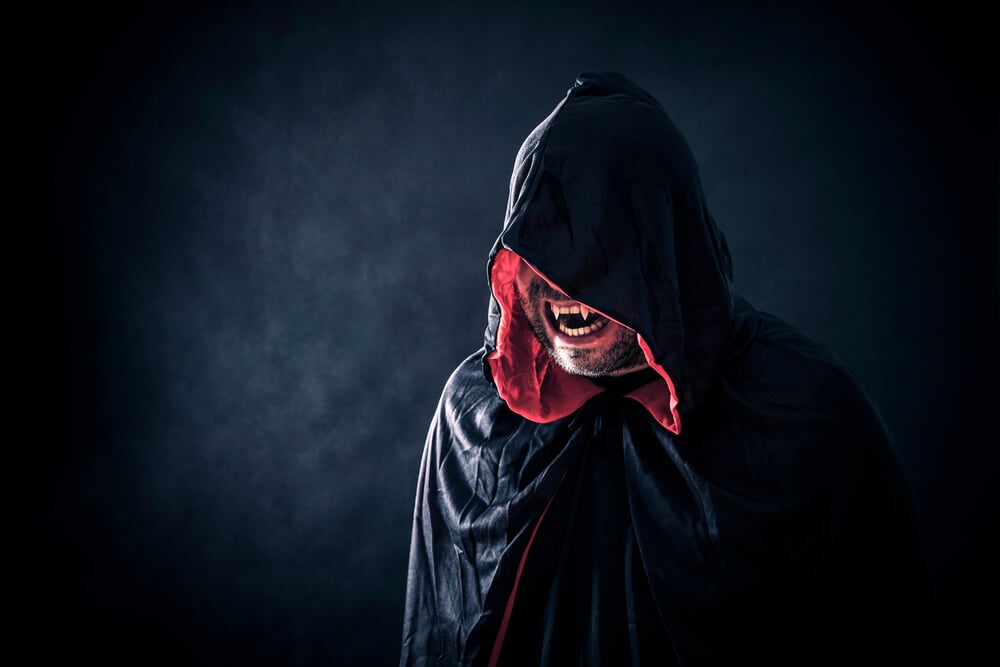
Bela Lugosi’s 1931 performance has been remade formally by Hammer Films in 1958, then again by John Badham in 1979, and once more by Francis Ford Coppola in 1992. Each version reinterpreted the character differently, from courtly menace to overt romance. Few horror figures have been rebuilt on screen with this much consistency across decades.
Nosferatu
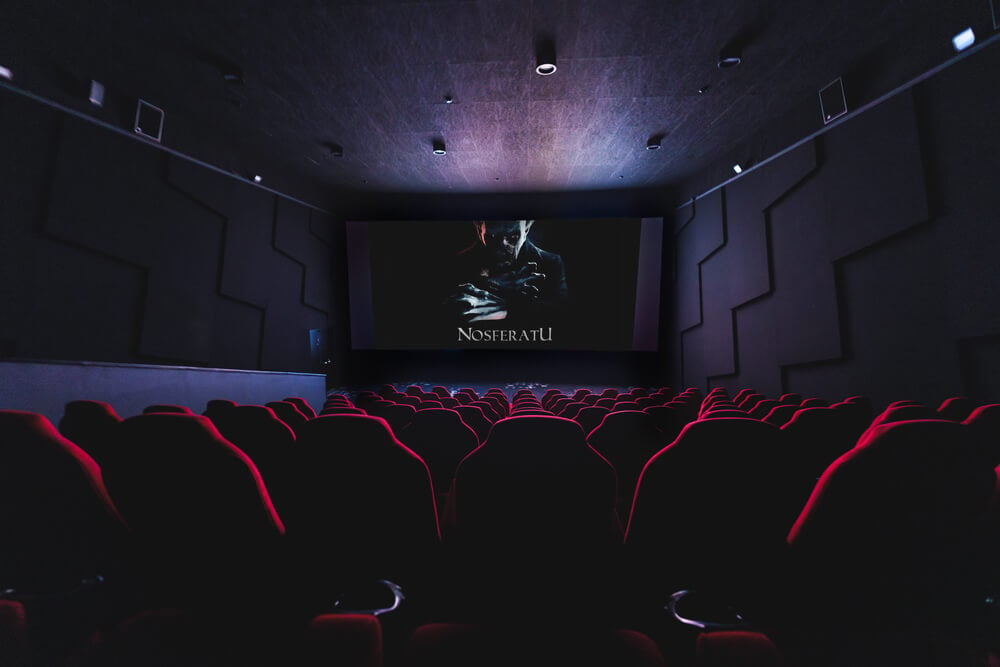
F.W. Murnau’s unauthorized 1922 silent adaptation was remade by Werner Herzog in 1979 and again by Robert Eggers in 2024. All three versions kept the shadow-heavy visual language that made the original a landmark of German Expressionism. The Eggers version drew large opening-weekend crowds a century after the character first appeared on screen.
Little Women

Louisa May Alcott’s novel has reached theaters in 1933, 1949, 1994, and 2019, with a different actress playing Jo March in each. The 2019 Greta Gerwig version rearranged the timeline into a nonlinear structure, a notable departure from the three earlier, more chronological adaptations. Four major studio versions across less than a century is unusual for a single novel.
The Great Gatsby
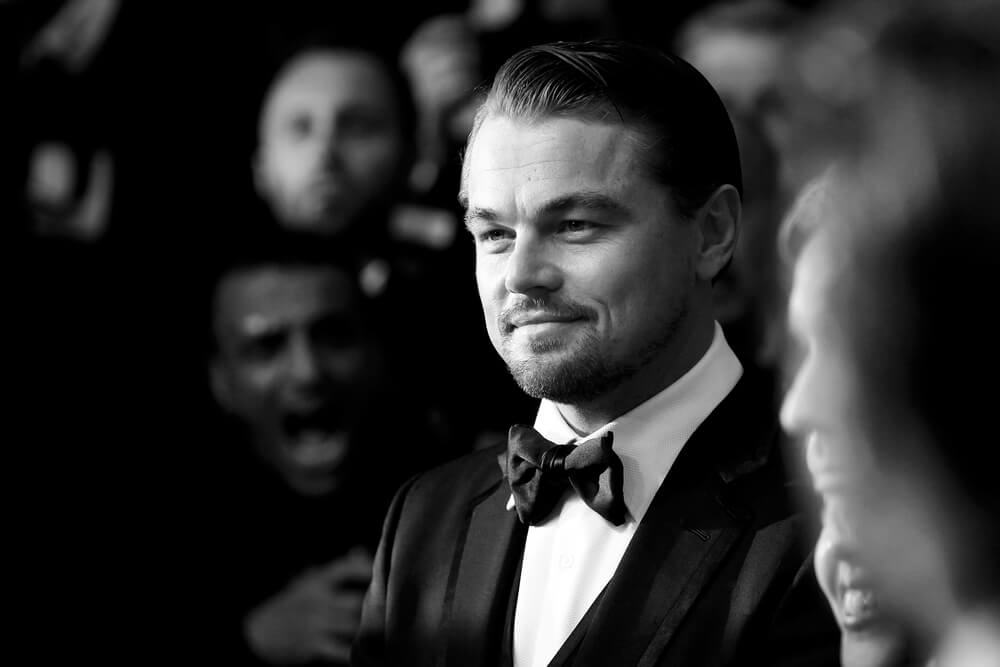
F. Scott Fitzgerald’s novel has been filmed in 1926, 1949, 1974, and 2013, with the 1926 version now considered a lost film. The 1974 Robert Redford adaptation and the 2013 Baz Luhrmann version took nearly opposite approaches to tone, one restrained and one deliberately anachronistic. Both are still shown regularly in classrooms alongside the book.
Invasion of the Body Snatchers
The paranoia thriller has been remade in 1978, 1993, and 2007, with each version renaming itself slightly and updating the setting from small-town California to a modern city. The 1978 Philip Kaufman remake is frequently cited as one of the rare cases where critics preferred the remake to the original 1956 film.
The Thing
John Carpenter’s 1982 version was itself a remake of 1951’s The Thing from Another World, and a 2011 prequel restaged much of the same isolated-research-station setup. The Carpenter version is now the most acclaimed of the three, though it was a box-office disappointment on release. It has since become a staple of practical-effects horror retrospectives.
Godzilla
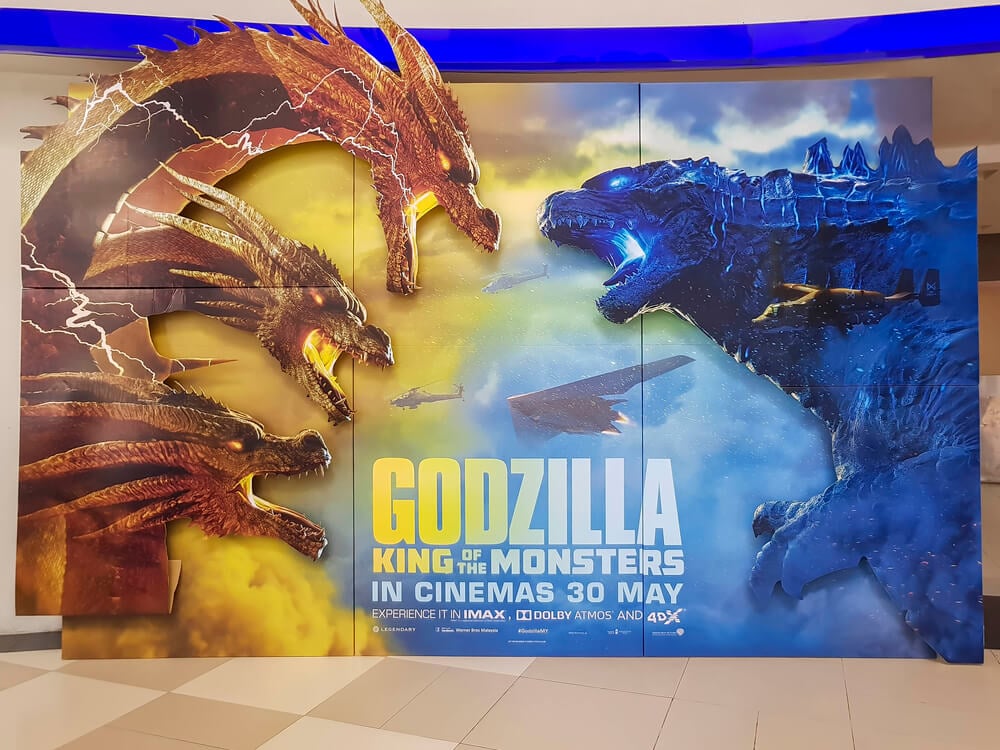
The character has been rebuilt from scratch by Japanese studios and Hollywood alike, with major reboots in 1954, 1998, and 2014 that share little beyond the name and the general premise. The 1998 American version was poorly received and is rarely counted among the character’s canon films by longtime fans. The 2014 reboot restored a tone closer to the 1954 original.
Robin Hood
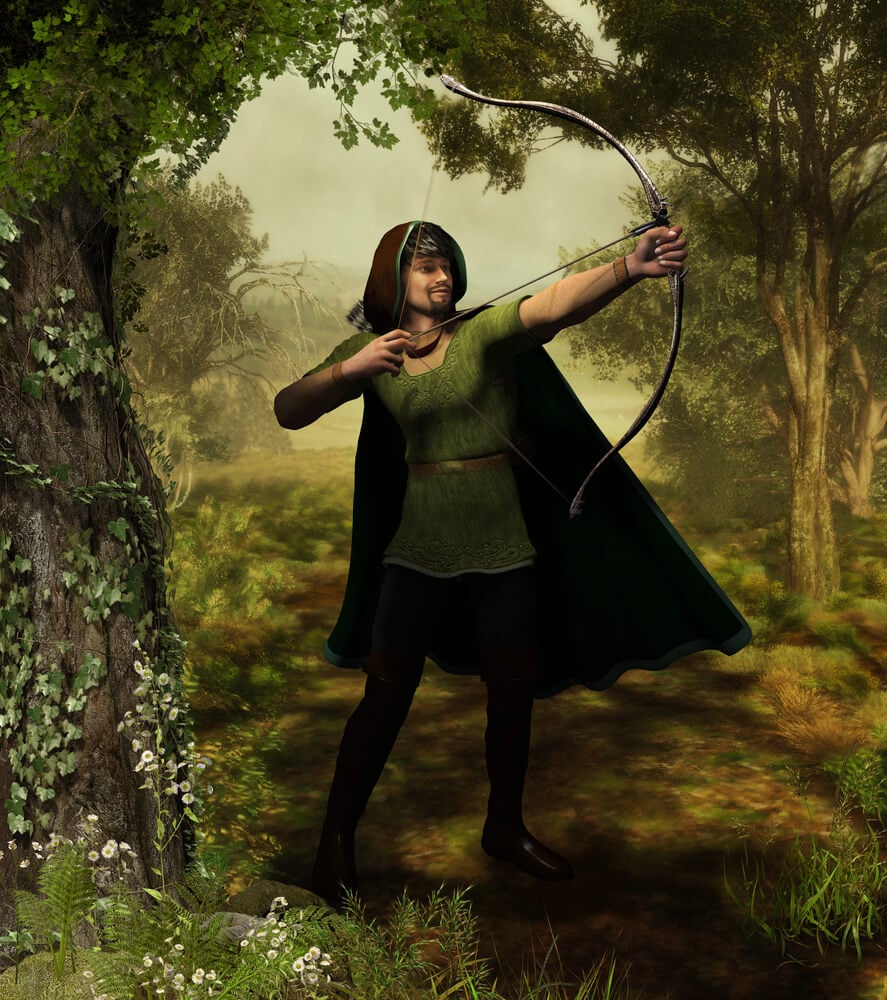
The outlaw of Sherwood Forest has anchored major studio films in 1922, 1938, 1991, 2010, and 2018, with almost every decade producing its own version. The 1938 Errol Flynn adaptation remains the most frequently referenced by later filmmakers. No other English folk figure has been given quite so many separate origin stories on screen.
Zorro
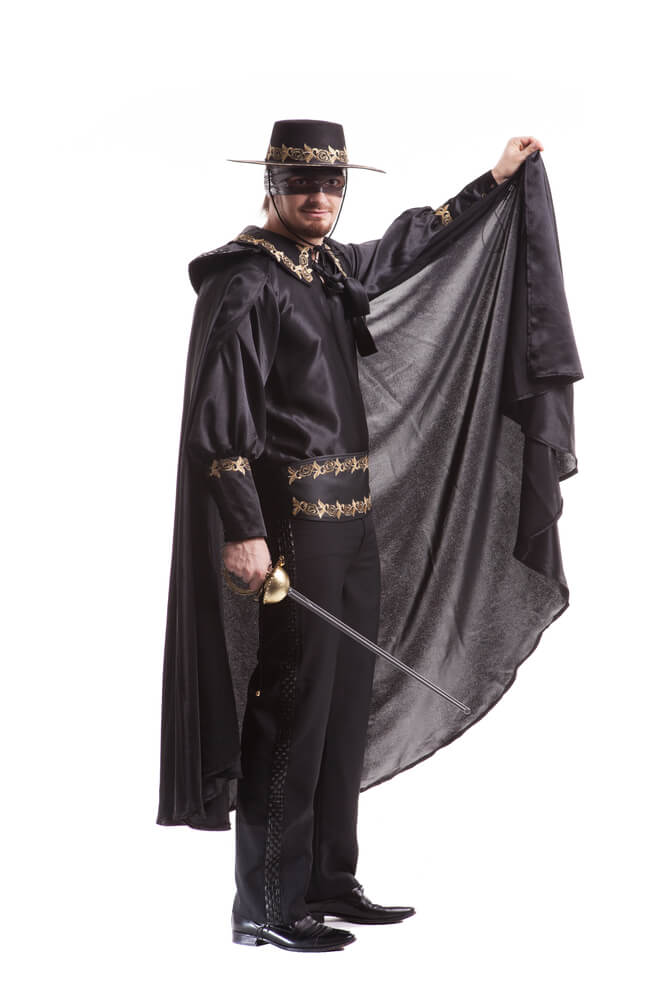
The masked vigilante was filmed in 1920, remade in 1940 as The Mark of Zorro, and rebuilt again in 1998 as The Mask of Zorro. Each version kept the dual identity and swordplay while updating the setting’s politics to fit contemporary audiences. The character has also appeared in numerous television versions between the film adaptations.
Tarzan
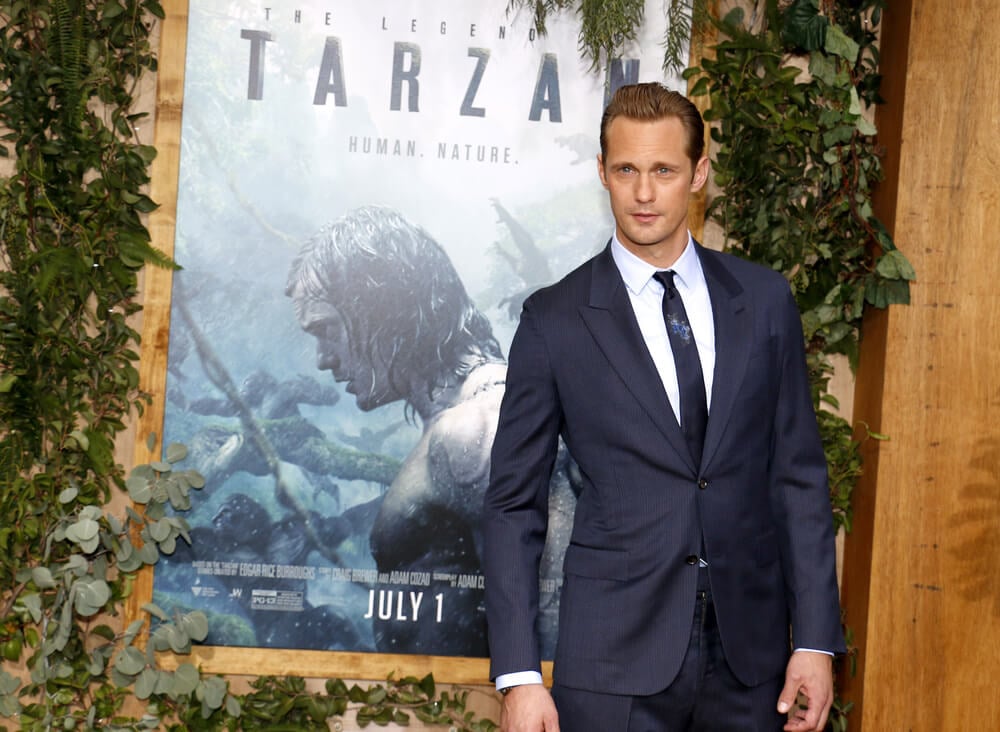
Edgar Rice Burroughs’s jungle-raised character has been filmed repeatedly since 1918, with major studio versions in 1932, 1959, 1984, and 1999 alongside dozens of smaller adaptations. Few literary characters have had their origin story retold on screen as often across as many decades. The 1999 animated version remains the most commercially successful.
Casino Royale
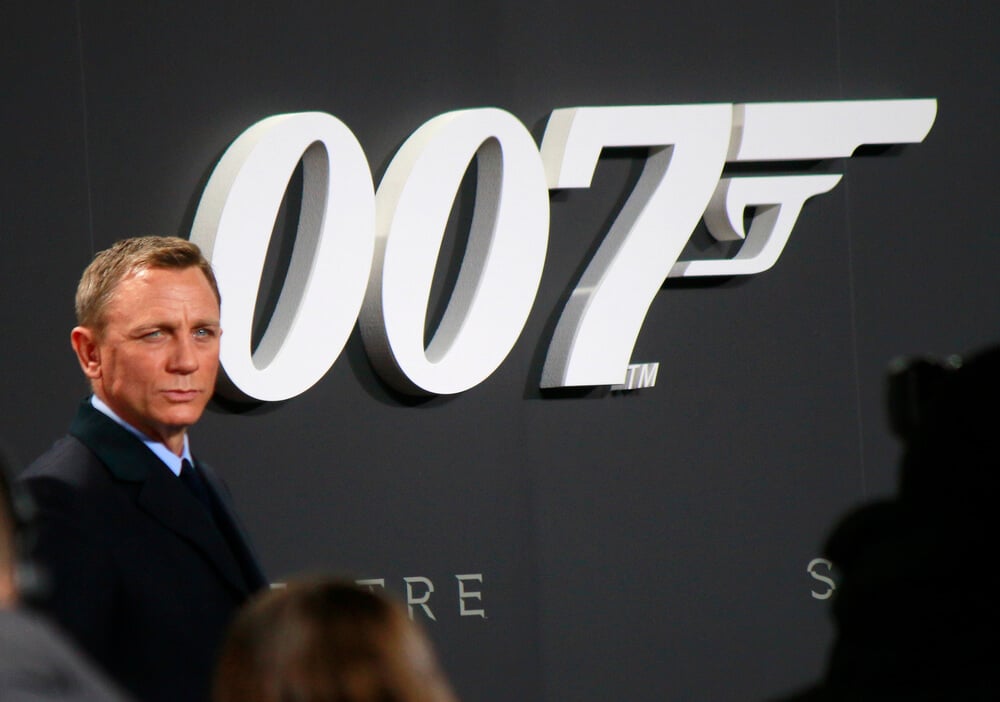
Ian Fleming’s first Bond novel reached screens as a 1954 television episode, then a 1967 spoof film with an ensemble cast, and finally a 2006 straight adaptation starring Daniel Craig. The 2006 version is now considered one of the character’s strongest entries, a striking reversal after two earlier versions that treated the material as a joke.
Cheaper by the Dozen
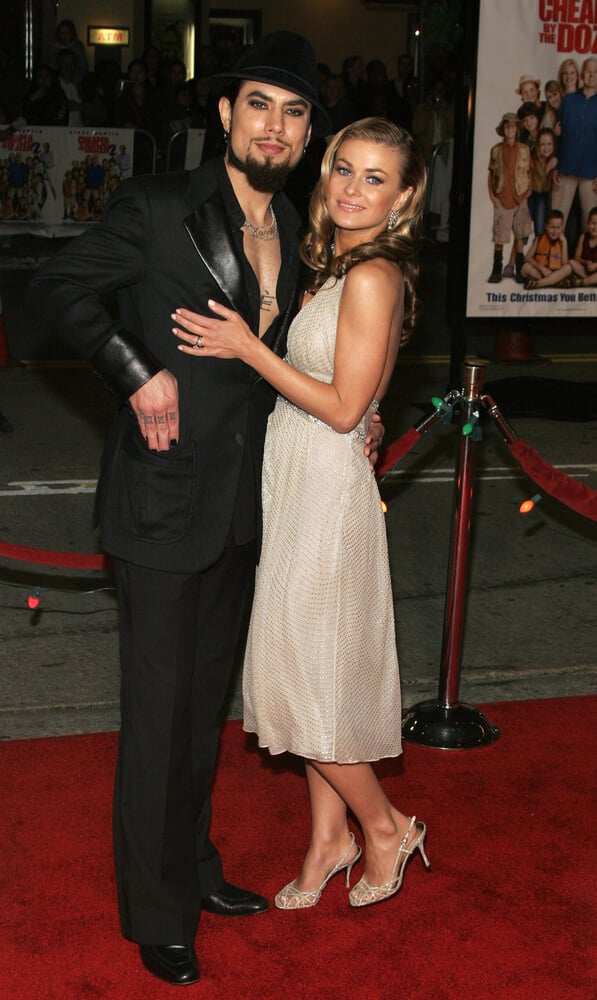
The large-family comedy has been remade in 1950, 2003, and 2022, with each version updating the cast size, household technology, and family structure to fit its decade. The 2003 Steve Martin version leaned harder into slapstick than the original. The 2022 streaming remake changed the family’s makeup substantially while keeping the core premise.
A Christmas Carol

Charles Dickens’s novella has inspired far more than two remakes, with notable film and television versions in 1938, 1951, 1970, 1984, and 2009 alone. Nearly every generation has produced its own definitive Scrooge, from Alastair Sim to Michael Caine to a fully animated Jim Carrey. Few stories have been restaged this frequently by so many different studios.
The Magnificent Seven
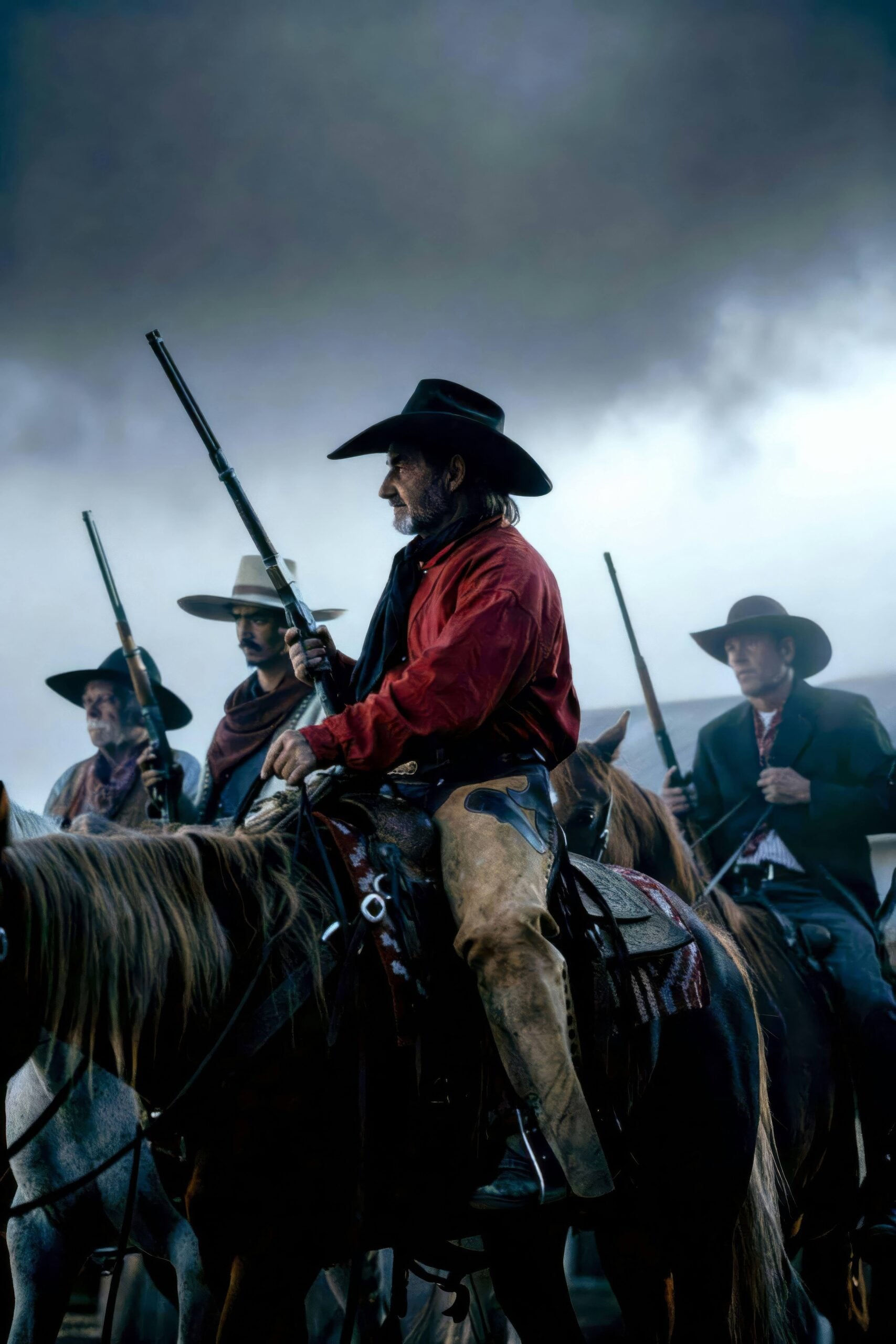
The 1960 Western was itself a remake of Akira Kurosawa’s 1954 Seven Samurai, relocated from feudal Japan to the Mexican border. A 2016 remake rebuilt the story again with a racially diverse cast and an updated frontier-town setting. Three distinct film versions across three countries and six decades is unusual even by Hollywood’s remake standards.
Freaky Friday
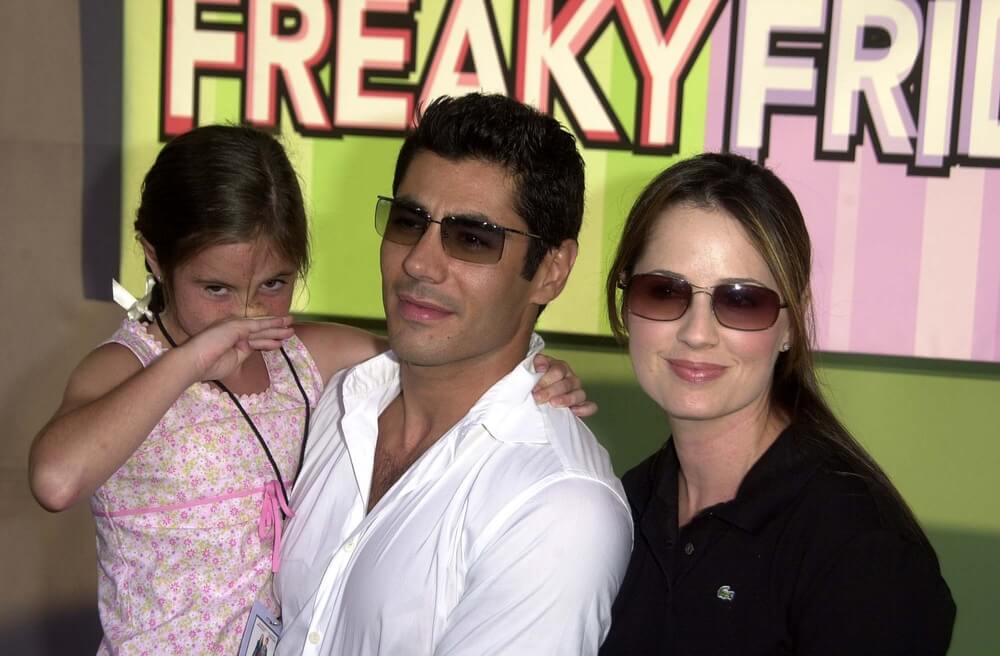
The body-swap comedy has been remade in 1976, 1995, 2003, and again with a sequel-style follow-up decades later, each version updating the mother-daughter conflict to reflect current teenage culture. The 2003 Lindsay Lohan and Jamie Lee Curtis version is now the most widely referenced of the group. The premise has also been borrowed by numerous unrelated films.
The Phantom of the Opera
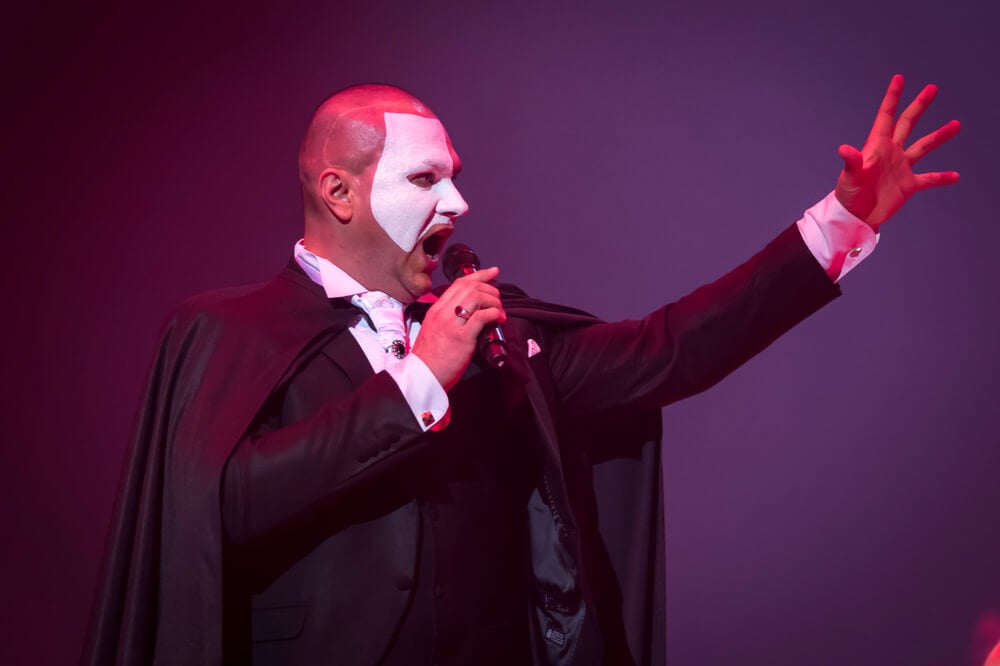
Gaston Leroux’s novel reached film screens in 1925, 1943, 1962, and 1989 before Andrew Lloyd Webber’s musical was adapted again in 2004. Lon Chaney’s 1925 unmasking scene remains the most referenced moment across all versions. Few horror-adjacent stories have been given this many distinct theatrical treatments.
Dr. Jekyll and Mr. Hyde
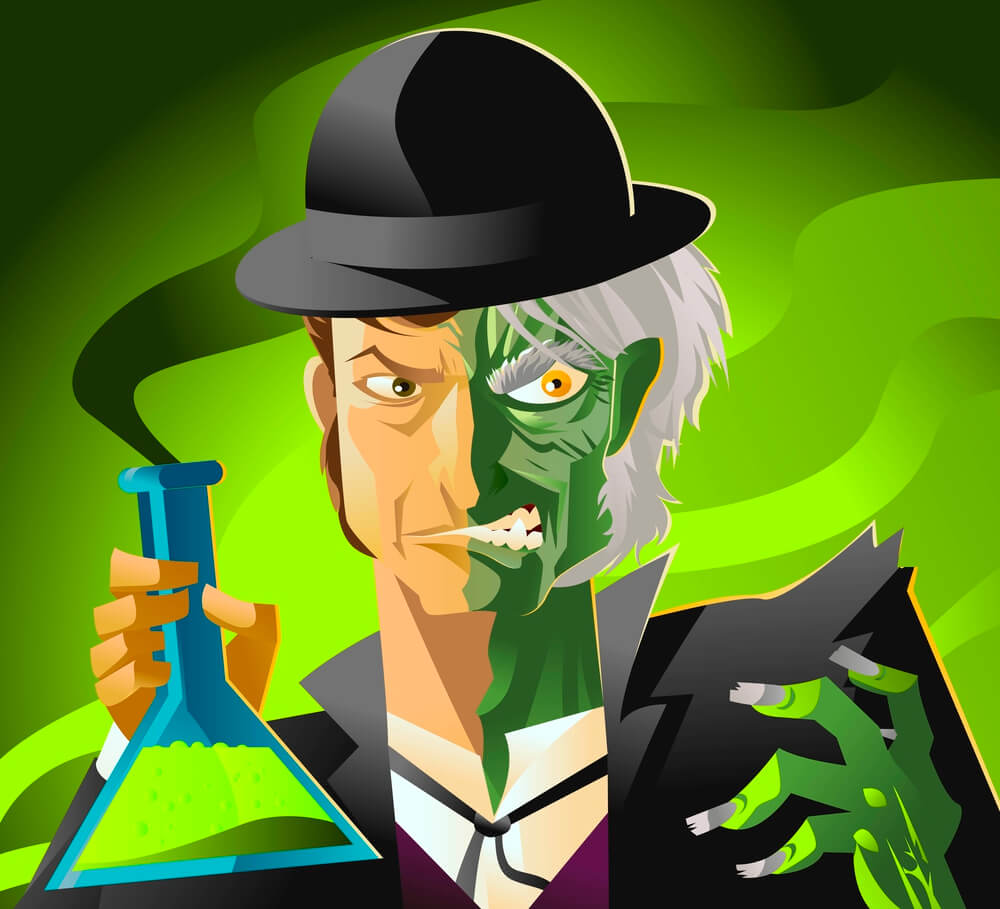
Robert Louis Stevenson’s novella was filmed in 1920, 1931, and 1941 within a single generation, with the 1931 Fredric March version winning an Academy Award for its lead performance. Later decades added further loose adaptations under different titles. The dual-identity premise has proven durable enough to outlast most of its imitators.
The Hunchback of Notre Dame
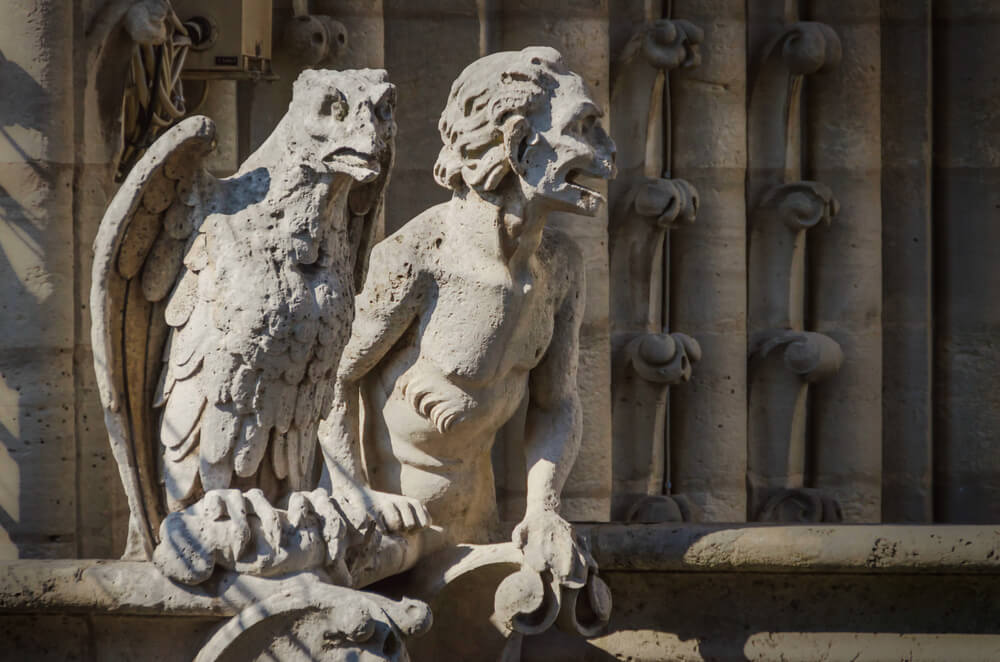
Victor Hugo’s novel was adapted in 1923, 1939, and 1956 as live-action dramas before Disney’s animated 1996 version reworked the tone for family audiences. The 1939 Charles Laughton version is generally considered the strongest of the dramatic adaptations. Four major versions across roughly seventy years is a long run for a nineteenth-century novel.
Les Misérables
Hugo’s other major novel has been filmed even more often, with notable versions in 1935, 1952, 1978, and 1998, before the 2012 musical adaptation brought the stage version to screen. Each film version wrestled with how to compress a lengthy novel into a workable runtime. The 2012 musical remains the highest-grossing of the group.
Anna Karenina
Leo Tolstoy’s novel reached theaters in 1935, 1948, 1997, and 2012, with Greta Garbo’s 1935 performance still frequently cited as the definitive version. The 2012 Joe Wright adaptation staged much of the story inside a literal theater, a stylistic choice none of the earlier versions attempted. Tolstoy’s novel remains one of literature’s most frequently restaged.
Wuthering Heights
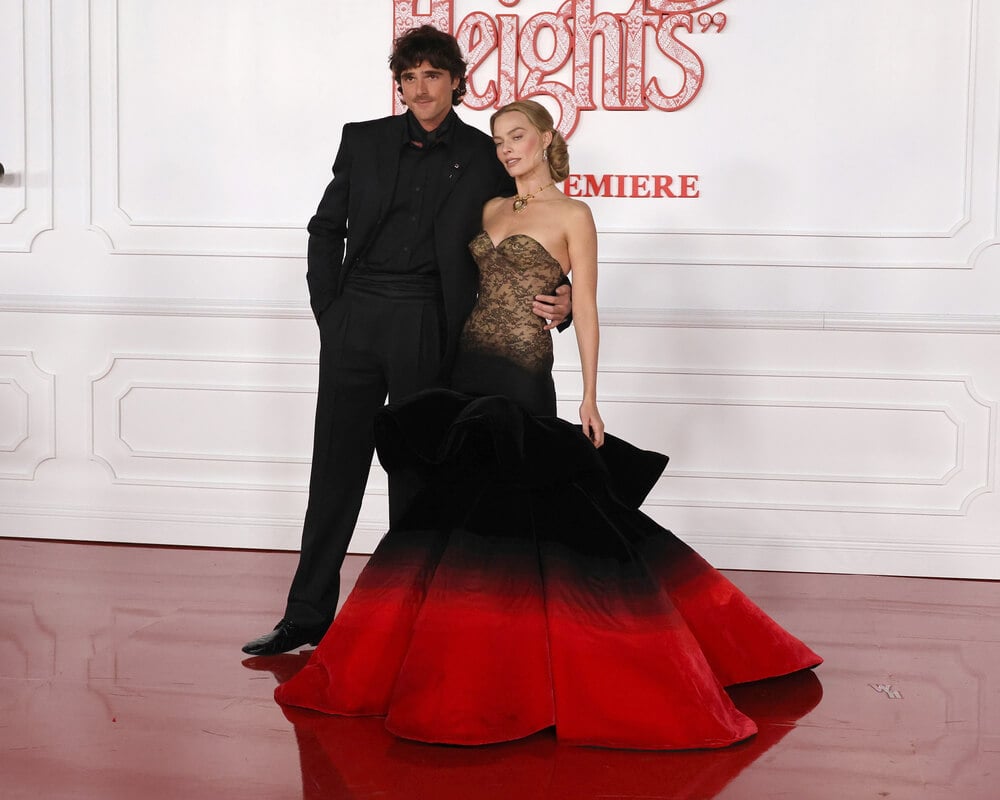
Emily Brontë’s novel has been filmed in 1939, 1970, 1992, and 2011, with the 1939 Laurence Olivier version still the most commonly assigned in literature classes. Later versions have taken increasingly stark, unromantic approaches to the source material. No adaptation has yet attempted to film the novel’s full second-generation storyline in detail.
Jane Eyre
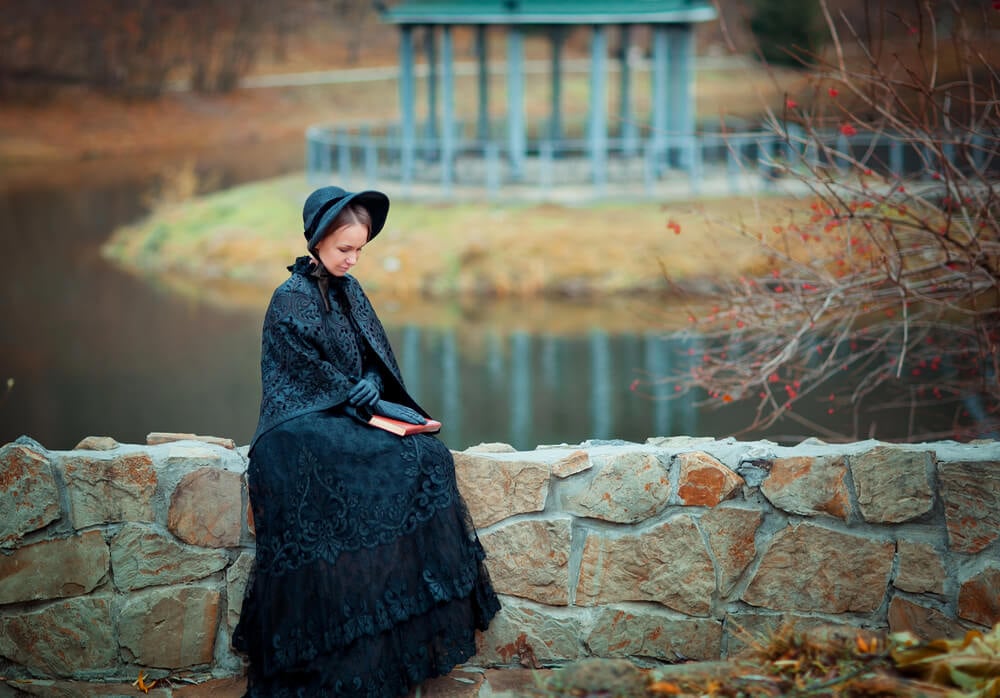
Charlotte Brontë’s novel has reached screens in 1943, 1996, 2011, and numerous television versions in between, with each film adaptation trimming a different portion of the lengthy plot. The 2011 Mia Wasikowska version restructured the story’s chronology around flashbacks. Three theatrical versions within seventy years reflects the novel’s continued classroom presence.
Beauty and the Beast
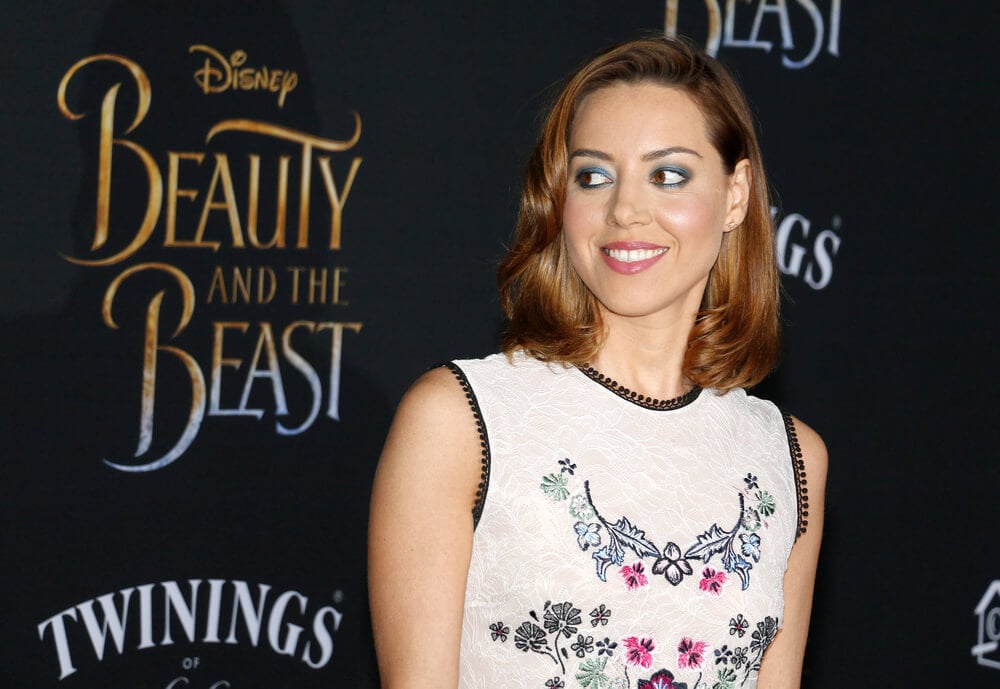
Jean Cocteau’s 1946 French film set the visual template that Disney’s 1991 animated version and 2017 live-action remake both drew from directly. The 1991 version became the first animated film nominated for the Best Picture Academy Award. Three distinct major versions across seven decades is a long run for a single fairy tale.
Sherlock Holmes
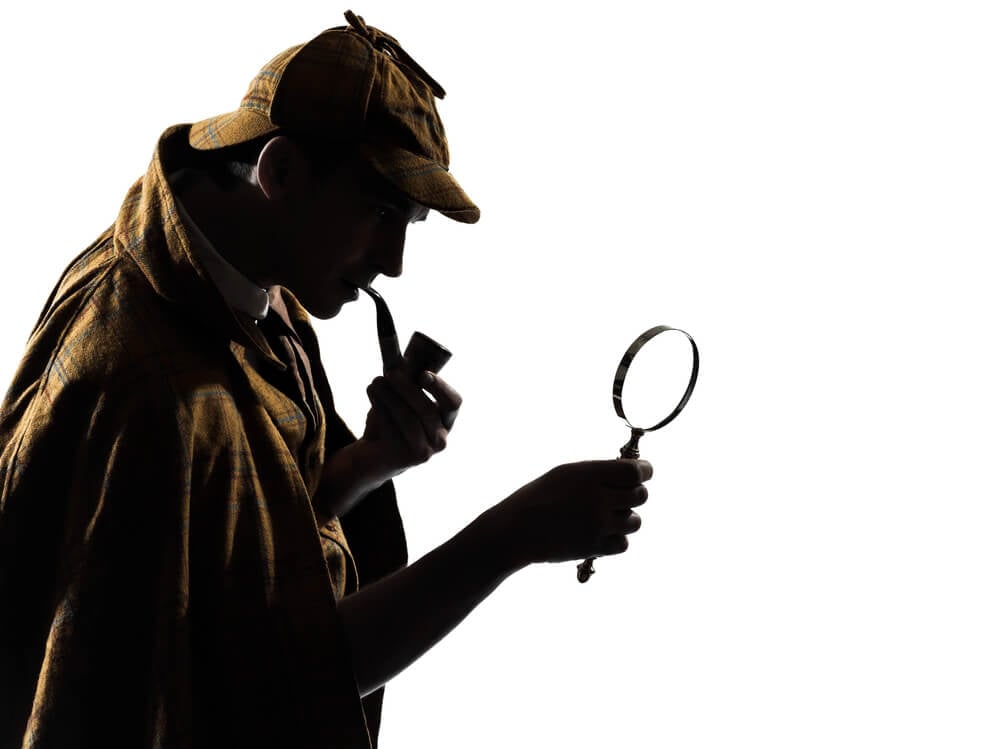
Arthur Conan Doyle’s detective has been rebuilt for the screen repeatedly, from the Basil Rathbone series beginning in the 1930s to a 1965 film, and again in Guy Ritchie’s 2009 action-driven reboot. Each era reinvented the character’s tone, from stately mystery-solving to physical combat. Few literary detectives have been given this many complete overhauls.
The Count of Monte Cristo
Alexandre Dumas’s revenge novel was filmed in 1934, 1975, and 2002, with a further version released decades later, each retelling the prisoner-turned-avenger arc at a different pace. The 2002 version compressed the novel’s lengthy timeline considerably for a modern runtime. The story’s central prison-escape sequence has been restaged in nearly every version.
Journey to the Center of the Earth
Jules Verne’s novel reached theaters in 1959, was remade for television in 1999, and was rebuilt again as a 3D theatrical release in 2008. Each version updated the expedition’s route and the creatures encountered underground to match the era’s special-effects capabilities. The 1959 version remains the most frequently referenced by later filmmakers.
Pinocchio
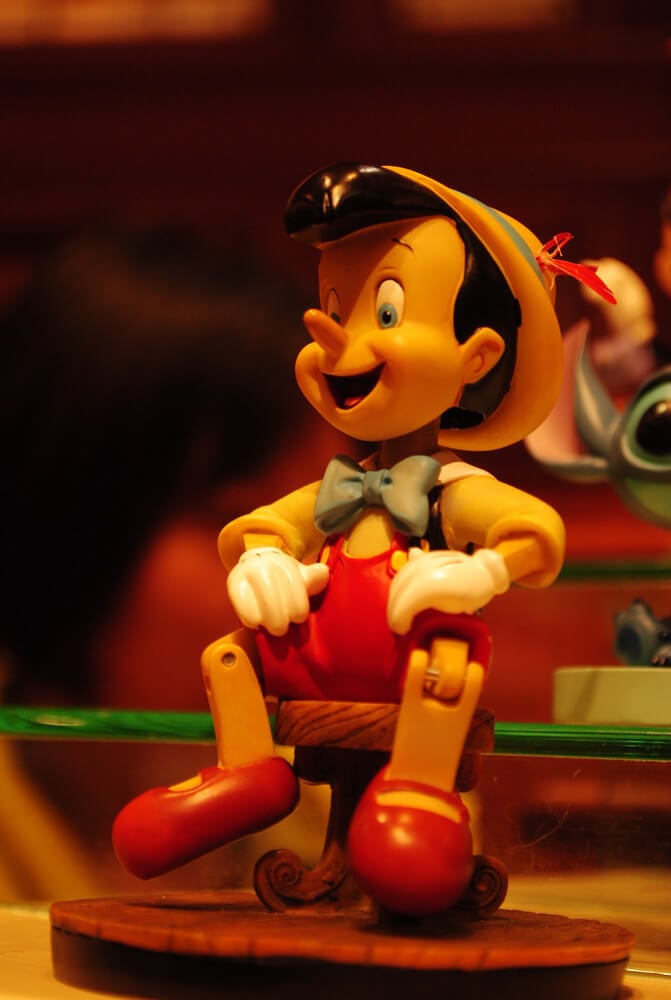
Disney’s 1940 animated version has been remade as live action in 1996 and reimagined by Roberto Benigni in 2002. Guillermo del Toro released an animated stop-motion version in 2022. Few properties have been remade twice in the same calendar year. The wooden puppet’s story has proven durable across nearly every animation style available.
Why the Same Story Keeps Getting Told

None of these remakes exist because the earlier version failed. Most were remade precisely because the original worked, and a new generation of filmmakers wanted to prove they could do it again with better tools, different politics, or a cast the studio believed audiences would pay to see. The repetition is not a failure of imagination so much as an admission that some stories are built to be retold.
What varies is rarely the plot. It is the texture around it: the technology available to render a giant ape or a haunted opera house, the social assumptions a studio is willing to challenge, the runtime an audience will tolerate. Track enough of these remakes side by side and the films stop looking like copies of each other and start looking like a slow, decades-long argument about how the same story should be told.
More from Go2Tutors!

- The Romanov Crown Jewels and Their Tragic Fate
- 13 Historical Mysteries That Science Still Can’t Solve
- Famous Hoaxes That Fooled the World for Years
- 15 Child Stars with Tragic Adult Lives
- 16 Famous Jewelry Pieces in History
Like Go2Tutors’s content? Follow us on MSN.