31 Old Books on Thrift Shelves Worth More Than the Sticker
A thrift shop’s book section runs on volume, not expertise, which means genuinely valuable editions sit priced next to yesterday’s paperback for exactly the same two dollars. Spotting the difference comes down to knowing which titles, printings, and dust jackets separate a common reading copy from something a collector will pay real money to own.
First Edition “To Kill a Mockingbird”
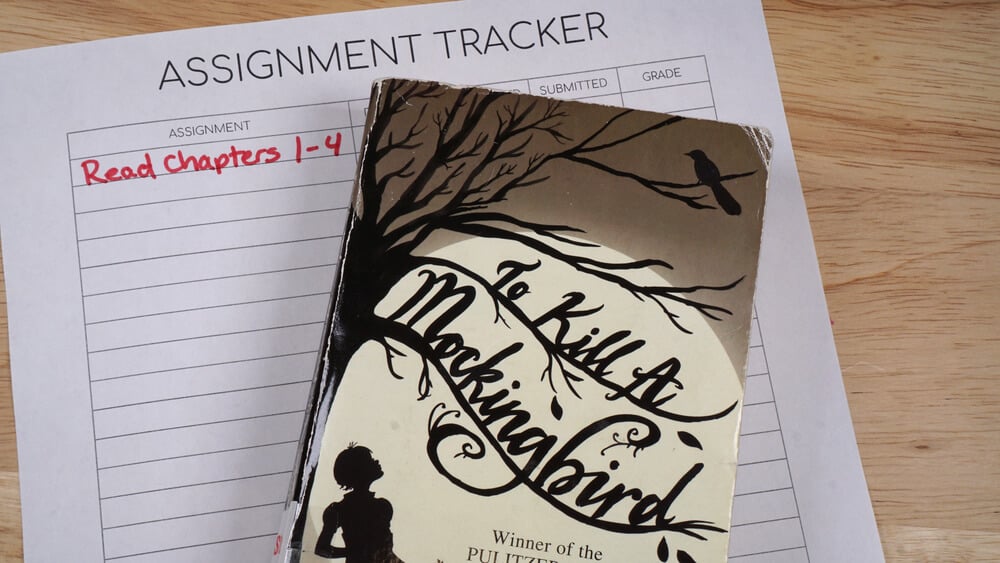
Early printings of Harper Lee’s 1960 novel are identified by specific printer’s codes and a first-issue dust jacket, since the book has been reprinted continuously for over sixty years and most copies on any shelf are later editions. A true first printing with an intact original jacket, rather than a book club edition often mistaken for one, can be worth a significant sum to collectors of American literature.
Book club editions are notably smaller in size and lack a price on the jacket flap, a quick way to rule out the most common false positive.
First Edition “The Hobbit”
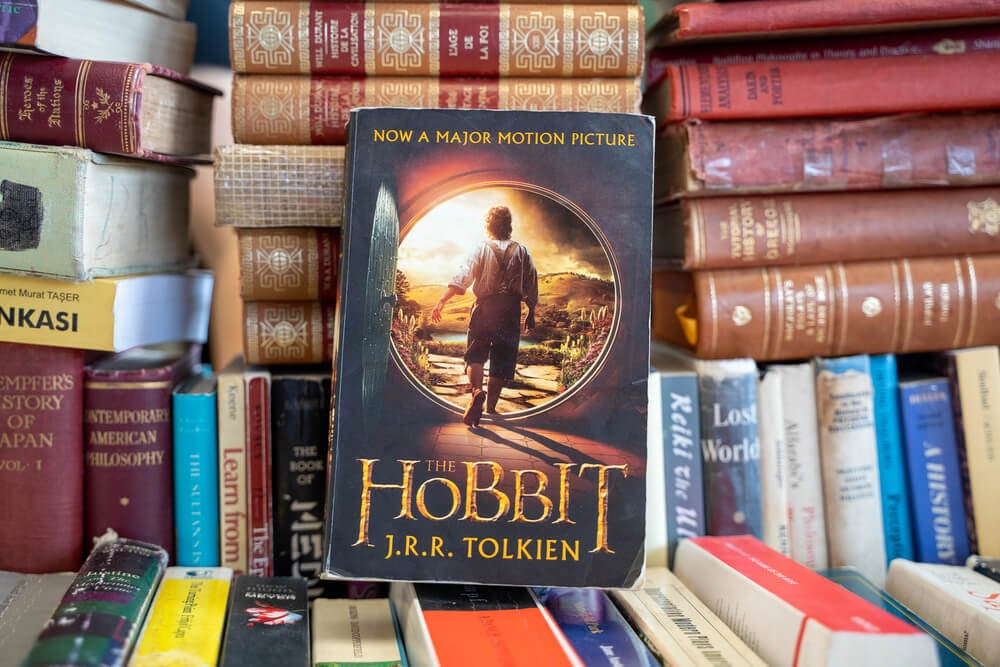
J.R.R. Tolkien’s 1937 novel had a first printing of only a few thousand copies, making an original first edition with its dust jacket one of the more valuable finds in twentieth-century fantasy publishing. Specific early printings even contain minor illustrations that were corrected or altered in later runs, giving specialists another way to date a copy precisely.
A first edition without its jacket still holds real value, but the jacket itself can represent the majority of the total price.
First Edition “The Great Gatsby”
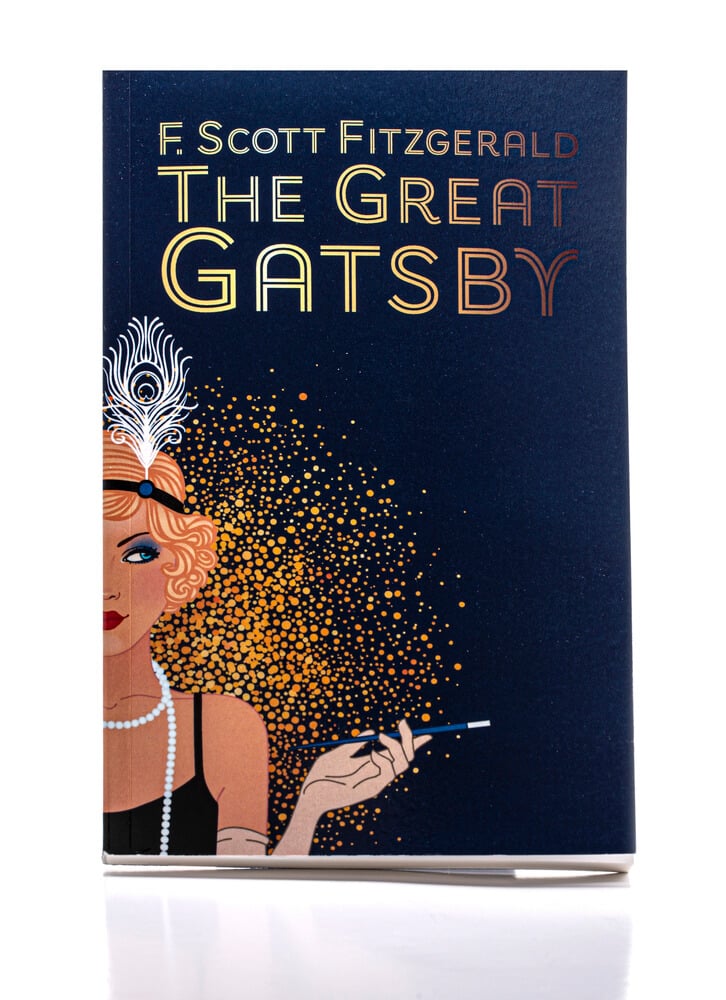
F. Scott Fitzgerald’s 1925 novel sold modestly during his lifetime, and the original dust jacket art, featuring a haunting pair of eyes over a nighttime skyline, is now considered one of the most significant pieces of cover art in American publishing. A first edition in its original jacket is a five-figure find in strong condition, while a jacketless copy still carries meaningful value on its own.
The novel’s later canonization in school curricula has only increased demand for early printings decades after its lukewarm initial reception.
First Edition “Charlotte’s Web”
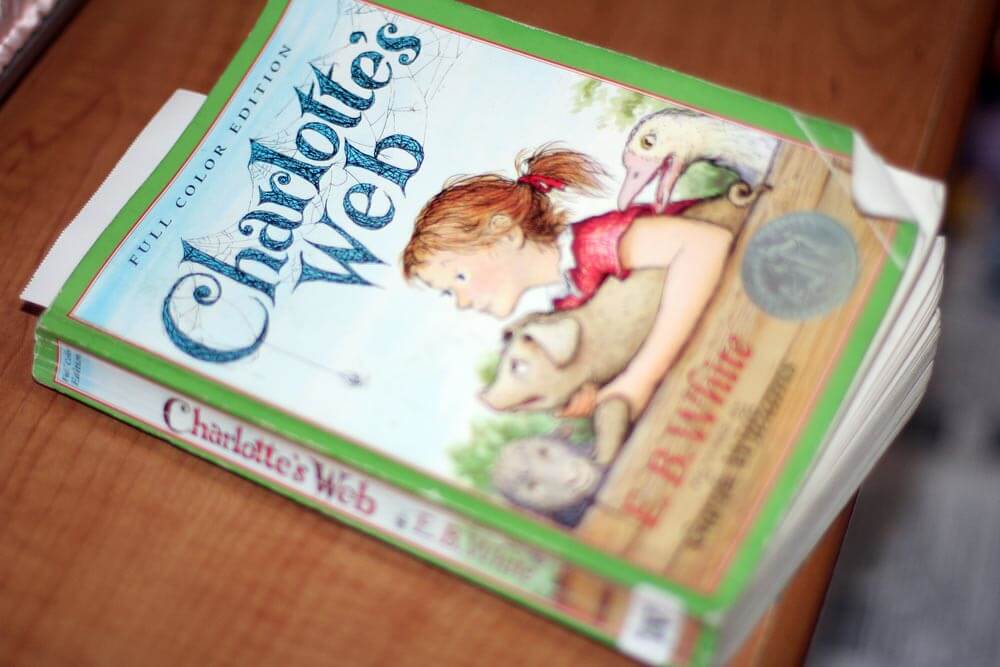
E.B. White’s 1952 children’s novel, illustrated by Garth Williams, had a first printing identifiable through specific text and binding details that changed in subsequent runs. Because children’s books were frequently read to destruction, surviving first editions in strong condition are considerably scarcer than the print run alone would suggest.
A first edition with its original jacket remains one of the more consistently valuable finds in vintage children’s literature.
Signed First Edition Stephen King Novels
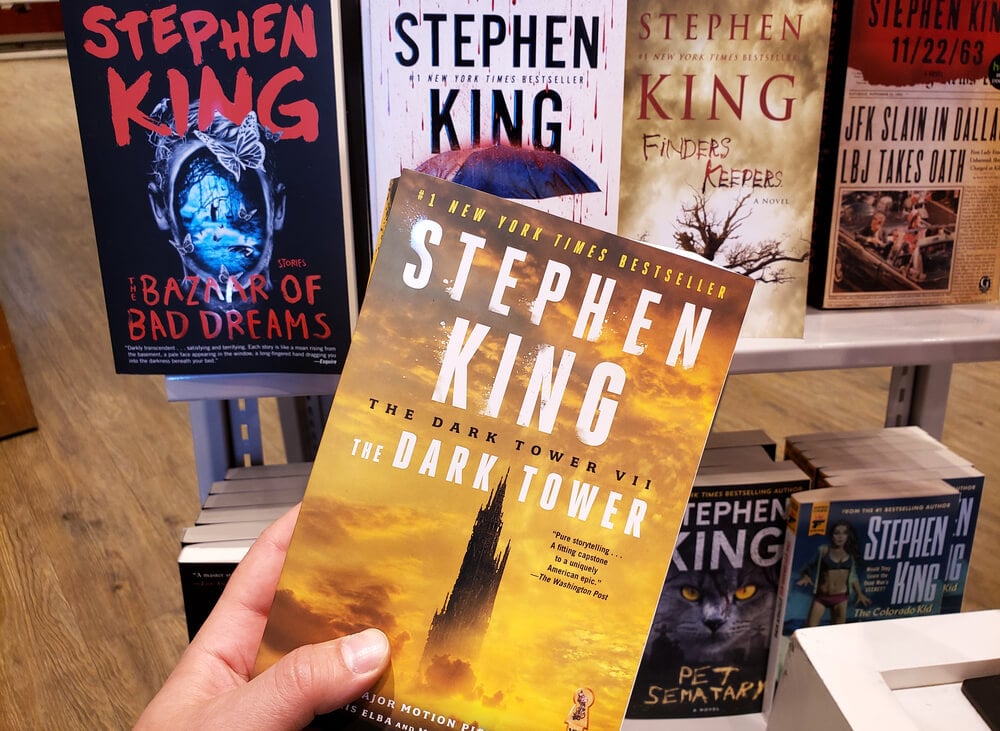
Early Stephen King novels, particularly limited or signed first editions from small specialty presses that published some of his work before mainstream publishers caught up to his popularity, can carry surprising value. A signed copy of an early novel, properly authenticated, appeals to a collector base that has grown considerably as King’s career has extended across decades.
Even unsigned first editions of his earliest novels hold value simply due to strong ongoing demand from genre collectors.
First Edition “Where the Wild Things Are”
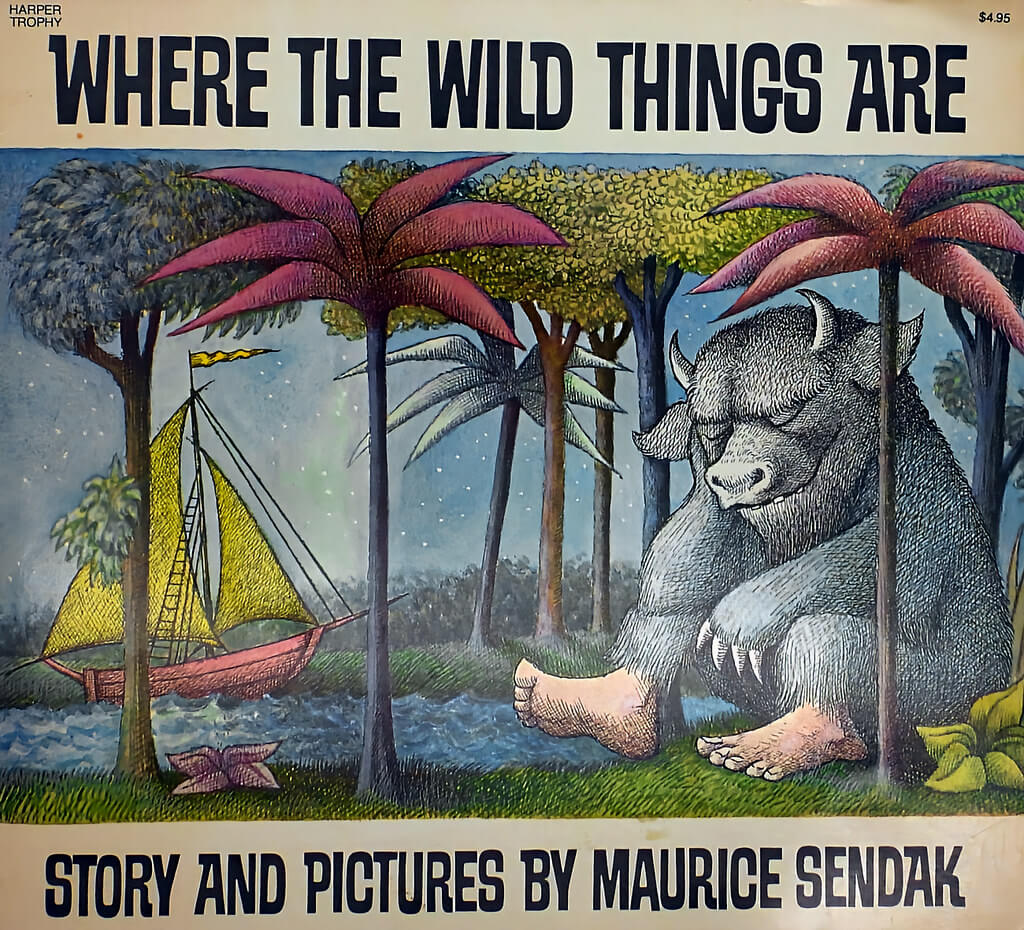
Maurice Sendak’s 1963 picture book had a first printing with specific color and text details that changed in later editions, and because it’s a picture book handled by small children, surviving copies in strong condition are genuinely uncommon. A first edition in its original dust jacket, uncommon for a picture book of this era, adds further value beyond a jacketless copy.
The book’s initial reception was actually mixed among some parents and librarians, a detail that makes its later status as a classic feel almost accidental.
First Edition “One Hundred Years of Solitude”
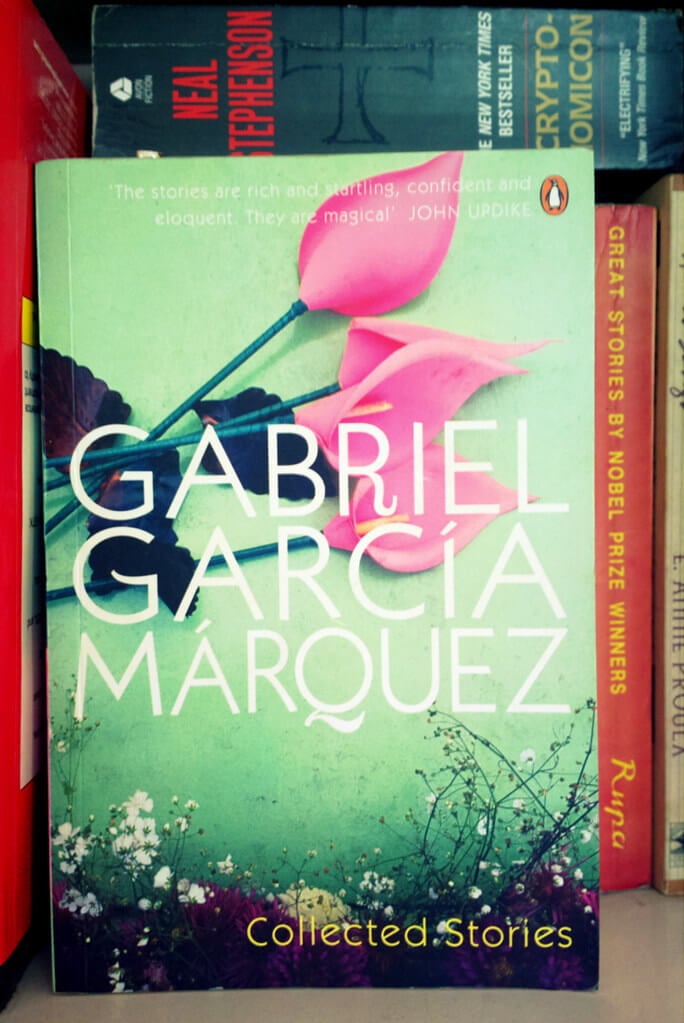
Gabriel García Márquez’s 1967 novel was originally published in Spanish, and English-language first editions from 1970 carry meaningful value among collectors of Latin American literature and Nobel laureates specifically. The novel’s continuous critical reputation since publication has kept demand for early printings steady rather than driven by short-term trends.
A first American edition with an intact jacket remains a strong find relative to how often the book itself turns up secondhand.
First Edition “Slaughterhouse-Five”
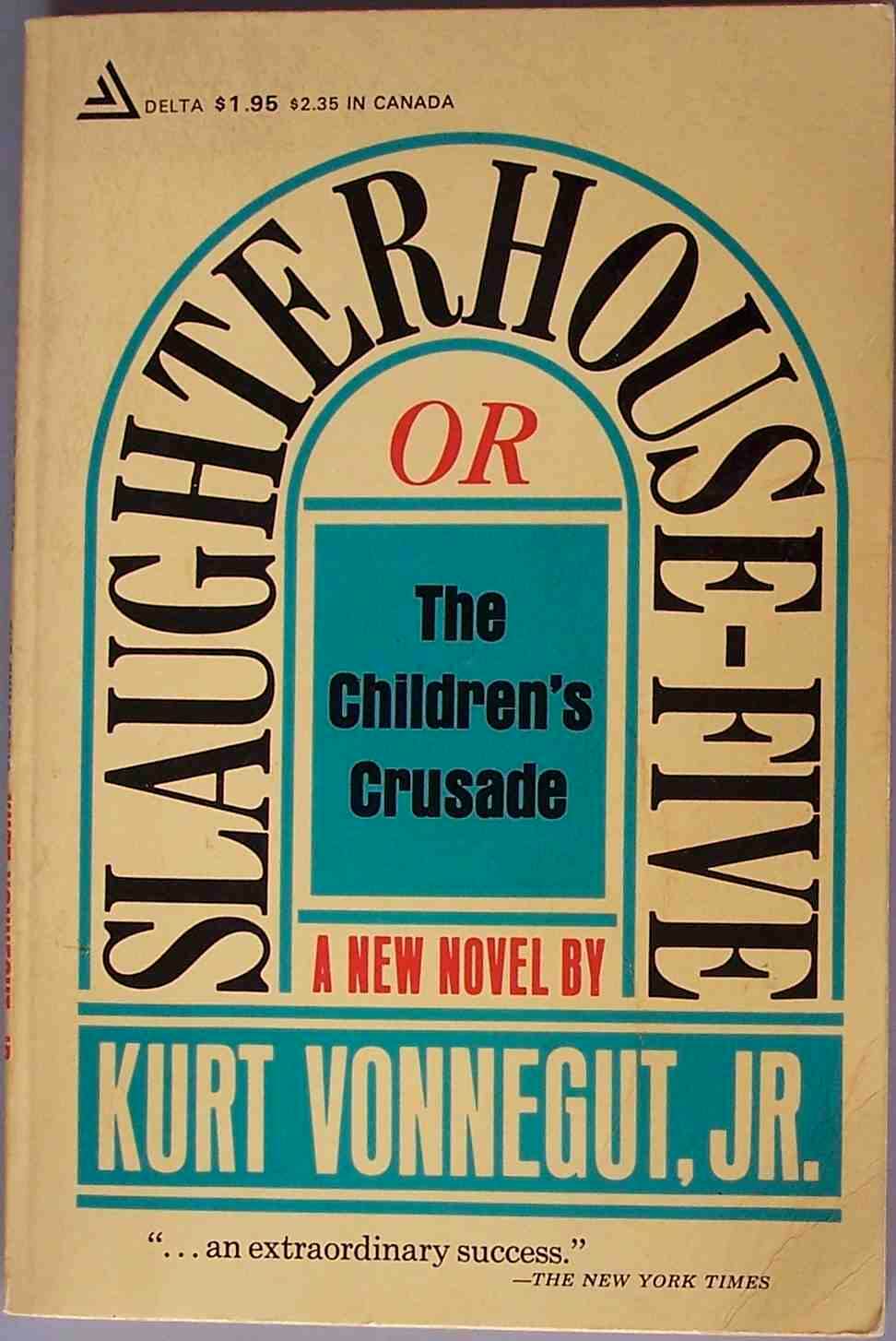
Kurt Vonnegut’s 1969 novel had a first printing identifiable by specific publisher codes, and its status as one of the most frequently taught anti-war novels in American schools has kept demand for early copies consistently strong. A first edition with its distinctive original jacket design commands a clear premium over the many later paperback printings that flooded classrooms for decades.
The novel’s history of being challenged and removed from certain school reading lists has, if anything, added to its cultural cachet among collectors.
Early Agatha Christie UK First Editions
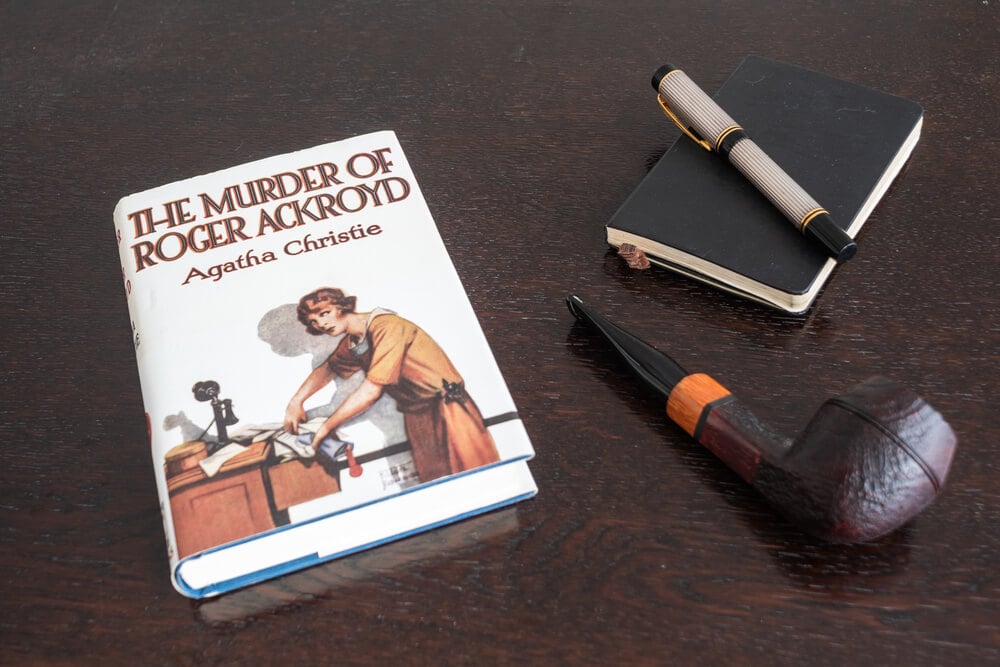
Agatha Christie’s novels, particularly early titles published by the Collins Crime Club in the UK, carry considerably more value in their original first printings than the countless later reprints that have kept her books in constant circulation for a century. Specific early titles from the 1920s and 1930s are especially scarce given both their age and the fact that mystery novels were often read once and discarded rather than kept.
A first edition with an original jacket from her earliest work represents one of the stronger finds in classic mystery collecting.
First Edition “Fahrenheit 451”
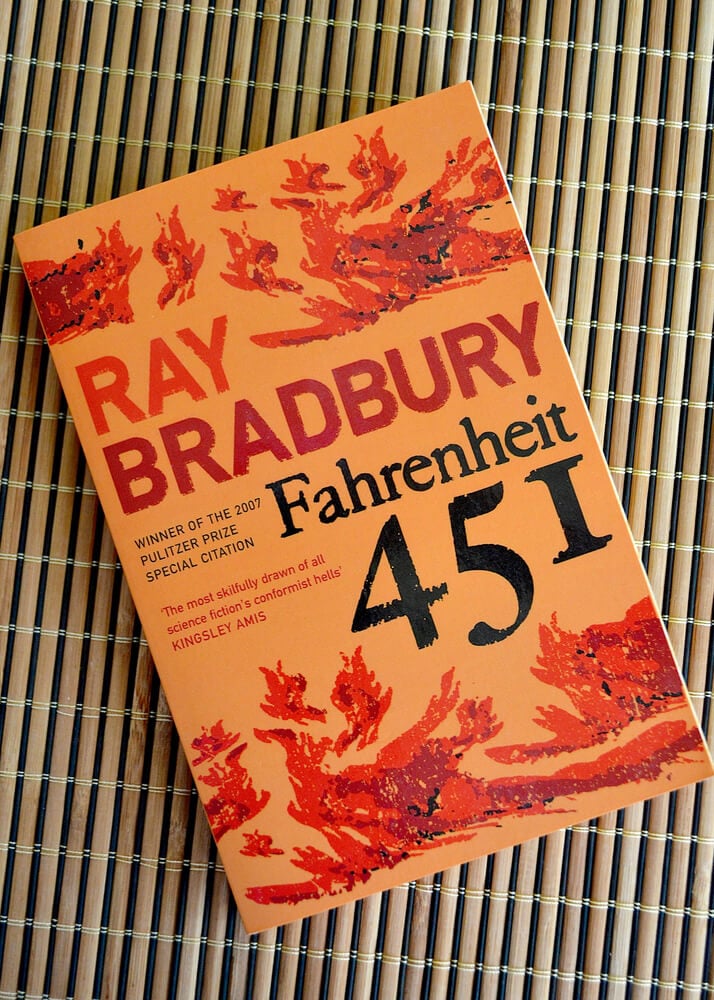
Ray Bradbury’s 1953 novel had a notable early edition bound in a fire-resistant asbestos material, produced by the original publisher as a promotional novelty tied directly to the book’s themes. Surviving copies of this specific asbestos-bound edition are rare and valuable, though the material itself requires careful handling given modern awareness of the substance.
A standard first edition without the novelty binding still carries solid value among science fiction collectors.
First Edition “The Catcher in the Rye”
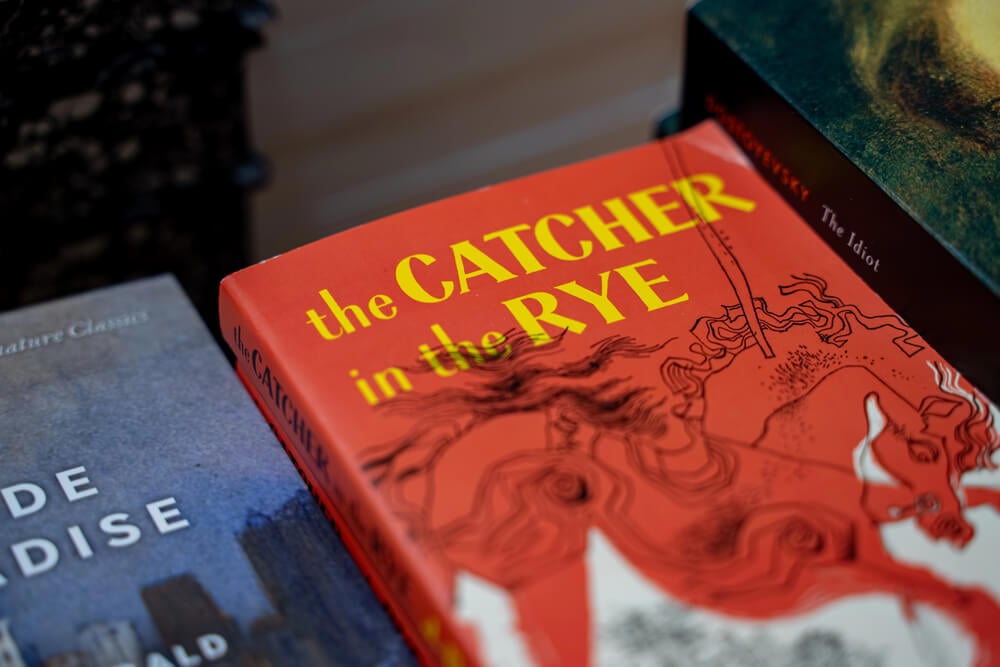
J.D. Salinger’s 1951 novel had a first printing whose dust jacket featured an illustrated carousel horse, an image the reclusive author reportedly disliked enough that later editions dropped illustrated covers entirely in favor of plain lettering. That specific illustrated first jacket makes an original first printing considerably more distinctive and valuable than the many plain-cover editions that followed for decades afterward.
The novel’s frequent presence on banned book lists across the country has, over time, only reinforced its collector demand.
First Edition “Gone with the Wind”
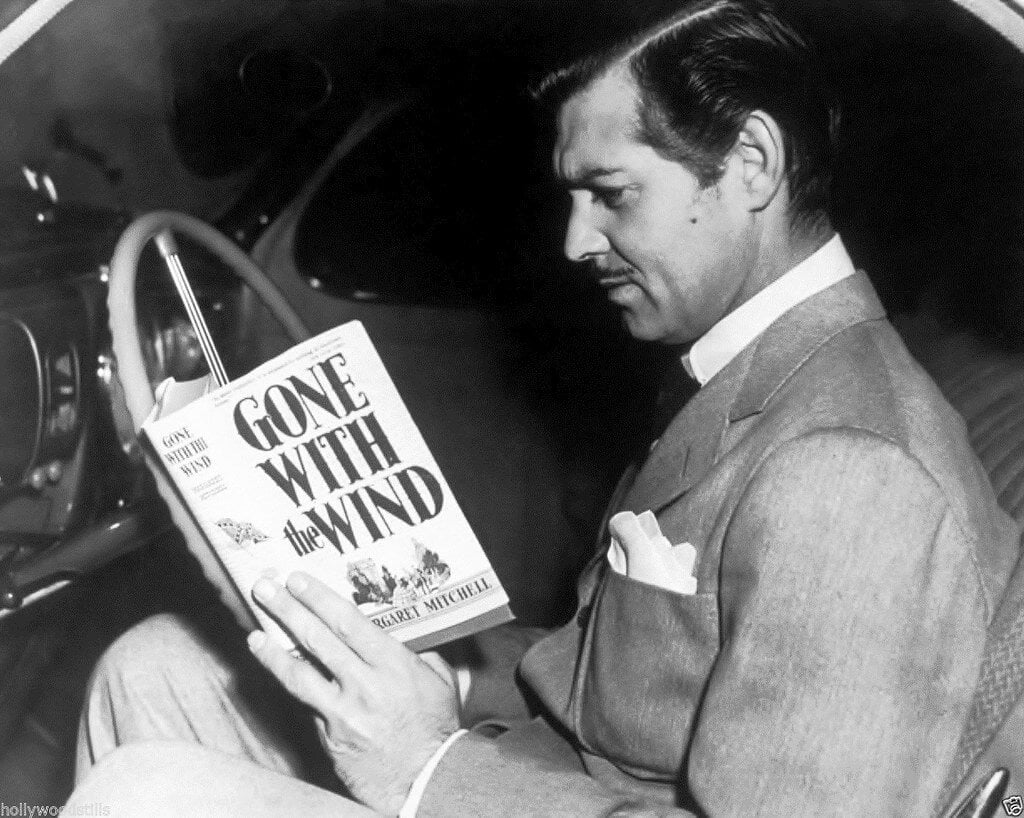
Margaret Mitchell’s 1936 novel had an enormous first printing for its era, but specific early-state first editions contain printing errors on certain pages that were corrected within the same year, making those error states more valuable to specialists who track the correction history closely. A first edition with an original jacket remains a significant find given how frequently the book was read and passed among households for generations.
The novel’s massive popularity at release means later printings are common, making precise edition identification essential to any real valuation.
Early Dr. Seuss First Editions
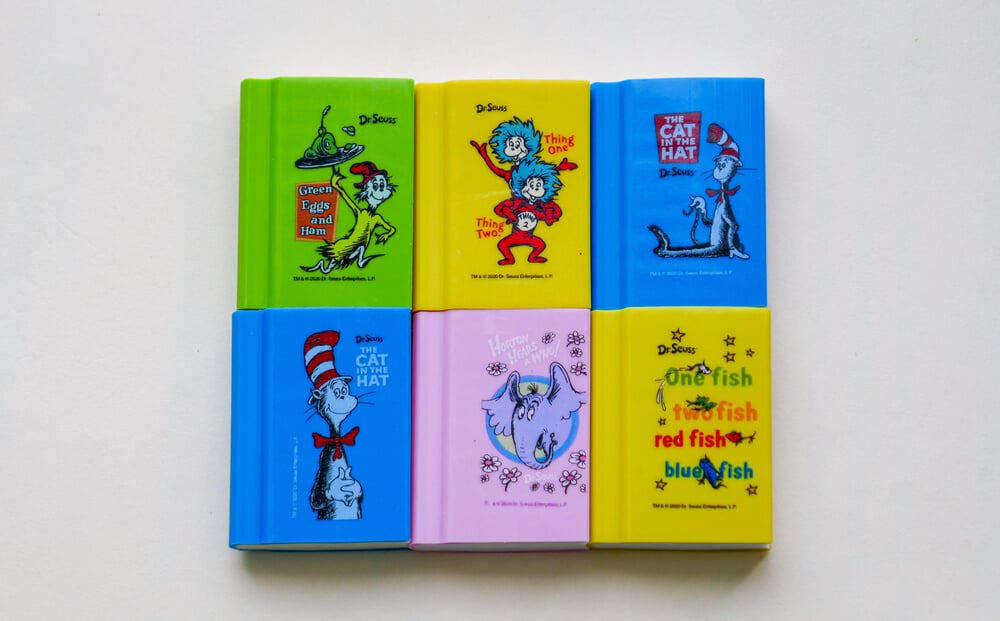
Early Dr. Seuss titles, particularly from the 1950s and 1960s before the author’s later, much larger commercial reach, carry real value in their first printings, identifiable through specific text and price details on the jacket. Because these were children’s books handled constantly, copies in strong condition with an intact jacket are considerably scarcer than the original print runs would suggest.
Certain early titles are more sought after than others based on illustration details that changed across printings.
First Edition “Lord of the Flies”
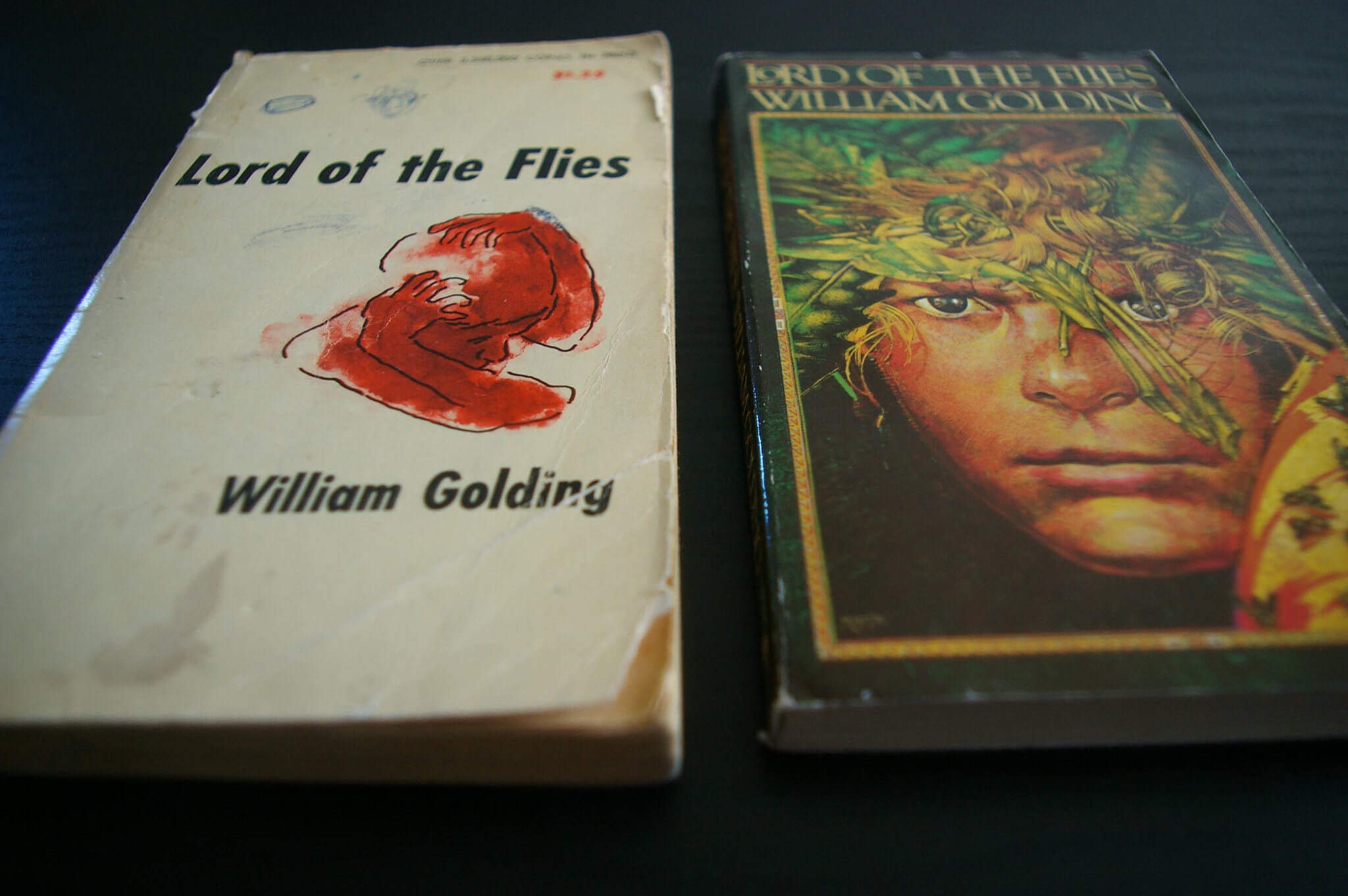
William Golding’s 1954 novel sold poorly enough on release that the publisher’s initial print run was modest, making genuine first editions with original jackets scarcer than the novel’s later, much larger academic reputation would suggest. Its frequent assignment in school curricula for decades has kept broad awareness of the title high even as original first editions remain comparatively hard to find.
A first edition in strong condition with its jacket intact represents one of the more attainable literary classics on this list for a patient collector.
Early Edition Beatrix Potter “Peter Rabbit” Books
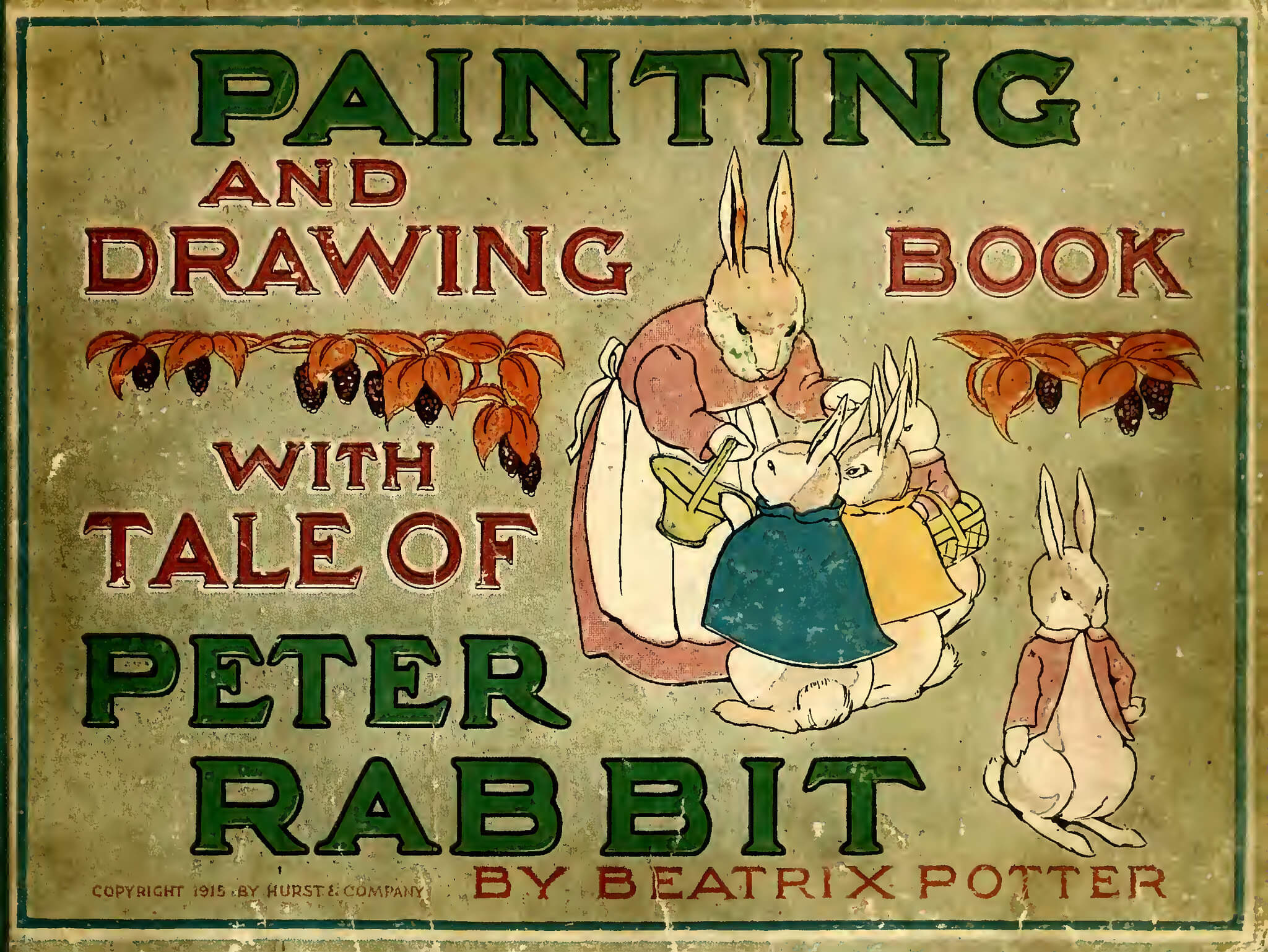
Beatrix Potter’s earliest privately printed editions of her Peter Rabbit stories, produced before a commercial publisher picked up the series in the early twentieth century, are exceptionally rare and valuable when they surface. Even early commercially published first editions from Frederick Warne carry meaningful value, identified through specific binding and illustration printing details.
The character’s continued commercial presence over a century later has kept collector interest in the earliest editions unusually durable.
First Edition “The Sun Also Rises”
Ernest Hemingway’s 1926 debut novel had a relatively small first printing, and specific early-state copies contain a printing error on one page that was corrected in a later run within the same print cycle. A first edition with its original jacket, particularly an error-state copy properly authenticated, is one of the stronger finds in American modernist literature.
Hemingway’s broader literary reputation has kept demand for his earliest work consistently strong among serious collectors.
First Edition “1984”
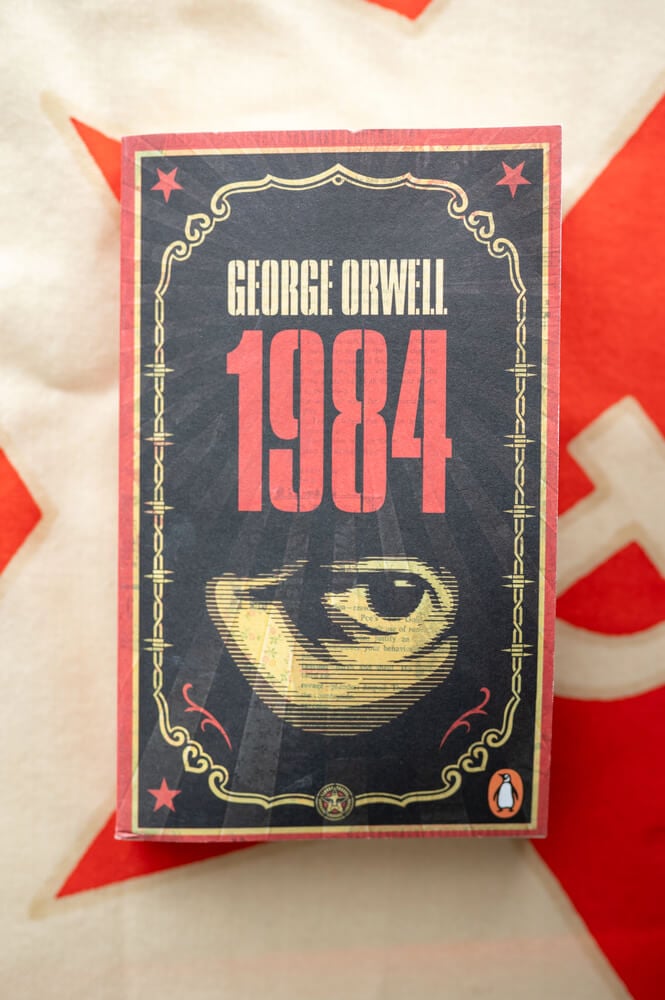
George Orwell’s 1949 novel had a first UK printing distinguishable from later editions through specific binding and jacket details, and its enduring relevance to political discourse has kept demand for early copies remarkably steady across generations. A first edition with its original jacket, showing wear consistent with the book’s age rather than a later reprint, carries real value among collectors of political and dystopian fiction.
The novel’s continued assignment in schools has, unusually, not diminished collector interest in its earliest printings.
Early Encyclopedia Sets with Original Maps or Plates
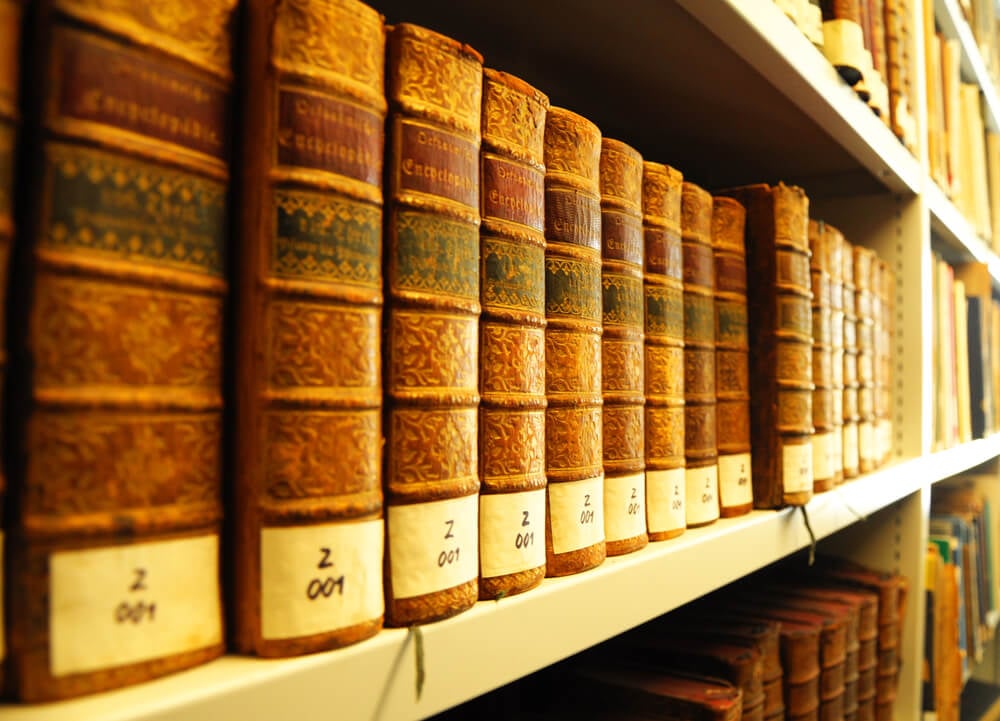
Complete sets of certain nineteenth and early twentieth-century encyclopedias, particularly those containing detailed fold-out maps or hand-colored plates rather than standard printed illustrations, can carry value well beyond a typical outdated reference set. Individual plates are sometimes worth more removed and sold separately to map or print collectors than the full set is worth intact, a detail that has unfortunately led to some sets being broken apart.
A complete, undamaged set with its original binding and full plate collection is the more valuable outcome for anyone who finds one intact.
First Edition “Charlie and the Chocolate Factory”
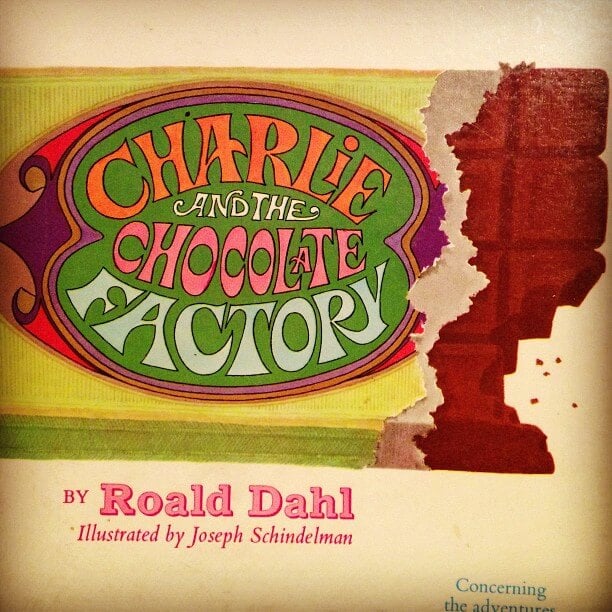
Roald Dahl’s 1964 novel had a first American edition illustrated by Joseph Schindelman, whose original artwork differs noticeably from the illustrations used in later editions after a different illustrator took over the series. A first edition with the original Schindelman illustrations and jacket intact is considerably more valuable than the many later printings using updated artwork.
The book’s continued popularity through numerous film adaptations has kept broad collector interest steady across decades.
Early Jack Kerouac “On the Road” First Editions

Jack Kerouac’s 1957 novel had a first printing identifiable through specific text and jacket details, and its status as a foundational text of the Beat Generation has kept demand for original copies strong among collectors of postwar American literature. The novel’s famous composition history, reportedly typed on a single long scroll of paper, has added to its cultural mythology well beyond the book itself.
A first edition with its original jacket remains one of the more consistently sought titles from the era.
First Edition Ian Fleming James Bond Novels
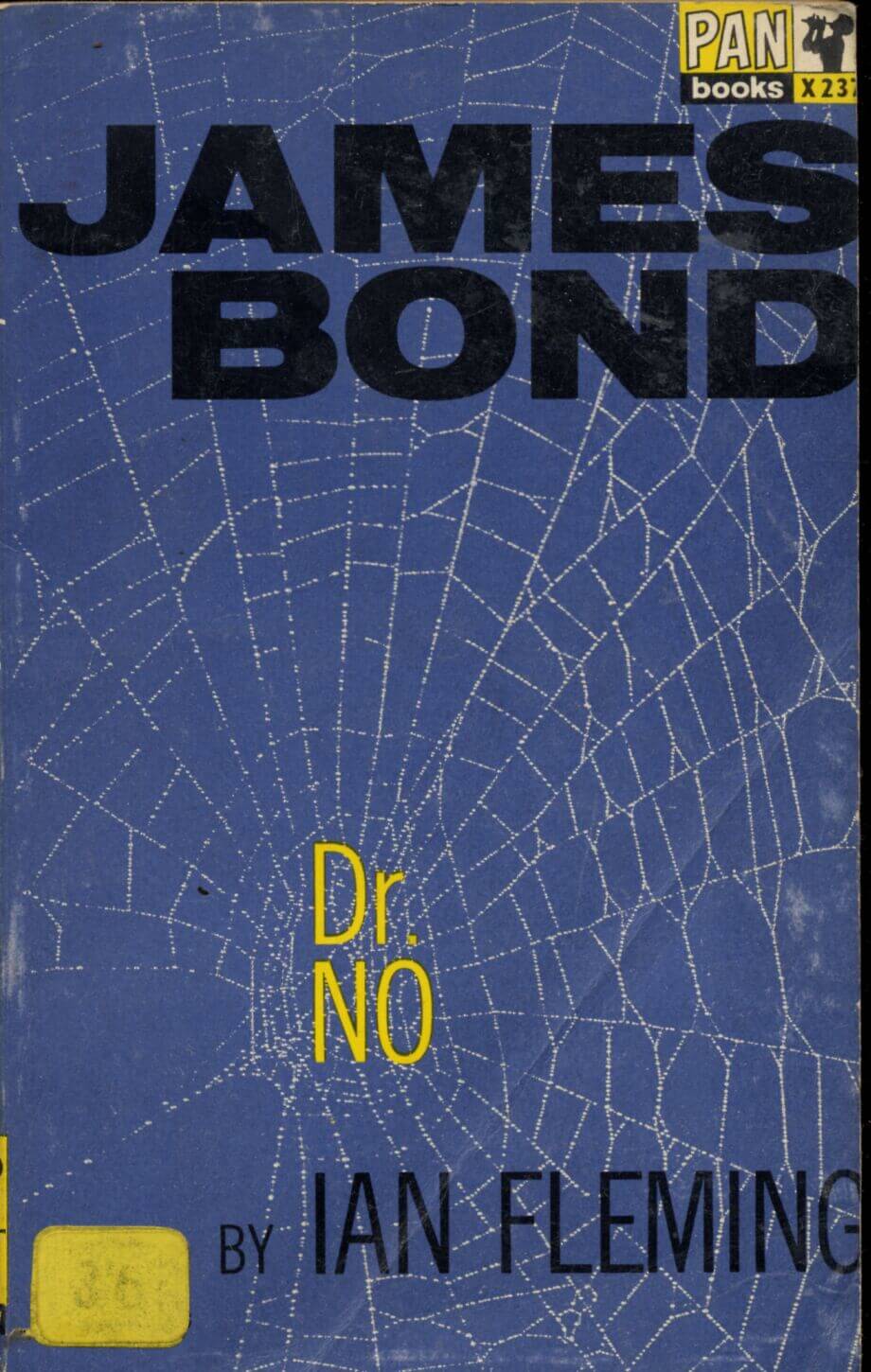
Ian Fleming’s earliest James Bond novels from the 1950s, published by Jonathan Cape in the UK, carry significant value in their first printings, particularly the very first title that introduced the character. Original dust jackets for these early titles used distinctive illustrated designs that later paperback editions abandoned entirely in favor of simpler branding tied to the films.
A complete first edition with its original jacket represents one of the strongest spy fiction finds a collector could hope to make.
Early John Steinbeck First Editions
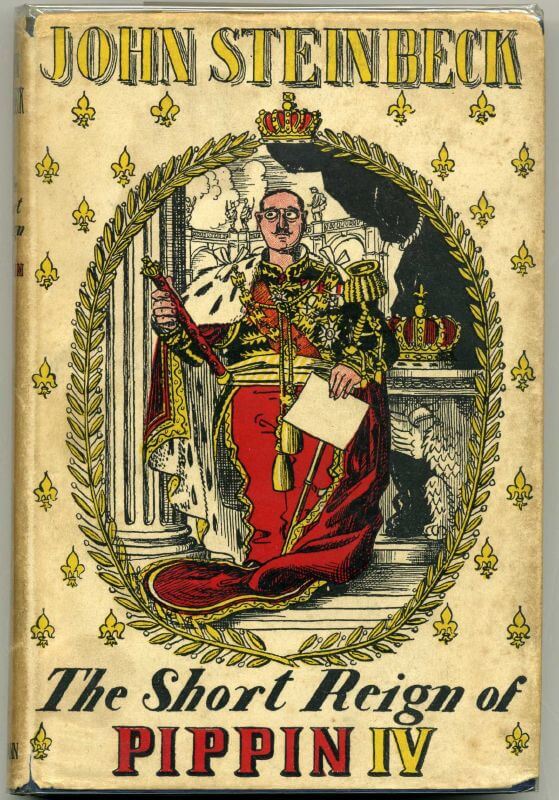
John Steinbeck’s Depression-era novels, particularly titles published in the 1930s before his Nobel Prize decades later cemented his reputation, carry meaningful value in their original first printings. Specific early titles had modest initial print runs reflecting the author’s not-yet-established status at the time of publication.
A first edition with an intact original jacket from this earlier period in his career is considerably scarcer than his later, more widely printed work.
First Edition “A Wrinkle in Time”
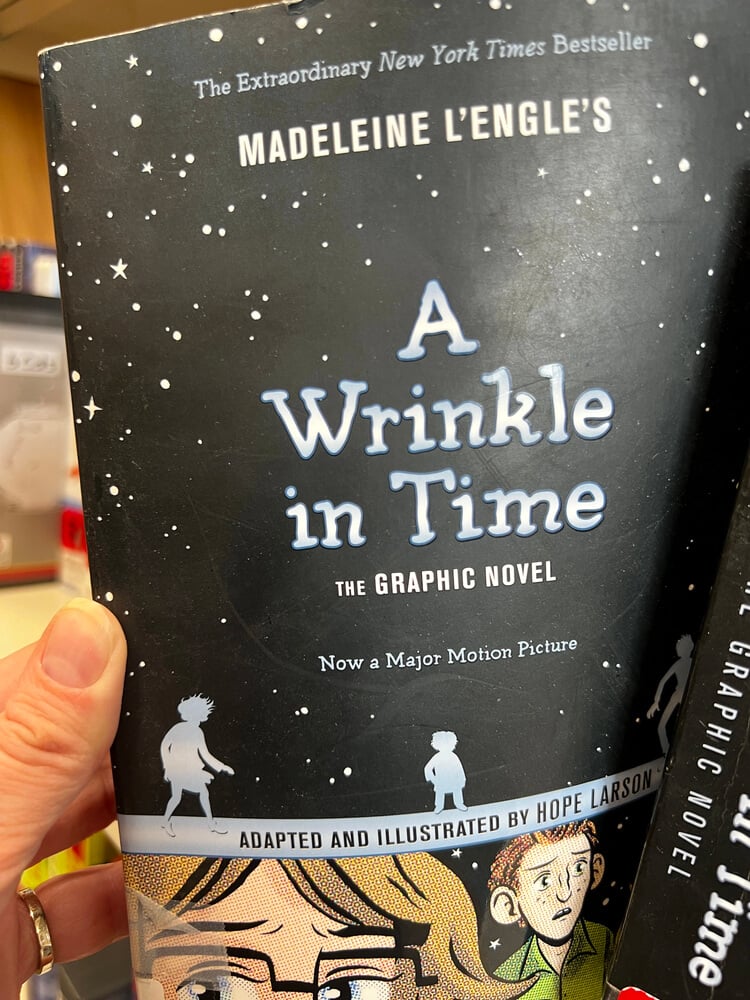
Madeleine L’Engle’s 1962 novel was reportedly rejected by numerous publishers before finding a home, making its eventual first edition and subsequent enormous popularity something of an unlikely publishing story. Original first printings are identifiable through specific text and jacket details that distinguish them from the many later editions produced as the book became a staple of school reading lists.
A first edition with its original jacket intact is a solid find among mid-century children’s literature collectors.
Early Editions of Regional and Local History Books

Small-run local and regional history books, often produced by a local historical society or a small regional press in limited quantities decades ago, can be surprisingly valuable to collectors and researchers focused on that specific area. Because these were never widely distributed, remaining copies are genuinely scarce regardless of the book’s broader literary merit.
A specific local history title can command a price far beyond what its plain, unassuming cover would suggest to a casual shopper.
First Edition “The Lord of the Rings” Trilogy
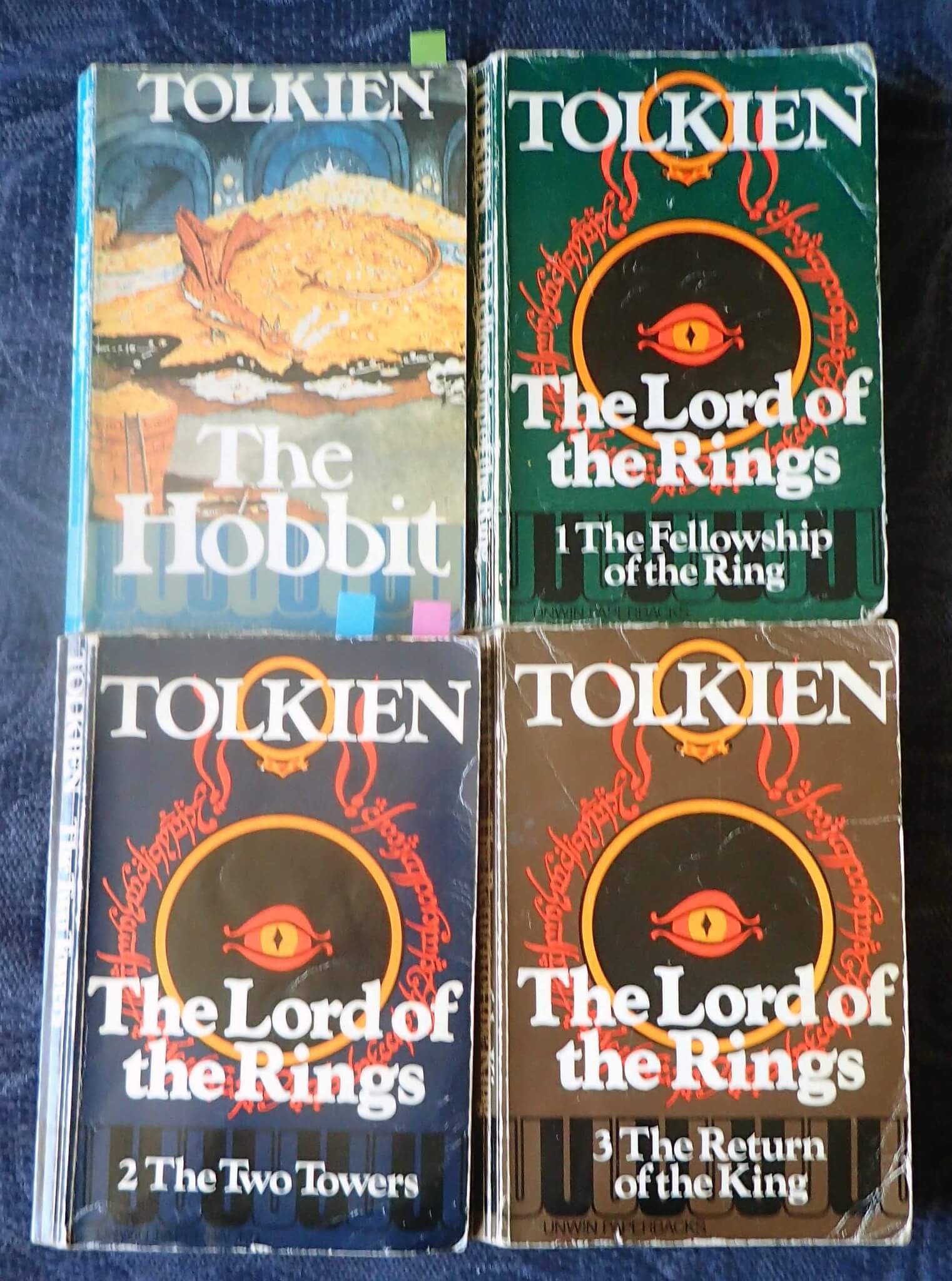
The first UK editions of Tolkien’s trilogy, published individually across 1954 and 1955, are considerably more valuable as a complete matched set with all three original jackets than as individual volumes. Specific early printings of each volume can be dated through print-run details on the copyright page, information serious collectors check carefully before any purchase.
A complete first-edition set in strong condition represents one of the single most valuable finds possible in twentieth-century fantasy publishing.
Early Judy Blume First Editions
Judy Blume’s novels from the 1970s, particularly her more frequently challenged titles addressing adolescence directly, carry real value in their original first printings among collectors of banned and controversial children’s literature. The books’ continued relevance to ongoing conversations about school curricula has kept awareness of her earliest editions unusually high for a mid-century children’s author.
A first edition with its original cover art, rather than a later redesigned printing, is the specific target for most collectors.
First Edition “Watership Down”
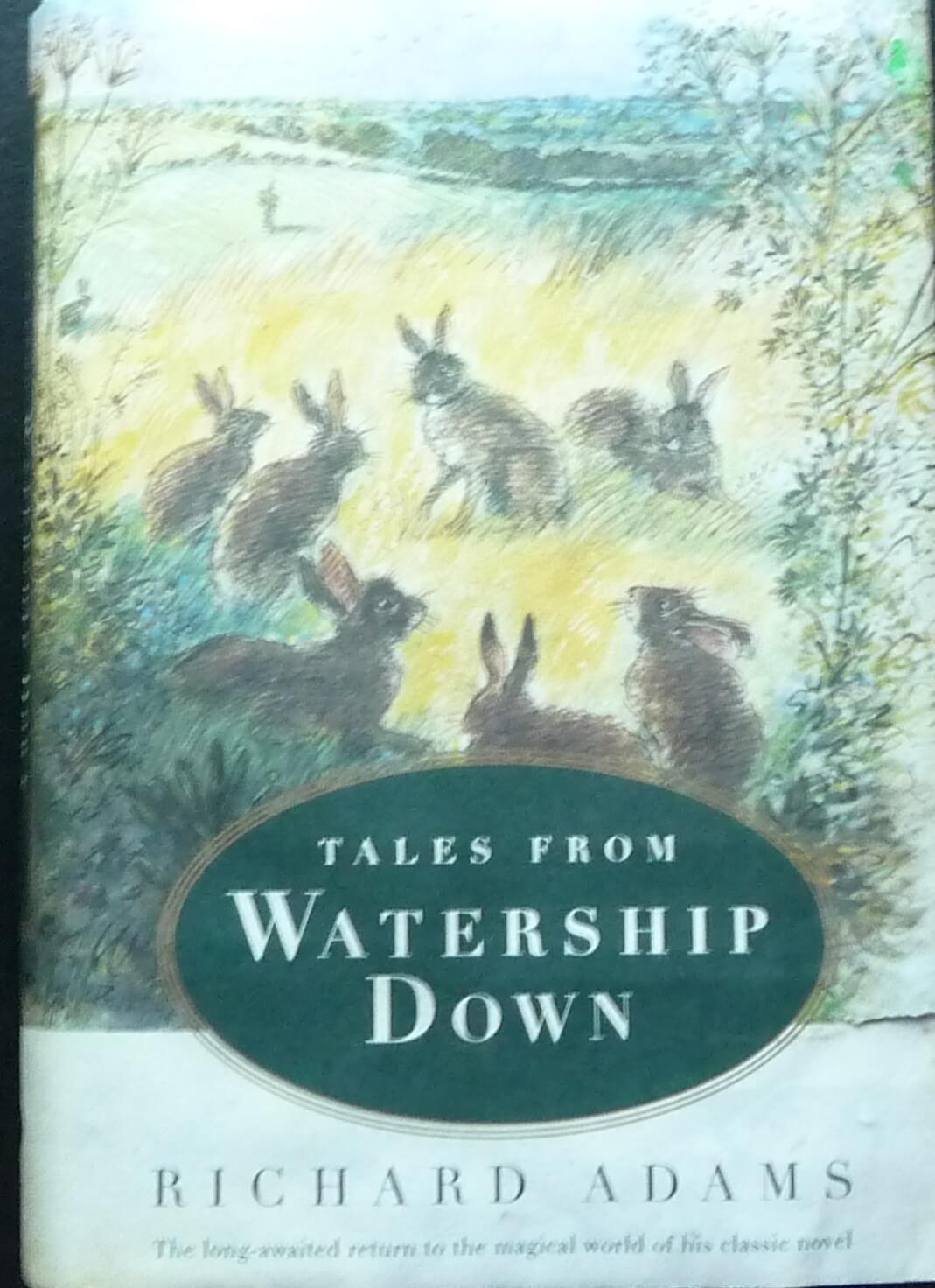
Richard Adams’s 1972 novel was rejected by multiple publishers before finding a small press willing to take it on, resulting in a modest first printing that predates the novel’s later, much larger commercial success. A first edition with its original jacket is scarcer than its eventual bestseller status would suggest, precisely because so few copies existed before the book found its wider audience.
The novel’s unusual subject matter, an epic told entirely through the eyes of rabbits, has made it a distinctive and enduring collector favorite.
Early Edith Wharton First Editions

Edith Wharton’s novels from the early twentieth century, particularly her most acclaimed titles from the 1900s and 1910s, carry meaningful value in original first printings from their respective American and British publishers. Her status as one of the first women to win a major American literary prize has kept scholarly and collector interest in her earliest work consistently active.
A first edition with an intact original binding, given the book’s age, represents a genuinely uncommon survival.
First Edition “The Little Prince”
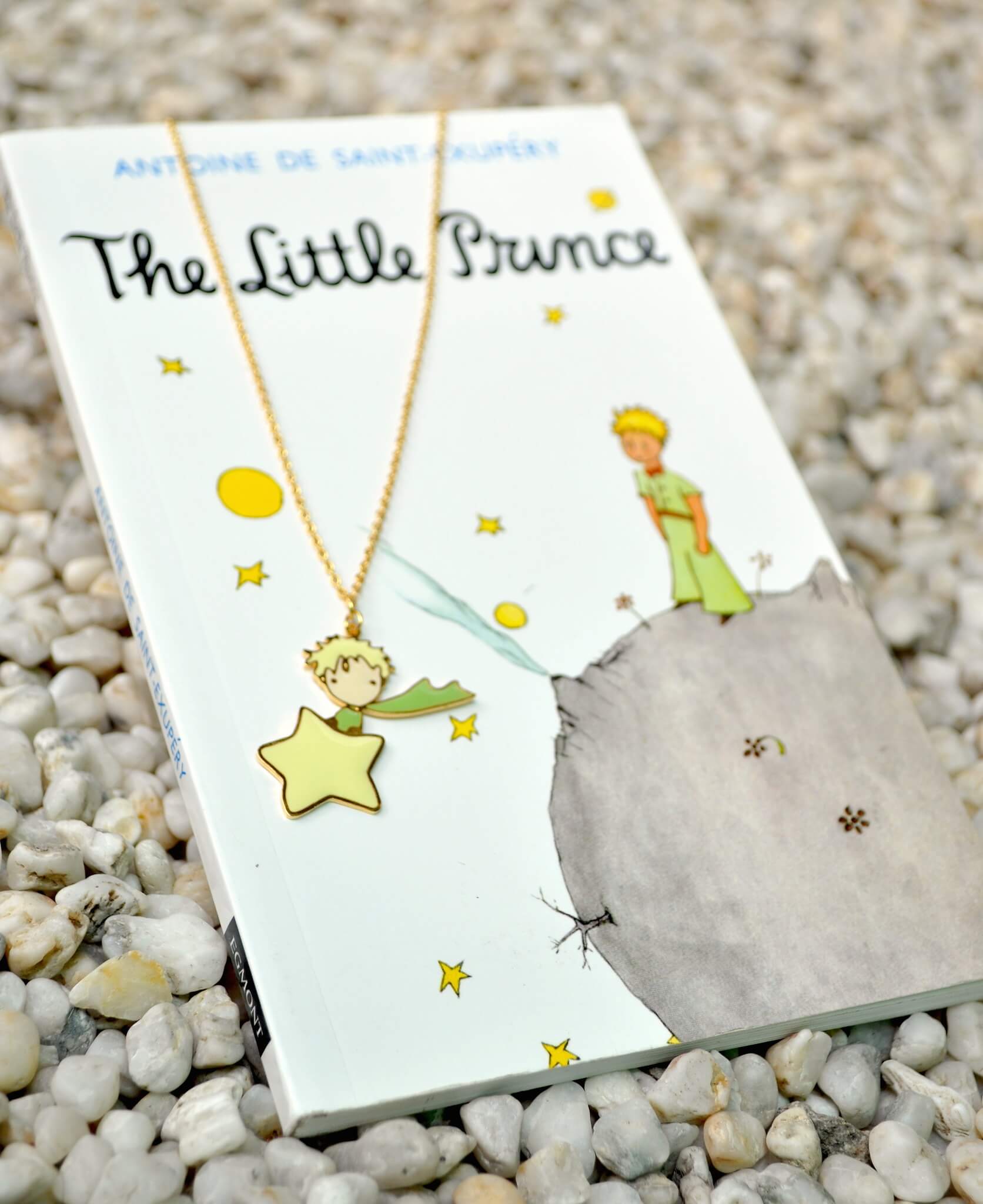
Antoine de Saint-Exupéry’s 1943 novella was originally published in the United States before its author’s home country, since he was living in exile at the time, making the first American edition the true first printing rather than a later French release. The book’s watercolor illustrations, created by the author himself, are reproduced with specific color accuracy in early printings that later mass editions sometimes altered.
A first edition with its original dust jacket is a distinctive and valuable find given the novella’s massive worldwide readership since publication.
Early Edgar Allan Poe Collected Editions

Nineteenth-century collected editions of Edgar Allan Poe’s stories and poems, particularly those published shortly after his 1849 death, carry significant value given both their age and Poe’s foundational role in American gothic and detective fiction. Specific early publishers and printings are tracked closely by collectors of American literature from this period.
A well-preserved nineteenth-century edition, given the fragility of period bindings and paper, represents an uncommon survival regardless of which specific printing it turns out to be.
First Edition “Anne of Green Gables”

L.M. Montgomery’s 1908 novel had a first printing from its original Boston publisher, identifiable through specific binding colors and text details that changed across the many editions published in the decades since. The character’s enduring international popularity, including a particularly devoted readership in certain countries outside North America, has kept demand for early editions unusually broad.
A first edition in its original binding, given the book’s age and popularity as a well-read children’s title, is a genuinely uncommon find.
Where the Real Value Hides

None of these books look particularly different from the reading copies sitting next to them on the same shelf, which is exactly why they keep turning up underpriced. A dust jacket, a printer’s code, or a single corrected typo is often the entire distance between two dollars and a four-figure sale, and that distance is invisible to anyone who isn’t specifically looking for it.
That gap is also what keeps people coming back to thrift shelves in the first place. The books themselves haven’t changed since they were donated; what’s changed is whether the person standing in front of them happens to know what they’re holding.
Every one of these titles is still out there somewhere, priced like it’s worth nothing, waiting on exactly that kind of attention.
More from Go2Tutors!

- The Romanov Crown Jewels and Their Tragic Fate
- 13 Historical Mysteries That Science Still Can’t Solve
- Famous Hoaxes That Fooled the World for Years
- 15 Child Stars with Tragic Adult Lives
- 16 Famous Jewelry Pieces in History
Like Go2Tutors’s content? Follow us on MSN.



