17 Classic MTV Shows That Defined the Early 2000s
The early 2000s belonged to MTV. Before social media existed to fragment our attention, there was something magical about everyone gathering around the same glowing screen at the same time, watching the same ridiculous reality show or music countdown.
MTV wasn’t just background noise—it was the cultural epicenter where trends were born, celebrities were manufactured, and an entire generation learned how to be young and dramatic in public.
Those shows didn’t just entertain; they created a shared language. References to “The Real World” drama or “TRL” countdowns became shorthand for understanding who was cool, what mattered, and how far you were willing to go for fifteen minutes of fame.
The network had figured out something that seems obvious now but felt revolutionary then: teenagers wanted to watch other teenagers being messy, ambitious, and unapologetically themselves.
The Real World
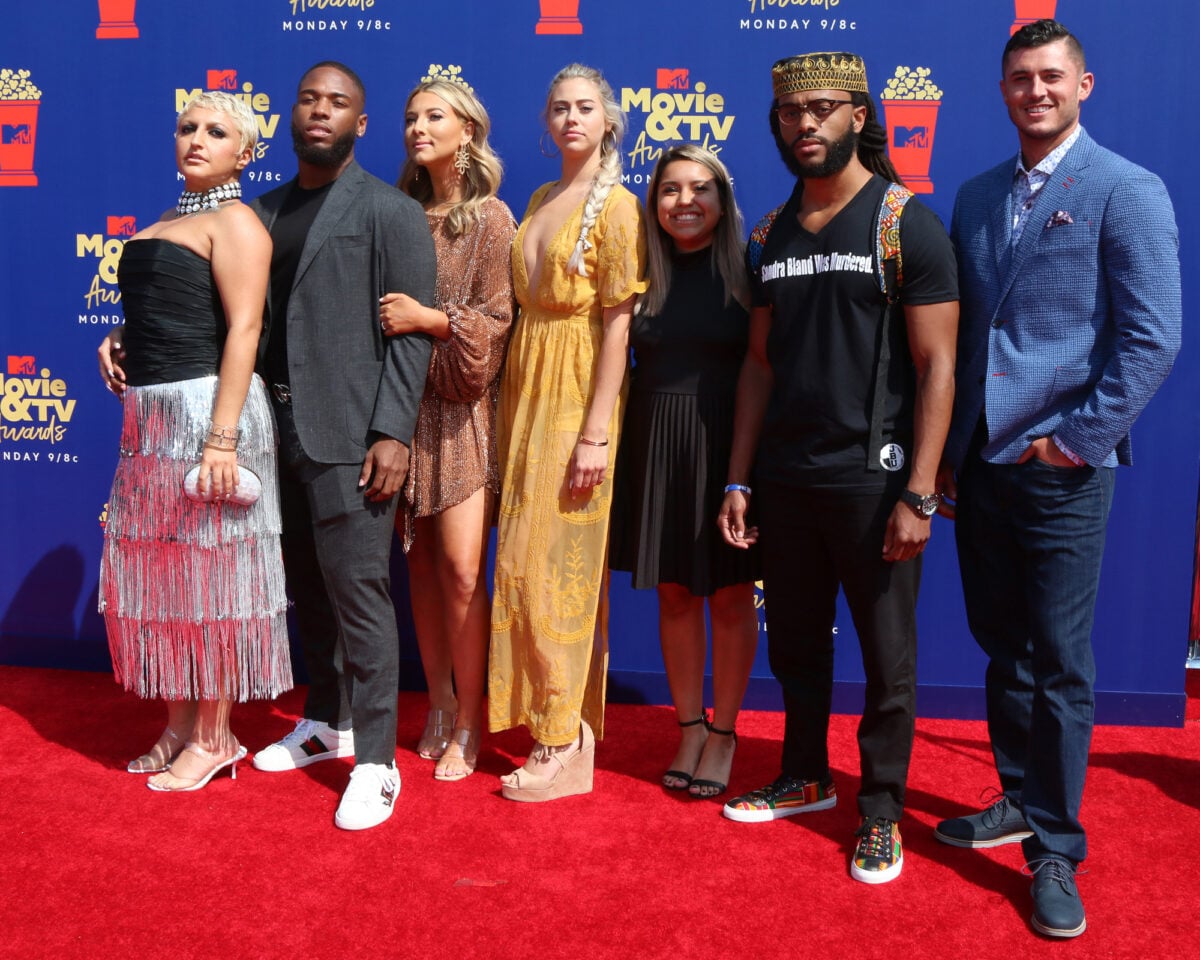
Reality television found its blueprint here. Seven strangers, picked to live in a house, work together, and have their lives taped—it sounds almost quaint now, but this formula created television gold.
The early 2000s seasons (particularly New York, Las Vegas, and Paris) gave viewers their first real taste of unscripted drama that felt genuinely unpredictable.
What made “The Real World” different from everything that came after was its sense of purpose. Cast members weren’t just there to be famous; they were exploring identity, confronting prejudice, and figuring out adulthood in real time.
The cameras captured genuine moments of growth alongside the inevitable hookups and fights.
Total Request Live
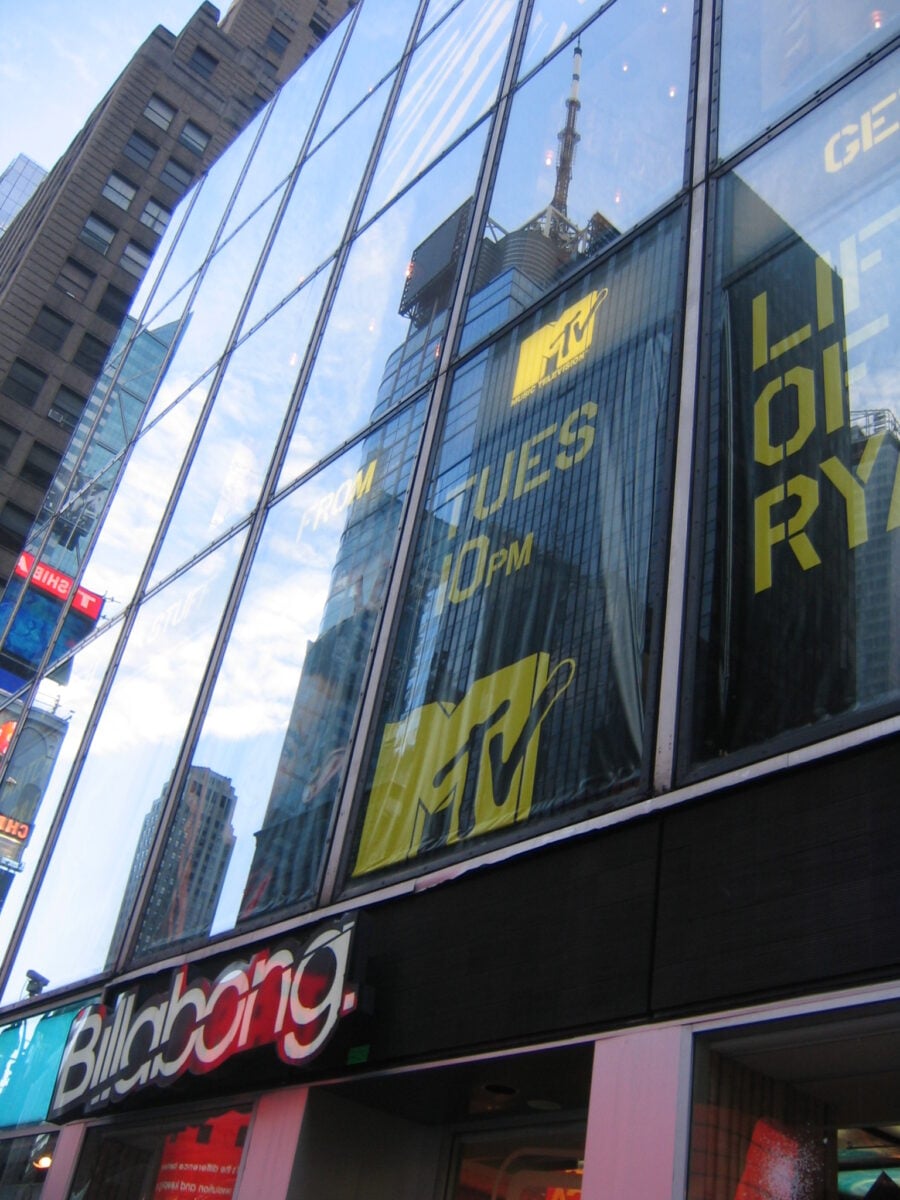
Carson Daly stood on that Times Square balcony like a benevolent dictator of teenage taste. “TRL” wasn’t just a music video countdown—it was democracy in action, where your ability to call in and vote actually mattered.
Artists would literally campaign for the top spot, and reaching number one on “TRL” could make or break a career.
The show created its own ecosystem of fandom. Groups of teenagers would organize voting campaigns, and seeing your favorite artist’s video retired after 65 days at number one felt like a genuine accomplishment.
It was participatory culture before anyone called it that.
Making The Band
Reality competition shows owe everything to this series. But “Making the Band” (and its later iteration, “Making the Band 2”) understood something crucial: the journey mattered more than the destination.
Watching P. Diddy put aspiring musicians through increasingly absurd challenges—including that legendary cheesecake walk—was pure entertainment.
The show’s genius lay in its transparency about the music industry’s manufactured nature. Everyone knew these groups were being constructed rather than discovered, yet that didn’t diminish the investment in watching it happen.
If anything, pulling back the curtain made it more compelling.
Cribs
“Welcome to my crib” became the most recognizable phrase of the early 2000s, and for good reason. “Cribs” offered something genuinely new: an intimate look at celebrity excess that felt both aspirational and absurd.
The tours followed a predictable pattern—kitchen where they never cook, multiple cars, and always, always the bedroom where “the magic happens.”
What made the show addictive wasn’t just the wealth on display but the personalities revealed through possessions. Some celebrities were surprisingly humble; others were delightfully ridiculous.
The show worked because it satisfied curiosity about how the other half lived while making their lifestyle seem simultaneously attainable and completely foreign.
Jackass
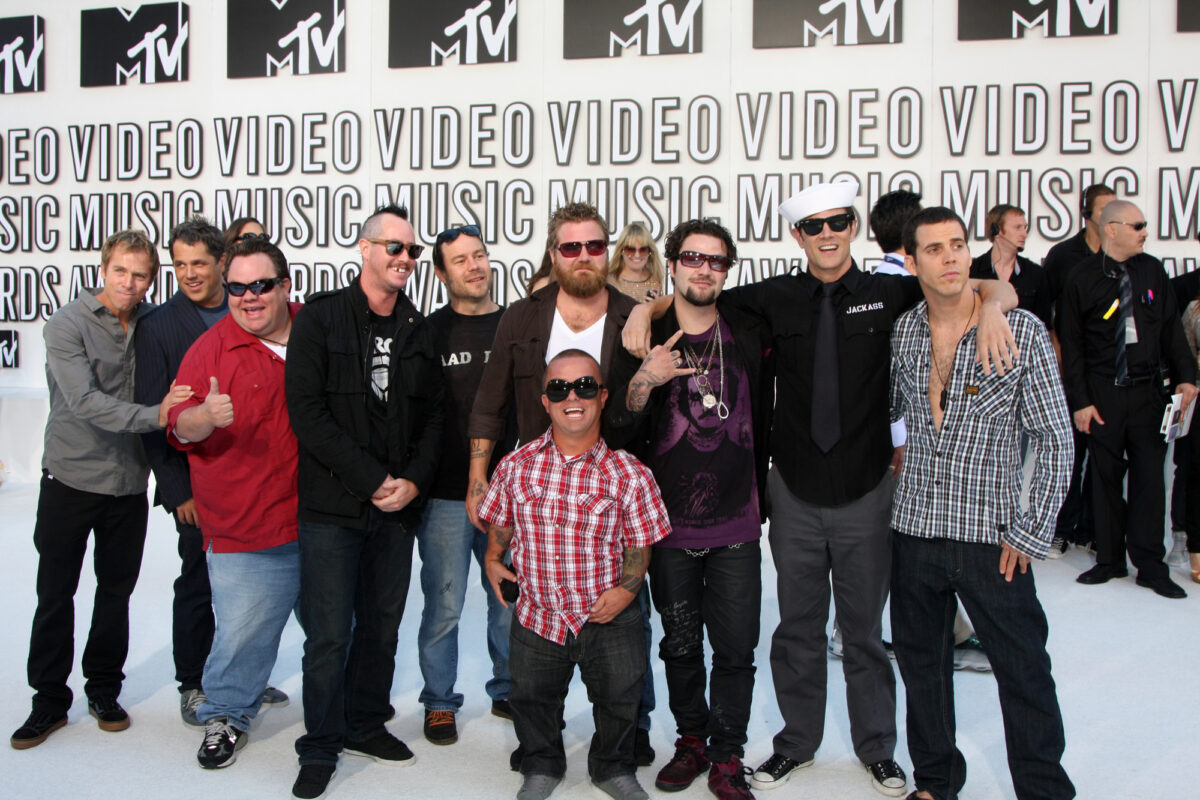
Television had never seen anything like “Jackass,” and probably never will again. The show existed in a legal and cultural sweet spot that’s impossible to imagine now—insurance companies would never allow it, and social media would dissect every stunt before it aired.
But in the early 2000s, watching Johnny Knoxville and his crew inflict creative pain on themselves felt like pure rebellion.
The show’s influence extends far beyond television. It essentially created the template for viral video culture, proving that people would watch almost anything if it was shocking enough.
Every YouTube stunt video, every TikTok challenge, every moment someone does something dangerous for views—it all traces back to these guys willingly getting hit by shopping carts.
Daria
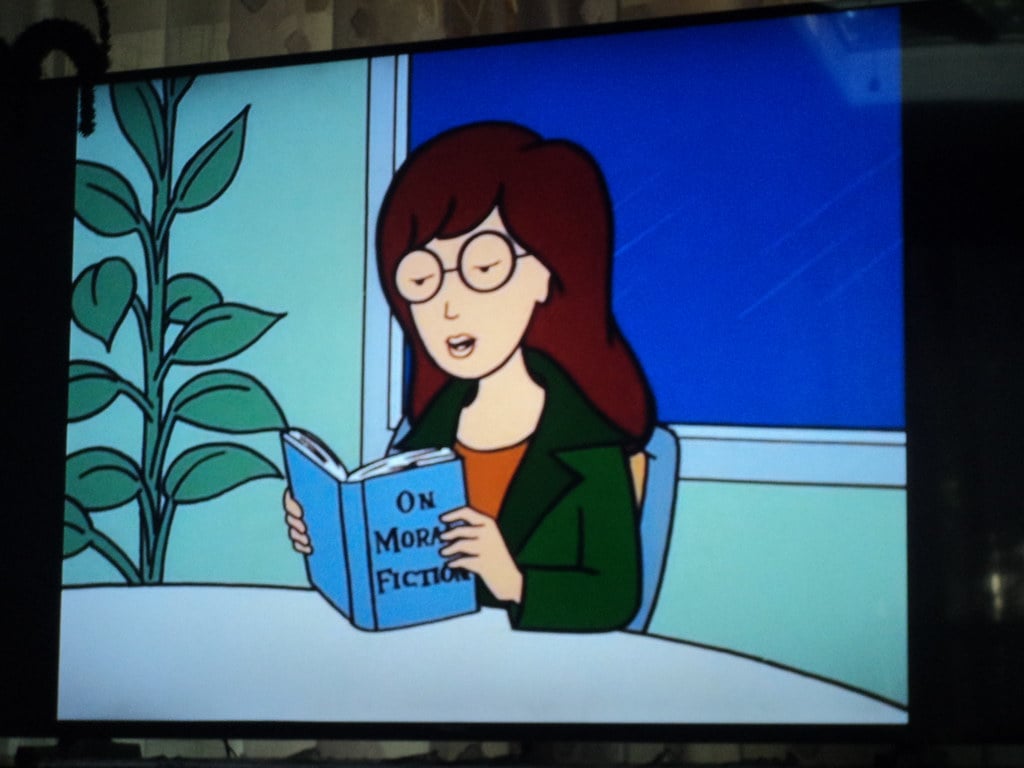
While other MTV shows celebrated popularity and mainstream success, “Daria” did something subversive: it made the outsider the hero. The show followed a cynical, intelligent teenager who saw through the superficiality around her and wasn’t afraid to call it out.
In an era obsessed with fitting in, Daria Morgendorff stood apart with remarkable confidence.
The writing was sharp enough to appeal to adults while remaining genuinely relatable to any teenager who felt like they didn’t belong (which, let’s be honest, was most of them).
Daria’s deadpan observations about high school social hierarchies and suburban life felt both specific to the late ’90s and early 2000s and timelessly accurate.
Newlyweds: Nick And Jessica
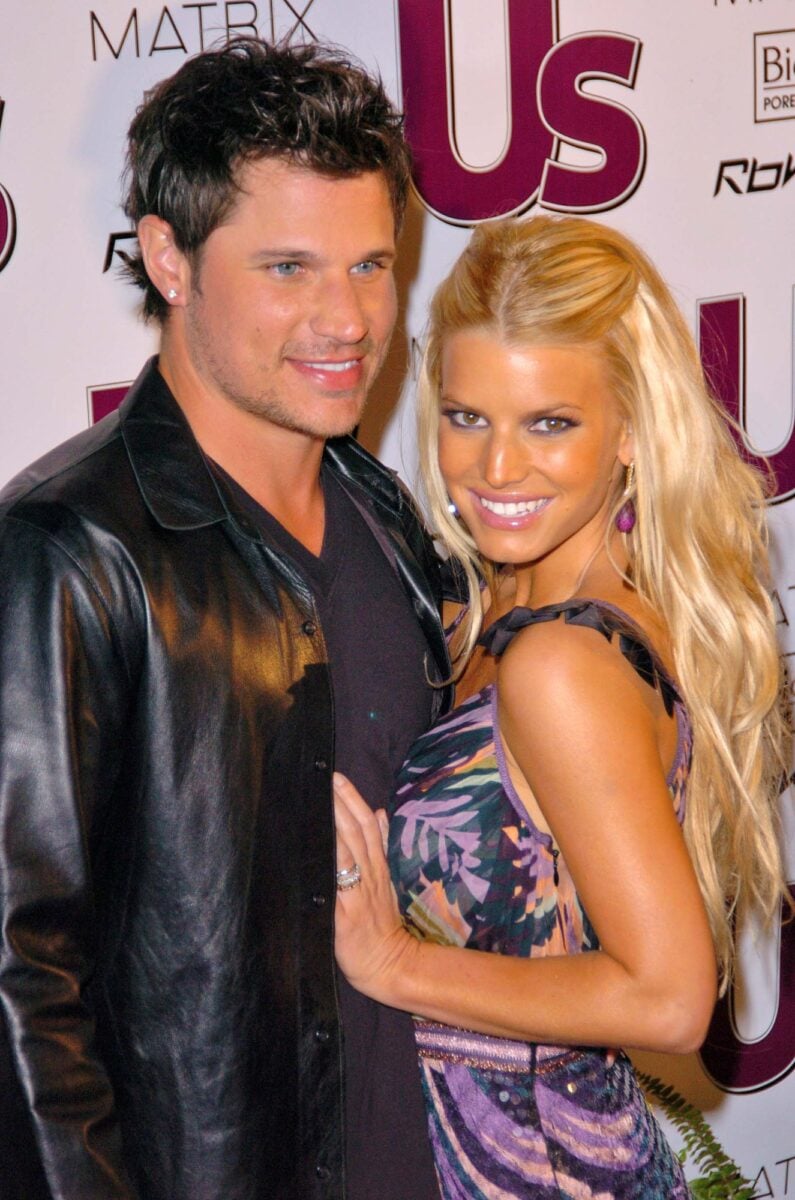
Reality television had shown strangers living together and celebrities showing off their homes, but “Newlyweds” pioneered something different: famous people being genuinely, unguardedly themselves. Nick Lachey and Jessica Simpson’s marriage played out on camera with a mix of authentic affection and jaw-dropping naivety that made for irresistible viewing.
Jessica’s apparent confusion about everyday concepts—”Is this chicken, what I have, or is this fish? I know it’s tuna, but it says ‘Chicken by the Sea'”—became cultural moments (and, frankly, showed the editing room’s power to shape a narrative, though nobody thought about that too hard at the time).
The Osbournes
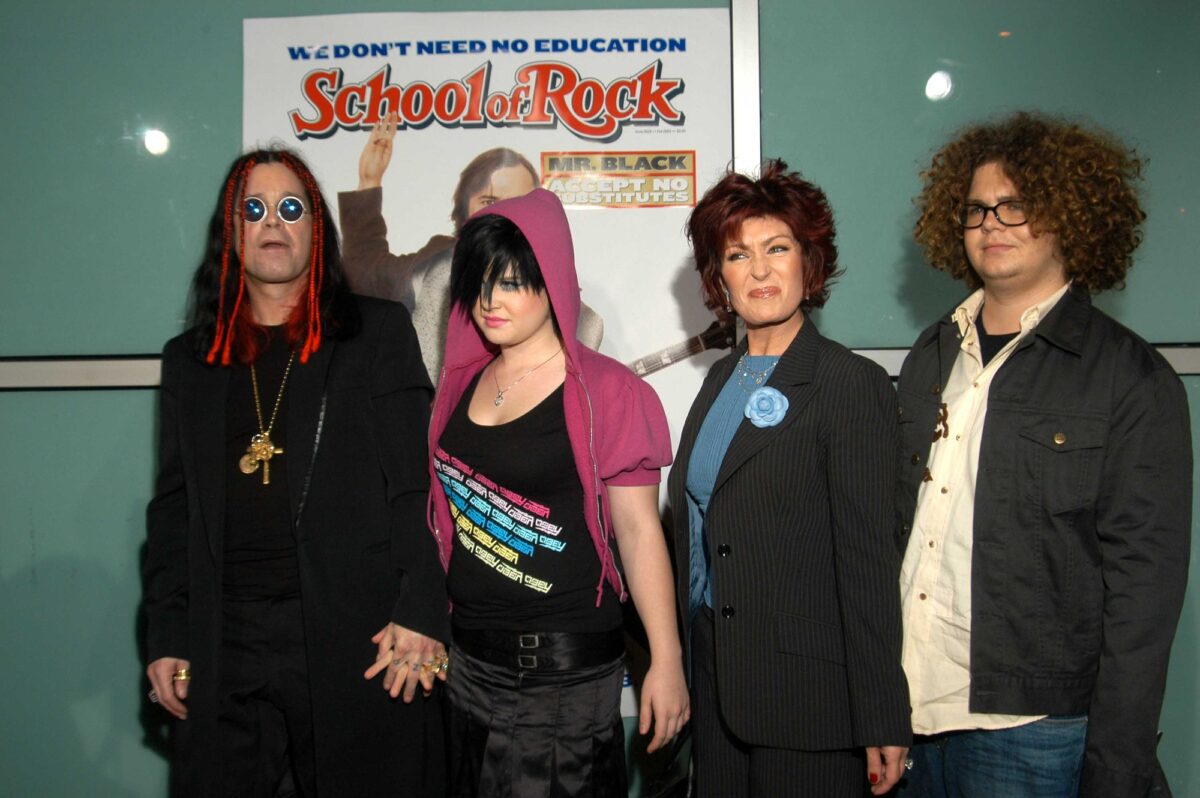
Celebrity reality shows typically maintain some distance, some sense that we’re seeing a curated version of fame. “The Osbournes” demolished that pretense entirely.
Here was Ozzy Osbourne, legendary metal frontrunner, wandering around his house in confusion, baffled by the remote control and terrorized by his own dogs. The juxtaposition was perfect comedy.
But the show’s real star was Sharon Osbourne, who emerged as a force of nature—managing everyone’s chaos while dealing with her own health issues and career demands.
The family’s genuine love for each other, despite (or perhaps because of) their complete dysfunction, made for surprisingly heartwarming television.
Room Raiders
Dating shows usually focus on conversation and compatibility, which made “Room Raiders” brilliant in its superficiality. Three potential dates would be judged entirely based on their bedrooms, with the chooser going through their stuff like a detective.
It was voyeuristic, ridiculous, and strangely revealing.
The show understood something true about human nature: you can learn a lot about someone from their private space. Hidden items, organization levels, and decoration choices became the basis for romantic decisions.
It was shallow by design, but that honesty was refreshing.
Next
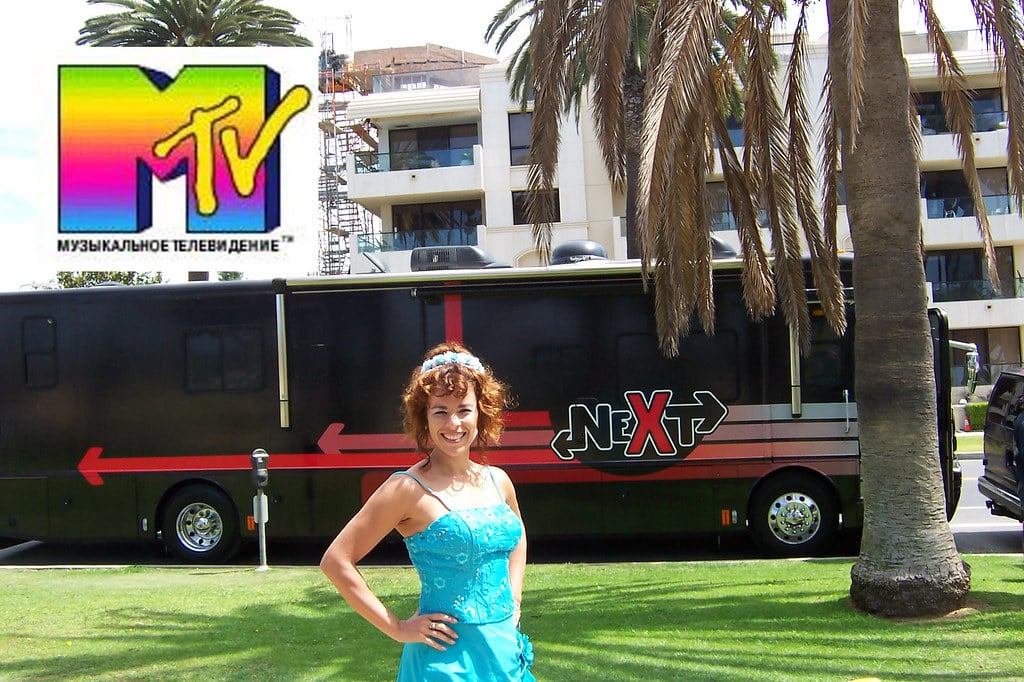
Speed dating as blood sport—that was “Next.” One person would go on a series of mini-dates, with the power to yell “Next!” at any moment to move on to the next candidate.
The rejected date would receive a dollar for every minute they lasted. It was brutal, efficient, and utterly addictive to watch.
The show’s format created perfect television tension. Viewers would root for underdogs to last longer while simultaneously waiting for the moment someone would inevitably get “nexted.”
The dollar-per-minute payoff added a game show element that made rejection slightly less devastating and much more entertaining.
Dismissed

If “Next” was speed dating as blood sport, “Dismissed” was a triangle match. Two potential dates would compete for one person’s attention, with the power to eliminate each other.
The twist: the chooser didn’t know who had been dismissed until the end. Strategy, attraction, and outright sabotage all came into play.
The format was diabolically clever. Contestants had to balance appealing to their potential date while undermining their competition.
The result was a show that revealed character in ways traditional dating shows never could. Watching someone choose between playing fair and playing to win was genuinely compelling.
Laguna Beach
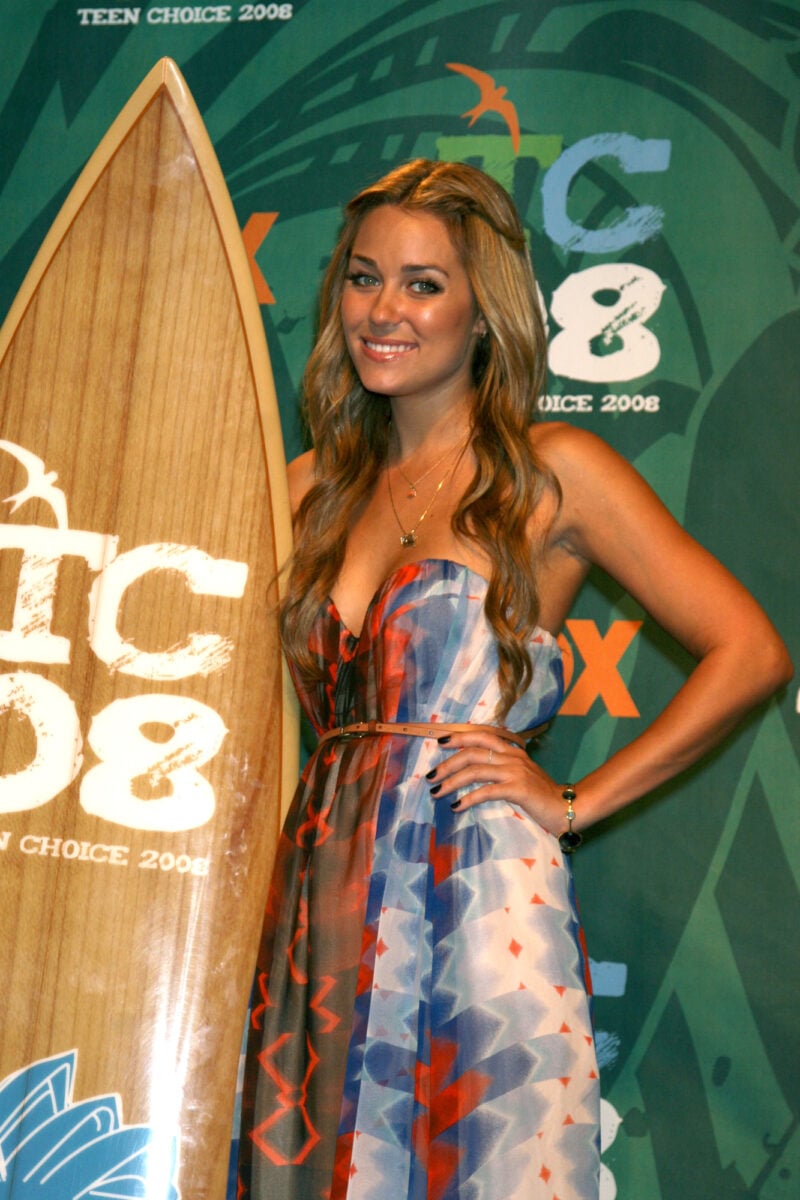
Before “The Hills,” before the Kardashians, there was “Laguna Beach”—the show that proved wealthy teenagers living their regular lives could be as dramatic as any scripted series. The show followed a group of attractive California high school students as they navigated relationships, college applications, and social hierarchies.
What made “Laguna Beach” work was its subjects’ complete lack of self-consciousness. These teenagers genuinely believed their high school drama was the most important thing in the world, and that conviction made it important to viewers too.
The show also perfected the reality television technique of letting beautiful people be boring—sometimes that’s entertainment enough.
The Hills
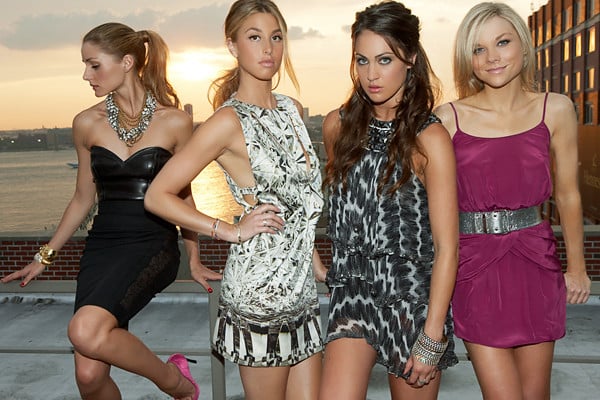
“Laguna Beach” grew up and became “The Hills,” trading high school hallways for Los Angeles apartments and internships. Lauren Conrad’s journey from Orange County teenager to fashion industry hopeful provided the perfect framework for exploring what it meant to be a young woman trying to make it in a big city.
The show’s genius was making the mundane feel significant. Apartment hunting, entry-level job struggles, and friendship drama became appointment television because the show understood that these experiences were genuinely meaningful to its audience, regardless of how privileged the specific circumstances might be.
My Super Sweet 16
Wealth inequality made into entertainment—”My Super Sweet 16″ was aspirational television taken to its logical extreme. Each episode followed a wealthy teenager planning an elaborate birthday party, complete with celebrity performances, luxury cars as gifts, and guest lists that determined high school social standing for years to come.
The show was fascinating in its excess and occasionally horrifying in its entitlement. But it also captured something real about teenage desire and the pressure to mark life transitions in memorable ways.
Even viewers who couldn’t relate to the specific circumstances could understand wanting their moment to feel special.
Pimp My Ride

Car customization shows existed before “Pimp My Ride,” but none had Xzibit’s charismatic hosting or the show’s willingness to go completely over the top. The formula was simple: take someone’s broken-down car and transform it into something unrecognizable, usually involving multiple television screens, unusual paint jobs, and accessories no vehicle actually needs.
The transformations were often impractical to the point of being unusable, but that wasn’t really the point. “Pimp My Ride” was about the fantasy of complete transformation—the idea that something worn down and ordinary could become extraordinary with enough creativity and resources.
Punk’d
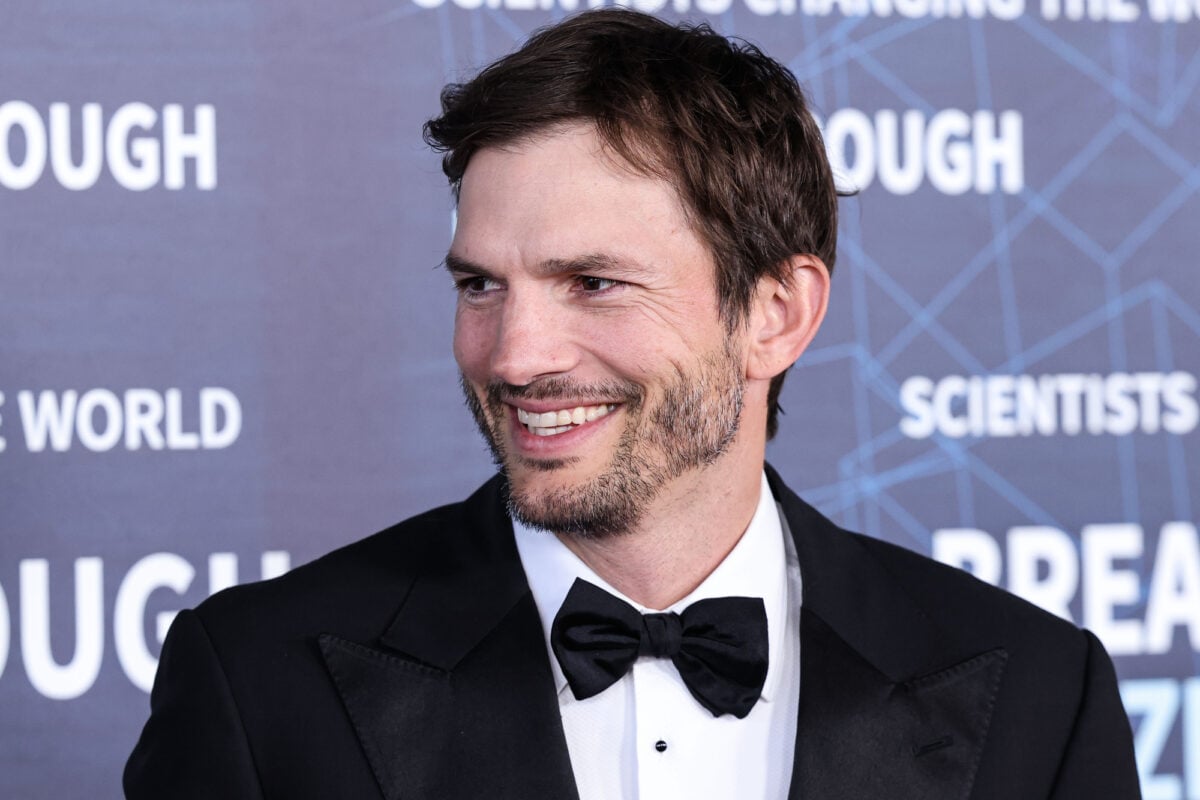
Ashton Kutcher convinced an entire generation that being pranked on television was somehow an honor. “Punk’d” elevated the practical joke to an art form, targeting celebrities in elaborate scenarios designed to test their character under pressure.
The best episodes revealed something genuine about their subjects—how they treated service workers, how they handled crisis, how quickly they lost their cool.
The show worked because it democratized celebrity culture slightly. Seeing famous people confused, frustrated, or scared made them seem more human.
It also established Kutcher as more than just a pretty face, showcasing his ability to orchestrate complex scenarios while maintaining the likable persona that made celebrities trust him in the first place.
Fear

Reality television had shown people competing, dating, and living together, but “Fear” asked a different question: how much terror could contestants handle for money? Teams would spend nights in supposedly haunted locations, completing increasingly disturbing challenges designed to test their psychological limits.
The show was genuinely scary in ways that most horror movies weren’t. The combination of real darkness, creepy locations, and people’s authentic fear responses created an atmosphere that scripted entertainment couldn’t match.
Whether or not the supernatural elements were real became irrelevant—the contestants’ terror was authentic enough to be compelling.
When Nostalgia Becomes Context

These shows didn’t just fill time between music videos—they created a cultural moment that’s impossible to recreate. The early 2000s represented a sweet spot in media history when audiences were still gathered around shared experiences, but technology allowed for more intimate and immediate content than ever before.
MTV’s programming from this era captured that balance perfectly, creating shows that felt both massive and personal.
Looking back, what’s striking isn’t just how entertaining these shows were, but how they anticipated the directions entertainment would take. Reality television, influencer culture, social media drama—it all traces back to those afternoons spent watching Carson Daly count down music videos or following along with whatever chaos “The Real World” cast was creating that week.
MTV in the early 2000s didn’t just reflect youth culture; it helped define what youth culture could become.
More from Go2Tutors!

- The Romanov Crown Jewels and Their Tragic Fate
- 13 Historical Mysteries That Science Still Can’t Solve
- Famous Hoaxes That Fooled the World for Years
- 15 Child Stars with Tragic Adult Lives
- 16 Famous Jewelry Pieces in History
Like Go2Tutors’s content? Follow us on MSN.