31 Royal Scandals That Were Covered Up for Centuries Before the Truth Finally Surfaced
Royalty and secrecy have always kept close company. Courts employed official chroniclers precisely to shape the narrative, and inconvenient deaths, illicit liaisons, and political embarrassments were routinely buried alongside the people involved in them.
Monarchies survived not just through force or divine mandate, but through the management of information — and when that management slipped, the consequences rippled across generations. Some of these stories took decades to surface.
Others took centuries. A few are still being argued about now.
The Princes in the Tower, England (1483)
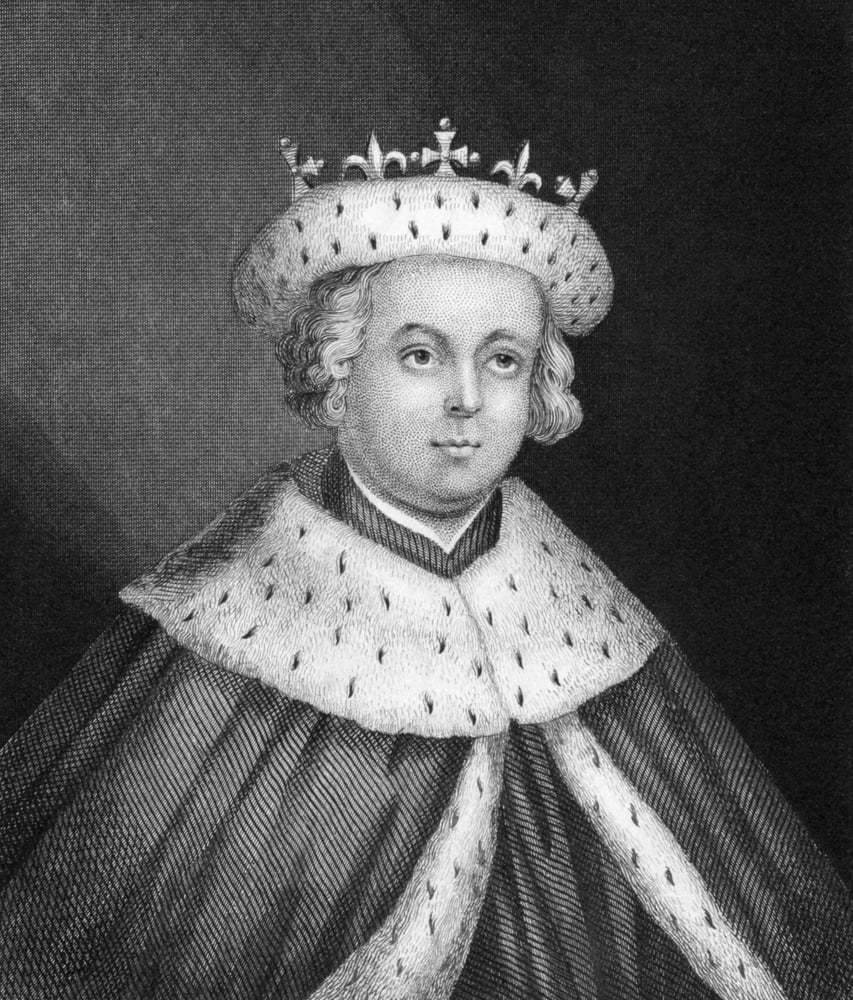
When twelve-year-old Edward V and his nine-year-old brother Richard of York were lodged in the Tower of London in 1483 by their uncle, the Duke of Gloucester, they disappeared from public record within months. Their uncle was crowned Richard III.
For centuries, Tudor propaganda — reinforced by Shakespeare’s portrayal of a scheming hunchback — cast Richard as the murderer. Modern analysis of Richard’s exhumed skeleton confirmed he did have scoliosis, but whether he ordered his nephews’ deaths remains genuinely unresolved.
A University of Huddersfield study in 2021 found that two of Thomas More’s courtier colleagues were the sons of the chief alleged murderer More had named — suggesting More had inside knowledge, not Tudor imagination.
The Mayerling Incident, Austria (1889)
On January 30, 1889, Crown Prince Rudolf of Austria — heir to the Habsburg throne — was found dead in his hunting lodge at Mayerling alongside his teenage mistress, Baroness Maria Vetsera. Emperor Franz Joseph I’s court moved immediately to control the story: the official gazette reported that Rudolf had died of a heart aneurysm.
Vetsera’s uncles were brought in to prop her body upright as they carried it out of the lodge, making the removal look like a departure for Venice. The cover-up unravelled quickly as foreign correspondents descended on Mayerling, but the full picture — Vetsera’s private letters confirming the death pact — didn’t emerge until 2015, when they were discovered in a safe deposit box.
The Affair of the Diamond Necklace, France (1785)
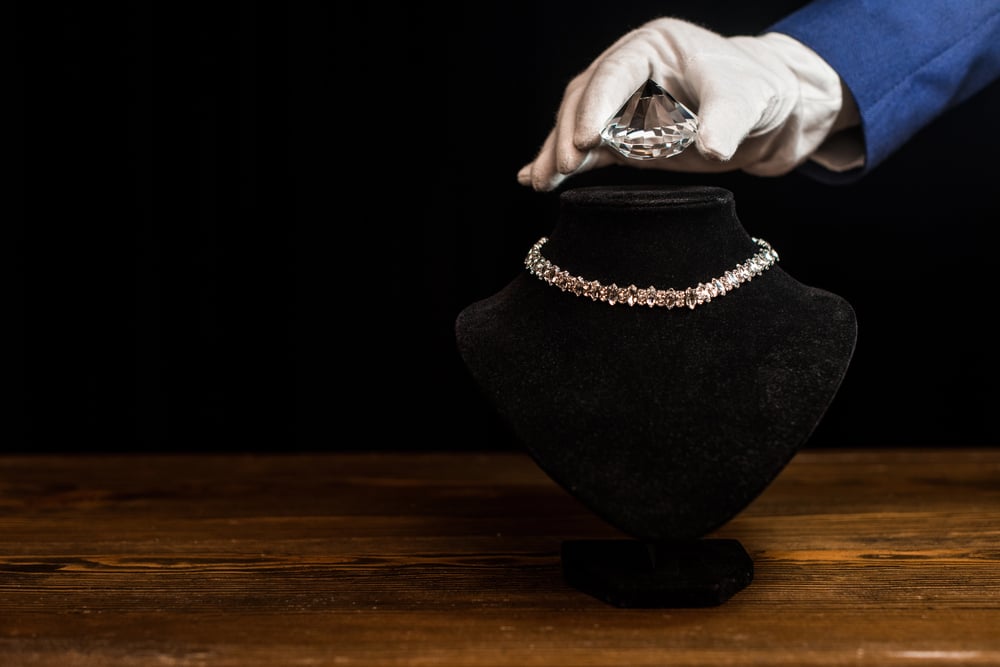
A con artist named Jeanne de la Motte convinced Cardinal de Rohan that Queen Marie Antoinette wanted his help acquiring a spectacularly expensive diamond necklace — 647 stones, worth roughly 1.6 million livres — through an intermediary. The scheme involved a woman impersonating Marie Antoinette in a garden at midnight and forged letters bearing the Queen’s signature.
When the jewellers eventually went to the palace expecting payment, the Queen had no idea what they were talking about. The court case that followed dragged Marie Antoinette’s name through accusations of fraud and moral corruption she had nothing to do with, contributing to her reputation as the “Madame Deficit” who had bankrupted France.
The Succession of Henry VIII’s Children, England (1500s)

For much of the Tudor period, the legitimacy of three different monarchs was contested and quietly managed. Henry VIII had his marriage to Catherine of Aragon annulled and declared Mary illegitimate; then had his marriage to Anne Boleyn annulled and declared Elizabeth illegitimate; then had his marriage to Jane Seymour produce Edward VI, the only unambiguously legitimate heir in the official narrative.
The full extent of the legal and theological contortions required to sustain each position was understood at court but not discussed in public — those who questioned it too openly, including Thomas More and Bishop Fisher, were executed.
Edward II and Piers Gaveston, England (1300s)
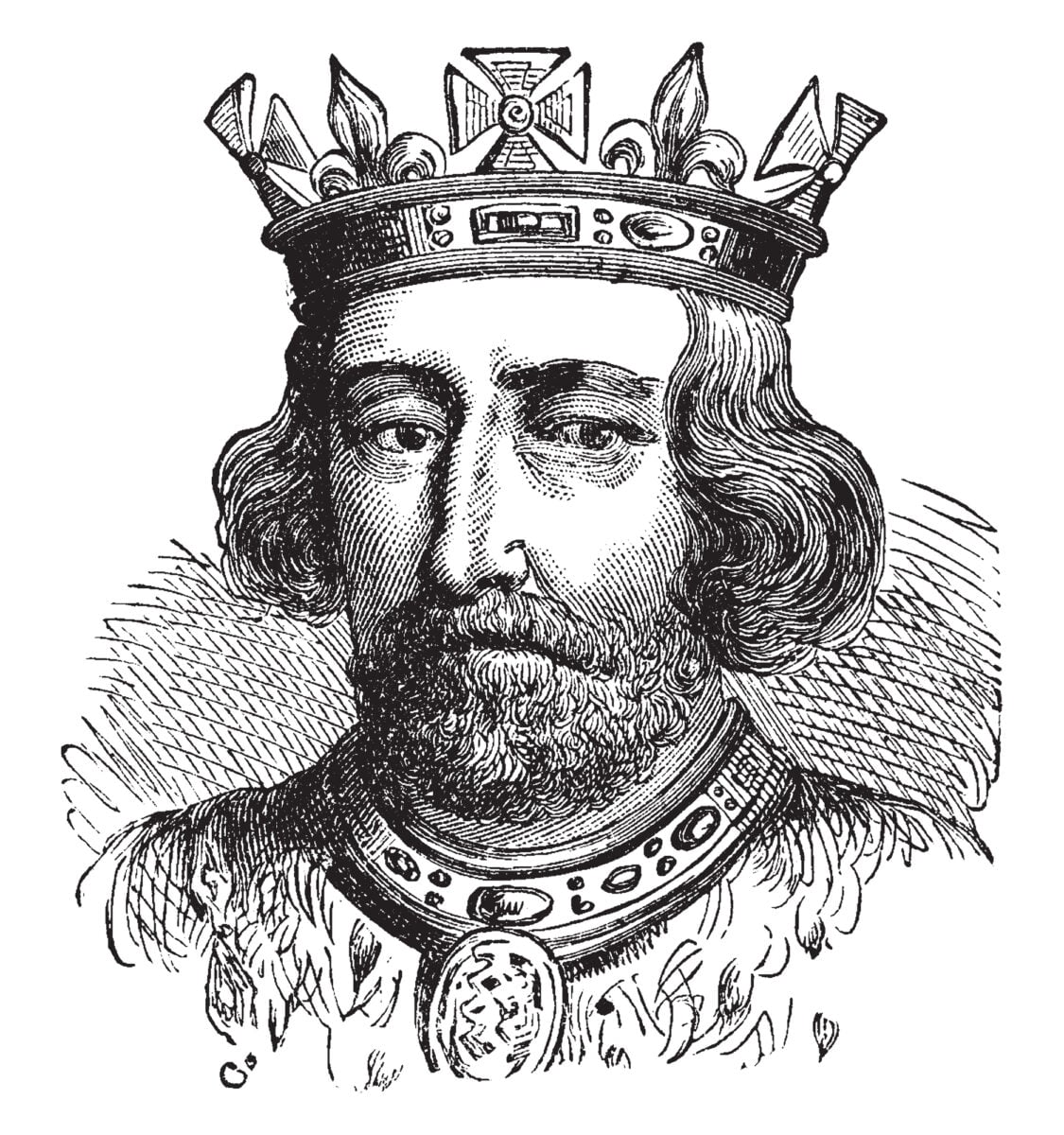
Edward II’s close relationship with Piers Gaveston, a Gascon knight, caused such alarm among the English barons — who regarded Gaveston as an upstart foreigner monopolising the King’s favour and the kingdom’s wealth — that they had Gaveston seized and executed in 1312. Whether the relationship was romantic in nature was not something that could be debated openly during Edward’s reign or for centuries afterward.
The official record focused on Gaveston’s political influence. Modern historians generally accept the relationship was almost certainly intimate, but the full picture was suppressed for five centuries by a combination of legal prohibition and historical omission.
The Tour de Nesle Affair, France (1314)
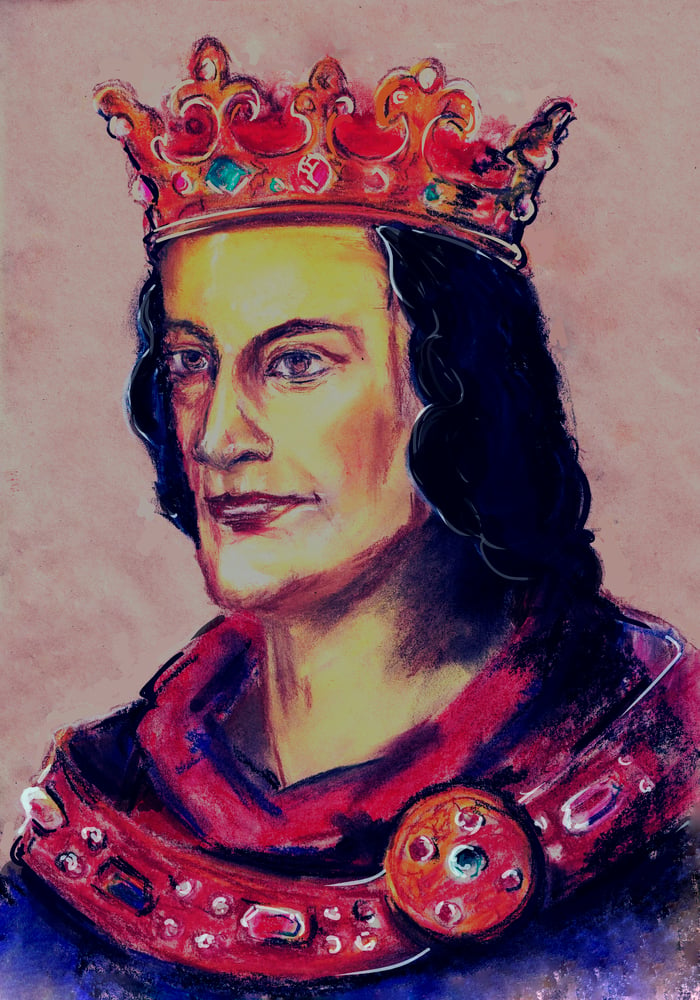
Three daughters-in-law of King Philip IV of France — Margaret, Blanche, and Joan of Burgundy — were accused of conducting secret affairs with two knights, Philip and Gautier d’Aunay, at the Tour de Nesle tower in Paris. Philip IV had the two knights arrested, subjected to extreme torture, and publicly executed. Margaret and Blanche were imprisoned; Joan was eventually released.
The affair threw the French succession into crisis and is considered one of the triggers of the long succession conflict that eventually became the Hundred Years’ War. The full details of the investigation were suppressed to protect the throne’s dignity.
The Truth About Richard III’s Physical Appearance, England (1483–2012)
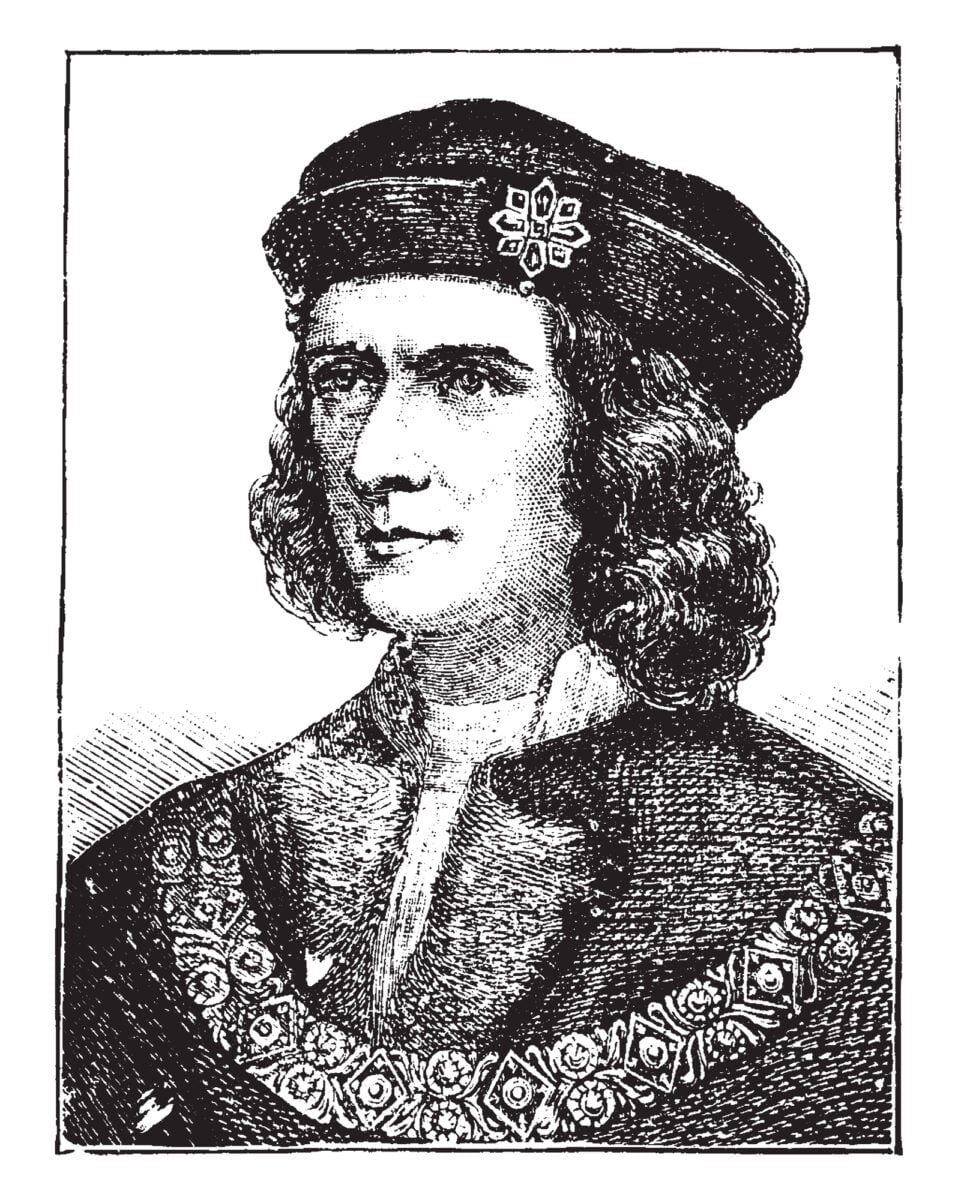
When Richard III’s skeleton was discovered beneath a Leicester car park in 2012, it confirmed the scoliosis that Tudor chroniclers — and Shakespeare — had described. What the skeleton also showed was that the famous portrayal of Richard as a hunched, withered figure had been substantially exaggerated for political purposes.
Tudor propaganda needed Richard to look like a villain to justify the Lancastrian claim to the throne. The scoliosis was real, but Richard’s actual military capability — he fought at Bosworth until the very end, at close quarters, with multiple wounds — suggests the physical disability had been weaponised rhetorically long before anyone could check.
The Illegitimacy Claim Against Edward IV, England (1483)
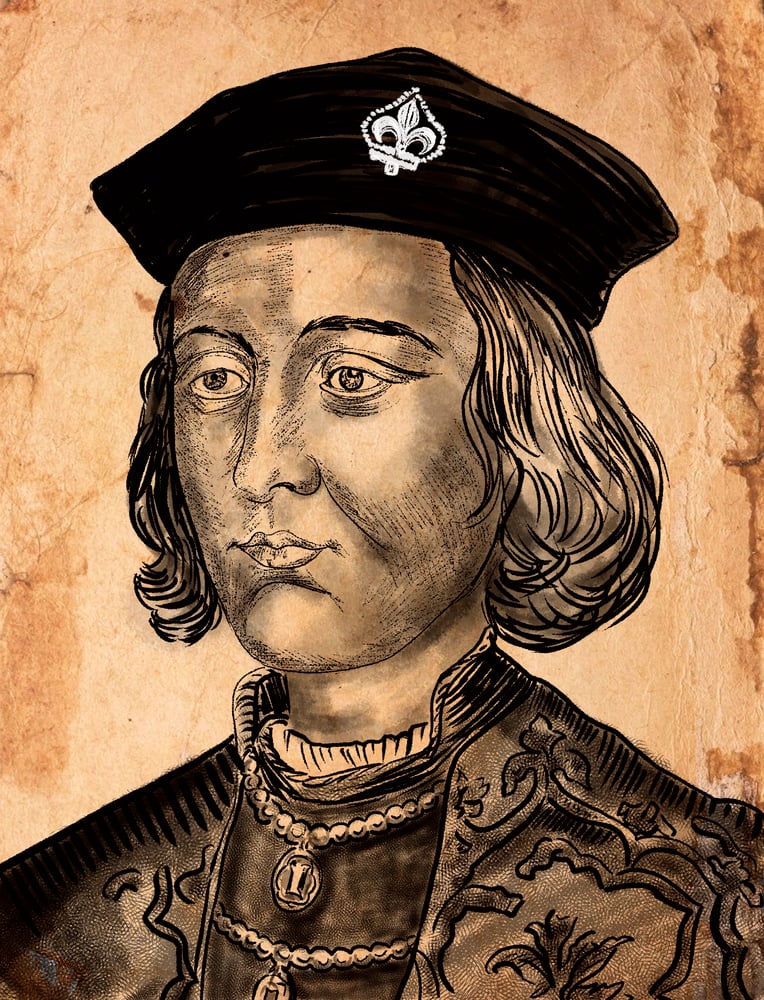
When Richard III was crowned, Parliament passed an act declaring his brother Edward IV’s children illegitimate on the grounds that Edward IV’s marriage to Elizabeth Woodville had been invalid — allegedly because Edward had been secretly pre-contracted to another woman, Lady Eleanor Butler, before marrying Woodville. Whether the pre-contract was real or a fabrication to justify the usurpation has been debated for five centuries.
The act declaring it, known as Titulus Regius, was suppressed by Henry VII when he took the throne — he ordered all copies destroyed, apparently to protect both his claim and the Yorkist women he was politically managing.
The Private Letters of Maria Vetsera, Austria (1889–2015)
When Baroness Maria Vetsera died alongside Crown Prince Rudolf at Mayerling in 1889, her private letters were seized by the Habsburg court and disappeared from public record. For over a century, the official narrative described a confused tragedy without a clear emotional account from Vetsera herself.
In 2015, letters discovered in a safe deposit box confirmed that Vetsera had written explicitly before her death that she was choosing to die alongside Rudolf willingly and out of love. The Habsburg court had suppressed a document that would have clarified the event almost immediately, apparently finding ambiguity more manageable than a romantic death pact involving an underage girl.
The Affair of Caroline Matilda, Denmark (1770s)

Queen Caroline Matilda of Denmark — youngest sister of George III of Britain — conducted an affair with her husband’s physician, Johann Friedrich Struensee, who had effectively become the power behind the Danish throne, enacting liberal reforms on behalf of the mentally ill King Christian VII. When conservative nobles brought the affair to the King’s attention, Struensee was arrested, convicted, and executed in 1772.
Caroline Matilda was divorced and exiled to Celle, where she died at 23. The Danish court’s official version presented it as the exposure of a corrupt power grab; the reality — a reform movement led by a queen who had genuine political agency — was only properly acknowledged by historians in the 20th century.
The Anastasia Myth and the Romanov Cover-Up, Russia (1918–2009)

After the execution of the Romanov family in July 1918, Soviet authorities buried the bodies in secret and maintained for decades that the remains had been destroyed. The uncertainty created space for multiple impostors, most famously Anna Anderson, who spent decades claiming to be Grand Duchess Anastasia.
The Soviet government denied the family was buried in the Ekaterinburg forest until 1976, when a geologist named Alexander Avdonin privately located the burial site and kept quiet until 1991. DNA testing in 1994 confirmed the main burial. The remains of Alexei and one daughter — almost certainly Anastasia — were found in a separate grave in 2007 and confirmed by DNA in 2009.
The Morganatic Marriage of Emperor Franz Joseph I’s Brother, Austria (1889)
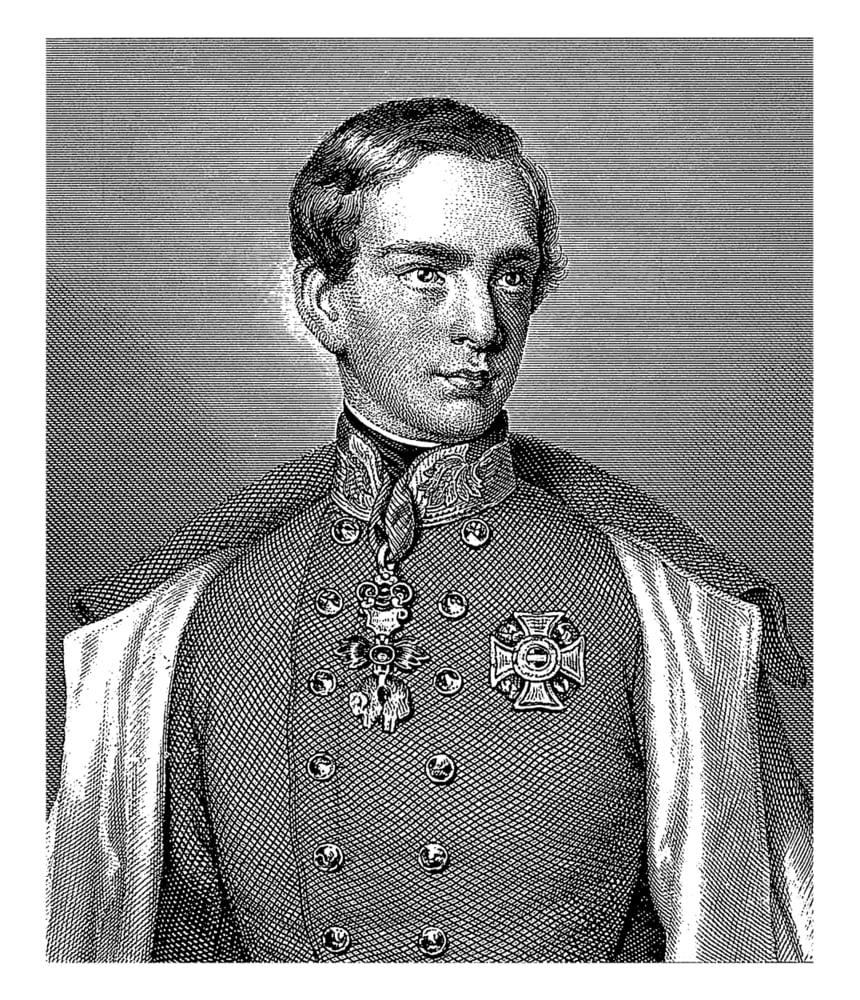
Archduke Johann Salvator of Austria renounced his royal title in 1889, took the name Johann Orth, and disappeared on a voyage to South America in 1890. The official version was that he had died at sea.
The real context was that Johann had long been in conflict with the Habsburg court over his desire to marry a commoner, and his renunciation was partly driven by the impossible constraints the family placed on his private life. Whether he actually died or deliberately vanished was never confirmed. The Austrian court treated his absence as a closed matter and actively discouraged inquiry.
The Secret Burial of James II, France (1701)
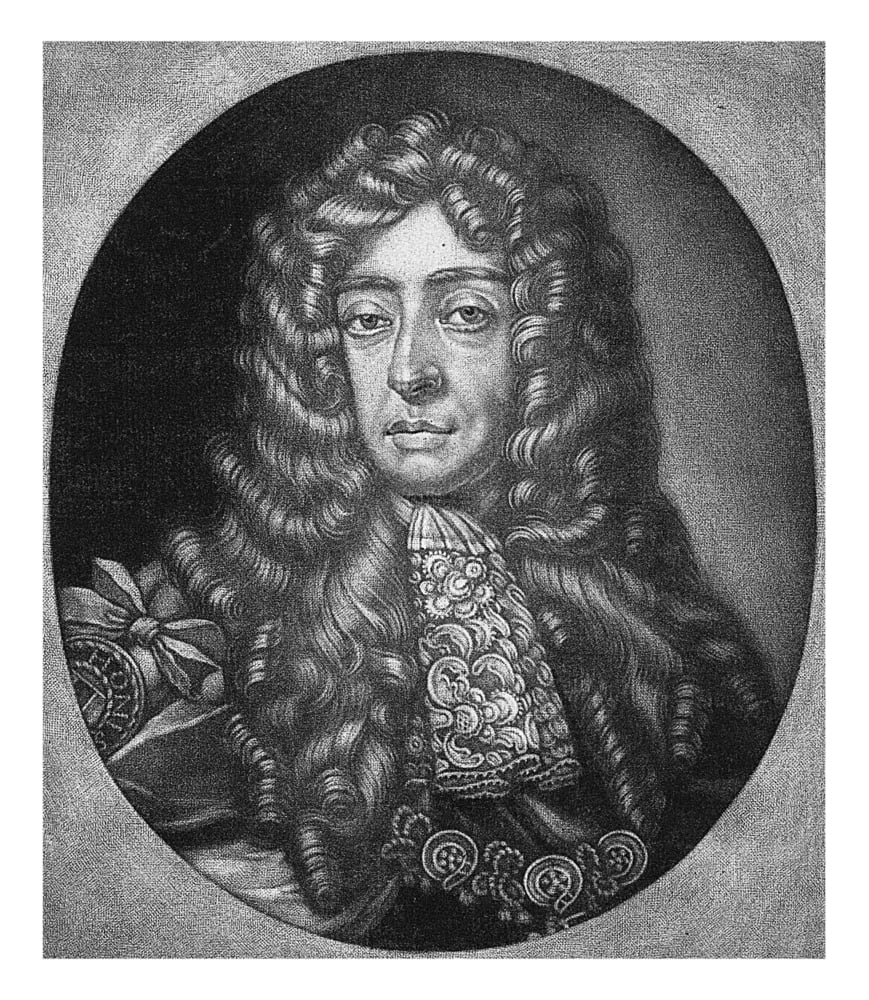
When James II of England died in exile in France in 1701, Louis XIV ordered a state funeral. James had specifically requested that his body eventually be returned to England for burial.
Instead, his remains were divided across four separate locations: his intestines went to the Scots College in Paris, his brain to the English Convent of the Dames Augustines, his heart to the Chaillot convent, and his body to the Church of the English Benedictines of Saint-Edmund. The body was subsequently destroyed during the French Revolution, and the English government maintained ignorance of the entire arrangement for more than a century.
The True Cause of George III’s Illness, Britain (1700s–1800s)
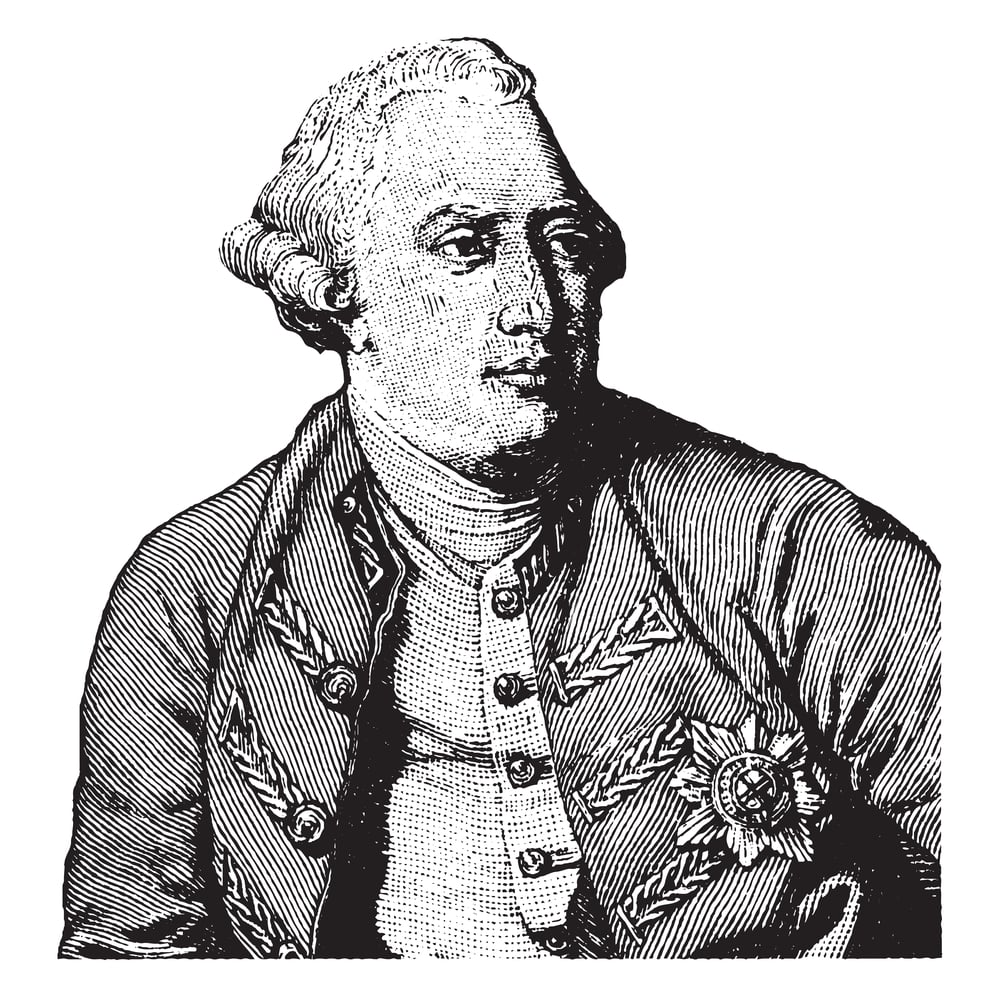
For the better part of his later reign, George III’s bouts of severe mental disturbance — including incoherent speech, hallucinations, and physical agitation — were described to Parliament and the public using language designed to minimise their significance or attribute them to physical illness. The 20th-century theory that George suffered from porphyria — a metabolic disorder that can cause psychosis-like symptoms — has since been contested, with some researchers arguing for bipolar disorder instead, but what’s certain is that the extent of his disability was actively concealed from the public throughout his reign.
The Death of Amy Robsart, England (1560)

Amy Robsart was the wife of Robert Dudley, the man widely believed to be Queen Elizabeth I’s great favourite and possibly secret lover. In September 1560, she was found dead at the bottom of a staircase in her home, her neck broken.
An inquest returned a verdict of accidental death, but the timing — Dudley was at court with the Queen, Amy had dismissed her servants for the day — generated rumours that have never been resolved. Elizabeth’s relationship with Dudley continued, but she never married him. The question has never been answered.
The Secret Marriage of George IV, Britain (1785)
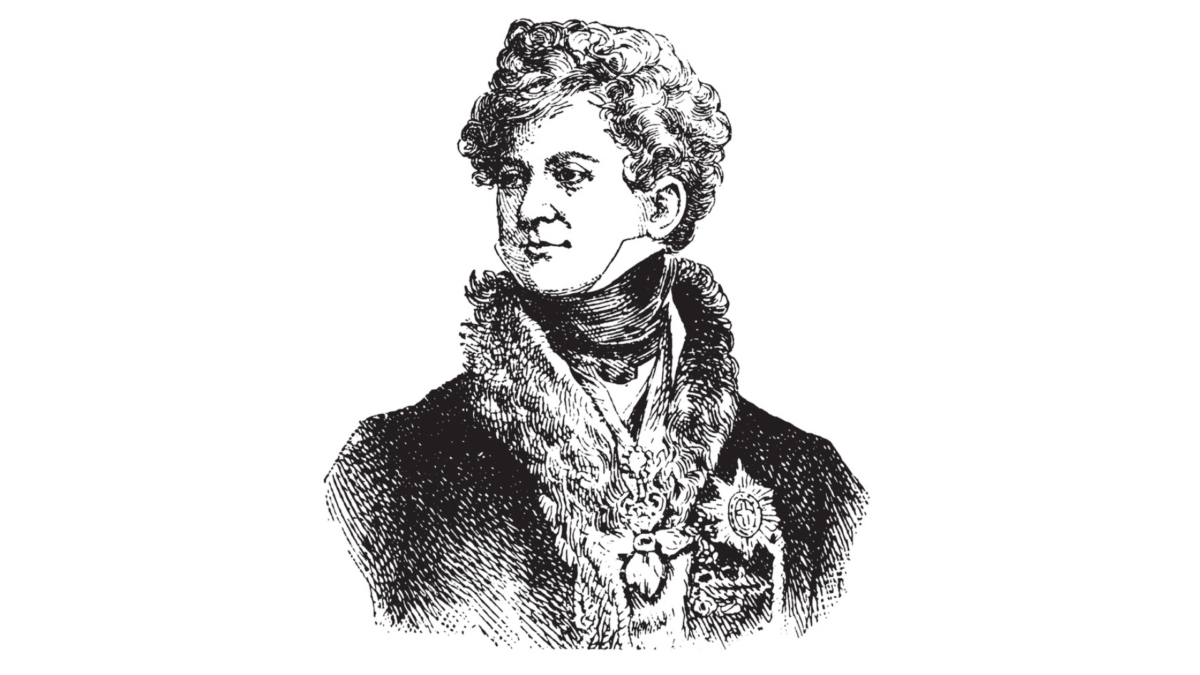
In 1785, the Prince of Wales — the future George IV — secretly married Maria Fitzherbert, a twice-widowed Catholic commoner. The marriage was illegal under the Royal Marriages Act of 1772 and the Act of Settlement.
The marriage was kept entirely secret for years while politicians and courtiers covered for the Prince. When George eventually married Princess Caroline of Brunswick in 1795, he was already technically married.
The secret marriage to Fitzherbert was only publicly acknowledged decades later, long after both George’s official marriage had collapsed into open warfare and public humiliation.
The Possible Secret Marriage of Catherine the Great, Russia (1700s)
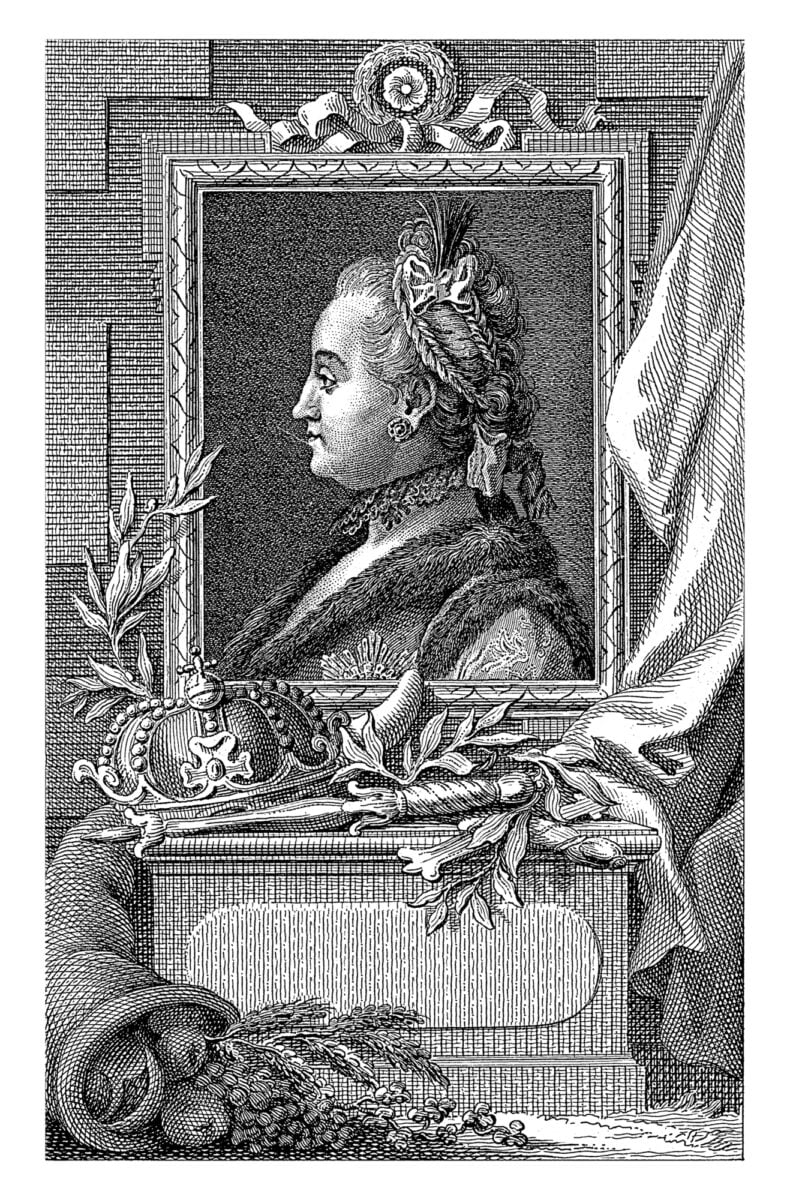
It has been widely known for centuries that Catherine the Great took numerous lovers. What was suppressed — or at least carefully managed — was the evidence suggesting that Catherine and Grigory Potemkin had secretly married around 1774, after the death of Peter III.
The marriage, if it occurred, was never officially acknowledged; doing so would have raised impossible questions about Catherine’s authority and the political arrangements of the empire. Several historians now believe the secret marriage was real, based on private letters and contemporary accounts, but Catherine’s court maintained complete silence on the matter.
The Legitimacy of William the Conqueror, Normandy (1027–1066)
William of Normandy was born to Robert I and a tanner’s daughter named Herleva — they were not married, and William was known as “William the Bastard” throughout much of his early career. When he invaded England and took the throne in 1066, the question of his illegitimacy became politically inconvenient, and the Norman and later English courts worked steadily to sanitise his origins in official records.
The fact of his birth outside of marriage was real and well known at the time; what changed over centuries was the emphasis placed on it, which went from central to the historical narrative to a footnote.
The Tower of London’s Undocumented Prisoners, England (Various)

The Tower of London held a remarkable number of prisoners whose existence was quietly managed to minimise political complications. Some — like Anne Boleyn and Catherine Howard — were given public trials and executions because their removal served a political purpose. Others were held without trial, without formal charge, and in some cases without acknowledgement.
The practice of committing people to the Tower without documentation was well understood within the court but almost never admitted publicly. Centuries of subsequent archival work have pieced together detention records that were deliberately incomplete.
The Scandal of the Kotze Letters, Germany (1891–1897)
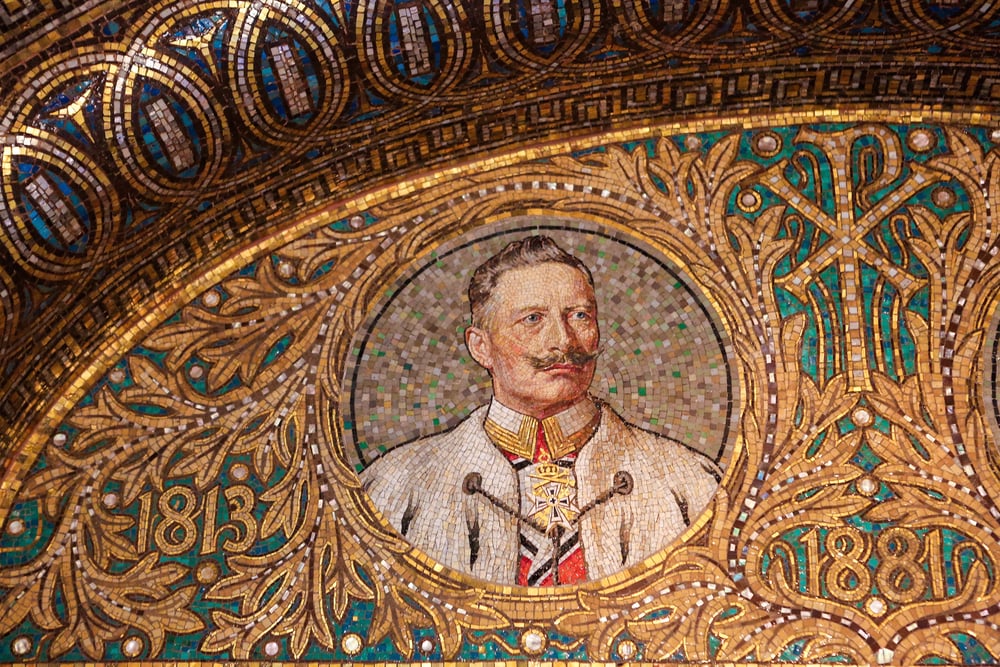
Beginning in 1891, members of Kaiser Wilhelm II’s court received anonymous letters exposing private scandals among the aristocracy — infidelities, debauched gatherings, material collected at social events hosted by Princess Charlotte of Prussia, the Kaiser’s own sister. Duels were fought; at least one man died.
A court official named Hugo von Kotze was arrested and tried but acquitted. The letters continued.
Suspicion settled on Princess Charlotte herself — either as author or as the source whose stolen diary had been weaponised. The identity of the true author was never confirmed in court.
The True Condition of Spain’s Carlos II, Spain (1665–1700)
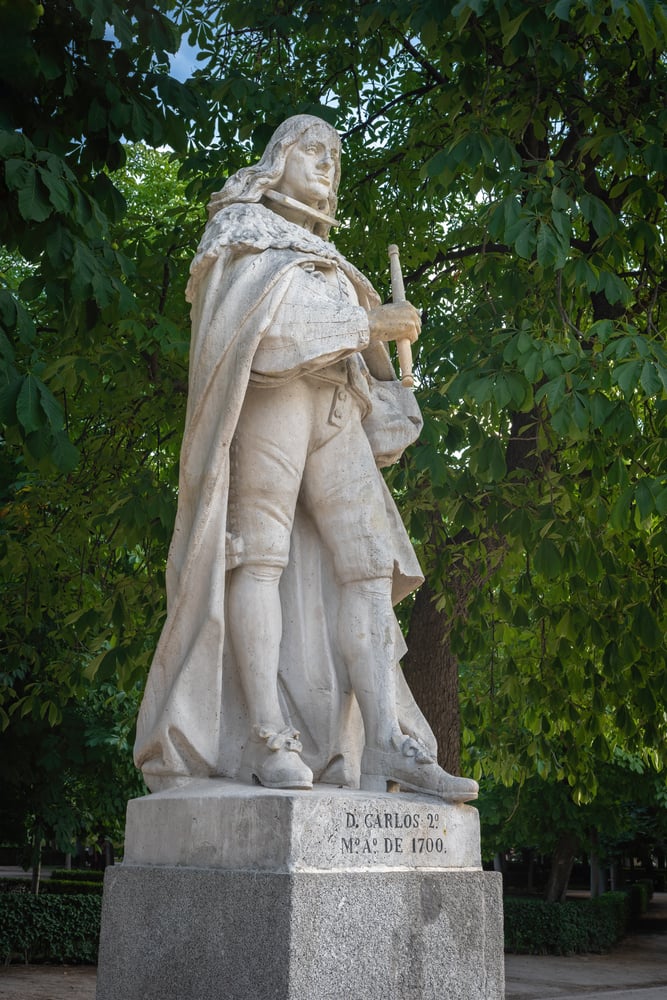
Carlos II of Spain — last of the Spanish Habsburgs — suffered from such severe physical and mental disabilities, the result of generations of inbreeding, that he was unable to rule effectively for most of his reign. He could not speak clearly, struggled to eat, and may not have been capable of fathering children.
The Spanish court maintained for decades that the king was managing his duties, manipulating access to him and controlling what ambassadors reported back to foreign courts. The full picture of his incapacity only emerged properly through historians examining the extraordinary range of medical and diplomatic records after his death.
The Disputed Parentage of Louis XIV, France (1638)
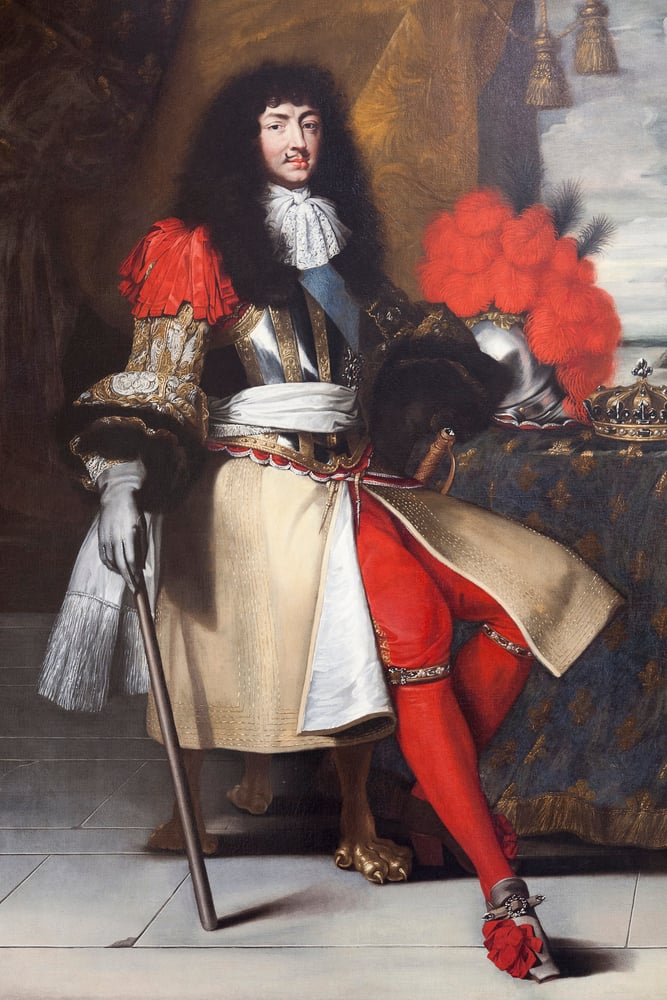
Louis XIII and Anne of Austria had been effectively estranged for years when Louis XIV was born in 1638 after an unexpected reunion one night during a storm. The circumstances were so unusual that rumours of disputed paternity circulated through European courts for generations, with candidates including Cardinal Mazarin.
Louis XIV’s court never acknowledged the question existed. The official silence was total and effective; the question has never been answered to anyone’s satisfaction.
Charles II’s Deathbed Catholic Conversion, England (1685)
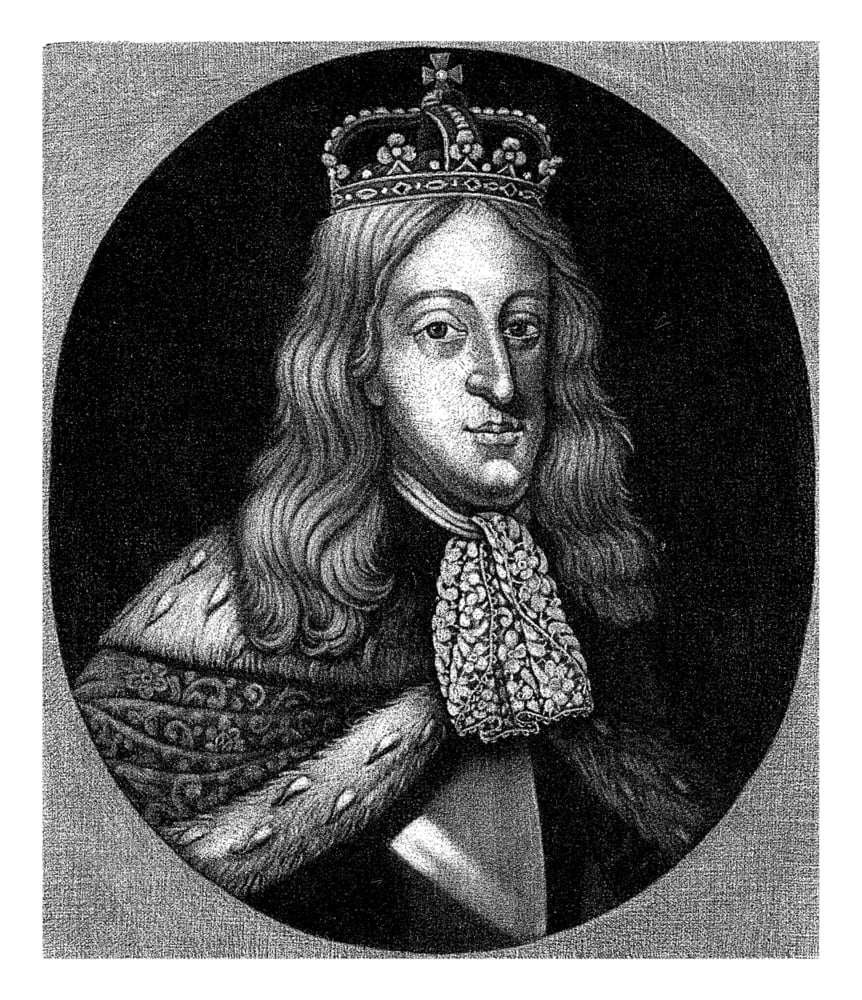
Charles II of England spent his reign carefully concealing or managing his religious sympathies; the Test Acts required public officials and the monarch to deny Catholic doctrine. When Charles died in 1685, it emerged that he had secretly converted to Catholicism on his deathbed, receiving last rites from a Benedictine priest.
This had been arranged in complete secrecy, with only a handful of people present. The conversion was confirmed by multiple witnesses but suppressed for as long as politically necessary — it would have complicated both his legacy and his brother James II’s succession.
The Managed Decline of Tsar Alexander III, Russia (1894)
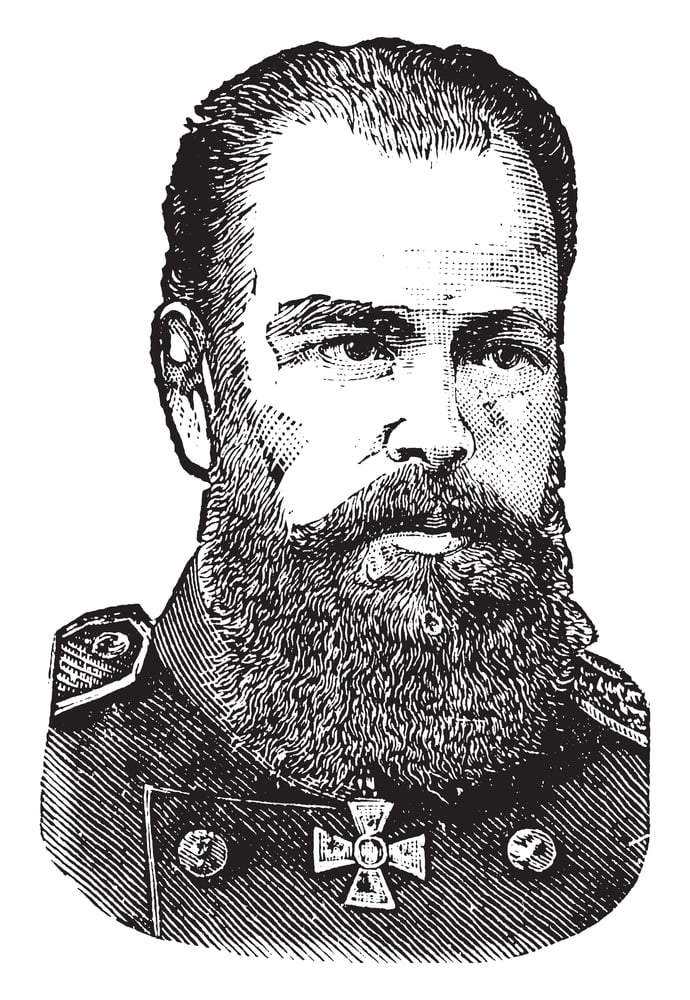
Alexander III of Russia died in October 1894 from kidney disease. In the months before his death, the Russian court managed a careful campaign of reassuring communications to foreign powers, suppressing the true severity of his condition to avoid diplomatic disruption and give Nicholas II time to prepare for the succession.
The abruptness of his death was described as sudden; in reality, members of the inner court had known for months. Nicholas II’s own memoirs and letters suggest he was almost as poorly informed as foreign governments about the pace of his father’s decline.
Queen Victoria’s Withdrawal After Prince Albert’s Death, Britain (1861–)
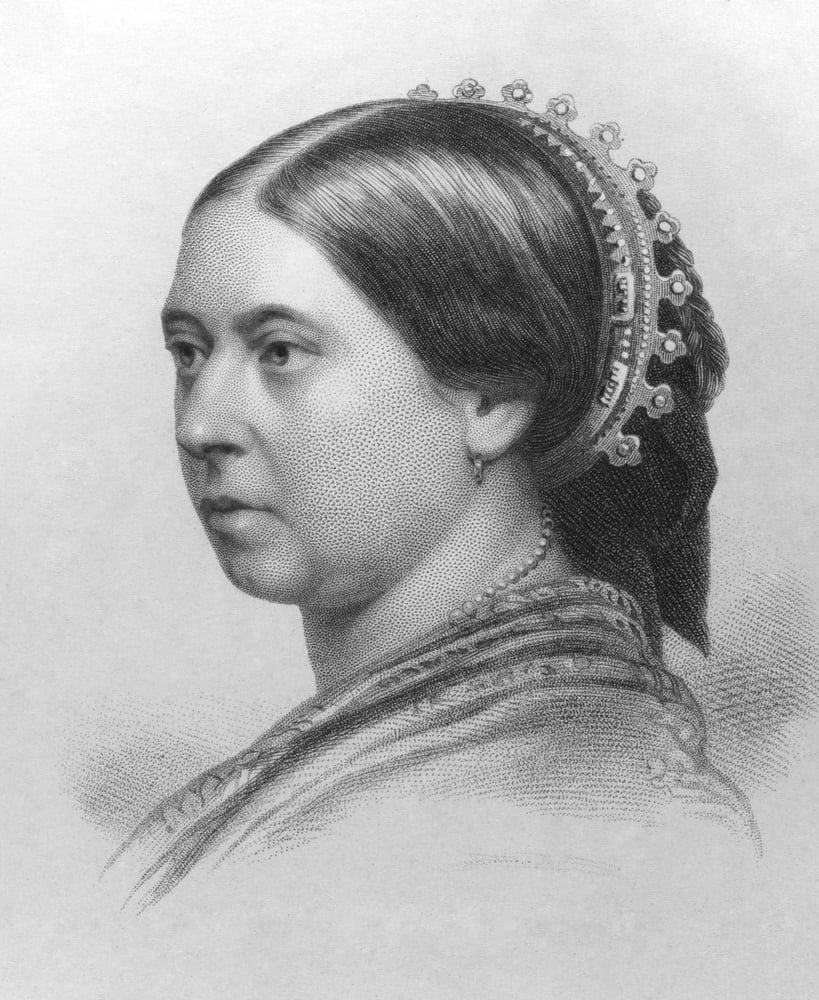
Queen Victoria went into prolonged mourning after Prince Albert’s death in December 1861, retreating from public duties and remaining largely invisible for years. The official messaging from court presented this as dignified grief appropriate to a devoted wife.
The actual extent of Victoria’s withdrawal — her refusal to attend Parliament, her near-complete delegation of public functions, and the scale of her emotional collapse — was substantially understated in public communications. Her journals and private letters, selectively published and edited by her daughter Beatrice, only began to reveal the full picture after further archival access was granted in the 20th century.
The Fate of Louis XVII, France (Various Claims)
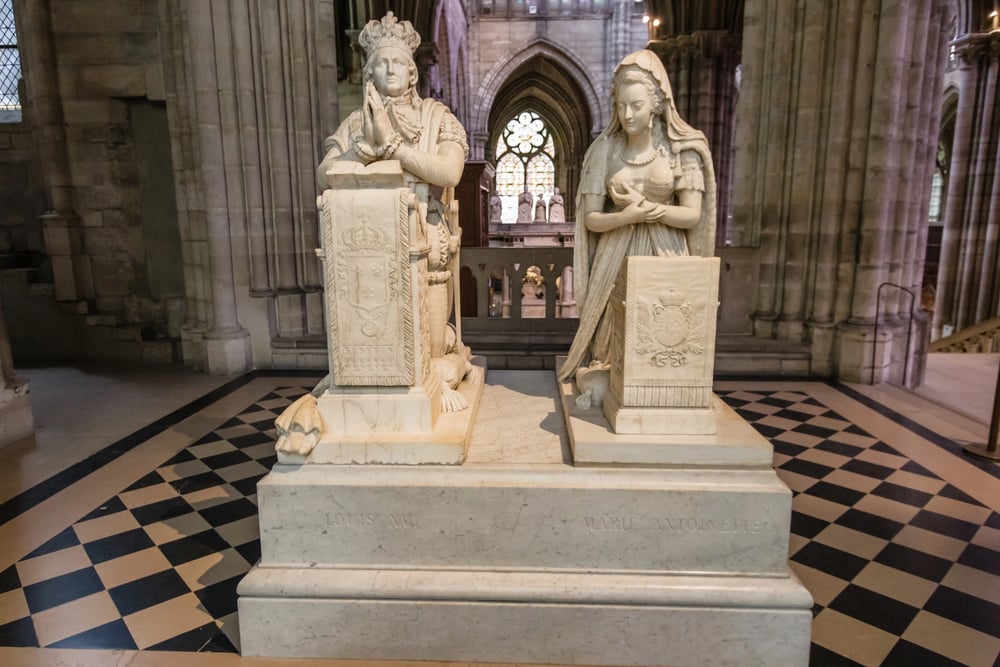
After Louis XVII — the young son of Louis XVI and Marie Antoinette — died in the Temple prison in 1795 at the age of ten, multiple men came forward across the following decades claiming to be the boy. The claims were plausible partly because the authorities had been so determined to suppress any detailed account of what had happened inside the prison.
DNA testing in 2000 confirmed that the heart preserved from the boy who died in the Temple matched the mitochondrial DNA of living maternal-line descendants of Marie Antoinette, settling the question of whether the child who died was indeed Louis XVII.
The Humiliation of the Spanish Marriage Mission, England (1623)
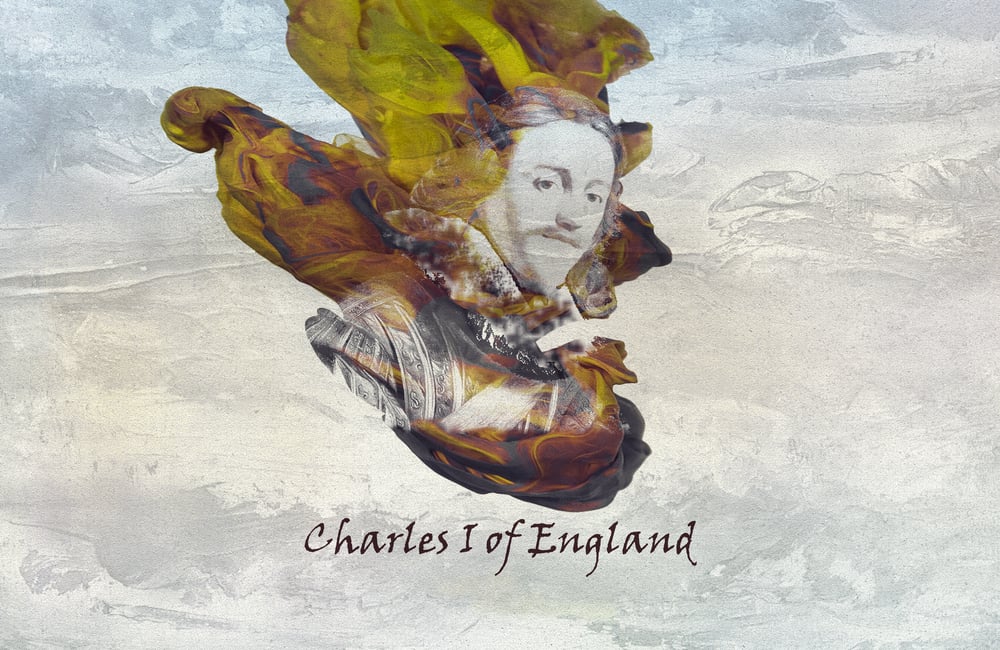
In 1623, Charles, Prince of Wales — later Charles I — and the Duke of Buckingham made a reckless secret journey to Madrid in disguise to negotiate Charles’s marriage to the Spanish Infanta Maria. The trip was a diplomatic disaster.
The English court’s official presentation of events carefully avoided the humiliation of the escapade, presenting the abandonment of the marriage project as a principled decision rather than a failure. The private accounts of participants, which showed the depth of the Spanish contempt for the English negotiators, were not made available publicly for generations.
James I and the Duke of Buckingham, England (1600s)
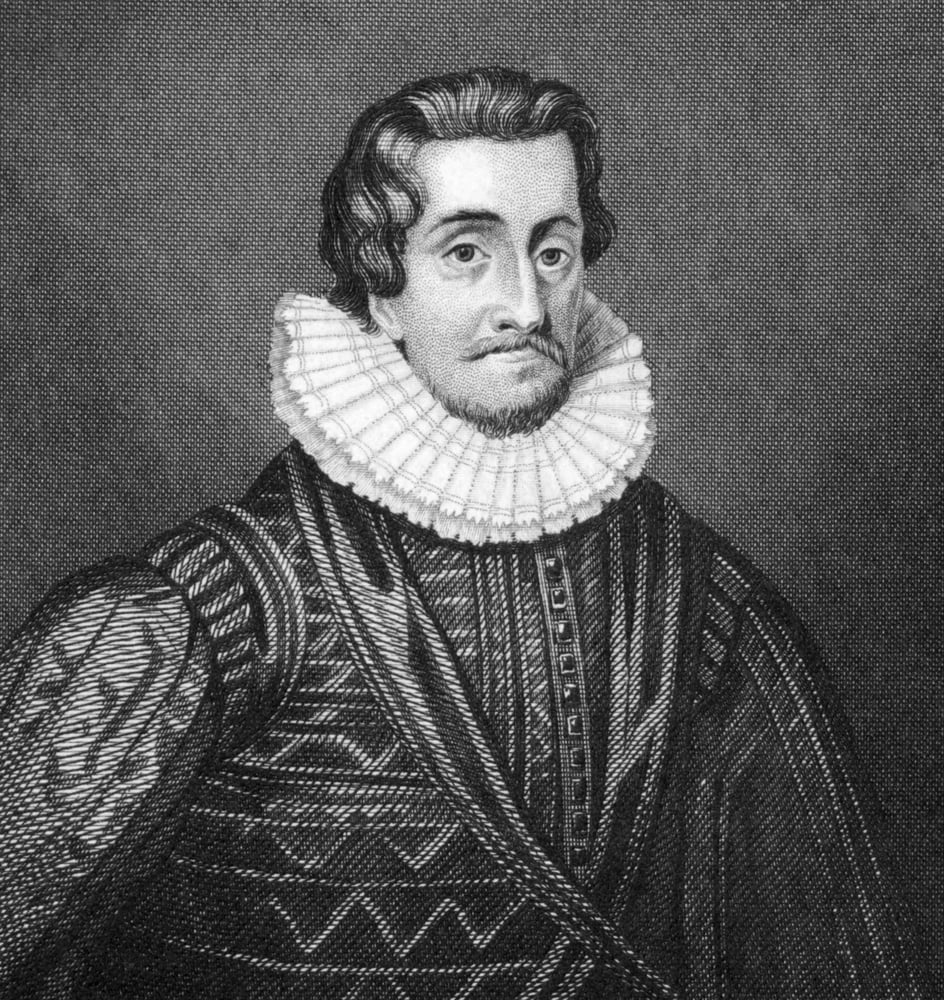
James I of England had a series of intense favourites whose relationships with the King attracted comment in their own time. The relationship with George Villiers, Duke of Buckingham, was described in James’s own letters with a warmth that contemporaries noticed but that official histories managed and minimised for centuries.
James wrote to Buckingham that he loved him more than any other man. Serious historical engagement with what the relationship actually was only begun in the latter half of the 20th century.
Edward VIII’s Nazi Connections, Britain (1936–1940)

When Edward VIII abdicated in 1936, the official explanation centred entirely on his insistence on marrying Wallis Simpson. What was managed out of the public narrative at the time — and remained officially suppressed for decades — was the extent of Edward’s known sympathy for the Nazi regime. He and Wallis visited Germany after their marriage and met with senior Nazi officials including Hitler himself.
Documents in the Windsor Files, seized by Allied forces at the end of the Second World War and suppressed at British royal request, contained evidence that Edward had been in contact with Germany after the outbreak of war. Some of those files remained classified for decades.
The Concealment of Henry VIII’s Dying Condition, England (1547)
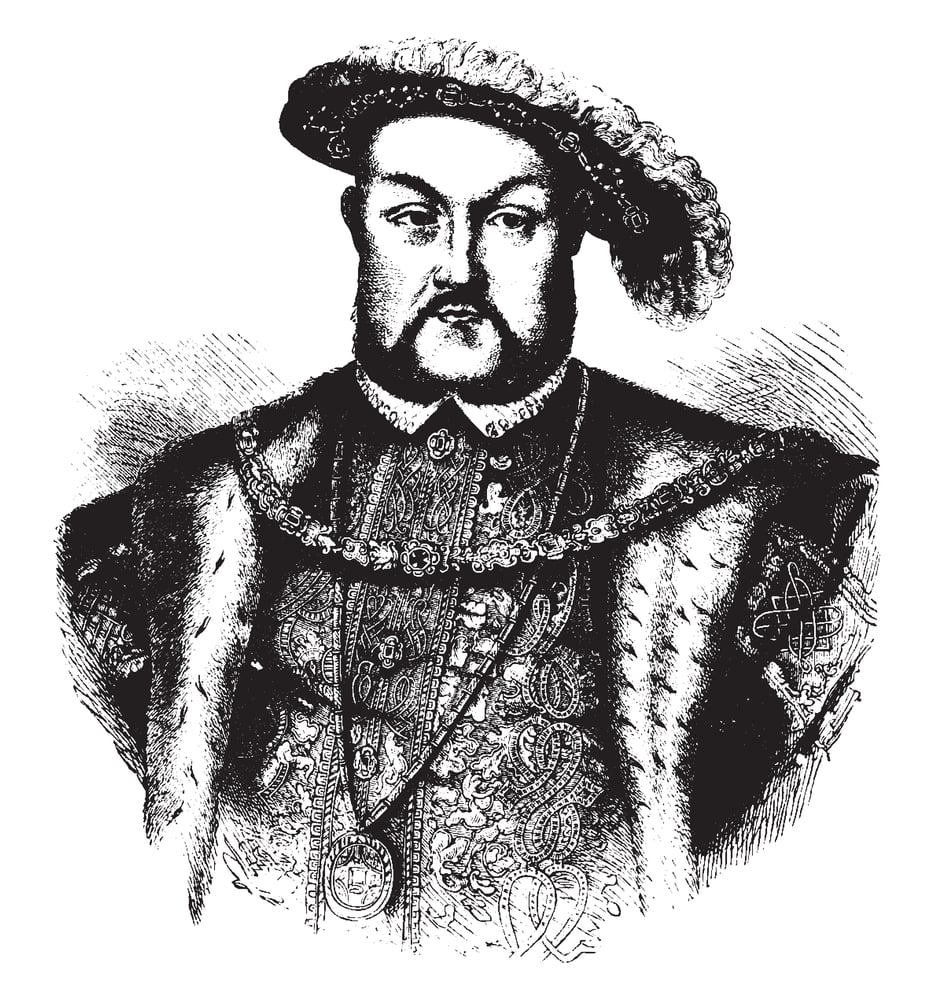
Henry VIII’s health deteriorated dramatically in his last years: he was obese, suffered from a leg wound that refused to heal, and was in significant pain. The court maintained a careful distance between what was known internally and what was communicated externally, including to Parliament.
His death was kept secret for two days after it occurred — long enough to manage the transition to Edward VI’s regency without triggering instability. The full scale of Henry’s physical decline in his final year was managed out of the official record at the time.
Frederick the Great and Hans Hermann von Katte, Prussia (1700s)
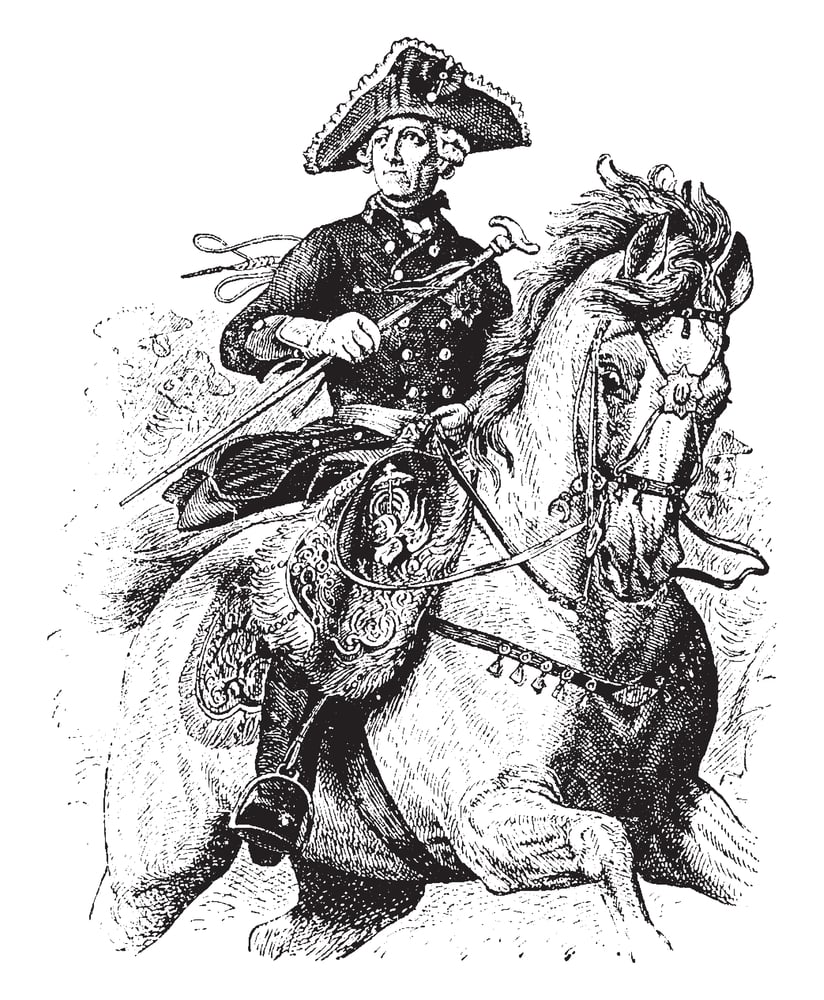
Frederick the Great of Prussia had a famously brutal relationship with his father, Frederick William I. In 1730, Frederick attempted to flee Prussia with his closest companion, Lieutenant Hans Hermann von Katte.
They were caught; von Katte was executed in front of Frederick as punishment. The nature of Frederick’s relationship with von Katte was never officially acknowledged in either Prussian or later German historical accounts for centuries. Most serious historians now consider the relationship to have been romantic.
The official silence was complete and extended well into the 20th century.
Spain’s State-Sponsored Assassination of William of Orange, Netherlands (1584)
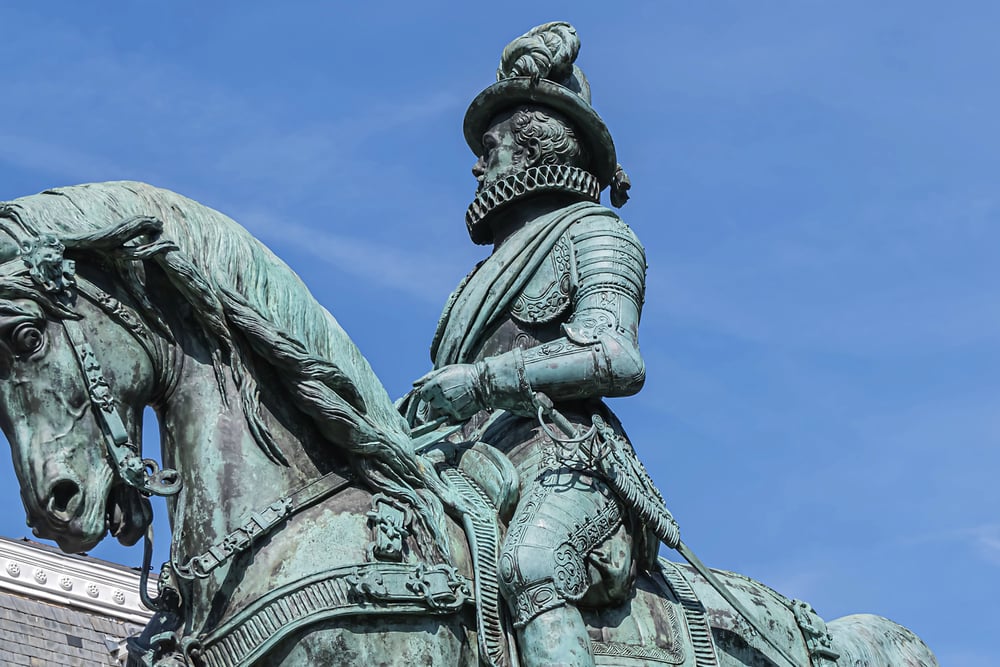
William of Orange was assassinated in 1584 by Balthasar Gérard, who had been in contact with Spanish authorities and acted on a bounty Philip II of Spain had placed on William’s head. The Spanish court’s direct financial and logistical role in what amounted to a state-sponsored assassination was acknowledged at the time in some quarters but suppressed in Spanish official communications, which framed Gérard as a spontaneous Catholic patriot rather than an agent recruited and funded for the purpose.
The full extent of Spanish court planning was only fully detailed by historians working from archival sources much later.
The Pattern Beneath the Pattern

What connects these scandals across five centuries and a dozen countries is not the scandals themselves — it’s the machinery. Courts employed physicians, chroniclers, censors, and executioners specifically to manage what could be known and by whom.
Inconvenient deaths became heart attacks. Secret marriages became rumours. Incapacitated monarchs became temporarily indisposed.
The gap between the official version and the private reality was not an accidental byproduct of royal life — it was a managed, institutionalised feature of it. What’s striking is how consistently the truth found a way through.
Private letters were saved instead of burned. Deathbed witnesses talked. Geologists found burial sites and kept quiet until they could speak safely.
The official record is always only the record of what the people with power wanted said. The rest leaks out — in diaries, in archives, in DNA.
More from Go2Tutors!

- The Romanov Crown Jewels and Their Tragic Fate
- 13 Historical Mysteries That Science Still Can’t Solve
- Famous Hoaxes That Fooled the World for Years
- 15 Child Stars with Tragic Adult Lives
- 16 Famous Jewelry Pieces in History
Like Go2Tutors’s content? Follow us on MSN.